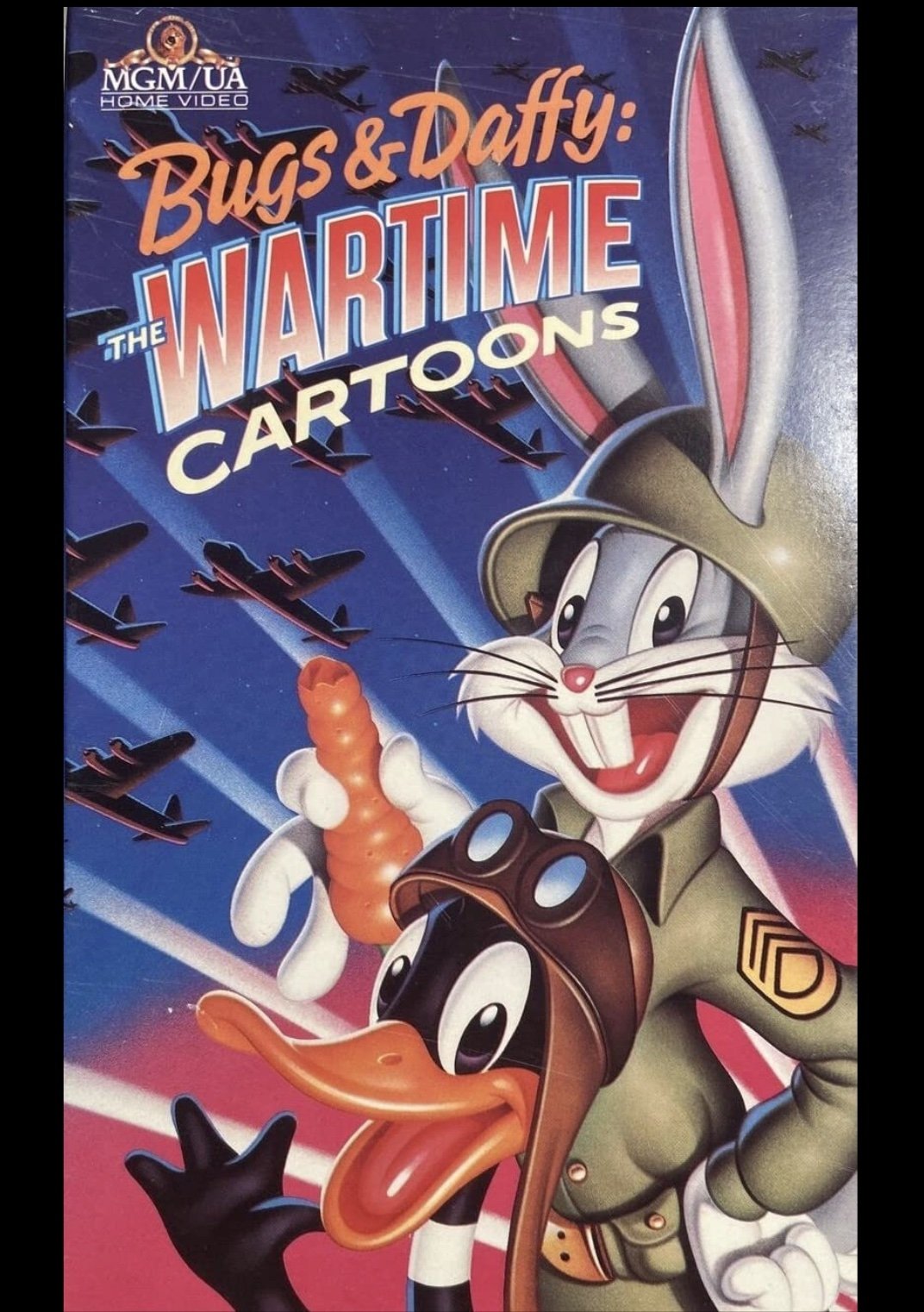
Leonard Maltin introduces us to and takes us back to a theatre showing Wartime cartoon shorts and explains how Bugs and Daffy and the gang, through a collection/sampling of 11 cartoon shorts which served the war effort.

Social & External
The people behind it
Leonard Maltin
Himself
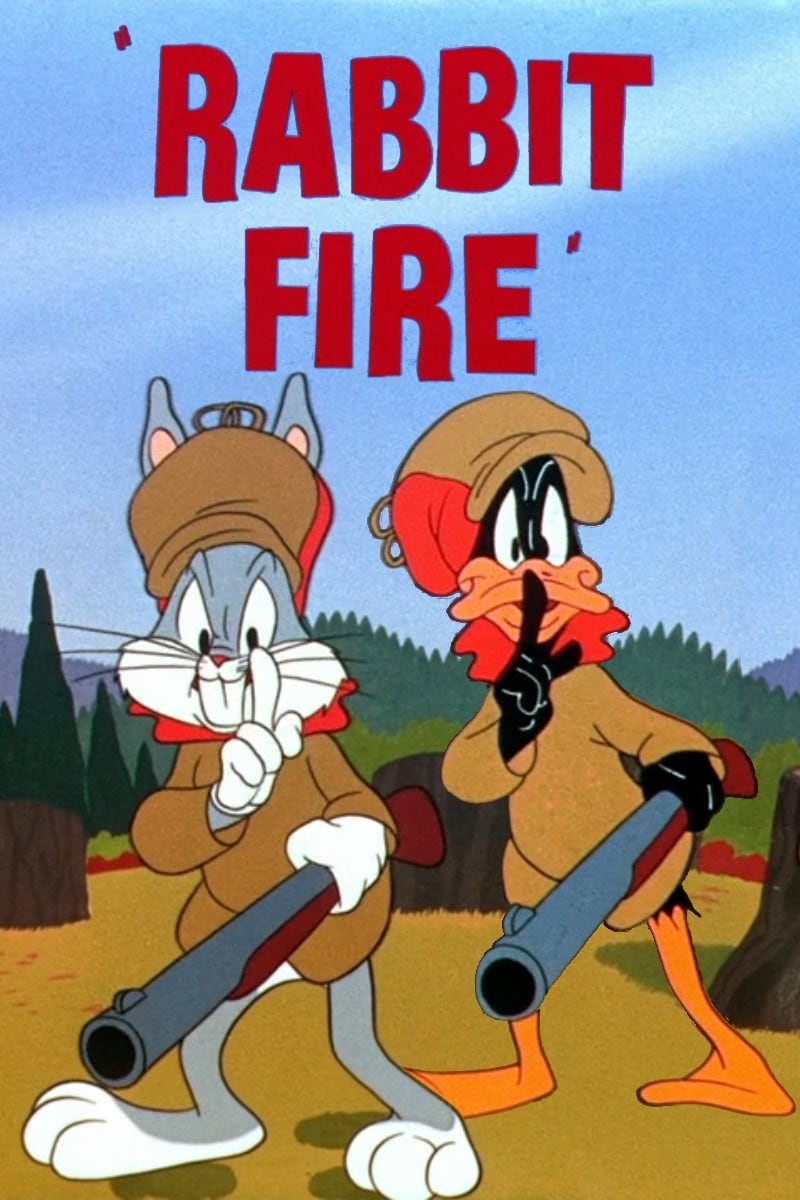
Elmer Fudd is hunting both Daffy Duck and Bugs Bunny again.
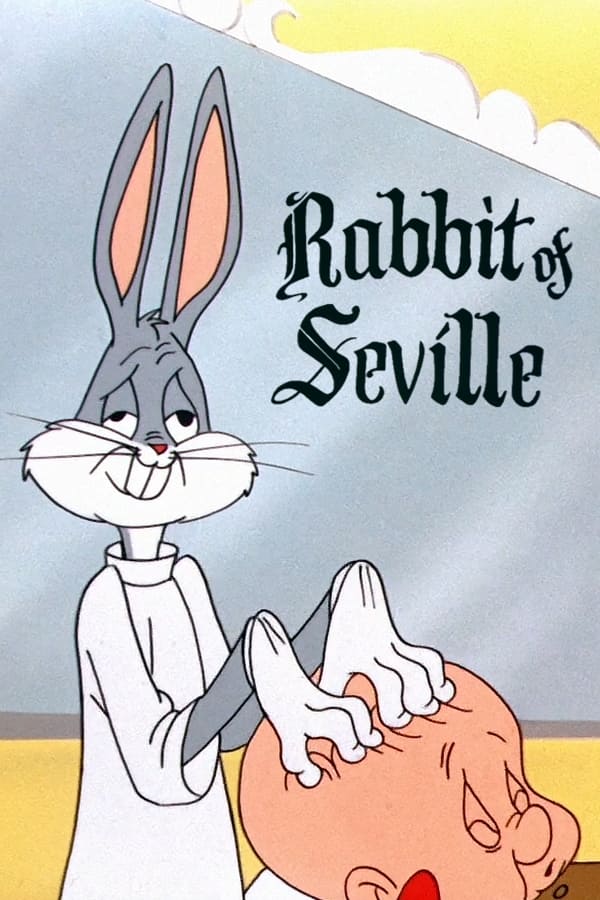
Behind the Hollywood Bowl stage which is playing the opera The Barber of Seville, Bugs Bunny flees into the backstage area with Elmer Fudd in close pursuit. Seeing his opportunity to fight on his terms, Bugs raises the curtain on Elmer, trapping him on stage. As the orchestra begins playing, Bugs comes into play as the barber who is going to make sure that Elmer is going to get a grooming he will never forget.
The short-tempered Daffy Duck must improvise madly as the backgrounds, his costumes, the soundtrack, even his physical form, shifts and changes at the whim of the animator.
Elmer Fudd is again hunting rabbits - only this time it's an opera. Wagner's Siegfried with Elmer as the titular hero and Bugs as Brunnhilde. They sing, they dance, they eat the scenery.
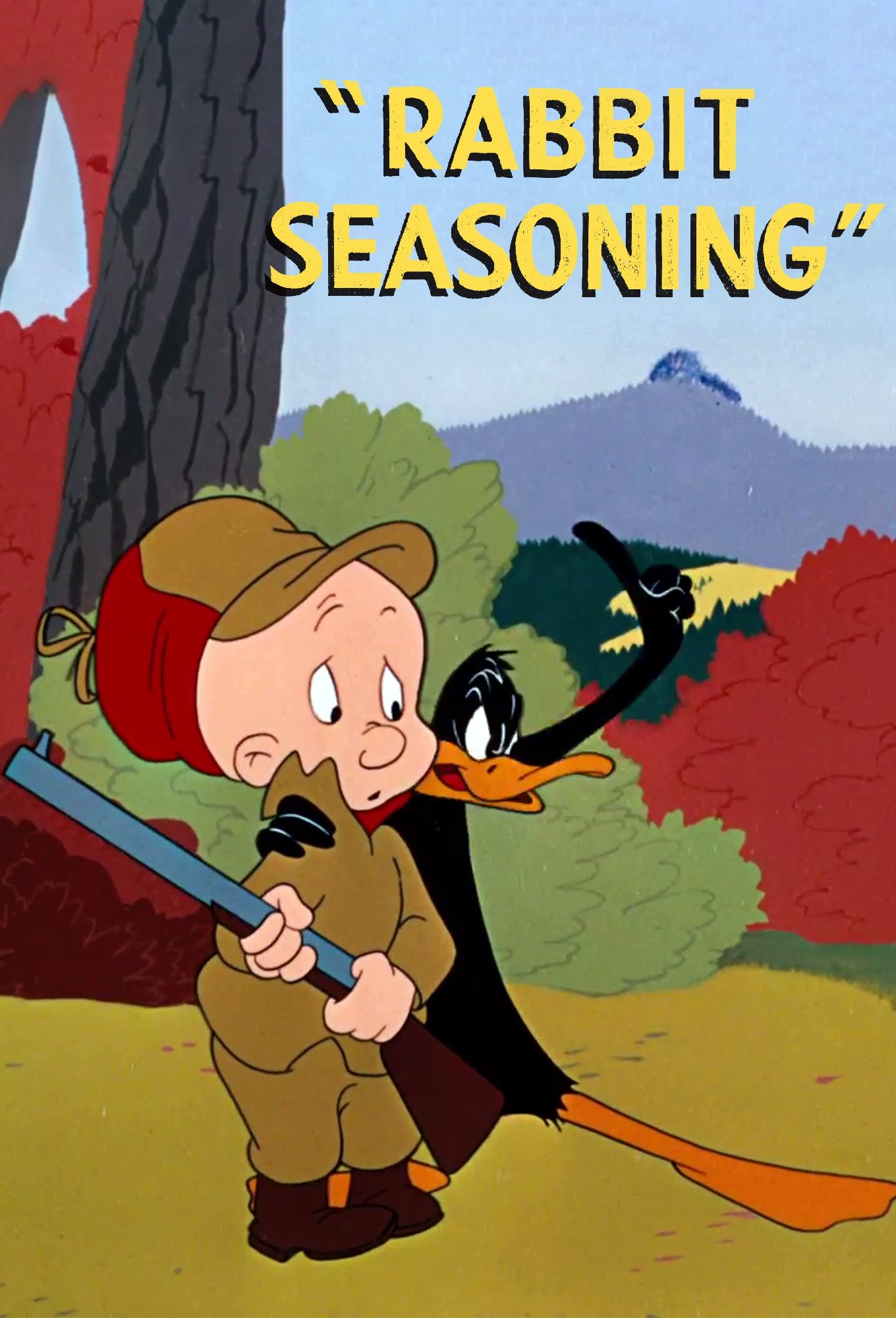
Daffy Duck and Bugs argue back and forth whether it is duck season or rabbit season. The object of their arguments is hunter Elmer Fudd.
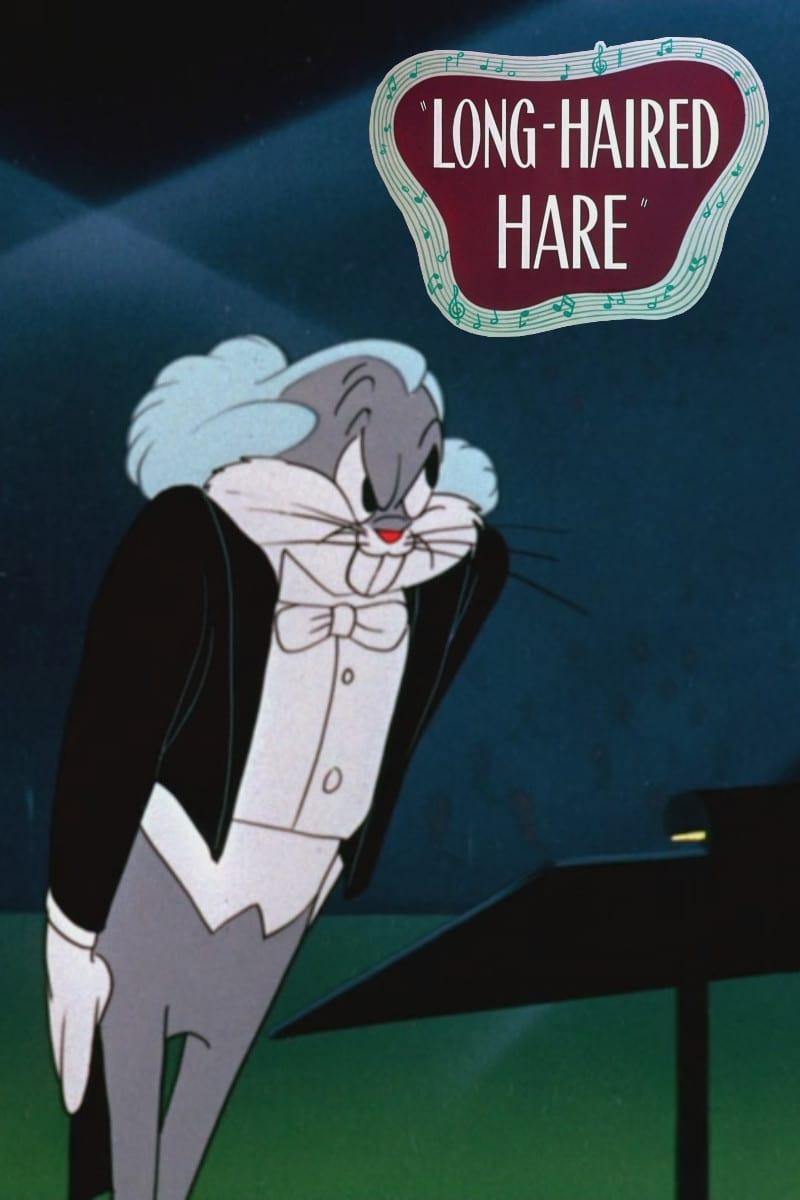
Bugs Bunny vs. a famous opera singer at the Hollywood Bowl.
While attempting to evade a group of hunters, Bugs Bunny jumps into a rabbit hole and inadvertently tunnels into Sing Song prison, where the malevolent prison guard, Sam Schultz, assumes he's an inmate.
Bugs Bunny, once again making that "wrong turn at Albuquerque", burrows into a bullring where a magnificent bull is making short work of a toreador. The bull bucks Bugs out of the arena, prompting the bunny to declare "Of course you realize, this means war!" The deft Bugs' arsenal comes plenty packed, as he uses anvils, well-placed face slaps and the bull's horns as a slingshot. The bull fights back, using his horns as a shotgun barrel. The bull's comeback is short-lived; just after Bugs makes out his will, he lures the bull out of the arena, just in time to set up a rube-like device that leads to the bull's defeat.
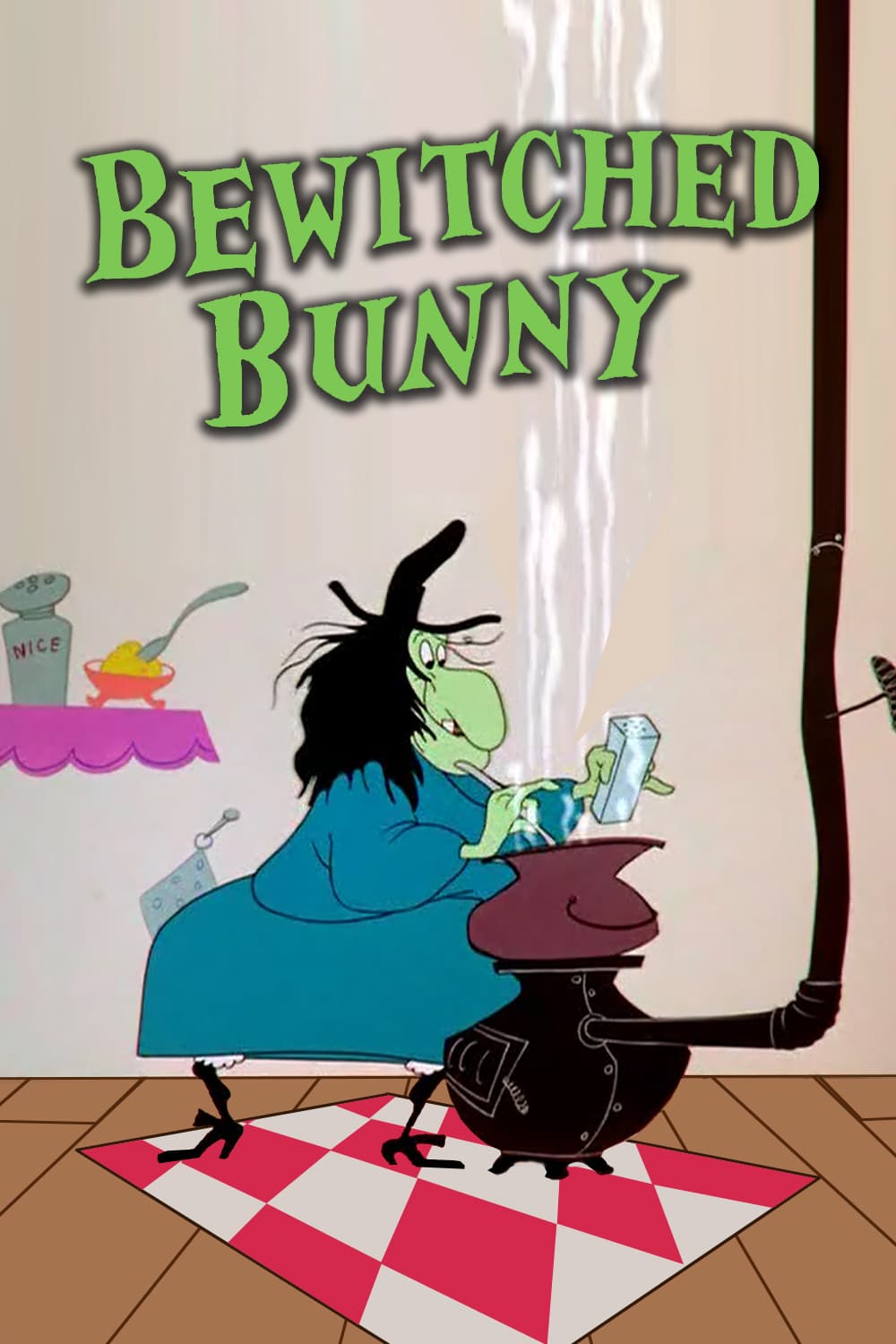
On Halloween night, Bugs Bunny, masquerading as a witch, trick-or-treats at the creepy old mansion of Witch Hazel, who prides herself on being the ugliest witch of all.
The Tasmanian Devil is on the loose. Bugs offers to help him find his dinner.
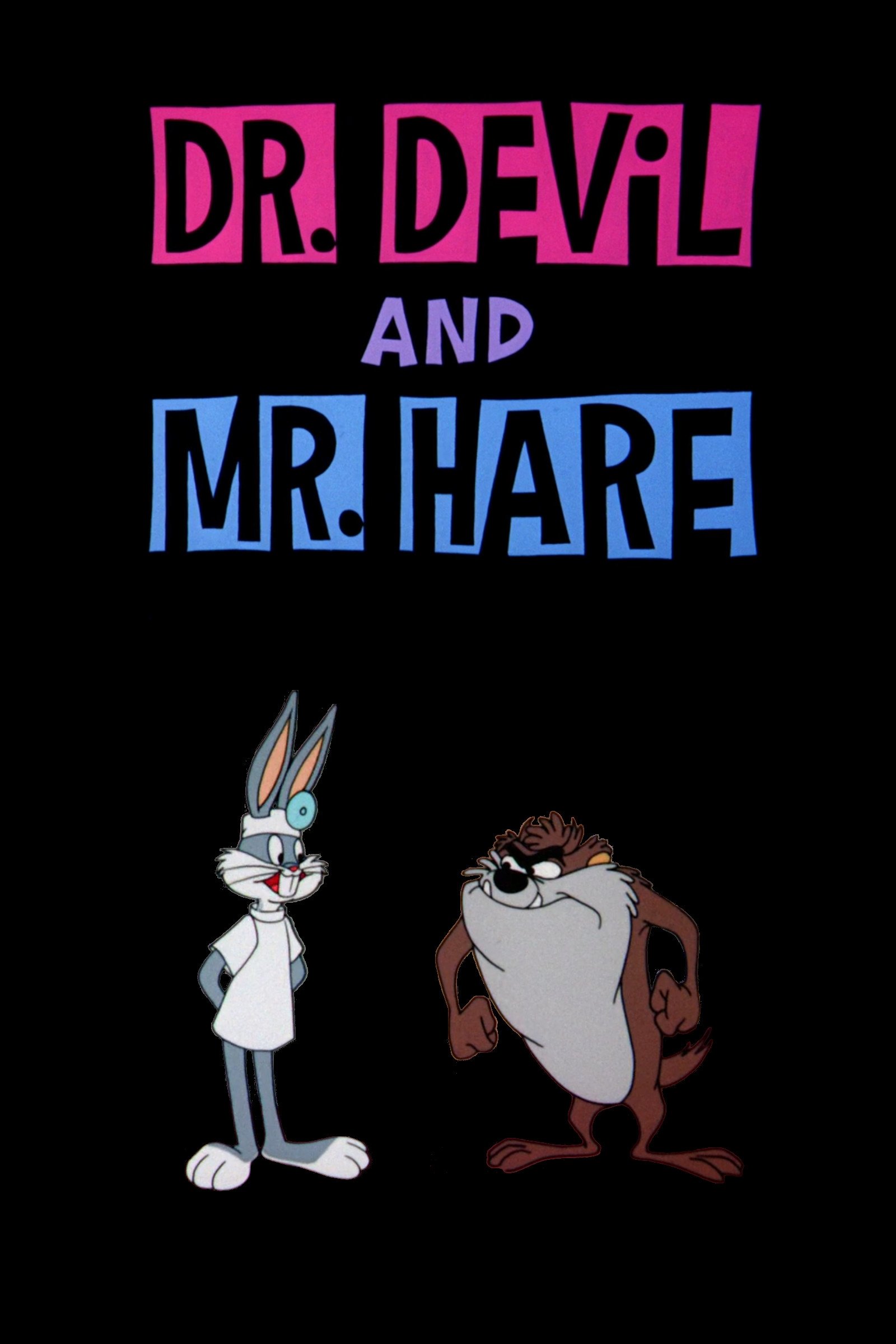
Bugs and the Tasmanian Devil battle it out in a jungle hospital, with Bugs convincing Taz that he's sicker than he thinks.
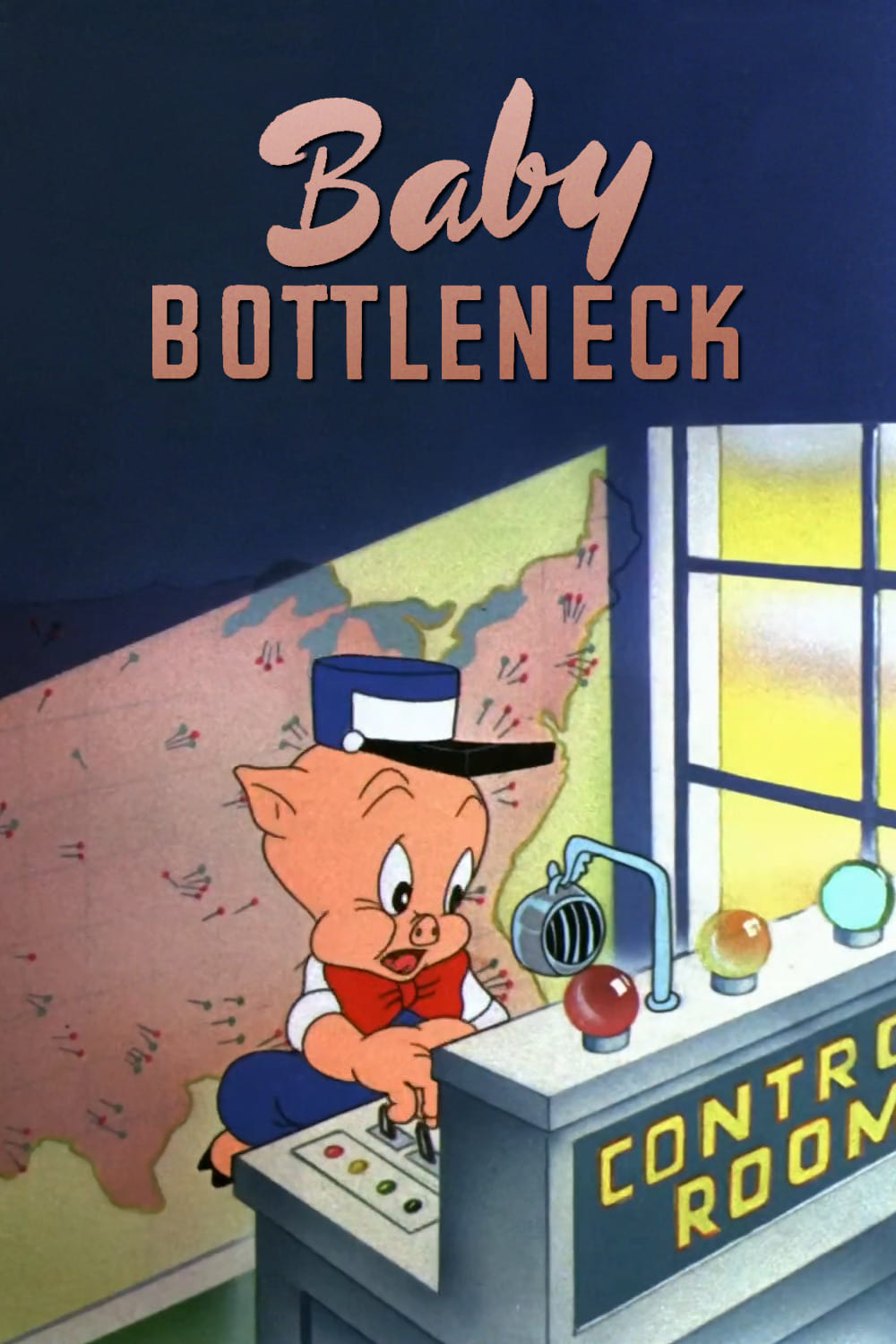
As the baby boom commences, and with the delivery service overworked, Porky Pig and Daffy Duck are placed in charge of a baby preparation factory, where they help the stork keep up.
Bugs must rescue Hansel and Gretel from Witch Hazel's clutches.
Bugs Bunny conducts an orchestra of all his greatest operatic hits.
"The Duxorcist", "Night of the Living Duck" and "Invasion of the Bunny Snatchers" are combined to form this TV special.
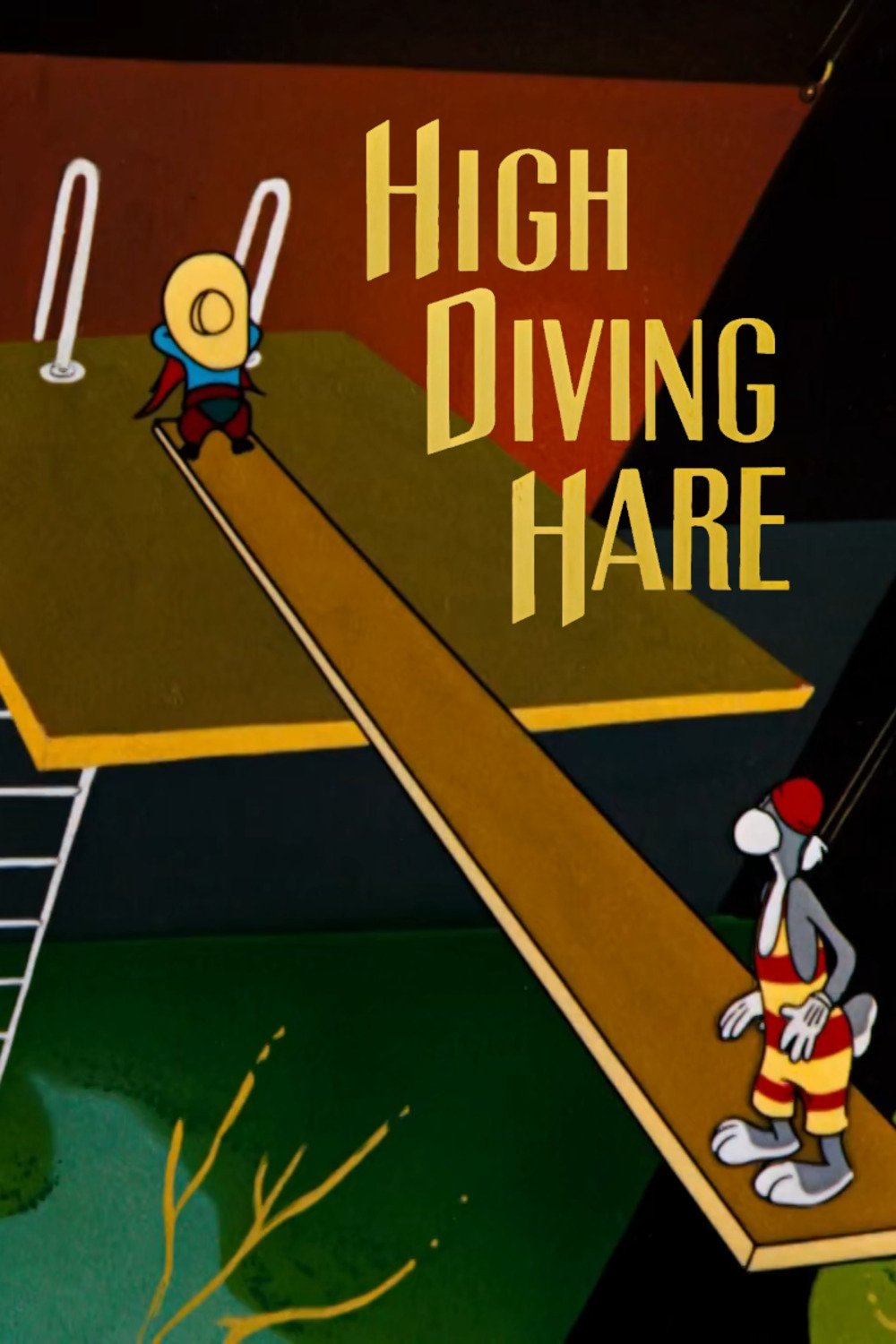
Yosemite Sam tries to force Bugs Bunny to do a high-diving act when the regular act cancels.
Space hero Daffy battles Marvin the Martian for control of Planet X.
Bugs and Daffy get lost on the way to Pismo Beach, and find a cave full of treasure in the Arabian Desert, guarded by Hassan.
A sneaker-wearing, hairy monster chases Bugs through a castle belonging to an evil scientist.
Prelude to War was the first film of Frank Capra's Why We Fight propaganda film series, commissioned by the Pentagon and George C. Marshall. It was made to convince American troops of the necessity of combating the Axis Powers during World War II. This film examines the differences between democratic and fascist states.
Lupita Nyong'o narrates a documentary about Peanuts and its creator, Charles M. Schulz. Famous fans—including Drew Barrymore, Kevin Smith, and Al Roker—share its influence on them, and a new animated story finds Charlie Brown on a quest.
Amid the failing counteroffensive, a journalist follows a Ukrainian platoon on their mission to traverse one mile of heavily fortified forest and liberate a strategic village from Russian occupation. But the farther they advance through their destroyed homeland, the more they realize that this war may never end.
“The Soviet Story” is a story of an Allied power, which helped the Nazis to fight Jews and which slaughtered its own people on an industrial scale. Assisted by the West, this power triumphed on May 9th, 1945. Its crimes were made taboo, and the complete story of Europe’s most murderous regime has never been told. Until now...
A documentary about World War I with never-before-seen footage to commemorate the centennial of Armistice Day, and the end of the war.
When Sgt. First Class Brian Eisch is critically wounded in Afghanistan, it sets him and his sons on a journey of love, loss, redemption and legacy.
Meet the real-life airmen who inspired Masters of the Air as they share the harrowing and transformative events of the 100th Bomb Group.
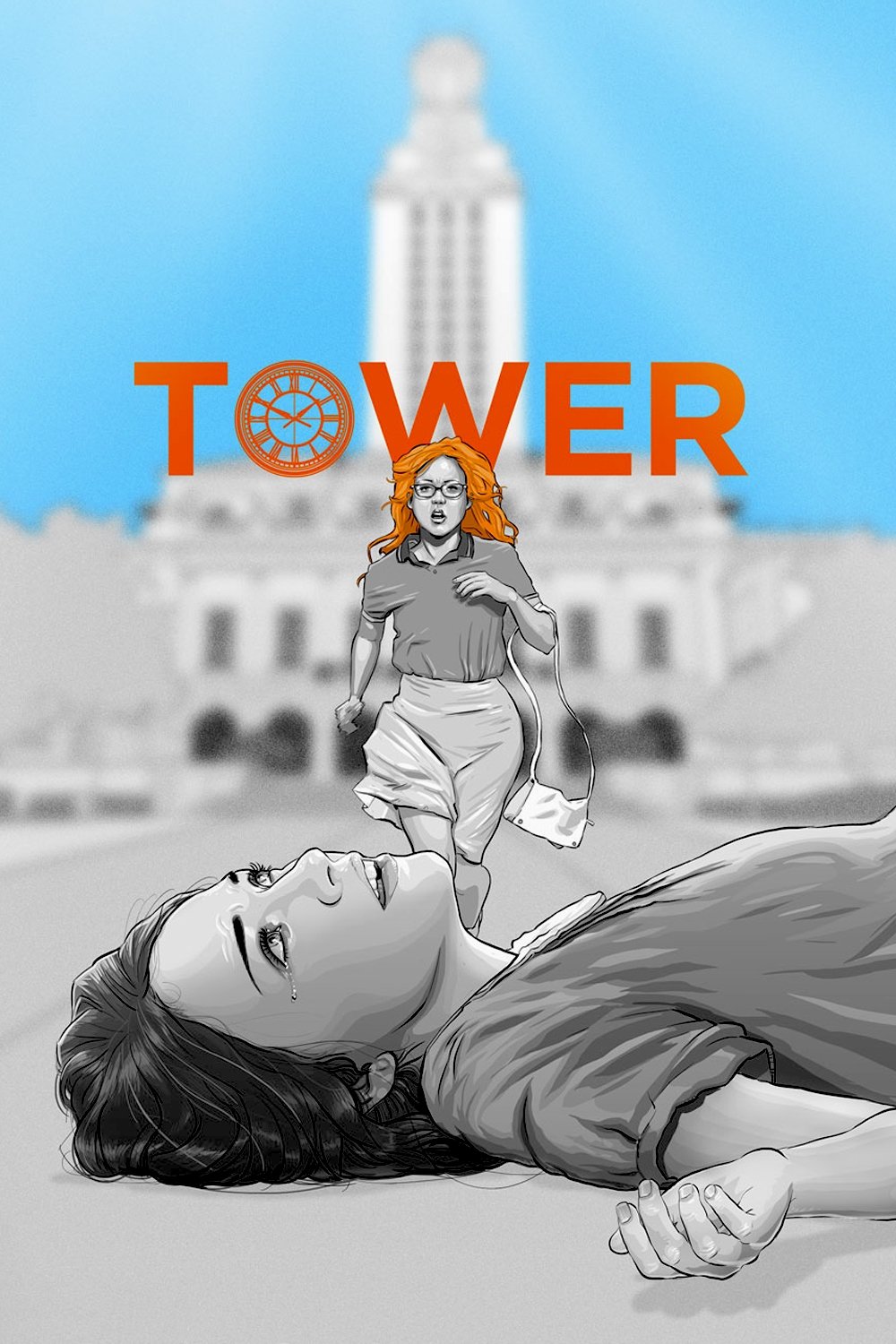
Combining archival footage with rotoscopic animation, Tower reveals the action-packed untold stories of the witnesses, heroes and survivors of America's first mass school shooting, when the worst in one man brought out the best in so many others.
Korengal picks up where Restrepo left off; the same men, the same valley, the same commanders, but a very different look at the experience of war.
A love letter from a young mother to her daughter, the film tells the story of Waad al-Kateab’s life through five years of the uprising in Aleppo, Syria as she falls in love, gets married and gives birth to Sama, all while cataclysmic conflict rises around her. Her camera captures incredible stories of loss, laughter and survival as Waad wrestles with an impossible choice– whether or not to flee the city to protect her daughter’s life, when leaving means abandoning the struggle for freedom for which she has already sacrificed so much.
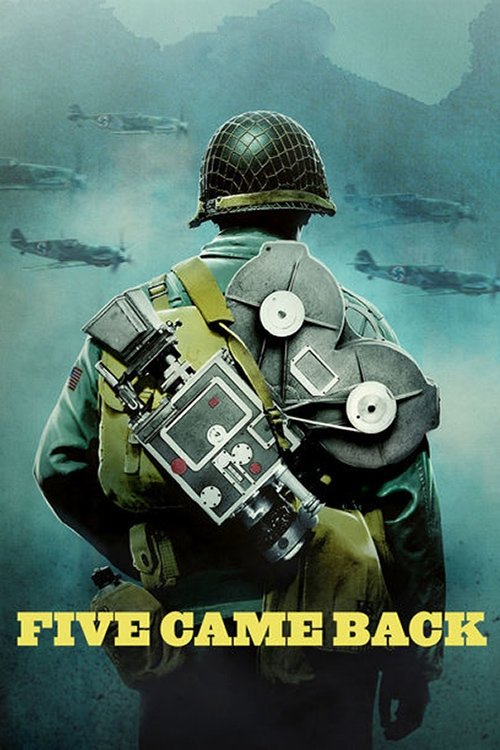
The extraordinary story of how Hollywood changed World War II – and how World War II changed Hollywood, through the interwoven experiences of five legendary filmmakers who went to war to serve their country and bring the truth to the American people: John Ford, William Wyler, John Huston, Frank Capra, and George Stevens. Based on Mark Harris’ best-selling book, “Five Came Back: A Story of Hollywood and the Second World War.”
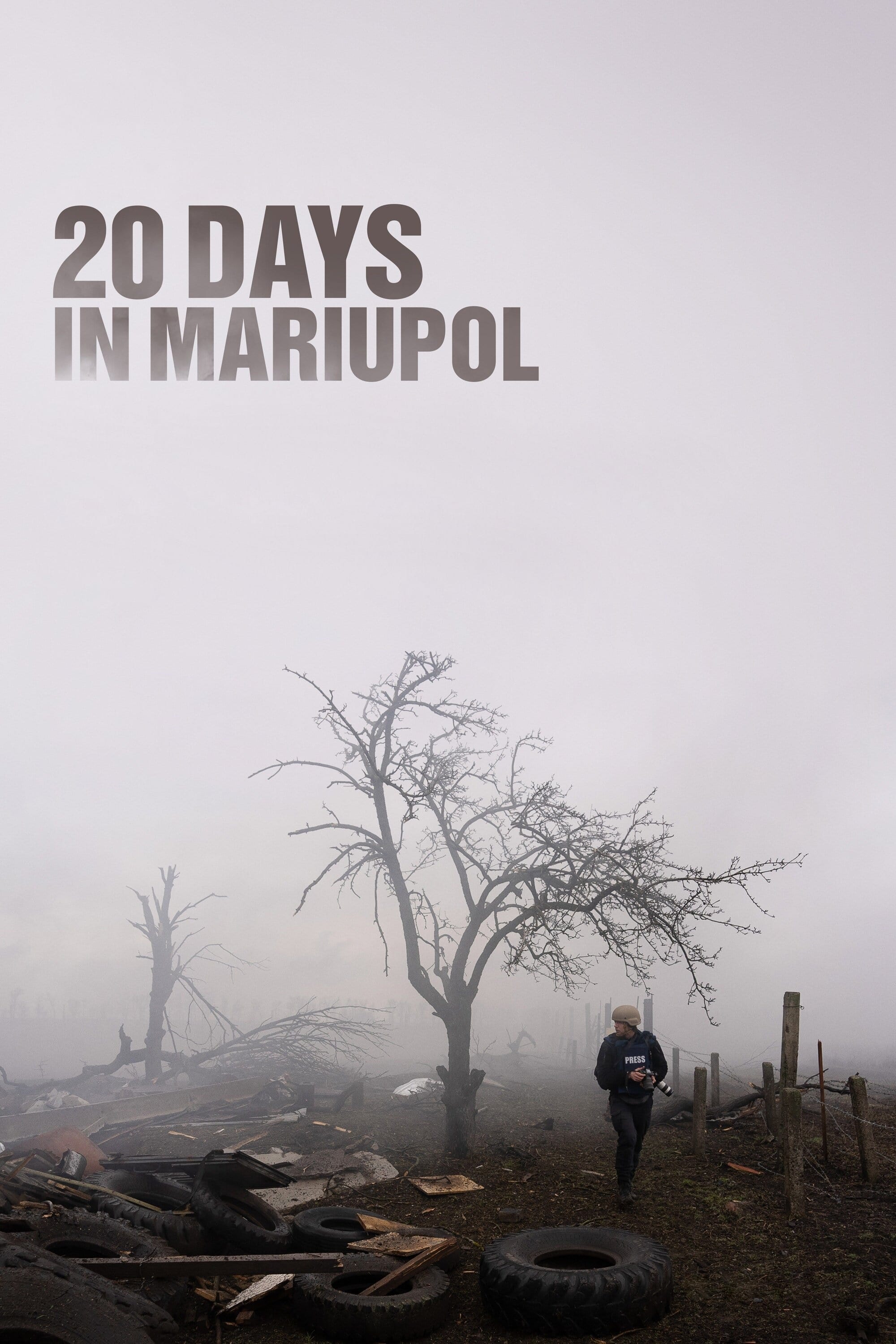
As the Russian invasion begins, a team of Ukrainian journalists trapped in the besieged city of Mariupol struggle to continue their work documenting the war's atrocities.
This documentary movie is about the battle of San Pietro, a small village in Italy. Over 1,100 US soldiers were killed while trying to take this location, that blocked the way for the Allied forces from the Germans. Preserved by the Academy Film Archive in 2005.
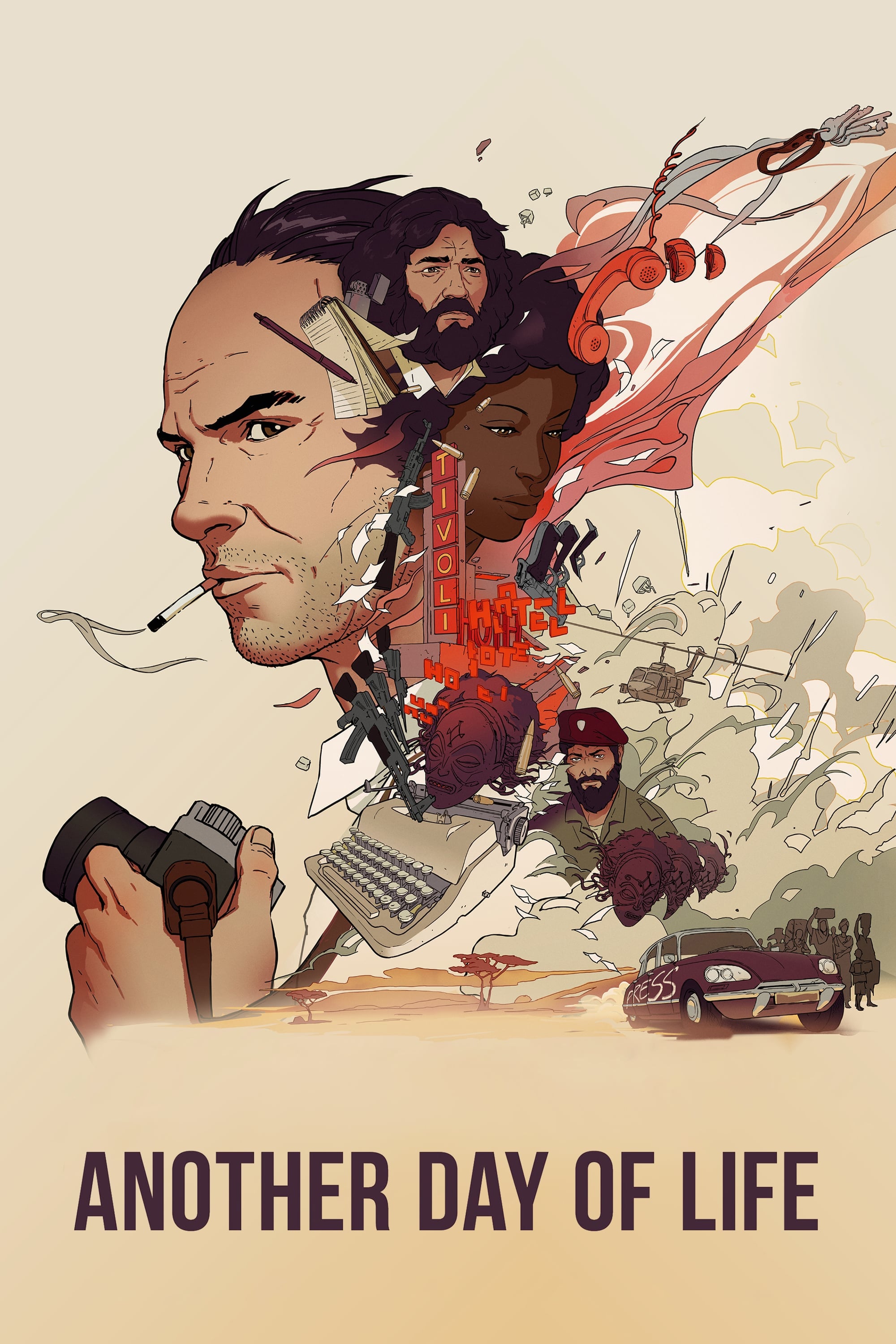
In 1975, Ryszard Kapuściński, a veteran Polish journalist, embarked on a seemingly suicidal road trip into the heart of the Angola's civil war. There, he witnessed once again the dirty reality of war and discovered a sense of helplessness previously unknown to him. Angola changed him forever: it was a reporter who left Poland, but it was a writer who returned…
With unprecedented access, this documentary follows the extraordinary journey of “Raqqa is Being Slaughtered Silently”—a group of anonymous citizen journalists who banded together after their homeland was overtaken by ISIS—as they risk their lives to stand up against one of the greatest evils in the world today.
"Trinity and Beyond" is an unsettling yet visually fascinating documentary presenting the history of nuclear weapons development and testing between 1945-1963. Narrated by William Shatner and featuring an original score performed by the Moscow Symphony Orchestra, this award-winning documentary reveals previously unreleased and classified government footage from several countries.
Set both in Latin America and the United States, the film explores the historic and current relationship of Washington with countries such as Venezuela, Bolivia and Chile. Pilger says that the film "...tells a universal story... analysing and revealing, through vivid testimony, the story of great power behind its venerable myths. It allows us to understand the true nature of the so-called "war on terror". According to Pilger, the film’s message is that the greed and power of empire is not invincible and that people power is always the "seed beneath the snow".
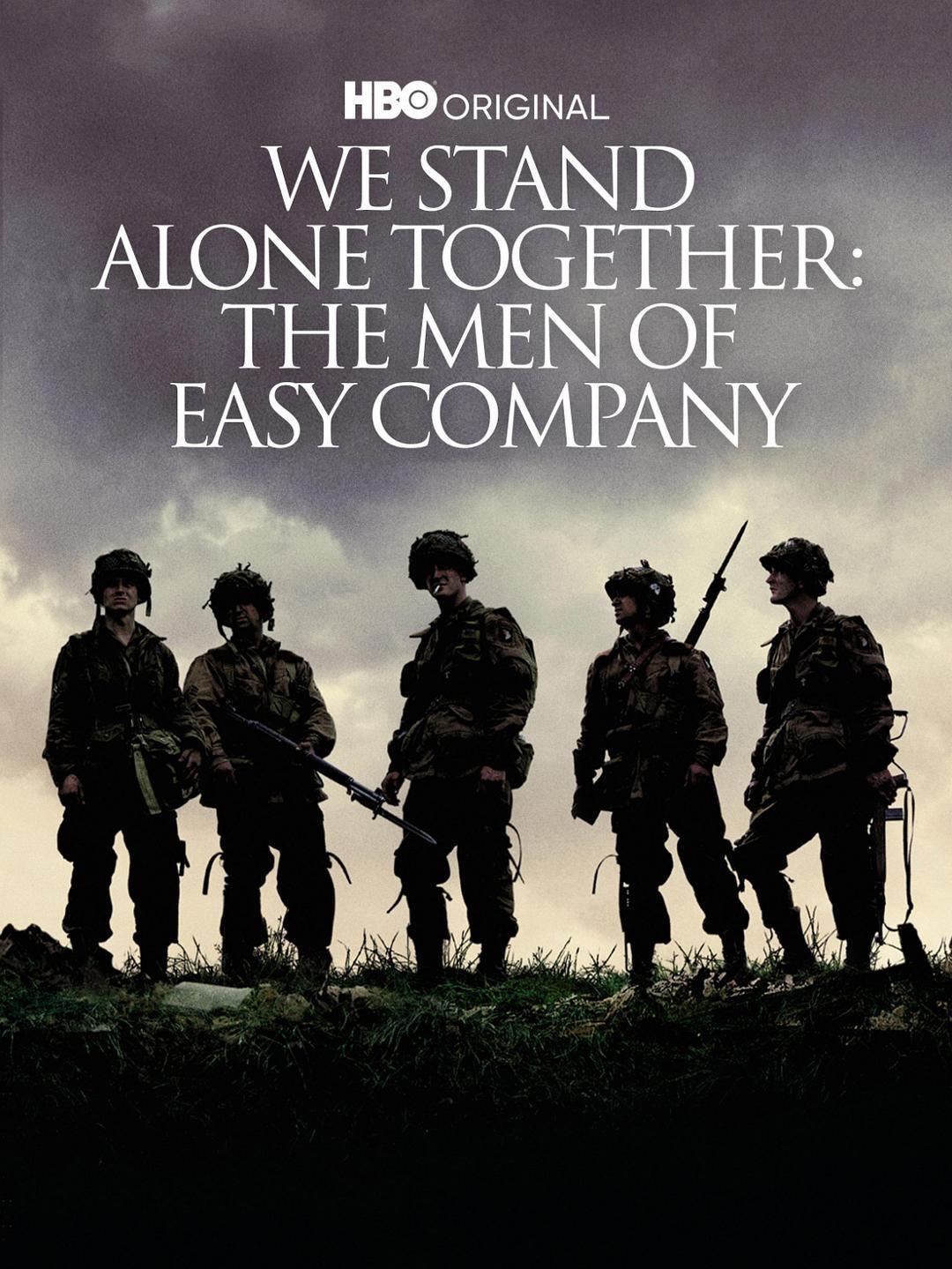
Over a period of two years, Mark Cowen and his crew travelled to thirty U.S. states and ten European cities, to interview the veterans of Easy Company. The stories told by the veterans themselves, create a history of the Second World War from the point of view of this heroic company of men, made famous in the mini-series Band of Brothers.
The final entry in a trilogy of films produced for the U.S. government by John Huston. Some returning combat veterans suffer scars that are more psychological than physical. This film follows patients and staff during their treatment. It deals with what would now be called PTSD, but at the time was categorised as psychoneurosis or shell-shock. Government officials deemed this 1946 film counterproductive to postwar efforts; it was not shown publicly until 1981.
Pete Postlethwaite stars as a man living alone in the devastated future world of 2055, looking at old footage from 2008 and asking: why didn’t we stop climate change when we had the chance?