A reflection on the dictatorship of Augusto Pinochet captured in its economic and social causalities. Originally shot for a TV youth program but canceled before broadcast.
Social & External
The third installment in Dan Přibáň's series of travel documentaries describes the author's journey with his friends across South America in vehicles that are often notorious but cult in their own way. The charming dynamics of the group on screen are further enhanced by the high-quality craftsmanship.
Filmmaker Barbet Schroeder shows the Ugandan dictator meeting his Cabinet, reviewing his troops, explaining his ideology.
Swiss television documentary on the first years of the dictatorship, filmed (in color) in 1977 by a team led by director André Gazut and journalist Claude Smadja. Strongly critical of authoritarianism and the failures of the economic model that was beginning to be adopted, the report shows different aspects of the ideological and technical implementation of the military government. From the purge in universities to the precariousness of the Minimum Employment Program, from the revenge of employers in the countryside to the lamentable composition of the constitutional commission, the show is full of conversations with personalities close to the regime (Jaime Guzmán, Maximilianio Errázuriz, Manuel Valdés, Ruy Barbosa, Arturo Fontaine Aldunate, among others) which is interspersed with testimonies from residents and farmers, victims of violence and poverty.
It follows Chilean writer Antonio Skármeta as he celebrates the end of the autocrats. Cheerful farewell rituals accompany others facing political persecution on their way to fly home.
Images of Argentinian companies and factories in the first light of day, seen from the inside of a car, while the director reads out documents in voiceover that reveals the collusion of the same concerns in the military dictatorship’s terror.
1972. During the government of Salvador Allende 34 artists made works that were included in the construction of the UNCTAD III building, today GAM. After the 1973 coup, few works survived looting and destruction. 40 years later, Joaquín Maruenda, son of the late sculptor Félix Maruenda, finds a record that leads him to investigate the events of the sculpture "Chimeneas" and its possible restoration. Joaquín, artists and workers involved with the construction of the building, will try to answer the question Why did they destroy the art?
Sonar Rock City: Seattle is a journey through the city that caught our attention back in 1992 thanks to the grunge movement which today no longer exists. Still today the creative spirit runs through its veins with a new music scene that captures what Seattle is in its core.
Four lucid grandmothers tell their story forgotten by history: the militancy and resistance of the young women of the leftist youth against the dictatorship of Marcos Pérez Jiménez.
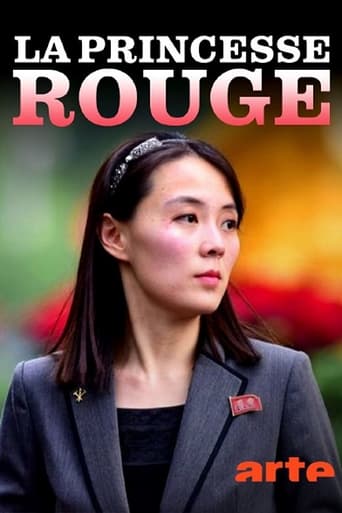
Who is Kim Yo-jong? In a context of maximum tensions between North Korea and the United States, Pierre Haski paints an unprecedented portrait of the little sister of Kim Jong-un, whose influence in Pyongyang is growing stronger day by day.
A short documentary about the making of "The Great Dictator."
Draped in an electric blue fabric, the artist acts as a conduit between the tangile and the spiritual, blurring the boundaries between human form and natural elements.
Rüdiger was a child, Aki two months old and Kurt, the deputy of the pedophile leader of the sect. In 1961 they came to Chile together with 500 other German sect members and for over 40 years they lived secluded from the rest of the world. The film tells about the attempt to survive as a collective after decades of crimes such as torture and murder and shows different ways in which the individual copes with the history of the community.
A documentary on the rise and fall of Project Cybersyn, an attempt at a computer-managed centralized economy undertaken in Chile during the presidency of Salvador Allende.
During the first days after the 1973 Chilean coup d’état, the political leadership of the Popular Unity government was arrested and transferred to Dawson Island, Magallanes Region, extreme south of Chile and the mainland. The wives of the then political prisoners began an incessant effort to find out the whereabouts of their husbands and then try to return them alive. In these circumstances, they meet and spontaneously organize into a group they call the “Dawsonianas.”
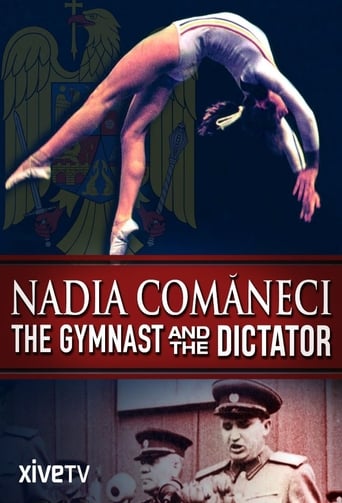
A documentary portrait of legendary Perfect Ten gymnast Nadia Comaneci after becoming an icon in the 1976 Olympics, during her Romanian period, and her challenging years under the dictatorship of Nicolae Ceausescu.
Examines the career and literary output of Pablo Neruda, who makes his home at Isla Negra on the coast of Chile. Includes views of Mr. Neruda reading many of his poems in the locales which inspired them.
Documentary tells the story of the Chilean football club Colo-Colo, exploring its profound impact on popular culture and the everyday lives of its fans. Throughout the film, it shows how the club has transcended sport to become a symbol of resistance, pride, and class struggle in Chile.
The story of the Yugoslavian football team who became youth world champions in Chile, 1987.
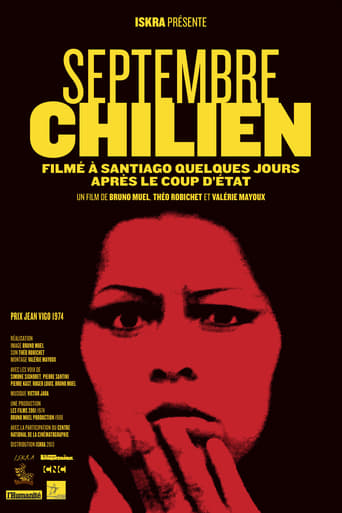
Bruno Muel's documentary on the coup in Chile in 1973. Muel, who was part of the famed Medvedkine group, along with Chris Marker and Jean-Luc Godard, among others, captured one of the most powerful portraits of the early days of Dictatorship. Profound solidarity with the socialist cause, Muel and his team showed great courage to mix the official registration of images with those triumphant, clandestine, of the nascent opposition.