Social & External
Speaker
Short documentary about true bugs and humans. Short film is also a compassion practice and small journey from human perspective to other playful ways to see.
A Documentary on the Creation of OVO, by Cirque du Soleil
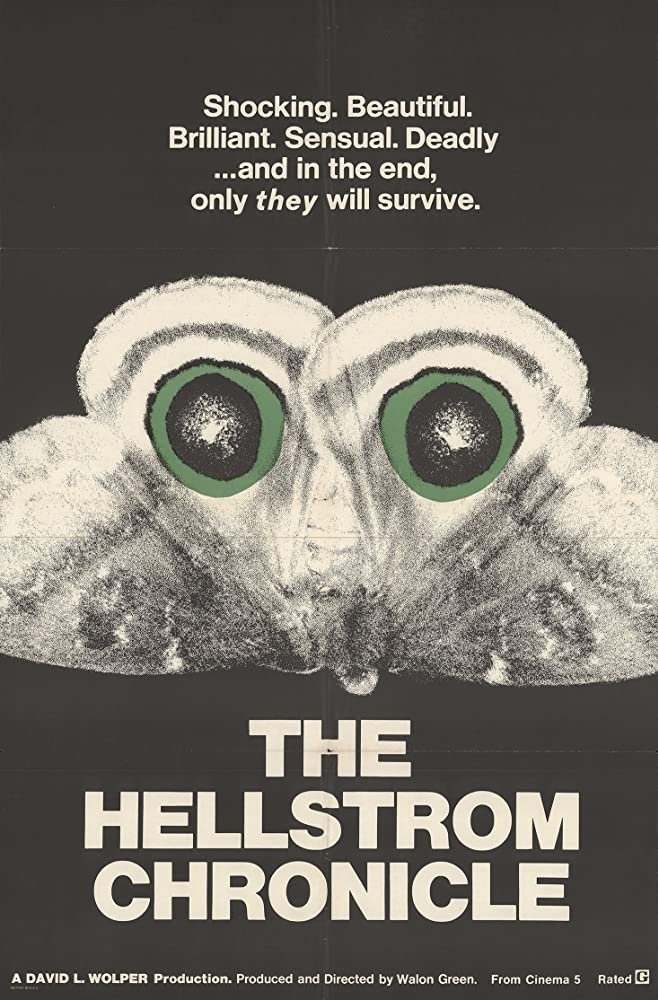
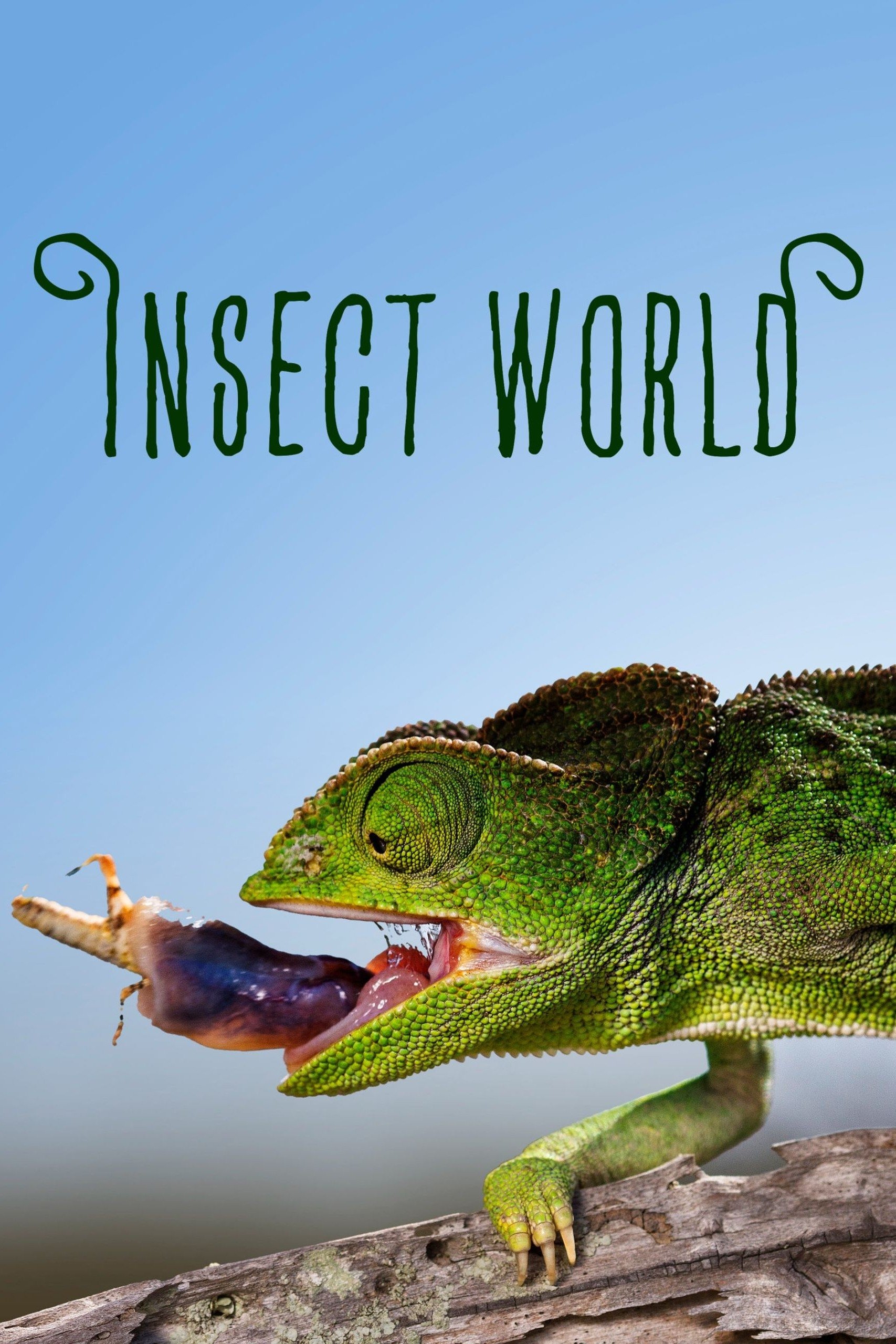
A scientist explains how the savagery and efficiency of the insect world could result in their taking over the world.
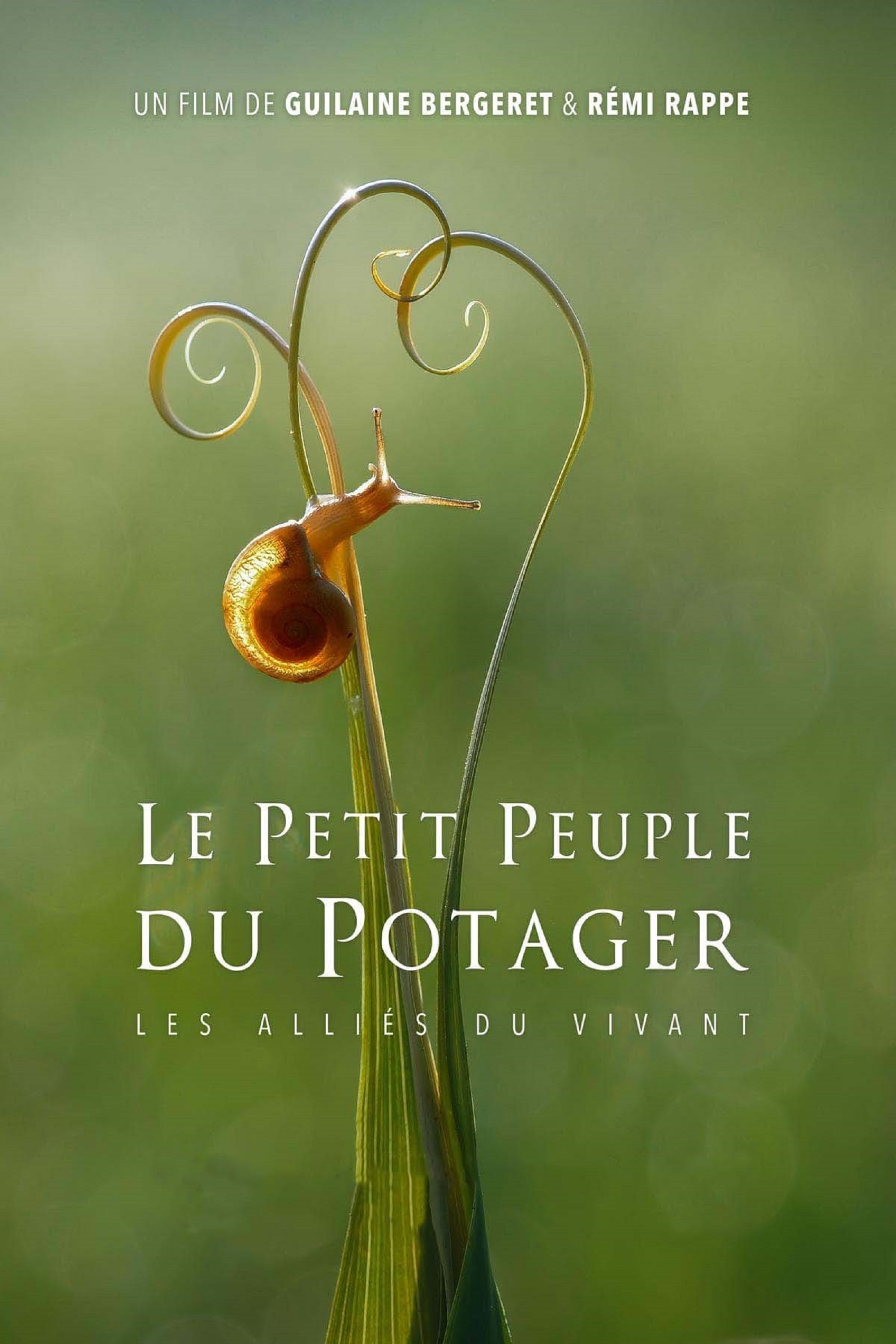
This is the story of a vegetable garden, from the first seeds to the harvest. But this garden is different, because here the gardener has decided to banish pesticides and other chemicals, and to be helped only by discreet workers, the insects. As we dive into the heart of this plant kingdom, we discover thousands of tiny lives that organize themselves as in a micro-society: decomposing insects, recyclers, pollinators, the workers of the garden work to maintain a fragile balance within the vegetable garden. As the plants grow and begin to produce their first vegetables, the incredible interactions between insects and plants help protect the future harvest. But it is also their personal stories that punctuate the life of the garden. Between parades, mutual aid and attempted putsch, the story of the vegetable garden thus takes the form of a true nature tale.
We're entering the Earth's sixth era of extinction -- and it's the first time humans are to blame. CNN introduces you to the key species and people who are trying to prevent them from vanishing.
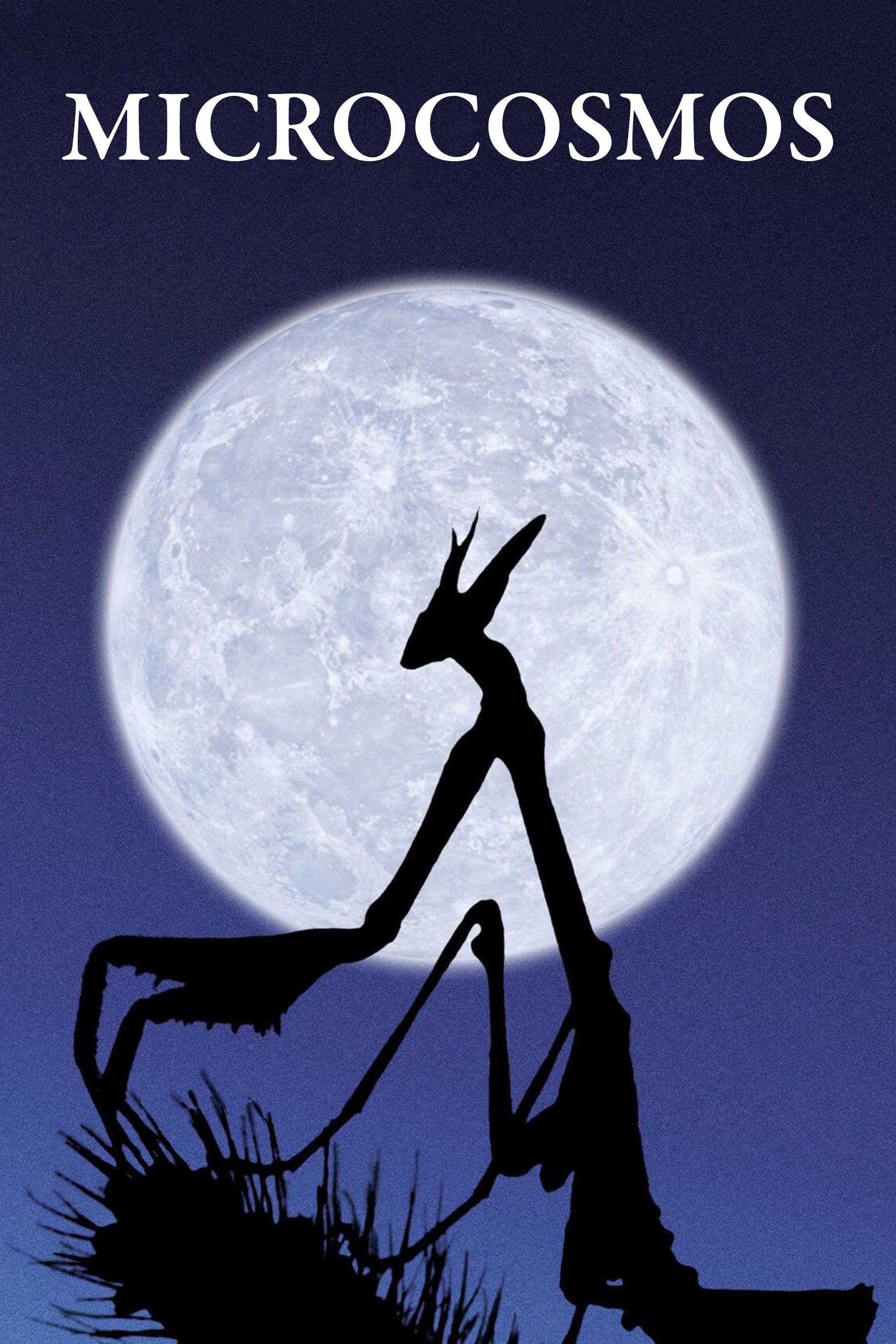
A documentary of insect life in meadows and ponds, using incredible close-ups, slow motion, and time-lapse photography. It includes bees collecting nectar, ladybugs eating mites, snails mating, spiders wrapping their catch, a scarab beetle relentlessly pushing its ball of dung uphill, endless lines of caterpillars, an underwater spider creating an air bubble to live in, and a mosquito hatching.
David Attenborough brings to life, in unprecedented detail, the last days of the dinosaurs. Palaeontologist Robert DePalma has made an incredible discovery in a prehistoric graveyard: fossilised creatures, astonishingly well preserved, that could help change our understanding of the last days of the dinosaurs. Evidence from his site records the day when an asteroid bigger than Mount Everest devastated our planet and caused the extinction of the dinosaurs. Based on brand new evidence, witness the catastrophic events of that day play out minute by minute.
A story about survival, belief in the physical memory of things, as if still-life was always part of the scientific possibility or of the nightmare of extinction.
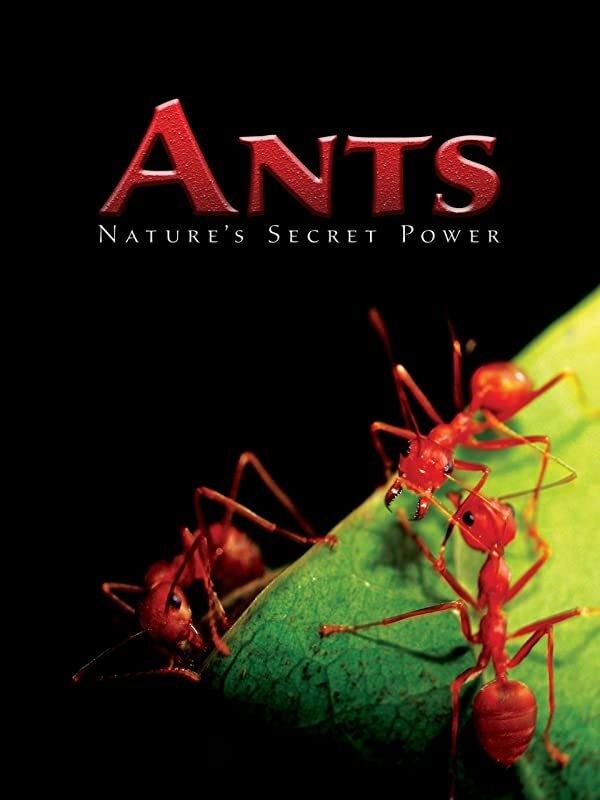
UNIVERSUM cameraman Wolfgang Thaler and Bert Hoelldobler, a leading authority on ants, bring us face-to-face with the mysterious world of these social insects.
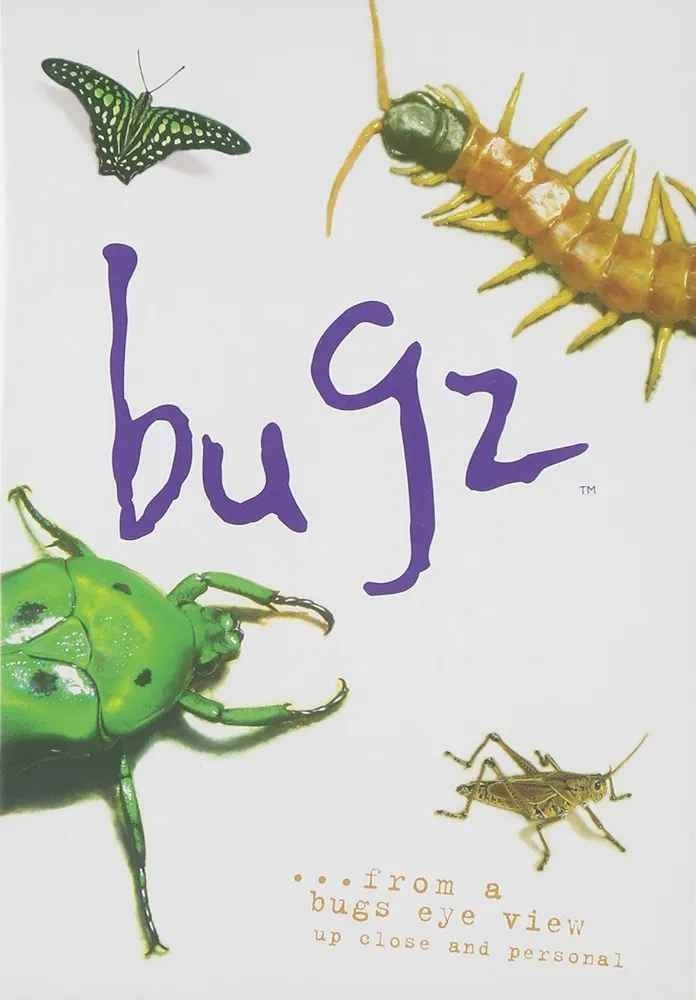
"Incredible," "beautiful" and "exotic" are only a few of the words (besides "eek!") that describe Bugz. Everything from bugs you'd recognize to bugs you've never seen before (thank goodness!) creeping, jumping, fluttering, squirming and scurrying across your TV screen.
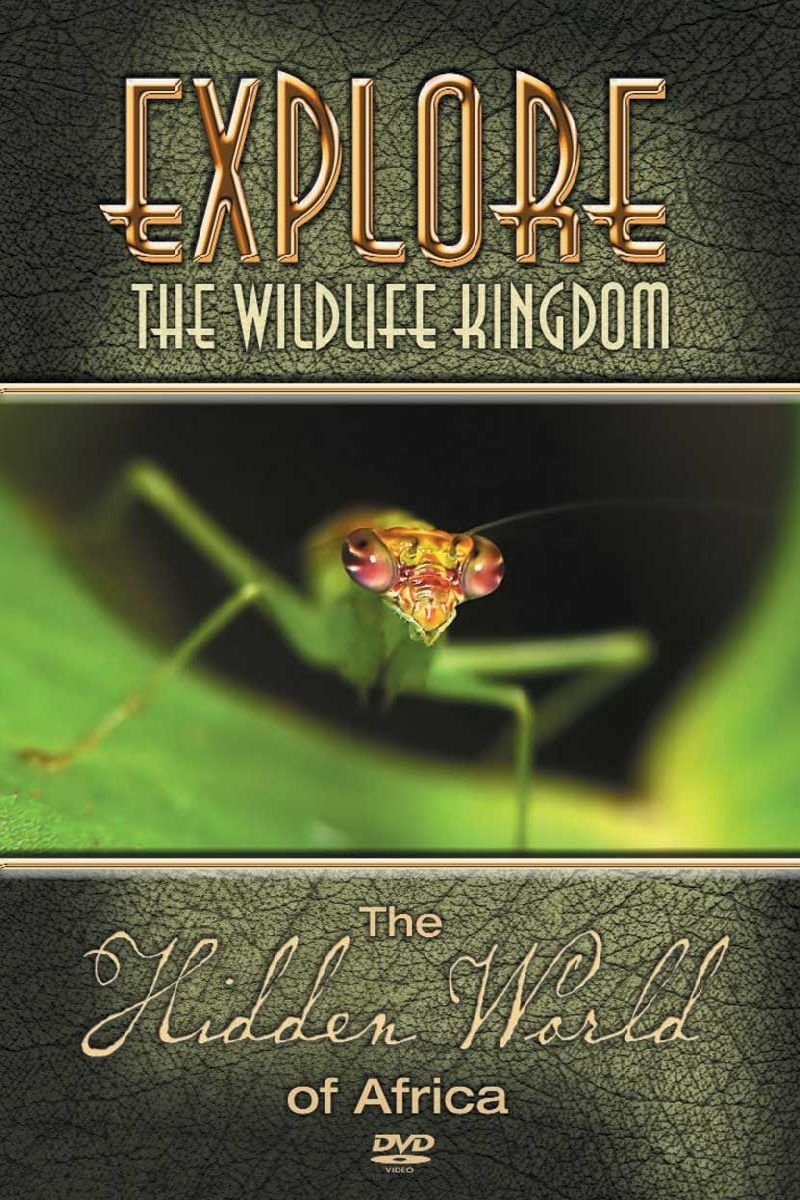
Barely visible to the human eye, a truly fascinating universe lives in the bush and savannas of Africa. Here, creatures small, smaller and nearly invisible share a world with gigantic animals. Usually overlooked, often feared and despised, theirs may be a small world, but it's an important one.
Documentary about human impact on the world.
We all have hobbies regarding the world of insects, they are very annoying with their buzzing, their pecking and even their horrifying appearance, but without these invertebrates man would have problems.
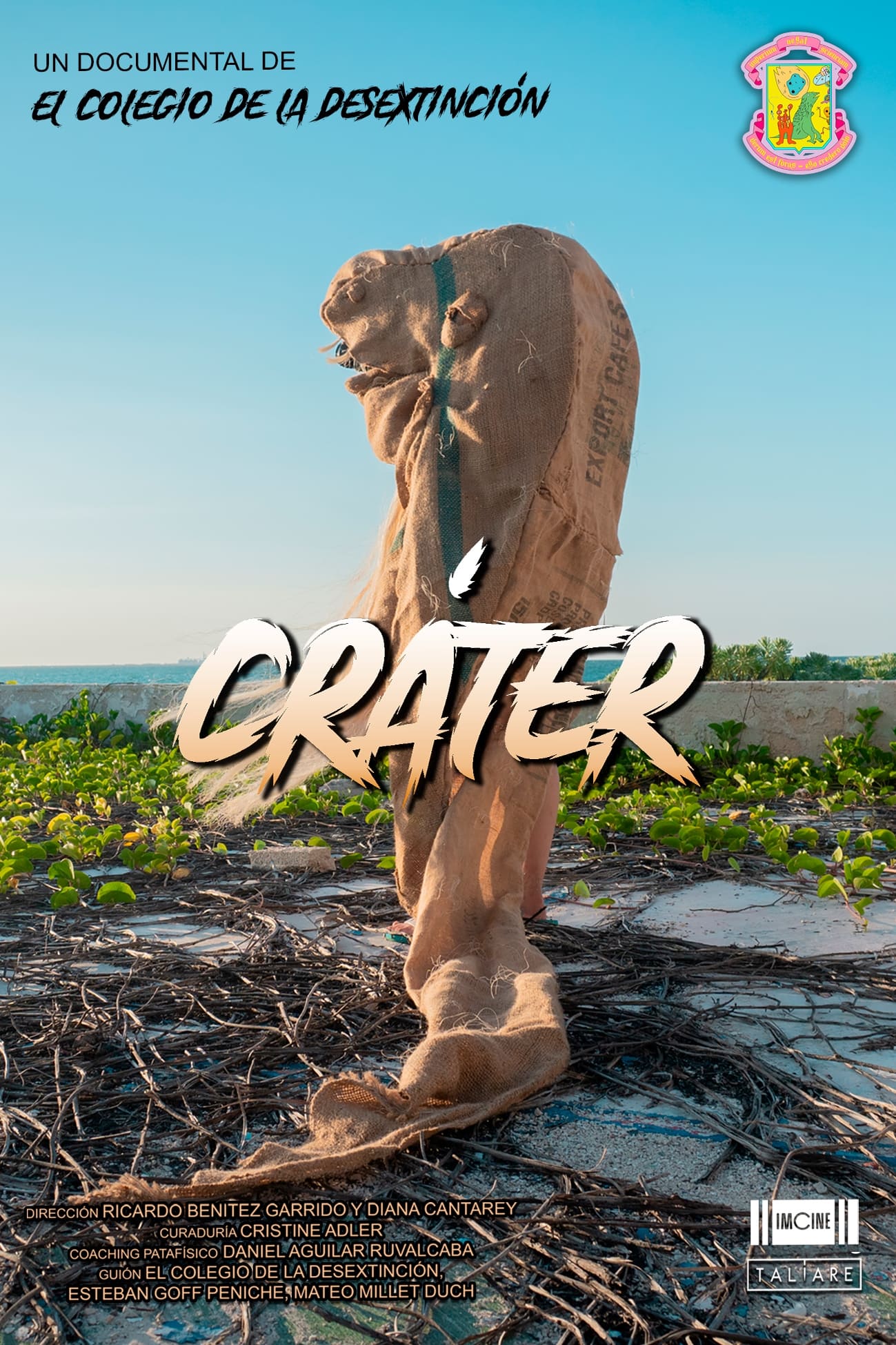
During the 2020 pandemic summer, El Colegio de la Desextinción infiltrated into the holidays of four Divine Caste’s descendants. This elite built its wealth on slavery in the sisal plantations of Yucatán, Mexico, at the end of the 19th and beginning of the 20th century. Every year these families move to their opulent summer houses at Chicxulub Puerto, built at the same place where the asteroid that killed the dinosaurs hit. In these apocalyptic beaches, seducers of asteroids and conquistadors, we proposed the young heirs to write and star in a film about Chicxulub’s crater, in which they staged their entrepreneur fantasies.This documentary is the result of the political unconsciousness of this peninsular ethnic group.
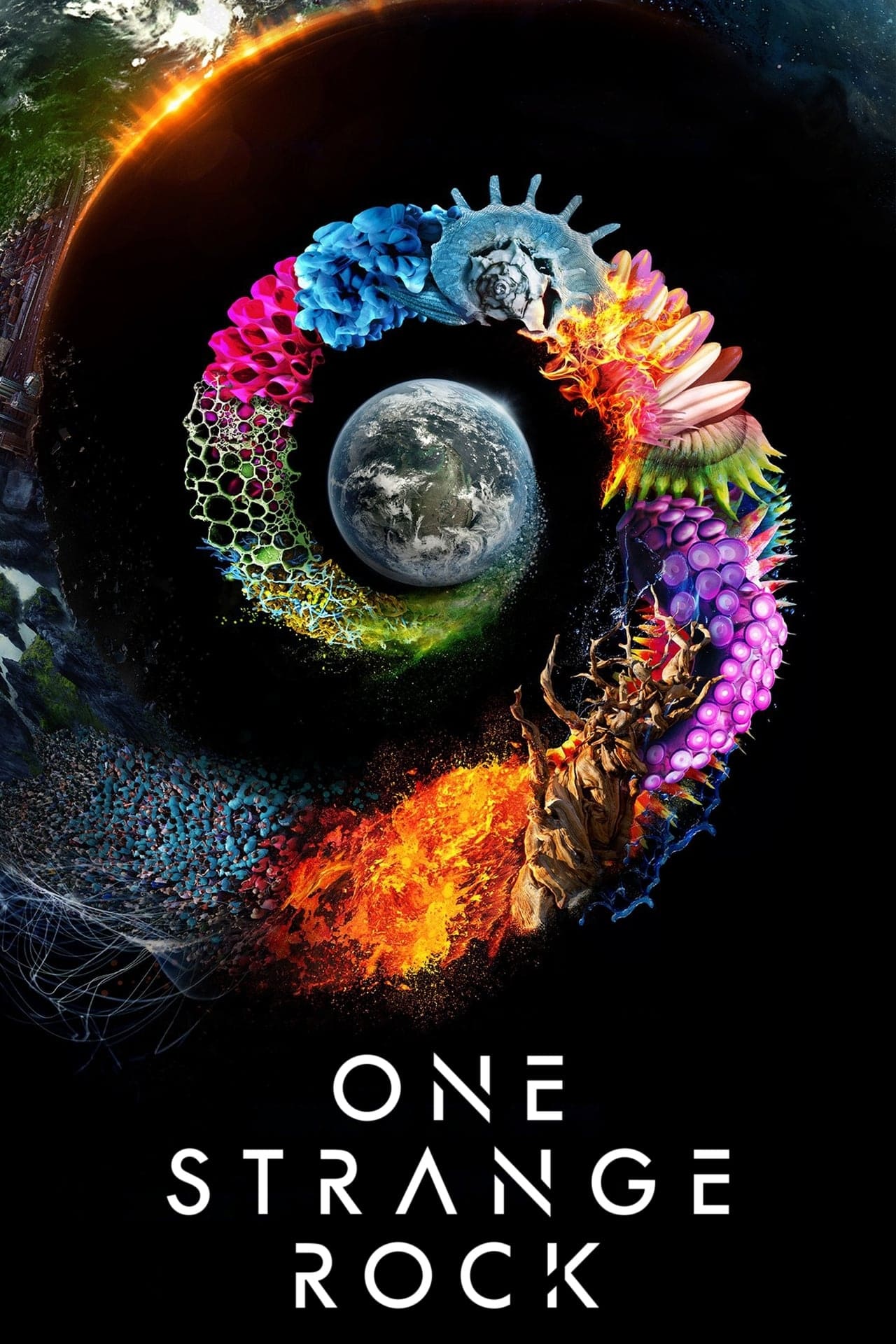
A mind-bending, thrilling journey exploring the fragility and wonder of planet Earth, one of the most peculiar, unique places in the entire universe, brought to life by the only people to have left it behind – the world’s most well known and leading astronauts. This edit combined episodes one and ten to create a new movie.
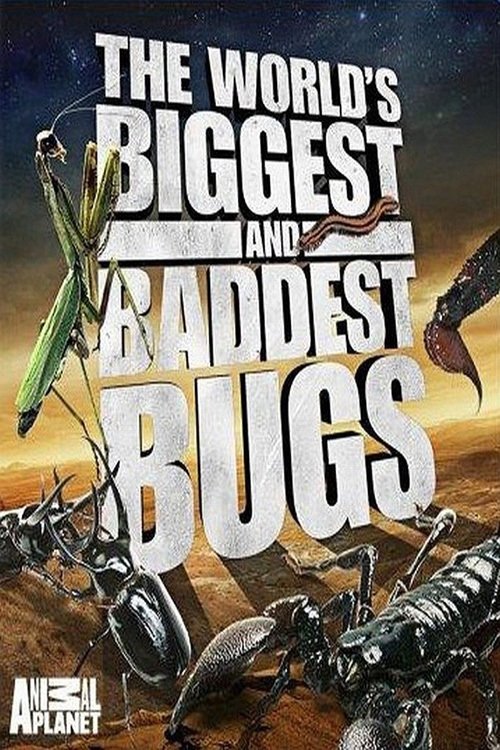
The World's Biggest and Baddest Bugs, follows host Ruud Kleinpaste, as he embarks on an entomological odyssey around the globe in search of the ultimate biggest and "baddest" creepy crawlies. The World's Biggest and Baddest Bugs will then profile the "stars" of the show, with Ruud explaining in his audience-friendly style exactly what makes them so amazing.
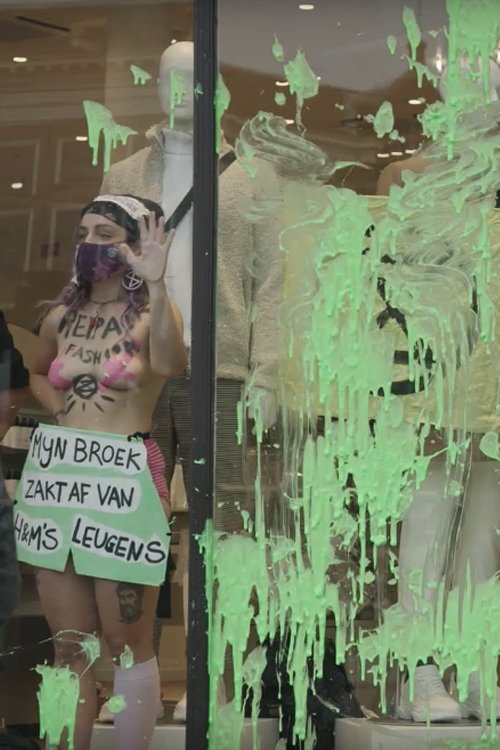
In the Netherlands, 200,000 young people are concerned about the end of the world and the major climate disasters they may experience. They learn from Greta Thunberg that the world will end if we continue like this. Climate depression and eco-anxiety have recently become official diagnoses. Robin (26 die/them), Melih (16 he/him) and Armando (21 he/him) turn their concerns into action. How far will they go and how lonely is their struggle? Documentary about the biggest problem of our time and the pressure this puts on a growing generation.
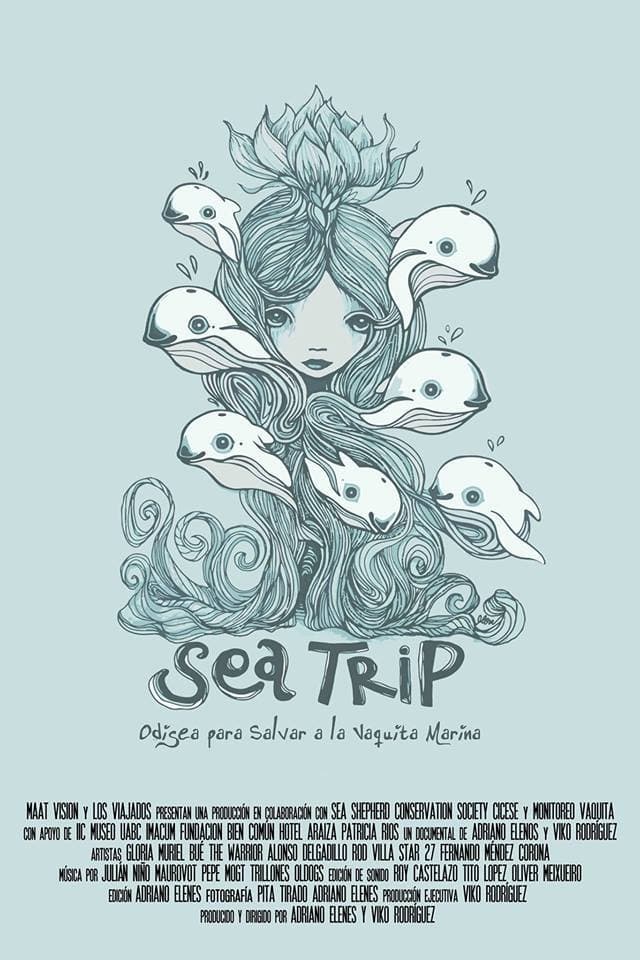
The imminent extinction of the vaquita porpoise and the totoaba, two species endemic to Baja California and sought after by the mafia for their swim bladders, which are highly prized in the East; victims of illegal fishing nets and in danger of extinction.
A detailing of the rise to prominence and global sporting superstardom of six supremely talented young Manchester United football players (David Beckham, Nicky Butt, Ryan Giggs, Paul Scholes, Phil and Gary Neville). The film covers the period 1992-1999, culminating in Manchester United's European Cup triumph.
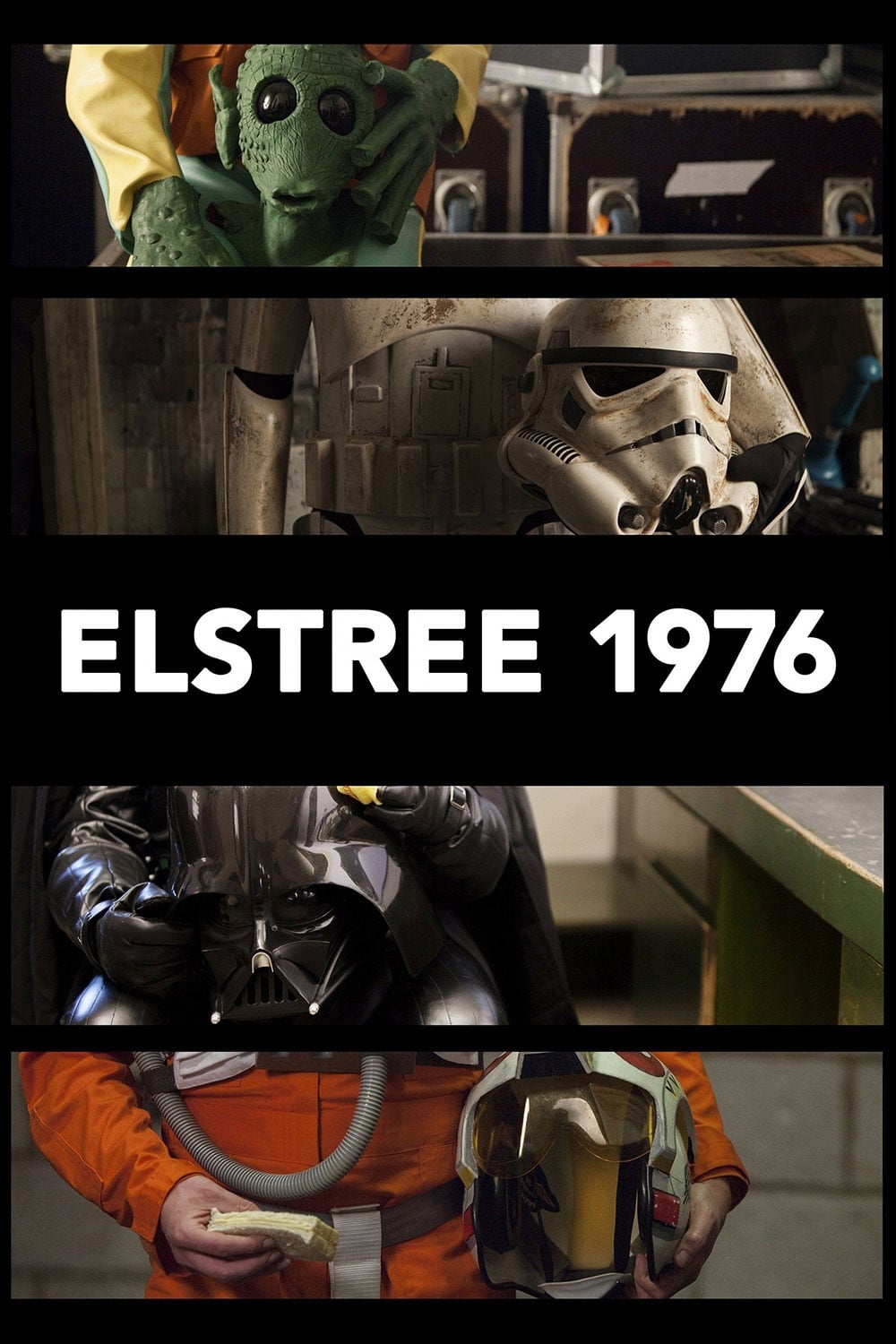
A documentary about ten very different lives connected by having appeared onscreen wearing masks or helmets in Star Wars.
Those who knew iconic funnyman John Candy best share his story, in their own words, through never-before-seen archival footage, imagery, and interviews.
JB Smoove and Martin Starr host a celebration of 20 years of "Spider-Man" movies, from the Sam Raimi trilogy to Marc Webb's movies and the trio from Jon Watts.
A look at the origins, history and conspiracies behind the "Majestic 12", a clandestine group of military and corporate figureheads charged with reverse-engineering extraterrestrial technology.
A purely observational non-fiction film that takes viewers into the ethically murky world of end-of-life decision making in a public hospital.
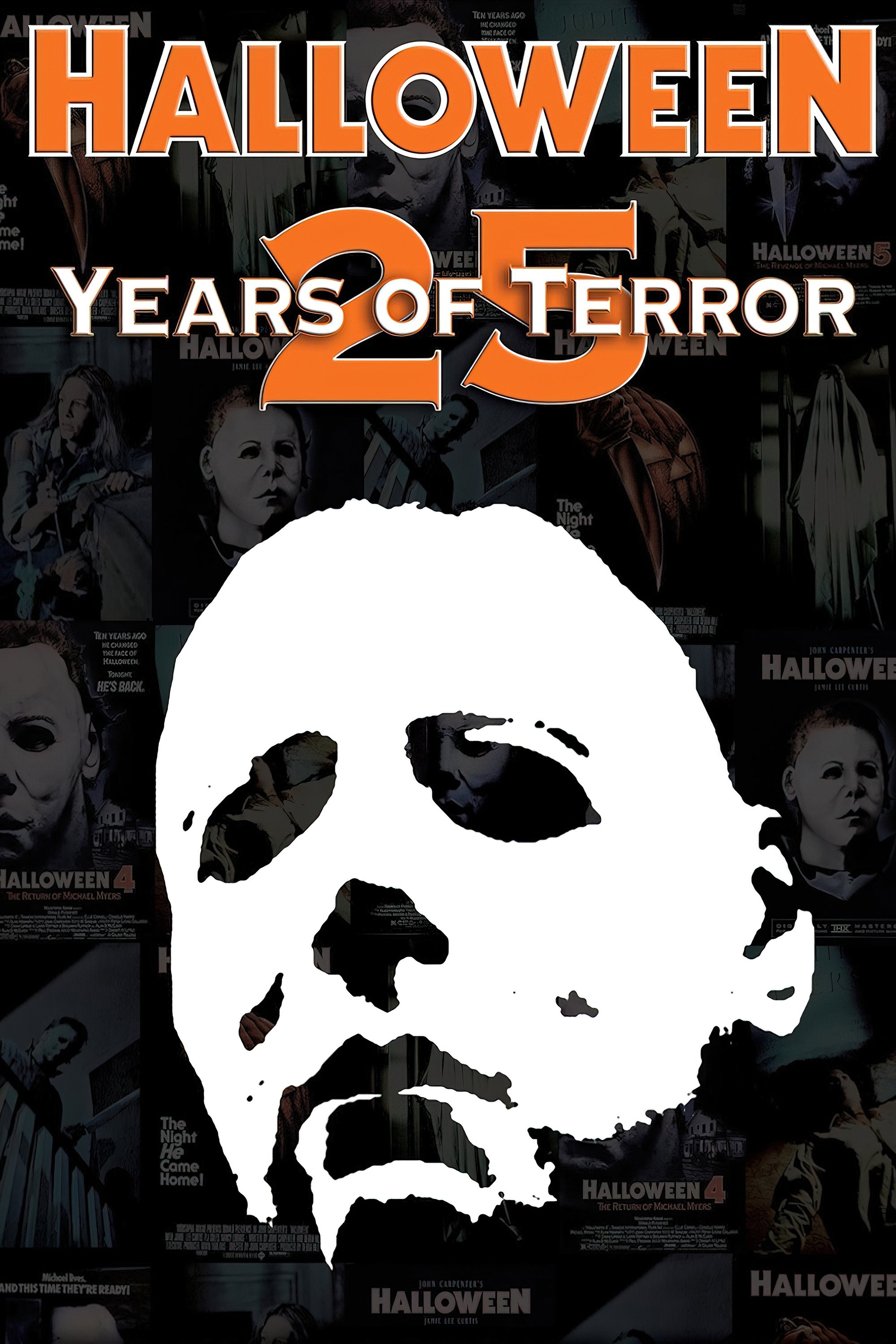
Follow the evolution of the 'Halloween' movies over the past twenty-five years. It examines why the films are so popular and revisits many of the original locations used in the films - seeing the effects on the local community. For the first time, cast, crew, critics and fans join together in the ultimate 'Halloween' retrospective.
In this genre-bending tale, Errol Morris explores the mysterious death of a U.S. scientist entangled in a secret Cold War program known as MK-Ultra.
The life and career of an actor, artist, and icon. His own journey through his own camera.
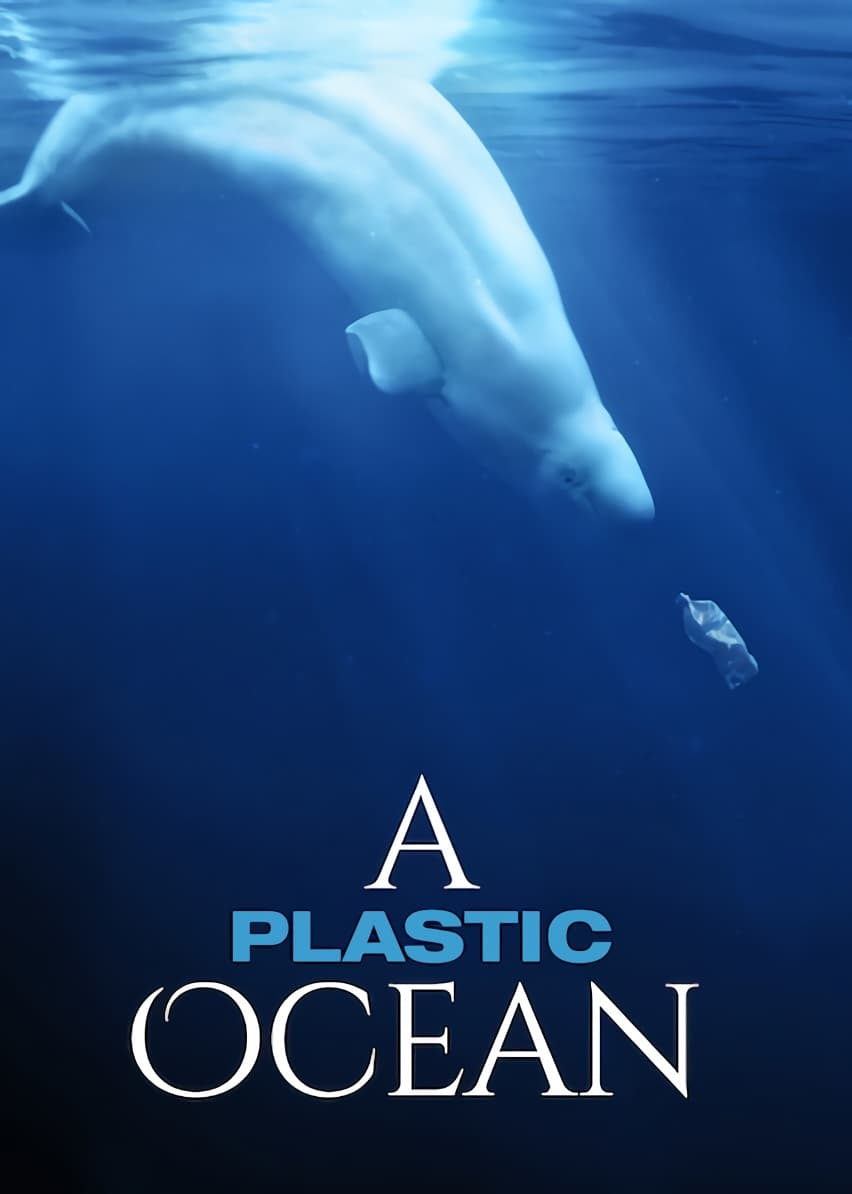
A documentary focused on plastic pollution in the world's oceans.
Documentary filmmaker Frederick Wiseman takes us inside Northeast High School as a fly on the wall to observe the teachers and how they interact with the students.
Daniel Craig candidly reflects on his 15 year adventure as James Bond. Including never-before-seen archival footage from Casino Royale to the upcoming 25th film No Time To Die, Craig shares his personal memories in conversation with 007 producers, Michael G Wilson and Barbara Broccoli.
An inside look at one of the most anticipated movie sequels ever with James Cameron and cast.
Through deeply personal interviews with her siblings and an examination of the photographs, letters, and belongings left behind, Mariska assembles a new portrait of her mother Jayne Mansfield, an extraordinary and complex woman.
A visual montage portrait of our contemporary world dominated by globalized technology and violence.
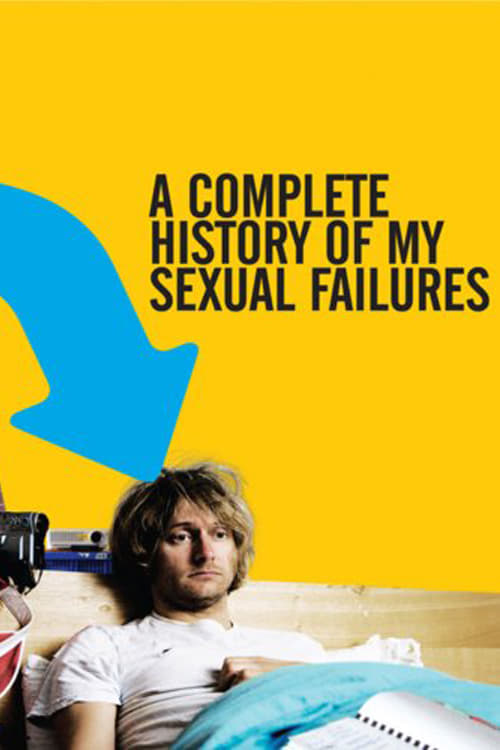
The egocentric documentary-maker Chris Waitt traces his romantic ineptitude and sexual impotence through awkward interviews with irate ex-girlfriends and stunts involving S&M parlours, Harley Street doctors and Viagra overdoses. The results are often hilarious, sometimes moving and speak directly to the hapless paramour in all of us.
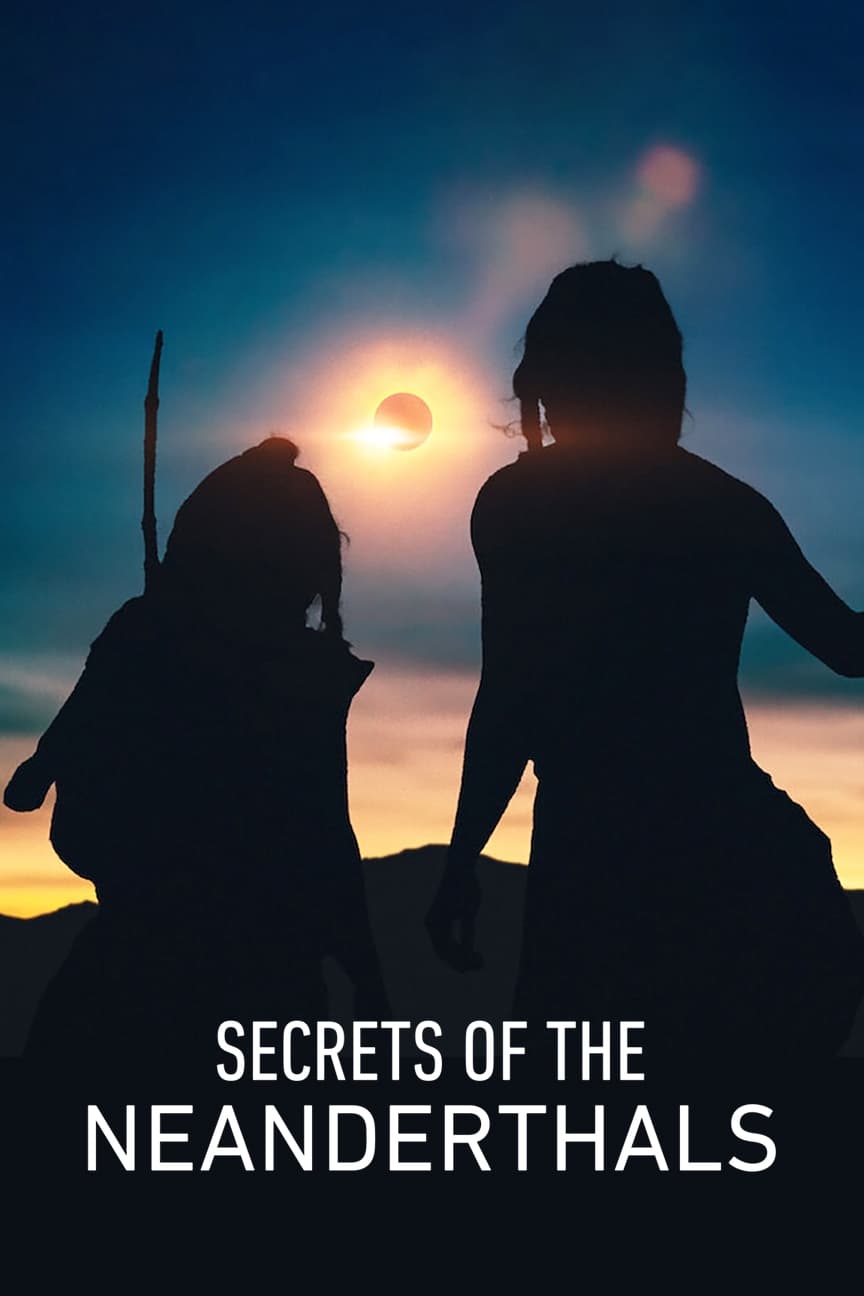
This documentary delves into the mysteries surrounding the Neanderthals and what their fossil record tells us about their lives and disappearance.
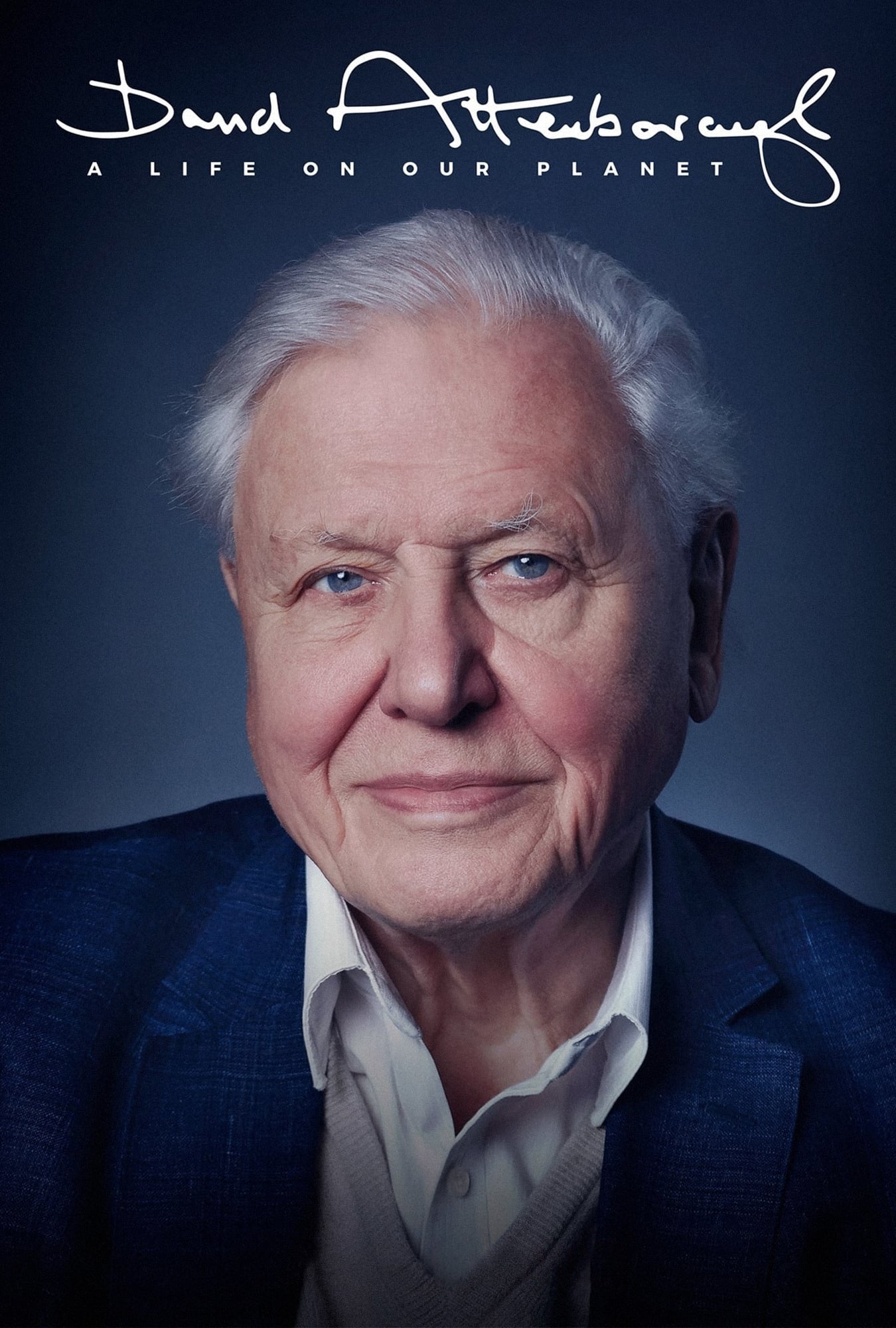
The story of life on our planet by the man who has seen more of the natural world than any other. In more than 90 years, Attenborough has visited every continent on the globe, exploring the wild places of our planet and documenting the living world in all its variety and wonder. Addressing the biggest challenges facing life on our planet, the film offers a powerful message of hope for future generations.
A documentary on a former Miss Wyoming who is charged with abducting and imprisoning a young Mormon Missionary.
A portrait of the day-to-day operations of the National Gallery of London, that reveals the role of the employees and the experiences of the Gallery's visitors. The film portrays the role of the curators and conservators; the education, scientific, and conservation departments; and the audience of all kinds of people who come to experience it.