Documentary featuring interviews with women who lived through the Bosnian War (1992–1995). By Jennifer Rawlings
Social & External
The people behind it
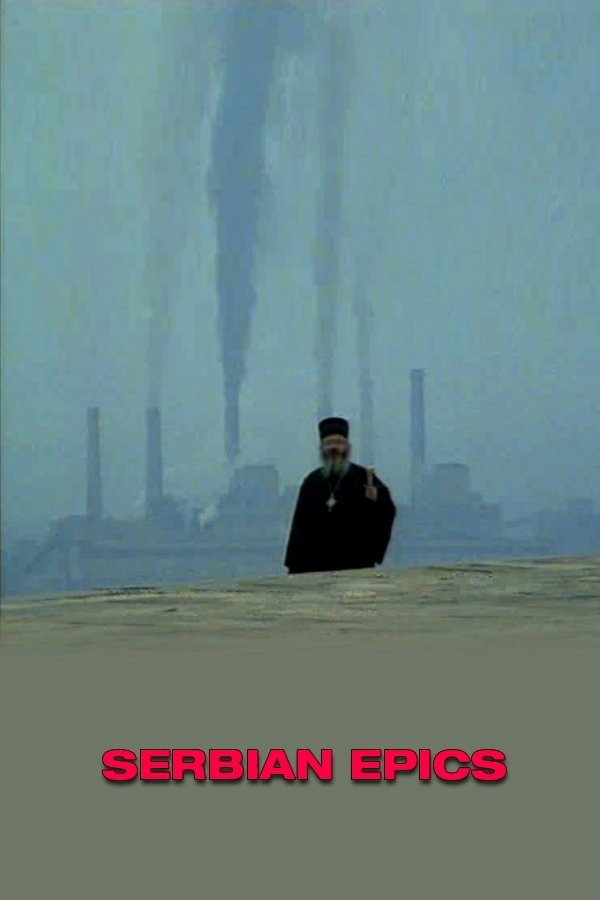
Paul Pawlikowski's award-winning documentary on life behind Serbian lines in Bosnia. The film observes the roots of the extreme nationalism which has torn apart a country and provides a chilling examination of the dangerous power of ancient nationalist myths.
A hotel in the centre of town is a war-time home and refuge for many of Sarajevo's homeless people. Every morning they leave the hotel and wander around the destroyed city gathering again at the defunct hotel in the afternoon. This film follows their separate fates through the bitter comparing of images of the bums with those of dogs abandoned by their owners and now left et the mercy of the war ravaged streets of Sarajevo.
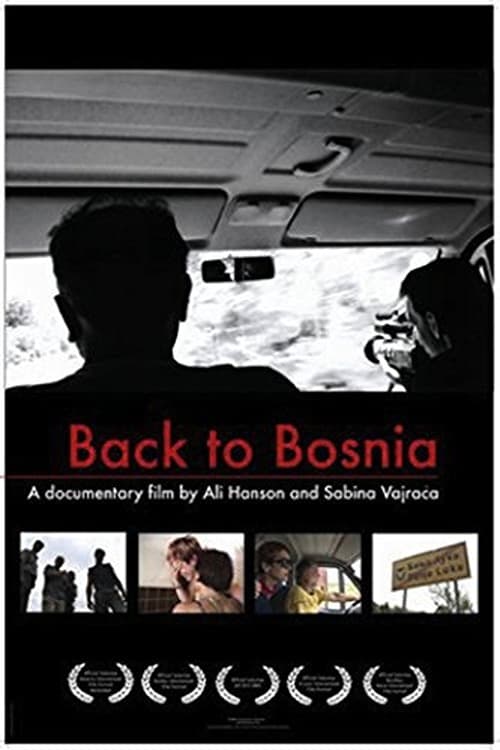
Filmmaker Sabina Vajraca documents her Bosnian Muslim family's return to their home of Banja Luka, Bosnia, to recover their stolen belongings many years after being forced to flee to the United States. In Bosnia, they witness the devastation of the city, visit war crimes sites, and confront the family that has been living in their former apartment -- with all their furnishings -- for a decade.
Winter 2019. Spanish war photographer Gervasio Sánchez, who documented with his camera the long and tragic siege of Sarajevo during the Bosnian War (1992-95), returns to the city in search of the children he met among the ruins, those who survived to grow up, live and remember.
A personal interpretation of the blockade of Bosnia and Herzegovina's capital.
The carnage in Sarajevo provides the focus of this French documentary which seeks to call attention to the terrible conflict in the hopes of finally ending it. The film is divided into five parts. Each part covers a time frame ranging from April 4, 1992, the beginning of the war, to the present. The major issues that occur are three-fold. It depicts the systematic genocide of Bosnians, the silence of Western countries, and the determination of the Bosnians to resist. They refuse to be seen as victims, even though the filmmakers portray them so. Also included are the origins and political aspects of the war. It offers interviews with participants. It also reveals how the U.S. State Department censored reports about Serbian death camps.
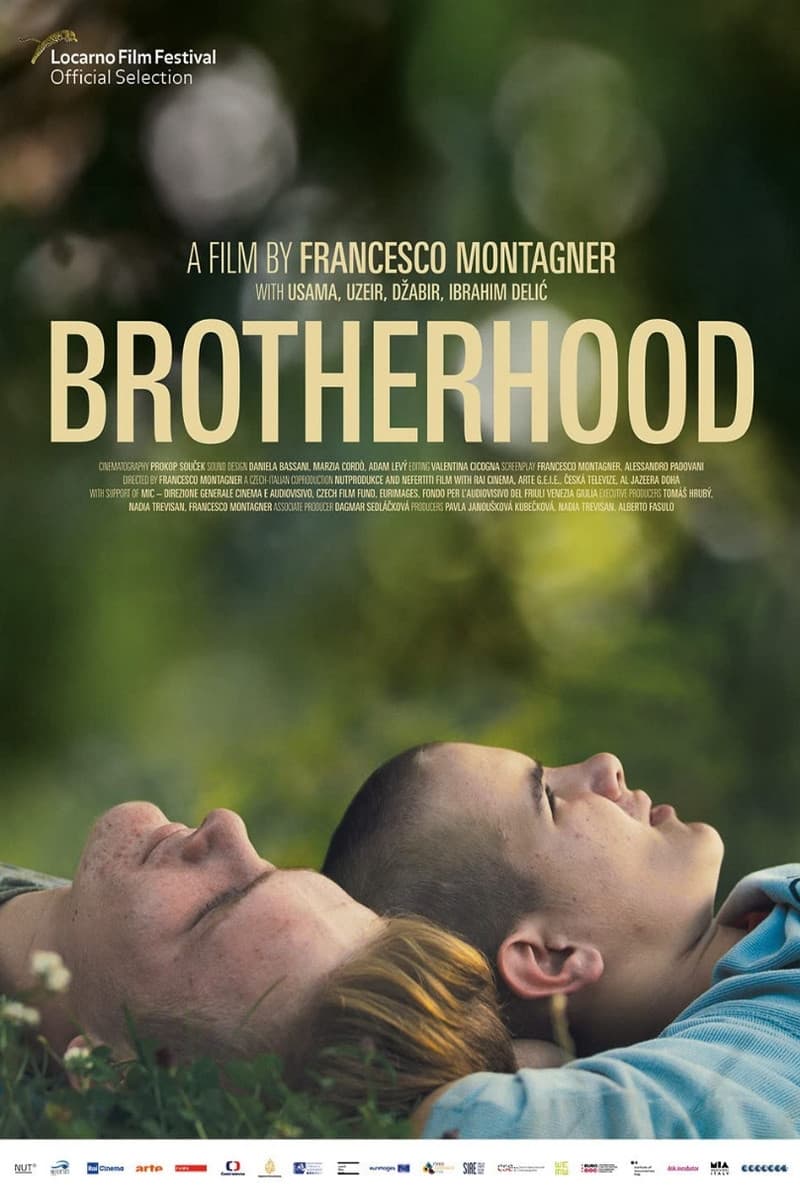
Jabir, Usama and Uzeir are three young brothers in a Sunni family of shepherds. Since childhood, their father Ibrahim has rigidly trained them in the principles of the Quran and has filled their minds with stories of the Bosnian War.
On 11th of July 1995, the most mortifying crimes after World War II in Europe destroyed the Bosnian town of Srébrenica. Shootings and deportations beyondimagination were preceded by a betrayal of humaity: while 40,000 civilians were looking into the sky of Srébrenica, waiting for a sign from the international community, guaranteeing their protection, the headquarters of the United Nations decided to surrender. The betrayal kill 8,372 men, women and children. Sky above Srebrenica (101 minutes) is based on protocols of the secret crisis meetings of the UN headquarters. In a unique way never before released original material of the consequences is shown next to those who are responsible for these.
The compelling stories of four young people as they struggle to survive a war that ended nearly 20 years ago. The physical conflict is over - but its psychological impact continues. Can they break the cycle of violence?
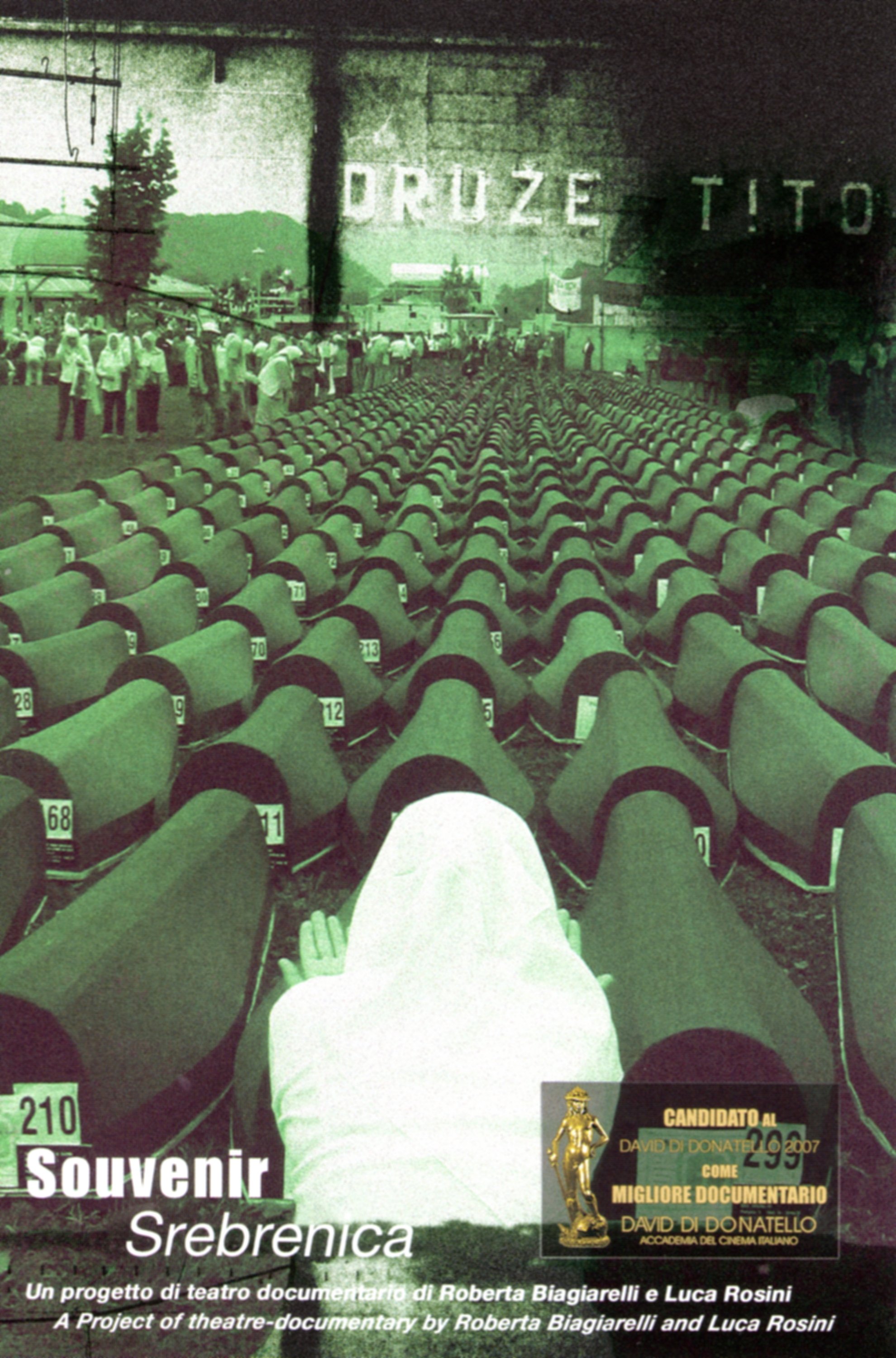
A project of theatre-documentary on the Srebrenica massacre.
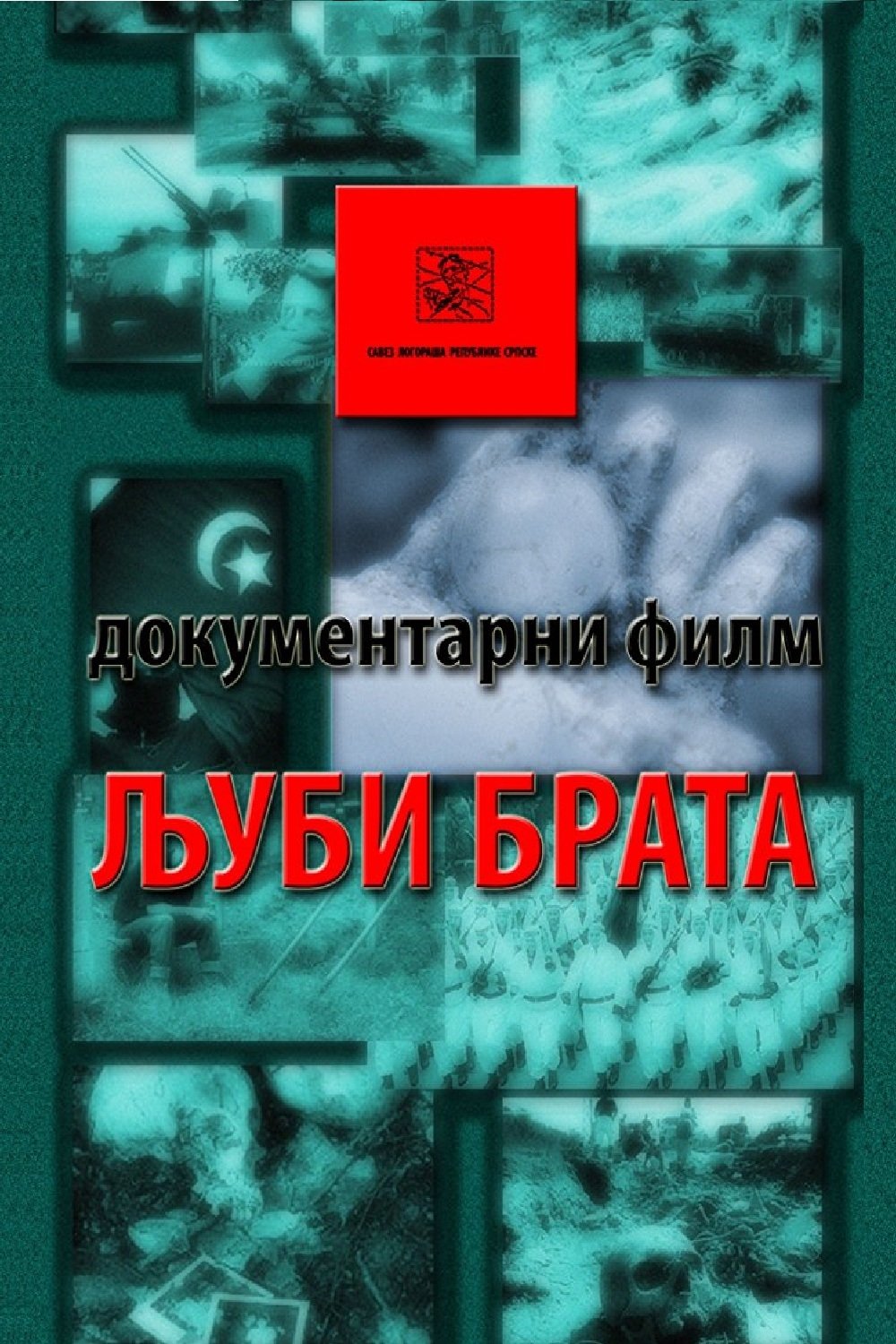
Documentary about the massacre of Bosniak army committed over soldiers of Republika Srpska during 1990s Bosnian wars.
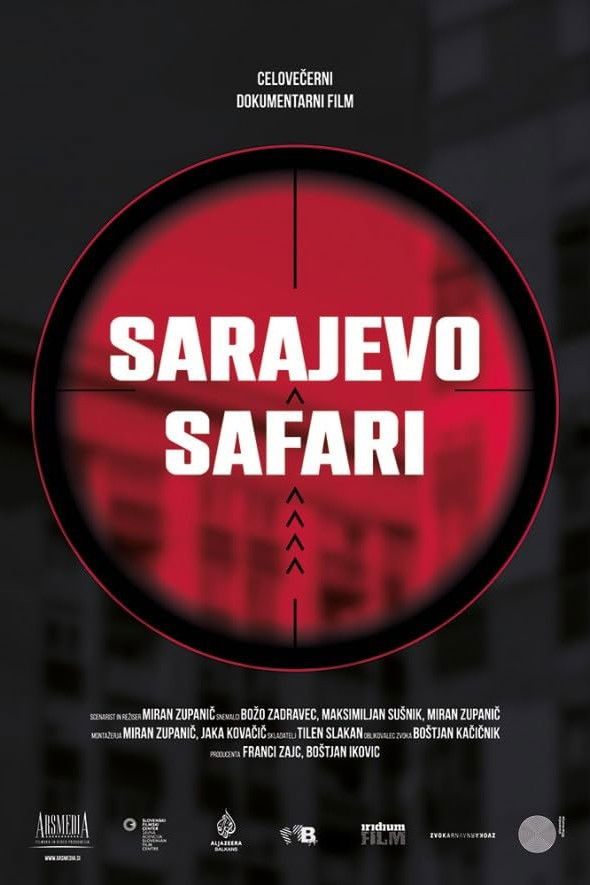
Among the many dramatic episodes of the siege of Sarajevo in the years 1992 to 1996, the story of a human safari has remained concealed from the public eye. Few people knew that those fighting the war on the Serbian side were not only the Bosnian Serb Army, volunteers and mercenaries but also a small, clandestine group: wealthy foreigners who paid high fees for the chance to shoot at the residents of the city under siege.
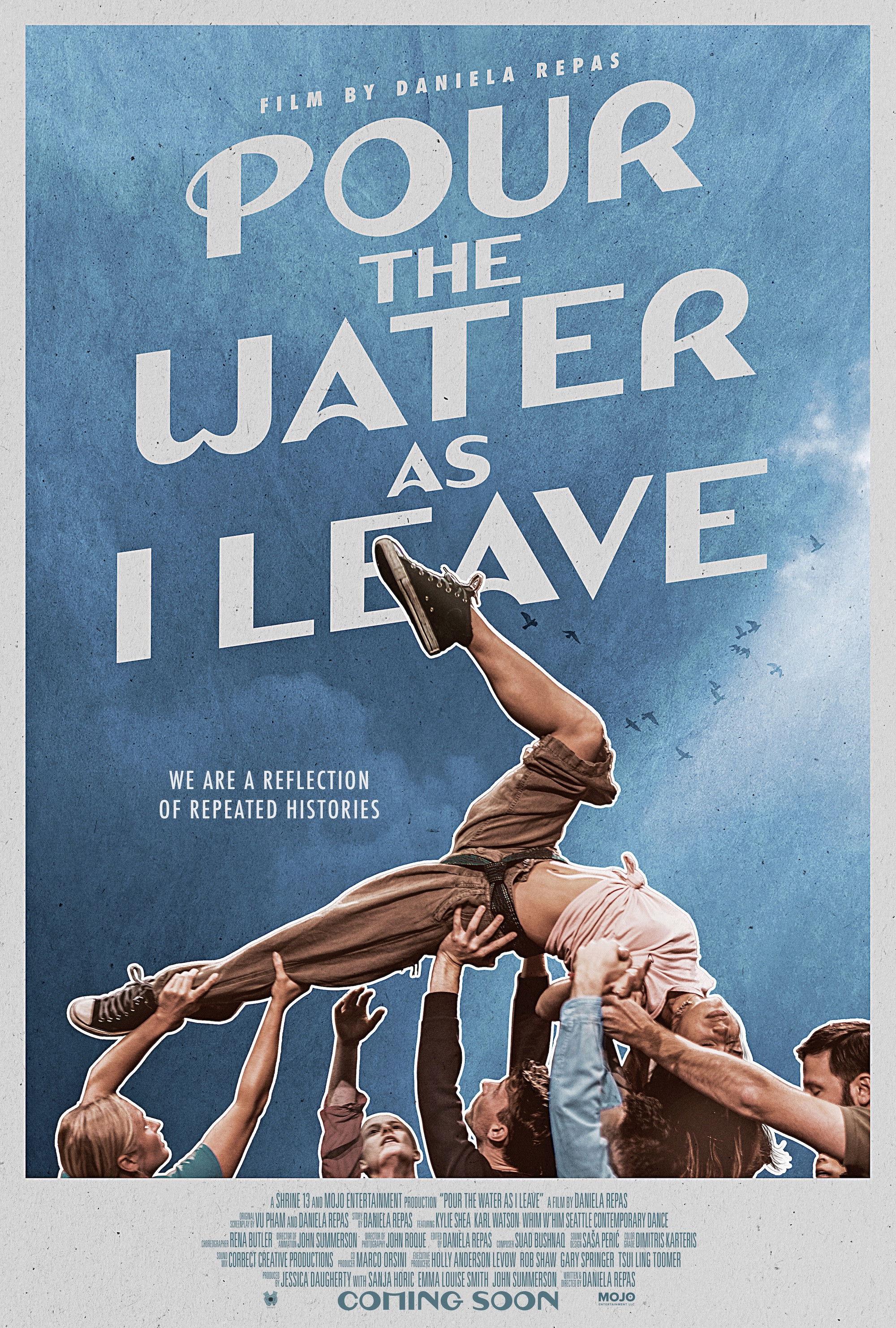
A surreal exploration of the war in Bosnia told through the unbreakable spirit of seven of her people whose strength to leave was as powerful as the fight to stay. Through the lens of diaspora, the film captures not just the weight of displacement, but the defiant act of survival and the unwavering pursuit of home, no matter where the journey leads.
The docu-drama takes place during the war in the former Yugoslavia. A young journalist arrives in destroyed Sarajevo and finds out how people live in the middle of war. He encounters everyday problems that an individual, especially young people, has to deal with.
Documentary which tells the story of a group of men and women who risked their lives to rescue a library - and preserve a nation's history - in the midst of the Bosnian war. Amid bullets and bombs and under fire from shells and snipers, this handful of passionate book-lovers safeguarded more than 10,000 unique, hand-written Islamic books and manuscripts - the most important texts held by Sarajevo's last surviving library.
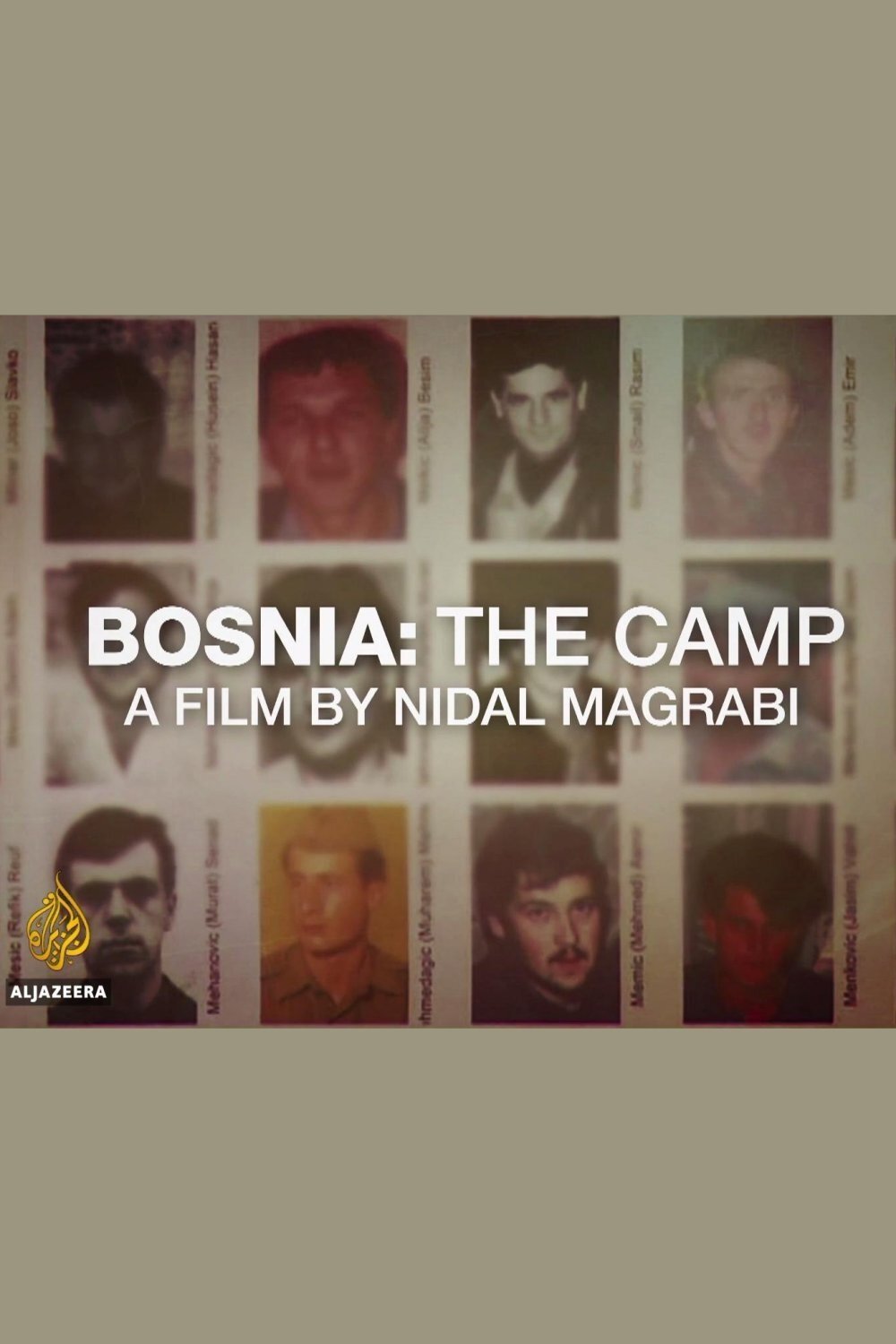
From May to August of 1992, during the Bosnian War, more than 3000 Bosnian Muslims--known as Bosniaks--and Croats were murdered by Serbian authorities in the town of Prejidor, Bosnia, and its surroundings and in the Omarska concentration camp near the city.
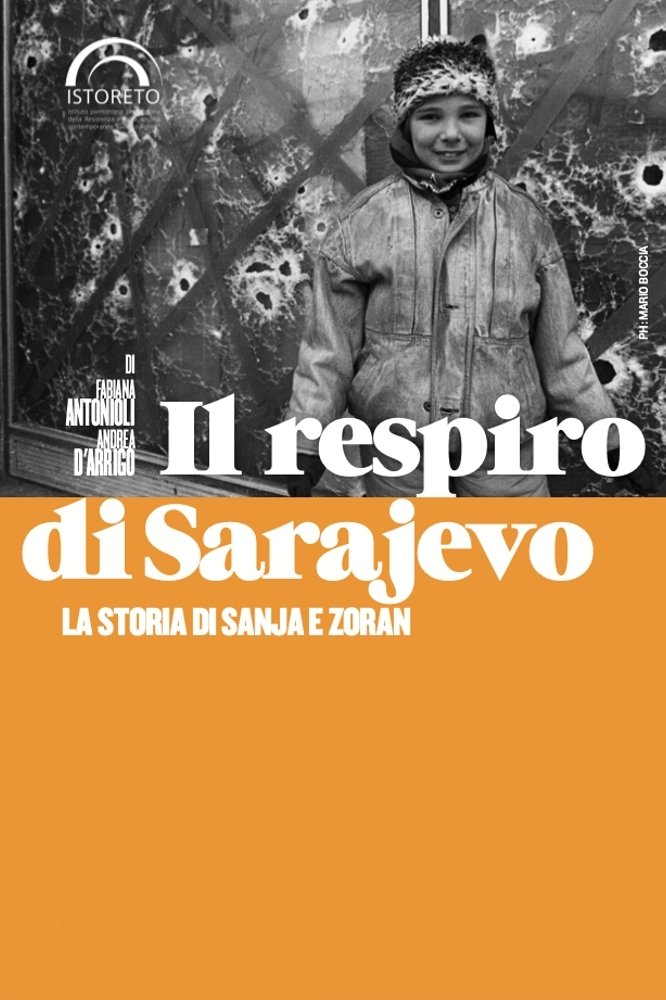
The extraordinary story of Sanja and Zoran, a couple who in 1993 fled and survived the siege of Sarajevo, the longest war in 20th century history, to find refuge in Italy, in Turin. In their life experience, past and present come together to give voice to friendship and hope, reflecting on war, prejudice, tolerance and acceptance.
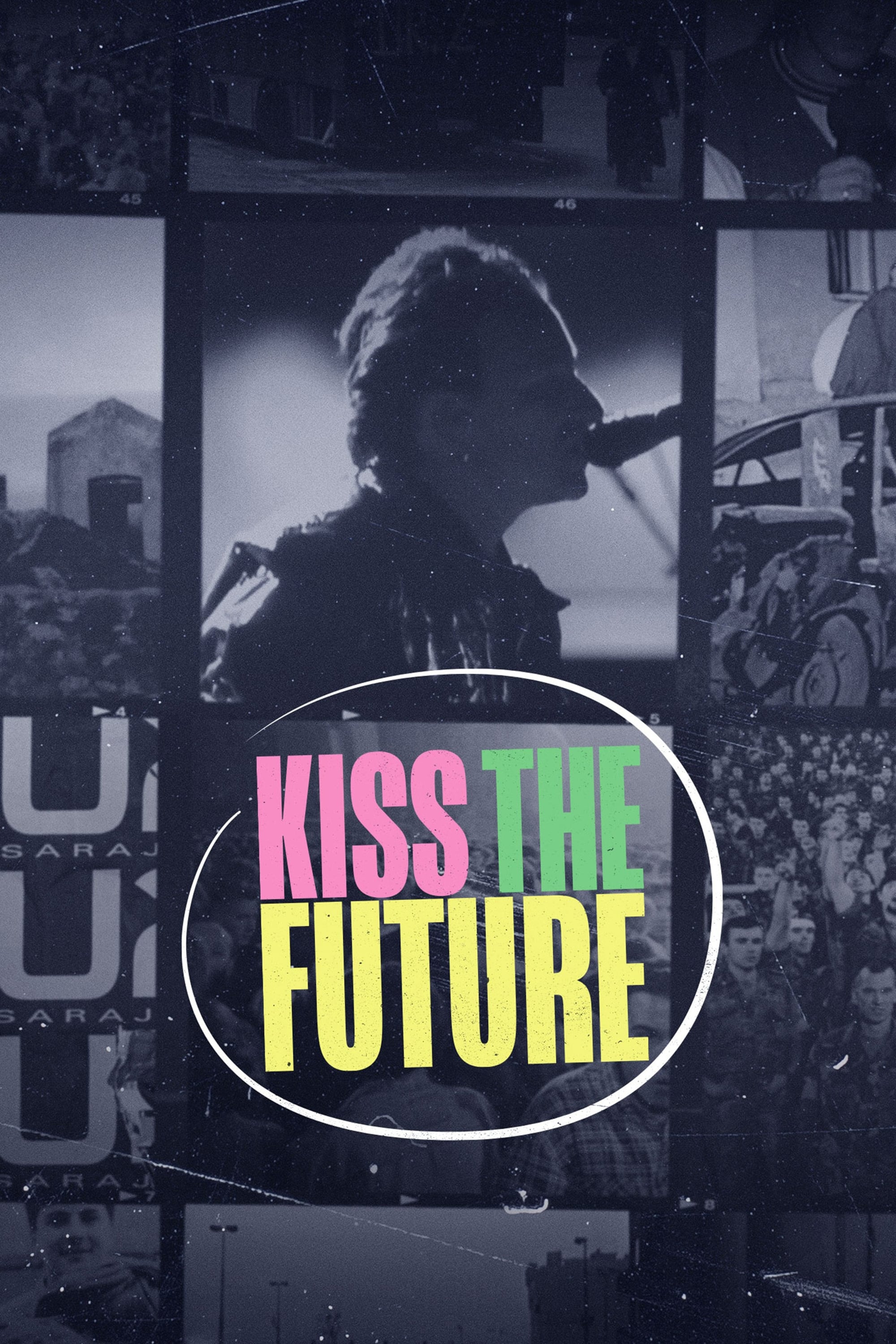
An exploration of the perils of nationalism and art’s role as a weapon of resistance and activism throughout the 1990s Siege of Sarajevo during the Bosnian War. Explore how art and music sustained hope, thanks in part to humanitarians and the band U2.
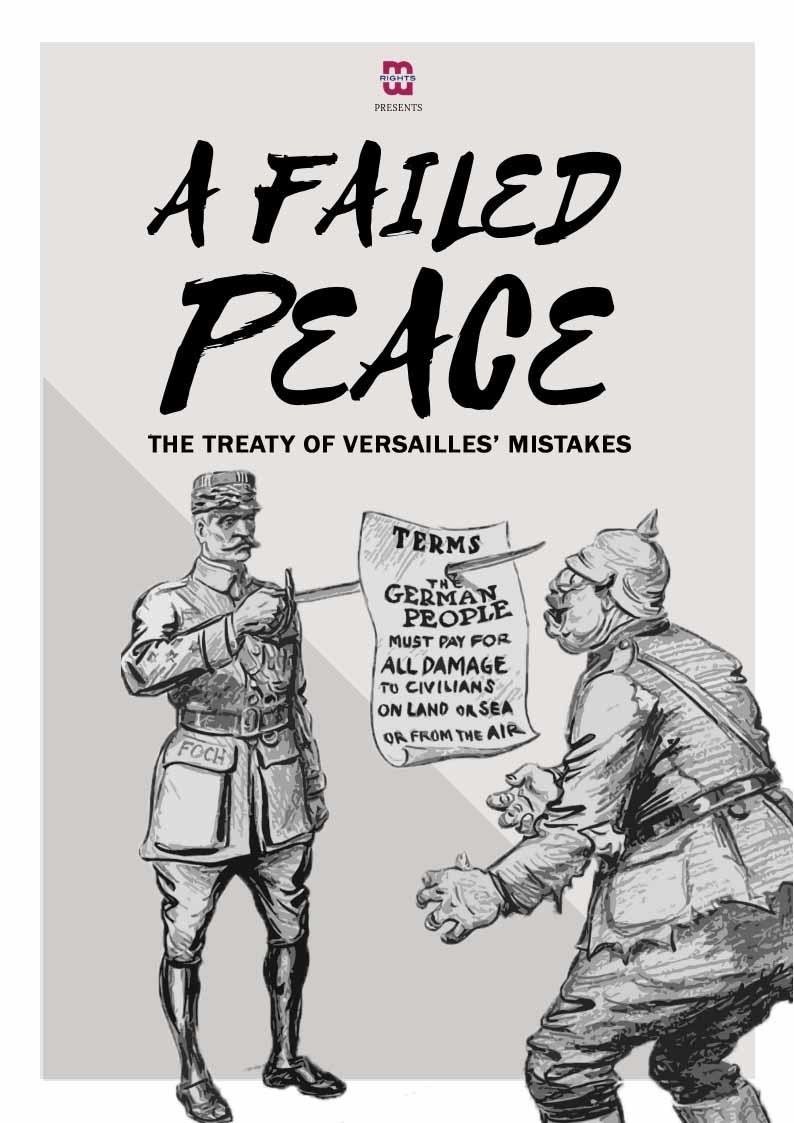
At the end of WWI, the treaty of Versailles established the conditions for peace in Europe. The aim for the victorious powers was to make Germany pay reparations, and to guarantee a future without war. Yet a decade later, the denunciation of 'Versailles' became a powerful lever for the nazis to obtain power as these reparations would mark the beginning of the humiliation of the German people, and nurture a feeling of having been bestowed a hopeless future. In the 20 years that follow the end of WWI, the issue of reparations and responsibility will effectively poison international relationship. The treaty negative impact goes well beyond WWII as the new European borders it implemented led to many conflicts during the twentieth century. This documentary shines a light on the causality between the decisions taken with the treaty of Versailles, and the ensuing events of the century.
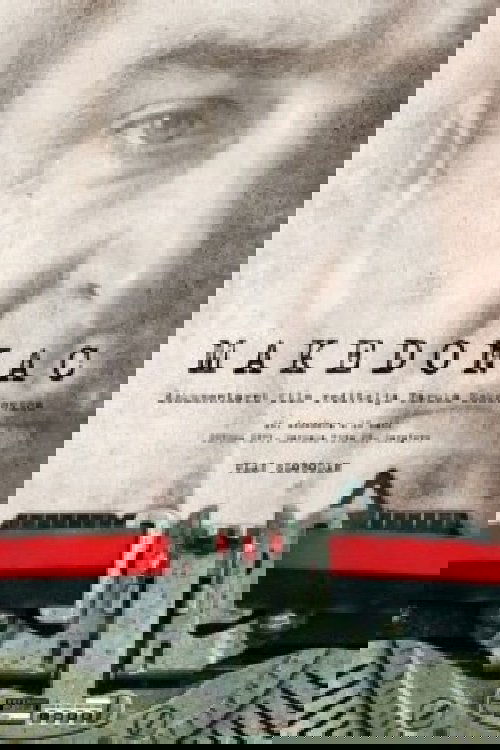
A tale of victory of humanism over revenge motif. Amir Reko (nicknamed "Macedonian", but actually Bosnian Muslim by ethnicity), the ex-captain of Yugoslav People's Army, saved lives of 44 Serb civilians during the siege of Gorazde in 1992. He went through personal and professional temptation during the war, while plenty of other officers ended up in Hague or other international criminal courts across Europe.
An inside look at one of the most anticipated movie sequels ever with James Cameron and cast.
In an intimate and joyful story of love in the face of loss, celebrated poets Andrea Gibson and Megan Falley find strength—and unexpected hilarity—in what might be their final year together.
Through deeply personal interviews with her siblings and an examination of the photographs, letters, and belongings left behind, Mariska assembles a new portrait of her mother Jayne Mansfield, an extraordinary and complex woman.
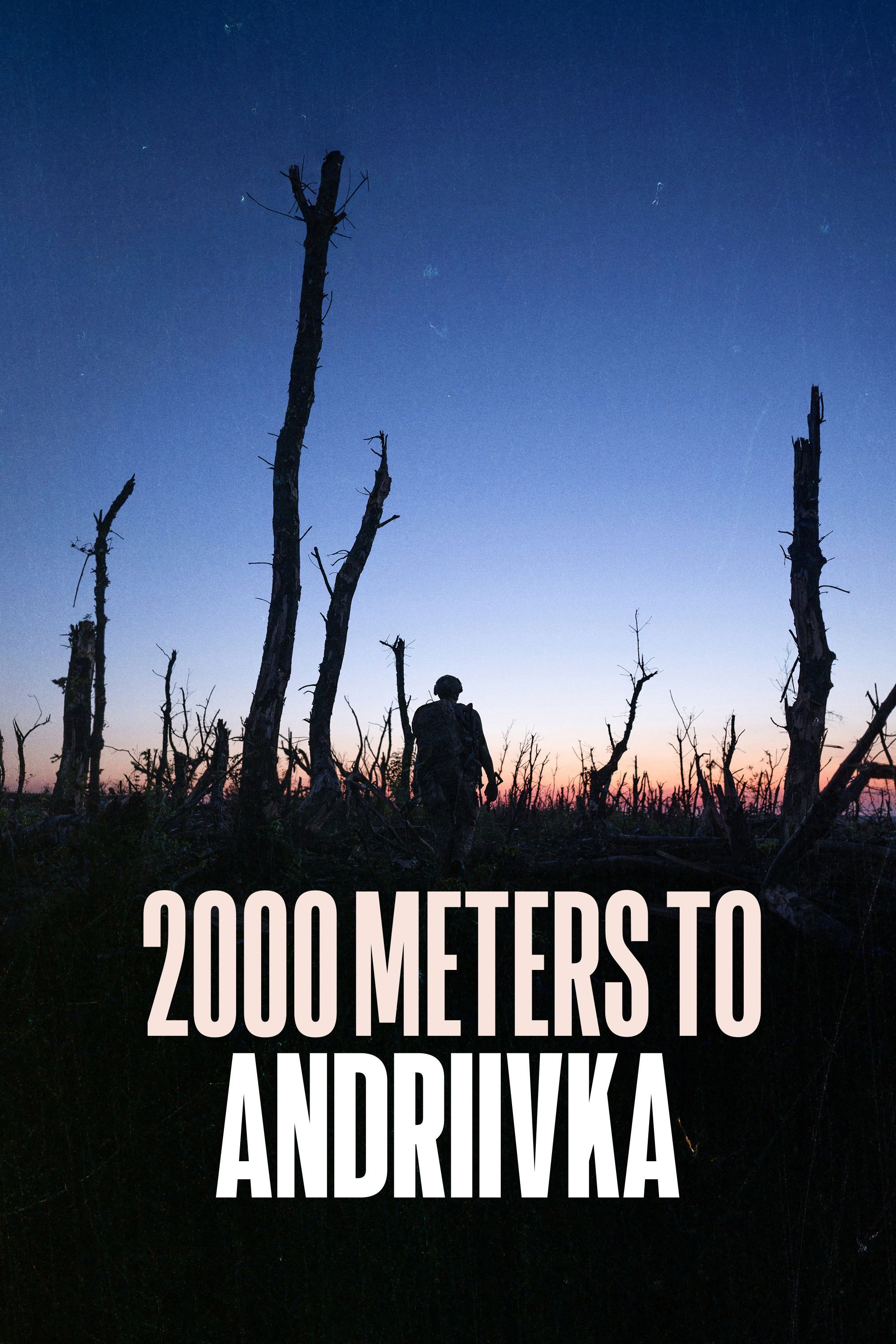
Amid the failing counteroffensive, a journalist follows a Ukrainian platoon on their mission to traverse one mile of heavily fortified forest and liberate a strategic village from Russian occupation. But the farther they advance through their destroyed homeland, the more they realize that this war may never end.
A visual montage portrait of our contemporary world dominated by globalized technology and violence.
A documentary about how a dominant cultural and demographic institution both sustains their traditional activities and adapts to the digital revolution.
A love letter from a young mother to her daughter, the film tells the story of Waad al-Kateab’s life through five years of the uprising in Aleppo, Syria as she falls in love, gets married and gives birth to Sama, all while cataclysmic conflict rises around her. Her camera captures incredible stories of loss, laughter and survival as Waad wrestles with an impossible choice– whether or not to flee the city to protect her daughter’s life, when leaving means abandoning the struggle for freedom for which she has already sacrificed so much.
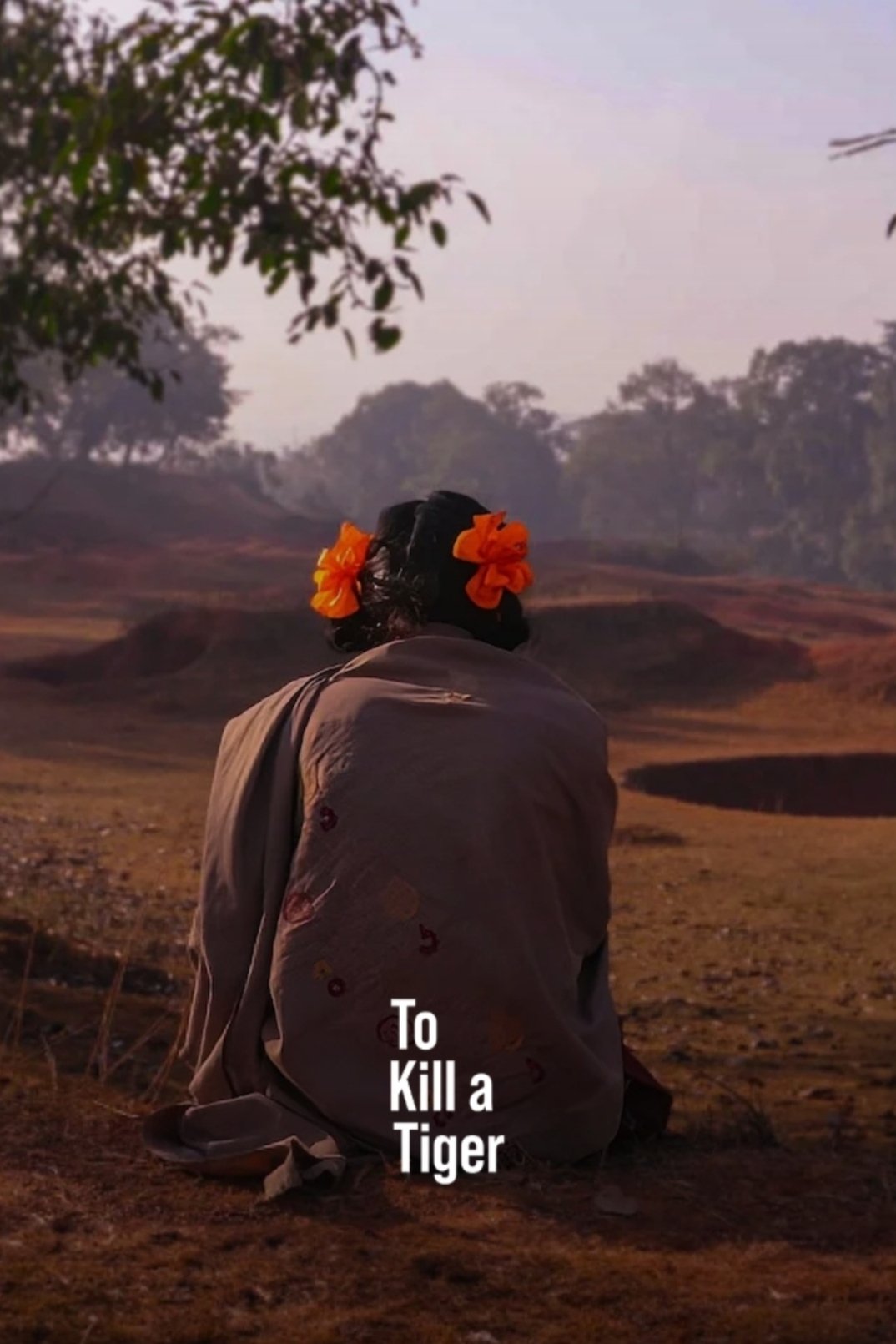
Ranjit, a farmer in India, takes on the fight of his life when he demands justice for his 13-year-old daughter, the victim of a brutal gang rape. His decision to support his daughter is virtually unheard of, and his journey unprecedented.
Using the book 'Fragments', which collects Marilyn Monroe's poems, notes and letters, and with participation from the Arthur Miller and Truman Capote estates who have contributed more material, each of the actresses will embody the legend at various stages in her life.
SEDUCED AND ABANDONED combines acting legend Alec Baldwin with director James Toback as they lead us on a troublesome and often hilarious journey of raising financing for their next feature film. Moving from director to financier to star actor, the two players provide us with a unique look behind the curtain at the world's biggest and most glamourous film festival, shining a light on the bitter-sweet relationship filmmakers have with Cannes and the film business. Featuring insights from directors Martin Scorsese, 'Bernando Bertolucci' and Roman Polanski; actors Ryan Gosling and Jessica Chastain and a host of film distribution luminaries.
A detailing of the rise to prominence and global sporting superstardom of six supremely talented young Manchester United football players (David Beckham, Nicky Butt, Ryan Giggs, Paul Scholes, Phil and Gary Neville). The film covers the period 1992-1999, culminating in Manchester United's European Cup triumph.
A documentary on the expletive's origin, why it offends some people so deeply, and what can be gained from its use.
Al Pacino's deeply-felt rumination on Shakespeare's significance and relevance to the modern world through interviews and an in-depth analysis of "Richard III."
Alexander McQueen's rags-to-riches story is a modern-day fairy tale, laced with the gothic. Mirroring the savage beauty, boldness and vivacity of his design, this documentary is an intimate revelation of McQueen's own world, both tortured and inspired, which celebrates a radical and mesmerizing genius of profound influence.
Director Michael Apted revisits the same group of British-born adults after a 7 year wait. The subjects are interviewed as to the changes that have occurred in their lives during the last seven years.
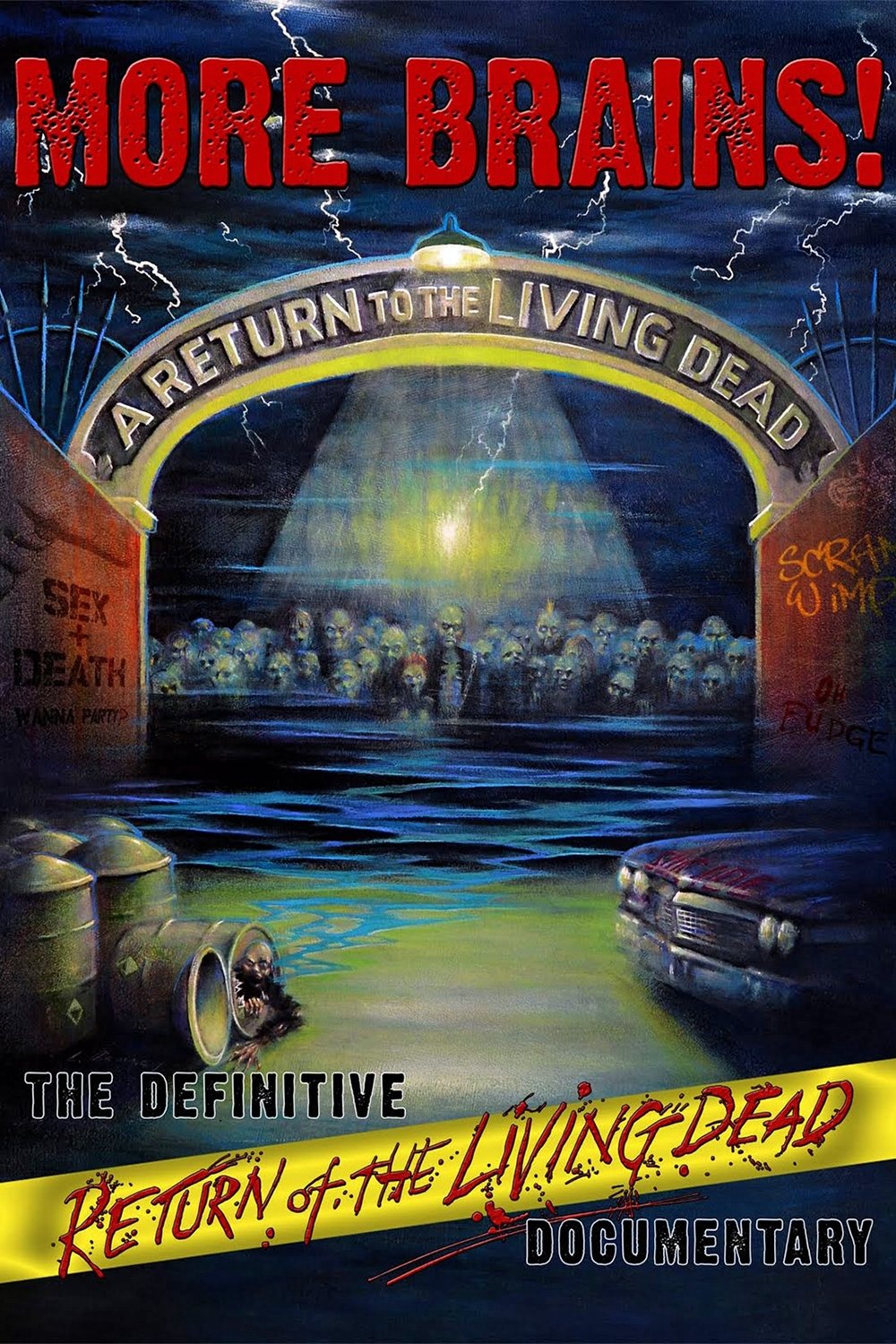
Retrospective documentary about the making of the horror cult classic "The Return of the Living Dead."
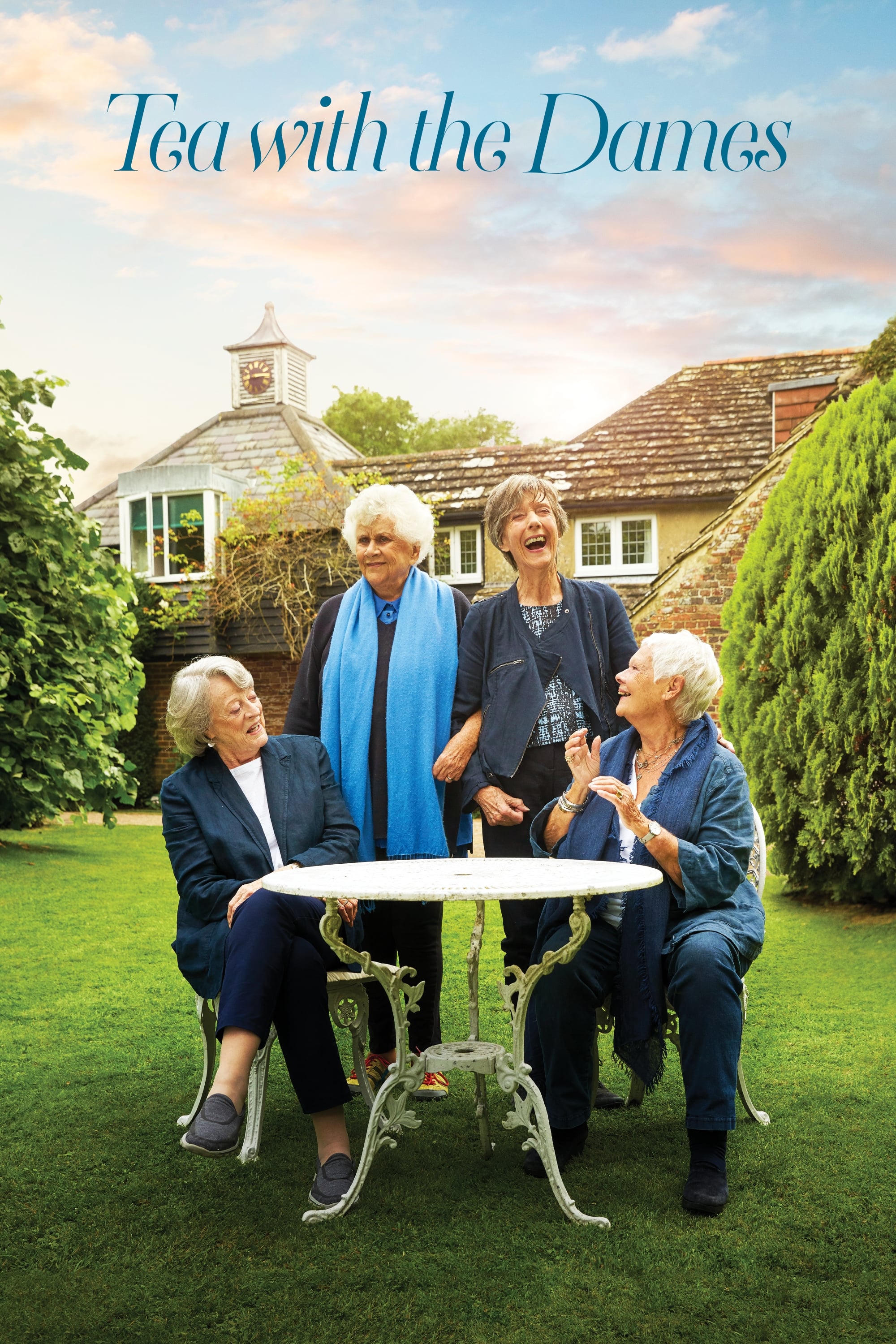
BBC Arena's documentary on the Dames of British Theatre and film featuring Maggie Smith, Eileen Atkins, Judi Dench and Joan Plowright on screen together for the first time as they reminisce over a long summer weekend in a house Joan once shared with Sir Laurence Olivier.
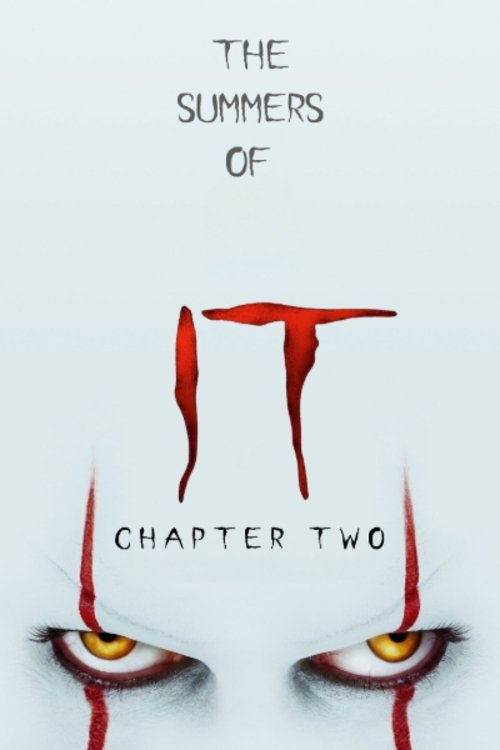
This documentary focuses on the actors and their journey over two summers to create the remake to the original IT, by Stephen King. The documentary originally released as bonus material, bundled with IT: Chapter Two.
Daniel Craig candidly reflects on his 15 year adventure as James Bond. Including never-before-seen archival footage from Casino Royale to the upcoming 25th film No Time To Die, Craig shares his personal memories in conversation with 007 producers, Michael G Wilson and Barbara Broccoli.
From the heights of her modeling fame to her tragic death, this documentary reveals Anna Nicole Smith through the eyes of the people closest to her.