Documentary about subsidence focusing on its effect in the Green Heart of the Netherlands.
Social & External
Documentary that shows the changing attitude towards immigrant labor in The Netherlands. The documentary follows three immigrants that arrived in Holland 30 years ago to work in a bakery.
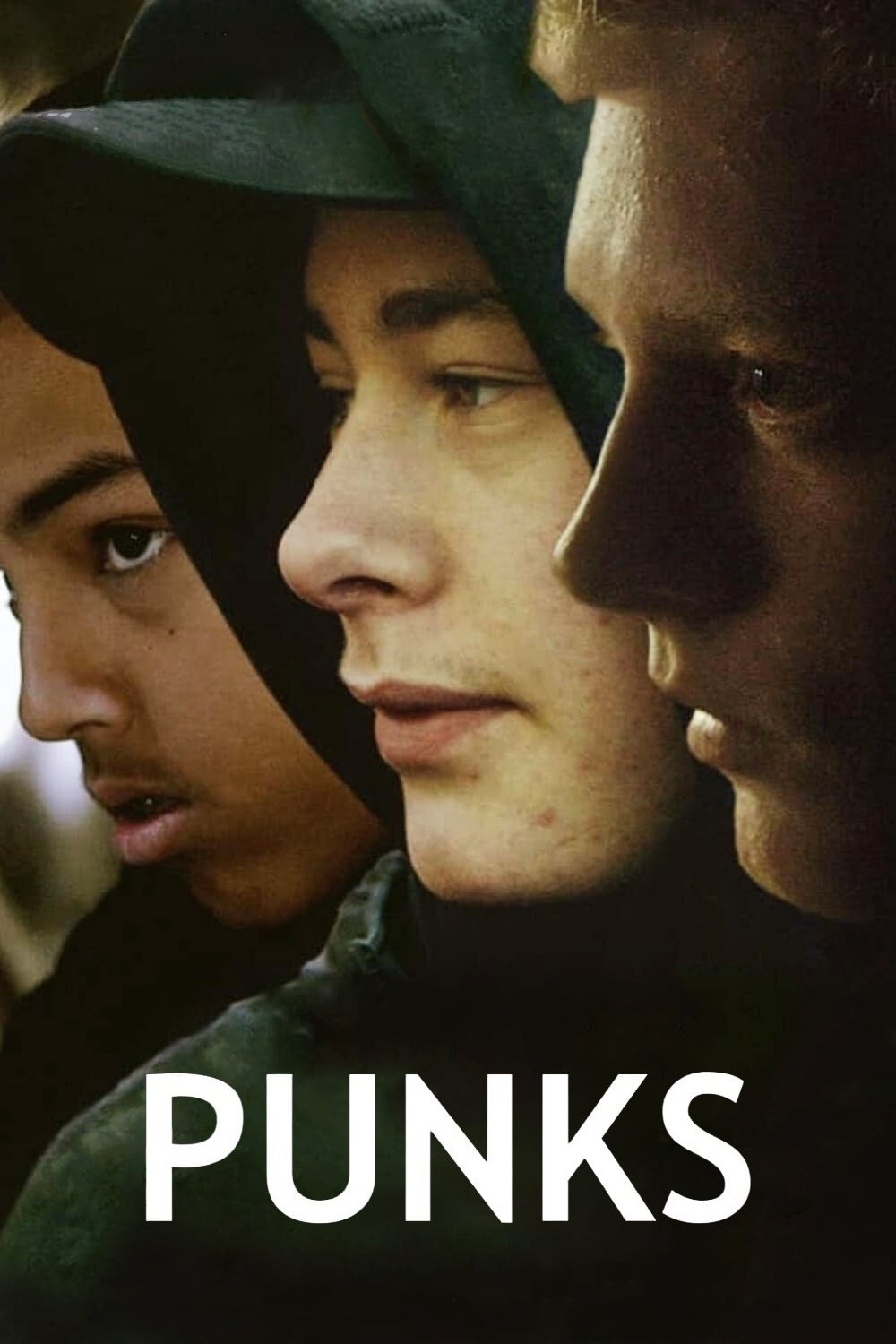
The parents are at their wits’ end, so a temporary supervision order is the last hope for a group of teenagers in Punks. Now, on a remote farm in France, they’re going to have to get their lives back on track, with the help of a counselor. If they want any chance of a happy life, they need to engage in some frank and painful conversations. Mitchel has to find a way to get along with his father, but maybe too much has already happened since his mother died. Jahlano is already at the next stage: he’s no longer allowed to live with his mother, and needs to get over the disappointment. Mike, meanwhile, is struggling with his image as a boy who’s “got a screw loose.” Filmed in constant close-up by director Maasja Ooms, the teenagers try to tame their demons with music and therapy, but problems from the past keep resurfacing. In this intimate and sincere portrait, these troubled kids show us their most vulnerable sides.
The documentary that answers the question: is having month-long double paid vacations, no fear of homelessness, and universal health care the nightmare we've been warned about? The answer may surprise you.
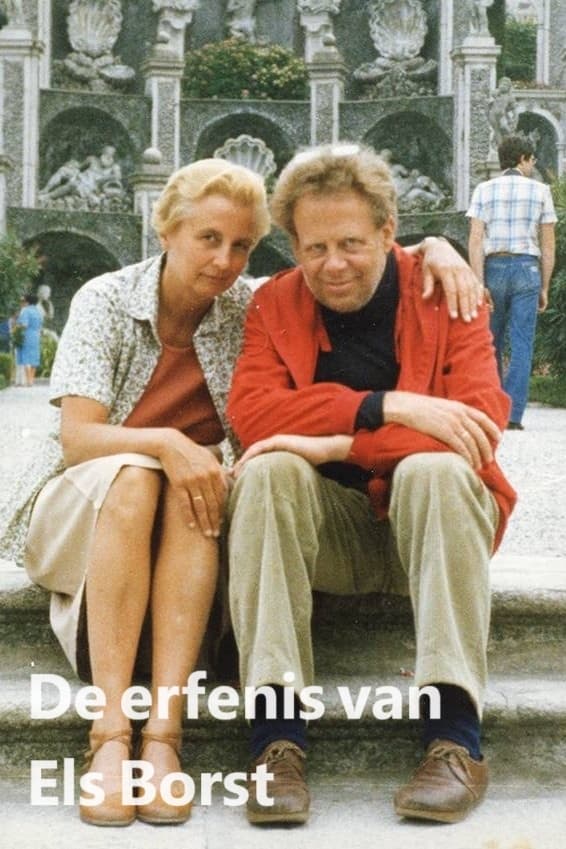
February 8, 2024 will mark ten years since Els Borst was murdered. This documentary highlights the remarkable career and life of the former Minister of Health, based on conversations with people who knew her well. It shows Borst's personal side and her impressive contribution to Dutch society. In addition to the successful cases, what were they encountering? How did Borst deal with political opposition? What did this do to her personally? The documentary provides a tangible image of Els Borst as a politician and a person, with attention to her legacy and the tragic end of her life.
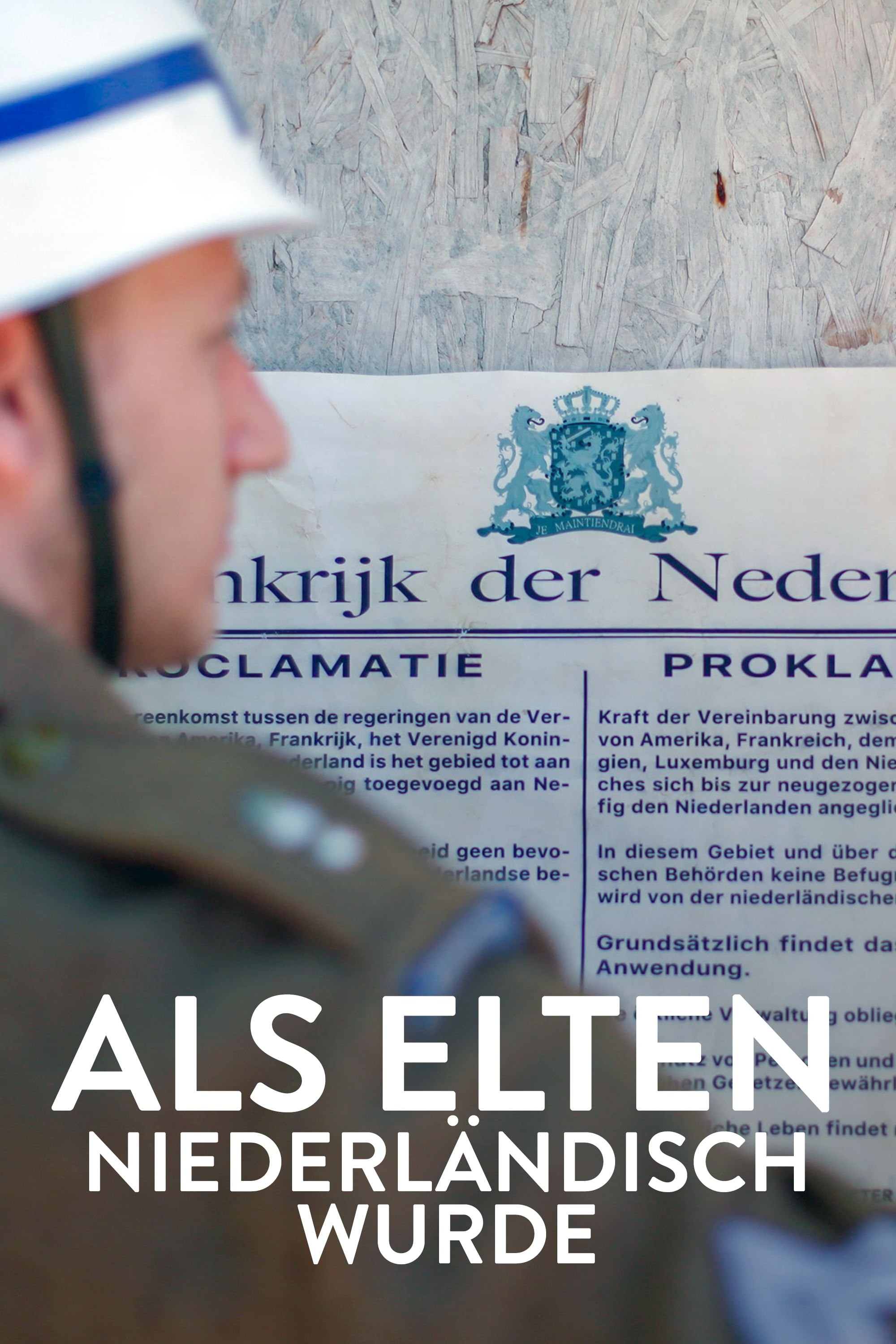
It is an unknown chapter of the German post-war history: On April 23rd, 1949, the kingdom of the Netherlands occupied German soil as a pledge for demanded war reparations. Part of the annexed territories was also the small municipality of Elten. While the people of Elten were initially afraid of the occupation, the time “with Holland” actually became a miracle of prosperity and economy about which many people from Elten still rave today. The occupation period ended with the largest organized smuggling in the history of the federal republic of Germany. The Documentary shows this in never before released 8 mm footage!
Tilburg artist Tommy van der Loo searches for the influence of superiority thinking, racism and colour in his life. Van der Loo is an emerging artist and his work has been purchased by Boijmans van Beuningen in Rotterdam. He also had an exhibition at the Kunsthal. He also made the memorial for the abolition of slavery in Eindhoven. He has had multiple experiences with discrimination and incorporates that into his sculptures. Identity and image formation are important to him: How do you look at others, how do others look at you. The search is the inspiration for his new sculpture.
Artist Katinka Simonse, alias Tinkebell, is a controversial, very mediagenic phenomenon. In her universe there is no distinction between life, art and activism; Tinkebell is her own work of art. Everything she encounters on her life path can become part of her story. Filmmaker Judith de Leeuw was given access to all images about Tinkebell, including her entire private archive. She thus constructed an archive film about how as a human being, living on the ruins of the past, you can be a character in your own story. What is the price you can afford if you continue to believe at any cost?
VPRO icon Wim Brands died on April 4, 2016. He was known to the general public as a presenter of the VPRO Boeken program and also closer, with six collections of poetry to his name. This documentary about his life and work, built entirely from archive material, pays tribute to this television personality. A portrait in which attention is also paid to his complicated relationship with death. With a.o. Karl Ove Knausgård, David Sedaris, Ellen Deckwitz and Pieter Boskma. Brands' work merges with his rich inner life and that he chose death at the age of 56 casts a shadow over everything.
After twenty years, Wiam Al Zabari starts a conversation with his father. Why did they flee from Iraq? Why was that never discussed? Will he be able to let go of the past and embrace a Dutch future?
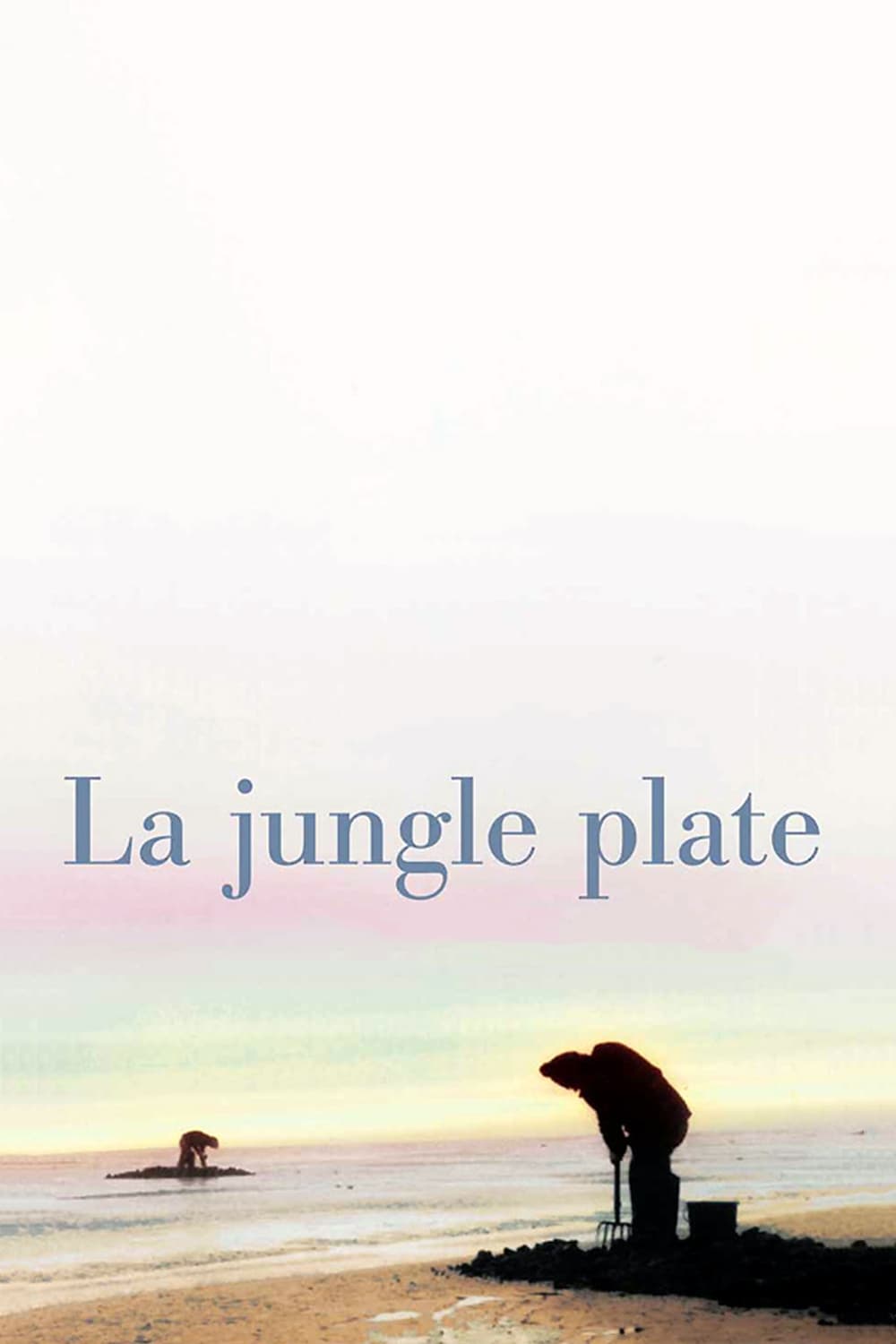
Documentary about the Wadden Sea in which Van der Keuken looks at this ribbon in the landscape through the eyes of a city-dweller. A film about the relationship between the minuscule and the overwhelming in this flat jungle.
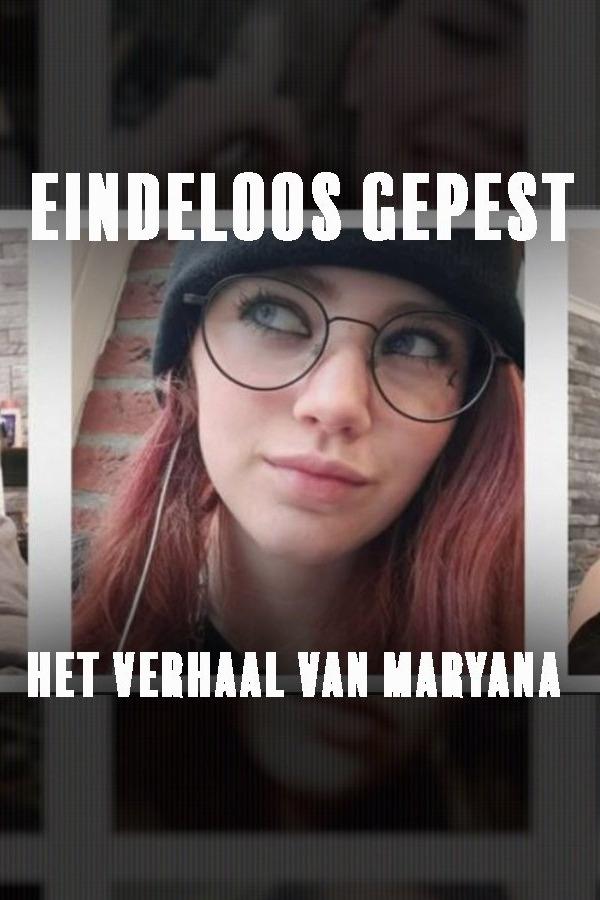
Maryana came to the conclusion that she no longer wanted to live because the bullying became unbearable. Based on stories from her family, teachers, friends and classmates, we get an idea of who Maryana was and what kept her busy. All relatives have the same message: let's learn from this and ensure that this does not happen again in the future.
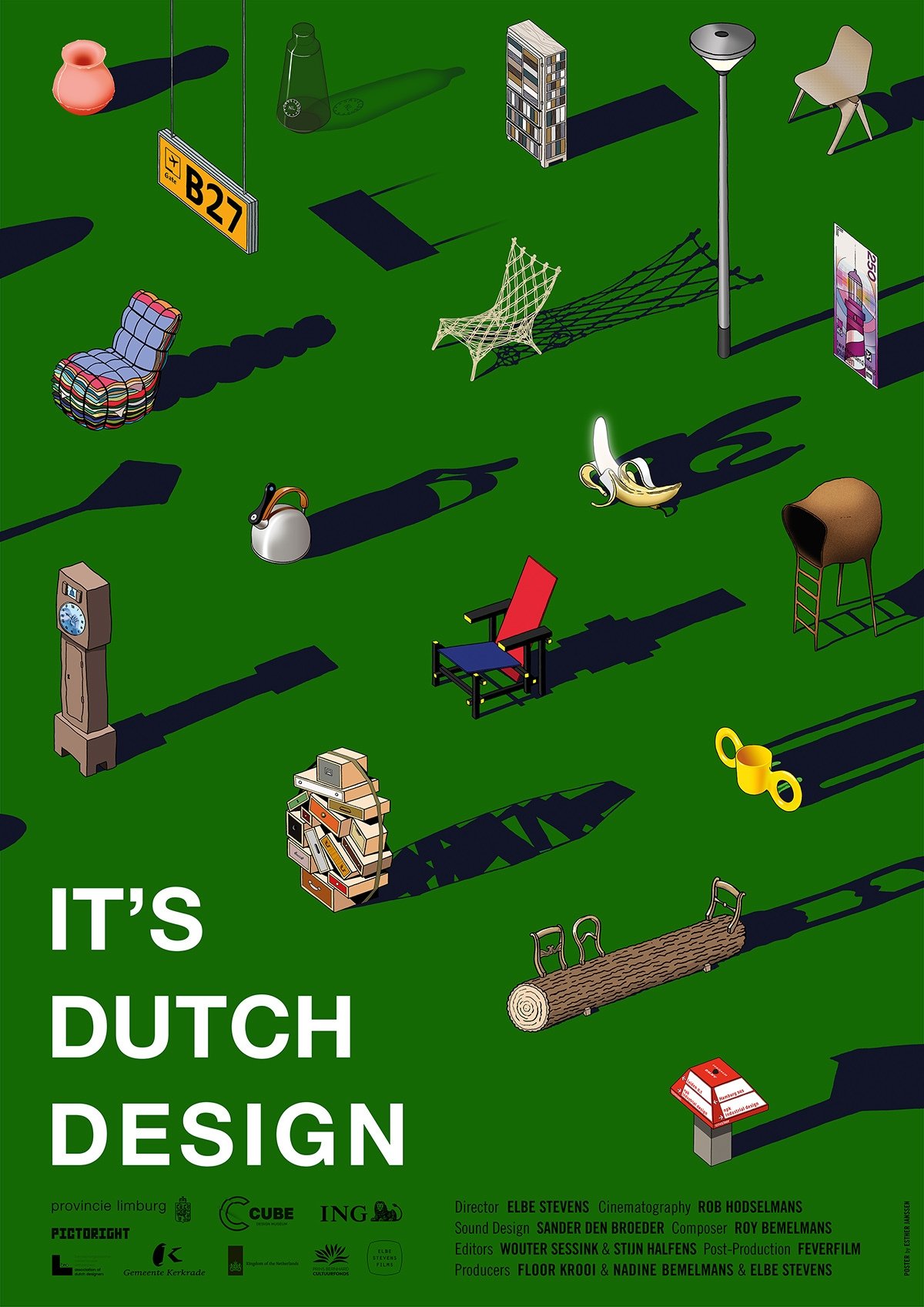
It's Dutch Design is a 60-minute documentary about the worldwide success of Dutch Design. Top Designers and international keyplayers reveal their personal vision and explain why a small country could become so big in the field of Design. The history is told with iconic Dutch Design examples, spanning more than 100 years.
Follows the lives of 6 adults with a disability in a care center. Over a year's time, each of them share their view of the world and how they cope with moods and looks.
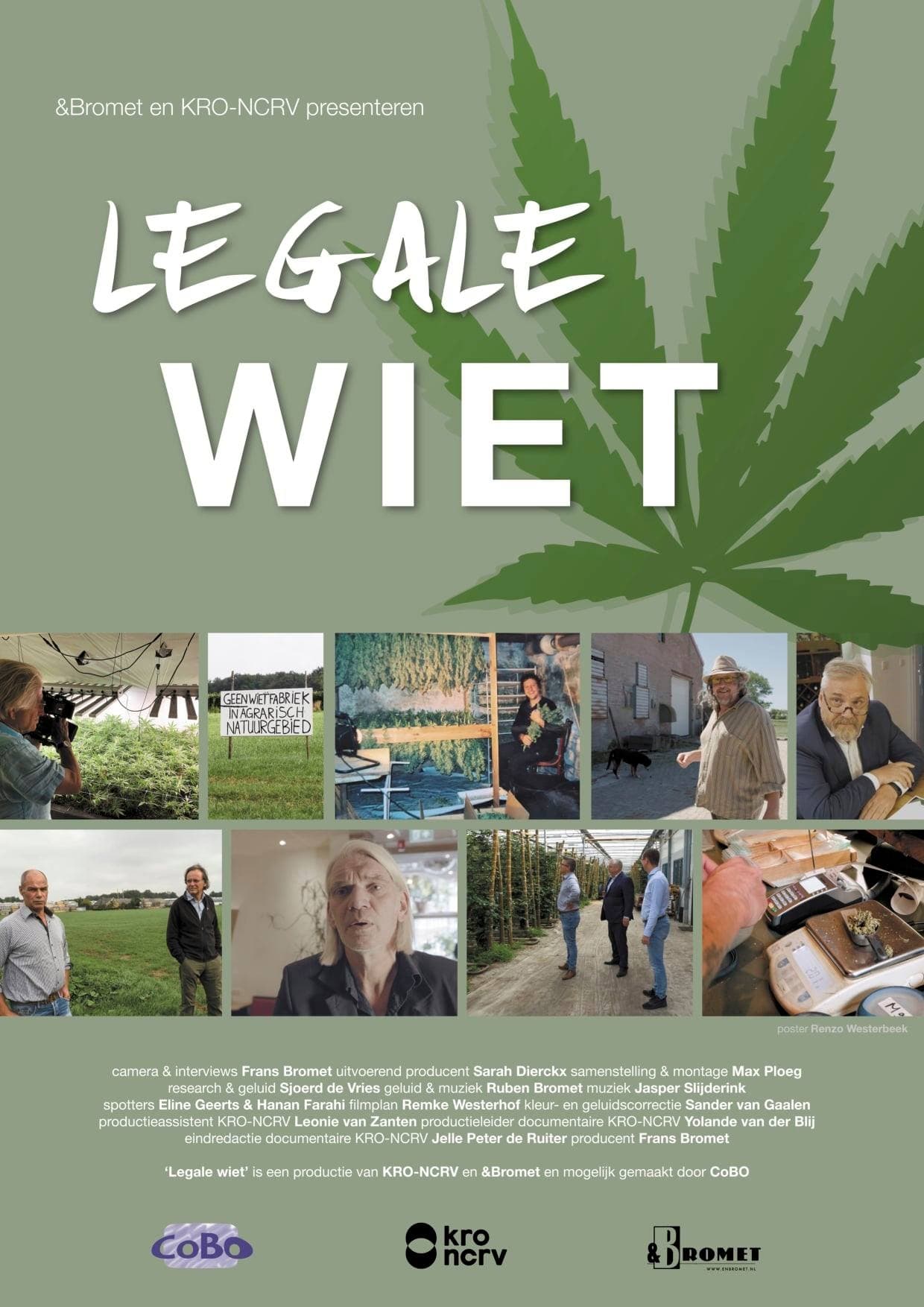
Currently, purchasing cannabis is done through 'the back door'. What is sold legally is purchased illegally. The end of 2019 marked the start of a four-year experiment in which cannabis grown under state supervision is legally traded. This should lead to less crime and better quality weed with fewer harmful substances. After a strict selection procedure, ten growers are selected who can supply this government weed. Bromet follows seasoned grower John - who wanted to run his nursery as legally and transparently as possible, but still lost everything after a lawsuit - and the businessmen of plan C who want to grow cannabis for the first time. Bromet also interviews coffee shop owners, politicians involved and both supporters and opponents. A follow-up documentary was made in 2024.
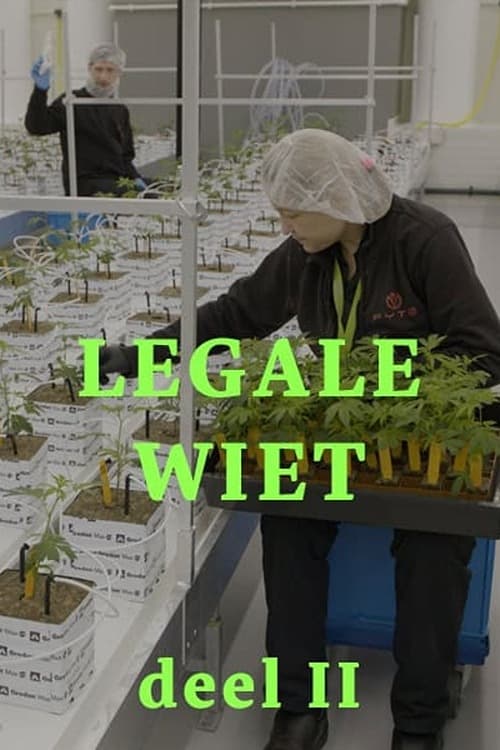
Frans Bromet follows several cannabis growers who have been selected by lottery as the first suppliers of legal cannabis. Sequel to the 2021 documentary 'Legal Weed'. Ten growers have been selected by draw as the first legal cannabis growers for an experiment that would last four years. These are large companies where a lot of money is spent to enable large-scale production of cannabis. But the actual experiment still hasn't been fully rolled out. Only in a few cities is legal cannabis available in coffee shops. The biggest problems that growers and sellers face are supply stocks and the complexity of the track and trace system. Every movement of the weed must be registered. And that is almost impossible with a failing computer system. The future of the experiment remains highly unpredictable four years after its announcement.
Ode on the resilience of Rotterdam, where people are working hard on the reconstruction of the city that was destroyed in the war. Winner of the prize for best realistic film at the 1953 Cannes Film Festival.
A boy tries invain to get aboard a fishing boat. Gazing over the water he imagines a life aboard.
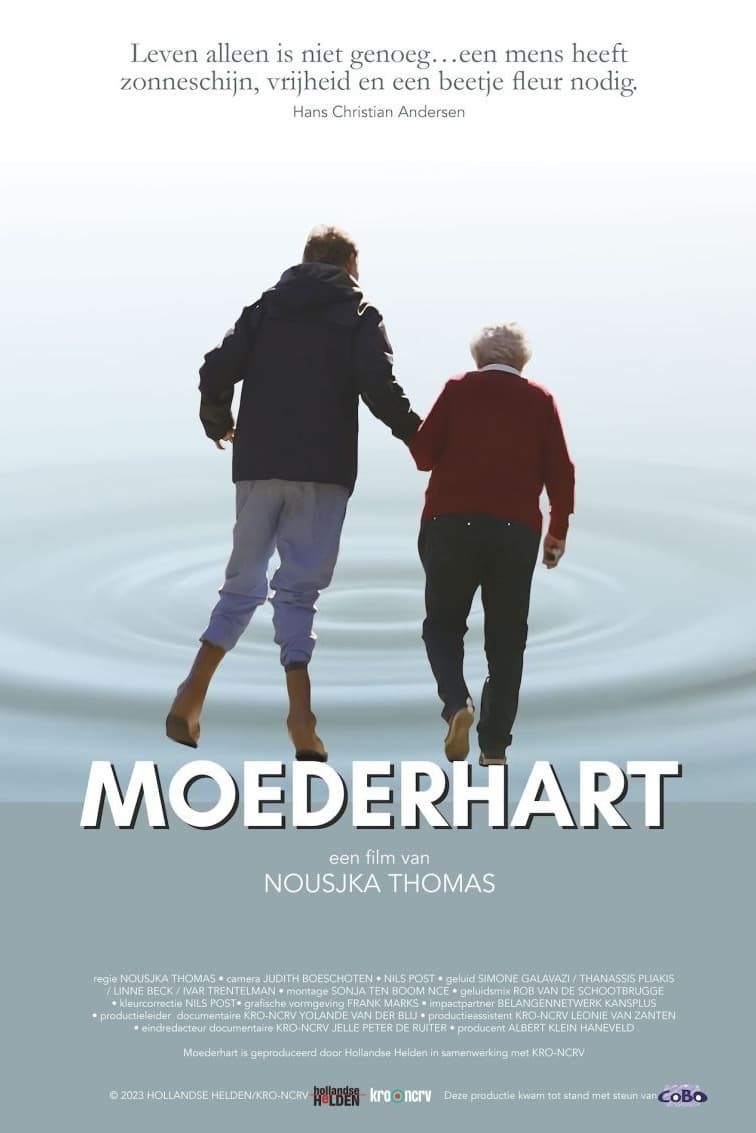
“Job is 2 meters tall and has been my baby for 58 years. I will continue to care for him as long as I can,” says 91-year-old Tineke about her severely disabled adult son. But how long can she keep that up and who needs who: Job Tineke or Tineke Job? A documentary about the limits of motherhood.
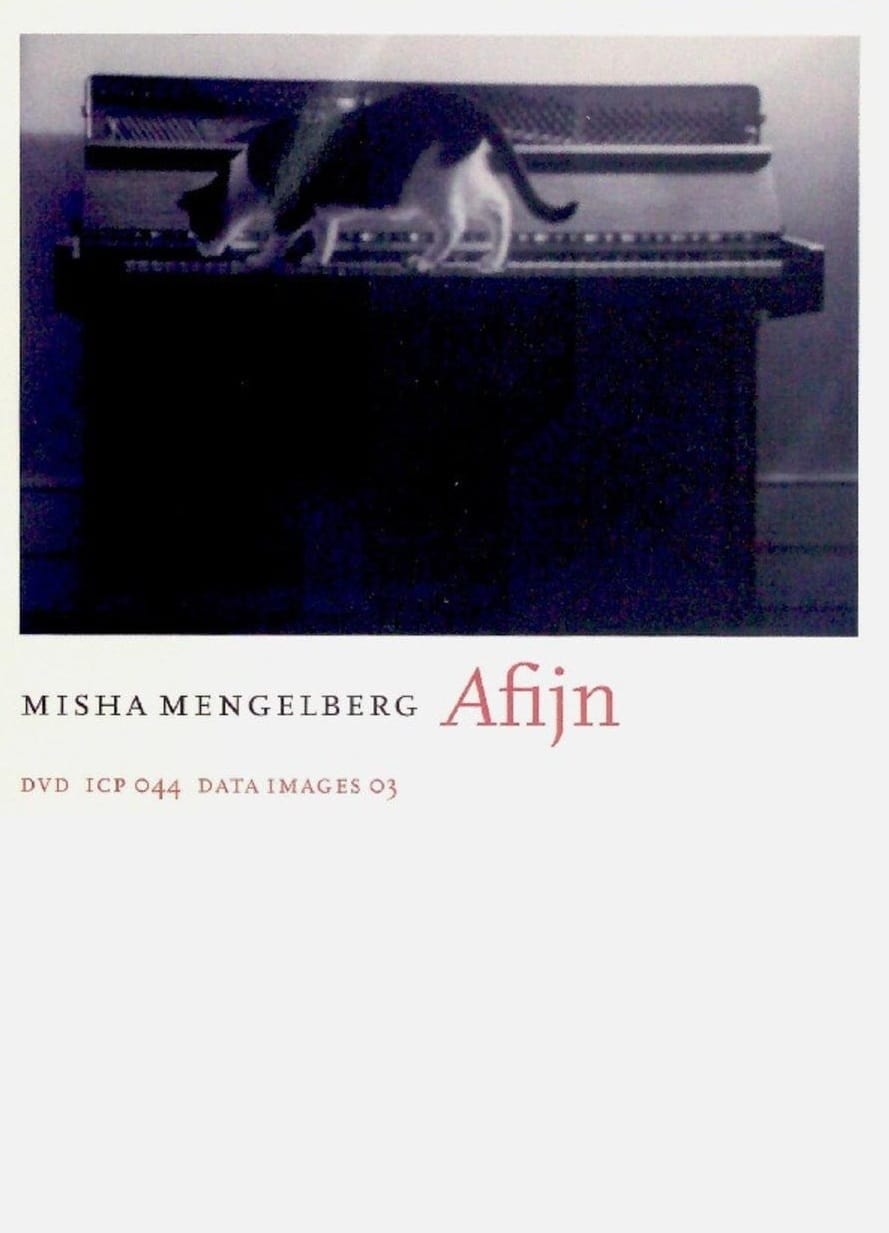
This feature-length documentary chronicles the life and playful methods of Dutch pianist and composer Misha Mengelberg, a significant figure in post-WWII European Jazz and free improvisation. Archival footage, rehearsal / performance sequences and interviews with both Mengelberg (the "godfather of Dutch improvised music") and key collaborators provide a clear insight in Mengelberg's original way of thinking and way of working.