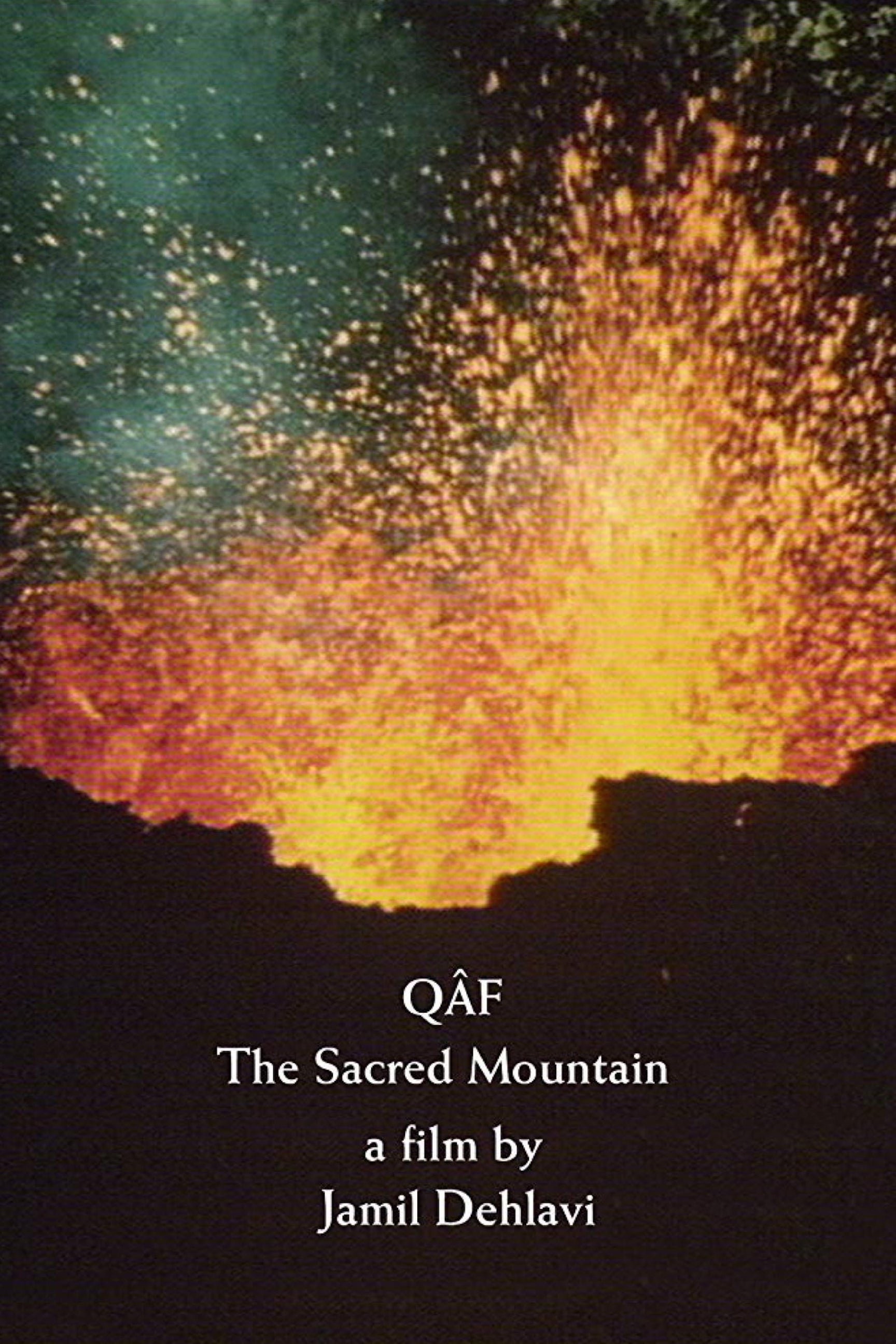
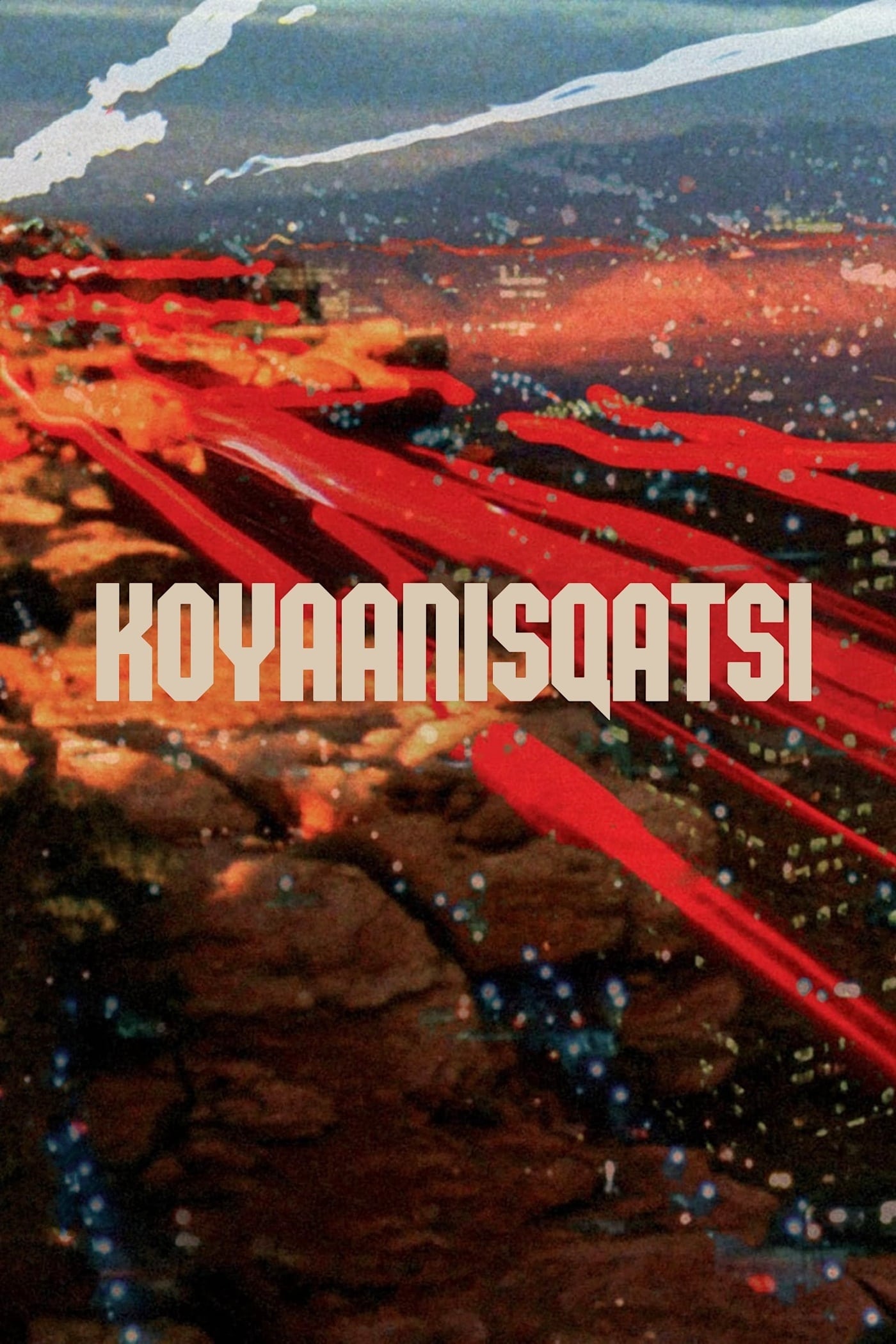
Footage of a volcano eruption in Madagascar set to music by Klaus Schulze, Popol Vuh and Tangerine Dream, and poems by Raficq Abdulla.
Social & External
The people behind it
This video takes an exclusive behind the scenes look at the making of this unique film.
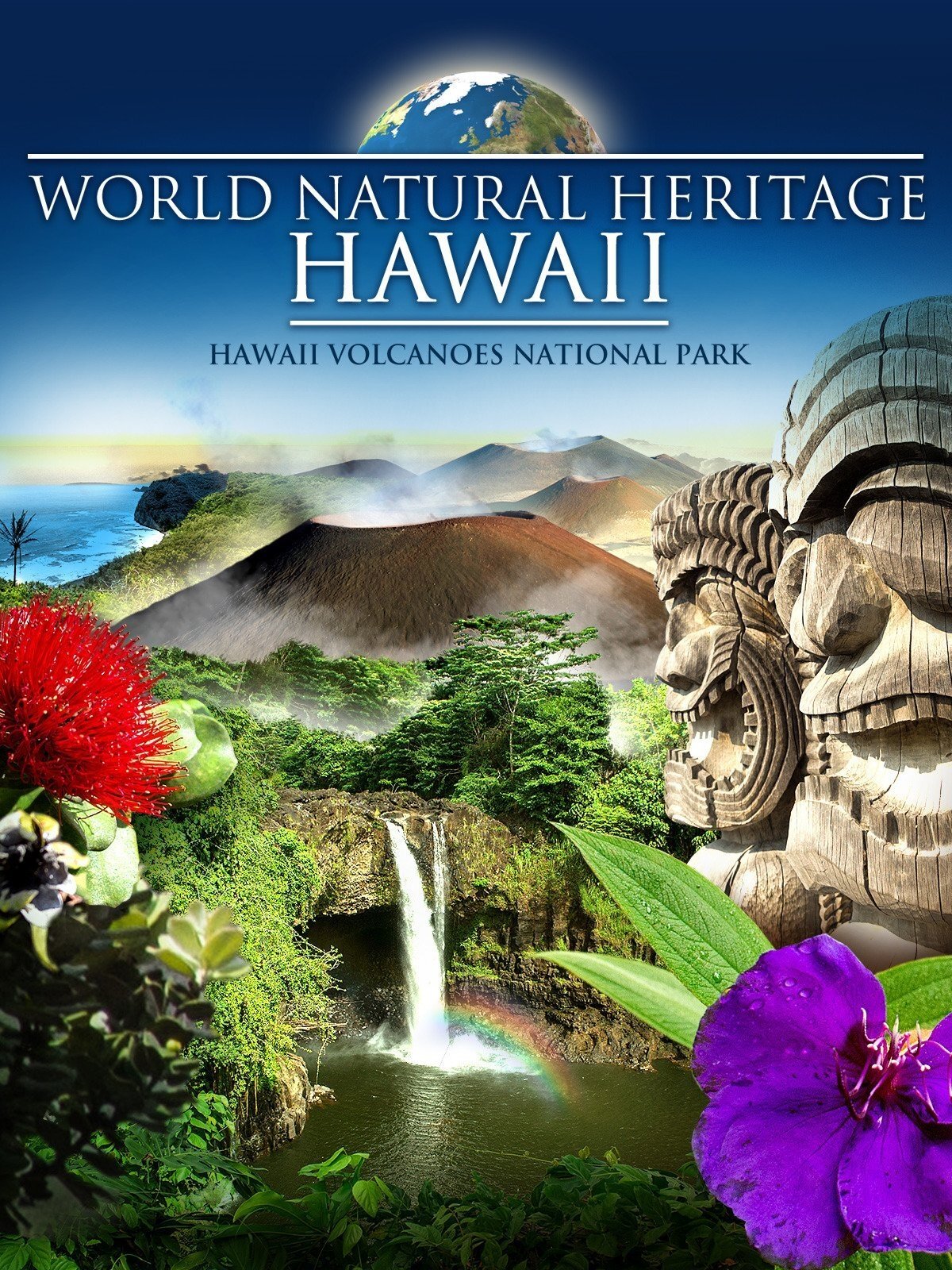
Hawaii is a place of contrasts. Born of fire and water. Symbol of this is the Manau Kea, the highest mountain in the world, which rises in the sky of the South Seas with nearly 10,000 meters in height from the bottom of the Pacific. He founded one of the 1916 Hawaii Volcanoes National Park on the Big Iceland, a World Heritage special kind of nowhere one experiences the overwhelming power of nature as immediate as here, of all the continents of the earth farthest land. Even the underwater scenery of the Hawaiian Islands is characterized by volcanism. Rugged rock formations of cooled lava caves, overhangs and hard corals characterize the home to amazing wildlife. This great documentary offers fantastic insights into the origin of the Hawaiian Islands as well as great views of a primeval landscape. Filmed in the best real 3D.
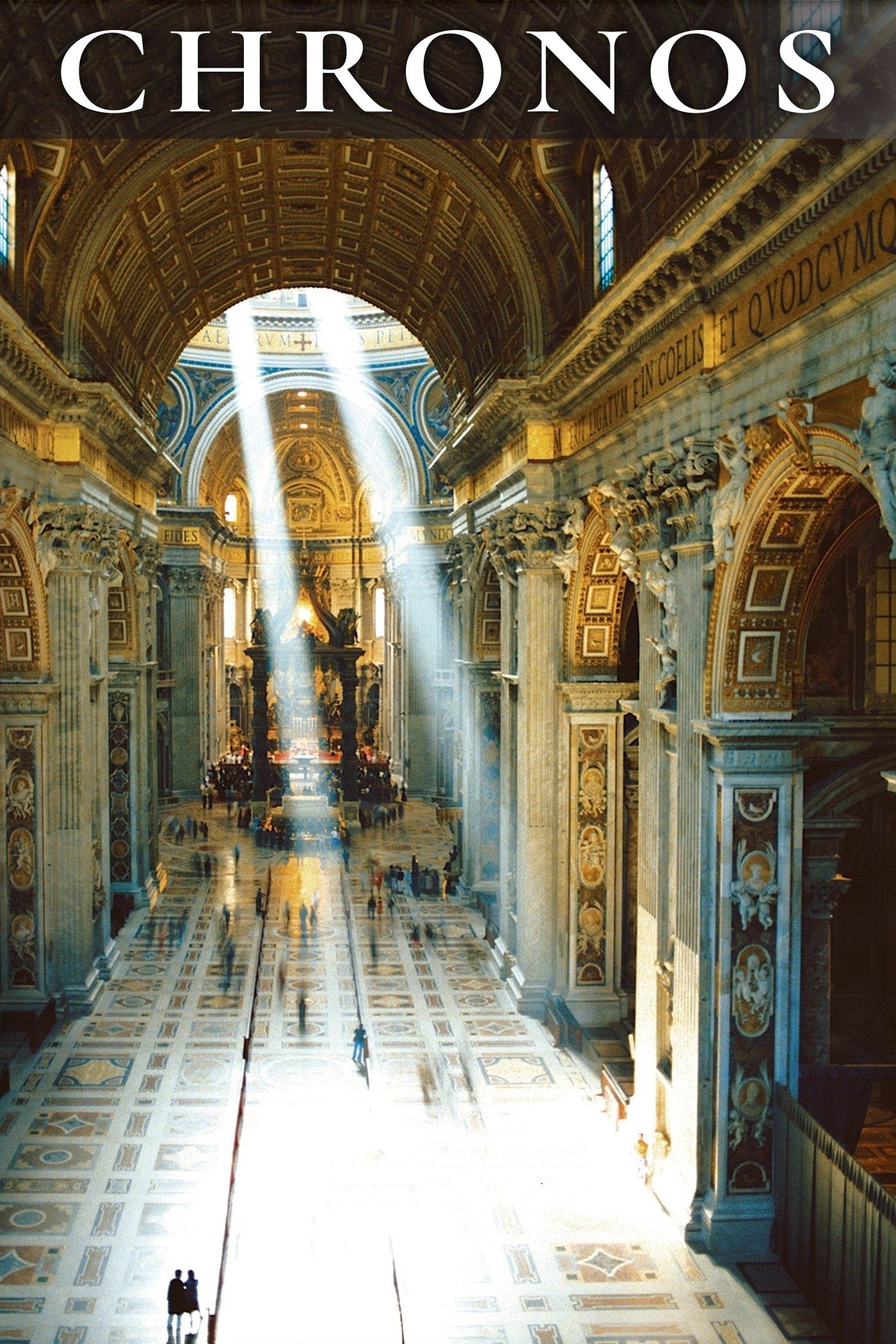
Peleshian transforms footage from a train ride into a metaphor for the shape of a life. Early images of faces on the train give way to landscape, a journey through a black tunnel, and a final emergence into pure white light.
Tanovic himself a refugee from Sarajevo interviews a Bosnian refugee in Brussels their new adoptive country Belgium.
A man paves his own way to his own soul through an intellectual quest, tragedies of nations and personal drama. The road moving through the cosmic distances is a flight into one's internal world. This flight and this drama are revealed in this philosophical film-poem.
Poetic essay about the beginning of life from labor pains and birth and about its symbolic meaning.
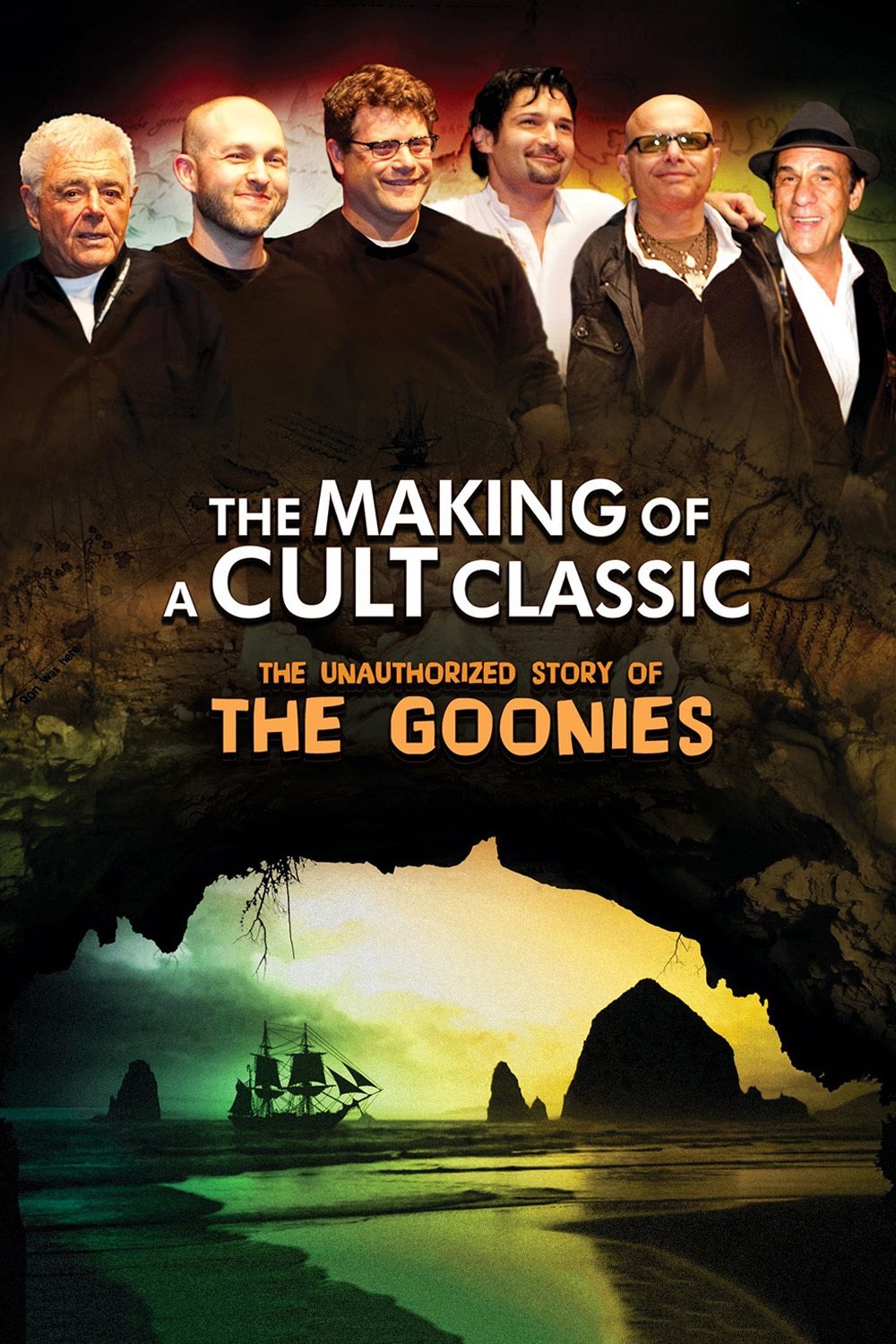
A retrospective documentary of the cult classic movie The Goonies. Including interviews with the cast, exploration of the film's locations and unique stories you wont hear anywhere else.
A short prior to World War I film which captures festivities at a fair near a church in Bitola.
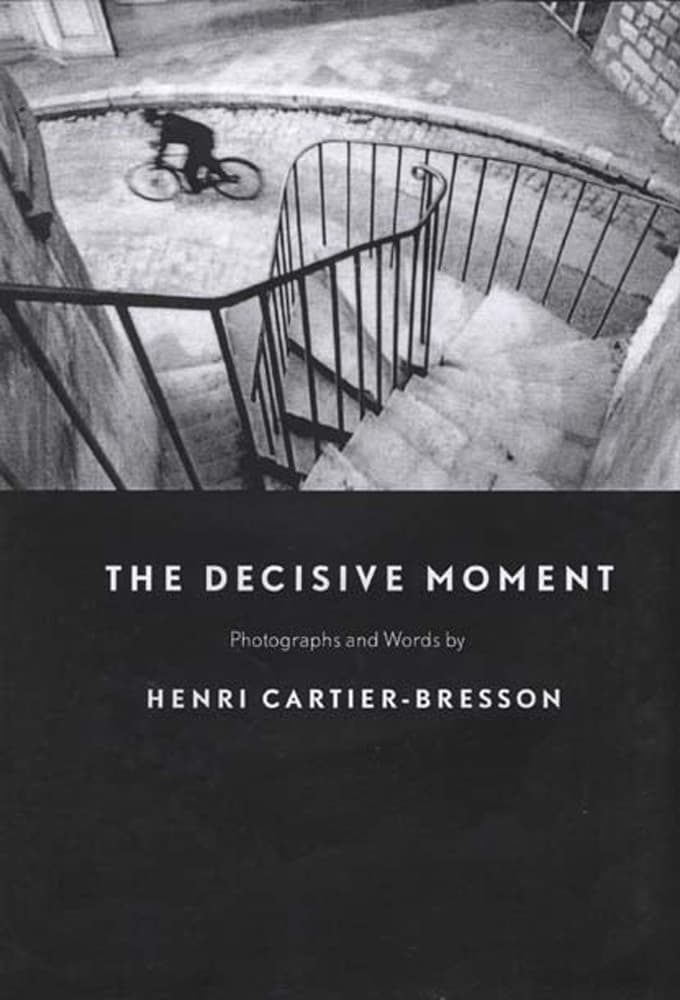
Henri Cartier-Bresson: The Decisive Moment is an 18-minute film produced in 1973 by Scholastic Magazines, Inc. and the International Center of Photography. It features a selection of Cartier-Bresson’s iconic photographs, along with rare commentary by the photographer himself.
Wedding rituals grounded on non-verbal social agreements represent the perception of society in general. Wedding dress is a symbolic part of these rituals. The process that a wedding dress has went through can be considered as an embodiment of the formation of women identity in society. Like most of the women, wedding dressmakers also dream of being a princess once they wear their wedding dress. On the other hand, dressmakers are certainly aware of the fact that they promote the already existing image of women in society because of their job. While they also recognise the truth is way different.
An unconventional portrait of a recovering addict. Tales of drugs, sex, death, and hope.
A documentary following an ancient Jinn called Mother of Fire and her ruminations on the history of the UAE, colonial meddling and contemporary Eurocentric museum display practice.
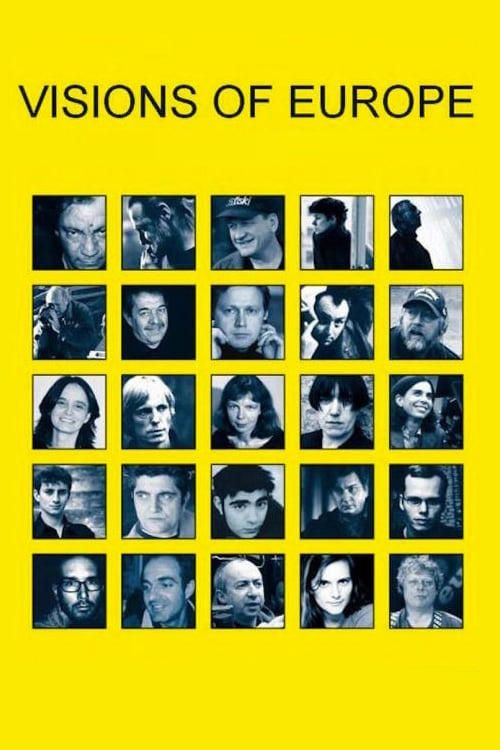
Twenty-five films from twenty-five European countries by twenty-five European directors.
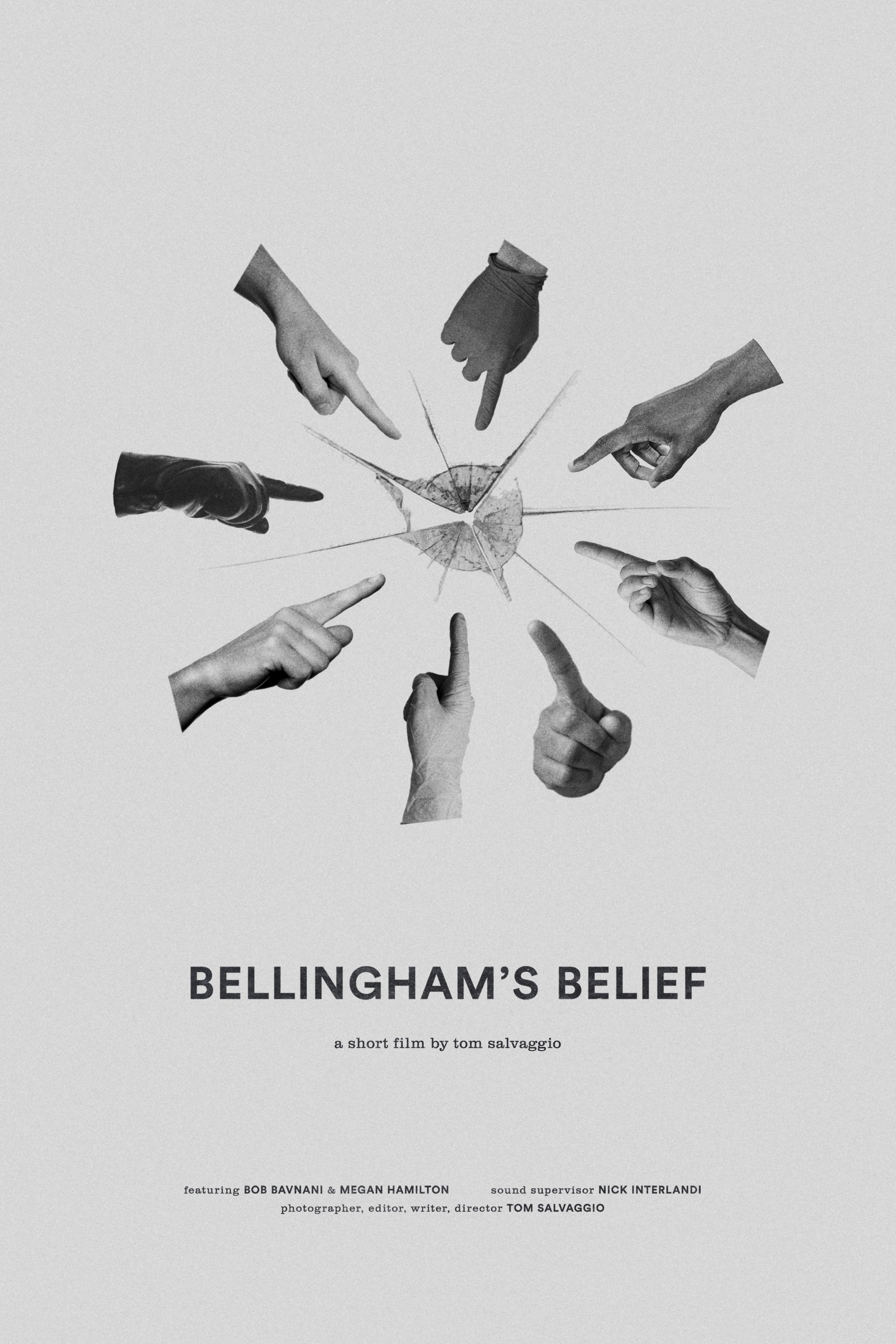
1954 - Panic erupts when the citizens of Bellingham, Washington notice strange cracks in their car windshields. What is causing this mysterious phenomenon?
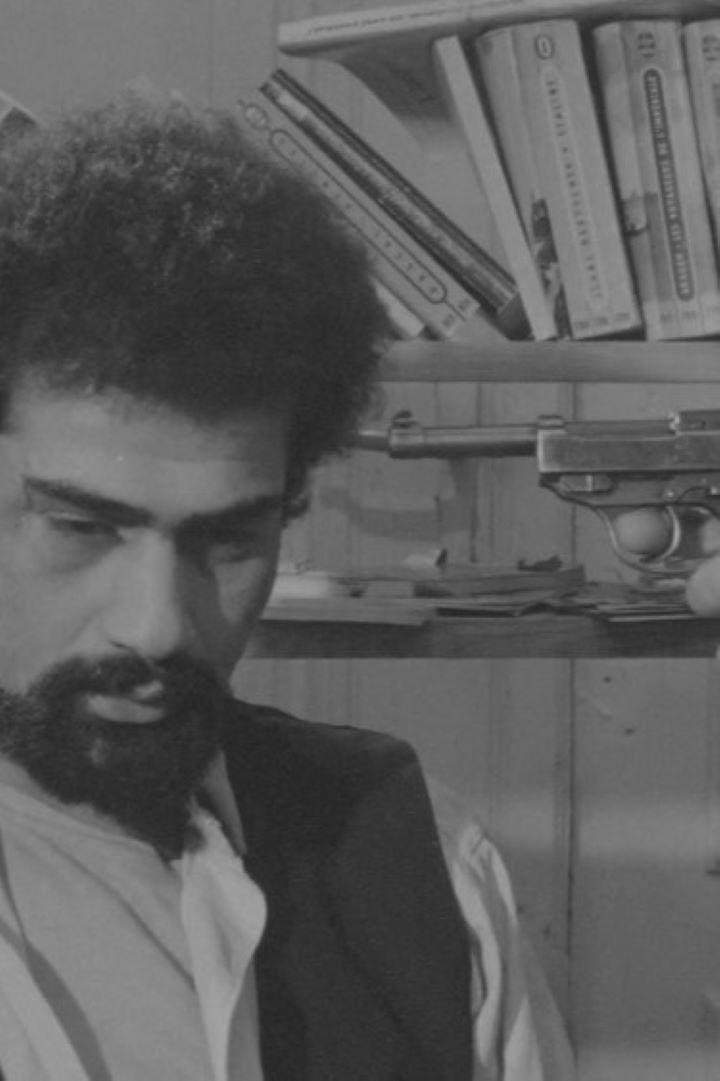
Settling of scores among international Marxist revolutionaries. A spirit of Mhedi Ben Barka inspired revolt.
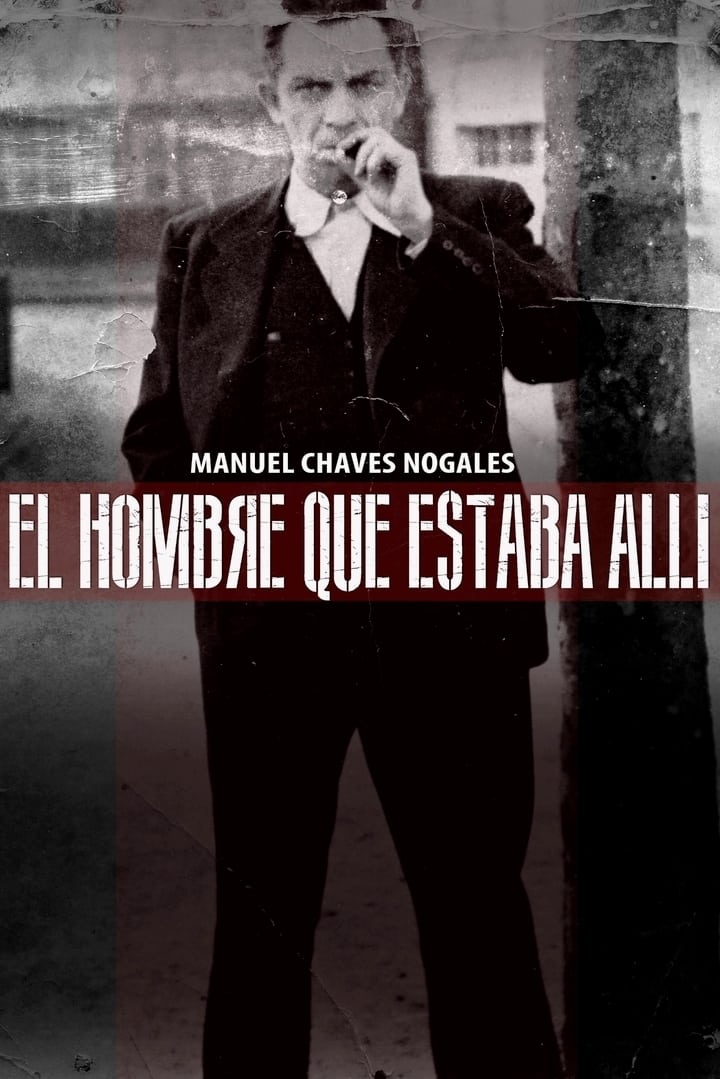
The Spanish journalist Manuel Chaves Nogales (1897-1944) was always there where the news broke out: in the fratricidal Spain of 1936, in Bolshevik Russia, in Fascist Italy, in Nazi Germany, in occupied Paris or in the bombed London of World War II; because his job was to walk, see and tell stories, and thus fight against tyrants, at a time when it was necessary to take sides in order not to be left alone; but he, a man of integrity to the bitter end, never did so.
A doomed love triangle between intrepid French scientists Katia and Maurice Krafft, and their beloved volcanoes.
Takes us to locations all around the US and shows us the heavy toll that modern technology is having on humans and the earth. The visual tone poem contains neither dialogue nor a vocalized narration: its tone is set by the juxtaposition of images and the exceptional music by Philip Glass.
A visual montage portrait of our contemporary world dominated by globalized technology and violence.
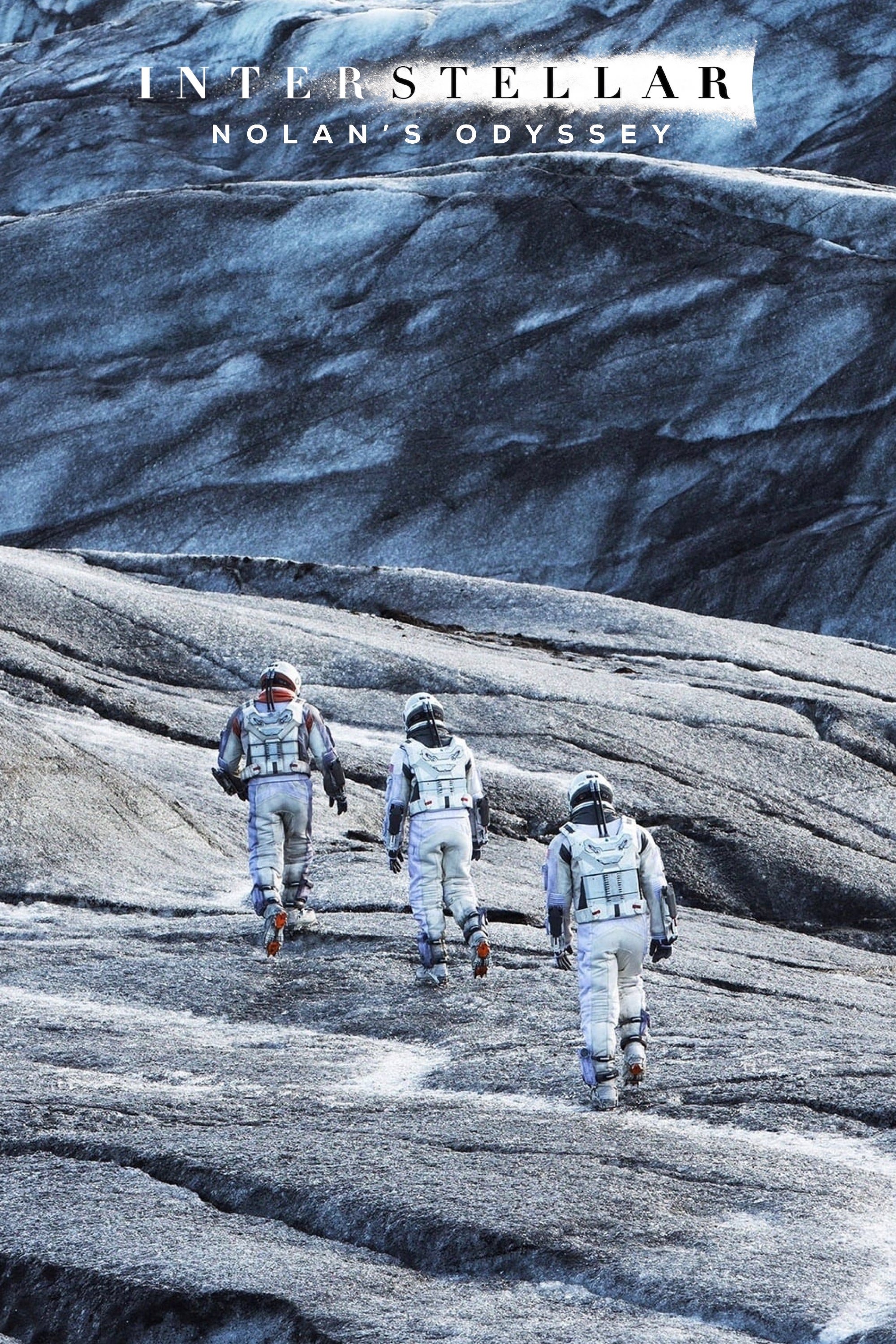
A look behind the lens of Christopher Nolan's space epic.
Carefully picked scenes of nature and civilization are viewed at high speed using time-lapse cinematography in an effort to demonstrate the history of various regions.
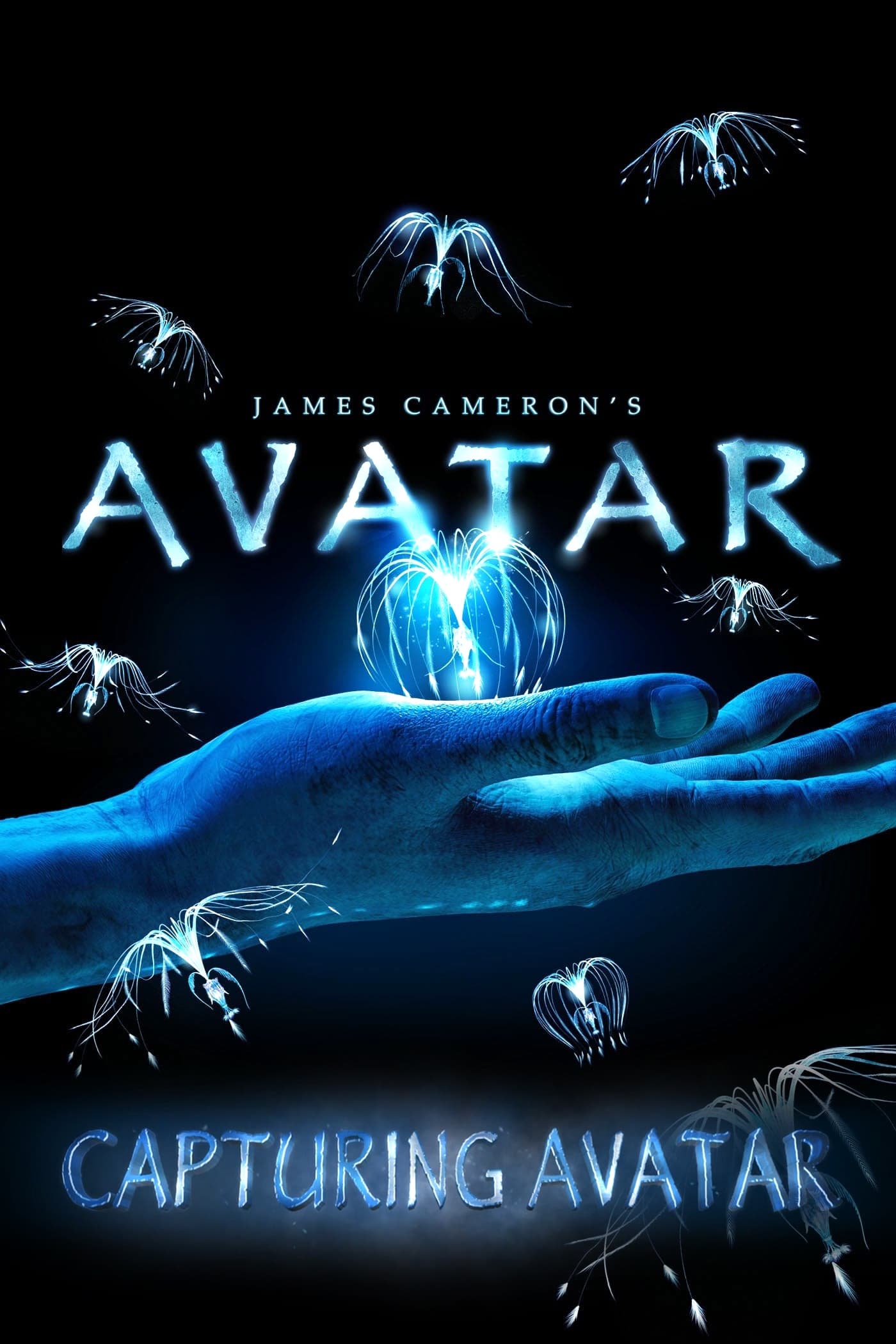
Capturing Avatar is a feature length behind-the-scenes documentary about the making of Avatar. It uses footage from the film's development, as well as stock footage from as far back as the production of Titanic in 1995. Also included are numerous interviews with cast, artists, and other crew members. The documentary was released as a bonus feature on the extended collector's edition of Avatar.
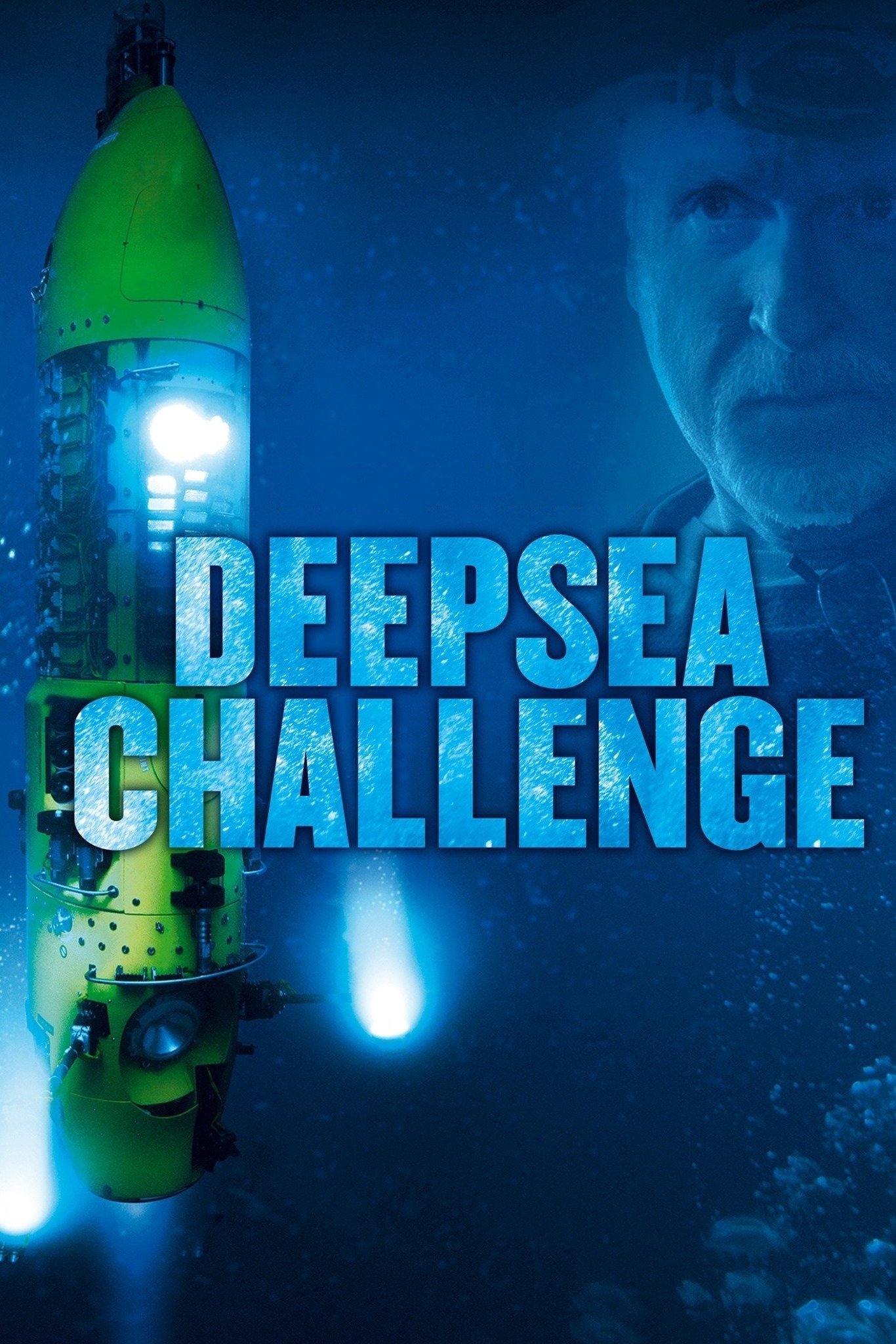
Described as being a film about determination, danger and the ocean’s greatest depths, James Cameron's "Deepsea Challenge 3D" tells the story of Cameron’s journey to fulfill his boyhood dream of becoming an explorer. The movie offers a unique insight into Cameron's world as he makes that dream reality – and makes history – by becoming the first person to travel solo to the deepest point on the planet.
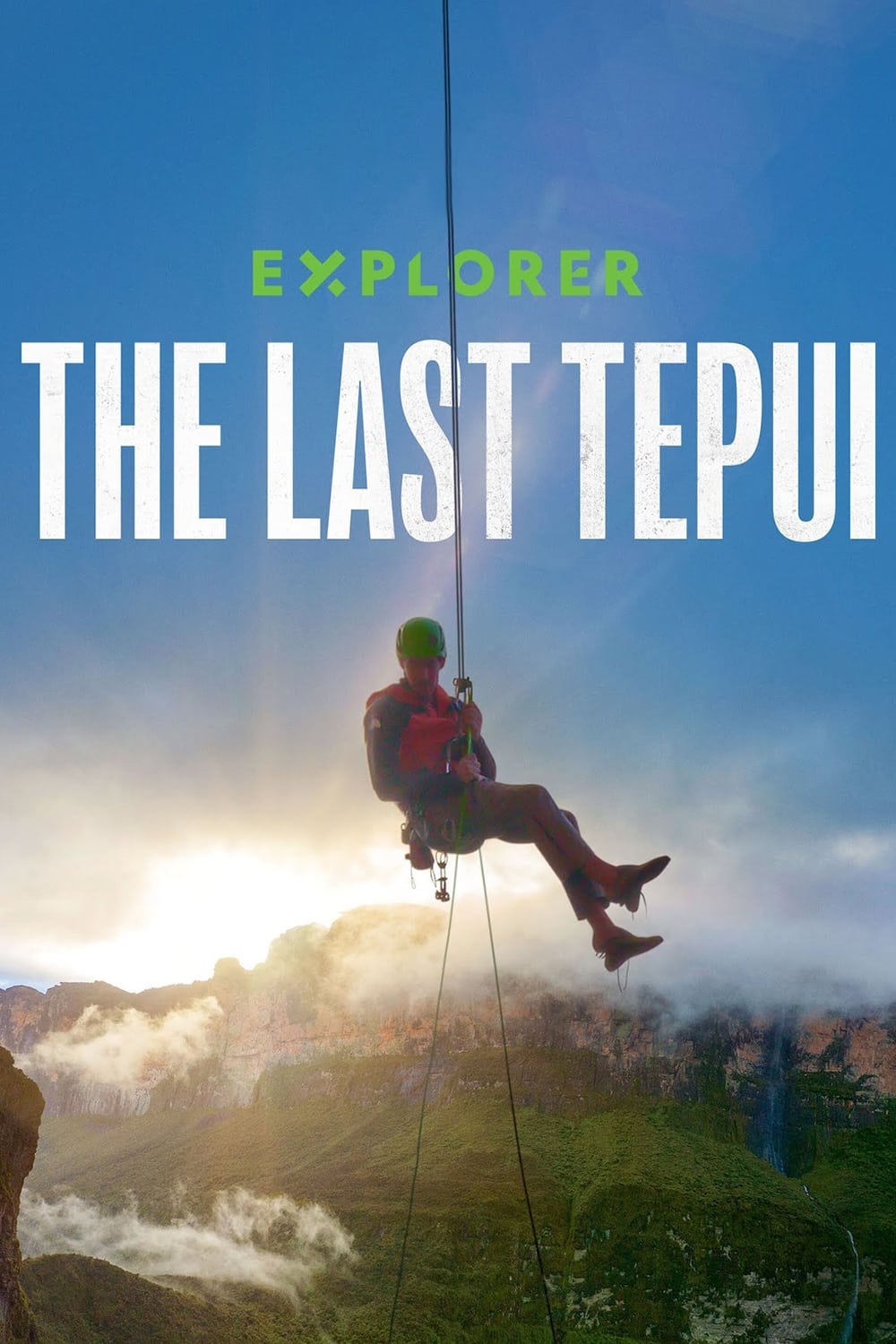
This documentary starring climber Alex Honnold and famous biologist Bruce Means document their expedition to the South American sky islands in search of new species and discoveries. Follows elite climber Alex Honnold and a world-class climbing team led by National Geographic Explorer and climber Mark Synnott on a grueling mission deep in the Amazon jungle as they attempt a first-ascent climb up a 1000 foot sheer cliff.
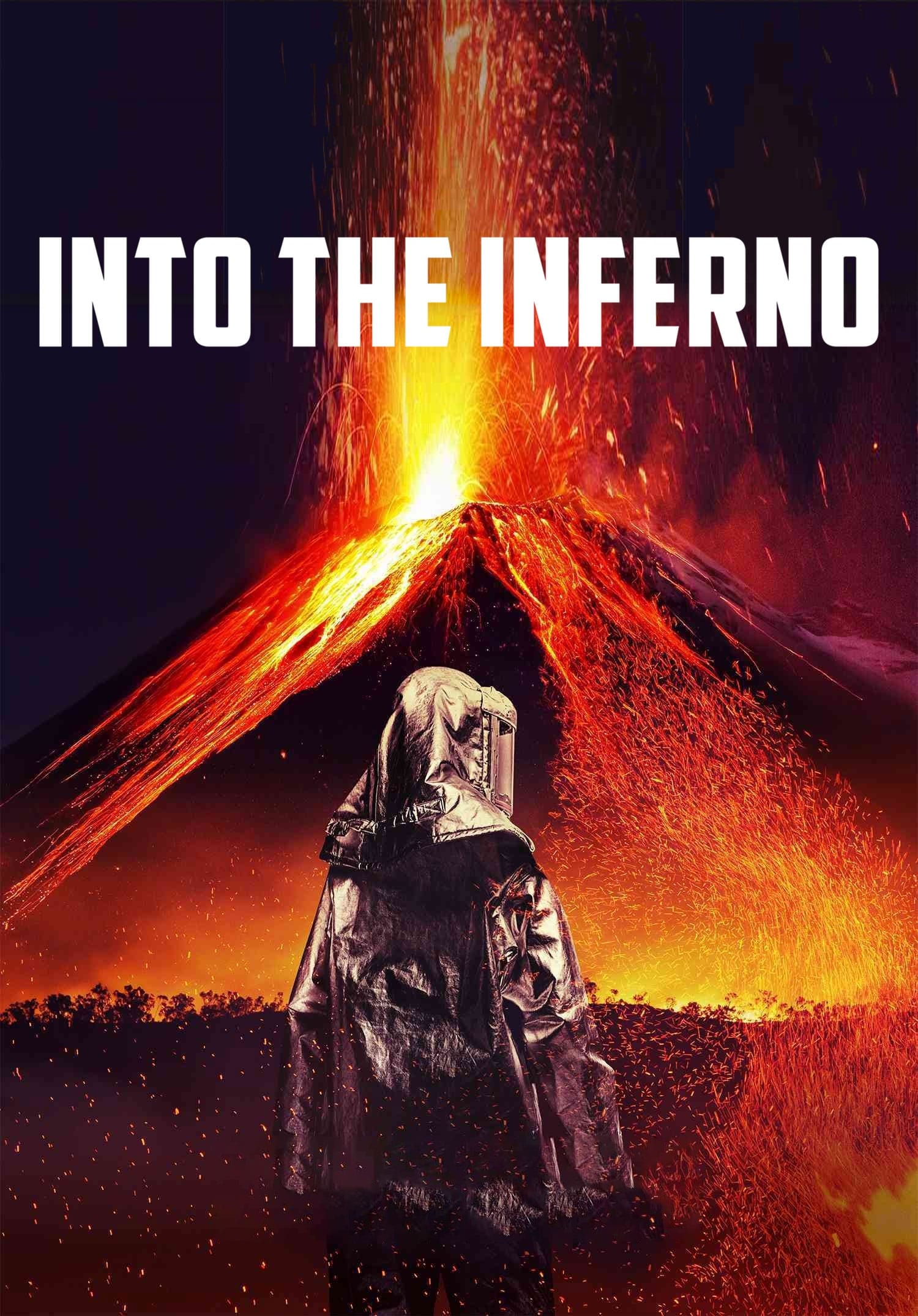
With stunning views of eruptions and lava flows, Werner Herzog captures the raw power of volcanoes and their ties to indigenous spiritual practices.
Daniel Craig candidly reflects on his 15 year adventure as James Bond. Including never-before-seen archival footage from Casino Royale to the upcoming 25th film No Time To Die, Craig shares his personal memories in conversation with 007 producers, Michael G Wilson and Barbara Broccoli.
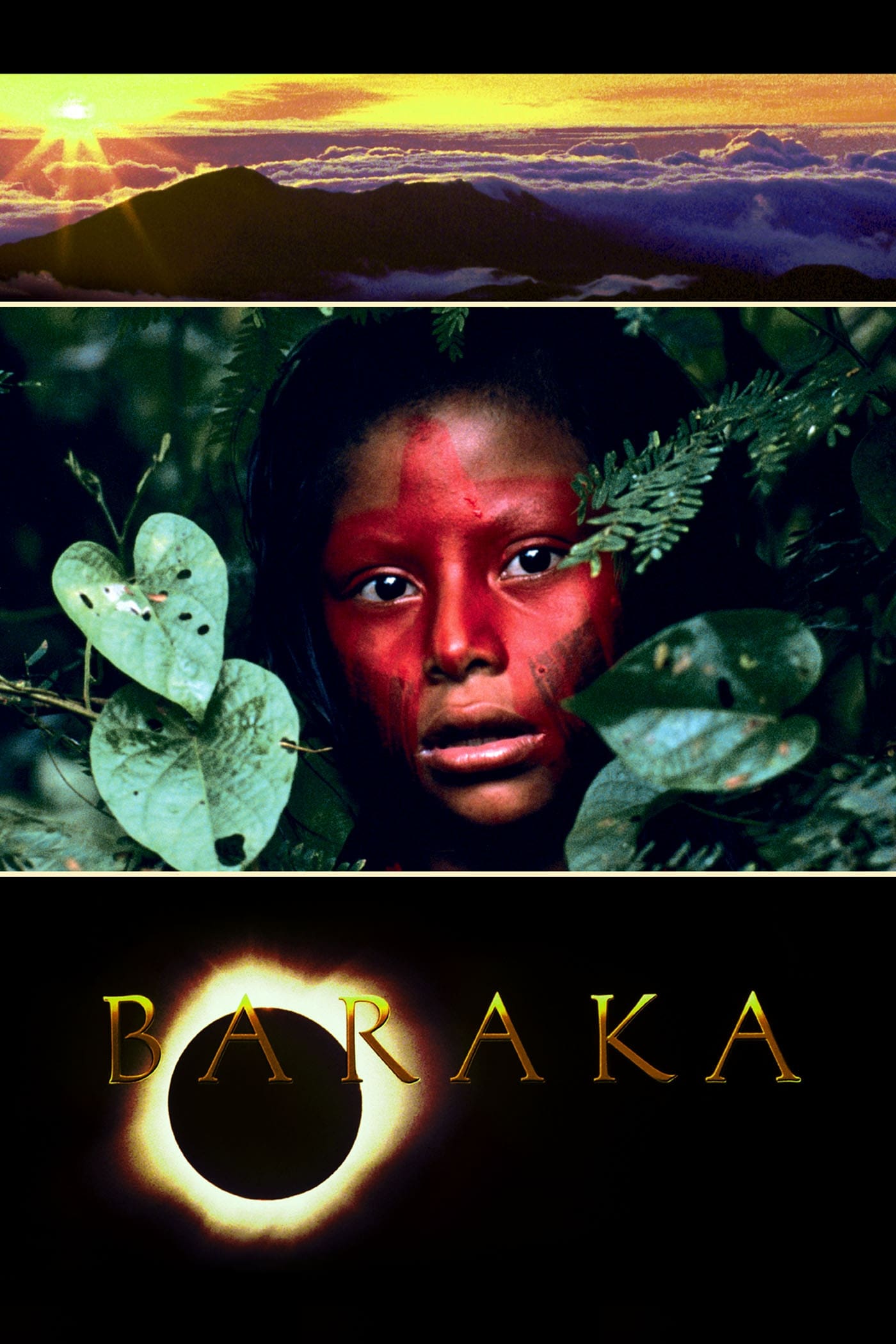
A paralysingly beautiful documentary with a global vision—an odyssey through landscape and time—that attempts to capture the essence of life.
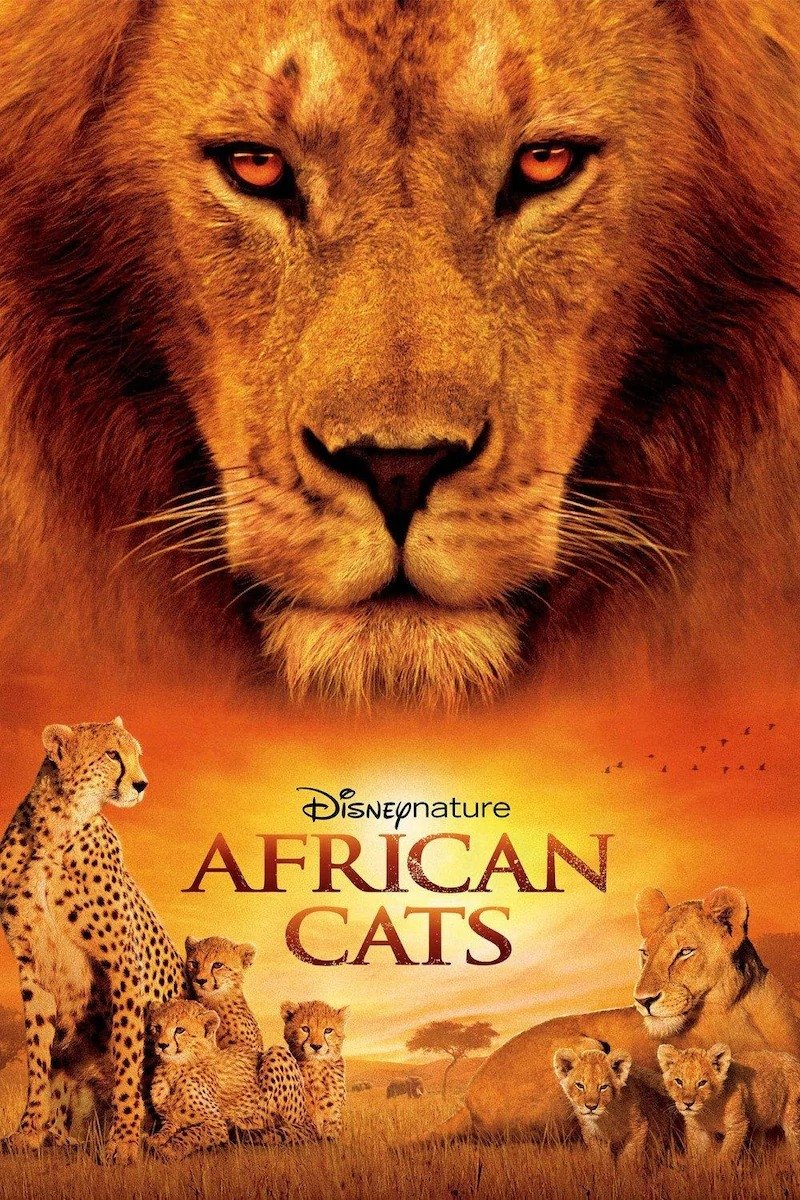
African Cats captures the real-life love, humor and determination of the majestic kings of the savanna. The story features Mara, an endearing lion cub who strives to grow up with her mother’s strength, spirit and wisdom; Sita, a fearless cheetah and single mother of five mischievous newborns; and Fang, a proud leader of the pride who must defend his family from a once banished lion.
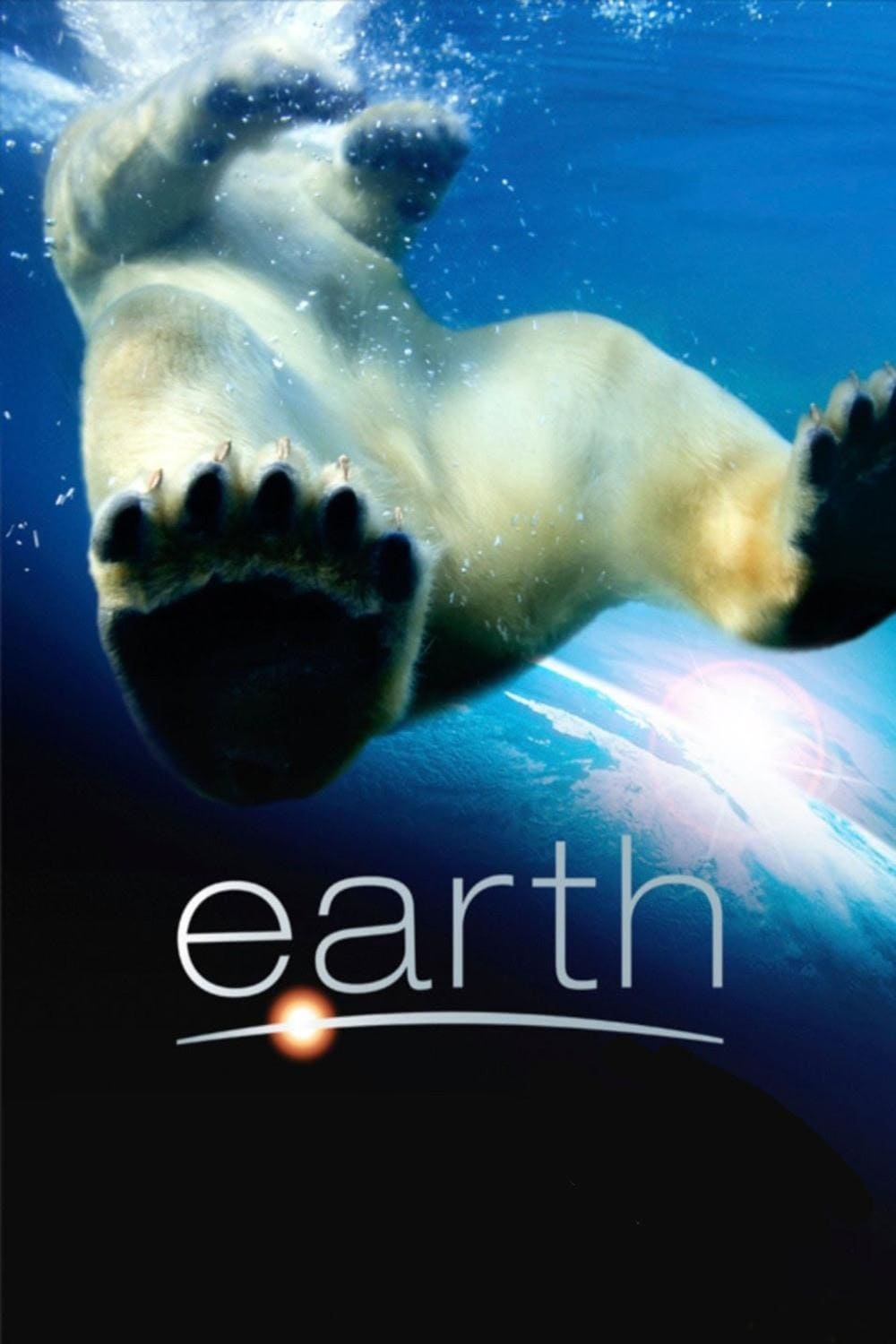
An epic story of adventure, starring some of the most magnificent and courageous creatures alive, awaits you in EARTH. Disneynature brings you a remarkable story of three animal families on a journey across our planet – polar bears, elephants and humpback whales.
Echo is a youngster who can't quite decide if it's time to grow up and take on new responsibilities-or give in to her silly side and just have fun. Dolphin society is tricky, and the coral reef that Echo and his family call home depends on all of its inhabitants to keep it healthy. But Echo has a tough time resisting the many adventures the ocean has to offer.
Told through performances, TV interviews, home movies, family photographs, private letters and unpublished memoirs, the film reveals the essence of an extraordinary woman who rose from humble beginnings in New York City to become a glamorous international superstar and one of the greatest artists of all time.
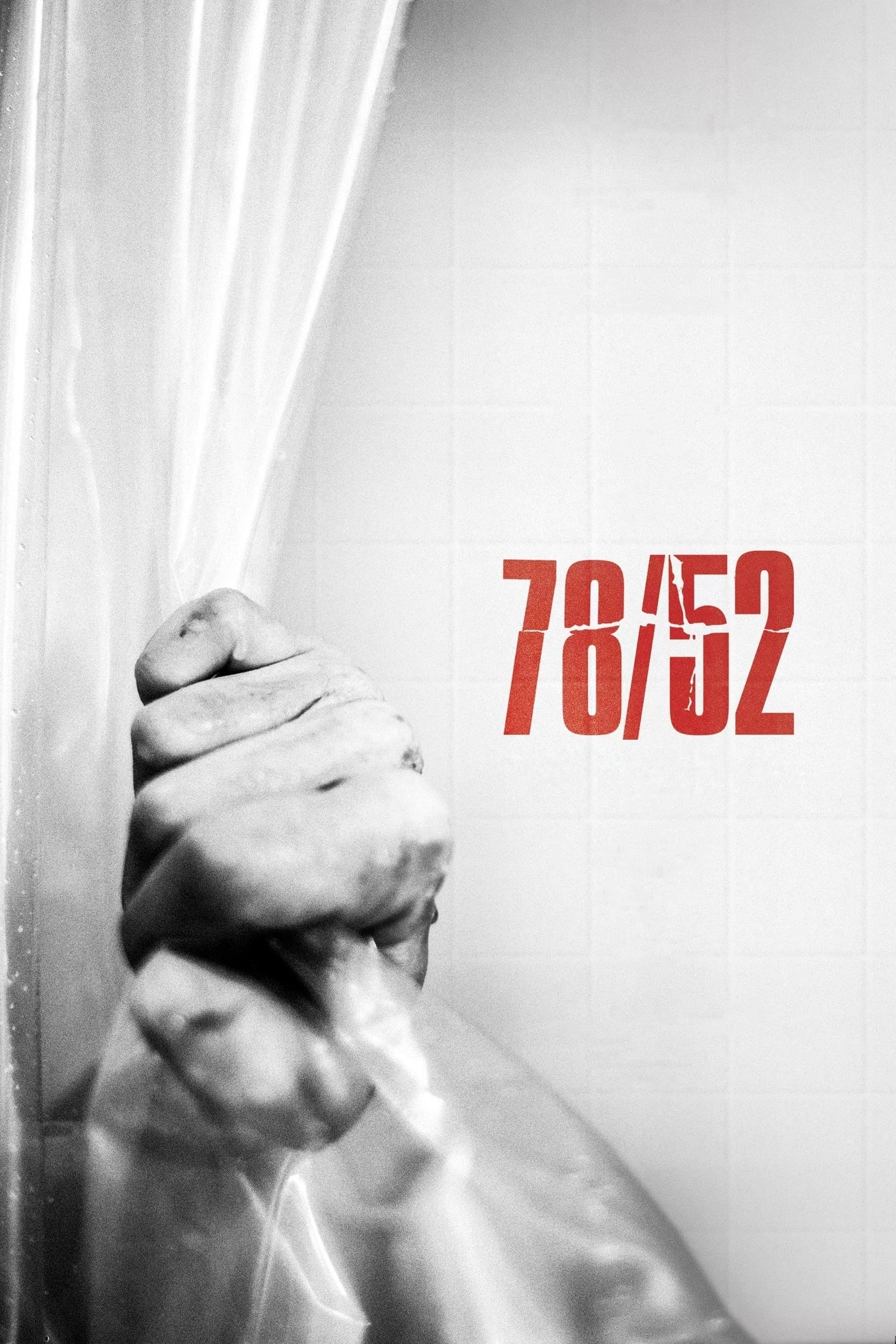
The most famous murder scene in movie history comprises 78 camera settings and 52 cuts: the shower scene in Alfred Hitchcock's Psycho. 78/52 tells the story of the man behind the curtain and his greatest obsession.
A multi-part documentary about the making of the Jurassic Park trilogy. Each part walks through the making of part of one of the films, including the hurricane during the shooting of the first film, and how advances in CGI for Jurassic Park helped change the world of special effects forever. All interviews for these retrospective documentaries come with comments from Spielberg, Johnston, Neill, Dern, Goldblum, the effects crews, the child actors, and Peter Stormare. This documentary is broken into six parts: Dawn of a New Era (25 min), Making Prehistory (20 min), The Next Step in Evolution (15 min), Finding the Lost World (28 min), Something Survived (16 min), and The Third Adventure (25 min).
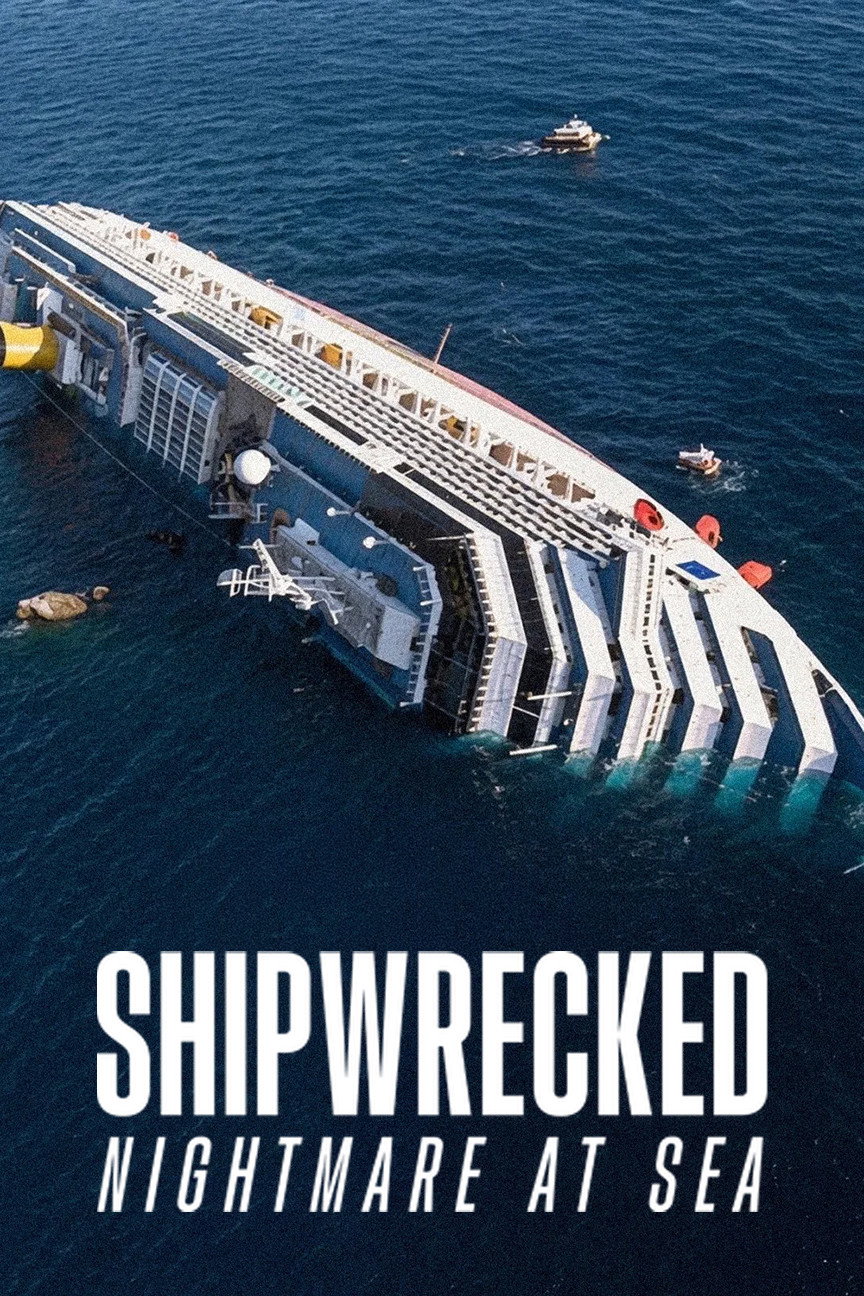
Never-before-seen footage and survivor accounts trace the 2012 shipwreck of a luxury cruise and the disaster that ensued, in this immersive documentary.
An atmospheric essay, which is an alternative version of Count Dracula, a film directed by Jess Franco in 1970; a ghostly narration between fiction and reality.
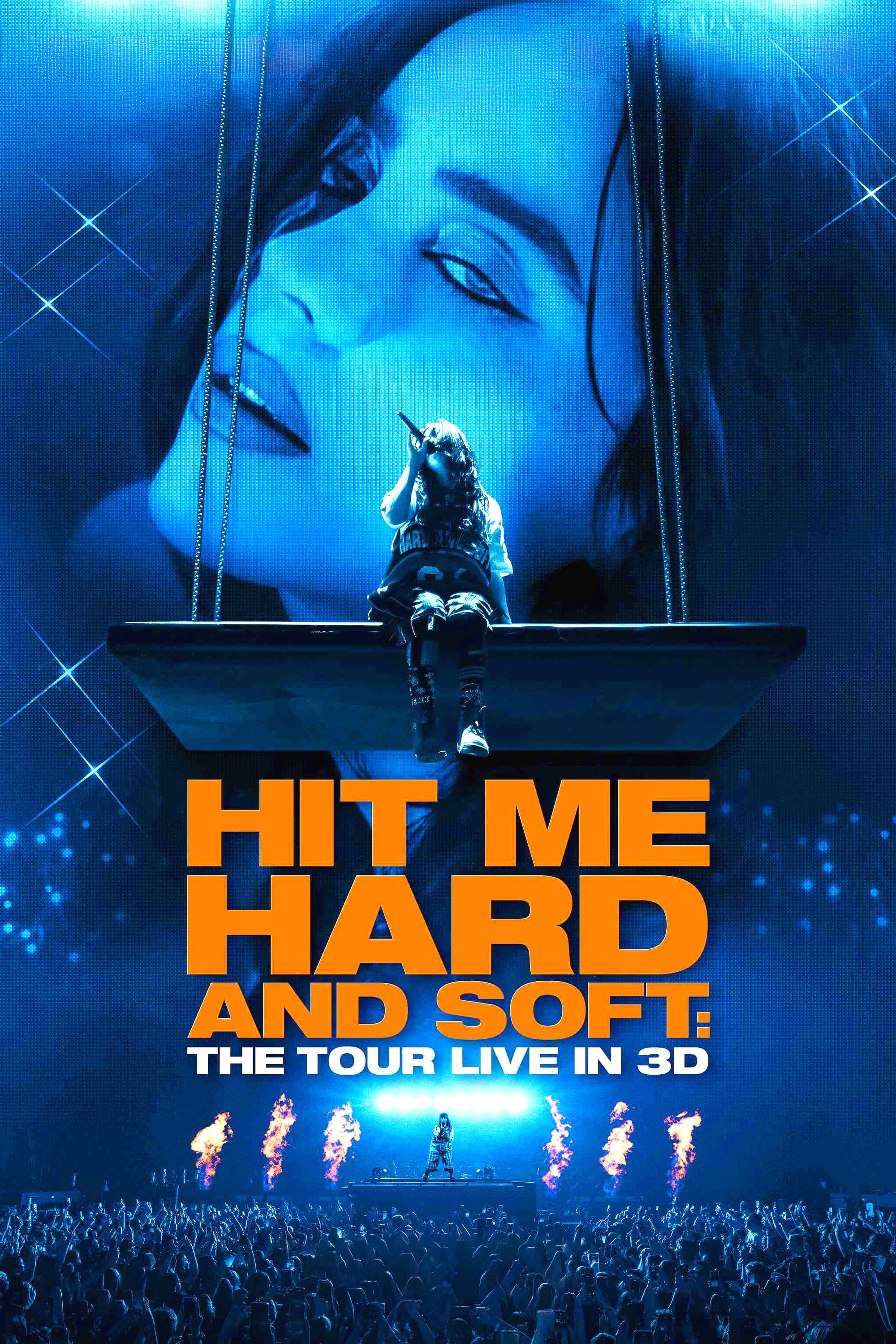
Captured during Billie Eilish's sold-out world tour, a concert experience from one of the most celebrated and successful artists of her generation, presented in immersive 3D.