Make-up and cleats are not mutually exclusive for the soccer players from "Agrispor". In "Mädchen am Ball", Aysun Bademsoy accompanies five young Turkish women on their way up in a women's soccer team in Berlin.
Social & External
Self
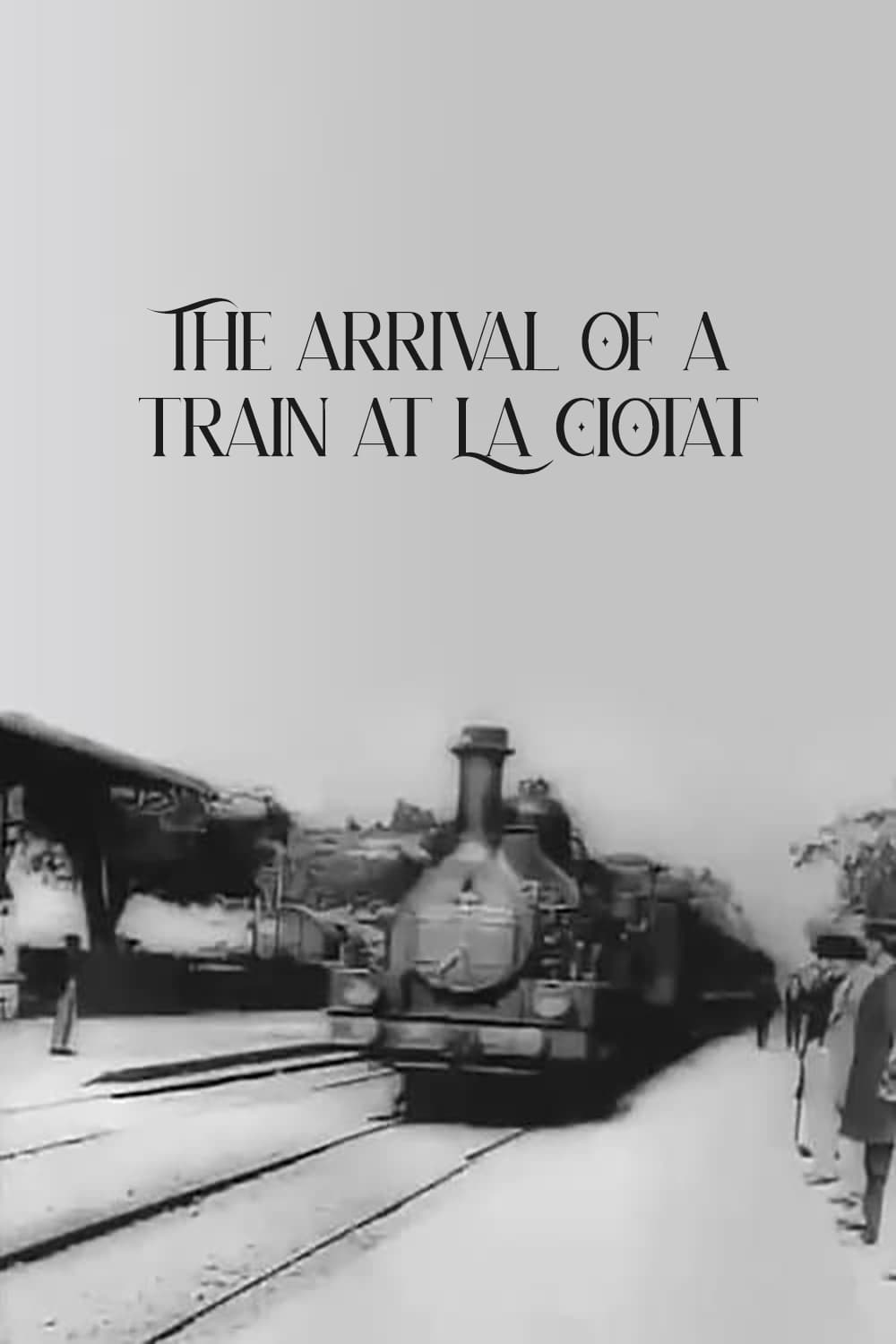
A group of people are standing along the platform of a railway station in La Ciotat, waiting for a train. One is seen coming, at some distance, and eventually stops at the platform. Doors of the railway-cars open and attendants help passengers off and on. Popular legend has it that, when this film was shown, the first-night audience fled the café in terror, fearing being run over by the "approaching" train. This legend has since been identified as promotional embellishment, though there is evidence to suggest that people were astounded at the capabilities of the Lumières' cinématographe.
6-18-67 is a short quasi-documentary film by George Lucas regarding the making of the Columbia film “Mackenna's Gold”. This non-story, non-character visual tone poem is made up of nature imagery, time-lapse photography, and the subtle sounds of the Arizona desert.
For First Nations communities, the headdress bears significant meaning. It's a powerful symbol of hard-earned leadership and responsibility. As filmmaker JJ Neepin prepares to wear her grandfather's headdress for a photo shoot she reflects on lessons learned and the thoughtless ways in which the tradition has been misappropriated.
A film that conveys some of Peter Wessel Zapffe’s philosophical ideas.
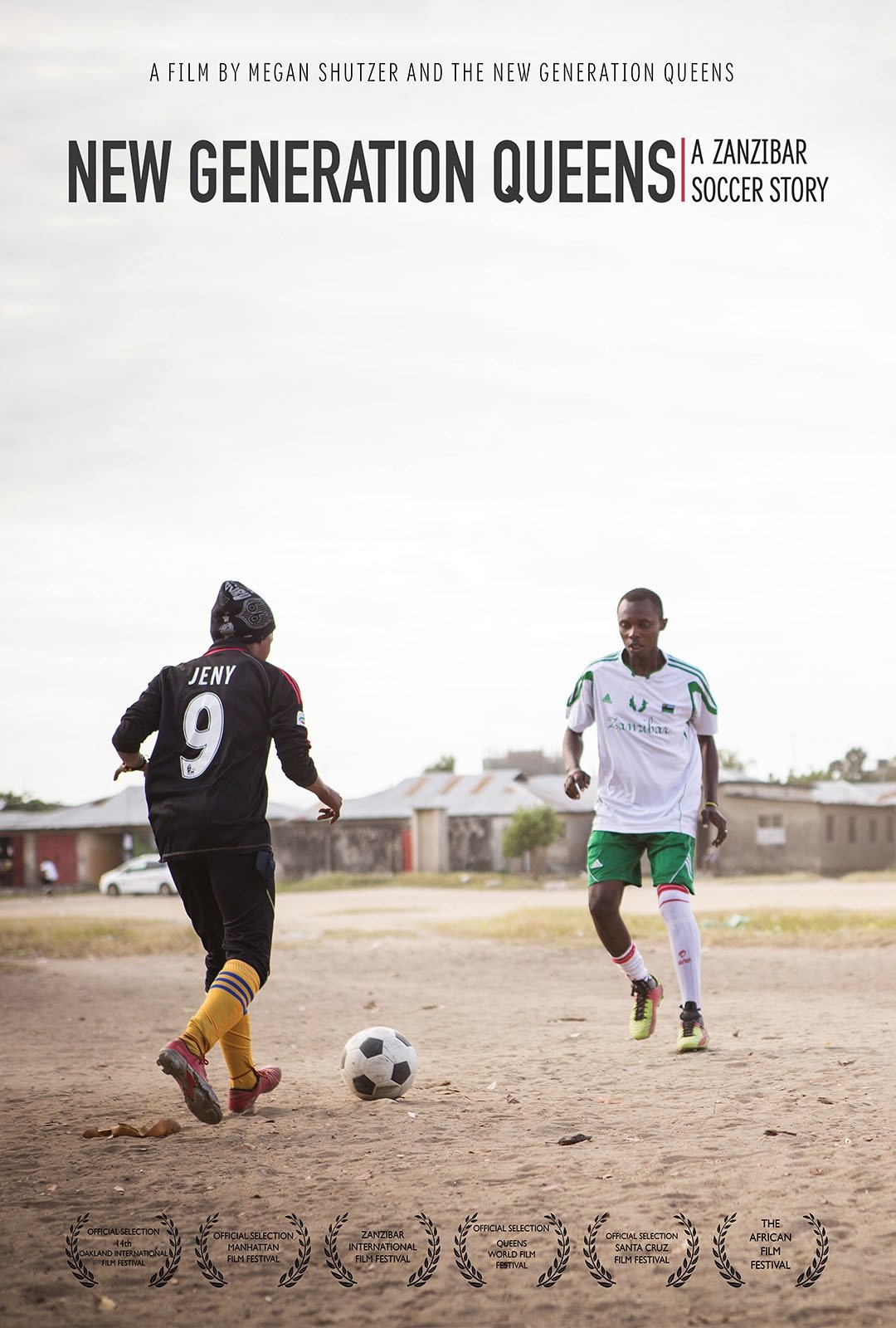
On an island where religion bars women from playing soccer, the Queens resist cultural norms and challenge local assumptions about Islam and gender identity. The film explores the history and character of the team, and the evolving perception of women in sports on the island.
A documentary of the German national soccer team’s 2006 World Cup experience that changed the face of modern Germany.
Adolfo Kaminsky started saving lives when chance and necessity made him a master forger. As a teenager, he became a member of the French Resistance and used his talent to save the lives of thousands of Jews. The Forger is a well-crafted origin story of a real-life superhero.
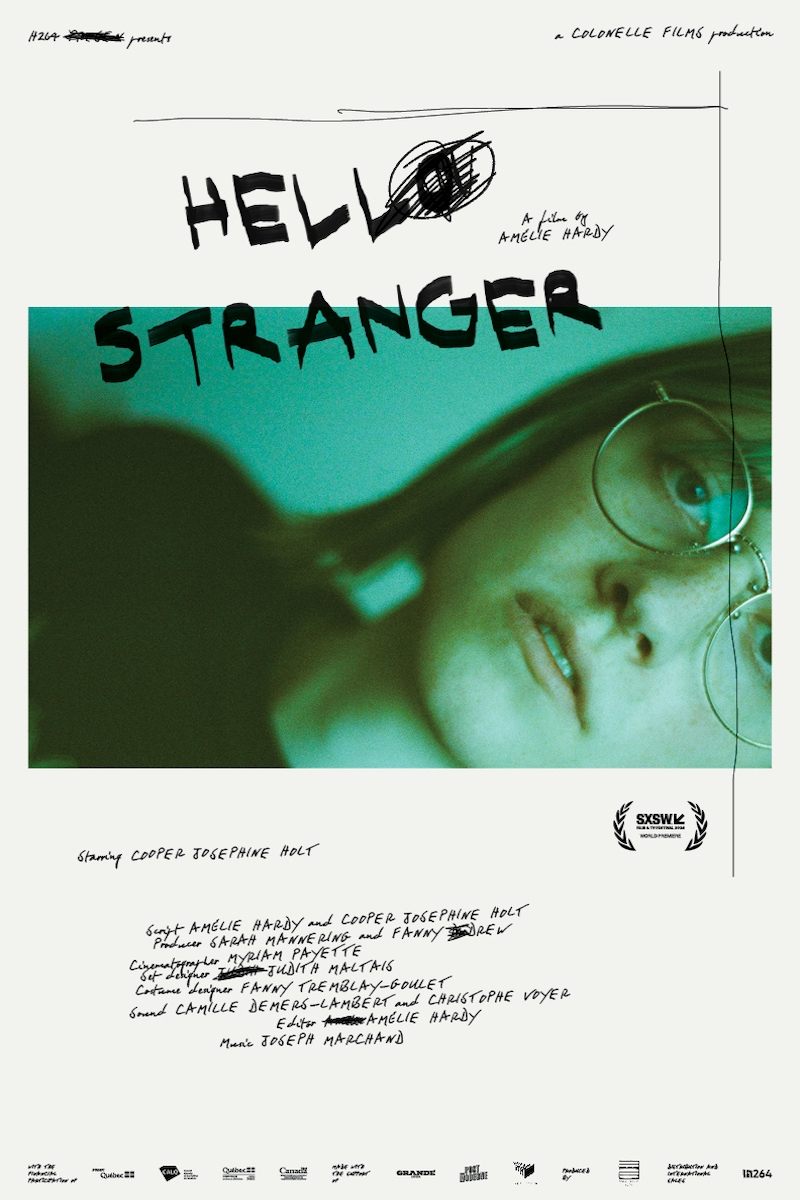
At the crossroads of documentary and fiction, Hello Stranger relates the transition journey of a young trans woman named Cooper Josephine. With humor, the film revisits key moments of her life from her childhood in a small fishing village of the east coast of Canada to her tumultuous medical process. Through the re-enactment of her memories, Cooper Josephine attempts to make peace with the last masculine imprint on her body: that unfortunate deep voice that sticks to her skin.
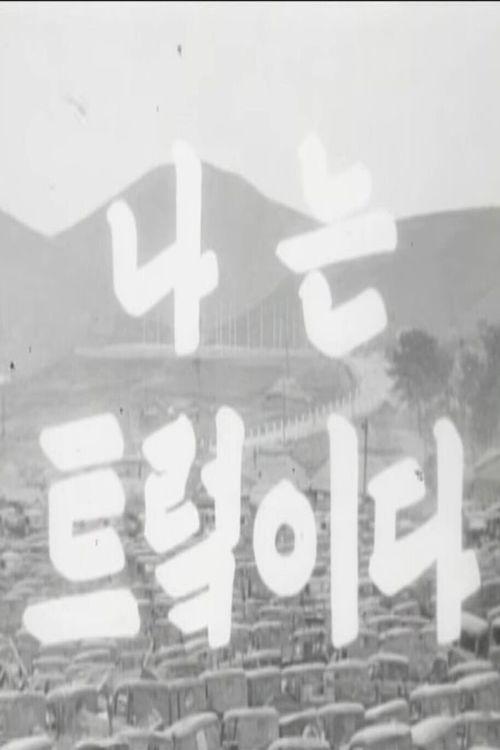
Worldy renowned for his masterpiece The Housemaid (1960), Kim Ki-young debuts with his first short film I Am a Truck (1953), which was sponsored by UN and made a year after the armistice of the Korean War. This film is a fascinating glimpse into the mind of a soon-to-be powerful auteur and influential filmmaker in the post-war Korean cinema, if not the whole history of Korean cinema.
501 goals from 50 of Liverpool's greatest goalscorers. Red's striking legend John Aldridge is your host as he counts down the players and goals that have made Liverpool into the one of the most successful English football clubs.
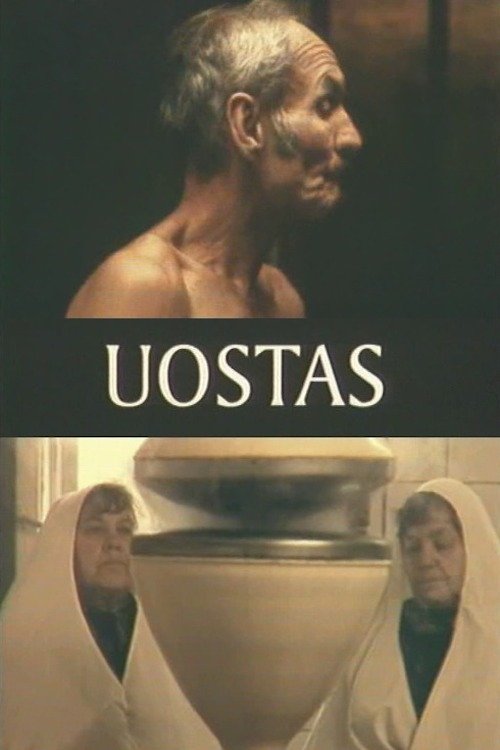
While shooting “Flying over blue field” we lived in Birtonas sanatorium hotel. I was watching treatment procedures. People were plunging into bubble, mud and mineral water baths. They were going circles singing, were standing under cold water spouts. All this seemed like a sacred ritual, that frees from scurf of life. They were naked, like just born, without any signs of standing in society. Movie – silent impression about tired people "harbour".
A poetic journey through the paths and places of old Castile that were traveled and visited by the melancholic knight Don Quixote of La Mancha and his judicious squire Sancho Panza, the immortal characters of Miguel de Cervantes, which offers a candid depiction of rural life in Spain in the early 1930s and illustrates the first sentence of the first article of the Spanish Constitution of 1931, which proclaims that Spain is a democratic republic of workers of all kind.
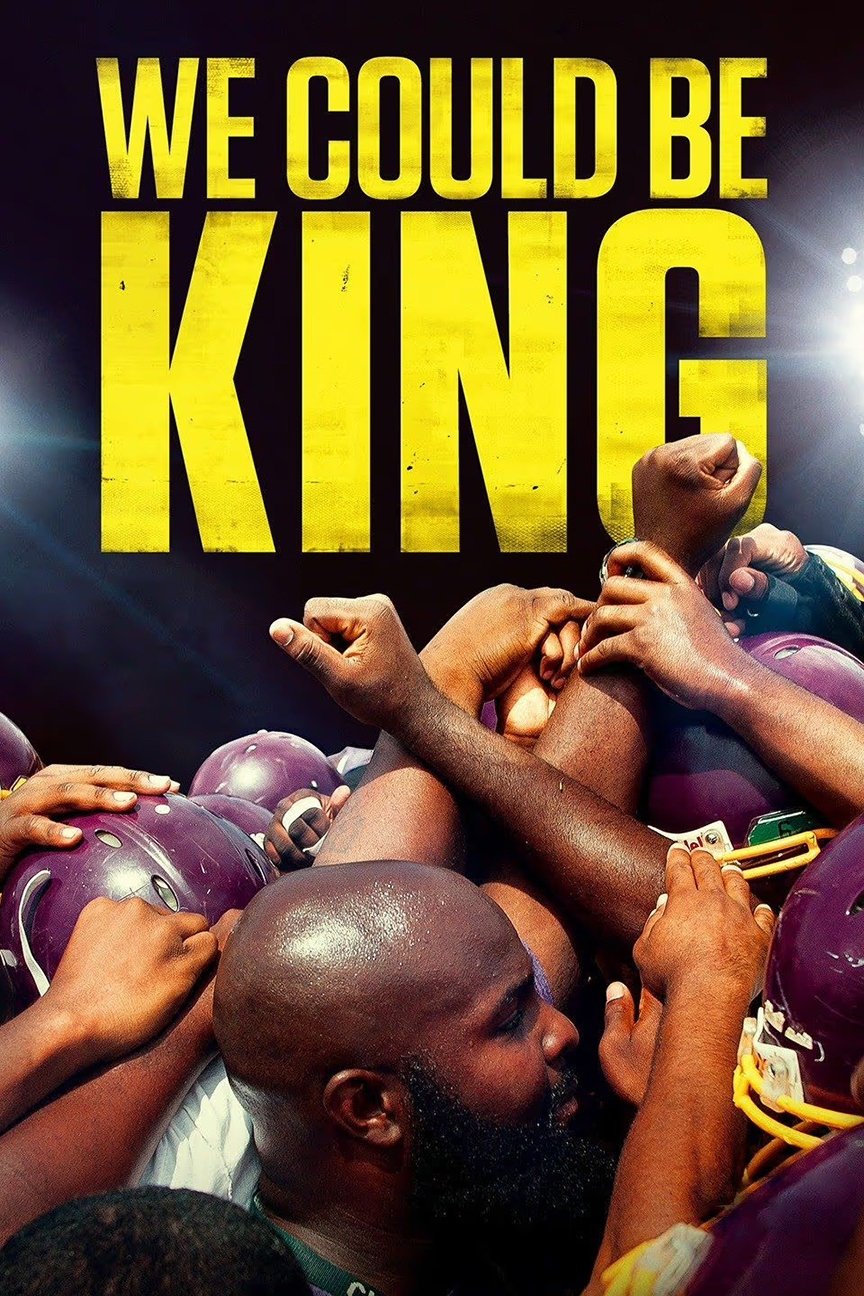
Germantown and Martin Luther King High Schools were bitter rivals for over 40 years. This past year, a budget crisis caused Philadelphia to lay off over 4000 employees and close 37 schools, including Germantown High. Now Germantown must merge with their former rival, King. Against overwhelming odds, a 27-year old first time head coach and a new principal fight to inspire young men from difficult circumstances to come together and lift each other toward a better future.
This film aims to capture the stories of the aging Isabella, but also captures her condition and loss of cohesiveness as she loses herself into dementia and Parkinson's. It is also a very personal film since the subject is the grandmother of one of the co- directors. The idea is interesting as it links one strong clear memory, told several times, to other fragments and truths of her condition. Animation is sparingly but cleverly used to complement the delivery and avoid it just being a talking head.
An exploration —manipulated and staged— of life in Las Hurdes, in the province of Cáceres, in Extremadura, Spain, as it was in 1932. Insalubrity, misery and lack of opportunities provoke the emigration of young people and the solitude of those who remain in the desolation of one of the poorest and least developed Spanish regions at that time.
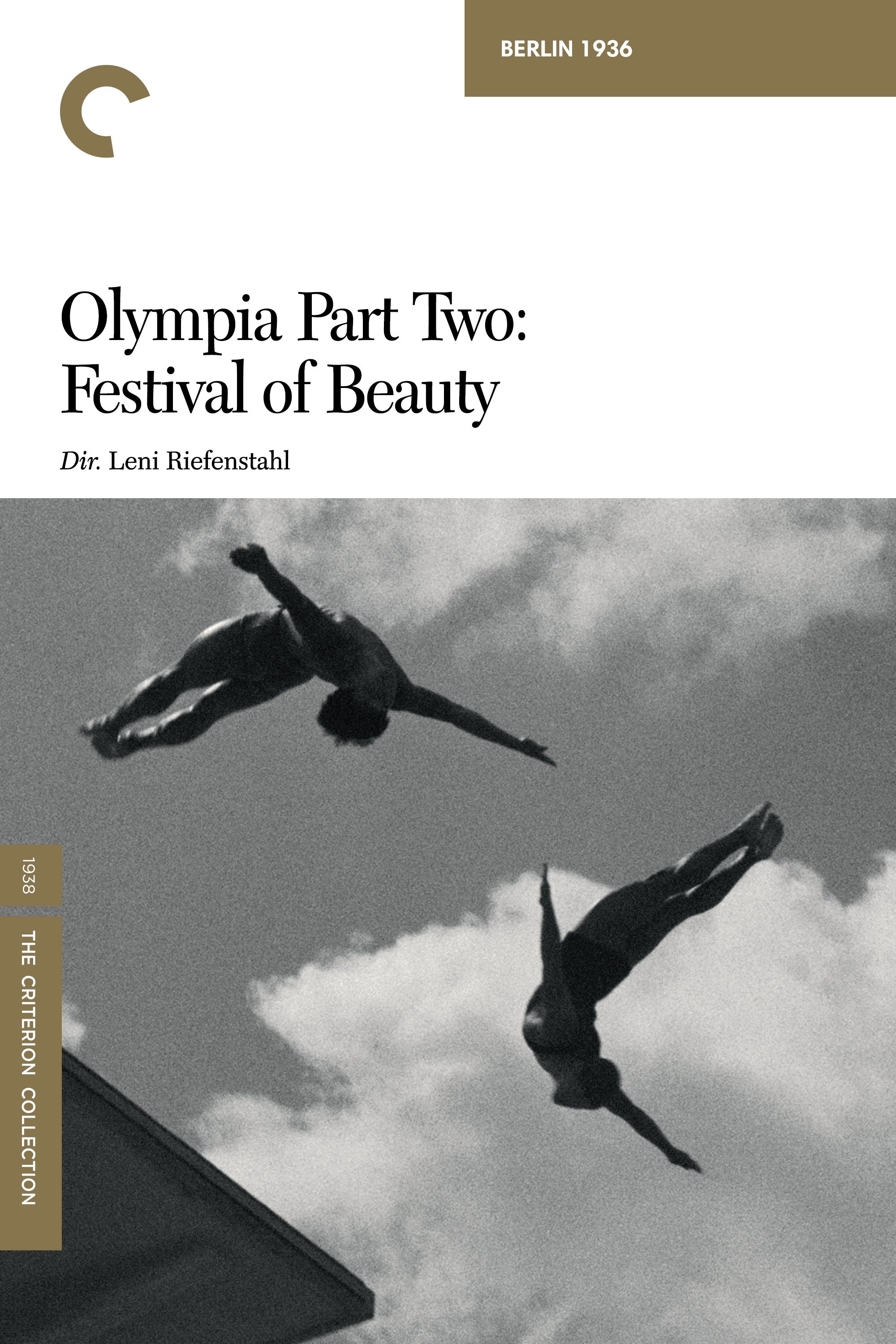
Part two of Leni Riefenstahl's monumental examination of the 1938 Olympic Games, the cameras leave the main stadium and venture into the many halls and fields deployed for such sports as fencing, polo, cycling, and the modern pentathlon, which was won by American Glenn Morris.
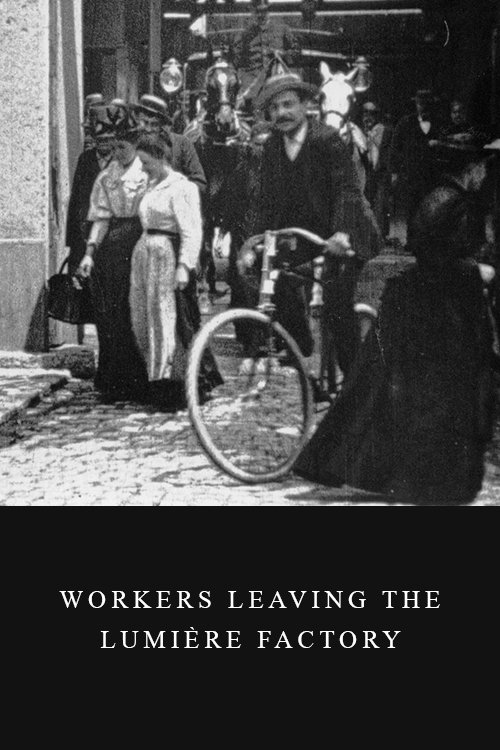
Working men and women leave through the main gate of the Lumière factory in Lyon, France. Filmed on 22 March 1895, it is often referred to as the first real motion picture ever made, although Louis Le Prince's 1888 Roundhay Garden Scene pre-dated it by seven years. Three separate versions of this film exist, which differ from one another in numerous ways. The first version features a carriage drawn by one horse, while in the second version the carriage is drawn by two horses, and there is no carriage at all in the third version. The clothing style is also different between the three versions, demonstrating the different seasons in which each was filmed. This film was made in the 35 mm format with an aspect ratio of 1.33:1, and at a speed of 16 frames per second. At that rate, the 17 meters of film length provided a duration of 46 seconds, holding a total of 800 frames.
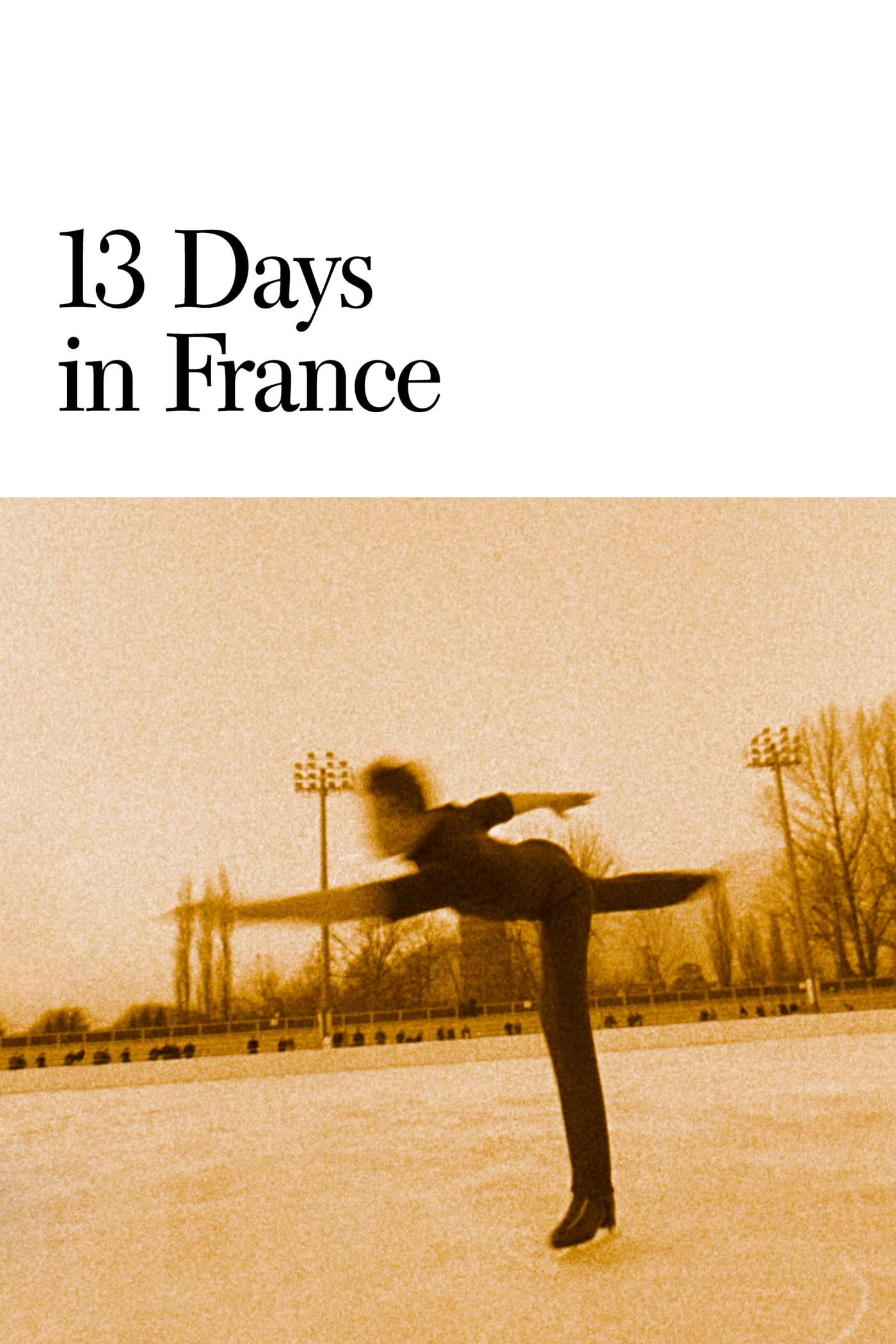
This colorful documentary chronicles the events of the 1968 Winter Olympics in France. The events made international celebrities of skater Peggy Fleming and skier Jean-Claude Killy for their gold-medal performances. The camera accurately catches the speed of bobsleds and downhill racers and ski jumpers as they race for the gold. President Charles DeGaulle is shown observing the action over 13 days, which saw France earn the best performance to date in the winter games.
This short documentary introduces us to a town where no one pays rent: Simoom Sound in central British Columbia, where loggers live on sturdy river craft. Every week there are visitors: the general storekeeper, the flying postman and most importantly, the forest ranger, who is ever alert to the threat of fire.
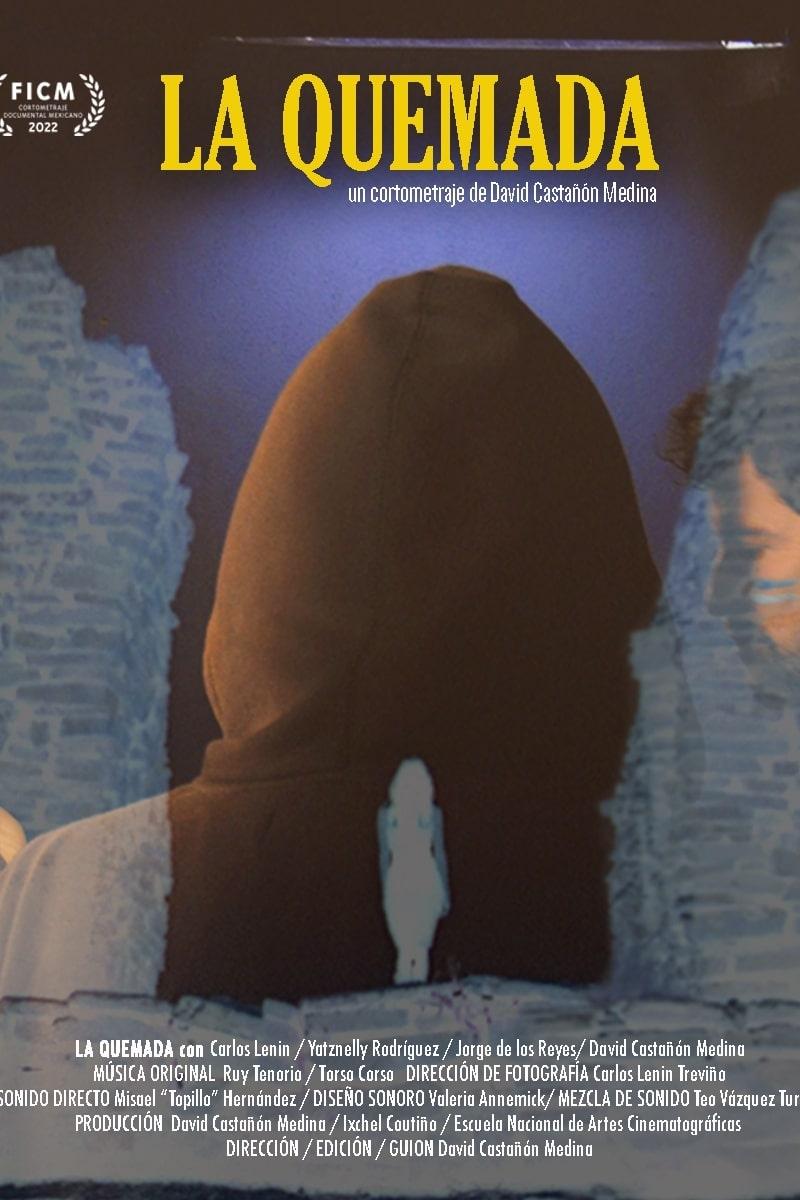
12 years later, a failed school short film is resignified to share the multiple experiences that exist in the creation of a film.