The hero of the film tries to find the way out from his problems and difficulties.
Social & External
The people behind it
Nizami Musayev
Rauf Bayramov
Ayan Mirgasimova
Rana
Hamlet Xanizadeh
Murtuzov
Aliqulu Samadov
Mirzayev
Emin Mirabdullayev
Damirov
Kamala Huseynova
Novruzova
Alim Aslanov
Valeh
Kamran Shahmardanov
Nuriyev
Gambar Yusifov
Khanlarov
Samir Gasimov
Shikhlarov
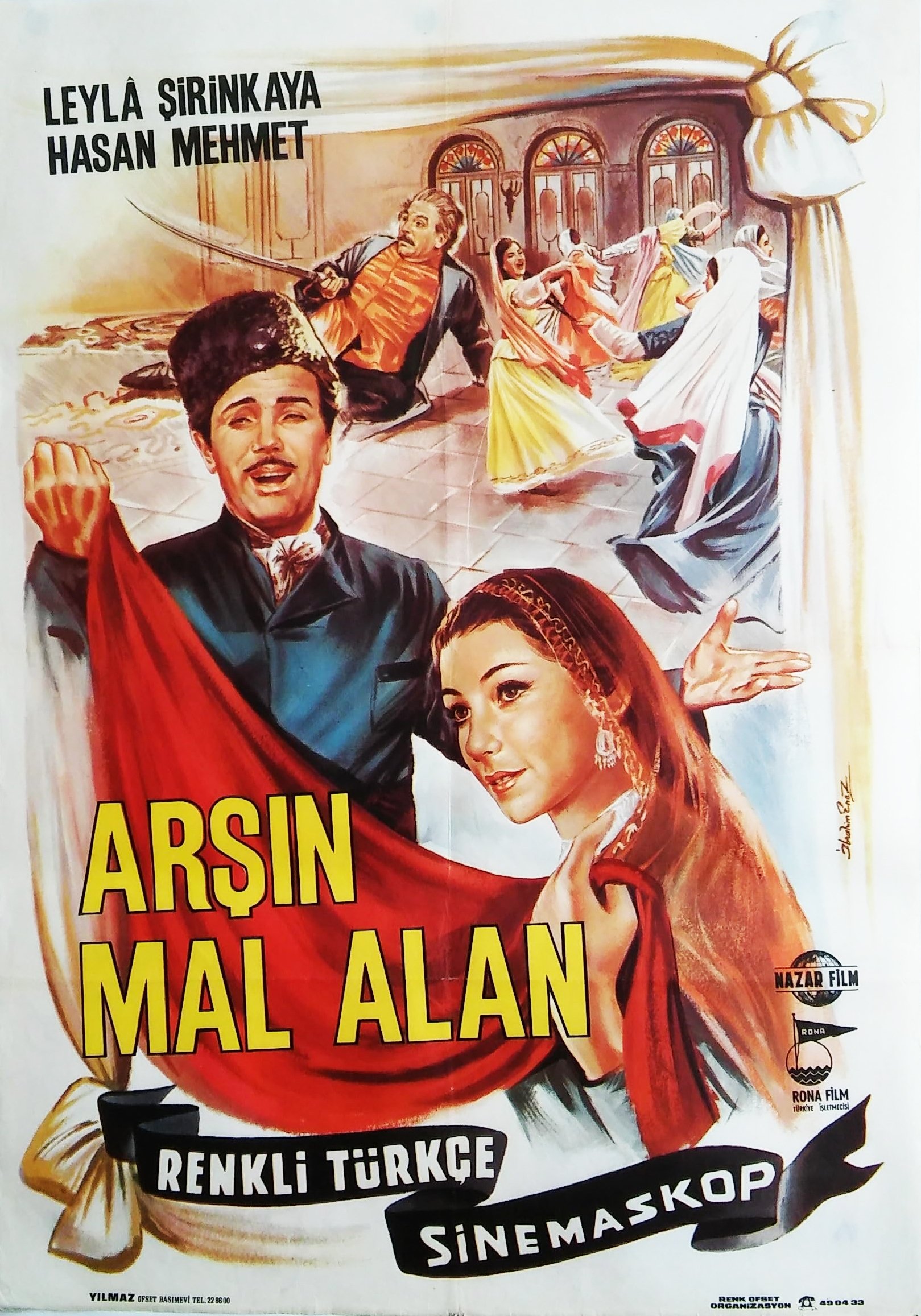
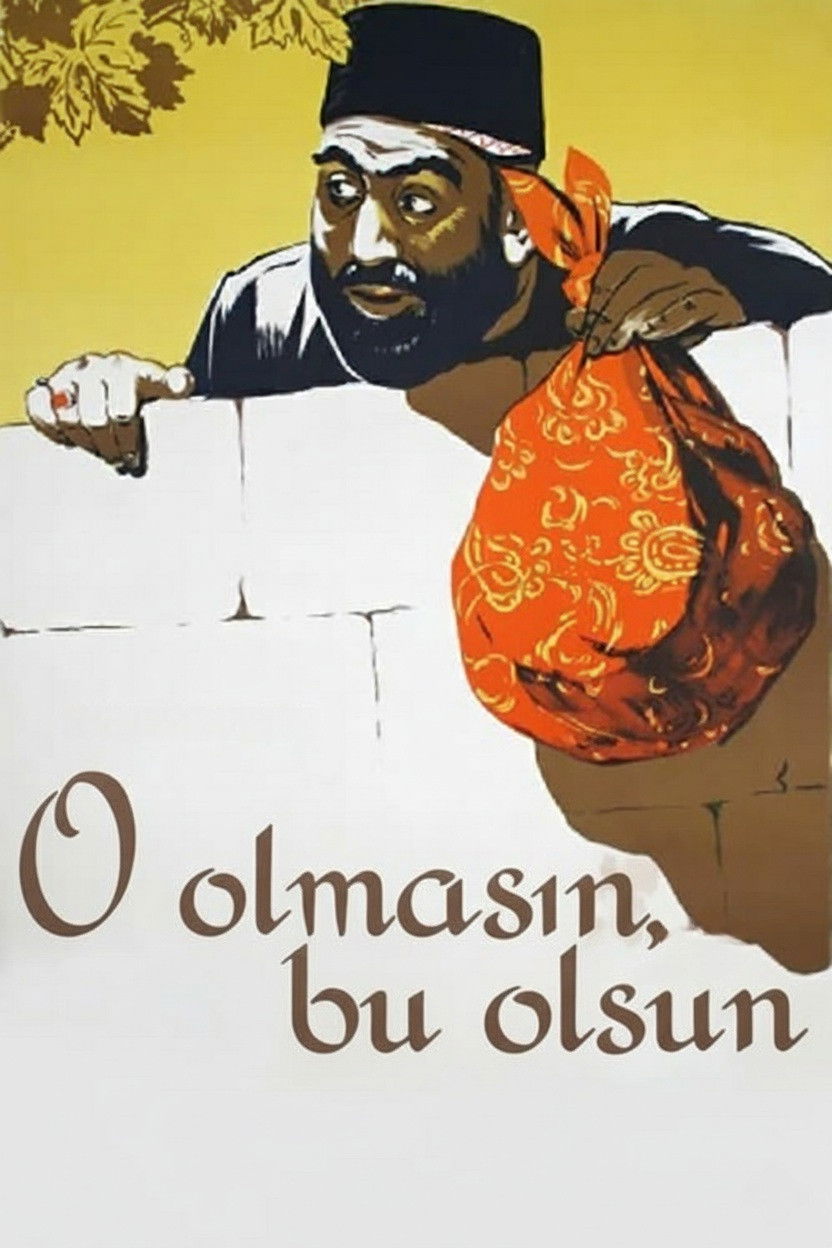
Set in Baku at the turn of the 20th century, a young successful businessman Asgar wishes to marry. He wants his bride to be the choice of his heart, however, Azerbaijani tradition restricted him from communicating with the lady as a lover before marriage. So Asgar decides to disguise himself as a mere cloth peddler and the young woman Gulchohra falls in love with him.
Film exposes the corruption and the decadence of the late Soviet bureaucracy in Azerbaijan SSR through the eyes of a naive Azerbaijani adult man, Hatem.
In a Azerbaijan, in the beginning of this century, the first films made in the history of cinema are shown.The characters meet each other in a room. Three characters who will witness the linking up of their destinies through their common love for this new captivating art.
The film is about Azerbaijanian and Uzbekistan's cotton-growers contest and about two young people's love.
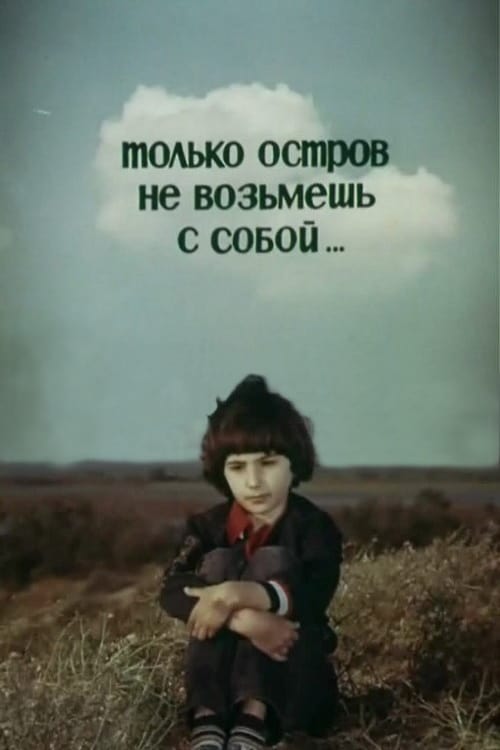
A young girl is trying to save an island which is endangered by nearby construction.
This Azerbaijani romantic drama depicts the love affair between Zaur, a man from an affluent family, and Tahmina, a divorced woman doing her best to survive in a conservative society.
Psychological drama about a university dean who leads a double life.
Based on a novel by Farman Karimzade, the movie shows the life in an Azerbaijani village under the Soviet rule in 1930s. Here two former "beys" (land owners) are opposing each other. One is loyal to the ideology of the past and can't reconcile himself to the new power, to second rejects the past and accepts the power of the Bolsheviks, believing that it will establish justice.
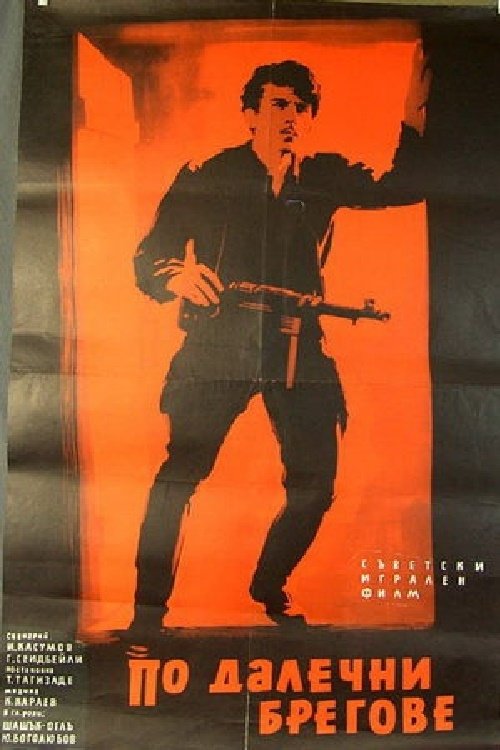
The film portrays the life of the legendary Azerbaijani guerrilla of the Second World War Mehdi Huseynzadeh, who fought the Nazi forces in the present-day Italy and Slovenia, hence the film's name On distant shores referring to the Adriatic Sea.
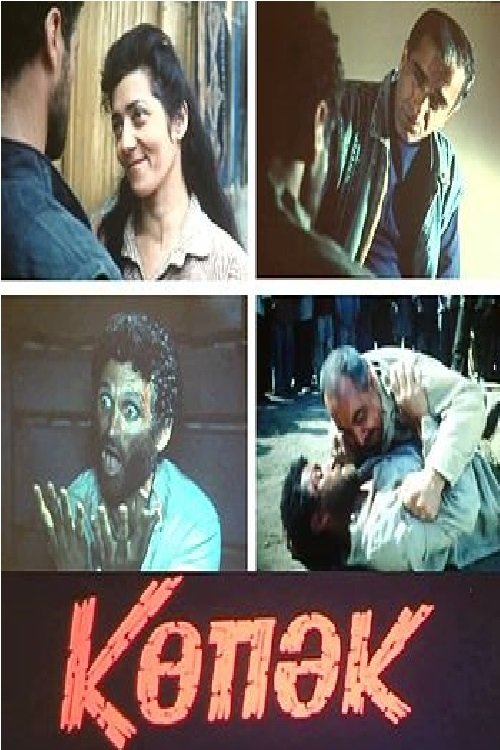
While looking for a job, a group of people end up in a private residence where they are forced to become dogs.
The film is about famous Chechen ballet and folk dancer Mahmud Essembayev's life.
Matteo Falcone is an Azerbaijani short drama film based on Prosper Merimée's like-named story from 1829. Matteo Falcone is a successful Corsican, who lives with his wife Giuseppa and 10-year-old son Fortunato. One day he leaves home with Giuseppa, leaving Fortunato alone.
Popularly known by the name of the main character, "Mashadi Ibad" was based on a musical comedy by composer Uzeyir Hajibeyov and written in the early 1900s. The story is based on the age old-theme of a beautiful young woman Gulnaz who falls in love with a young man Sarvar but is obliged to marry someone else.
The investigator Seyfi Ganiyev runs the case of an illegal mercery shop's head Murad Abiyev, who confessed in embezzlement of one million rubles from public funds. Abiyev is also accused of the murder of an underage girls that occurred in Riga shortly after Abiyev saw her. He denies his guilt, but does not name the perpetrators though he knows them, despite the fact that he is facing the death penalty. The investigator understands that some high-ranking officials stand behind Abiyev, but he has no proof. Ganiyev seeks to obtain from the prisoner the whole truth to bring the criminals to justice.
The story is set during an upsurge in the Nagorno-Karabakh conflict and revolves around an old, sick ex-forestry worker and his wife Nabat, whose son has died in battle.
Young Ruslan rows for a team coached by his father Ali, who places many demands upon his son and is continually dissatisfied by his performance. But when tragedy strikes, his father is overcome with emotions he doesn’t know how to deal with. Debut director Asif Rustamov treats the heavy topic with remarkable subtlety and discretion, emphasizing the characters’ carefully elaborated psychology.
In Soviet Azerbaijan, a divorced Armenian couple fights over the custody of their daughter, Ashen. Stolen from one parent to another, Ashen's guardians are tragically killed in the bloody war surrounding them. Will the arrival of a new savior finally bring Ashen freedom? Official selection of the Global Lens Collection presented by the Global Film Initiative.
Inspired by Anton Chekhov's The Cherry Orchard, the film follows a prodigal son who returns after 12 years. His reappearance at the family home in rural Azerbaijan significantly alters their way of life.
War breaks out in the Caucasus. 75-year-old Maria loses her son in the war. She and her daughter-in-law Sofia have been living in the Caucasus for 12 years. When famine strikes, they want to move to Russia. The women decide that they must go to Moscow. Maria takes her little dog and Sofia her small suitcase, gets on the train and sets off. In the next compartment, photojournalist Alexander is also traveling. Sofia and Alexander love each other. Maria realizes at one of the stations near Volgograd that she cannot live without the Caucasus. She writes a letter to Sofia and leaves the train with her dog...
Three friends begin a dangerous three-way relationship that spirals out of control, leading to dire consequences that haunt them ten years later.
The son of a courtesan retreats into a fantasy world after being forced to end his relationship with the older woman who educated him in the ways of love.
Two married couples find only trouble and heartache as their complicated lives unfold. After 40 years of marriage, Alfie leaves his wife to pursue what he thinks is happiness with a call girl. His wife, Helena, reeling from abandonment, decides to follow the advice of a psychic. Sally, the daughter of Alfie and Helena, is unhappy in her marriage and develops a crush on her boss, while her husband, Roy, falls for a woman engaged to be married.
When her all-male house-cleaning business gets out of control, a mature woman must embrace her own sexuality, if she is to make a new life for herself.
An aspiring musician struggling with schizophrenia falls for a mysterious woman who may be all in his head. When she suddenly vanishes, he takes off on a cross-country journey across Australia to find her, forcing his long-suffering brother to chase after him.
An aspiring Hollywood actress, on a visit to a charming North England town, has a brief fling with the town undertaker, who also writes obituaries for the local paper. Returning home, where she works as a waitress at a Japanese restaurant, she tells everyone about the handsome "writer" she met on her trip. Unfortunately, he decides to follow her back to Hollywood, setting up the expected light romantic comedy with asides as the newcomer gains experience about the goings on in Hollywood.
A high school outcast pays a cheerleader to pose as his girlfriend so he can be considered cool.
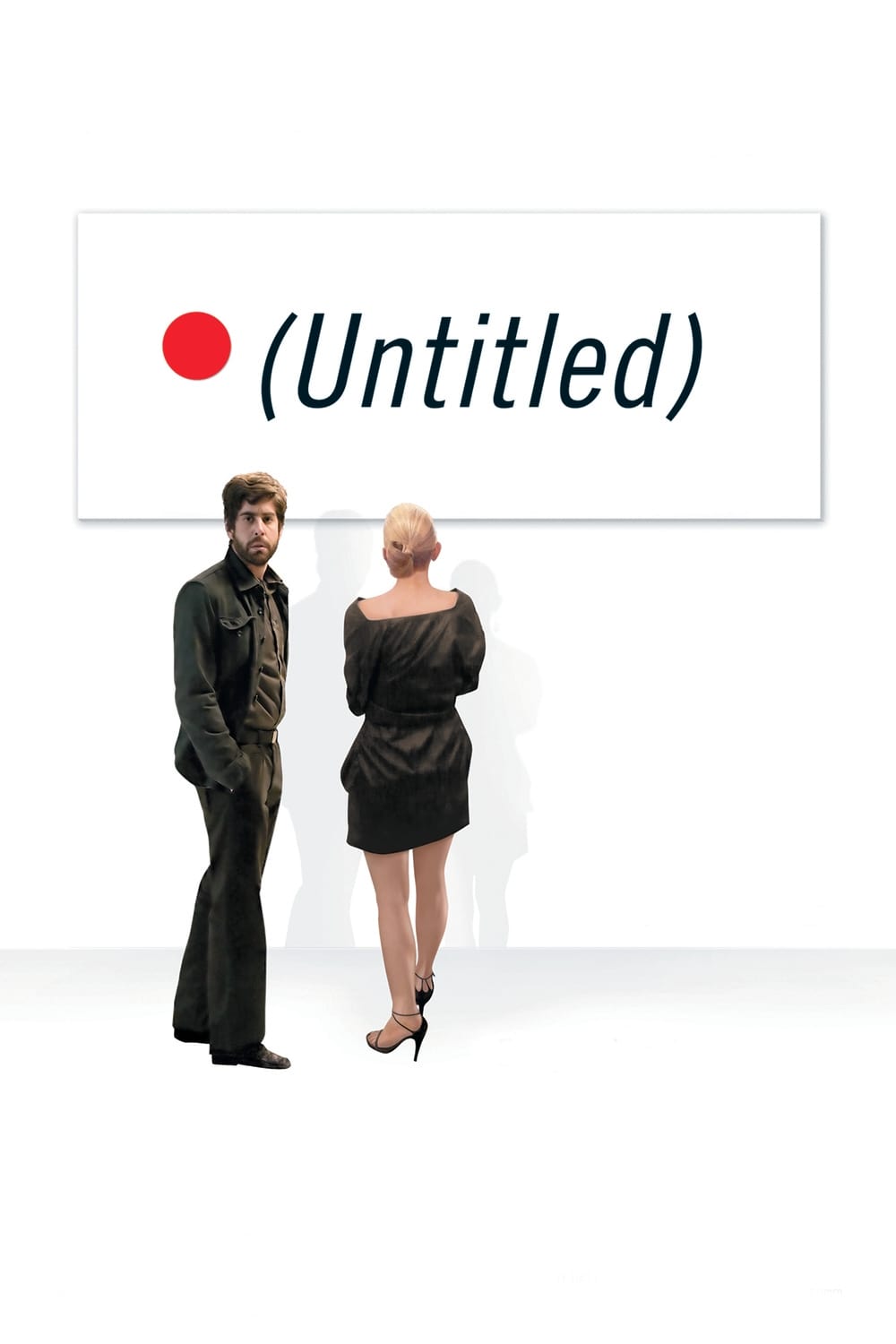
A fashionable contemporary art gallerist in Chelsea, New York falls for a brooding new music composer in this comic satire of the state of contemporary art.
Left heartbroken after Romeo begins to pursue her cousin Juliet, Rosaline schemes to foil the famous romance and win back her guy in this comedic twist of Shakespeare's Romeo and Juliet.
A young filmmaker in 1960s Paris juggles directing a cheesy sci-fi debacle, directing his own personal art film, coping with his crumbling relationship with his girlfriend, and a new-found infatuation with the sci-fi film's starlet.
When wry New England realtor Hildy Good rekindles a romance with her old high-school flame, Frank Getchell, it ignites long-buried emotions and family secrets that propel Hildy toward a reckoning with the one person she's been avoiding for decades: herself. Based on the best-selling novel by Ann Leary.
Harry, a charming house thief, gets more than he bargains for during an attempted burglary when he stumbles upon Daisy and decides to save her from herself, sending both of them into a darkly comedic journey of self discovery and love.
With John's social life at a standstill and his ex-wife about to get remarried, a down on his luck divorcée finally meets the woman of his dreams, only to discover she has another man in her life - her son. Before long, the two are locked in a battle of wits for the woman they both love-and it appears only one man can be left standing when it's over.
A twisted honeymoon adventure about a young couple on their way to Niagara Falls.
Cynthia Rand is a buttoned-up New Yorker married to a brilliant professor 25 years her senior. She begins feeling the effects of her husband’s advancing age on their relationship, just as her world is turned upside down by the arrival of sharp but chronically underachieving security guard Stan Olszewski in this smart rom-com that reunites Bacon and Sedgwick on screen for the first time in 20 years.
A man in his mid-20s, still living at home with his mother and stepfather, puts all his eggs in one basket: the girl who works at his local coffee shop. The problem is, she has a serious boyfriend. As they become closer, the line between friendship and intimacy is blurred, and the situation forces both to examine where they are in their lives.
Les, a small-time celebrity photographer desperate to make it big, befriends Toby, a homeless young man with no direction except a vague desire to become an actor. When by chance, Toby becomes romantically involved with K'Harma Leeds, the hottest pop star of the moment, Les grows jealous and plots revenge.
A newly sober man's Christmas Eve dental emergency leads to an unexpected romance with his older dentist as they explore Baltimore together.
Anne and Bob, a well-to-do American couple, have just moved to a beautiful manor house in romantic Paris. To impress their sophisticated friends, they decide to host a lavish dinner party, but must disguise their maid as a noblewoman to even out the number of guests. When the maid runs off with a wealthy guest, Anne must chase her around Paris to thwart the joyous and unexpected love affair.
Two successful women, sick and tired of dating and relationships, decide to keep two young men in their pool house for strictly sexual purposes.