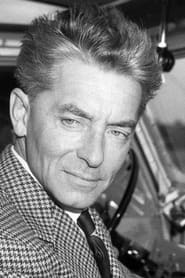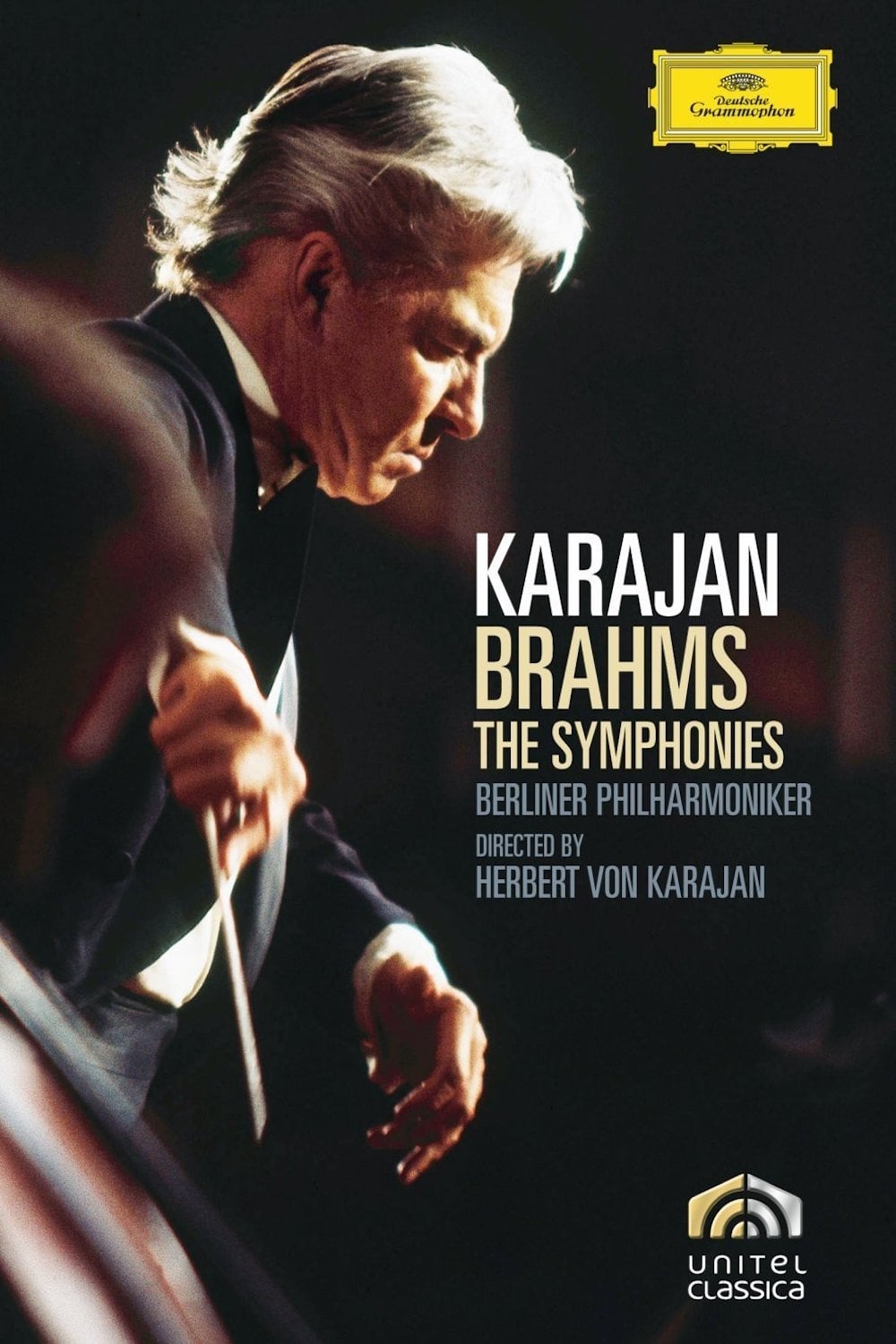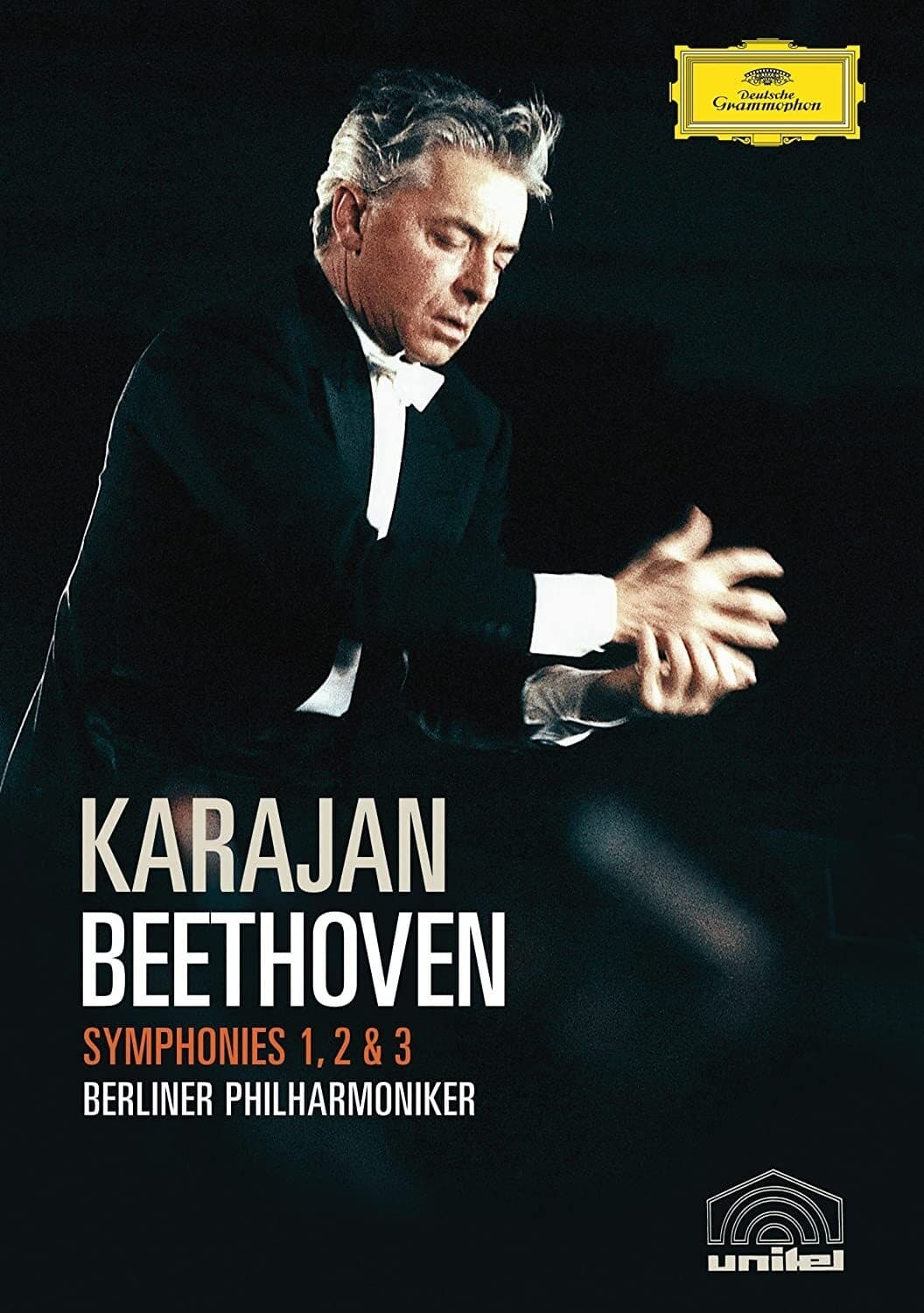
This set was recorded in the late 1960s to early 1970s. Herbert von Karajan is widely acknowledged to be one of the finest conductors of the 20th century, and around 1970 he was at his peak.
Social & External
The people behind it
Herbert von Karajan
Self - Conductor
Berlin Philharmonic
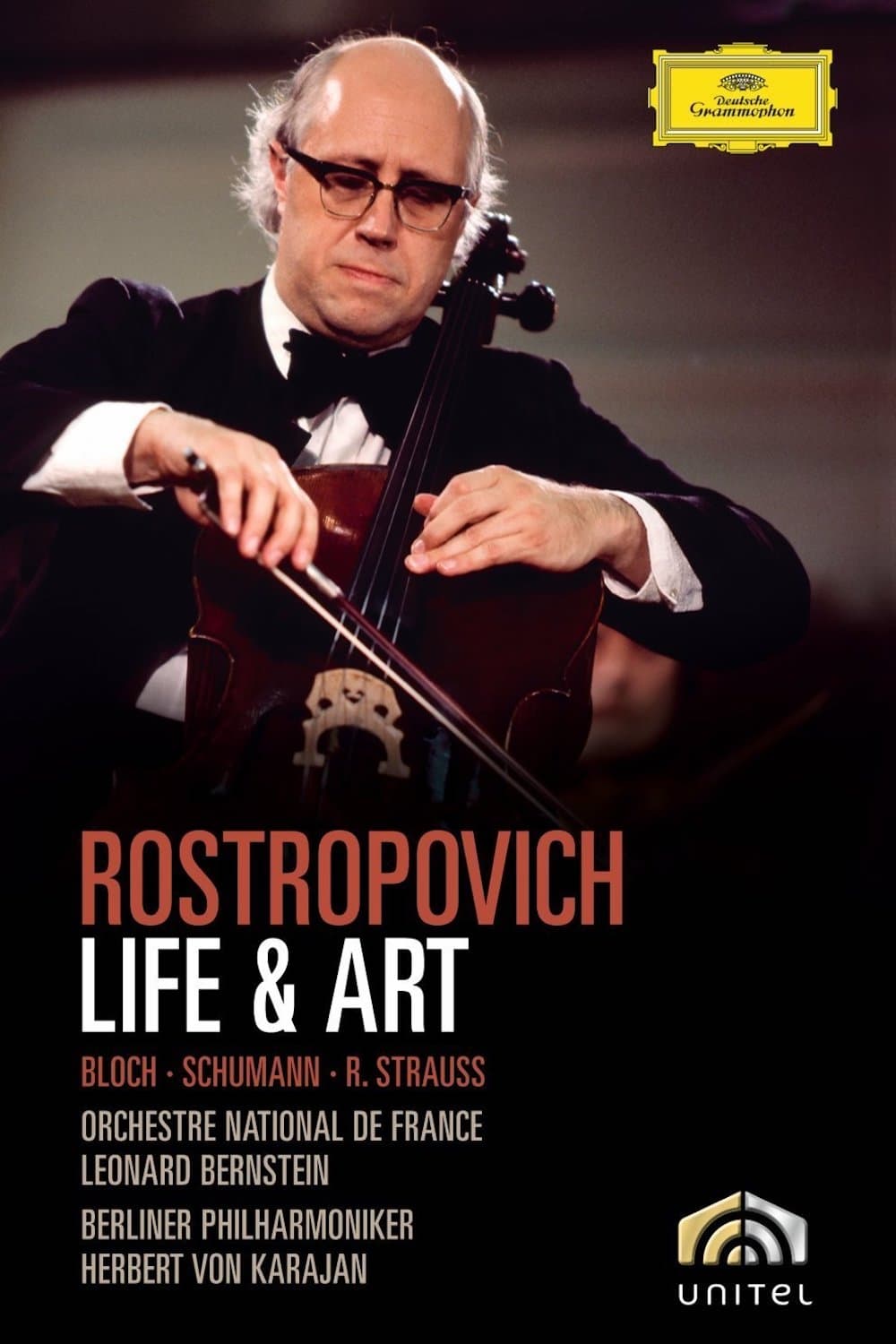
Released as a memorial for the great Russian cellist Mstislav Rostropovich, who passed away on 27 April 2007, this DVD contains one bonafide cello concerto, the Schumann Cello Concerto in A minor, and two tone poems with prominent cello parts, Ernest Bloch's Schelomo and Richard Strauss' Don Quixote. Rostropovich mastered the Schumann in several famous recordings. Here, conducted by Leonard Bernstein, he provides a splendid performance. Featuring his trademark powerful technique, smooth legato and crisp vibrato, the Romantic roots of the concerto are never hidden for long, despite the relatively cool playing of the Orchestre National de France.
The production itself is quite beautiful: recorded in the Basilica di San Marco in Venice in November 2007, it highlights the cathedral's splendor, the reverent audience, the soloists, orchestra and chorus with near-perfect cinematography. The soundtrack is also acceptable, which may have been quite a task to achieve, given the Basilica's over-reverberant acoustics. Alas, the performance itself does not rise to the occasion. Despite the occasional minor insecurity in ensemble and a visible lack of joy, the Symphonica Toscanini musicians play well, the Coro del Maggio Musicale Fiorentino members sing equally well, and the soloists are more than adequate, almost tangibly trying to excel.
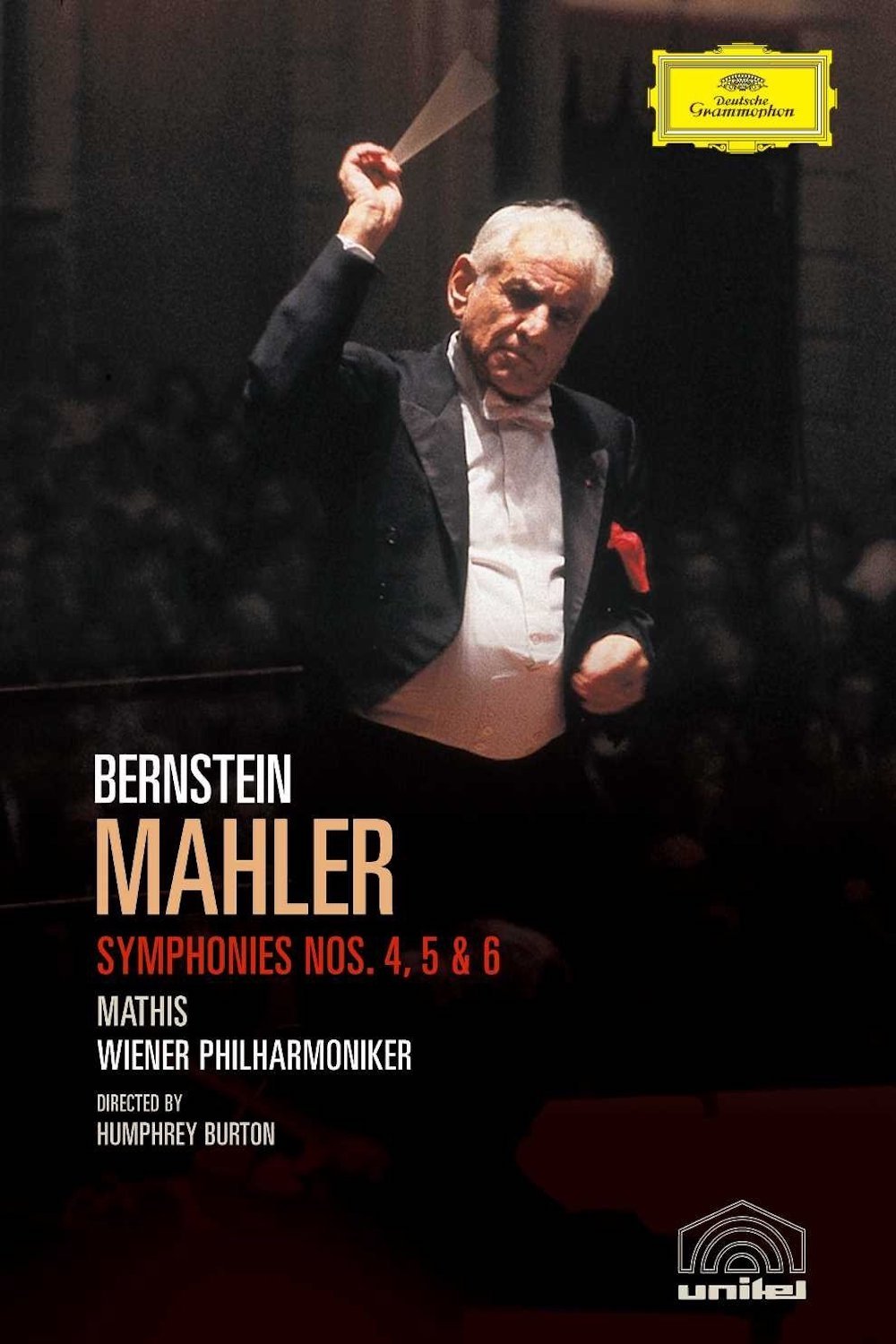
For Mahlerites, his symphonies are much more than musical performances--they can be an emotional or spiritual journey through the struggles, fears, and triumphs of life. This Sixth Symphony is a 1976 performance in the Vienna Musikvereinssaal with PCM stereo and DTS 5.1. The 2 dvd set also includes the 4th and 5th symphonies, which are performed as magnificently as the Sixth.
There is hardly a better way to approach Ludwig van Beethoven than through his piano concertos. Beethoven’s own instrument was the piano, and in his improvisations – which made him the darling of the Viennese salons – he merged virtuosity and unbridled expression. The piano concertos give a clear idea of these performances. At the same time, they are prime examples of Beethoven’s ability to create large orchestral works with seemingly endless arcs of tension. The complete recording of all five works with Mitsuko Uchida and Sir Simon Rattle was one of the most spectacular projects of the Berliner Philharmoniker during the Rattle era – and at the same time the highlight of the collaboration between the orchestra and the pianist, which began in 1984.
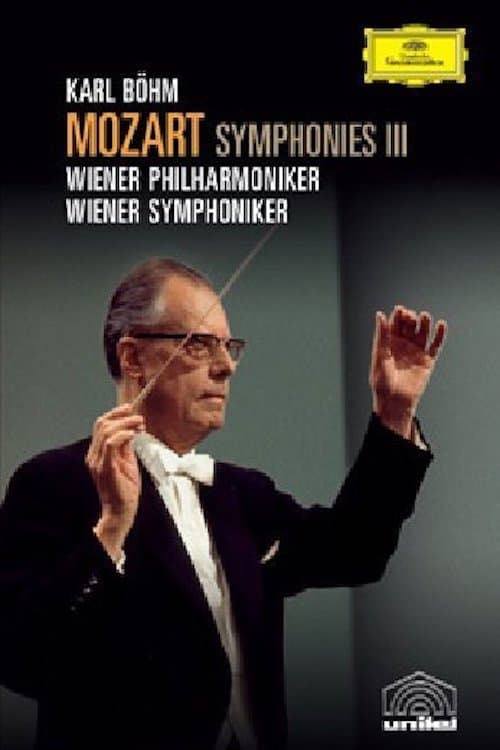
Almost any recording of a Mozart symphony by Austrian conductor Karl Bohm (1894-1981) is a sure thing: excellent sound, and sensible, solid, non-sentimental interpretation. This DVD has 3 Mozart Symphonies, all conducted by Bohm: Nos. 33 and 39 with the Vienna Symphony, recorded in Studio-Wien in 1969, and a live 1970 performance of Symphony 28 with the Vienna Philharmonic, filmed in the Musikvereinsalle in Vienna. All 3 symphonies have excellent film quality and sound, although some viewers may prefer Symphony 28, as the presence of a live audience really brings out the best in the Vienna Philharmonic.
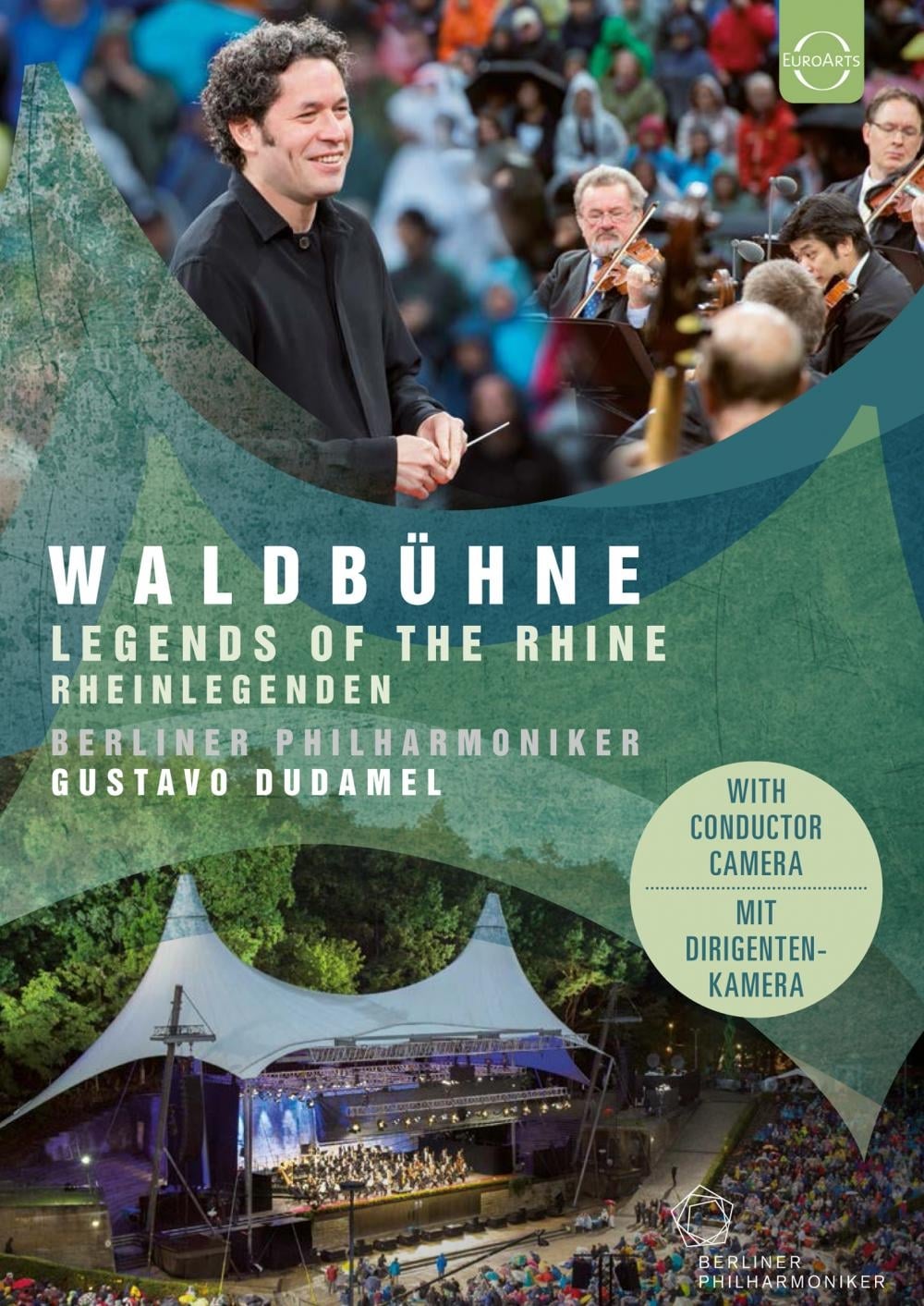
For their annual season end concert, the Berliner Philharmoniker take the audience on a dreamy, magically journey through the river Rhine with Schumann’s beloved 3rd Symphony Rhenish. Pieces from Wagner’s Der Ring des Nibelungen under the baton of dynamic conductor Gustavo Dudamel complete this evening.
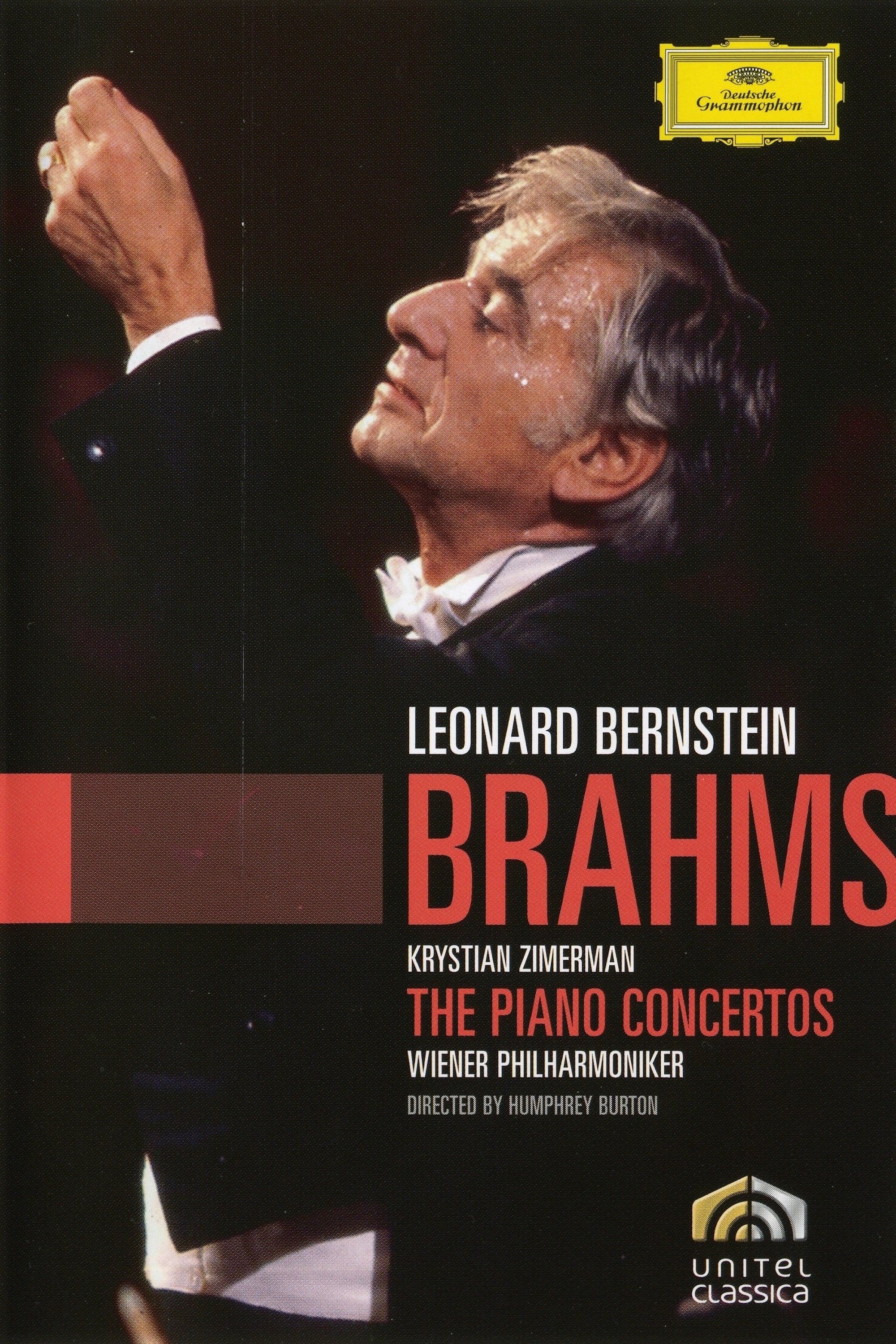
Between 1981 and 1984 Leonard Bernstein recorded nearly all of Brahmss orchestral works with the Wiener Philharmoniker to honor the 150th anniversary of the composer's birth in 1983. For the concertos, Bernstein enlisted the services of some of the finest Brahms interpreters of the time: the violoninst Gidon Kremer, the cellist Mischa Maisky and the pianist Krystian Zimerman. Leonard Bernstein, Krystian Zimerman, and the Wiener Philharmoniker, it's very hard to get a better group of musicians for these masterpieces. Mr. Zimerman and Mr. Wolfgang Herzer's piano cello duets in the third movement of Brahms' second is simply tearful.
With nearly 450 years of tradition, the Staatskapelle Berlin is one of the oldest orchestras in the world. Daniel Barenboim has served as its music director since 1992, and in 2000 the orchestra appointed him Chief Conductor for Life. Having already performed important cycles such as Beethoven, Brahms and Schumann together, Daniel Barenboim and the Staatskapelle turned their focus toward Anton Bruckner's last six Symphonies, performed in the Philharmonie Berlin in the course of only one week in June 2010. This music is more serious and more significant than one had thought, the Berliner Zeitung summarized in its review of Daniel Barenboims celebrated Bruckner cycle with the Staatskapelle Berlin. Bruckners unfinished Symphony No. 9 brought to an end, in a poignant manner, the work of one of the greatest symphonic composers of the Classic-Romantic era.
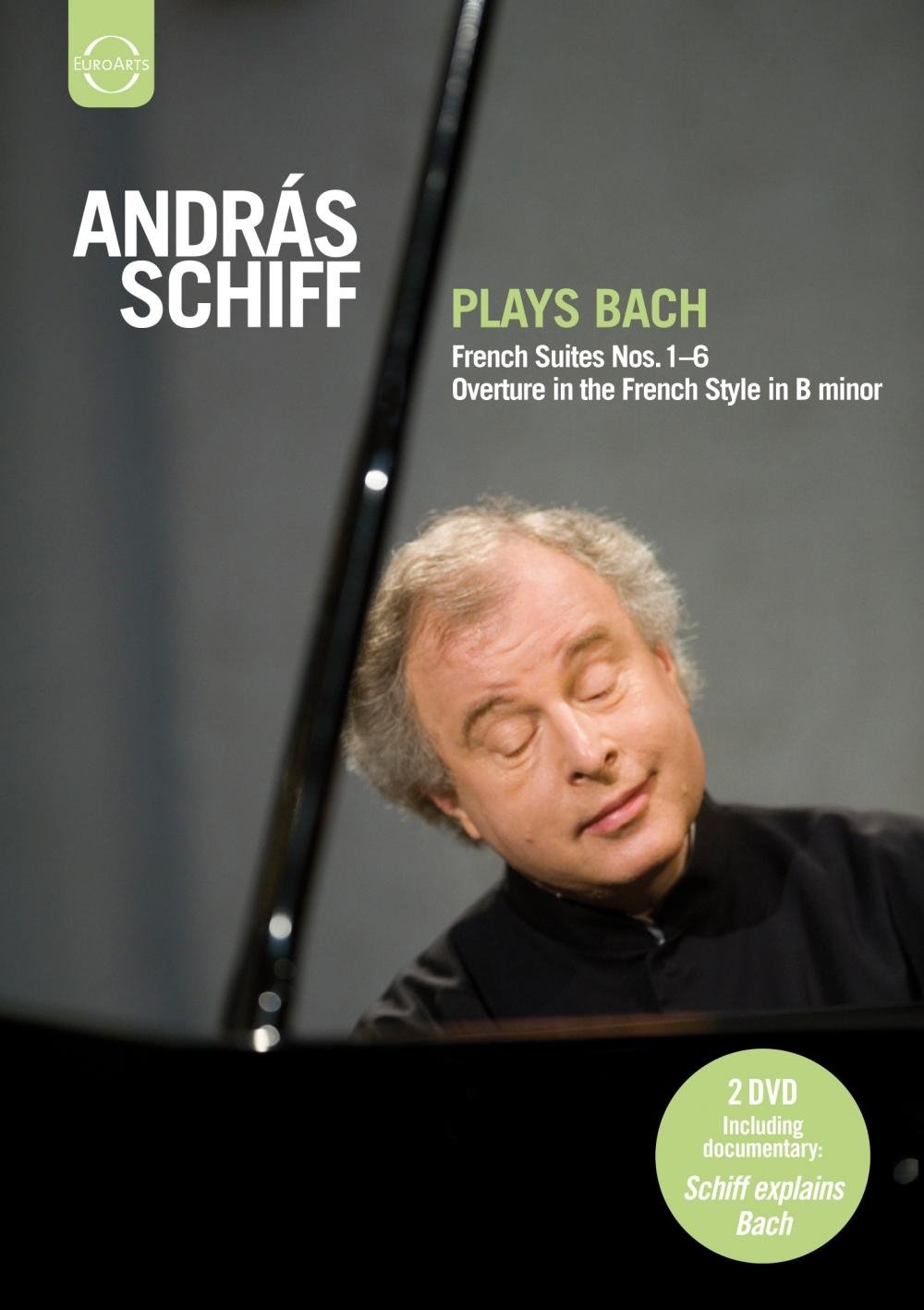
Surely Bach’s French Suites, which he composed during his years at Cöthen (1717–1723), are among the finest inducements to practise that any teacher has ever made to a pupil. In this case Bach wrote them for his young wife, Anna Magdalena. The over-riding impression left by these suites is one of endearing tunefulness. Clavier-Übung II is a later collection of didactic keyboard pieces. It comprises two greatly contrasted works: the Italian Concerto and the Overture in the French Style. These performances admirably demonstrate the thoughtful and persuasive approach that András Schiff adopts when performing Bach. Recorded live at the Bachfest 2010, Protestant Reformed Church of Leipzig, 11 June 2010 Repertoire J.S. Bach: French Suites Nos. 1–6, Overture in the French Style in B minor, Italian Concerto in F major, BWV 971
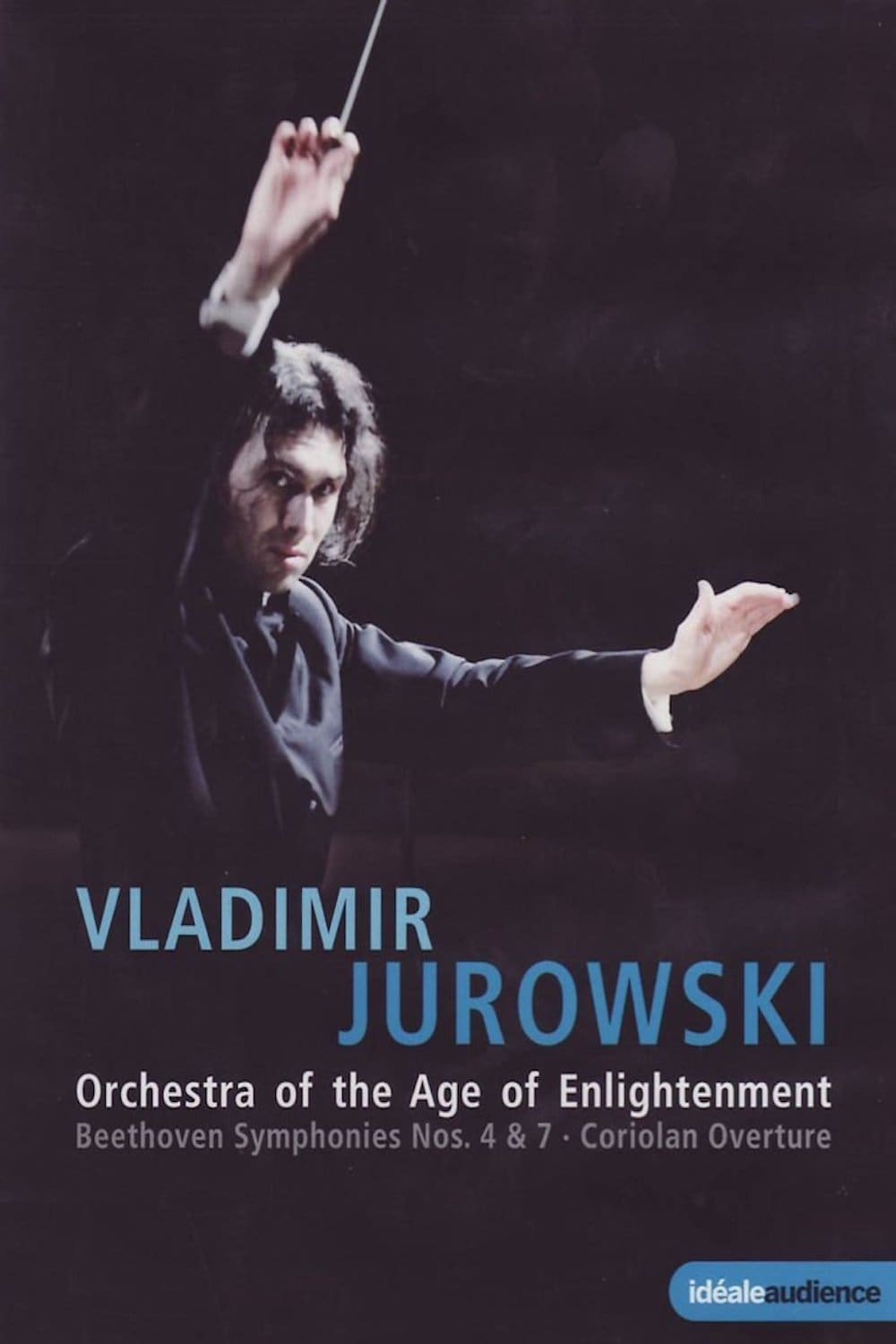
From the very first bars of the Coriolan Overture, it is apparent that this is Beethoven at his very best. Vladimir Jurowski and his absolutely brilliant Orchestra of the Age of Enlightenment give us a new reading of old favorites that may well blow you out of your chair. There is plenty to discover: sounds and textures never heard before, an orchestral timbre as the composer himself may have envisaged and heard, incredible strength and cohesion and, on the other hand, sensitive nuances that often disappear under a blanket of massed strings in more traditional interpretations.
Karajan conducts these symphonies with eyes closed, often intently enraptured by the music, smiling occasionally when a passage or solo sounds just right to his ear. He conducts Brahms with a greater sense of urgency than does Bernstein: the First symphony is 11 minutes shorter as conducted by Karajan! Nothing is rushed but there is what can only be described as emotional compression, an intensity of expression that sounds quicker than Bernstein's performances.
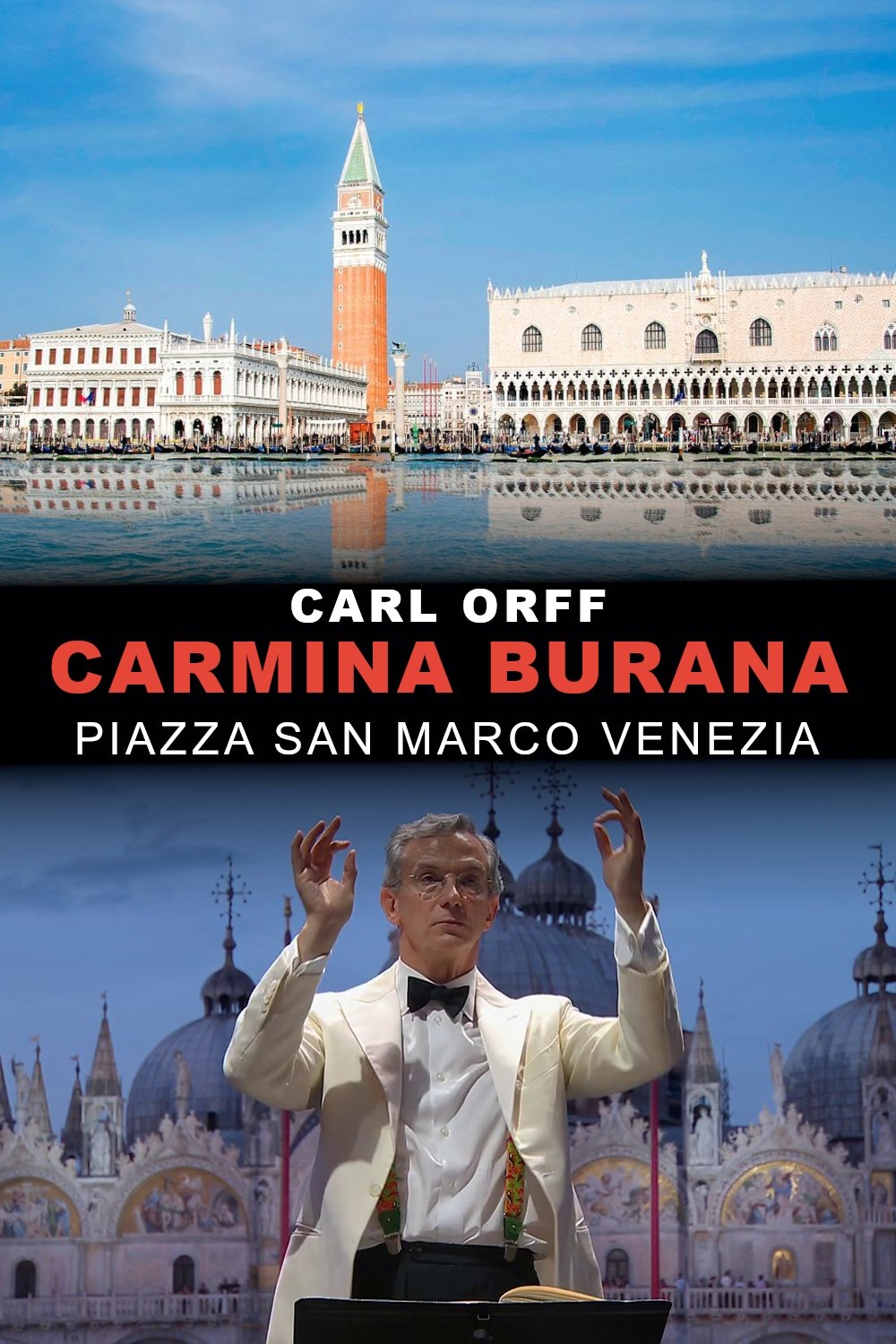
The Choir and Orchestra of the La Fenice Theatre, conducted by Fabio Luisi, take over Piazza San Marco in Venice for a grandiose concert. Facing the basilica, the musicians perform the famous cantata "Carmina burana", twenty-four medieval poems set to music by Carl Orff between 1935 and 1936.
Daniel Barenboim is an expert in exploiting the impact of cyclical performances of composers works: This time he focuses his sharp intellect on all six of Anton Bruckners mature symphonies. Der Tagesspiegel described Barenboim's performance of the works with the Staatskapelle Berlin on six nearly consecutive evenings in June 2010 as a superhuman accomplishment and went on to praise how: His Bruckner is conceived and performed very theatrically, like an opera without words. Bruckners famous Romantic Symphony No. 4 forms the prelude to a spectacular DVD series from Accentus Music and Unitel Classica, exploring Bruckners symphonic cosmos.
Anton Bruckner’s 6th Symphony was written between 1879 and 1881: a very happy time in his life. Unlike most of Bruckner’s symphonies, the 6th was not revised. Of all his works, this one seems to come from a single source of inspiration. Bruckner himself called it his “boldest” symphony – probably due to its extreme degree of motivic, rhythmic and harmonic originality. This live recording of the seldom-performed 6th Symphony is the next instalment of the acclaimed Bruckner cycle by the Staatskapelle Berlin and Daniel Barenboim. Anton Bruckner Symphony No. 6 in A major (original version) Daniel Barenboim, Conductor Staatskapelle Berlin Recorded live at the Philharmonie Berlin, 22 June 2010
“Clarity was one thing that made this performance a marvel. Another was the flexibility of Barenboim’s speeds…. The flexibility of Barenboim’s tempi meant that Bruckner’s charm – an often overlooked aspect of his genius – shone through, especially in the genial Trio.” (The Telegraph) Bruckner’s 8th is the last symphony completed by the Austrian composer. Many of his contemporaries regarded the symphony as “the pinnacle of 19th century music”. Even today, this monumental work fascinates listeners with its virtuoso orchestral technique, its immensity of sound, and its inexhaustible richness of detail. Symphony No. 8 in C minor (second version 1887-90, Robert Haas Edition) Daniel Barenboim, Conductor Staatskapelle Berlin Recorded live at the Philharmonie Berlin, 26 June 2010
The Süddeutsche Zeitung summed up this highly acclaimed performance of Bruckner's monumental Fifth Symphony by saying: Both Bruckners belief in God, as it majestically wells up out of the chorale of the Fifth, and his deeply tragic world view, collide with one another in Barenboims interpretation. The operatic experience of the conductor was almost tangible, revealing the sheer dramatic instrumental battle between Bruckners God and the Devil between heaven and hell without betraying Bruckners unerring sense of striking proportions. The release of this contrapuntal masterpiece (as Bruckner, not without pride, referred to this work) is part of Daniel Barenboims Bruckner cycle with the renowned Staatskapelle Berlin.
In celebration of its 100th anniversary in 1983, the Metropolitan Opera hosts a four-hour performance uniting some of the world's most spellbinding opera singers and conductors. The event includes a ballet from Samson et Dalila and boasts incredible classical performances from Kathleen Battle, Plácido Domingo, Jose Carerras, Leonard Bernstein, Marilyn Horne, Leona Mitchell, Luciano Pavarotti and many more.
Taylor Swift takes the stage in Dallas for the Reputation Stadium Tour and celebrates a monumental night of music, memories and visual magic.
In this concert film, 'Hannah Montana' star Miley Cyrus performs a slew of hit songs, including 'Just Like You' and 'Life's What You Make It.'
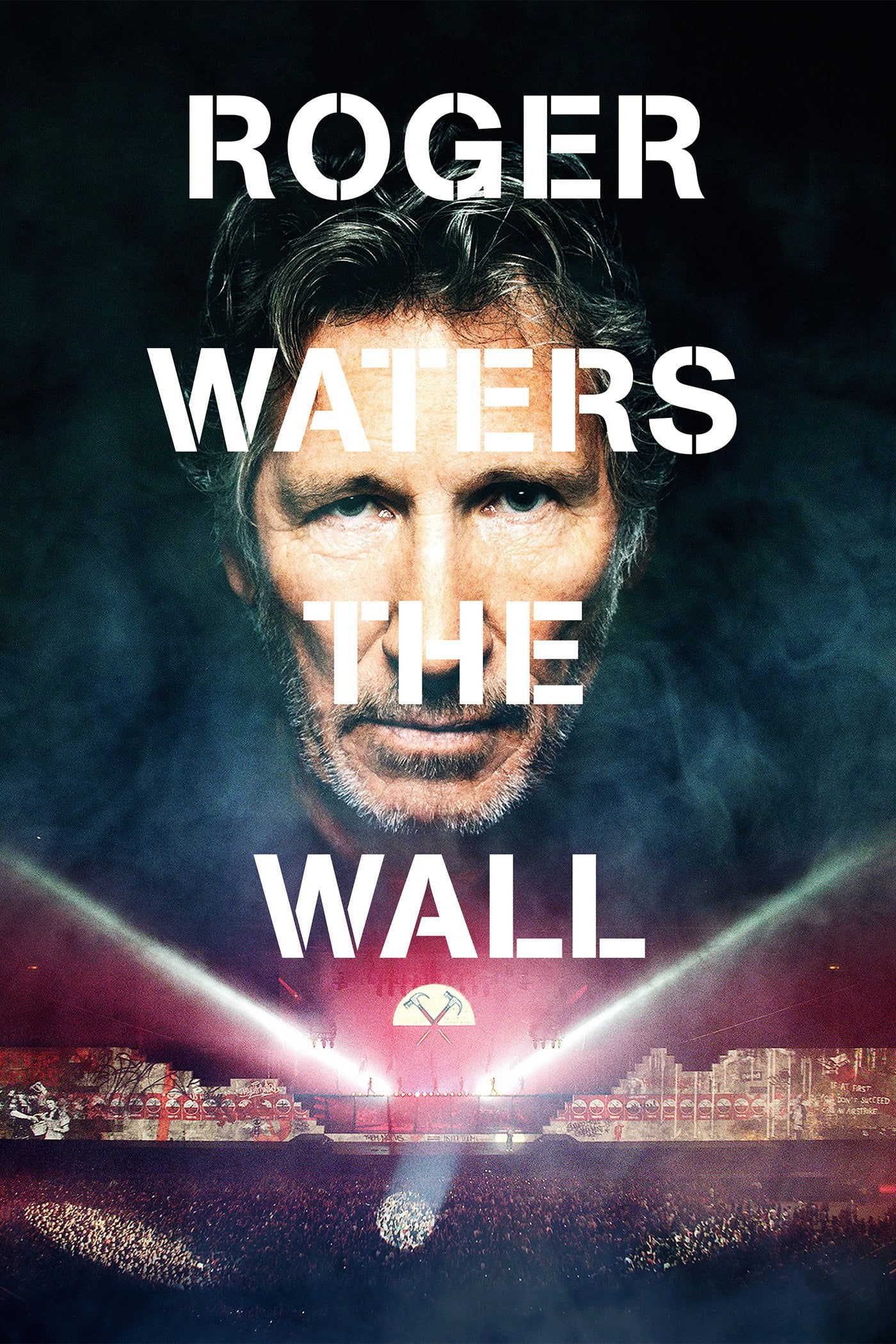
A concert film that the former Pink Floyd singer-songwriter made on various tour dates between 2010 and 2013, when he was playing his former group's 1980 double-album in its entirety.
Hans Zimmer is one of the most successful film music composers working today. His multi-award winning career reaches back to the mid-eighties and he has developed close working relationships with renowned directors such as Ridley Scott, Tony Scott, Michael Bay, Ron Howard, Gore Verbinski and Christopher Nolan. His credits include some of the biggest blockbuster movies of all time along with acclaimed TV series such as The Crown and Planet Earth II. This concert was filmed on 7th May 2016 in Prague during Hans Zimmer’s hugely successful European concert tour. Hans was accompanied by a band, orchestra and choir, 72 musicians in total, including guitarist Johnny Marr. The staging was spectacular with a ground breaking light show, stunning visuals and a state of the art sound system. Hans Zimmer performs on multiple instruments and gives introductory insights to many of the pieces during the concert. This show is a treat for lovers of both great music and great movies.
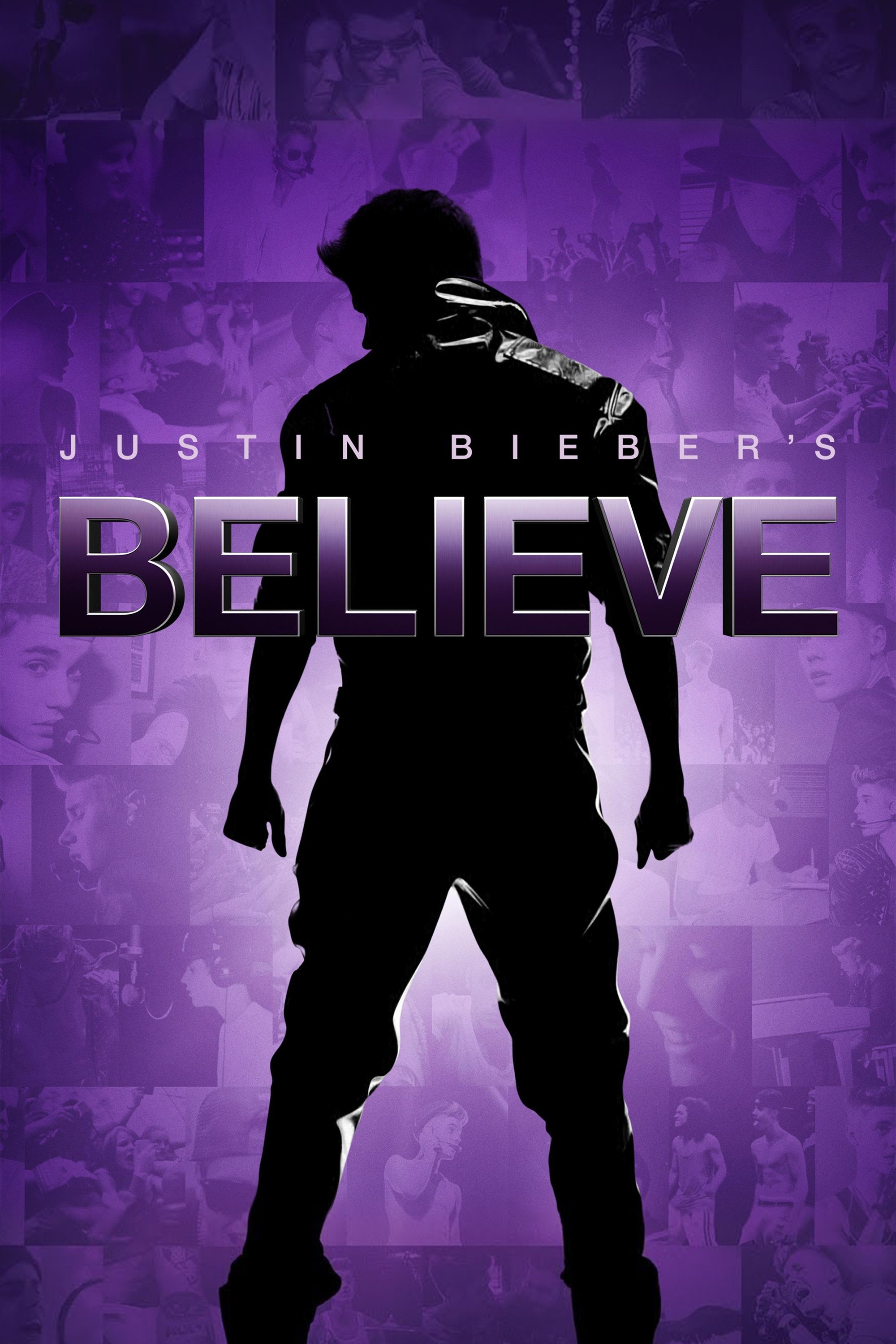
A backstage and on-stage look at Justin Bieber during his rise to super stardom.
A celebration of the musical work of a group of session musicians known as "The Wrecking Crew." a band that provided back-up instrumentals to such legendary recording artists as Frank Sinatra, The Beach Boys, and Bing Crosby.
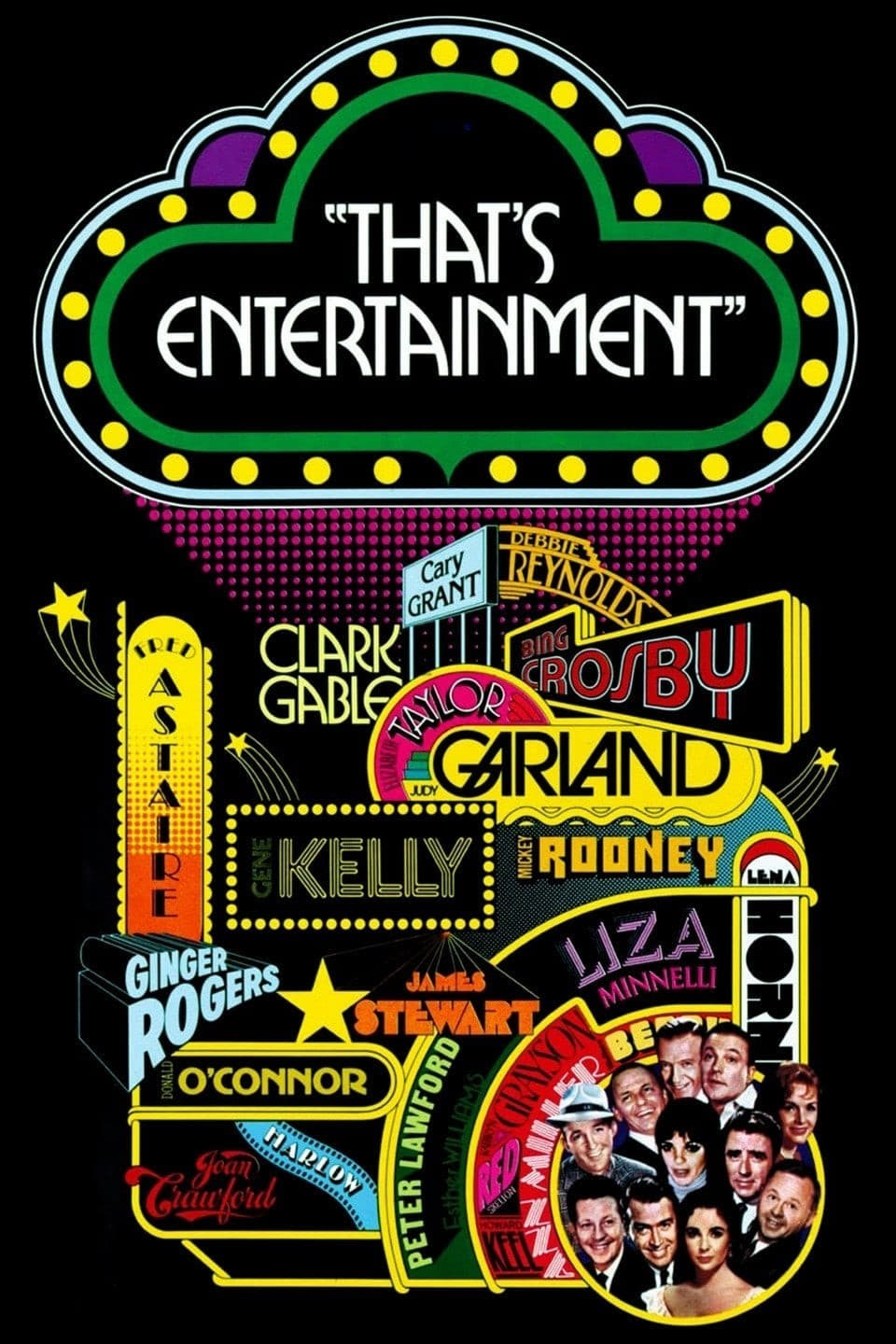
Various MGM stars from yesterday present their favorite musical moments from the studio's 50 year history.
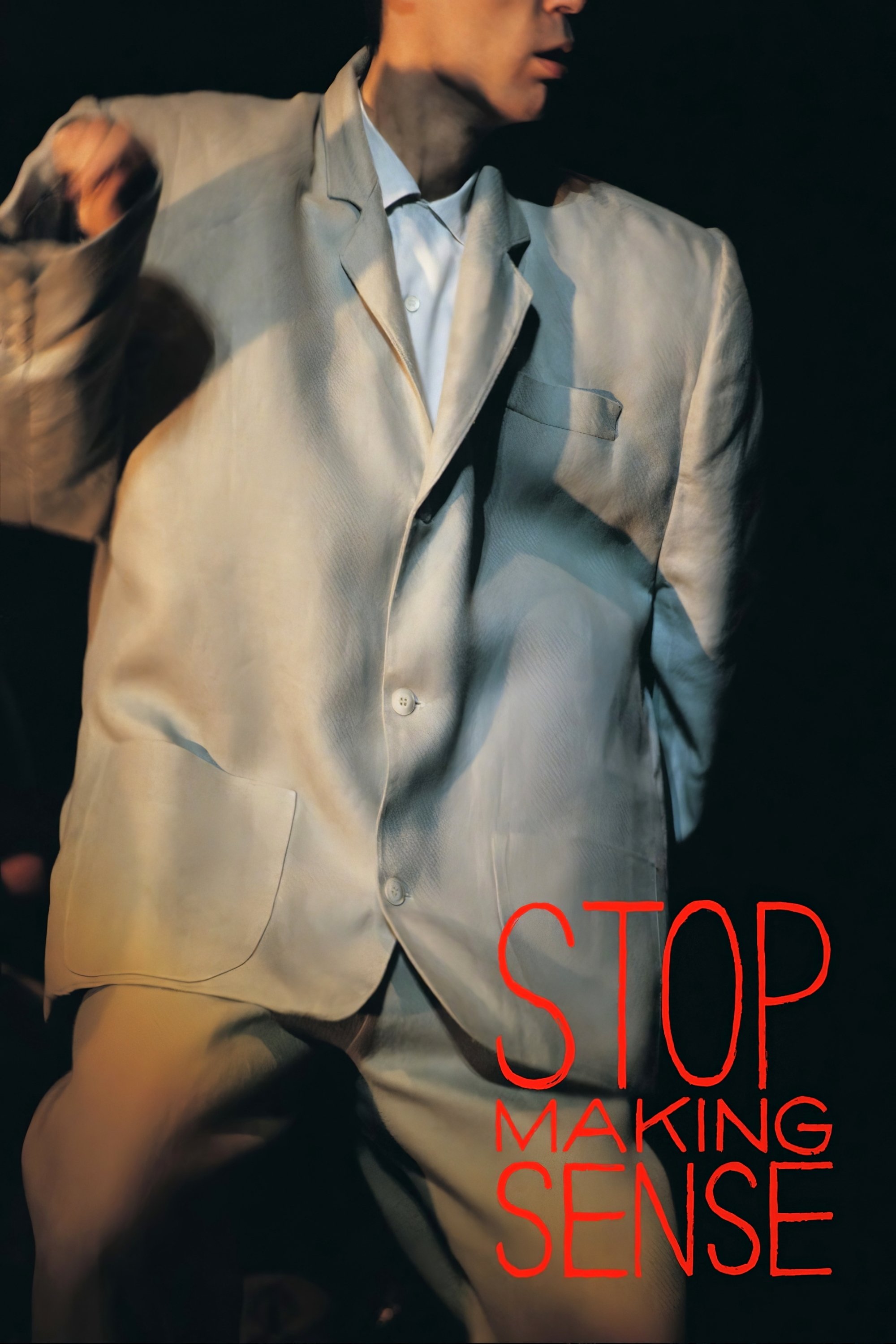
A concert film documenting Talking Heads at the height of their popularity, on tour for their 1983 album "Speaking in Tongues." The band takes the stage one by one and is joined by a cadre of guest musicians for a career-spanning and cinematic performance that features creative choreography and visuals.
Kevin, Nick, and Joe Jonas face a series of escalating obstacles as they struggle to make it from London to New York in time to spend Christmas with their families.
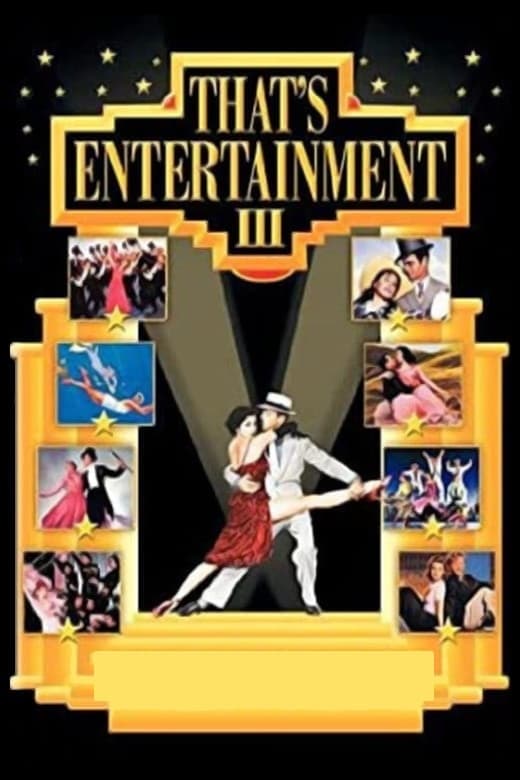
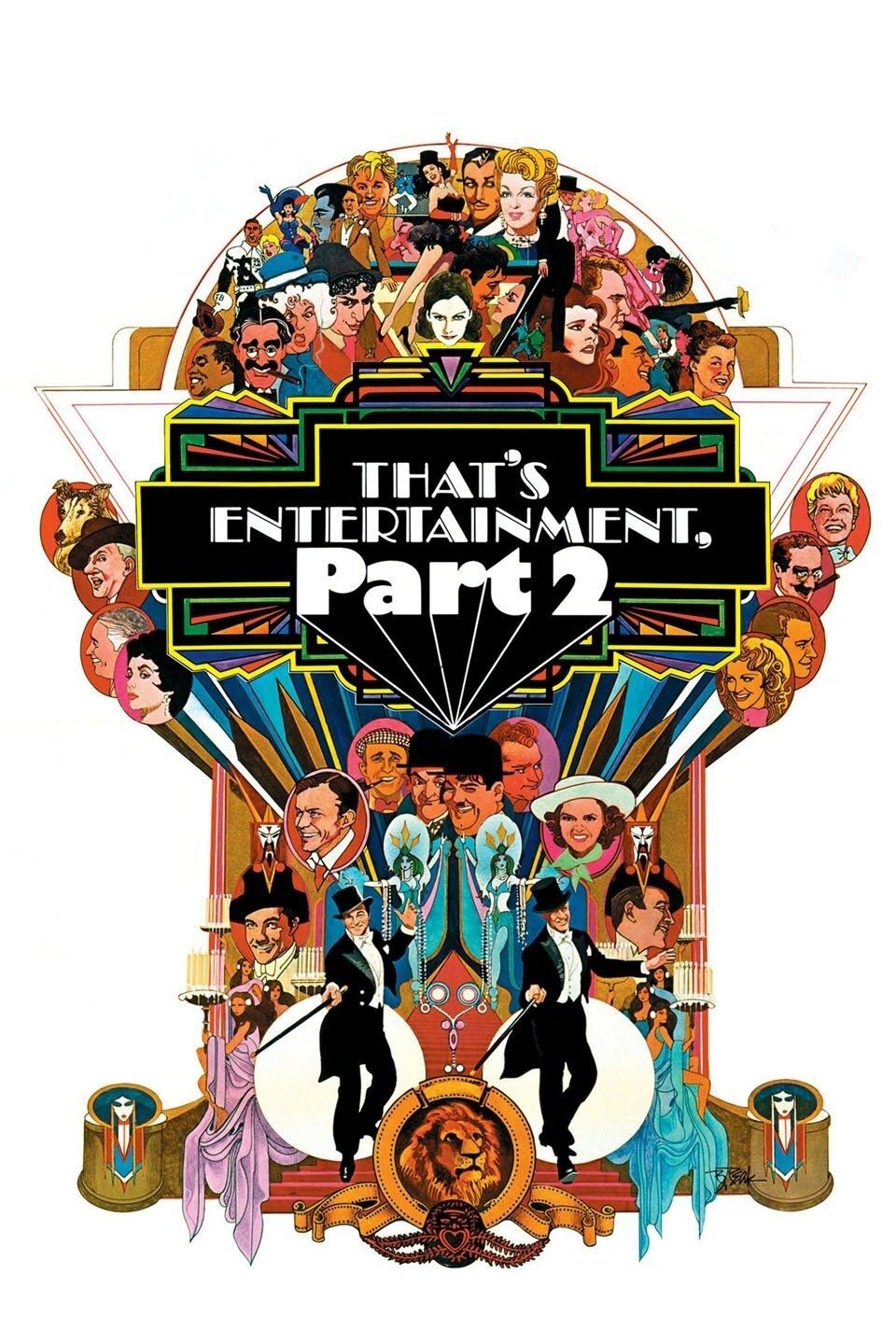
Some of MGM's musical stars review the studio's history of musicals. From The Hollywood Revue of 1929 to Brigadoon, from the first musical talkies to Gene Kelly in Singin' in the Rain.
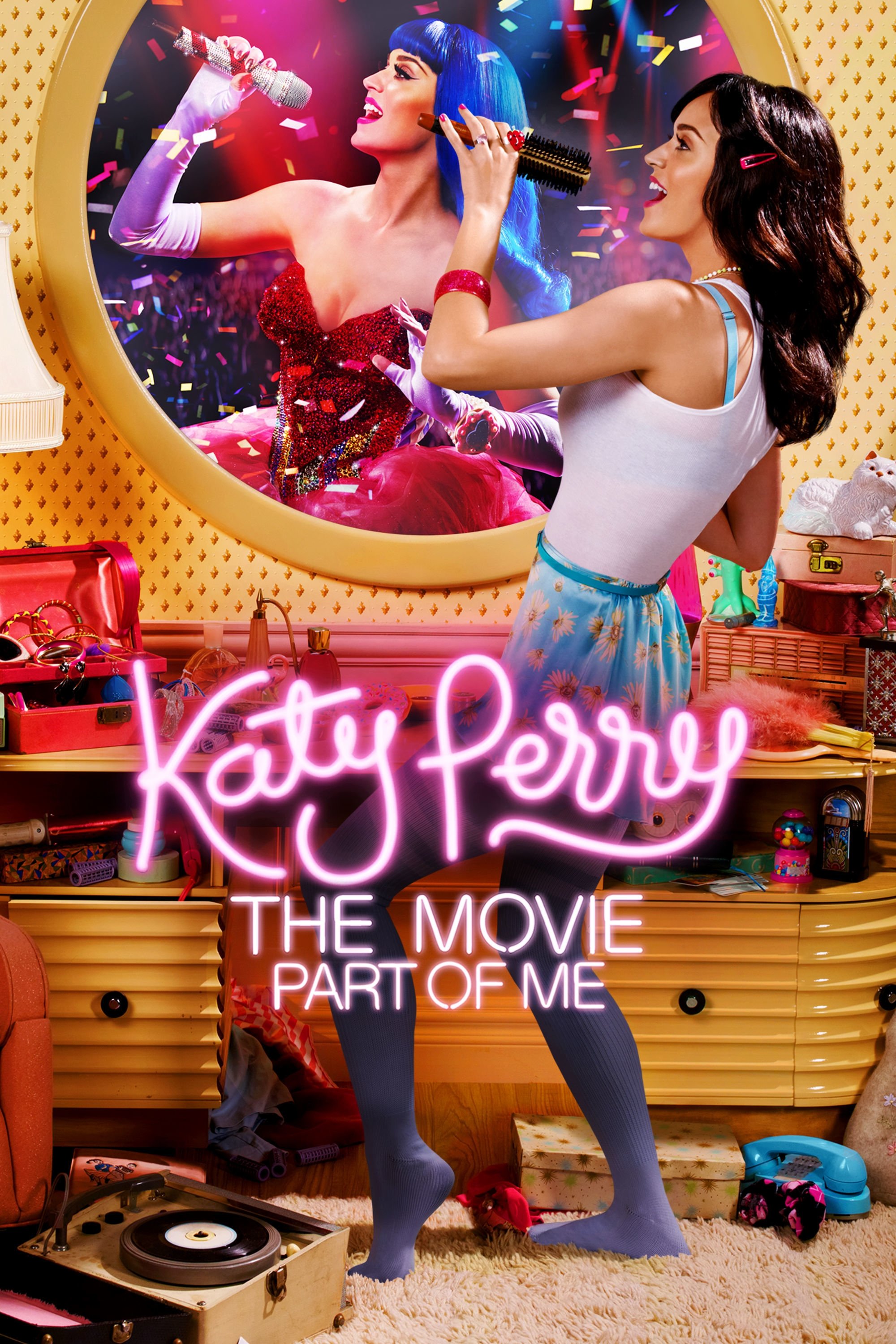
Giving fans unprecedented access to the real life of the music sensation, Katy Perry: Part of Me exposes the hard work, dedication and phenomenal talent of a girl who remained true to herself and her vision in order to achieve her dreams. Featuring rare behind-the-scenes interviews, personal moments between Katy and her friends, and all-access footage of rehearsals, choreography, Katy’s signature style and more, Katy Perry: Part of Me reveals the singer’s unwavering belief that if you can be yourself, then you can be anything.
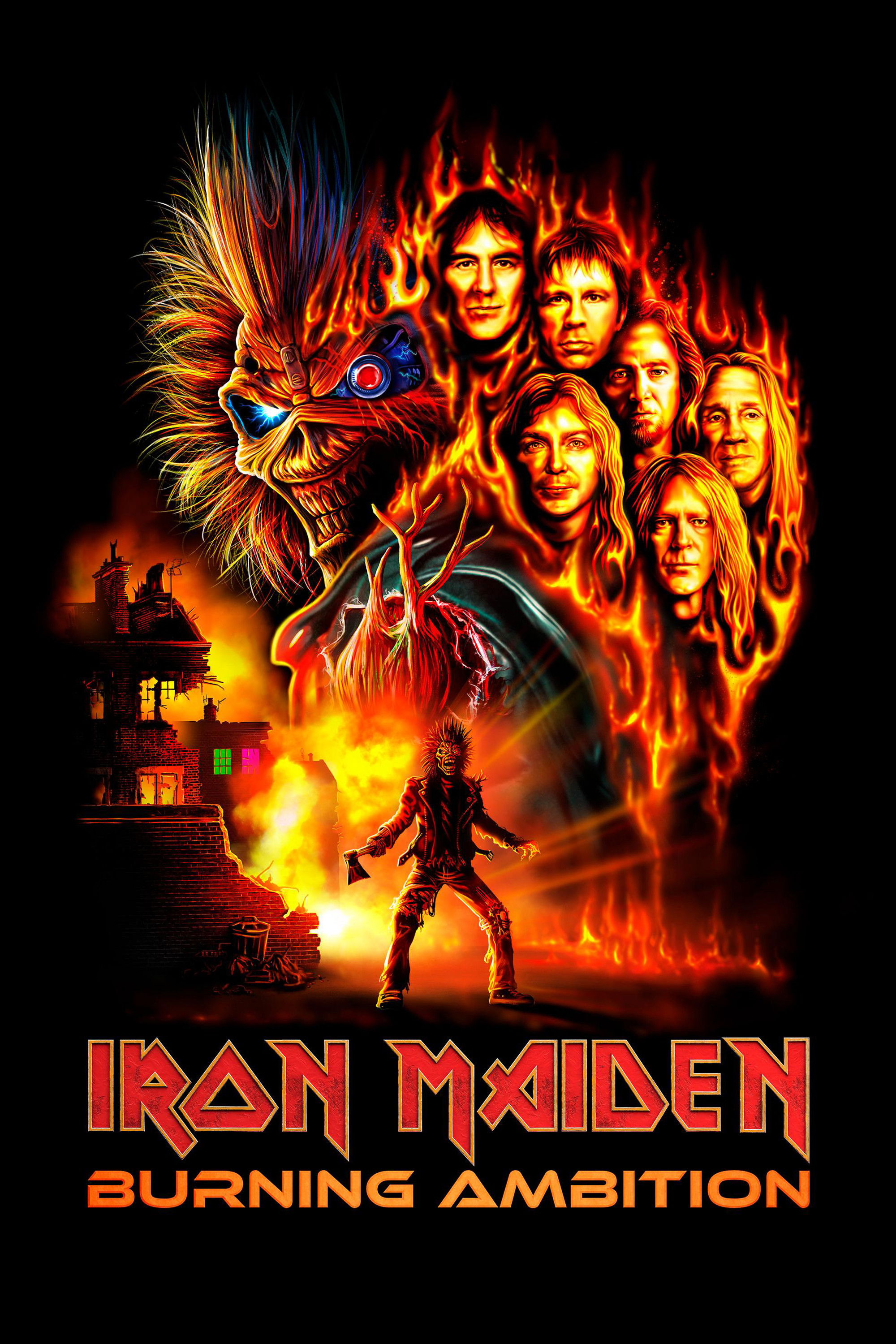
With unprecedented access to the official archives and intimate recollections from the band, both current and past, Iron Maiden: Burning Ambition invites fans to experience one of the most iconic journeys in music history. Spanning five decades, this electrifying documentary charts the band’s rise from the pubs of East London to the world’s biggest stadiums. Featuring exclusive interviews with band members and contributors such as Javier Bardem, Lars Ulrich and Chuck D, as well as all-new animated sequences of the band's legendary mascot, Eddie, the film offers a rare and intimate look at Iron Maiden’s uncompromising vision and unwavering connection with their truly global army of fans.
Gene Kelly and Fred Astaire present more golden moments from the MGM film library, this time including comedy and drama as well as classic musical numbers.
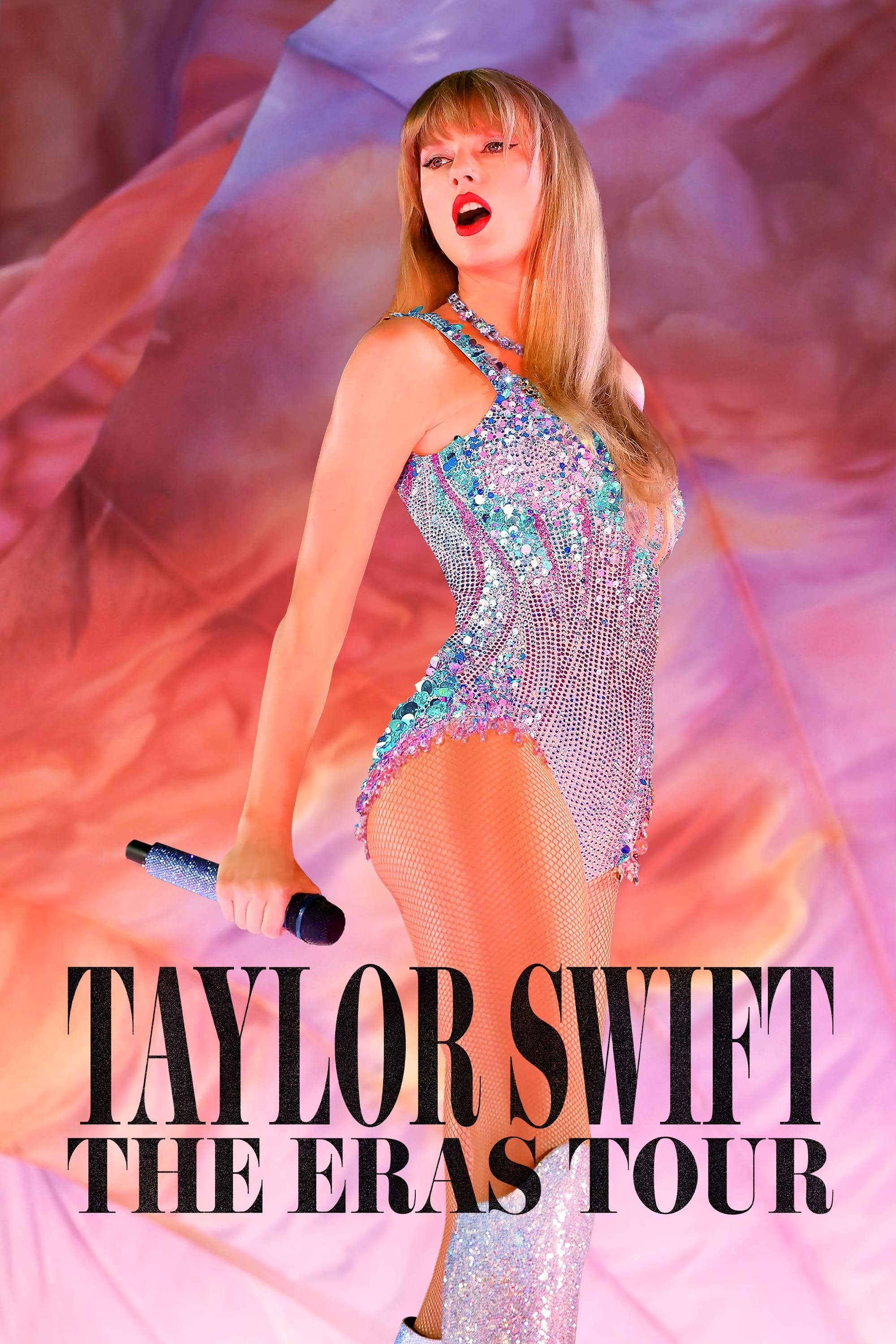
A concert film documenting Taylor Swift's record-breaking Eras Tour (2023-2024). Filmed during the Los Angeles shows, the film captures the tour's ten acts, each representing a different musical era from Swift's career. The film showcases over 40 songs, elaborate stage productions, and Swift's performance.
Where We Are: Live from San Siro Stadium features the entire 23 track concert filmed at San Siro Stadium in Milan in June 2014, as well as 24 minutes of bonus content including backstage footage of One Direction and their crew.
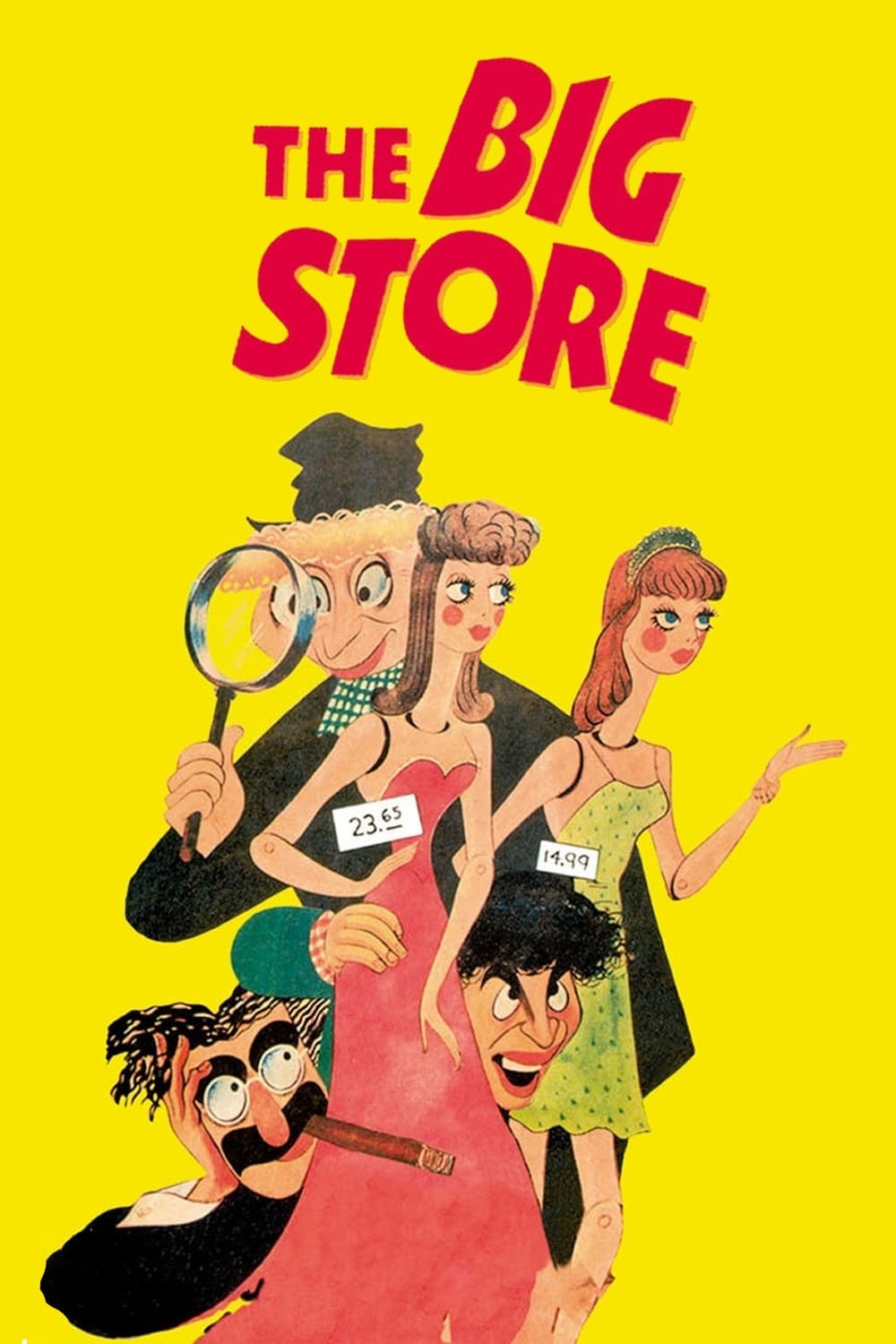
A detective is hired to protect the life of a singer, who has recently inherited a department store, from the store's crooked manager.
Examines the life and career of singer Whitney Houston. Features never-before-seen archival footage, exclusive recordings, rare performances and interviews with the people who knew her best.
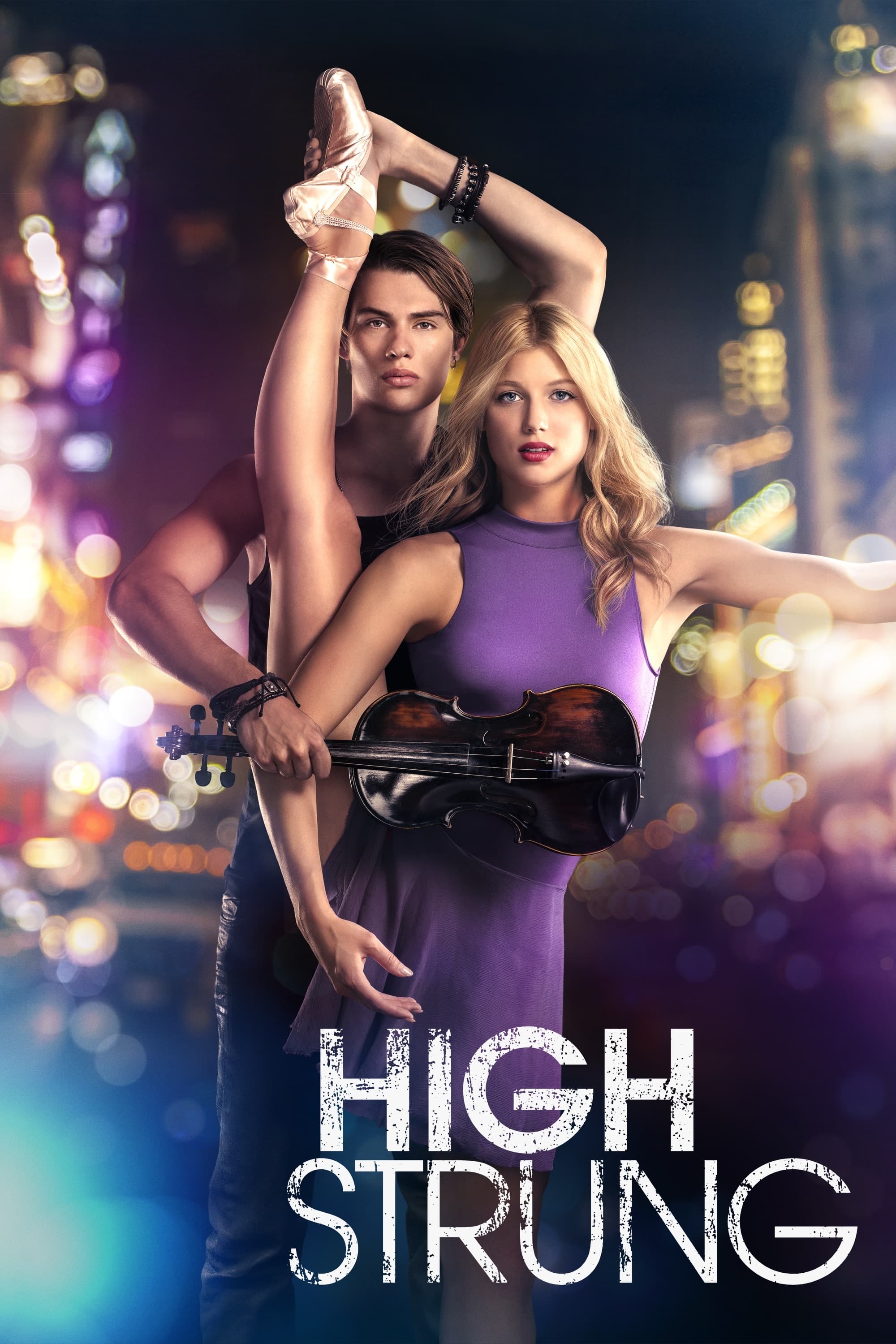
When a hip hop violinist busking in the New York subway encounters a classical dancer on scholarship at the Manhattan Conservatory of the Arts, sparks fly. With the help of a hip hop dance crew they must find a common ground while preparing for a competition that could change their lives forever.
A musical biopic of the Four Seasons—the rise, the tough times and personal clashes, and the ultimate triumph of a group of friends whose music became symbolic of a generation. Far from a mere tribute concert, it gets to the heart of the relationships at the centre of the group, with a special focus on frontman Frankie Valli, the small kid with the big falsetto.
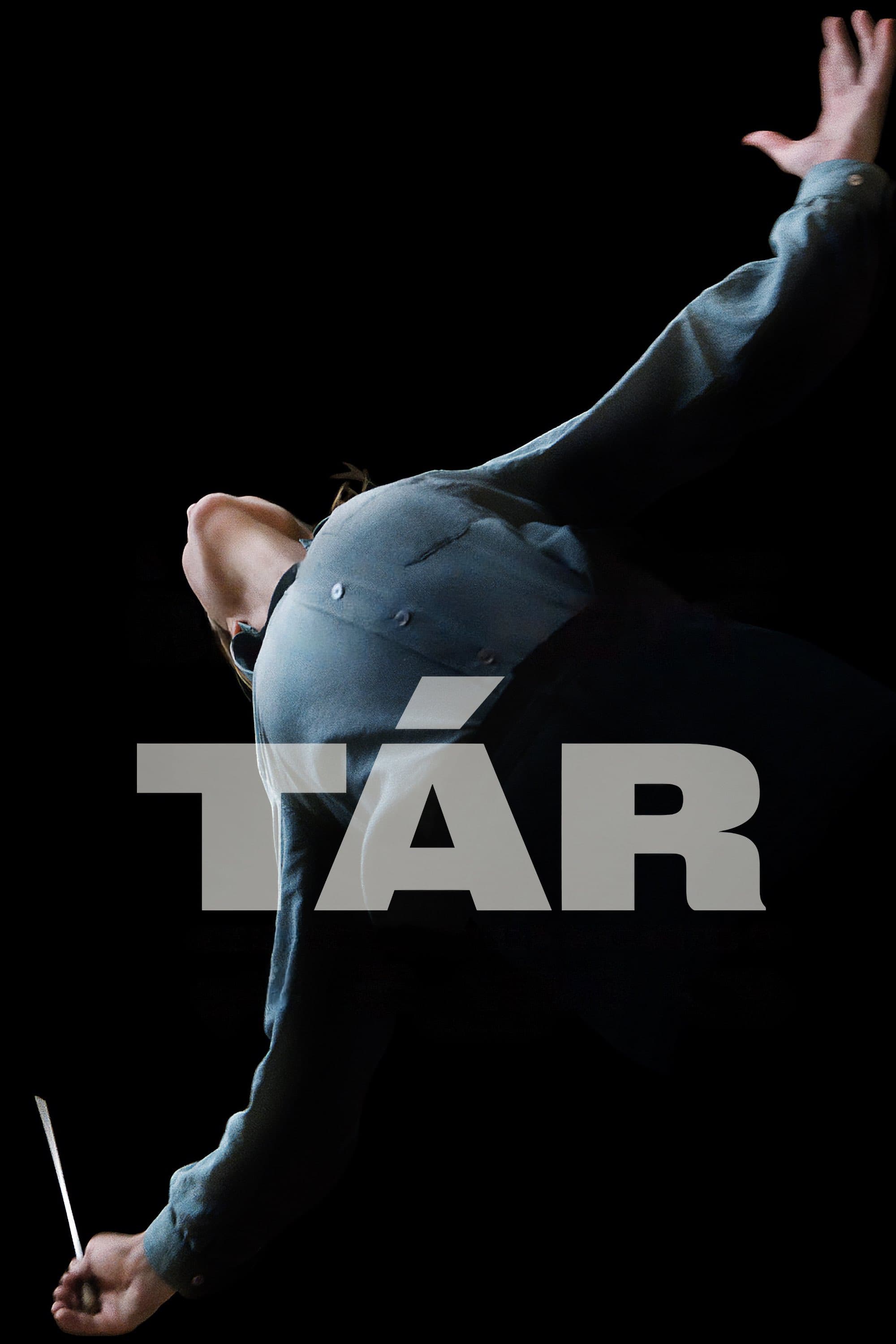
As celebrated conductor Lydia Tár starts rehearsals for a career-defining symphony, the consequences of her past choices begin to echo in the present.