Social & External
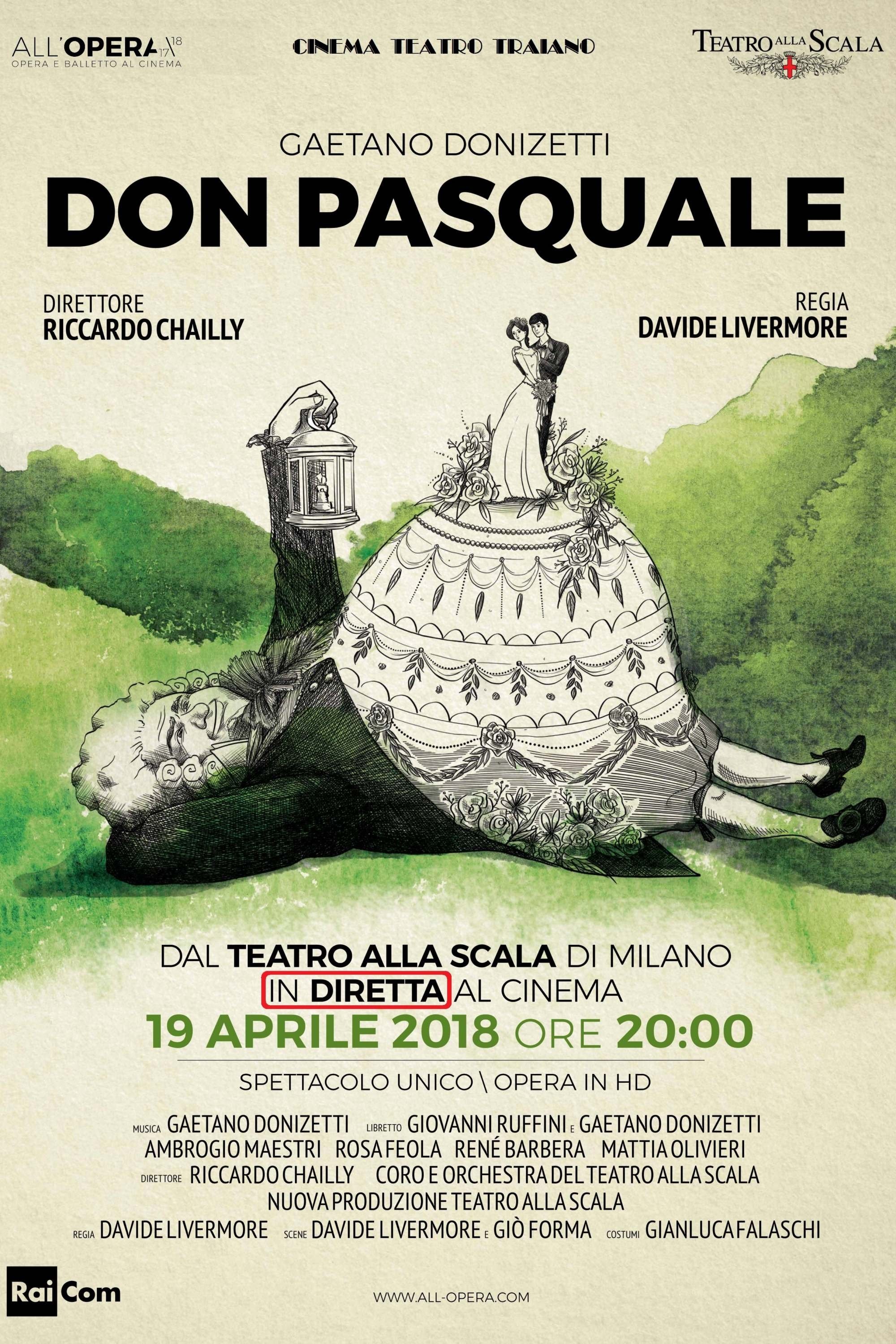
Don Pasquale
Norina
Ernesto
Malatesta
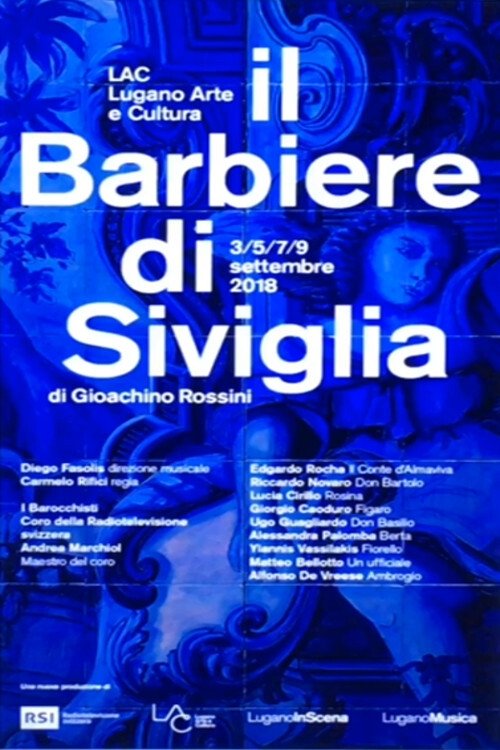
Part of the celebrations for the 150th anniversary of the death of the Pesaro composer, Il Barbiere di Siviglia staged in Lugano, is the result of a virtuous collaboration that involved Swiss Radio and Television, LuganoInScena and LuganoMusica. The musical part was entrusted to Maestro Diego Fasolis who, together with his Barocchisti ensemble, was involved in the project from the very beginning. Internationally renowned soloists such as Edgardo Rocha (who embodies the Count of Almaviva), Riccardo Novaro (Bartolo), Lucia Cirillo (Rosina), Giorgio Caoduro (Figaro), Ugo Guagliardo (Basilio) and Alessandra Palomba (Berta) performed on stage.
Lucia di Lammermoor, dramma tragico in three acts by Gaetano Donizetti (1797 - 1848). Libretto by Salvadore Cammarano, after Walter Scott's 'The Bride of Lammermoor'. First performance in Naples, Teatro San Carlo, 26 September 1835 Recording: December 23 2015 - Gran Teatre del Liceu | Barcelona Director: Fabrice Castanier Conductor: Marco Armiliato Orchestra & Chorus of the Gran Teatre del Liceu
An adaptation of Leos Janacek's opera Prihody Lisky Bystrousky (1925), based on the novel Liska Bystrouska by Rudolf Tesnohlidek. It follows the life of Sharp-Ears, a fox who is captured by a forester as a cub and raised in his home prior to escaping back into the forest.
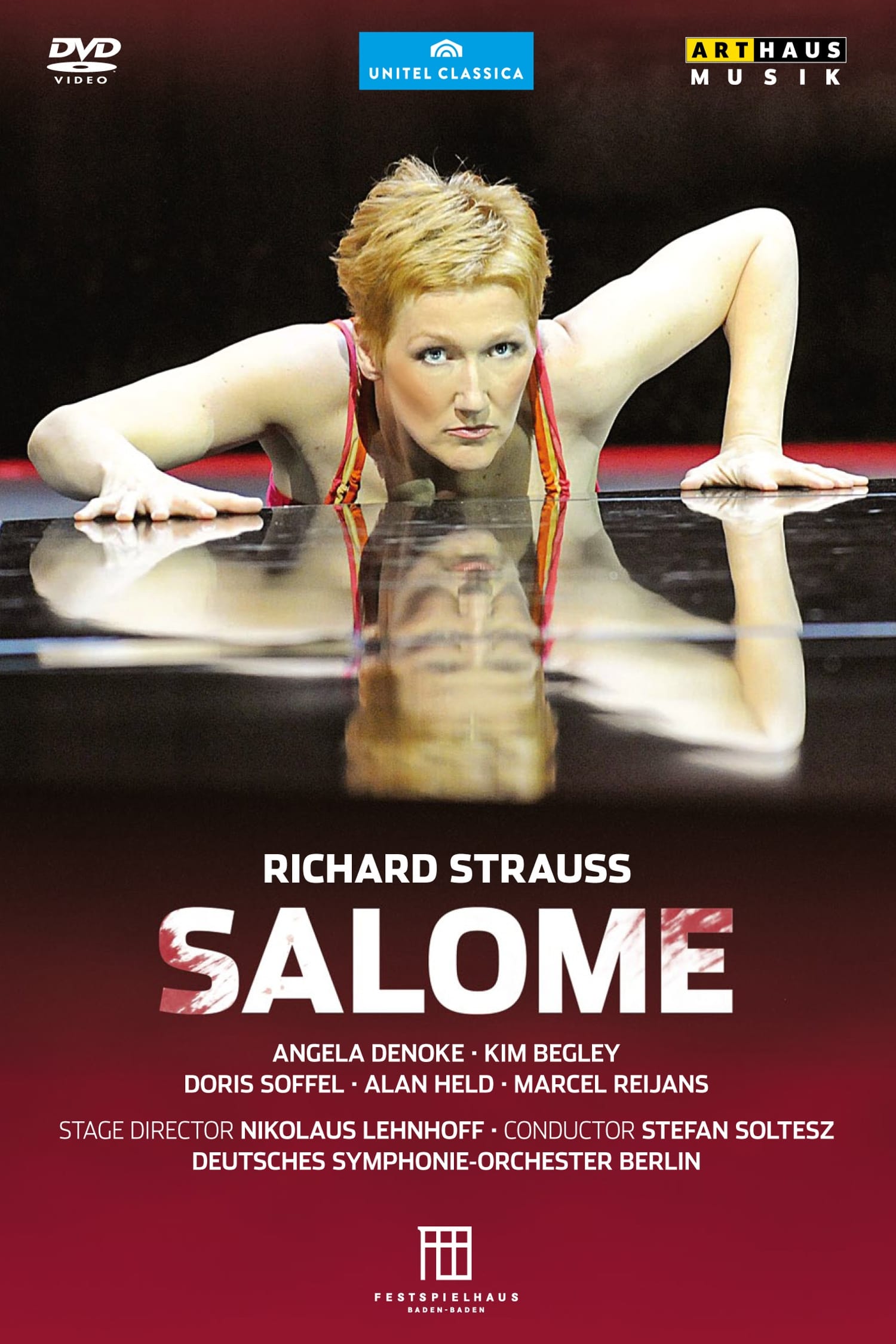
This highly acclaimed production of Strauss Salome from the Festspielhaus Baden-Baden is staged by German director Nikolaus Lenhoff. Starring Angela Denoke as a brilliant Salome, who is joined by a great ensemble of soloists, Kim Begley, Doris Soffel and Alan Held. Performing with great aplomb , the Deutsches Sinfonie Orchester Berlin, conducted by Stefan Soltez, was also enthusiastically celebrated by critics and audience.
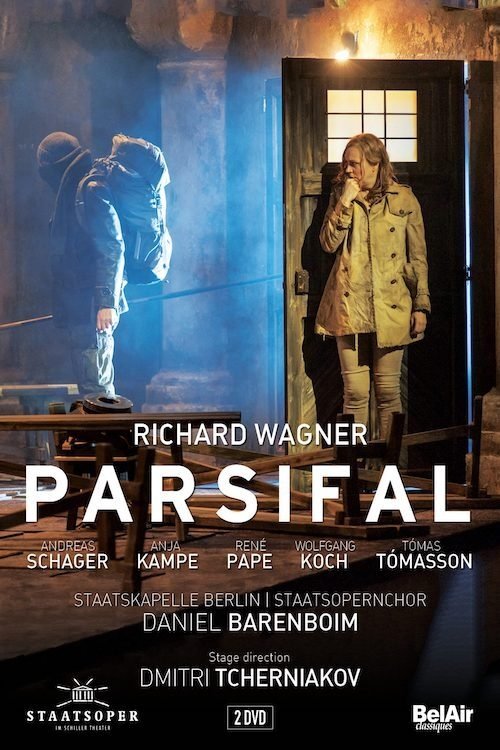
Wagner’s mystic masterpiece Parsifal at the Staatsoper Berlin, staged by Dmitri Tcherniakov and conducted by Daniel Barenboim. Wagner’s last opera, Parsifal is a medieval epic story marked by Christian, Buddhist and esoteric references. It is about redemption and renewal, but this new production by Russian director Dmitri Tcherniakov adds a jarring note : revenge. This “Festival Play for the Consecration of the Stage” is similar to a Medieval epic, a blend of metaphysical dreams and esoteric battles with constant spiritual references. This new production is directed by Dmitri Tcherniakov, conducted by Daniel Barenboim and sung by an international cast of excellent singers: Andreas Schager, Anja Kampe, Wolfgang Koch, René Pape, Tomas Tómasson and Matthias Hölle.
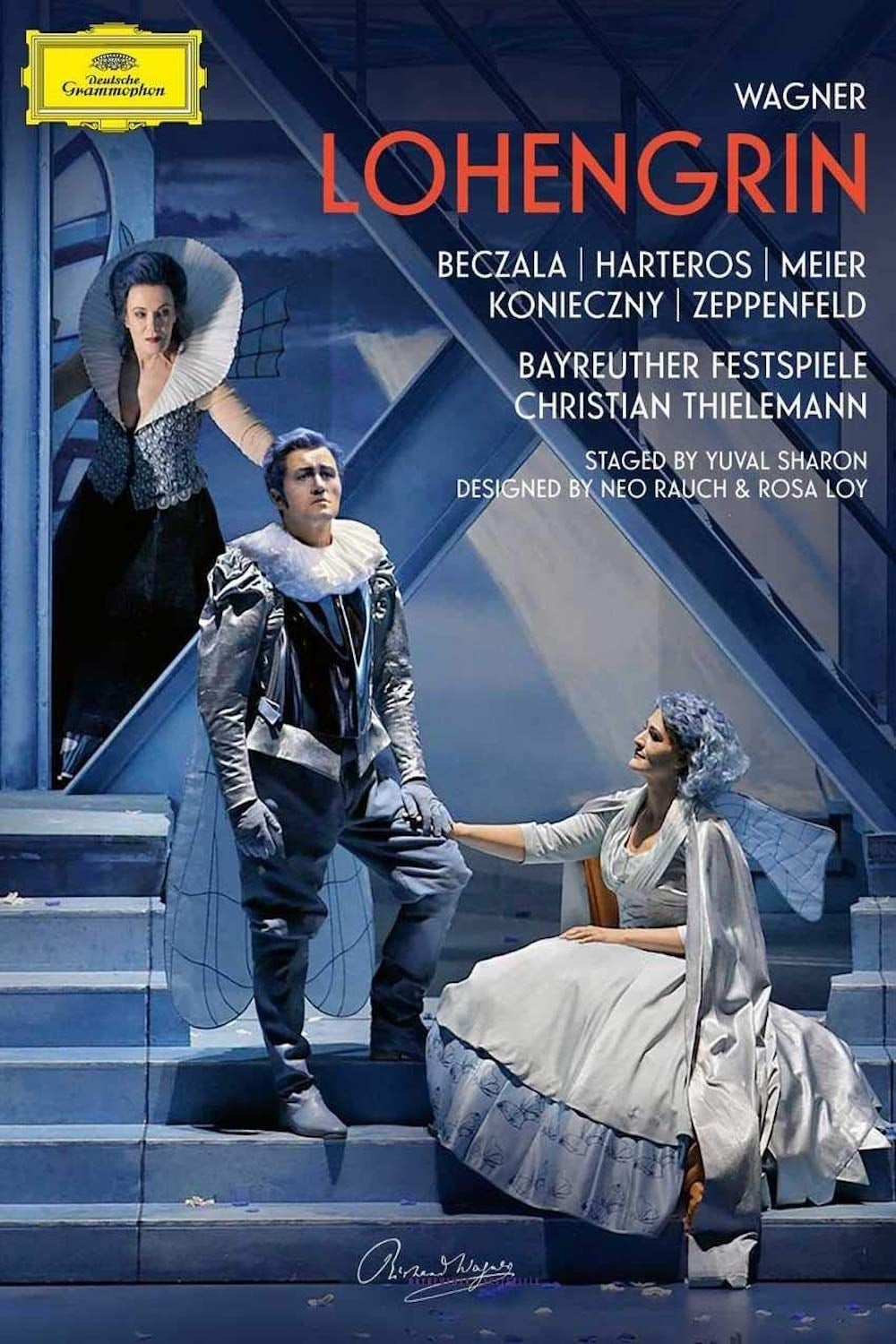
After Tristan und Isolde (2016), Parsifal (2017) and Die Meistersinger von Nürnberg (2018) this is the fourth installment of the exclusive, multiyear partnership between Deutsche Grammophon and the Bayreuth Festival, in which the Yellow Label is the exclusive audiovisual partner of the mythical Wagner festival, releasing each edition's new production on Blu-ray. This year, we are proud to release on Blu-ray the celebrated production of Lohengrin which was premiered on 25 July 2018, featuring an illustrious cast including Piotr Beczala and Anja Harteros in their house debuts, as well as the acclaimed return of Waltraud Meier to the Bayreuth Festival. The New York Times praised Piotr Beczala’s Lohengrin as “outstanding”, Anja Harteros [making] her impressive Bayreuth debut” as Elsa, and Ortrud “played with dominant presence by the incomparable Waltraud Meier”.
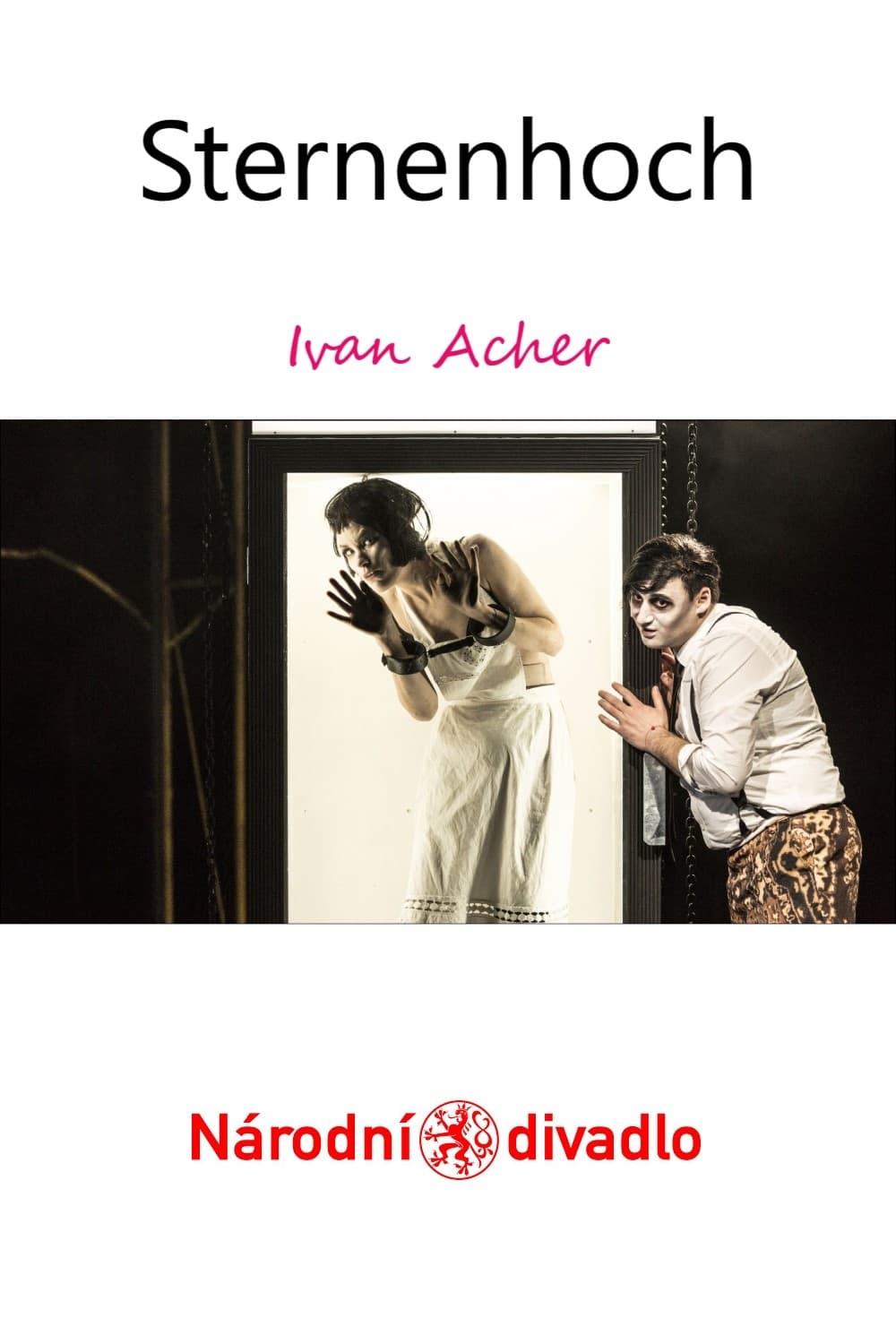
Trapped in an abusive marriage, a wealthy German prince desperately seeks a way out. But what appears to be the road to salvation soon turns into a highway to hell. The universal language of music meets the international language of Esperanto in this debut opera by Ivan Acher. The carpenter, forest worker, designer and composer has cleverly blended electro-acoustic and contemporary music to breathe life into Ladislav Klíma’s expressionist novel, The Sufferings of Prince Sternenhoch.
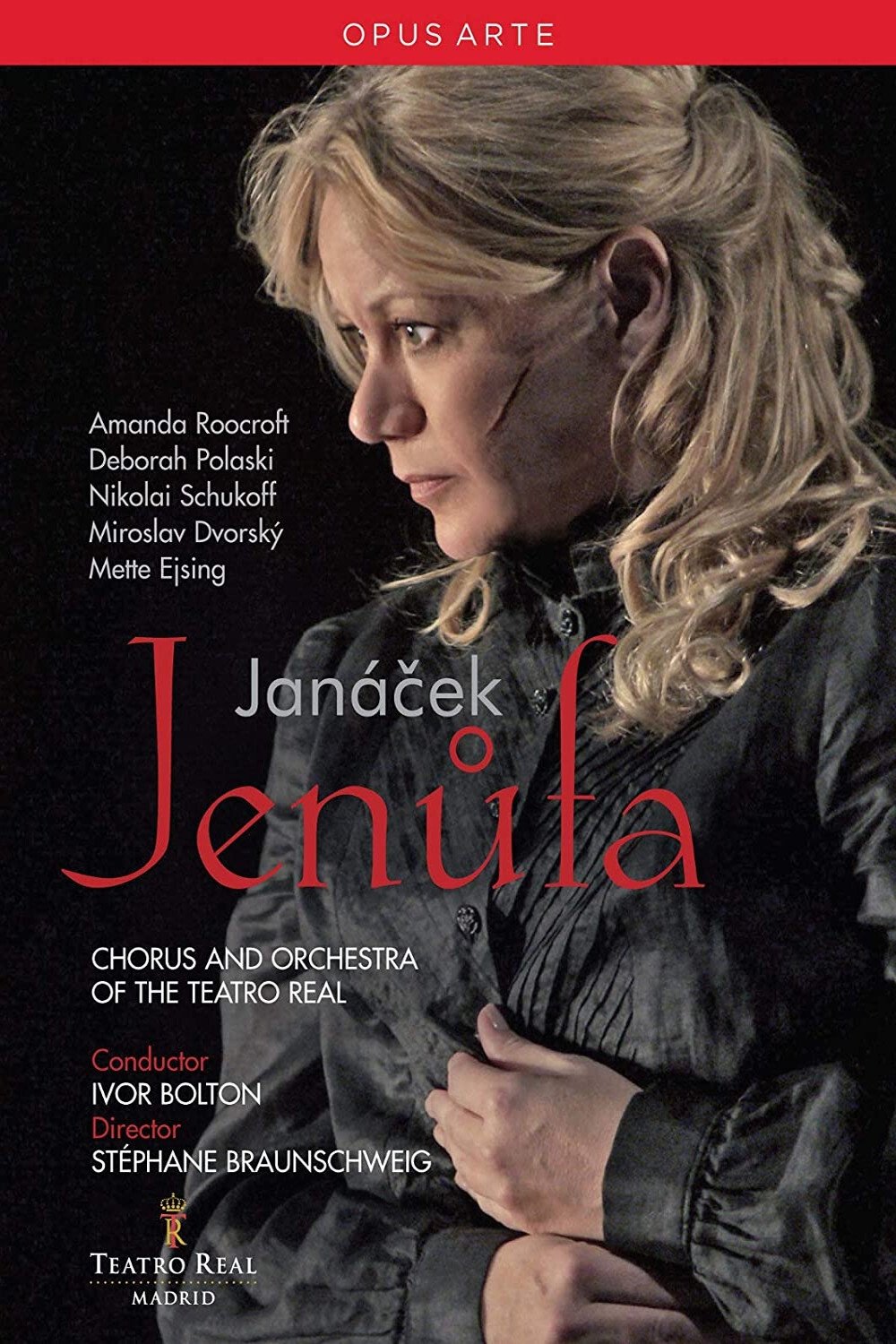
"Yenufa" is an outstanding phenomenon in the music of the 20th century. Drawing on Moravian folklore, Janáček faithfully and deeply conveyed the drama of a peasant girl. The composer followed the path of Mussorgsky, revealing the spiritual life of people through the recreation of intonations of living speech. The libretto is based on a drama written in a naturalistic manner. Free from naturalism, Janáček's music has powerful emotional strength and psychological truth. It was written during a difficult period in the composer's life (illness and death of his daughter).
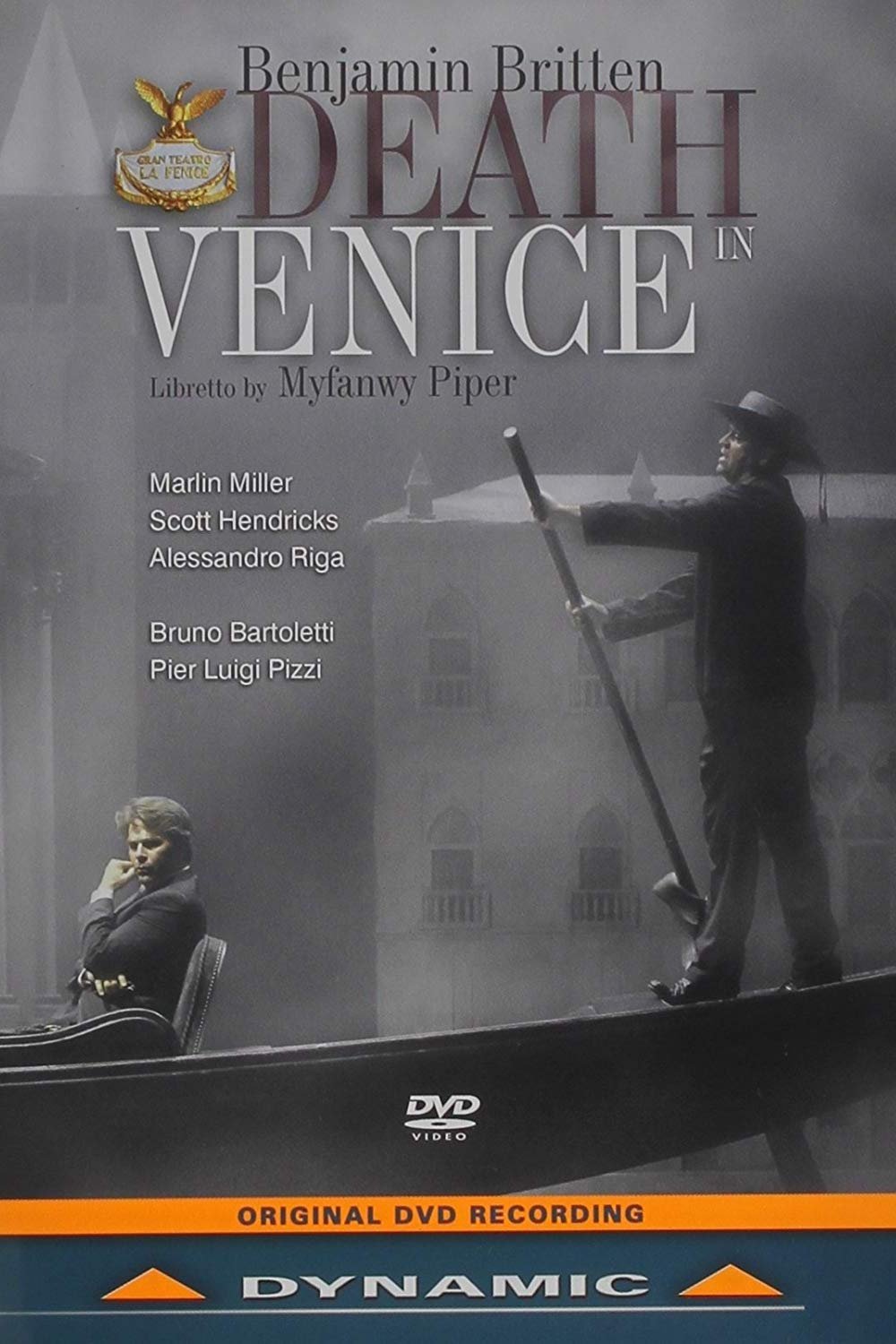
A staging of Britten's opera filmed at the Teatro La Fenice in Venice in June 2008.
Riccardo Chailly inaugurates the 2024-2025 Opera Season with a new production of La forza del destino, conducting his ninth Verdi title at La Scala. Leo Muscato will direct yet another cast of extraordinary prestige. A complex opera in terms of dramaturgy, first performed in St. Petersburg in 1862 and debuting in its final form at La Scala in 1869 with the creation of the famous overture, La forza del destino offers some of the most memorable Verdi melodies. It has been absent from the programme since the Verdi centennial in 2001, when it was brought to La Scala by the artists of the Mariinsky Theatre of St. Petersburg; the La Scala Orchestra and Choir have not performed it since 1999.
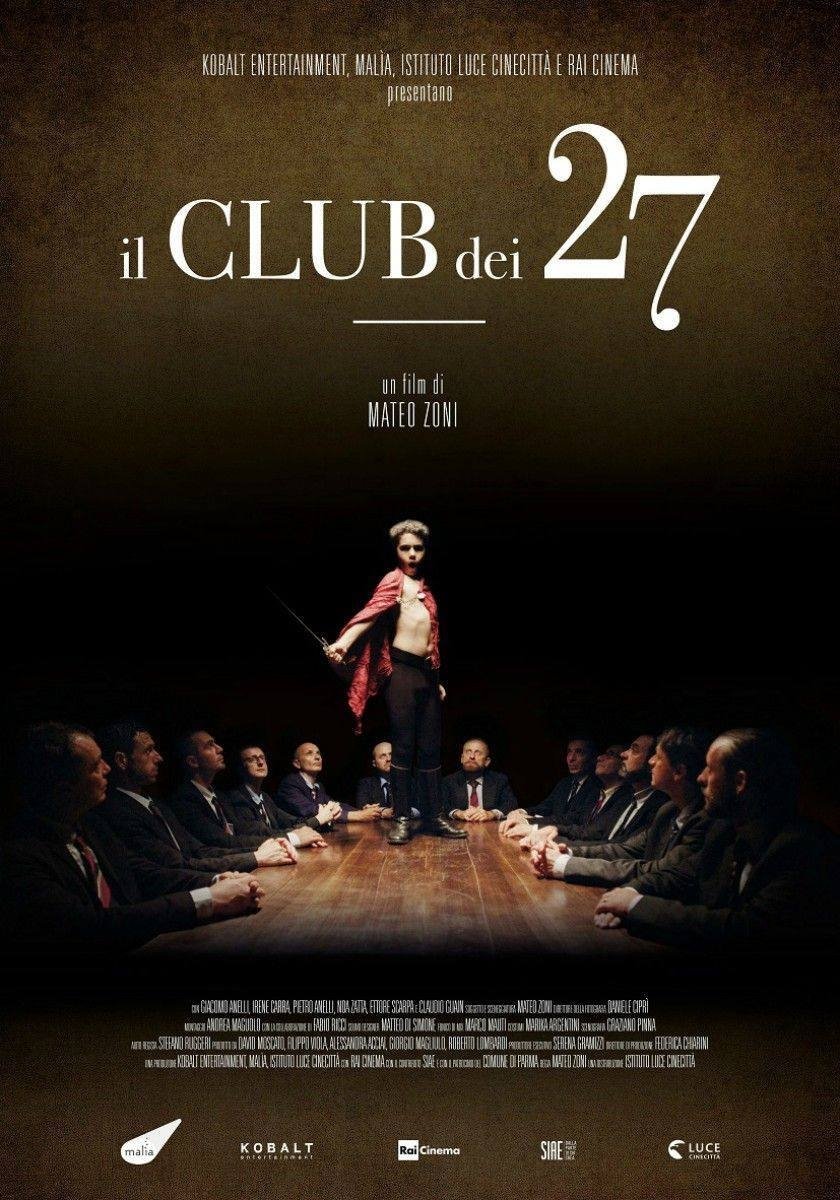
A 12-year-old boy tries everything to join a music lovers club.
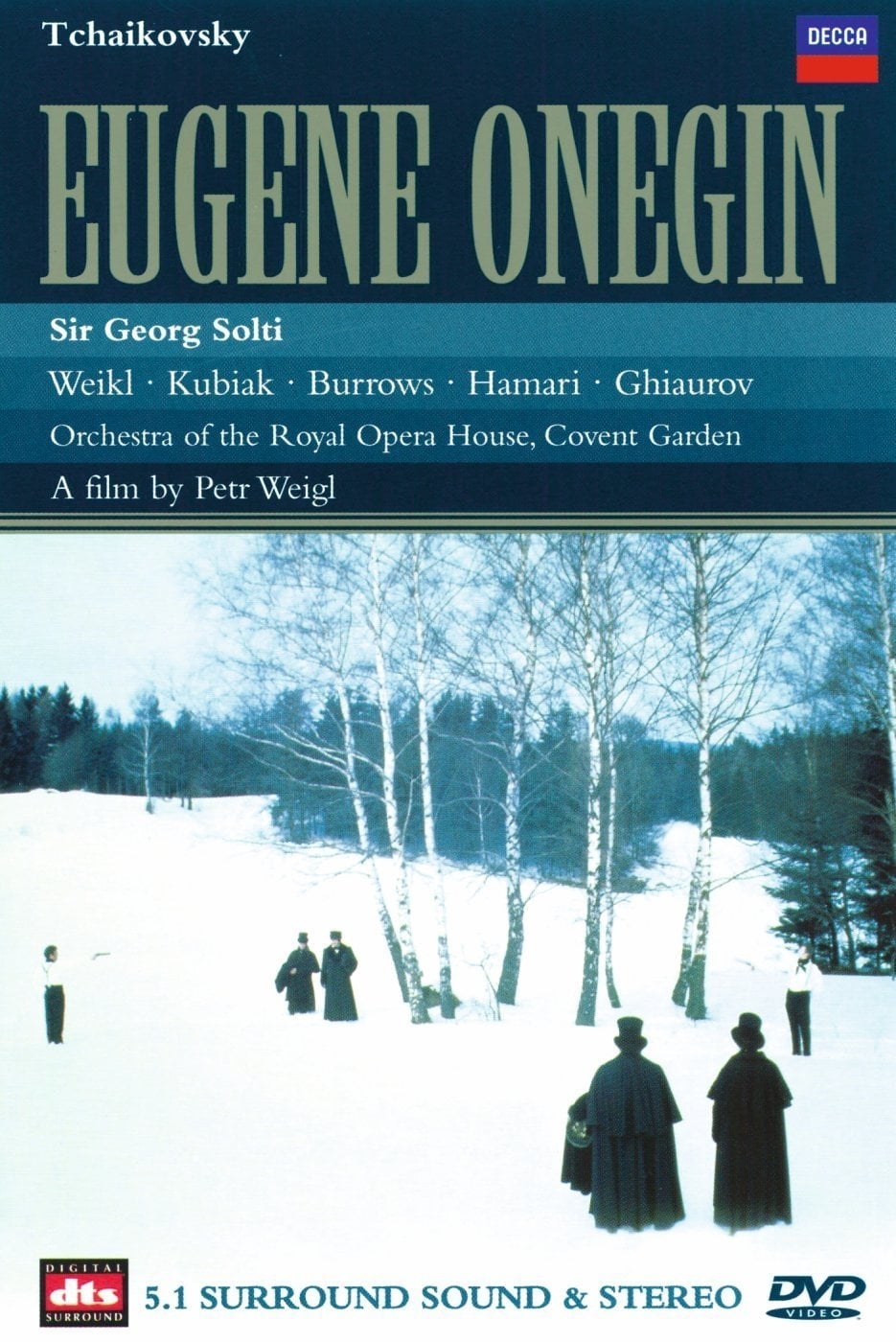
A filmed version of Tchaikovsky's opera. Onegin visits a friend, his fiancee and her sister Tatiana, who believes Onegin is her fated love. She writes a note telling him so, but he rejects her. Years later he returns, finding her married, but now he's smitten with her.
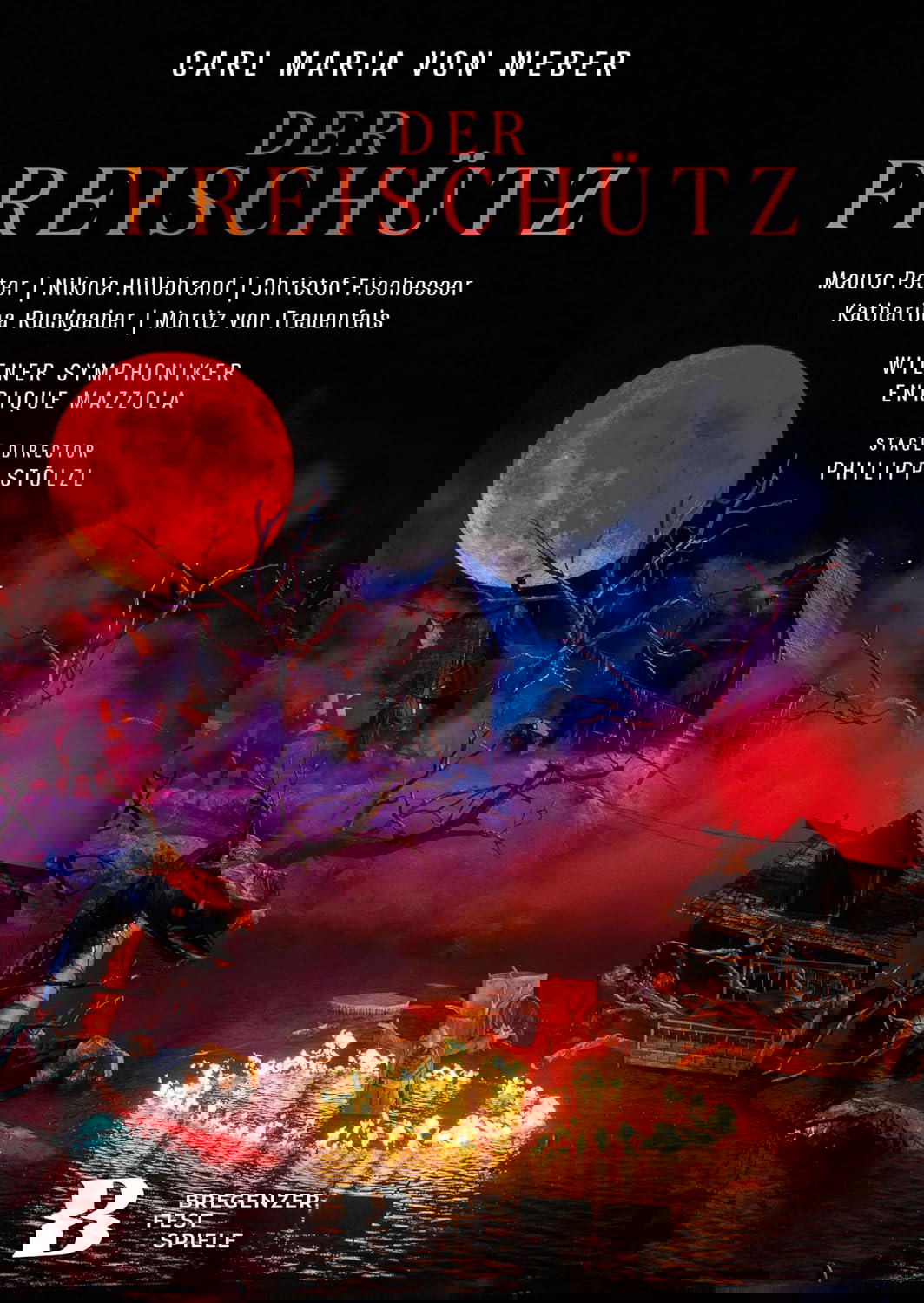
A godforsaken village in Germany shortly after the Thirty Years’ War: The young scrivener Max loves Agathe, daughter of the head forester Kuno. But to marry her, the inexperienced marksman Max must participate in an archaic tradition and score in a shooting trial – an unfulfillable challenge for him. The dubious war veteran Kaspar knows about this. He convinces the scrivener to meet him at Wolf’s Glen at midnight to forge “free bullets” that never miss their target. Max, who does not see any other way out of his unfortunate situation, sells his soul to the devil. Not knowing about the catch behind this deal: while six of the cursed bullets will hit the desired target, the seventh lies in the devil’s hands.
Finding the right librettos was not easy, but one month after the end of the First World War, his triptych – the grim tragedy Il tabarro, the lyrical and sensitive Suor Angelica, and the comedy Gianni Schicchi – premiered in New York. Three different eras, three different settings, three different ‘colours’; though for Puccini, it is through the contrasts between them that the unity of the work is revealed. For his second time directing at La Monnaie, Tobias Kratzer preserves the original order of the pieces, while weaving them together to form a narrative whole, like a circle with no end. With a cast of artists from the extended La Monnaie family, Alain Altinoglu is the ideal conductor to meet the daunting challenges posed by this triptych.
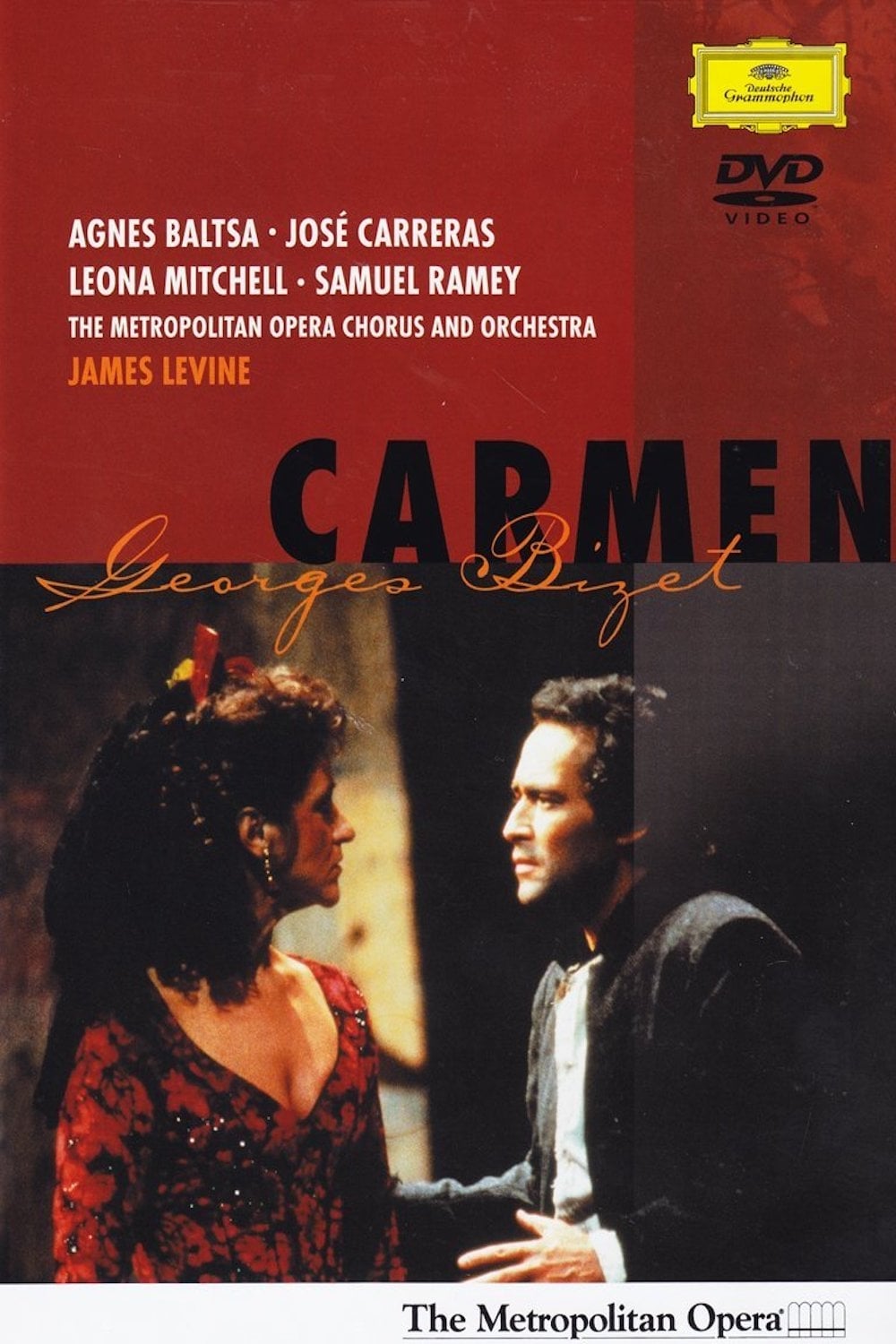
This all-star cast is framed by Peter Hall’s gritty, realistic production and conducted by James Levine, who brings out all the surging emotion and gripping drama in Bizet’s score. At the center of the story is Agnes Baltsa, whose smoky mezzo is tailor-made for the gypsy Carmen, an independent woman who glories in obeying only her own rules, but who is haunted by fate. Superstar tenor José Carreras is Don José, the solider from a small town who catches Carmen’s eye and is destroyed by his growing obsession with her. Samuel Ramey is the charismatic matador Escamillo, who lures Carmen away from Don José with tragic result. Leona Mitchell is Micaëla, the simple girl from Don José’s hometown who cannot save him. March 21, 1987 Matinee Broadcast.
Ça Ira (French for "It'll be fine", subtitled "There is Hope") is an opera in three acts by Roger Waters based on the French libretto co-written by Étienne and Nadine Roda-Gil on the historical subject of the early French Revolution. Ça Ira was released 26 September 2005, as a double CD album featuring baritone Bryn Terfel, soprano Ying Huang, and tenor Paul Groves. A full operatic performance took place on 25 August 2006 in Poznan, Poland, and was televised live on Poland's TVP. The project involved the same number of musicians from the concert performances in addition to more than 200 dancers from the Great Theatre in Poznan. There were also period elements of stage design (such as horses, carriages and war scenes with soldiers and stunt performers) and full costumes. Over 500 artists were involved, and the production reportedly cost in excess of €2 million. Performances were held in Kiev on 16 December, and at the Poznan Opera House on 30 and 31 December 2006.
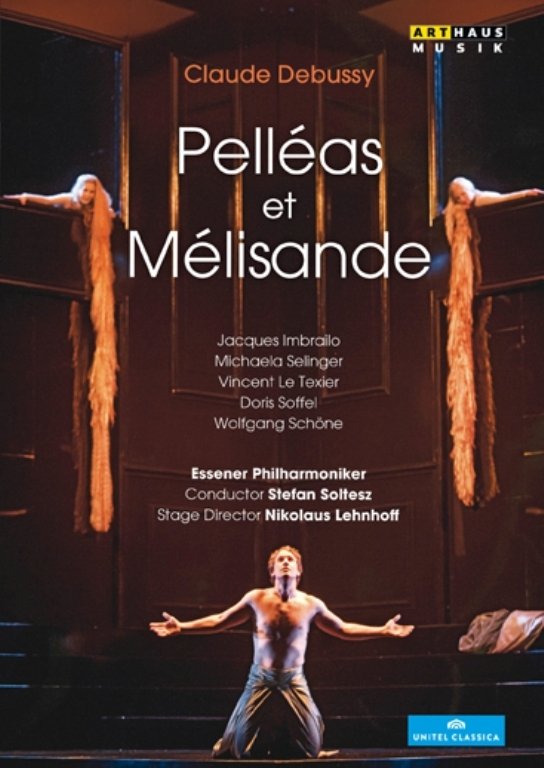
Drama lyrique in five acts, after the play by Maruice Maeterlink
Running through Bartók’s disenchanted tale, whose haunting music was initially condemned as unplayable, and the expression of despair in Poulenc’s monologue, the director Krzysztof Warlikowski perceives a shared dramatic thread, a shared feminine consciousness and a shared sense of imprisonment and suffocation: for the woman who penetrates the confines of Bluebeard’s castle and Elle, the woman who clings to a telephone conversation with a man as the only thing worth living for, are condemned to share the same fate. And this man she speaks to, does he really exist? Unless the director has interpreted Cocteau’s words to the letter and the telephone has become a “terrifying weapon that leaves no trace, makes no noise”…
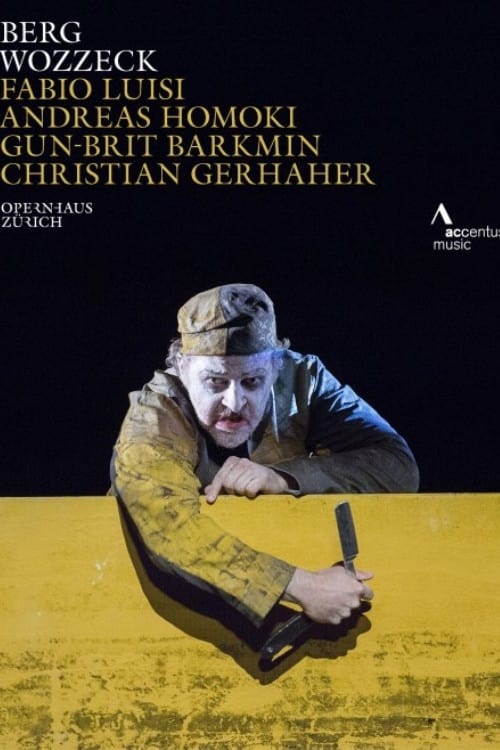
The soldier Wozzeck (Christian Gerhaher) flits through a world that he is unable to decipher. The doctor torments him with absurd medical experiments; the captain humiliates and ridicules him. And Wozzeck’s lover, Marie (Gun-Brit Barkmin), with whom he has a child, cuckolds him with the drum major. Wozzeck becomes a murderer, stabbing Marie to death. Georg Büchner’s drama fragment, on which Alban Berg based his first opera, is an unflinching case study of social injustice and human suffering. But it is also a grotesque piece that thrives on exaggeration – and in which only a fine line separates the unfathomable from the ridiculous. Accordingly, director Andreas Homoki forgoes all realism.