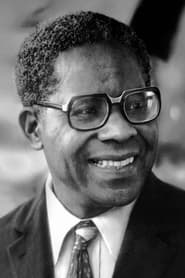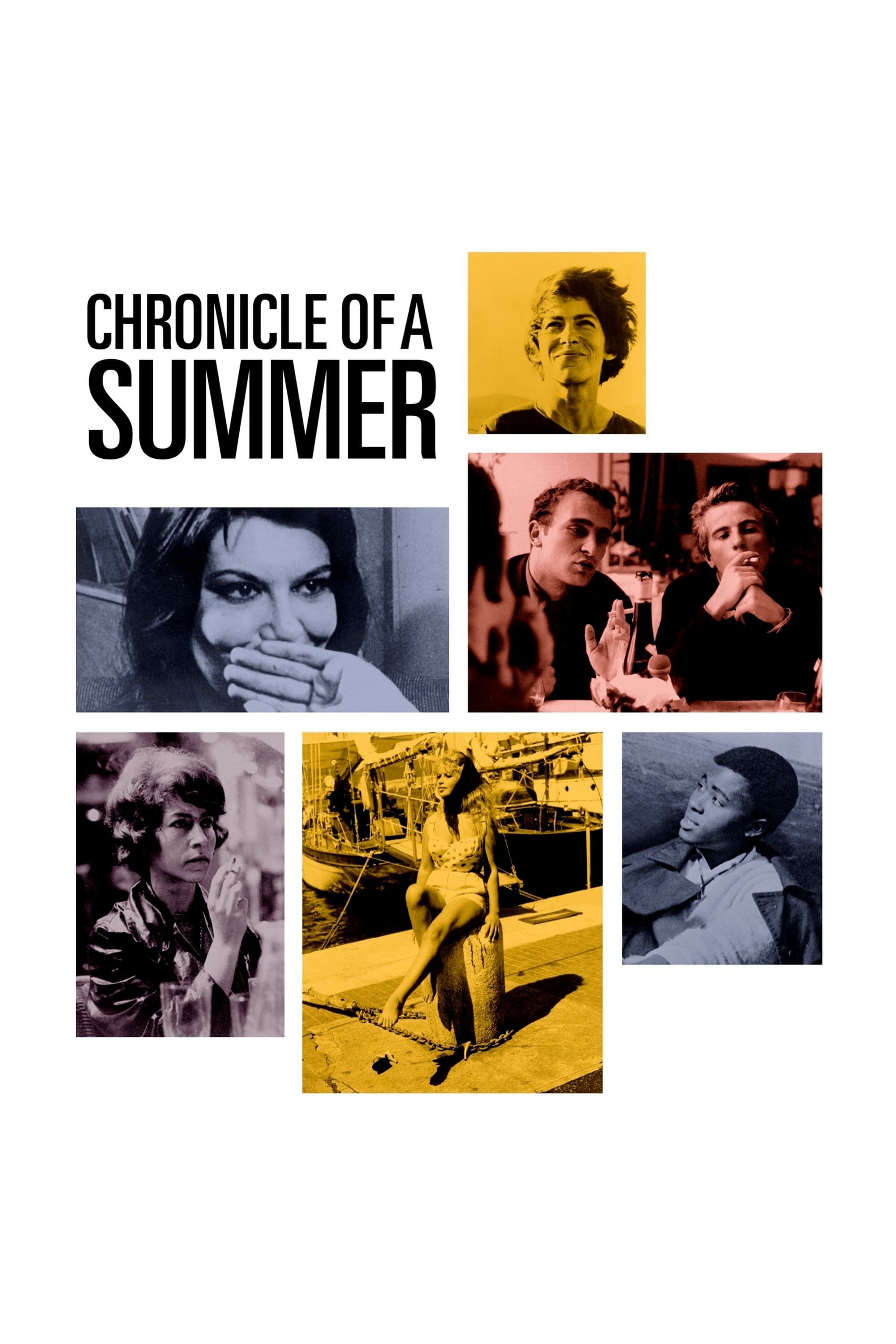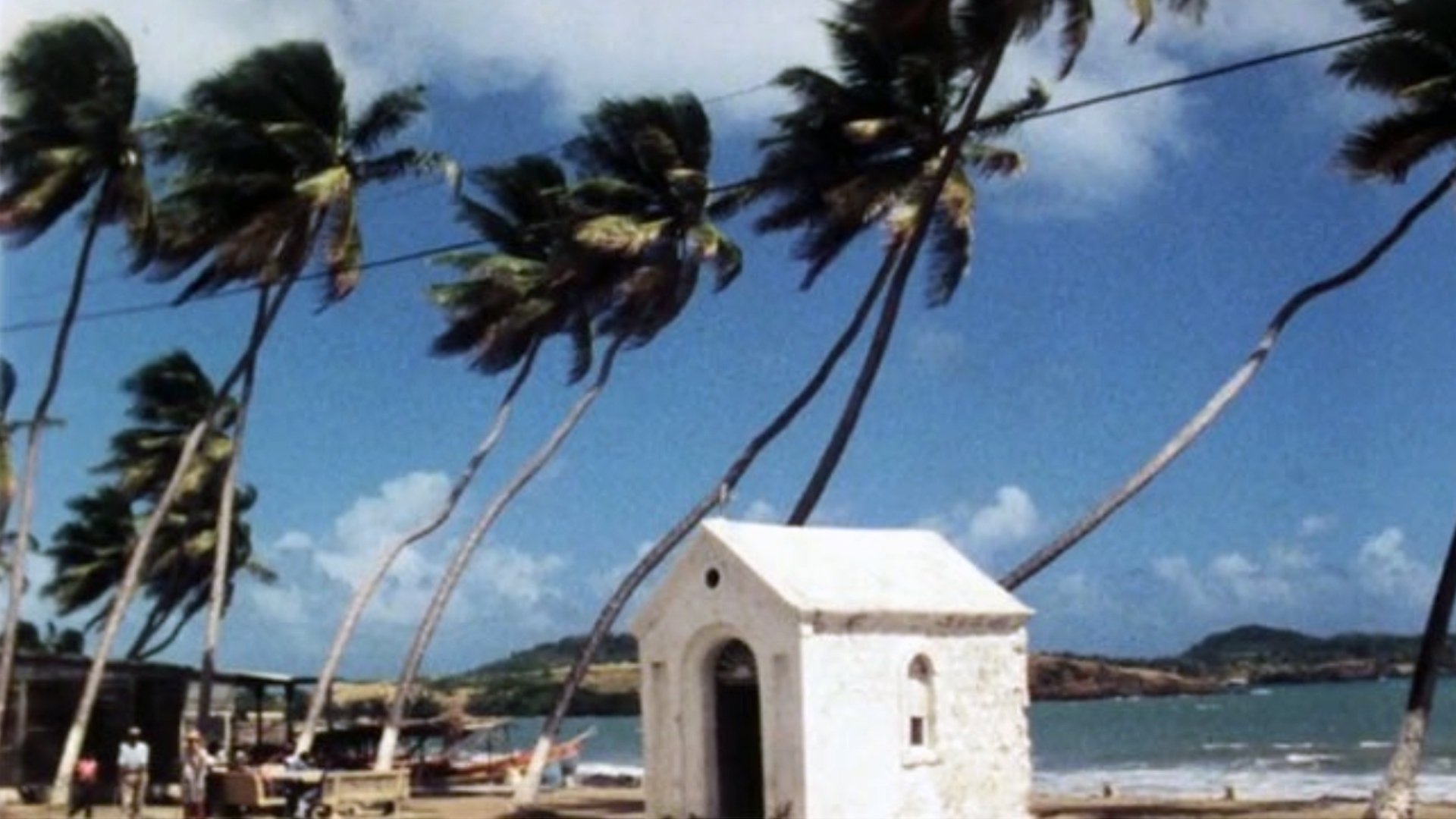
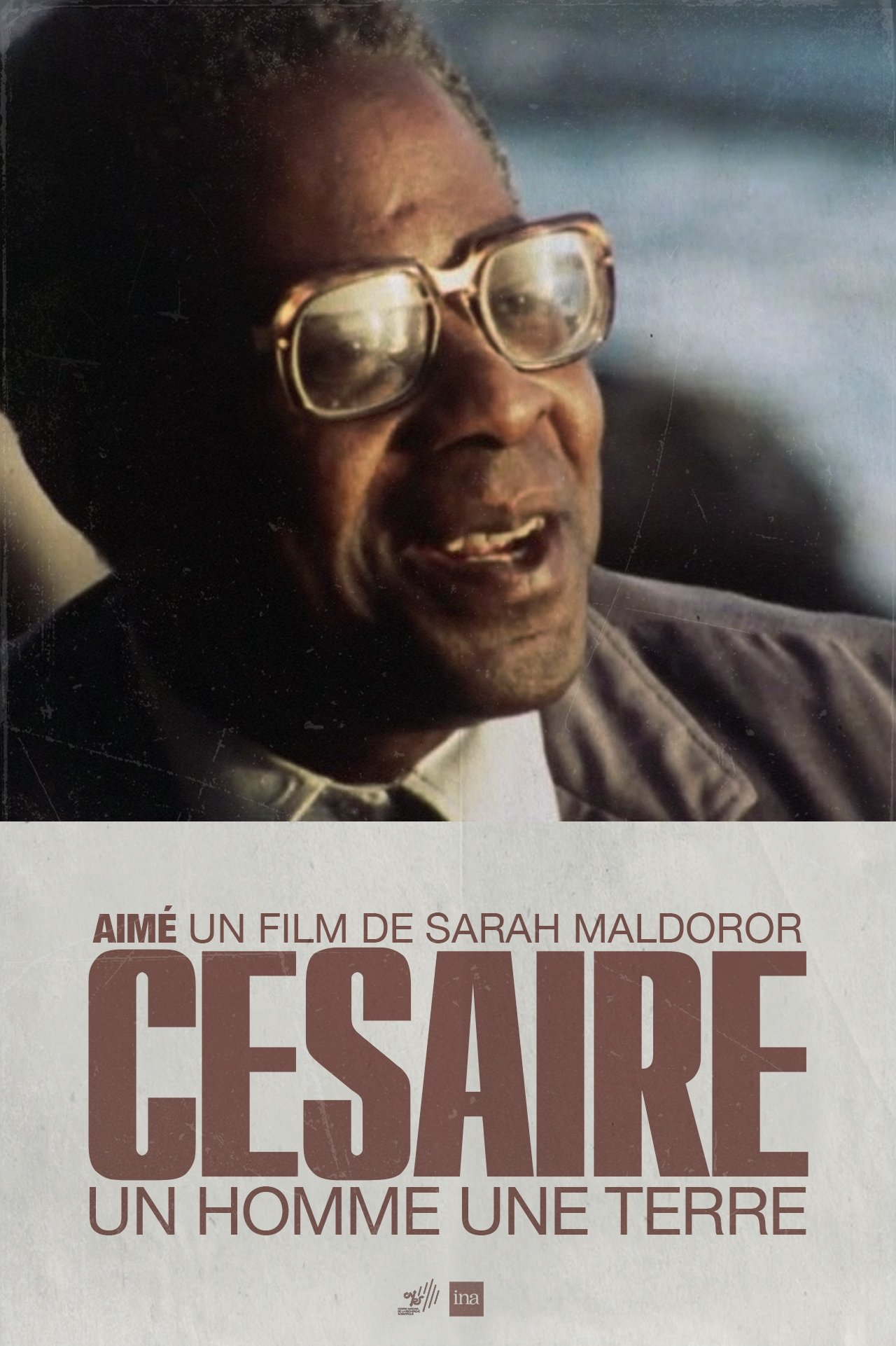
Alternating interview segments, shots of Martinique landscapes and scenes from Aimé Césaire's play La Tragédie du roi Christophe (1963), Sarah Maldoror portrays her friend as a politician, a poet, and a founder of the Négritude movement.
Social & External
Self
The challenges of the present, expectations for the future, and the dreams of those who experience the reality of public high school in Brazil. Through the voices of students, principals, teachers and experts, "Not Even In a Wildest Dream" offers a reflection on the value of education.
September 1st, 1939. Nazi Germany invades Poland. The campaign is fast, cruel and ruthless. In these circumstances, how is it that ordinary German soldiers suddenly became vicious killers, terrorizing the local population? Did everyone turn into something worse than wild animals? The true story of the first World War II offensive that marks in the history of infamy the beginning of a carnage and a historical tragedy.
The documentary begins when the fictionalized drama ends. Sara spent three years volunteering to save refugees on the same journey that made her so famous, and was suddenly arrested in Aug. 2018, accused by Greek authorities of running a criminal enterprise with charges including “international espionage and people smuggling.” If convicted, she faces up to 25 years in prison and the end of her humanitarian career. Shot over three years, the film follows Sara’s fight for justice and journey of self-discovery.
Just one of the many far-reaching impacts of the slave trade on human history is on agriculture and horticulture. While the French plantation owners on the Caribbean island of Martinique had their gardens laid out, Versailles-style, their enslaved workers continued their tradition of using medicinal wild herbs. Nowadays these herbs represent one of several resources through which the people of Martinique counter the health and ecological ravage caused by the use of pesticides on the banana plantations. Farmers are reclaiming uncultivated lands to grow indigenous vegetables, without any industrial pesticides; they fight boldly for simple biodiversity.
Oxana is a woman, a fighter, an artist. As a teenager, her passion for iconography almost inspires her to join a convent, but in the end she decides to devote her talents to the Femen movement. With Anna, Inna and Sasha, she founds the famous feminist group which protests against the regime and which will see her leave her homeland, Ukraine, and travel all over Europe. Driven by a creative zeal and a desire to change the world, Oxana allows us a glimpse into her world and her personality, which is as unassuming, mesmerising and vibrant as her passionate artworks.

In 1967, Visconti came to Algiers for the filming of The Stranger with Mastroianni and Anna Karina. Camus, during his lifetime, had always refused to allow one of his novels to be brought to the screen. His family made another decision. The filming of the film was experienced in Algiers, like a posthumous return of the writer to Algiers. During filming, a young filmmaker specializing in documentaries Gérard Patris attempts a report on the impact of the filming of The Stranger on the Algerians. Interspersed with sequences from the shooting of Visconti's film, he films Poncet, Maisonseul, Bénisti and Sénac, friends of Camus, in full discussions to situate Camus and his work in a sociological and historical context. “The idea is for us to show people, others, ourselves as if they could all be Meursault, or at least the witnesses concerned to his drama.”

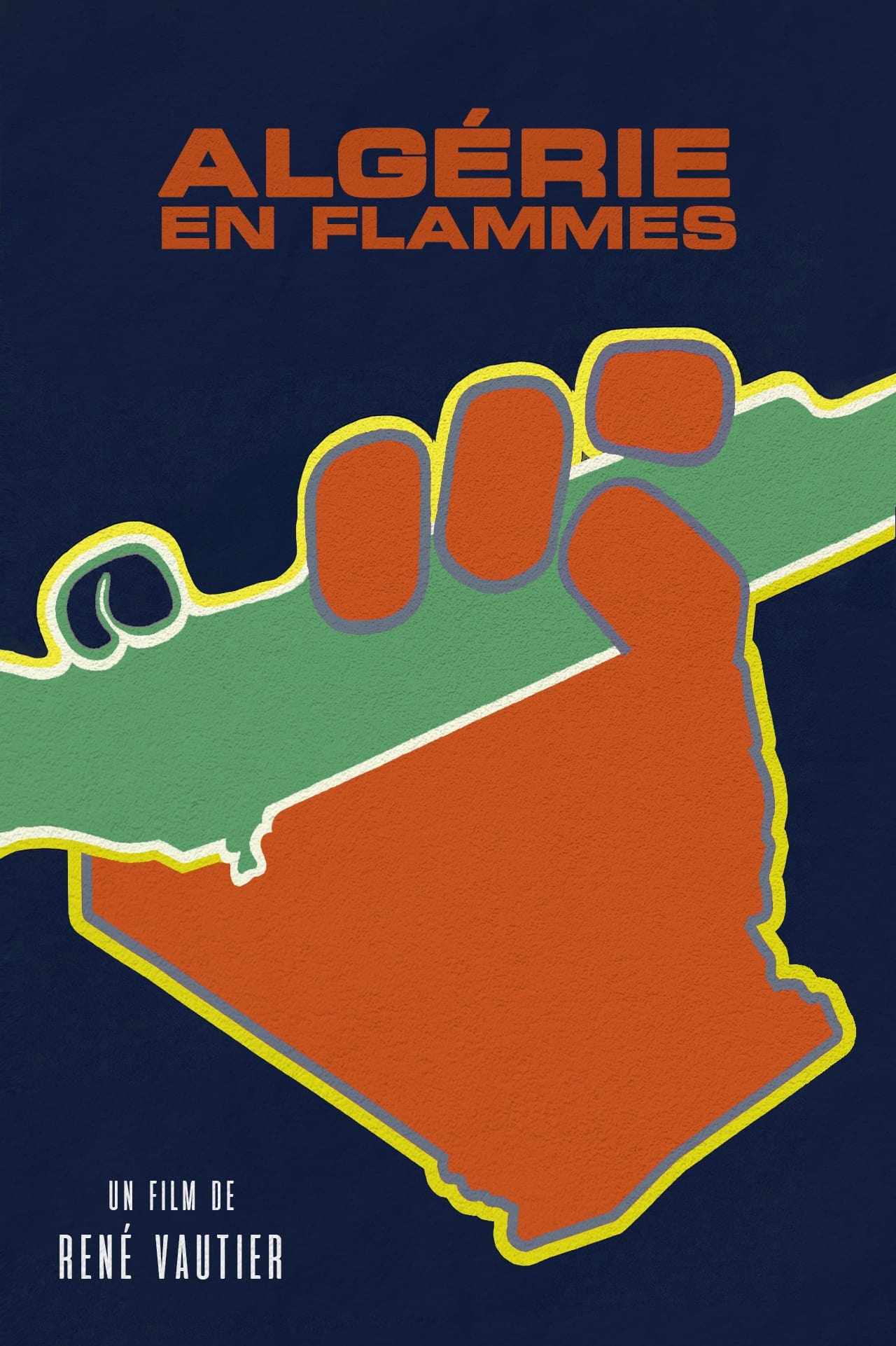
These are the first images shot in the ALN maquis, camera in hand, at the end of 1956 and in 1957. These war images taken in the Aurès-Nementchas are intended to be the basis of a dialogue between French and Algerians for peace in Algeria, by demonstrating the existence of an armed organization close to the people. Three versions of Algeria in Flames are produced: French, German and Arabic. From the end of the editing, the film circulates without any cuts throughout the world, except in France where the first screening takes place in the occupied Sorbonne in 1968. Certain images of the film have circulated and are found in films, in particular Algerian films. Because of the excitement caused by this film, he was forced to go into hiding for 25 months. After the declaration of independence, he founded the first Algerian Audiovisual Center.

An artist's sculpture is burnt down, a protester is charged with a criminal case, and a democracy movement is violently attacked. In the United States, three Chinese dissidents fight for democracy against a superpower through art, petition, and grassroots organizing, but not even exile is safe.
A documentary, combining archival material and live interviews with Marcus Garvey, Jr., and others, which introduces the life and work of the pioneer Black nationalist leader Marcus Garvey.
This excellent feature-length documentary - the story of the imperialist colonization of Africa - is a film about death. Its most shocking sequences derive from the captured French film archives in Algeria containing - unbelievably - masses of French-shot documentary footage of their tortures, massacres and executions of Algerians. The real death of children, passers-by, resistance fighters, one after the other, becomes unbearable. Rather than be blatant propaganda, the film convinces entirely by its visual evidence, constituting an object lesson for revolutionary cinema.
Tilburg artist Tommy van der Loo searches for the influence of superiority thinking, racism and colour in his life. Van der Loo is an emerging artist and his work has been purchased by Boijmans van Beuningen in Rotterdam. He also had an exhibition at the Kunsthal. He also made the memorial for the abolition of slavery in Eindhoven. He has had multiple experiences with discrimination and incorporates that into his sculptures. Identity and image formation are important to him: How do you look at others, how do others look at you. The search is the inspiration for his new sculpture.
Pauline, Norah, Kristina and others wait for hours, sitting under a hut deep in the Bois de Vincennes. In front of the administrative detention center (CRA) in Paris, they have all come to see their loved ones locked up. Lives on hold, awaiting deportation or release. On this stage, these women tell their stories, talk to each other, share their experience, their revolt and their dreams with new visitors. They are the mirror of migrant detention, its reverse view.
I have been pretty satisfied with my life before I got on the bus. When I do in June 2011, my whole life turns upside down. I am just a regular passenger at first. Like other people I was sorry, and felt obliged to help and care for other passengers. Then I begin to film these common heroes with my camera. Those who speak about hope, who provide it and get on the bus, Ms. Kim Jin-suk, and other crane laborers who risk their safety while demonstrating for their rights on high. She, while stationed insecurely on high, begins interacting with the world through Twitter and makes friends. Then I realize I really love her. Will we have her back safely?
Tells a story about a blurry photo of a woman who works in the media industry in Indonesia. This movie has several perspectives. One point of view is of a woman who works in a media and the other is about the sexual minority, people who aren’t allowed to appear on television due to their sexuality.
“La Voix du Peuple,” composed of archival photographs by René Vauthier and others, exposes the root causes of the armed conflict of the Algerian resistance. Participating in a war of real images against French colonial propaganda, these images aimed to show the images that the occupier had censored or distorted, by showing the extortions of the French occupation army: torture, arrests and arbitrary executions, napalm bombings, roundabout fires, erasing entire villages from the map, etc. This is what the French media described as a “pacification campaign”.
In the Gaza refugee camp of Jerash, Palestinians face the critical issue of lacking identification documents. This situation undermines their rights and hinders access to essential services and opportunities.
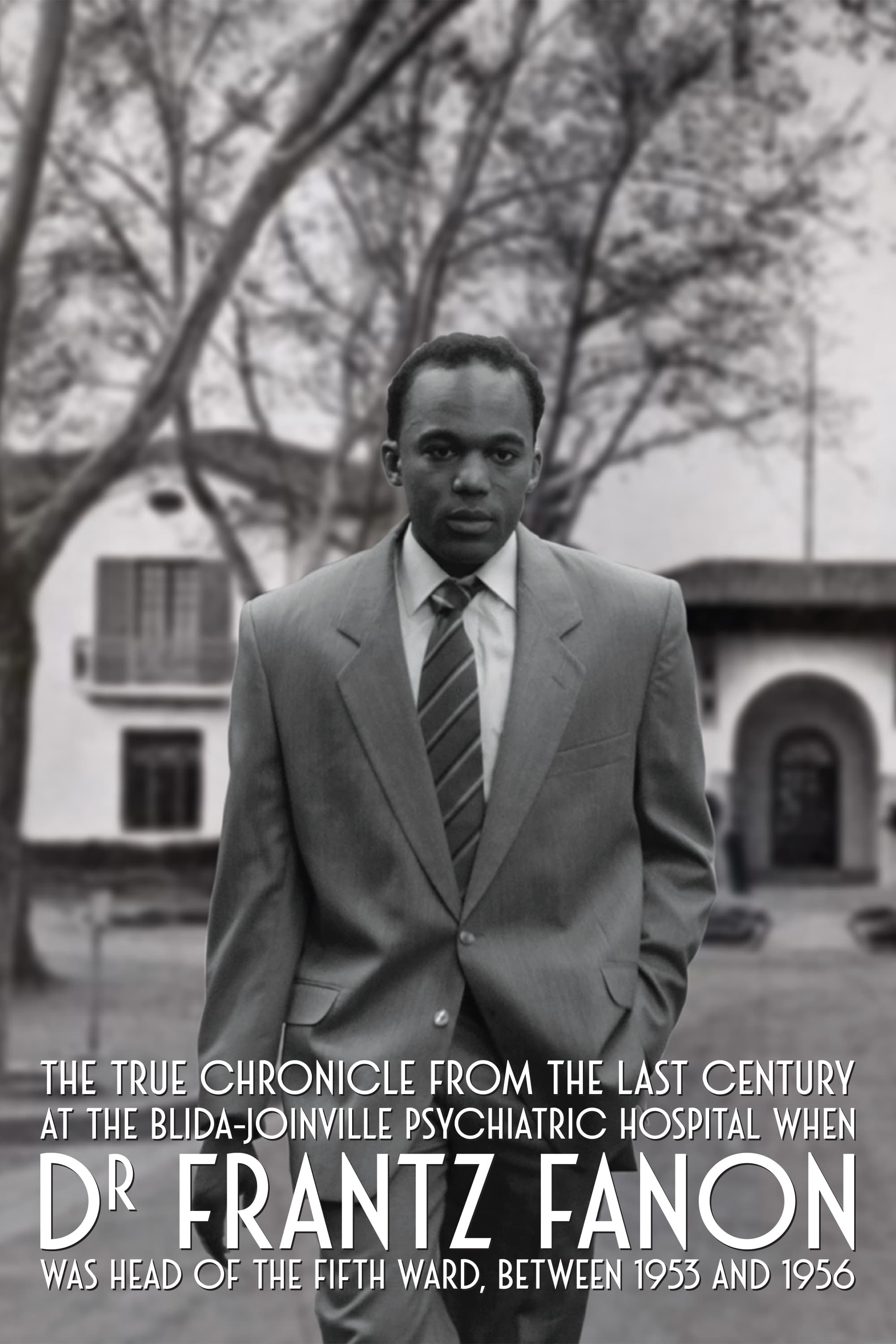
Frantz Fanon alone embodies all the issues of French colonial history. Martinican resistance fighter, he enlisted, like millions of colonial soldiers, in the Free Army out of loyalty to France and the idea of freedom that it embodies for him. A writer, he participated in the bubbling life of Saint-Germain with Césaire, Senghor and Sartre, debating tirelessly on the destiny of colonized peoples. As a doctor, he revolutionized the practice of psychiatry, seeking in the relations of domination of colonial societies the foundations of the pathologies of his patients in Blida. Activist, he brings together through his action and his history of him, the anger of peoples crushed by centuries of colonial oppression. But beyond this exceptional journey which makes sensitive the permanence of French colonialism in the Lesser Antilles at the gates of the Algerian desert, he leaves an incomparable body of work which has made him today one of the most studied French authors across the Atlantic.
The first French anti-colonialist film, derived from an assignment in which the director was to document educational activities by the French League of Schooling in West Africa. Vautier later filmed what he actually saw: “a lack of teachers and doctors, the crimes committed by the French Army in the name of France, the instrumentalization of the colonized peoples.” For his role in the film, Vautier was imprisoned for several months. The film was banned from public screening for more than 40 years.
In Portugal, during the night of April 24-25, 1974, a peaceful uprising put an end to the last government of the Estado Novo, the authoritarian regime established in 1933 by dictator António de Oliveira Salazar (1889-1970), paving the way for full democracy: a chronicle of the Carnation Revolution.
The film documents modern slave trade through a number of African countries, under dictatorship rule. The filming was conducted both in public places, and sometimes with the use of hidden cameras, for high impact scenes of nudity, sex, and violence - and a few surprises, as slaves made out of peregrins to Asia, and slave traders paid in traveller checks.
A documentary film depicting five intimate portraits of migrants who fled their country of origin to seek refuge in France and find a space of freedom where they can fully experience their sexuality and their sexual identity: Giovanna, woman transgender of Colombian origin, Roman, Russian transgender man, Cate, Ugandan lesbian mother, Yi Chen, young Chinese gay man…
As she leaves for art school in New York, Skye gets a phone call from Alex. Skye hasn't heard from Alex in two years, but before she can move on with her life she needs to tie up some loose ends. Unfortunately, someone else has the same idea, and they're stalking and slashing their way through Alex's Sweet 16 party at her grandparents' isolated estate.
Story about a farmer.
Mecha Mutt, a revolutionary remote-controlled lunar rover resembling a large canine, goes rogue at Houston's Annual Science Expo. Scooby-Doo! Mecha Mutt Menace is the fourth in a series of direct-to-video short films.
In a desolate place called the Badlands, four men stand off with guns drawn, their fingers ready at the trigger. Among them are a fugitive seeking redemption, a son out to avenge his father's murder, a loyal servant with a secret and a murderous criminal hired to kill with a vengeance. This is their story...in a place where revenge, deception and cruelty are a way of life.
Naruto Shippūden Ultimate Ninja Storm Generations OVA Madara vs Hashirama is the tenth Naruto OVA. It is distributed as part of Naruto Shippūden: Ultimate Ninja Storm Generations.
While looking for her cat, a young woman and some kids find an abandoned building where strange things happen and the rules of physics don't always apply. Part of the Animatrix collection of animated shorts set in the Matrix universe.
A plane containing a highly classified government project crashes outside of a small town in the US. Realizing the level of danger, the government tries to secretly fix the problem. As tensions grow, the situation gets out of control, and civilians from the town find themselves facing their worst nightmare: a genetically enhanced killing machine that doesn't know how to stop.
In this sequel to the popular adventures of Mademoiselle C, the strange Mademoiselle Charlotte began a new life as a postwoman in Saint-Gérard where she encounters a particularly dishonest businessman.
In a remote Kyrgyz village, a mother navigates daily life as her family is drawn into the upheaval of World War II. Left behind to tend the land and hold her household together, she clings to hope amid growing uncertainty. As seasons pass, the quiet weight of absence and memory shapes her world. A deeply personal story of endurance, Mother’s Field captures the emotional cost of war from the perspective of those who wait.
In yet another hilarious caper, Fred, Daphne, Velma, Shaggy and, of course, Scooby-Doo team up with the talented Harlem Globetrotters to solve a haunting that, apparently, involves the ghosts of Paul Revere and other Revolutionary War soldiers. A second episode features the gang and the Globetrotters heading to a deserted island for some relaxation, but they realize they are in for trouble when their ship sets sail with nobody at the wheel.
A former race car driver who has retired and is the owner of a Mexican resort hotel gets mixed up in a robbery involving $2 million by one of his former girl friends.
The scares start in Hawaii, where Scooby-Doo and Shaggy are scarfing down the surf-and-turf menu until a giant serpent tries to swallow them faster than you can say She Sees Sea Monsters by the Seashore. In Uncle Scooby and Antarctica, a friendly penguin invites the Mystery, Inc. crew to visit his polar home, which happens to be haunted by an ice ghost! Then, the gang meets music group Smash Mouth while visiting Australia's Great Barrier Reef to watch Shaggy and Scooby compete in a sand castle contest in Reef Grief! Just when they think it's safe to go back in the water... it isn't.
Insane Fight Club is back. This year the boys are taking their unique form of entertainment to England as they stage fight nights in Birmingham, Leeds, Liverpool and Newcastle.
Triller Fight Club presents Triad Combat on Saturday, November 27 at Globe Life Stadium, in Arlington, TX with a the main card featuring former champion Frank Mir competing against Kubrat Pulev in the Heavyweight Division and a special live Heavy Metal Concert by Metallica.
This direct-to-draw animated film on 35 mm film features the imagery of 10 European directors in a collective project. Each produced 1 minute of animation on film, drawing directly onto it in his or her own style.
The gang flies off to Africa for a video animal safari titled 'So Goodi!,' only to learn that - zoinks! - the creatures are actually shape-shifting jungle demons! In Homeward Hound, a "fiercely fanged" cat creature petrifies the competing pooches at a dog show, including the visiting Scooby-Doo! Finally, a giant Wakumi bird is stealing sculptures that are scheduled to be housed in a museum in New Mexico, Old Monster. There's never a dull moment when Scooby-Doo enters the scene!
Aïcha, a high-school student, is a passionate kung fu fighter. Her Turkish parents expect her to get good grades so she can get into medical school, like her brother Ali. But school doesn´t inspire her. Defying her family, Aïcha starts secretly training at a professional, co-ed kung fu club. A boy, Emil, helps Aïcha train for the club championship and they fall in love. But the rules of life are not as simple as the rules of kung fu, and Aïcha is forced to decide who she is and what she wants.
Before he left for a brief European visit, symphony conductor Sir Alfred De Carter casually asked his staid brother-in-law August to look out for his young wife, Daphne, during his absence. August has hired a private detective to keep tabs on her. But when the private eye's report suggests Daphne might have been canoodling with his secretary, Sir Alfred begins to imagine how he might take his revenge.