
Documentary about choreographer/director Bob Fosse, and his influence on dance.
Social & External
Self

Movie and stage icon Debbie Reynolds hosts the making of "Singin' in the Rain". The short documentary includes Donald O'Connor, who played the comical "Cosmo Brown", Stanley Donen, one half of the directors next to Gene Kelly, and Kathleen Freeman, who played Phoebe Dinsmore, Lina Lamont's (Jean Hagen) voice coach.
The remarkable spirit of tap dancers and their history provides a joyous backdrop for intimate portraits of hoofers Sandman Sims, Chuck Green, and Bunny Briggs.
Facing financial challenges and constant risks of injury, an innovative ballet company strives to bring the iconic Canadian story of Anne of Green Gables to new diverse audiences.
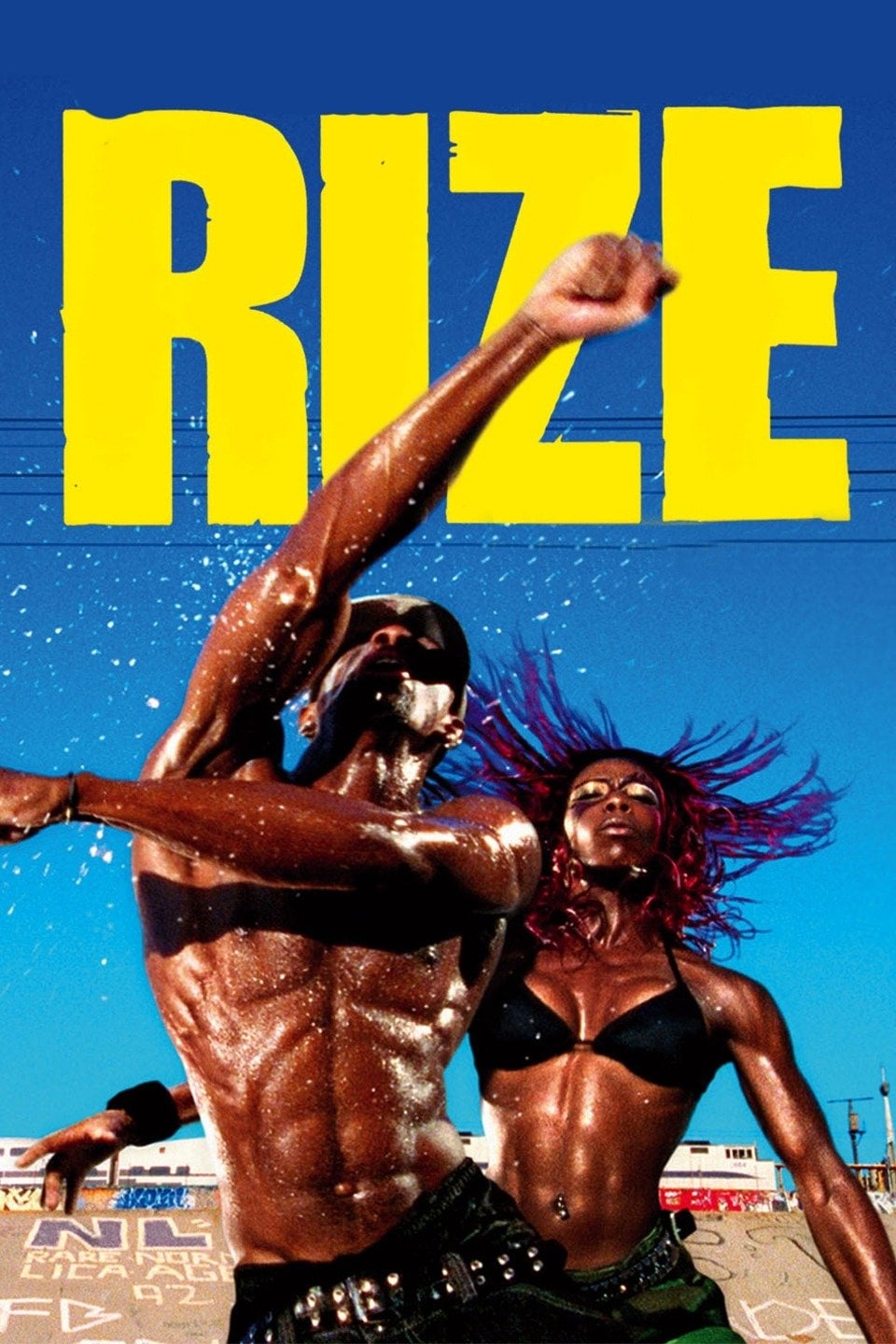
A documentary film that highlights two street derived dance styles, Clowning and Krumping, that came out of the low income neighborhoods of L.A.. Director David LaChapelle interviews each dance crew about how their unique dances evolved. A new and positive activity away from the drugs, guns, and gangs that ruled their neighborhood. A raw film about a growing sub-culture movements in America.
A documentary following the conscious evolution of electronic music culture and the spiritual movement that has awakened within.
A quickfire portrait of the New York City ballroom scene in the ‘80s.
In this revealing documentary, burlesque star Immodesty Blaize examines the world of British burlesque and the resurgence in its popularity.
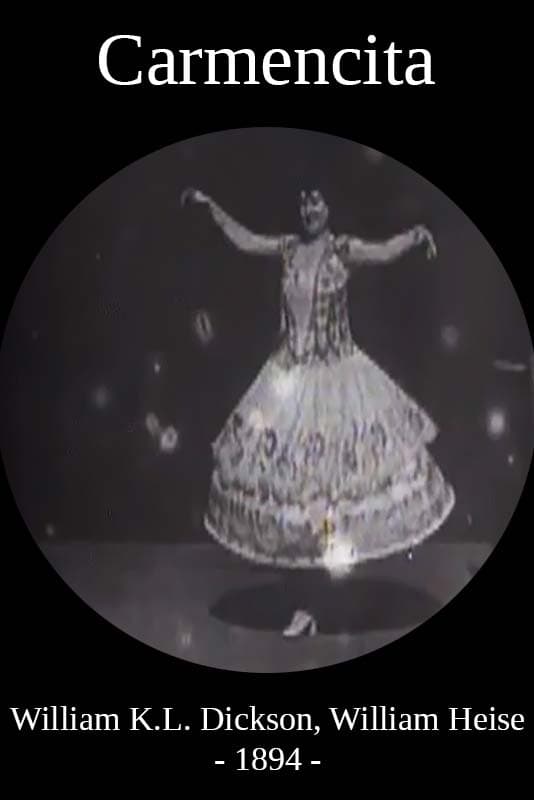
The first woman to appear in front of an Edison motion picture camera and possibly the first woman to appear in a motion picture within the United States. In the film, Carmencita is recorded going through a routine she had been performing at Koster & Bial's in New York since February 1890.
After celebrated careers , legendary dancers Marge Champion and Donald Saddler became friends while performing together in the Broadway Show Follies (2001) . When the show closed, they decided to rent a private studio together where they have been choreographing and rehearsing original dances ever since. They are both 90 years old. KEEP DANCING seamlessly blends 9 decades of archival film and photographs with present day footage to tell a story through dance of the passing of time and the process of aging.
A dance group rehearses for their latest performance Inabitáveis about black homosexuality. While the choreographer conducts research and gives guided tours, he meets Pedro, a young trans girl looking for her own means of expression. She desperately wants to be taught by him.
After Awesome Tapes From Africa's Brian Shimkovitz found the energetic, ecstatic music of Ghanaian musician Ata Kak, the tunes became beloved around the world. It was all unbeknownst to the artist himself -- his music was even unknown to those living in his hometown in Ghana. Years of tireless searching ensued, and eventually the Los Angeles-based label owner found a lead. Ata Kak - Time Bomb follows the search that Shimkovitz undertook as well as the visit to Ghana that took place once he found him. It is a celebration of great tunes and how, when it hits the right audience at the right time, music can touch people in a way that you never imagined.

An Austrian director followed five successful African music and dance artists with his camera and followed their lives for a year. The artists, from villages in Ghana, Gambia and Congo, were the subjects of Africa! Africa! touring across Europe, but they have unbreakable roots to their homeland and their families. Schmiderer lovingly portrays his heroes, who tell their stories about themselves, their art and what it means to them to be African with captivating honesty. The interviews are interwoven with dance scenes and colourful vignettes set to authentic music.
Dance educator LIN Ssu-tuan is the first professional nude model in Taiwan in the 1950s and the 1960s, the muse for painters and sculptors in the art world, and the face for photographers’ salons around the world; in the end, she reversed the dynamics of the subject vs. the object and went on to perform her first solo modern dance in 1975, turning herself from the state of passiveness to an active educator of the art of dance. LIN is over 80 years old, but she still fervently pursues her ideals and passions with her body; her path of life is indeed a book of female art history that communicates with the society in Taiwan.

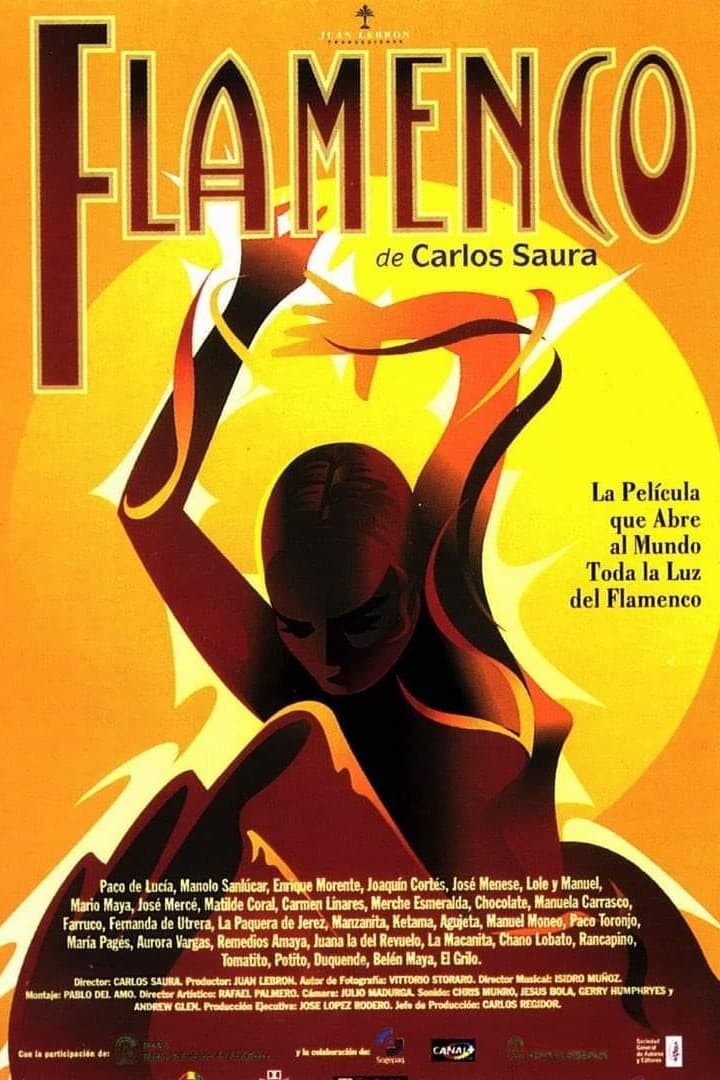
The film presents thirteen rhythms of flamenco, each with song, guitar, and dance: the up-tempo bularías, a brooding farruca, an anguished martinete, and a satiric fandango de huelva. There are tangos, a taranta, alegrías, siguiriyas, soleás, a guajira of patrician women, a petenera about a sentence to death, villancicos, and a final rumba.
A unique hybrid of documentary, silent film, drama and dance, 'Breaking Plates' puts revolutionary women of the past on the screen with present day filmmakers. Contemporary women talk to characters from 100 years ago, reanimate their antics and emulate their mayhem moves. As early 21st century performers step into the clothes of their early 20th century counterparts, battling their haywire machines, exploding gags, and eruptive bodies, they learn to wield humour as a weapon against the structures that contain them today.
Terpsichore is a captivating exploration of dance as an art form, illuminating the passion, discipline, and vulnerability that transform movement into poetry. The documentary follows three distinct yet interconnected artists: Cece Trapani, an Irish dancer; Aurora Maur, a burlesque performer; and the Dayton Contemporary Dance Company (DCDC), a renowned contemporary dance ensemble. Through their stories, Terpsichore reveals the universal language of dance—one that transcends genre and speaks to the depths of human emotion. Intimate interviews and behind-the-scenes rehearsal footage offer a raw, unfiltered look at the artistry behind each performance, capturing the essence of dance as both personal expression and a bridge between artist and audience. More than a showcase of technique, Terpsichore delves into the soul of movement, celebrating its power to connect, inspire, and reveal the unspoken truths of the human spirit.
Ida, Olympe, Jeanne and Marie dance to the music of pianos, symphonies, contemporary pieces… in ballet school studios, in the streets, even in their bedrooms. They are between 6 and 11 years old. Very fond of each other, they film themselves, comparing and giving one another support. They also tend to annoy one another, are at times envious, even rejecting each other. What is it like for a little girl to grow up in a world of intense professional and competitive dancing? Closely following the emotions and dilemmas experienced by our young characters, this film explores and probes into a territory that we’ve all navigated, though many of us have forgotten: childhood.
The Finnish modern dancer Noora Hannula dances through this documentary film in her own explosive style. Noora’s life has always been very connected to the artist environment with her grandfather, Simo Hannula, who throughout his entire life dedicated him fully to his art. Noora and her grandfather crossed paths when Noora used a picture of his dead body in her show and now we meet Noora working on her newest show: The Era of No Talent Rising, while she is trying to figure out where her own limits are.
Released on DVD as part of The Criterion Collection's "Martha Graham: Dance on Film" collection.