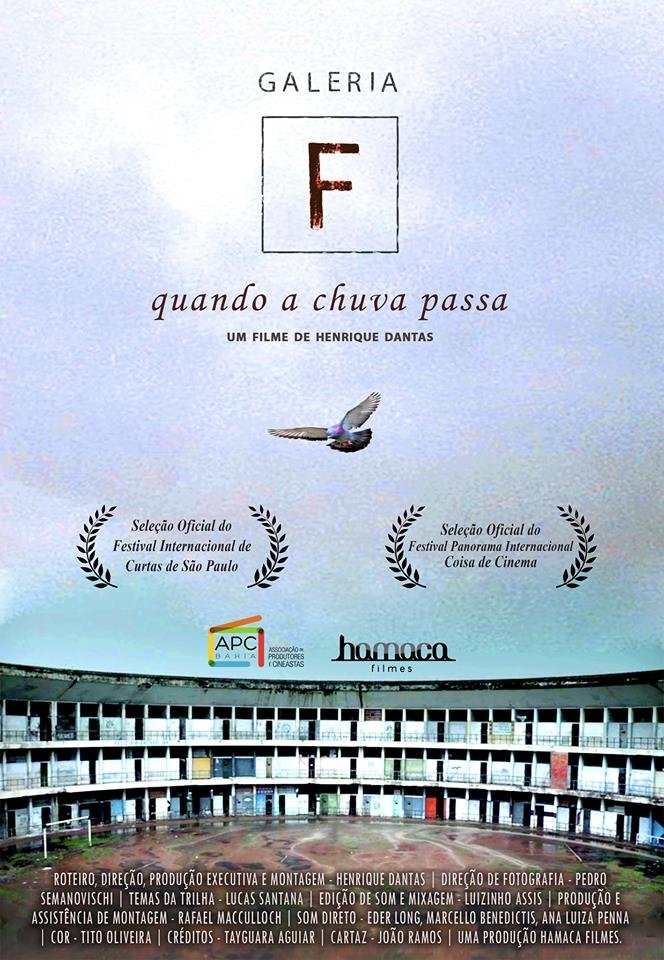
In the military dictatorship, many political prisoners were tortured and killed by the Brazilian army. In Bahia, those who survived were transferred to the Lemos Brito penitentiary complex.
Social & External
Impressionistic glimpses of London life from early morning to rush hour.
Forty years after the bloodiest one-day encounter between Americans since the Civil War, the dead remain buried along with the truth. Until now. Based on interviews with eyewitnesses who just now are telling their stories, as well as access to newly discovered documents, the film sheds new light on exactly what happened at Attica between September 9-13, 1971. Criminal Injustice raises compelling new questions about the 39 deaths at Attica, White House involvement, and the corrupting influence of Nelson Rockefeller’s political aspirations before, during, and long after the deadly retaking of the prison. Former hostage Michael Smith said that “the cover up started as soon as the shooting stopped.” This film reveals that the truth actually may have been concealed long before that.
The documentary was shot in the prison for juvenile delinquents in Hungary. It does not aim at judging whether the perpetrators were convicted rightly or not but, given the burden they carry, how they can reintegrate into society after they are released.
Portrait of God is a documentary road movie about the manhunt for the most wanted person in the world. The film is constructed as a classic detective story. A middle-aged detective shadows the suspect through the highs and lows of South African society until he ends up in a gigantic prison in Cape Town bursting with murderers, thieves, and rapists.
A look beyond the shock and inhumanity of prison rape to the intricate social hierarchy that keeps it alive. A filmmaker goes deep inside Alabama's infamous Limestone penitentiary to uncover the long-term causes and consequences of prison rape. With a startling lack of inhibition, five inmates reveal the workings of an elaborate inner society.
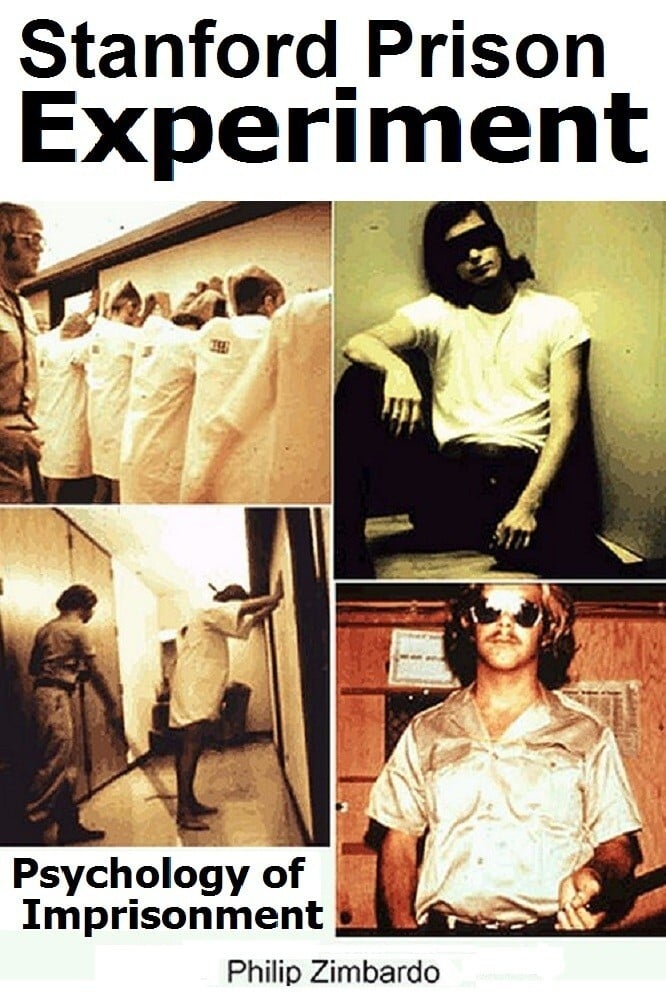
The Stanford prison experiment was a landmark psychological study of the human response to captivity, in particular, to the real world circumstances of prison life, and the effects of imposed social roles on behaviour. It was conducted in 1971 by a team of researchers led by Philip Zimbardo of Stanford University.
One decade after THE FARM: ANGOLA, USA (Oscar nominated 1999; two-time Emmy winner 1999), we go back inside Louisiana's maximum security penitentiary, to catch up with our characters' lives. While the theme of THE FARM was "to err is human, to forgive divine", we now delve more deeply and find hope for "reconciliation and release". Angola is America's oldest and largest prison, with 5,000 inmates, most of whom have received life -, or death-, sentences for violent crimes, and will never leave Angola. THE FARM continues to provide extraordinary opportunities for learning through storytelling.
Chennu committed his first crime when he was 15 years old: being a street kid. And he entered hell: Pademba Road. The adult prison in Freetown. In hell, Mr. Sillah is in charge, and there is no hope. Chennu got out after four years. Now he wants to go back.
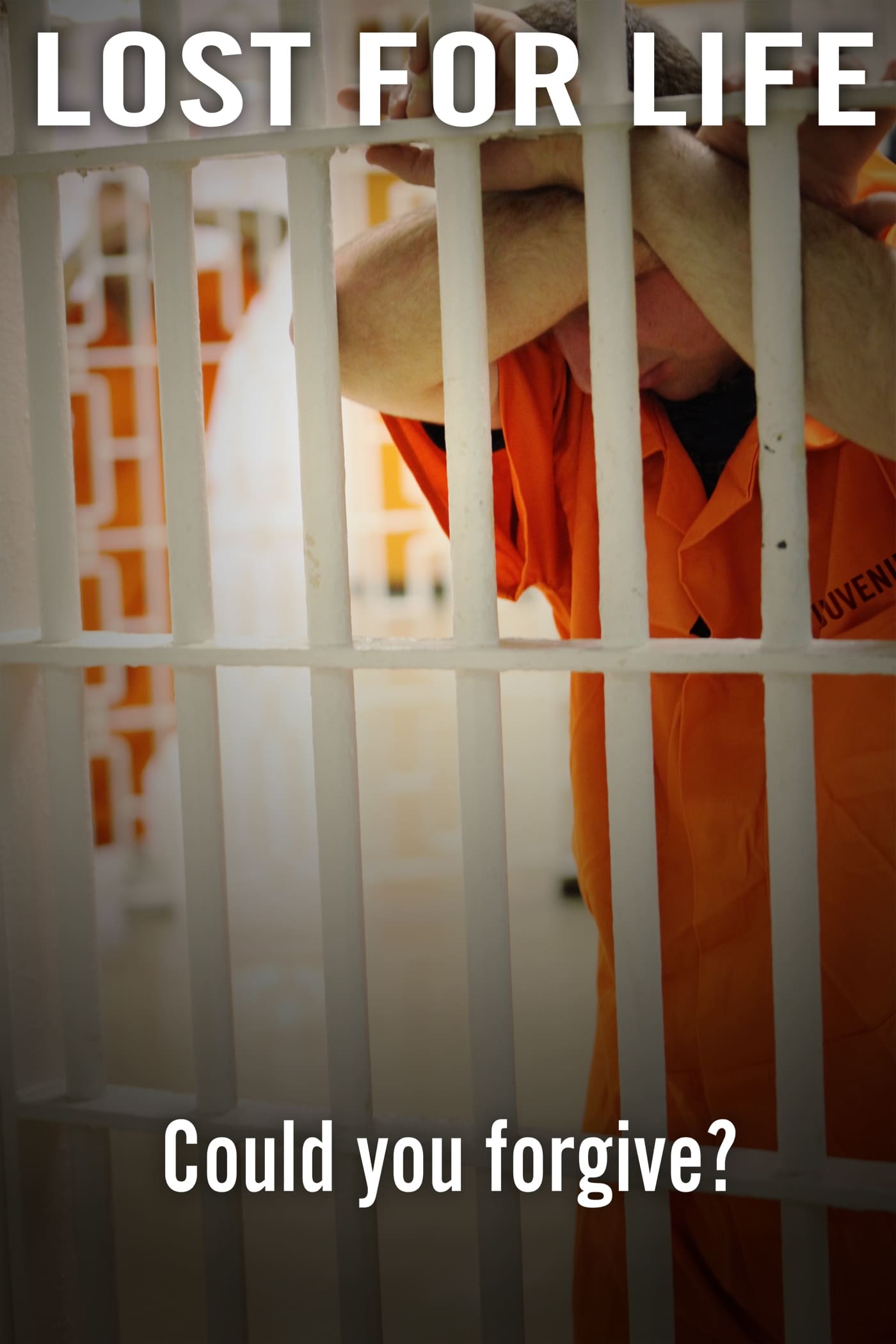
A documentary about juveniles who are serving life in prison without parole and their victims' families.
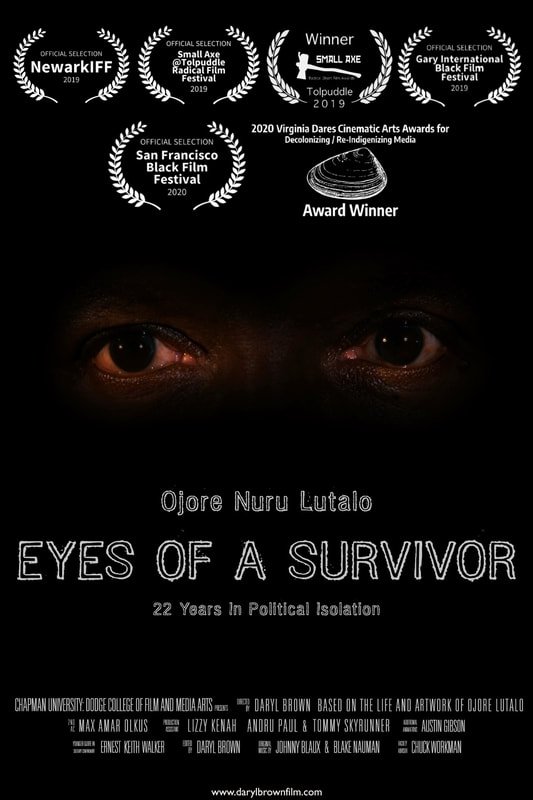
An experimental intake of Ojore Nuru Lutalo as he recounts the 22 years he spent in political isolation, and the flourishing comradery he built with prison abolitionist, Bonnie Kerness, whose work supported him and other prisoners.
A haunting story of the FBI's dark hand in American life. In 2015, Khalil Abu-Rayyan was just a young Muslim man in Detroit, Michigan: to get by, he delivered food for his family's pizzeria. Depressed and lonely, Khalil found solace in smoking weed and looking at extremist material online. Then two young women started messaging him, and he fell in love. But one of them suggested he start doing increasingly violent things. Nothing was as it seemed. And Khalil's life would never be the same. A documentary by Garret Harkawik for the Gravel Institute.
Botanical gardens in Bombay plus the highly decorative Jain Temple in Calcutta.
This documentary recounts the dysfunctional state of the death penalty in the state of California by revisiting the crimes, arrest, trials and appeals of Lawrence Bittaker, a convicted serial killer who has been on death row at San Quentin since 1981.
A shocking new 2 hour film by B.A. Brooks. This 2010 release is a follow up to "The Decline And Fall Of America" which was released in 2008. "The American Matrix - Age Of Deception" details news items that all people should be aware of such as the economic collapse of The United States and the formation of the a New World Order. See what has really been going on in America today.
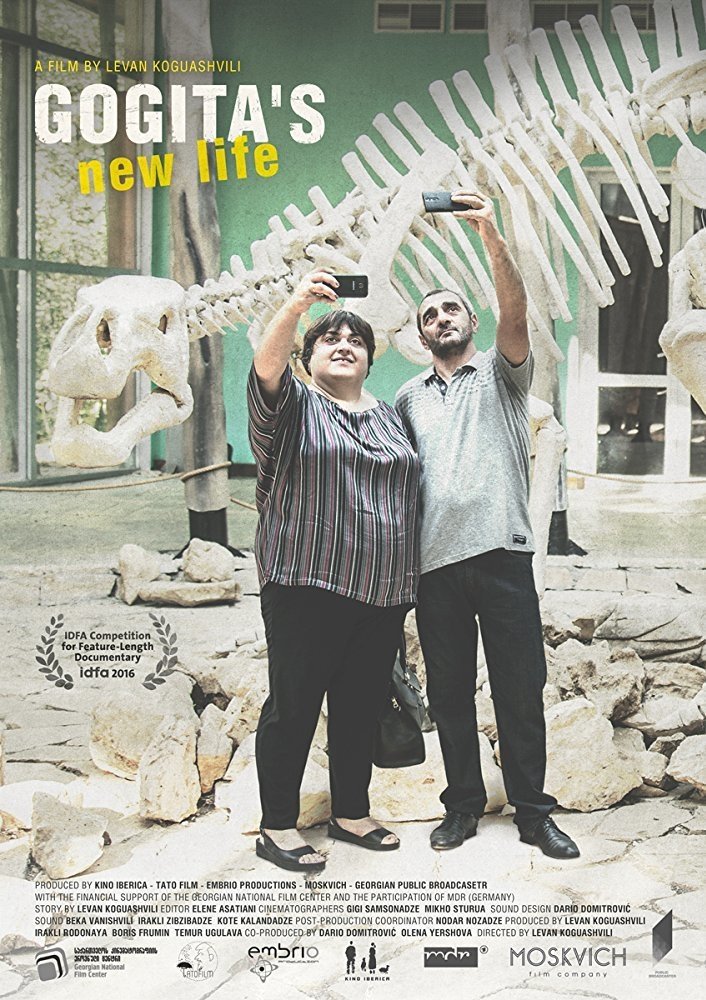
After 14 years in prison, the time has come for Gogita to return to his normal life. His wishes seem modest enough: a home of his own and then marriage to a nice woman. But who would be interested in a poor farmer and ex-con who still lives with his mother? Then he meets Maka on the internet. She's not that young anymore, and she's not the prettiest girl in the world, but she can bake delicious cakes. They're soon making grand plans without even having met.
In the documentary Last To Know political prisoners, sent to jail for openly opposing the East German regime that existed until the German reunification in 1990, talk about their times of trial and their lives today. Neither they, nor their families have come to terms with what happened.
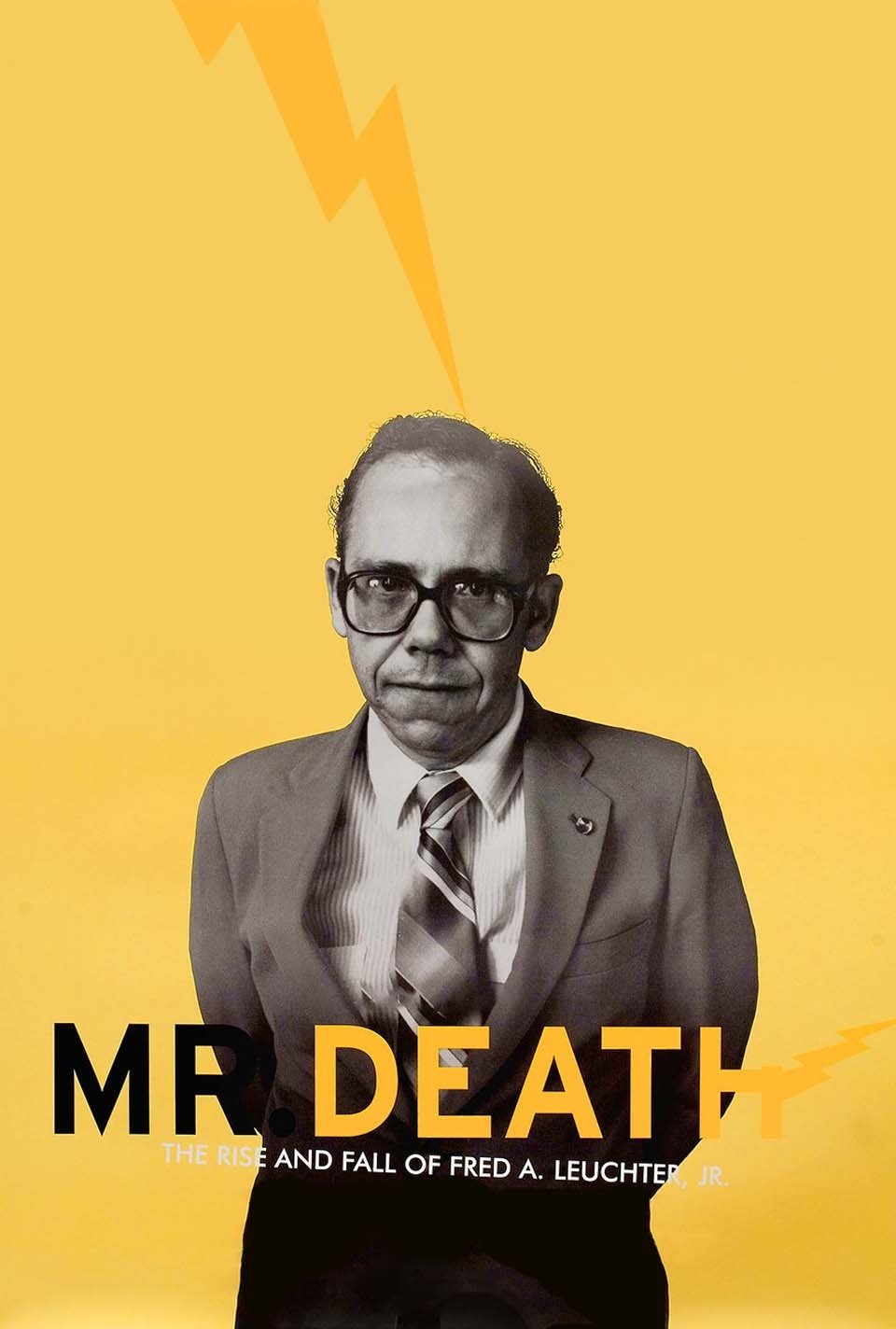
A portrait of the life and career of the infamous American execution device designer Fred A. Leuchter, Jr. Mr. Leuchter was an engineer who became an expert on execution devices and was later hired by holocaust revisionist historian Ernst Zundel to "prove" that there were no gas chambers at Auschwitz. Leuchter published a controversial report confirming Zundel's position, which ultimately ruined his own career. Most of the footage is of Leuchter, working in and around execution facilities or chipping away at the walls of Auschwitz, but Morris also interviews various historians, associates, and neighbors.
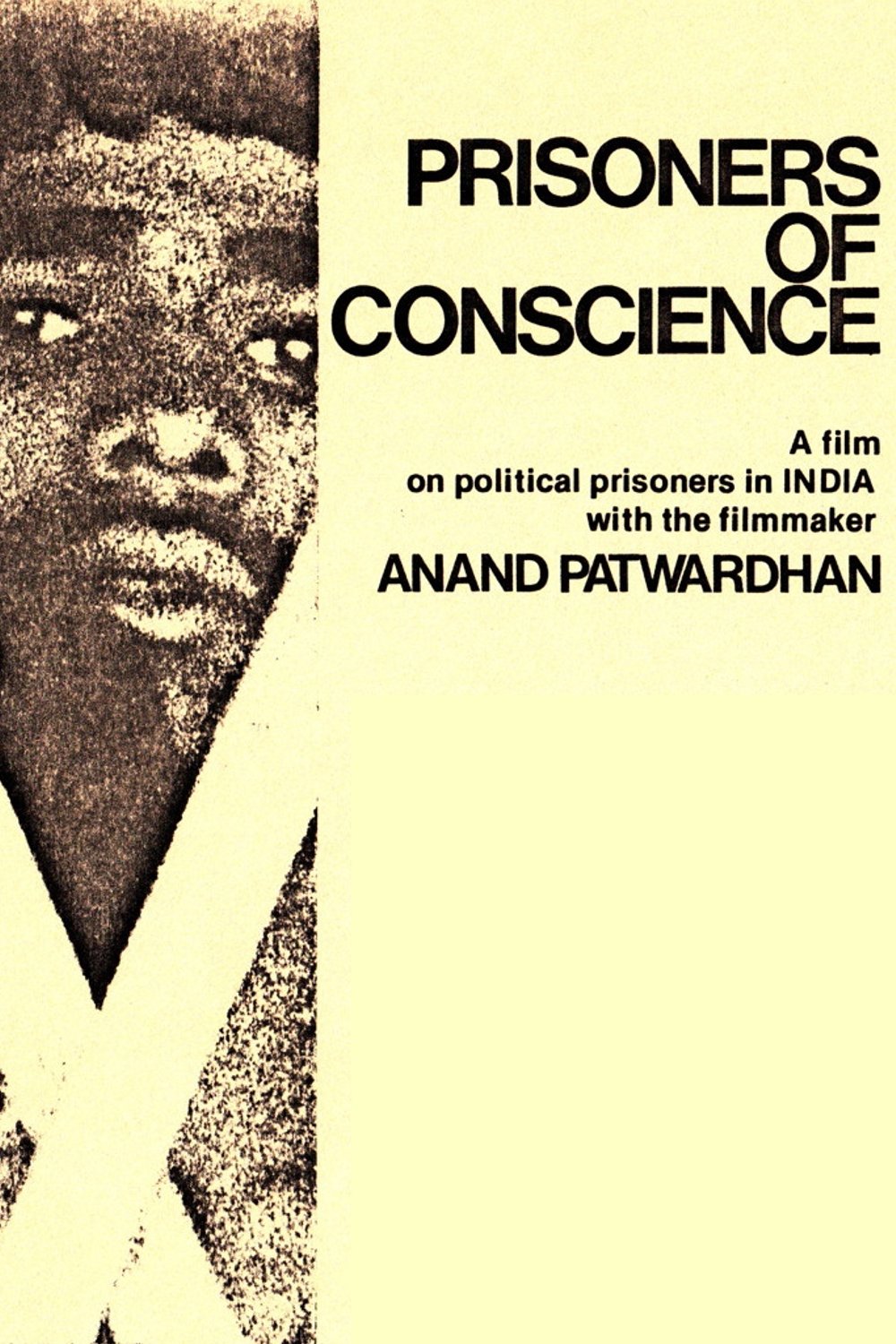
An early Patwardhan documentary completed in 1978, Prisoners of Conscience focuses on the state of emergency imposed by Indira Ghandi from June 1975 through March 1977. During this time over 100,000 people were arrested without charge and imprisoned without trial. They were released only by the government that replaced Ghandi's. The film also shows that political prisoners existed in India before the state of emergency and continued after the new government was elected.
A documentary about Goran Ivandic 'Ipe', the drummer of most popular Yugoslav rock band of all time, Sarajevo-based "Bijelo dugme" (White Button). Ivandic's fatal jump from the balcony of hotel Metropol in Belgrade in 1994 sparked much controversy around his fate.