Based on a TV sit-com series and set in World War II, about how an ordinary woodcutter develops into an active partisan fighter.
Social & External
Ilija Kapara
Franjo Smokvina
Janja
Kušlec - komandant brigade
Sirača - komandir čete
Nadsatnik pl. Buzan
Brico
Velečasni
Lenka
Imbra Falačec
Imbrina žena
Unknown Role
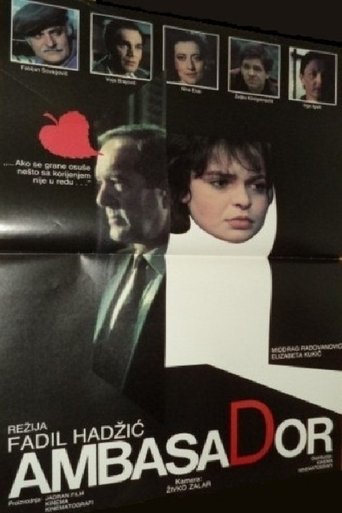
Vlado Miljkovic, a former member of the International Brigades in the Spanish Civil War, partisan fighter and retired ambassador, lives in his villa in Zagreb with his children whom he lost contact with, if he ever had one. His daughter Mickey is morbidly devoted to the worship of the cult of her dead mother, and attempts suicide in a state of distress; son Roni plays drums in a rock group and engages in a car theft, while the eldest son Mark has achieved a prestigious career as a doctor, but has problems with his demanding wife and asks father to borrow him money. Complex family relations in the ambassador's house bear witness to central heating repairman...
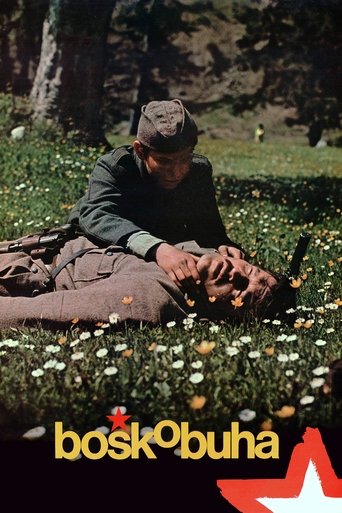
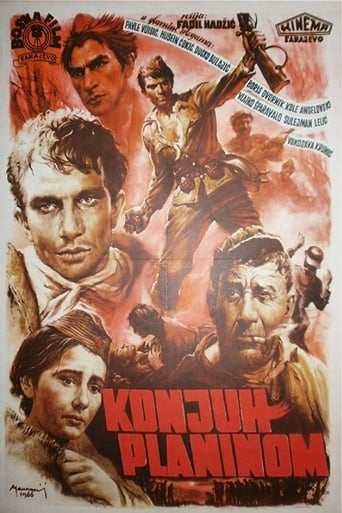
An exciting story of Husine coalminers who formed a partisan batch and put up an armed resistance during WW2 in Bosnia and Herzegovina.
"Andremo in città" (We'll Go to the City) is a 1966 Italian drama film directed by Nelo Risi. It is based on the novel of the same name by Edith Bruck, Risi's wife. Bruck, a Hungarian concentration camp-survivor, settled in Italy after the Second World War and wrote about her experiences in autobiographical and fictional formats.[1] The film stars Geraldine Chaplin and Nino Castelnuovo.
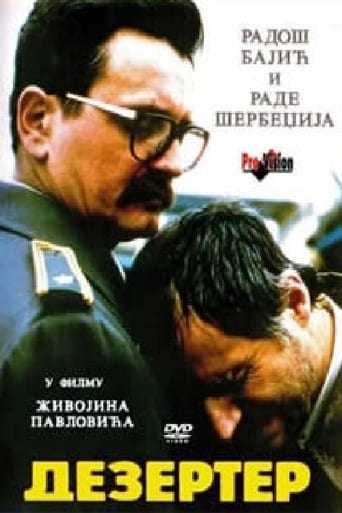
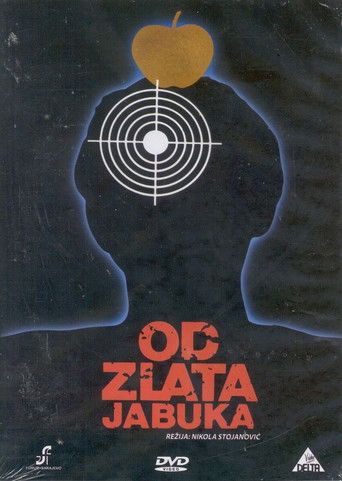
During the Yugoslav break-up, Federal Army officer is fed up with war and takes some leave in Belgrade. However, it turns out that he is less haunted by war horrors than with some sentimental skeletons in the closet. He meets his former comrade and best friend who is AWOL, but can't report him because he had an affair with his wife.
A partisan battalion who was surrounded from all sides brings up decision to enter the city, so that the fighters could rest and recover. Due to fear of one of the partisans, the enemy discovers their plan, but fails to sabotage it.
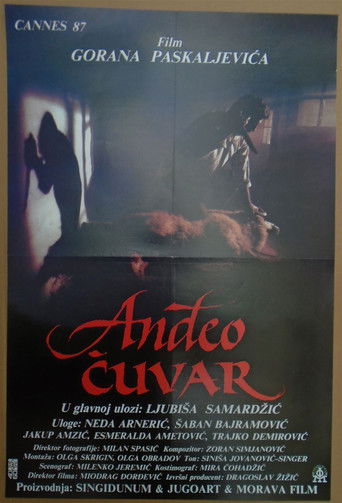
A painter gets infected by AIDS, and finds himself at disease clinic in Belgrade. He shared the hospital room with an ex-musician, junkie who tries to discontinue treatment and returns home to his wife. The painter believes in recovery through his paintings, believing that they have supernatural powers. In their room, the medics bring a boy suspected to be infected with the AIDS virus. Meanwhile, the musician's wife leaves him. Having desire for revenge, high on drugs and labile, he rapes nurse. The painter's health deteriorates and he dies. Shortly afterwards, the musician commits suicide. Only the boy remains in the room - a child of uncertain fate and in possession of dozens of "totemic paintings".
Trials and tribulations of a Croatian communist intellectual in the turbulent years before, during and after the Second World War.
A group of Macedonian partisans are hiding away in the mountains from Bulgarian fascist authorities that occupy Macedonia.
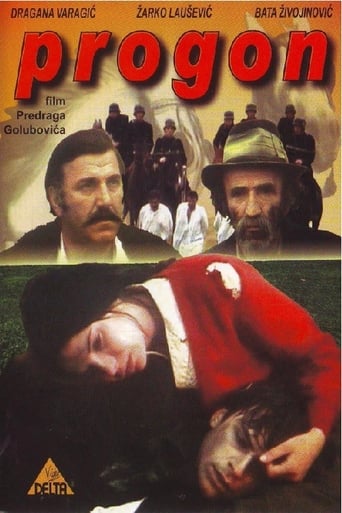
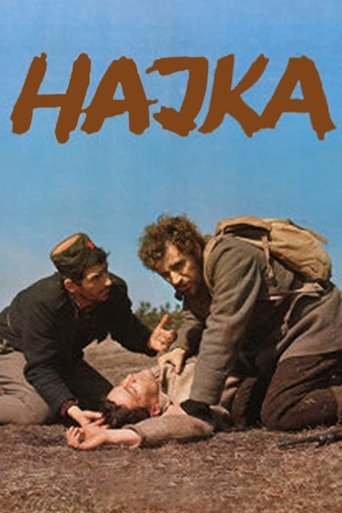
Two partisans, a man and a woman, try to escape a Nazi manhunt in the infernal landscape of WW2 Vojvodina.
A doctor from provincial town in Tsardom of Russia meets his former student in Ward 6, where the story takes place. Impressed by his rebellious spirit and clever remarks, he tends to spend more time with him while also indulging in meditation, only to be ridiculed by his fellow colleagues. Based on a Chekhov's work of the same title.
A story of a boy, forced to grow mature before his time and to die too early because of the cruel war circumstances. This film is dedicated to all the children who have died during the National Liberation War.
In late summer 1991, three Italians reach a hunting reserve in Croatia with a station wagon. They go to deer, but, unaware of what's in store for months, they do not decipher the enigmatic signs that surround them. One of the three is suddendly wounded in the knee by a bullet of unknown provenance, and they end up in a hotel targeted by snipers night and day.
August 1943, Europe. The tentacles of the German octopus have begun to recoil. As the Nazis retreat, their concern focuses on the supply of oil from the refineries of Romania. Without the flow of "black gold", Germany's doom is sealed. Armadas of American bombers from bases in North Africa have begun to assault Pioesti - and there is another threat from the Partisans across the border of Yugoslavia. Against the tableau of spectacular events, the dramatic story of WILD WIND unfolds.
A cruel world of the Yugoslavian prison during 1980s, based on real events about a man who gets life sentence for committed crime.
A group of partisan illegals entangled in a love triangle during Ustasha reign in Nazi-occupied Zagreb.
After the war, a Yugoslav army captain, Vladimir, is in charge of suppressing armed supporters of the former king's regime, led by major Momir. After Vladimir's best friend is killed, he joins the rebels pretending to be one of the king's supporters. However, one of Momir's supporters, a man who harbors rebels, has an attractive daughter who is engaged to marry Momir. She knows that Vladimir is an officer of the Yugoslav army, because she has seen him wearing a Yugoslav uniform. Vladimir fears that she might betray him.
Kingdom of Yugoslavia. As soon as she was born, Stana had both hands bit off by a pig, but she still grows to be good embroiderer. Her beloved brother Toma went into the city, where he's trying to make money by working in the circus. Toma comes to take Stana, promising her a better life in the city. However, she find herself left to the fate of circus act, and her brother eventually sells her to a doctor working on prostheses for disabled. At the same time, with the help of his uncle from the States, Toma tries to pull his cousin Ilija out from jail, a miner imprisoned for his leftist inclinations.
The film tells of devastating earthquake in Banja Luka in 1969 and follows a group of prisoners in prison during devastating earthquake and people and residents of Banja Luka. Fate of prisoners,the fate of the city and residents of Banja Luka, are light motive of this movie.
A Yugoslav man, dying after being shot while attempting to help defend his village, writes a letter of encouragement and hope to his unborn child, explaining what he was fighting for in resisting the Nazi invasion of his homeland. A John Nesbitt's Passing Parade short.
In the first year of freedom after WW2, a poor family from rocky Herzegovina moves to fertile province of Vojvodina hoping for a better life. However, there they face different type of troubles following the Tito's break-up with Stalin in 1948. Destinies of individual members of this family are about to have a tragic epilogue.