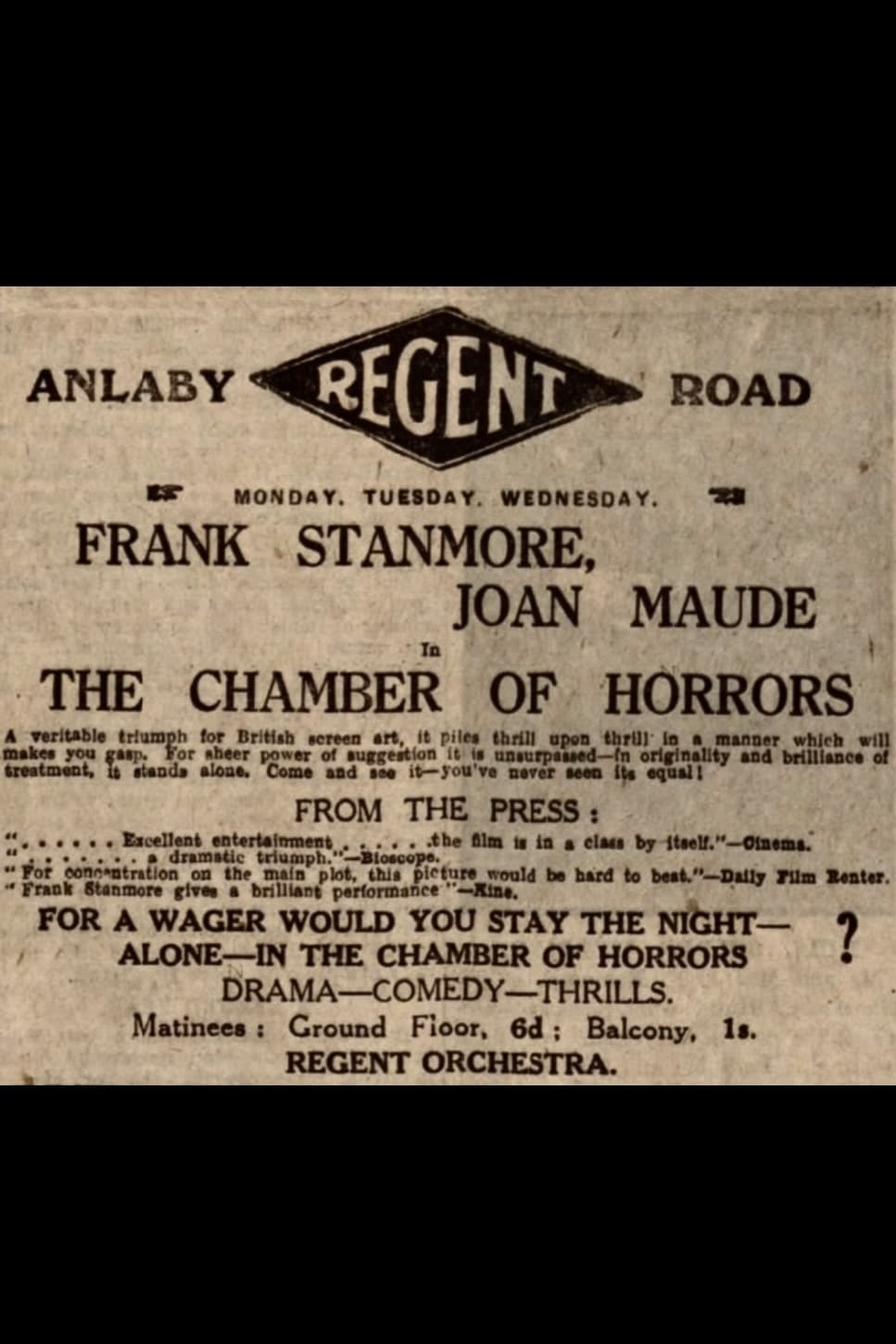
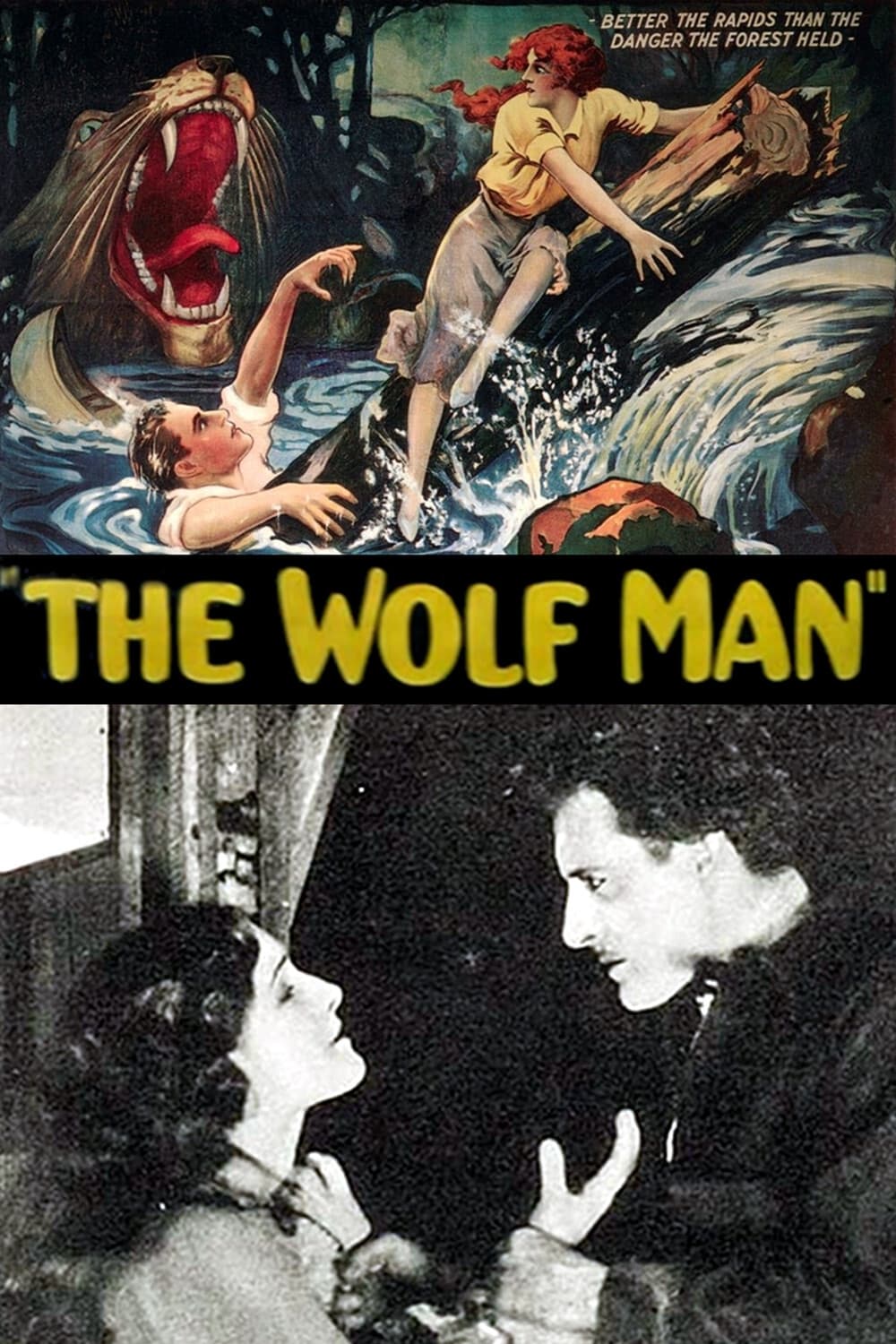
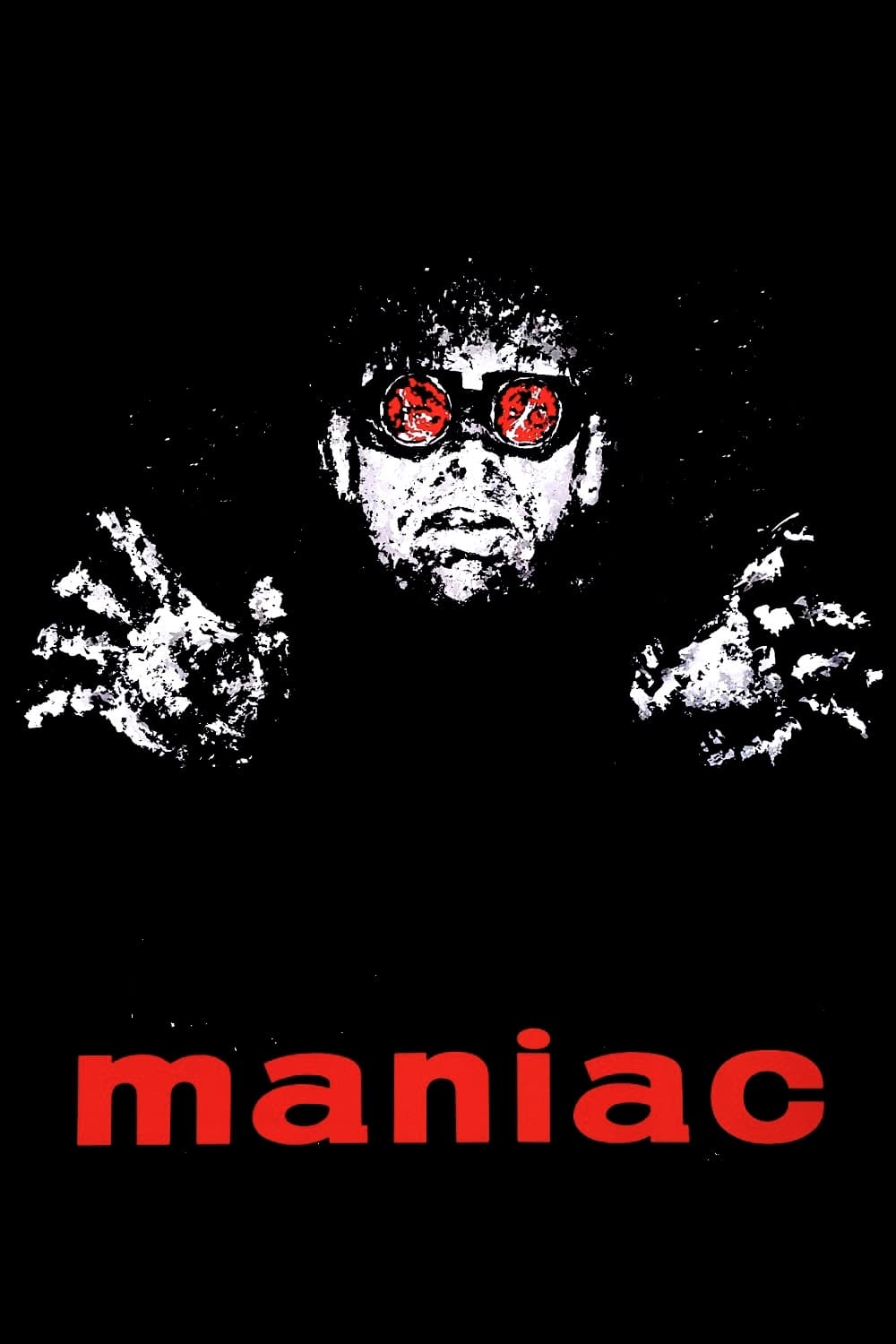
A man spends the night in the Chamber of Horrors of Madame Tussauds.
Social & External
The people behind it
Frank Stanmore
James Budgeforth
Elizabeth Hempel
Ninette
Leslie Holland
Deaf mute
Joan Maude
Reporter
Fanny Wright
Lecturer
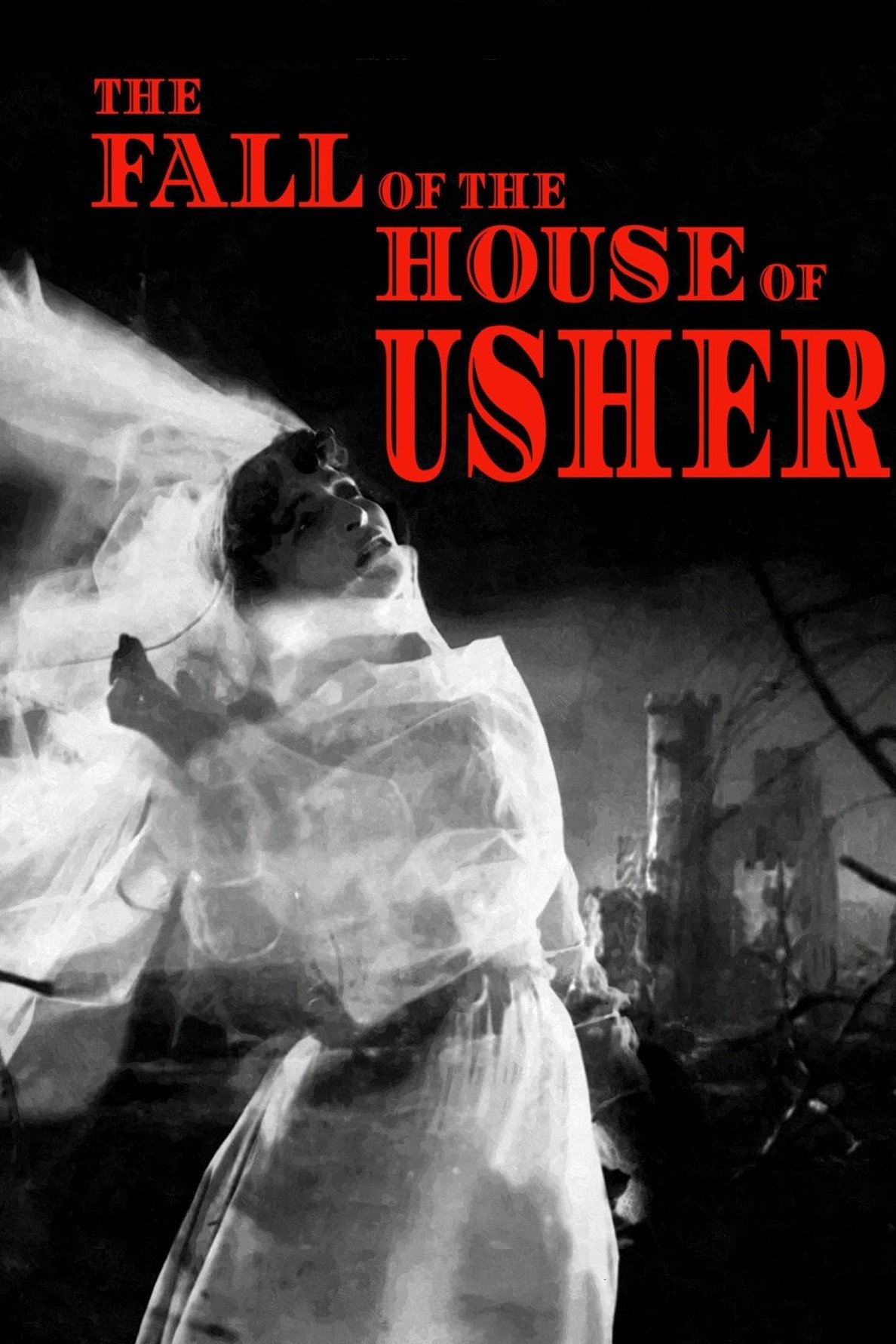
Convinced that his family is tainted by generations of evil, Roderick Usher is hellbent on stopping his sister Madeline’s wedding to prevent the cursed Usher bloodline from expanding. When her fiancé Allan arrives at the crumbling estate to claim his bride, Roderick goes to ruthless—even deadly—lengths to keep them apart.
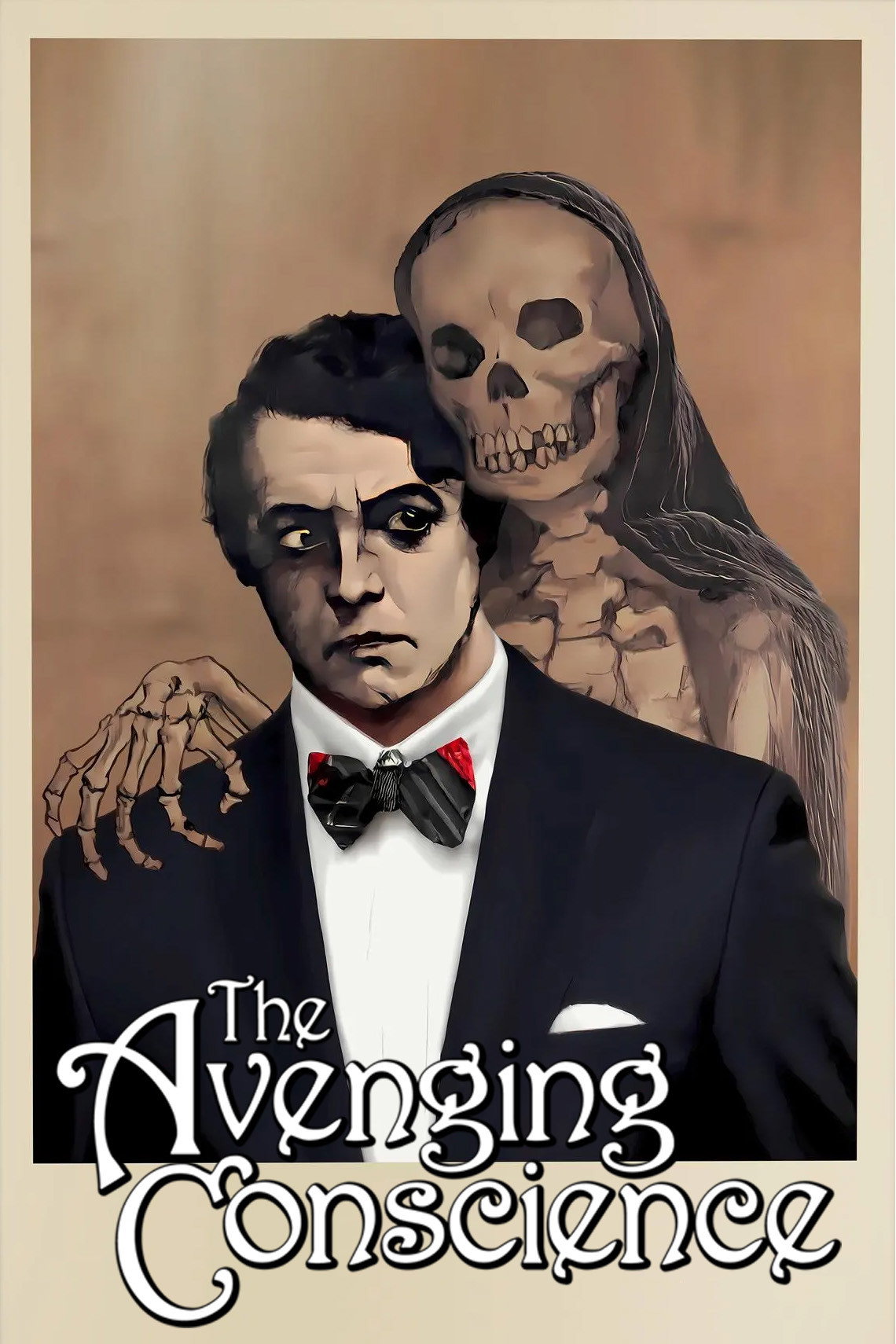
Thwarted by his despotic uncle from continuing his love affair, a young man's thoughts turn dark as he dwells on ways to deal with his uncle. Becoming convinced that murder is merely a natural part of life, he kills his uncle and hides the body. However, the man's conscience awakens; paranoia sets in and nightmarish visions begin to haunt him.
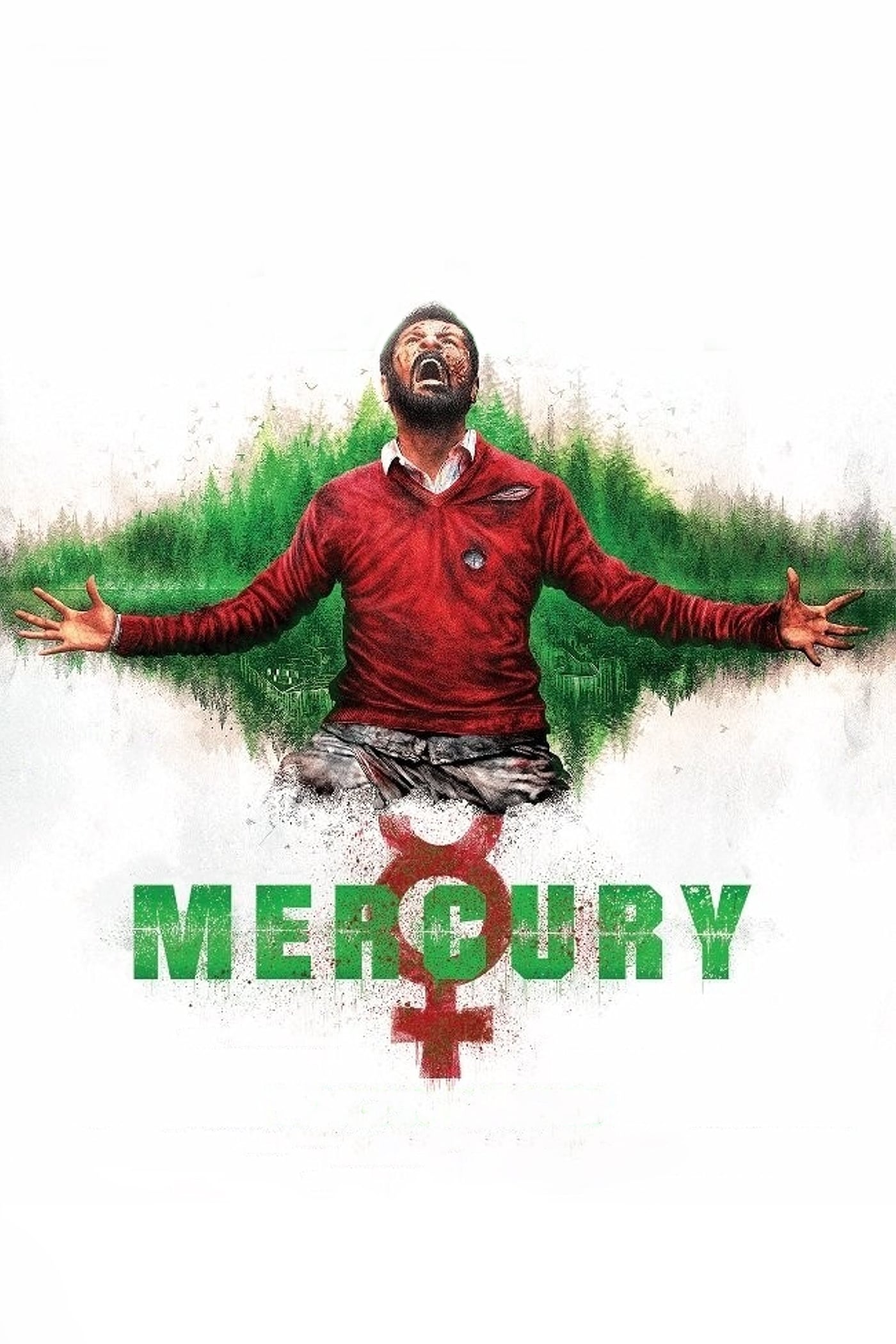
Five friends, all affected in some way by a mercury poisoning incident are partying when a freak accident put them on a collision course with an entity that is in no mood to forgive their misgivings.
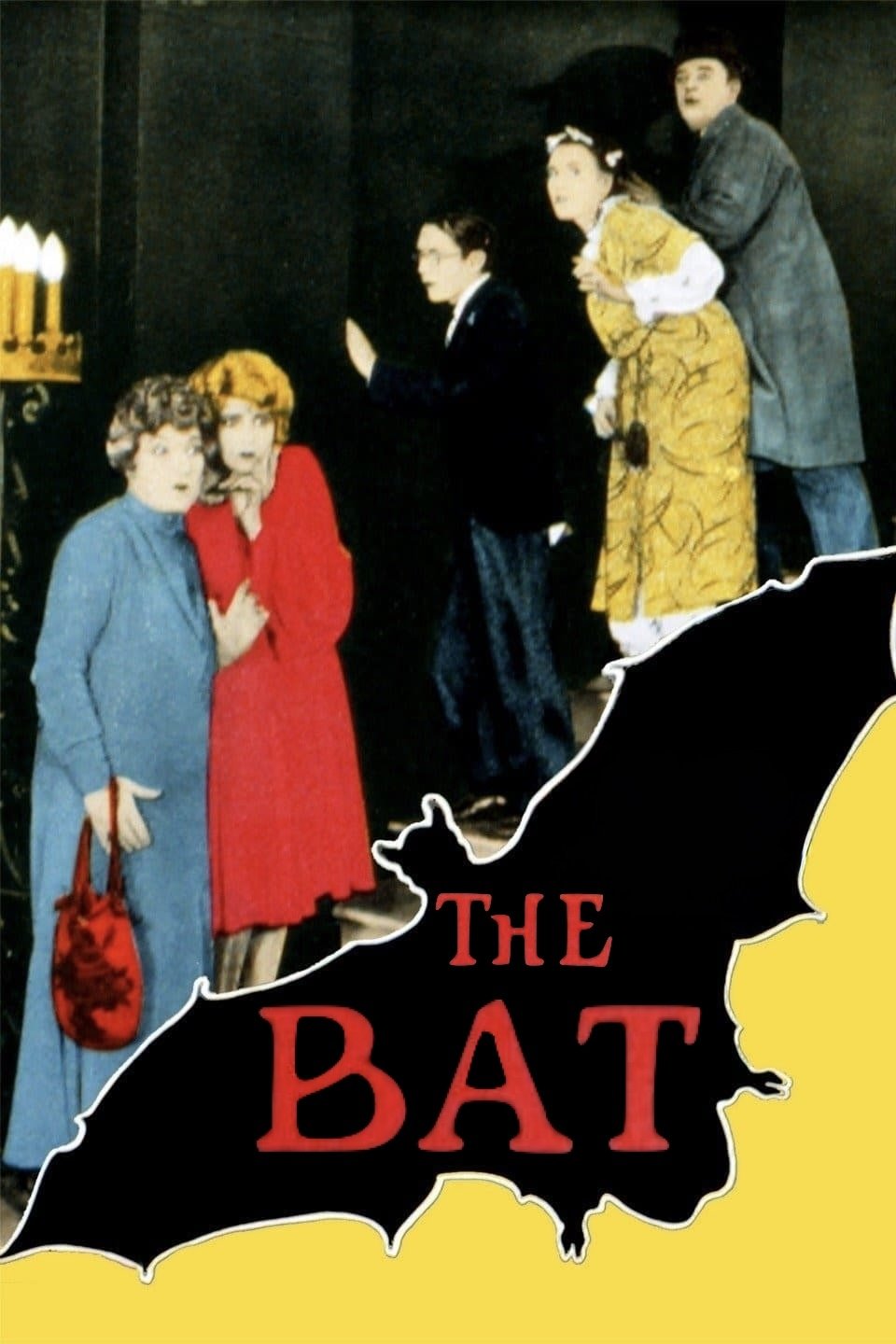
A masked criminal who dresses like a giant bat terrorizes the guests at an old house rented by a mystery writer.
A general store clerk and aspiring detective investigates a mysterious disappearance that took place quite close to an empty insane asylum.
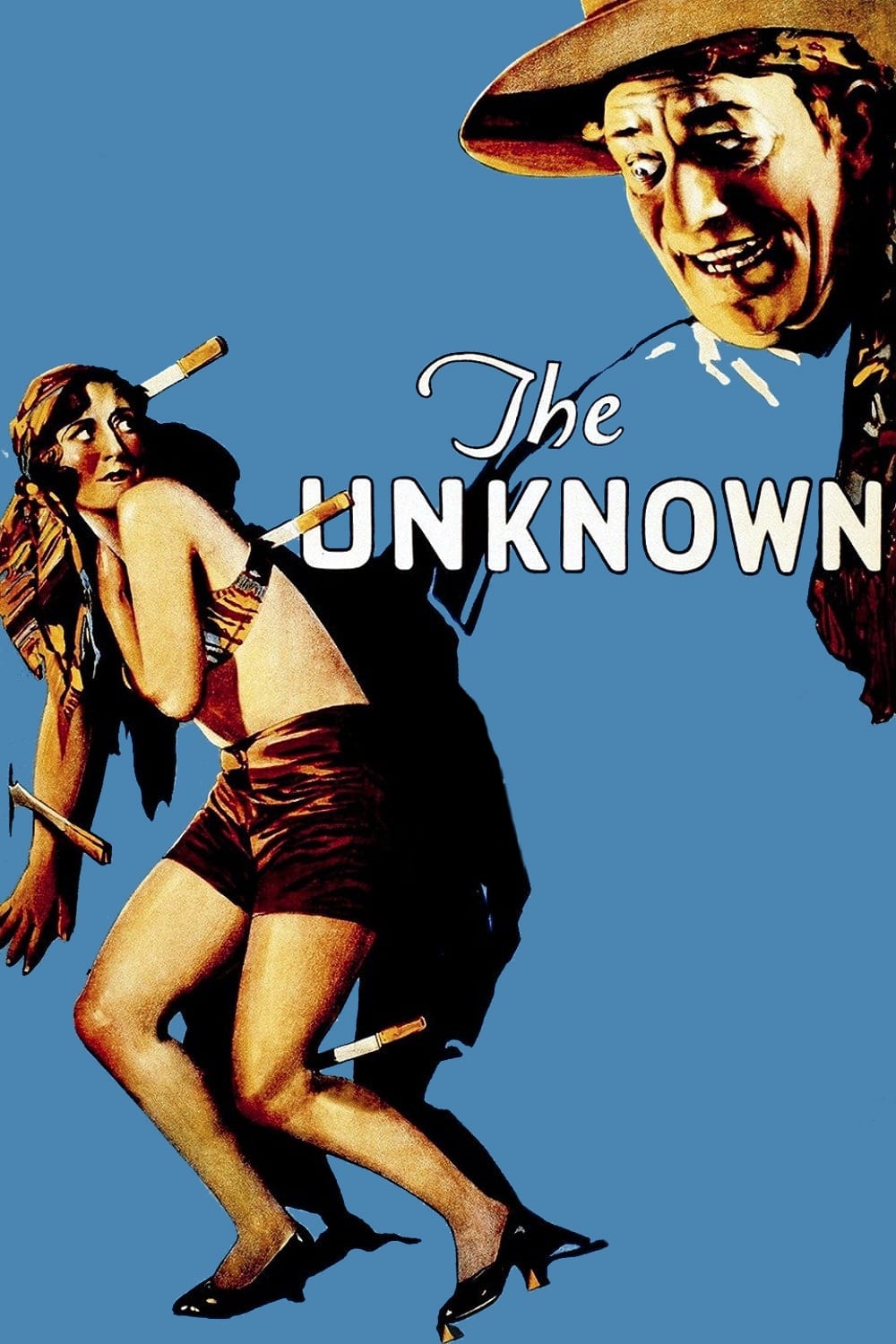
On the lam, criminal Alonzo hides in the circus as The Armless Wonder—a performer who uses his feet to hurl knives. Alonzo keeps the arms he really has concealed to hide his identity. Meanwhile, ringmaster's daughter Nanon has a phobia of being touched by men, but is romantically pursued by not only Alonzo but the strongman Malabar. Alonzo's desperation to remain with Nanon will only end in tragedy.
Chaney plays two roles: mad scientist Arthur Lamb and Lamb's "experiment", known only as the Ape Man. This hideous creature was the result of Lamb's attempts to transplant animal glands into human beings. A lost film.
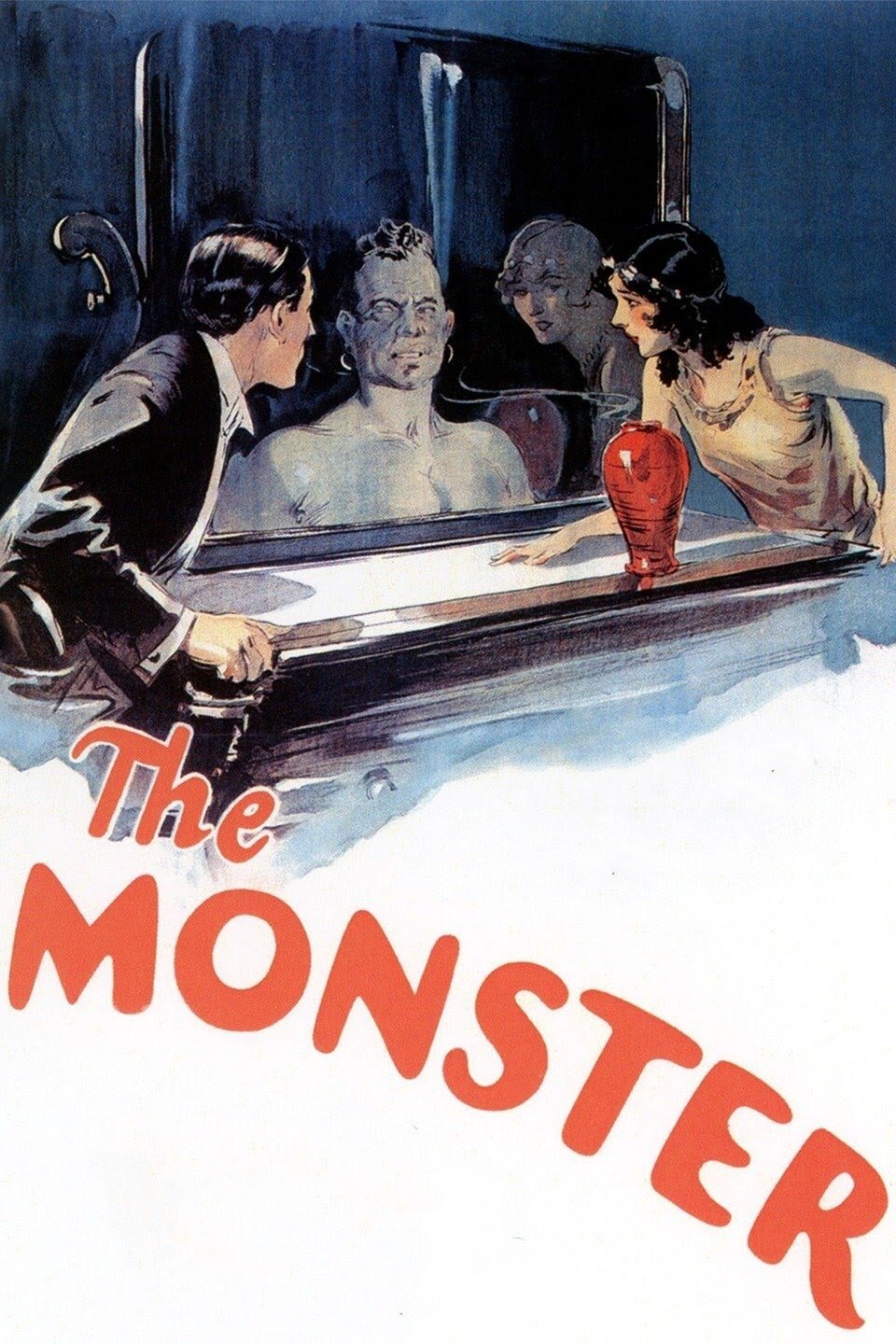
When a sculptor falls in love with his model but finds his love unrequited, he plans to kill his love rival with the help of the owner of a Horror Wax museum. The film is considered lost.
Gerald Stanley (John Gilbert) is an English gentleman who is engaged to Beatrice Joyce (Alma Frances). But Stanley's personality changes whenever he drinks, and his brother (who also loves Beatrice) uses this to his advantage.
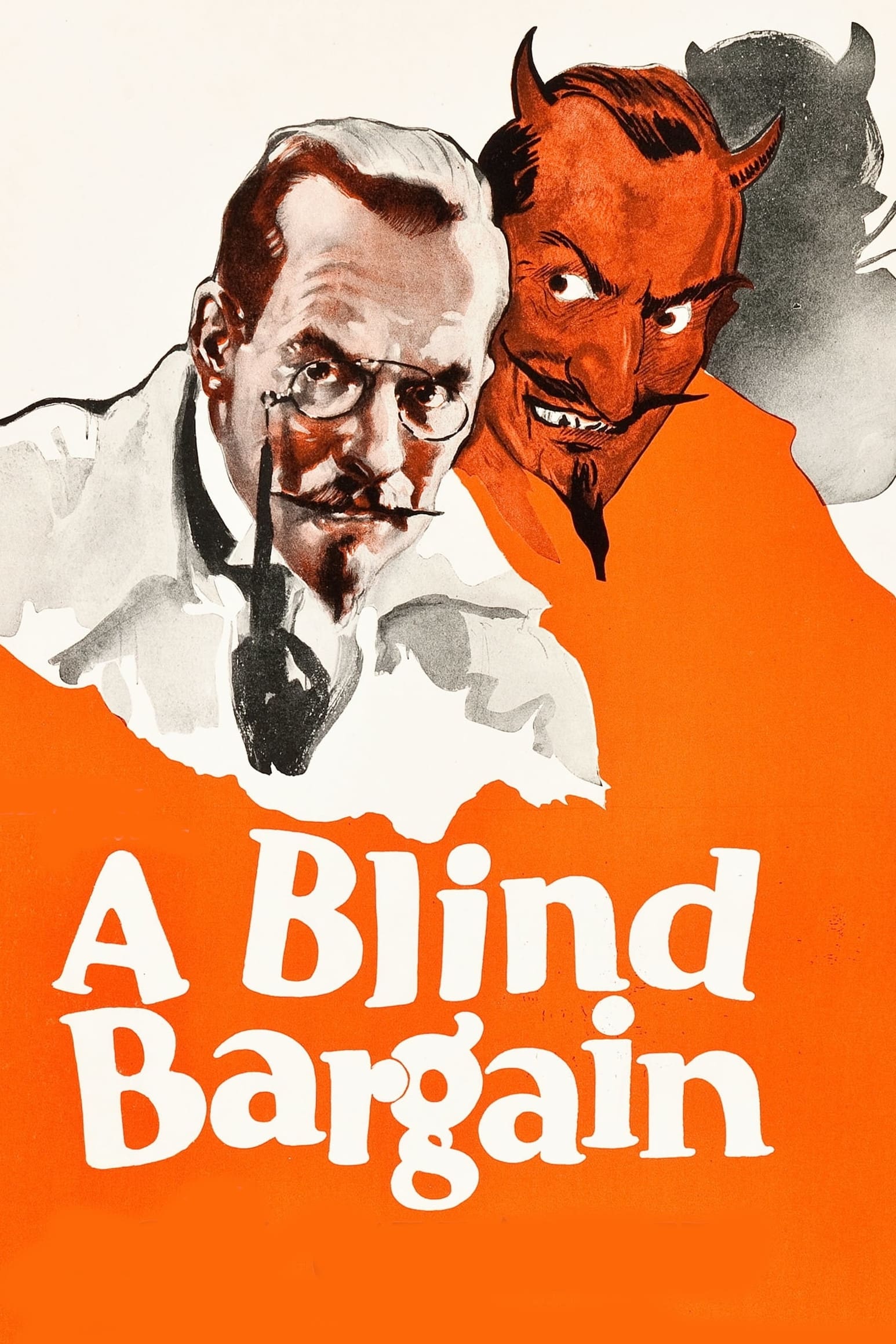
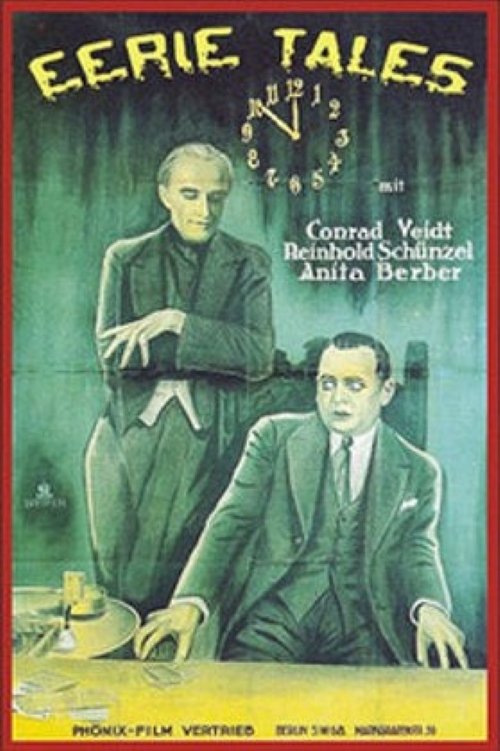
A demon, a reaper, and the ghost of a prostitute read gothic short stories and act them out.
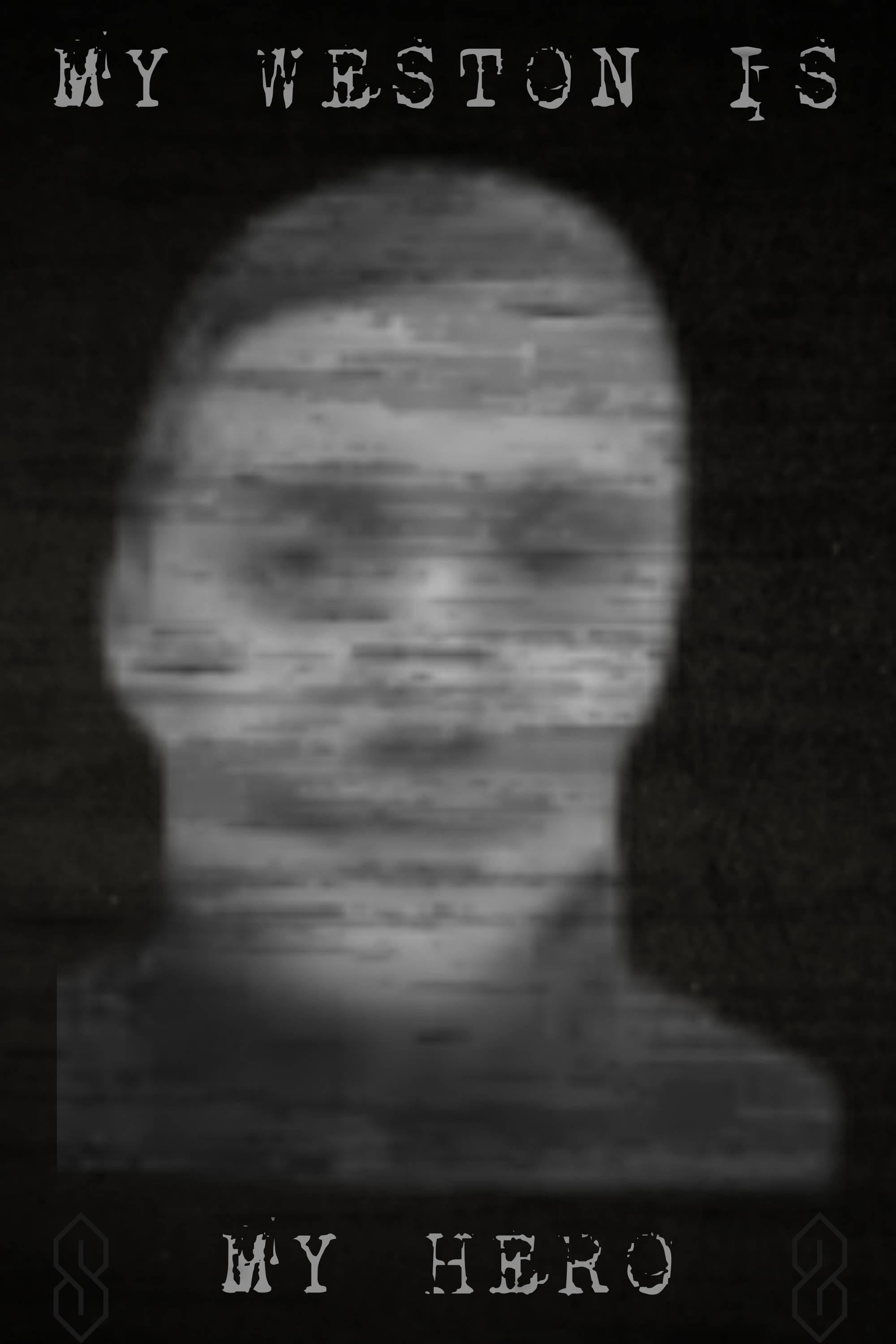
The final days before Weston mysteriously snaps and goes insane.
A reel of the Noh drama Momiji-gari, in which Danjuro Ichikawa played opposite Onoe Kikugoro V as an ogress who has disguised herself as the Princess Sarashina. Filmed by Shibata Tsunekichi in the open air on a windy day in November 1899, Danjuro would allow only the one take, so that when his fan blew away in mid-performance the scene had to stay. The film re-emerged at the Kikikan theatre in 1907 where it was a great success and inspired a wave of fiction filmmaking based on traditional Japanese narratives.
One of the two earliest horror films ever made. This film is presumed lost.
One of the two earliest horror films ever made. This film is presumed lost. In this black comedy scene, the bottom falls out of a coffin, the corpse tumble out, and is jolted back to life. Short sequences like this, as well as street scenes and dancing geisha girls were the main subjects of early Nippon cinema, pioneered by Shiro Asano and Shibata Tsunekichi from 1897 onwards. In creating dramatic, scenes, film-makers naturally chose the most striking or bizarre. Another undocumented film, recalled by cameraman Shiro Asano.
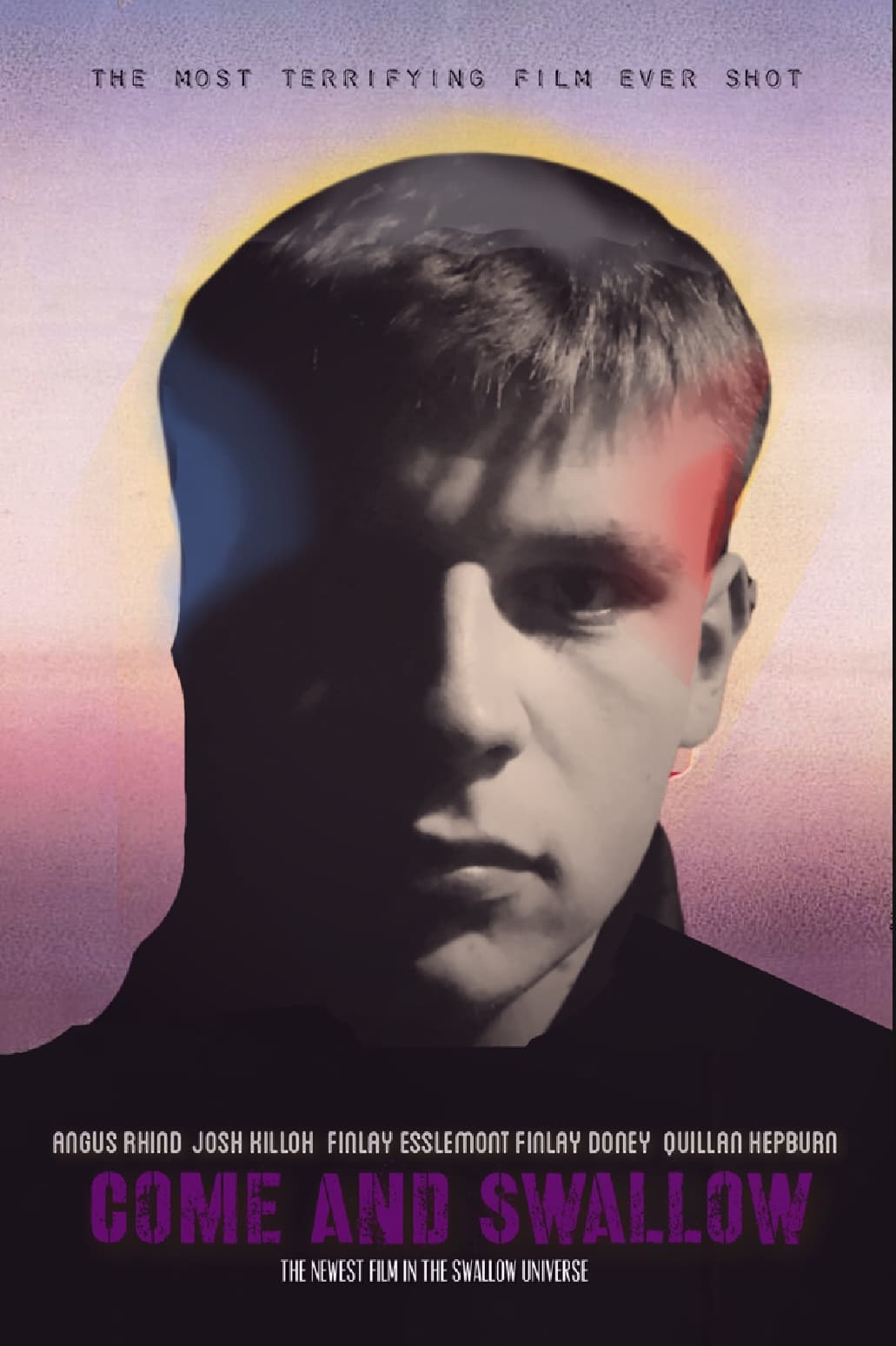
Come and Swallow is the newest film in the big swallow universe. Being a piss take on the original “The Big Swallow (1901)” and “Come and See (1985)”. When the young boy (Josh Killoh) has his village burned down and destroyed by an army of troops, a few soldiers (Angus Rhind, Finlay Doney and Quillan Hepburn) pose to take a photo with the boy. As the camera man (Finlay Esslemont) prepares to take the photo, the boy suddenly decides that he has had enough of this tyranny and swallows all the soldiers.
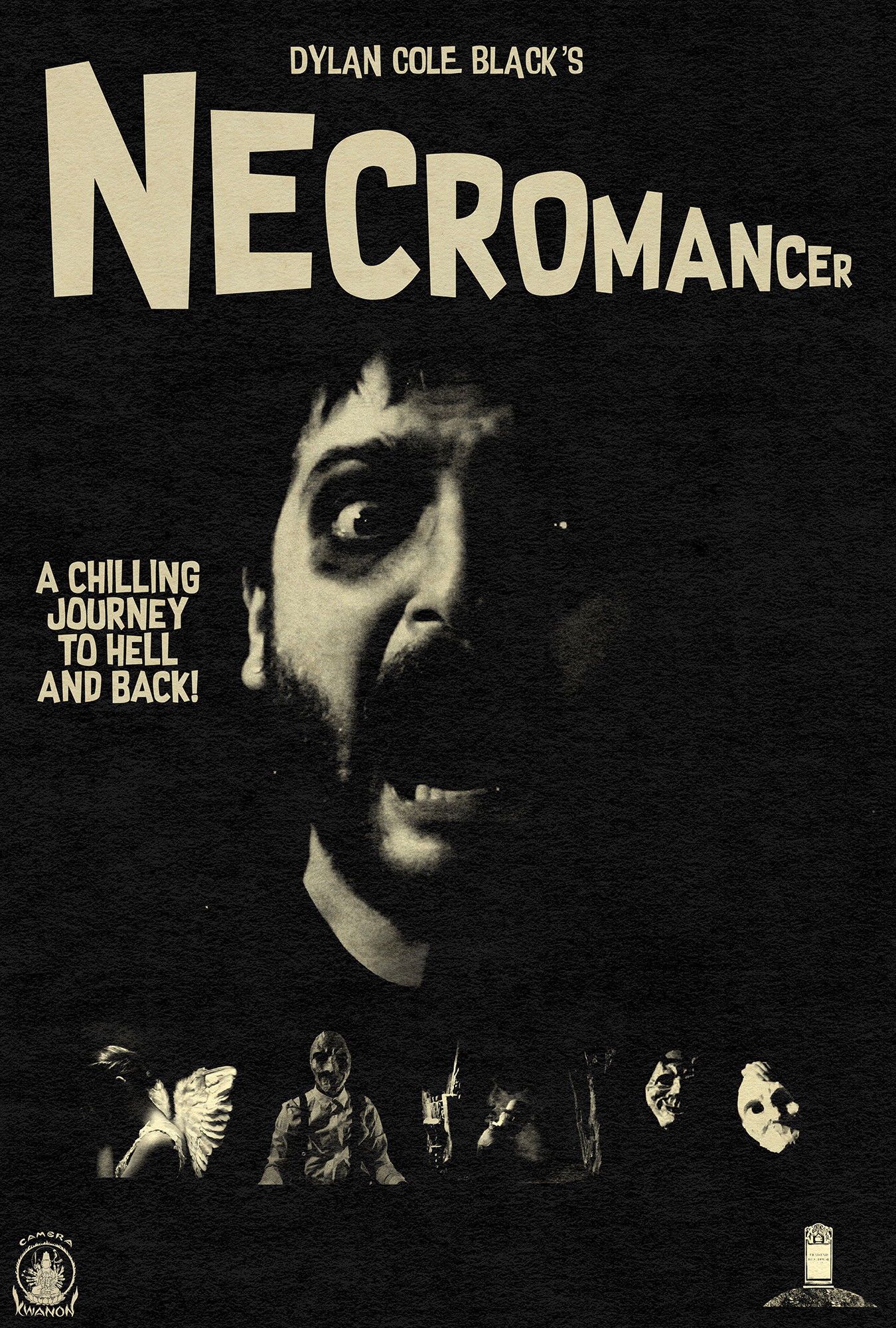
The Necromancer flees in fear... and spirits wait for him.
A surrealist silent film found on a mysterious VHS tape explores the depths of life, death, and grief as a woman attends a ghoulish funeral.
As a practical joke, an actor impersonates the screen monster he made famous. A lost film.
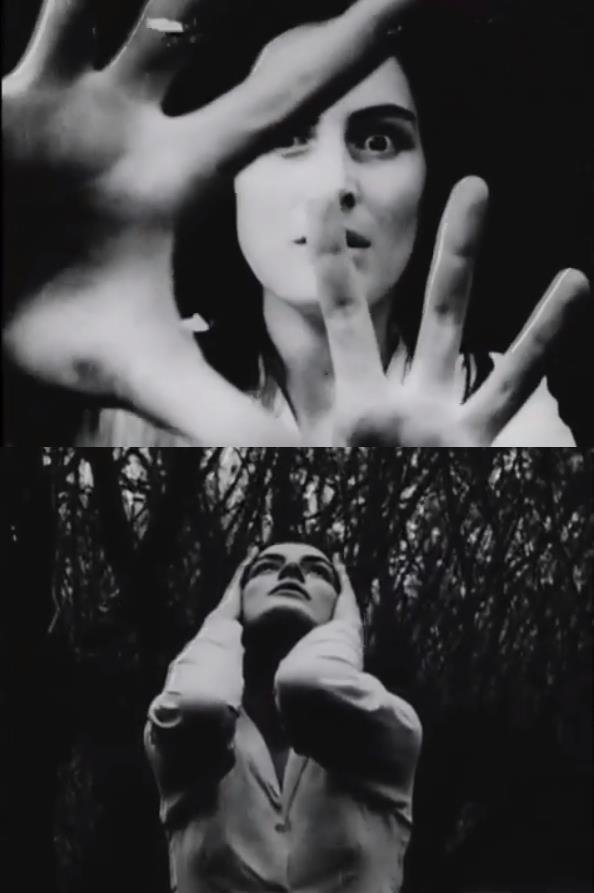
A distressed young woman, possibly on the run is surrounded by nothing but barren landscapes of forests and fields. As she progresses to an indiscernible denouement, the film contorts shape into a circular series of pulsating images that touches on the horror and the metaphysical.
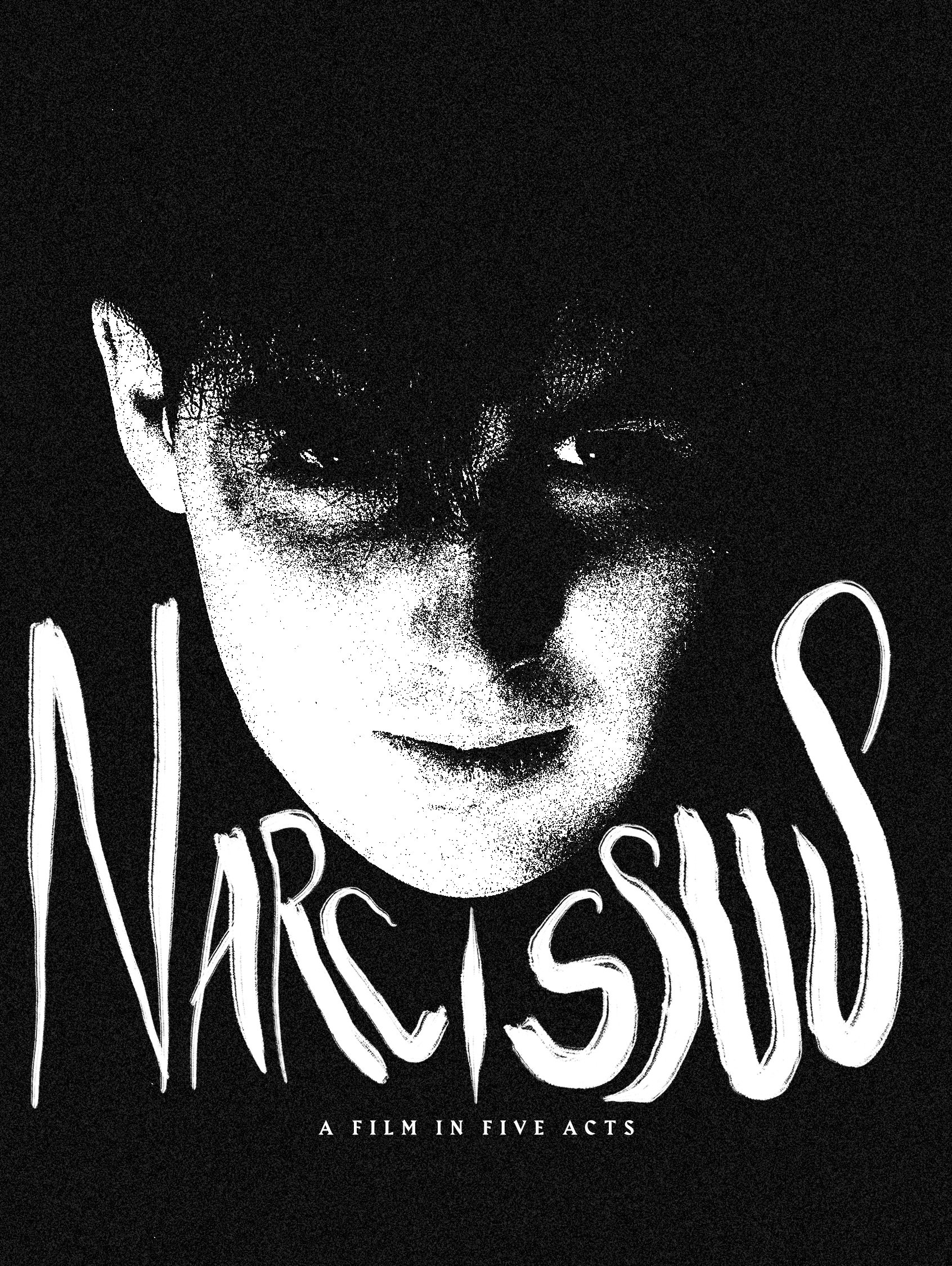
A young man becomes obsessed with his new neighbour.
Young Macy is abducted by a deranged, monstrous figure who wants to raise her as its child.
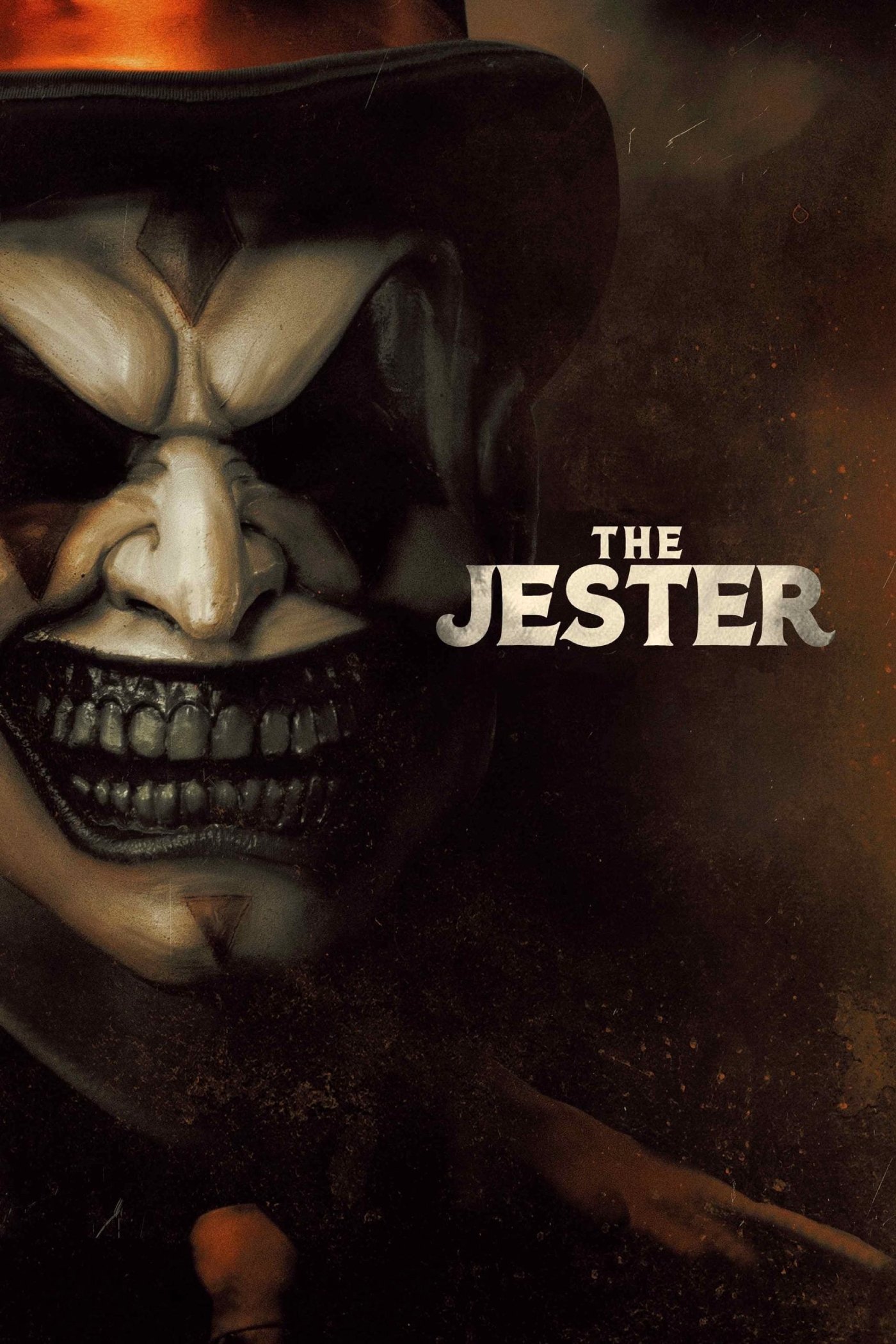
A malevolent being known as The Jester terrorizes the inhabitants of a small town on Halloween night, including two estranged sisters who must come together to find a way to defeat this evil entity.
A group of old college friends reunite on a Caribbean scuba diving trip exploring the wreckage of a WWII battleship and find themselves trapped inside the underwater labyrinth of rusted metal surrounded by great white sharks.
Unable to conceive, a couple seeks to build a family with a young orphan, survivor of tragic childhood. But their act of love turns to horror when they realize the violence in their foster's past has returned to destroy the new family.
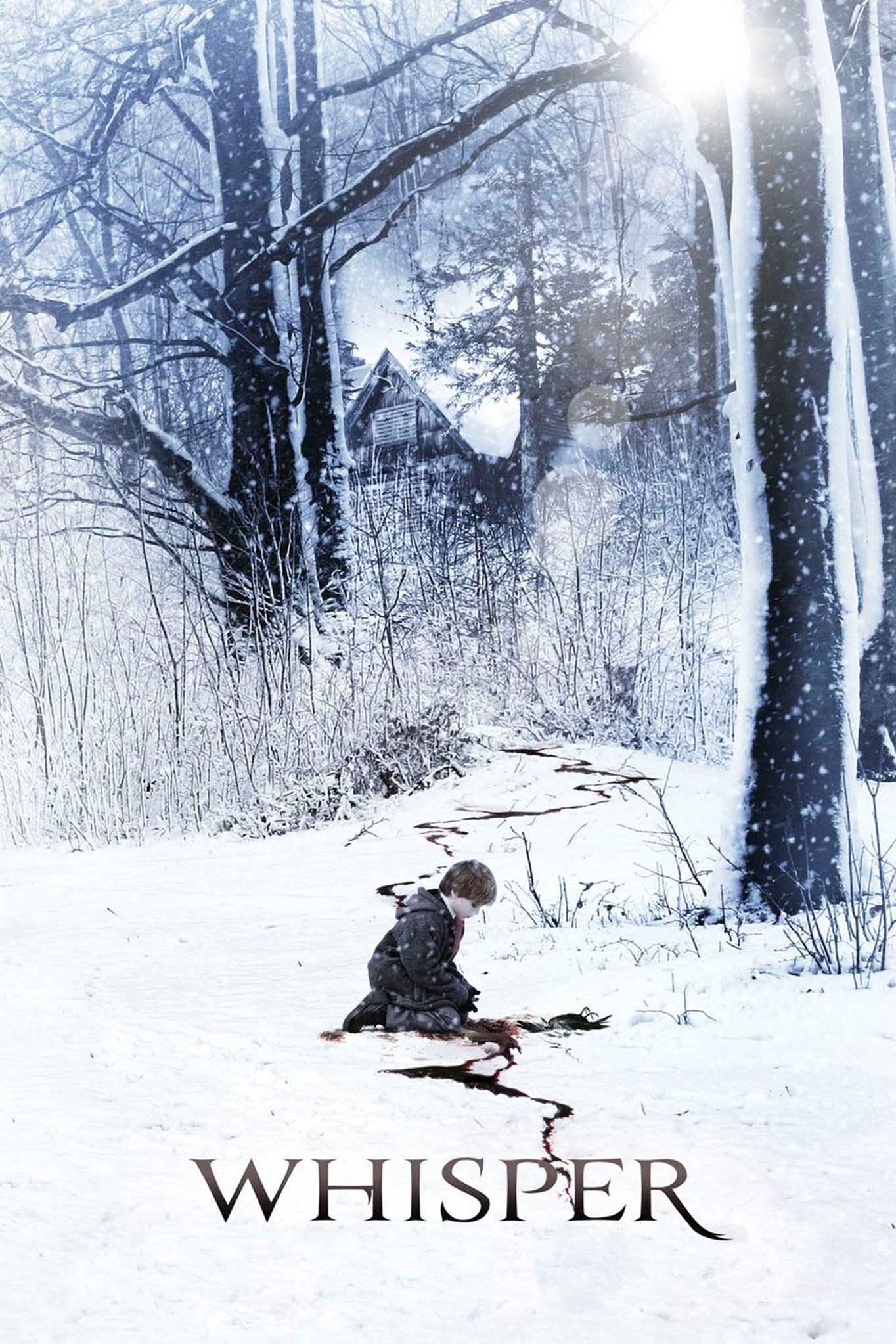
Sinister things begin happening to kidnappers who are holding a young boy for ransom in a remote cabin.
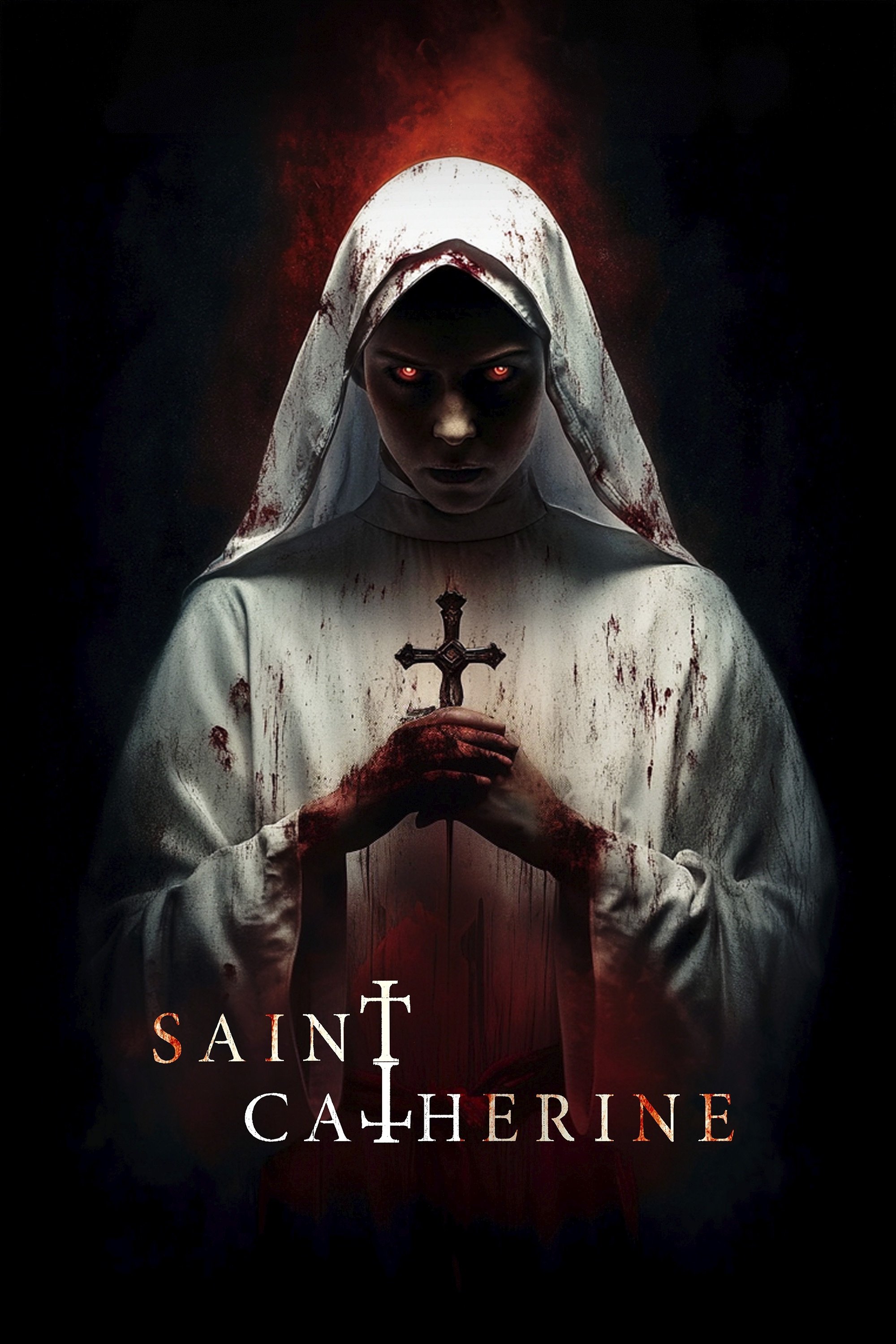
An orphaned girl is rescued from a satanic ritual and taken to Saint Catherine Institute for homeless youth. There she will learn new skills while facing demons that stalk her.
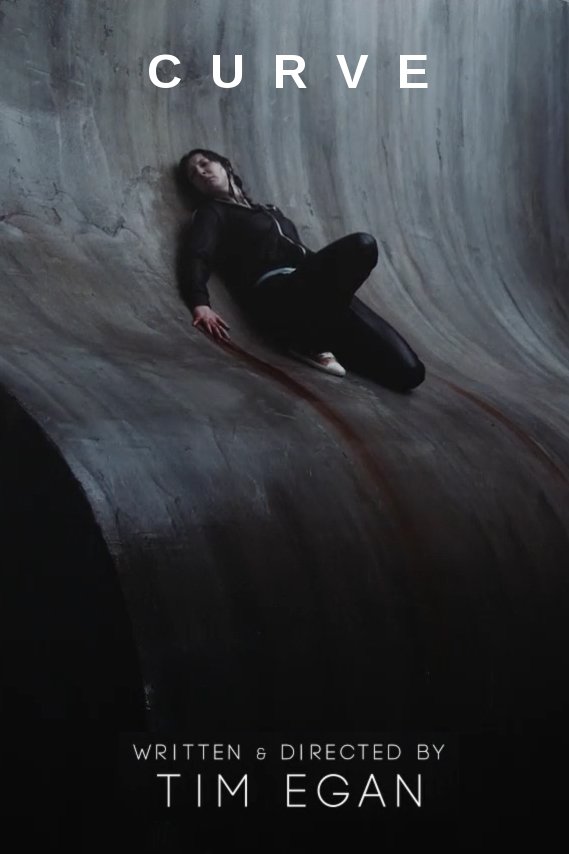
Clinging to a smooth, curved surface high above a sentient abyss, a woman tries to cover the few feet back to safety without losing purchase and falling to her death.
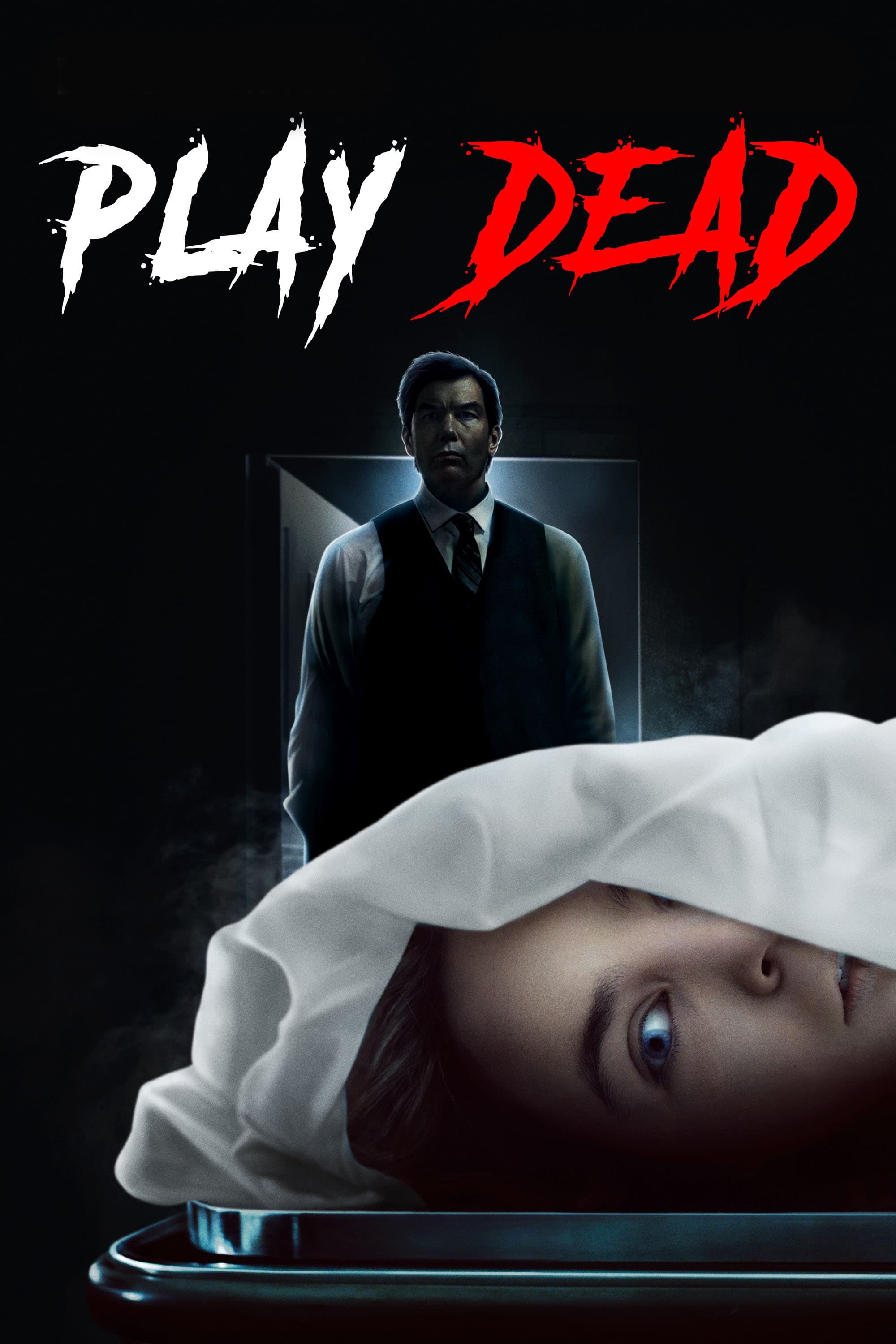
Criminology student Chloe fakes her own death to break into a morgue, in order to retrieve a piece of evidence that ties her younger brother to a crime gone wrong. Once inside, she discovers that a sadistic coroner is using the corpses for his sick and twisted business, and when he realises that Chloe still has a pulse, a terrifying game of cat and mouse ensues.
A woman wakes up injured in a basement surrounded by corpses. To survive, she pretends to be dead while a grotesque ritual unfolds in the house above.
After her twin sister Aubrey goes missing, Jennifer uncovers the scandalous, secret double-life that Aubrey leads - and that has put both of them in danger.
When Polly receives a mysterious box, it comes with one rule: place inside something she needs, something she hates, and something she loves. If she doesn’t obey, it will consume everything—and everyone—she’s ever known.
Still reeling from the tragic death of their mother, a teenage girl and her younger sister find themselves plagued by a sadistic presence in their house and struggle to get their grieving father to pay attention before it’s too late.
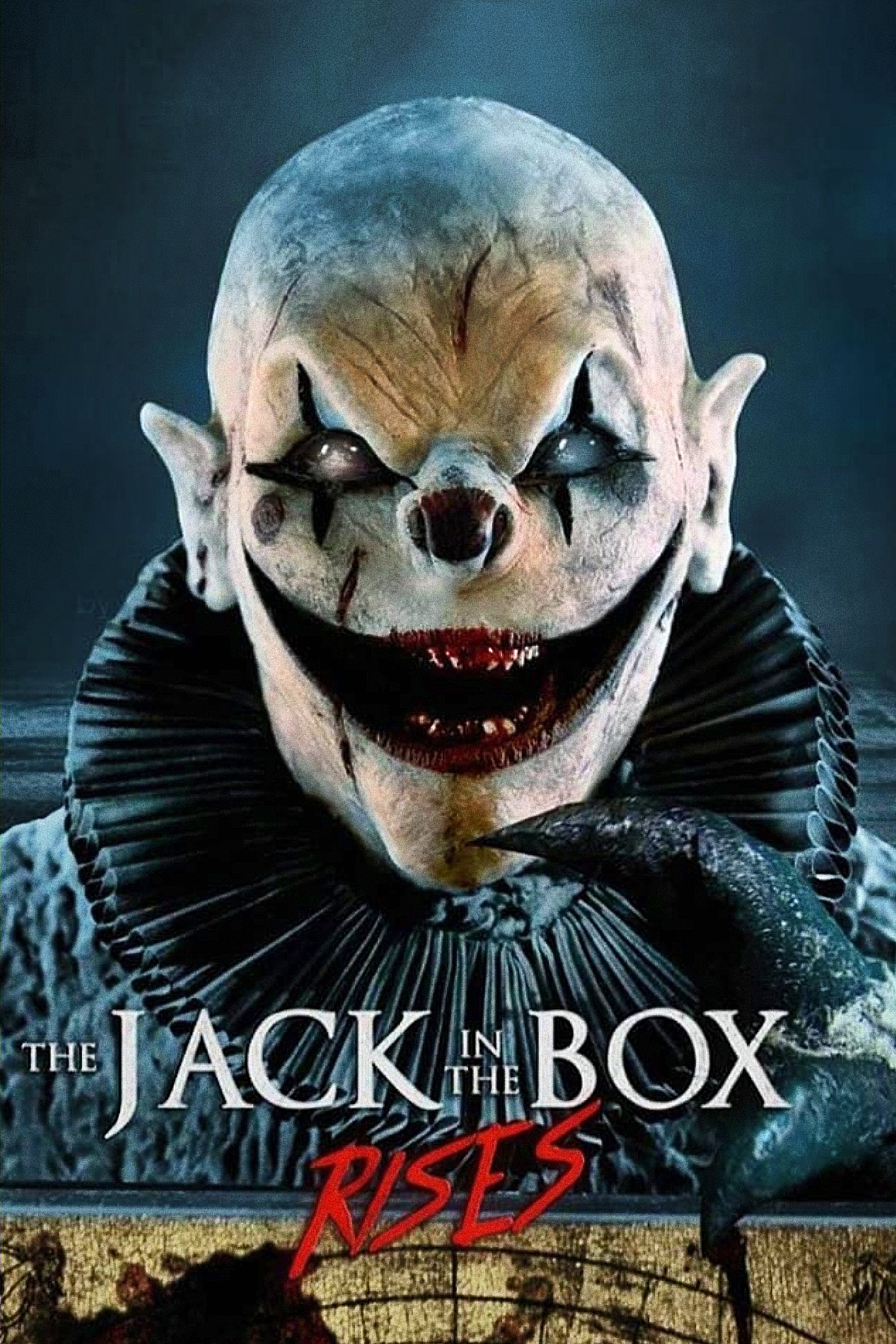
When a creepy Jack-in-the-Box is discovered and opened on the grounds of an exclusive girls' school, six brave students soon enter a fight to the finish against the unleashed demon.
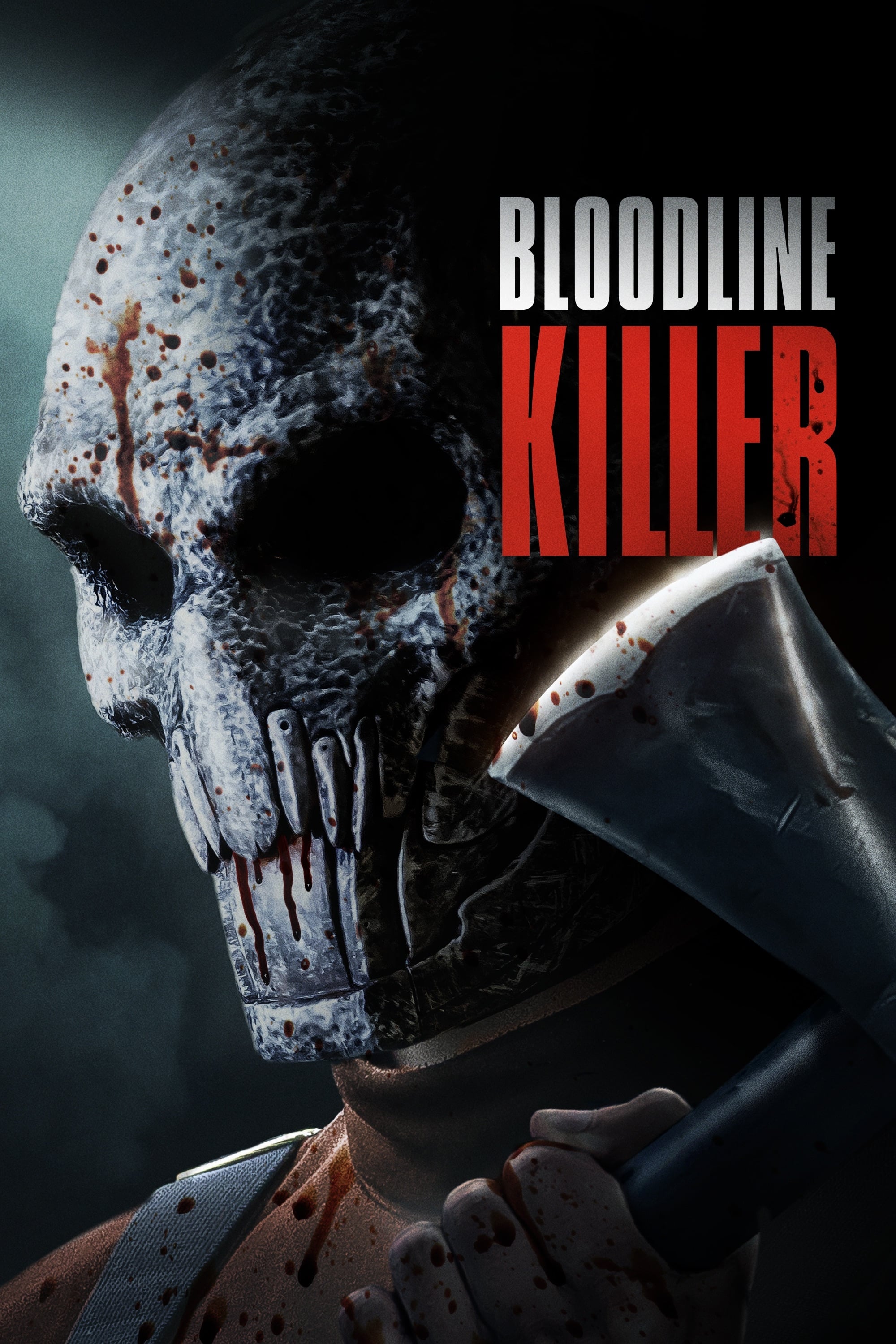
Moira Cole endeavors to rebuild her shattered life after her family's murder at the hands of her deranged and obsessed cousin.
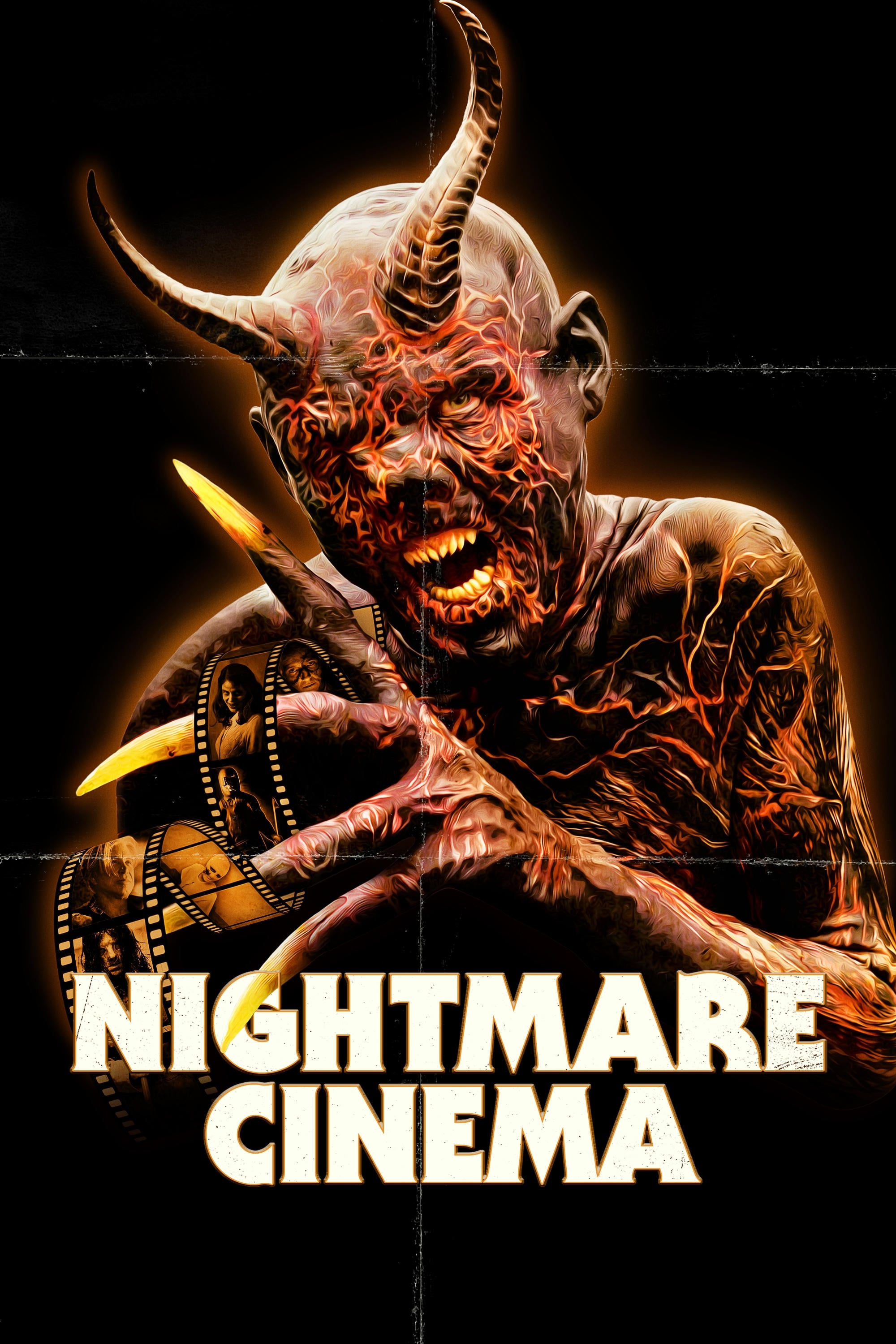
A series of down-on-their-luck individuals enter the decrepit and spine-chilling Rialto theater, only to have their deepest and darkest fears brought to life on the silver screen by The Projectionist – a mysterious, ghostly figure who holds the nightmarish futures of all who attend his screenings.
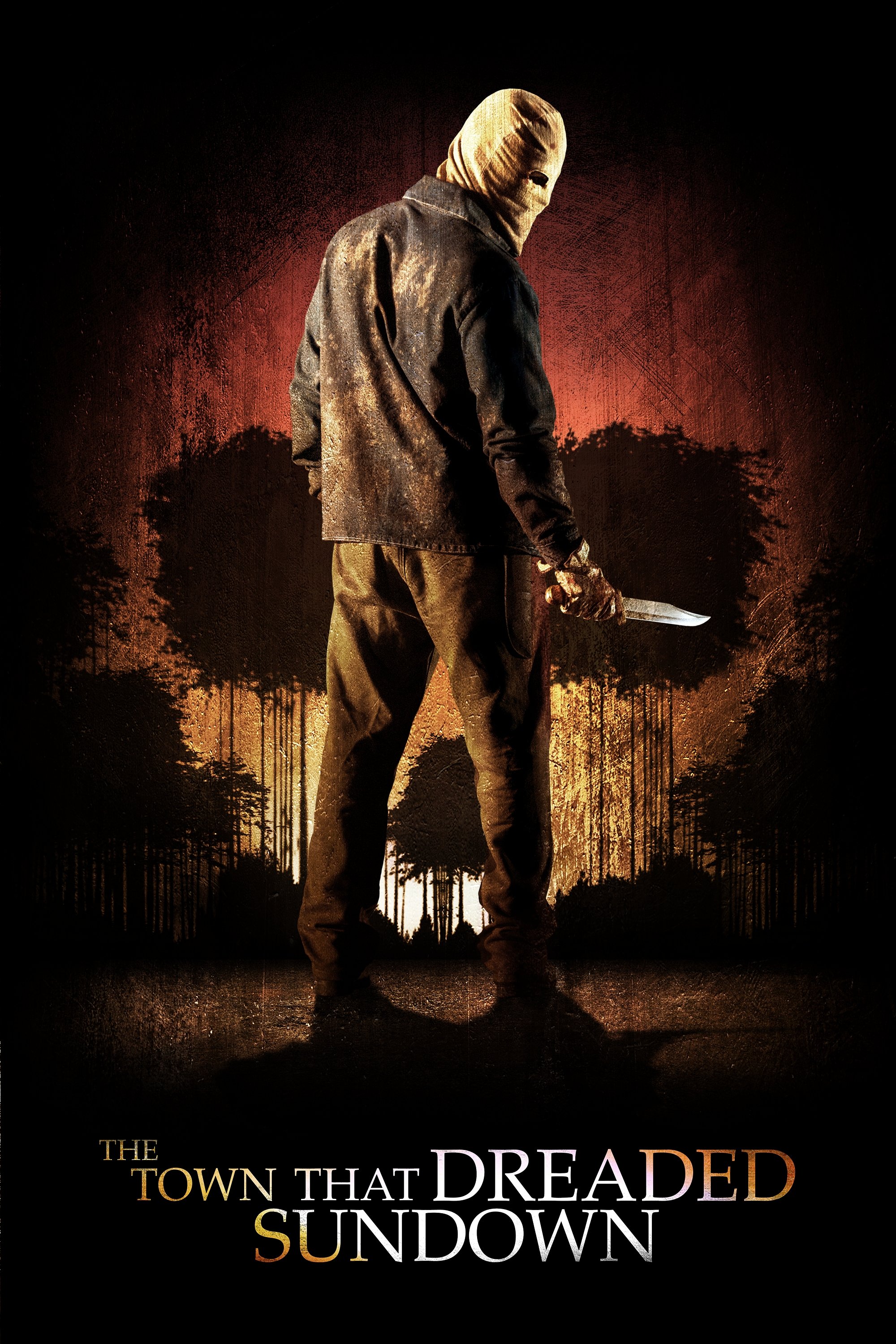
A masked maniac terrorizes the same small community where a murderer known as the Phantom Killer struck decades earlier.
When a stranger enters a quiet, country town and is seduced by a sensuous married woman he unwittingly finds himself at the centre of a storm of sexual guilt and murder.
After the discovery of a mysterious VHS tape, a brutish police SWAT team launches a high-intensity raid on a remote warehouse, only to discover a sinister cult compound whose collection of pre-recorded material uncovers a nightmarish conspiracy.
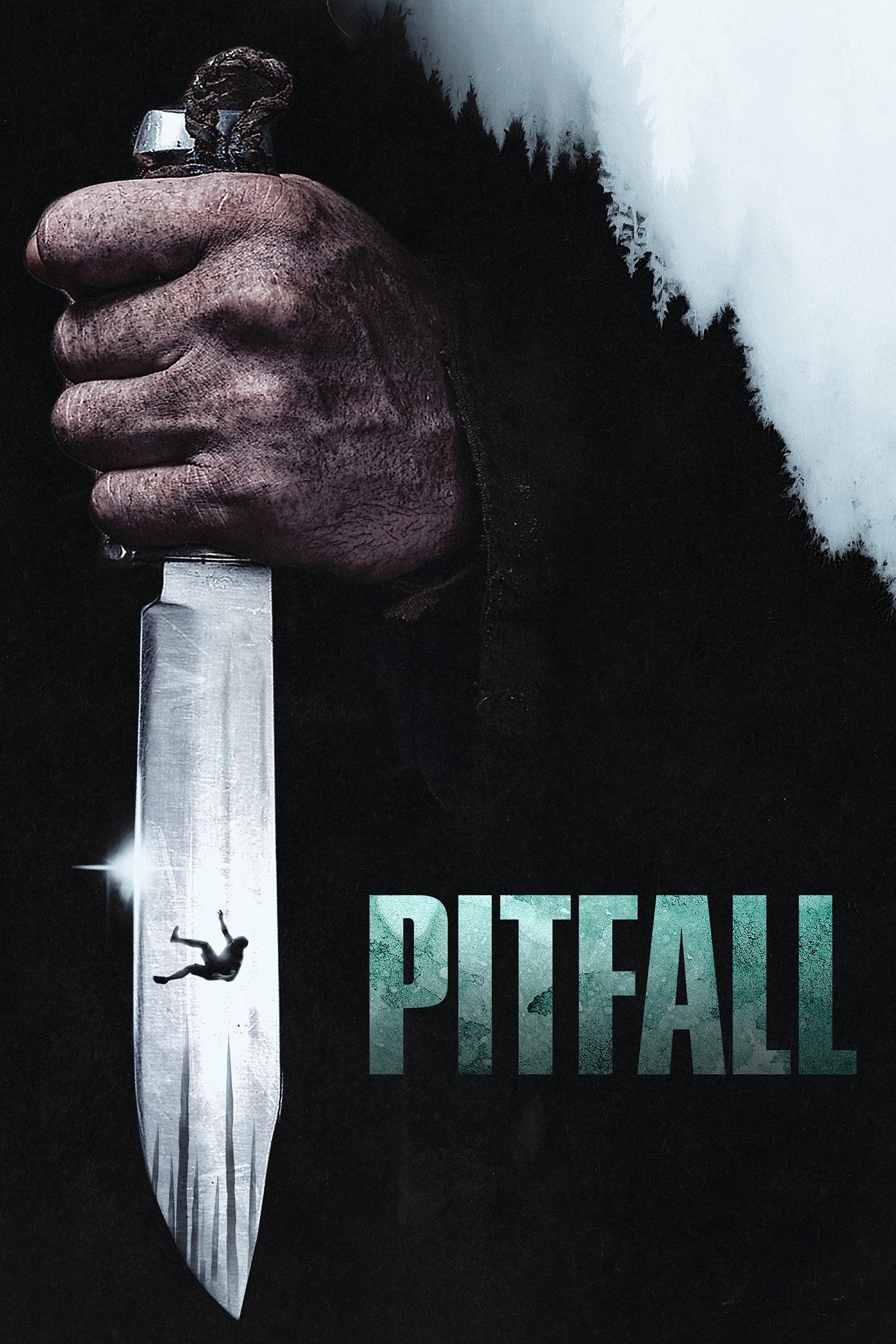
After a young man is separated from his friends in the woods, he falls into a ten-foot deep pit of spikes, impaling him through his leg and leaving him trapped. He quickly learns that his fall was not an accident.
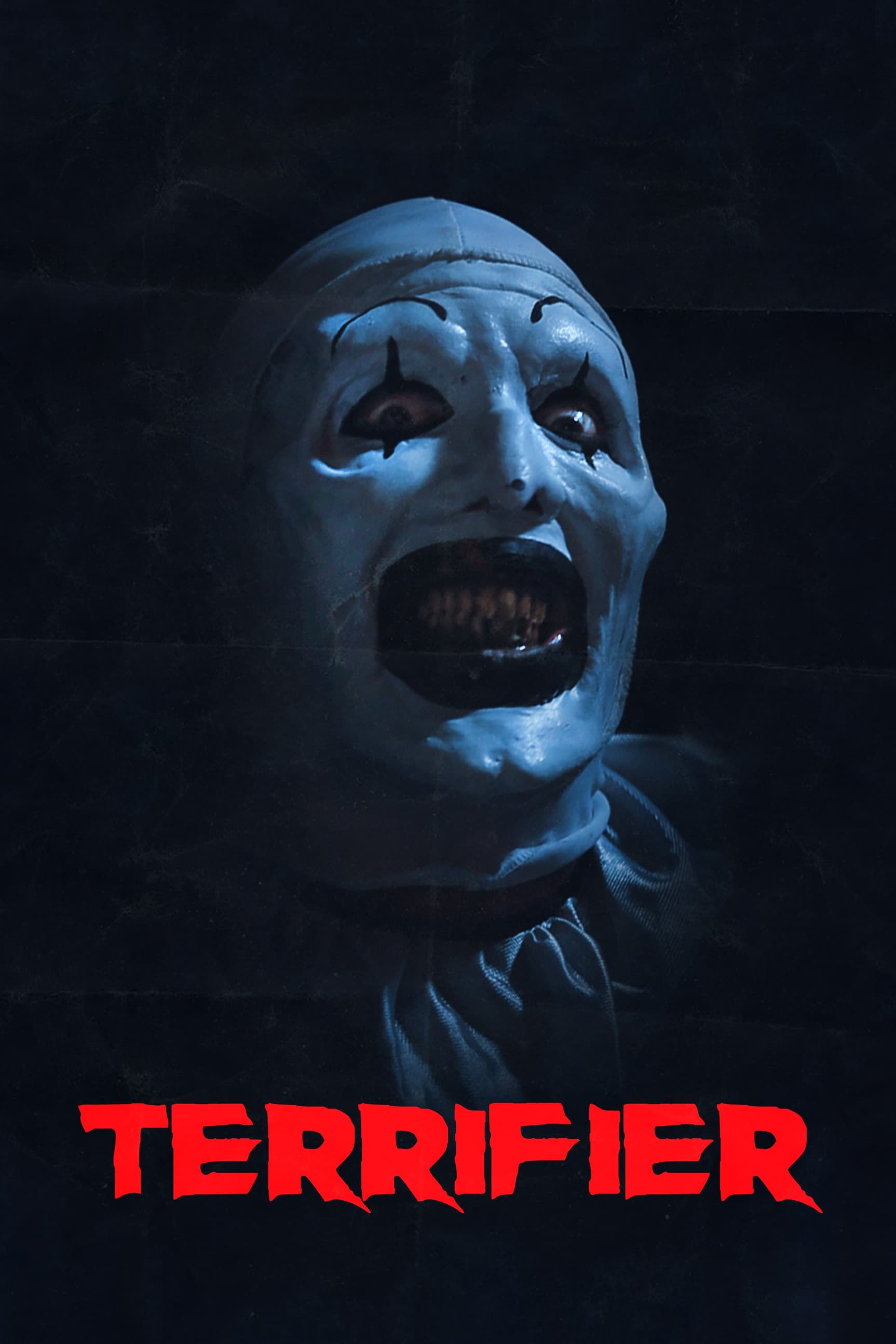
After witnessing a brutal murder on Halloween night, a young woman becomes the next target of a maniacal entity.