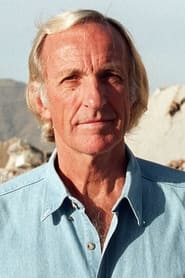
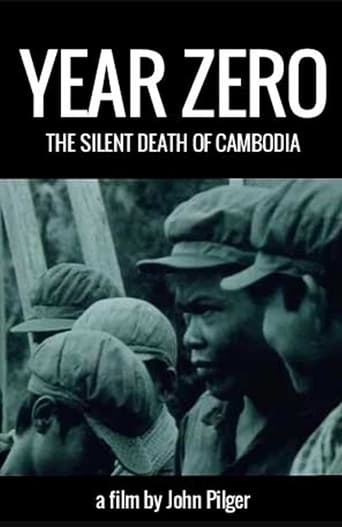
John Pilger shows how the UN has allowed the Khmer Rouge to grow stronger.
Social & External
The people behind it
John Pilger
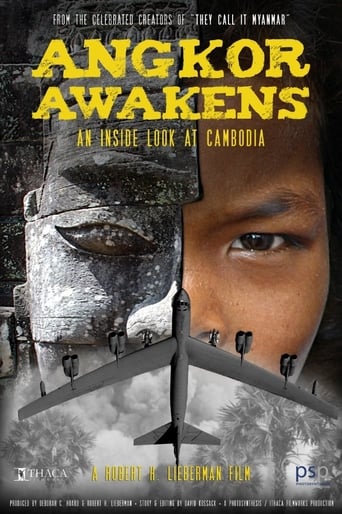
The film, shot at the end of 1991 at the time of Norodom Sihanouk's return to Cambodia, questions the Cambodian people and explores the horrors and effects of the Khmer Rouge on them and what future they may look forward to
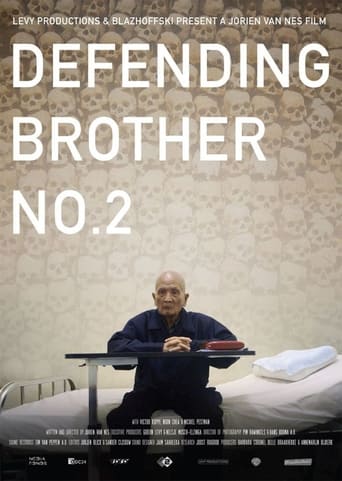
Two Dutch lawyers, Michiel Pestman and Victor Koppe, travel to Cambodia in 2011 to defend Nuon Chea in an international tribunal. Nuon Chea, also known as Brother No. 2, was the second man after Pol Pot in the Khmer Rouge regime. He is being charged with mass murder and crimes against humanity. For four years, the documentary follows the lawyers in their attempt to give this man a fair trial, but the UN tribunal is beset by local interests and a government which consists partly of other former members of the Khmer Rouge who would really like all of the blame to rest solely on the defendant. What should've been the crowning achievement in the careers of the lawyers turns out very different.
In search of the lucrative matsutake mushroom, two former soldiers discover the means to gradually heal their wounds of war. Roger, a self-described 'fall-down drunk' and sniper in Vietnam, and Kouy, a Cambodian refugee who fought the Khmer Rouge, bonded in the bustling tent-city known as Mushroom Camp, which pops up each autumn in the Oregon woods. Their friendship became an adoptive family; according to a Cambodian custom, if you lose your family like Kouy, you must rebuilt it anew. Now, however, this new family could be lost. Roger's health is declining and trauma flashbacks rack his mind; Kouy gently aids his family before the snow falls and the hunting season ends, signaling his time to leave.
Documentary of the S-21 genocide prison in Phnom Penh with interviews of prisoners and guards. On the search for reasons why this could have happened.
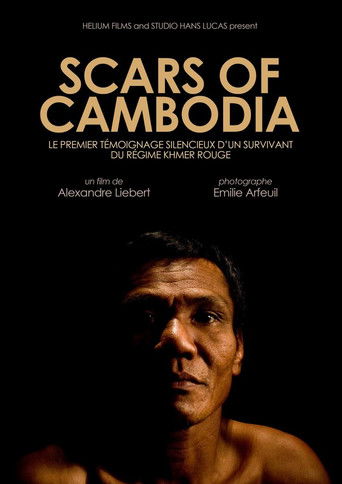
Tut is a 52-year-old fisherman living in Kampot. In spite of the language barrier, he recounts for the first time and without any words his past during the Khmer Rouge regime, demonstrating the torture he experienced in prison the year he turned fifteen.
My mother always refused to speak about her childhood during the Cambodian genocide. Upset by her silence, my brother and I decide to follow Antoine, a grandson of Armenian genocide survivors, photographing the ghosts of his ancestors in the Middle East.
A moving psychological portrait of Cambodia decades after a devastating genocide, examining how baksbat (Khmer for "broken courage") continues to impact modern Cambodia.
Through daily routines in a rural village, an indigenous elder couple recall their strange marriage to their grand-daughter, and sometimes to each other, in the changing rhythm of nature around them.
1989. An examination of how the UN protected and revitalised the Khmer Rouge.
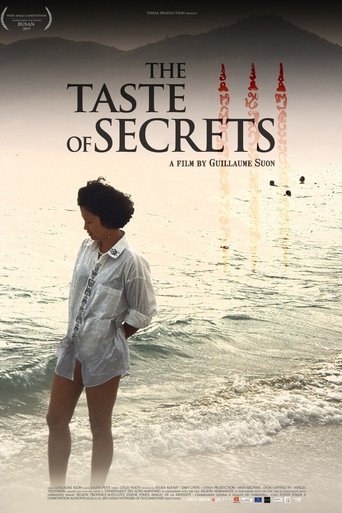
Based upon documentation of forced confessions made during the Khmer Rouge era in Cambodia, this film reconstructs the relationship of a young woman, Hout Bophana, and Ly Sitha before they were tortured in executed in 1977.
Documentary about Cambodia featuring a long interview with Pol Pot
The Khmer Rouge slaughtered nearly two million people in the late 1970s. Yet the Killing Fields of Cambodia remain unexplained. Until now. Enter Thet Sambath, an unassuming, yet cunning, investigative journalist who spends a decade of his life gaining the trust of the men and women who perpetrated the massacres. From the foot soldiers who slit throats to Pol Pot's right-hand man, the notorious Brother Number Two, Sambath records shocking testimony never before seen or heard. Having neglected his own family for years, Sambath's work comes at a price. But his is a personal mission. He lost his parents and his siblings in the Killing Fields. Amidst his journey to discover why his family died, we come to understand for the first time the real story of Cambodia's tragedy.
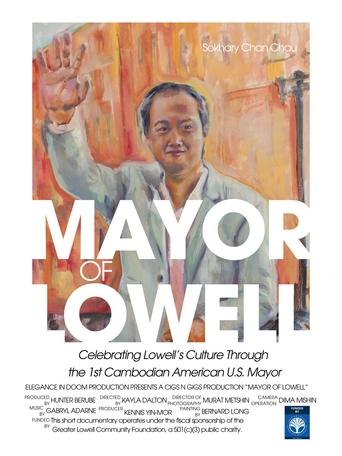
This short documentary chronicles the culture and arts of Cambodian Americans and the Lowell, MA community through the eyes of Sokhary Chau, the first Cambodian American Mayor in the United States. Chau immigrated to the U.S. at seven years old to escape the Khmer Rouge genocide. Through this unique story that showcases the best of Lowell—immigrant success, assimilation, history, and the development of the arts—we see a man born into a war-torn country who comes to America to be a first-in-the-nation leader.
In okay bye-bye, so named for what Cambodian children shouted to the U.S. ambassador in 1975 as he took the last helicopter out of Phnom Phenh in advance of the Khmer Rouge, Rebecca Baron explores the relationship of history to memory. She questions whether, "image and memory can occupy the same space." Building on excerpts from letters, found super-8 footage of an unidentified Cambodian man, iconographic photographs from the Vietnam War and other partial images, Baron combines epistolary narrative, memoir, journalism, and official histories to question whether something as monumental as the genocidal slaughter of Cambodians during the Pol Pot regime can be examined effectively with traditional methodologies.
The story of Thun Chay, a Cambodian who was left behind by his mother in a refugee camp during their escape from the Red Khmer and the civil war in their home country.
Cambodian refugee Ted Ngoy builds a multi-million dollar empire by baking America's favourite pastry: the doughnut.
The atrocities Sok Chea witnessed as a child during the rule of Pol Pot continue to haunt to this day, nearly thirty years later. So she is shocked when she suddenly comes across the man who was in charge of her prison and whom she holds responsible for murdering most of her family. Once again he holds a prominent position, this time as Deacon of Death or leader of cremation ceremonies. She decides to collect evidence against him. He must stand trial. But can she succeed in a country still ruled by fear. Besides which, Cambodians believe in karma and forgiveness. Wrongdoers are punished after their death anyway and will suffer for many lives to come. Sok Chea'ss quest leads her to a confrontation with Karoby, in the same pagoda where the atrocities occurred.
On April 17, 1975, the face of Cambodia would forever be changed. As Khmer Rouge soldiers marched into the capital city of Phnom Penh, the unsuspecting people of Cambodia had little idea they would be forced into a living nightmare that would last nearly four years. Rain Falls From Earth is a story of courage, a story of survival and a story of eventual triumph over the Communist regime that was responsible for the deaths of over two million people. The voices of many Cambodians are heard as they convey their thoughts, ideas and emotions - the very things they were forced to abandon in the "killing fields" of Cambodia. Their stories are an eyewitness account to genocide.
Between April, 1975 and January, 1979, Pol Pot and the Khmer Rouge were responsible for the deaths of 1.7 million people in Cambodia. A quarter of the population were wiped out in one of the most brutal and virulent genocides of the twentieth century. This new film explores the life of Pol Pot, the ever-smiling, obsessively secretive leader of the Khmer Rouge. What drove him to inflict such a radical experiment on his own people? How did the Khmer Rouge turn from a band of nationalist revolutionaries into a ruthless killing machine? And why did the West stand by and let it happen? As an international tribunal in Cambodia finally brings the surviving leaders of the Khmer Rouge to justice, it's time to re-examine the gruesome legacy of Pol Pot.
Since the fall of the genocidal Khmer Rouge regime in 1979, Cambodia has struggled to find its uniqueness and rebuild its society. Waiting For Cambodia features interviews and discussions with a variety of citizens, many of who represent a face of change and hope, and many who remain dedicated to the Khmer Rouge ideology. Images of cultural beauty are displayed through ritualistic dance and song, serving as a powerful accompaniment to the rough images of conflict. The attempts to regain culture, individual rights, and freedom are prevalent themes within the film, and footage of Cambodian relief camps and liberation organizations are displayed as efforts of change.
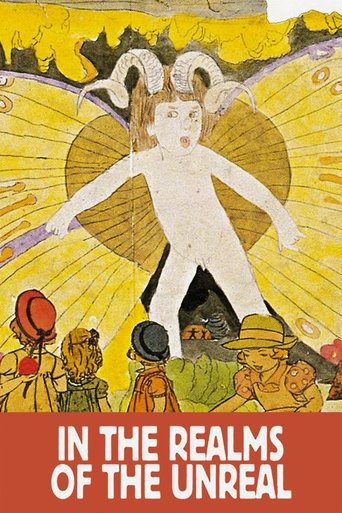
In the Realms of the Unreal is a documentary about the reclusive Chicago-based artist Henry Darger. Henry Darger was so reclusive that when he died his neighbors were surprised to find a 15,145-page manuscript along with hundreds of paintings depicting The Story of the Vivian Girls, in What is Known as the Realms of the Unreal, of the Glodeco-Angelinnian War Storm, Cased by the Child Slave Rebellion.
Interviews with leading authors, philosophers and scientists, with an in-depth discussion of the Law of Attraction. The audience is shown how they can learn and use 'The Secret' in their everyday lives.
Behind-the-scenes documentary about how Lionel Messi succeeded in lifting the World Cup – the only trophy to have eluded him in an incredible career.
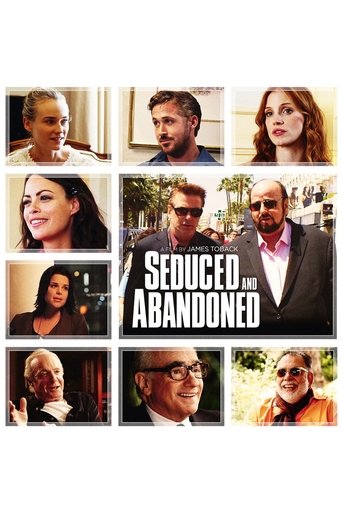
SEDUCED AND ABANDONED combines acting legend Alec Baldwin with director James Toback as they lead us on a troublesome and often hilarious journey of raising financing for their next feature film. Moving from director to financier to star actor, the two players provide us with a unique look behind the curtain at the world's biggest and most glamourous film festival, shining a light on the bitter-sweet relationship filmmakers have with Cannes and the film business. Featuring insights from directors Martin Scorsese, 'Bernando Bertolucci' and Roman Polanski; actors Ryan Gosling and Jessica Chastain and a host of film distribution luminaries.
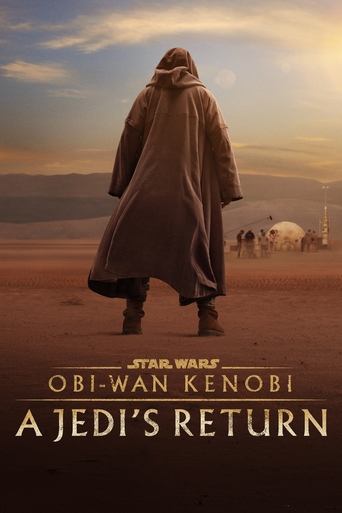
This special explores the return of Obi-Wan Kenobi and Anakin Skywalker to the screen, as well as Ewan McGregor and Hayden Christensen to their classic roles. Director Deborah Chow leads the cast and crew as they create new heroes and villains that live alongside new incarnations of beloved Star Wars characters, and an epic story that dramatically bridges the saga films.
Stars of "The Walking Dead," Andrew Lincoln and Danai Gurira, walk down memory lane and visit iconic locations where pivotal moments between their characters, Rick and Michonne, were filmed.
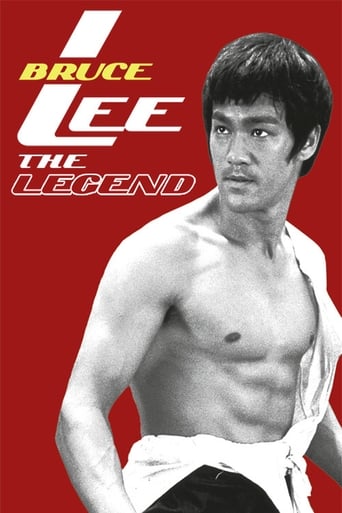
The Official Golden Harvest tribute to the Master of the Martial Arts Film, Bruce Lee.
Over 35 years after Bob Lazar's revelations, this documentary exposes secrets of a facility the government still denies. Featuring Lazar's testimony, recreations, and new evidence, it reopens a case that continues to spark global curiosity
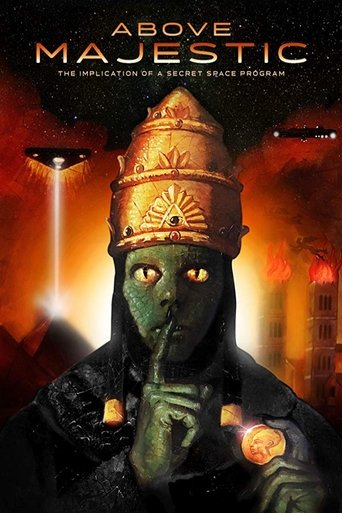
A look at the origins, history and conspiracies behind the "Majestic 12", a clandestine group of military and corporate figureheads charged with reverse-engineering extraterrestrial technology.
An inside look at one of the most anticipated movie sequels ever with James Cameron and cast.
A documentary about the life and films of director John Ford.
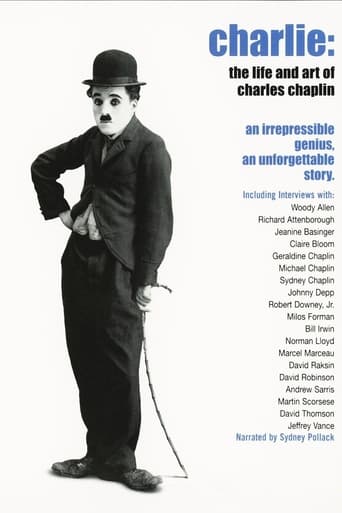
Brilliant, long in-the-works story of the life and art of the world's greatest comedian and the cinema's first genius, Charlie Chaplin. Produced, written and directed by renowned film critic Richard Schickel.
Alexander McQueen's rags-to-riches story is a modern-day fairy tale, laced with the gothic. Mirroring the savage beauty, boldness and vivacity of his design, this documentary is an intimate revelation of McQueen's own world, both tortured and inspired, which celebrates a radical and mesmerizing genius of profound influence.
In a crime-plagued neighborhood near Miami, brutal, bare-knuckled backyard fights give young men a chance to earn money -- and self-respect.
A real-life undercover thriller about two ordinary men who embark on an outrageously dangerous ten-year mission to penetrate the world's most secretive and brutal dictatorship: North Korea.
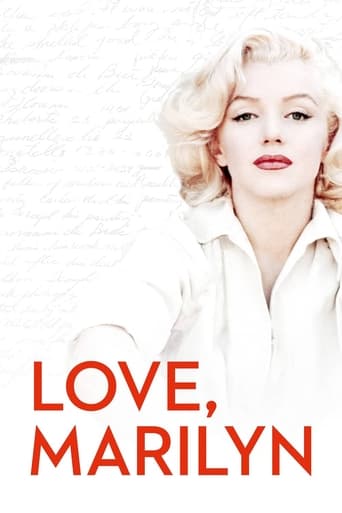
Using the book 'Fragments', which collects Marilyn Monroe's poems, notes and letters, and with participation from the Arthur Miller and Truman Capote estates who have contributed more material, each of the actresses will embody the legend at various stages in her life.
A documentary chronicling Queen and Lambert's incredible journey since they first shared the stage together on "American Idol" in 2009.
A purely observational non-fiction film that takes viewers into the ethically murky world of end-of-life decision making in a public hospital.
The story of the insane scandals related to the remake of “Island of Dr. Moreau” —originally a novel by H. G. Wells—, which was brought to the big screen in 1996. How director Richard Stanley spent four years developing the project just to find an abrupt end to his work while leading actor Marlon Brando pulled the strings in the shadows. Now for the first time, the living key players recount what really happened and why it all went so spectacularly wrong.
A comedic, brutally honest documentary following self-destructive TV writer Dan Harmon as he takes his live podcast on a national tour.