Social & External
The people behind it
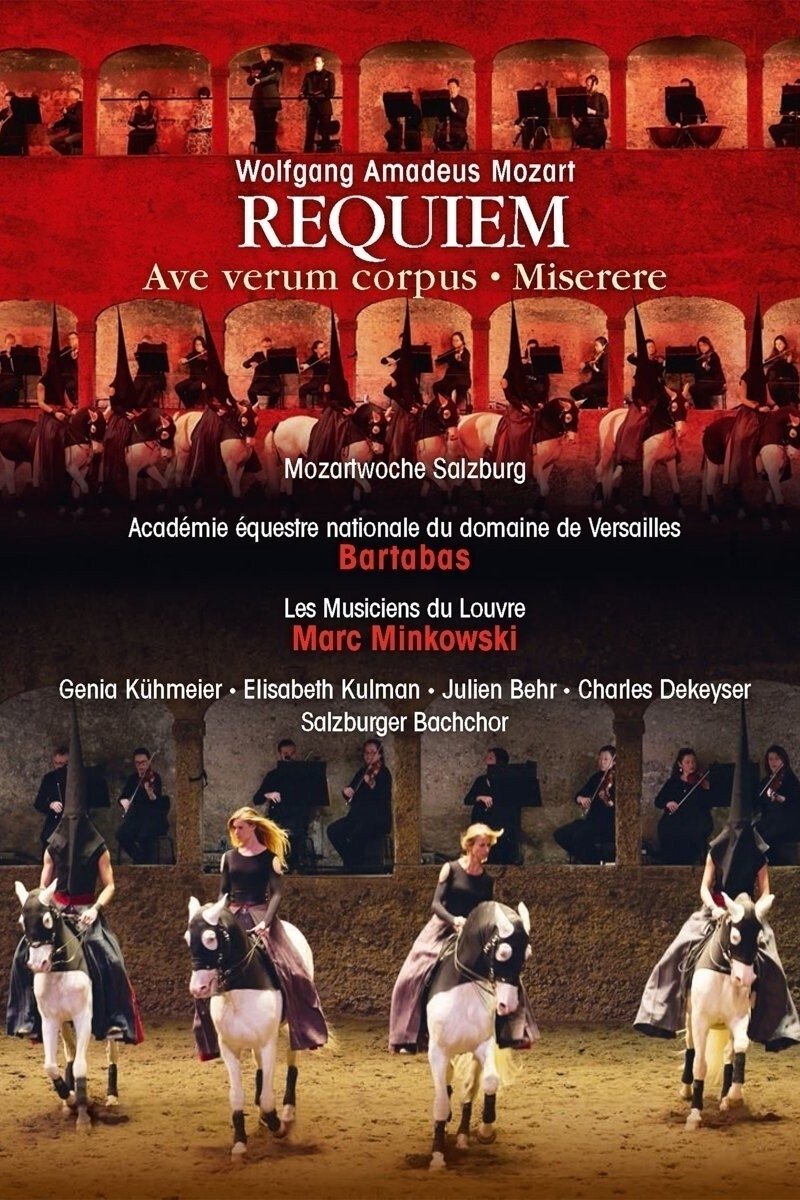
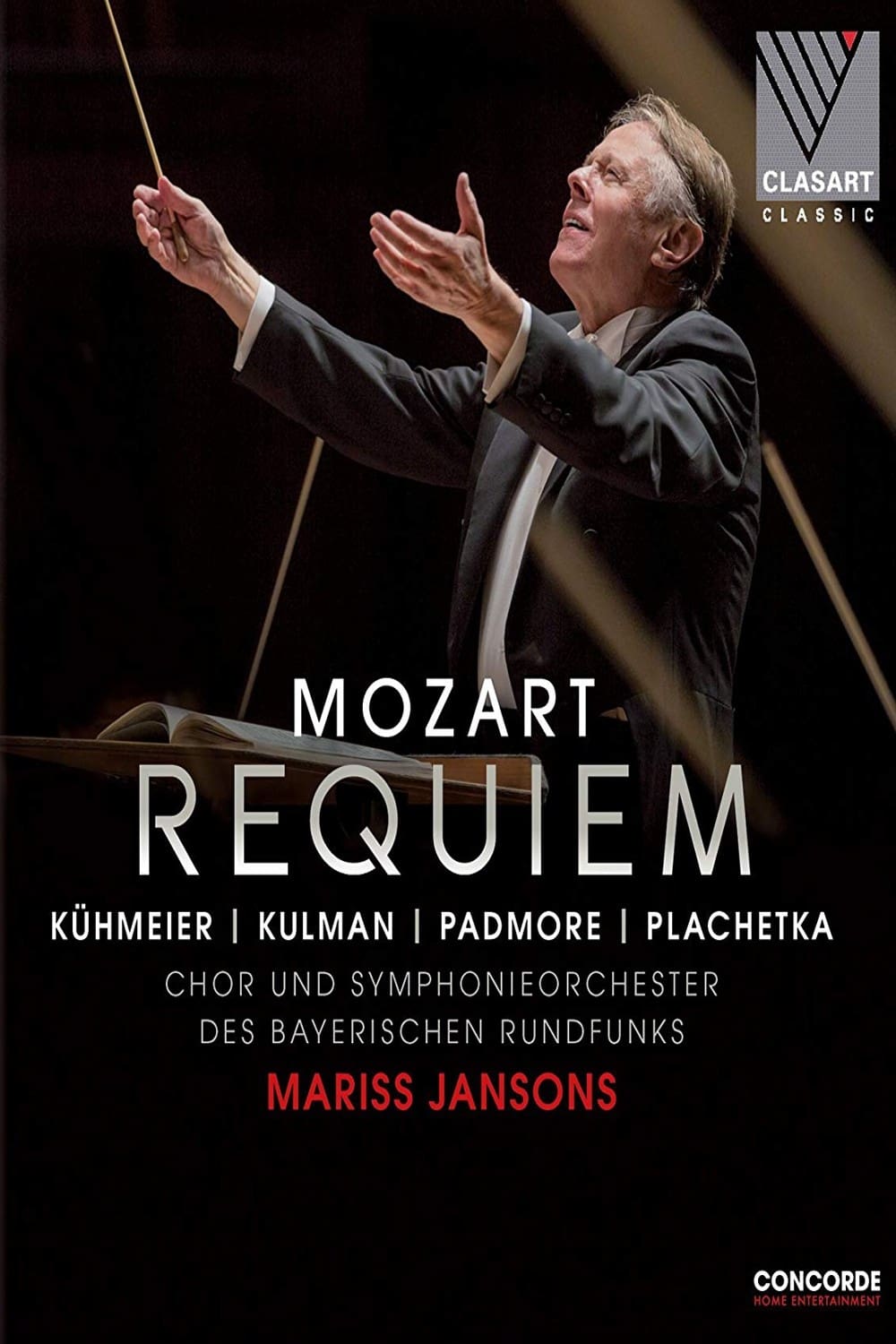
Marc Minkowski
Direction musicale
Salzburger Bachchor
Choeur
Genia Kühmeier
Soprano
Elisabeth Kulman
Alto
Julien Behr
Ténor
Charles Dekeyser
Basse
Alois Glassner
Chef de choeur
Bartabas
Mise en selle et chorégraphie
The Queen of the Night enlists a handsome prince named Tamino to rescue her beautiful kidnapped daughter, Princess Pamina. Aided by the lovelorn bird hunter Papageno and a magical flute that holds the power to change the hearts of men, young Tamino embarks on a quest for true love, leading to the evil Sarastro's temple where Pamina is held captive.
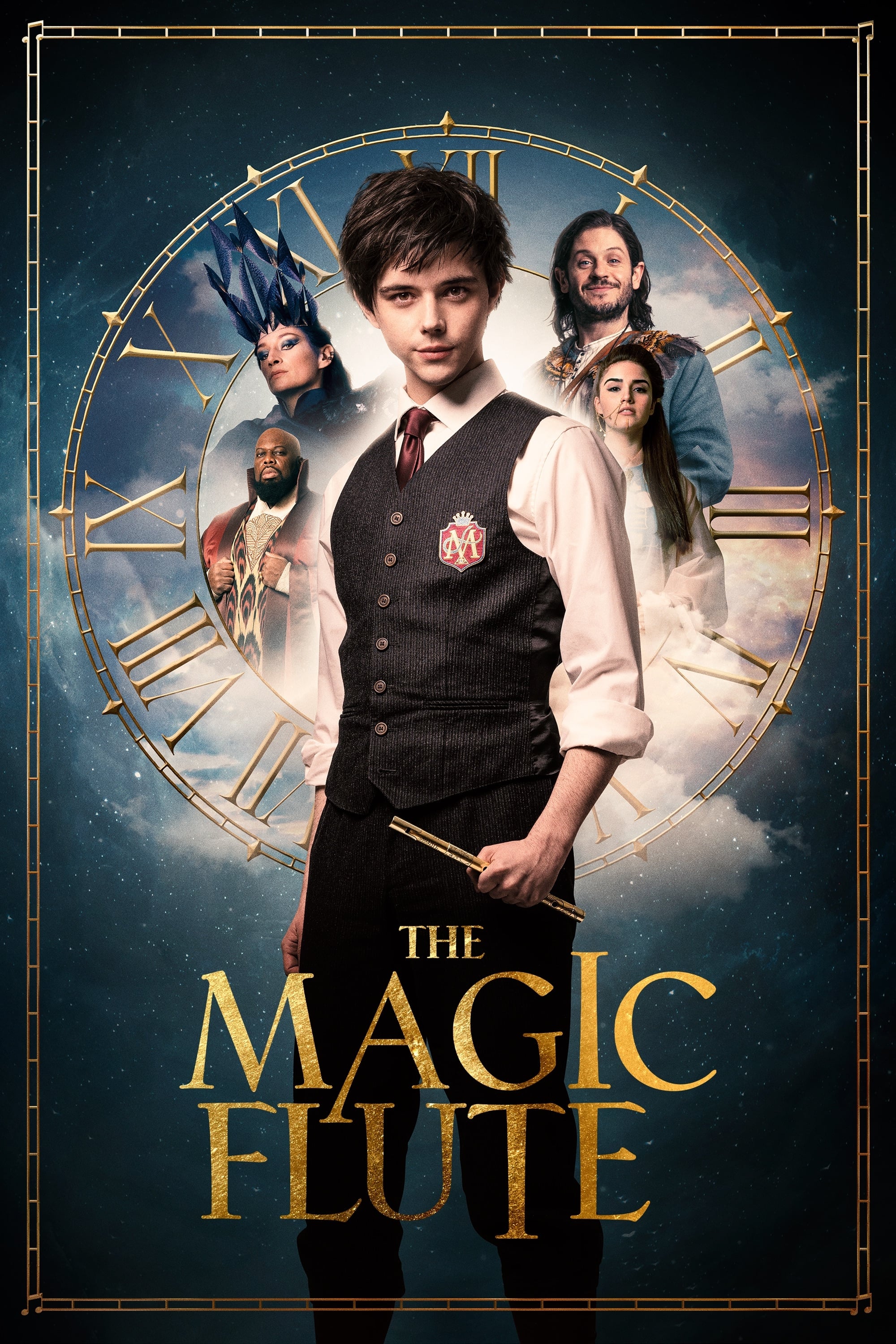
A seventeen year old travels from London to the Austrian Alps to attend the legendary Mozart boarding school. There, he discovers a centuries-old forgotten passageway into the fantastic world of Mozart's "The Magic Flute".
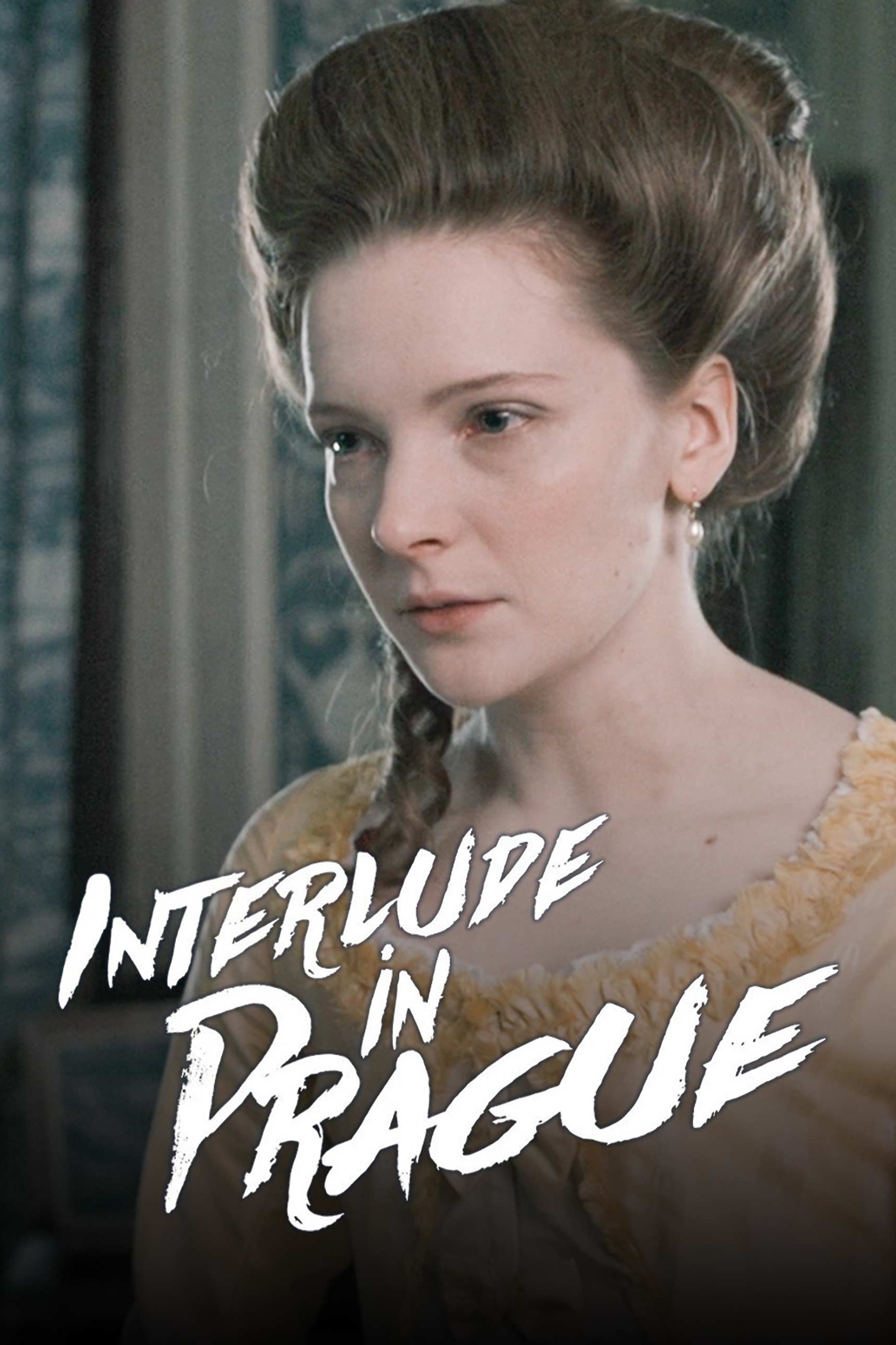
The incredible tale of Mozart's Prague years.
The Queen of the Night enlists a handsome prince named Tamino to rescue her beautiful kidnapped daughter, Princess Pamina, in this screen adaptation of the beloved Mozart opera. Aided by the lovelorn bird hunter Papageno and a magical flute that holds the power to change the hearts of men, young Tamino embarks on a quest for true love, leading to the evil Sarastro's temple where Pamina is held captive.
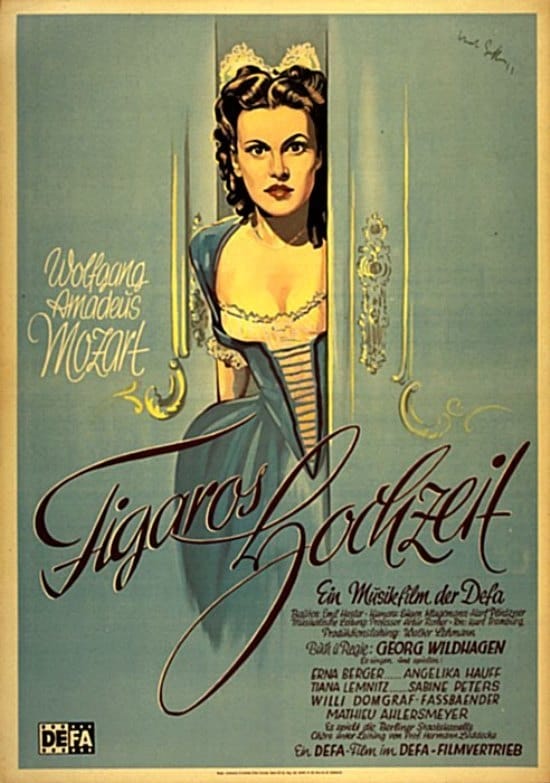
Shortly after WWII, the DEFA Studios produced a series of operas and operettas which belonged to the classical German musical heritage. This enchanting film, the very first opera production of DEFA, stands out because of its lavish decor and costumes, its outstanding actors and their masterful voices of that time.
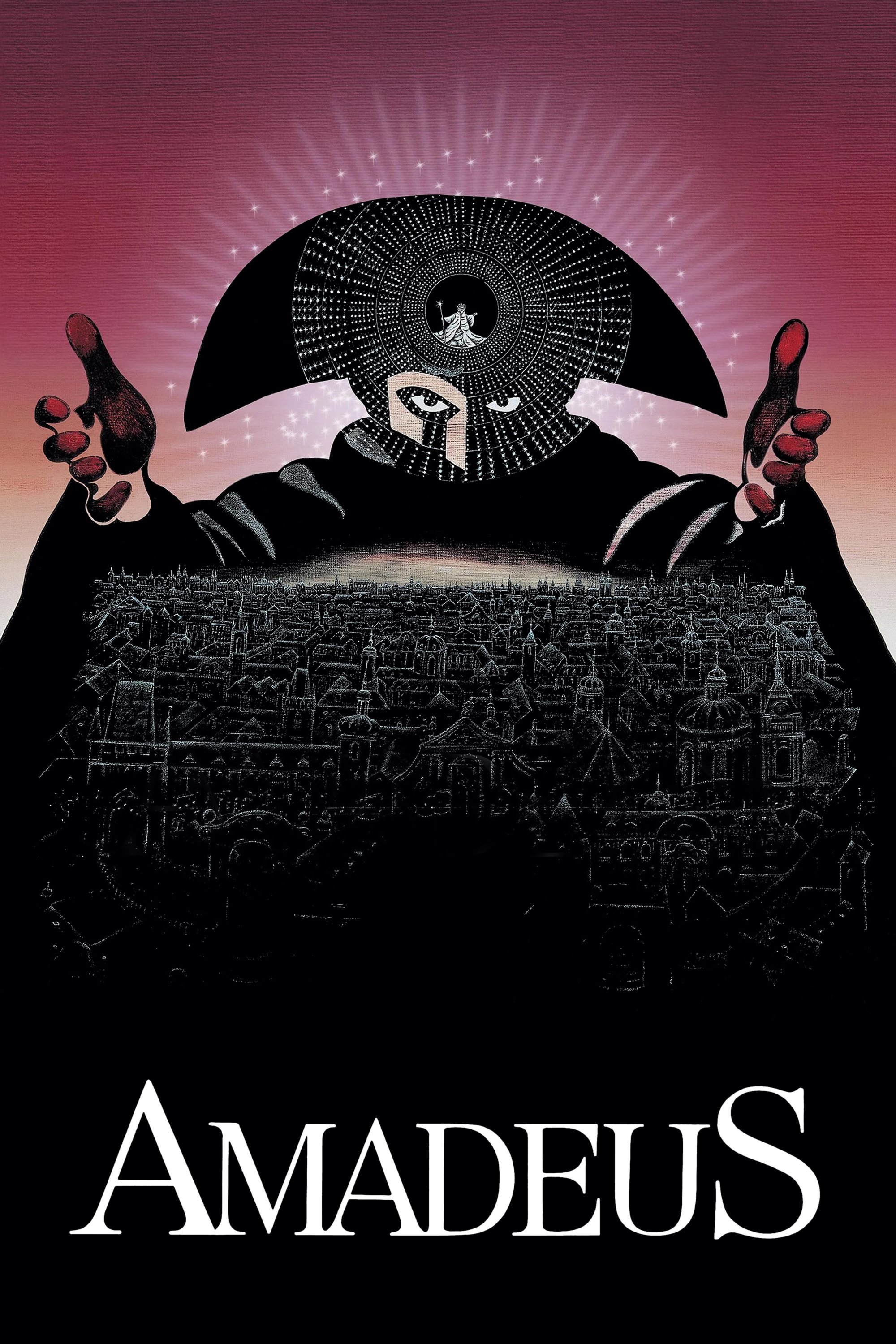
Disciplined Italian composer Antonio Salieri becomes consumed by jealousy and resentment towards the hedonistic and remarkably talented young Salzburger composer Wolfgang Amadeus Mozart.
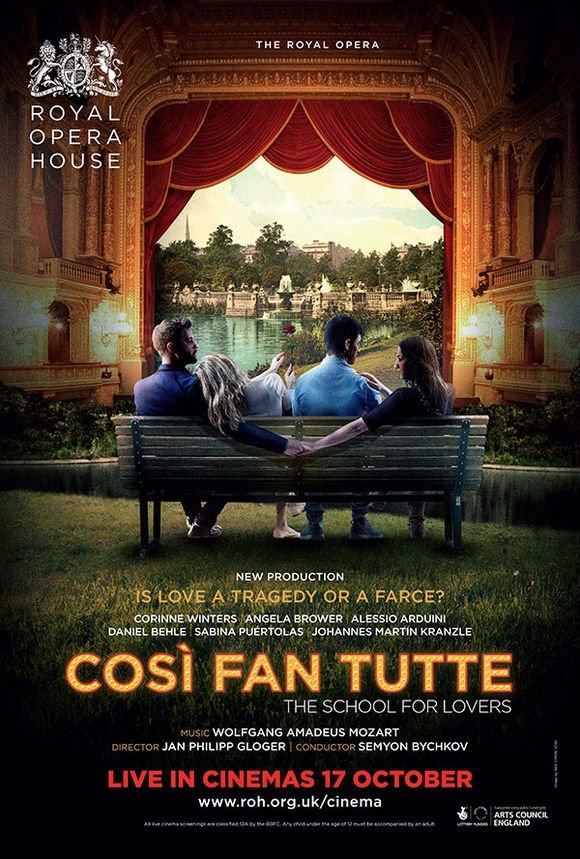
Semyon Bychkov conducts a cast of young, up-and-coming talent including American soprano Corinne Winters in a new production of Mozart’s opera on the nature of love.
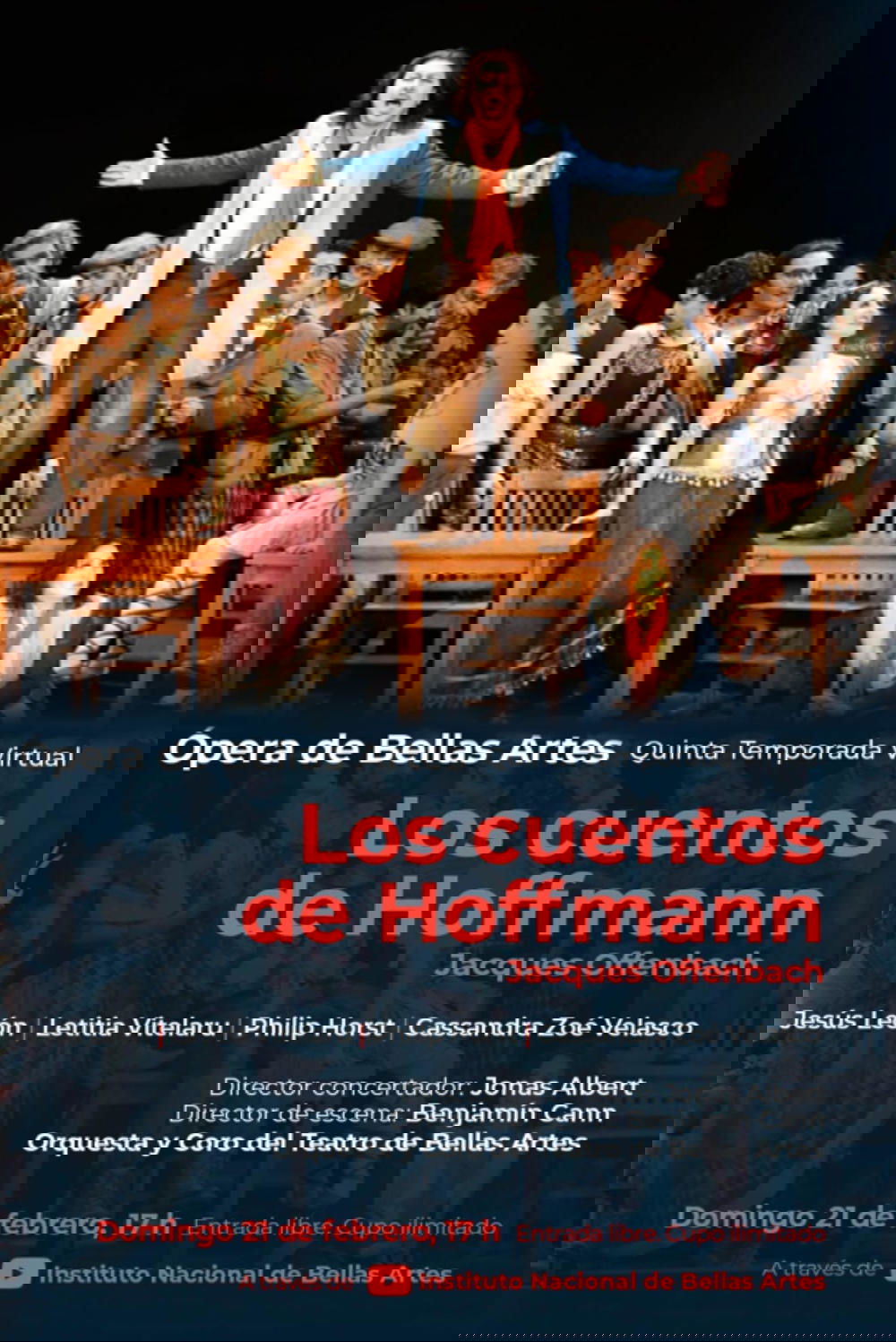
Opera in three acts, a prologue and an epilogue, by Jacques Offenbach (1819-1880), with a libretto in French by Jules Barbier (1825-1901), based on a work that Barbier himself and Michel Carré (1821-1872) had written based on stories by E.T.A. Hoffmann (1776-1822). Approximate duration: 2 h 45 min Recommended for those over 15 years old. The young poet Hoffmann, accompanied by Nicklausse, his alter ego and confidant, is in a tavern next to the theatre where Mozart's Don Giovanni is being performed. During the opera's intermission, some diners arrive at the bar who, upon seeing the poet, encourage him to sing and tell them the story of his famous love affairs. Hoffmann finally gives in and shares with them the stories of Olympia, Antonia and Giulietta. They, absorbed in the poet's stories, remain in the tavern, forgetting about the opera performance.
Wolfgang Amadeus Mozart's Magic Flute is undoubtedly one of the most multi-layered, profound, complicated, and therefore also most difficult to stage works in the entire opera repertoire. In terms of genre, it can only be understood if it is seen as a mixture of four things: a philosophically profound drama of ideas with countless encryptions, a naïve fairy tale, a bawdy comedy, and a crude Punch and Judy show. It is based on the intersection of the traditions of Baroque magic opera, Italian buffa, and Viennese Singspiel, where all manner of wonders are conceivable and permissible. Peter Ustinov's production appeals to all those who love a primarily fairy-tale-like interpretation; the atmosphere is traditional and conventional. An outstanding ensemble of singers has been assembled.
Letters, Riddles and Writs is a one act opera for television by Michael Nyman broadcast in 1991.
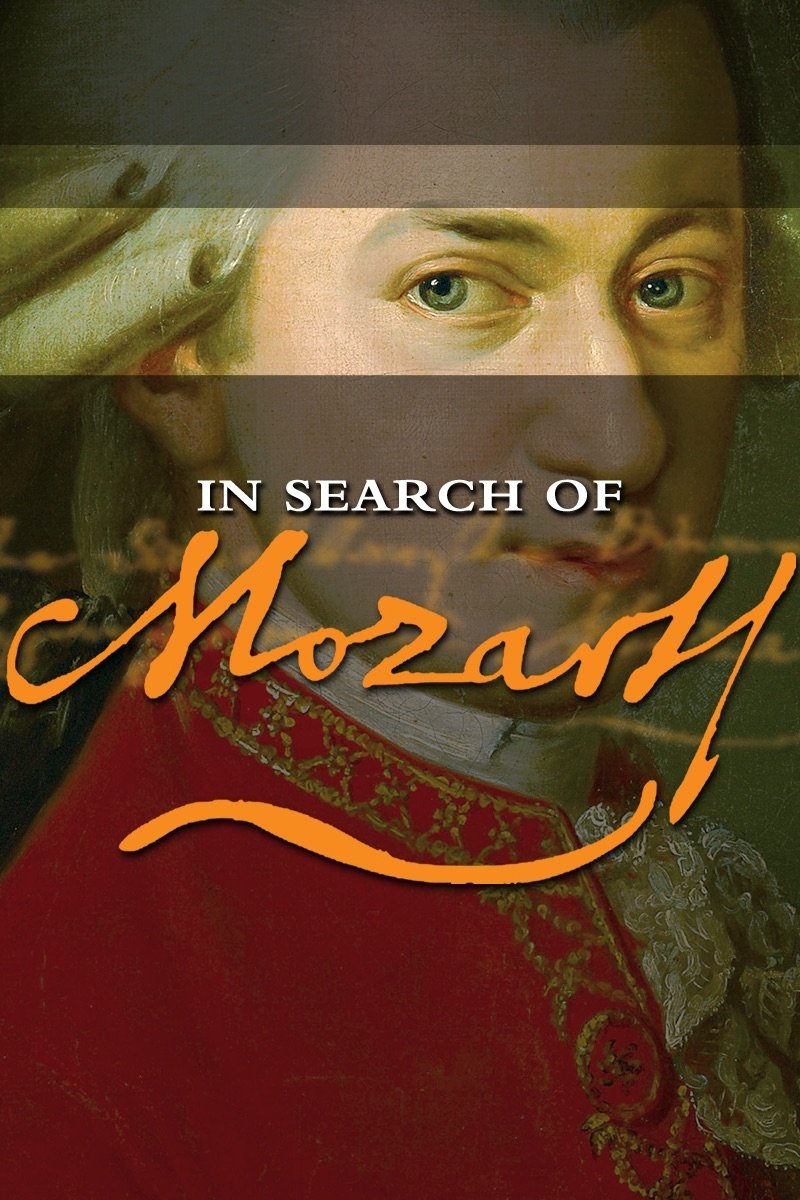
Made to celebrate the 250th anniversary of Mozart's birth, IN SEARCH OF MOZART is the first feature-length documentary on Mozart's life. Produced with the world's leading orchestras and musicians, told through a 25,000 mile journey along every route Mozart followed, this detective story takes us to the heart of genius. Throughout, it is the music that takes center stage, with the jigsaw of Mozart's life fitting around it.
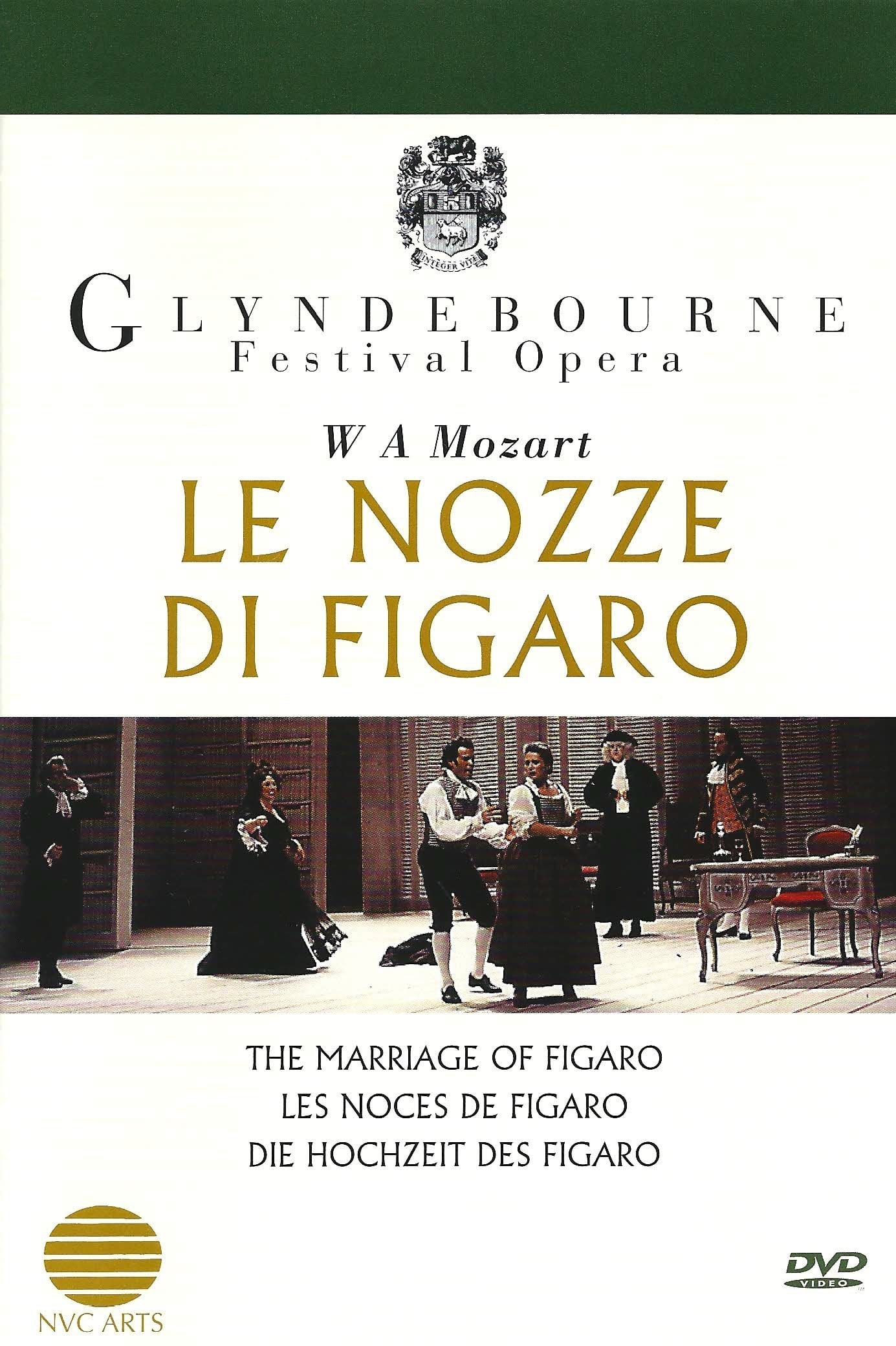
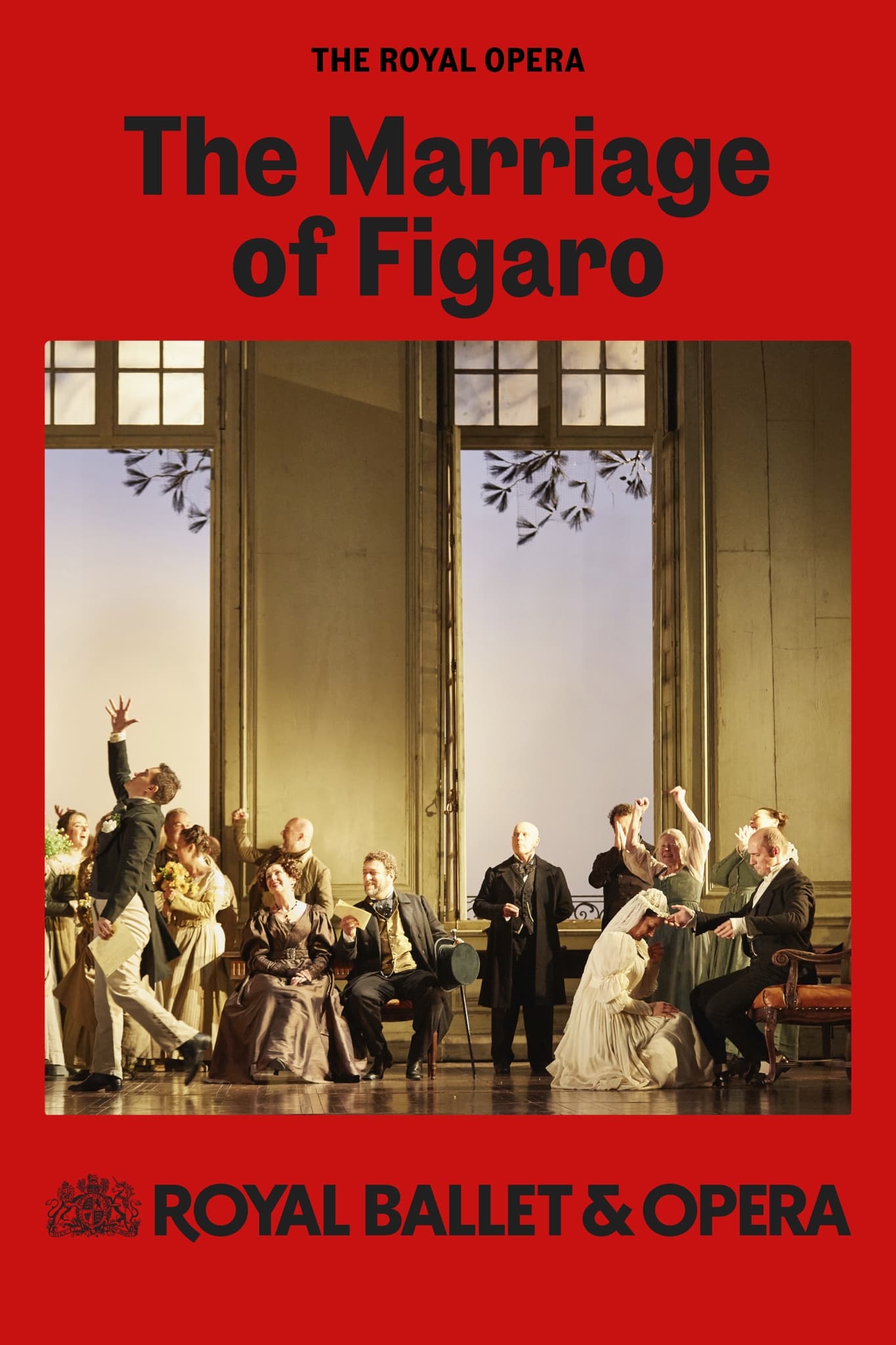
The Marriage of Figaro is a continuation of the plot of The Barber of Seville several years later, and recounts a single "day of madness" in the palace of the Count Almaviva near Seville, Spain. Rosina is now the Countess; Dr. Bartolo is seeking revenge against Figaro for thwarting his plans to marry Rosina himself; and Count Almaviva has degenerated from the romantic youth of Barber into a scheming, bullying, skirt-chasing baritone. This follows the Count trying to obtain favours from Susanna, Figaro's bride to be, under the nose of the Countess.
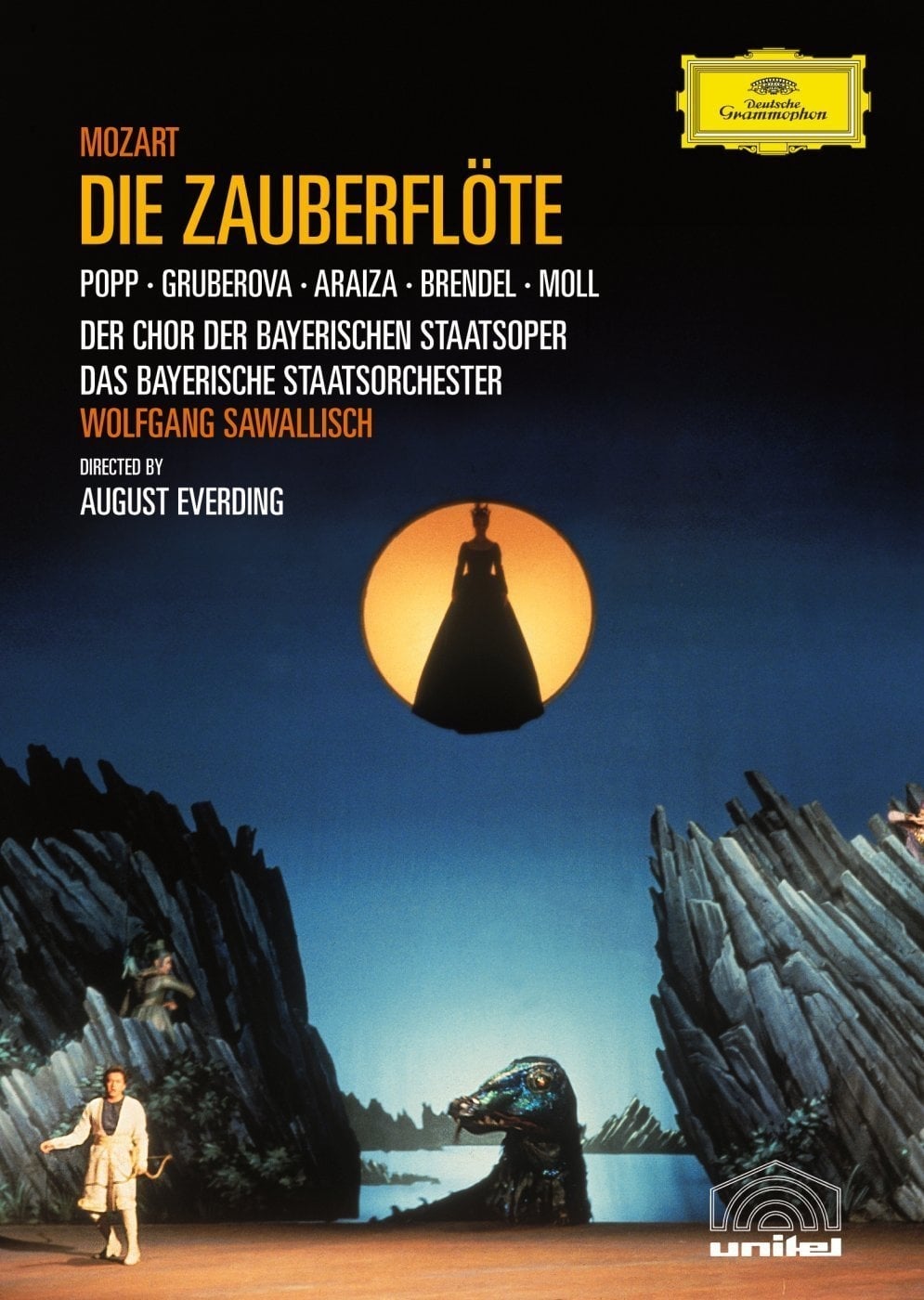
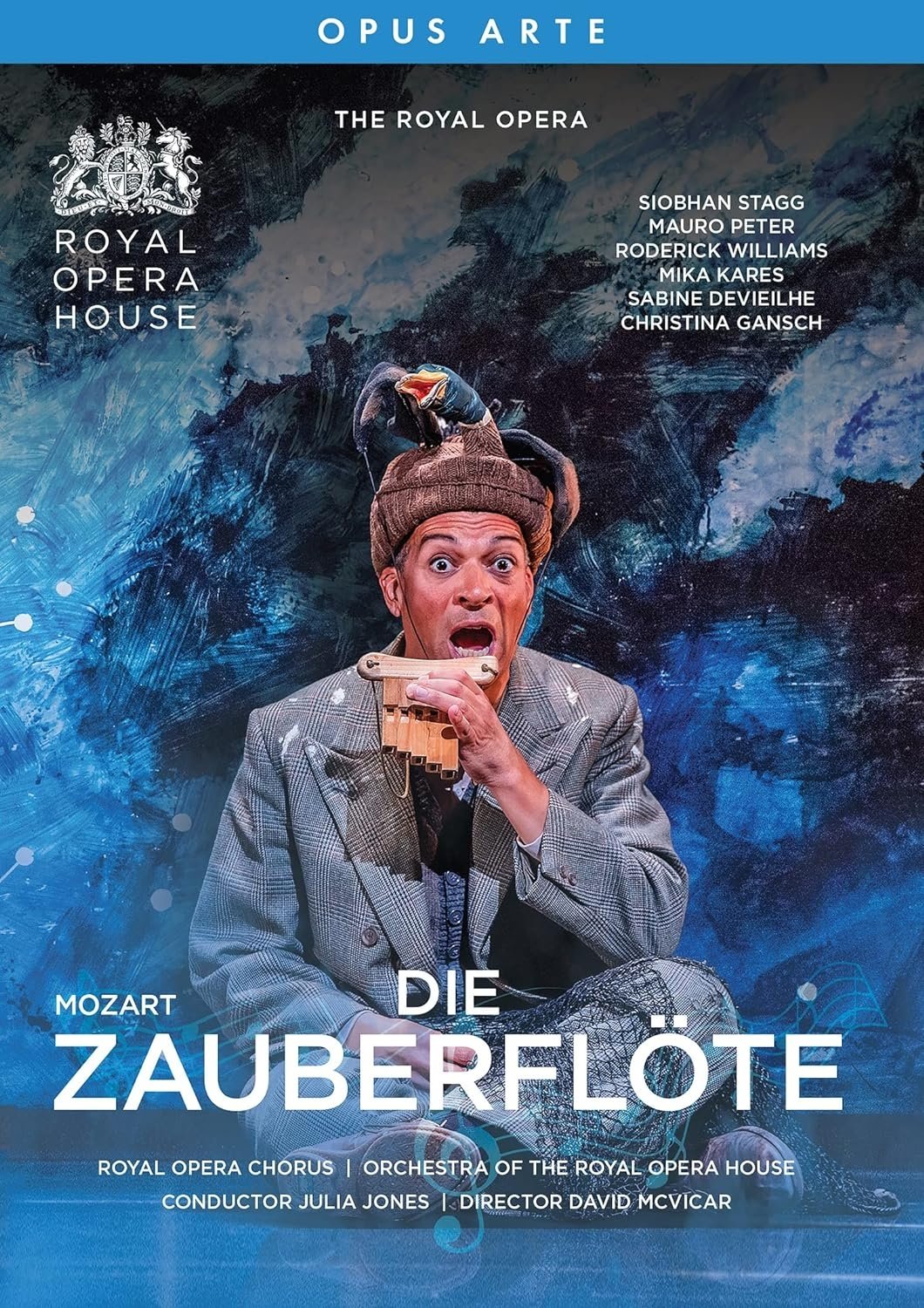
Prince Tamino promises the Queen of the Night that he will rescue her daughter Pamina from the enchanter Sarastro. He begins his quest, accompanied by the bird-catcher Papageno – but all is not as it seems… Tamino and Papageno discover Sarastro is a wise and kind leader. They undergo three ordeals. By the end they are united with their true loves: Tamino with Pamina, and Papageno with his Papagena.
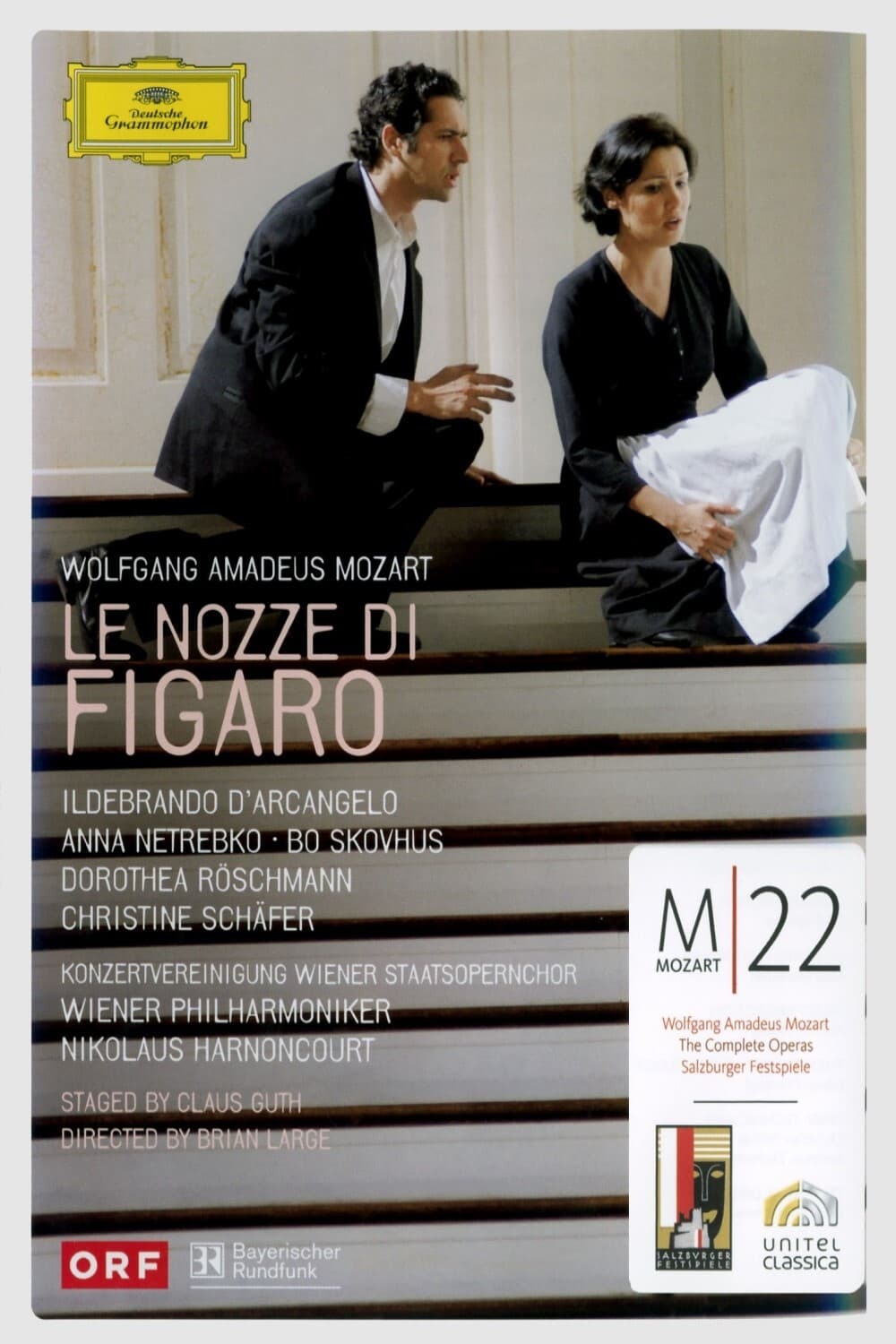
This release contains the celebrated 2006 production of Mozart's Nozze di Figaro that was directed for the stage by Claus Guth at that year's Salzburg Festival. Ildebrando D'Arcangelo takes the title role, and gets support from Anna Netrebko as Sussanna, Bo Skovhus as Il Conte Di Almaviva, and Dorothea Roschmann as La Contessa. Nikolaus Harnoncourt conducts the orchestra.
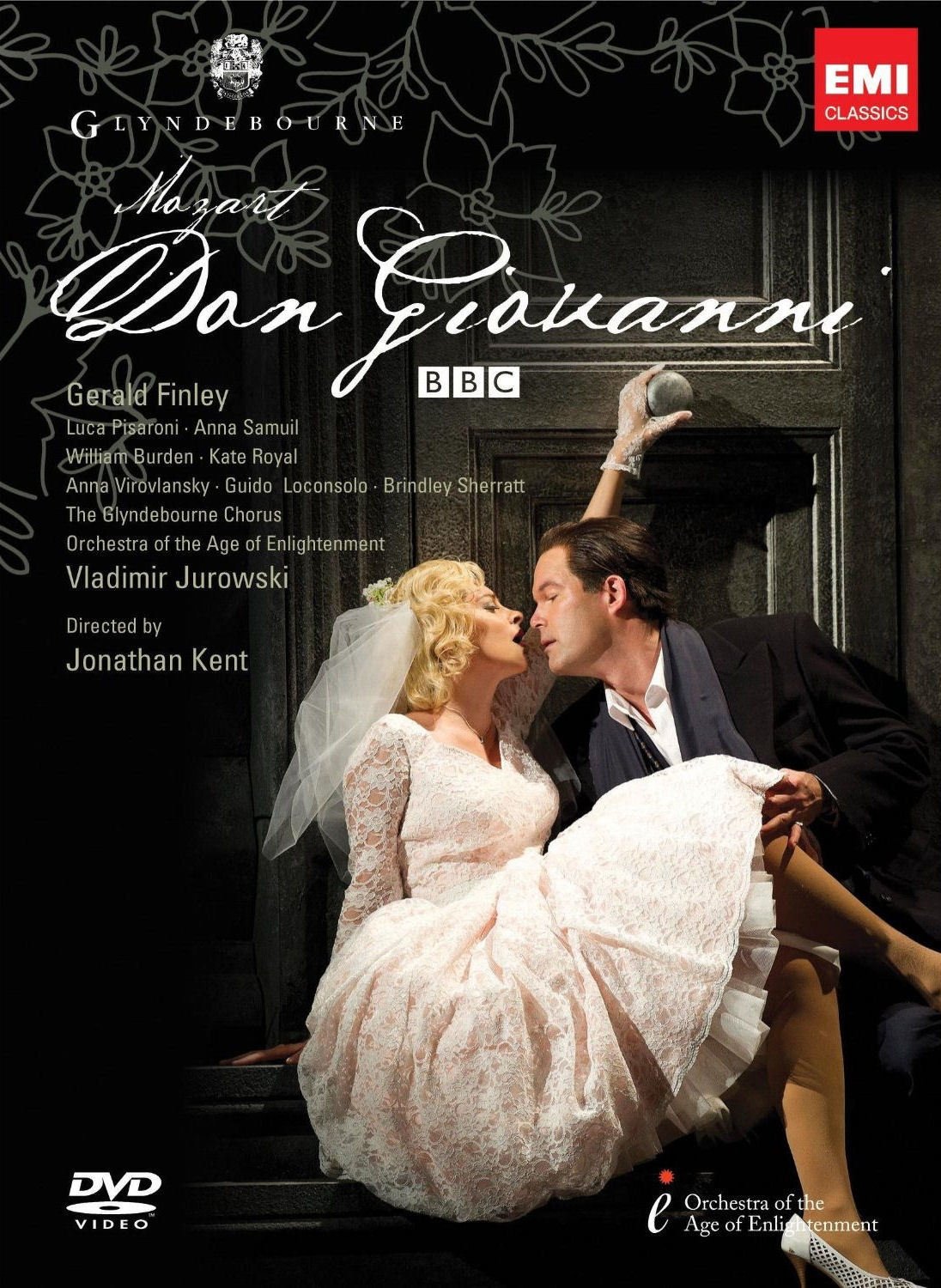
Mozart's second collaboration with the mercurial librettist Lorenzo da Ponte is among the very blackest of black comedies. Glyndebourne welcomes back the winning team of director Jonathan Kent and designer Paul Brown, while the music is conducted by Vladimir Jurowski. In the title role, the bass-baritone Gerald Finley, joined by Luca Pisaroni, Kate Royal and the young Russian soprano Anna Samuil.
Count Almaviva lives with his Countess on their estate near Seville. The Count has his eye on his wife’s maid Susanna, who is betrothed to the Count’s servant, Figaro. Much to Figaro’s dismay, the Count plans to seduce Susanna on wedding night. Meanwhile, Cherubino, the Count’s young page, is infatuated with the Countess, but has just been dismissed after being discovered with Barbarina, the gardener Antonio’s daughter.
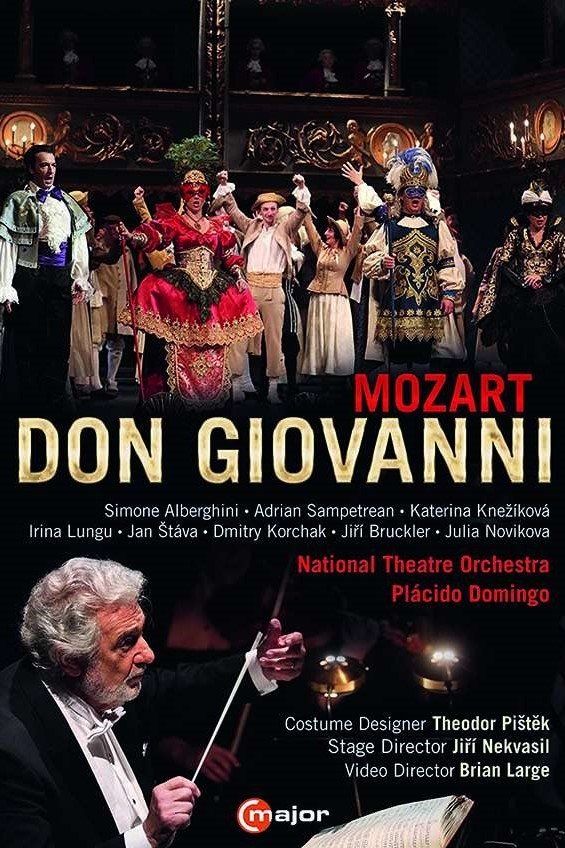
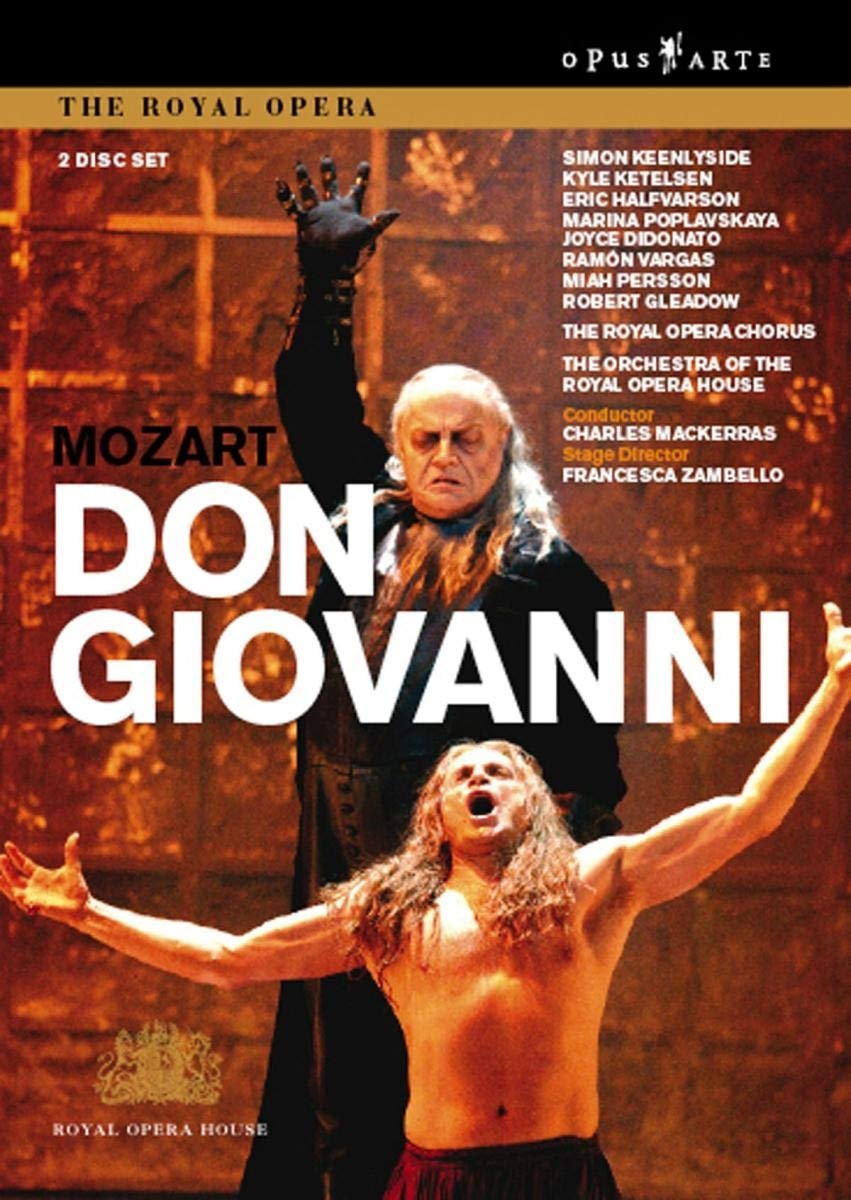
DON GIOVANNI is one of the timeless classics of all opera. Mozart’s music, and the words of his great collaborator Da Ponte, are brought to life in Francesca Zambello’s engrossing production with its rich and colourful designs by Maria Bjornson. The music is memorable, dramatic and enjoyable: from the seductive solo voices of the famous ‘La ci darem la mano’ to the fabulous ensemble as Don Giovanni’s infatuated conquests, vengeful victims and their outraged relatives join forces for justice. And retribution does finally come to Don Giovanni, a serial womanizer and a murderer, with the searing flames of Hell ready to engulf him. Simon Keenlyside heads the outstanding cast at the Covent Garden Royal Opera House, conducted by renowned Mozart expert Charles Mackerras.
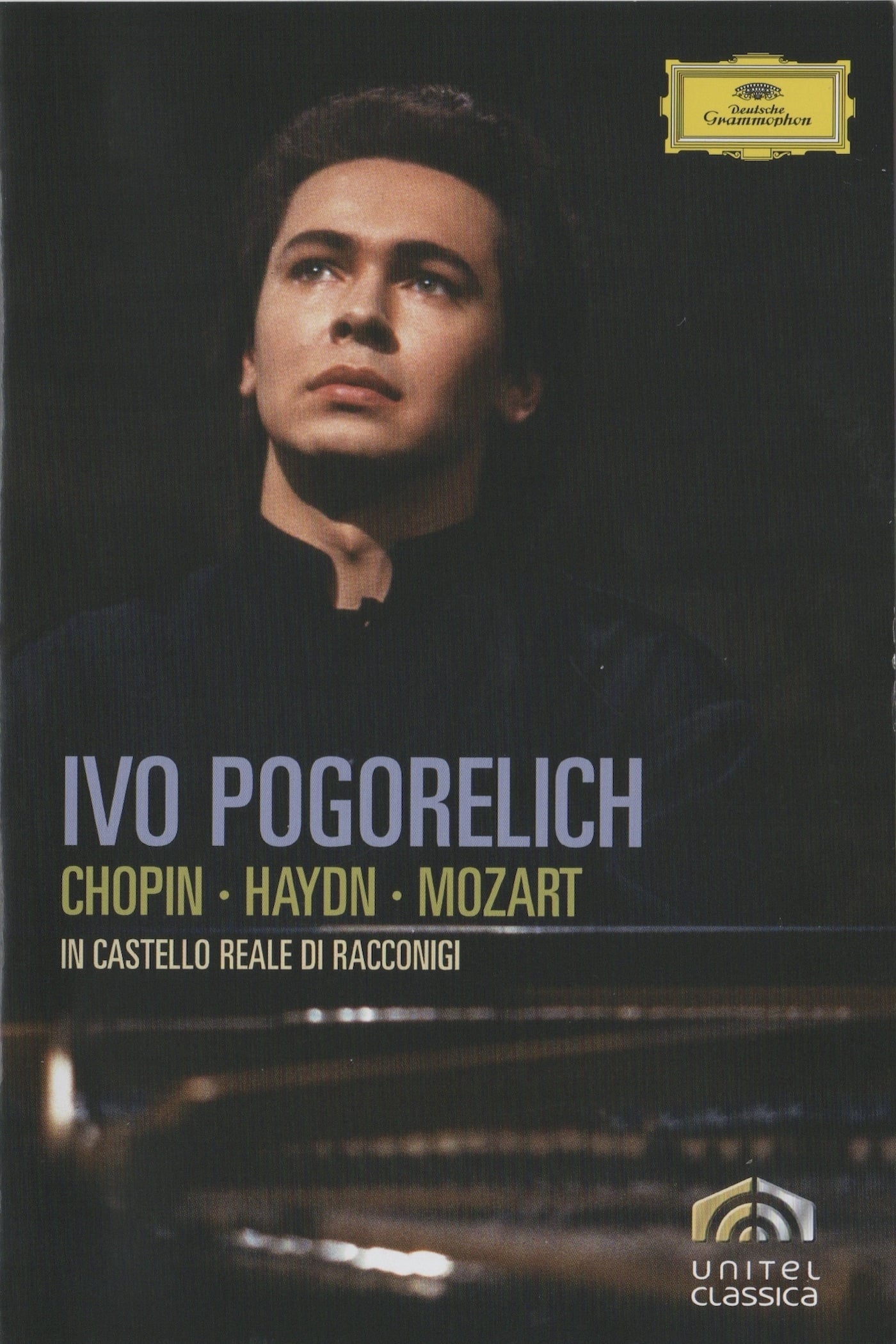
At the peak of his career, Ivo Pogorelich was filmed at Racconigi Castle in Italy playing four major works by Chopin as well as sonatas by Haydn an dMozart. Director Horant H. Hohlfeld captures the pianist's virtuosity in revealing close-ups. The program includes: CHOPIN Polonaise in c op40/2; Nocturne in E♭ op55/2; Prelude in c♯ op45; Sonata in b op58 // HAYDN Sonata in A♭ H16.46 // MOZART Sonata in A K331 "alla turca".
Taylor Swift takes the stage in Dallas for the Reputation Stadium Tour and celebrates a monumental night of music, memories and visual magic.
Ghost is an ideological musician and leader of a jazz band who would rather play his blues in the park to the birds than compromise himself. His peripatetic performances lead him to cross paths with a singer, while his masculinity is thrown into question following a violent brawl.
In the town of Normal Valley, an eccentric magician named Maestro entertains the local children every day in his spooky mansion. One stormy night, the town's mayor leads a group of angry citizens to the mansion in an attempt to run Maestro out of town.
Examines the life and career of singer Whitney Houston. Features never-before-seen archival footage, exclusive recordings, rare performances and interviews with the people who knew her best.
Trip, a young roadie for Metallica, is sent on an urgent mission during the band's show. But what seems like a simple assignment turns into a surreal adventure.
Experimental short uses Ray Charles' “What'd I Say” as accompaniment to constantly shifting collage of female nude, cartoons, and newsreels of atomic bomb explosions.
The brothers Gibb perform their greatest hits from the 60's, 70's, 80's and 90's including many songs written for and made hits by other artists but never recorded by the Bee Gees themselves.
This film follows the remarkable and inspirational true story of Paul Potts, a shy, bullied shop assistant by day and an amateur opera singer by night.
Graced with a velvet voice, 21-year-old Violet Sanford heads to New York to pursue her dream of becoming a songwriter only to find her aspirations sidelined by the accolades and notoriety she receives at her "day" job as a barmaid at Coyote Ugly. The "Coyotes" as they are affectionately called tantalize customers and the media alike with their outrageous antics, making Coyote Ugly the watering hole for guys on the prowl.
The Marx Brothers help young Broadway hopefuls when they get mixed up with gangsters due to a tin of sardines containing Romanoff diamonds.
A shy teenager living on the Isle of Wight dreams of pop stardom. With the help of an unlikely mentor, she enters a singing competition that will test her integrity, talent, and ambition.
A pair of star-crossed dancers in New York find themselves at the center of a bitter rivalry between their brothers' underground dance clubs.
Talented but self-centered trumpeter Bleek Gilliam is obsessed with his music and indecisiveness about his girlfriends Indigo and Clarke. But when he is forced to come to the aid of his manager and childhood friend, Bleek finds his world more fragile than he ever imagined.
Michael Jackson's Dangerous album once again rocketed the global superstar to mega-platinum success! "Dangerous - The Short Films" captures the visual and musical highlights of his most recent string of hit singles. As well as extensive behind the scenes profiles of the making of Michael's state of the art short films.
A famous pianist at the twilight of his career meets a free-spirited music critic who soon becomes his rock as his mental state deteriorates.
Martin Scorsese's documentary intertwines footage from The Band's incredible farewell tour with probing backstage interviews and featured performances by Eric Clapton, Bob Dylan, Joni Mitchell, Van Morrison, and other rock legends.
A girl is engaged to the local richman, but meanwhile she has dreams about the legendary pirate Macoco. A traveling singer falls in love with her and to impress her he poses as the pirate.
A drama set in the American South, where a precocious, troubled girl finds a safe haven in the music and movement of Elvis Presley.
In this anime visual album, a mysterious driver heads deep into a postapocalyptic hellscape toward a ferocious showdown with two monstrous opponents.
Jazz legend Chet Baker finds love and redemption when he stars in a movie about his own troubled life to mount a comeback.