Social & External
The people behind it
Exploring the impact of the now defunct Steinberg supermarkets on the urban environment.
Bridgeview, British Columbia is less than 30 kilometres from downtown Vancouver. The residents were promised a sewer system in 1953, but more than 20 years later the sewer system has yet to be built.
Canada is facing a housing crisis, and cooperative housing might be a part of the solution.
Shows a campaign launched in Halifax in 1967 to probe the core of poverty in that city--low incomes, ill health and inadequate housing affect more than twelve thousand people in the central area. The project combines the efforts of local agencies with those of government agencies to alleviate these conditions.
Legault is an aging man who lived in a rural cabin, now a suburban cabin, as developments have popped up around him.
A study of Antoni Gaudí's architecture (especially the Church of the Holy Trinity in Barcelona), his sources of inspiration and his influence on Picasso. (BFI)
For most of America's history, sacred buildings represented our greatest feats of innovative engineering and artistic design. Unlock the elements of design that make these structures so fascinating and unveil the meaning in religious architecture, ranging from grand cathedrals and simple country churches to synagogues and mosques.
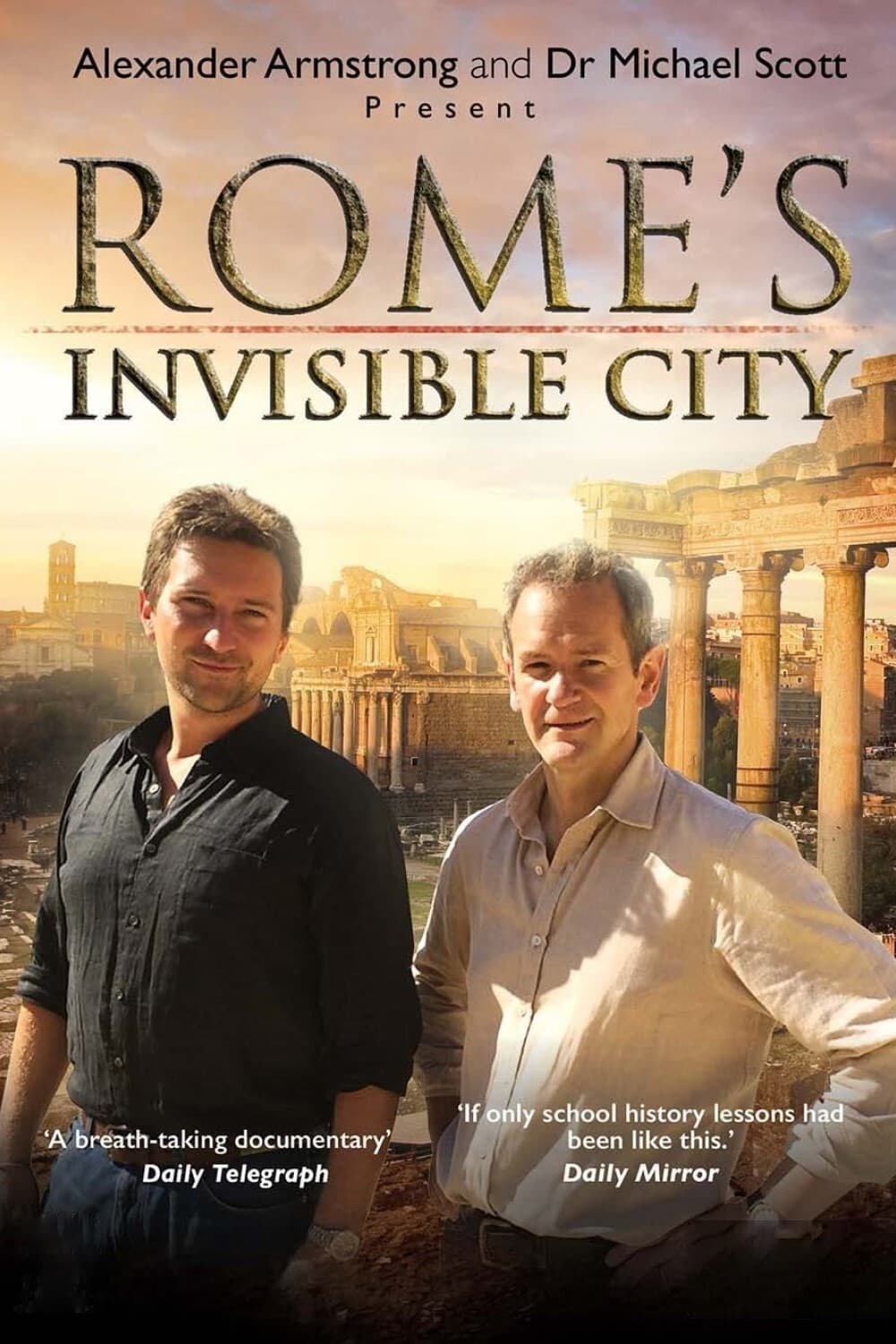
With the help of a team of experts and the latest in 3-D scanning technology, Alexander Armstrong, along with Dr Michael Scott, explores the hidden underground treasures that made Rome the powerhouse of the ancient world.
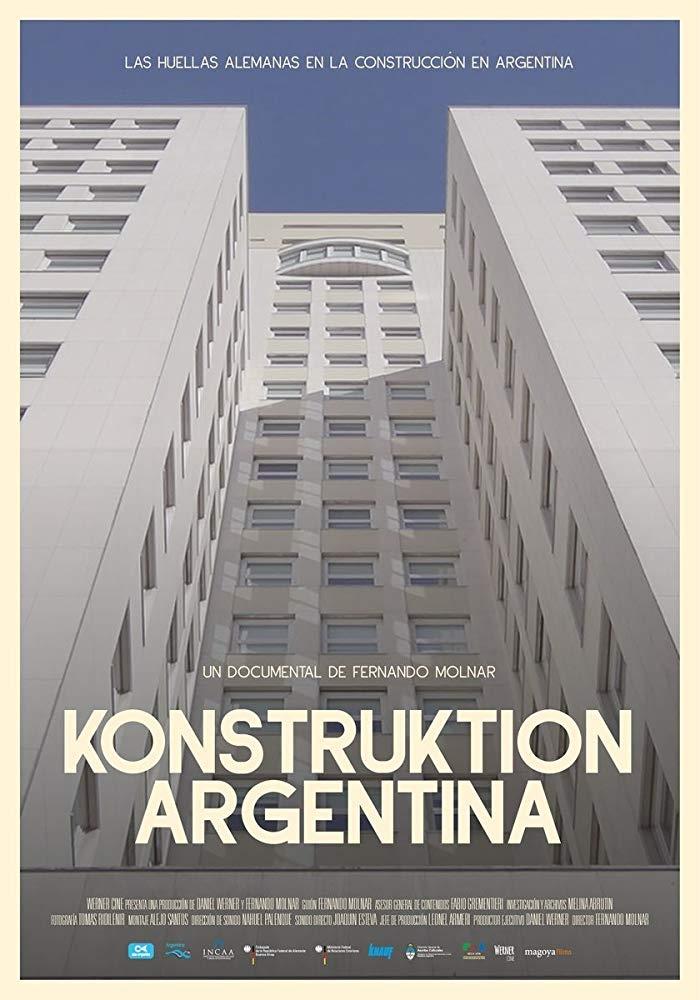
A documentary that explores the influence of German modernist architecture in Argentina.
French architect Jean Nouvel has long been known in Europe for his bold, shimmering glass museums, concert halls, and high-rise towers. Now the much-acclaimed new Guthrie Theater in Minneapolis, Minnesota, which opened in 2006, is displaying Nouvel's remarkable talents to an American public. With a cantilevered lobby that extends 175 feet over the Mississippi River, the dark midnight-blue, aluminum-paneled structure has captivated the culturally conscious city and helped spur the rejuvenation of a once-industrial waterfront. In the tour, Nouvel takes us through three distinctive theaters he designed for the Guthrie, and out onto the cantilevered deck to view the legendary river that inspired the boldly elevated design.
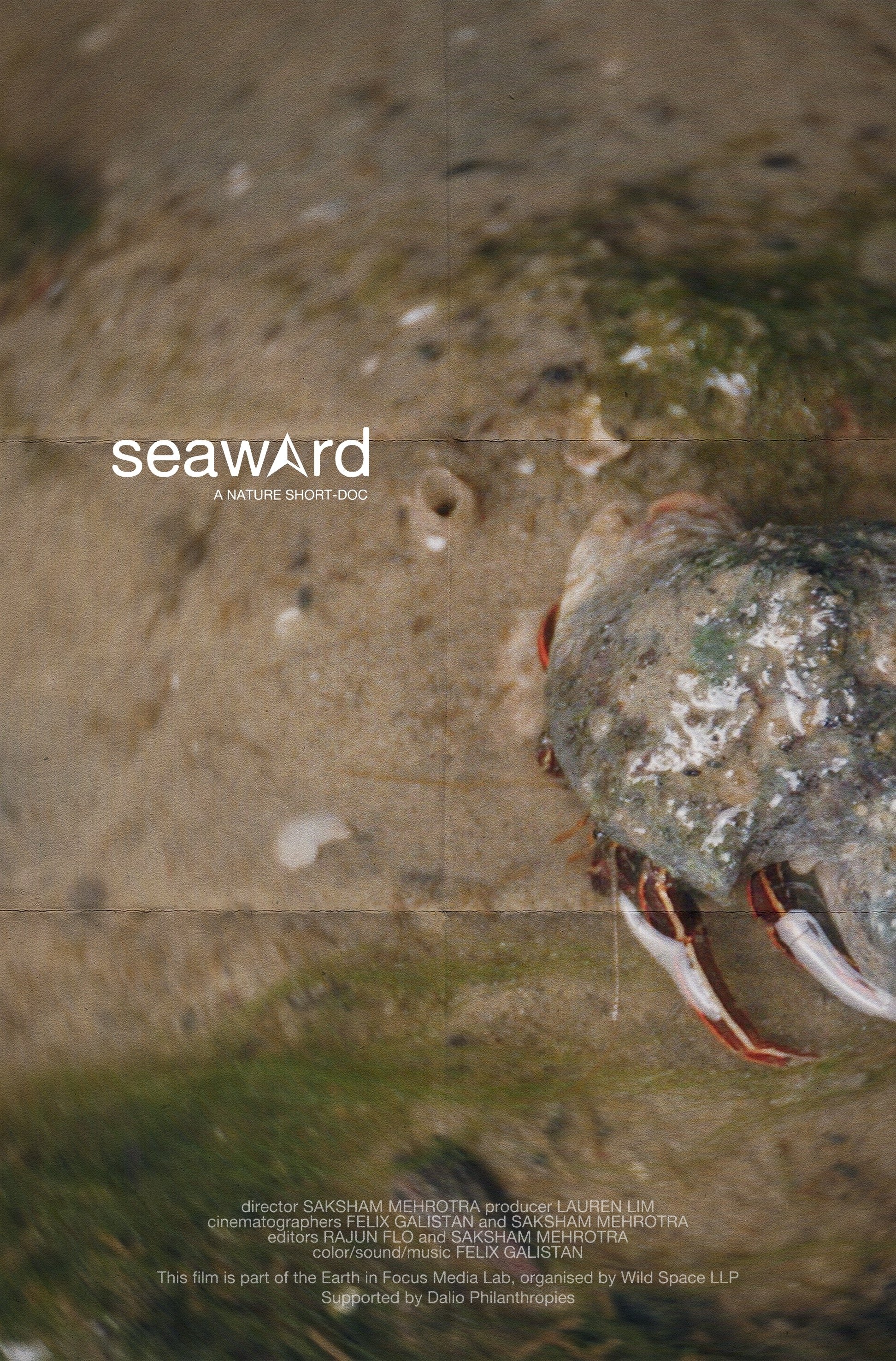
Singapore’s coastlines are always in flux - a delicate dance between the receding tides and the rising earthmovers. 'seaward' drifts through the peripheries of this very landscape, offering a quiet meditation on the life that endures at the edges of a changing island.
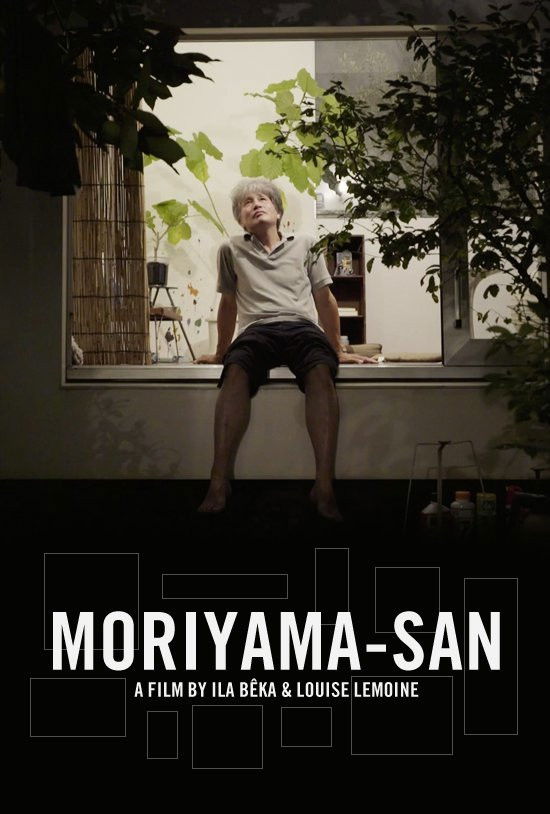
One week in the extraordinary-ordinary life of Mr. Moriyama, a Japanese art, architecture and music enlighted amateur who lives in one of the most famous contemporary Japanese architecture, the Moriyama house, built in Tokyo in 2005 by Pritzker-prize winner Ryue Nishizawa (SANAA). Introduced in the intimacy of this experimental microcosm which redefines completely the common sense of domestic life, Ila Bêka recounts in a very spontaneous and personal way the unique personality of the owner: a urban hermit living in a small archipelago of peace and contemplation in the heart of Tokyo. From noise music to experimental movies, the film let us enter into the ramification of the Mr. Moriyama's free spirit. Moriyama-San, the first film about noise music, acrobatic reading, silent movies, fireworks and Japanese architecture!
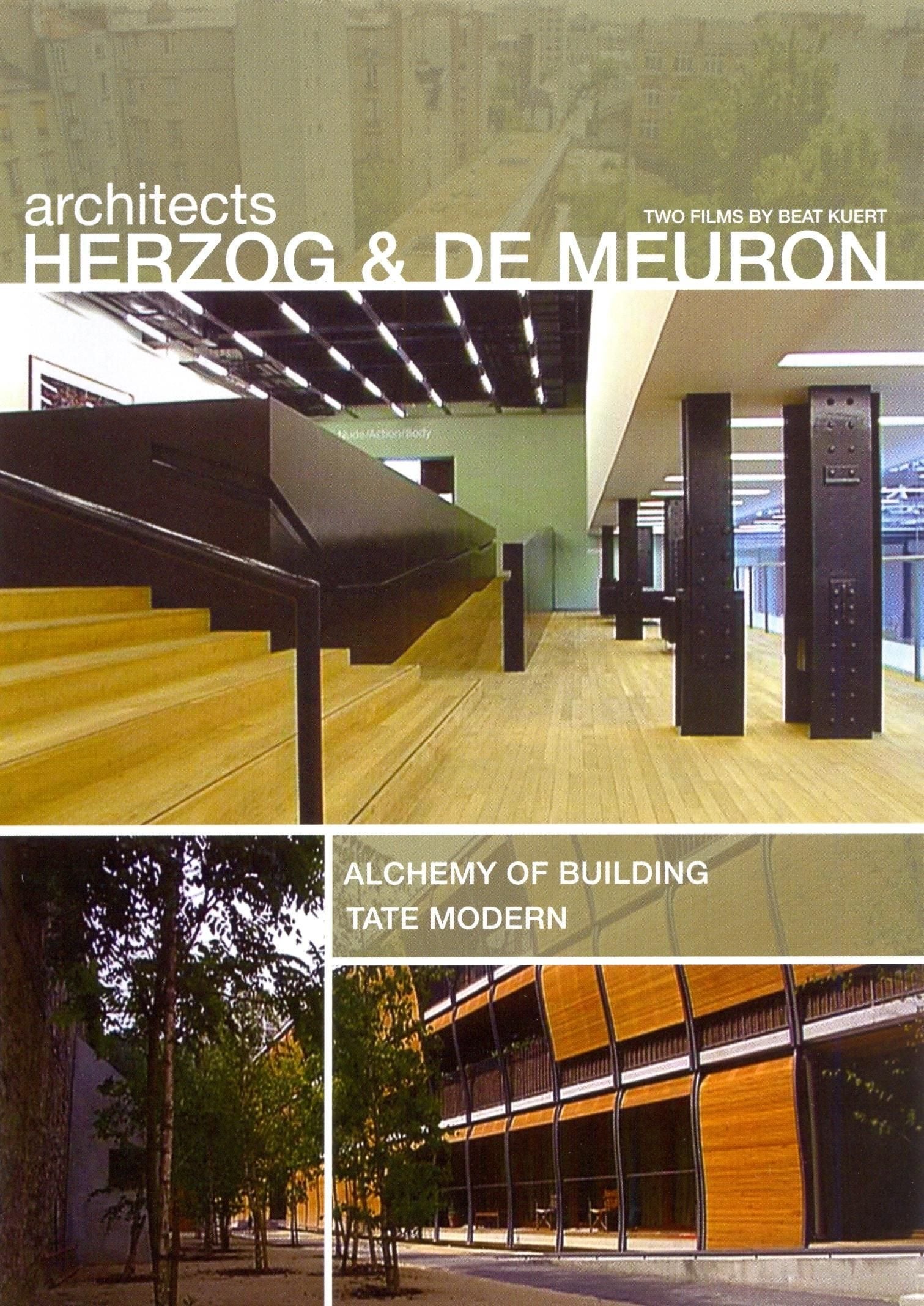
Visiting examples of Herzog and de Meurons ground-breaking style, this film reflects their capacity to astonish and explore the way in which they transform what might otherwise be ordinary through new treatments and techniques.
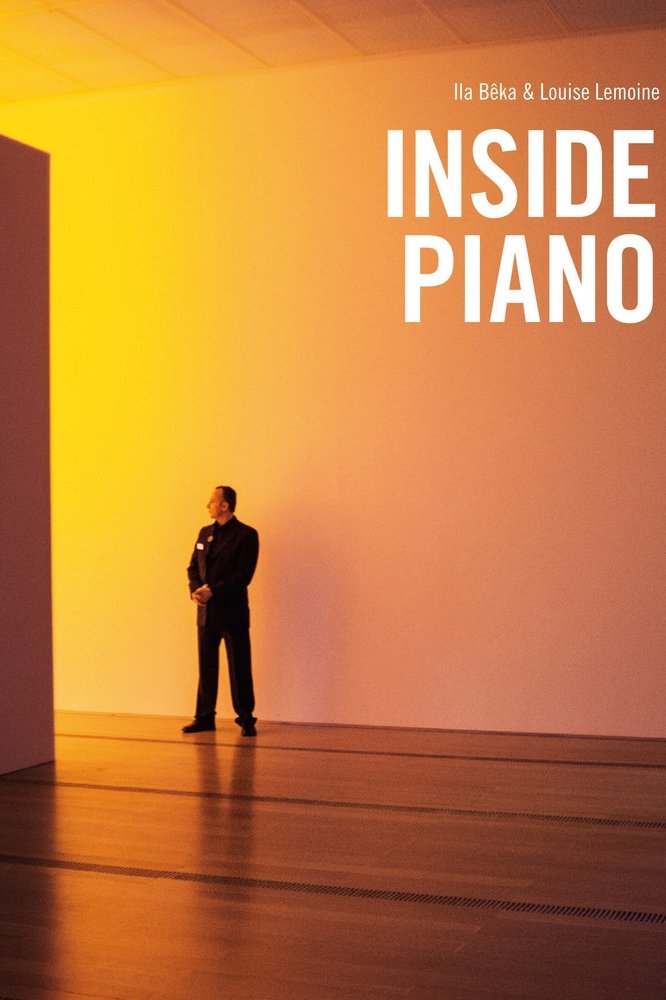
The fifth project of the Living Architectures series, Inside Piano is composed of three films on three symbolic buildings of Renzo Piano's career. A visit throughout the prototype-building of the Centre Pompidou. An immersion in the soundproof world of a submarine floating in the depths of the Parisian underground. A journey aboard a luminous magic carpet of a highly sophisticated architectural machine. A humorous, caustic and quirky point of view.
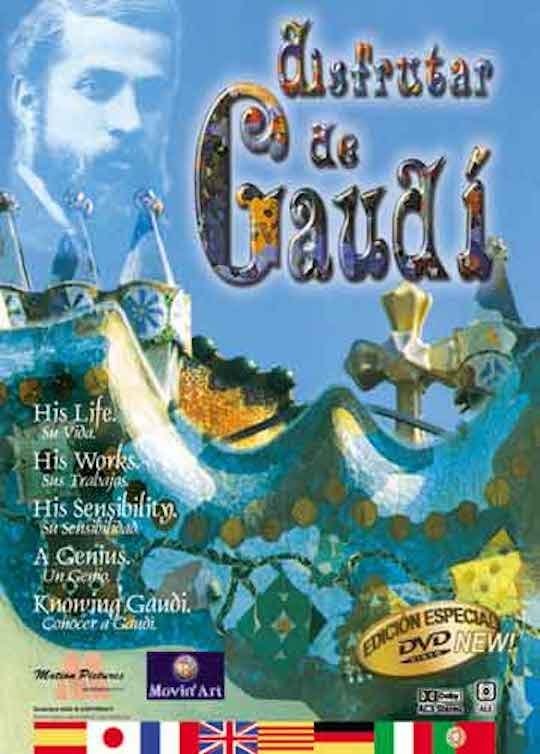
Presented in the guise of an autobiography, this program describes the life and work of Antoni Gaudí. It highlights his personality, his sensitivity and the images of his art.
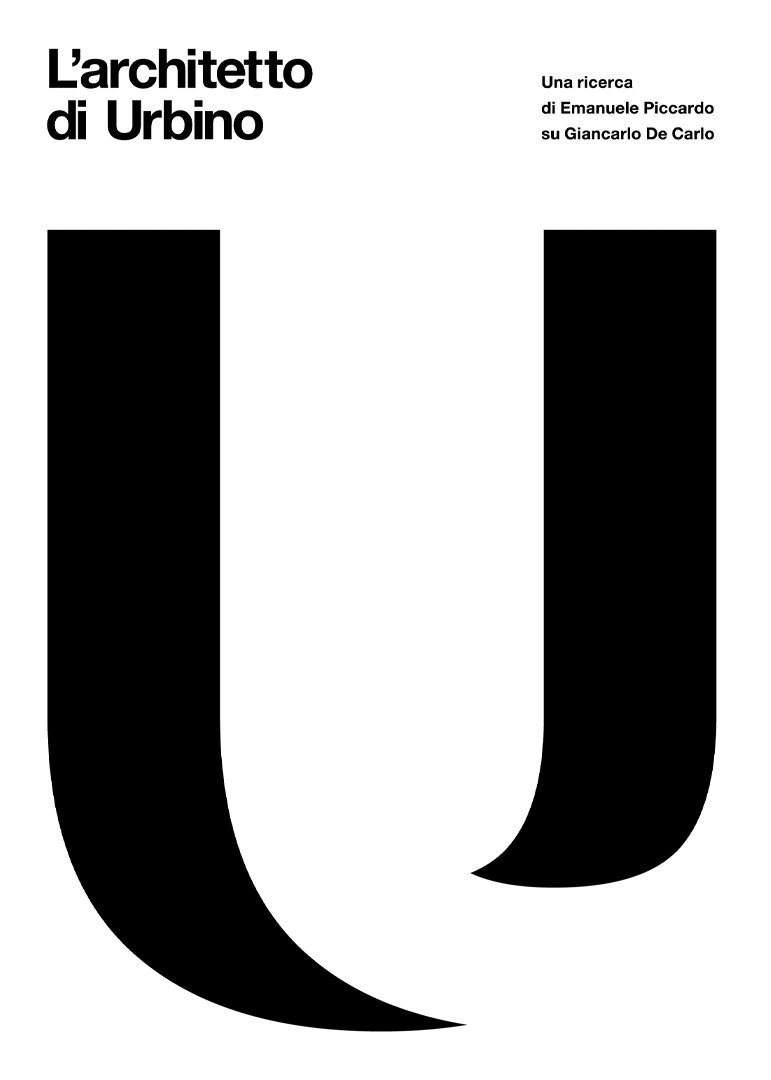
The Italian architect Giancarlo De Carlo (Genoa 1919 - Milan 2005), inspires generations of architects all over the world. His philosophy still remain a school subject. The film, inspired by Franco Buncuga's book “Conversations with Giancarlo de Carlo”, recalls an imaginary trip from Genoa to Urbino, guiding the audience through the historical town center, the Palazzo Ducale and the masterpieces of the Italian Renaissance architect Francesco di Giorgio Martini, which made the Urbino so great.
A short film about traditional crafts and culture that can still be found in the Wallachian mountains today.
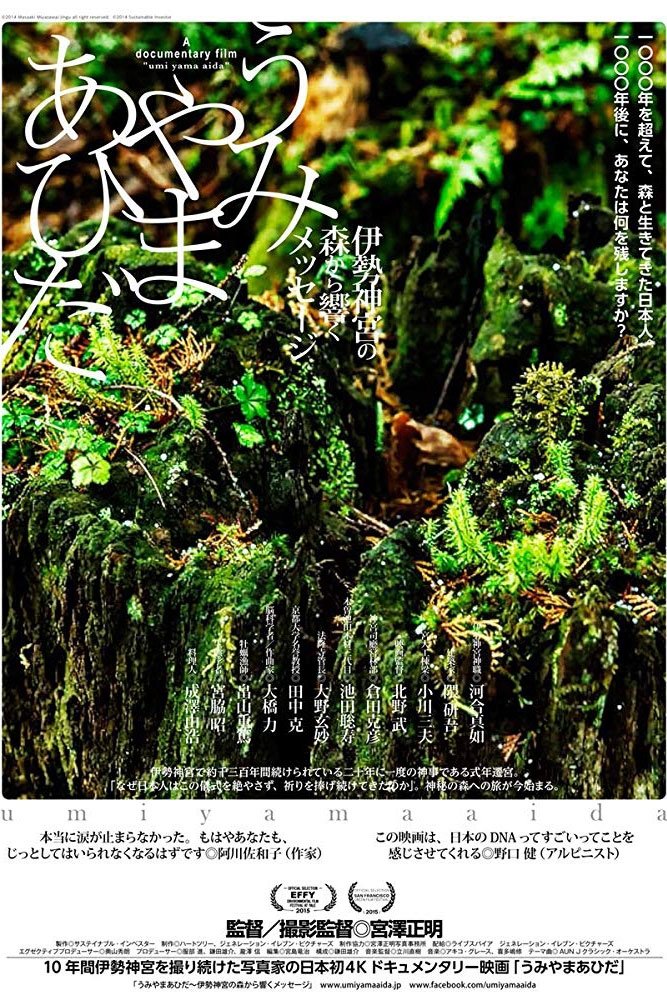
Finding their place between the forest and the sea, the Japanese have always felt awe and gratitude toward Nature. Since ancient times, they have negotiated their own unique relationship with their natural surroundings. Acclaimed photographer Masa-aki Miyazawa discovered the essence of that ancient way of living in Ise Jingu, Japan’s holiest Shinto shrine. Inspired by the idea of sending a message to the future in the same way this ancient shrine keeps alive the traditions of the past, Miyazawa used an ultra-high resolution 4K camera to create a breathtaking visual journey linking the Ise forest with other forests throughout Japan.
In an intimate and joyful story of love in the face of loss, celebrated poets Andrea Gibson and Megan Falley find strength—and unexpected hilarity—in what might be their final year together.
Artists in LA discover the work of forgotten Polish sculptor Stanislav Szukalski, a mad genius whose true story unfolds chapter by astounding chapter.
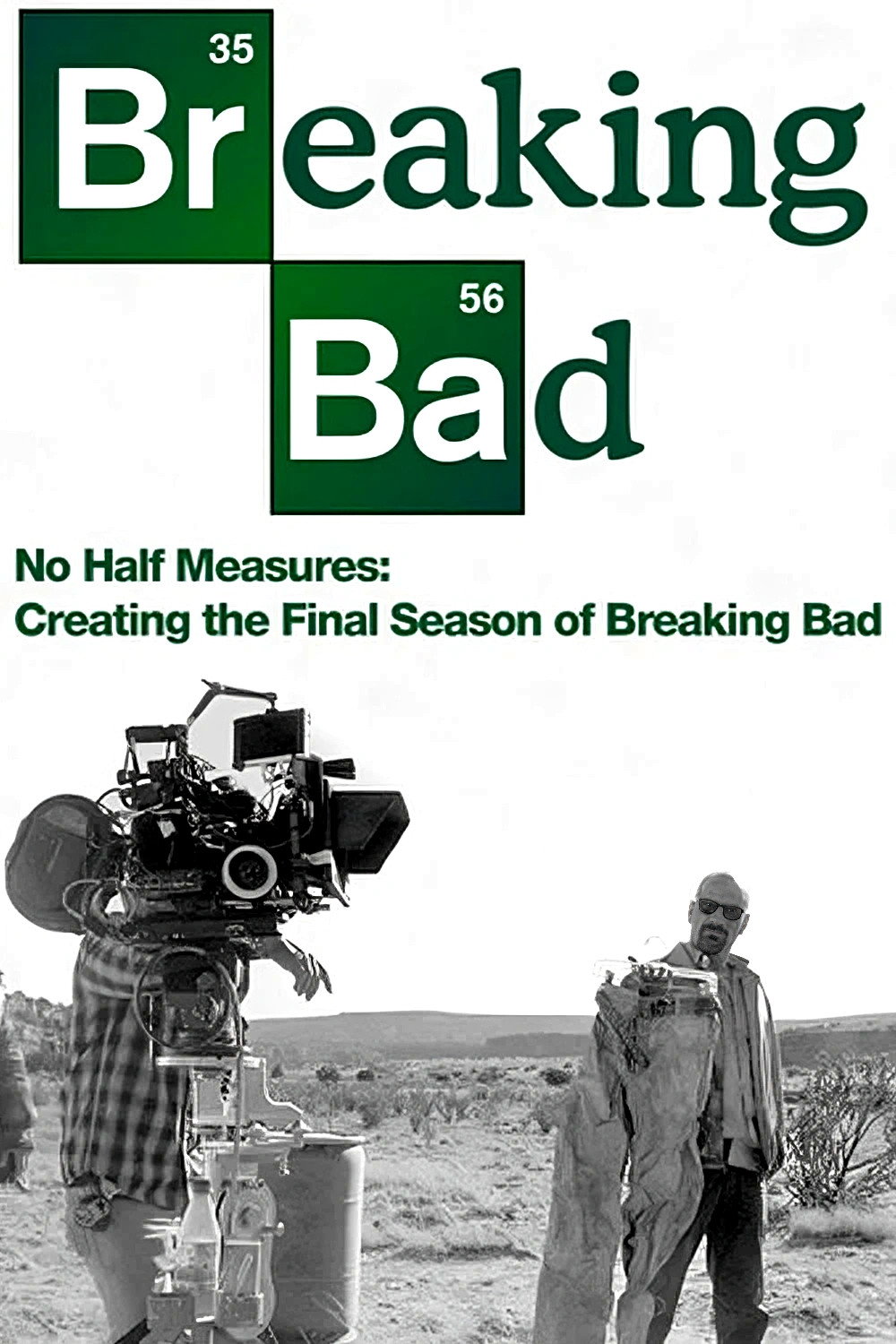
A documentary about the making of season five of the acclaimed AMC series Breaking Bad.
A string of threatening emails escalates into a revenge plot involving a newly married US marshal and his ex-girlfriend.
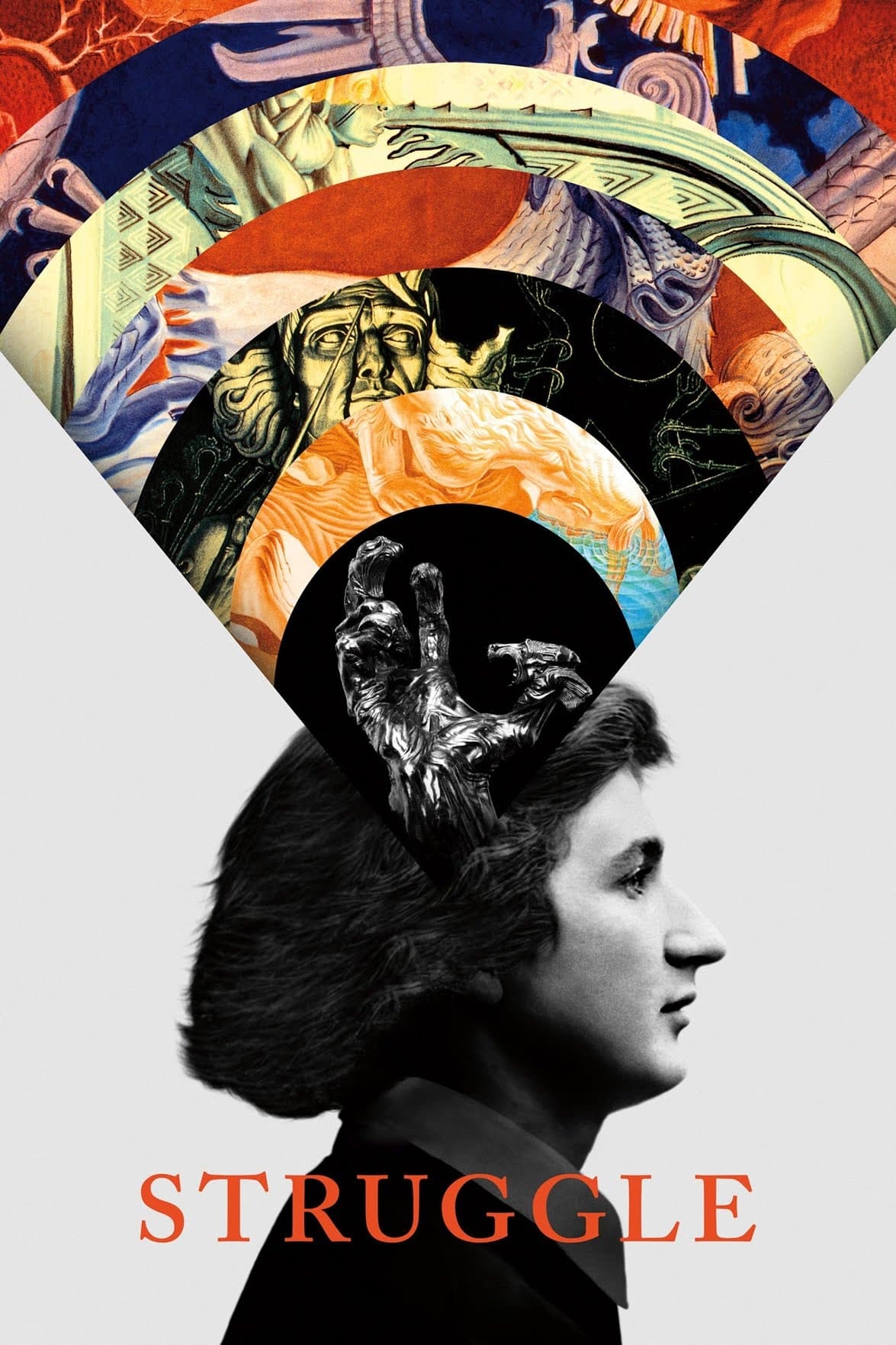
A visual montage portrait of our contemporary world dominated by globalized technology and violence.
An inside look at one of the most anticipated movie sequels ever with James Cameron and cast.
Brilliant, long in-the-works story of the life and art of the world's greatest comedian and the cinema's first genius, Charlie Chaplin. Produced, written and directed by renowned film critic Richard Schickel.
The life and career of an actor, artist, and icon. His own journey through his own camera.
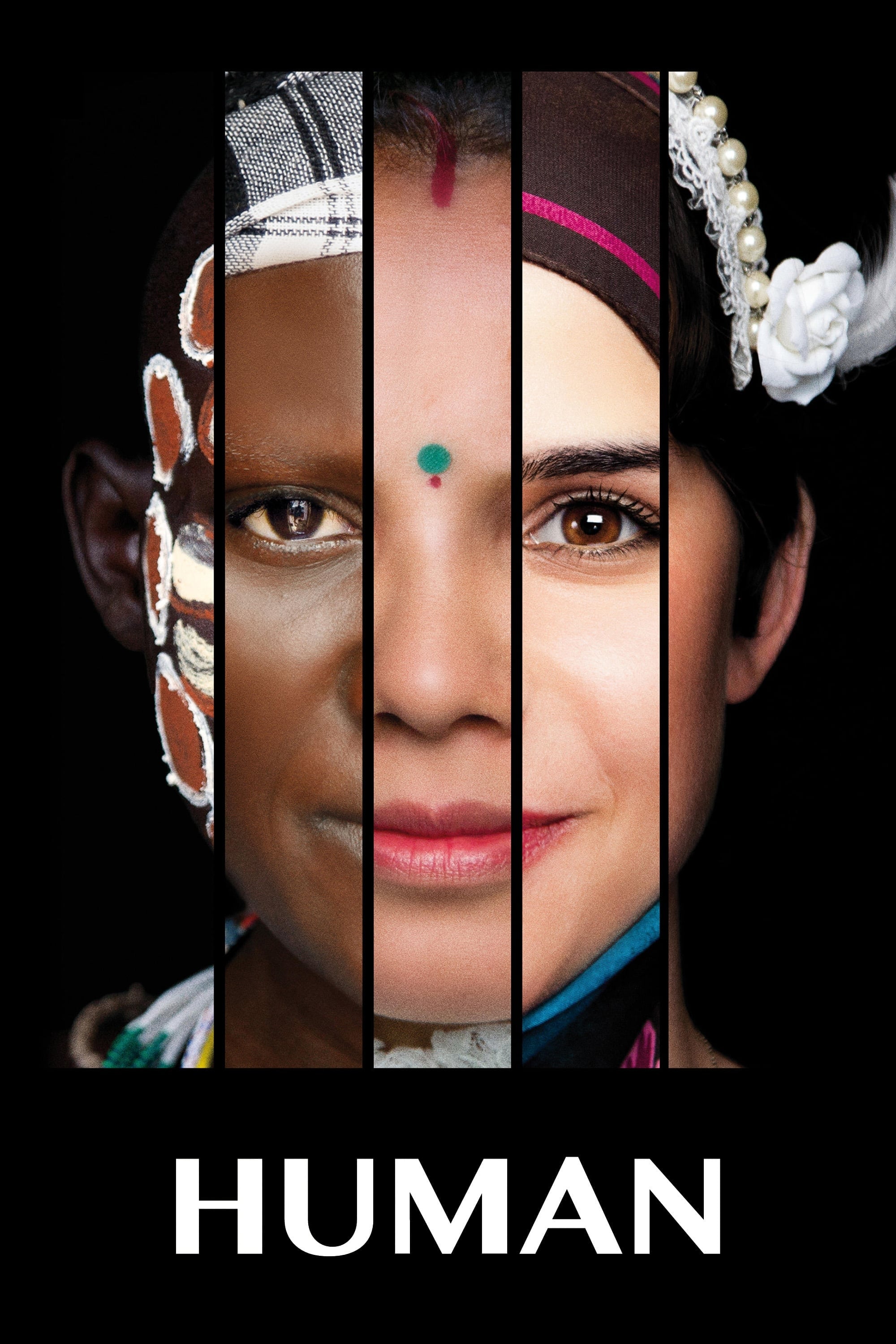
A collection of stories about and images of our world, offering an immersion to the core of what it means to be human. Through these stories full of love and happiness, as well as hatred and violence, it brings us face to face with the Other, making us reflect on our lives. From stories of everyday experiences to accounts of the most unbelievable lives, these poignant encounters share a rare sincerity and underline who we are – our darker side, but also what is most noble in us, and what is universal. Our Earth is shown at its most sublime through never-before-seen aerial images accompanied by soaring music, resulting in an ode to the beauty of the world, providing a moment to draw breath and for introspection. This film is a politically engaged work which allows us to embrace the human condition and to reflect on the meaning of our existence.
Through deeply personal interviews with her siblings and an examination of the photographs, letters, and belongings left behind, Mariska assembles a new portrait of her mother Jayne Mansfield, an extraordinary and complex woman.
The life of Mr. Spock, as well as that of Leonard Nimoy, the actor who played him for almost fifty years, written and directed by his son: Adam.
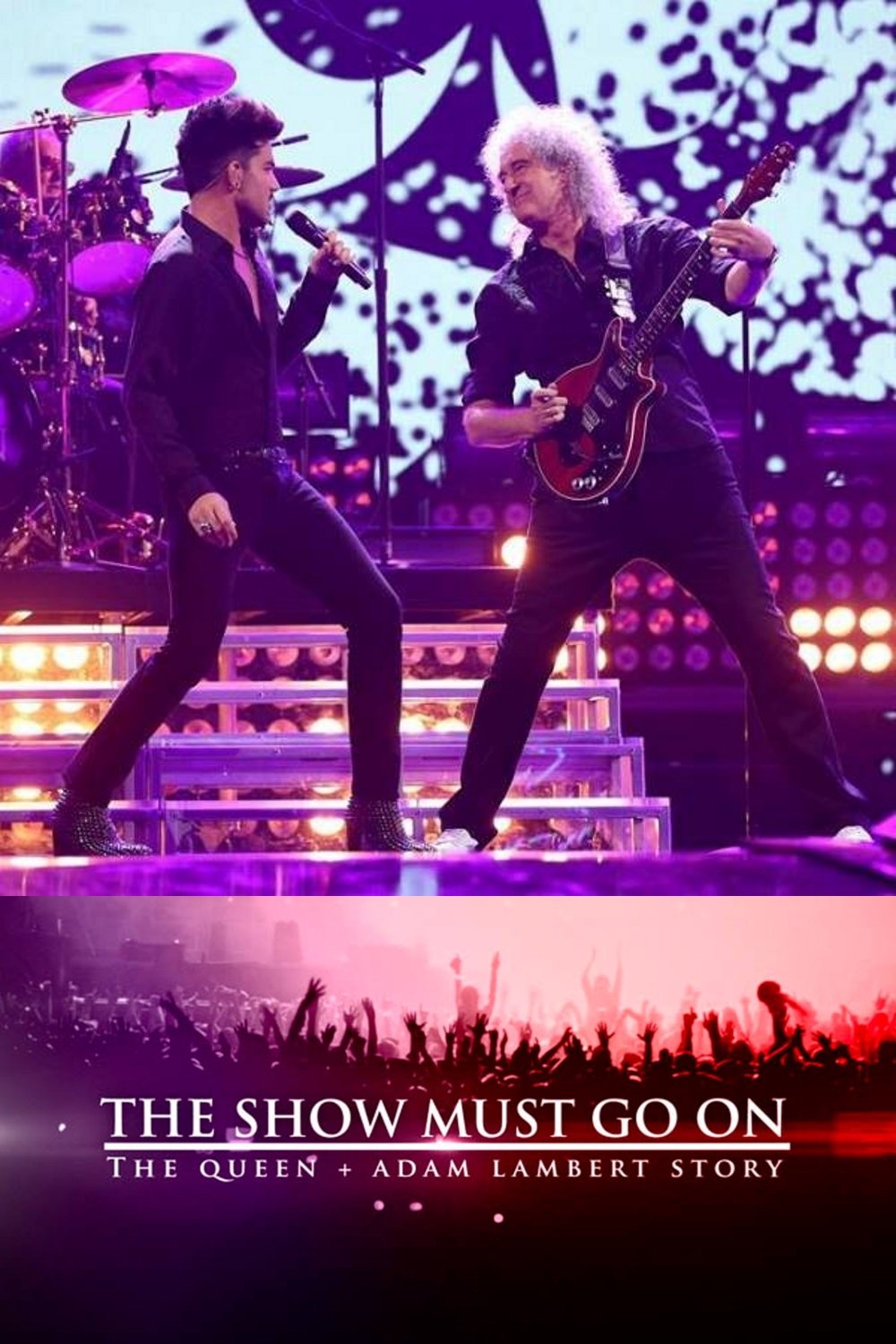
A documentary chronicling Queen and Lambert's incredible journey since they first shared the stage together on "American Idol" in 2009.
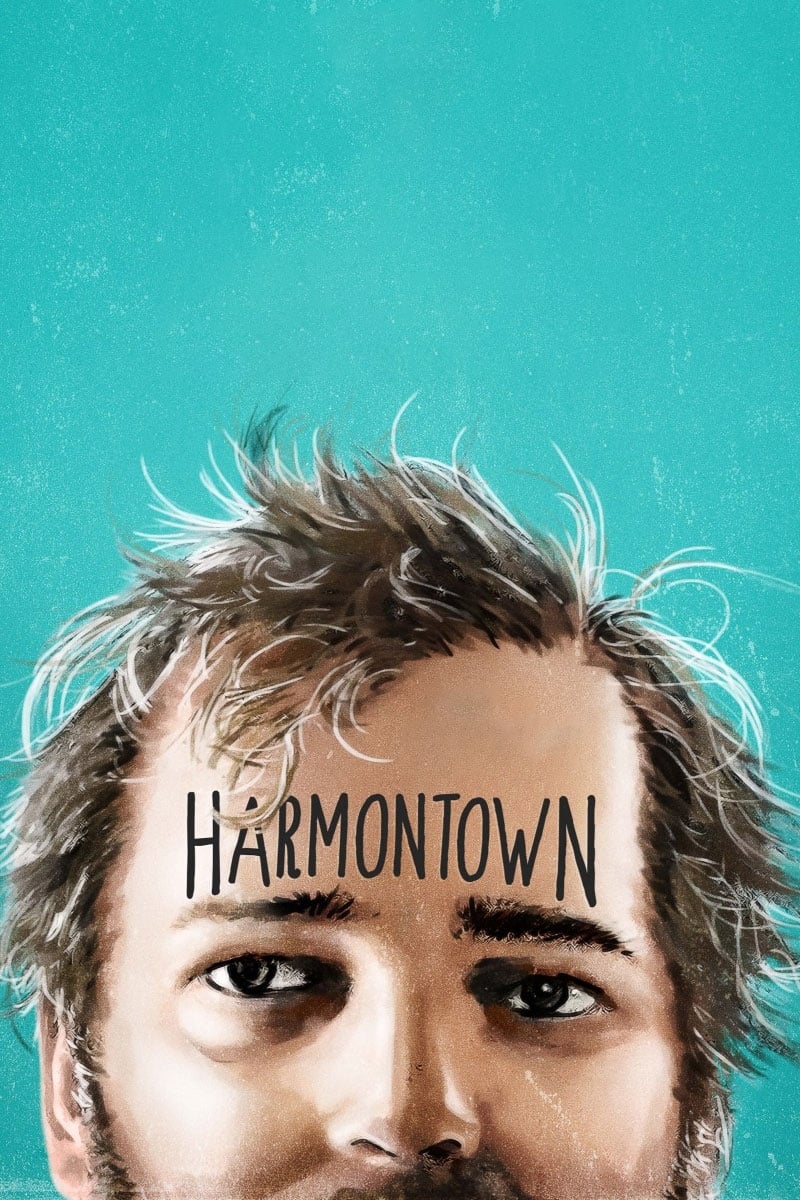
A comedic, brutally honest documentary following self-destructive TV writer Dan Harmon as he takes his live podcast on a national tour.
Al Pacino's deeply-felt rumination on Shakespeare's significance and relevance to the modern world through interviews and an in-depth analysis of "Richard III."
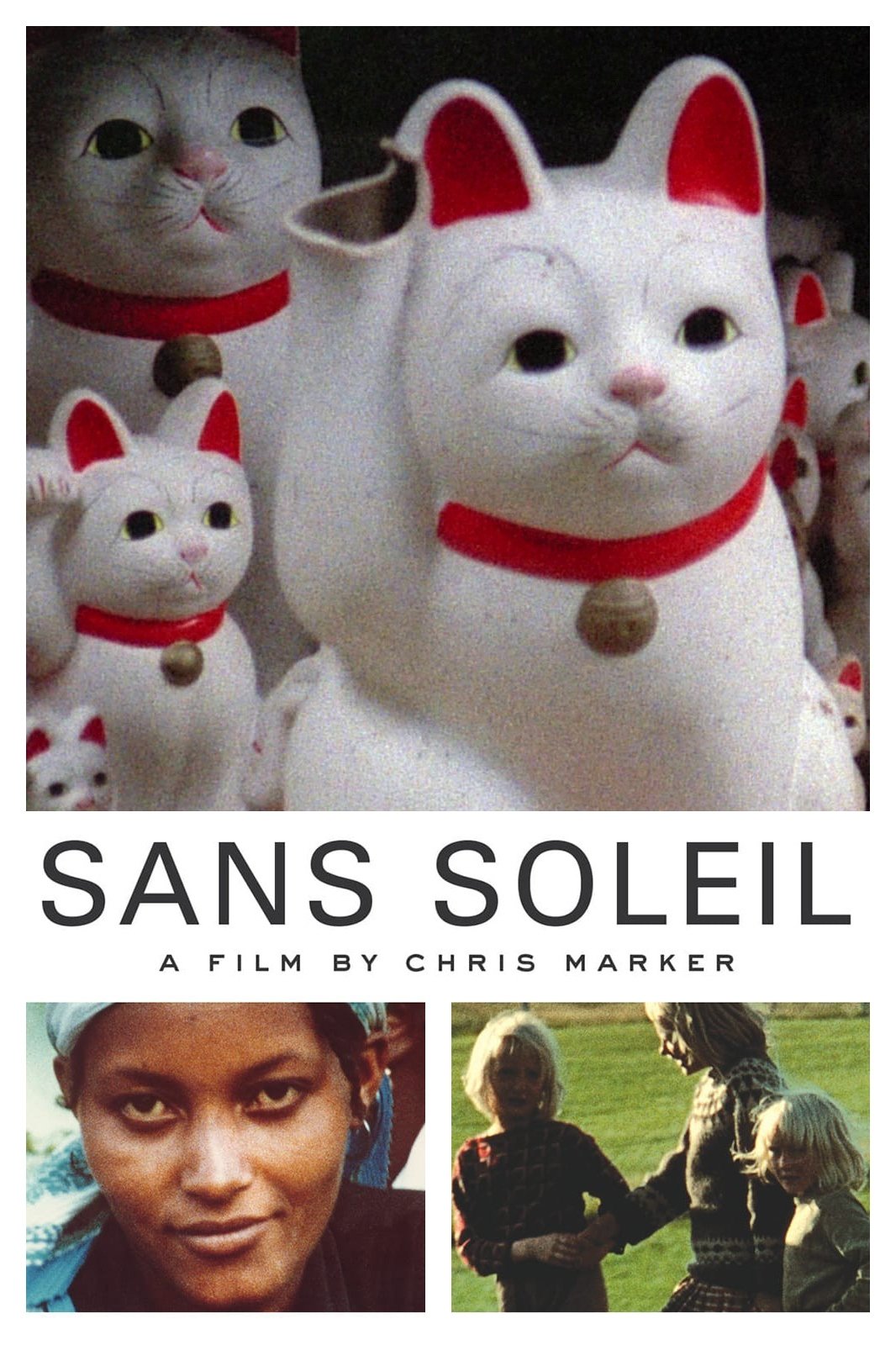
A woman narrates the thoughts of a world traveler, meditations on time and memory expressed in words and images from places as far-flung as Japan, Guinea-Bissau, Iceland, and San Francisco.
The Making-of James Cameron's Avatar. It shows interesting parts of the work on the set.
The life and career of one of comedy's most inimitable modern voices, Mr. Gilbert Gottfried.
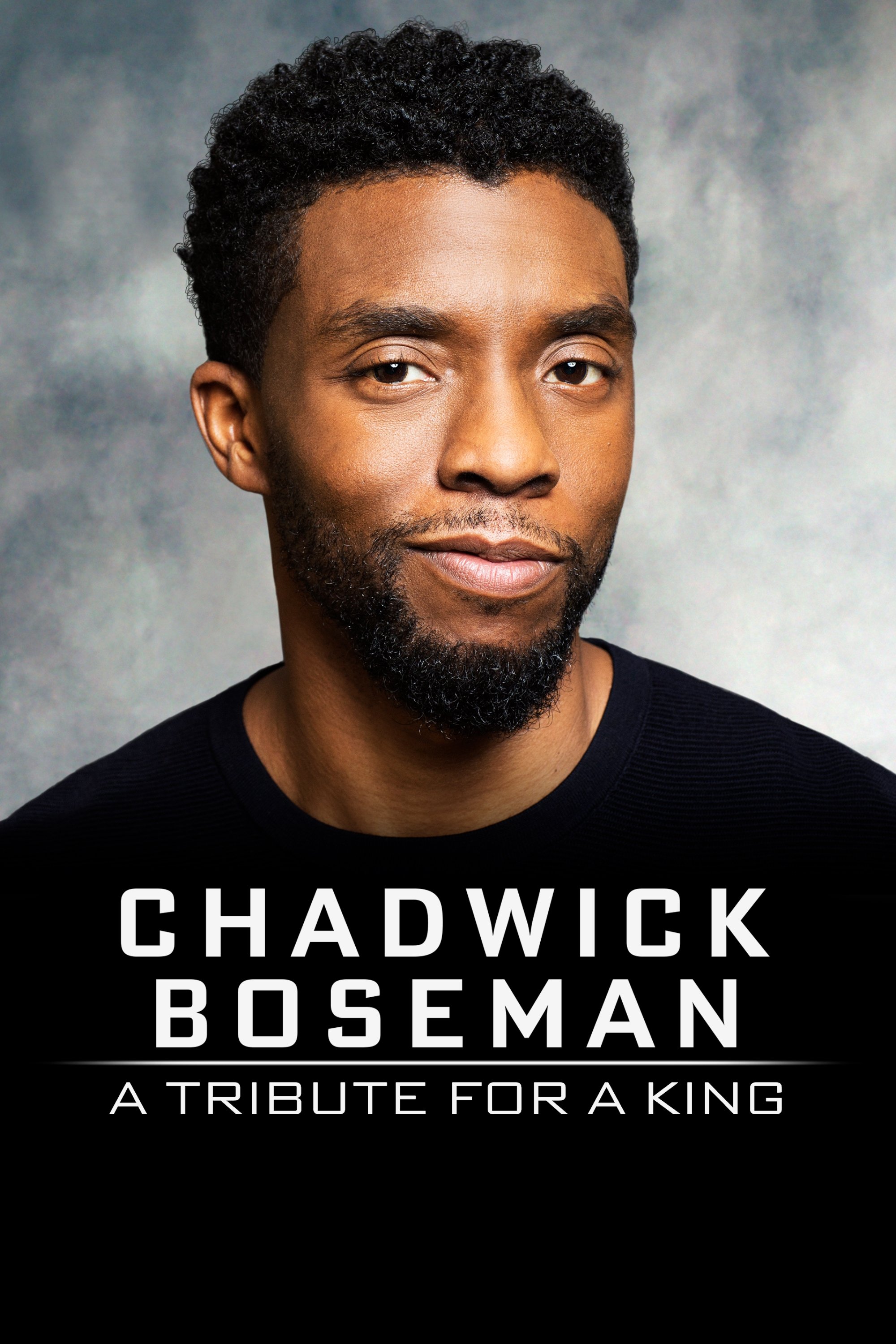
A tribute to Chadwick Boseman, celebrating his life and legacy.
Over 35 years after Bob Lazar's revelations, this documentary exposes secrets of a facility the government still denies. Featuring Lazar's testimony, recreations, and new evidence, it reopens a case that continues to spark global curiosity
Ranjit, a farmer in India, takes on the fight of his life when he demands justice for his 13-year-old daughter, the victim of a brutal gang rape. His decision to support his daughter is virtually unheard of, and his journey unprecedented.