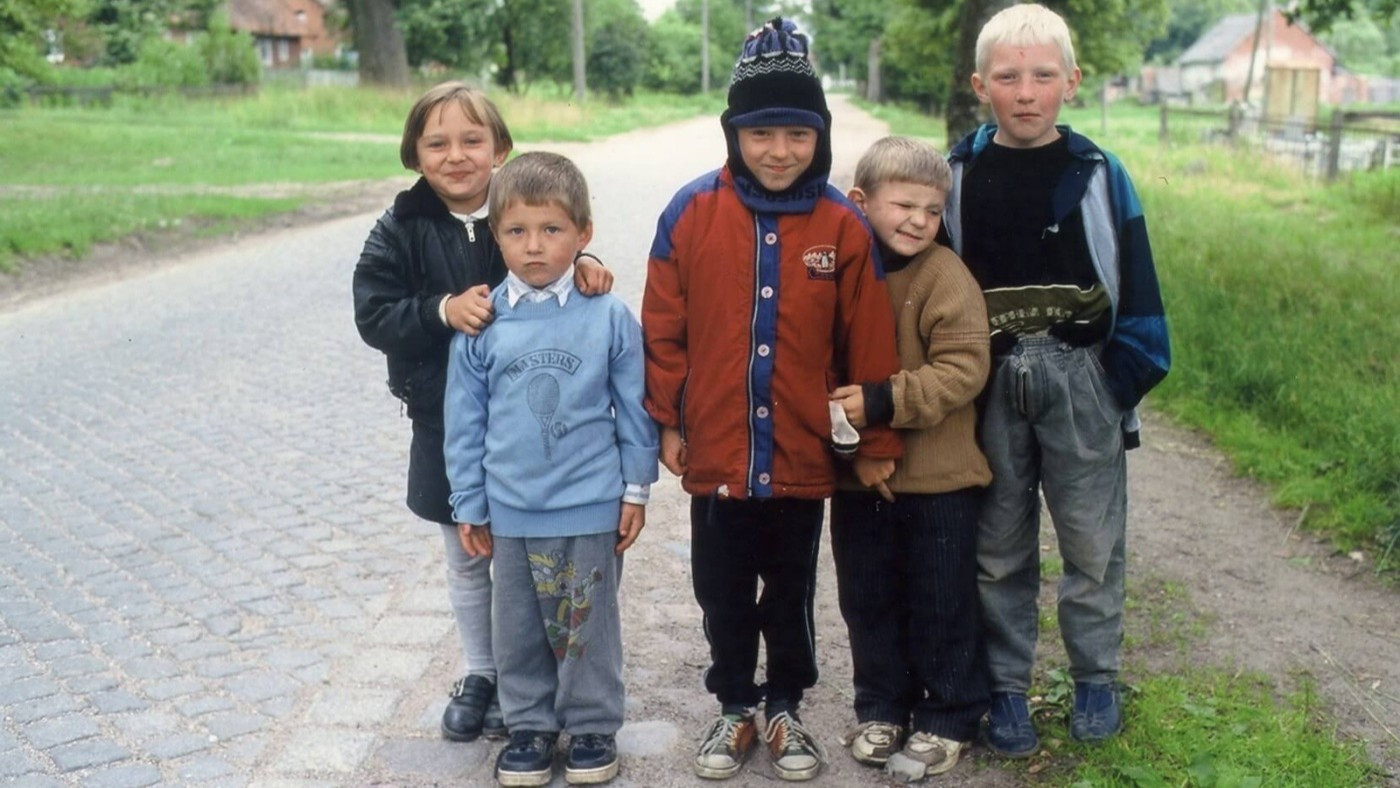
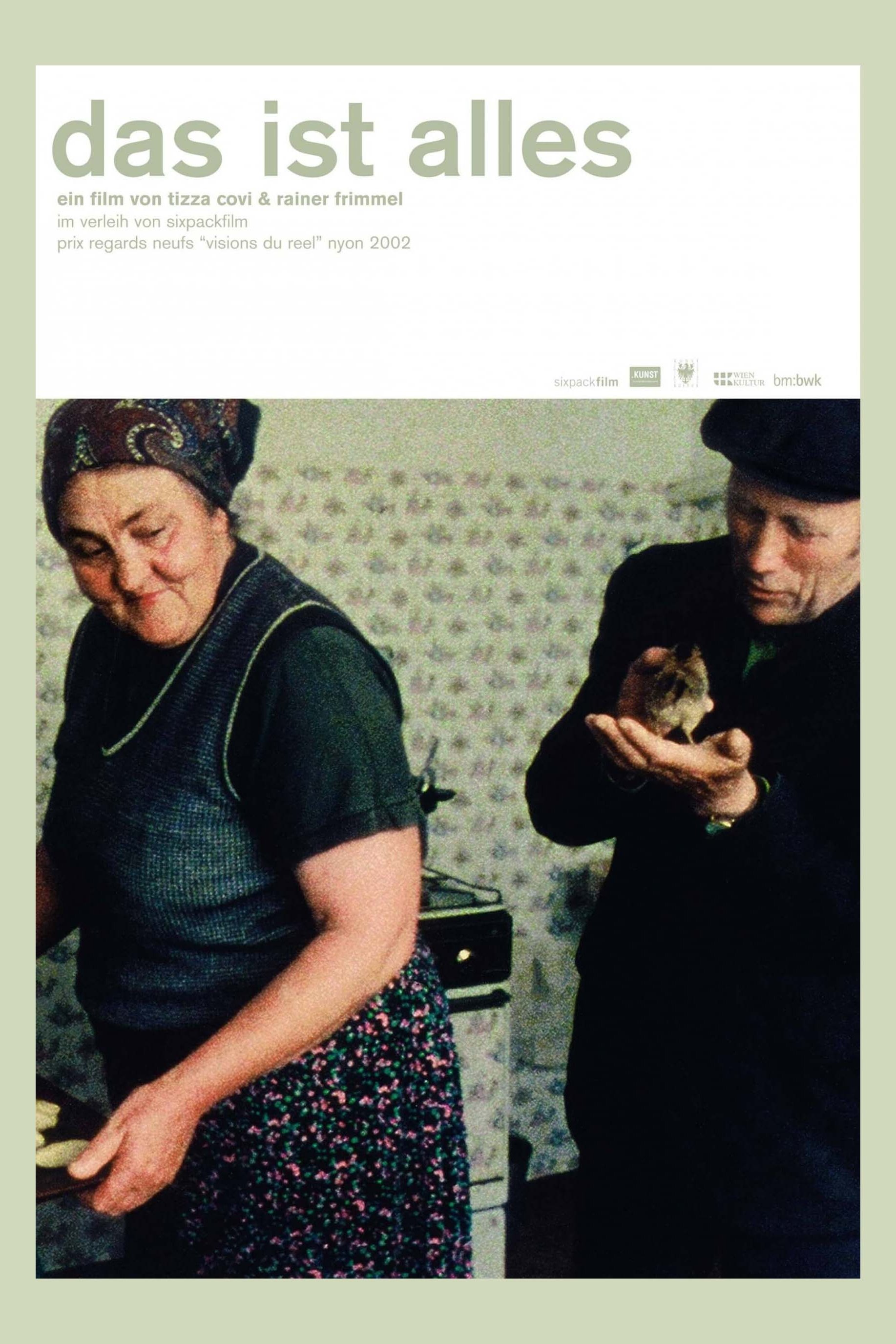
Portrait of a Russian village near Kaliningrad and its multiethnic inhabitants.
Social & External
The people behind it
Lina Dies
Herself
Viktor Dies
Himself
Nadja Letschunkis
Alexej Letschunkis
Tigran Gülüyman
Syran Gülüyman
The village of Tamaquito lies deep in the forests of Colombia. Here, nature provides the people with everything they need. But the Wayúu community's way of life is being destroyed by the vast and rapidly growing El Cerrejón coal mine. Determined to save his community from forced resettlement, the leader Jairo Fuentes negotiates with the mine's operators, which soon becomes a fight to survive.
A documentary, originally produced for Dutch television, on the life and works of Osip Mandelstam (1891-1938), the groundbreaking Soviet poet and dissident.
The film is an emotional story about fateful historical events in the 20th century, which took place in three Baltic countries- Latvia, Lithuania and Estonia. The story is also about their efforts to regain independence.
Follows the lives of Boris and Masha Rak, Soviet Jews who in 1934 moved to the Jewish Autonomous Oblast.
Historian James Bulgin reveals the origins of the Holocaust in the German invasion of the Soviet Union, exploring the mass murder, collaboration and experimentation that led to the Final Solution.
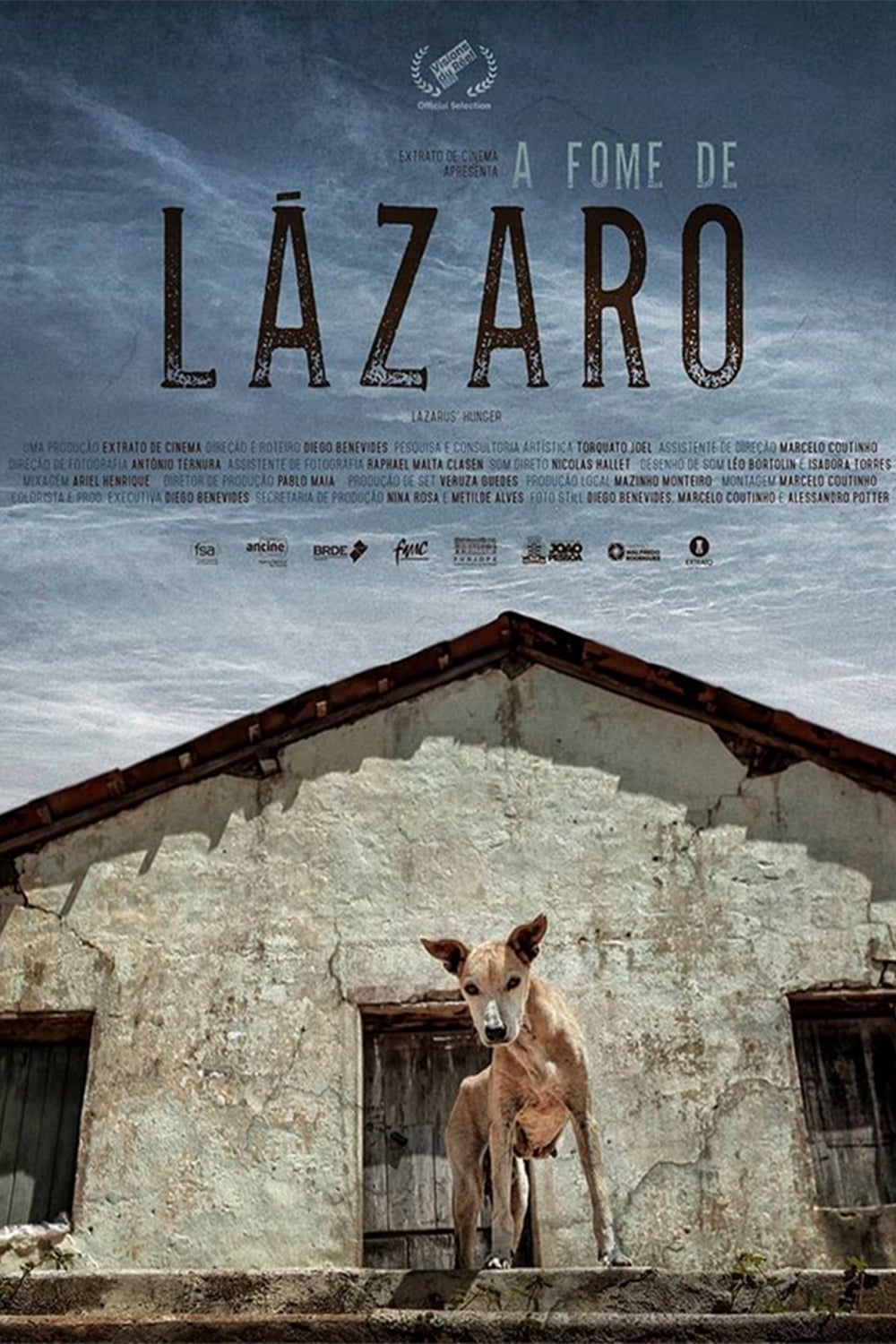
In the Brazilian countryside, the village of Monteiros hosts a unique event every year. When a person’s prayers are granted, they offer the village’s dogs a feast. Between religious celebration and popular belief, Lazarus’ Hunger powerfully documents a community coming together.
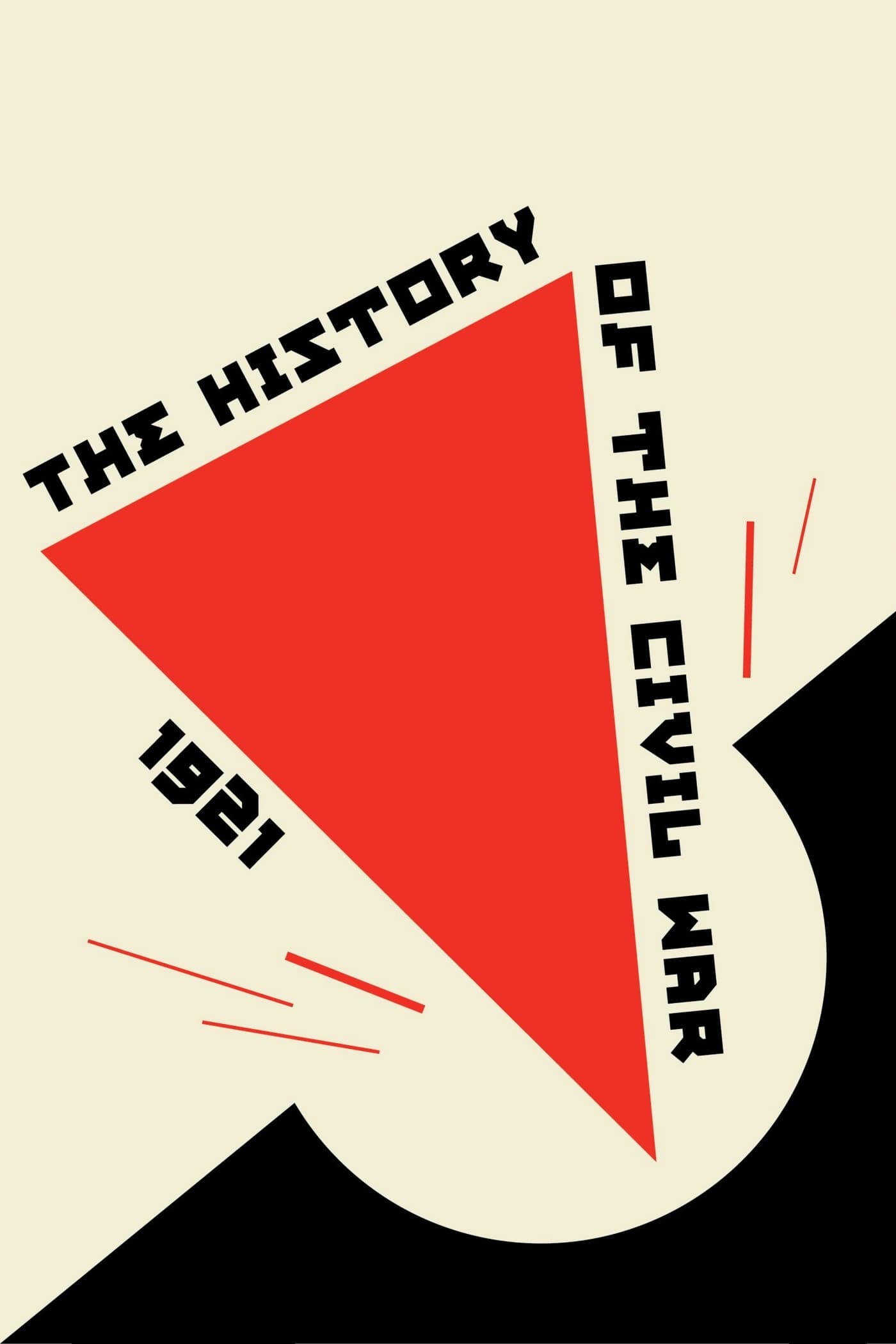
The epic story of the Russian Civil War (1918-21): the White Terror, the counterrevolutionary uprisings, the guerrilla war, the Kolchak front, the Wrangel front and the Kronstadt rebellion. Chaos and violence, devastation and death.
The story of what daily life was like in Poland under communism: private conversations, cruel interrogations, recruitment attempts, recorded and filmed with hidden devices; of how the secret services spied on every activity of ordinary citizens: nothing escaped the brutal system of control developed by the Soviets in the name of freedom.
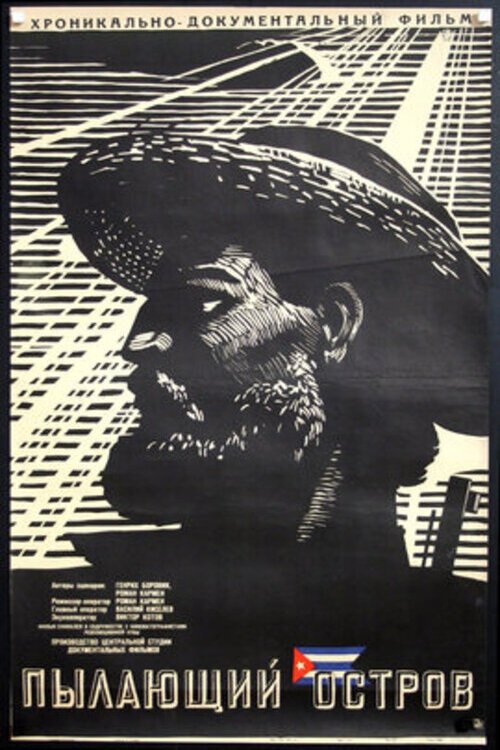
Documentary recounting the story of the Cuban Revolution and its impact on the young people of Cuba.
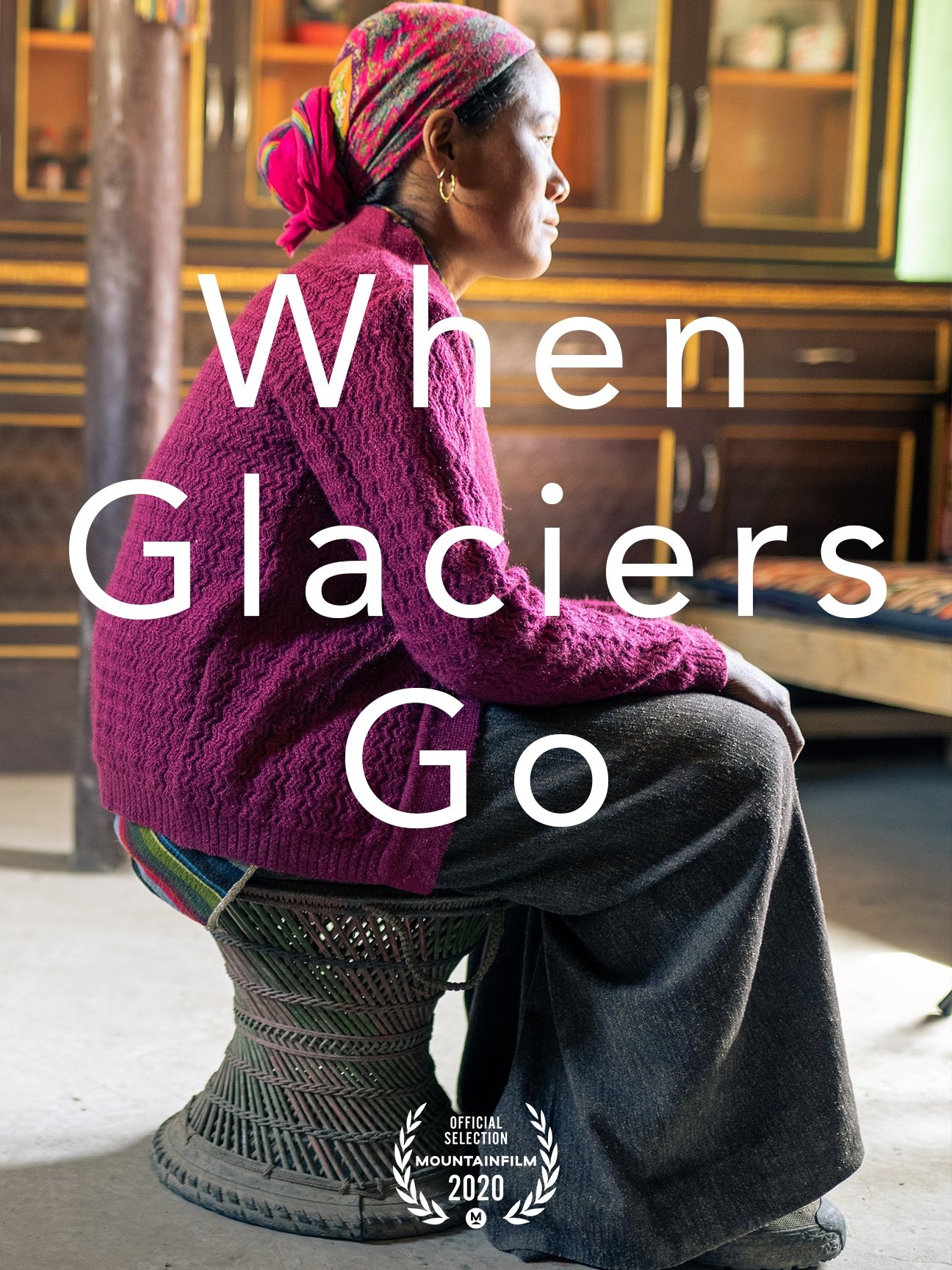
A diminishing water supply is driving people from their land in a remote region of Nepal. The younger generation of the Gurung family adapts by commuting from their ancestral home, where subsistence depends on grazing goats and cows, to a village that has a commercial apple orchard, fed by irrigation. “We cannot give up cultivating our fields,” a elderly man explains. “The apple farm is not going to be able to feed us easily.” The older generation believes that water shortages stem from road building and bulldozing, upsetting the natural order, a young man explains. Both generations fly prayer flags, beseeching water.
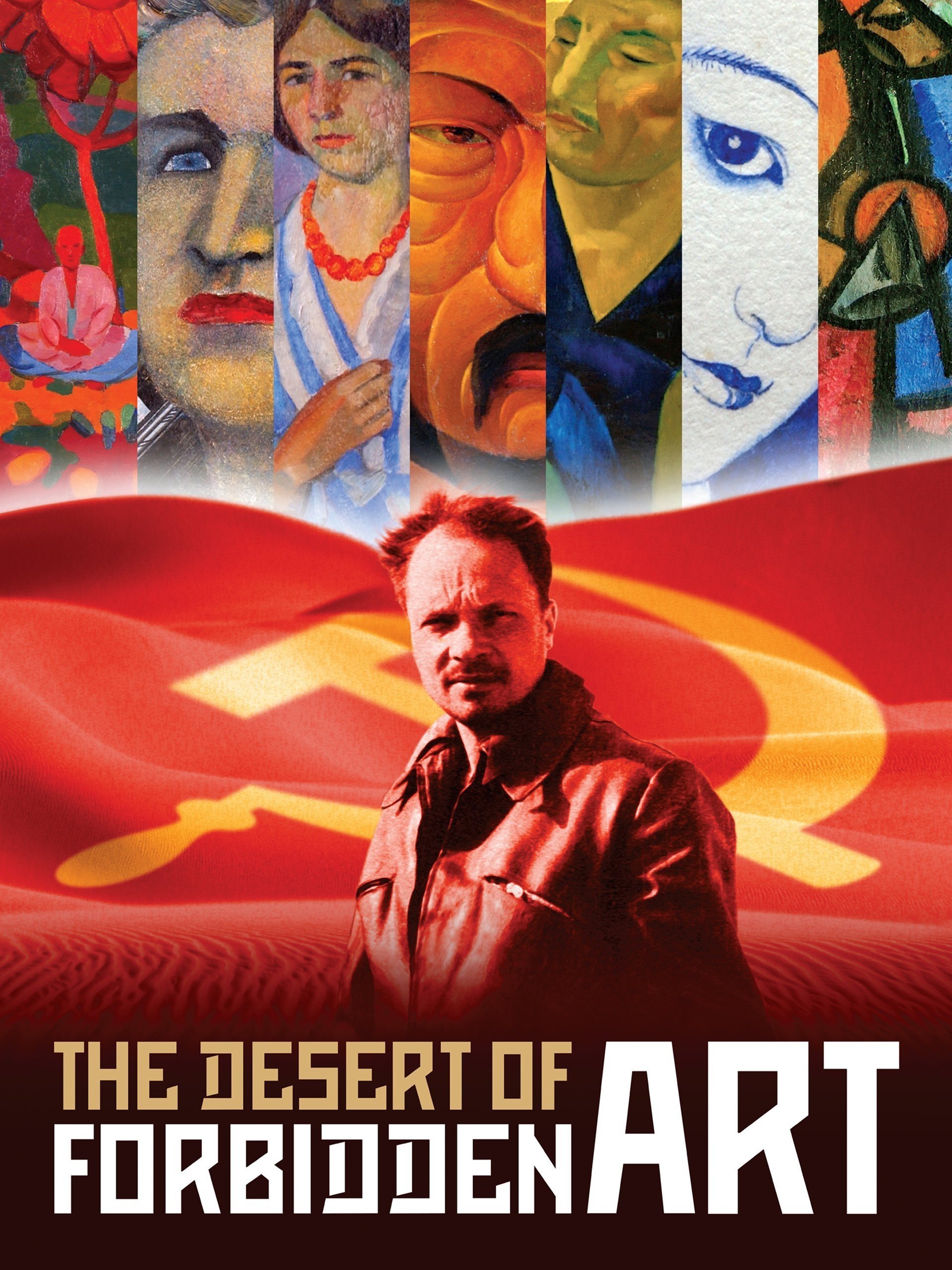
How does art survive in a time of oppression? During the Soviet rule artists who stay true to their vision are executed, sent to mental hospitals or Gulags. Their plight inspires young Igor Savitsky. He pretends to buy state-approved art but instead daringly rescues 40,000 forbidden fellow artist's works and creates a museum in the desert of Uzbekistan, far from the watchful eyes of the KGB. Though a penniless artist himself, he cajoles the cash to pay for the art from the same authorities who are banning it. Savitsky amasses an eclectic mix of Russian Avant-Garde art. But his greatest discovery is an unknown school of artists who settle in Uzbekistan after the Russian revolution of 1917, encountering a unique Islamic culture, as exotic to them as Tahiti was for Gauguin. They develop a startlingly original style, fusing European modernism with centuries-old Eastern traditions.
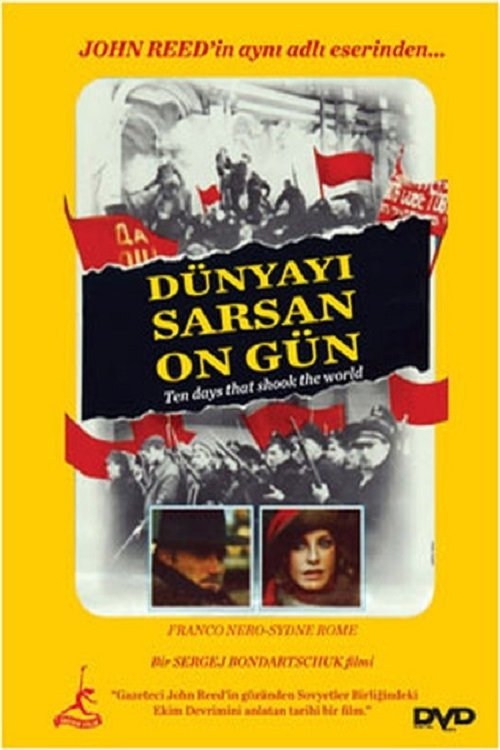
An epic presentation of the turbulent days leading to the Russian Revolution. Based on the classic work by John Reed, this important documentary makes use of rare footage and little-known information, stirringly narrated by Orson Welles.
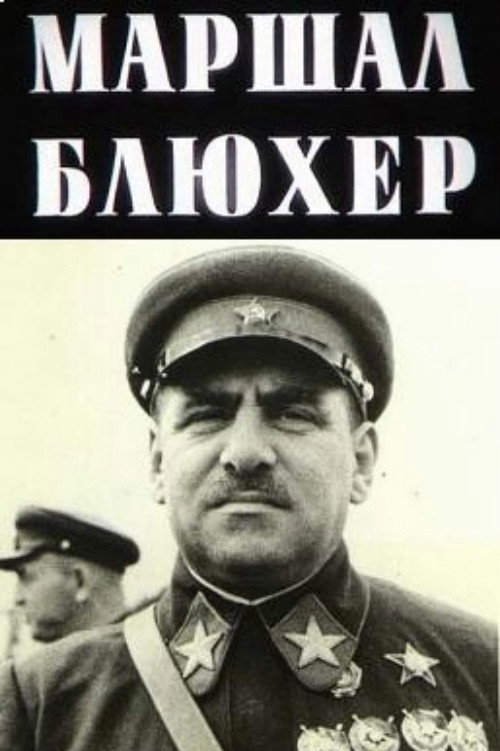
The story of Marshal Vasily Konstantinovich, a dedicated Red Army commander who was killed in Stalin's "purges." The film attempts to study the fate of the country through his biography, and unlock the riddle of the show trials of the thirties.
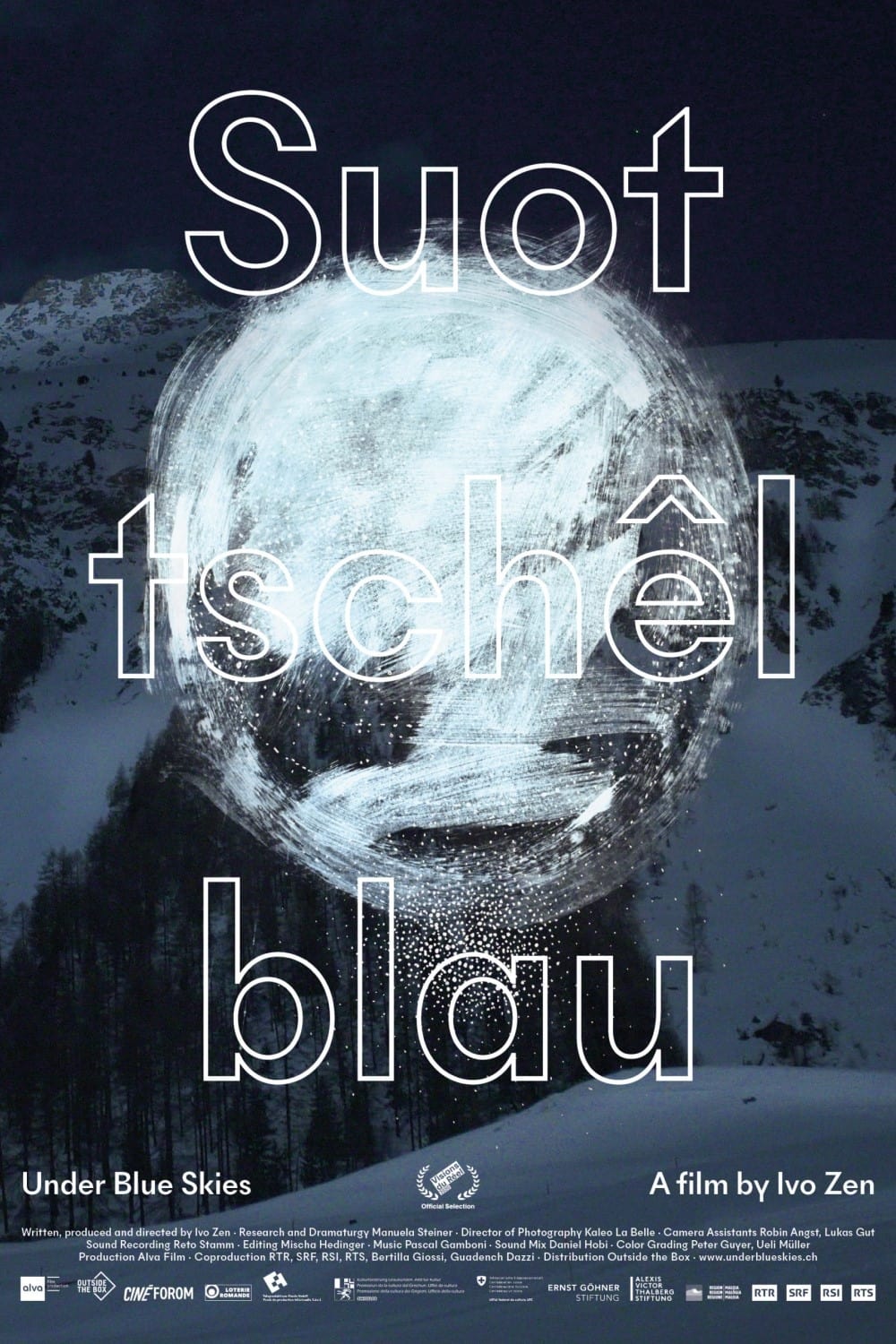
In the 1980s the breathtaking scenery of the Engadine is the setting of a social tragedy. The local youth rejects the rigid rules of traditional society. Along with juvenile get-togethers, heroin appears in the mountain valley. As more and more die from overdose, society reacts to the crisis by isolating itself and averting its eyes. The film lifts the veil on the stories untold. Can the memories of this bleak past become part of the Engadine’s acknowledged heritage?
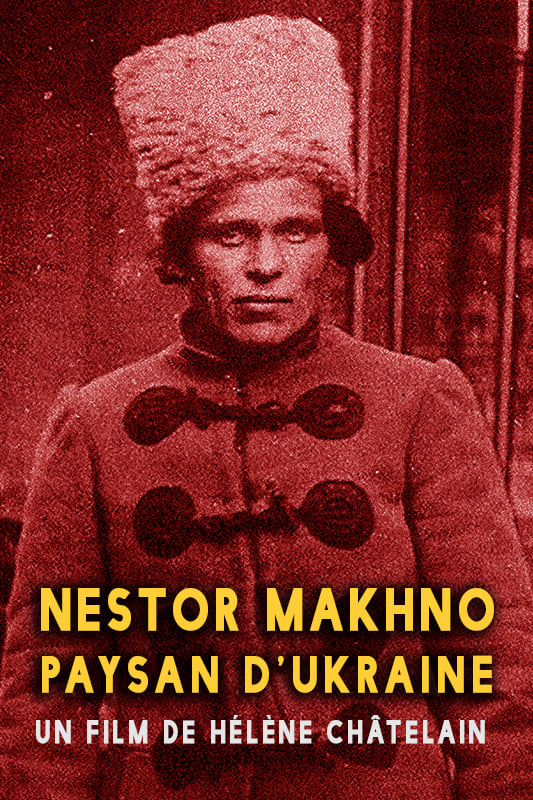
With breathless pace, Hélène Chatelain ("the woman" in "La Jetée") reconstructs the life of Nestor Makhno from his writings, Soviet propaganda films, reactions of workers today and the memory he has left in the hearts & minds of his people in Gouliaïpolié, in the east of the Ukraine.
Moscow, January 1948. In the bitter cold, a large crowd attends the State Funeral of the Yiddish actor and director Solomon Mikhoels. An official proclamation mourns the death of "a great People's Artist of the Soviet Union." What people are really mourning is the death of the most popular Jewish theater in the Soviet Union, and the man who kept it alive against all odds for over 20 years. No doubt many suspected the truth: he had just been assassinated by Stalin's secret police.
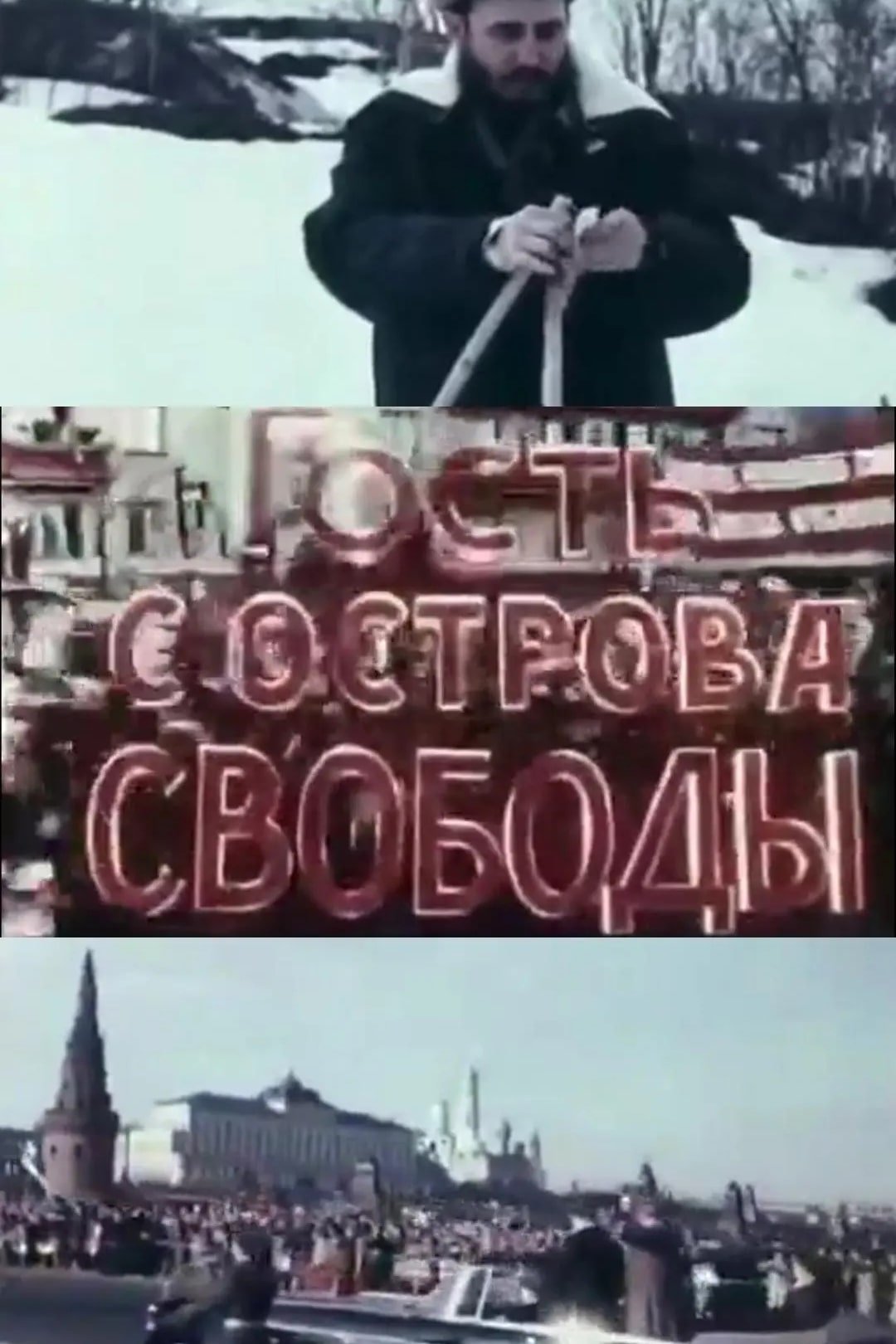
A documentary about Fidel Castro's visit to the USSR from April 28 to June 3, 1963 and how the Cuban leader traveled throughout the Soviet Union for 40 days, from Severodvinsk to Khiva in Uzbekistan.
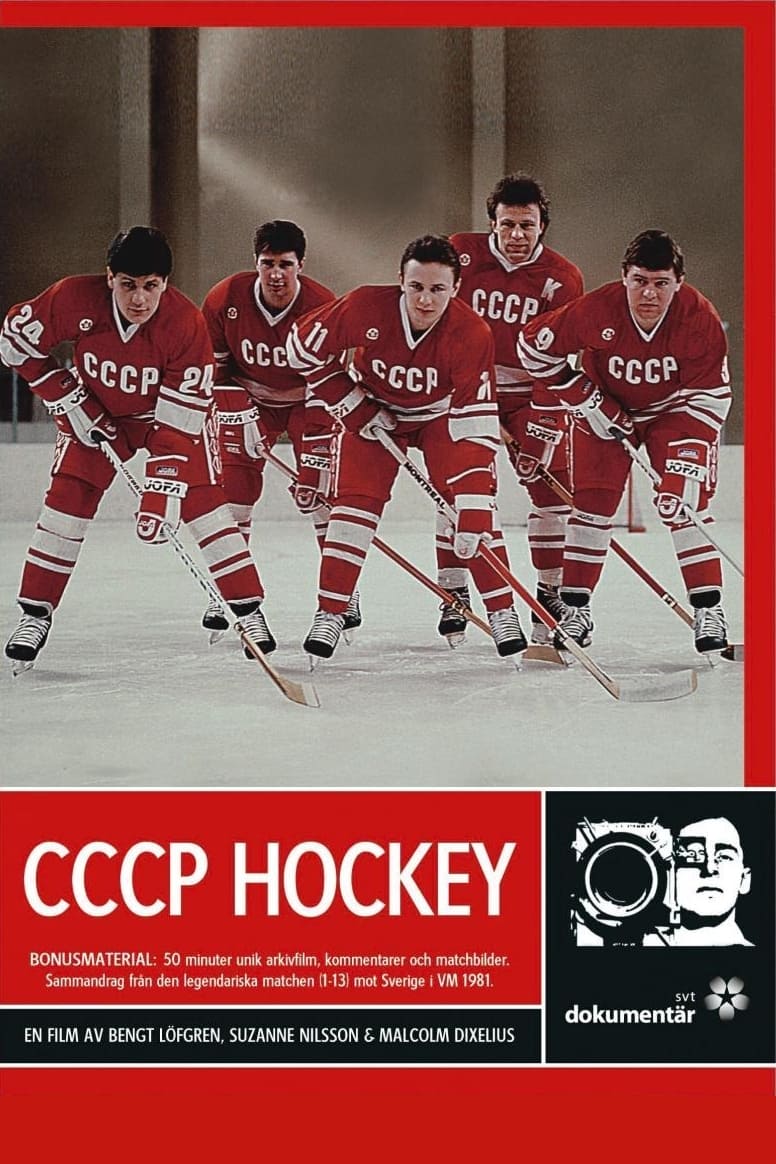
The Soviet hockey players Fetisov, Kasatonov, Krutov, Larionov and Makarov were "The Super Five". It is a tale of sacrifice and ruthless demands, and of the revolt against the system that was set in motion by Larionov and Fetisov, and aimed primarily at Viktor Tichonov.
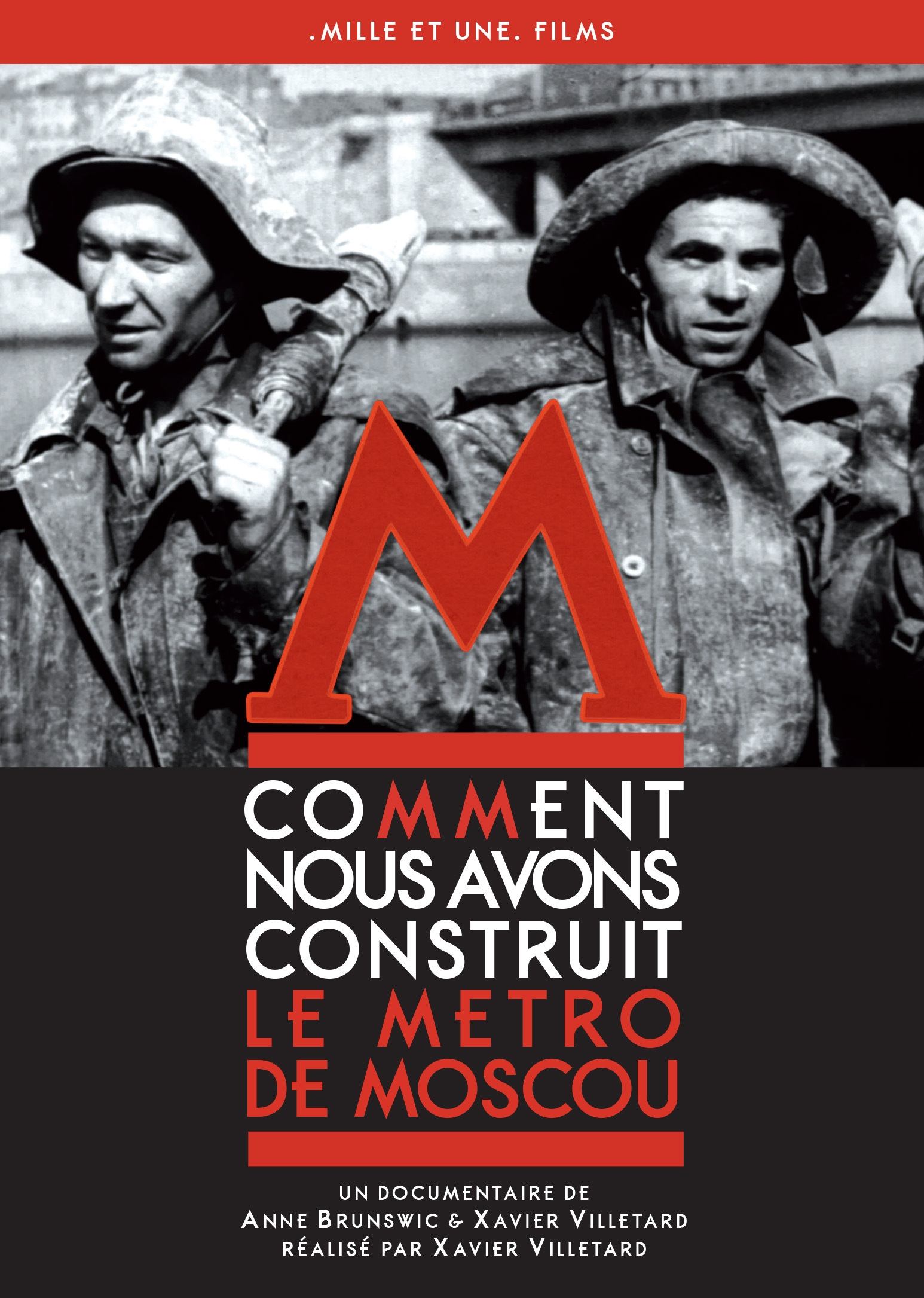
In the 1930’s, the workers of the underground, headed by brigades of writers, are in charge to write in real time "the history of the Moscow Metro". Based on their narratives, partially unpublished, the film recounts the first lines construction of the most beautifiul underground in the world, in the light of this "big literary Utopia", stoped by the purges of 1937-38.
Russia is grappling with a critical issue: they have become the country with the most at large serial killers in the world particularly concentrated in Rostov, the same city that witnessed Andrei Chikatilo's infamous killing spree. In response, law enforcement has turned to Dr. Alexander Bukhanovsky, a prominent psychiatrist and criminal profiler, who is implementing radical measures to understand the root causes of this phenomenon and develop effective solutions. Within Dr. Bukhanovsky's clinic, we encounter three of his young patients: Edward and Igor, whose families express deep concerns about their disturbing fantasies, and 'Mischa', who has perpetrated acts of torture and sexual assault. Dr. Bukhanovsky's approach is groundbreaking, offering treatment to potential serial offenders. However, critics argue that by keeping individuals like 'Mischa' anonymous, he may inadvertently shield them from public awareness and accountability, prompting debate over the ethics of his methods.
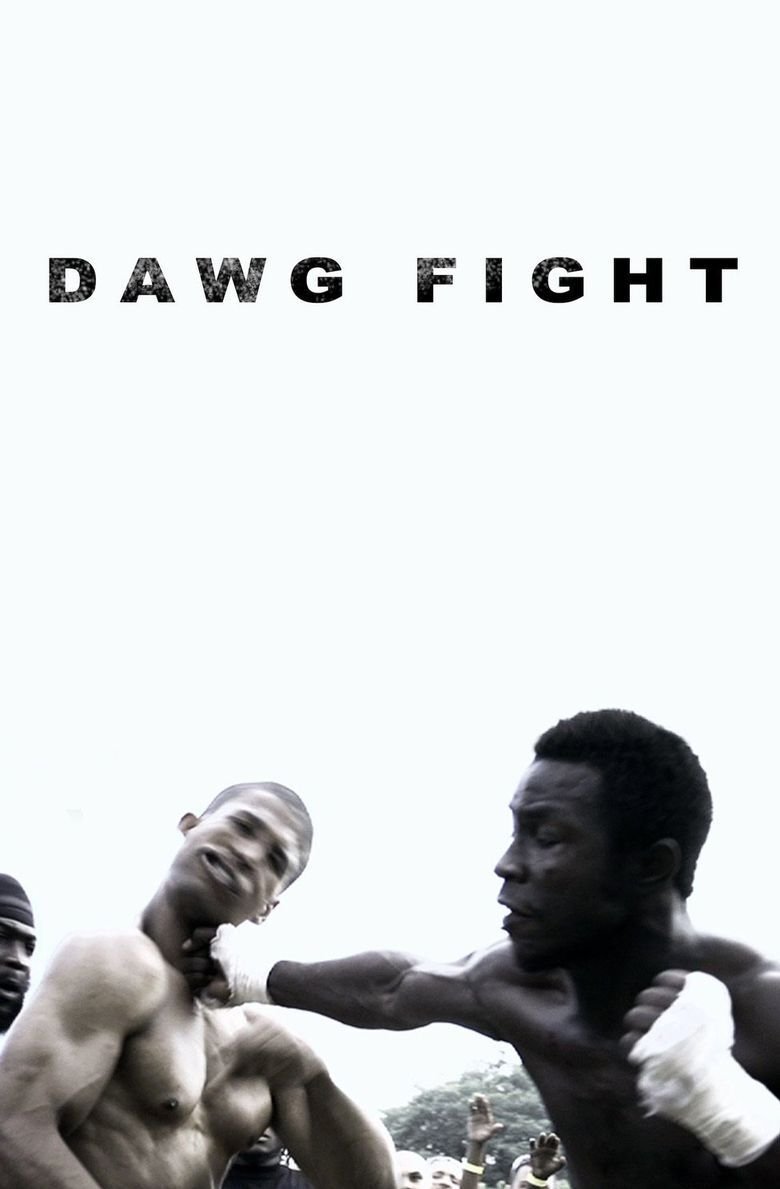
In a crime-plagued neighborhood near Miami, brutal, bare-knuckled backyard fights give young men a chance to earn money -- and self-respect.
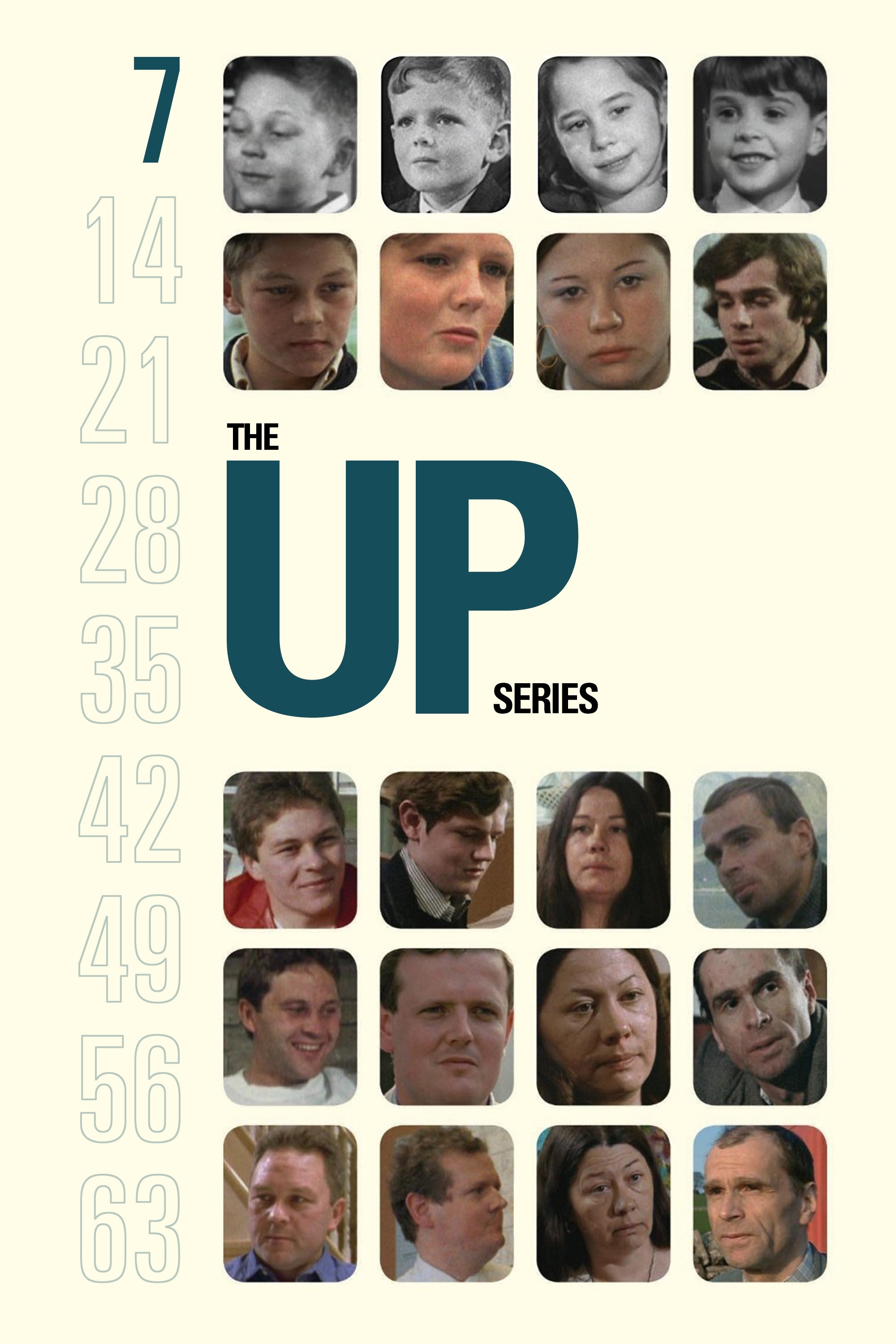
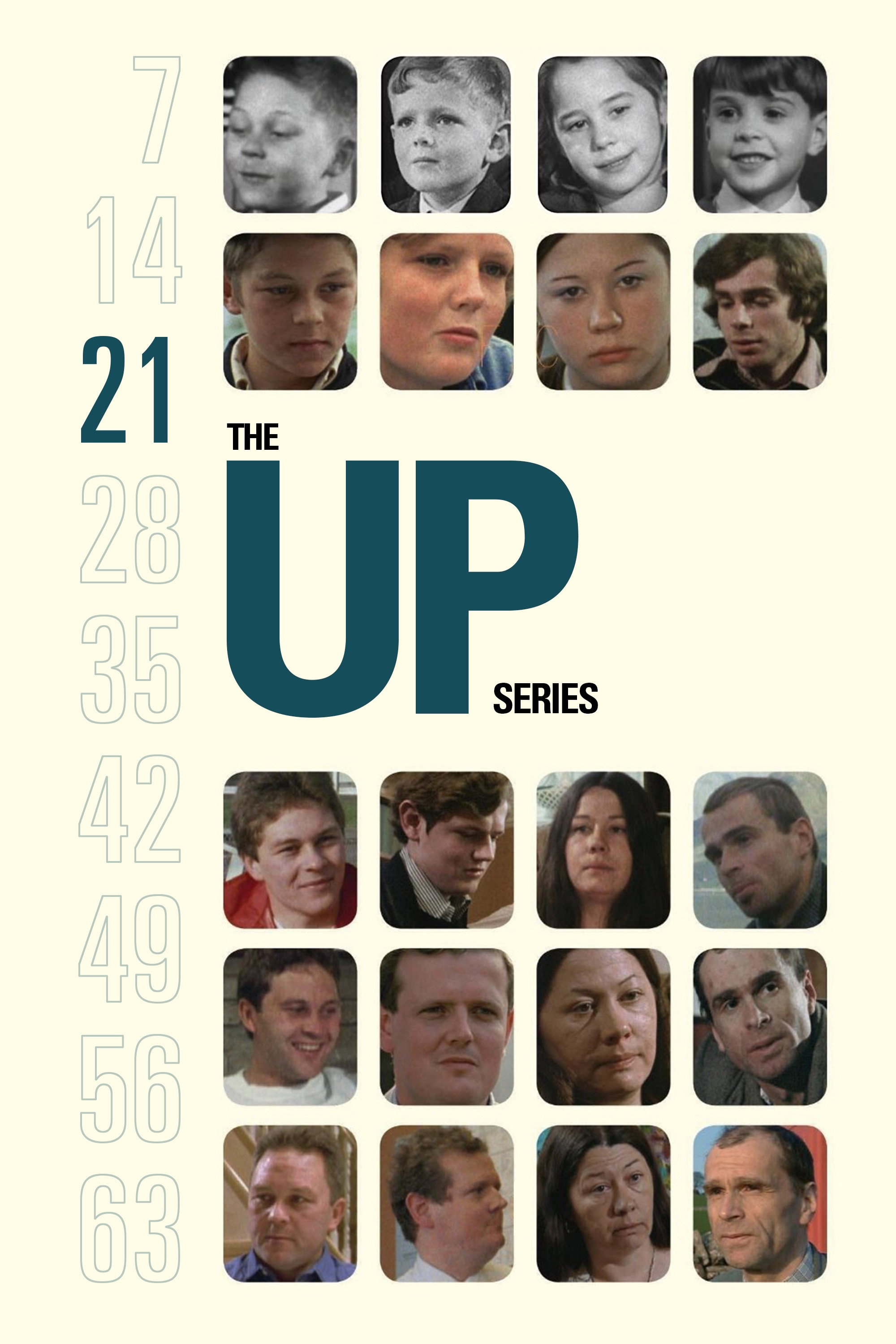
Director Michael Apted revisits the same group of British-born adults after a 7 year wait. The subjects are interviewed as to the changes that have occurred in their lives during the last seven years.
A documentary on the expletive's origin, why it offends some people so deeply, and what can be gained from its use.
A string of threatening emails escalates into a revenge plot involving a newly married US marshal and his ex-girlfriend.
Ranjit, a farmer in India, takes on the fight of his life when he demands justice for his 13-year-old daughter, the victim of a brutal gang rape. His decision to support his daughter is virtually unheard of, and his journey unprecedented.
Alexander McQueen's rags-to-riches story is a modern-day fairy tale, laced with the gothic. Mirroring the savage beauty, boldness and vivacity of his design, this documentary is an intimate revelation of McQueen's own world, both tortured and inspired, which celebrates a radical and mesmerizing genius of profound influence.
Through deeply personal interviews with her siblings and an examination of the photographs, letters, and belongings left behind, Mariska assembles a new portrait of her mother Jayne Mansfield, an extraordinary and complex woman.
Over 35 years after Bob Lazar's revelations, this documentary exposes secrets of a facility the government still denies. Featuring Lazar's testimony, recreations, and new evidence, it reopens a case that continues to spark global curiosity
A group of British children aged 7 from widely ranging backgrounds are interviewed about a range of subjects. The filmmakers plan to re-interview them at 7 year intervals to track how their lives and attitudes change as they age.
An inside look at one of the most anticipated movie sequels ever with James Cameron and cast.
After the high-profile killing of Damilola Taylor, Cornelius' family move out of London. But when they discover their new town is run by racists, Cornelius takes a drastic step to survive.
Documentarian Ross McElwee originally set out to make a travelogue of sorts tracing General William T. Sherman's infamous scorched-earth march through the Confederacy in the latter stages of the Civil War. Instead, haunted by a recent breakup with a girlfriend, McElwee ends up documenting his progress -- or lack thereof -- in starting a new relationship. His journey then becomes one of self-reflection and self-discovery rather than a historical/sociological exploration.
14-year-old Laura Dekker sets out on a two-year voyage in pursuit of her dream to become the youngest person ever to sail around the world alone.
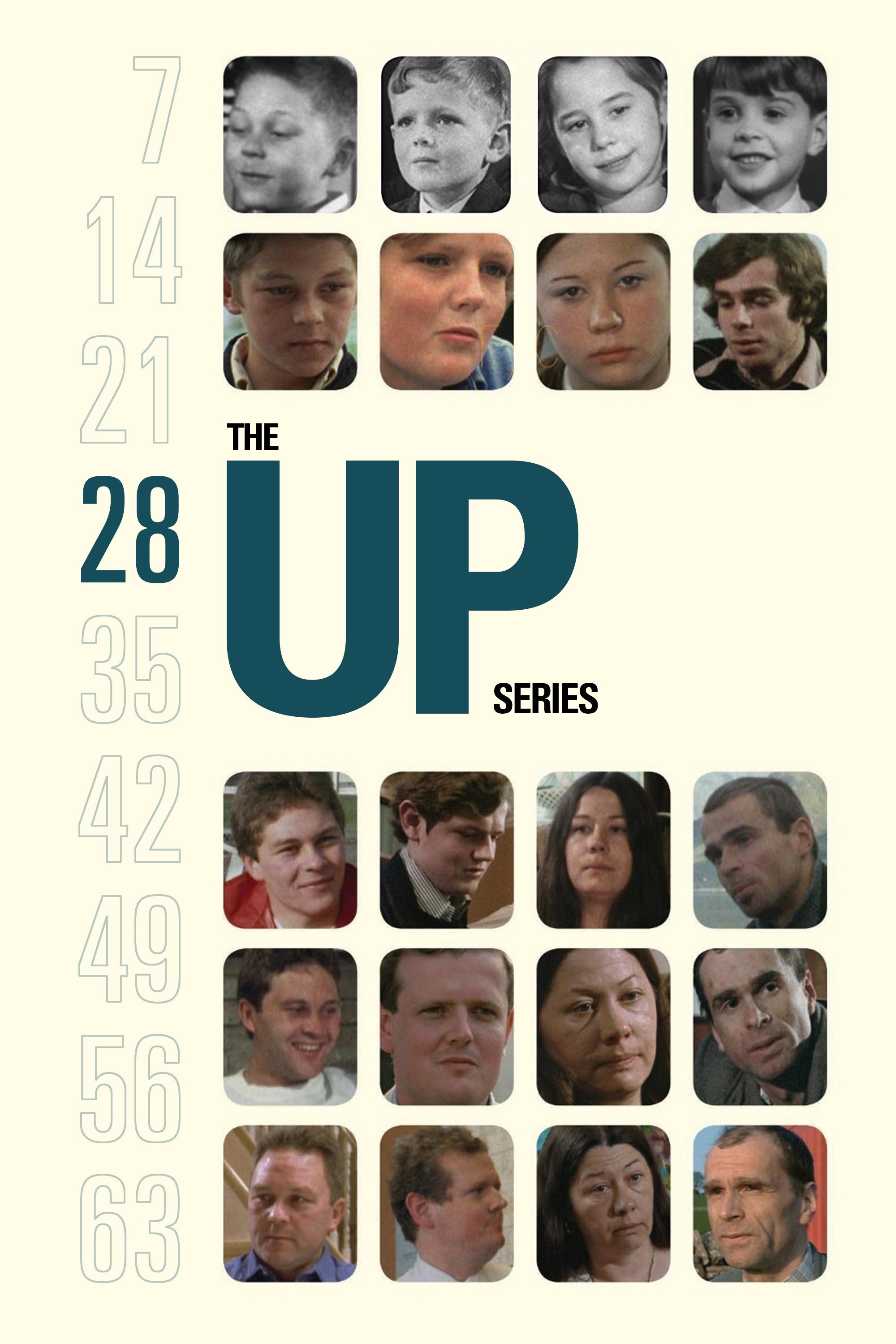
Just two years away from turning 30, participants in Michael Apted's documentary series are facing serious questions of identity and purpose, wondering whether they've found their place in the world.
Interviews with leading authors, philosophers and scientists, with an in-depth discussion of the Law of Attraction. The audience is shown how they can learn and use 'The Secret' in their everyday lives.
An unprecedented and intimate look at the life, work and enduring legacy of British actress Audrey Hepburn (1929-1993).
Those who knew iconic funnyman John Candy best share his story, in their own words, through never-before-seen archival footage, imagery, and interviews.
After another 7 year wait, director Michael Apted revisits the same group of British-born children from Seven Up! and 7 Plus Seven. The subjects are interviewed as to the changes that have occurred in their lives during the last seven years.
A documentary about the life and films of director John Ford.