Short experimental 16mm film.
Social & External
The people behind it
This portrait of a guinea fowl is the first clear vision I've had of the hot-blooded dinosaurs still living among us. (SB)
WORM AND WEB LOVE begins with bracketed light, a throbbing worm in the sand and sea foam mixed with grass and oceanic detritus, soon superimposed upon the dark blue-toned face of a man, then a woman (Michael McClure and Amy Evans McClure), each seen, then on, through superimpositions of drifting smoke and the back-lit stark grid of a spider's web. The obvious affections of the man and woman, their clear display of love, is metaphored in these tenuous superimpositions, culminating in the frantic movements of the spider itself and the dance of joy of the features of the couple in loving resolution.
This is a film made in Toronto, in memoriam, so to speak - a memory piece, a "piecing-together" of the experience of living there. The consciousness of the maker comes to sharply focused visual music - not to arrive at snapshots, as such, but rather to "sing" the city as remembered from daily living...complementary, then, to an earlier film, "Unconscious London Strata." Preserved by the Academy Film Archive in 2015.
This stream-of-consciousness could be nothing less than pathway of the soul, as images of Marilyn's window are remembered from inside-out, its "view" interwoven with all of other windowing and the Elements of the known world.
"Firstly, I revealed in salutary confession the secret filth of my misdeed, which had long been festering in stagnant silence; and I made it my custom to confess often, and thus to display the wounds of my blinded soul..." (Petrarch, 1352, in a letter to his brother). I wish to avoid any "classical" misunderstandings of the above quote by stating clearly here that any sacrifice of love is, yes, "filth" or at the very least "misdeed." An academic reading of Petrarch tends to bias thought that there are kinds of love which might be wrong: I do not believe this. (SB)
Pun on "light" intended - that short preceding expulsion of breath perhaps the "subject matter" of this film which centers in consideration of death. It is the third tone poem film and did much surprise me by thus completing a trilogy of the "4 classical Elements." (SB)
After a six -or seven- year study of Hammurabi's Code, original Babylonian Text and translation, I've tried to feel my way into the moving visual thought process of this ancient culture (whose numerical system is composed primarily of building materials, nails, joints and the like): this, then, is a visual music which balances the two thought processes of Structure and Nature.
Out of the vagueries of sometime beseeming repetitive light patterns, and the delicately variable rhythms of thought process, the imagination of The Monumental and of the Ephemeral are born to mind hard as nails.
This is an architectural garden of the variably brash rock-solid liquid-encompassing, but always imitative, human mind as it processes the given light thoughtfully. This film is about that.
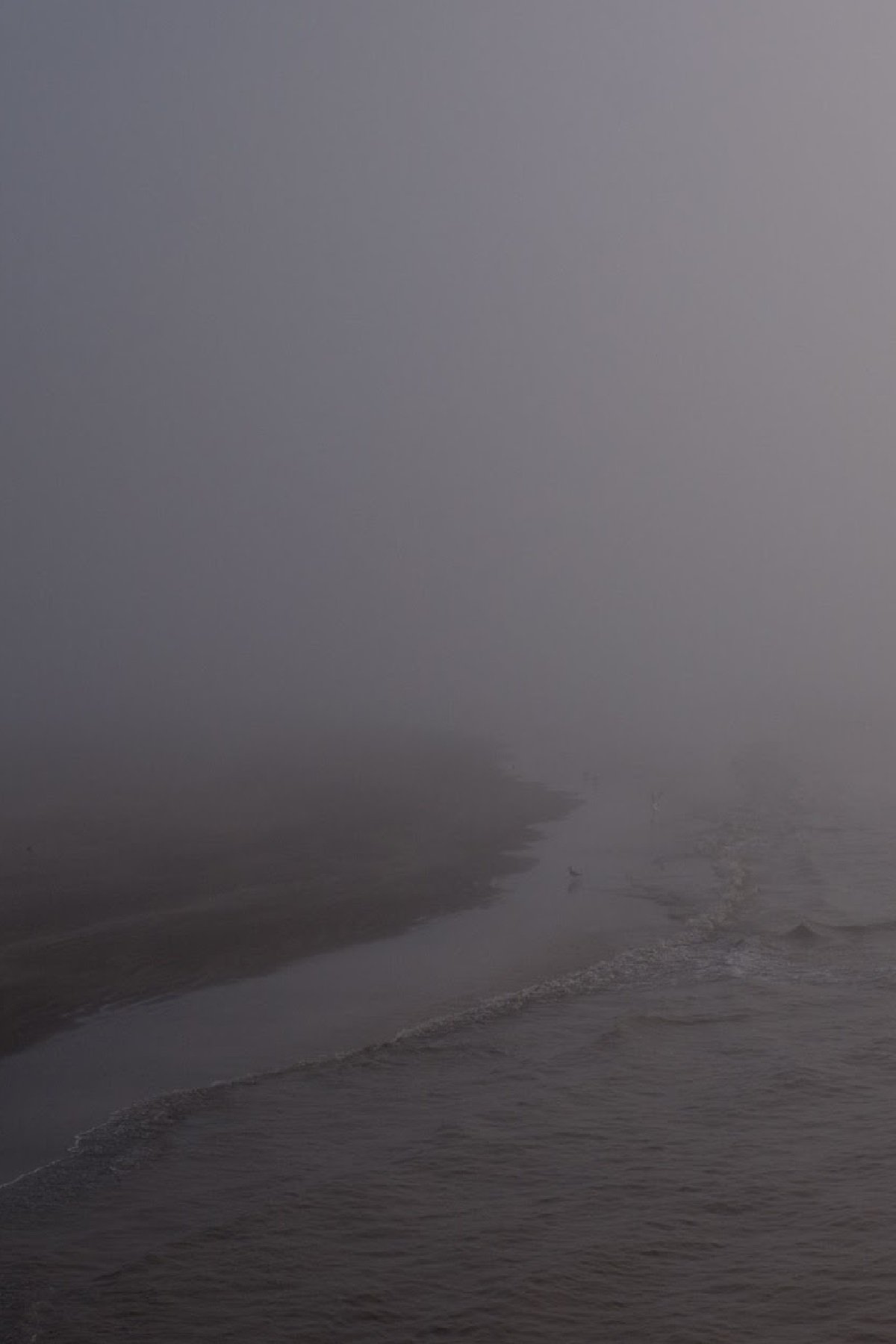
Fog has a curious effect on cinema. On the one hand, it precludes the production of those images that seem artificial, on account of their sharpness. On the other, the mist gives each frame a mysteriously narrative quality. The joy of watching the sea and the beach under a blanket of mist allows eluding the world of the quotidian, to suspect the beauty of the uncertain and unstable
Somewhere, a young man is asleep, his room illuminated green by the ficker of his computer screensaver. Even the night sky resembles its digital replication. Anthropological observations on sleep in the age of technology, and the ways in which it substitute natural environments…
"This project consists a visual fluidity of construction, harmony and thoughts taking colors and length from this body of autonomy. Different images between figuration and abstraction are created by meaning and phenomenon letting the decoupage revealing a piece of a strange underworld. I built it like a window opened to the fresh air of improvisation by familiar landscapes, those exact moments articulating a connection between light and movement."
A spiritual journey, symbolized by the spiral, through images and sounds selected from the physical world over several years as the filmmaker moved between city and country and journeyed to the Center. Lee added some sounds and music to enhance the mood and sees the film as a mirror in which the image is distorted by his own consciousness.
At various points in its history, tiny St. John's Island was where Singapore's colonial founder Sir Stamford Raffles docked his ship upon arrival, a quarantine centre for immigrants and pilgrims returning from Mecca, a penal colony for political detainees and secret society leaders, and a sleepy holiday resort. Unlike its neighbouring islands, however, St. John's was never fully developed. It occupies an in-between space, the vestiges of its history scattered around the land. Its indeterminacy stands in sharp contrast to Singapore, where land use is meticulously planned to fulfil economic and social functions. In this film, St. John's Island - otherwise known as 'Bukit Orang Salah', a nickname coined by the people who were quarantined there - becomes a site of and for reflection, prompting questions about our history, heritage and identity.
An experimental film about that one hypnotic moment on a regular, unassuming Tuesday when one realizes that time has stopped and the universe has been sucked into a single smile.
A young woman and man are riding bikes through nature, having a good time. When she speeds up, he loses her, and after a while he stumbles across her bike without any trace of her. He stumbles through the forest looking for her, imagining how she kisses him. No dialogue, just "audio credits" instead of titles, saying the name of the film, actors and director.
Experimental short film from Yugoslavia.
In an intimate and joyful story of love in the face of loss, celebrated poets Andrea Gibson and Megan Falley find strength—and unexpected hilarity—in what might be their final year together.
An inside look at one of the most anticipated movie sequels ever with James Cameron and cast.
A string of threatening emails escalates into a revenge plot involving a newly married US marshal and his ex-girlfriend.
The Making-of James Cameron's Avatar. It shows interesting parts of the work on the set.
The film follows adventurer Jeff Johnson as he retraces the epic 1968 journey of his heroes Yvon Chouinard and Doug Tompkins to Patagonia.
Daniel Craig candidly reflects on his 15 year adventure as James Bond. Including never-before-seen archival footage from Casino Royale to the upcoming 25th film No Time To Die, Craig shares his personal memories in conversation with 007 producers, Michael G Wilson and Barbara Broccoli.
SEDUCED AND ABANDONED combines acting legend Alec Baldwin with director James Toback as they lead us on a troublesome and often hilarious journey of raising financing for their next feature film. Moving from director to financier to star actor, the two players provide us with a unique look behind the curtain at the world's biggest and most glamourous film festival, shining a light on the bitter-sweet relationship filmmakers have with Cannes and the film business. Featuring insights from directors Martin Scorsese, 'Bernando Bertolucci' and Roman Polanski; actors Ryan Gosling and Jessica Chastain and a host of film distribution luminaries.
A documentary about the making of season five of the acclaimed AMC series Breaking Bad.
A purely observational non-fiction film that takes viewers into the ethically murky world of end-of-life decision making in a public hospital.
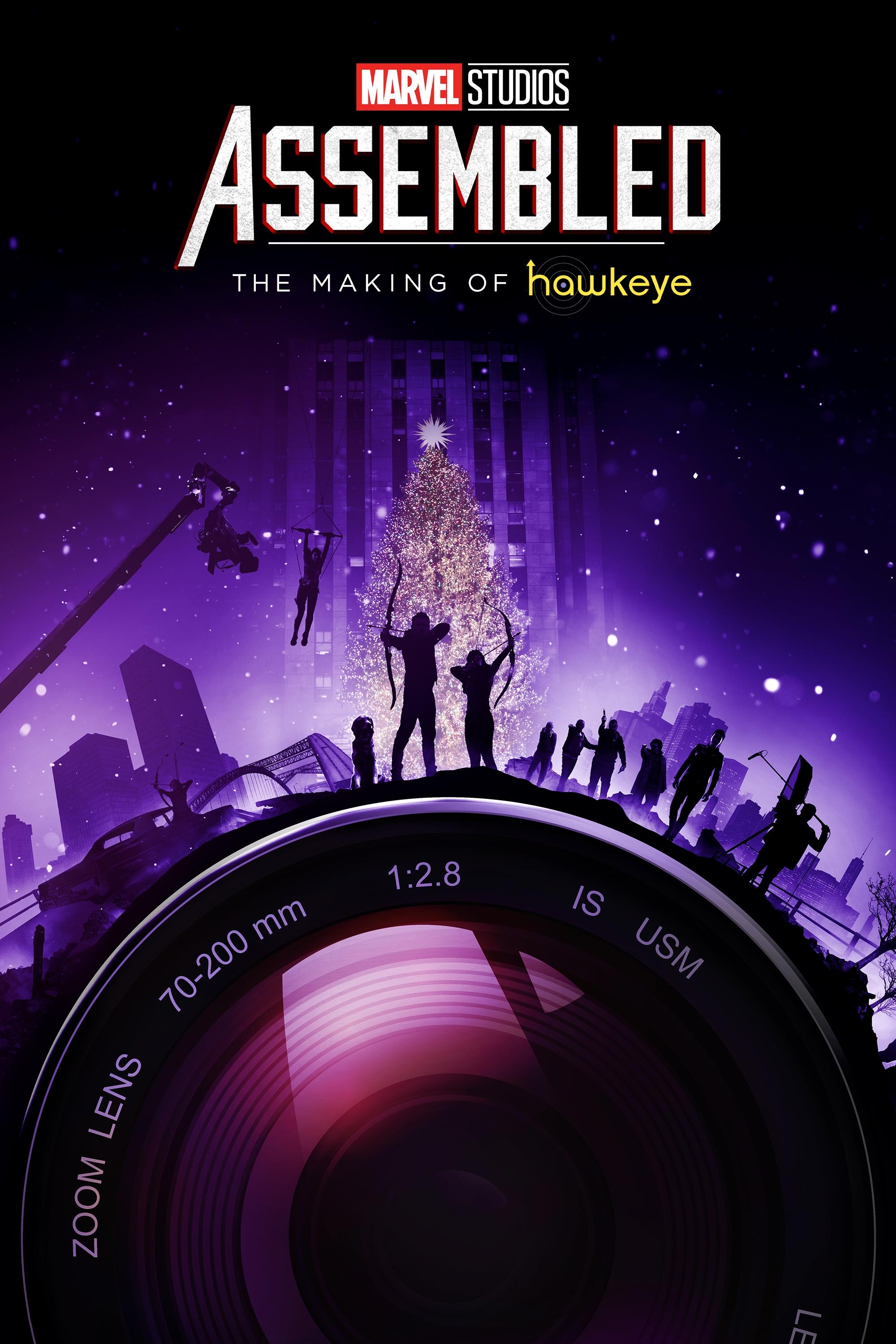
Join the likes of Jeremy Renner, Hailee Steinfeld, Florence Pugh, and Vincent D’Onofrio as they reveal how Marvel Studios’ “Hawkeye” was conceived and created. Witness firsthand what it took to pull off the show’s pulse-pounding action set pieces, and discover how iconic characters from the pages of Marvel Comics such as Kate Bishop were adapted and brought to life for the six-episode series.
A feature length documentary about the all-women team at the helm of Pixar's original feature, Turning Red. With unprecedented behind-the-scenes access to Director Domee Shi and her core leadership crew, this story shines a light on the powerful professional and personal journeys that brought this incredibly comical, utterly relatable, and deeply heartfelt story to the screen.
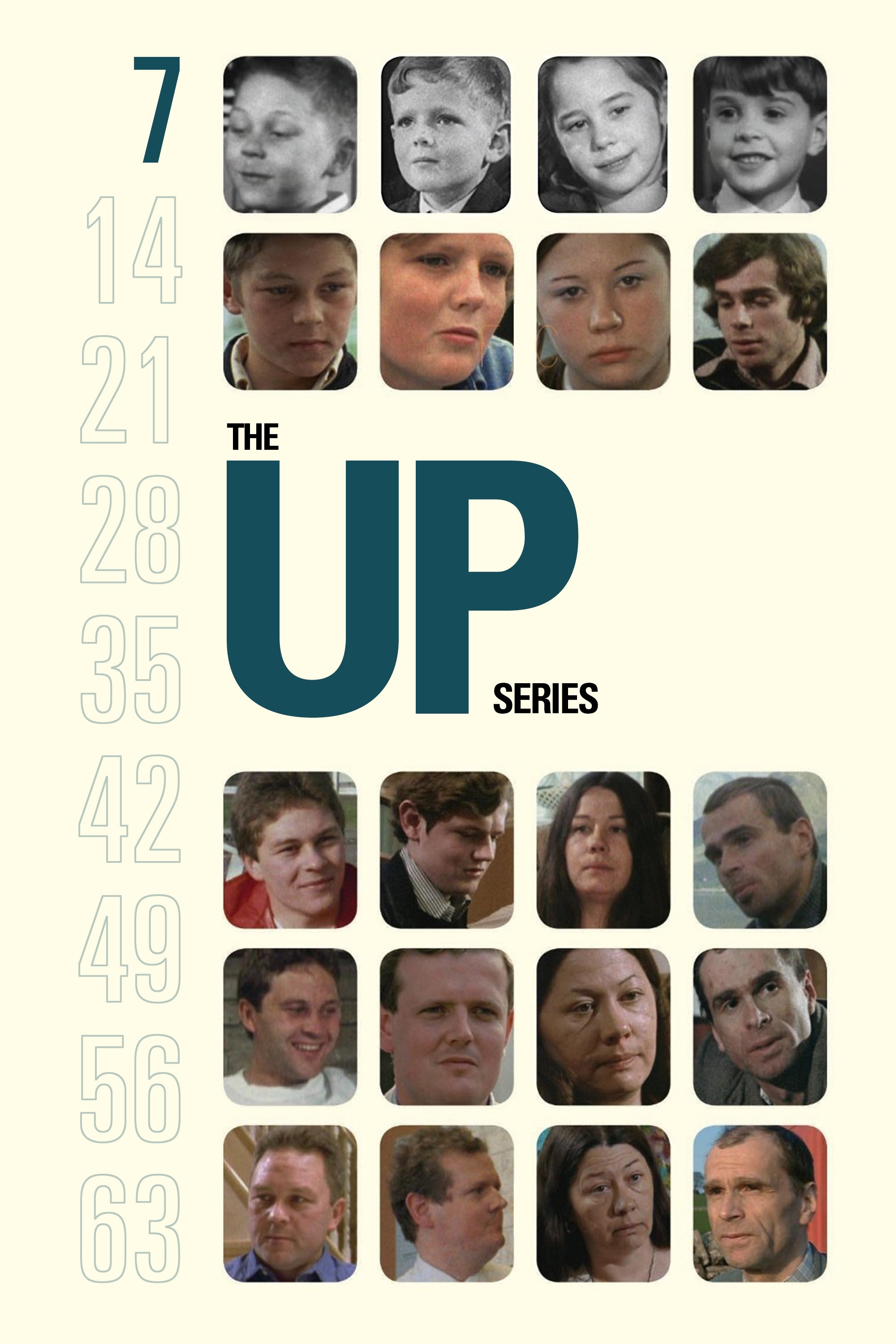
A group of British children aged 7 from widely ranging backgrounds are interviewed about a range of subjects. The filmmakers plan to re-interview them at 7 year intervals to track how their lives and attitudes change as they age.
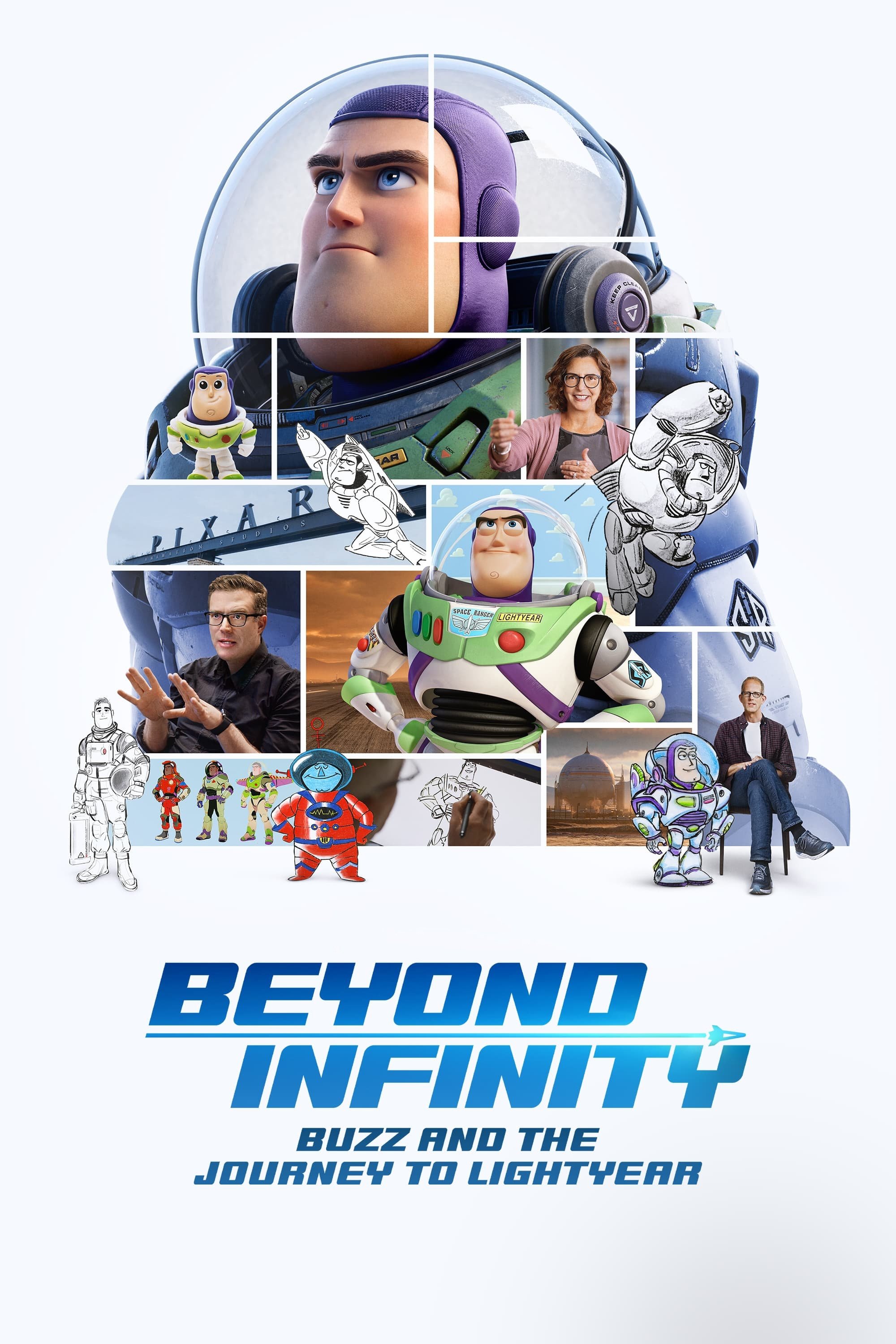
Explore the evolution of Buzz Lightyear from toy to human in the making of Pixar’s Lightyear. Dive into the origin and cultural impact of everyone’s favorite Space Ranger, the art of designing a new “human Buzz,” and the challenges faced by the Lightyear crew along the way.
A look at the origins, history and conspiracies behind the "Majestic 12", a clandestine group of military and corporate figureheads charged with reverse-engineering extraterrestrial technology.
This special explores the return of Obi-Wan Kenobi and Anakin Skywalker to the screen, as well as Ewan McGregor and Hayden Christensen to their classic roles. Director Deborah Chow leads the cast and crew as they create new heroes and villains that live alongside new incarnations of beloved Star Wars characters, and an epic story that dramatically bridges the saga films.
Those who knew iconic funnyman John Candy best share his story, in their own words, through never-before-seen archival footage, imagery, and interviews.
This revealing documentary honors the legendary Sidney Poitier—iconic actor, filmmaker, and civil rights activist. Featuring interviews with Denzel Washington, Spike Lee, Halle Berry, and more.
Amber Heard and Nicole Kidman discuss their characters Mera and Atlanna.
Brilliant, long in-the-works story of the life and art of the world's greatest comedian and the cinema's first genius, Charlie Chaplin. Produced, written and directed by renowned film critic Richard Schickel.
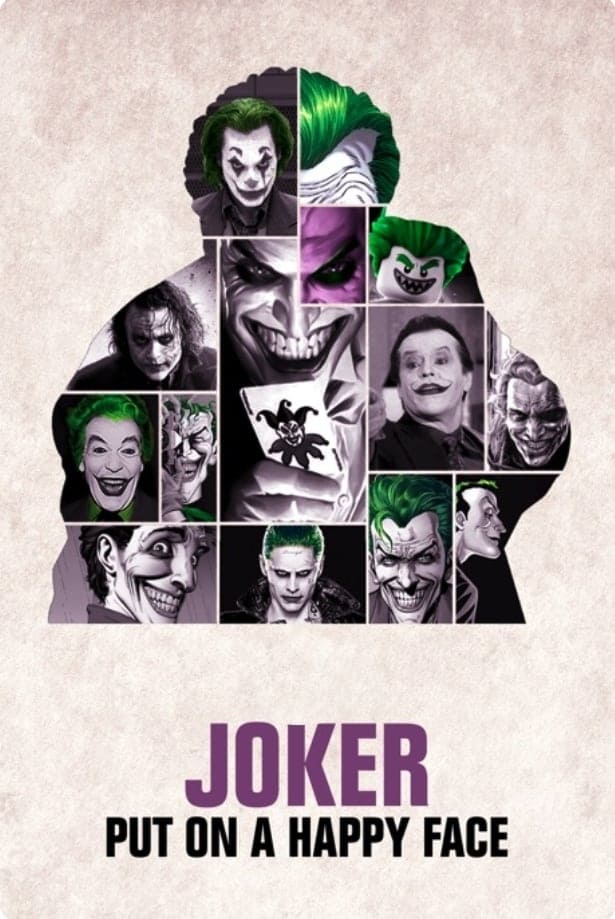
Featuring interviews with filmmakers and industry legends, discover the origins and evolution of The Joker, and learn why The Clown Prince of Crime is universally hailed as the greatest comic-book supervillain of all time.