Documentary about the making of Powell and Pressburger's 1947 film "Black Narcissus."
Social & External
Narrator
Self
The filmmakers and lead actors of The Remains of the Day (1993) discuss how they came to make the film, and the subtle power of its execution.
A chronicle of the production problems — including bad weather, actors' health, war near the filming locations, and more — which plagued the filming of Apocalypse Now, increasing costs and nearly destroying the life and career of Francis Ford Coppola.
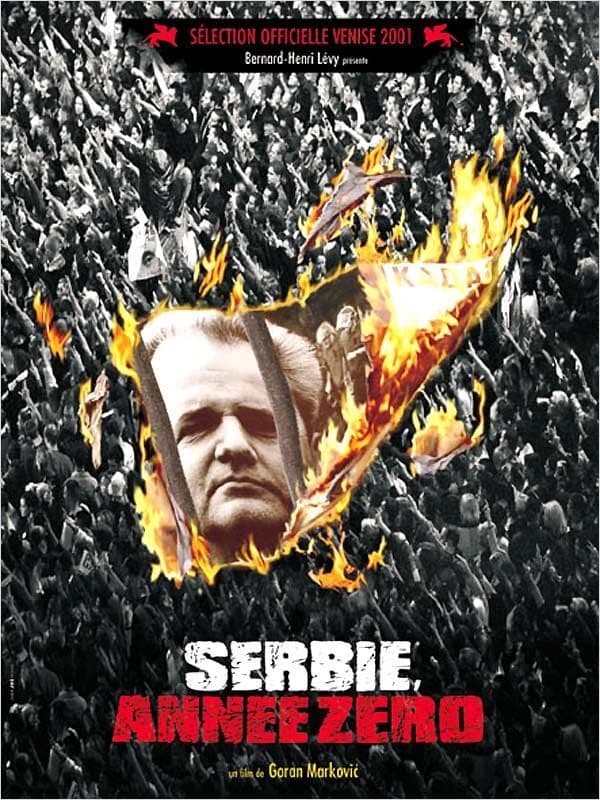
Documentary that follows events after the fall of Slobodan Milosevic, while looking back on the previous fifteen years, tracing his rise to power. Personal testimony alternates with analysis of a disintegrating society.
An hour-long discussion between Fritz Lang and Jean-Luc Godard in which they discuss a variety of art forms, the role of the cinema, their collaboration together, and much more. (Filmed in 1964 but released for TV in 1967.)
Four lives that could not be more different and a single passion that unites them: the unconditional love for their cinemas, somewhere at the end of the world. Comrades in Dreams brings together six cinema makers from North Korea, America, India and Africa and follows their efforts to make their audiences dream every night.
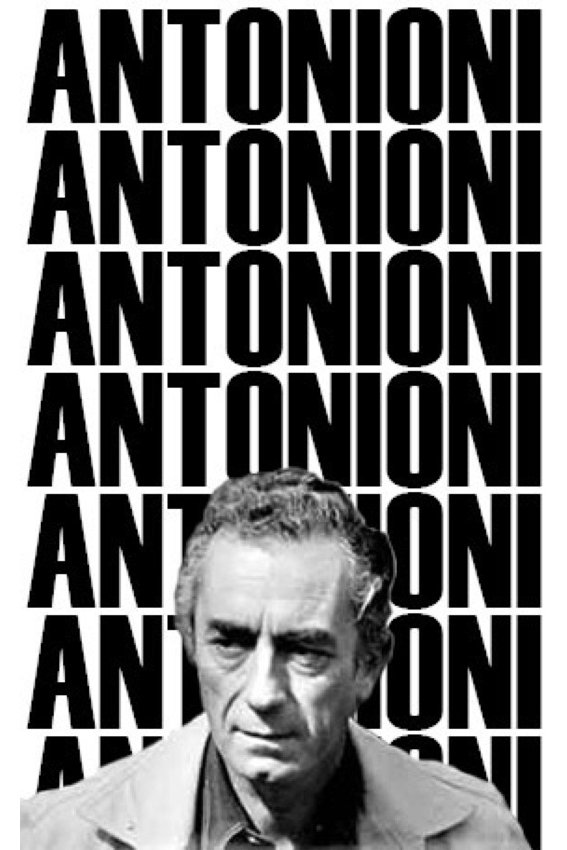
A behind-the-scenes documentary about director Michelangelo Antonioni as he's shooting his segment of The Three Faces, a vehicle for Soraya, the former empress of Persia. Featuring interviews with Monica Vitti, Tonino Guerra and more.
Nagisa Oshima interviews Akira Kurosawa, leading him to share his thoughts about filmmaking, his life and works, and numerous anecdotes relating to his films and his various film activities.
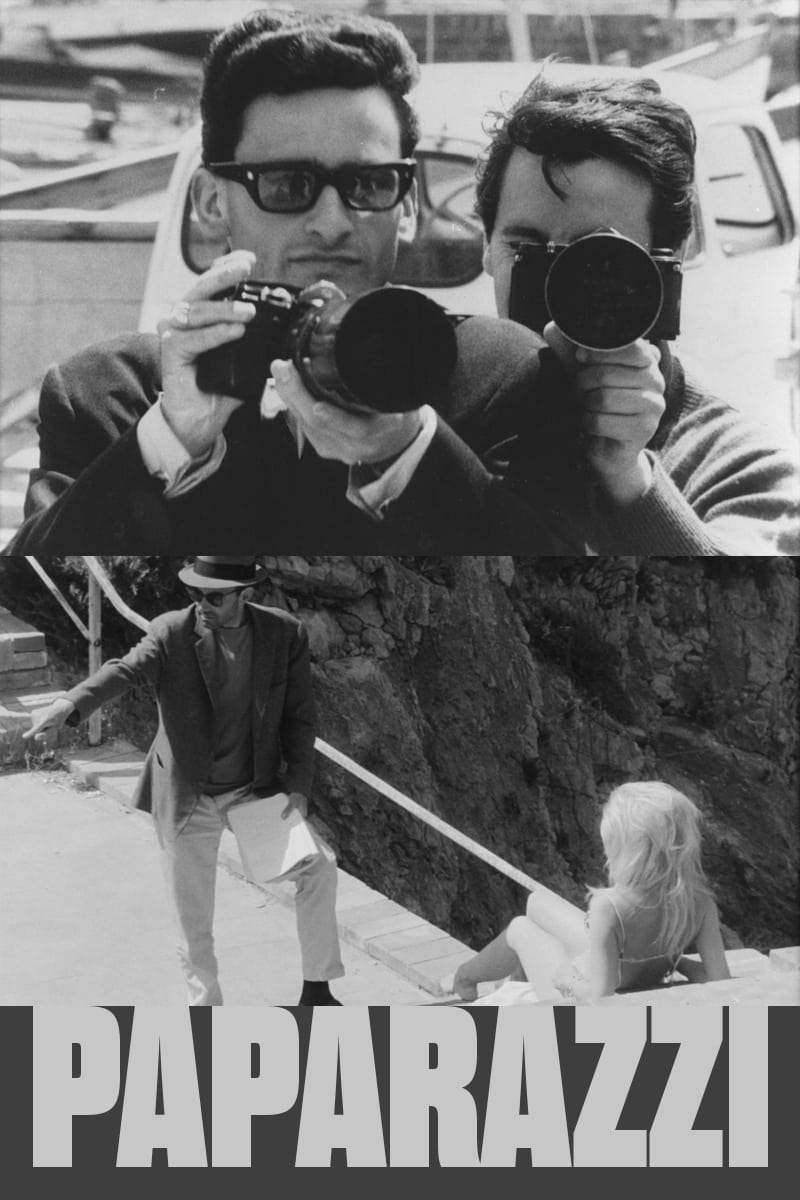
Paparazzi explores the relationship between Brigitte Bardot and groups of invasive photographers attempting to photograph her while she works on the set of Jean-Luc Godard's film Le Mépris (Contempt). Through video footage of Bardot, interviews with the paparazzi, and still photos of Bardot from magazine covers and elsewhere, director Rozier investigates some of the ramifications of international movie stardom, specifically the loss of privacy to the paparazzi. The film explains the shooting of the film on the island of Capri, and the photographers' valiant, even foolishly dangerous, attempts to get a photograph of Bardot.
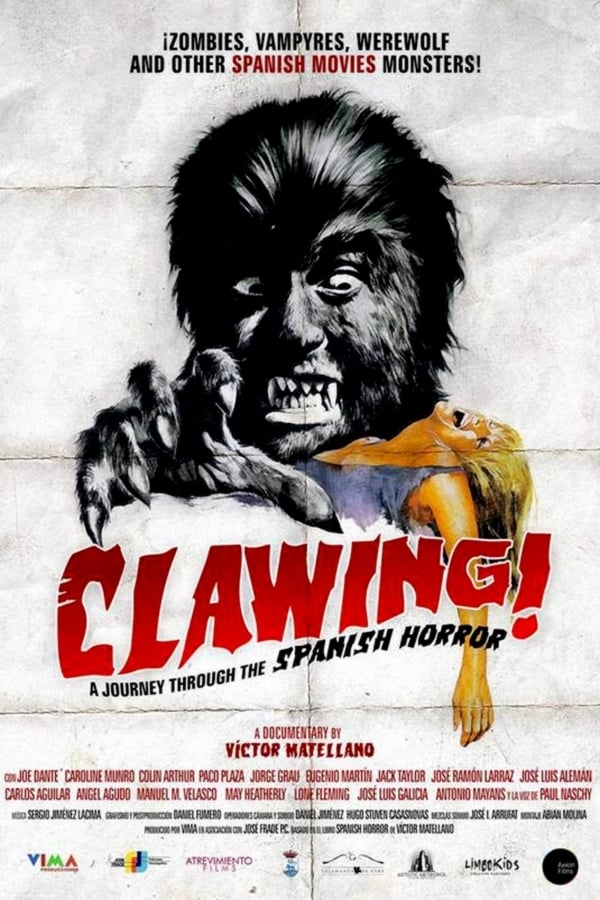
In the late sixties, Spanish cinema began to produce a huge amount of horror genre films: international markets were opened, the production was continuous, a small star-system was created, as well as a solid group of specialized directors. Although foreign trends were imitated, Spanish horror offered a particular approach to sex, blood and violence. It was an extremely unusual artistic movement in Franco's Spain.
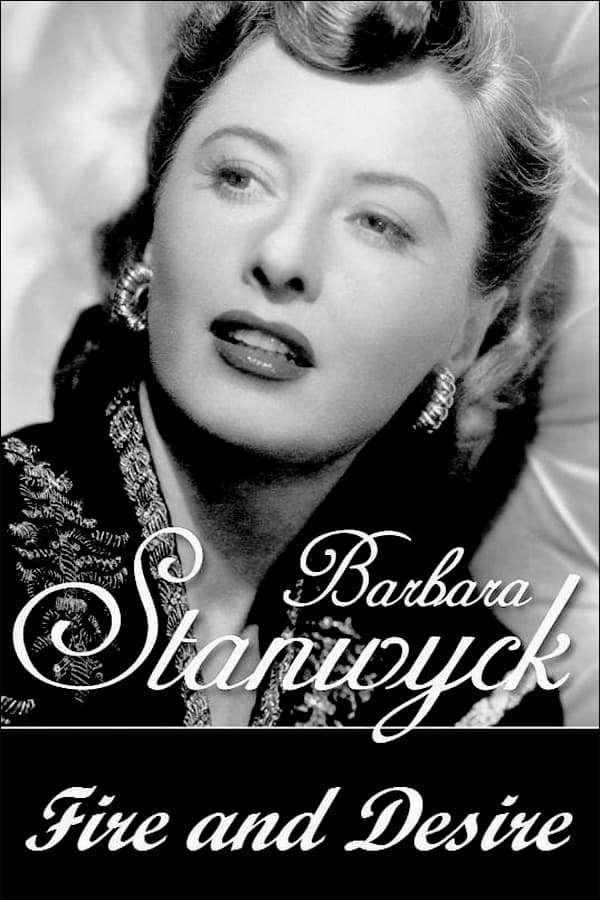
Actress Sally Field looks at the dramatic life and successful career of the superb actress Barbara Stanwyck (1907-90), a Hollywood legend.
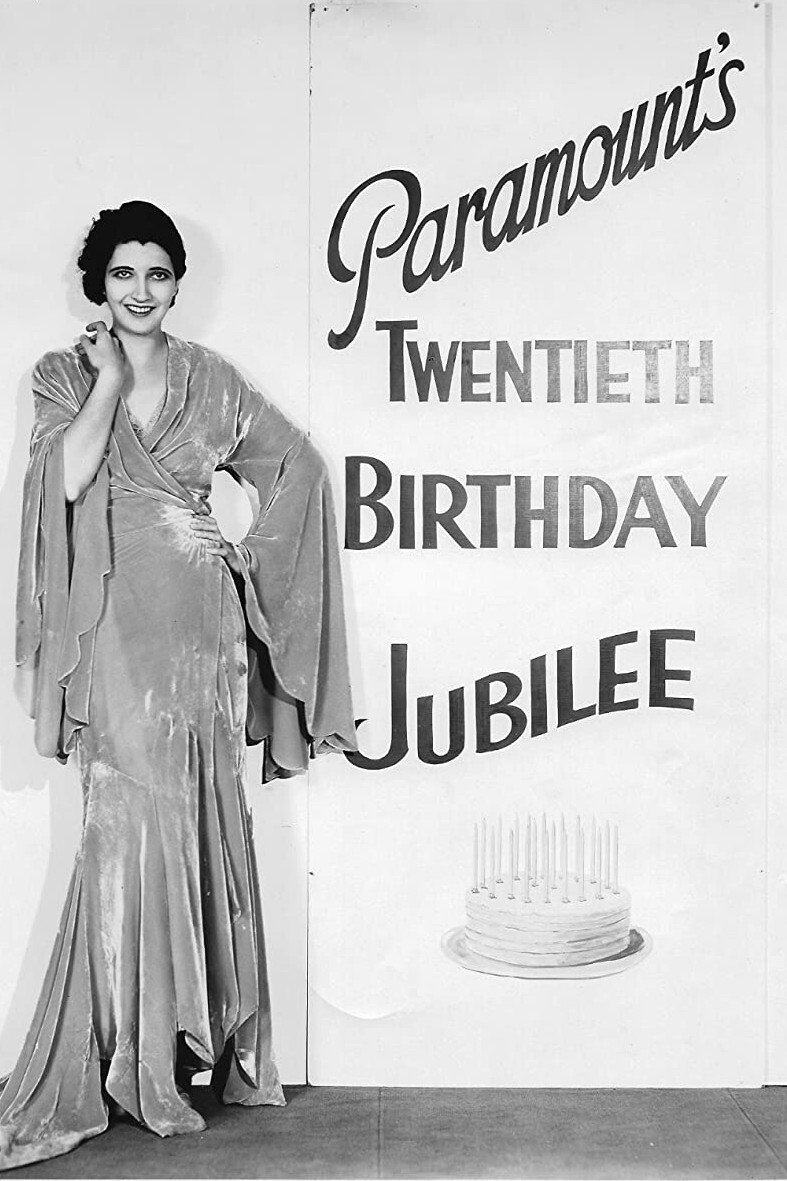
The House That Shadows Built (1931) is a short feature, roughly 48 minutes long, from Paramount Pictures made to celebrate the 20th anniversary of the studio's founding in 1912. It was a promotional film for exhibitors and never had a regular theatrical release and includes a brief history of Paramount, interviews with various actors, and clips from upcoming projects (some of which never came to fruition). The title comes from a biography of Paramount founder Adolph Zukor, The House That Shadows Built (1928), by William Henry Irwin.
Documentary short film depicting the filmmaking activity at the Paramount Studios in Hollywood, featuring dozens of stars captured candidly and at work.
Famous Spanish film critic Alfonso Sánchez talks about his personal life, his work and Anouk Aimée. A sentimental tribute to one of the most relevant figures on the Spanish film scene.
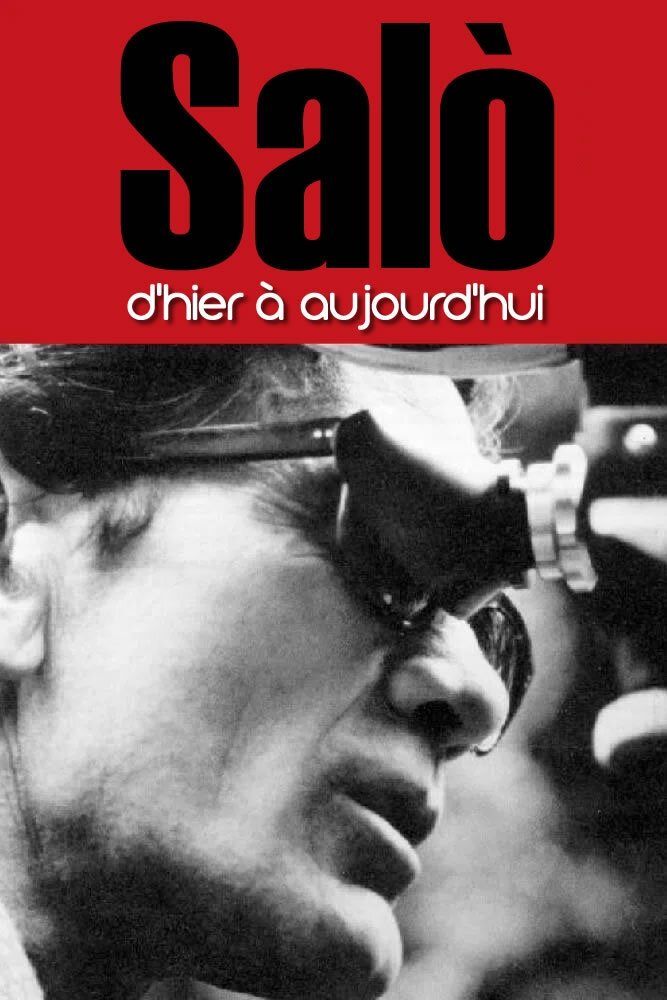
A thirty-three-minute documentary featuring interviews with director Pier Paolo Pasolini, actor-filmmaker Jean-Claude Biette, and Pasolini friend Ninetto Davoli.
The intricate history of UFA, a film production company founded in 1917 that has survived the Weimar Republic, the Nazi regime, the Adenauer era and the many and tumultuous events of contemporary Germany, and has always been the epicenter of the German film industry.
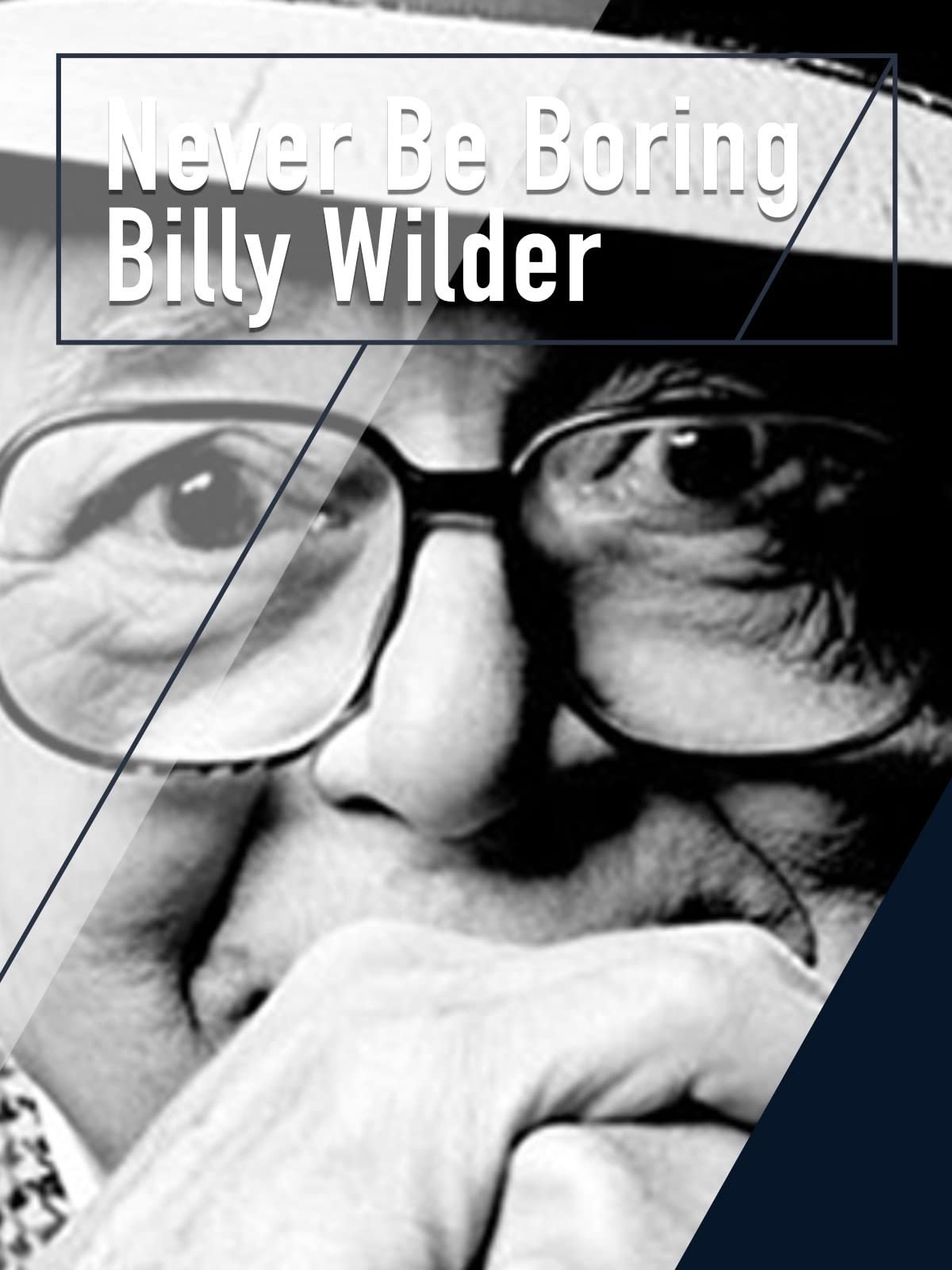
A funny walk through the life story of Billy Wilder (1906-2002), a cinematic genius; a portrait of a filmmaker who never was a boring man, a superb mind who had ten commandments, of which the first nine were: “Thou shalt not bore.”
Documentary about Nicholas Ray's film "In a Lonely Place" (1950).
In 1967, Canadian documentarian James Beveridge traveled to Kolkata to film director Satyajit Ray at work. The resulting program, produced for the American public television series “The Creative Person,” features interviews with Ray, several of his actors and crew members, and film critic Chidananda Das Gupta.
Documentary about the making of Lars von Trier's 1991 film.
SEDUCED AND ABANDONED combines acting legend Alec Baldwin with director James Toback as they lead us on a troublesome and often hilarious journey of raising financing for their next feature film. Moving from director to financier to star actor, the two players provide us with a unique look behind the curtain at the world's biggest and most glamourous film festival, shining a light on the bitter-sweet relationship filmmakers have with Cannes and the film business. Featuring insights from directors Martin Scorsese, 'Bernando Bertolucci' and Roman Polanski; actors Ryan Gosling and Jessica Chastain and a host of film distribution luminaries.
A detailing of the rise to prominence and global sporting superstardom of six supremely talented young Manchester United football players (David Beckham, Nicky Butt, Ryan Giggs, Paul Scholes, Phil and Gary Neville). The film covers the period 1992-1999, culminating in Manchester United's European Cup triumph.
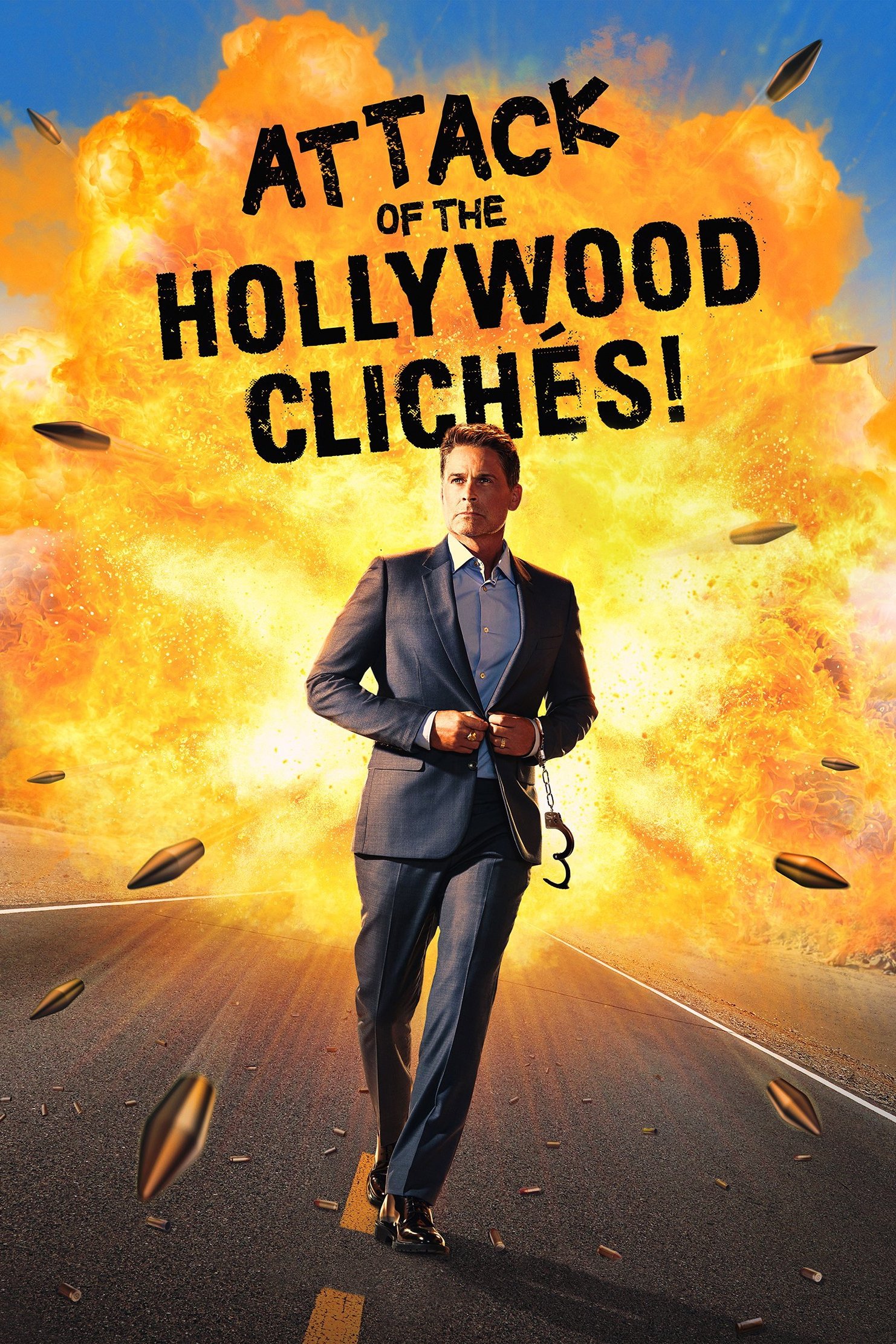
One-man armies, meet-cutes, casual strolls away from huge explosions — stars and industry insiders toast and roast these cinematic chestnuts and more.
An intimate conversation between filmmakers, chronicling De Palma’s 55-year career, his life, and his filmmaking process, with revealing anecdotes and, of course, a wealth of film clips.
A compilation of over 30 years of private home movie footage shot by Lithuanian-American avant-garde director Jonas Mekas, assembled by Mekas "purely by chance", without concern for chronological order.
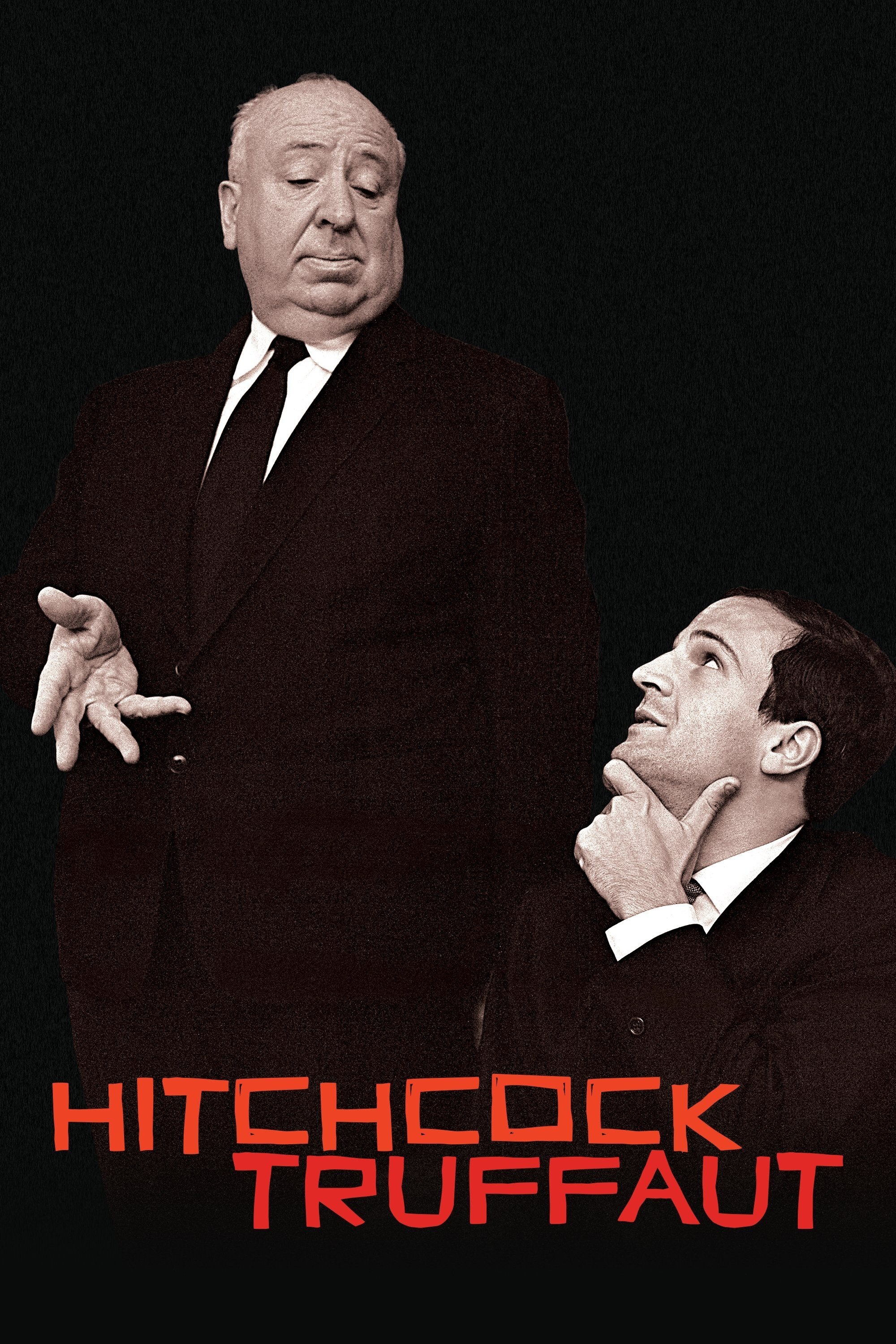
Filmmakers discuss the legacy of Alfred Hitchcock and the book “Hitchcock/Truffaut” (“Le cinéma selon Hitchcock”), written by François Truffaut and published in 1966.
From the heights of her modeling fame to her tragic death, this documentary reveals Anna Nicole Smith through the eyes of the people closest to her.
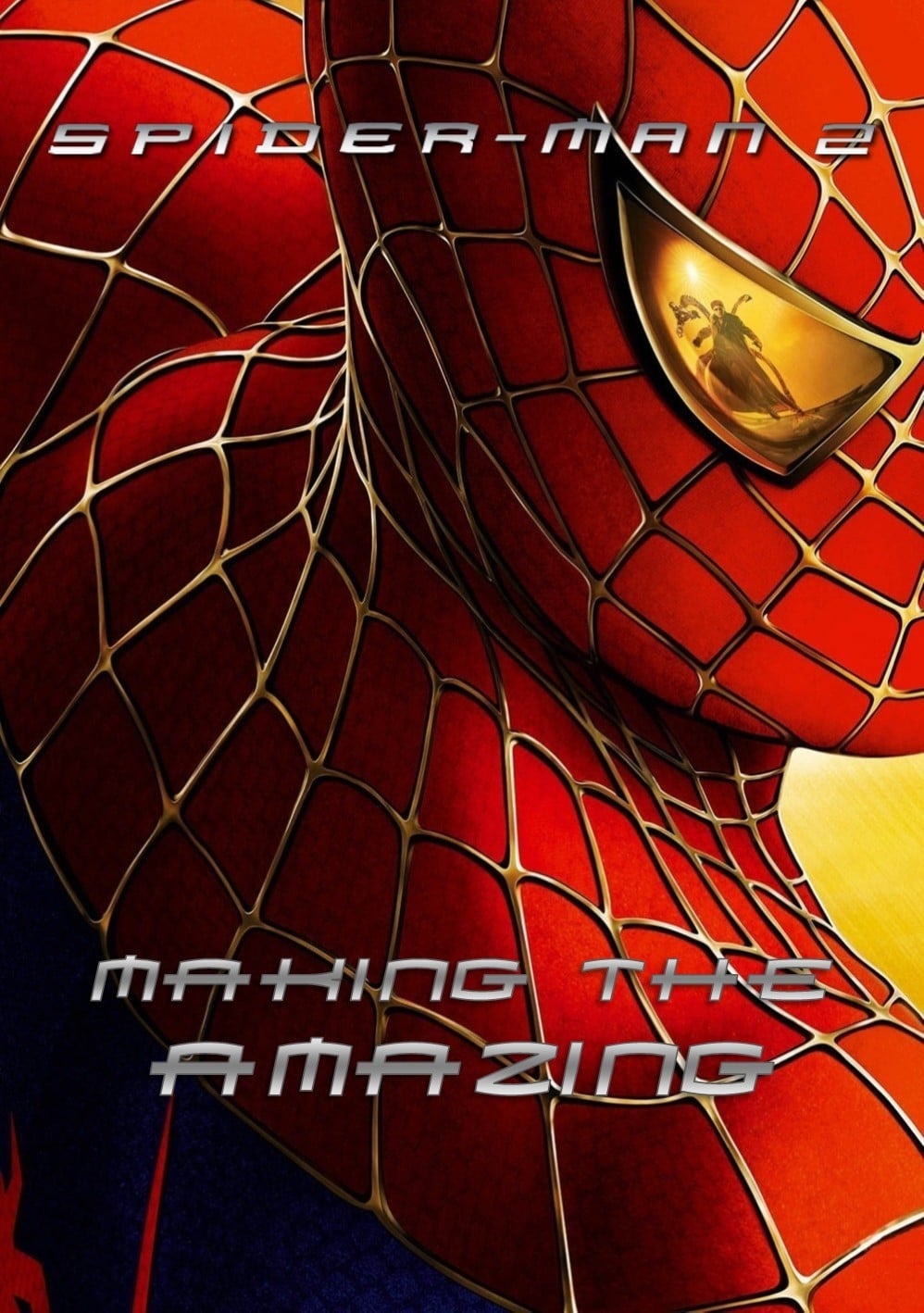
A comprehensive 12-part documentary on the making of "Spider-Man 2," covering everything from pre-production to premiere.
When Allied forces liberated the Nazi concentration camps in 1944-45, their terrible discoveries were recorded by army and newsreel cameramen, revealing for the first time the full horror of what had happened. Making use of British, Soviet and American footage, the Ministry of Information’s Sidney Bernstein (later founder of Granada Television) aimed to create a documentary that would provide lasting, undeniable evidence of the Nazis’ unspeakable crimes. He commissioned a wealth of British talent, including editor Stewart McAllister, writer and future cabinet minister Richard Crossman – and, as treatment advisor, his friend Alfred Hitchcock. Yet, despite initial support from the British and US Governments, the film was shelved, and only now, 70 years on, has it been restored and completed by Imperial War Museums under its original title "German Concentration Camps Factual Survey".
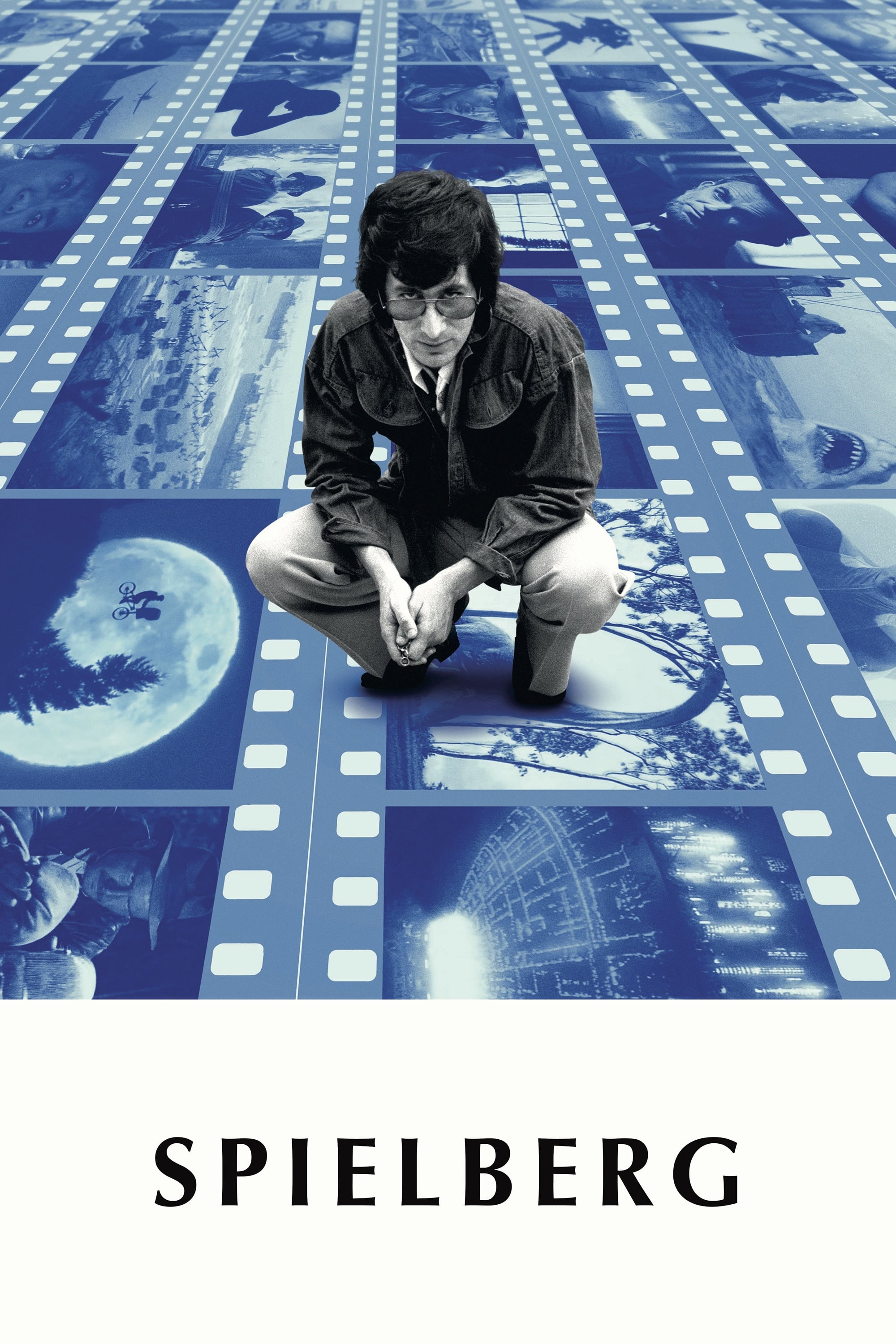
A documentary on the life and career of one of the most influential film directors of all time, Steven Spielberg.
A subjective documentary that explores various theories about hidden meanings in Stanley Kubrick's classic film The Shining. Five very different points of view are illuminated through voice over, film clips, animation and dramatic reenactments.
Brilliant, long in-the-works story of the life and art of the world's greatest comedian and the cinema's first genius, Charlie Chaplin. Produced, written and directed by renowned film critic Richard Schickel.
This revealing documentary honors the legendary Sidney Poitier—iconic actor, filmmaker, and civil rights activist. Featuring interviews with Denzel Washington, Spike Lee, Halle Berry, and more.
The life and career of an actor, artist, and icon. His own journey through his own camera.
The Making-of James Cameron's Avatar. It shows interesting parts of the work on the set.
For decades, Freddy Krueger has slashed his way through the dreams of countless youngsters, scaring up over half a billion dollars at the box office across eight terrifying, spectacular films.
Featuring interviews with filmmakers and industry legends, discover the origins and evolution of The Joker, and learn why The Clown Prince of Crime is universally hailed as the greatest comic-book supervillain of all time.
“Showrunners” is the first ever feature length documentary film to explore the fascinating world of US television showrunners and the creative forces aligned around them. These are the people responsible for creating, writing and overseeing every element of production on one of the United State’s biggest exports – television drama and comedy series. Often described as the most complex job in the entertainment business, a showrunner is the chief writer / producer on a TV series and, in most instances, the show’s creator. Battling daily between art and commerce, showrunners manage every aspect of a TV show’s development and production: creative, financial and logistical.
In 1974, Chilean-French director Alejandro Jodorowsky embarked on the quixotic project of adapting Frank Herbert's influential novel Dune (1969) for the big screen. After investing two years, and millions of dollars, the gigantic project ended in failure; but the artists Jodorowsky brought together to carry it out continued to work together, and ended up laying the foundations for modern science fiction cinema.
A documentary about the life and films of director John Ford.