Social & External
The people behind it
When Russia's first nuclear submarine malfunctions on its maiden voyage, the crew must race to save the ship and prevent a nuclear disaster.
At the dawn of the Space Race, seven test pilots set out to become the first American astronauts to enter space. However, the road to making history brings momentous challenges.
Edward Wilson, the only witness to his father's suicide and member of the Skull and Bones Society while a student at Yale, is a morally upright young man who values honor and discretion, qualities that help him to be recruited for a career in the newly founded OSS. His dedication to his work does not come without a price though, leading him to sacrifice his ideals and eventually his family.
U.S. nuclear tests in space, and the development of the military intercontinental ballistic missile (ICBM).
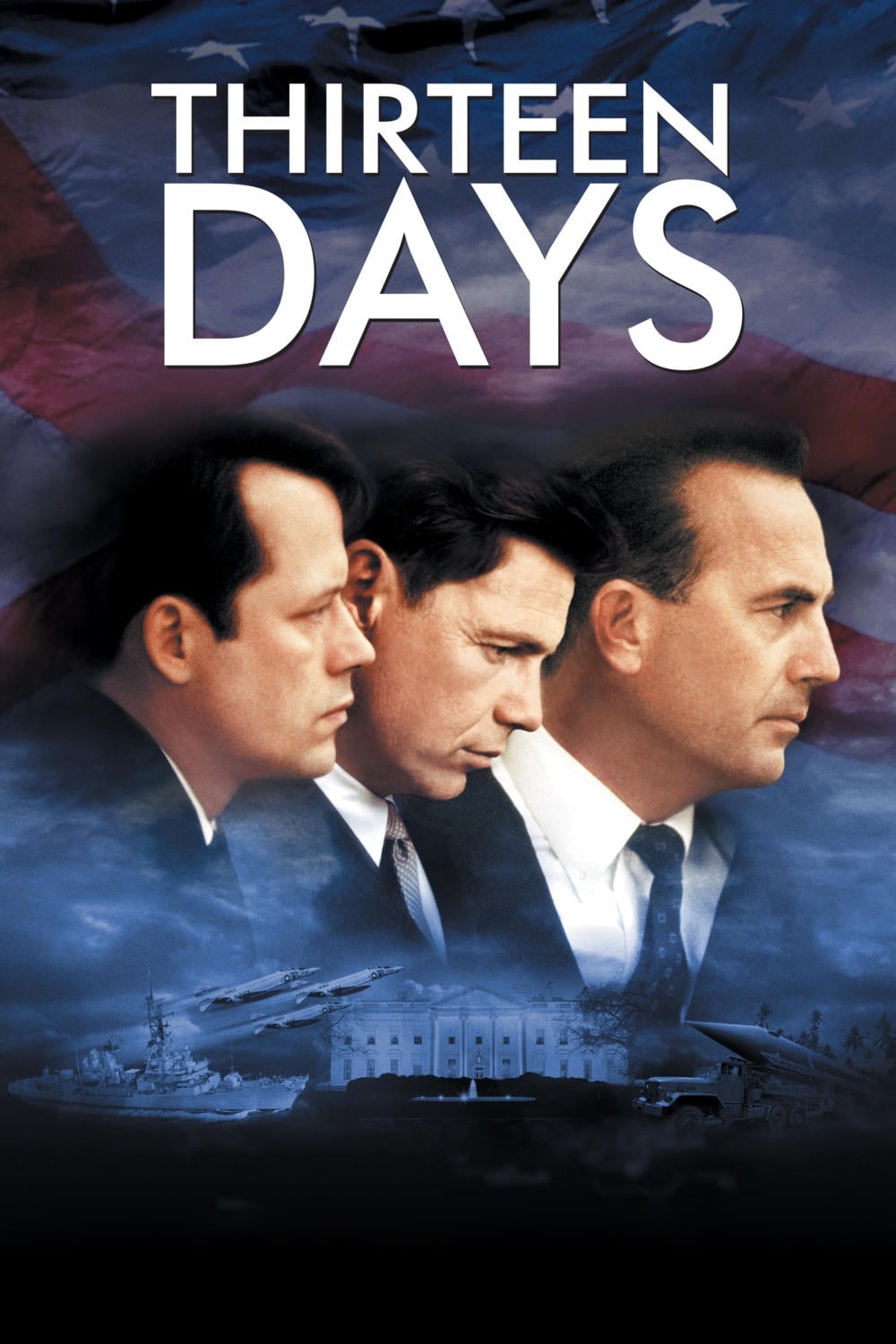
The story of the Cuban Missile Crisis in 1962—the nuclear standoff with the USSR sparked by the discovery by the Americans of missile bases established on the Soviet-allied island of Cuba.
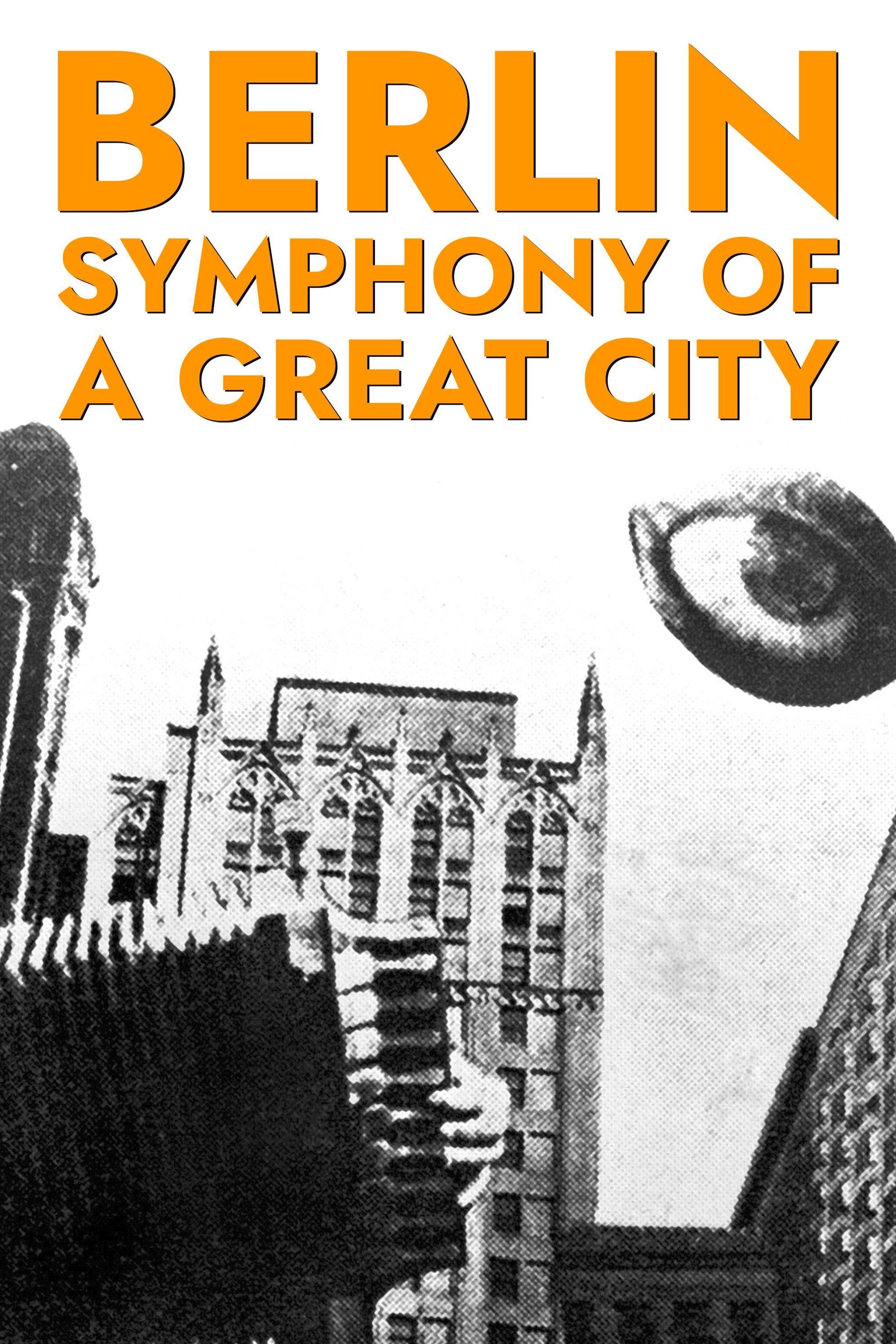
A day in the city of Berlin, which experienced an industrial boom in the 1920s, and still provides an insight into the living and working conditions at that time. Germany had just recovered a little from the worst consequences of the First World War, the great economic crisis was still a few years away and Hitler was not yet an issue at the time.
September 2022 marked the 50th anniversary of the Summit Series, the iconic hockey tournament that pitted the best players from Canada against the best from the Soviet Union. This documentary enlarges the canvas to tell the story from the unique perspectives of a diverse group who are rarely, if ever, heard: diplomats, NHL hockey legends, Soviet players, journalists, fans, broadcasters, business leaders and Team Canada’s Chairman – all reveal untold stories about what happened before, during, and after September ‘72.
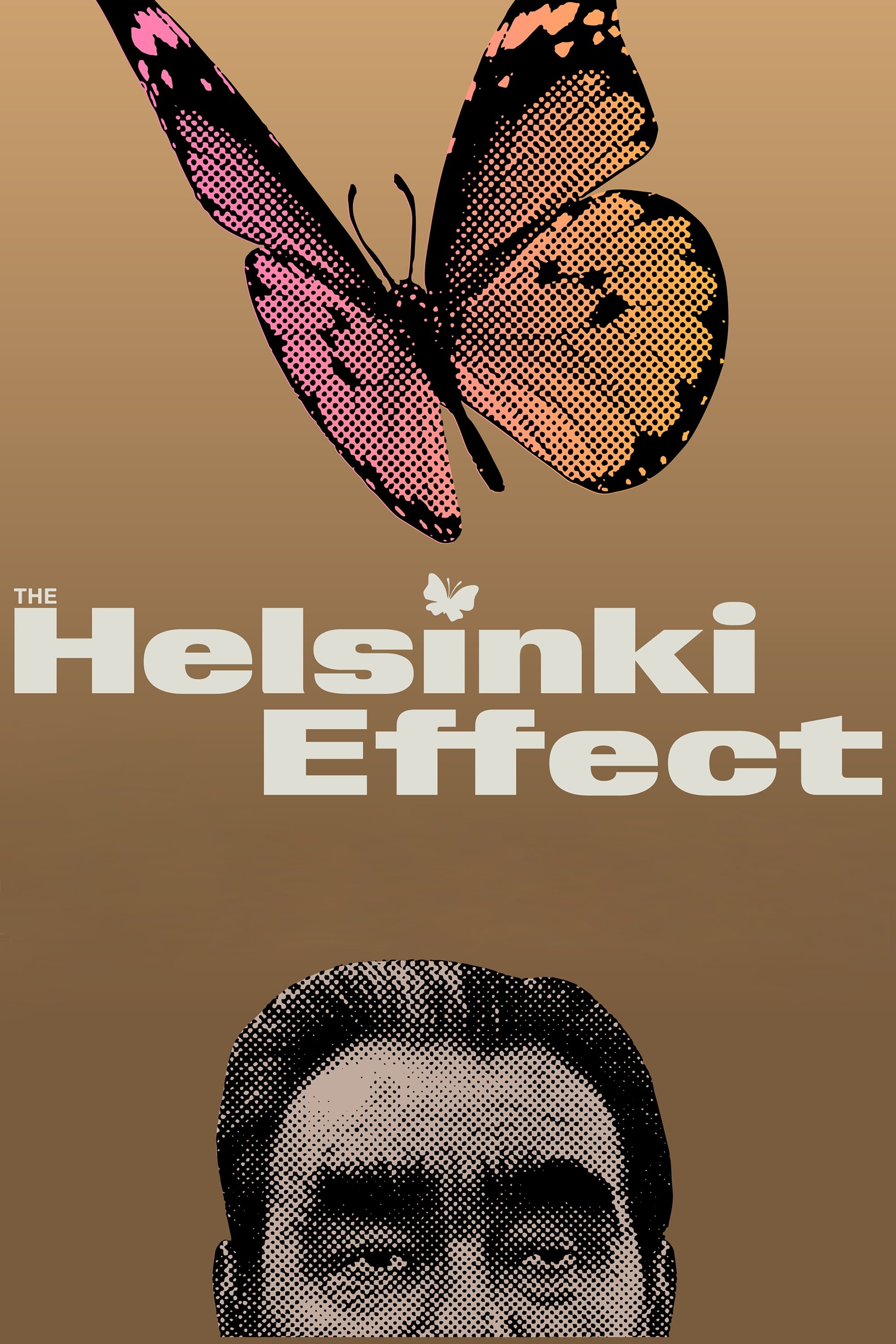
The Conference on Security and Cooperation in Europe (CSCE) was the starting point for the slow but sure collapse of communist authoritarian rule in Eastern Europe. The Helsinki Effect offers new perspectives on the events of the Cold War. The film tells the story of the CSCE process, which had a major impact on the end of the Cold War, and sheds light on secret top-level discussions behind closed doors, through voice simulations using artificial intelligence.
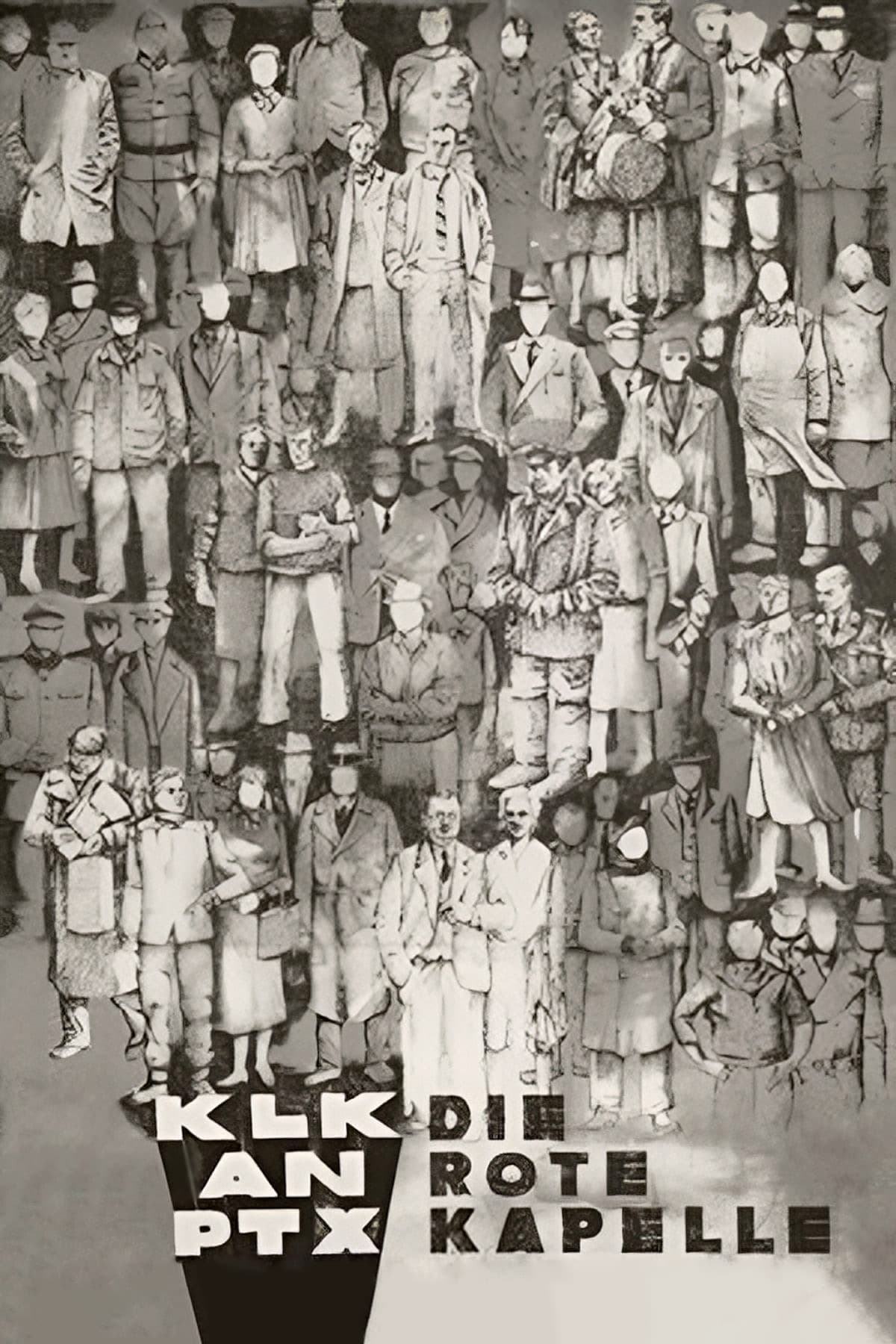
East German film about the history of Red Orchestra, a real life German pro-Soviet spy ring created after the rise of Hitler that turned into a resistance movement led by a leftist Nazi officer, Harro Schulze-Boysen, and Arvid Harnack.
Documentary short film about the afterlife of the remnants of the Berlin Wall.
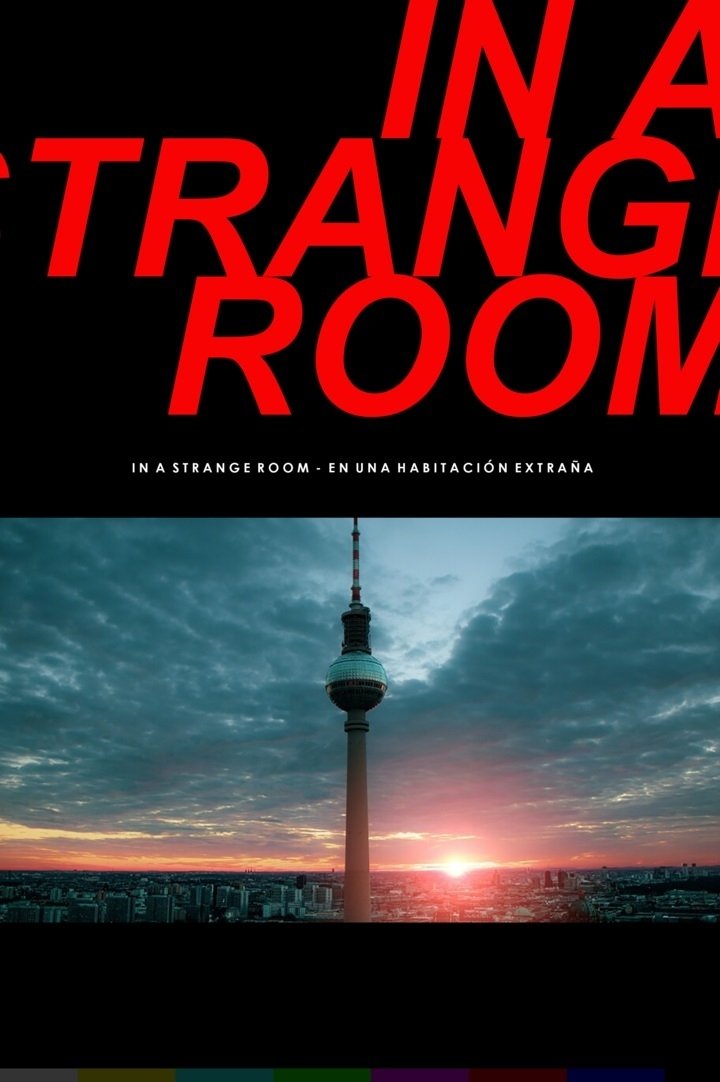
In the summer of 2008, Enzo travels to Berlin to work on a creative documentary and find a former lover.
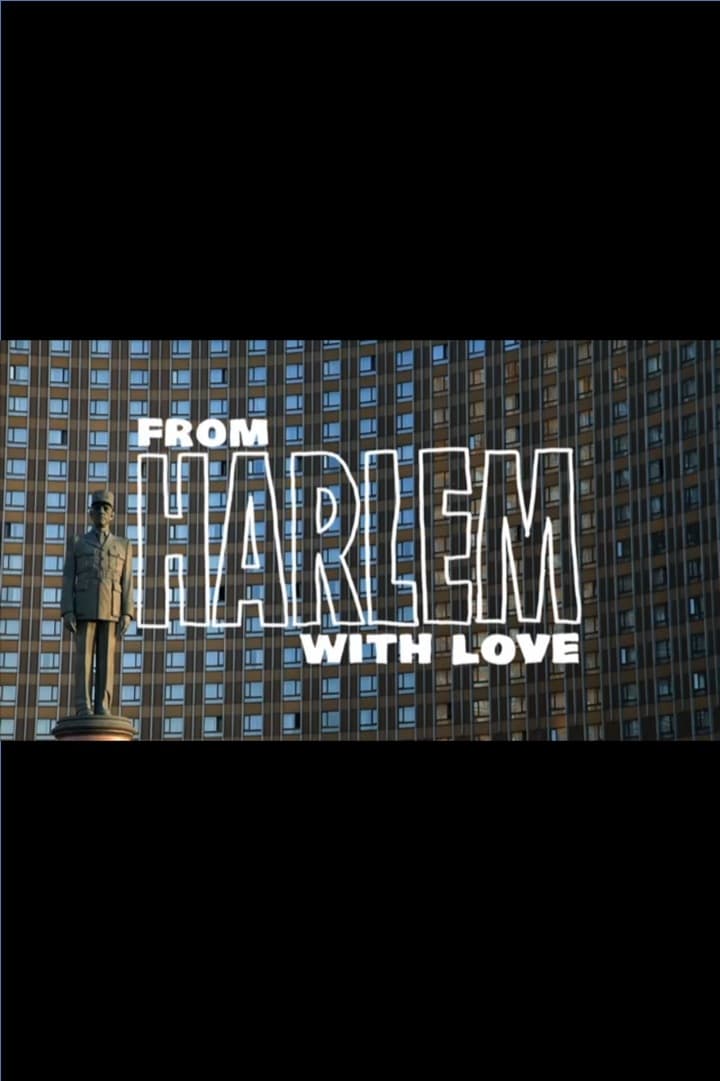
Tensions between the USSR and the United States were high in 1959, with the seemingly constant threat of nuclear war. Then some unlikely ambassadors stepped forward to clear all that away: the Harlem Globetrotters. From Harlem With Love is the story of how a group of barnstorming basketball players traveled to the heart of the Soviet Union at the height of the Cold War and bridged a cultural gap many thought would stand forever.
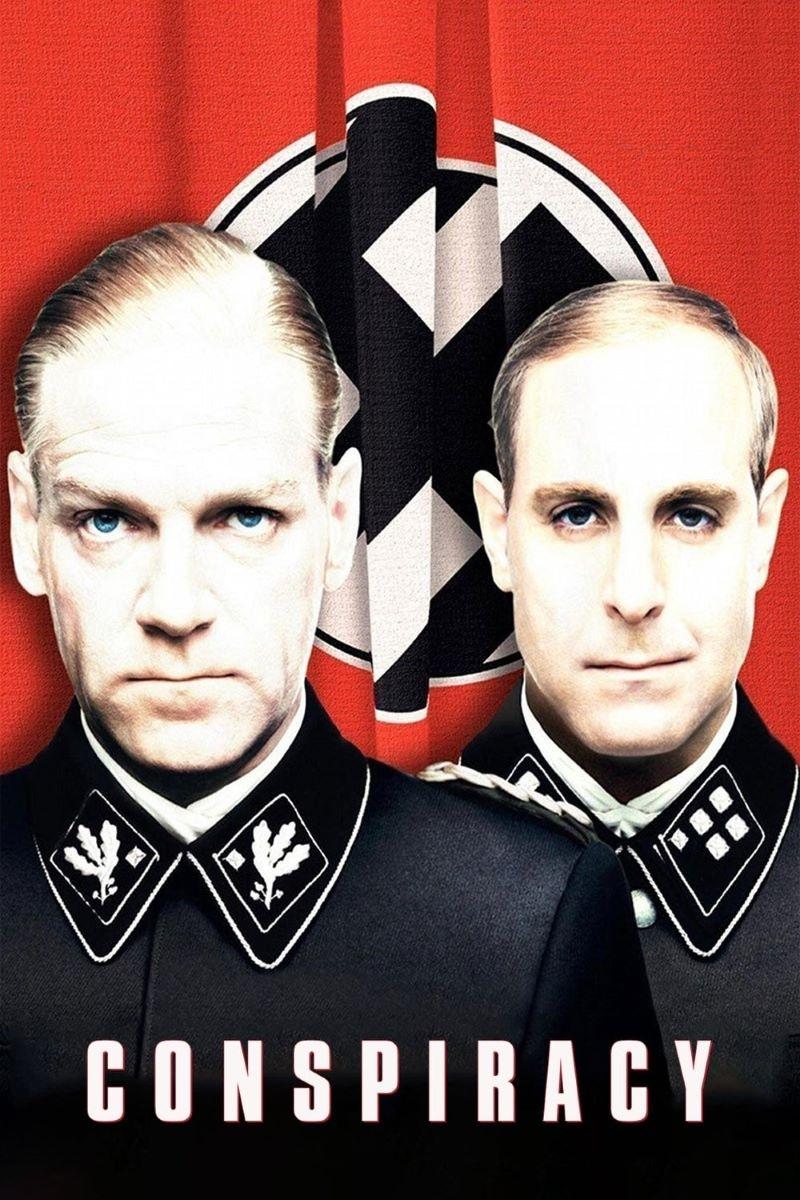
At the Wannsee Conference on January 20, 1942, senior Nazi officials meet to determine the manner in which the so-called "Final Solution to the Jewish Question" can be best implemented.
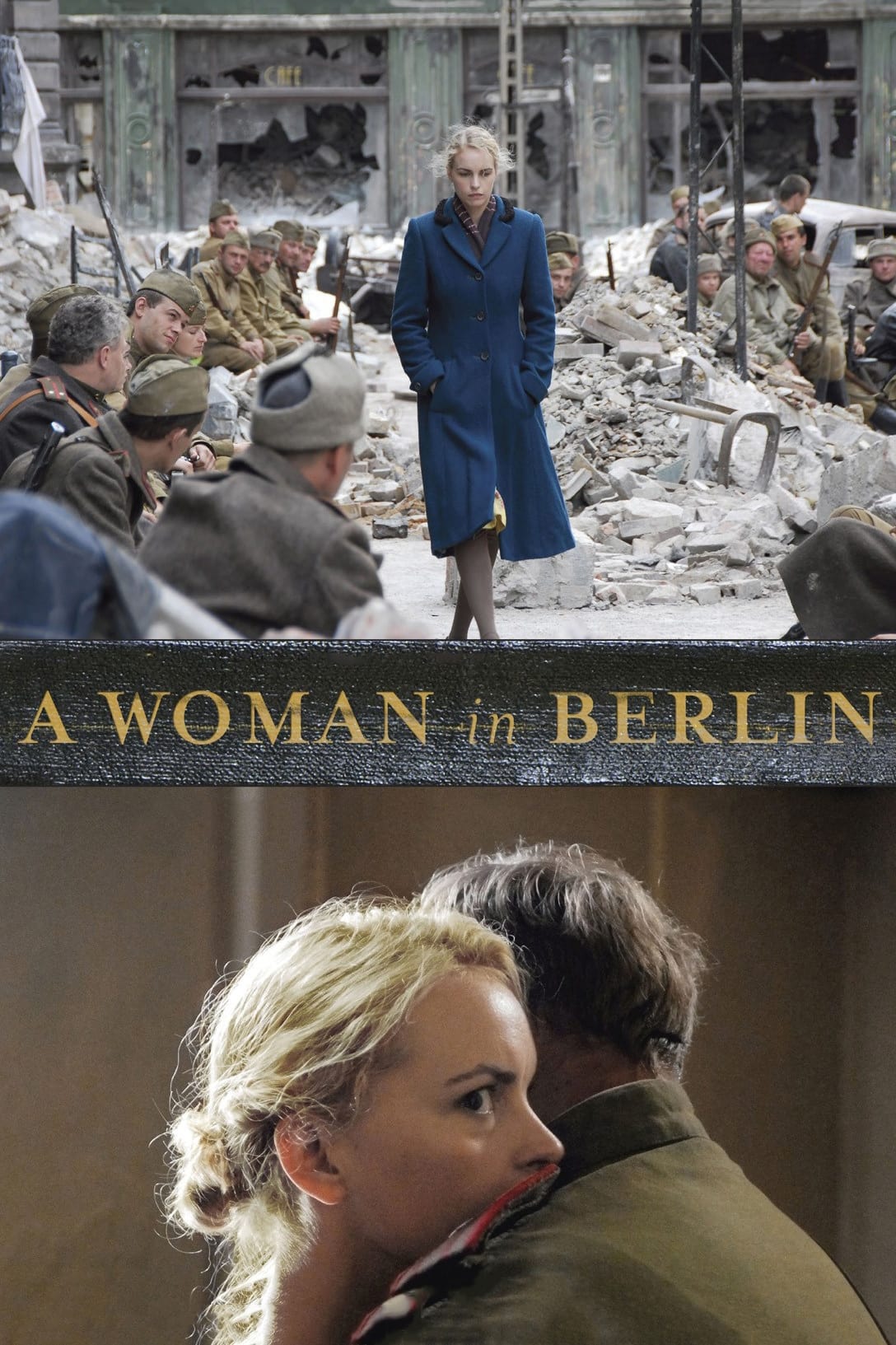
A woman tries to survive the invasion of Berlin by the Soviet troops during the last days of World War II.
Documentary short about the rebuilding of Berlin in 1946 from a Soviet perspective, showcasing the social changes that have taken place since the fall of Hitler and of Jews working side-by-side with non-Jewish counterparts.
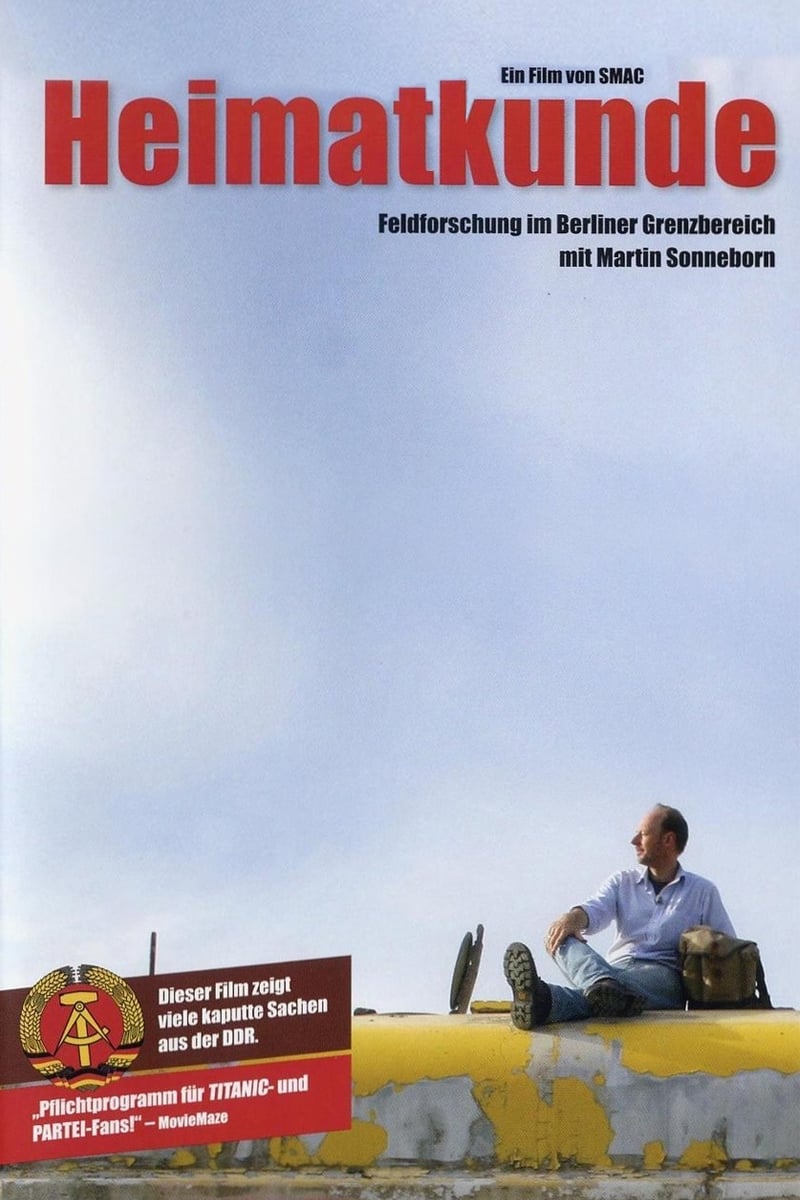
Former "Titanic" satire magazine editor Martin Sonneborn takes an undercover trip around Berlin and discovers the East-German mentality and what is left of the socialist German Democratic Republic.
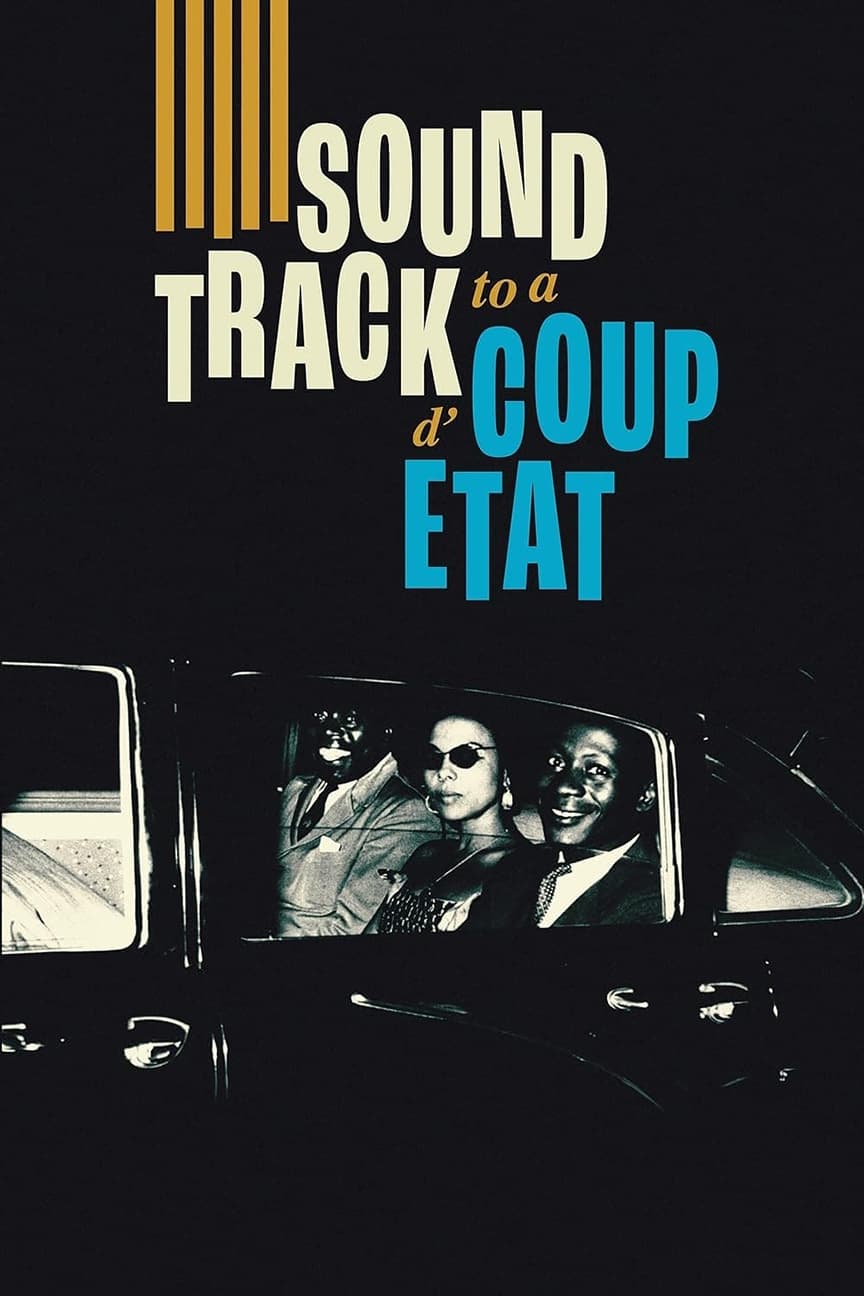
Jazz and decolonization are intertwined in a powerful narrative that recounts one of the tensest episodes of the Cold War.
The history of cinematic sound, told by legendary sound designers and visionary filmmakers.
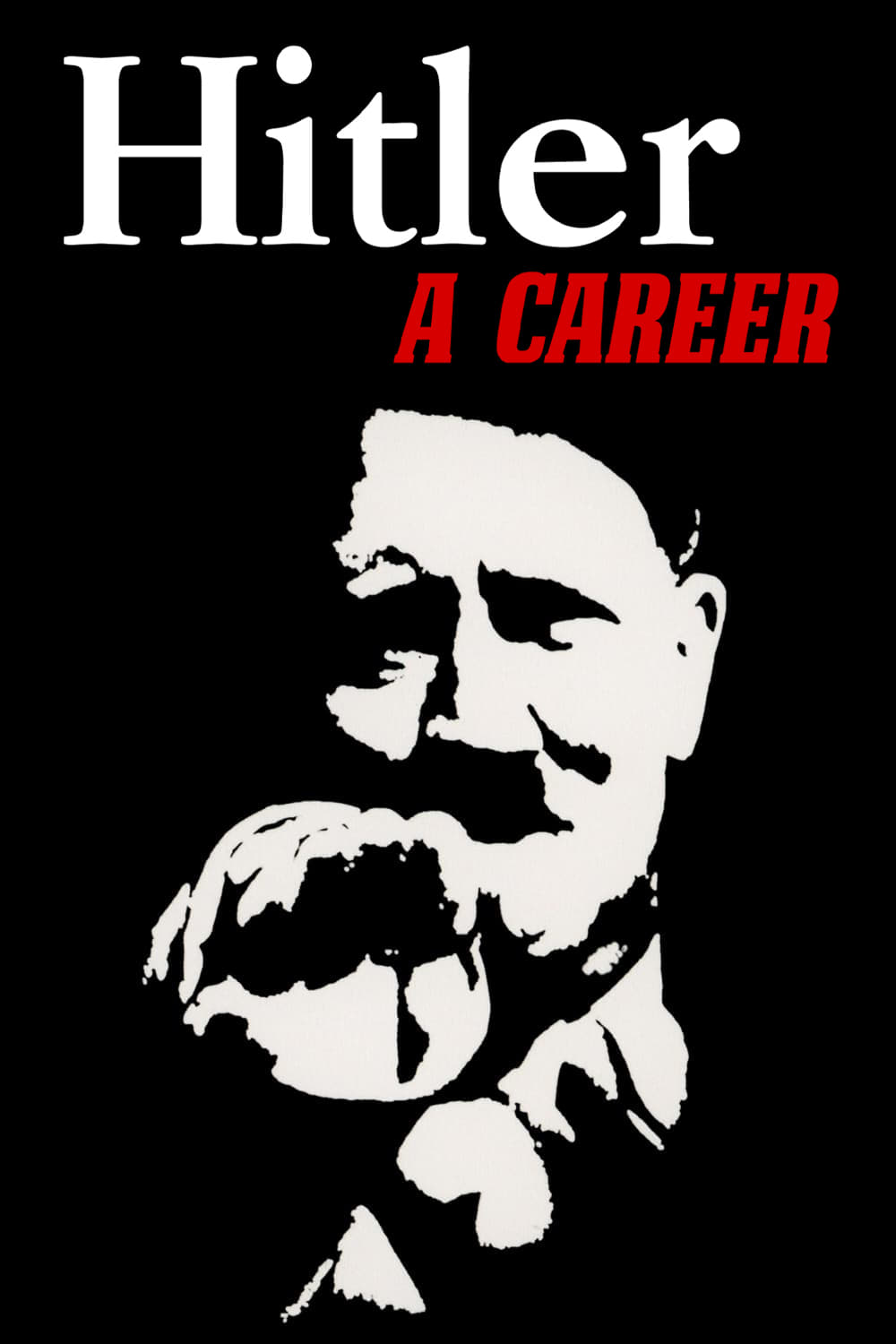
A keen chronicle of the unlikely rise to power of Adolf Hitler (1889-1945) and a dissection of the Third Reich (1933-1945), but also an analysis of mass psychology and how the desperate crowd can be deceived and shepherded to the slaughterhouse.
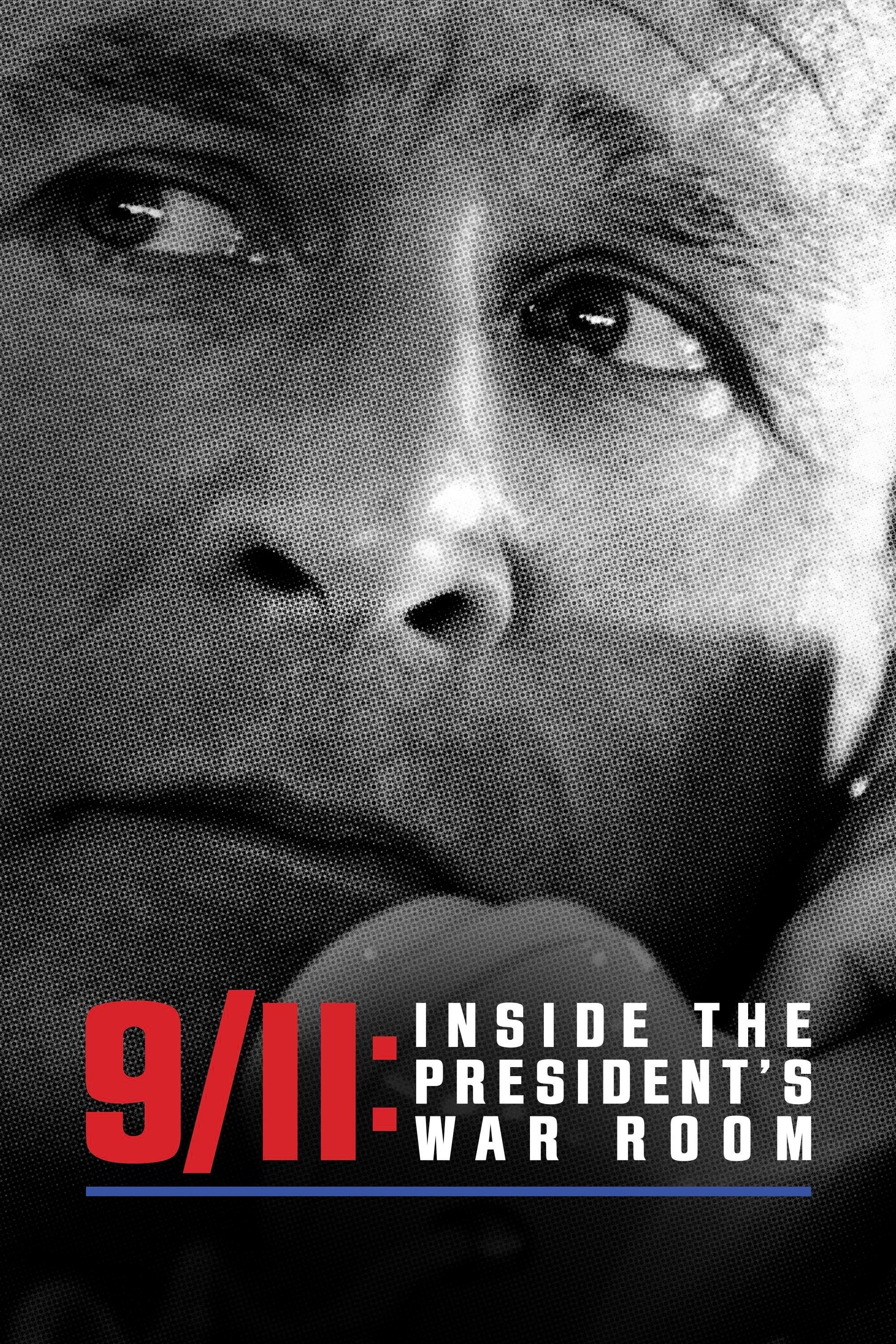
Experience the events of September 11, 2001 through the eyes of President Bush and his closest advisors as they personally detail the crucial hours and key decisions from that historic day.
“The Soviet Story” is a story of an Allied power, which helped the Nazis to fight Jews and which slaughtered its own people on an industrial scale. Assisted by the West, this power triumphed on May 9th, 1945. Its crimes were made taboo, and the complete story of Europe’s most murderous regime has never been told. Until now...
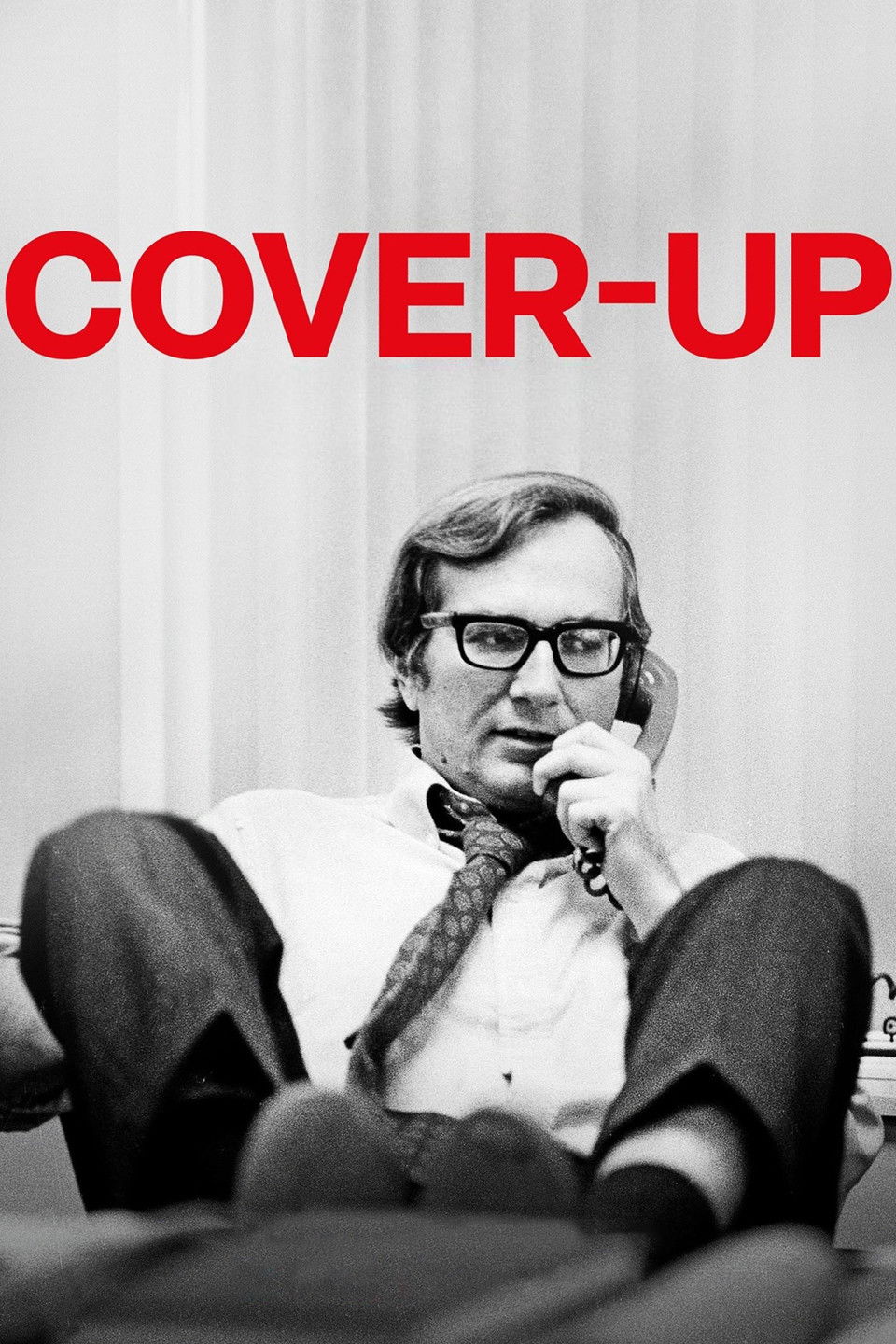
He's devoted his career to uncovering stories the powerful want buried. From My Lai to Abu Ghraib, dig into the life's work of journalist Seymour Hersh.
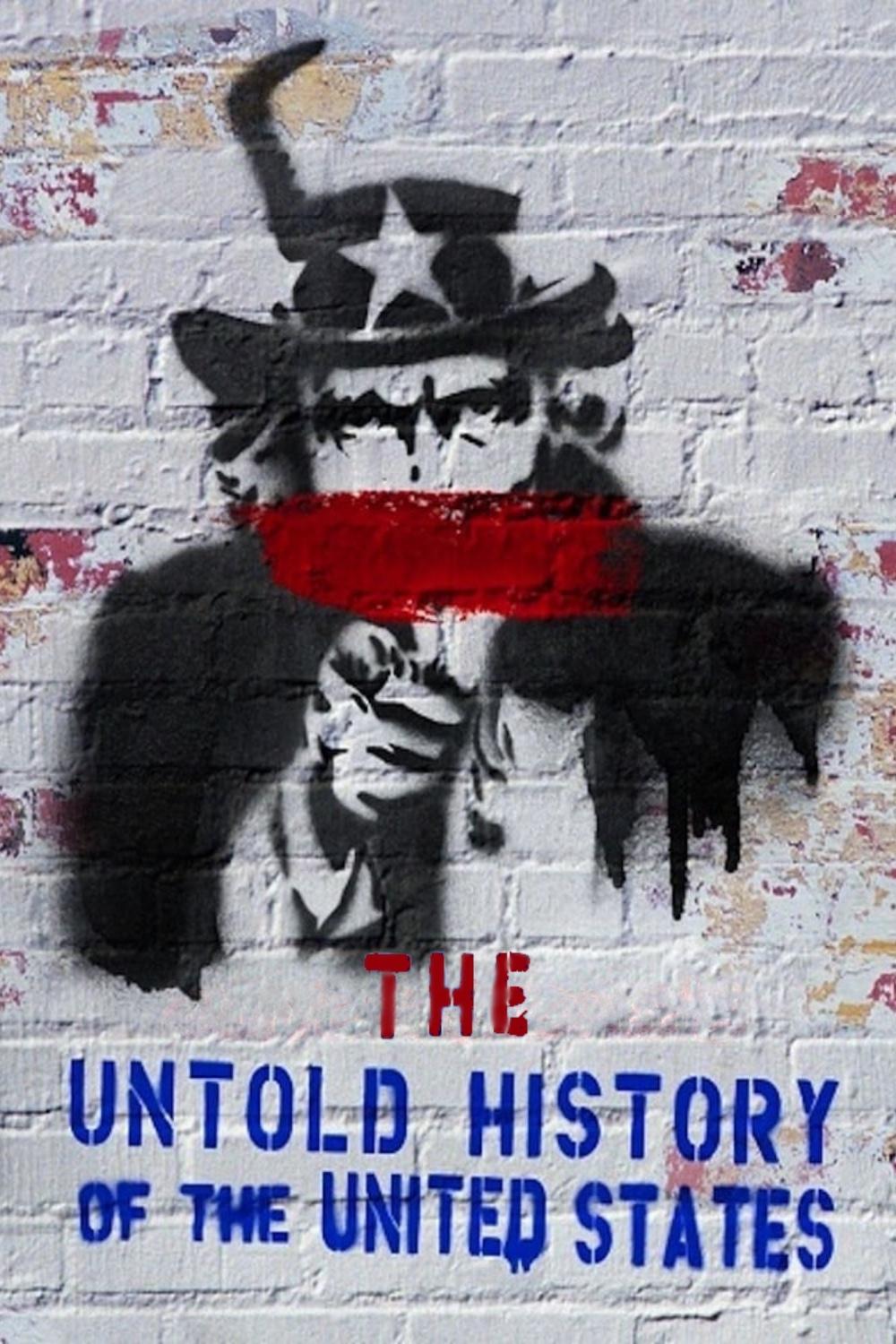
Oliver Stone charts the history of the United States from the Second World War to the present.
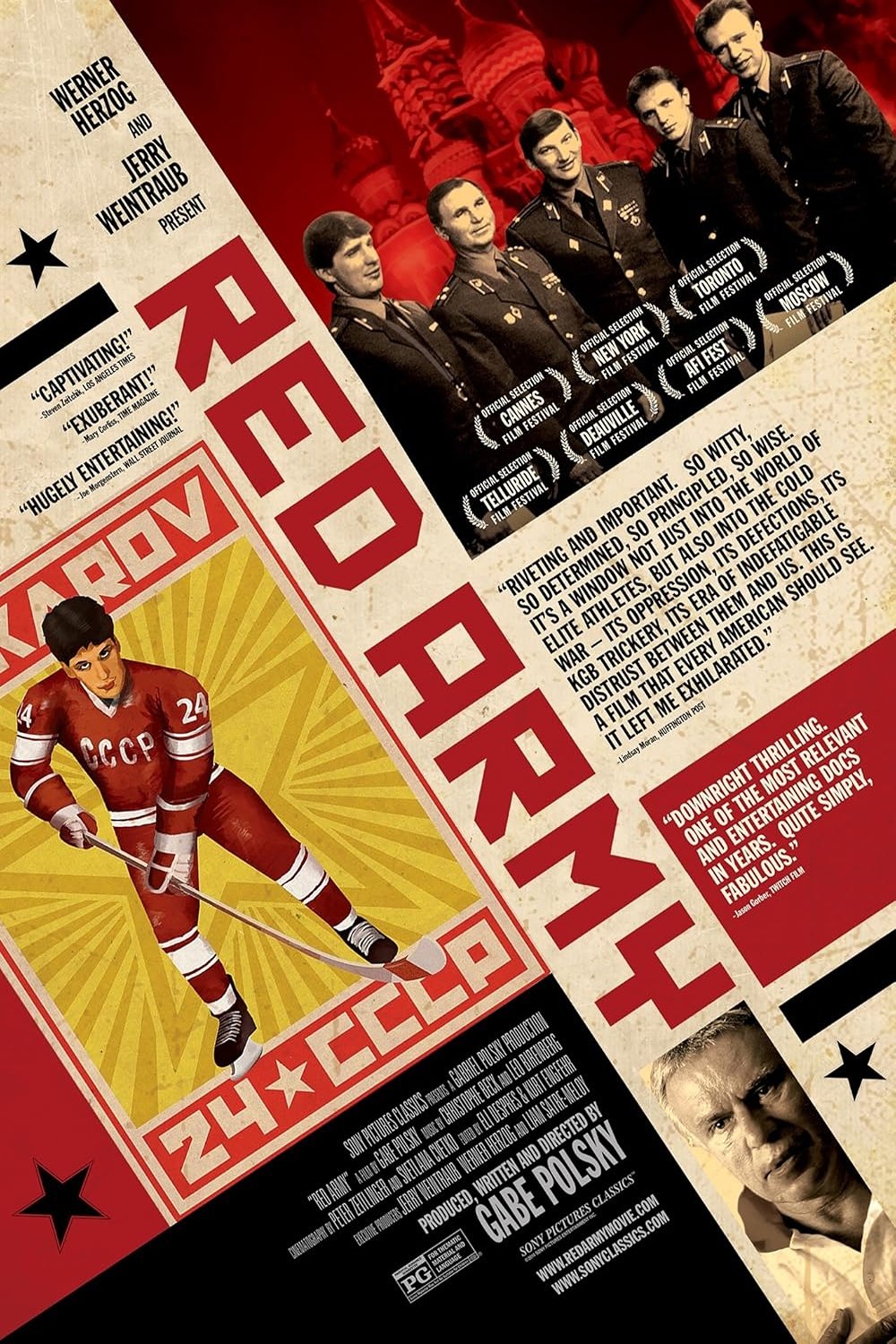
A documentary highlighting the Soviet Union's legendary and enigmatic hockey training culture and world-dominating team through the eyes of the team's Captain Slava Fetisov, following his shift from hockey star and celebrated national hero to political enemy.
Those who knew iconic funnyman John Candy best share his story, in their own words, through never-before-seen archival footage, imagery, and interviews.
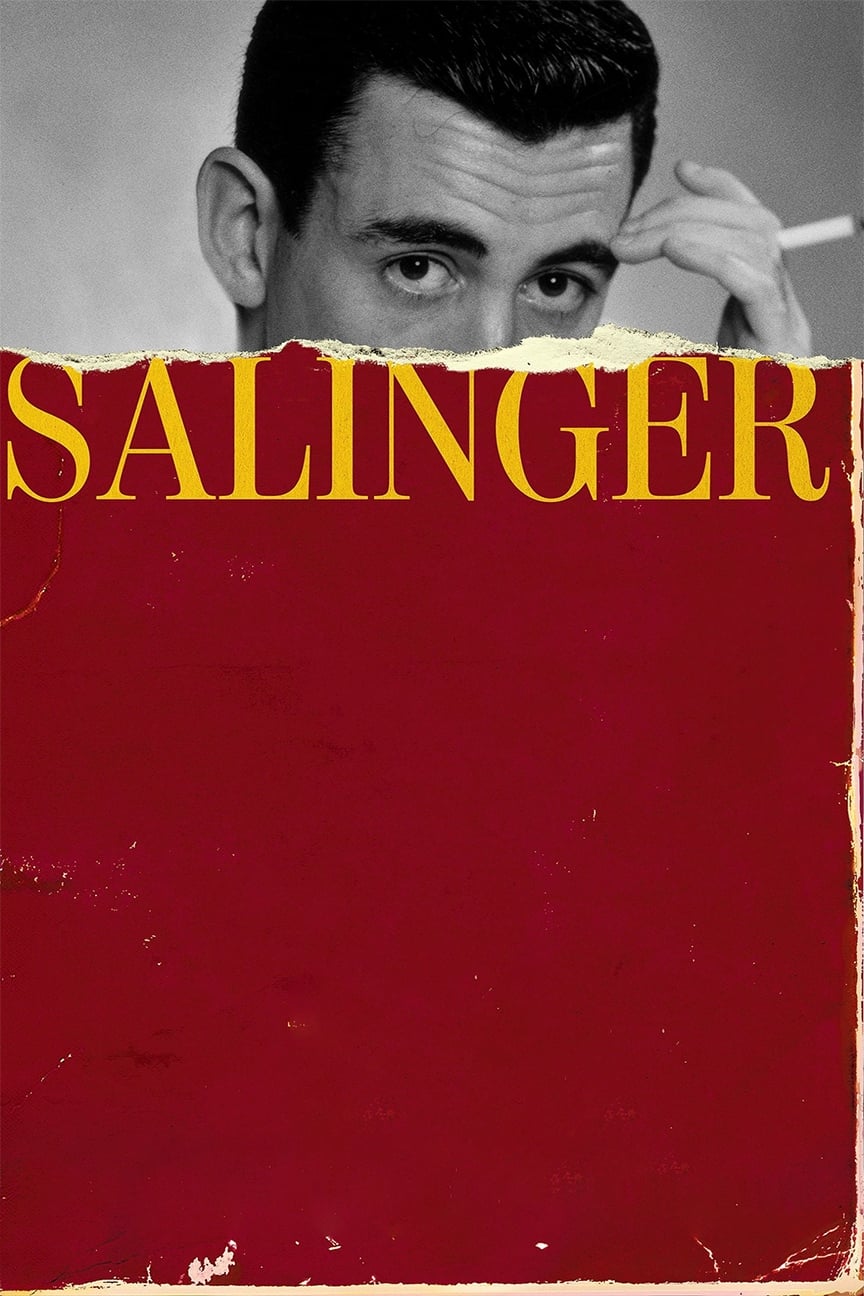
An in-depth investigation into the private world of the American writer J. D. Salinger (1919-2010), who lived most of his life behind the impenetrable wall of a self-imposed seclusion: how his dramatic experiences during World War II influenced his life and work, his relationships with very young women, his obsessive writing methods, his many literary secrets.
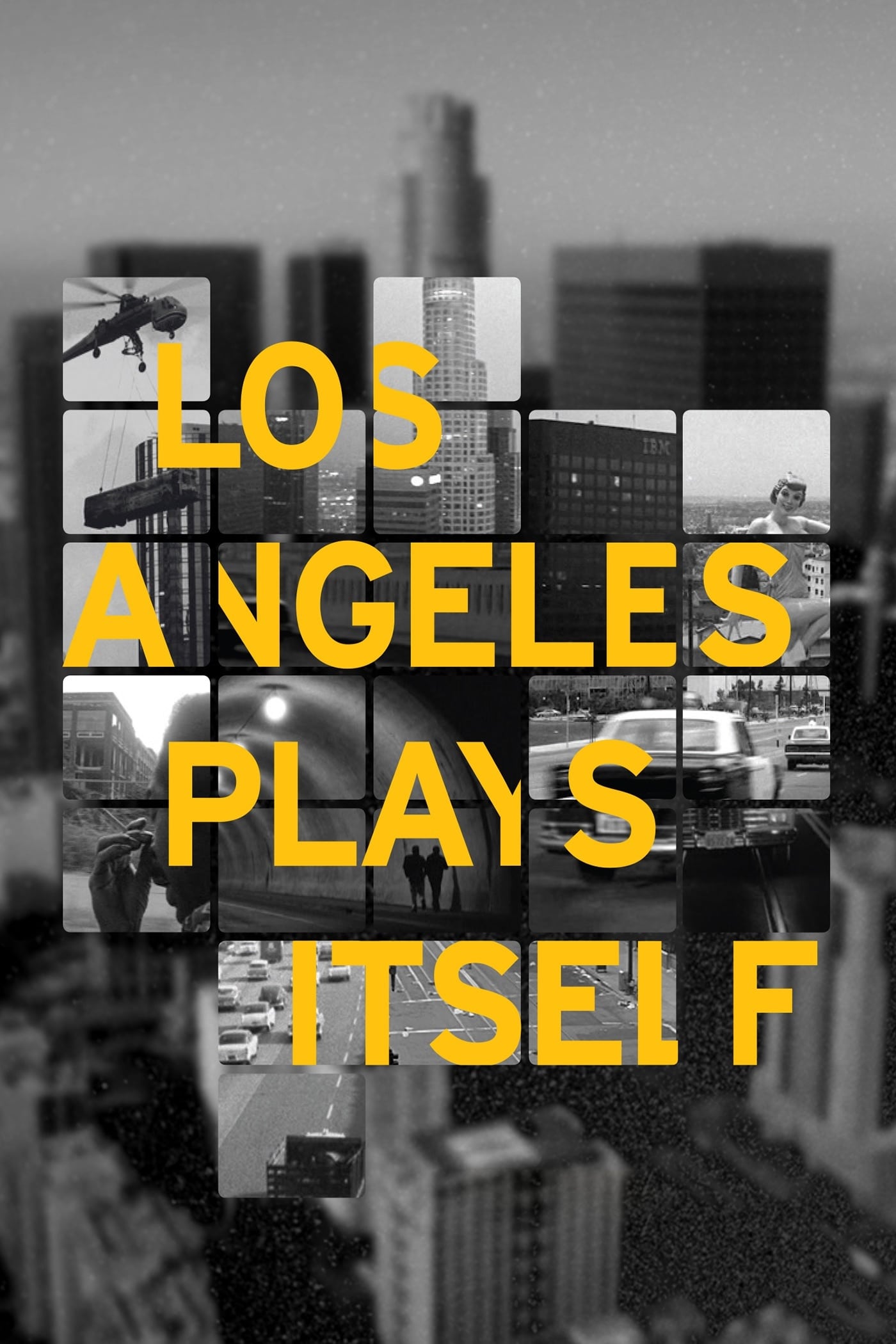
From its distinctive neighborhoods to its architectural homes, Los Angeles has been the backdrop to countless movies. In this dazzling work, Andersen takes viewers on a whirlwind tour through the metropolis' real and cinematic history, investigating the myriad stories and legends that have come to define it, and meticulously, judiciously revealing the real city that lives beneath.
Prelude to War was the first film of Frank Capra's Why We Fight propaganda film series, commissioned by the Pentagon and George C. Marshall. It was made to convince American troops of the necessity of combating the Axis Powers during World War II. This film examines the differences between democratic and fascist states.
Through deeply personal interviews with her siblings and an examination of the photographs, letters, and belongings left behind, Mariska assembles a new portrait of her mother Jayne Mansfield, an extraordinary and complex woman.
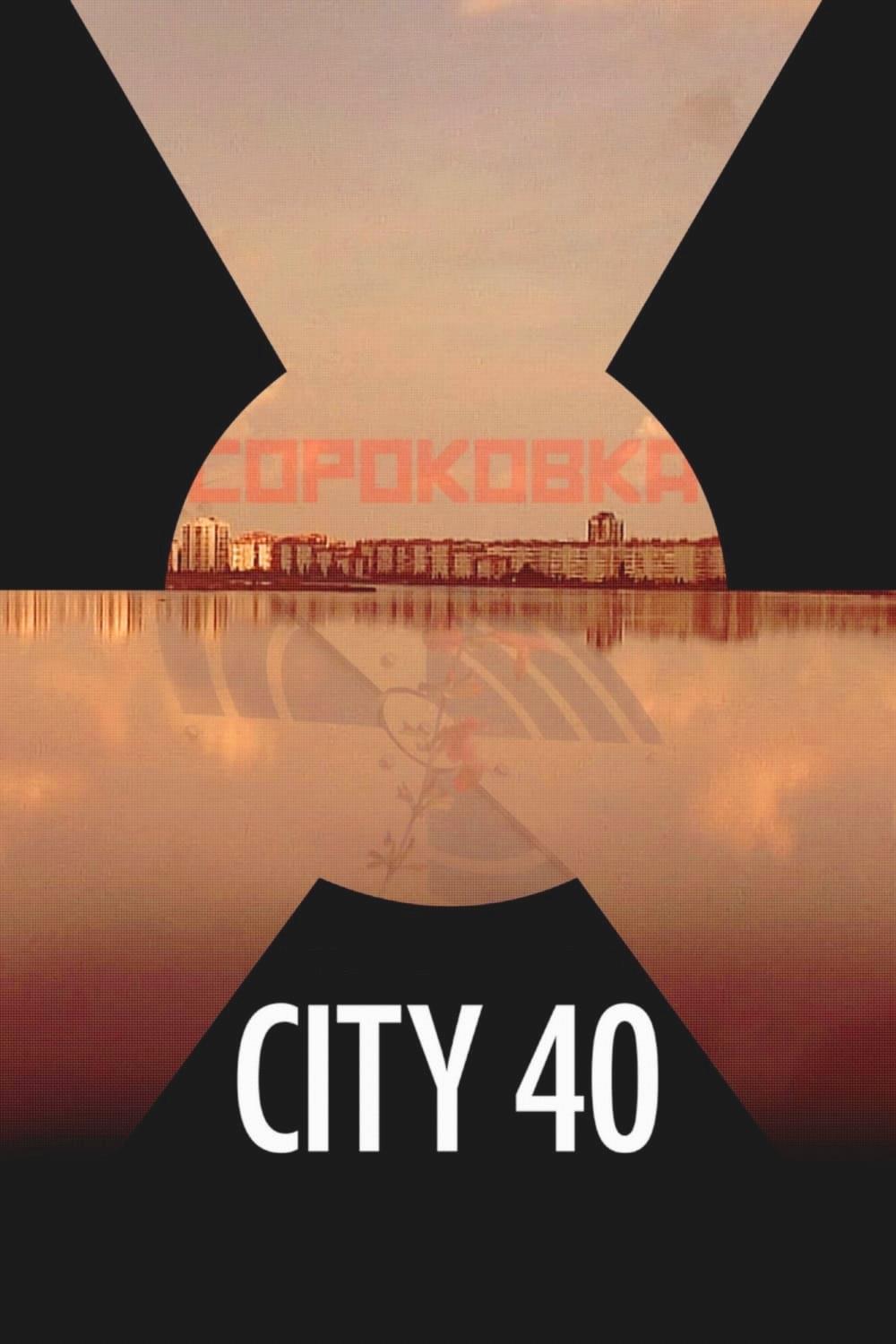
Hidden in the heart of Russia, there is a Soviet-era city where thousands of people live and work behind barbed-wire fences monitored by armed guards. It is Ozyorsk (Ozersk), located in the Chelyabinsk Oblast, one of the most polluted places on the planet and home to the largest stockpiles of nuclear material. Its code name: City 40.
A documentary on the expletive's origin, why it offends some people so deeply, and what can be gained from its use.
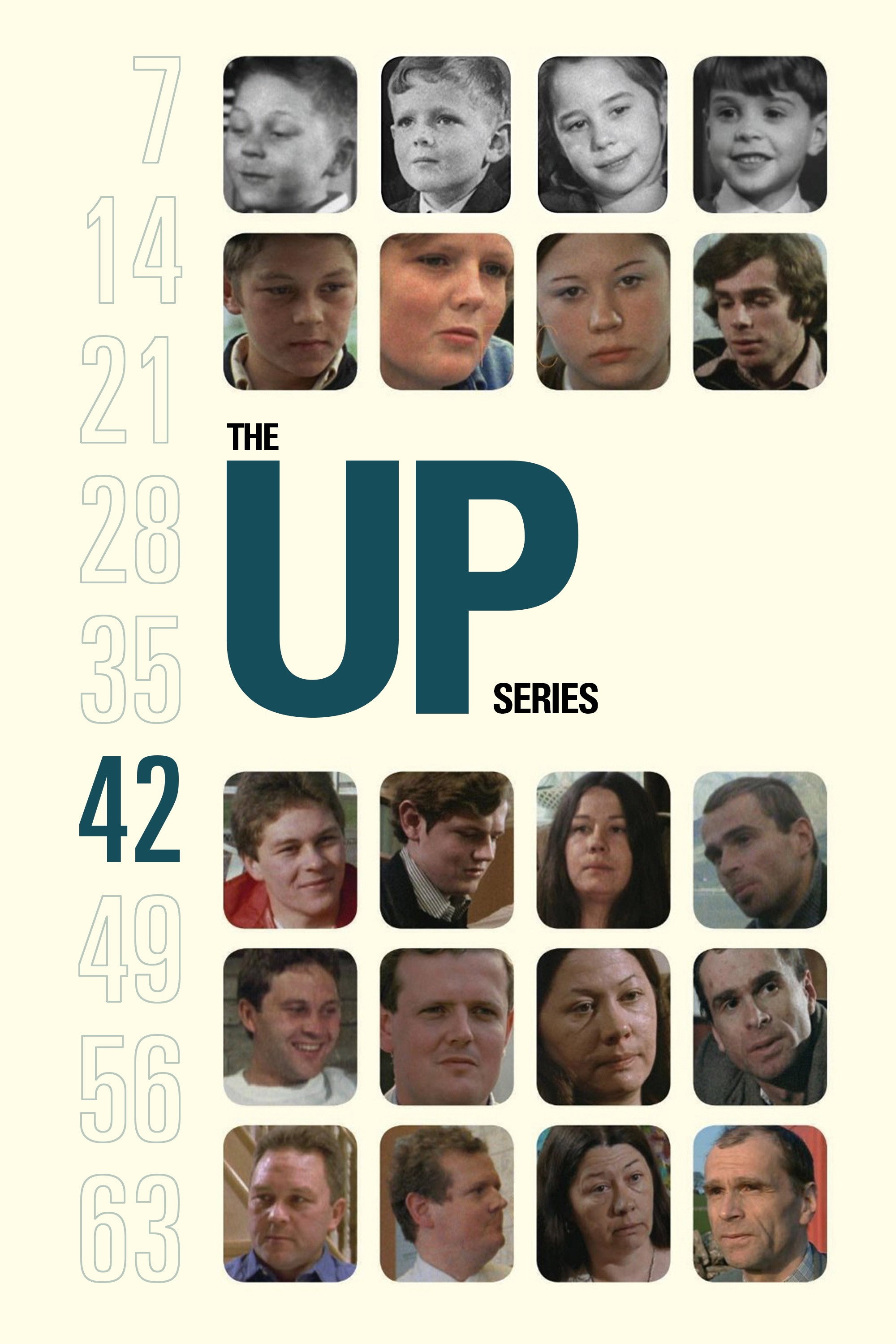
Director Michael Apted revisits the same group of British-born adults after a 7 year wait. The subjects are interviewed as to the changes that have occurred in their lives during the last seven years.
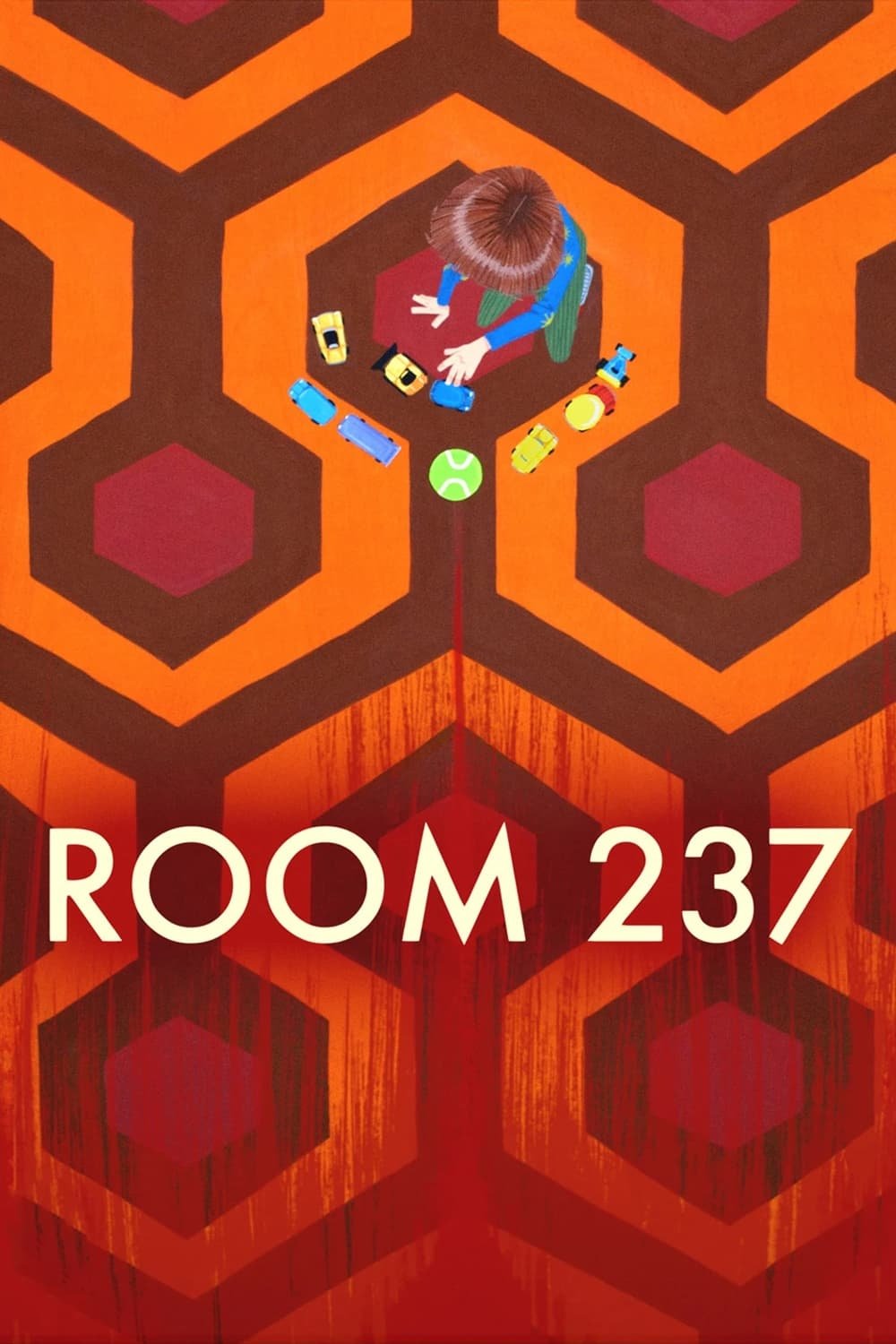
A subjective documentary that explores various theories about hidden meanings in Stanley Kubrick's classic film The Shining. Five very different points of view are illuminated through voice over, film clips, animation and dramatic reenactments.
An unprecedented and intimate look at the life, work and enduring legacy of British actress Audrey Hepburn (1929-1993).
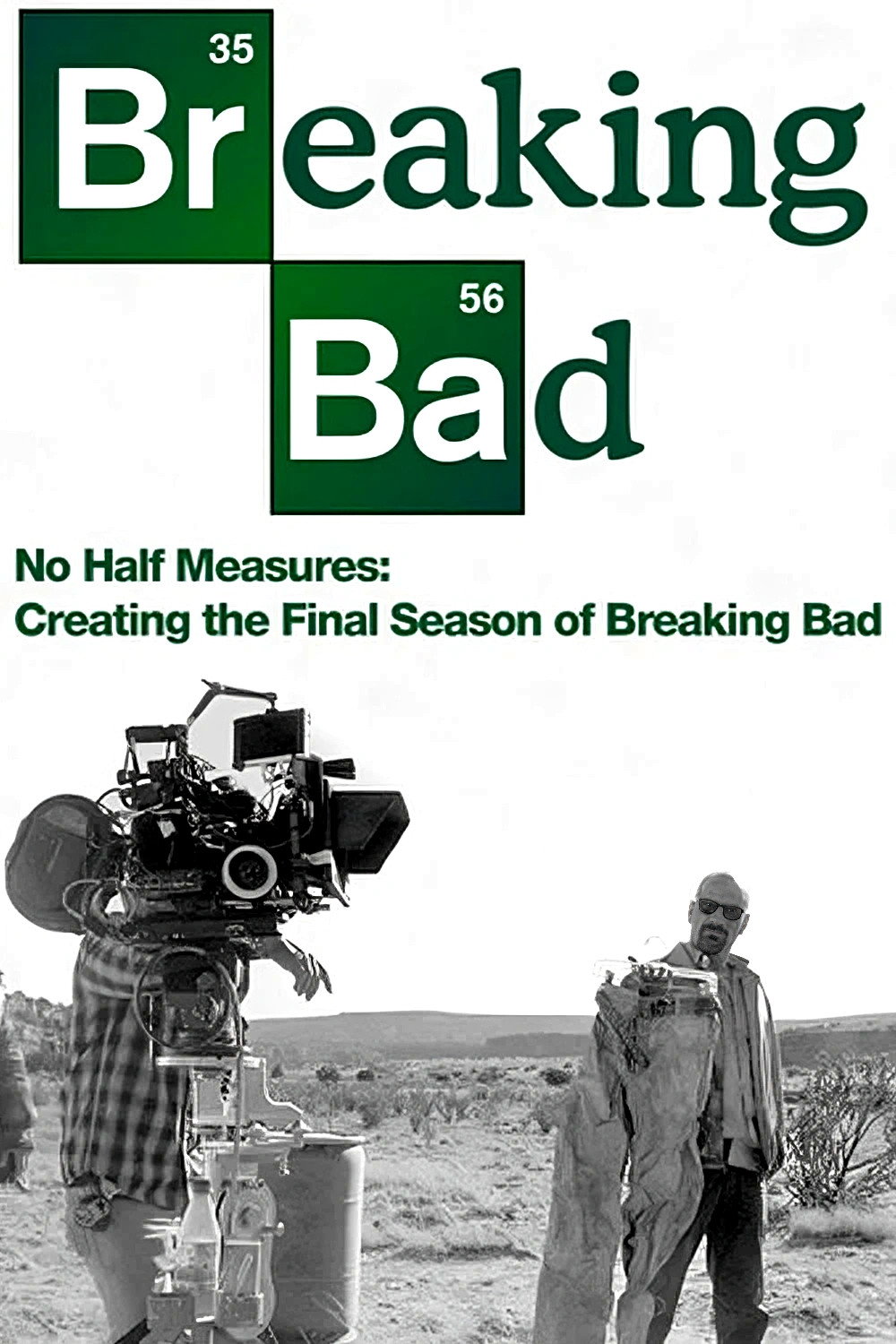
A documentary about the making of season five of the acclaimed AMC series Breaking Bad.
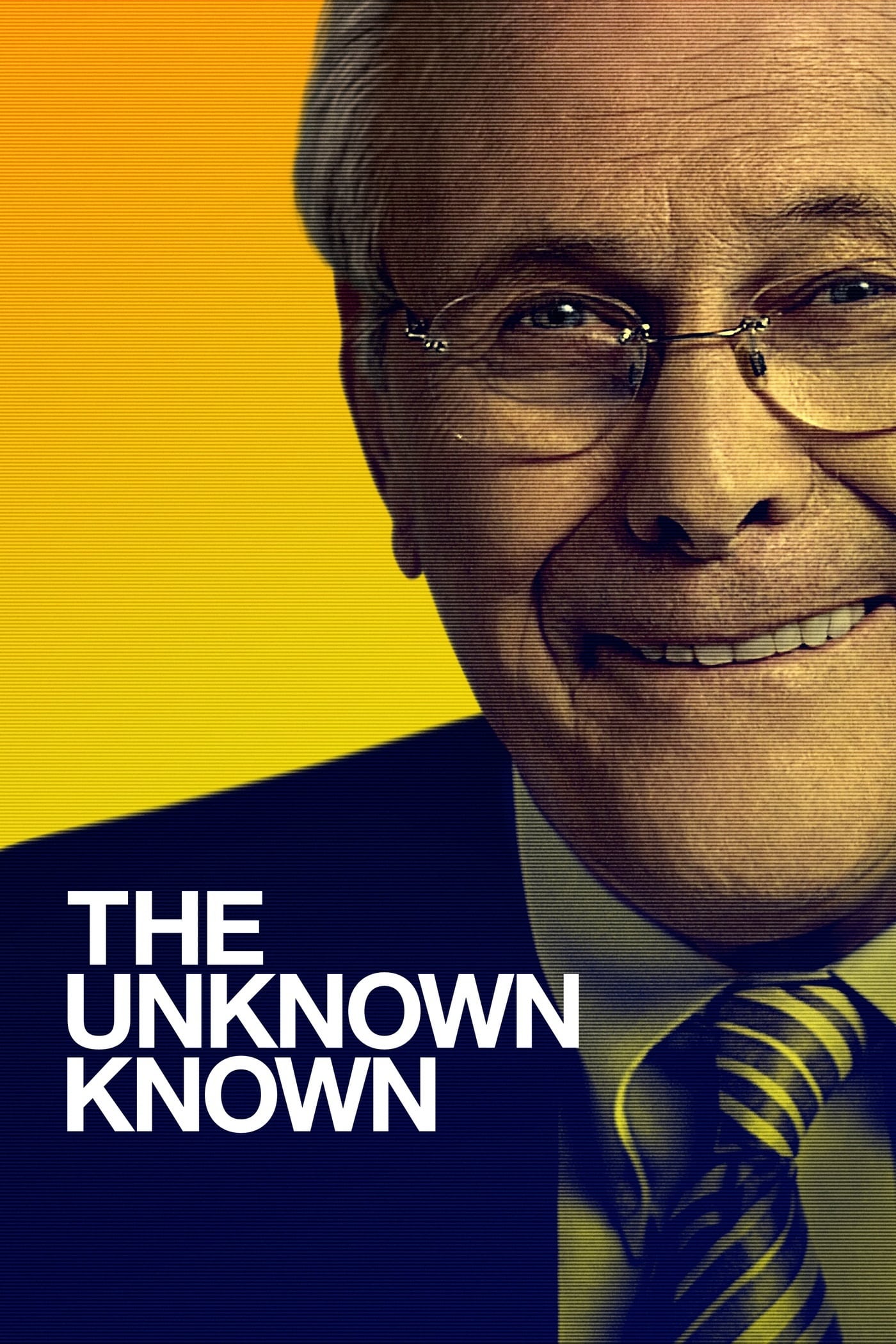
Former United States Secretary of Defense, Donald Rumsfeld, discusses his career in Washington D.C. from his days as a congressman in the early 1960s to planning the invasion of Iraq in 2003.
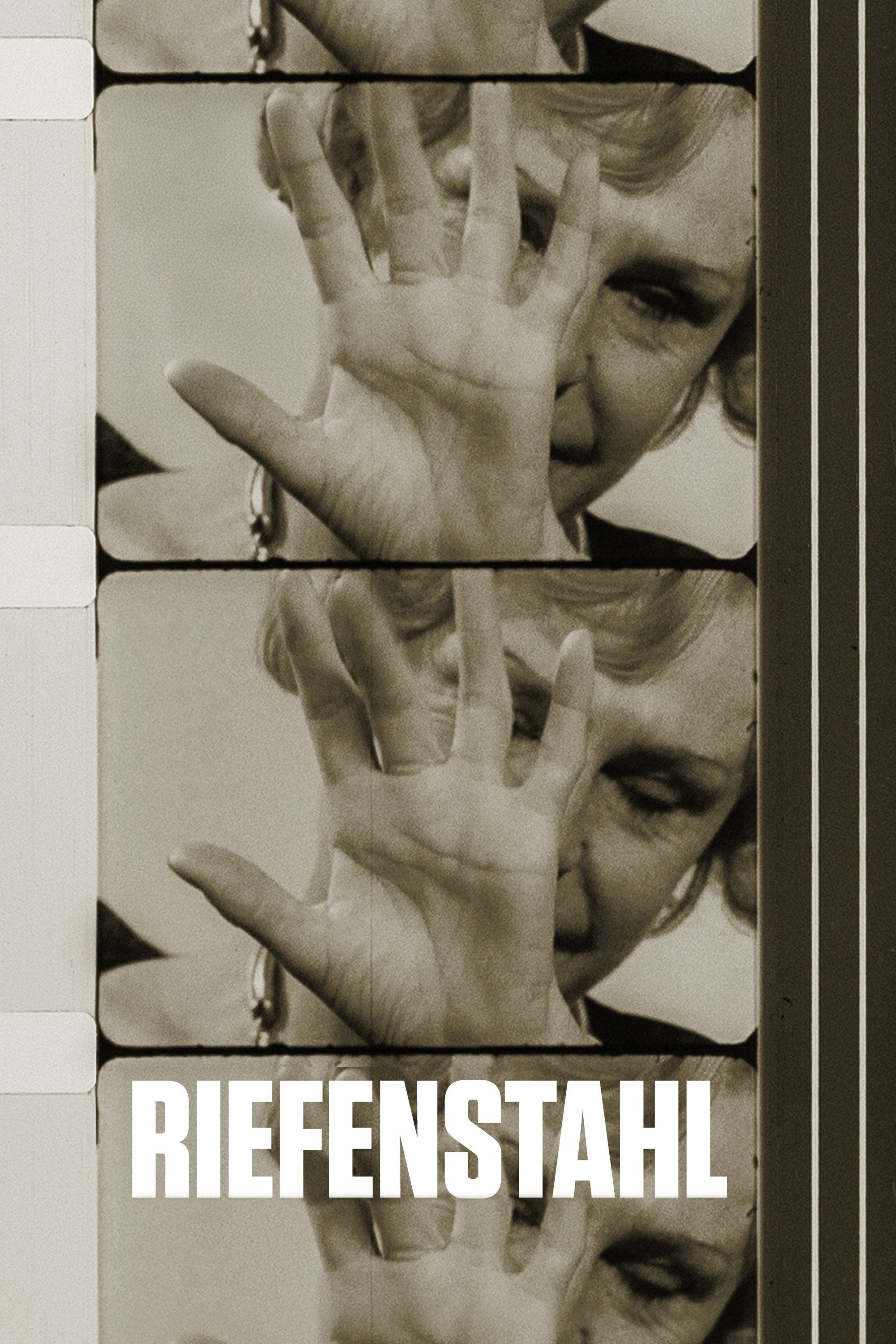
Explores Leni Riefenstahl's artistic legacy and her complex ties to the Nazi regime, juxtaposing her self-portrayal with evidence suggesting awareness of the regime's atrocities.