Social & External
The people behind it
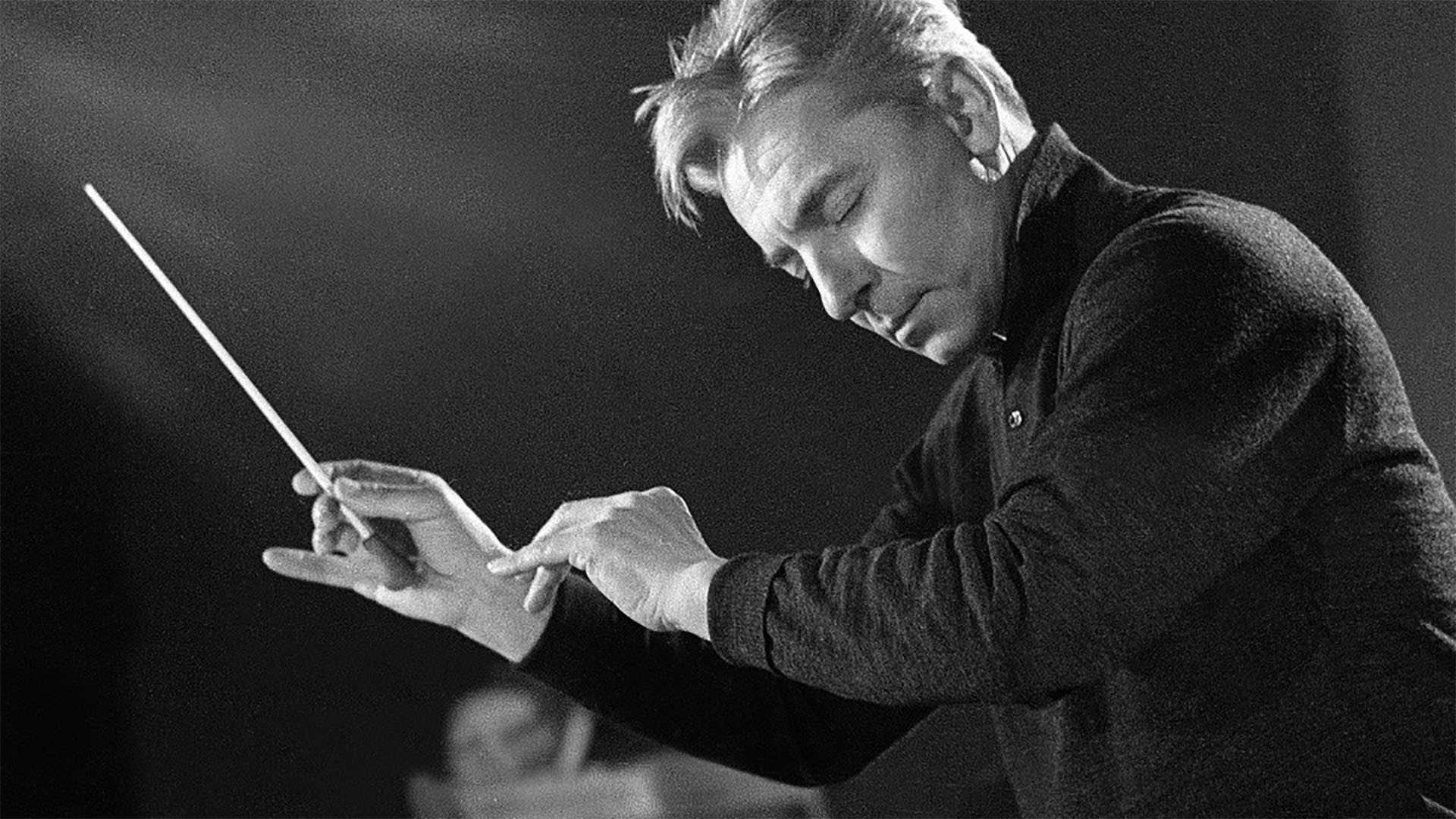
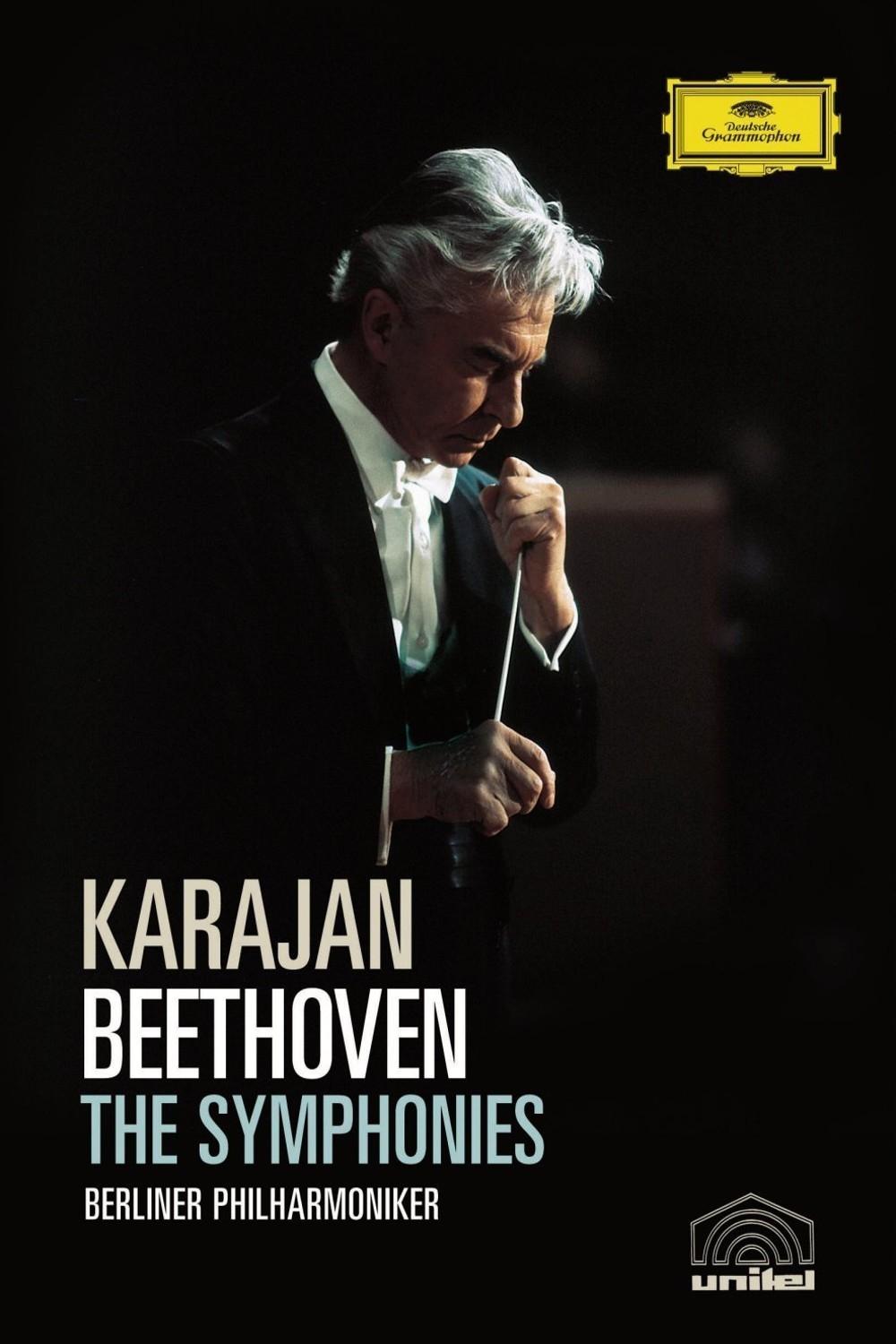
Herbert von Karajan
Self - Conductor
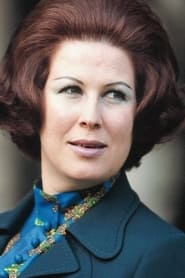
Gundula Janowitz
Self
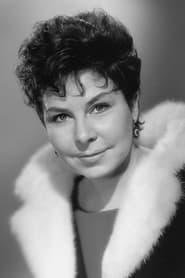
Christa Ludwig
Jess Thomas
Walter Berry
In this recording, seven-time GRAMMY® Award-winning pianist and conductor Daniel Barenboim tackles the so-called 'New Testament' of music, Ludwig van Beethoven's thirty-two piano sonatas, composed over twenty-five years and embodying the shift of musical taste from the Classic to the Romantic, their performance requires a musician of extraordinary versatility. Daniel Barenboim is one such pianist his recordings run the gamut from Bach and Mozart to Bruckner and Bartók.
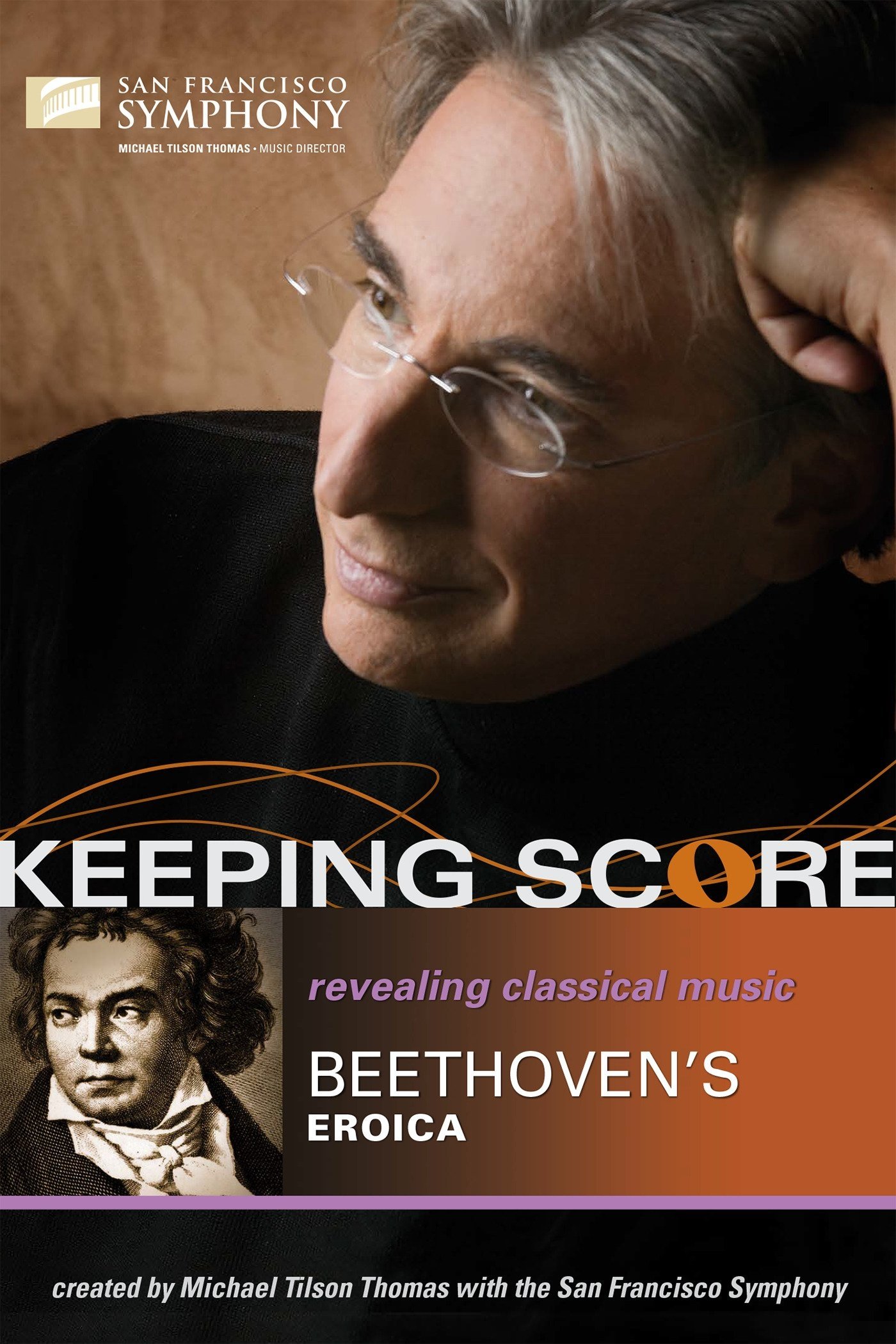
Beethoven spent three years composing the Eroica, an intimate journal of his emotional crises and his dramatic emergence as an original master. Michael Tilson Thomas and the musicians of the San Francisco Symphony help you make sense of this voyage into life as it really is.
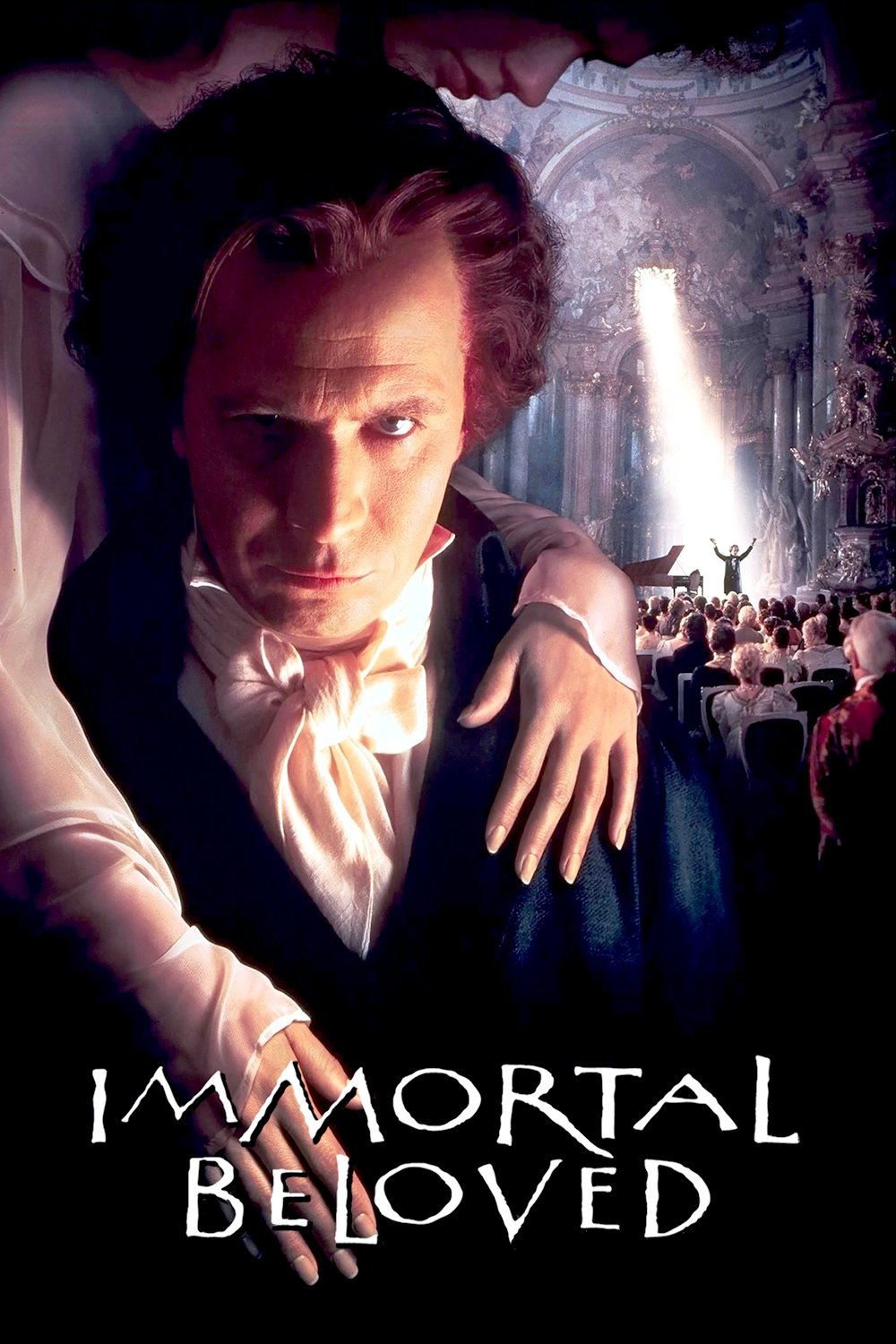
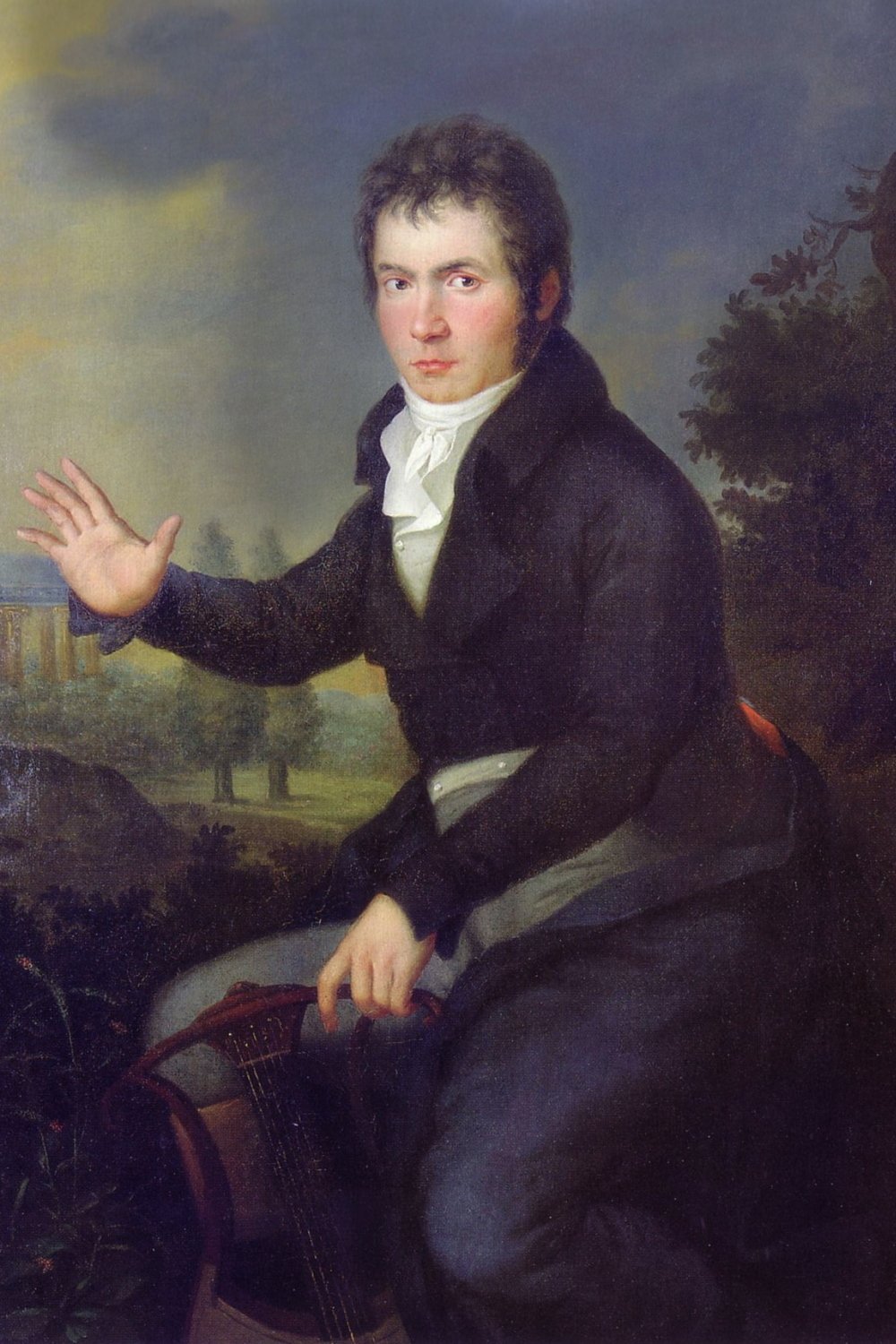
A chronicle of the life of infamous classical composer Ludwig van Beethoven and his painful struggle with hearing loss. Following Beethoven's death in 1827, his assistant, Schindler, searches for an elusive woman referred to in the composer's love letters as "immortal beloved." As Schindler solves the mystery, a series of flashbacks reveal Beethoven's transformation from passionate young man to troubled musical genius.
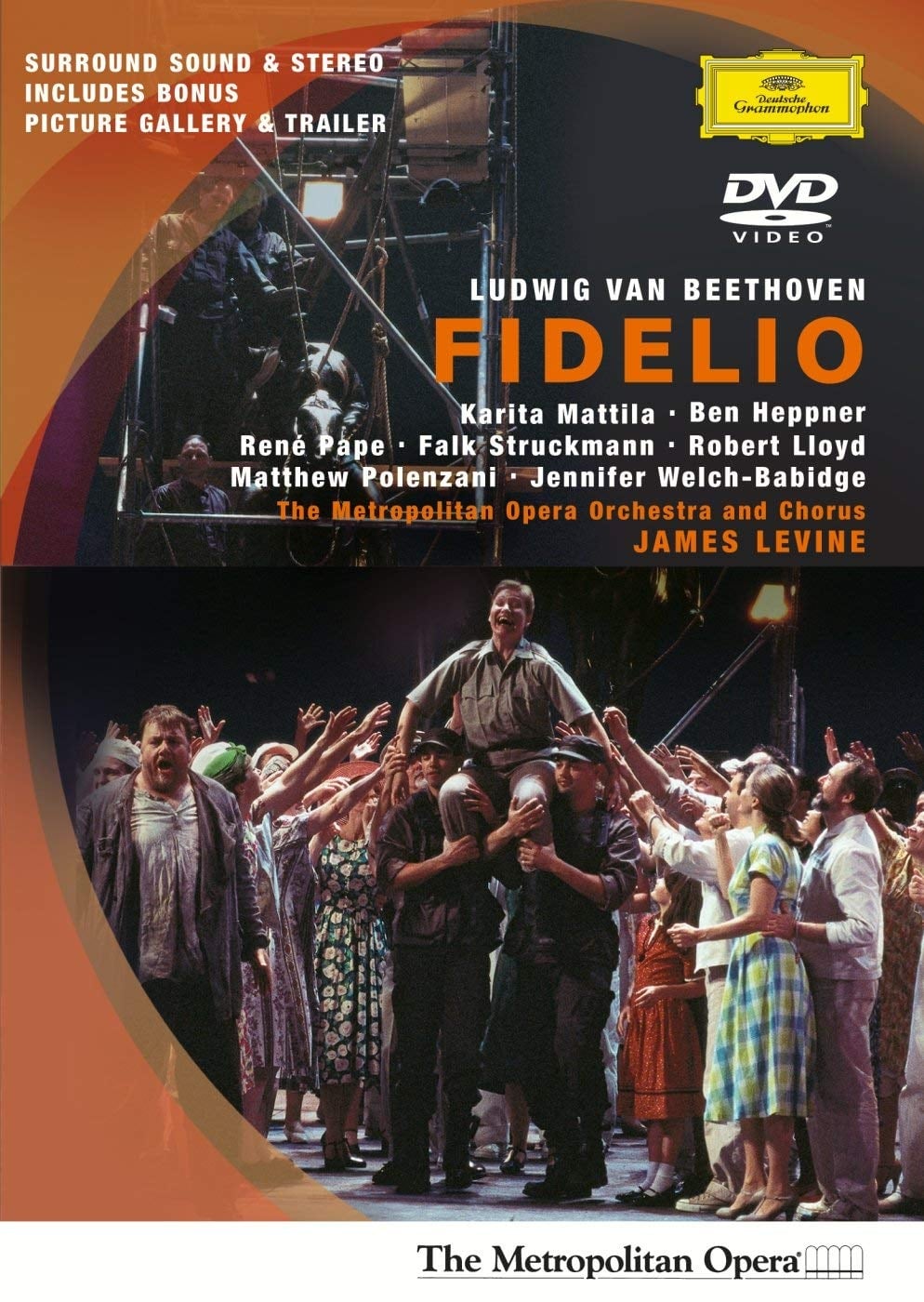
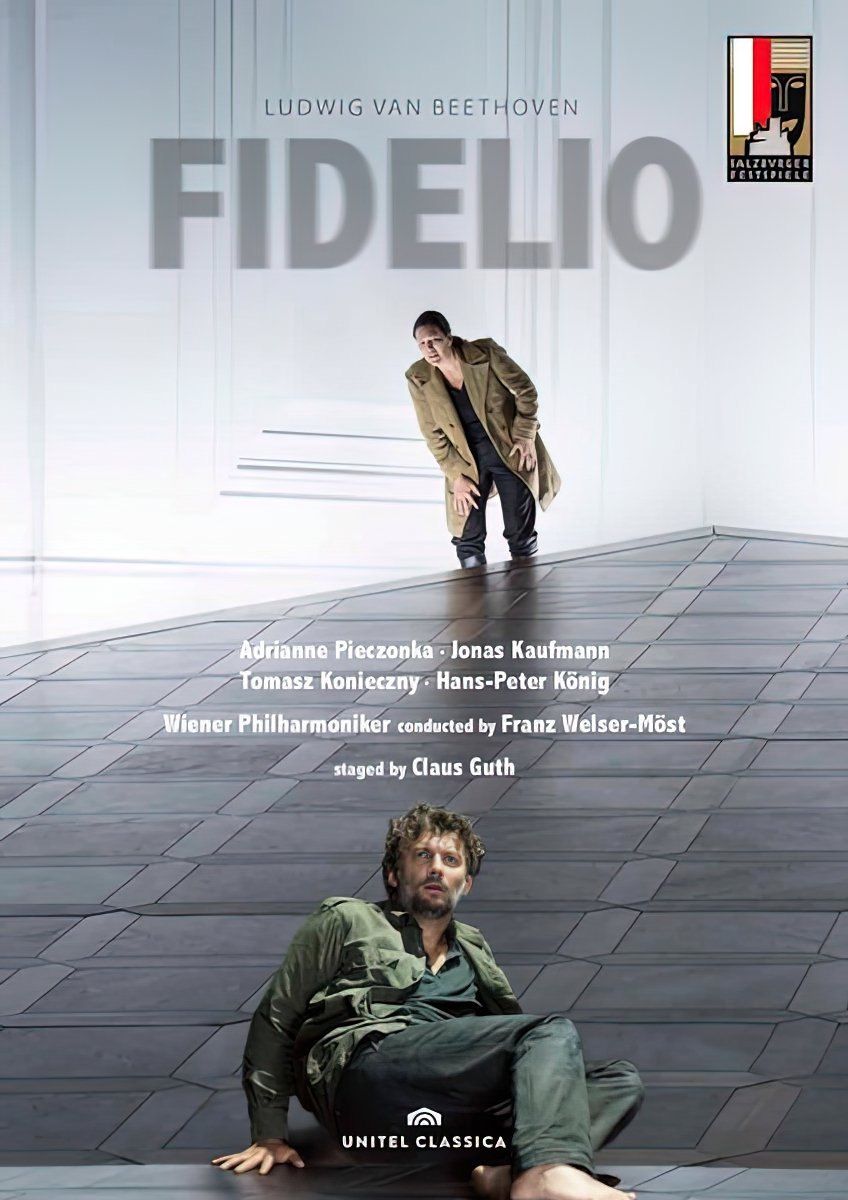
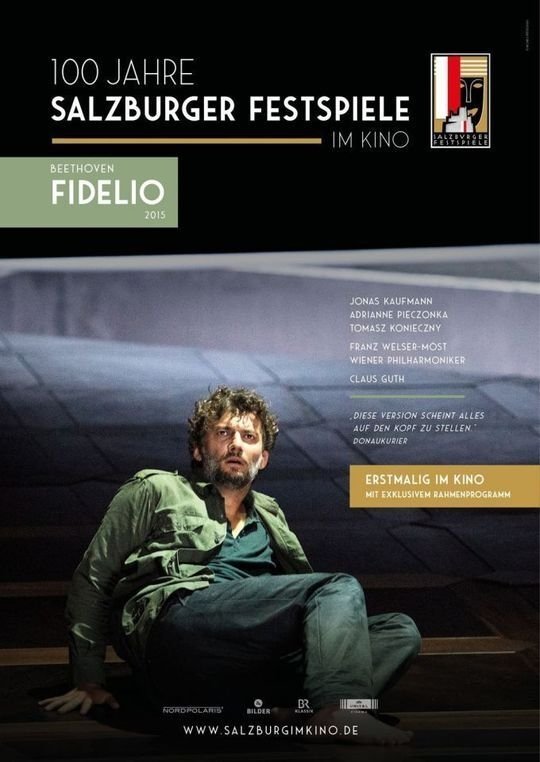
Two years prior to the opening scene, the nobleman Florestan has exposed or attempted to expose certain crimes of the nobleman Pizarro. In revenge, Pizarro has secretly imprisoned Florestan in the prison over which Pizarro is governor. The jailer of the prison, Rocco, has a daughter, Marzelline, and a servant (or assistant), Jaquino. Florestan’s wife, Leonore, came to Rocco’s door dressed as a boy seeking employment, and Rocco hired her. On orders, Rocco has been giving Florestan diminishing rations until he is nearly starved to death. Place: A Spanish state prison, a few miles from Seville; Time: Late 18th century.
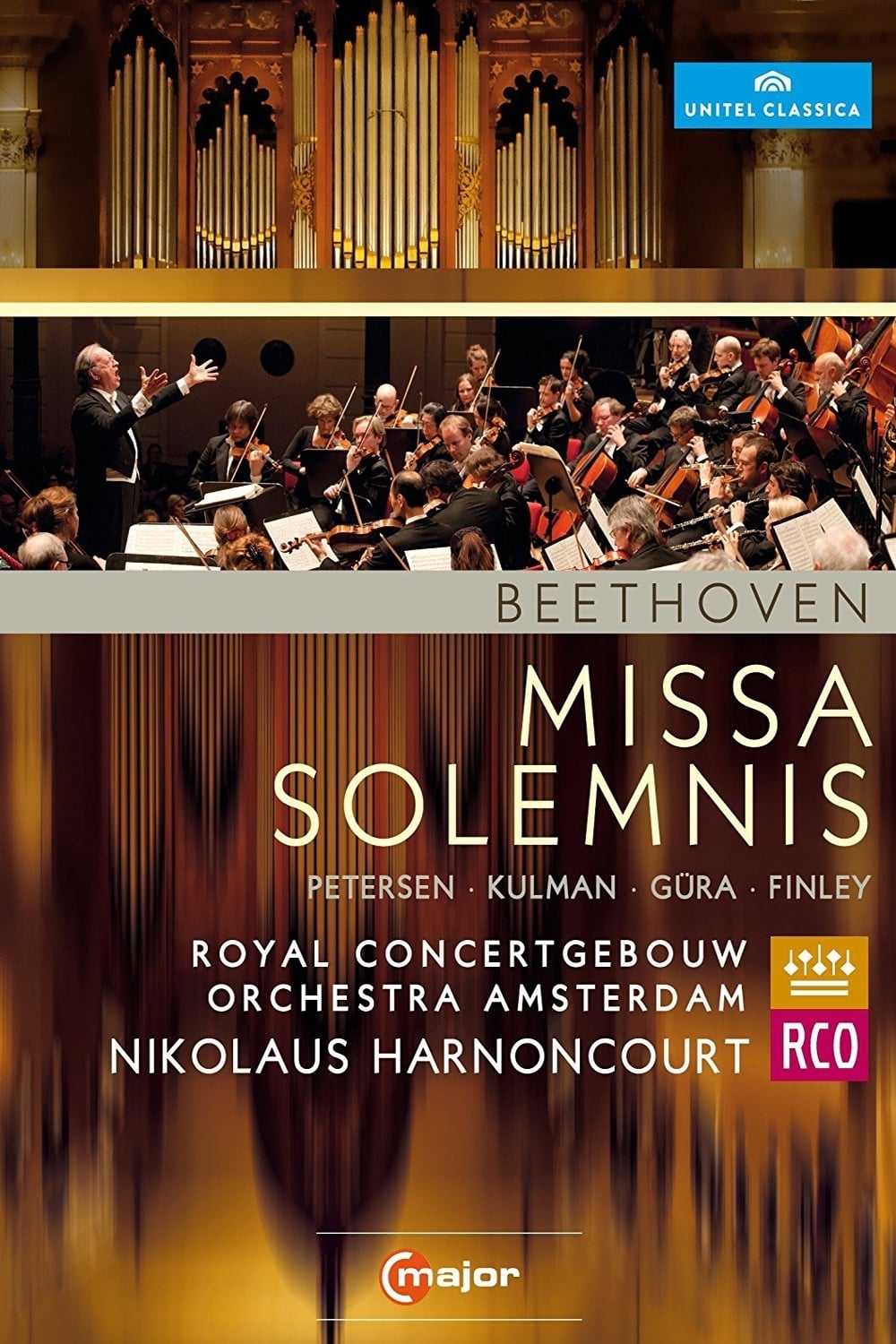
With this performance of the Missa solemnis Nikolaus Harnoncourt, Honorary Guest Conductor of the Royal Concertgebouw Orchestra, once more attained the status of a living legend, due mostly to his wide-ranging expertise of music from the Baroque and Classical era. The highly acclaimed soloists are Marlis Petersen (Soprano), twice the singer of the year by the renowned Opernwelt magazine, Elisabeth Kulman (Alto), Werner Güra (Tenor), winner of the BBC Music Magazine Award for the best vocal performance, and Gerald Finley (Bass), Grammy-Awardwinner for the best opera recording. They are accompanied by the famous Netherlands Radio Choir.
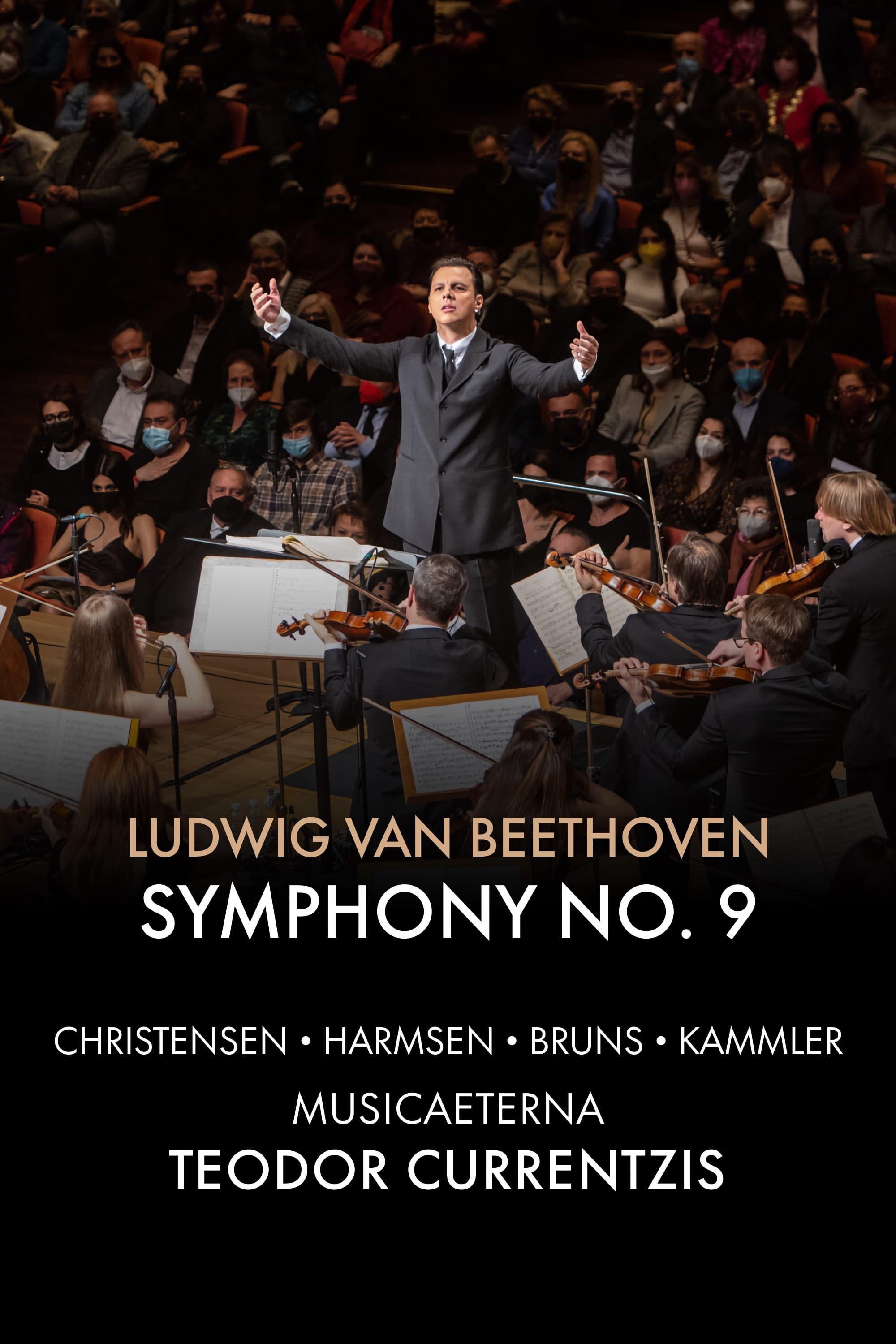
Ludwig van Beethoven headed for Symphony No. 9 literally his entire life. As early as the 1790s, he had an eye on Ode to Joy, perhaps the most well-known poem by Friedrich Schiller, written on the threshold of the French Revolution (1786). In his mature and, in particular, later years, the deaf composer with an acute ‘hearing vision’ increasingly distanced himself from conventional forms and genres and wrote parts beyond the possibilities of instruments of his day. He nurtured the idea of a symphony with a choir for at least several years. The history of the Ninth’s interpretations includes 200 years of staggering revelations and lingering stagnation. Performed by the musicAeterna orchestra, choir, and guest soloists under the baton of Teodor Currentzis, Beethoven’s opus magnum acquires the original poignancy and energy of a recent discovery.
Ian Hislop and John Eliot Gardiner reveal the story behind Beethoven's Fifth Symphony. Described as the 'greatest 'great' piece ever written,' its opening notes are among the most recognisable in history. But no one really knows what Beethoven was trying to express with this piece. The traditional wisdom is that he is railing against fate and his deafness. But John Eliot believes the music expresses Beethoven's belief in the French Revolution. This is turbulent music from a turbulent man living in a turbulent age. John Eliot and Ian Hislop bring to life the exciting and dangerous times that shaped Beethoven personally and creatively.
Recording of the Berlin Philharmonic Orchestra conducted by Herbert von Karajan playing Beethoven's 8th Symphony.
Recording of the Berlin Philharmonic Orchestra conducted by Herbert von Karajan playing Beethoven's 7th Symphony.
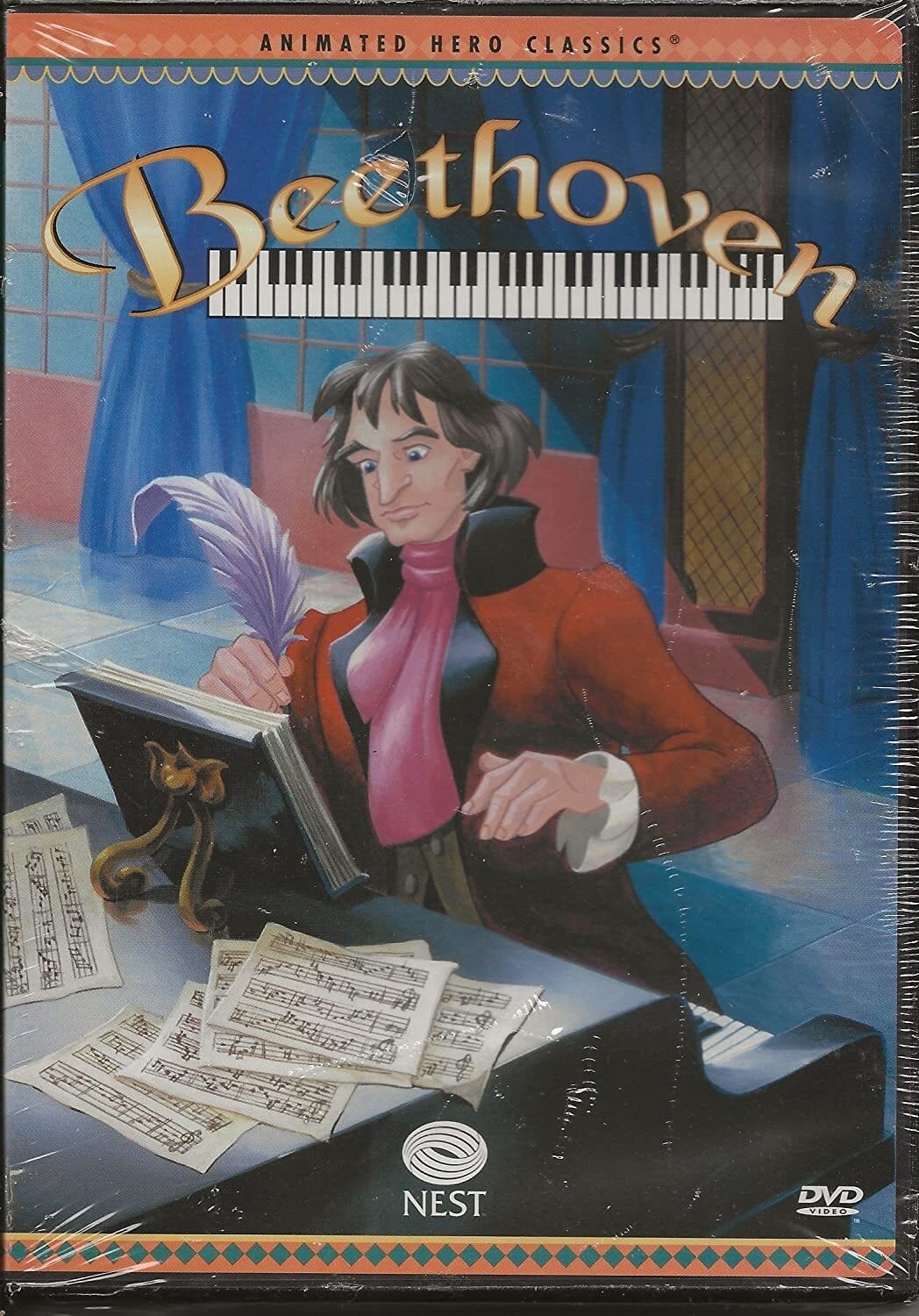
Even as a young boy, Beethoven marched to the beat of a different drummer. Trained in the traditional music methods by his father, Beethoven was an accomplished pianist by the age of 12. But he yearned to try new sounds and persevered until audiences heard his music. By his early twenties, this persistent young man performed for Joseph Haydn, who compared him to the great Mozart. Sadly, Beethoven began to lose his hearing, but he threw himself even more deeply into his music, composing "Fur Elise," "Sonata Pathetique" and the dramatic "Fifth Symphony" years later, audience members heard what he could not and leapt to their feet in ecstatic appreciation for such passionate music. His creativity gave the world then, as it does today, music that stirs the soul. The video begins in 1827 with 30,000 people paying tribute to the great Beethoven in Vienna, Austria. Then the video switches to his life as a child...
When young musicians come together to play classical music, they send out a strong signal to our today’s world. The film follows talented young Swiss musicians as they work, search for inspiration, but also expose their thought how to play nowadays the “old” Classical music.
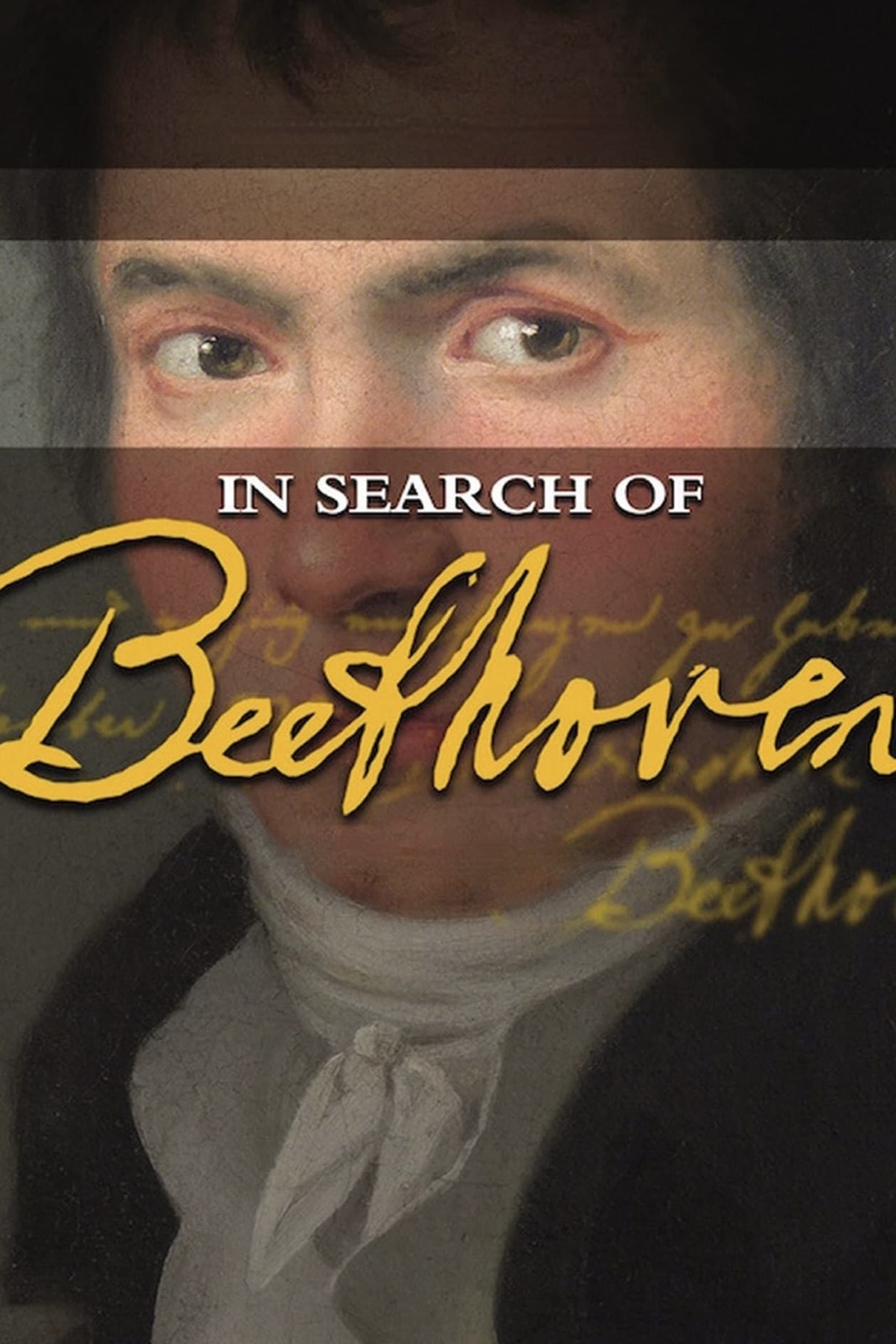
In Search of Beethoven offers a comprehensive documentary about the life and works of the great composer. Over 65 performances by the world's finest musicians were recorded and 100 interviews conducted in the making of this beautifully crafted film. Eleven interviews are included in the Extras and Six complete movements.
Conductors Andris Nelsons, Klaus Mäkelä, Riccardo Chailly, and Petr Popelka will take turns conducting the four movements of Beethoven's Symphony No. 9. This concert event celebrates the bicentennial of the premiere of Beethoven's masterpiece.
Composed in 1824, Beethoven's "Symphony No. 9" will celebrate its bicentennial in 2024. With its famous finale based on Schiller's poem "An die Freude" (Ode to Joy), this colossal work is now one of the symbols of European unity. How was this symphony created? And how has it survived two centuries of history?
Nikolaus Harnoncourt is the conductor in this 2004 production of Beethoven's only opera staged at the Zurich Opera House. Finnish soprano Camilla Nyland takes the title role, with performances by Jonas Kaufmann, Laszlo Polgar and Alfred Muff.
In Vienna's Musikverein, Leonard Bernstein and the Vienna Philharmonic celebrates Ludwig Van Beethoven's 200th birthday with a joyful performance of his Piano Concerto No. 1 in C Major. Maestro Bernstein conducts the orchestra from the keyboard in this historic concert.
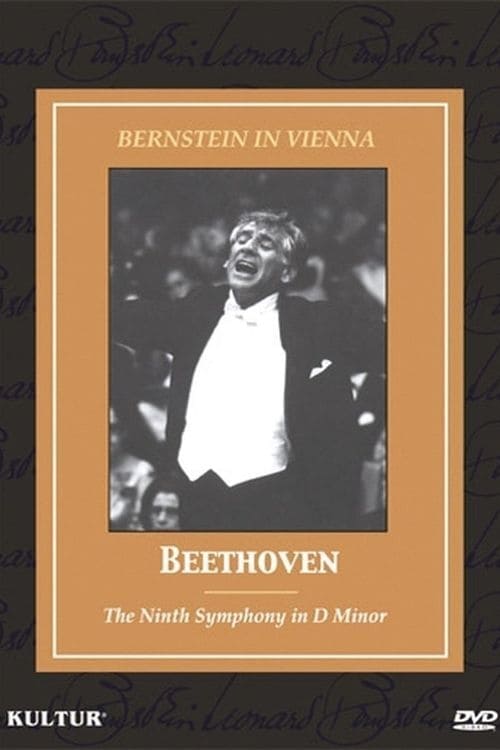
To play Beethoven's music is to give oneself over completely to the child-spirit which lived in that grim, awkward, violent man. Without that utter submission it is impossible to play the Adagio of the Ninth. Or, Heaven knows, the first movement. And the Finale? Most of all! It is simply unplayable unless we go all the way with him, as he cries out "Brüder!" - Leonard Bernstein
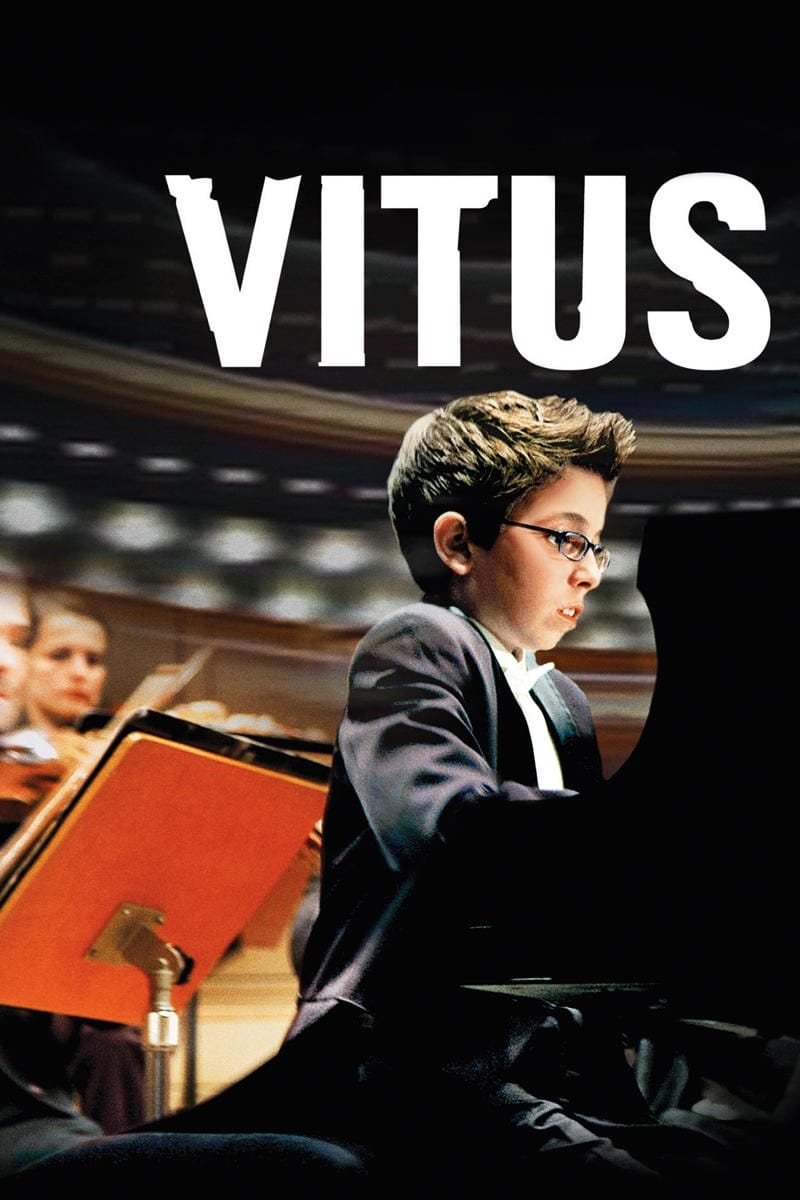
Vitus tells the story of a highly-gifted boy (played by real-life piano prodigy Teo Gheorghiu) whose parents have demanding and ambitious plans for him.
Martin Scorsese's documentary intertwines footage from The Band's incredible farewell tour with probing backstage interviews and featured performances by Eric Clapton, Bob Dylan, Joni Mitchell, Van Morrison, and other rock legends.
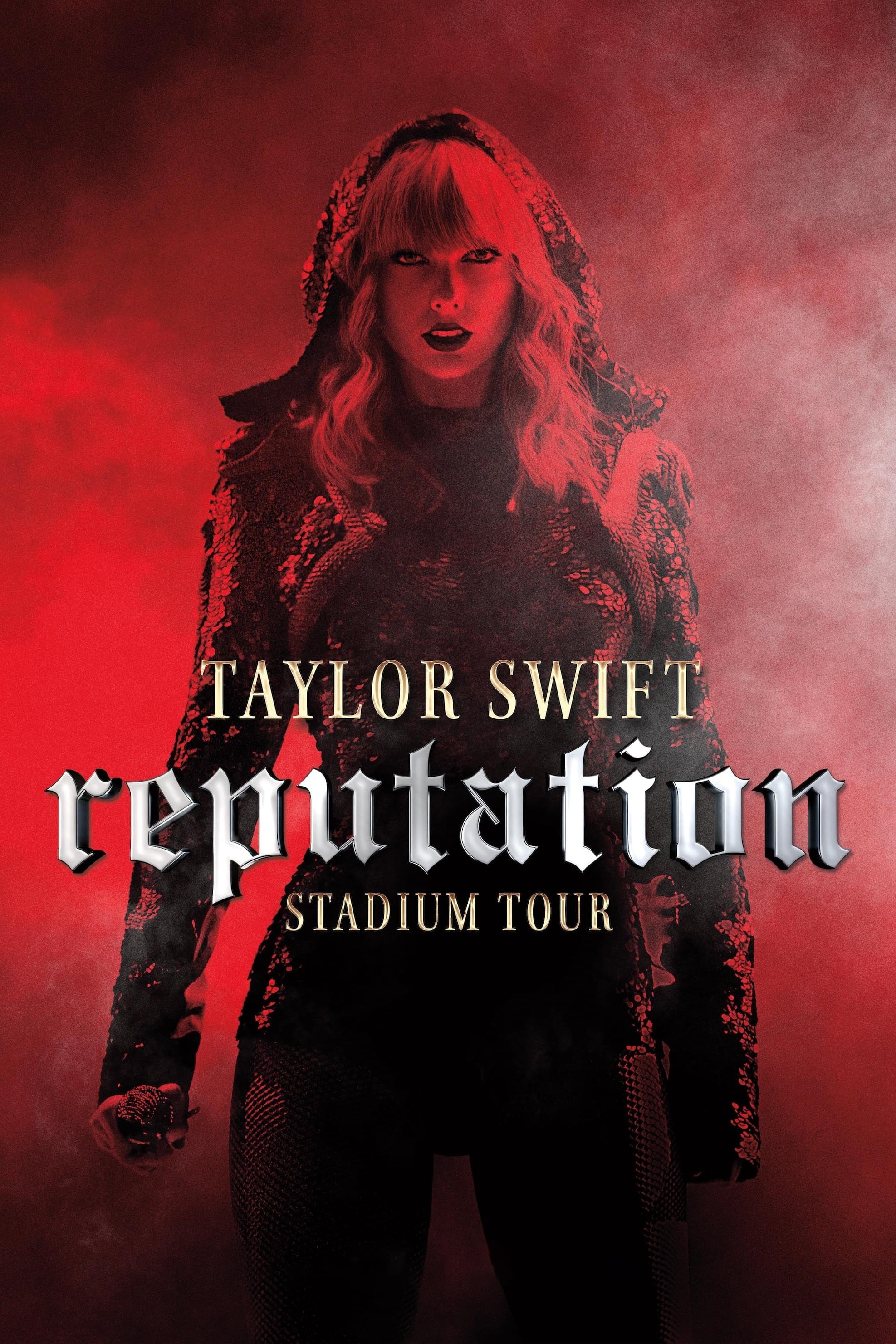
Taylor Swift takes the stage in Dallas for the Reputation Stadium Tour and celebrates a monumental night of music, memories and visual magic.
The Marx Brothers help young Broadway hopefuls when they get mixed up with gangsters due to a tin of sardines containing Romanoff diamonds.
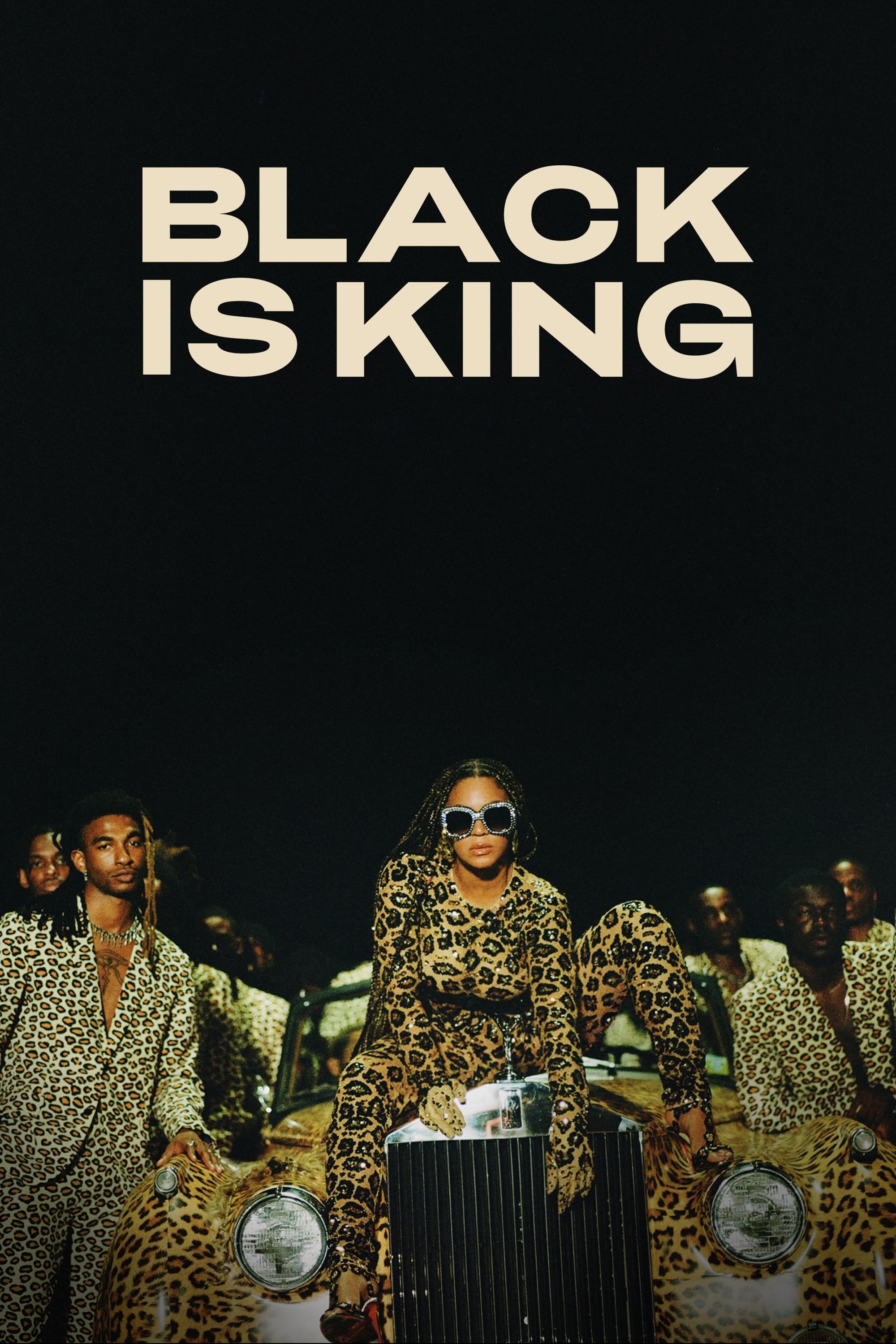
This visual album from Beyoncé reimagines the lessons of "The Lion King" (2019) for today's young kings and queens in search of their own crowns.
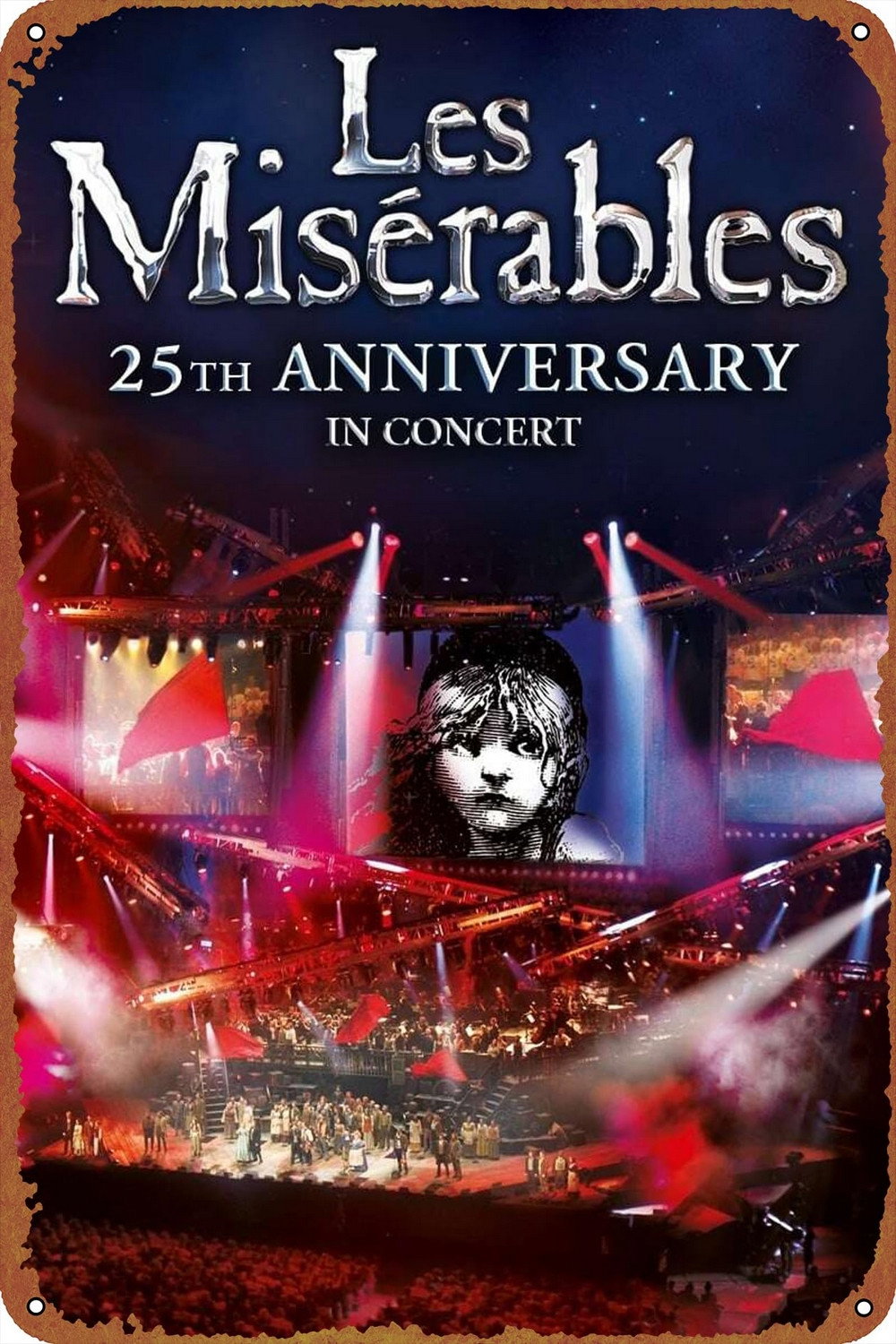
This concert, recorded to celebrate the 25th anniversary of the landmark musical Les Miserables, gathers the casts of the show's 2010 original production at the Queen's Theatre, the 1985 original production by the London company, and the 2010 production at the Barbican together for one performance. Together with talents like Michael Ball, Hadley Fraser, and John Owen-Jones, the performers present the play's musical numbers in a semi-theatrical style, fully costumed and with all the emotion of the musical's heyday.
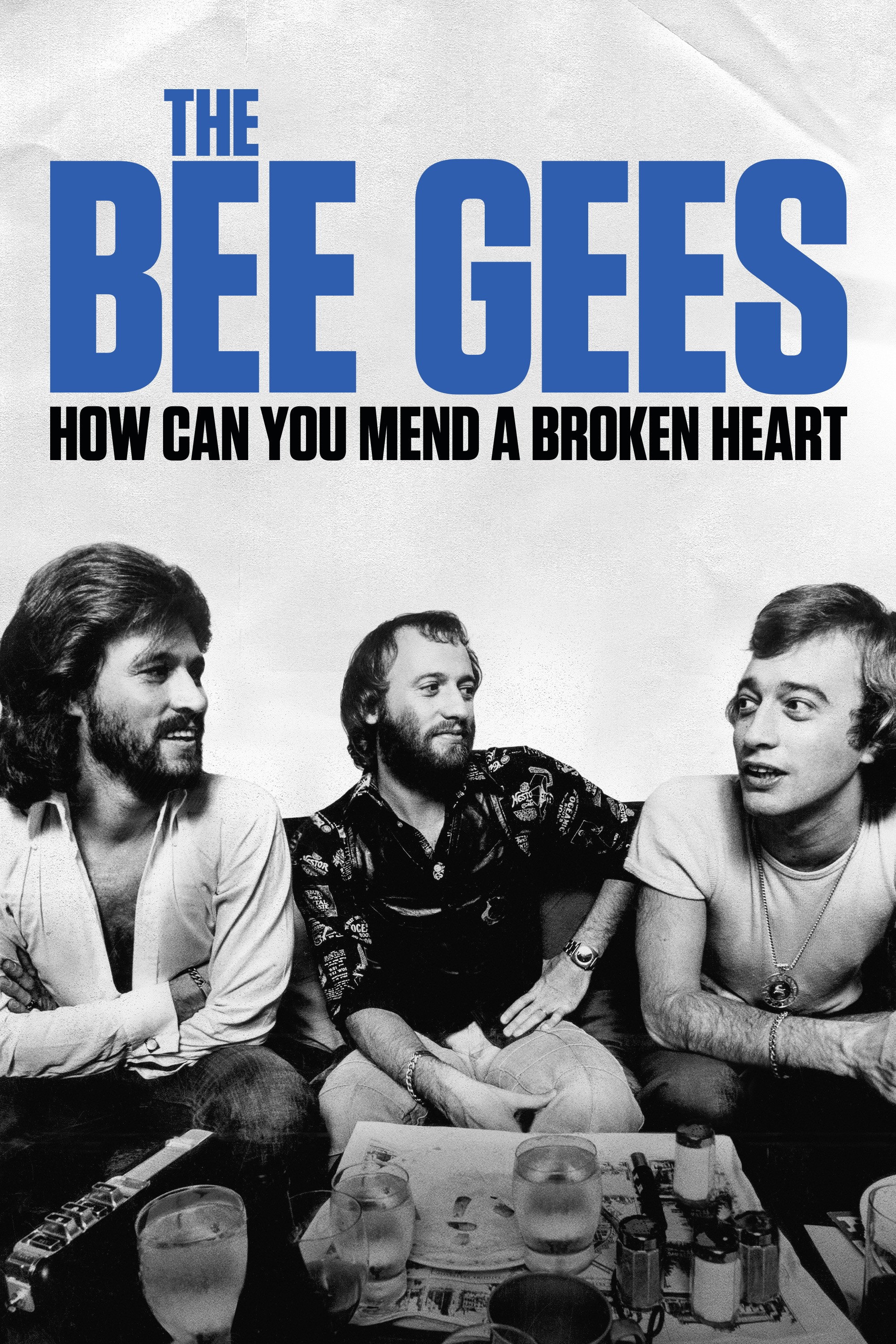
The story of the triumphs and hurdles of brothers Barry, Maurice, and Robin Gibb, otherwise known as the Bee Gees. The iconic trio, who found early fame in the 1960s, went on to write over 1,000 songs and have 20 No. 1 hits throughout their career, transcending more than five decades of changing tastes and styles.
The Yowie Yahoo starts kidnapping musicians at a concert attended by Scooby and the gang in Vampire Rock, Australia.
Upon learning that he is from New York City, a wide-eyed boy, who is half human and half alligator, decides to leave his sheltered life in the swamp and search for his long lost father. A musical adventure.
The true story of Vera Brandes, teenage patron saint of the 1970s Cologne music scene, who risked everything to organize the greatest solo concert in music history: Keith Jarrett’s legendary Köln Concert.
Live Aid was held on 13 July 1985, simultaneously in Wembley Stadium in London, England, and the John F. Kennedy Stadium in Philadelphia, United States. It was one of the largest scale satellite link-ups and television broadcasts of all time: watched live by an estimated global audience of 1.9 billion, across 150 nations. "It's twelve noon in London, seven AM in Philadelphia, and around the world it's time for Live Aid...!"
The incomparable Bruce Springsteen performs his critically acclaimed latest album and muses on life, rock, and the American dream, in this intimate and personal concert film co-directed by Thom Zimny and Springsteen himself.
A film of the life of the renowned musical composer, playwright, actor, dancer and singer George M. Cohan.
In the town of Normal Valley, an eccentric magician named Maestro entertains the local children every day in his spooky mansion. One stormy night, the town's mayor leads a group of angry citizens to the mansion in an attempt to run Maestro out of town.
Faced with a holiday cheer crisis, the North Pole knows there's only one person who can save the day: Santa's great friend Mariah Carey. The Queen of Christmas creates a fabulous and star-studded spectacular to make the whole world merry!
The story of seven scholars in search of an expert to teach them about swing music. They seem to have found the perfect candidate in winsome nightclub singer Honey Swanson. But Honey's gangster boyfriend doesn't want to give her up.
A melancholy poet reflects on three women he loved and lost in the past: a mechanical performing doll, a Venetian courtesan, and the consumptive daughter of a celebrated composer.
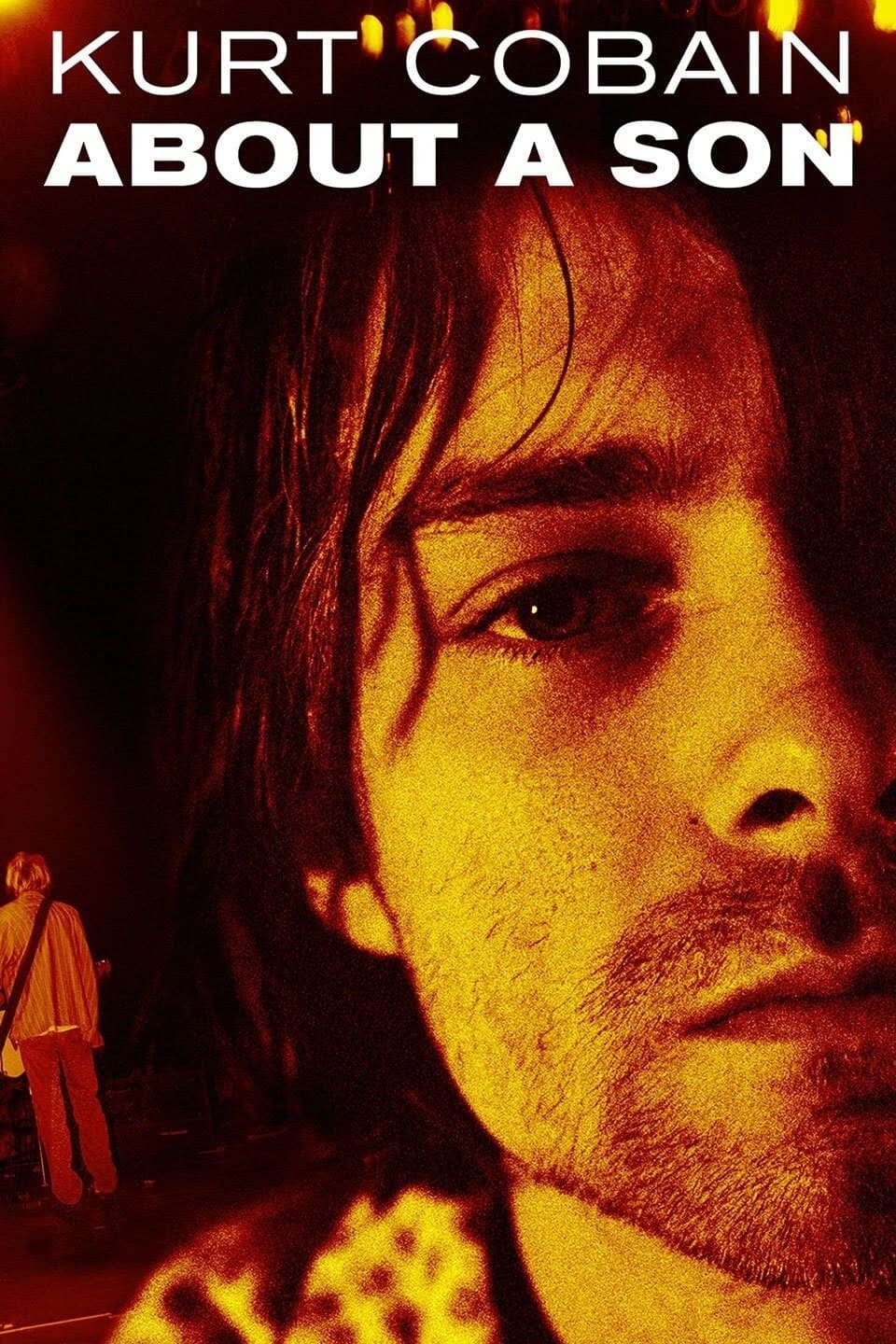
An intimate and moving meditation on the late musician and artist Kurt Cobain, based on more than 25 hours of previously unheard audiotaped interviews conducted with Cobain by noted music journalist Michael Azerrad for his book "Come As You Are: The Story of Nirvana." In the film, Kurt Cobain recounts his own life - from his childhood and adolescence to his days of musical discovery and later dealings with explosive fame - and offers often piercing insights into his life, music, and times. The conversations heard in the film have never before been made public, and they reveal a highly personal portrait of an artist much discussed but not particularly well understood.
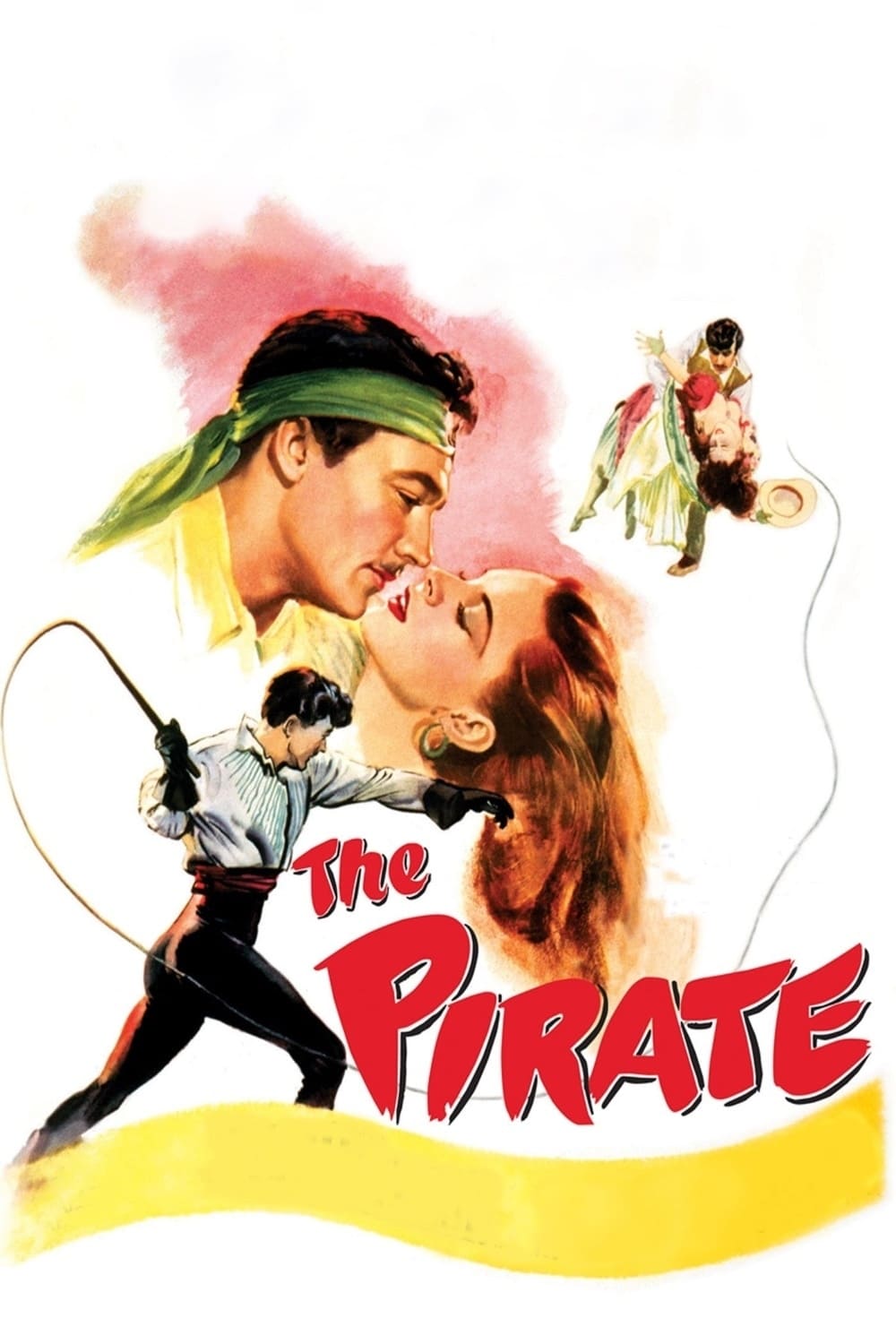
A girl is engaged to the local richman, but meanwhile she has dreams about the legendary pirate Macoco. A traveling singer falls in love with her and to impress her he poses as the pirate.
In 1950s Alabama, the owner of the Honeydripper juke joint finds his business dropping off and against his better judgment, hires a young electric guitarist in a last ditch effort to draw crowds during harvest time.