Compilation short film about the Communist Revolution and Soviet Union.
Social & External
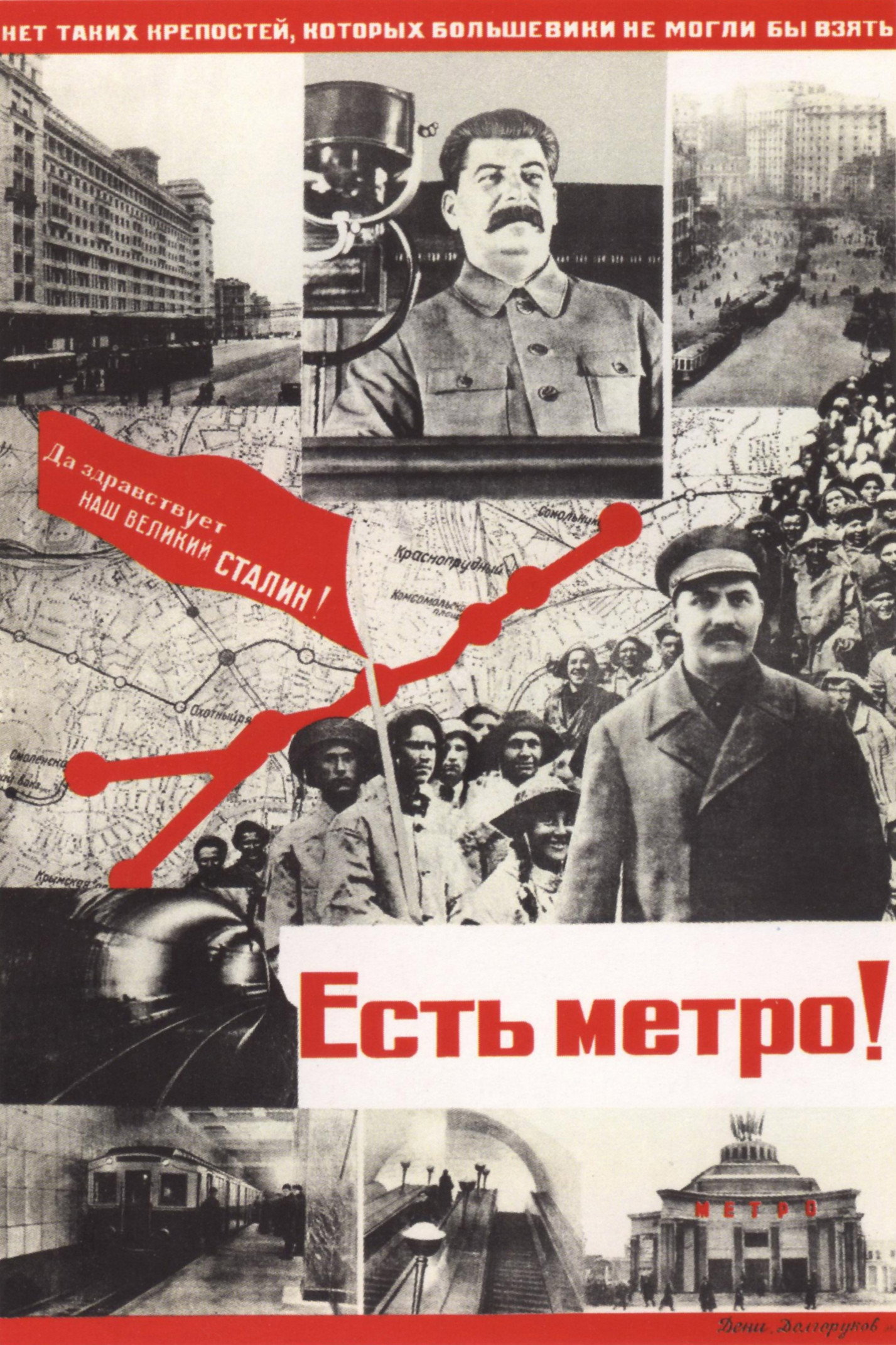
The film is about the life and work of Grigory Ordzhonikidze Konstantinoviche, an important personality in both the Communist Party and the Soviet state. The film includes speeches by his bereaved friends who attended his funeral. In 1937, after the unexpected death of Sergo Ordzhonikidze, Vertov received an urgent order from the government to produce a film about the life of Ordzhonikidze. He was ordered to work together with Yakov Bliohom and the director of the film "Battleship Potemkin" distributed by Goskino (Soviet State Committee for Cinematography).
A pragmatic U.S. Marine observes the dehumanizing effects the U.S.-Vietnam War has on his fellow recruits from their brutal boot camp training to the bloody street fighting in Hue.
Despite the restoration of Soviet power in the area, Basmachis continue to arrive from across the border, bringing death and destruction to peaceful villages. One of the bands of rebels is led by Khairulla who is pitted against the militsiya (local militia) leader Maxumov. At first it seems hopeless for Maxumov as the rebels capture most of his men, winning them over to his side. He has only one strategy left; to give himself up, and try to explain to the people that Khairulla has deceived them, turning the soldiers back to revolution. Later in pursuit of his enemy, he chases Khairulla across a river. He has only one bullet left -- the seventh, and he must not miss his target!
An account of the life and work of Russian filmmaker Andrey Tarkovsky (1932-86) in his own words: his memories, his vision of art and his reflections on the fate of the artist and the meaning of human existence; through extremely rare audio recordings that allow a complete understanding of his inner life and the mysterious world existing behind his complex cinematic imagery.
This is a rare look at one of the worst horror stories in the long infamous history of warfare. This series features captured German and Russian film footage, much of which has never been seen before. For decades the Cold War prevented us from looking closely at what really happened between the Russians and the Germans on the Eastern Front during World War II. More than a struggle between nations, it pitted maniacal tyrant against maniacal tyrant, evil ideology against evil ideology. The lives of tens of millions of human beings were consumed by its raging hatreds and appalling indignities. One in every ten Russians died. One in every four Poles died. Whole divisions of Italians, Romanians, Hungarians disappeared with barely a trace. An average of 17,800 people died on every single day and this, the war on the Russian German Front, lasted for 1,400 days. This series features captured German and Russian film footage, much of which has never been seen before.
The Megafauna, carrying Bellri and his comrades, leaves the Venus Globe in pursuit of the G-IT Corps. However, the war situation in the Earth Sphere has changed completely in the interim. The Capital Army, the Amerian forces, and the Dorette Fleet, which have been confronting each other outside the atmosphere, are now clashing even more violently around the untouchable sacred ship Kashiba Mikoshi. Amid all this, Bellri wishes to end the tragedy and hatred that war creates...
A story about the clash of two cultures, two worlds - traditional Tajik culture and the new, invading and imperialist in its nature, Soviet culture, about the formation of self-awareness of the Tajik dekhkanin in the 1920s-1930s.... Poor Hasan thinks and experiences a lot before he is able to comprehend the changes in his life, to realize that old traditions and customs are no longer valued. Bent by need and disenfranchisement, he finds the strength to stand up against the Basmachi.
In 1944 Crimean Tatars has suffered a long road in exile. It was accompanied by famine, illness and loss. In the first years of exile, almost half of deported Crimean Tatars died. But those, who survived, dreamed of only one thing - to return to Crimea. The documentary 1944 tells about the tragedy of all Crimean Tatars through several separate life stories. They are cherished by each Crimean Tatar family and must be remembered by all generations to come.
Tells the story of the tragic events in Ukraine in 1932-33, the genocidal Great Famine or the Holodomor, and one Welshman's attempts to tell the world what was happening.
A disturbing collection of 1940s and 1950s United States government-issued propaganda films designed to reassure Americans that the atomic bomb was not a threat to their safety.
Danish social democratic propaganda film. During the Occupation, the young freedom fighter Søren had a good working relationship with a comrade in the resistance movement, despite the fact that Søren was a social democrat and his comrade a communist. After the liberation in May 1945, the differences that had been less important during the war begin to stand in Søren's way. Both his friendship with his comrade and his relationship with the wealthy Inger fall apart in the summer of liberation. But through his work in the Social Democratic Party, Søren experiences a renewed enthusiasm and resumes his relationship with Inger. Together, they actively engage in the party's work and both see it as an extension of the struggle for freedom during the occupation. Denmark's entry into NATO is particularly important.
Combat has taken its toll on Rambo, but he's finally begun to find inner peace in a monastery. When Rambo's friend and mentor Col. Trautman asks for his help on a top secret mission to Afghanistan, Rambo declines but must reconsider when Trautman is captured.
German propaganda film about the importance of buying war bonds.
Short documentary created as a eulogy for infamous conversion therapist Joseph Nicolosi, most known for writing the book "A Parent's Guide to Preventing Homosexuality".
Soviet Lithuania in 1972. A young theatre actress is trying to make a difference and tell the forbidden story of repression in a play.
Photon batteries are an energy source created to save the resource-depleted Earth. Bellri Zenam, Aida Surugan, and their comrades have left the Earth Sphere to head for the source of these energy devices that cannot be manufactured on Earth. Now the Megafauna finally reaches its destination, the Venus Globe in the inner solar system. After battling the G-IT Corps, which plans to return to Earth in a Reconguista operation, Aida has an opportunity to meet with President La Gu of the Hermes Foundation, the organization that controls the production and supply of the photon batteries.
In an exclusive new documentary, Max Blumenthal rips the cover off the media deceptions and atrocity hoaxes Israel pushed after October 7 to create political space for its gruesome assault on the Gaza Strip. Blumenthal exposes the US mainstream media's role as a megaphone for the Israeli government, introducing new lies even after their initial ones were debunked. Atrocity Inc raises serious questions about the official narrative of October 7, while revealing how Israel's army has consciously engaged in the same hideous atrocities which it falsely accused Palestinian militants of committing.
Vladimir Ilyich Ulyanov, better known as Lenin, is remembered as the instigator of the October Revolution of 1917 and, therefore, as one of the men who changed the shape of the world at that time and forever, but perhaps the actual events happened in a way different from that narrated in the history books…
Documentary made by the U.S. Army Signal Corps after the North African campaign.
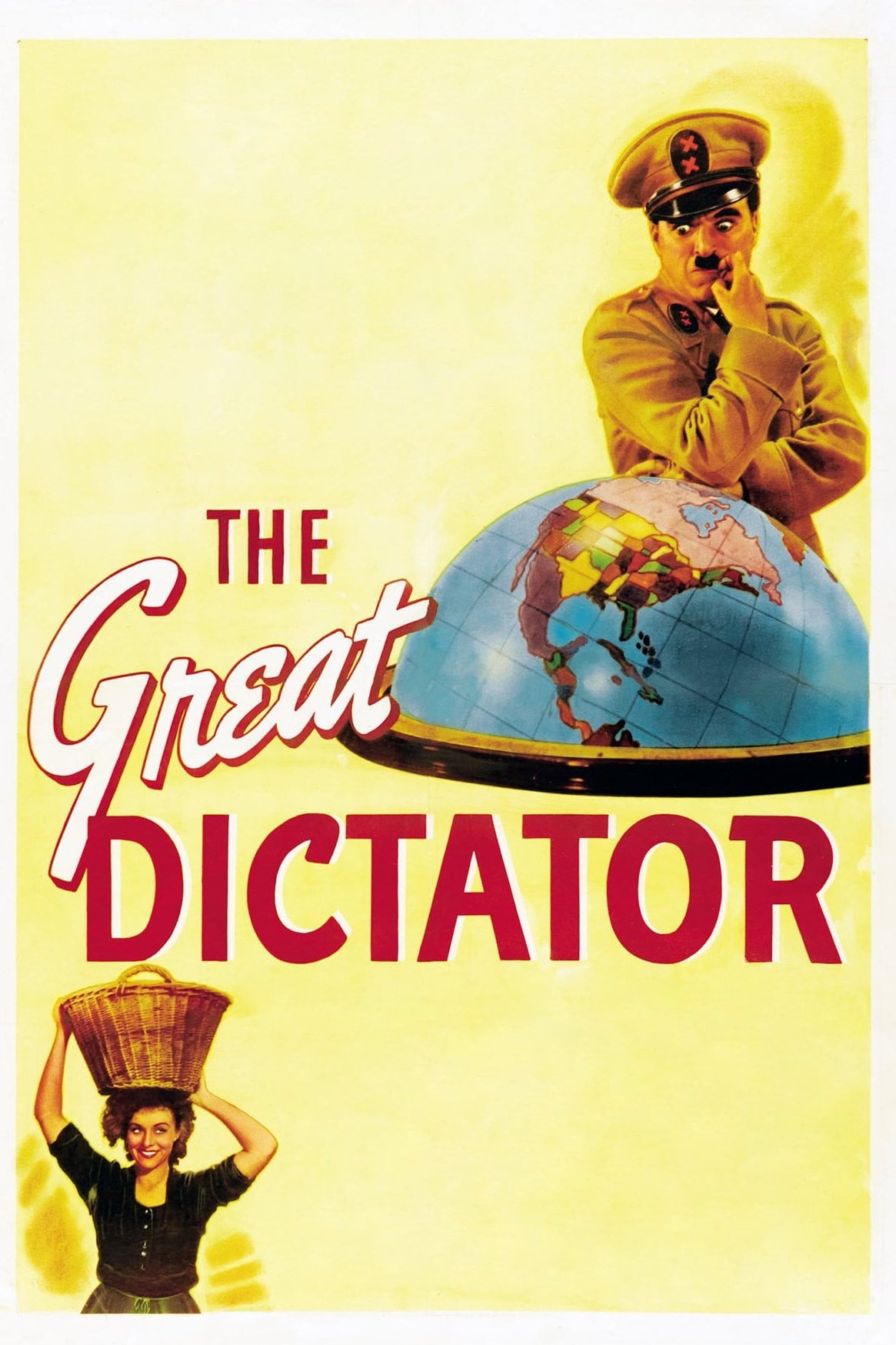
Dictator Adenoid Hynkel tries to expand his empire while a poor Jewish barber tries to avoid persecution from Hynkel's regime.
This documentary movie is about the battle of San Pietro, a small village in Italy. Over 1,100 US soldiers were killed while trying to take this location, that blocked the way for the Allied forces from the Germans. Preserved by the Academy Film Archive in 2005.
Prelude to War was the first film of Frank Capra's Why We Fight propaganda film series, commissioned by the Pentagon and George C. Marshall. It was made to convince American troops of the necessity of combating the Axis Powers during World War II. This film examines the differences between democratic and fascist states.
Romm pulls out all the stops in its selection of documentary material to draw the viewer not only into absolute horror about fascism and nazism in the 1920s–1940s Europe, but also to a firm conviction that nothing of the sort should be allowed to happen again anywhere in the world.
Set both in Latin America and the United States, the film explores the historic and current relationship of Washington with countries such as Venezuela, Bolivia and Chile. Pilger says that the film "...tells a universal story... analysing and revealing, through vivid testimony, the story of great power behind its venerable myths. It allows us to understand the true nature of the so-called "war on terror". According to Pilger, the film’s message is that the greed and power of empire is not invincible and that people power is always the "seed beneath the snow".
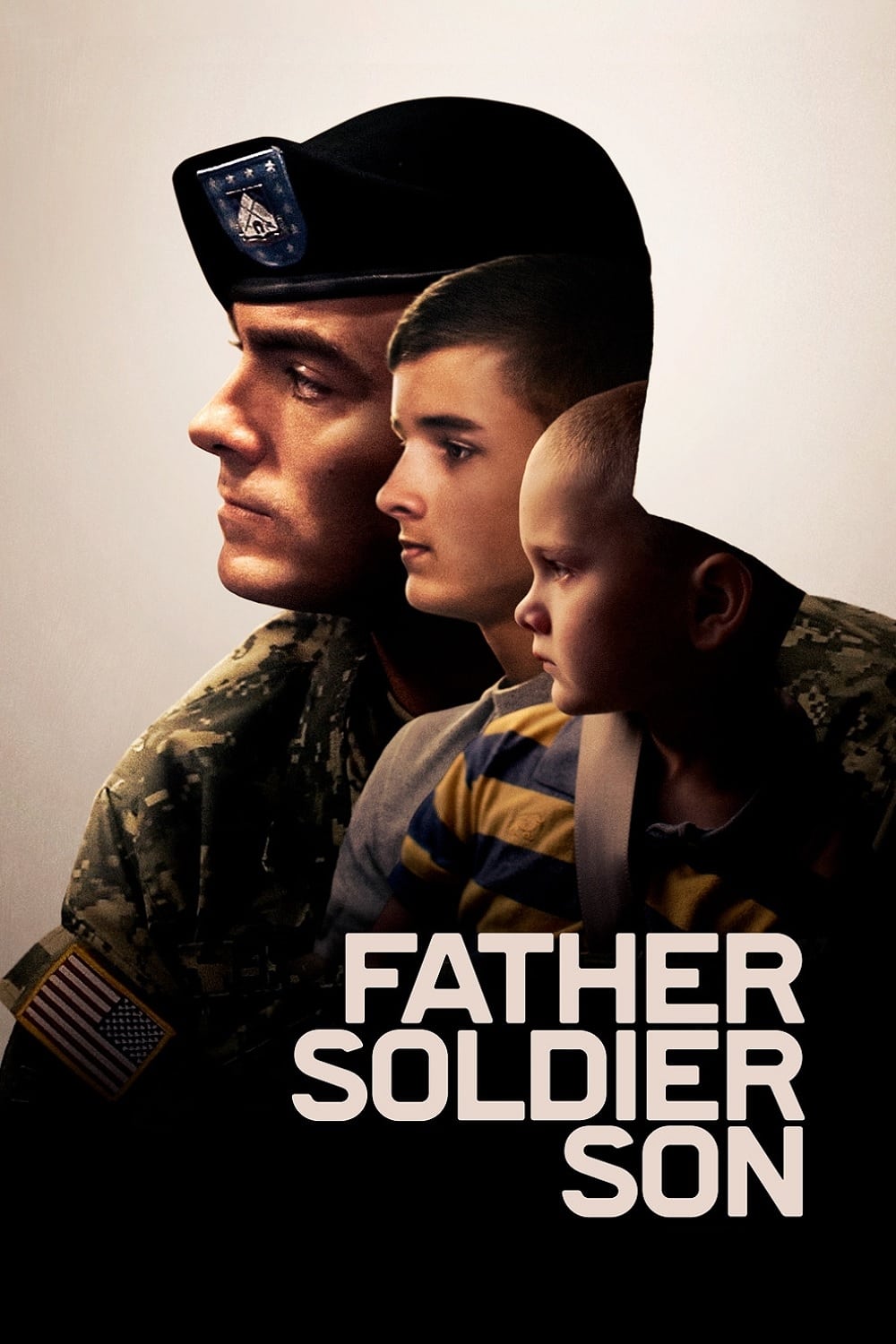
When Sgt. First Class Brian Eisch is critically wounded in Afghanistan, it sets him and his sons on a journey of love, loss, redemption and legacy.
A love letter from a young mother to her daughter, the film tells the story of Waad al-Kateab’s life through five years of the uprising in Aleppo, Syria as she falls in love, gets married and gives birth to Sama, all while cataclysmic conflict rises around her. Her camera captures incredible stories of loss, laughter and survival as Waad wrestles with an impossible choice– whether or not to flee the city to protect her daughter’s life, when leaving means abandoning the struggle for freedom for which she has already sacrificed so much.
Produced and presented as evidence at the Nuremberg war crimes trial of Hermann Göring and twenty other Nazi leaders, this film consists primarily of dead and surviving prisoners and of facilities used to kill and torture during the World War II.
When Allied forces liberated the Nazi concentration camps in 1944-45, their terrible discoveries were recorded by army and newsreel cameramen, revealing for the first time the full horror of what had happened. Making use of British, Soviet and American footage, the Ministry of Information’s Sidney Bernstein (later founder of Granada Television) aimed to create a documentary that would provide lasting, undeniable evidence of the Nazis’ unspeakable crimes. He commissioned a wealth of British talent, including editor Stewart McAllister, writer and future cabinet minister Richard Crossman – and, as treatment advisor, his friend Alfred Hitchcock. Yet, despite initial support from the British and US Governments, the film was shelved, and only now, 70 years on, has it been restored and completed by Imperial War Museums under its original title "German Concentration Camps Factual Survey".
An audiovisual symphony that delves into the industrial, agrarian, and cultural fabric of the Donbas region during the inaugural Soviet Five Year Plan. It spotlights anti-religious campaigns, propagandistic marches, and the vibrant athletic culture of its time
A documentary on the expletive's origin, why it offends some people so deeply, and what can be gained from its use.
Armed only with their cameras, Peabody and Emmy Award-winning conflict Journalist Mike Boettcher, and his son, Carlos, provide unprecedented access into the longest war in U.S. history: they are embed with U.S. troops during nine days of intense combat in Afghanistan.
This documentary promoting the joys of life in a Soviet village centers on the activities of the Young Pioneers. These children are constantly busy, pasting propaganda posters on walls, distributing hand bills, exhorting all to "buy from the cooperative" as opposed to the Public Sector, promoting temperance, and helping poor widows. Experimental portions of the film, projected in reverse, feature the un-slaughtering of a bull and the un-baking of bread.
Amid the failing counteroffensive, a journalist follows a Ukrainian platoon on their mission to traverse one mile of heavily fortified forest and liberate a strategic village from Russian occupation. But the farther they advance through their destroyed homeland, the more they realize that this war may never end.
The history of cinematic sound, told by legendary sound designers and visionary filmmakers.
A documentary about World War I with never-before-seen footage to commemorate the centennial of Armistice Day, and the end of the war.
A visual montage portrait of our contemporary world dominated by globalized technology and violence.
With unprecedented access, this documentary follows the extraordinary journey of “Raqqa is Being Slaughtered Silently”—a group of anonymous citizen journalists who banded together after their homeland was overtaken by ISIS—as they risk their lives to stand up against one of the greatest evils in the world today.
Diaries, audiotapes, videotapes and testimonials from friends and colleagues offer insight into the life and career of Gilda Radner -- the beloved comic and actress who became an icon on Saturday Night Live.
WWII from Space delivers World War II in a way you've never experienced it before. This HISTORY special uses an all-seeing CGI eye that offers a satellite view of the conflict, allowing you to experience it in a way that puts key events and tipping points in a global perspective. By re-creating groundbreaking moments that could never have been captured on camera, and by illustrating the importance of simultaneity and the hidden effects of crucial incidents, HISTORY presents the war's monumental moments in a never-before-seen context. And with new information brought to the forefront, you'll better understand how a nation ranked 19th in the world's militaries in 1939 emerged six years later as the planet's only atomic superpower.