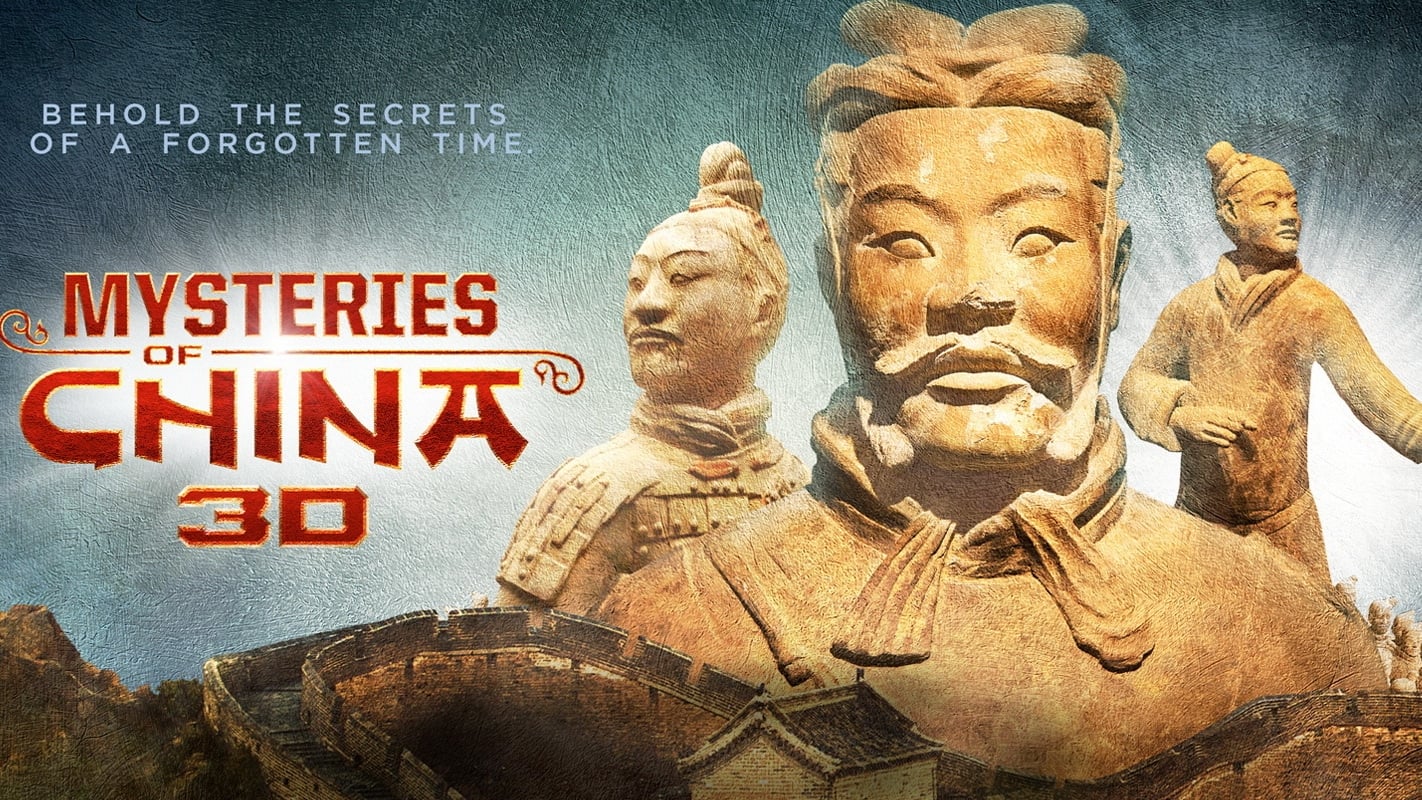
Archeologists discover a pit filled with terracotta warriors buried to protect the grave of the First Emperor of China.
Social & External
The people behind it
Avery Brooks
Self - Presenter
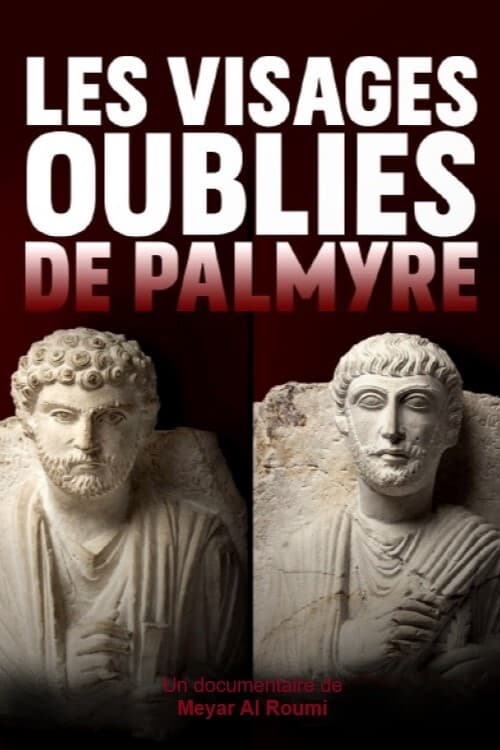
Two thousand years ago, it was a flourishing city in the middle of what is now a Syrian desert. At the crossroads of trade routes, Palmyra attracted caravanners from Mesopotamia, India and China. In what remains of its ruins, rediscovered by Europeans in the 17th century, its numerous necropolises bear witness to a prosperous past. Carved in limestone in the first centuries of our era, the faces of the representatives - men, women and children - of its greatest families adorn the walls of its tombs. Since 2012, Danish archaeologist Rubina Raja has been leading a long-term project to find, document and retrace the family trees and daily life of these Palmyrenians.
A story about one of the most famous and mysterious archaeological sites in the world.
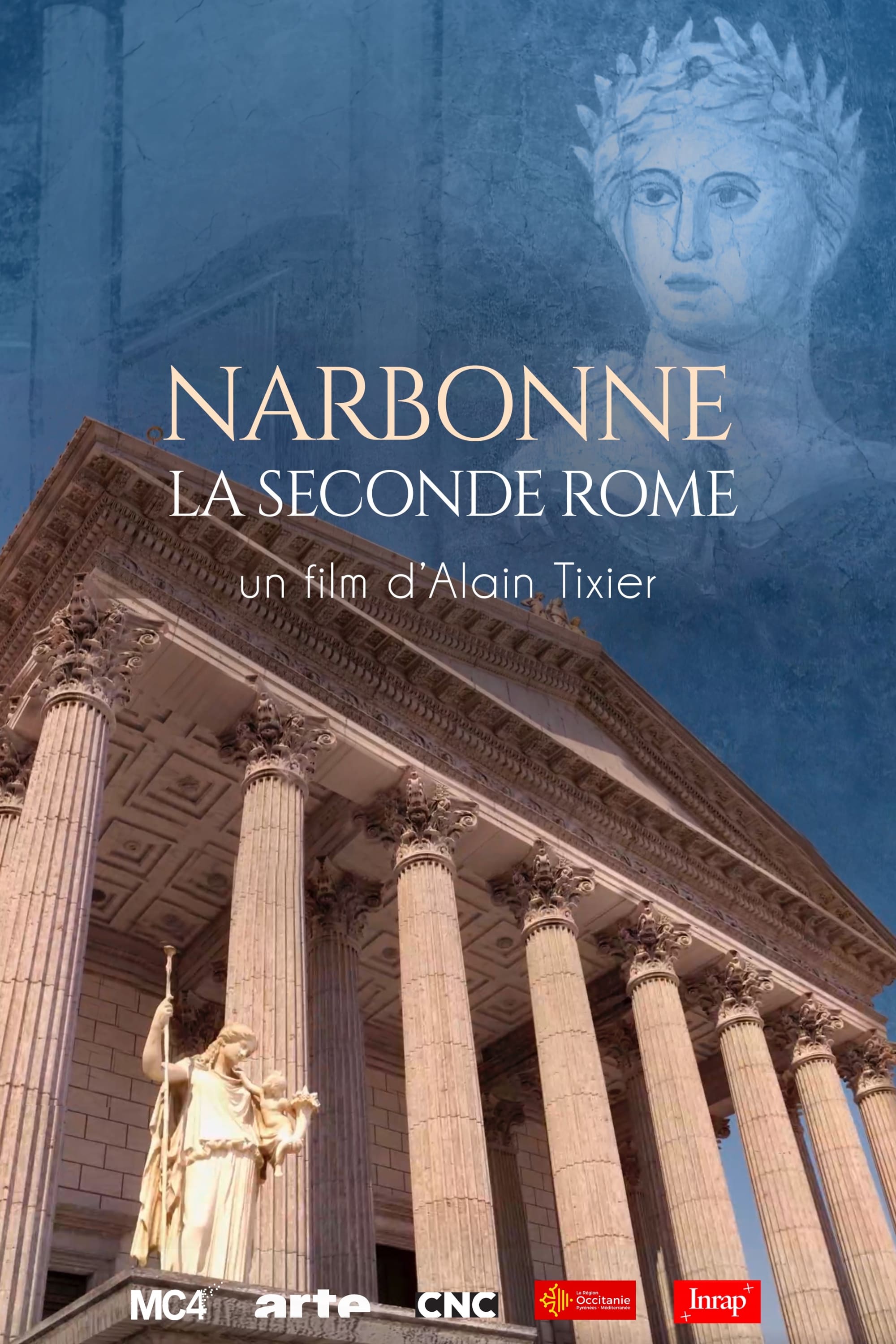
More than 2.000 years ago, Narbonne in today's Département Aude was the capital of a huge Roman province in Southern Gaul - Gallia Narbonensis. It was the second most important Roman port in the western Mediterranean and the town was one of the most important commercial hubs between the colonies and the Roman Empire, thus the town could boast a size rivaling that of the city that had established it: Rome itself. Paradoxically, the town that distinguished itself for its impressive architecture, today shows no more signs of it: neither temples, arenas, nor theaters. Far less significant Roman towns like Nîmes or Arles are full of ancient sites. Narbonne today is a tranquil town in Occitania
Film about archaeological research on settlements of the Czech lands by Slavic peoples. It focuses on individual stages of the research carried out in the localities of Dolní Věstonice, Staré Město u Uherského Hradiště, Staré Zámky u Líšně, Levý Hradec, and Libušín u Kladna. It presents the individual results in a manner that is almost educational in nature.
Hsi Shih: The Beauty of Beauties was one of the most ambitious films made in the Taiwan film industry in the 1960s. After leaving The Shaw Brothers studio in Hong Kong and moving to Taiwan, filmmaker Li Han-hsiang mounted this historical epic. Told through the story of Xishi (Hsi Shih), one of the 'Four Great Beauties' of Chinese history, the film portrays the war between two Chinese Kingdoms during the Warring States Period (475-221 B.C). After the kingdom of Yue is defeated by the kingdom of Wu, King Goujian of Yue takes pains to prepare for his revenge and rebuild his country. Knowing that King Fucha of Wu is lewd and lustful, he offers Xisi to the court of Wu to serve as Fucha’s concubine, with Fucha unaware that she is also a spy. She uses her charm to draw Fucha away from his office and governance, while King Goujian rallies his forces together to attempt to reclaim his lands.
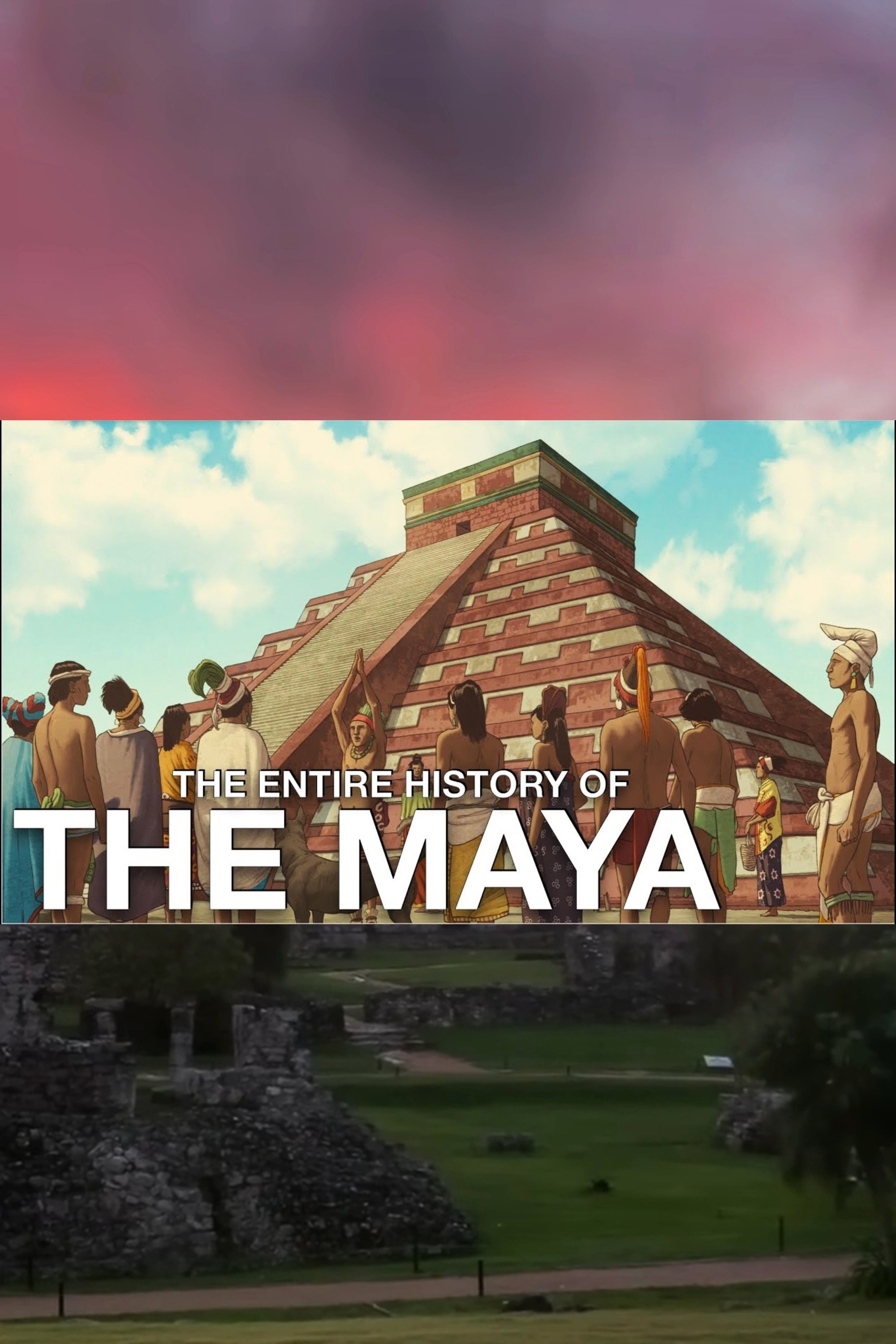
A documentary made by History Time on YouTube. Written, researched and produced by Pete Kelly.
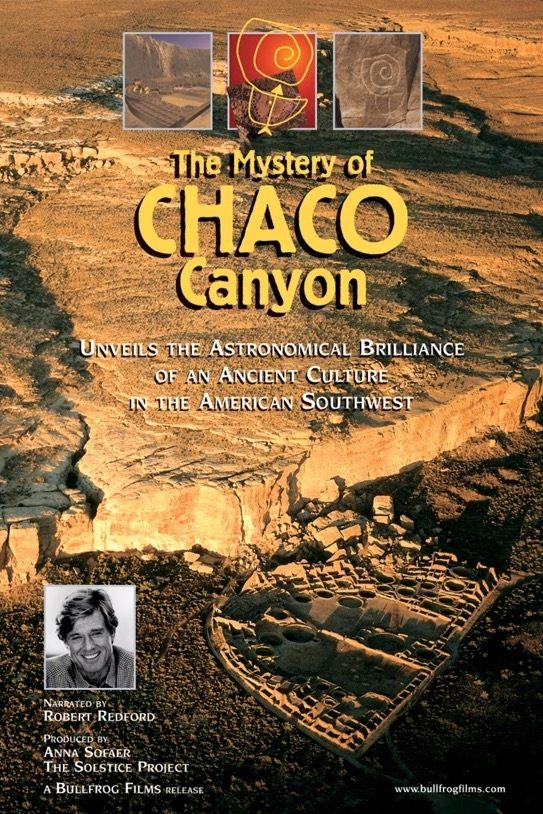
Chaco Canyon, located in northwest New Mexico, is perhaps the only site in the world constructed in an elaborate pattern that mirrors the yearly cycle of the sun and the 19-year cycle of the moon. How did an ancient civilization, with no known written language, arrange its buildings into a virtual celestial calendar, spanning an area roughly the size of Ireland?
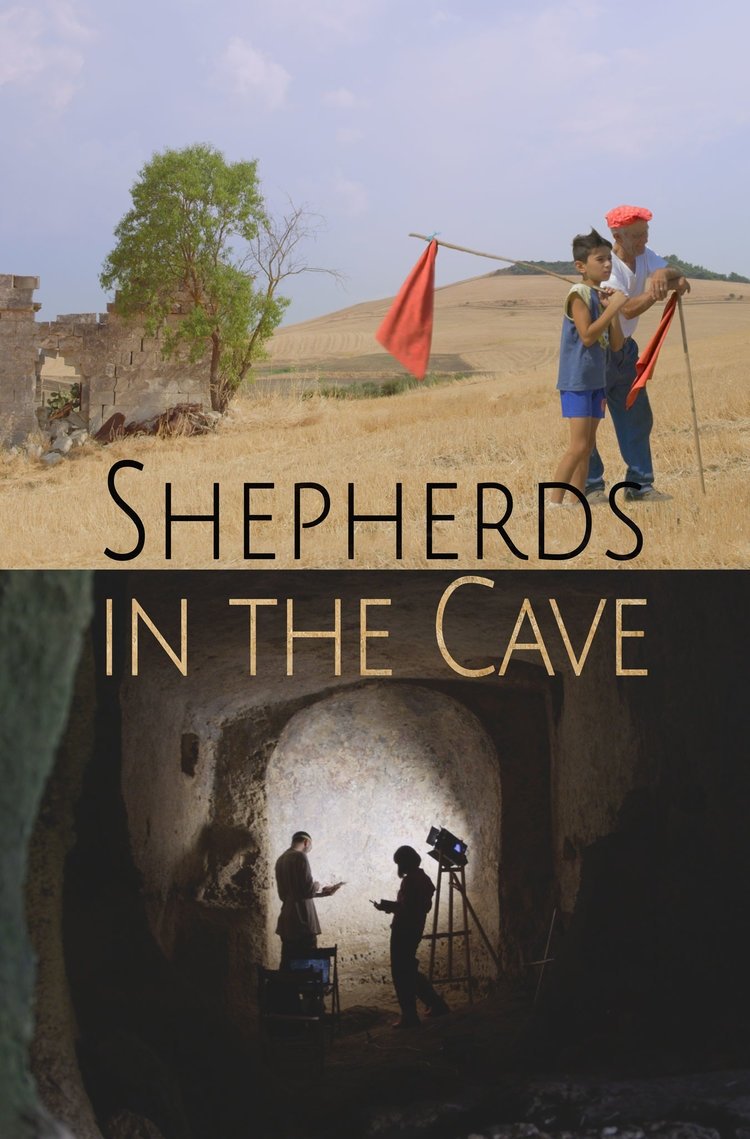
An international team of art restorers and archaeologists begin work on the restoration of medieval frescoes inside a network of ancient caves. Faced with local bureaucratic challenges and systemic neglect of archaeological sites, the team encounters a community of shepherds and migrants that have used the caves for centuries and discover a living culture worth preserving most of all.
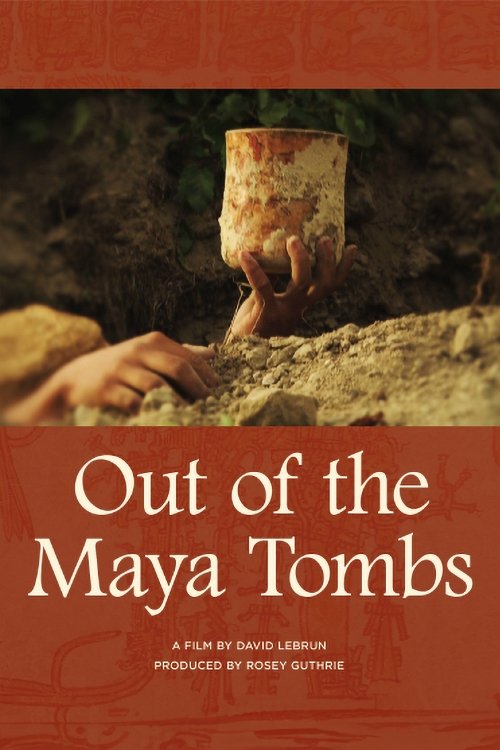
Over the past 50 years, thousands of exquisitely painted Maya vases, almost all looted from tombs, have flooded into public and private collections. These amazing works of art, filled with humor and mystery, have opened an extraordinary window on the Maya past. But the race to unearth these treasures has destroyed temples and palaces, culminating in the takeover of entire ancient cities by looter armies. OUT OF THE MAYA TOMBS (formerly titled DANCE OF THE MAIZE GOD) enters the world of the vases to explore the royal life and rich mythology of the Maya, as well as the tangled issues involved in the collection and study of Maya art. The story is told by villagers, looters, archaeologists, scholars, dealers and curators. For each, these vases have a radically different value and meaning.
This short documentary depicts the search, discovery and authentication of the only known Norse settlement in North America - Vinland the Good. Mentioned in Icelandic manuscripts and speculated about for over two centuries, Vinland is known as "the place where the wild grapes grow" and was thought to be on the eastern coast between Virginia and Newfoundland. In 1960 a curious group of house mounds was uncovered at l'Anse aux Meadows in northern Newfoundland by Drs. Helge Ingstad and Anne Stine Ingstad of Norway. Added to the United Nations World Heritage List, l'Anse aux Meadows is considered one of the most important archaeological sites in the world.
Move over, King Tut: There's a new pharaoh on the scene. A team of top archaeologists and forensics experts revisits the story of Hatshepsut, the woman who snatched the throne dressed as a man and declared herself ruler. Despite her long and prosperous reign, her record was all but eradicated from Egyptian history in a mystery that has long puzzled scholars. But with the latest research effort captured in this program, history is about to change.
This historical drama tells the story of Qin Shihuang, who unified China's vast territory and declared himself emperor in 221 B.C. During his reign, he introduced sweeping reforms, built a vast network of roads and connected the Great Wall of China. From the grandiose inner sanctum of Emperor Qin's royal palace, to fierce battles with feudal kings, this film re-creates the glory and the terror of the Qin Dynasty, including footage of Qin's life-sized terra cotta army, constructed 2,200 years ago for his tomb.
By decoding ancient hieroglyphic texts, Jean-François Champollion gave voice to an enigmatic civilization, but behind his legendary feat is a mysterious brother who made it possible. The recent discovery of correspondence between Jean-François Champollion and his brother Jacques-Joseph now allows us to fully understand how a young, self-taught genius was able to make one of the most important discoveries of the 19th century. Without the ingenuity and unfailing support of his older brother, Jean-François would never have succeeded in solving this enigma, which had international repercussions. With animated sequences of their private correspondence, and with the help of archives and expert analysis, this film revisits this unique scientific, human and intellectual adventure to celebrate the bicentenary of the decoding of hieroglyphics.
Dr. Mark Fairchild, world-renowned archaeologist, traces the hidden years of Saint Paul's life in the mountainous Turkish countryside of Rough Cilicia.
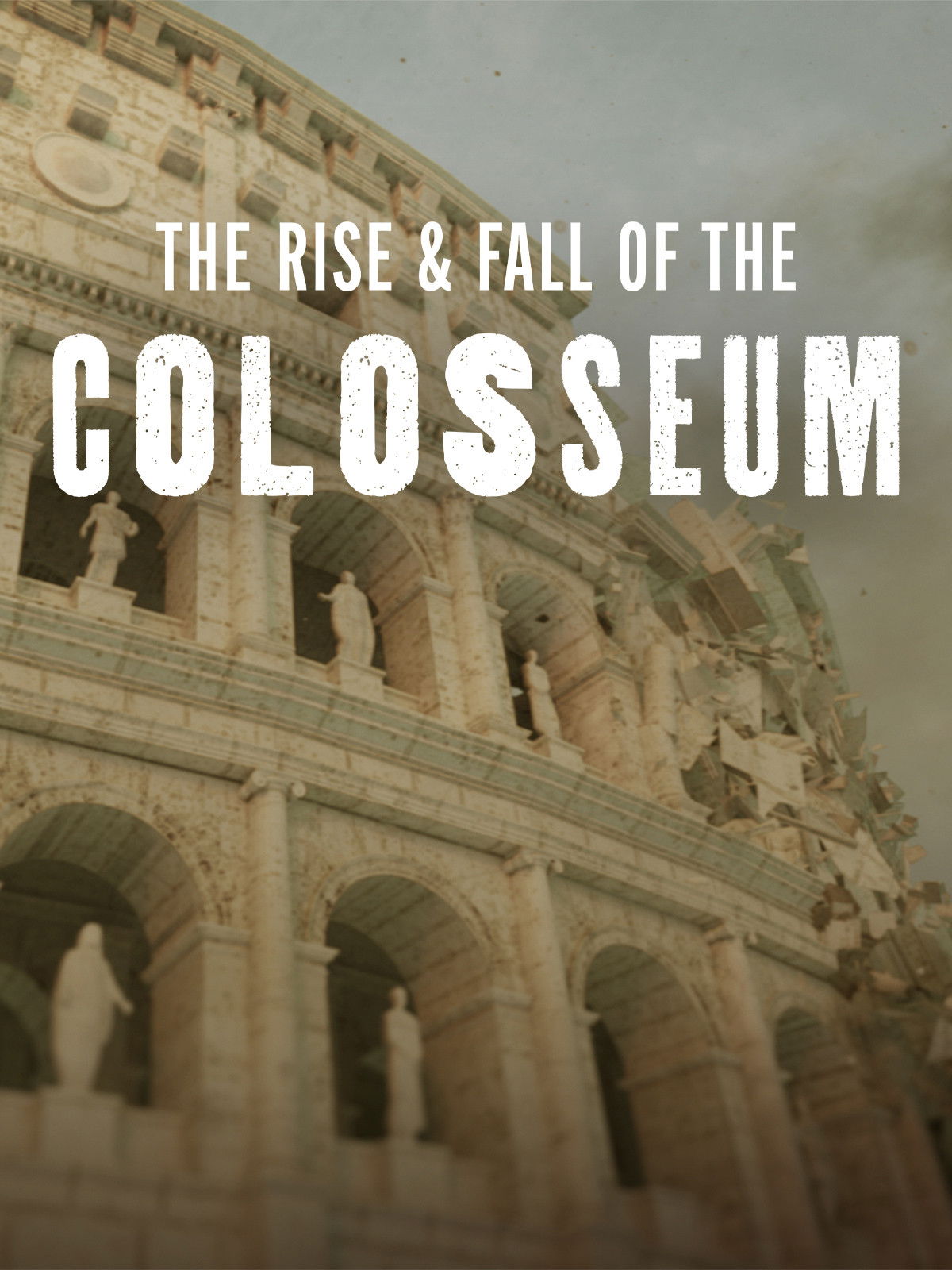
The Colosseum: the jewel of Ancient Rome. It wowed vast crowds with extraordinary battles. It pushed the boundaries of technology. It exhibited Rome’s vast wealth and power. Roman leaders spread the Colosseum’s design throughout the Empire, and it helped them conquer the ancient world. But just as the structure embodied Rome’s power, so too did it contribute to the Empire’s downfall.
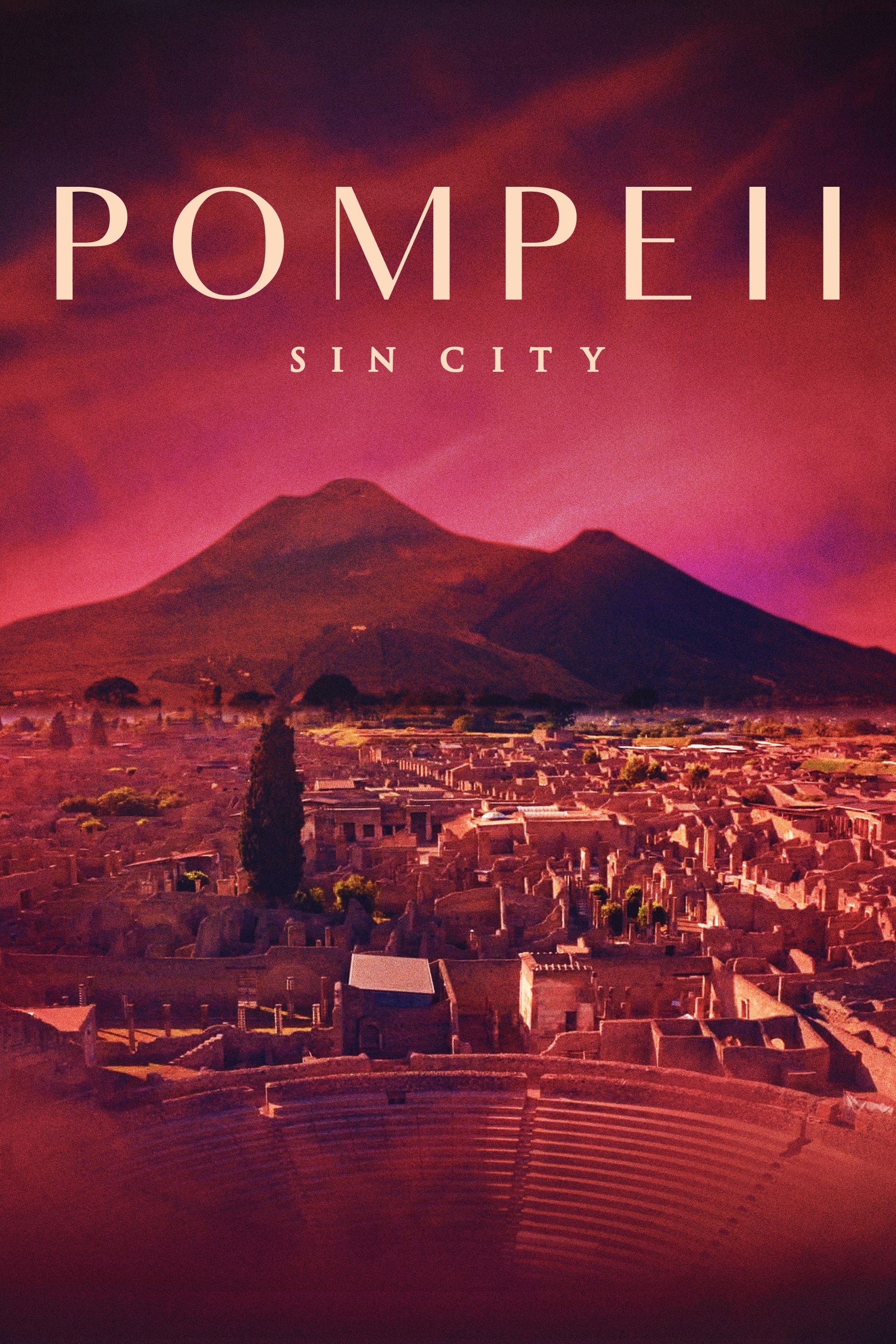
Archaeologist Raksha Dave and historian Dan Snow return to Pompeii to gain special access to a variety of new excavations, including two never-before-seen discoveries.
49,000 year old Neanderthal bones have been discovered by chance in a remote, mountainous region of Northern Spain. The bones may help solve the biggest Neanderthal puzzle of all – why we are here today and Neanderthals are not. ‘The Neanderthals’ dark Secret’ revolves around ongoing investigations deep inside the forbidding subterranean cave system called El Sidrón. Here, Palaeontologist Antonio Rosas and Archaeologist Marco de la Rasilla are in their 11th year of excavation. Bones from at least 12 people and 400 stone tool fragments have been recovered. We’ll bring these people back from the past. Our haunting, hologram-like Neanderthal characters, will communicate to the scientists of today, as they unlock the secrets of El Sidrón. Many mysteries surround the site, foremost, how the bones and tools came to be here in the first place. The remains aren’t weathered nor do they show signs of scavenging from large animals.
Explores the latest archaeology and science on one of history's most enduring mysteries - did the Trojan War really happen? In 1874 Heinrich Schliemann announced he had found the legendary city of Troy and caused a sensation.
Thousands of terracotta warriors guarded the first Chinese emperor's tomb. This is their story, told through archeological evidence and reenactments.
The history of cinematic sound, told by legendary sound designers and visionary filmmakers.
“The Soviet Story” is a story of an Allied power, which helped the Nazis to fight Jews and which slaughtered its own people on an industrial scale. Assisted by the West, this power triumphed on May 9th, 1945. Its crimes were made taboo, and the complete story of Europe’s most murderous regime has never been told. Until now...
A documentary about World War I with never-before-seen footage to commemorate the centennial of Armistice Day, and the end of the war.
For the 20th anniversary of "Titanic," James Cameron reopens the file on the disaster.
Oliver Stone charts the history of the United States from the Second World War to the present.
Prelude to War was the first film of Frank Capra's Why We Fight propaganda film series, commissioned by the Pentagon and George C. Marshall. It was made to convince American troops of the necessity of combating the Axis Powers during World War II. This film examines the differences between democratic and fascist states.
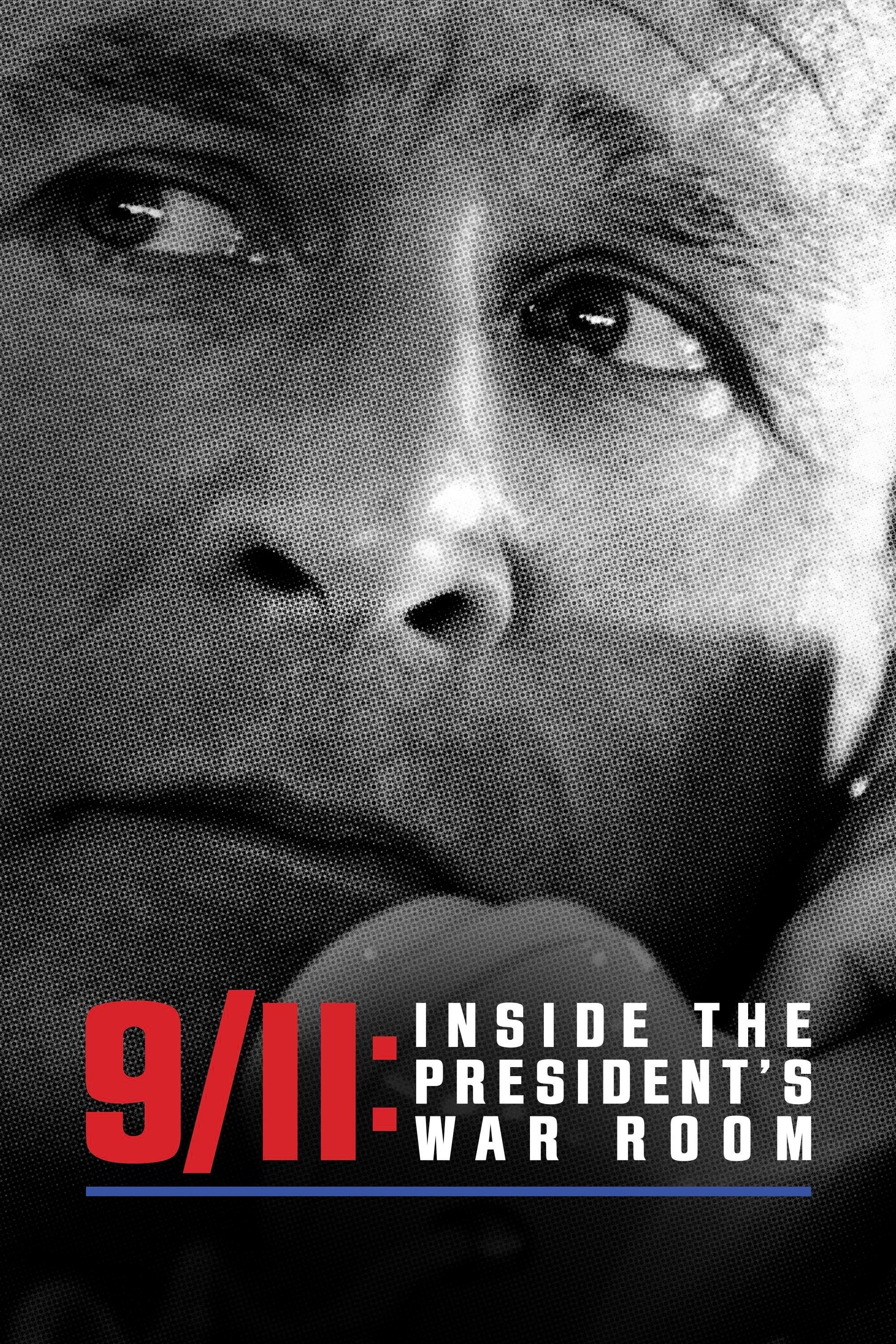
Experience the events of September 11, 2001 through the eyes of President Bush and his closest advisors as they personally detail the crucial hours and key decisions from that historic day.
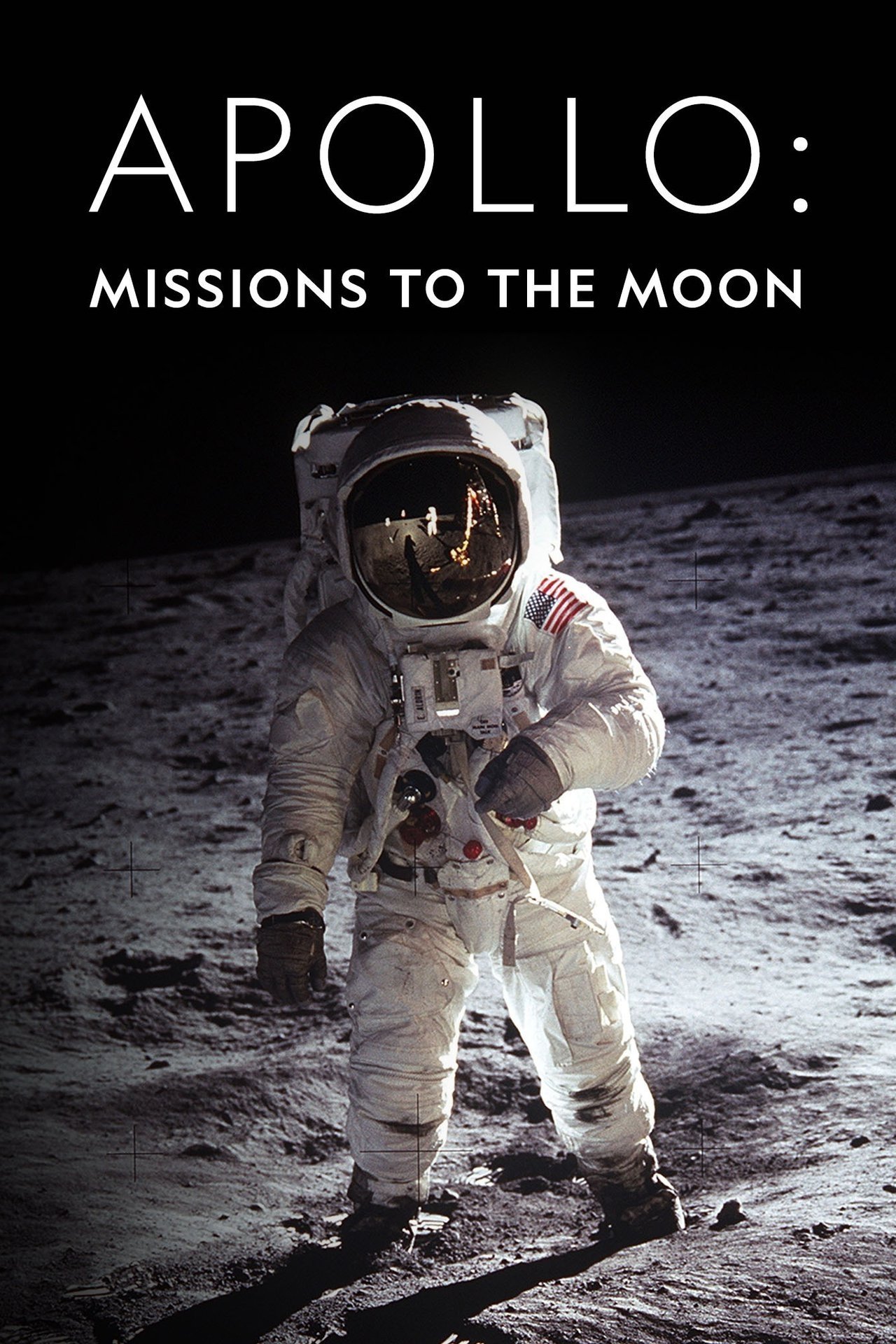
National Geographic's riveting effort recounts all 12 crewed missions using only archival footage, photos and audio.
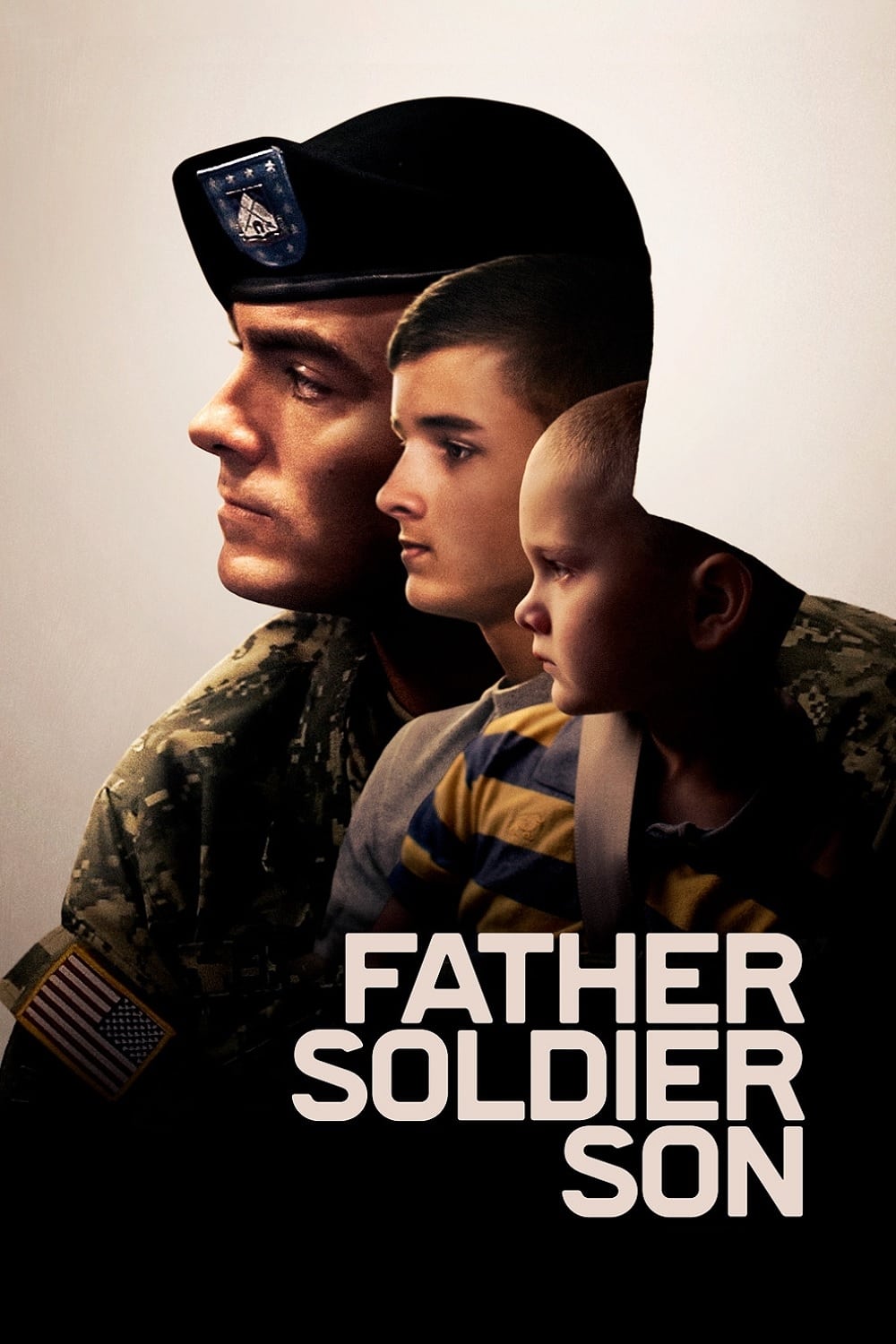
When Sgt. First Class Brian Eisch is critically wounded in Afghanistan, it sets him and his sons on a journey of love, loss, redemption and legacy.
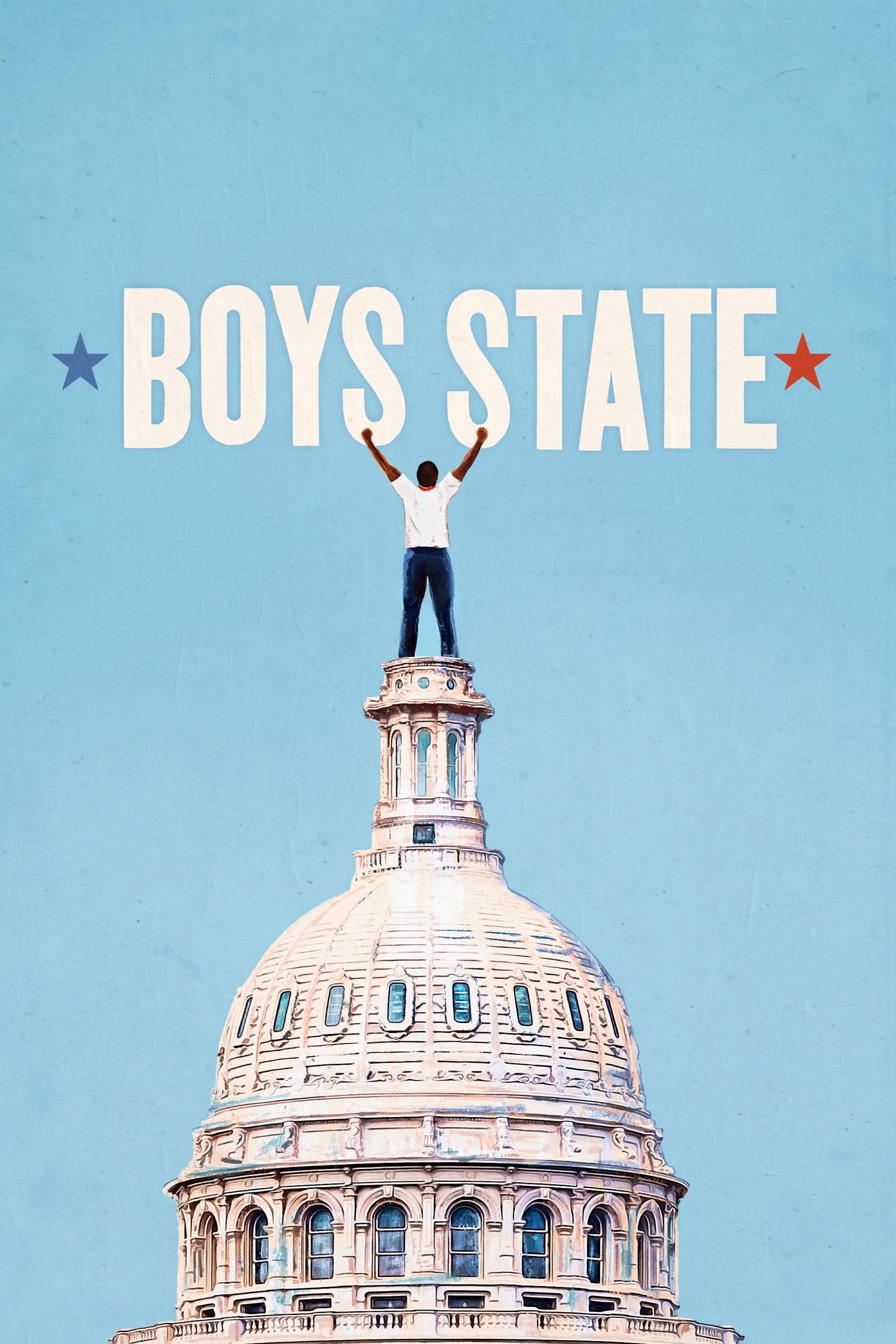
This raucous journey into the heart of democracy captures an unusual rite of passage: 1,100 teenage boys from across Texas coming together to build a representative government from the ground up.
Al Pacino's deeply-felt rumination on Shakespeare's significance and relevance to the modern world through interviews and an in-depth analysis of "Richard III."
In an intimate and joyful story of love in the face of loss, celebrated poets Andrea Gibson and Megan Falley find strength—and unexpected hilarity—in what might be their final year together.
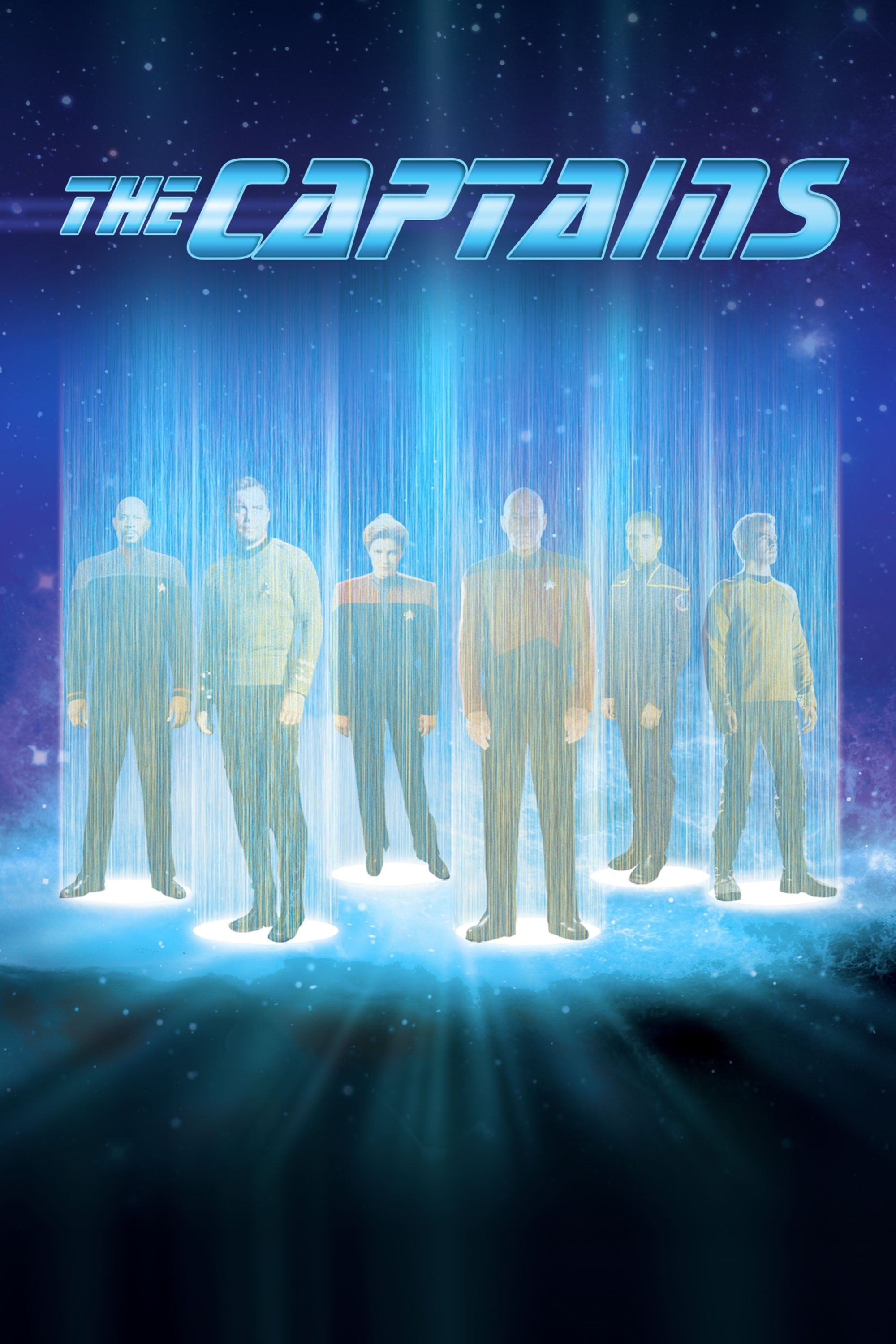
The Captains is a feature-length documentary film written and directed by William Shatner. The film follows Shatner as he interviews the other actors who have portrayed starship captains in the Star Trek franchise.
Lupita Nyong'o narrates a documentary about Peanuts and its creator, Charles M. Schulz. Famous fans—including Drew Barrymore, Kevin Smith, and Al Roker—share its influence on them, and a new animated story finds Charlie Brown on a quest.
Amid the failing counteroffensive, a journalist follows a Ukrainian platoon on their mission to traverse one mile of heavily fortified forest and liberate a strategic village from Russian occupation. But the farther they advance through their destroyed homeland, the more they realize that this war may never end.
Using the book 'Fragments', which collects Marilyn Monroe's poems, notes and letters, and with participation from the Arthur Miller and Truman Capote estates who have contributed more material, each of the actresses will embody the legend at various stages in her life.
A documentary about the life and films of director John Ford.
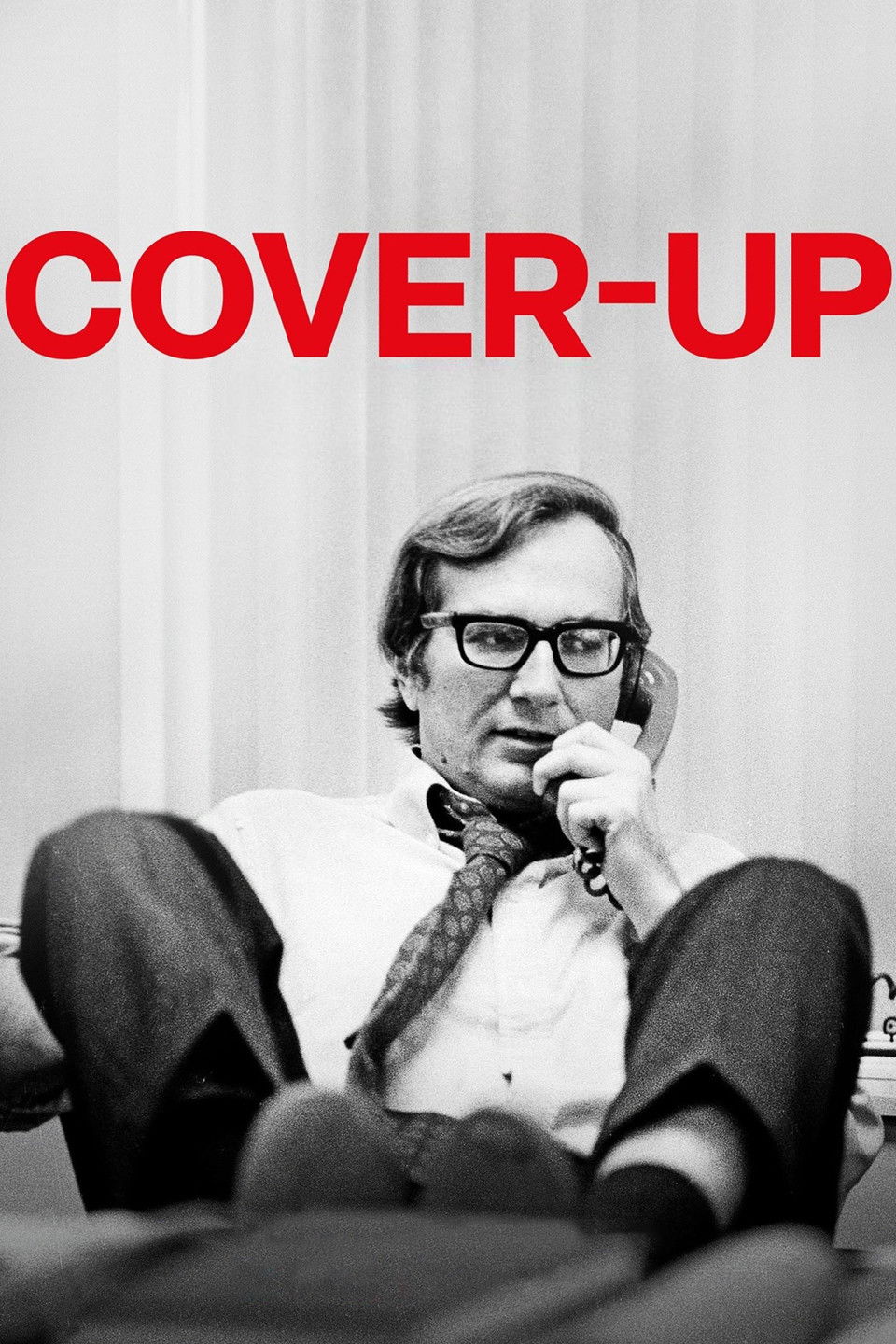
He's devoted his career to uncovering stories the powerful want buried. From My Lai to Abu Ghraib, dig into the life's work of journalist Seymour Hersh.
"Trinity and Beyond" is an unsettling yet visually fascinating documentary presenting the history of nuclear weapons development and testing between 1945-1963. Narrated by William Shatner and featuring an original score performed by the Moscow Symphony Orchestra, this award-winning documentary reveals previously unreleased and classified government footage from several countries.