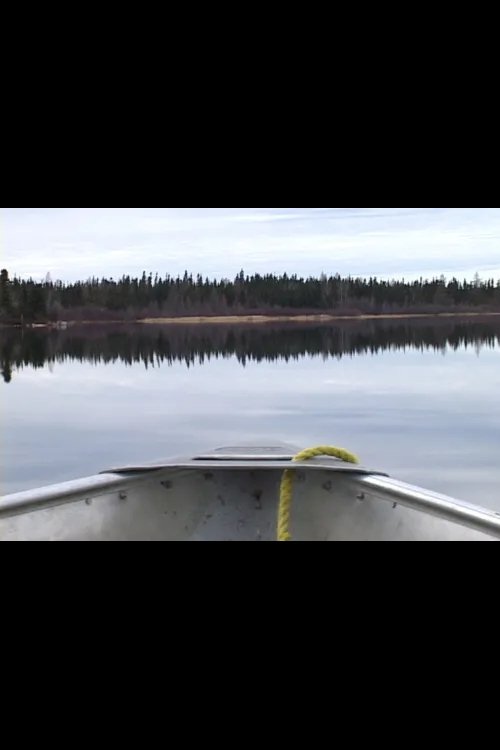
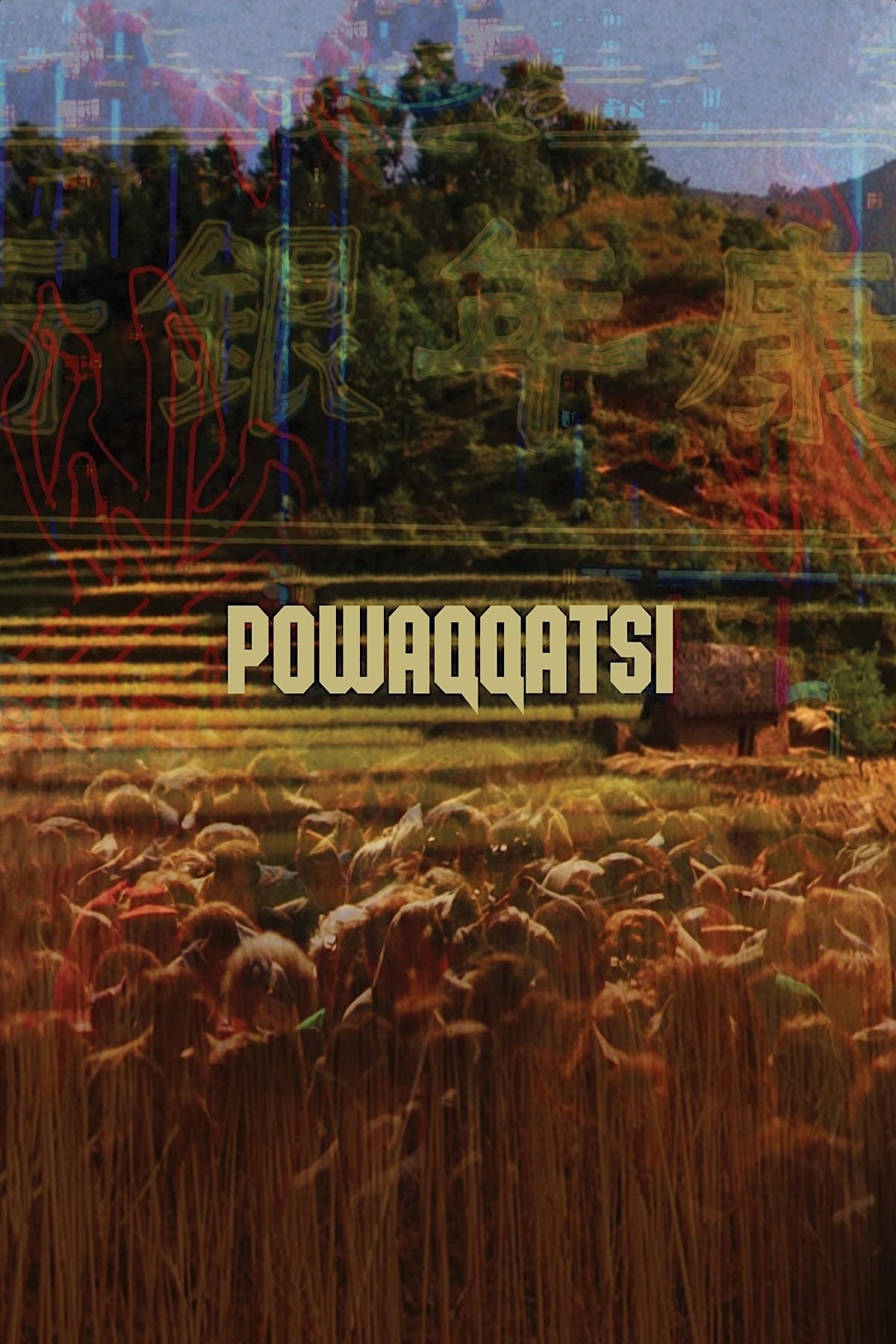
Deconstructing and reconstructing Cree narrative, this film experiments with language to create a linguistic soundscape.
Social & External
The people behind it
1-channel film installation (21‘20‘‘). 2.00:1 aspherical widescreen, stereophonic sound. A wife waits for her dead husband. An adaption of three japanese poems in three different translations. An examination of waiting and the slowness of time. An exercise in slow cinema.
Set in Florida and inspired by Harmony Korine’s homonymous book, Leo Gabin’s film consists of a collage of YouTube videos, mostly self-made, which depicts negative yet realistic aspects of the lost American dream. Moreover, it interprets contemporary social and political reality similarly to how Korine’s novel collects allegedly documentary fragments of American culture.
Impressions of New York City. Experimental short.
A young man and his dog encounter a sinister force while on a walk through the woods.
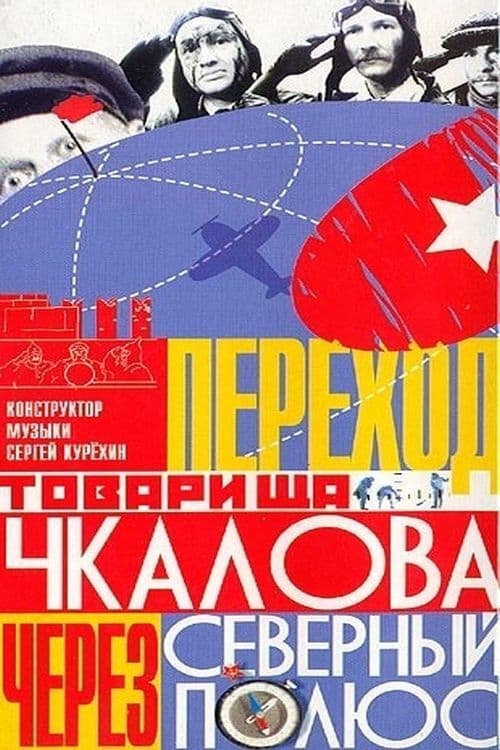
A satiric comedy which dissects the iconography of the 'Soviet Hero'. Original footage of a propaganda film from 1941 is the starting point for this parody of the ideological cliches of Soviet cinema. It follows the story of a Russian crew across the North Pole.
Two criminals take a trip up the coast of California. As they arrive at a small town- what should just be a small stop on the way- one of them begins to feel as though they've been their before.
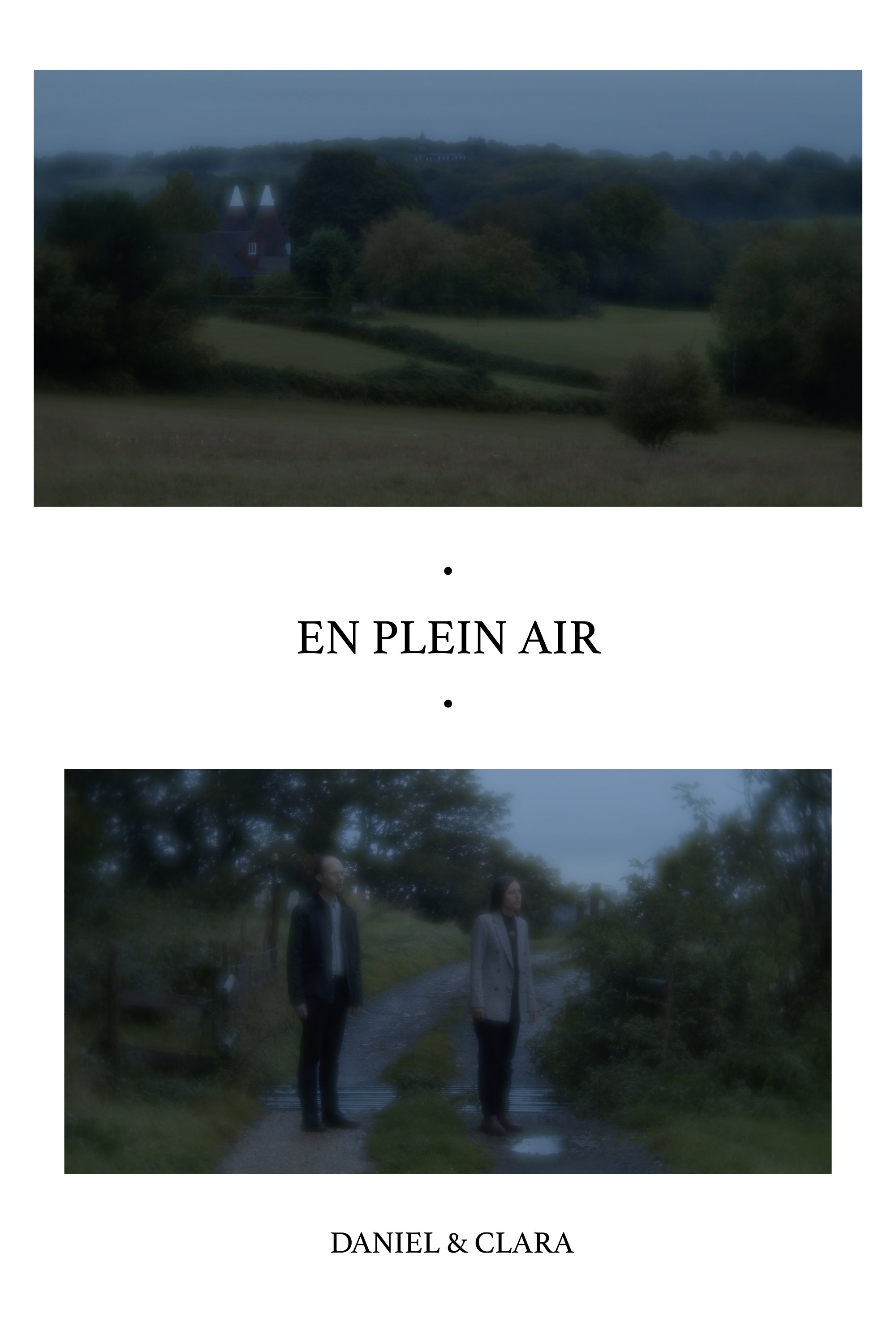
A series of eight moments captured over a single day in the Sussex village of Mayfield. From first light until night Daniel & Clara engage in a process of psychological orientation, their state of mind inexplicably linked to the countryside and shifting weather conditions.
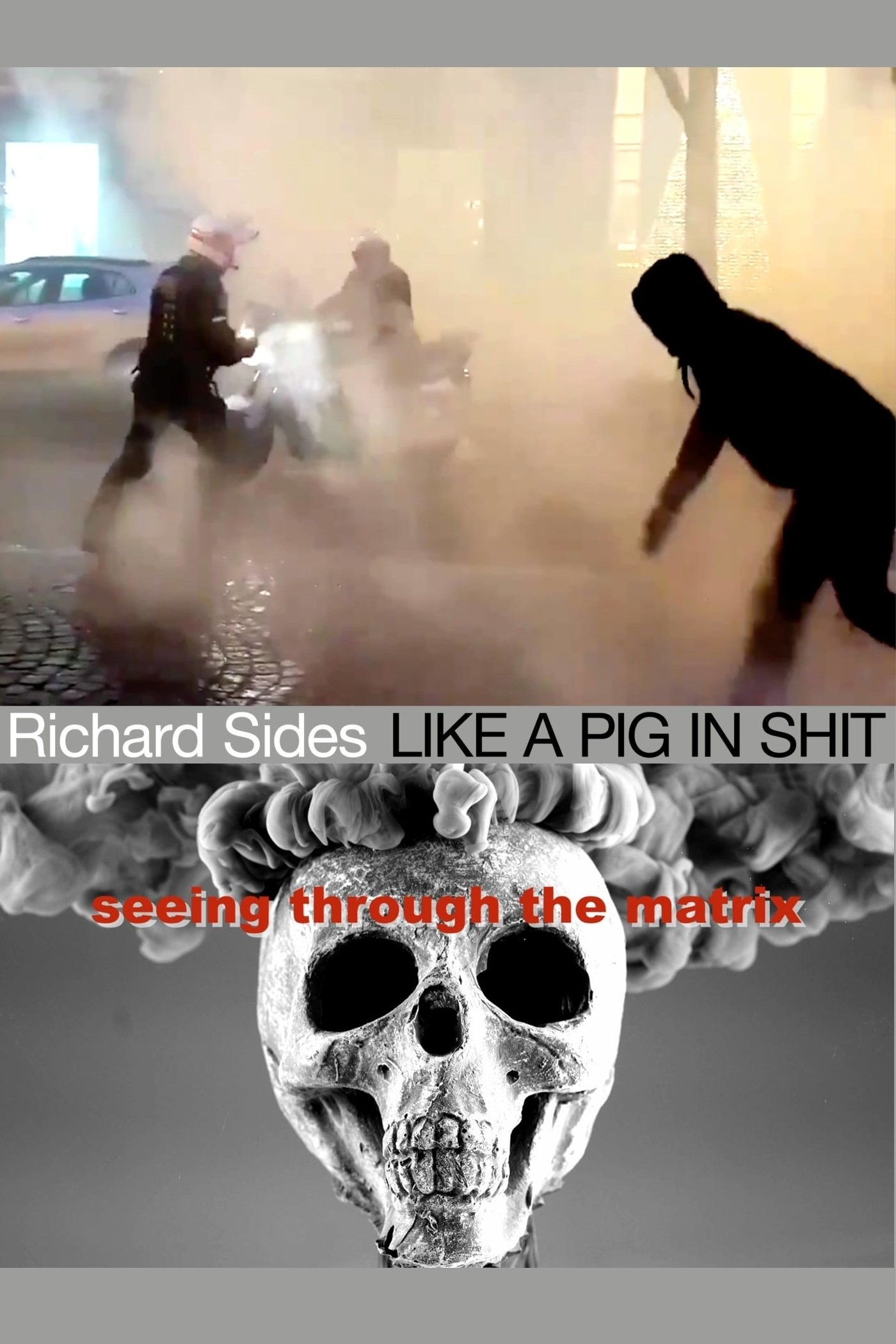
"Like a Pig in Shit" is a twenty-minute video piecing together audio and visual material found online, a collage technique common to the artist’s practice. It comprises nine movements and a spiraling, ultra-introspective, stream-of-consciousness monologue that diarizes the cumulative effects of life in the mediated, surveilled, freelance matrix.
part 2 in the "LA in Lockdown" trilogy
"Now Eat My Script is a precipice, a fluid solution in which some spectral noises of the self float adrift. Narration takes the role of a pregnant writer who continuously affirms her hunger and clumsiness towards language and history. Her body is crossed over by both the years to come and the stories that have been buried. As a would-be pirate, she navigates through the tumult of familiar waters."
Images of the Church of the Sagrada Familia by Antoni Gaudí confronted with brief flashes of housing projects and industrial areas. The furious display of a effervescent imagination is opposed to a grey functionality.
Optical sound film by Guy Sherwin
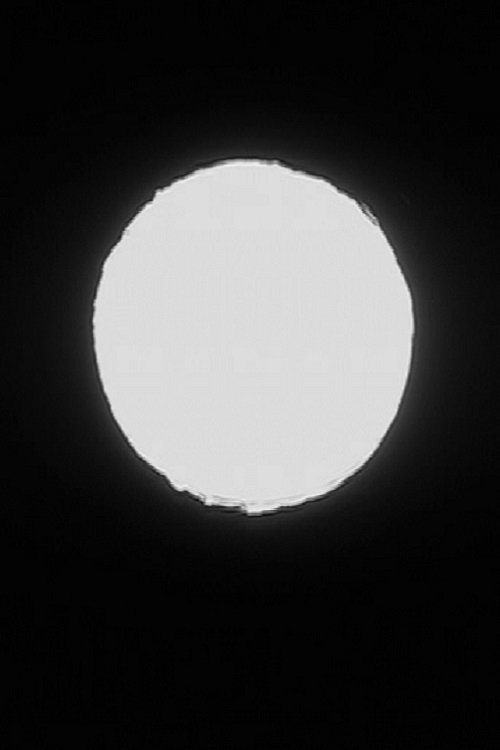
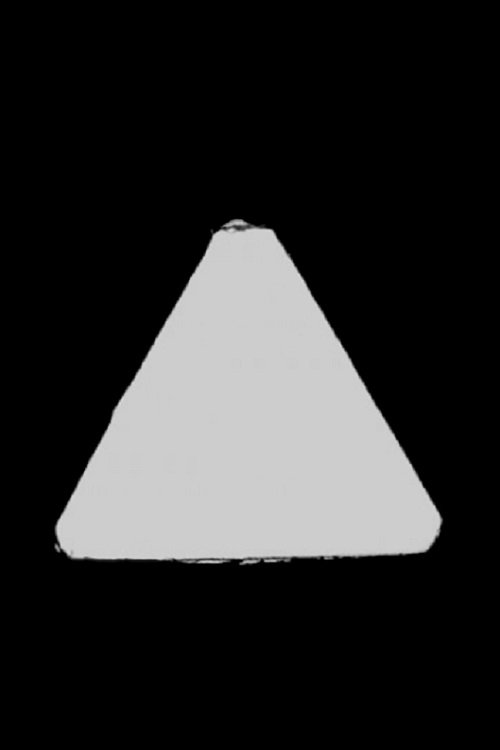
One of my first 16mm films, made without a camera as an experiment in how to visualize rhythm. It equates four simple shapes with four simple sounds, made by punching shapes into black film and scratching into the film's optical sound track. The film uses a bar structure similar to a music score. Each bar lasts one second (24 frames of film) and is divided into 2, 3, 4 or 6 aural and visual beats per second (bps). These are used in alternating patterns such as: 2/3, 3/4, 3/4/6, 2/3/6 In each section of the film an arbitrary relationship is established between image, sound and beats per second, for example: circle = 12 scratches per frame (high pitch sound) at 6 bps rhombus = 6 scratches per frame (mid pitch sound) at 4 bps triangle = 3 scratches per frame (low pitch sound) at 3 bps rectangle = 1 scratch per frame (percussive sound) at 6 bps A print of the film was hand-painted in 2006 G.S.
A film made without a camera: A newspaper glued onto clear film is projected as audio-visual typography. "For NEWSPRINT I glued a newspaper onto clear 16mm film then punched out the sprocket holes to enable the film to run through the projector. Using a strong light I printed ‘newspaper-film’ to copy it onto another strip of film. This shows up the letters and words clearly, which can also be heard as they pass over the sound-head in the projector. Newsprint #2 is a live projection event for two 16mm projectors and two loudspeakers [...] Two identical prints are shown superimposed onto the same screen." -GS.
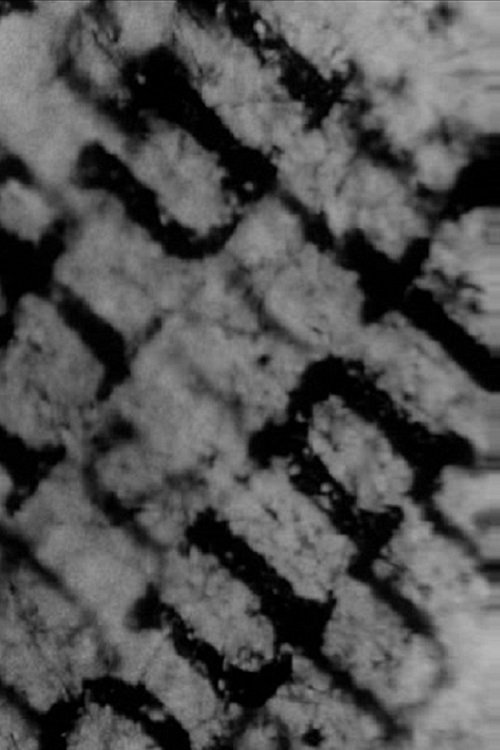
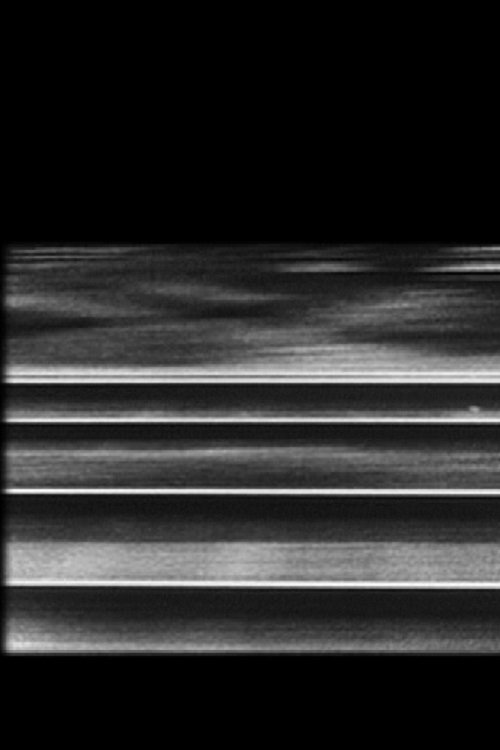
Railway tracks seen from a speeding train are converted into optical sounds.
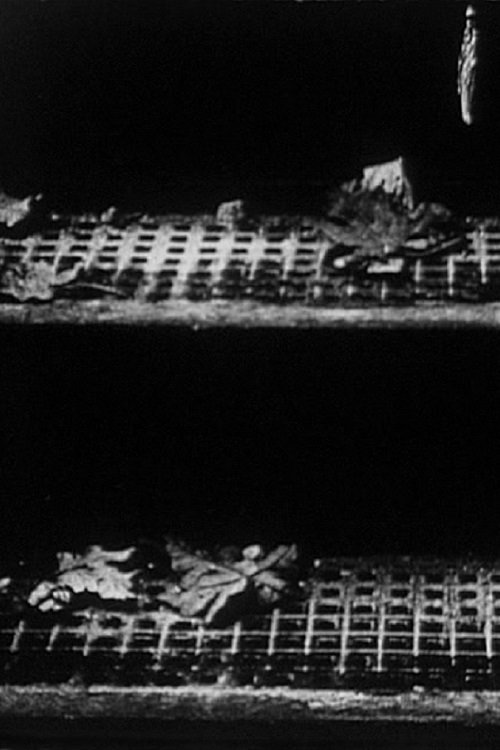
One of a series of films that uses soundtracks generated directly from their own imagery. I shot the images of a staircase specifically for the range of sounds they would produce. I used a fixed lens to film from a fixed position at the bottom of the stairs. Tilting the camera up increases the number of steps that are included in the frame. The more steps that are included the higher the pitch of sound. A simple procedure gave rise to a musical scale (in eleven steps which is based on the laws of visual perspective. A range of volume is introduced by varying the exposure. The darker the image the louder the sound (it can be the other way round, but Musical Stairs uses a soundtrack made from the negative of the image.) The fact that the staircase is neither a synthetic image, nor a particularly clean one (there happened to be leaves on the stairs when I shot the film) means that the sound is not pure, but dense with strange harmonics. – G.S.
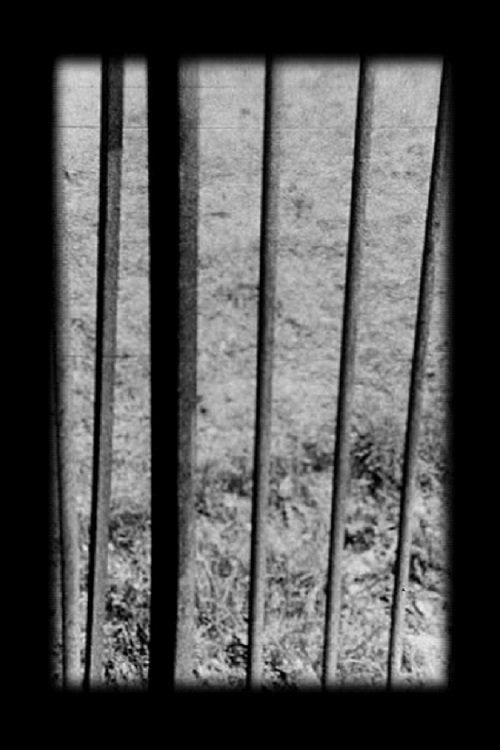
"One of a series of films that investigates qualities of sound that can be generated directly from the image track. The images that you see are simultaneously scanned by the optical sound reader in the projector, which converts the into sound. This particular film makes use of the aural effect of visual perspective; the steeper the perspective on the railings, the closer the intervals of black and white, and the higher the frequency of sound. I also wanted to find out what freeze frames and visual strobe would 'sound' like. Visual strobe is created both in the camera (camera shutter v. railings) and in the printer (printer shutter v. slipping frames)." -G.S.
Optical sound by Guy Sherwin
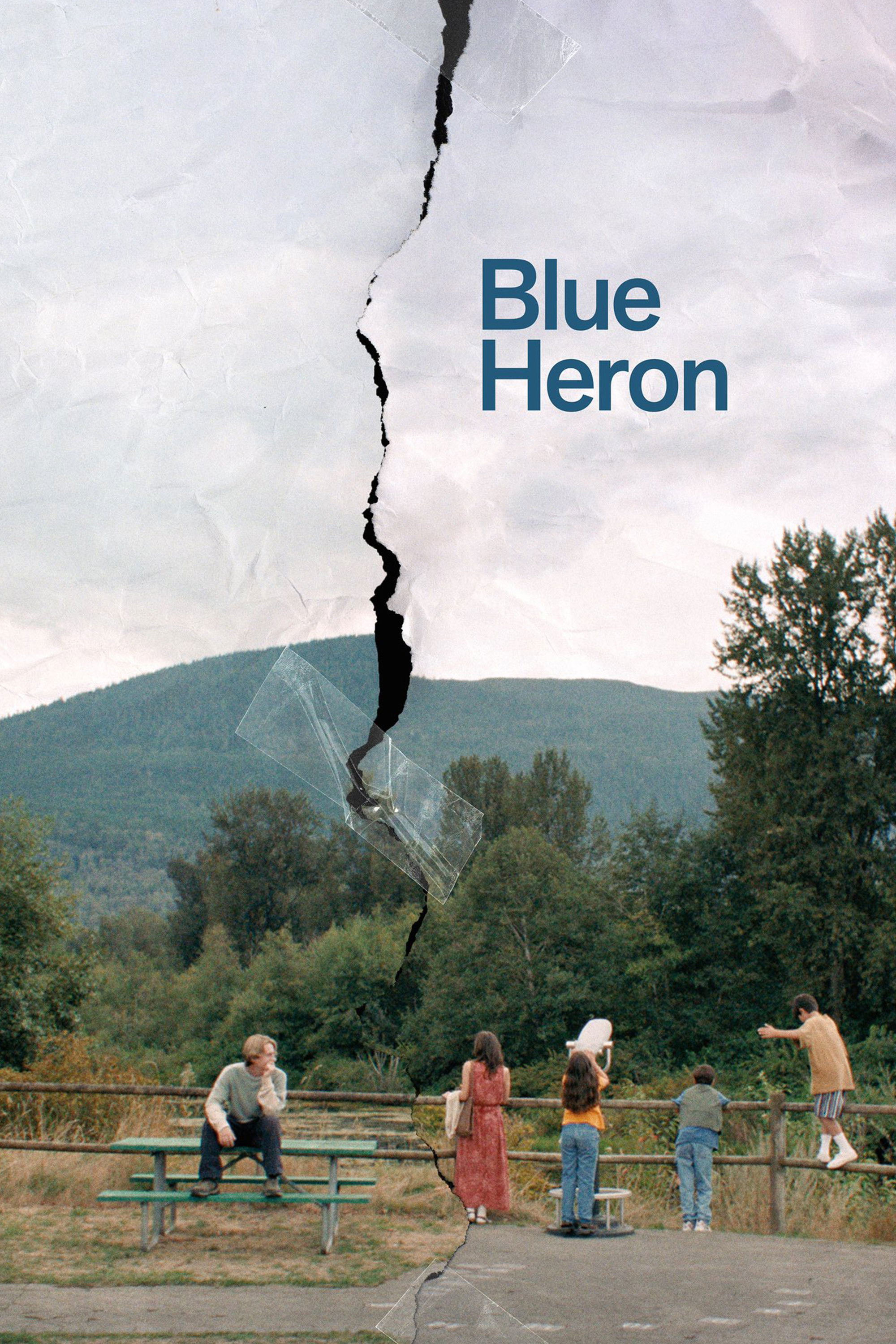
A family of six's fresh start on 1990s Vancouver Island unravels as their youngest child, Sasha, witnesses the increasingly dangerous behavior of her older brother, Jeremy.
Against a plain, unchanging blue screen, a densely interwoven soundtrack of voices, sound effects and music attempt to convey a portrait of Derek Jarman's experiences with AIDS, both literally and allegorically, together with an exploration of the meanings associated with the colour blue.
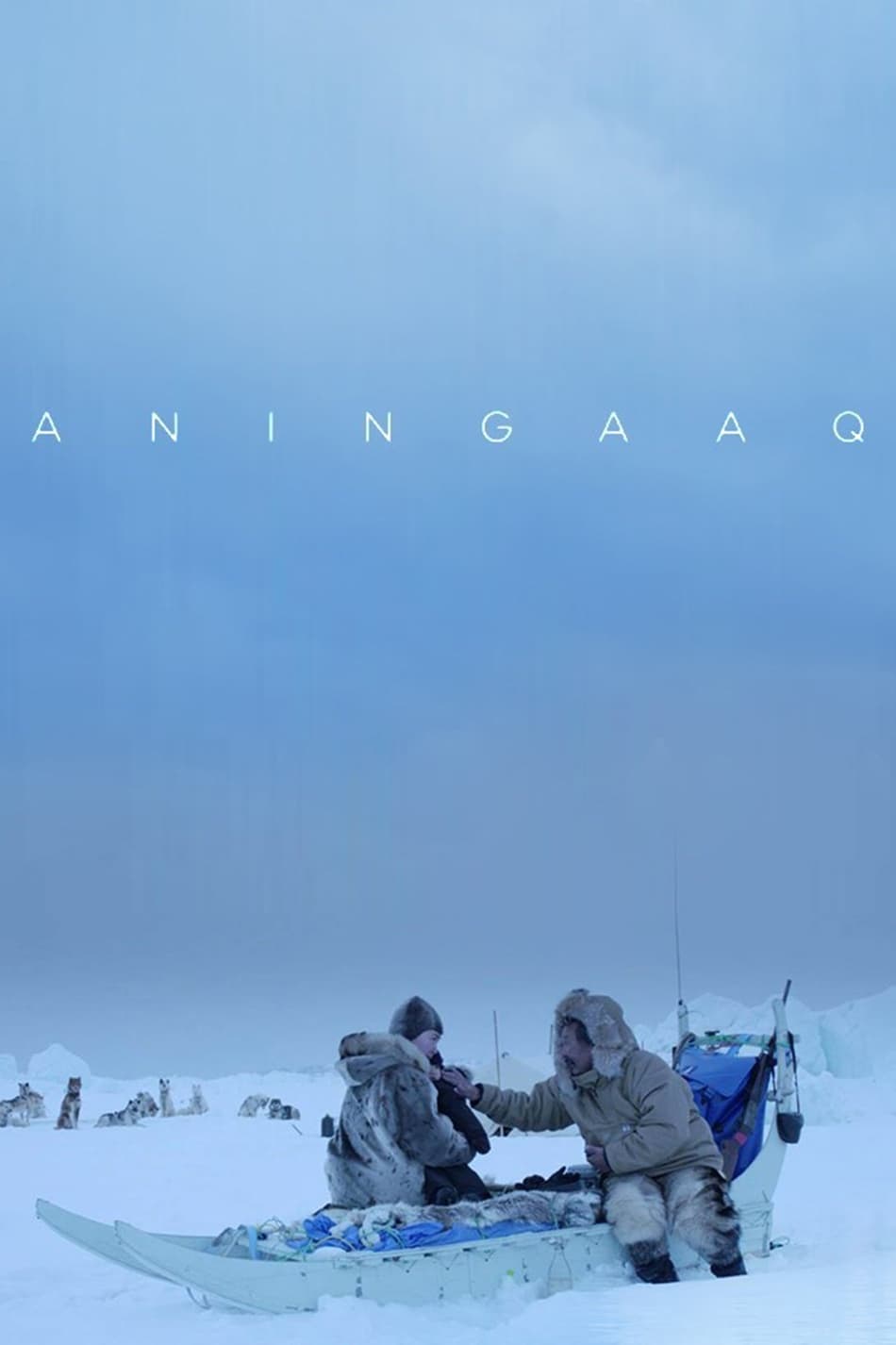
Aningaaq, an Inuit fisherman camping on the ice over a frozen fjord, talks through a two way radio with a dying astronaut who is stranded in space, 500 kilometers above Earth. Even though he doesn't speak English and she doesn't speak Greenlandic, they manage to have a conversation about dogs, babies, life and death.
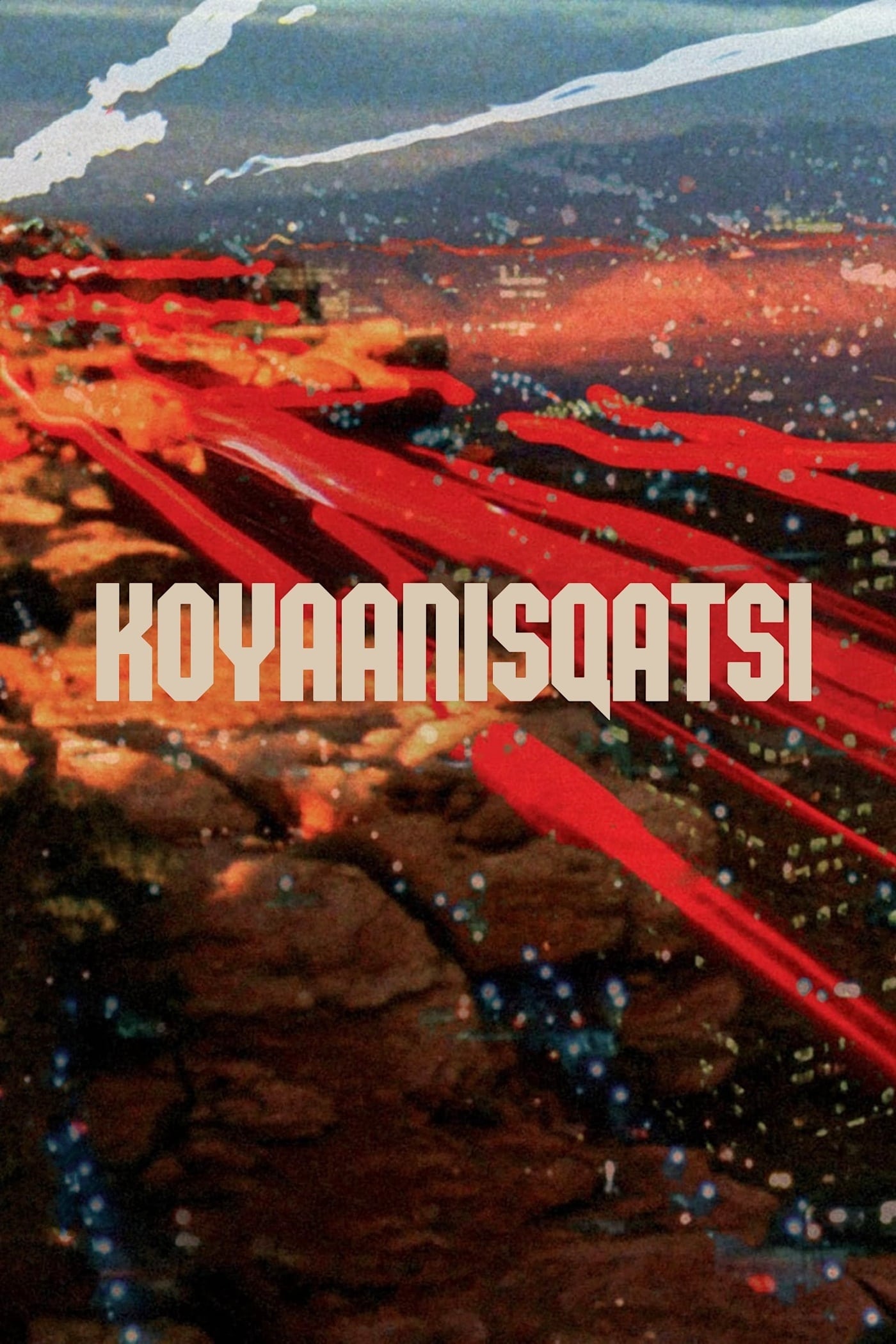
Takes us to locations all around the US and shows us the heavy toll that modern technology is having on humans and the earth. The visual tone poem contains neither dialogue nor a vocalized narration: its tone is set by the juxtaposition of images and the exceptional music by Philip Glass.
Through deeply personal interviews with her siblings and an examination of the photographs, letters, and belongings left behind, Mariska assembles a new portrait of her mother Jayne Mansfield, an extraordinary and complex woman.
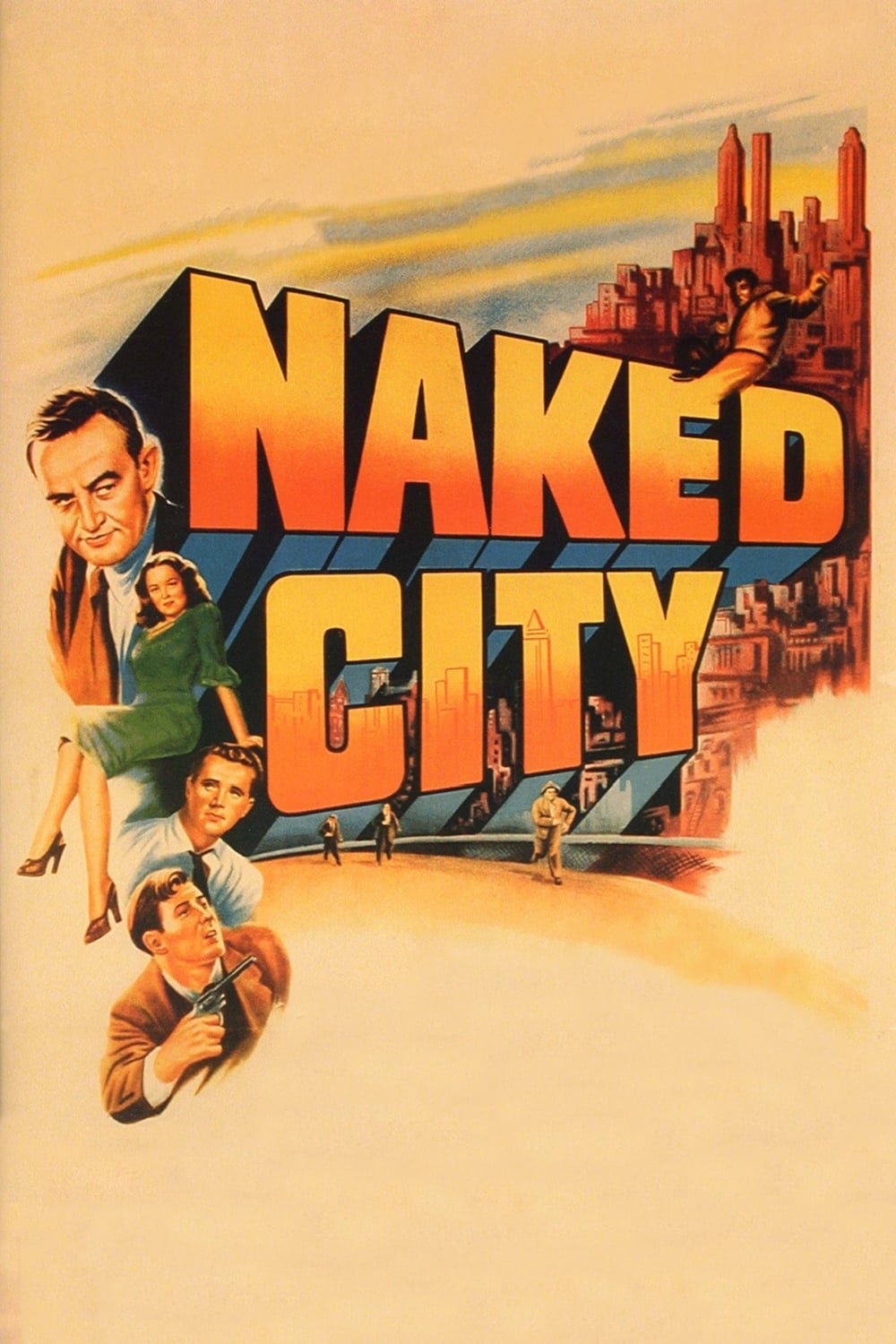
After a former model is drowned in her bathtub, Detective James Halloran and Lieutenant Dan Muldoon attempt to piece together her murder.
An atmospheric essay, which is an alternative version of Count Dracula, a film directed by Jess Franco in 1970; a ghostly narration between fiction and reality.
Using the book 'Fragments', which collects Marilyn Monroe's poems, notes and letters, and with participation from the Arthur Miller and Truman Capote estates who have contributed more material, each of the actresses will embody the legend at various stages in her life.
Taking place after alien crafts land around the world, an expert linguist is recruited by the military to determine whether they come in peace or are a threat.
A documentary on the expletive's origin, why it offends some people so deeply, and what can be gained from its use.
A look behind the lens of Christopher Nolan's space epic.
A visual montage portrait of our contemporary world dominated by globalized technology and violence.
Al Pacino's deeply-felt rumination on Shakespeare's significance and relevance to the modern world through interviews and an in-depth analysis of "Richard III."
Aboard a small escape pod, four survivors try to discover what caused the destruction of their spaceship.
Unravel the case of Utah therapist Jodi Hildebrandt, whose child abuse arrest with parenting YouTuber Ruby Franke exposed a twisted tale of manipulation.
Seasoned deep-sea divers battle the raging elements to rescue their crewmate trapped hundreds of feet below the ocean's surface.
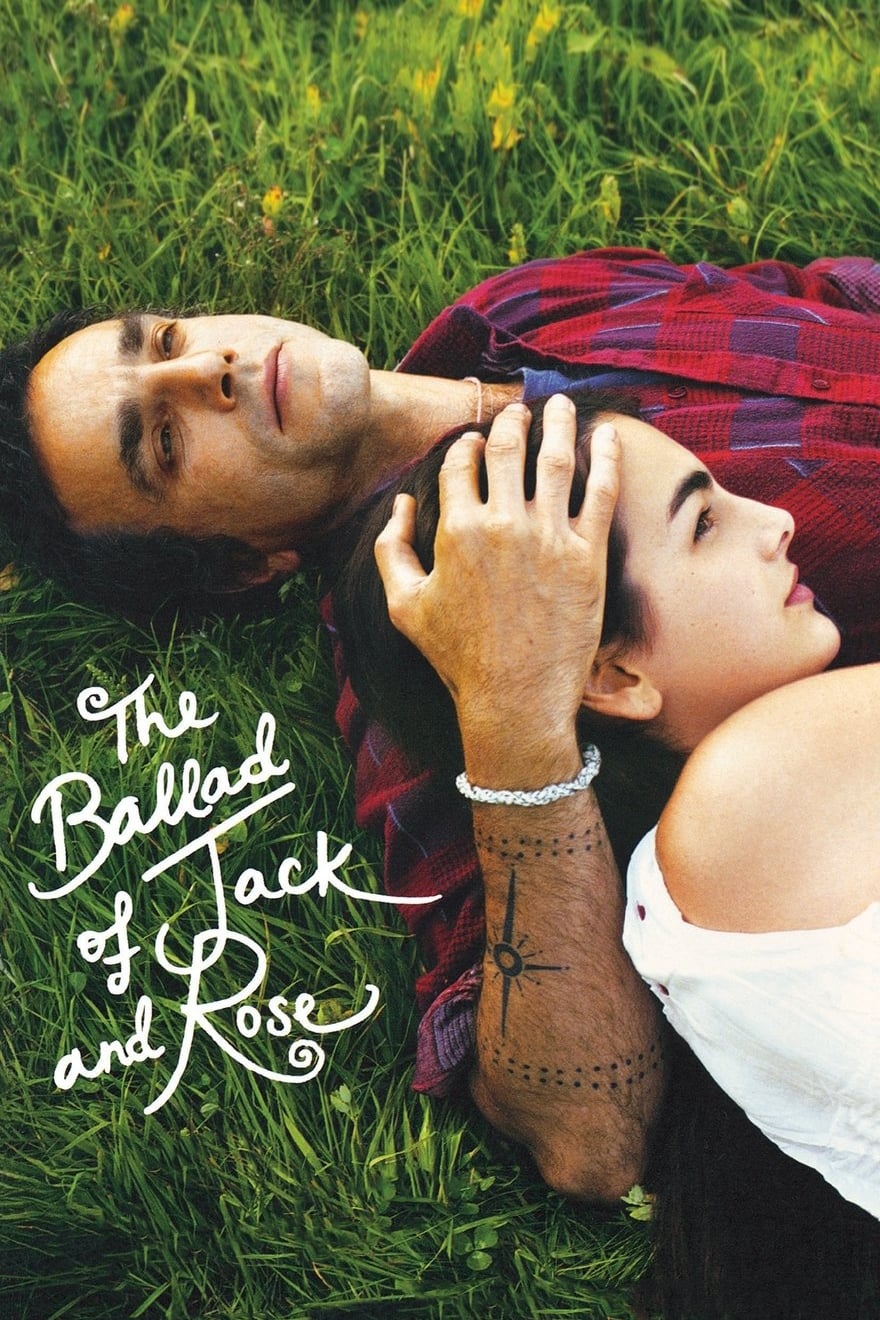
Jack Slavin is an environmentalist with a heart condition who lives with his daughter, Rose, on an isolated island. While Jack fights against developers who wish to build in the area, he also craves more contact with other people. When he invites his girlfriend, Kathleen, and her sons, Rodney and Thaddius, to move in, Rose is upset. The complicated family dynamics makes things difficult for everyone in the house.
An exploration of technologically developing nations and the effect the transition to Western-style modernization has had on them.
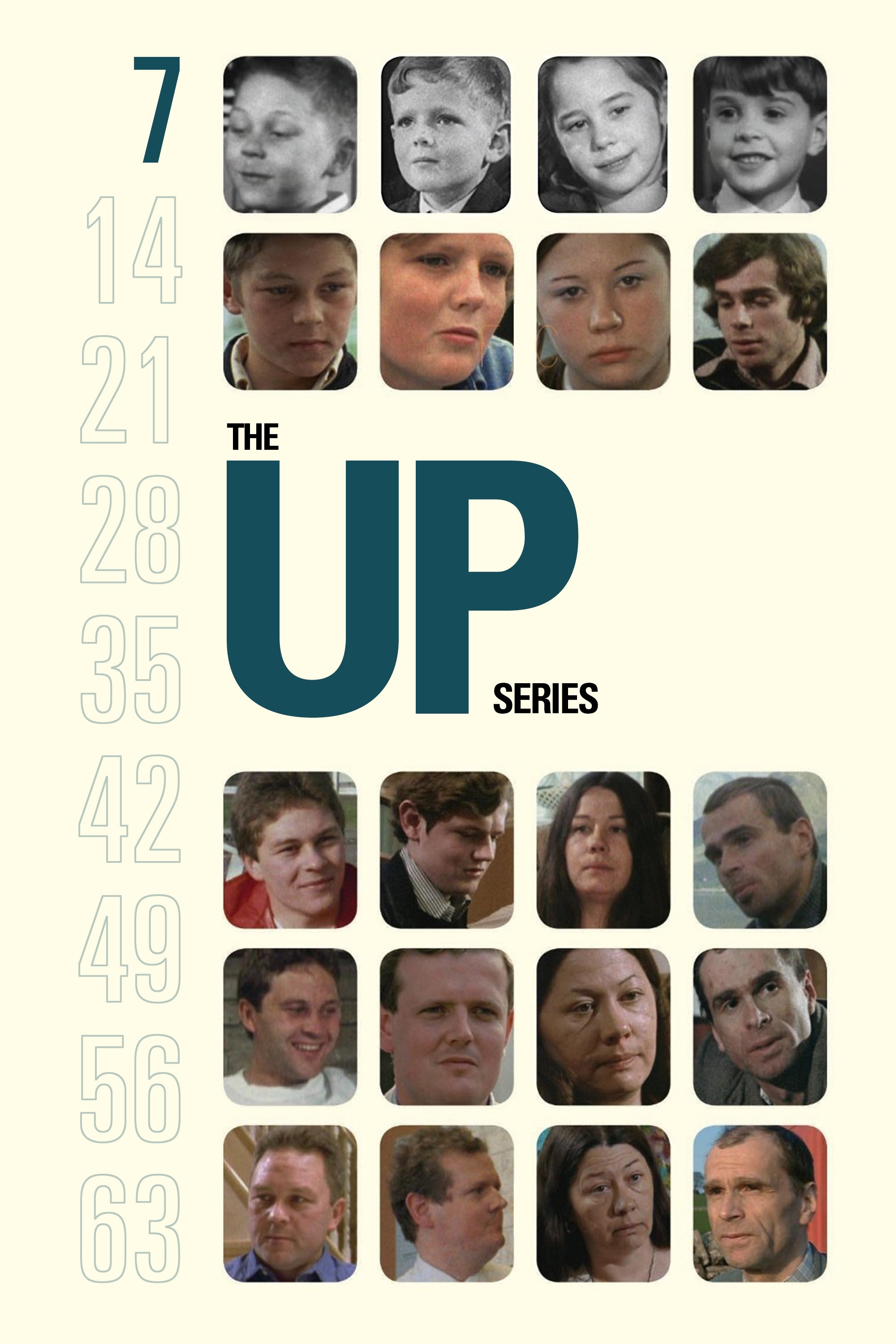
A group of British children aged 7 from widely ranging backgrounds are interviewed about a range of subjects. The filmmakers plan to re-interview them at 7 year intervals to track how their lives and attitudes change as they age.
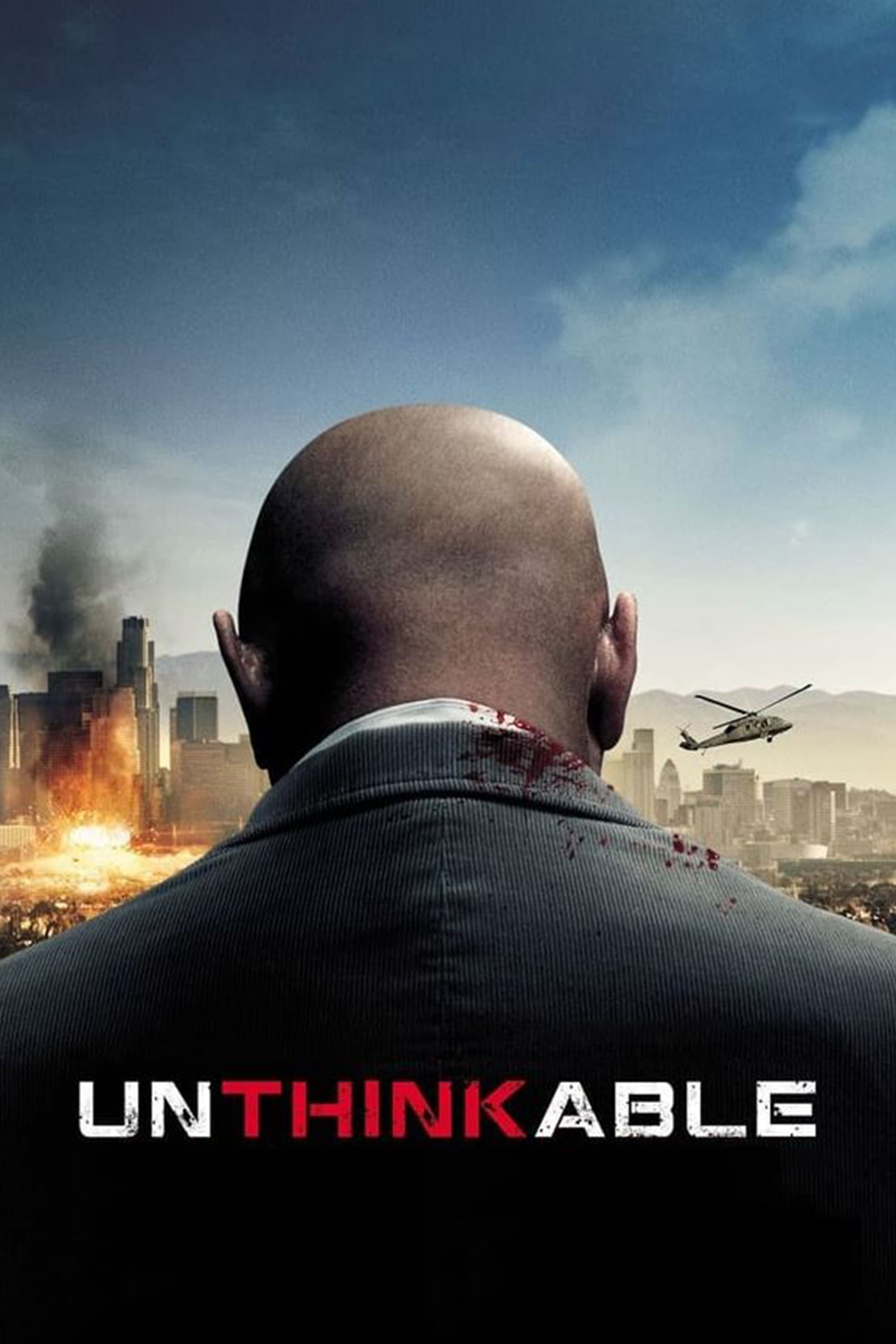
The government gets wind of a plot to destroy America involving a trio of nuclear weapons for which the whereabouts are unknown. It's up to a seasoned interrogator and an FBI agent to find out exactly where the nukes are.