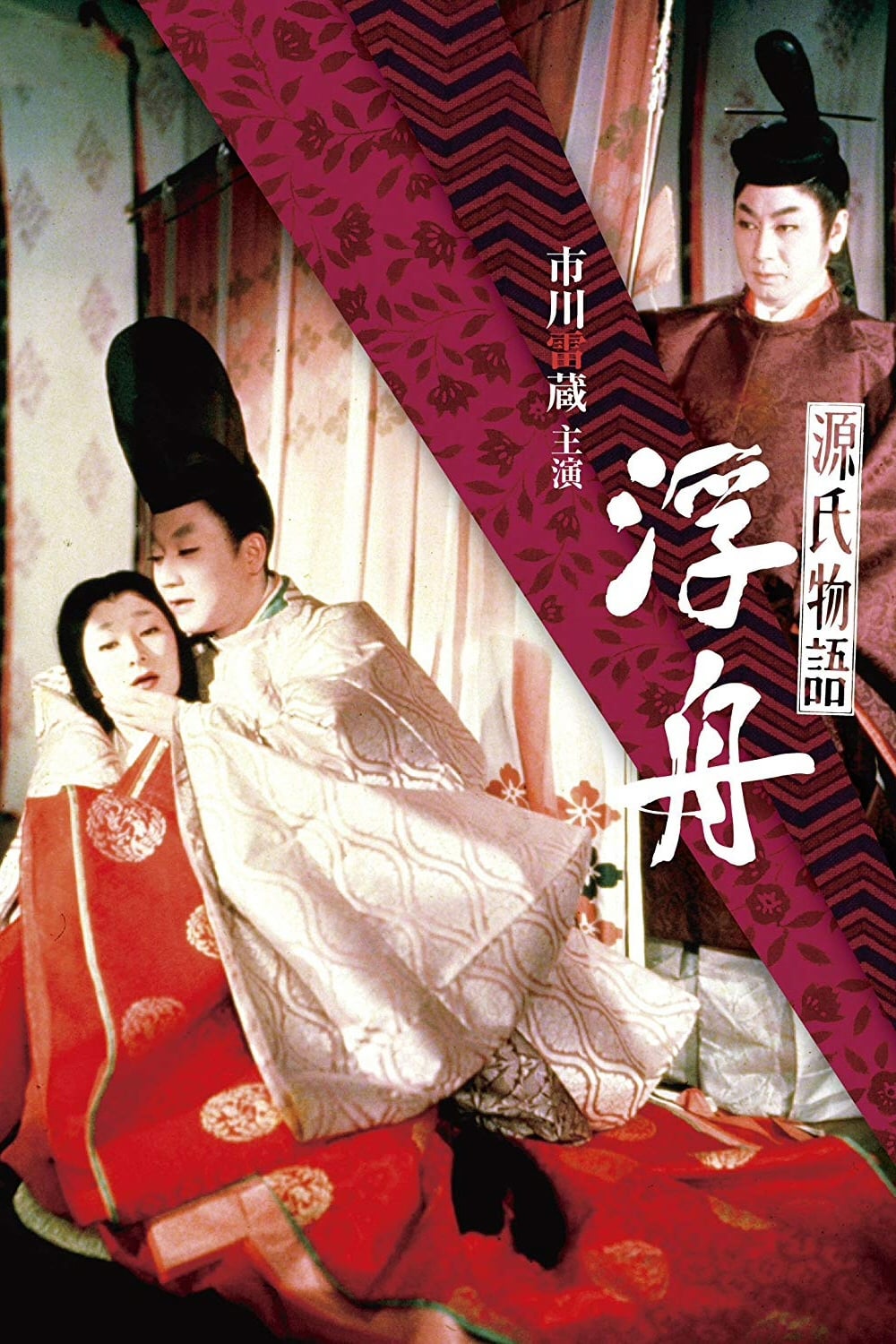
Floating Vessel (源氏物語 浮舟 , Ukifune) is a 1957 color Japanese film directed by Teinosuke Kinugasa. Drawn from parts of the famous Genji monogatari by Lady Murasaki.
Social & External
The people behind it
Kazuo Hasegawa
Fujiko Yamamoto
Ukifune
Nobuko Otowa
Raizō Ichikawa
Michiko Ai
Teruyo Asagumo
Mirasaki Fujima
Ganjirō Nakamura II
Emperor
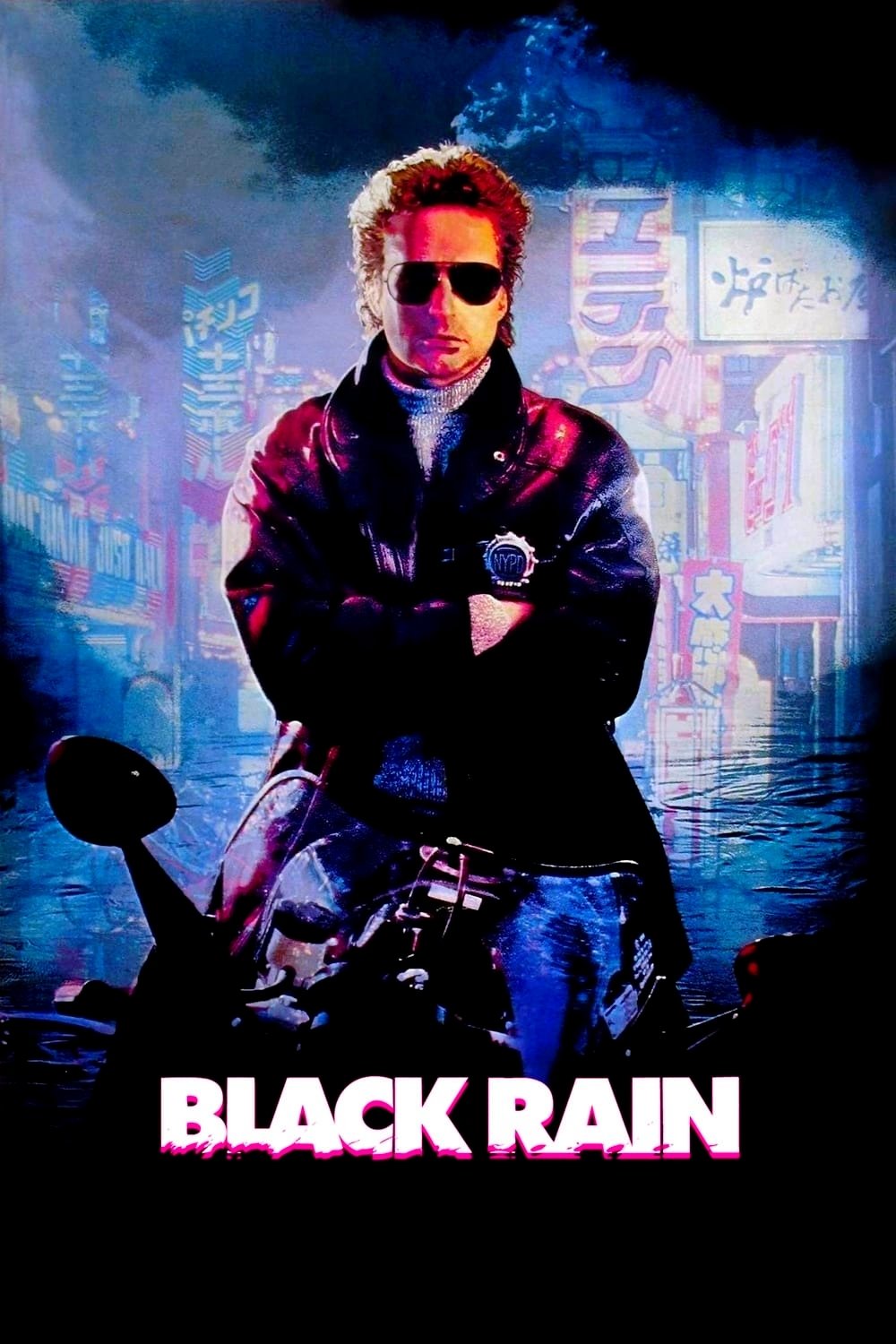
Two New York cops get involved in a gang war between members of the Yakuza, the Japanese Mafia. They arrest one of their killers and are ordered to escort him back to Japan. However, in Japan he manages to escape, and as they try to track him down, they get deeper and deeper into the Japanese Mafia scene and they have to learn that they can only win by playing the game—the Japanese way.
Brash, loudmouthed and opportunistic, Kikujiro is the unlikely companion for Masao who is determined to see the mother he has never met. The two begin a series of adventures which soon turns out to be a whimsical journey of laughter and tears with a wide array of surprises and unique characters along the way.
A bored trio of high school delinquents start a rock 'n' roll band together. They have no skill, money, or even a full set of drums, but are determined to jam out and impress their only friend.
In the early 18th-century, Lord Takumi-no-kami Asano, feuding with Lord Kira, tries to kill his opponent in the corridors of the Shogun's palace. The Shogun sentences Asano to seppuku and deprives the palace and lands from his clan, but does not punish Kira. Asano's vassals leave the land and his samurais become ronin and want to seek revenge against the Lord's dishonour. But their leader Kuranosuke Oishi seeks to restore the Asano clan with his brother Daigaku Asano. One year later, the Shogun refuses, and Oishi and 46 rōnin are out for revenge.
Shinnosuke is introduced to Shizu as a prospective marriage partner, but he falls in love with her widowed sister Oyu. Convention forbids Oyu to marry because she has to raise her son as the head of her husband's family. Oyu convinces Shinnosuke and Shizu to marry so that she can remain close to Shinnosuke.
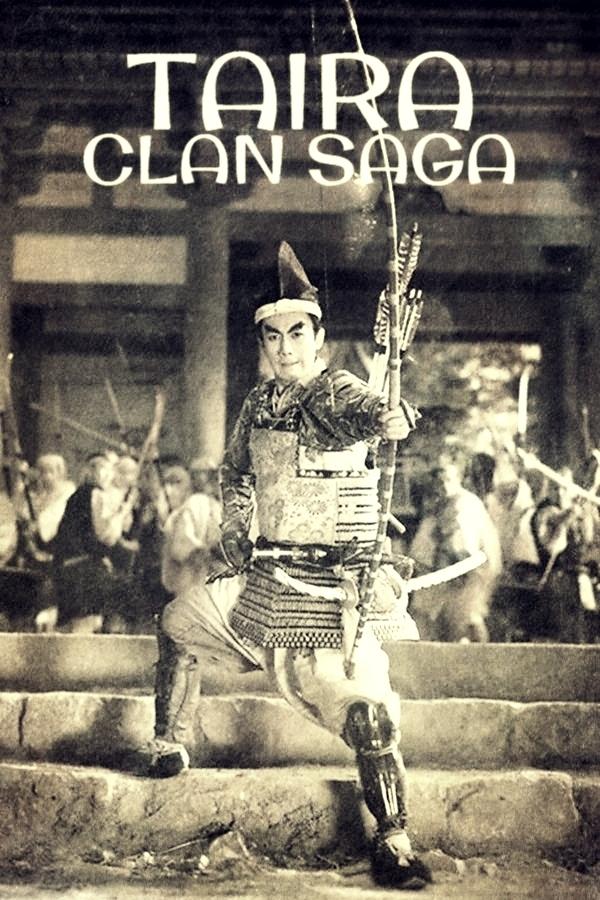
Japan, 1137. The Taira family, a samurai clan, becomes involved in the disputes between Emperor Toba and the monks of Mount Hiei.
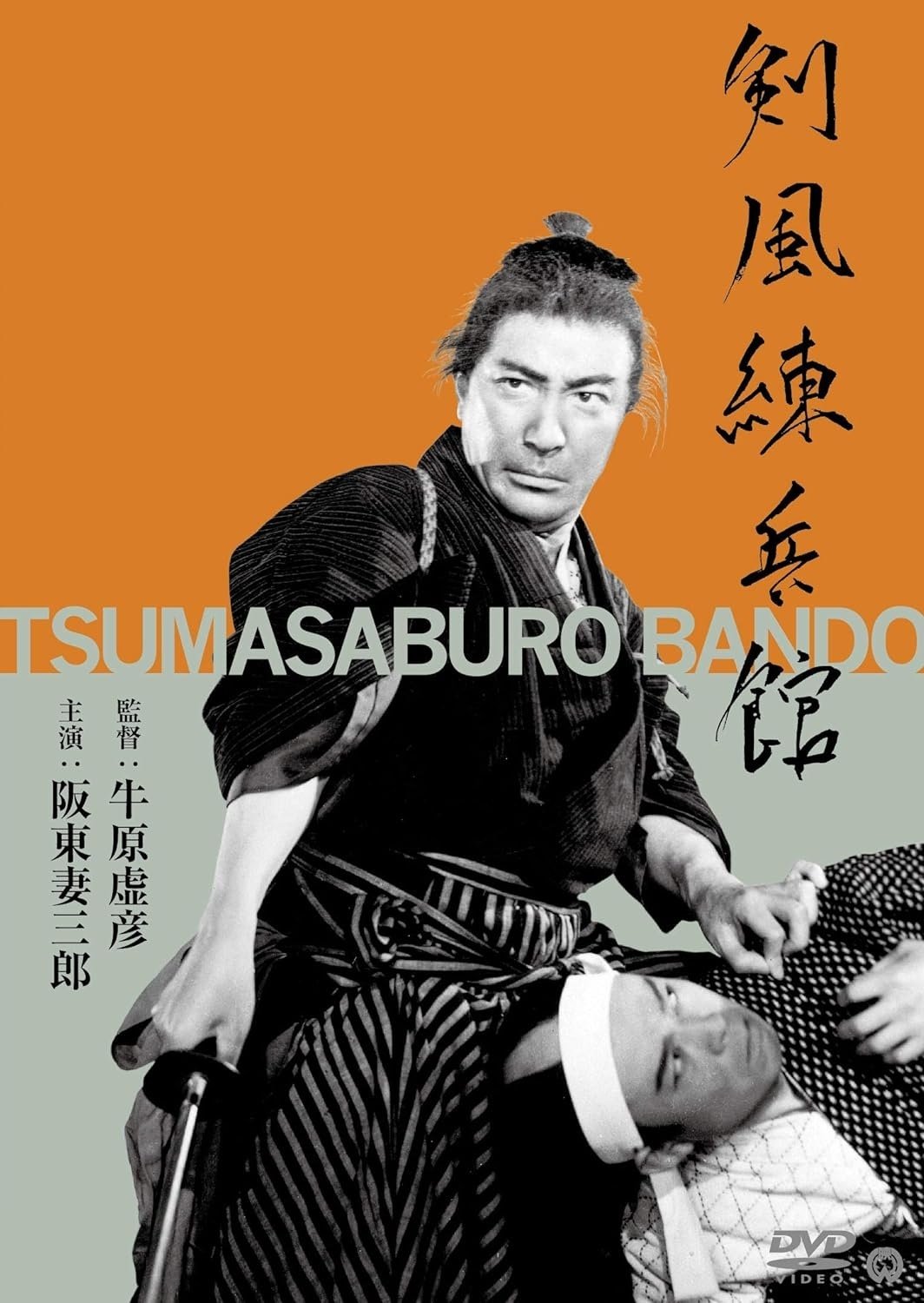
Near the end of the shogunate in Japan, Katsura Shogoro and his fellow samurai from the southwestern domain of Choshu enter the dojo of Saito Yakuro, the famed Shindo Munen Ryu swordsmen of Renpeikan in Edo. Katsura is initially not welcomed by the other, senior dojo followers. Undeterred, he focuses on improving his skill not only in swordsmanship but also learning how to repel the foreign British and American ships that threaten their domain.
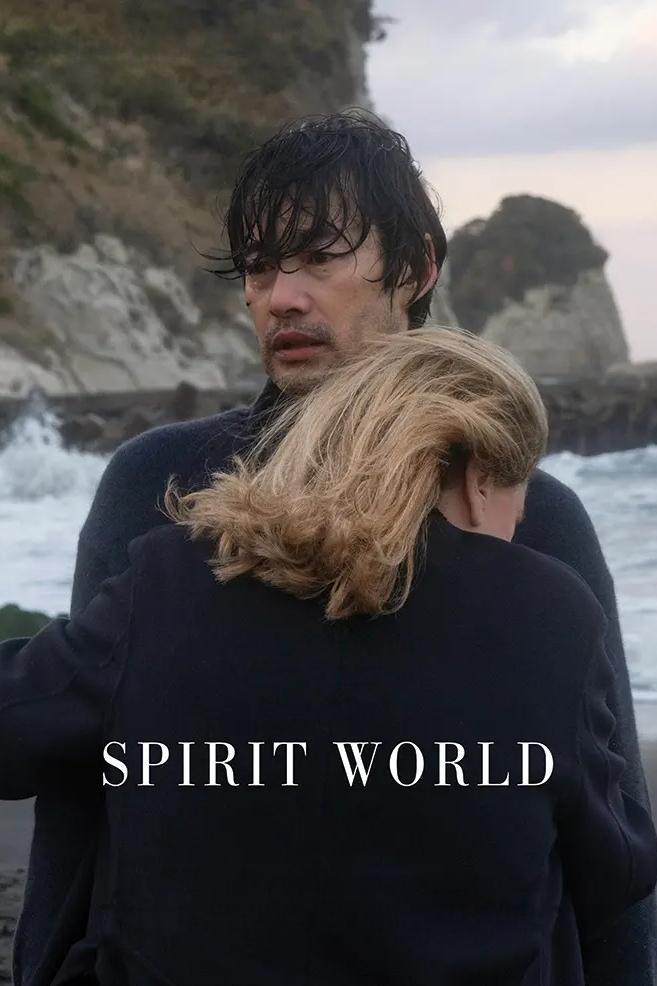
Legendary singer Claire Emery flies to Japan for a final sold-out concert. But when the show ends, so does Claire’s life on earth. However, an unexpected new life in the spirit world - where she will be guided by Yuzo, one of her biggest fans - awaits.
An ingratiating bride develops warm ties to her father-in-law while her cold husband blithely slights her for another woman.
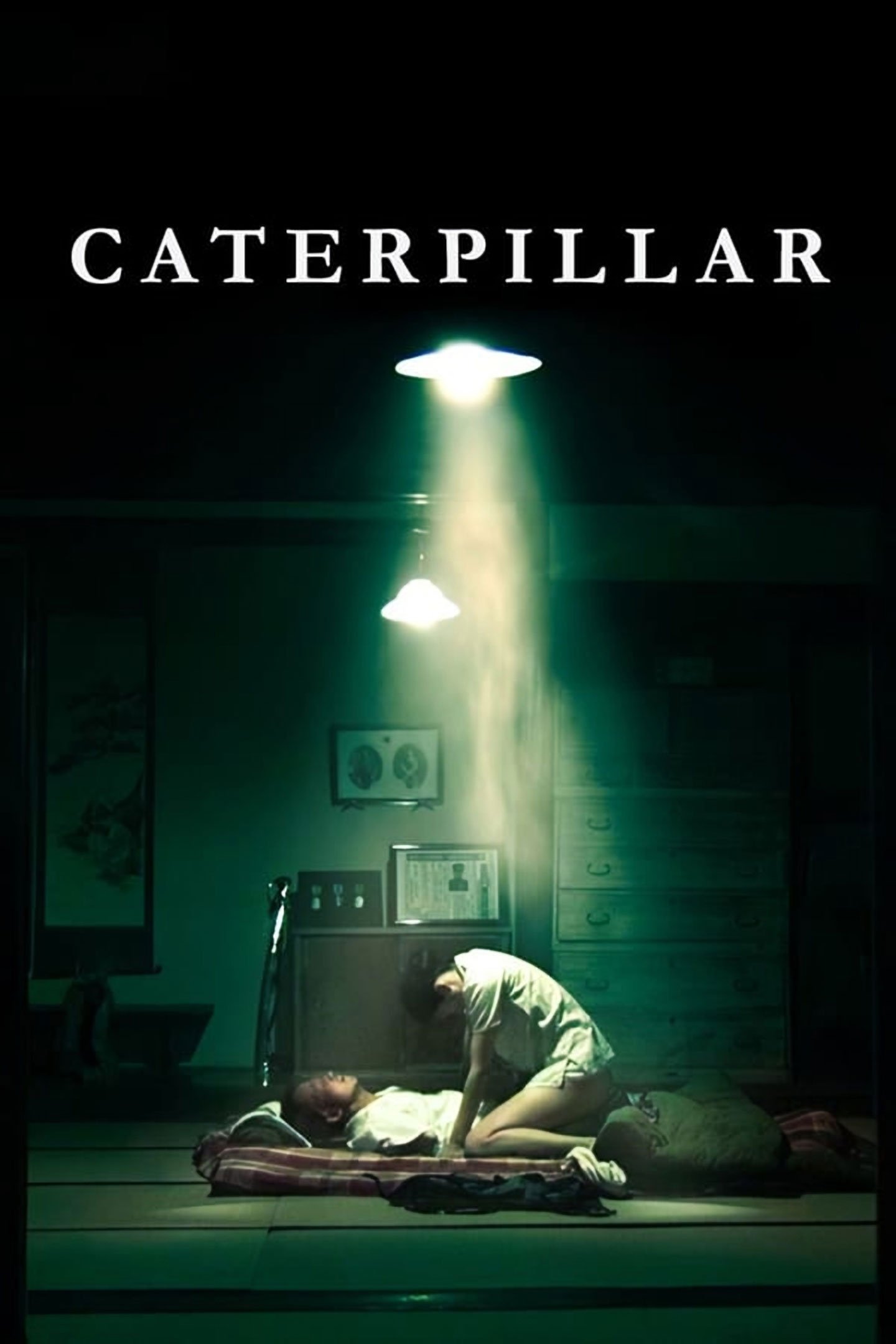
The story of a village woman given the grueling task of looking after (and fulfilling the sexual needs of) her quadruple amputee husband, a Japanese soldier in the Second Sino-Japanese War who has been decreed a "War God" by the Emperor.
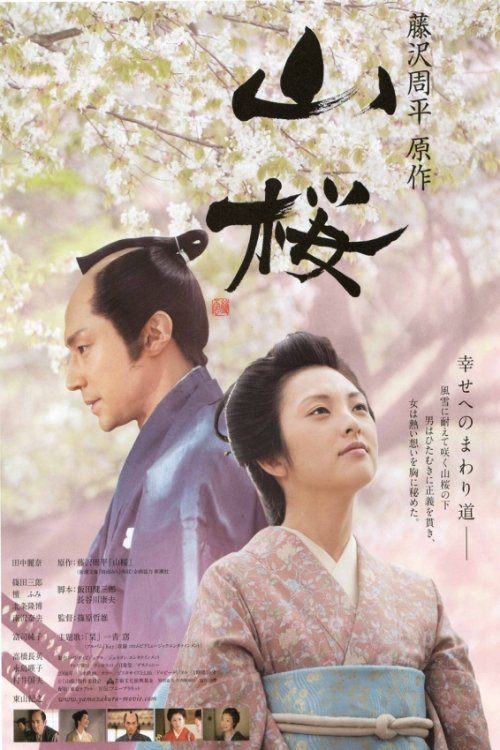
Based on a short story written by Shuhei Fujisawa (who also wrote Twilight Samurai, The Hidden Blade, Love and Honor), the film depicts the uneasy life of Noe Isomura (Rena Tanaka) with the difficult family she has married into after her former husband passed away. One day as she tries to brake off a branch of a cherry tree, she is aided by a samurai who she does not recognize but who recognizes her. He turns out to be a former suitor that she never met named Yaichiro Tezuka (Noriyuki Higashiyama) and who teaches swordsmanship to the local samurai. Meanwhile, the powerful new chief retainer of the village enacts land policies that threaten the survival of the local farmers.
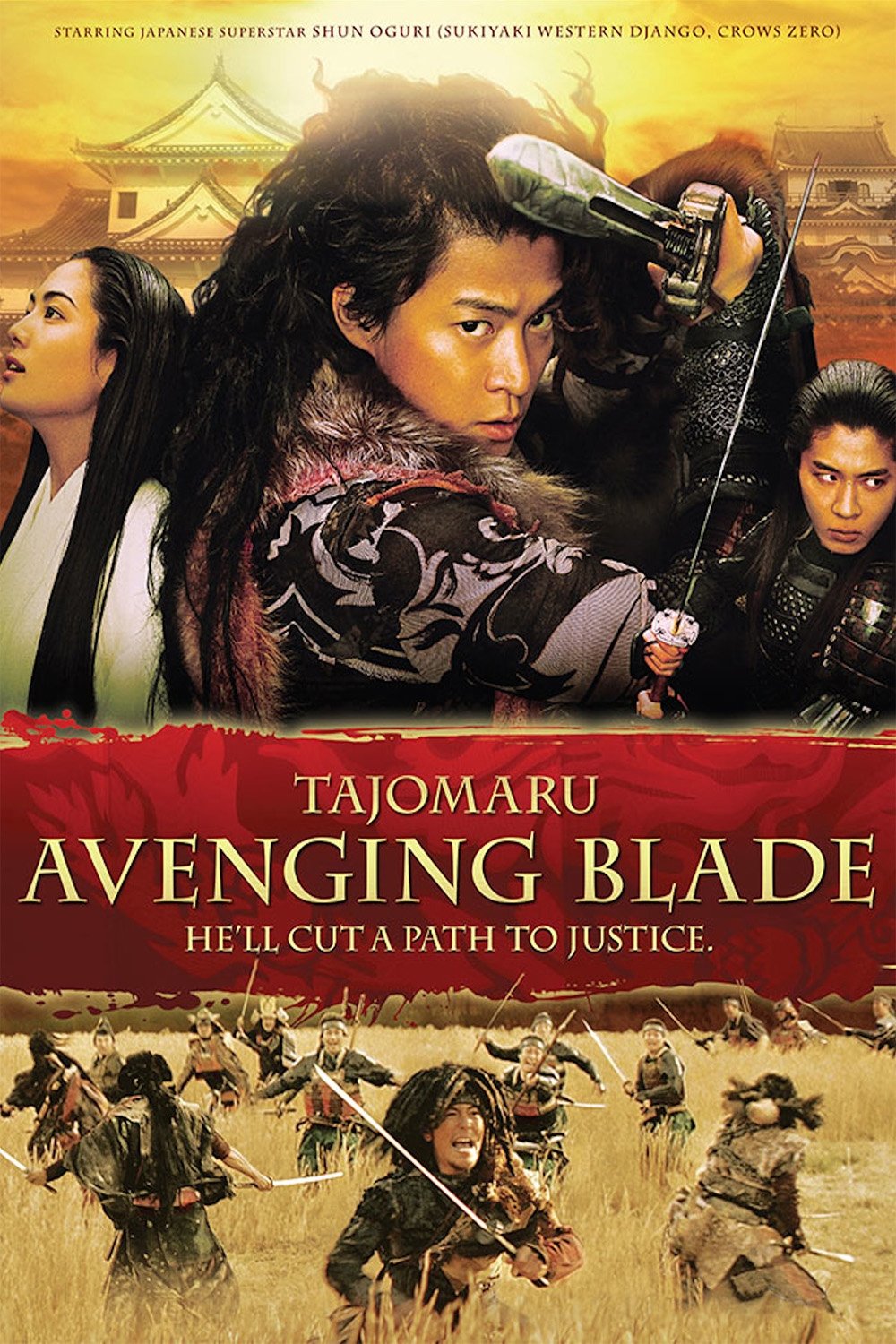
TAJOMARU is the famous 'bandit' of the forest from RASHOMON. Whoever kills Tajomaru inherits his name, status and sword. A royal brother leaves his kingdom to protect the princess he loves, only to find a series of harrowing adventures along the way which lead him back to where he came from, and then disinheriting his past to become the bandit TAJOMARU.
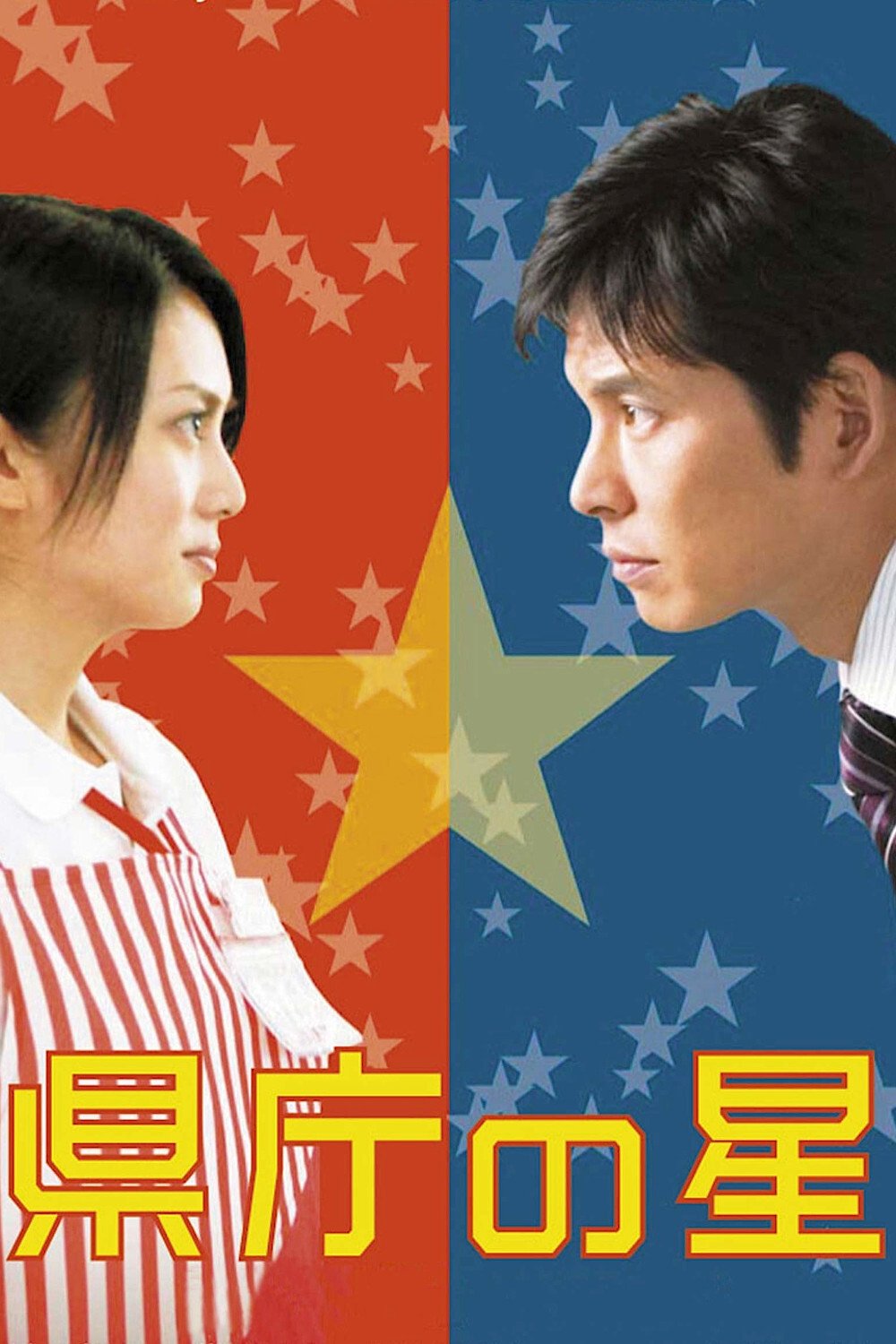
Satoshi Nomura, a top-level bureaucrat of a prefecture government, has passion for his career. One day, he is hired by the fixed-term personnel exchange training between public and private businesses. This personnel exchange training is part of some big prefecture project. This project is very big, so success of this personnel exchange training will probably determine his career. Nomura goes to a supermarket called "Mantendo".
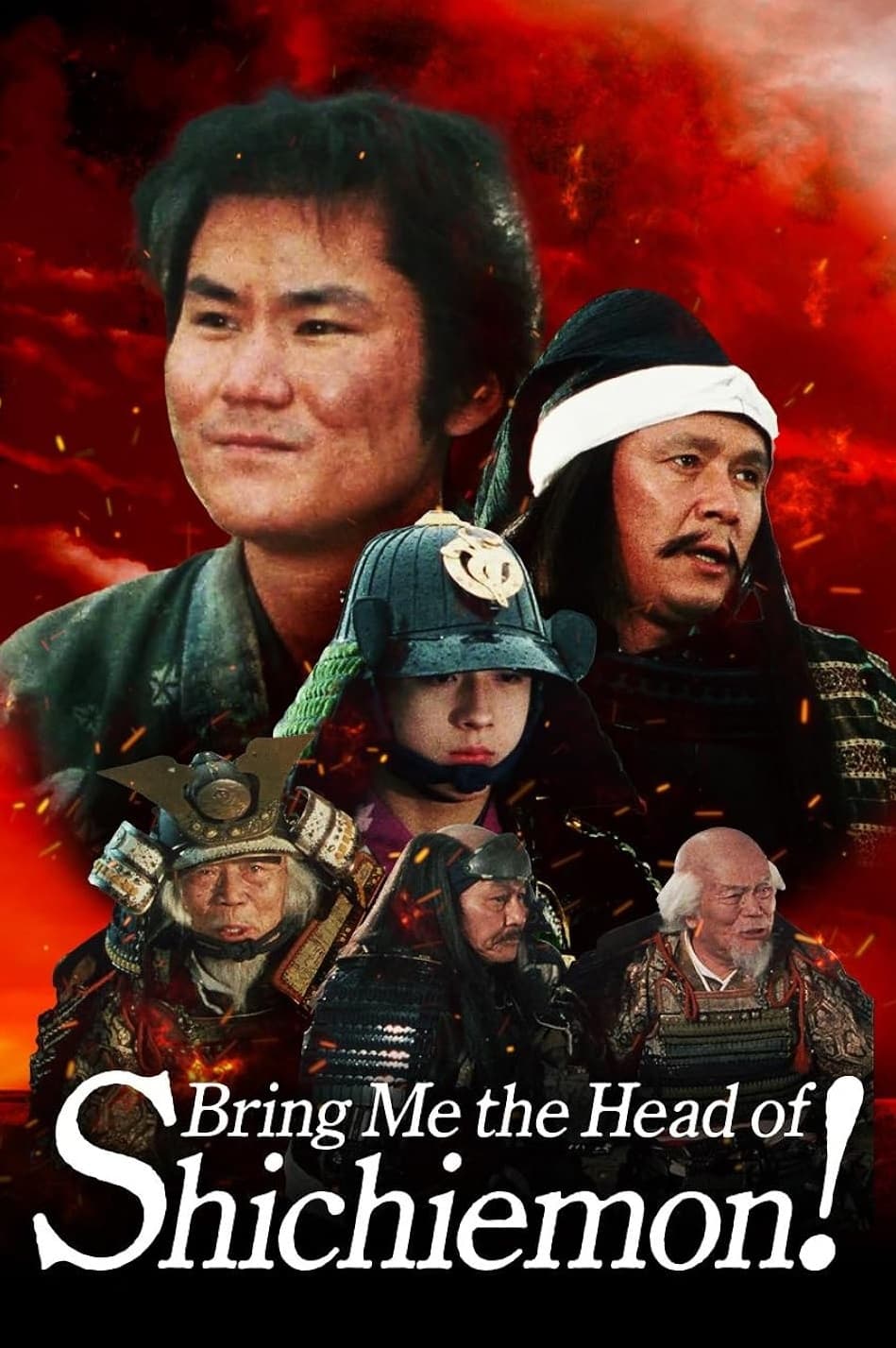
During the Sengoku period, an army relentlessly lays siege to a castle, but they will need the head of the opposing lord to declare victory.
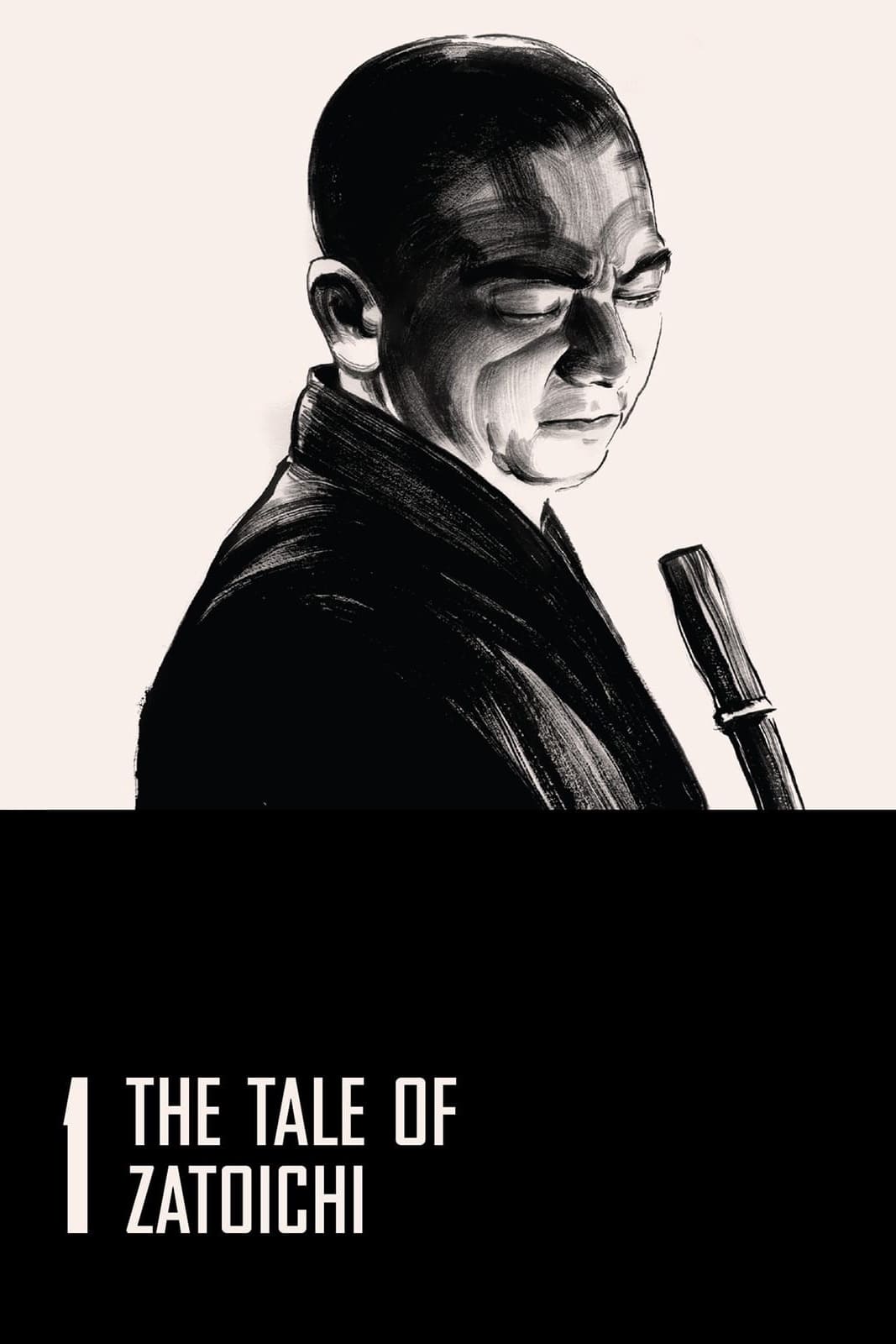
Zatoichi comes upon the town of Tonda, overrun by gangsters. Using one of his favorite techniques, Zatoichi proceeds to win 8 ryo in a rigged gambling game. Of course, the local gangsters attempt to kill him, and the adventure begins. It turns out a blacksmith named Senzo examines Zatoichi's cane sword, and discovers it to be forged by his old mentor. Senzo discovers the sword is at the end of its usefulness and will break when it is used next.
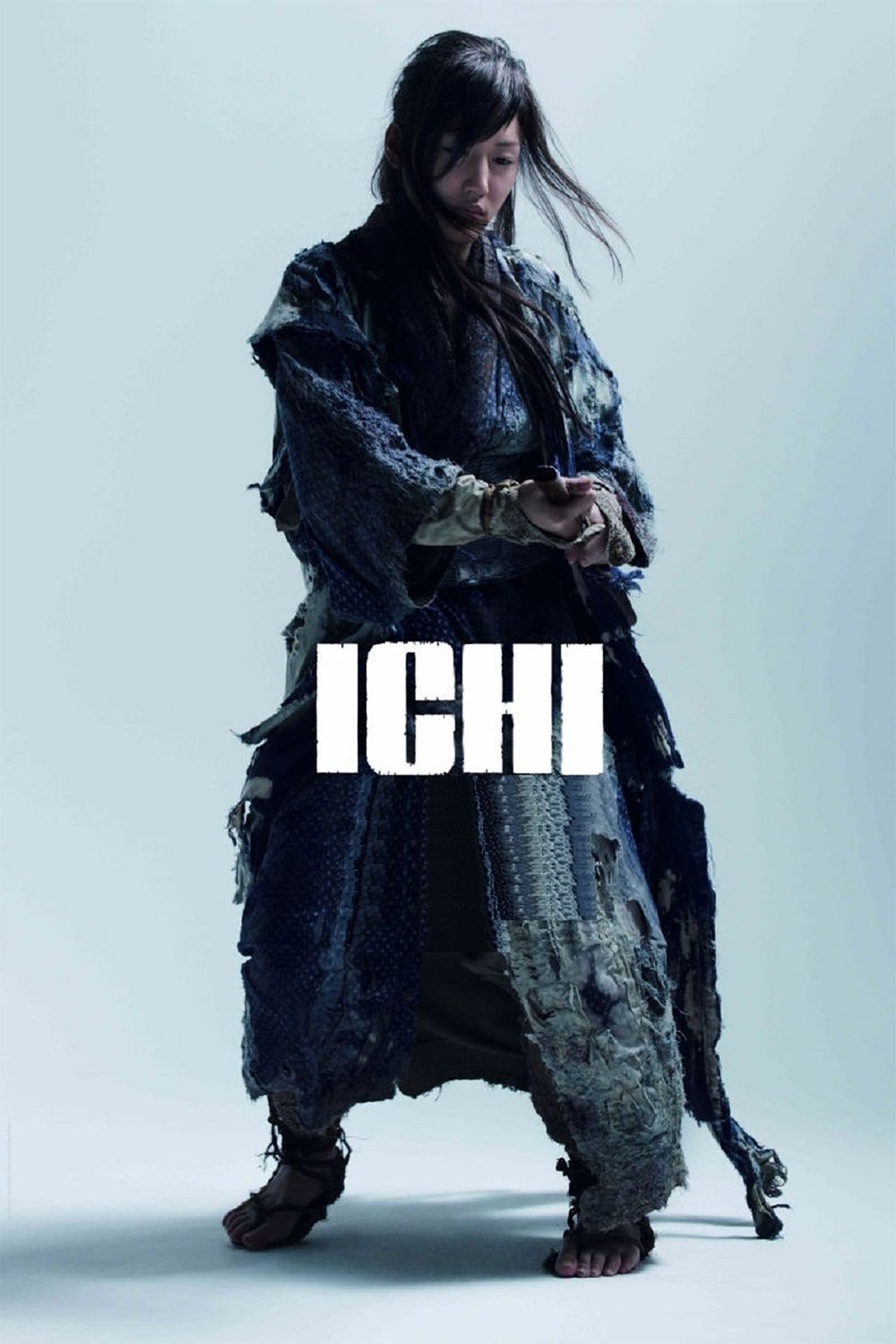
Ichi is staying at an inn when a woman dies. Her dying wish is that Ichi take her son to his father, an artist living in a nearby town. After arriving in the town, Ichi finds out that the father has been forced by a local boss to create illegal pornography to pay off his gambling debts. Ichi makes it his mission to save the man and reunite the family, even though it brings him into conflict with a samurai he sort of befriended on his way to the town.
Two rogue vagrants make their living as "manure men", turning the waste from the tenement toilets into fertiliser sold to local farmers. Enter Okiku, the only daughter of a fallen samurai, and amongst the overflowing piles of excrement, a well-nourished love story unfolds.
Before he was a protector, Kenshin was a fearsome assassin known as Battosai. But when he meets gentle Tomoe Yukishiro, a beautiful young woman who carries a huge burden in her heart, his life will change forever.
A mother searches for her missing son after a devastating calamity, only to realize that she has died and is now confined to a realm of restless spirits.
A fugitive lord and his six retainers disguise themselves as monks to bluff their way through a hostile checkpoint.
The mother of a feudal lord's only heir is kidnapped by the lord. Her husband and his samurai father must decide whether to accept the unjust decision, or risk death to rescue her.
Older, wiser but still a wandering loner, the blind, peace-loving masseur Ichi seeks a peaceful life in a rural village. When he's caught in the middle of a power struggle between two rival Yakuza clans, his reputation as a deadly defender of the innocent is put to the ultimate test in a series of sword-slashing showdowns.
A cursed dancer and a blind musician — both ostracized by society — become business partners and inseparable friends as their larger-than-life concerts propel them to stardom in 14th century Japan.
Struggling to elevate himself from his low caste in 17th century Japan, Miyamoto trains to become a mighty samurai warrior.
Kenshin has settled into his new life with Kaoru and his other friends when he is approached with a request from the Meiji government. Makoto Shishio, a former assassin like Kenshin, was betrayed, set on fire and left for dead. He survived, and is now in Kyoto, plotting with his gathered warriors to overthrow the new government. Against Kaoru's wishes, Kenshin reluctantly agrees to go to Kyoto and help keep his country from falling back into civil war.
In 1879, Kenshin and his allies face their strongest enemy yet: his former brother-in-law Enishi Yukishiro and his minions, who've vowed their revenge.
A rebellious ninja in 17th century Japan takes refuge with a fisherman and his family.
A group of travelers is stranded in a small country inn when the river floods during heavy rains. As the bad weather continues, tensions rise amongst the trapped travelers.
Blind traveler Zatoichi is a master swordsman and a masseur with a fondness for gambling on dice games. When he arrives in a village torn apart by warring gangs, he sets out to protect the townspeople.
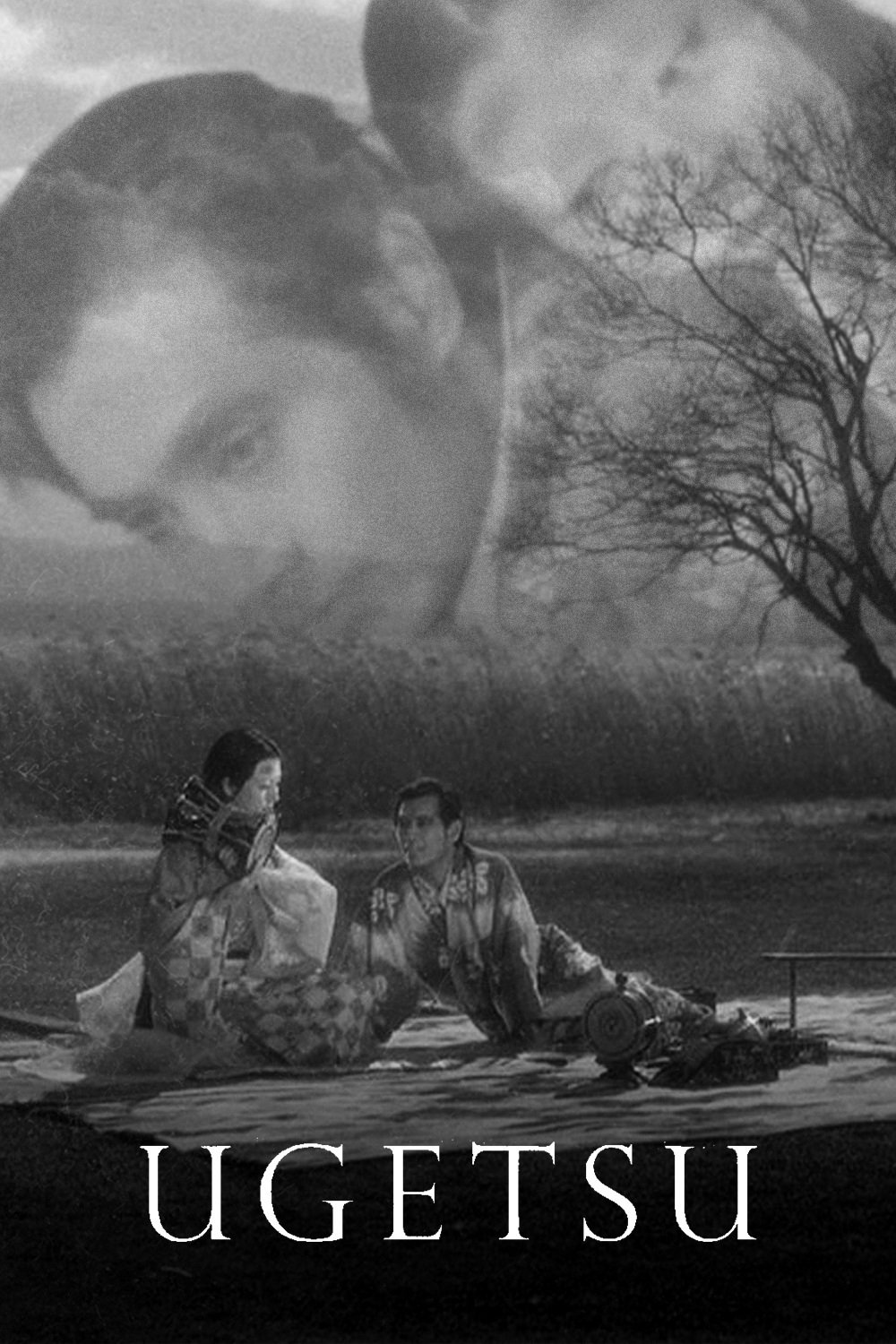
In 16th century Japan, peasants Genjuro and Tobei sell their earthenware pots to a group of soldiers in a nearby village, in defiance of a local sage's warning against seeking to profit from warfare. Genjuro's pursuit of both riches and the mysterious Lady Wakasa, as well as Tobei's desire to become a samurai, run the risk of destroying both themselves and their wives, Miyagi and Ohama.
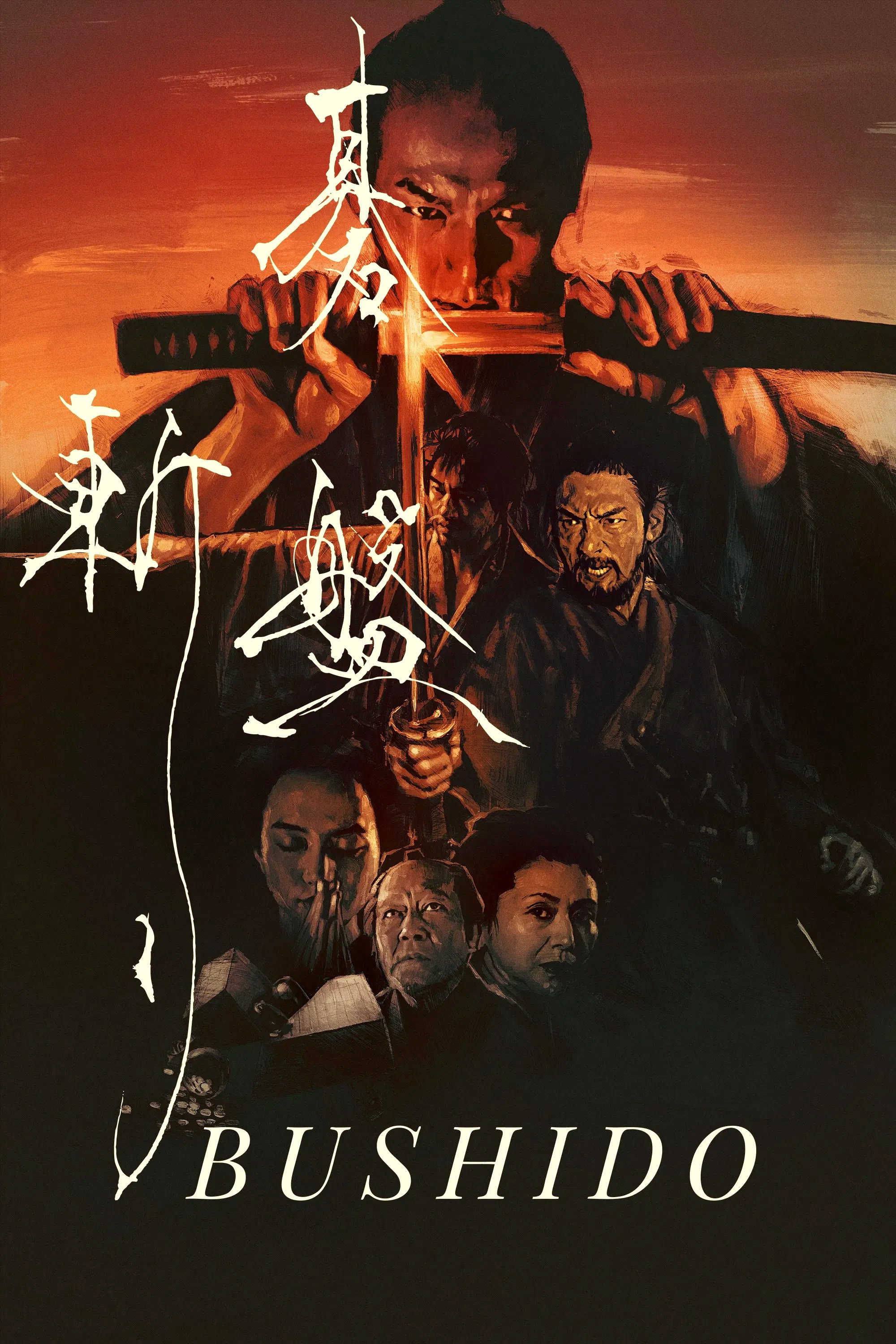
Kakunoshin, renowned for his skills with a sword and in the game of go, embodies the samurai code. Falsely accused of a theft, he is forced to become a lowly ronin. Years later, when a case of missing gold pulls him into a new web of intrigue, Kakunoshin uncovers the truth behind his downfall. With the real culprit exposed, the go board flips, and a hellstorm of righteous vengeance follows.
The adventures of a blind, gambling masseur and master swordsman. Zatoichi targets a yakuza-controlled village, because war with a neighbouring town's smaller gang is brewing.
The true story of 20-year-old Colleen Stan, a hitchhiking woman abducted by a young couple and held captive for seven years, during which time she's tortured and forced to live as a slave to her captors.
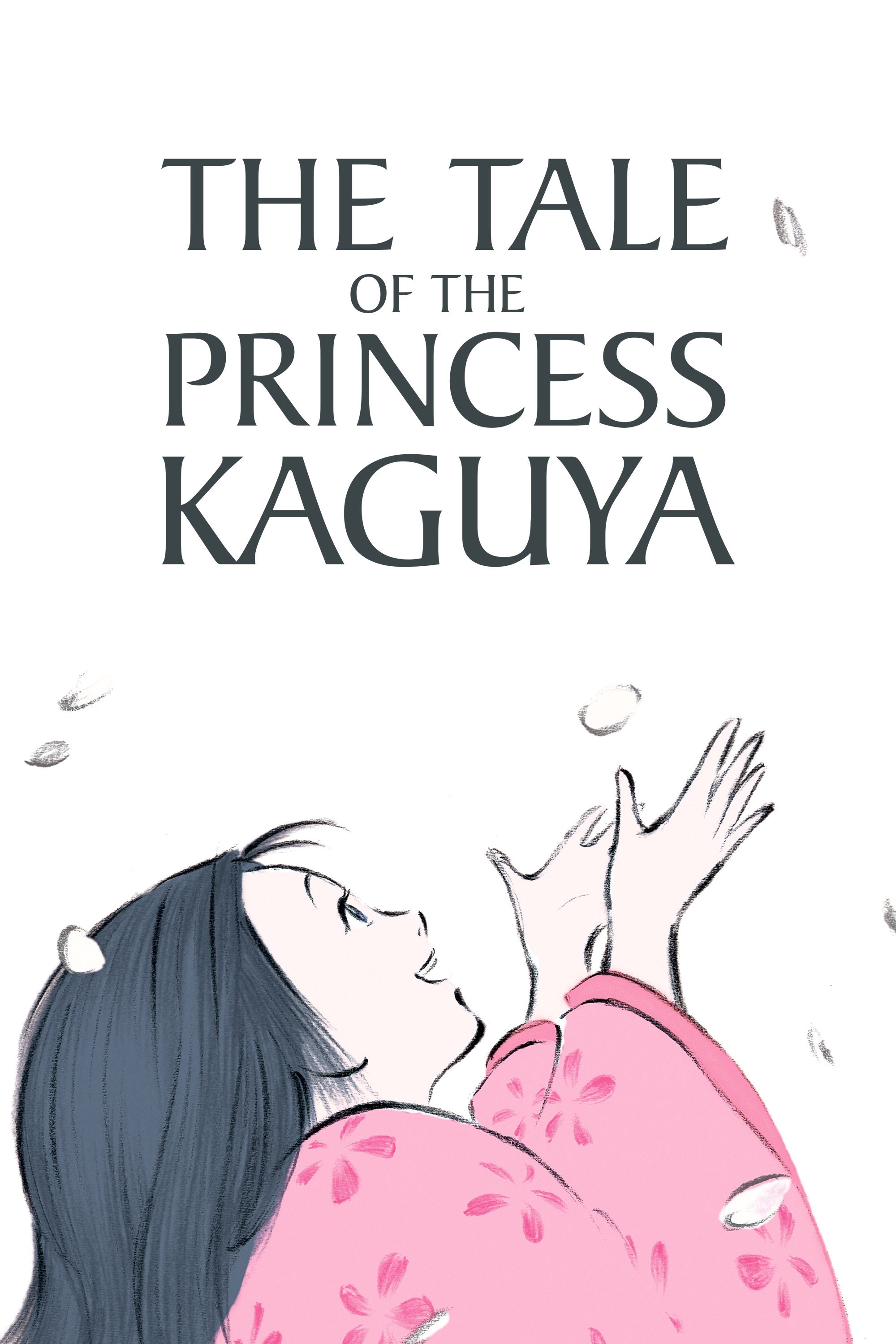
Found inside a shining stalk of bamboo by an old bamboo cutter and his wife, a tiny girl grows rapidly into an exquisite young lady. The mysterious young princess enthrals all who encounter her. But, ultimately, she must confront her fate.
Ichi is a blind entertainer that travels the countryside with her traditional Japanese guitar and walking stick. She’s in search for the kind man that brought her up as a child, but because of her beauty she encounters problems every step of the way. Fortunately for Ichi, she is also a gifted swordswoman and carries a lethal blade within her walking stick.
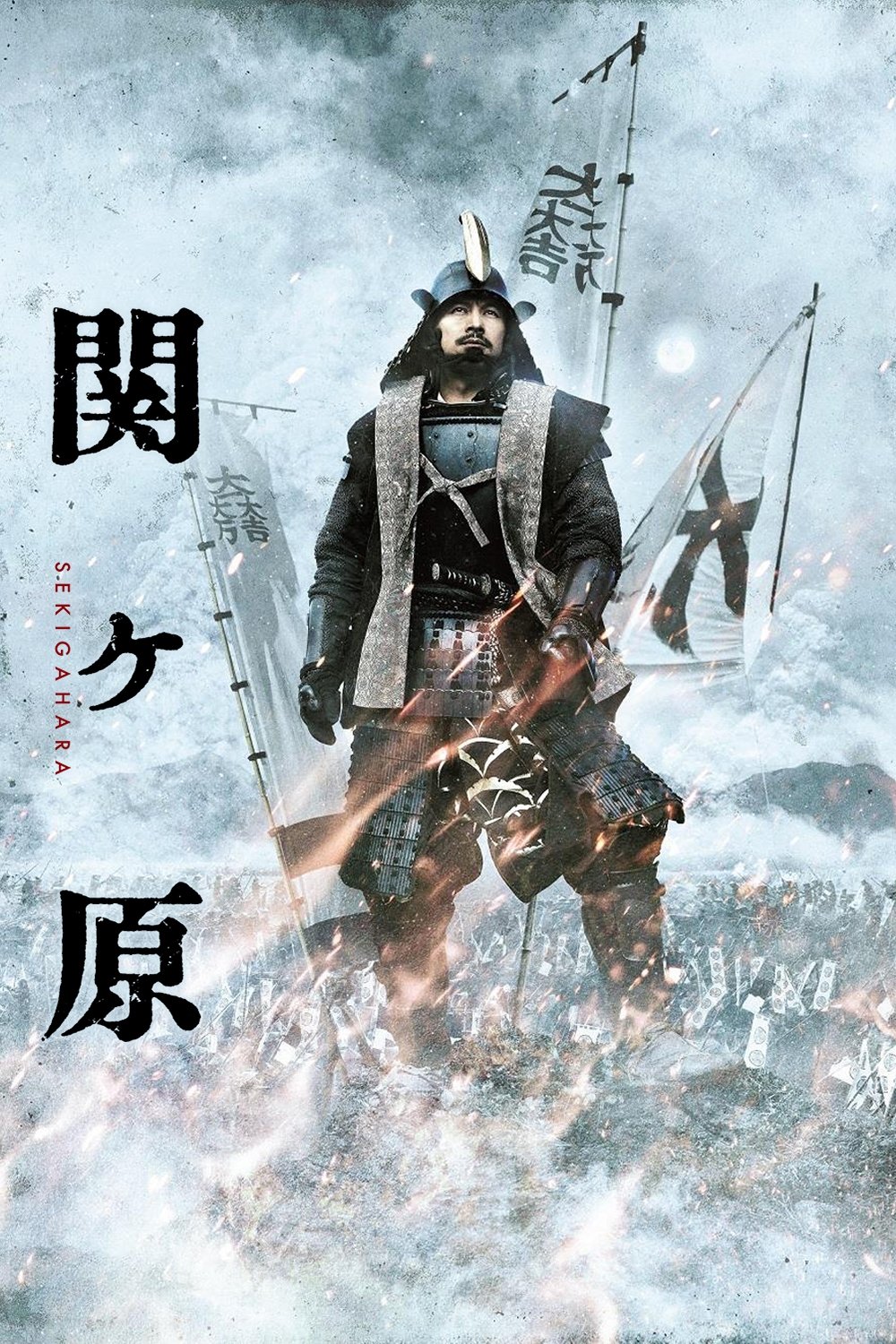
The background to and depiction of a watershed battle in Japanese history, at Sekigahara in 1600, when Tokugawa Ieyasu's Army of the East defeated the Army of the West of Ishida Mitsunari. The story includes the intrigues and shifting loyalties of the various retainers, family members, and samurai.
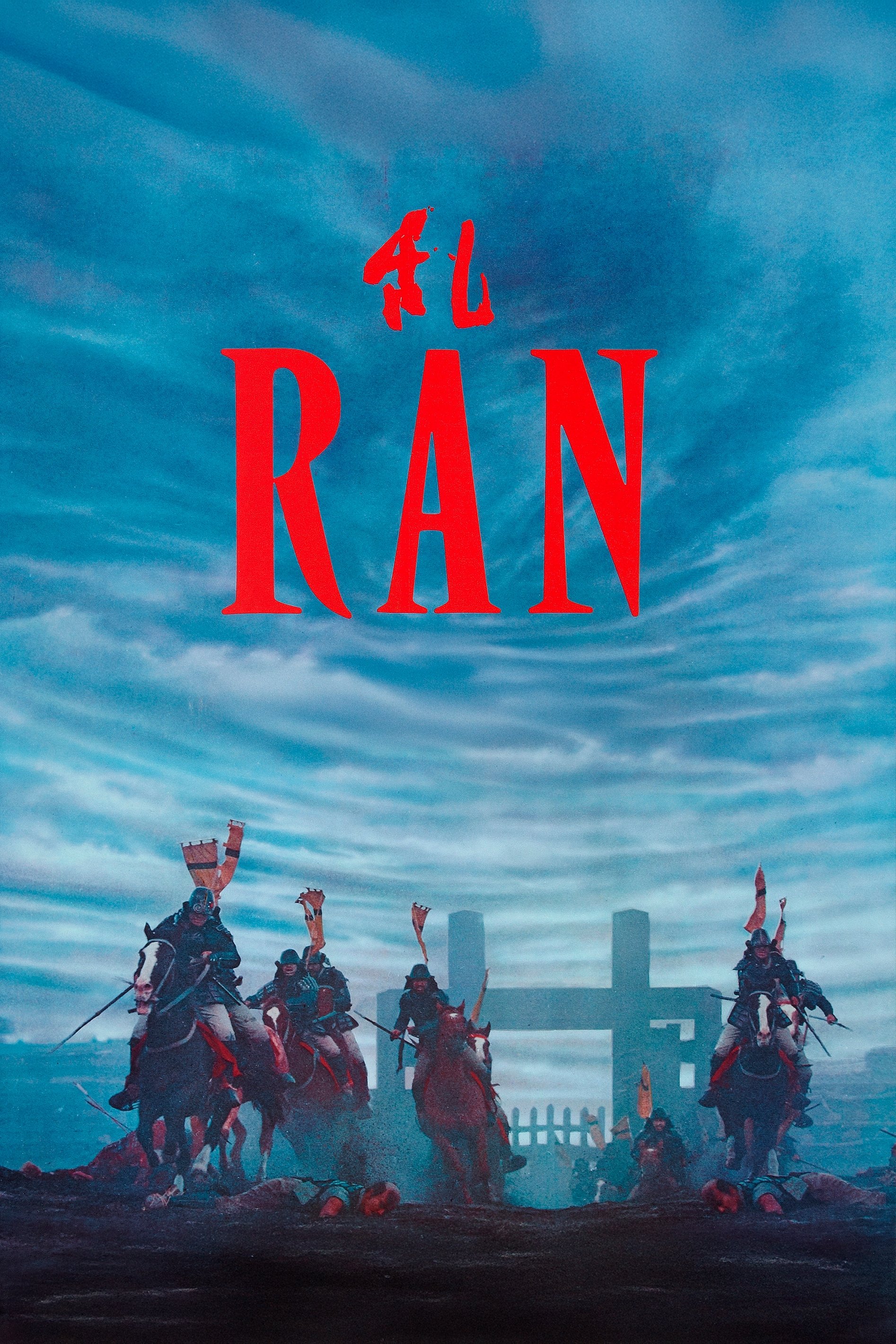
Shakespeare's King Lear is reimagined as a singular historical epic set in sixteenth-century Japan where an aging warlord divides his kingdom between his three sons.
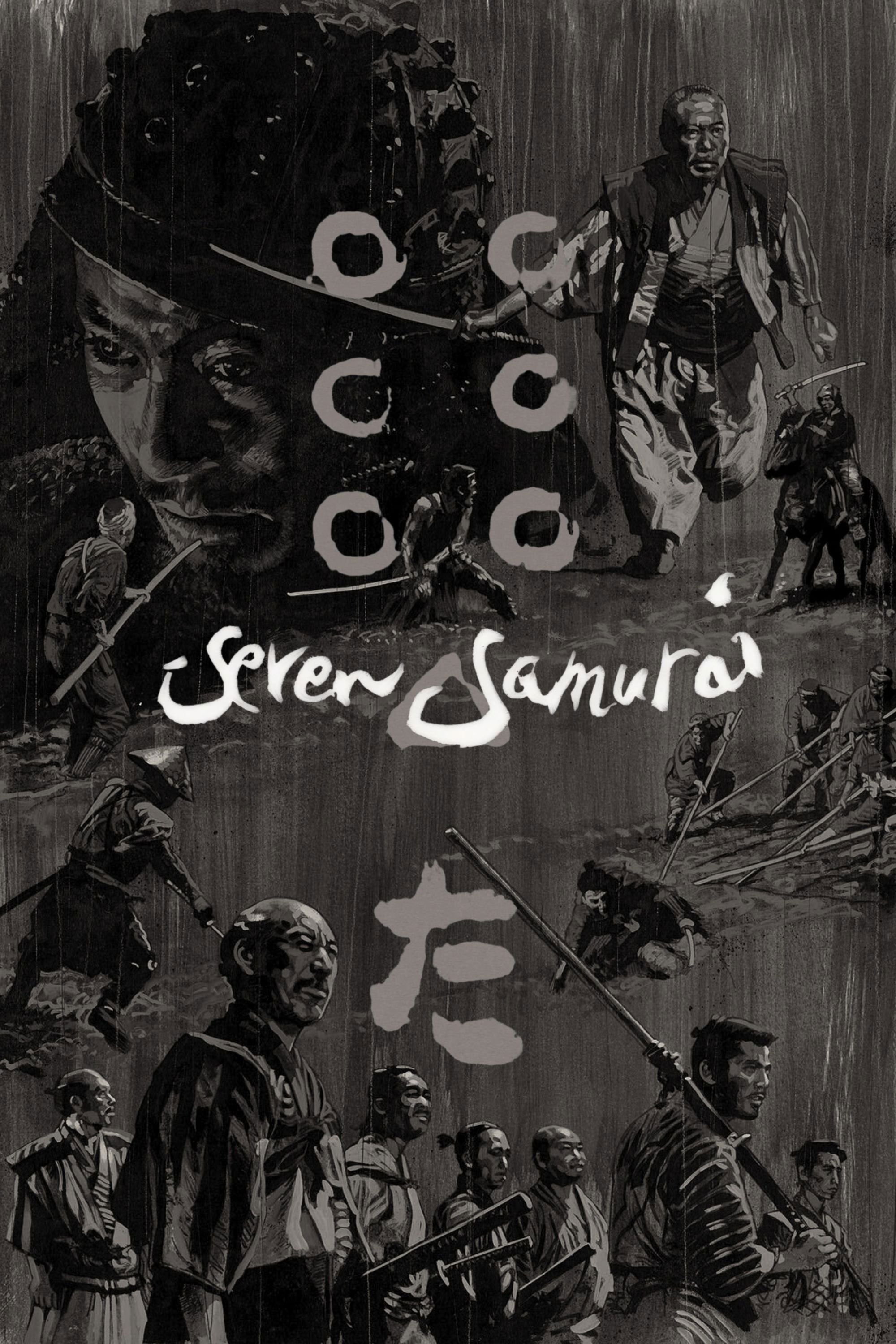
A samurai answers a village's request for protection after he falls on hard times. The town needs protection from bandits, so the samurai gathers six others to help him teach the people how to defend themselves, and the villagers provide the soldiers with food.
In 1923, teenager Kim Shun-Pei moves from Cheju Island, in South Korea, to Osaka, in Japan. Along the years, he becomes a cruel, greedy and violent man and builds a factory of kamaboko, processed seafood products, in his poor Korean-Japanese community exploiting his employees.