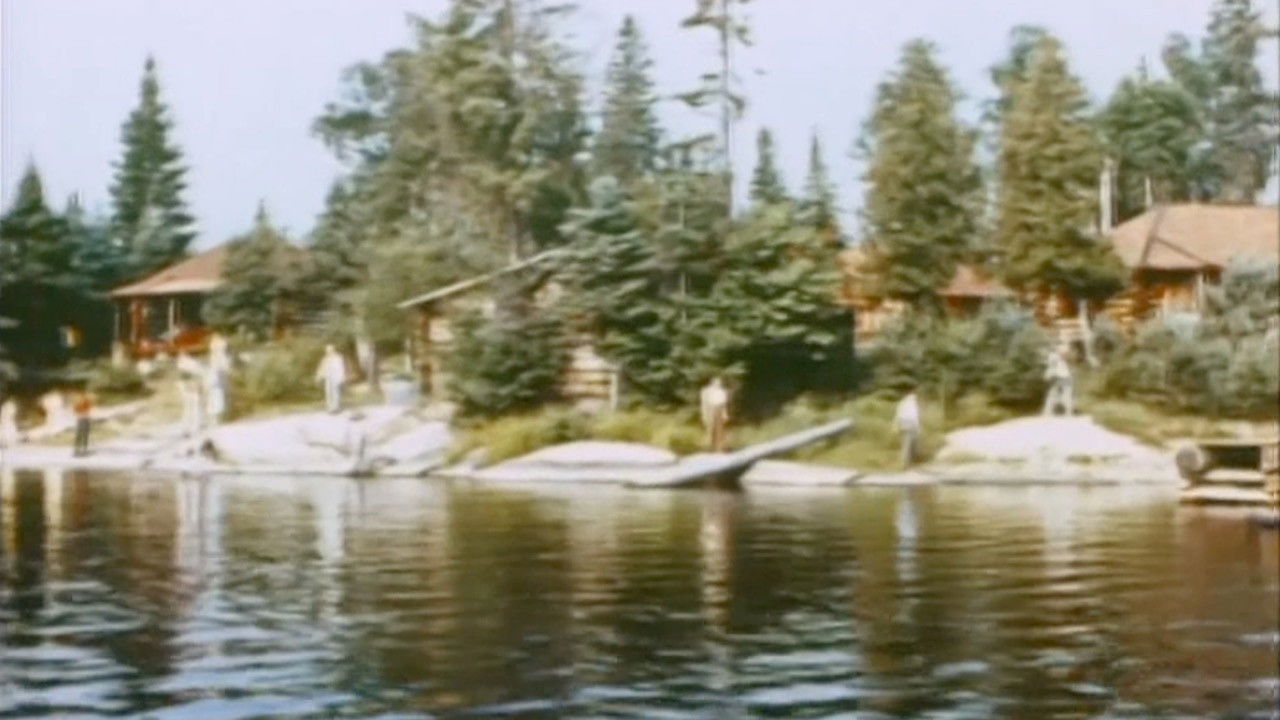
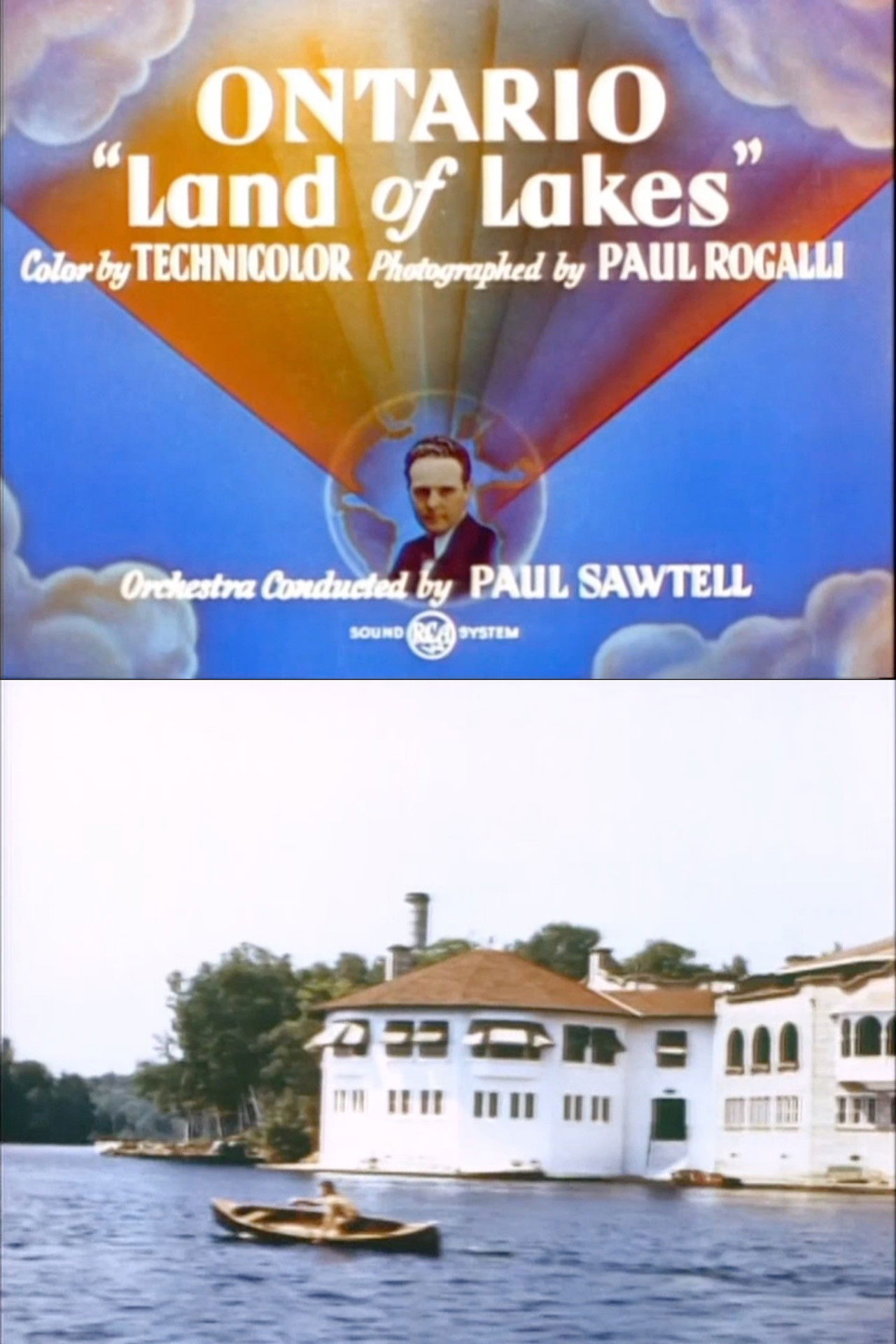
This Traveltalk series short visit to the province of Ontario begins in Ottawa, Canada's capital, then proceeds to Algonquin Park, Toronto, and Niagara Falls.
Social & External
The people behind it
James A. FitzPatrick
Narrator (voice)
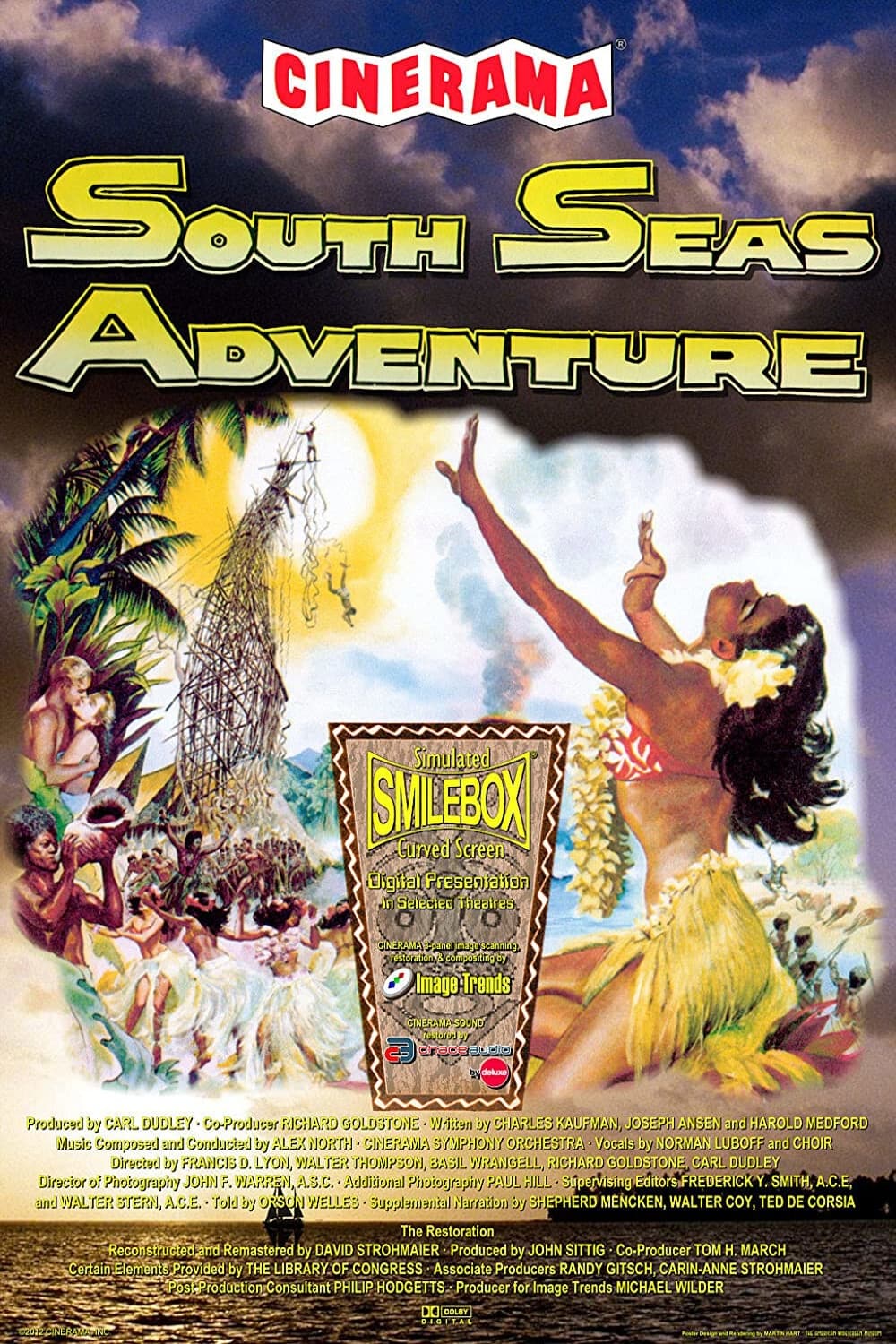
Cinerama takes you on a South Seas Adventure to tropical islands set like sparkling jewels in dreamy cerulean waters. Thrill to the lure of sunbrowned, luscious maidens and a paradise of coconut palms, coral strand and blue lagoons. Enchanted South Pacific archipelagos beckon with all the beauty and color of a painter’s palette. Stepping stones in the vast expanse of far-away seas, they promise romance, adventure, excitement—an irresistible blend of fascinating people and exotic places.
1924, produced by Frederick Burlingham.
A 1962 West German documentary film directed by Hermann Leitner and Rudolf Nussgruber.
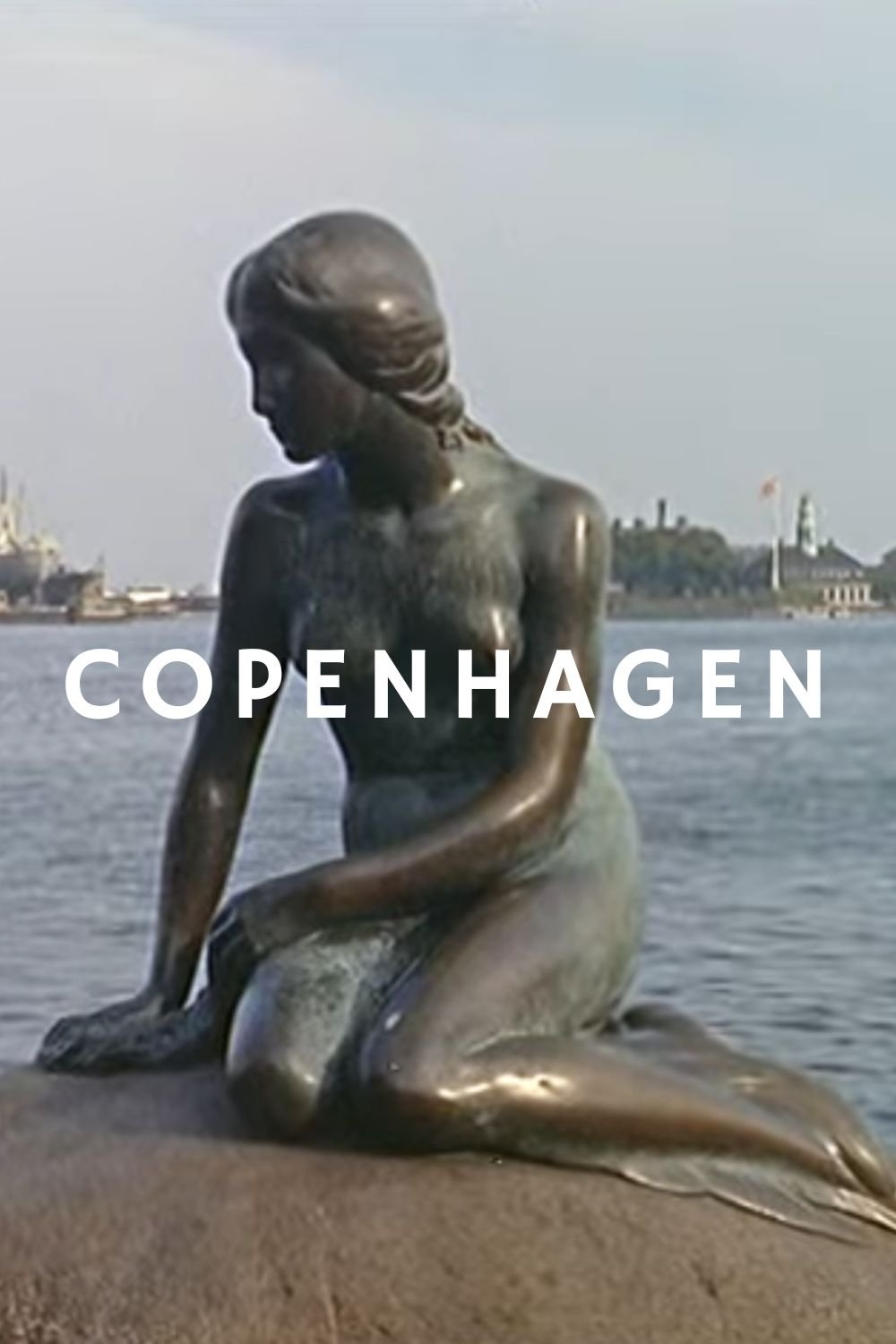
Travelogue showing the wonders of Copenhagen, Denmark.
A nature lover's paradise lays in wait for a mother and daughter enjoying a day's excursion on the North York Moors.
As travelogues go this one doesn't quite cut it – good job Lanry household bleach can!
Life in the bustling Punjabi city of Rawalpindi before partition.
This travelogue takes in some of the most important landmarks of Islamic power in India.
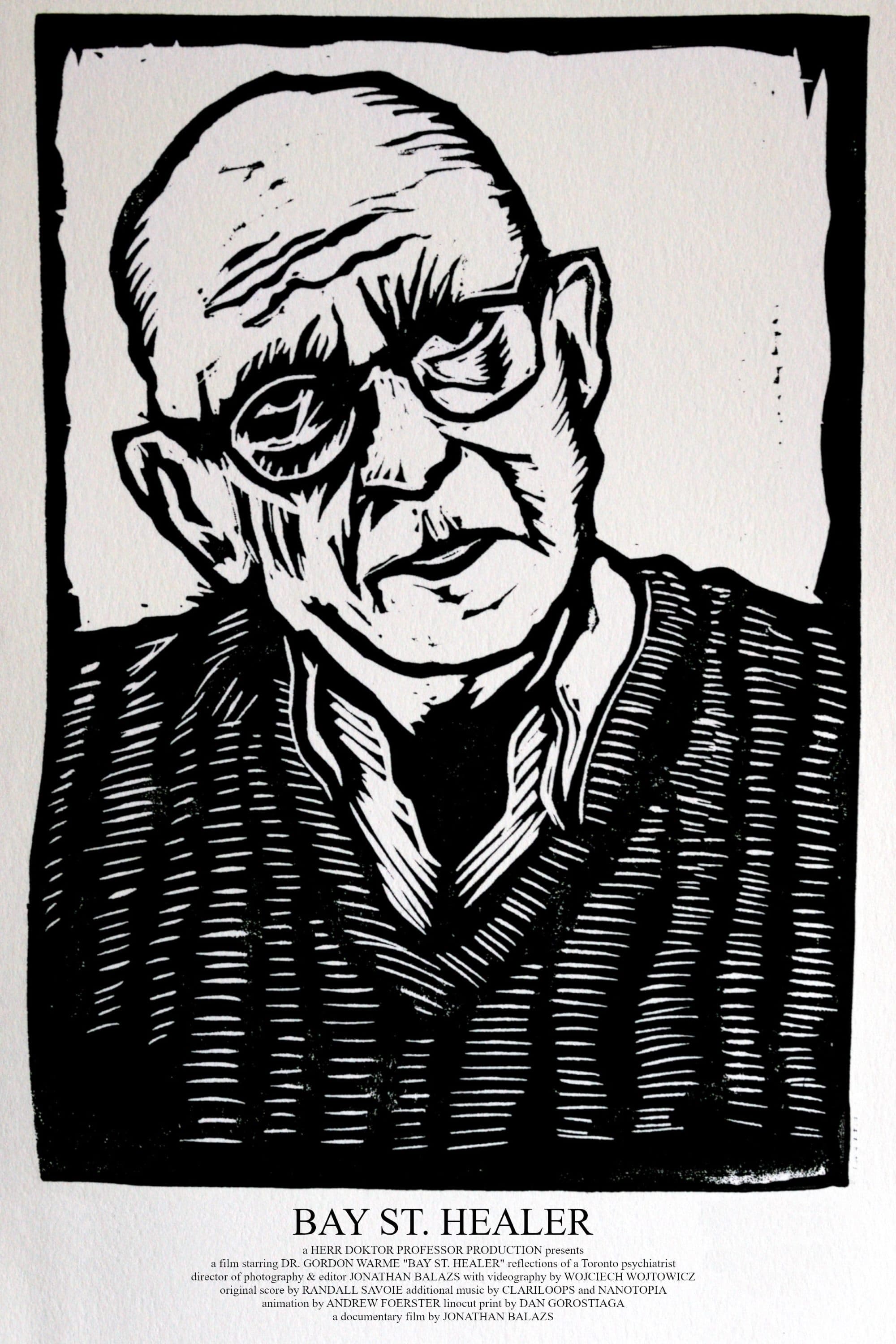
Toronto psychiatrist Gordon Warme M.D. claims to be a participant in a vital cultural ritual, “one of countless rituals that give relief to humans...the most culture-bound of creatures.”
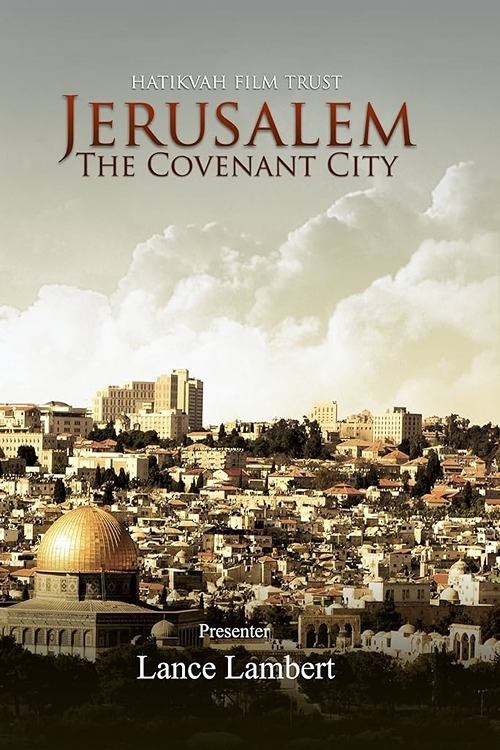
In this superbly produced, two-part documentary, you'll trace the holy city's prophetic history and explore what the Bible professes regarding Jerusalem's fate.
Amateur film of fishing and geese-shooting trips by a British party in India.
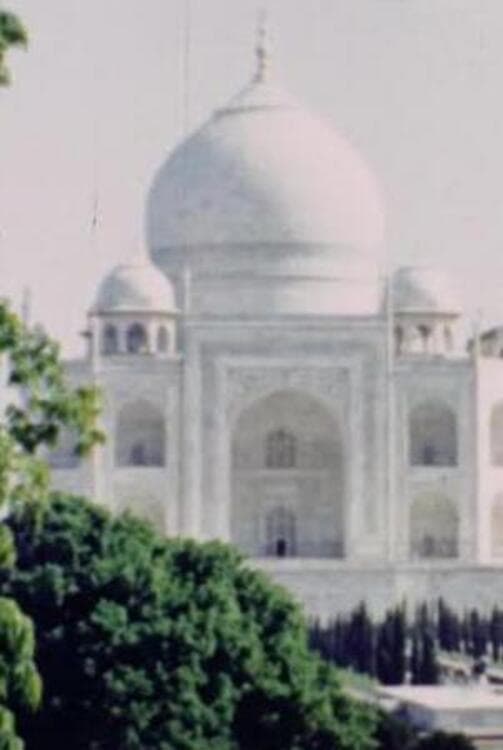
Luscious colour photography of the Taj Mahal and a Mediterranean cruise to Port Said.
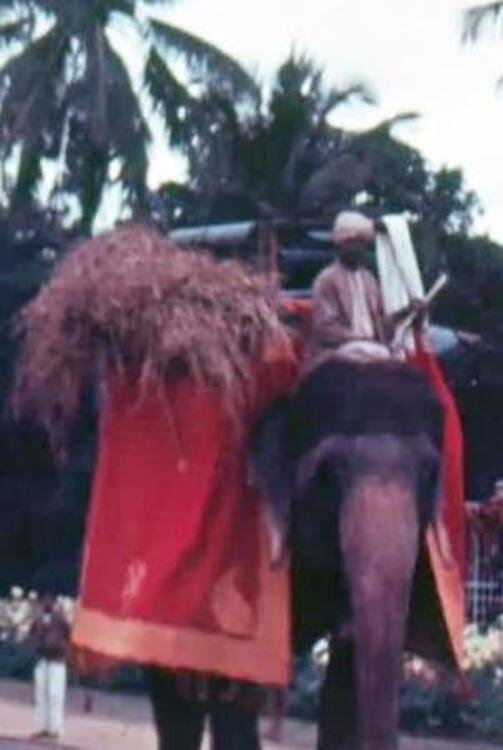
Two sides of Mysore: down to earth with the field workers and an Indian spectacle for the Maharaja.
Amateur footage of a trip into the Himalaya.
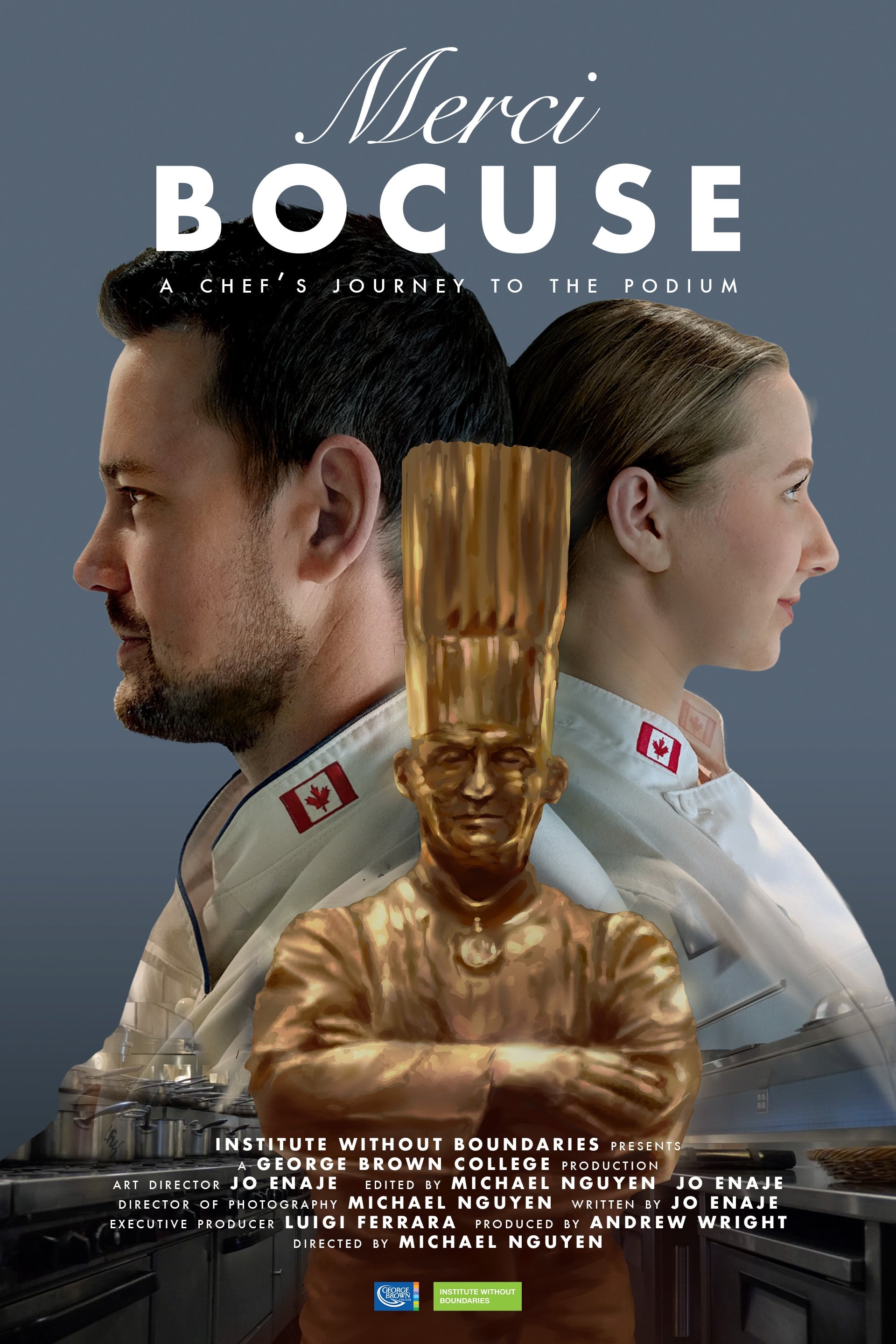
A young and ambitious team of chefs face the life-changing challenges of competing in the world's most prestigious culinary competition.
An astonishing English tourist’s view of street life in pre-partition Srinagar and Kashmir.
Contemporary life in Plymouth in the 1960s – plus some history.
As part of the 2017 UK-India Year of Culture, the British Council and British Film Institute share a unique collection of films documenting the sights and culture of a bygone India. Filmed between 1899-1947, and preserved in the BFI National Archive since then, these rare films capture many glimpses of life in India, from dances and markets, to hunts and pageantry.
The Norfolk Broads tourist film promotes the pleasures of boating.
A jetliner spans the miles, sheering through clouds to open sky and scenic vistas of the provinces below. Glimpses of town and country, of people of many ethnic origins, of a resourceful and industrious nation - impressions it would take days and weeks to gather at first hand - are brought to you in this vivid 1800-kilometer panorama.
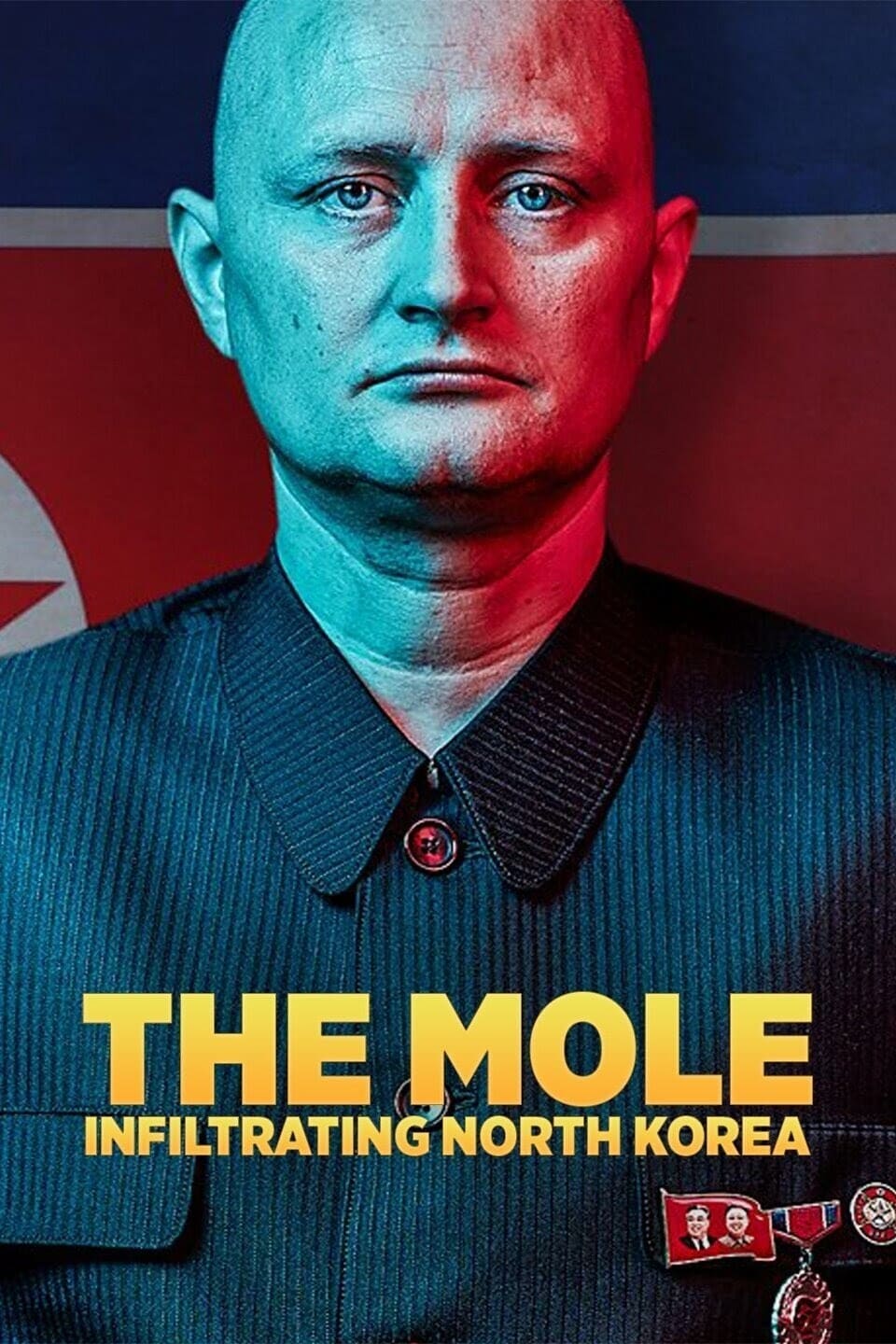
A real-life undercover thriller about two ordinary men who embark on an outrageously dangerous ten-year mission to penetrate the world's most secretive and brutal dictatorship: North Korea.
Through deeply personal interviews with her siblings and an examination of the photographs, letters, and belongings left behind, Mariska assembles a new portrait of her mother Jayne Mansfield, an extraordinary and complex woman.
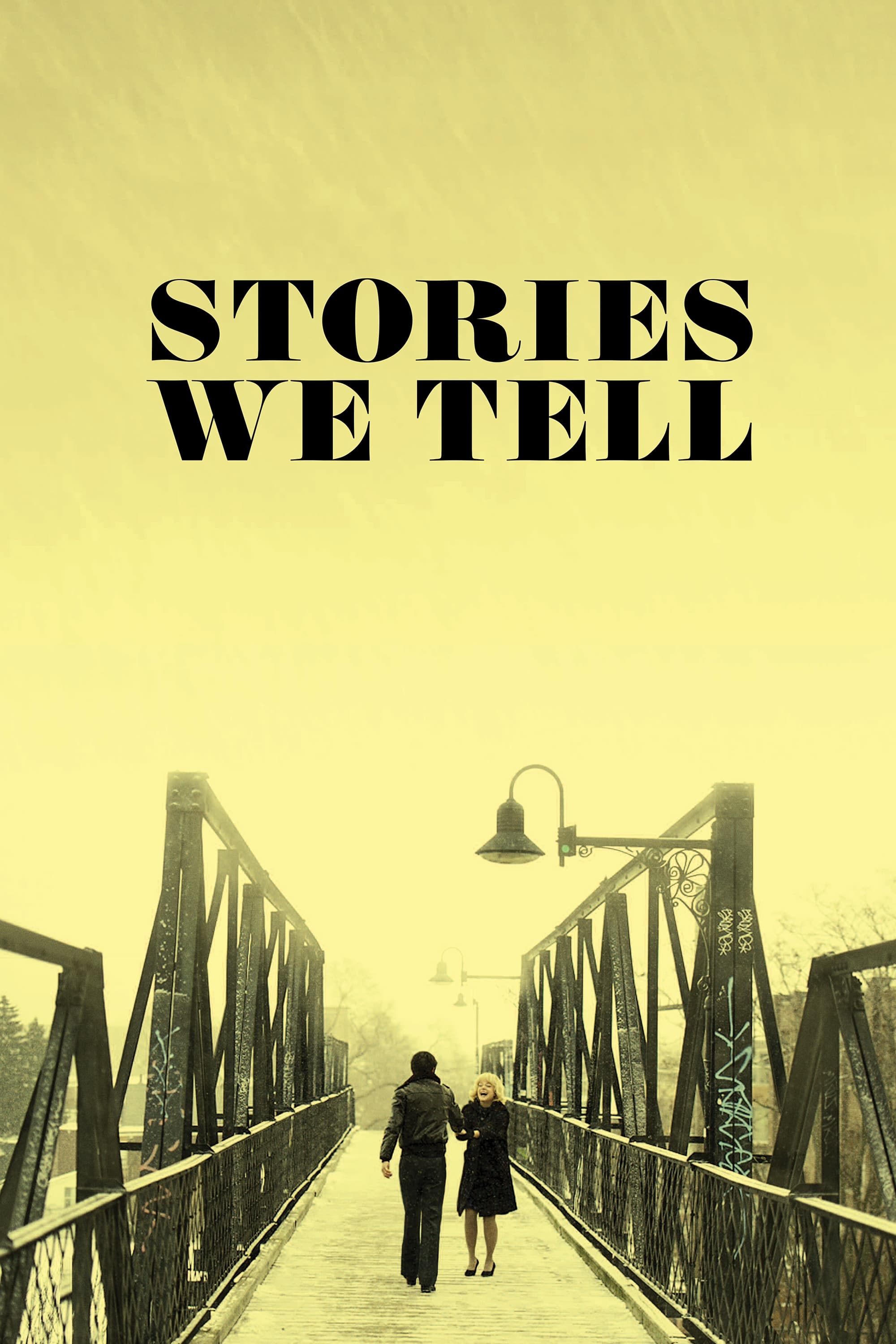
Canadian actress and filmmaker Sarah Polley investigates certain secrets related to her mother, interviewing a group of family members and friends whose reliability varies depending on their implication in the events, which are remembered in different ways; so a trail of questions remains to be answered, because memory is always changing and the discovery of truth often depends on who is telling the tale.
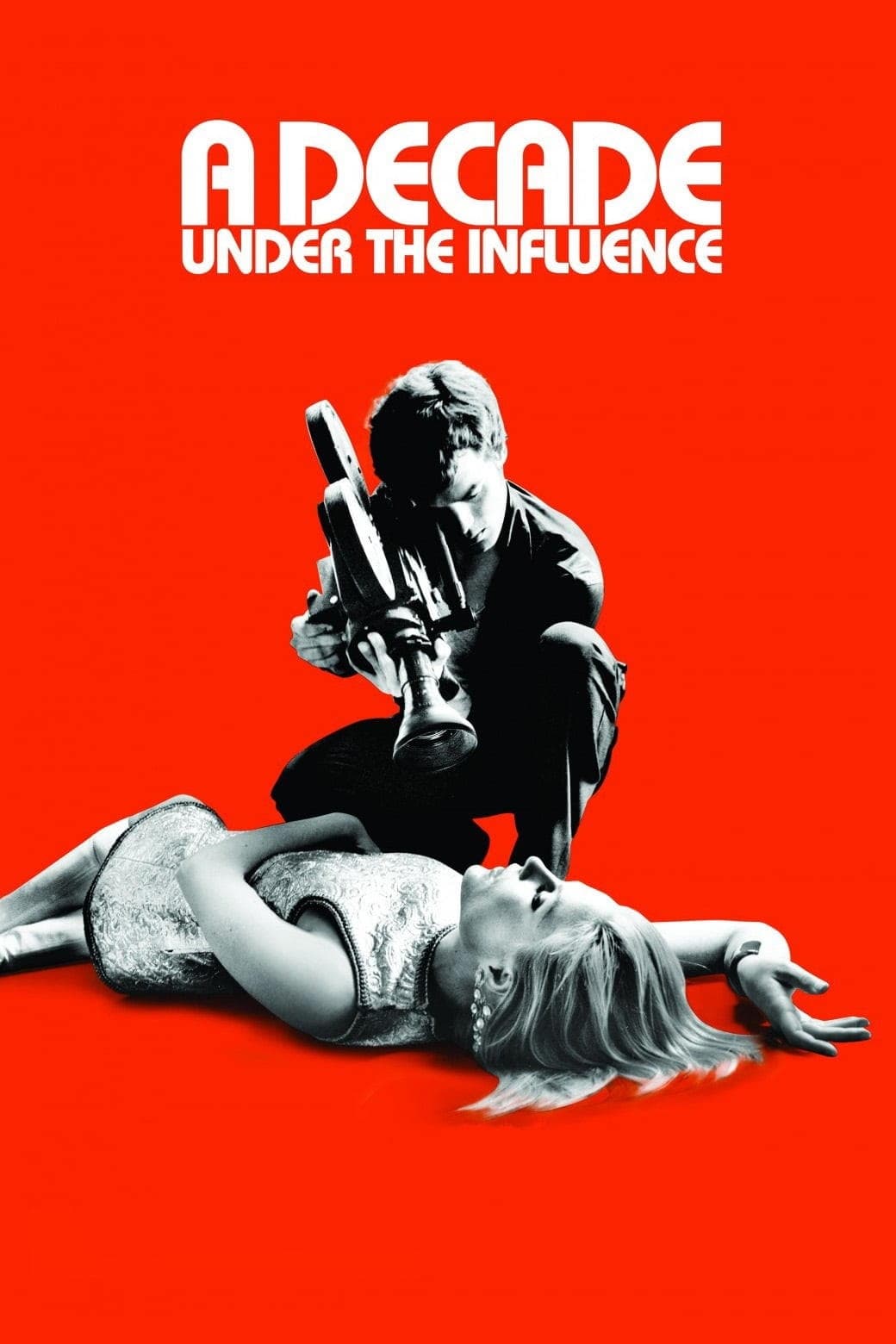
A documentary examining the decade of the 1970s as a turning point in American cinema. Some of today's best filmmakers interview the influential directors of that time.
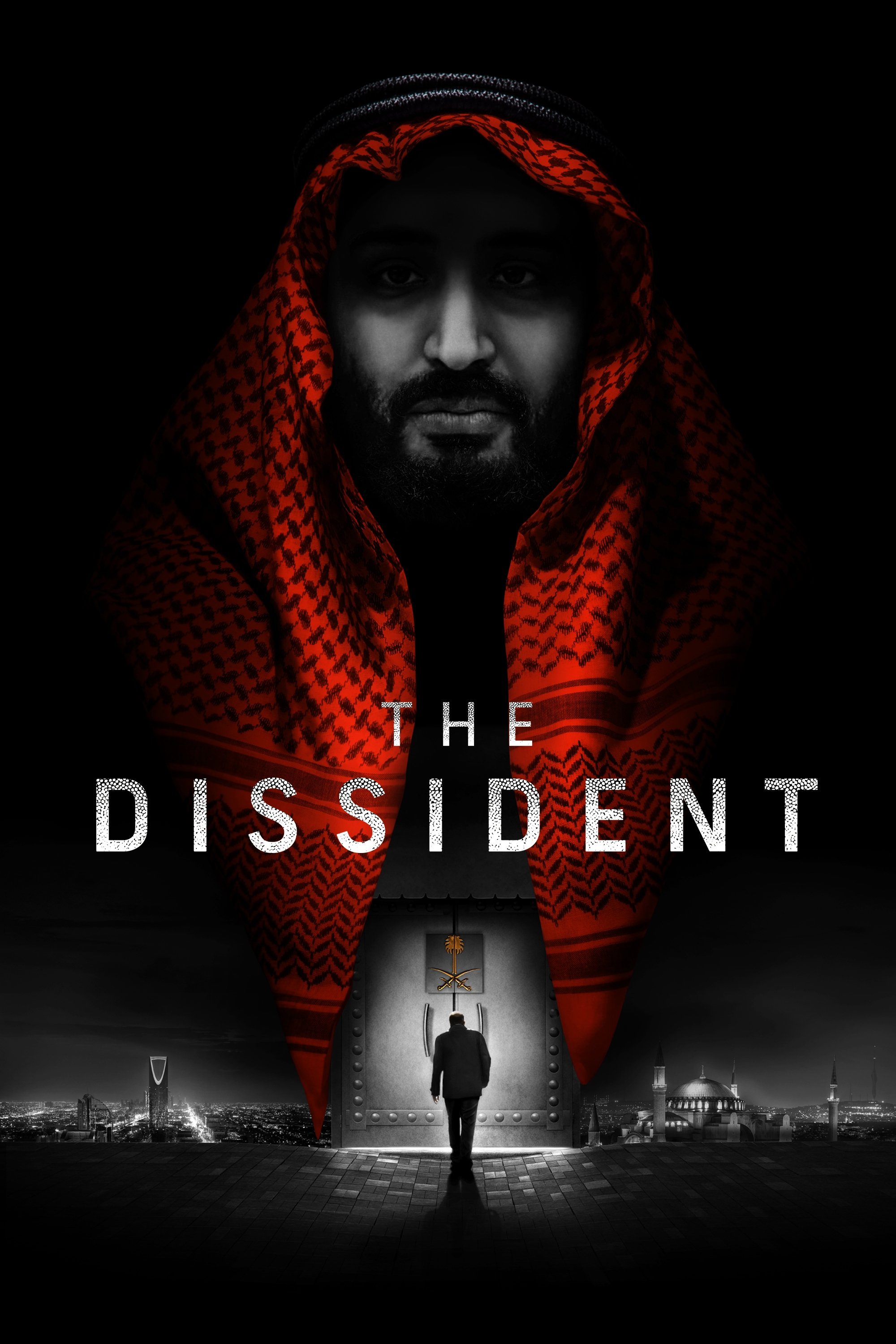
When Washington Post journalist Jamal Khashoggi disappears after entering Saudi Arabia’s consulate in Istanbul, his fiancée and dissidents around the world are left to piece together the clues to a brutal murder and expose a global cover up perpetrated by the very country he loved.
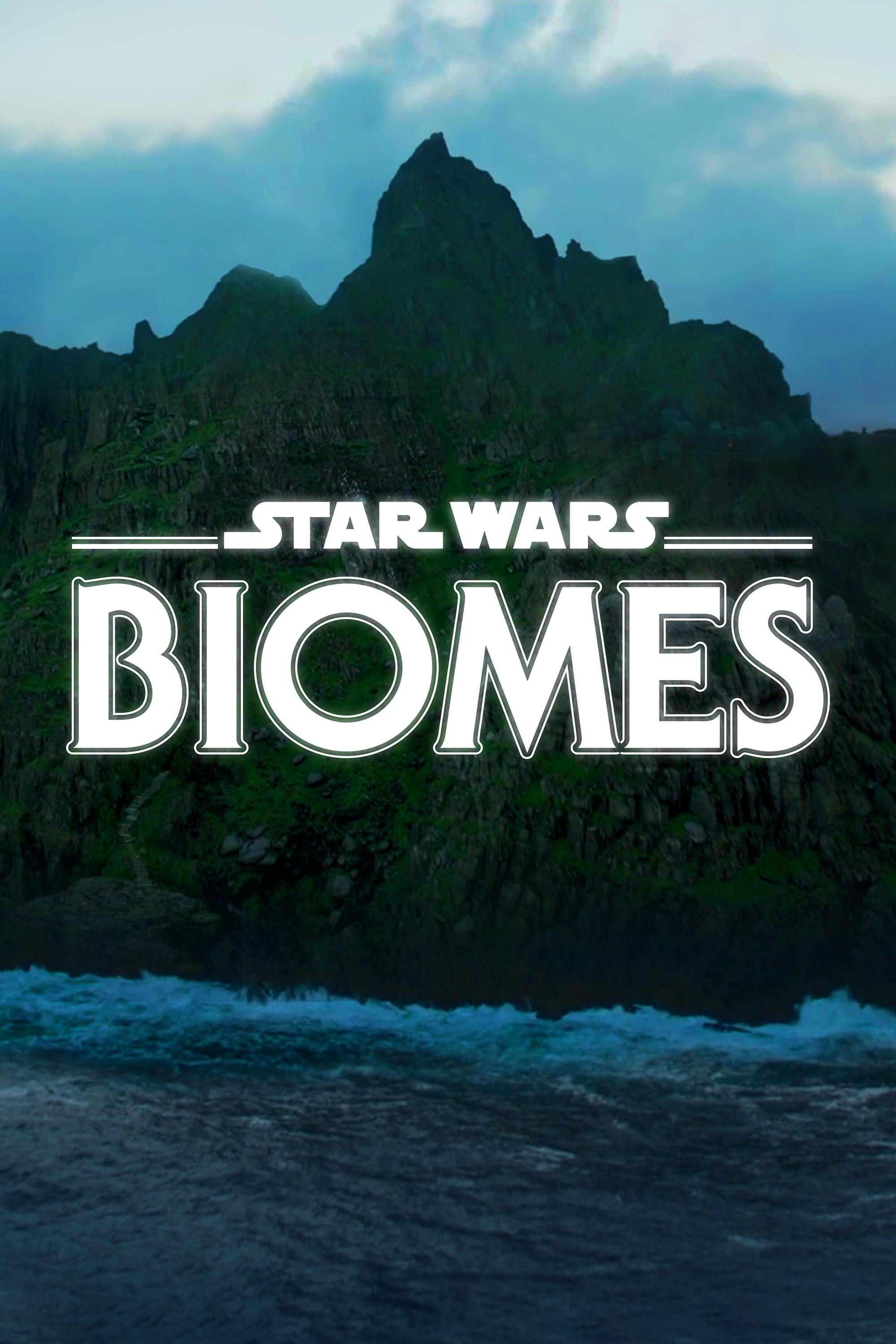
Take a virtual vacation to some of the Star Wars films' most iconic and beloved locations like Hoth, Tatooine, and Sorgan, as this charming series whisks you off for fly-through tours of the Galaxy Far, Far Away.
An inside look at one of the most anticipated movie sequels ever with James Cameron and cast.
Interviews with leading authors, philosophers and scientists, with an in-depth discussion of the Law of Attraction. The audience is shown how they can learn and use 'The Secret' in their everyday lives.
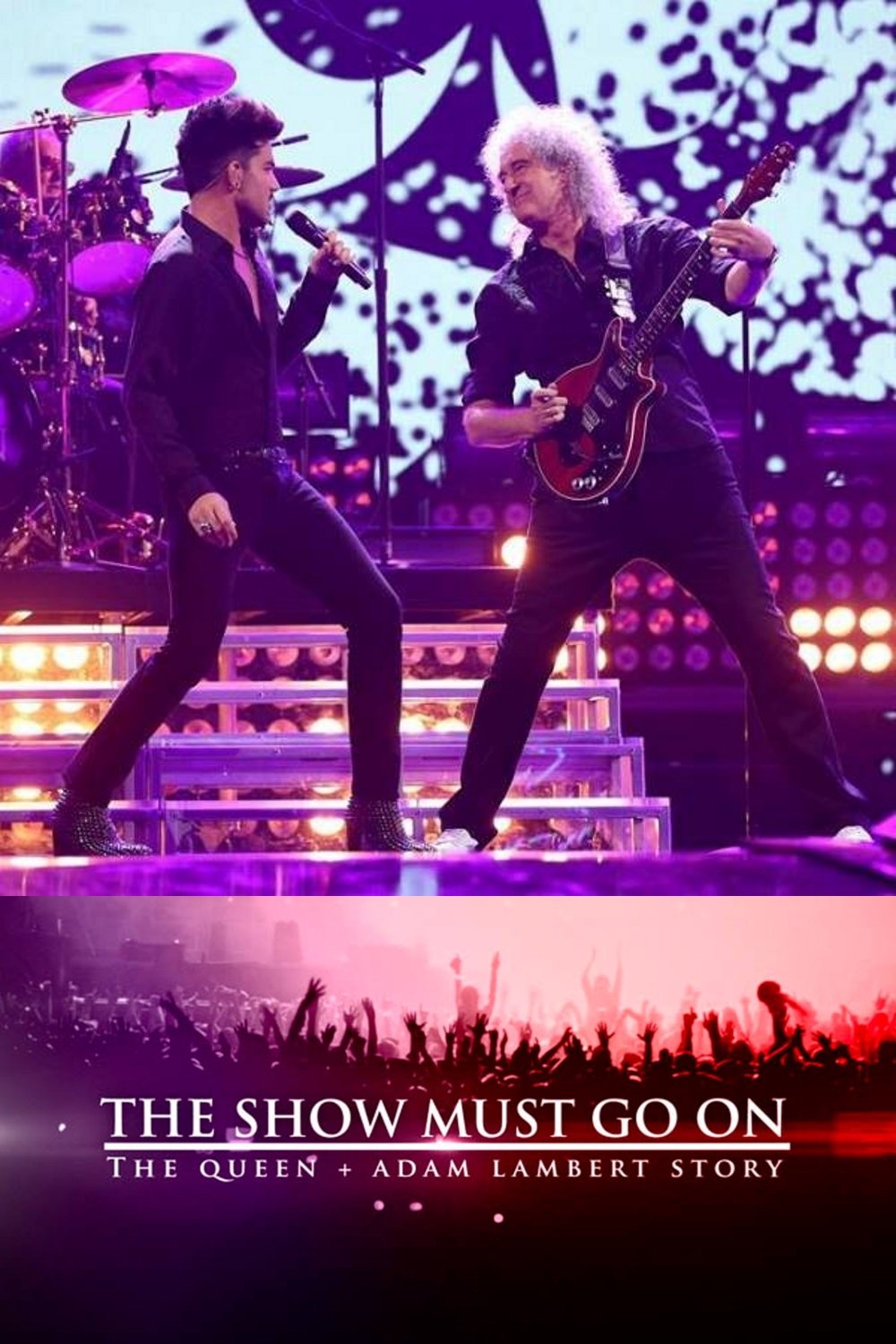
A documentary chronicling Queen and Lambert's incredible journey since they first shared the stage together on "American Idol" in 2009.
Rob Ford scandalized Canadian politics as the brash yet beloved mayor of Toronto — until an infamous video of him smoking crack sparked his downfall.
A string of threatening emails escalates into a revenge plot involving a newly married US marshal and his ex-girlfriend.
After the high-profile killing of Damilola Taylor, Cornelius' family move out of London. But when they discover their new town is run by racists, Cornelius takes a drastic step to survive.
The life and career of an actor, artist, and icon. His own journey through his own camera.
A documentary on the making of the three Godfather films, with interviews and recollections from the film makers and cast. This feature also includes the original screen tests of some of the actors for "The Godfather" film, and some candid moments on the set of "The Godfather: Part III."
This revealing documentary honors the legendary Sidney Poitier—iconic actor, filmmaker, and civil rights activist. Featuring interviews with Denzel Washington, Spike Lee, Halle Berry, and more.
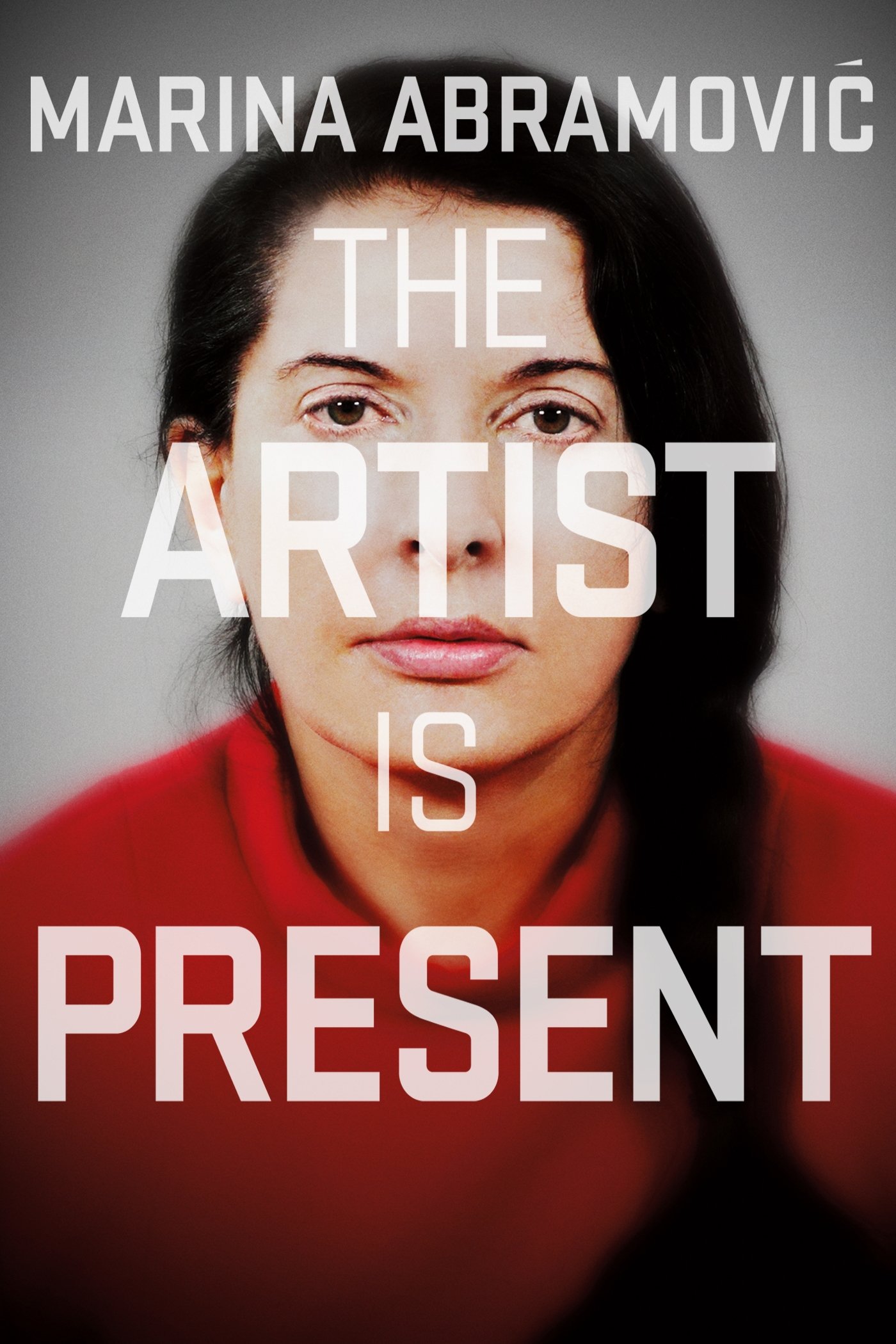
Performance artist Marina Abramovic prepares for a major retrospective of her work at the Museum of Modern Art in New York.
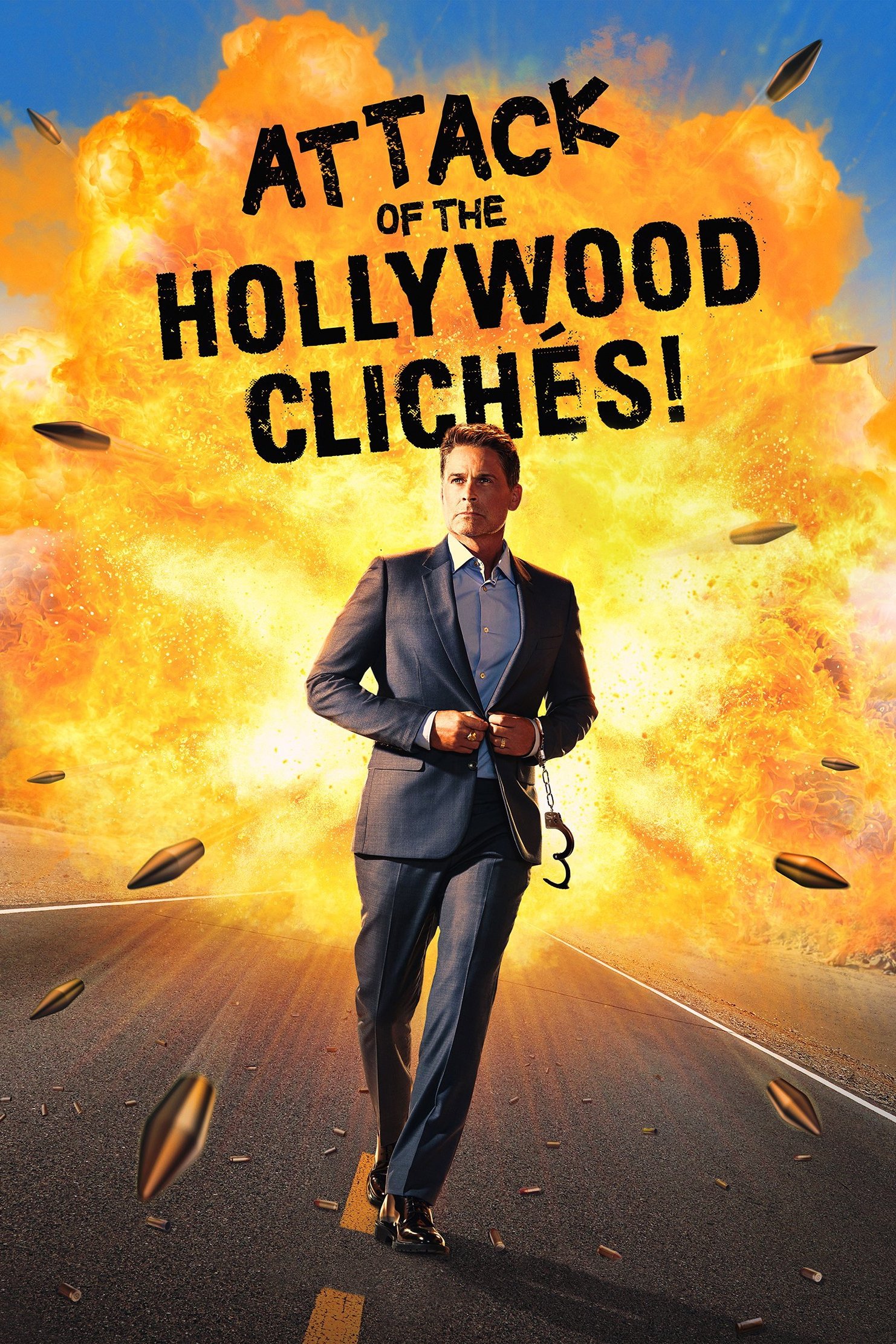
One-man armies, meet-cutes, casual strolls away from huge explosions — stars and industry insiders toast and roast these cinematic chestnuts and more.
Director Michael Apted revisits the same group of British-born adults after a 7 year wait. The subjects are interviewed as to the changes that have occurred in their lives during the last seven years.
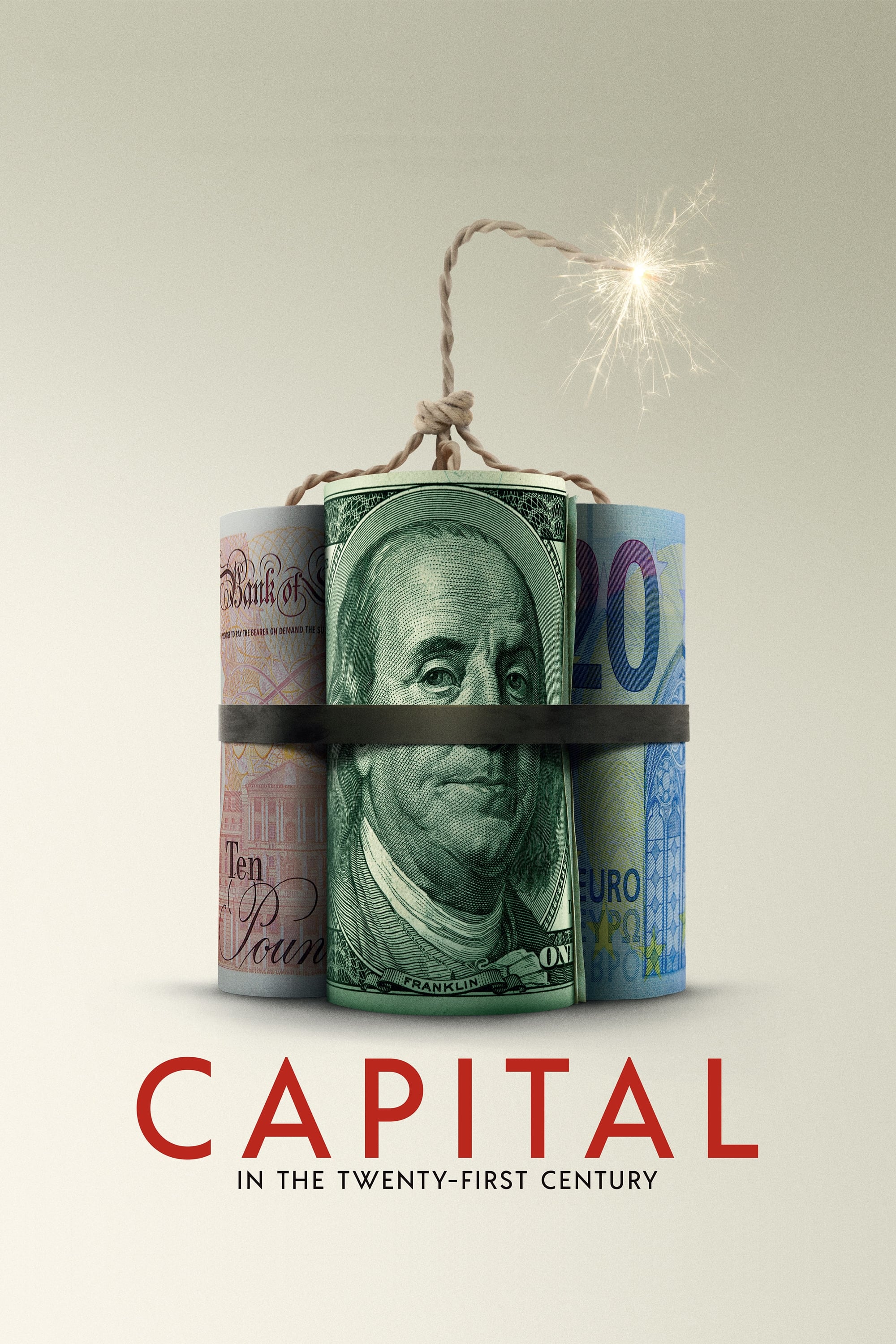
Film adaptation of French economist Thomas Piketty's ground-breaking global bestseller of the same name: an eye-opening journey through wealth and power.
A look at the origins, history and conspiracies behind the "Majestic 12", a clandestine group of military and corporate figureheads charged with reverse-engineering extraterrestrial technology.