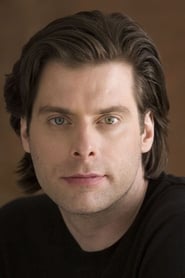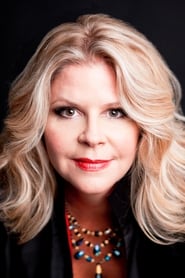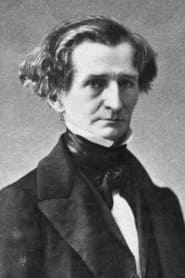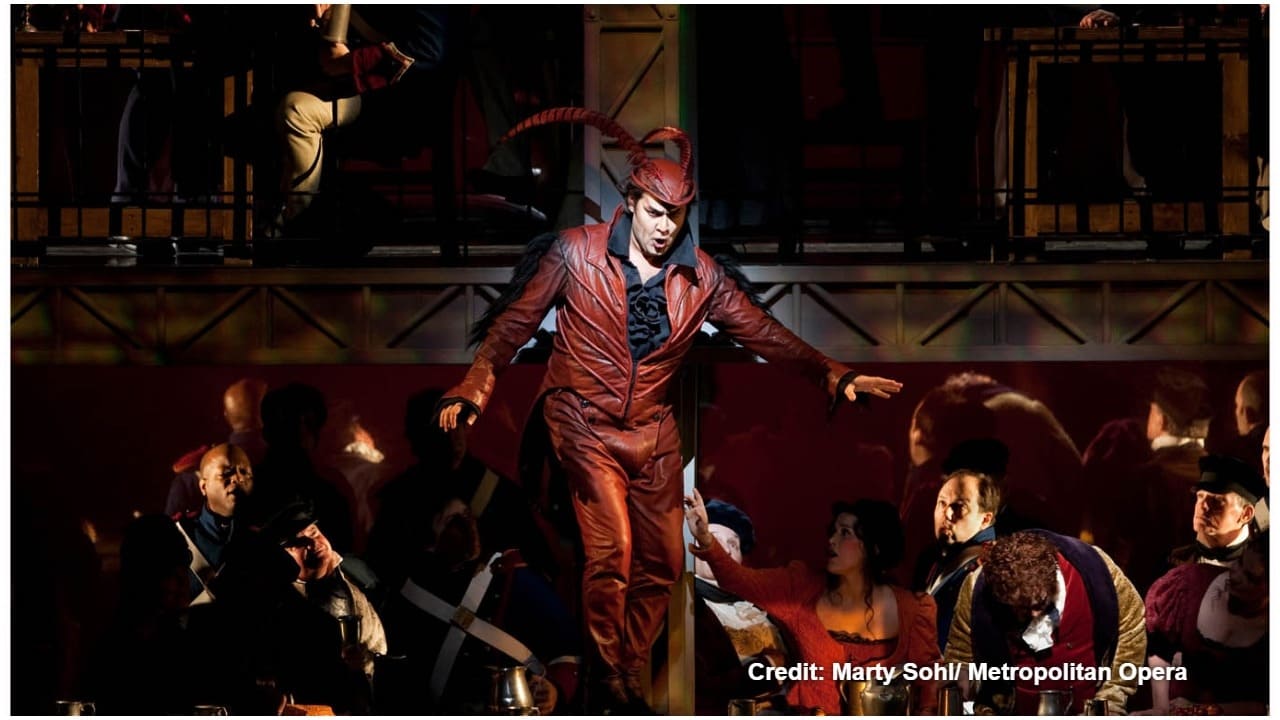
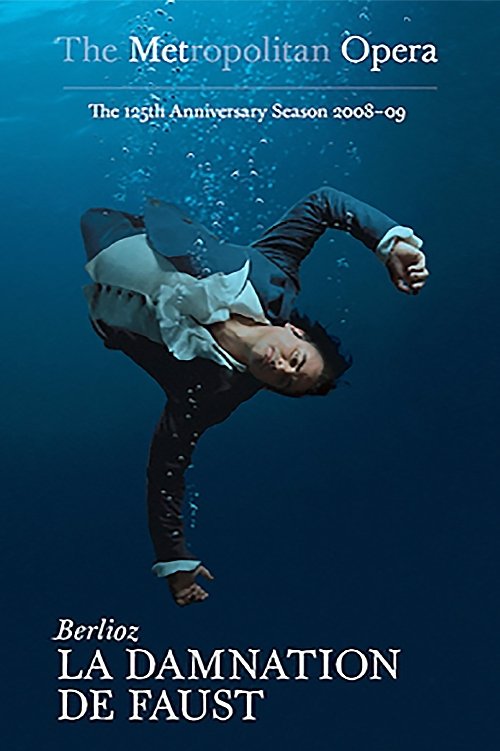
Radiant mezzo-soprano Susan Graham and dashing Italian tenor Marcello Giordani are unlucky lovers in La Damnation de Faust, Hector Berlioz’s classic take on dancing with the devil.
Social & External
The people behind it
Marcello Giordani
Faust
John Relyea
Méphistophélès
Susan Graham
Marguerite / Self - Host
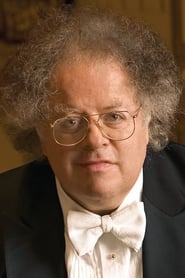
James Levine
Self - Conductor
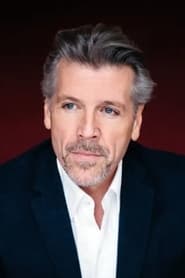
Thomas Hampson
Self - Guest interviewer
MET Orchestra
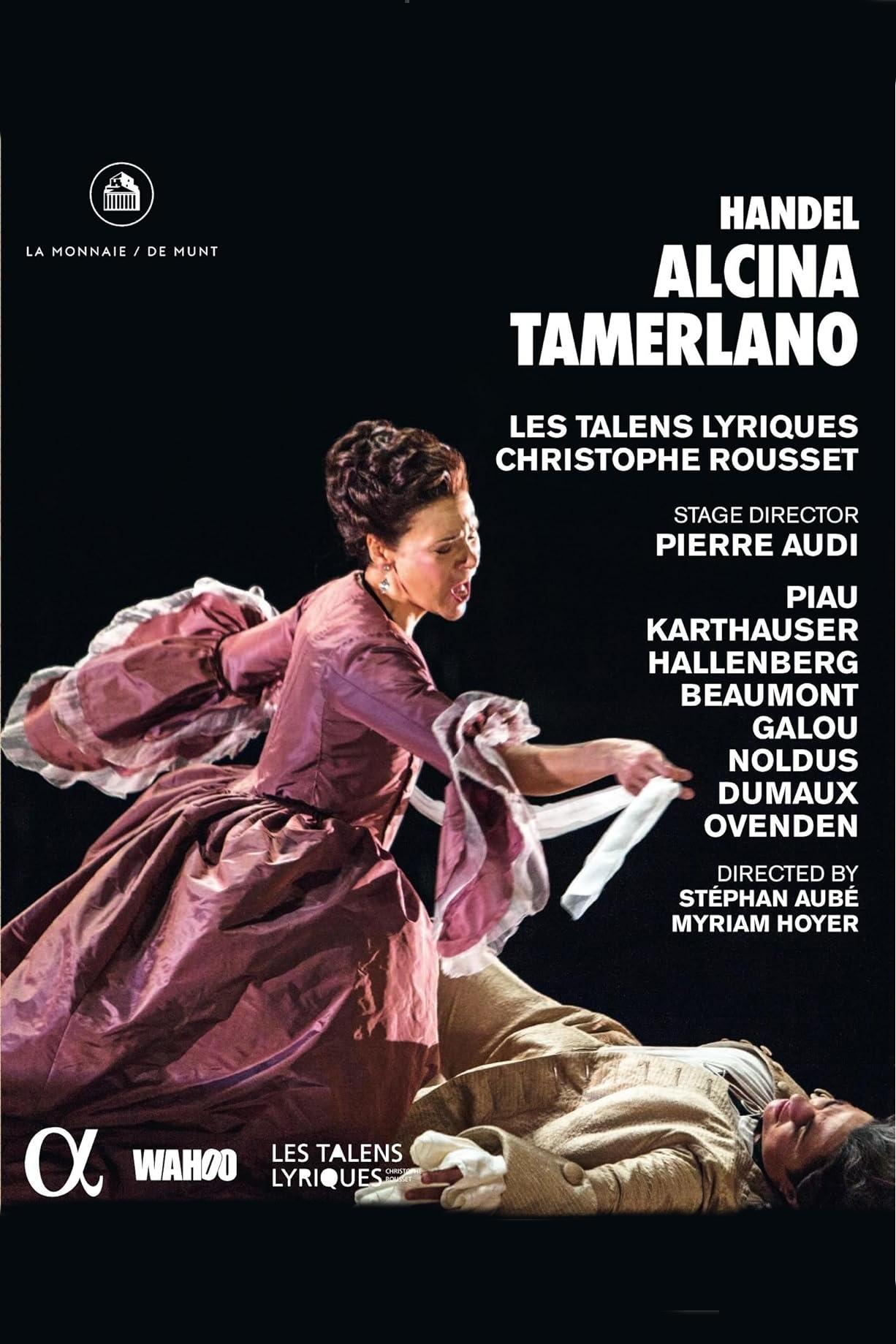
Like Handel’s Orlando (1732) and Ariodante (1734), Alcina derives from the narrative material in Ariosto’s Orlando furioso. The story of the sorceress Alcina, an initially hedonistic, manipulative woman who later finds herself a victim of love, fits into the genre of the ‘magical opera’ with numerous magical elements, but Handel achieved considerable emotional authenticity in his characterisations. This makes Alcina one of the most deeply felt and multifaceted operas. ‘You may despise what you like ; but you cannot contradict Handel,’ said the Irish playwright George Bernard Shaw. As in Tamerlano, Pierre Audi based this production on the stage at the baroque theatre at Drottningholm, for which he originally developed the directing concept. His set is thus based on the principles of perspective, with wings in the form of painted panels. The result is marvellous modern musical theatre in a historizing frame.
Mozart’s early masterpiece returned to the Met for the first time in more than a decade with Music Director Emeritus James Levine, who led the work’s company premiere in 1982, again on the podium. Tenor Matthew Polenzani brings both steely resolve and compassionate warmth to the title king of Crete, who is faced with an impossible decision. With her rich mezzo-soprano, Alice Coote sings the trouser role of Idomeneo’s son Idamante, who loves the Trojan princess Ilia, sung with delicate lyricism by Nadine Sierra. Elza van den Heever gives a thrillingly unhinged portrayal of the jealous Elettra. Jean Pierre-Ponnelle’s timeless production blends the grandeur of ancient myth with the elegance of Enlightenment ideals.
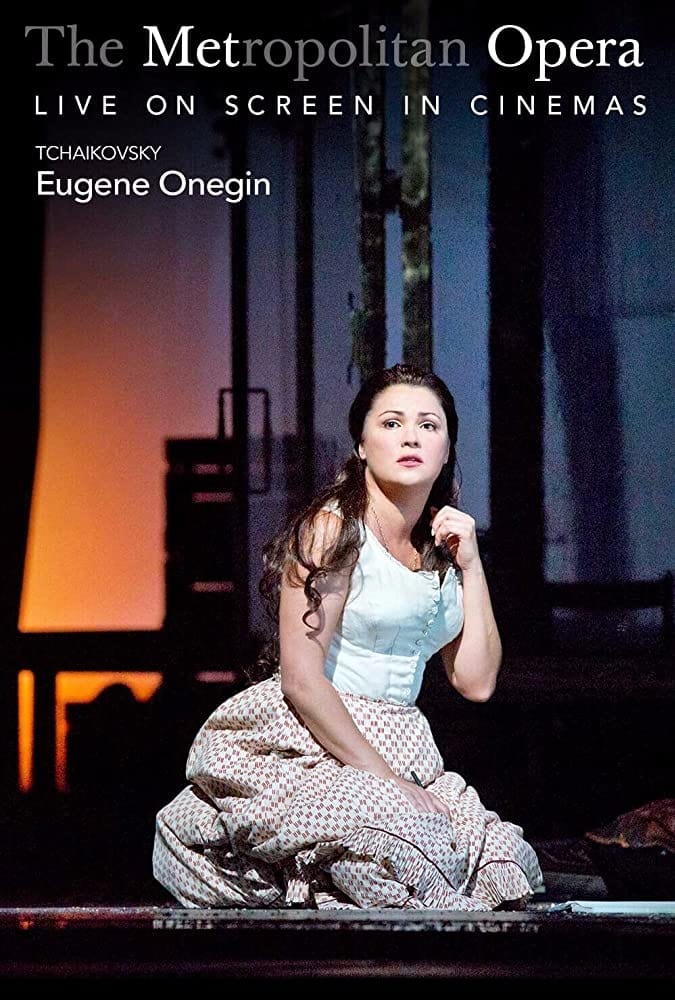
Tchaikovsky’s setting of Pushkin’s timeless verse novel is presented on the Met stage in Deborah Warner’s moving production, starring Anna Netrebko as Tatiana and Mariusz Kwiecien and Peter Mattei sharing the title role. Alexey Dolgov sings the role of Lenski, and Robin Ticciati conducts.
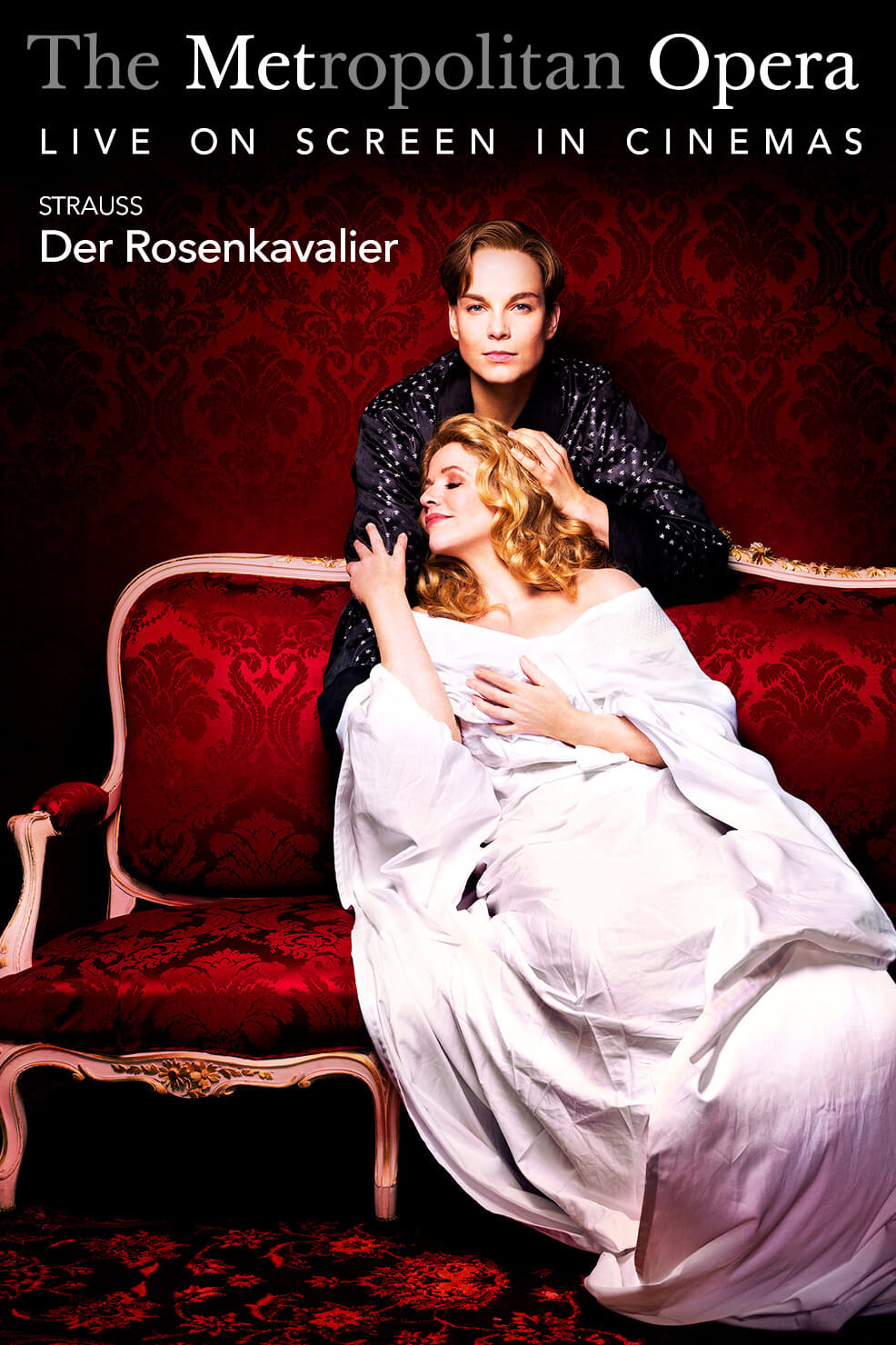
In his new production, Robert Carsen places the action at the end of the Habsburg Empire, underscoring the opera’s subtext of class and conflict against a rich backdrop of gilt and red damask
Simon Keenlyside smolders dangerously in the title role of Mozart’s version of the legend of Don Juan, creating a vivid portrait of a man who is a law unto himself, and all the more dangerous for his eternally seductive allure. Adam Plachetka is his occasionally unruly servant Leporello. It’s when Giovanni tangles with Donna Anna (Hibla Gerzmava) that things start to unravel, aided by the reappearance of Donna Elvira (Malin Byström), who is determined not to let her seducer go. With Paul Appleby as Don Ottavio, Donna Anna’s eternally steadfast fiancé. Principal Conductor Fabio Luisi leads the Met Orchestra and Chorus.
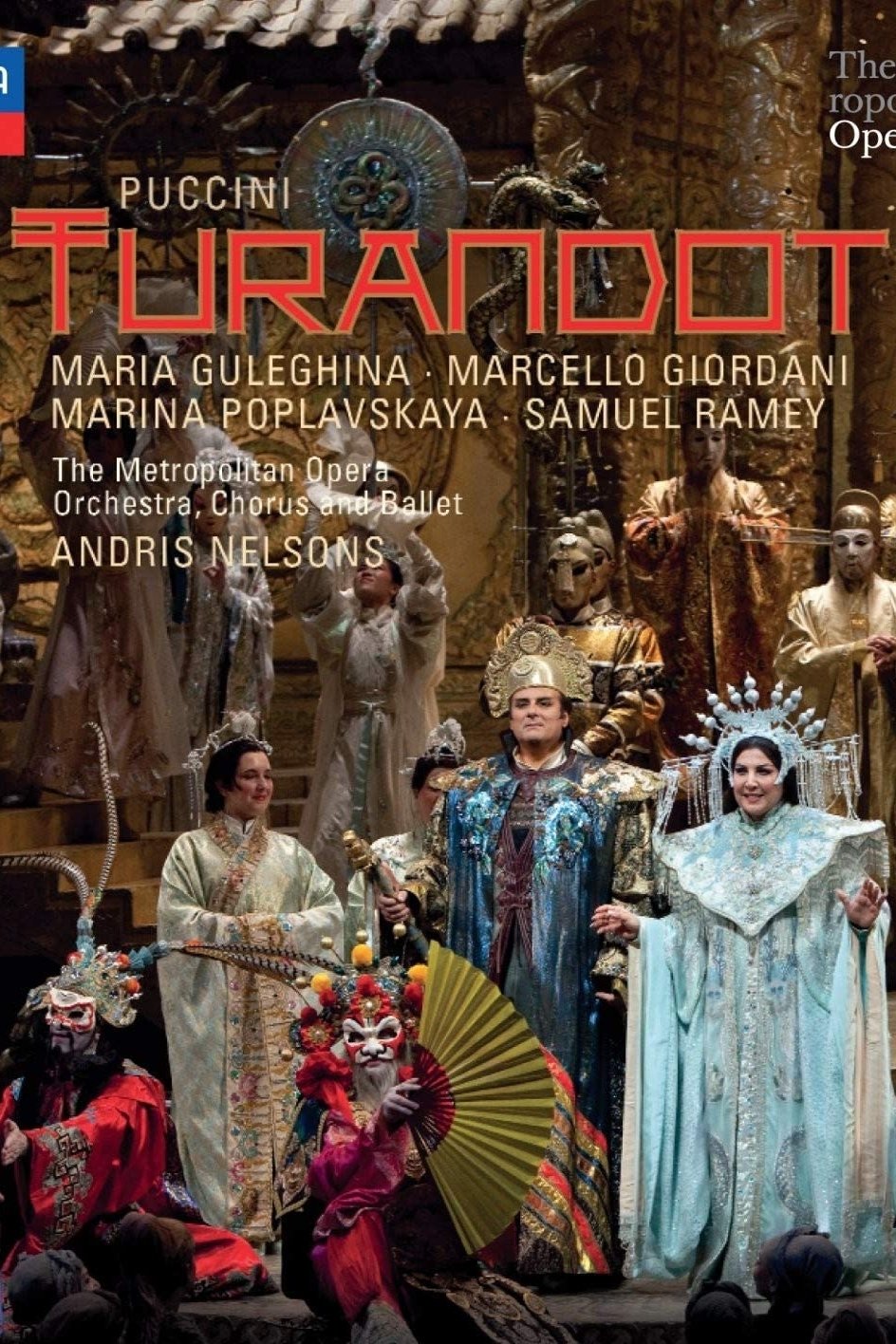
Franco Zeffirelli's magnificient staging of Puccini's final opera - a fairy tale set in a mythical China - is one of the most popular in the Met repertory. In this Live in HD production, Maria Guleghina takes on the title role and Marcello Giordani is Calaf, the unknown prince. Marina Poplavskaya and Samuel Ramey co-star, and Andris Nelsons conducts in his Met debut.
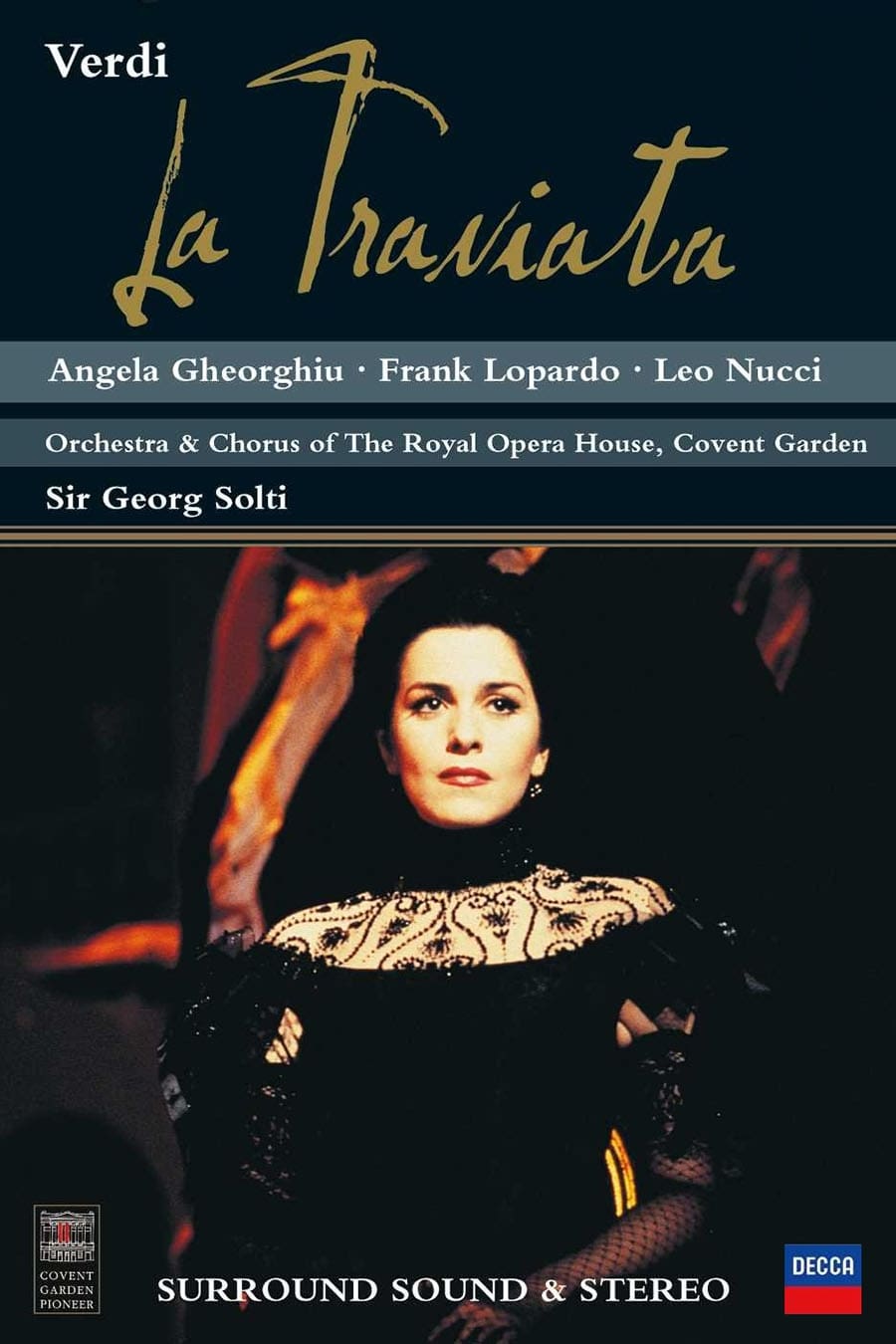
La traviata (Italian: [la traˈviaːta], "The Fallen Woman"[1][2]) is an opera in three acts by Giuseppe Verdi set to an Italian libretto by Francesco Maria Piave. It is based on La dame aux Camélias (1852), a play adapted from the novel by Alexandre Dumas, fils. The opera was originally entitled Violetta, after the main character. It was first performed on 6 March 1853 at the La Fenice opera house in Venice. Piave and Verdi wanted to follow Dumas in giving the opera a contemporary setting, but the authorities at La Fenice insisted that it be set in the past, "c. 1700". It was not until the 1880s that the composer and librettist's original wishes were carried out and "realistic" productions were staged.[3]
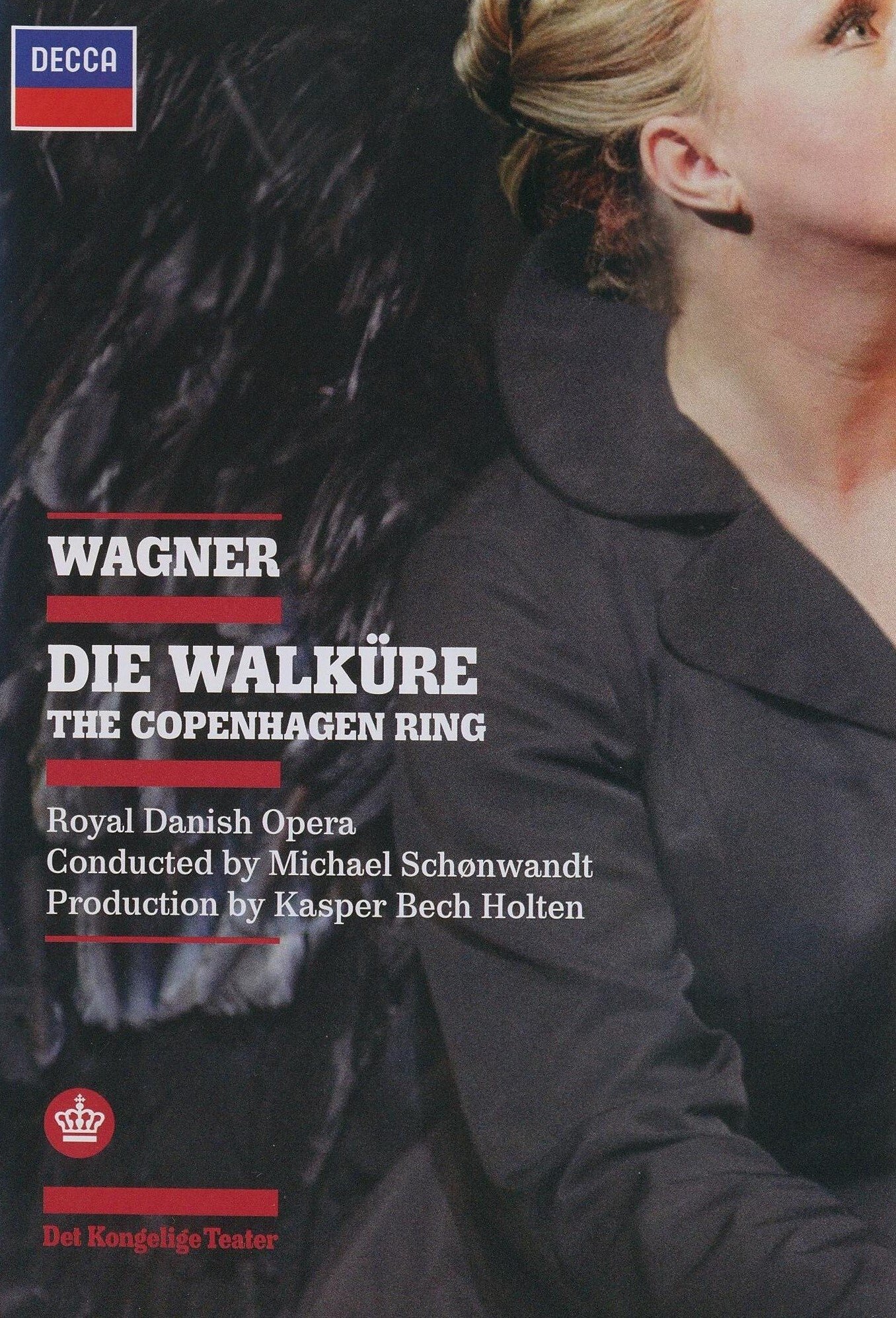
Die Walküre (The Valkyrie), WWV 86B, is an opera in three acts by Richard Wagner with a German libretto by the composer. It is the second of the four operas that form Wagner's cycle Der Ring des Nibelungen (The Ring of the Nibelung). The story of the opera is based on the Norse mythology told in the Volsunga Saga and the Poetic Edda.[1][2] In Norse mythology, a valkyrie is one in a group of female figures who decide which soldiers die in battle and which live. Die Walküre's best-known excerpt is the "Ride of the Valkyries". DVD release June 2009.
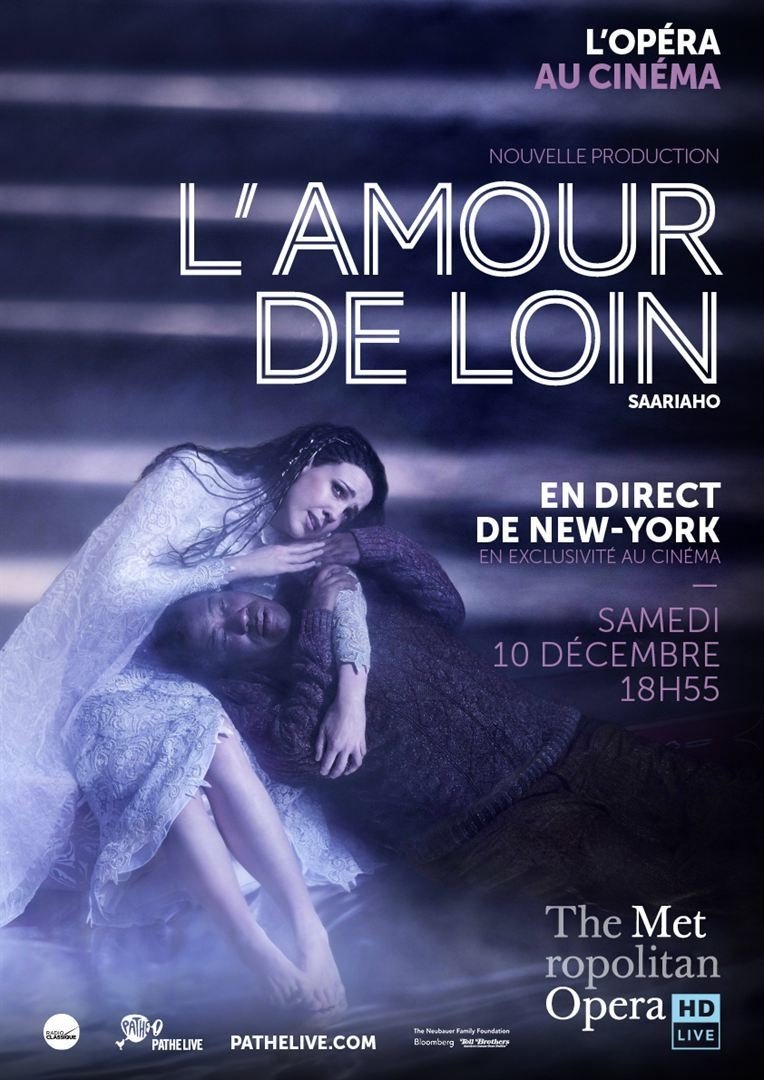
Robert Lepage’s dreamlike production, with its thousands of twinkling LED lights stretching across the stage to represent the sea, encapsulates the mystic feeling of L’Amour de Loin, Saariaho’s haunting opera of distant love. Eric Owens is Jaufré Rudel, a troubadour in 12th century France who has become tired of his hedonistic life and longs for an idealized love. Enter the Pilgrim (Tamara Mumford) who tells him his perfect love does, in fact, exist, far across the sea. She is Clémence, Countess of Tripoli (Susanna Phillips). The magic of the characters’ inner lives as they explore the meaning of love, longing, life, and death is heightened by Saariaho’s hypnotic and bewitching score, conducted by Susanna Mälkki.
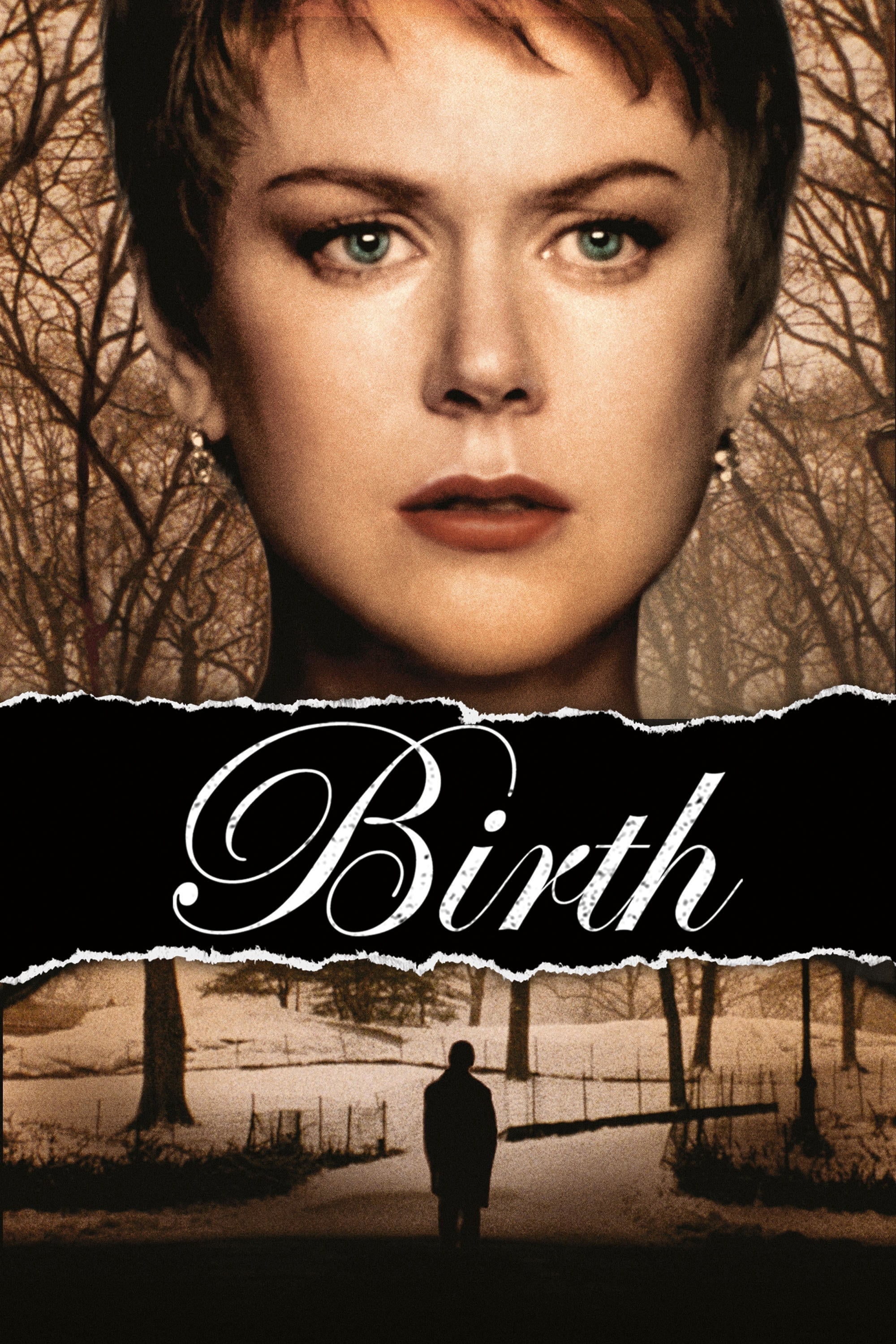
It took Anna 10 years to recover from the death of her husband, Sean, but now she's on the verge of marrying her boyfriend, Joseph, and finally moving on. However, on the night of her engagement party, a young boy named Sean turns up, saying he is her dead husband reincarnated. At first she ignores the child, but his knowledge of her former husband's life is uncanny, leading her to believe that he might be telling the truth.
Wolfgang Amadeus Mozart's Magic Flute is undoubtedly one of the most multi-layered, profound, complicated, and therefore also most difficult to stage works in the entire opera repertoire. In terms of genre, it can only be understood if it is seen as a mixture of four things: a philosophically profound drama of ideas with countless encryptions, a naïve fairy tale, a bawdy comedy, and a crude Punch and Judy show. It is based on the intersection of the traditions of Baroque magic opera, Italian buffa, and Viennese Singspiel, where all manner of wonders are conceivable and permissible. Peter Ustinov's production appeals to all those who love a primarily fairy-tale-like interpretation; the atmosphere is traditional and conventional. An outstanding ensemble of singers has been assembled.
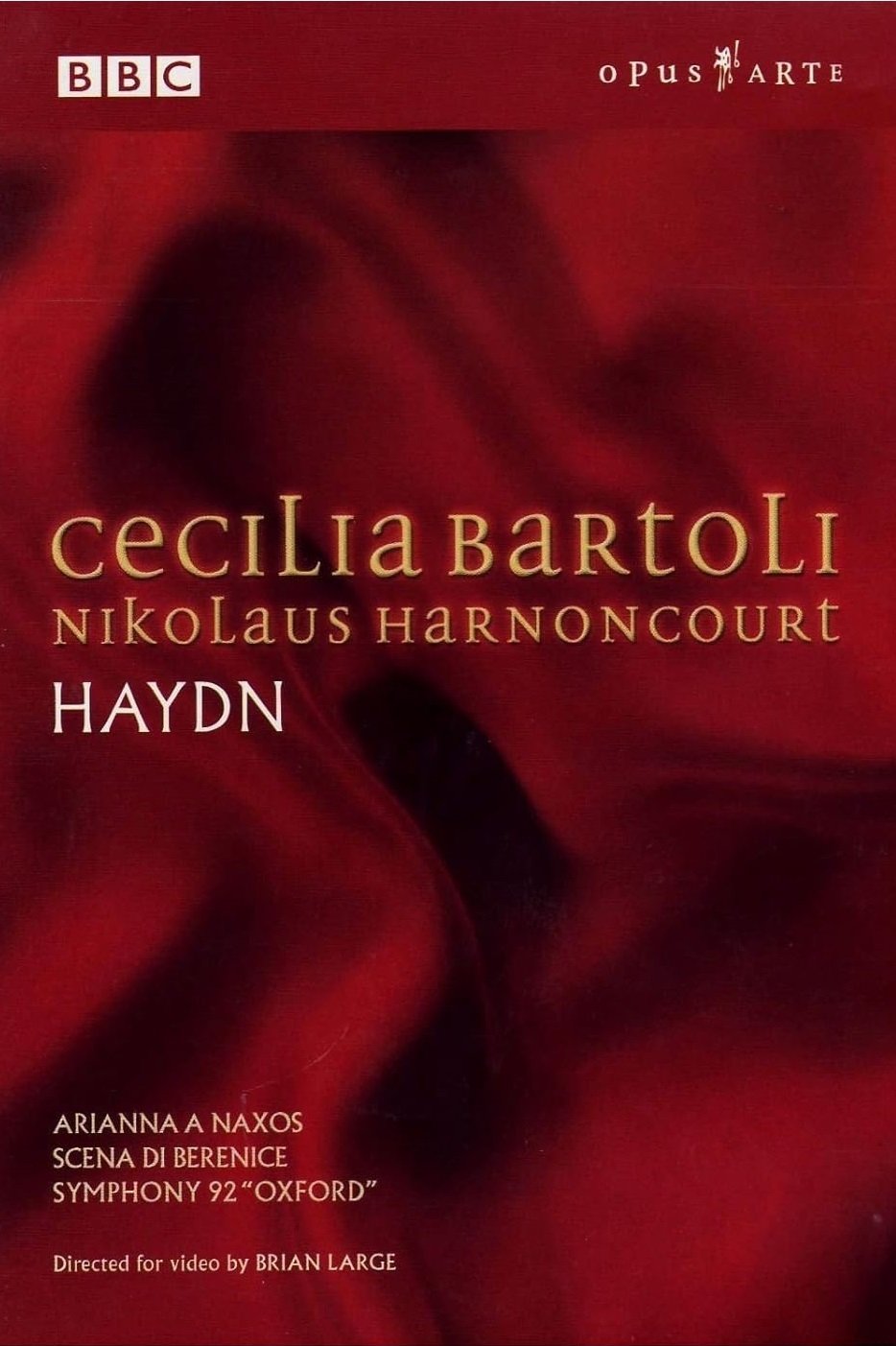
From the Styriarte Festival in Graz Austria, the acclaimed mezzo-soprano Cecilia Bartoli and Maestro Nikolaus Harnoncourt with his orchestra Concentus Musicu Wien, present a concert on Haydn arias and Symphony No.92, the "Oxford". The singing virtuosity of "Scena di Berenice" is sublime as is the performance of The "Oxford" Symphony from the ensemble renown for its specialty in early music and playing on period instruments. A unique concert.
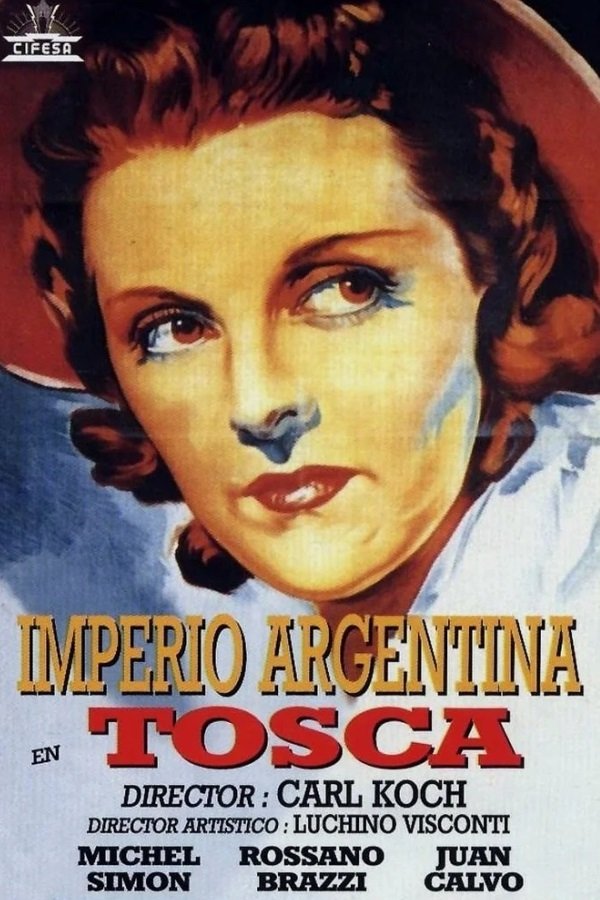
Non-musical account of Puccini's opera: Tosca and Cavaradossi are in love, but the tyrant Scarpia desires Tosca and oppresses Cavaradossi who is fighting for freedom.
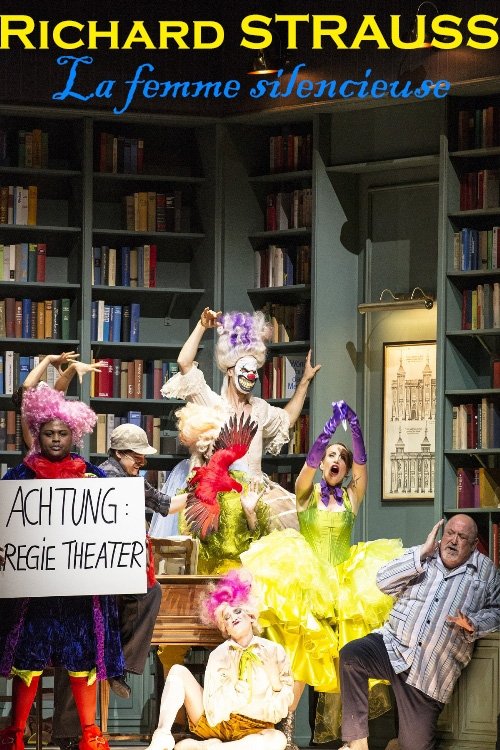
Ageing misfit Sir Morosus lives alone in an old-style apartment in Charlottenburg in Berlin. He is wealthy, but also lonely and a bit grumpy. Then his nephew Henry moves in with him and his life takes a turn for the better. Director Jan Philipp Gloger homes in on two of the most pressing problems of the day: loneliness and the housing shortage. The Staatskapelle Berlin is conducted by Christian Thielemann.
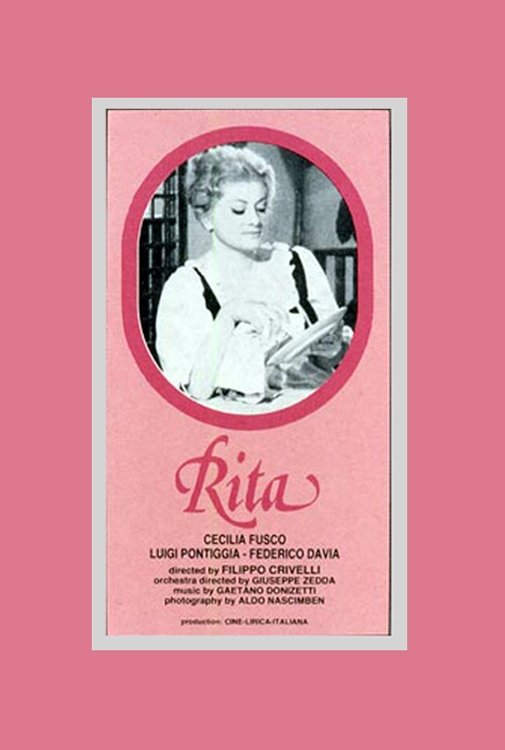
a film opera; music by: Gaetano Donizetti (Philharmonic Orchestra of Rome) Directed by Giuseppe Zedda.
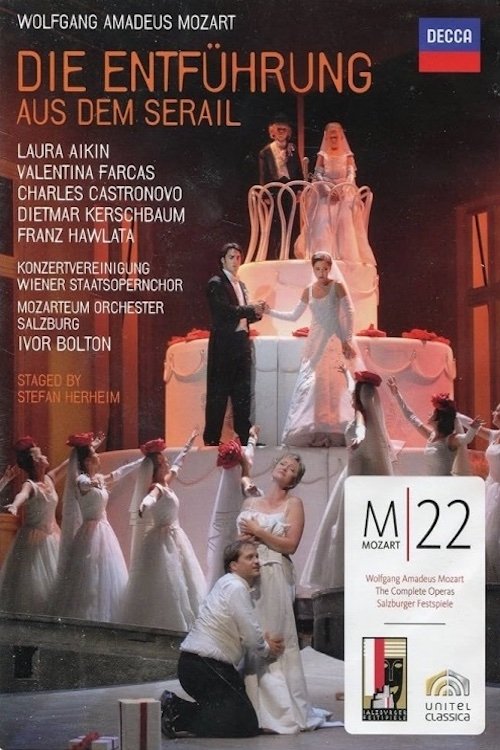
Without question, this is an incredibly bizarre production. The revised storyline makes little sense, and there is a surprising amount of violence and sexual innuendo. However, the singers are superb, both vocally and in regard to their stage presence and acting, the orchestra plays beautifully, the chorus is wonderful, and the set is as clever as it is strange. It's definitely not for purists, or for someone new to this particular opera. But for someone who's seen Die Entfuhrung before, and is familiar enough with the original story to not miss it, watching Belmonte, Constanze, Blonde, Pedrillo, and Osmin embark on an entirely new adventure -- and push the boundaries of good taste -- is rather enjoyable.
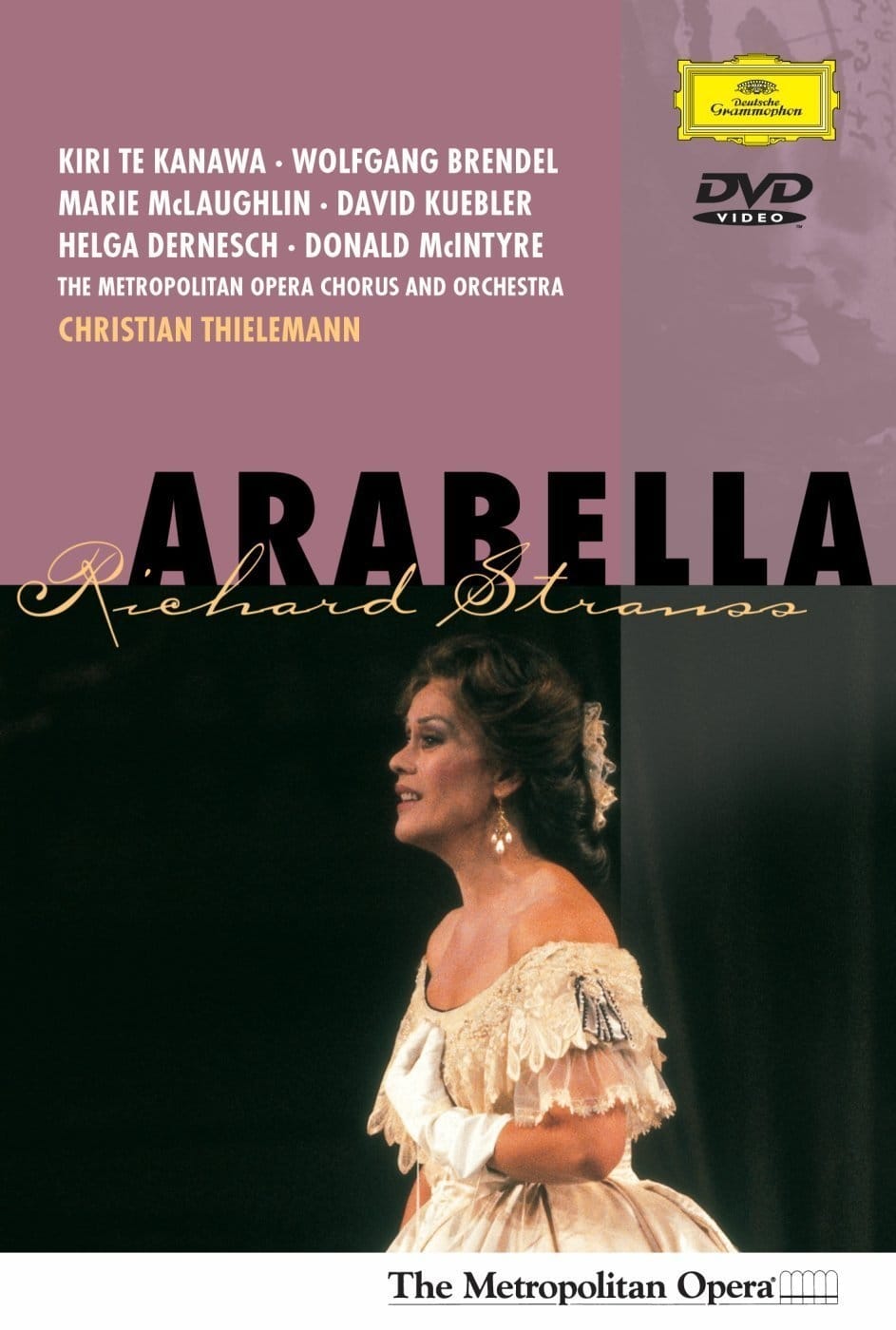
Arabella, Op. 79, is a lyric comedy or opera in three acts by Richard Strauss to a German libretto by Hugo von Hofmannsthal, their sixth and last operatic collaboration.
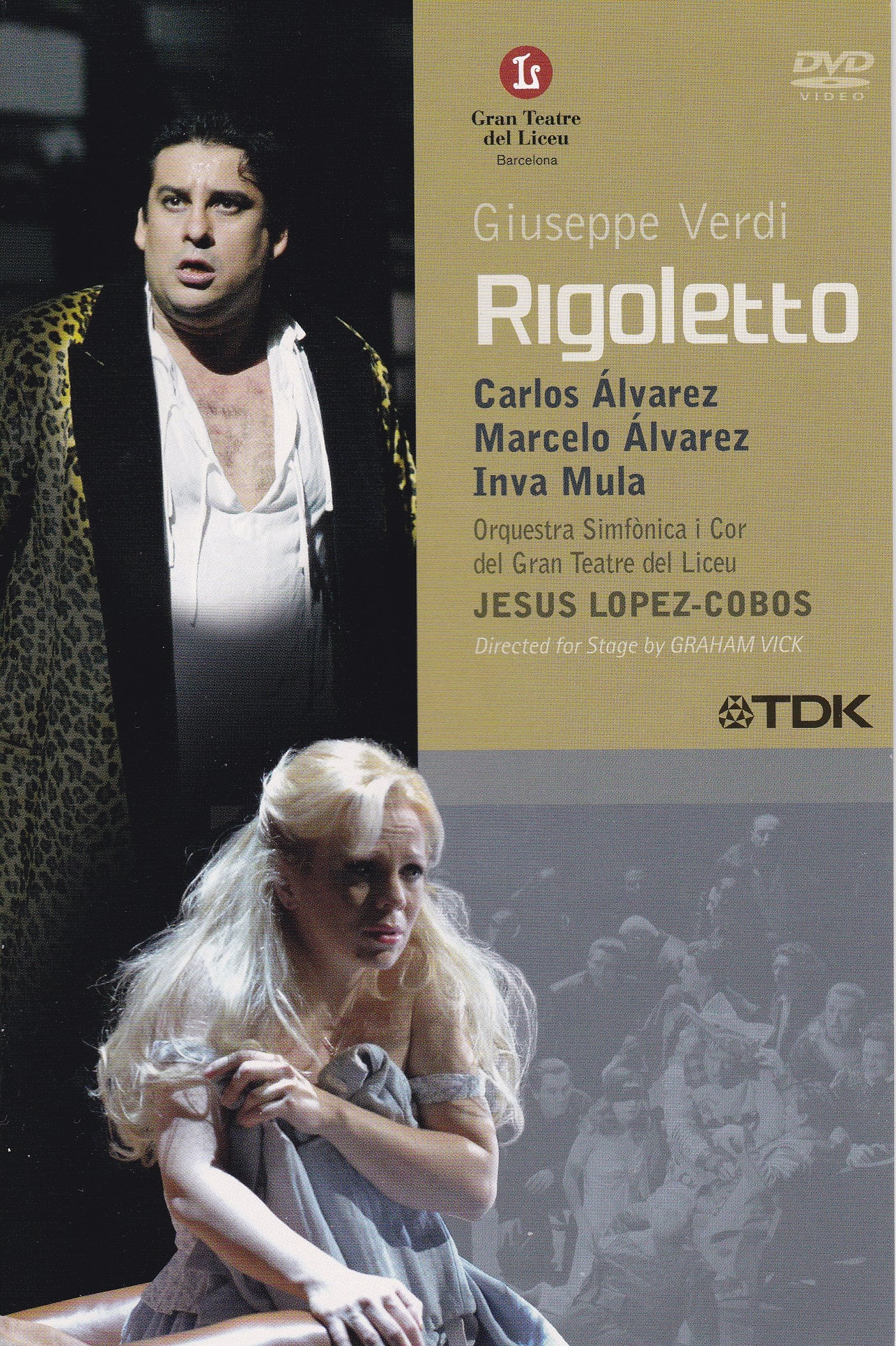
In Rigoletto, the deformed figure of the hunchbacked jester at the Mantuan court acts as a foil to his cynical and powerful master, an unscrupulous philanderer contrasted with his cruel and unforgiving fool. Rigoletto encourages and welcomes the Duke's conquests, pitilessly mocking his victims until he discovers that the Duke has abducted the one person he genuinely loves, his own daughter. As a result, the character of the court jester is transformed into a tragic figure who, in spite of his evident immorality and malice, allows us to sense the devotion he feels for his daughter and his horror at being destroyed by the same despotic world as that which he himself has helped to create.
A down-on-his-luck coach is hired to prepare a team of the best American dancers for an international tournament that attracts all the best crews from around the world, but the Americans haven't won in fifteen years.
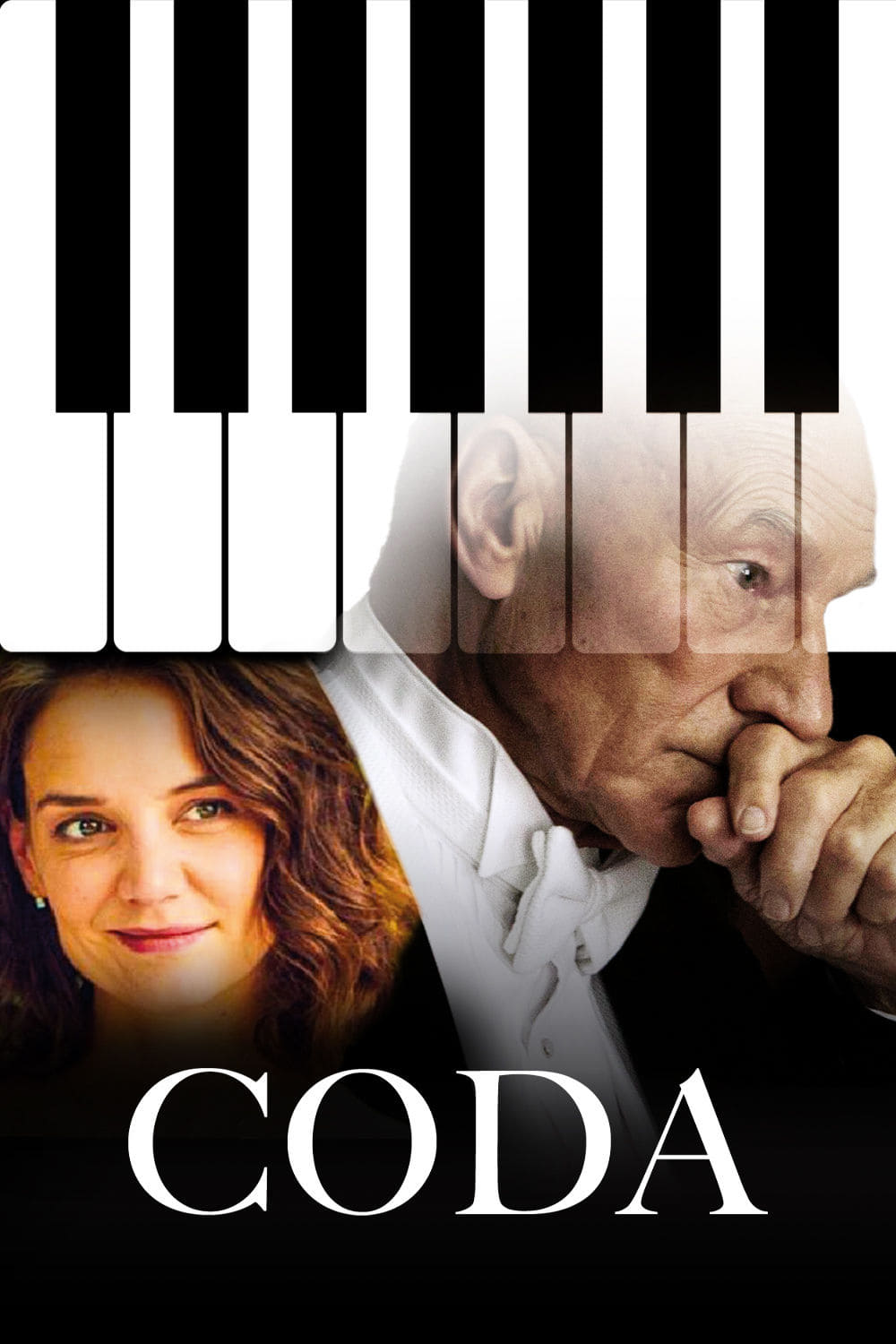
A famous pianist at the twilight of his career meets a free-spirited music critic who soon becomes his rock as his mental state deteriorates.
A musical biopic of the Four Seasons—the rise, the tough times and personal clashes, and the ultimate triumph of a group of friends whose music became symbolic of a generation. Far from a mere tribute concert, it gets to the heart of the relationships at the centre of the group, with a special focus on frontman Frankie Valli, the small kid with the big falsetto.
Aspiring small-town musician Chito is determined to make it big. When a clip of him performing one of his songs goes viral, he seizes the opportunity and pushes to carve out a place for himself in the new wave of Mexican-American music... and ultimately gets caught in a game more dangerous than anticipated.
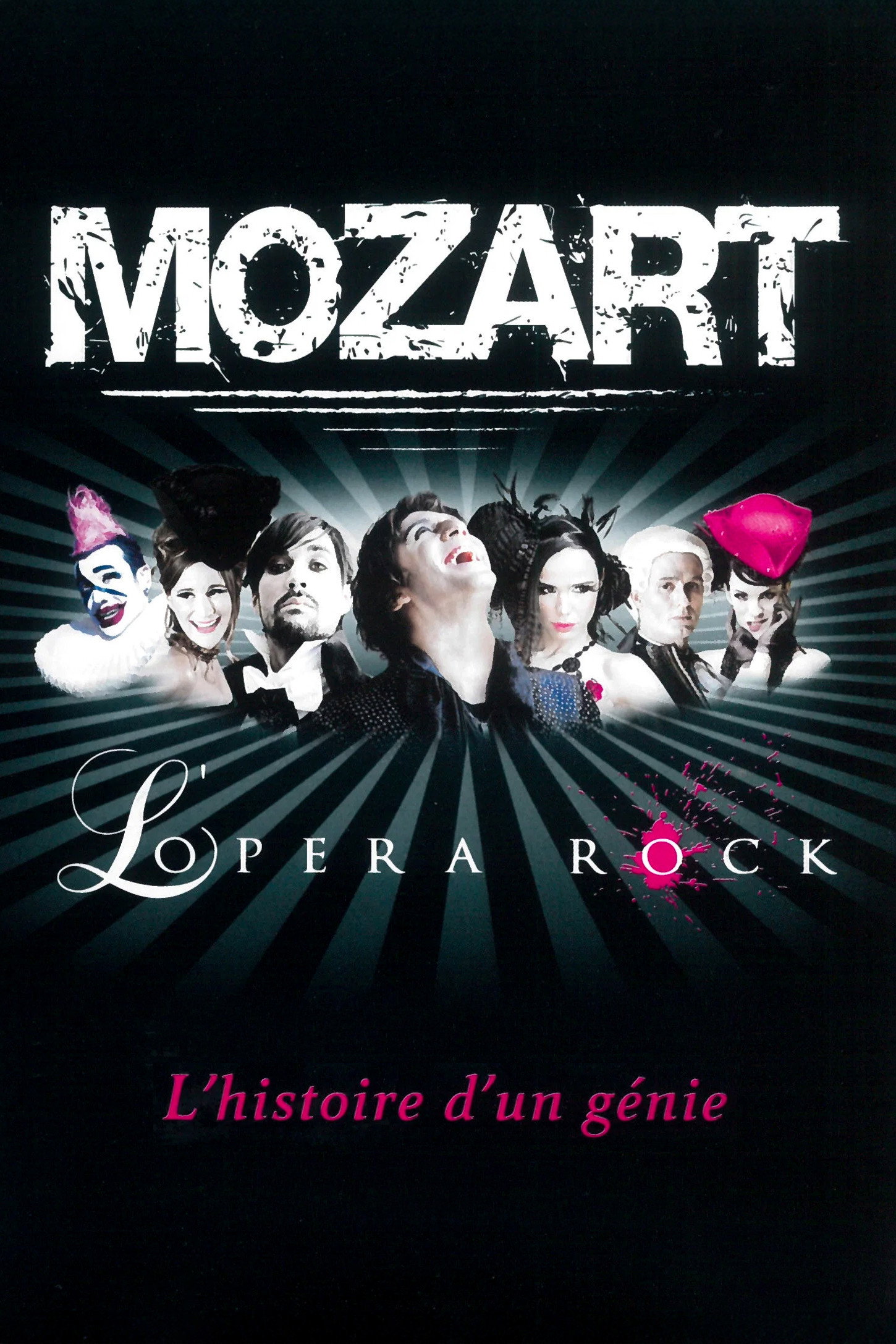
The show is a dramatization of the life of Wolfgang Amadeus Mozart beginning from the age of 17 and culminating with his death in 1791 at the age of 35.
A talented young singer and aspiring songwriter’s Christian faith and family ties are tested when she defies her worship-pastor father and pursues pop-music stardom in GRACE UNPLUGGED, a moving and inspiring new film that explores the true meaning of success.
Street dancer Skyler comes out of the shadow of her trained dancer sister, Tosha, & joins a dance competition with the Honey dance studio; the prize is a college scholarship.
A drama set in the American South, where a precocious, troubled girl finds a safe haven in the music and movement of Elvis Presley.
Talented but self-centered trumpeter Bleek Gilliam is obsessed with his music and indecisiveness about his girlfriends Indigo and Clarke. But when he is forced to come to the aid of his manager and childhood friend, Bleek finds his world more fragile than he ever imagined.
A shy teenager living on the Isle of Wight dreams of pop stardom. With the help of an unlikely mentor, she enters a singing competition that will test her integrity, talent, and ambition.
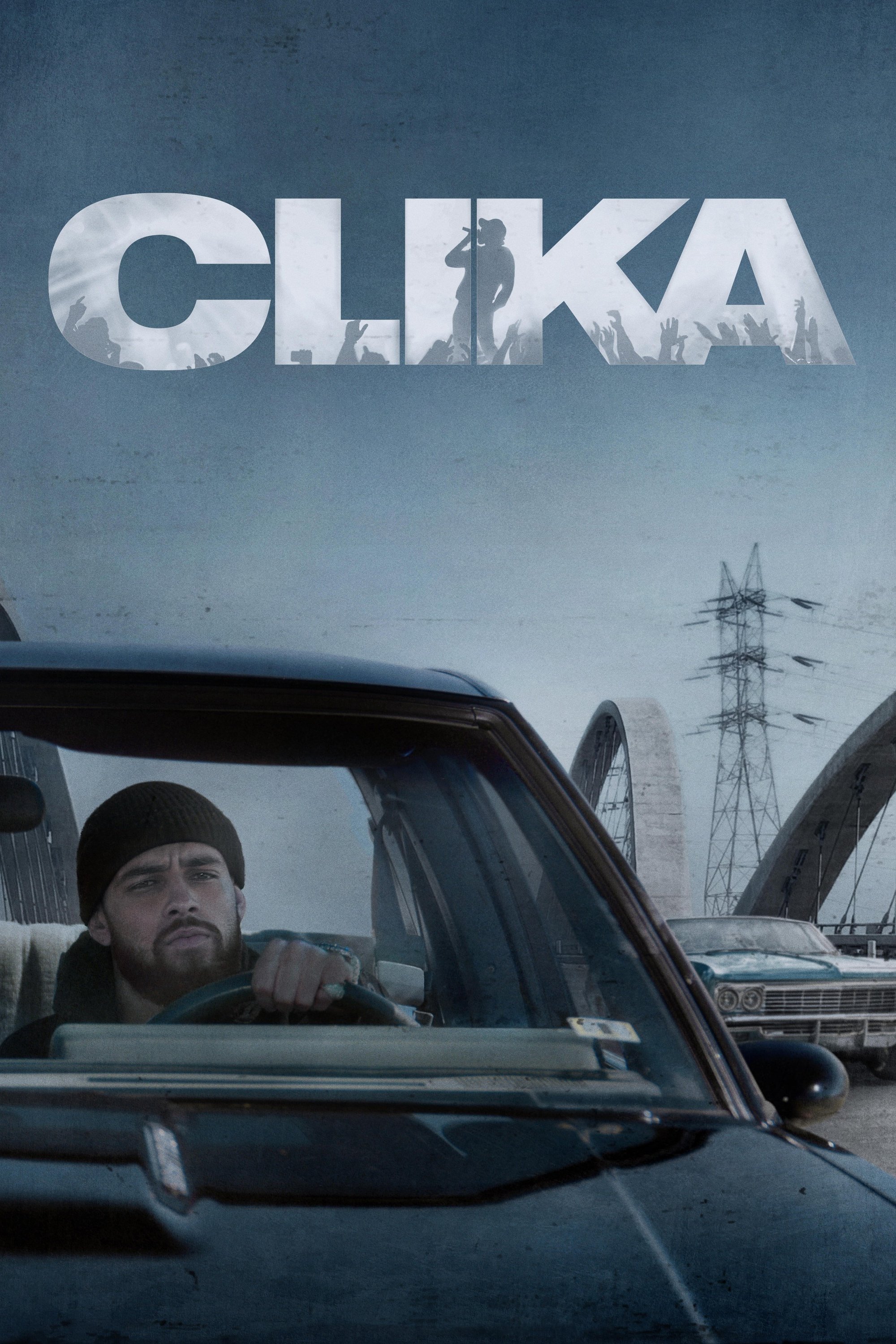
Grieving and facing the consequences of their crimes, the Traoré brothers get one last chance to forge a new path.
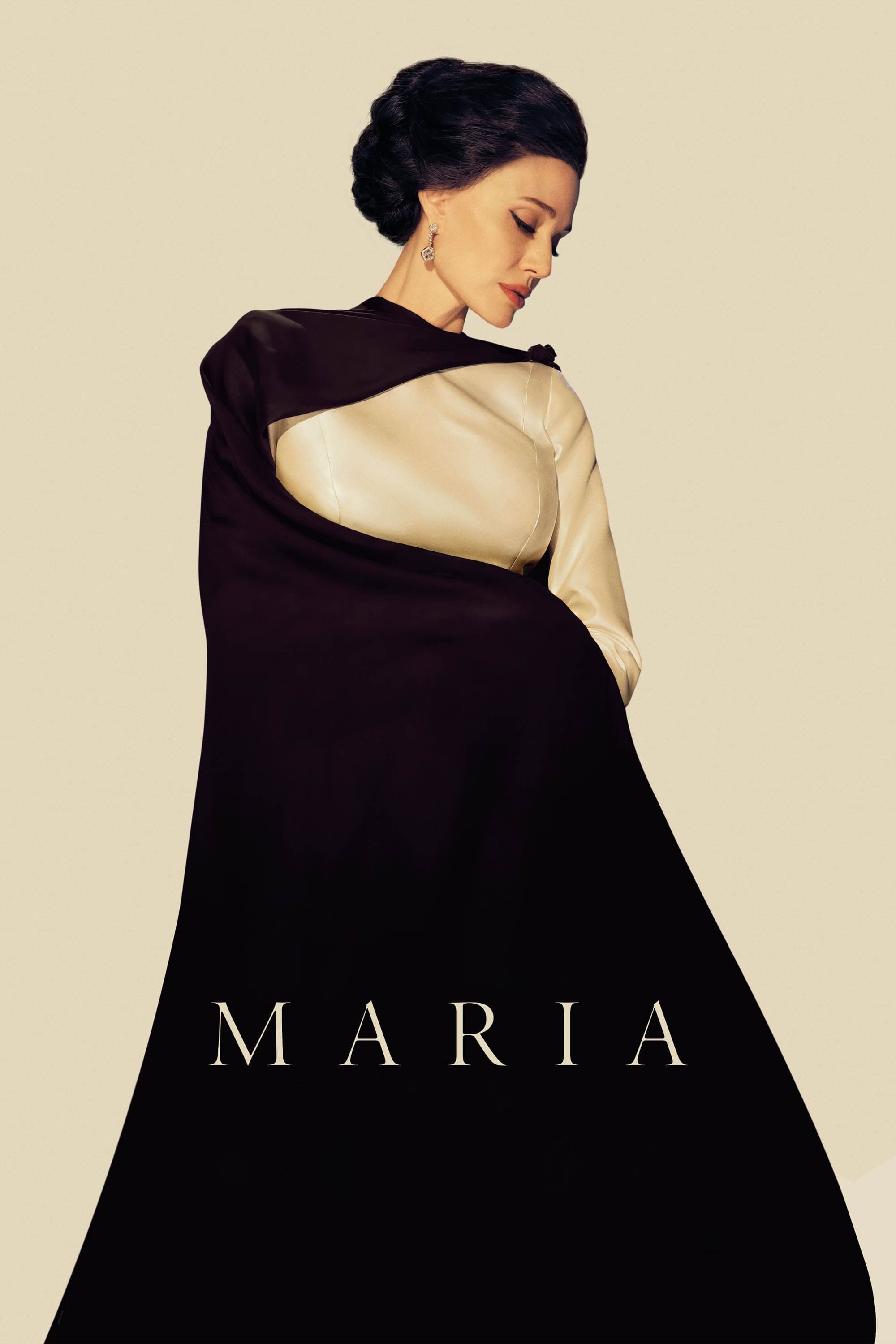
Maria Callas, the world's greatest opera singer, lives the last days of her life in 1970s Paris, as she confronts her identity and life.
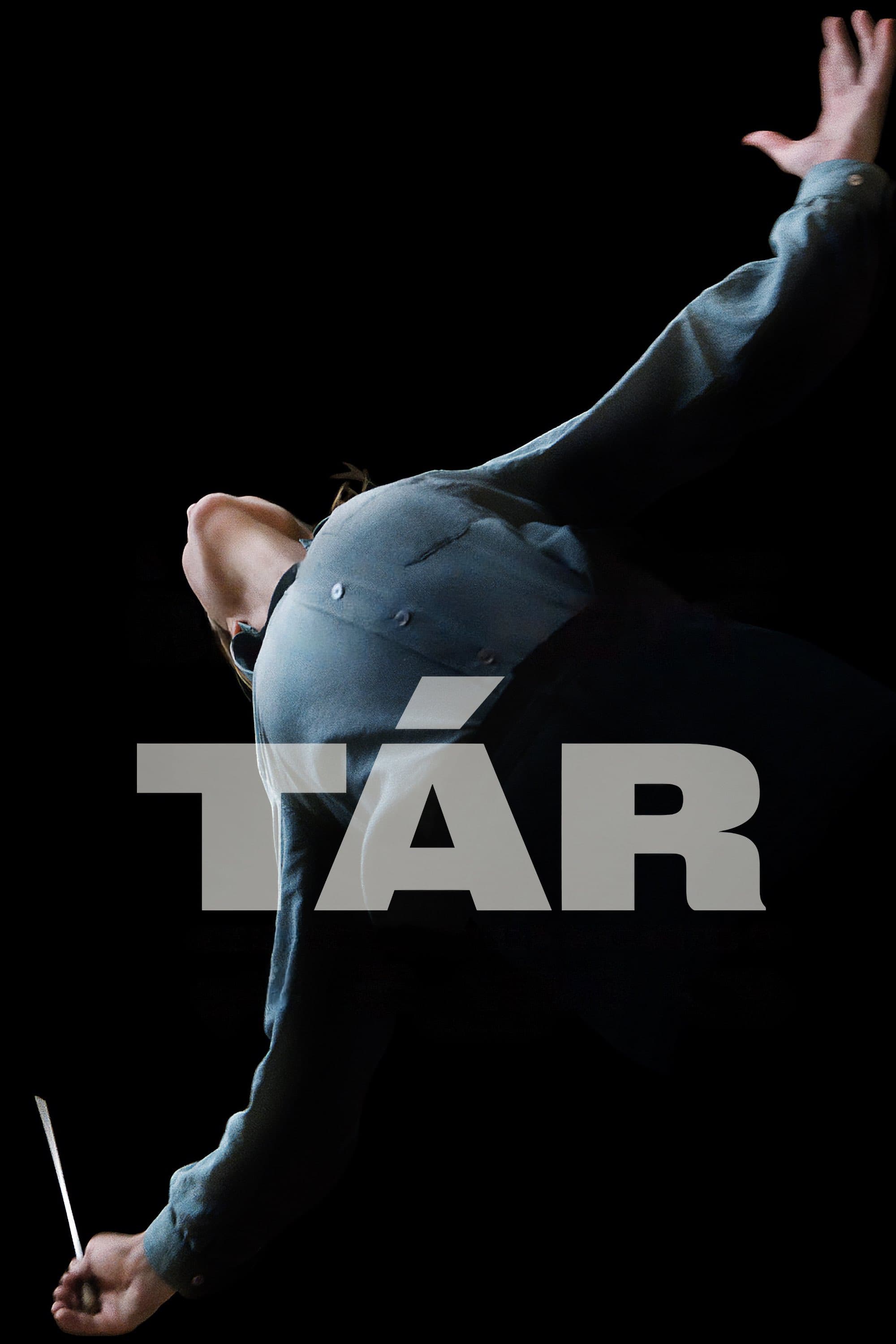
As celebrated conductor Lydia Tár starts rehearsals for a career-defining symphony, the consequences of her past choices begin to echo in the present.
When the beloved cellist of a world-renowned string quartet is diagnosed with a life threatening illness, the group's future suddenly hangs in the balance as suppressed emotions, competing egos and uncontrollable passions threaten to derail years of friendship and collaboration. As they are about to play their 25th anniversary concert — quite possibly their last — only their intimate bond and the power of music can preserve their legacy.
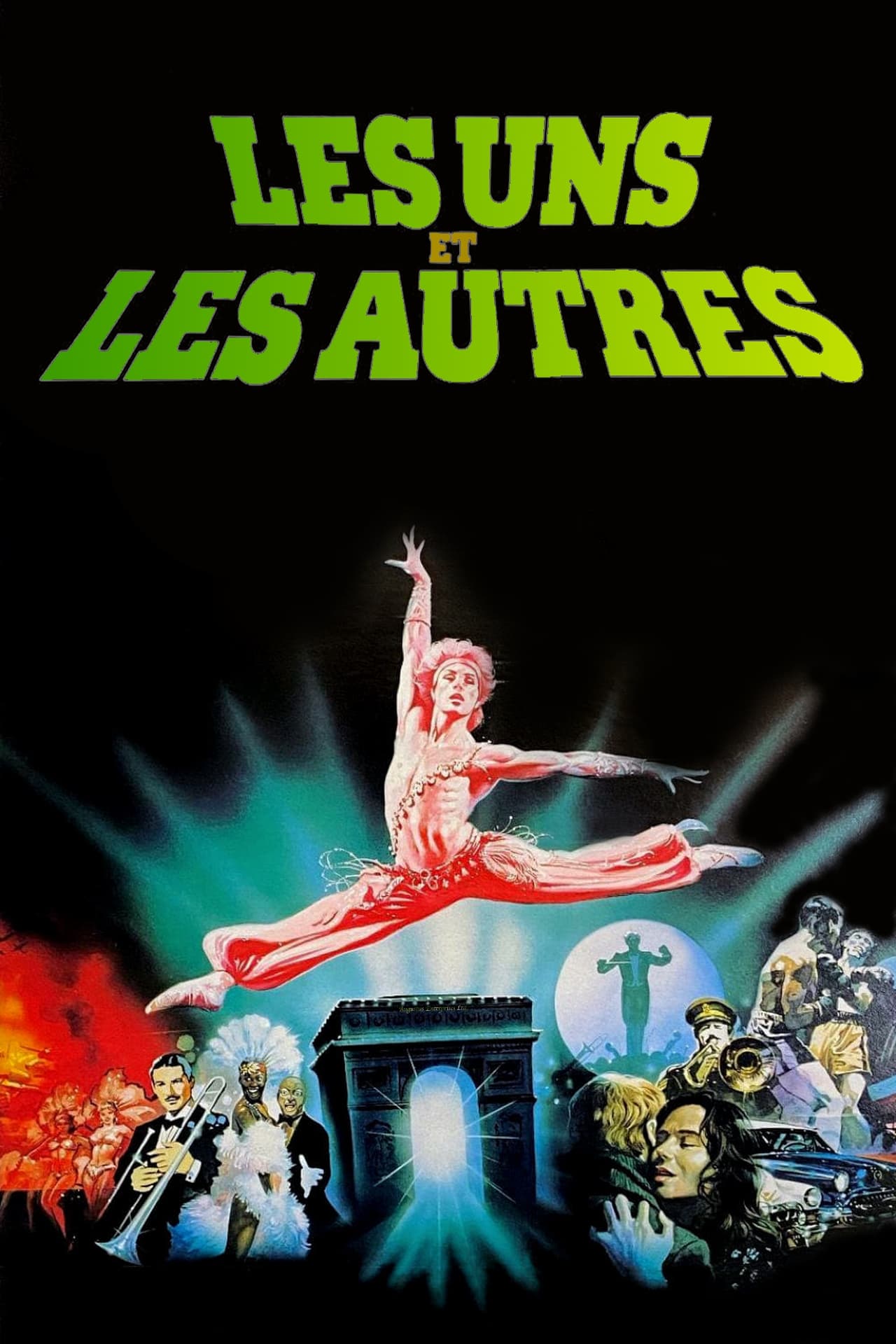
The film follows four families, with different nationalities (French, German, Russian and American) but with the same passion for music, from the 1930s to the 1960s. The various story lines cross each other time and again in different places and times, with their own theme scores that evolve as time passes. The main event in the film is the Second World War, which throws the stories of the four musical families together and mixes their fates. Although all characters are fictional, many of them are loosely based on historical musical icons (Édith Piaf, Josephine Baker, Herbert von Karajan, Glenn Miller, Rudolf Nureyev, etc.) The Boléro dance sequence at the end brings all the threads together.
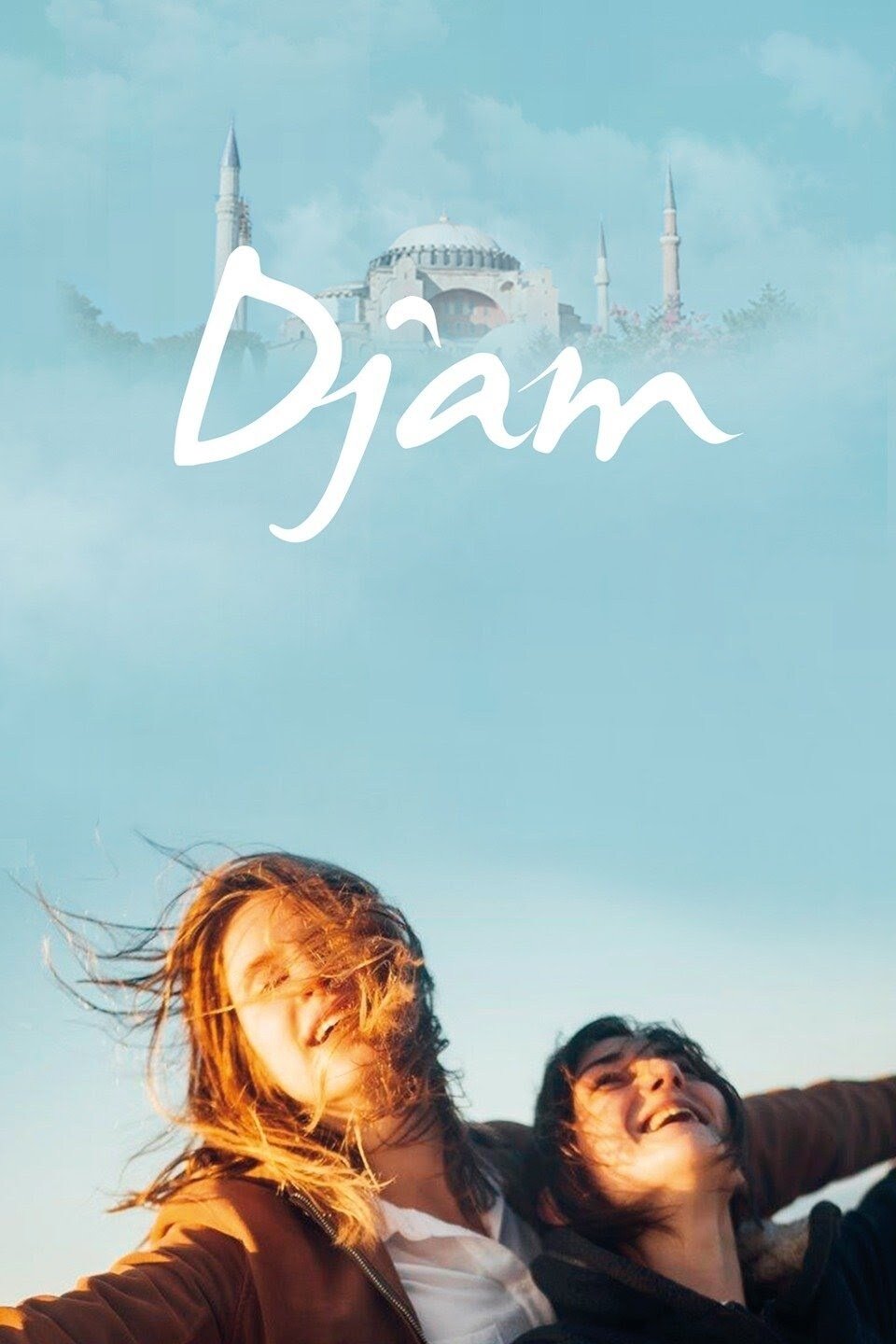
Djam, a young Greek woman, is sent to Istanbul by her uncle Kakourgos, a former sailor with a passion for Rebetiko, to find a rare part that will repair their boat. In Istanbul, she encounters Avril, a nineteen-year-old French girl, alone and without any money, who came to Turkey as a voluntary worker with refugees. Djam, generous, cheeky, unpredictable, and free-spirited, takes Avril under her wing on the way to Mytilene. A journey filled with encounters, music, sharing, and hope.
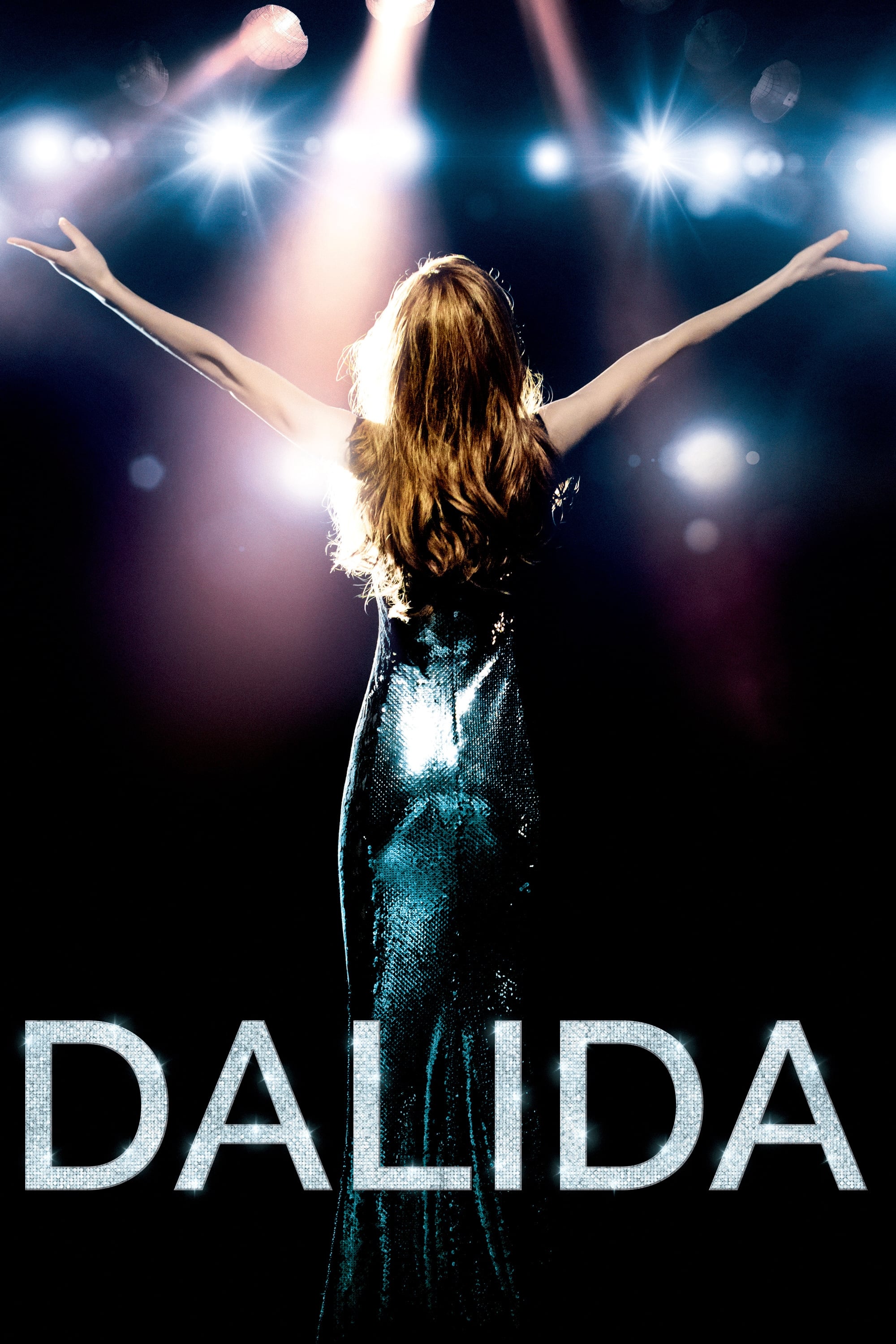
Based on the true story of acclaimed music icon "Dalida" born in Cairo, who gained celebrity in the 50s, singing in French, Spanish, Arabic, Hebrew, German, Italian, playing in awarded Youssef Chahine's picture "Le Sixième Jour", and who later committed suicide in 1987 in Paris, after selling more than 130 million records worldwide.
A young alcoholic ambient musician locks himself in his apartment on a dangerous seven day bender as he attempts to finish his upcoming album.
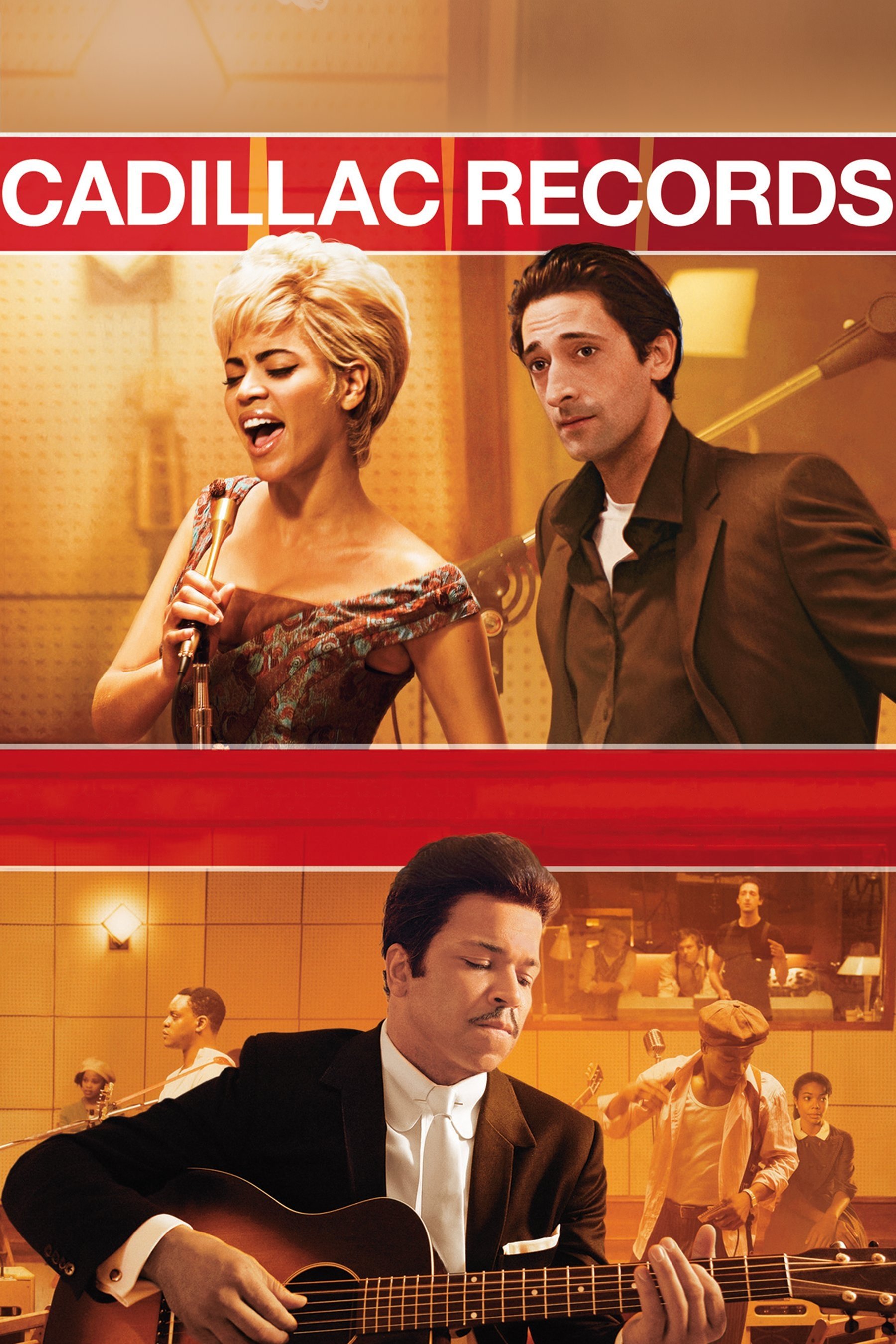
The story of sex, violence, race and rock and roll in 1950s Chicago, and the exciting but turbulent lives of some of America's musical legends, including Muddy Waters, Leonard Chess, Little Walter, Howlin' Wolf, Etta James and Chuck Berry.
On the brink of turning 30, a promising theater composer navigates love, friendship and the pressure to create something great before time runs out.