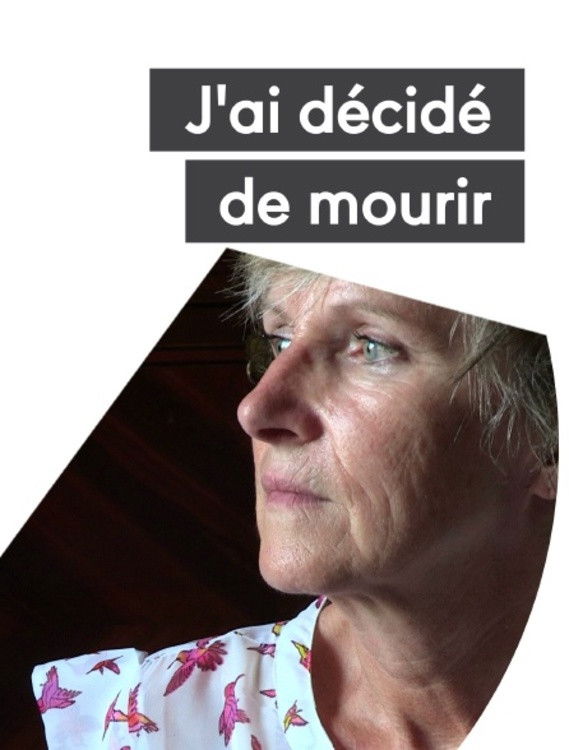
Looks at three different people and their look at euthanasia.
Social & External
Pirate radio stations are unprecedentedly popular, even in the age of the internet and Spotify. What does this music say about identity, about our desire for stability in a changing world?
Documentary that shows the changing attitude towards immigrant labor in The Netherlands. The documentary follows three immigrants that arrived in Holland 30 years ago to work in a bakery.
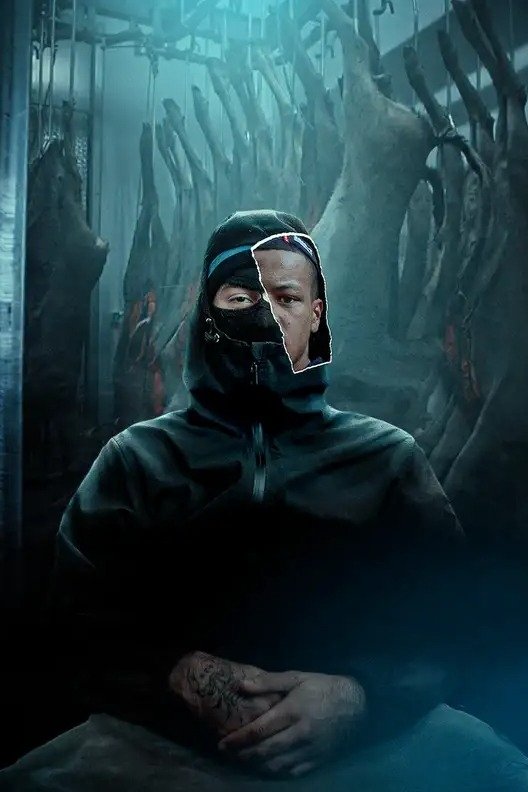
Three young drill rappers fight for respect in a world where words and weapons blur the line between music and violence. Their world feels like war, a battle that is barely comprehensible to outsiders. In candid conversations, Realest, Takerisk and Gogetter explain how feuds arise, escalate and sometimes literally bring them to the edge of the abyss.
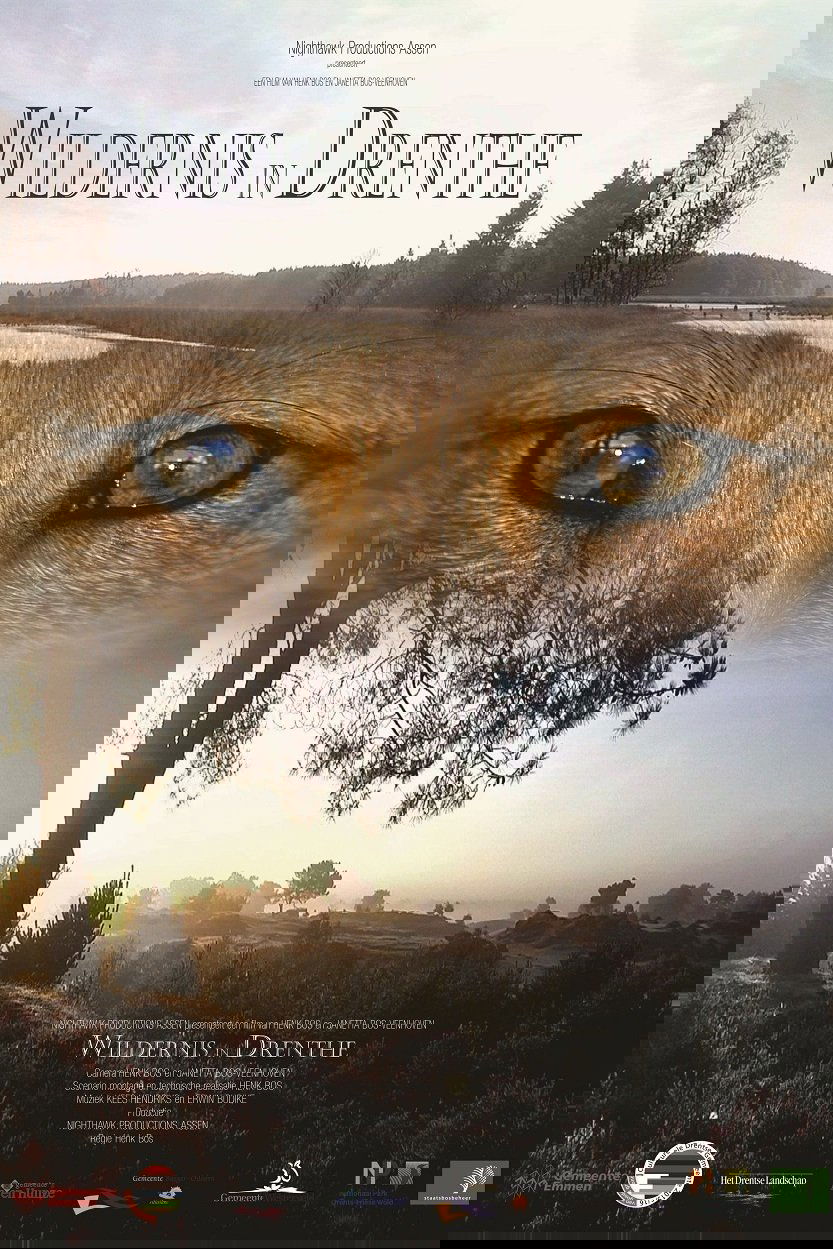
A documentary about the beautiful nature of Drenthe
In the early morning of February 3, 1979, a giant black triangular object flew over Soesterberg Air Base. At least twelve soldiers witnessed this bizarre spectacle.
For months, the FBI have been investigating Russian interference in the American presidential elections. ZEMBLA is investigating another explosive dossier concerning Trump’s involvement with the Russians: Trump’s business and personal ties to oligarchs from the former Soviet Union. Powerful billionaires suspected of money laundering and fraud, and of having contacts in Moscow and with the mafia. What do these relationships say about Trump and why does he deny them? How compromising are these dubious business relationships for the 45th president of the United States? And are there connections with the Netherlands? ZEMBLA meets with one of Trump’s controversial cronies and speaks with a former CIA agent, fraud investigators, attorneys, and an American senator among others.
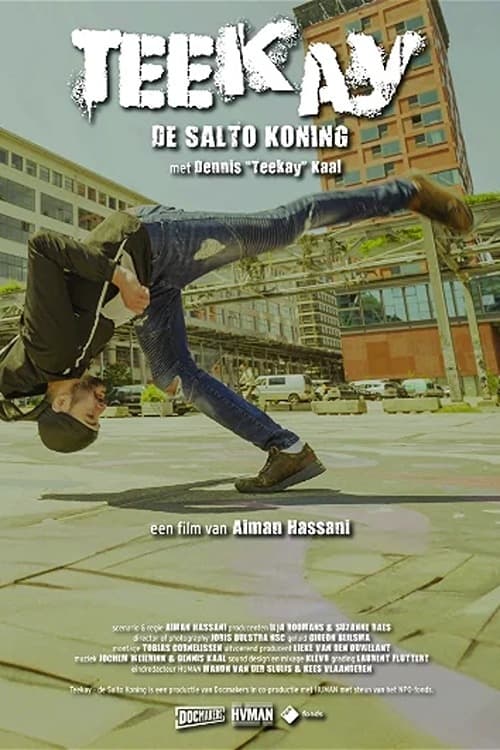
Rapper and breakdancer Teekay from Eindhoven is known for his somersaults and vlogs that are causing a stir. During the corona riots in 2021, he not only gained national fame as a vlog reporter, but also ended up briefly in jail. After his junior year, Teekay wants to change course and, above all, be an example for other young people. In the film he takes us into his life and talks about his childhood in foster homes, the mistakes he made and about his dreams. What is Teekay looking for?
VPRO icon Wim Brands died on April 4, 2016. He was known to the general public as a presenter of the VPRO Boeken program and also closer, with six collections of poetry to his name. This documentary about his life and work, built entirely from archive material, pays tribute to this television personality. A portrait in which attention is also paid to his complicated relationship with death. With a.o. Karl Ove Knausgård, David Sedaris, Ellen Deckwitz and Pieter Boskma. Brands' work merges with his rich inner life and that he chose death at the age of 56 casts a shadow over everything.
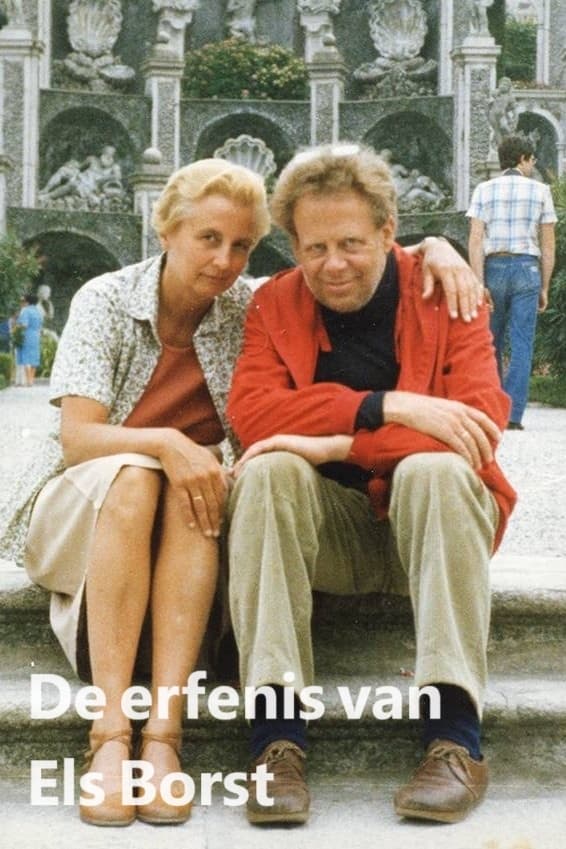
February 8, 2024 will mark ten years since Els Borst was murdered. This documentary highlights the remarkable career and life of the former Minister of Health, based on conversations with people who knew her well. It shows Borst's personal side and her impressive contribution to Dutch society. In addition to the successful cases, what were they encountering? How did Borst deal with political opposition? What did this do to her personally? The documentary provides a tangible image of Els Borst as a politician and a person, with attention to her legacy and the tragic end of her life.
Nature documentary shot in the national park Drentsche Aa.
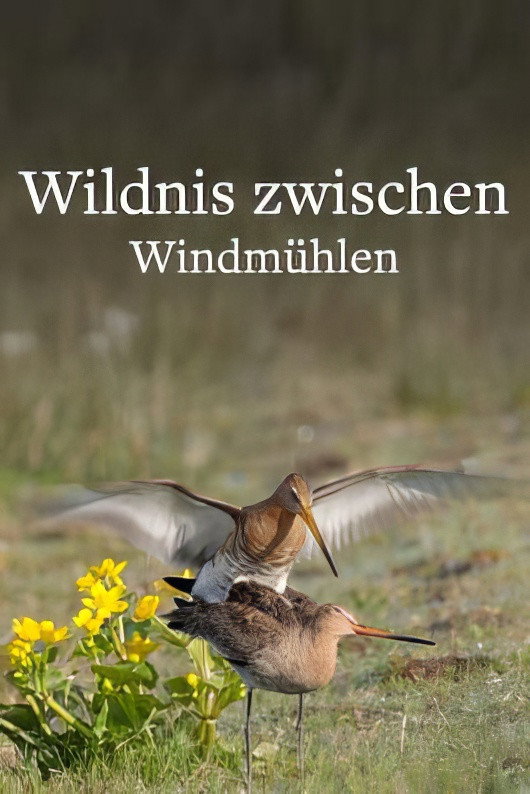
The documentary embarks on a fascinating journey of discovery through the Alblasserwaard, revealing the wild side of this classic and idyllic Dutch landscape as the seasons change, as well as the astonishing number of animal species that have benefited from the legacy of windmills.
Tilburg artist Tommy van der Loo searches for the influence of superiority thinking, racism and colour in his life. Van der Loo is an emerging artist and his work has been purchased by Boijmans van Beuningen in Rotterdam. He also had an exhibition at the Kunsthal. He also made the memorial for the abolition of slavery in Eindhoven. He has had multiple experiences with discrimination and incorporates that into his sculptures. Identity and image formation are important to him: How do you look at others, how do others look at you. The search is the inspiration for his new sculpture.
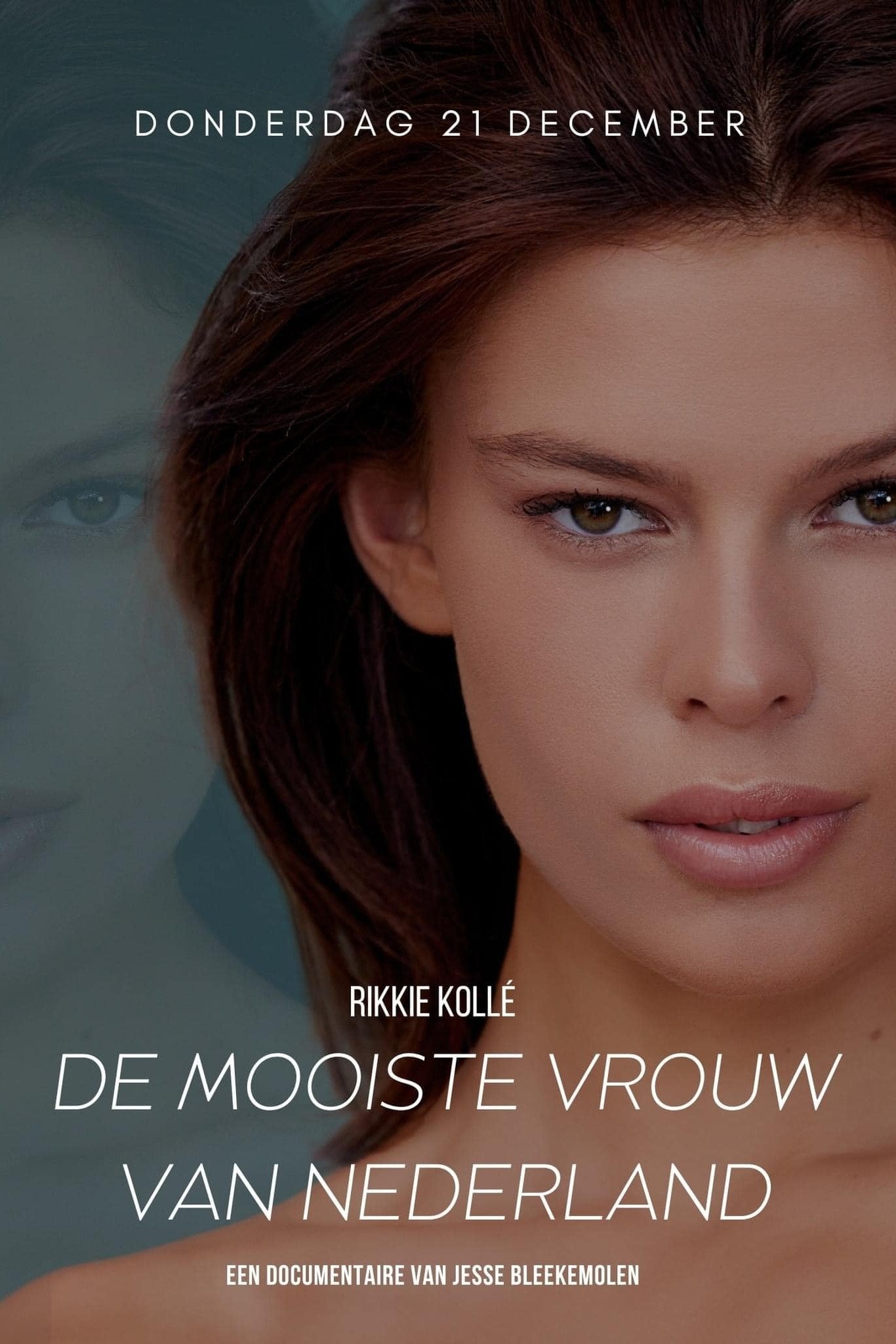
Rikkie Kollé will be the first trans woman to be crowned Miss Netherlands in July 2023. In addition to praise, 22-year-old Rikkie receives a remarkable amount of misunderstanding and hate reactions about herself. Fortunately, they have only strengthened her mission even more: being an example for young trans people and normalizing gender diversity. In a unique documentary, Miss Netherlands is followed on her way to the world stage in El Salvador where she is making a bid for the title of Miss Universe, with all the work, obligations and preparations that entails.
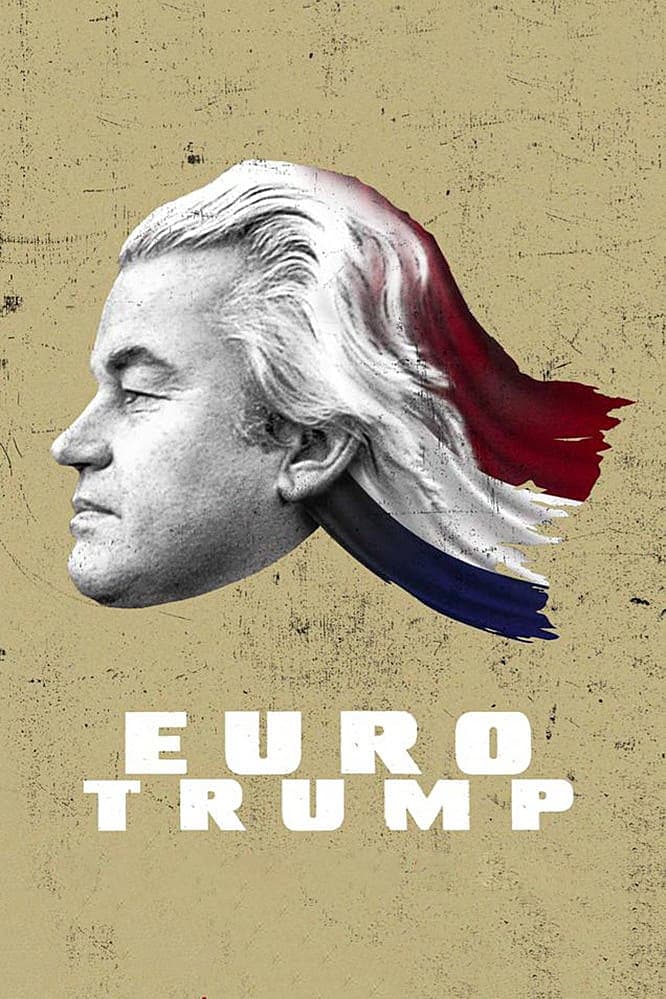
A documentary focused on right wing populist Geert Wilders, called The Dutch Donald Trump, as he runs for Prime Minister of the Netherlands.
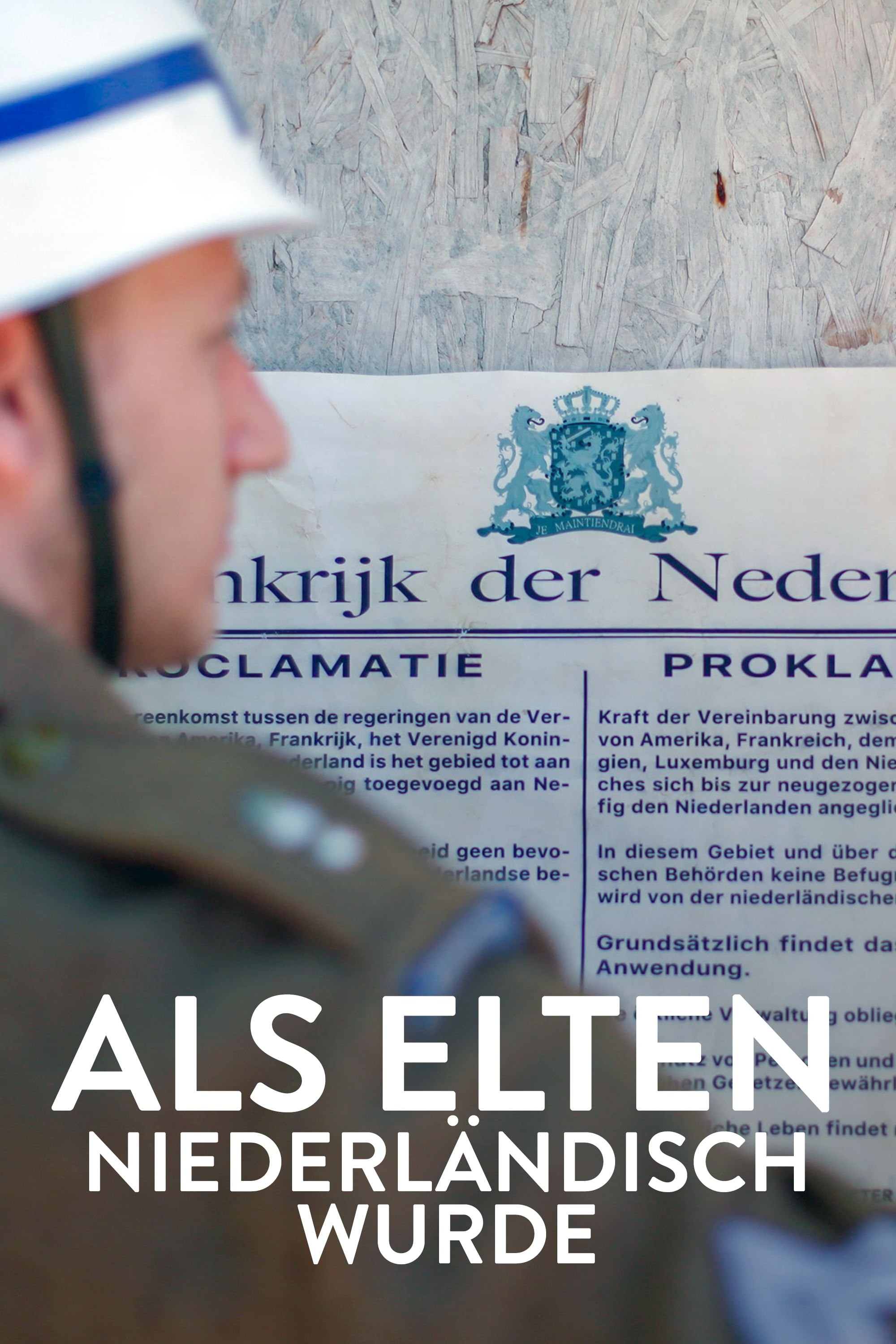
It is an unknown chapter of the German post-war history: On April 23rd, 1949, the kingdom of the Netherlands occupied German soil as a pledge for demanded war reparations. Part of the annexed territories was also the small municipality of Elten. While the people of Elten were initially afraid of the occupation, the time “with Holland” actually became a miracle of prosperity and economy about which many people from Elten still rave today. The occupation period ended with the largest organized smuggling in the history of the federal republic of Germany. The Documentary shows this in never before released 8 mm footage!
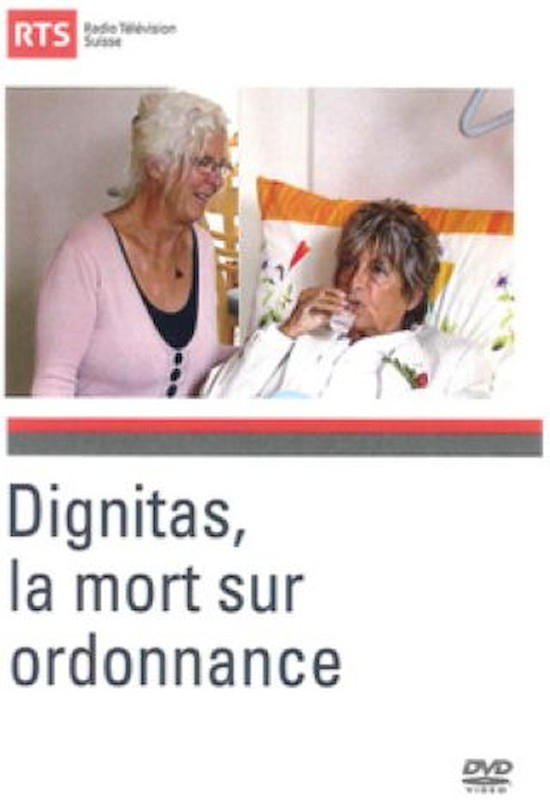
Switzerland is the only country in the world that allows foreigners to come and die on its territory. Since its founding in 1998, more than a thousand people have traveled to Zurich to end their lives with the help of the organization Dignitas. "Dignitas - Death on Prescription" is a documentary about an organization that provides people with terminal and incurable illnesses, intense unrelenting pain, and depression with a peaceful death. The organization's founder, lawyer Ludwig Minelli, is often the target of insults, especially from politicians, despite the fact that most Swiss citizens support the option of medically assisted suicide.
The Survivors of the WW2 Battle of Arnhem tell their stories of the brutal and exhausting conflict.
A purely observational non-fiction film that takes viewers into the ethically murky world of end-of-life decision making in a public hospital.
Musician and performance artist Laurie Anderson reflects on the deaths of her husband Lou Reed, her mother and her beloved dog.
A documentary chronicling Vogue editor-in-chief Anna Wintour's preparations for the 2007 fall-fashion issue.
“Showrunners” is the first ever feature length documentary film to explore the fascinating world of US television showrunners and the creative forces aligned around them. These are the people responsible for creating, writing and overseeing every element of production on one of the United State’s biggest exports – television drama and comedy series. Often described as the most complex job in the entertainment business, a showrunner is the chief writer / producer on a TV series and, in most instances, the show’s creator. Battling daily between art and commerce, showrunners manage every aspect of a TV show’s development and production: creative, financial and logistical.
An inside look at one of the most anticipated movie sequels ever with James Cameron and cast.
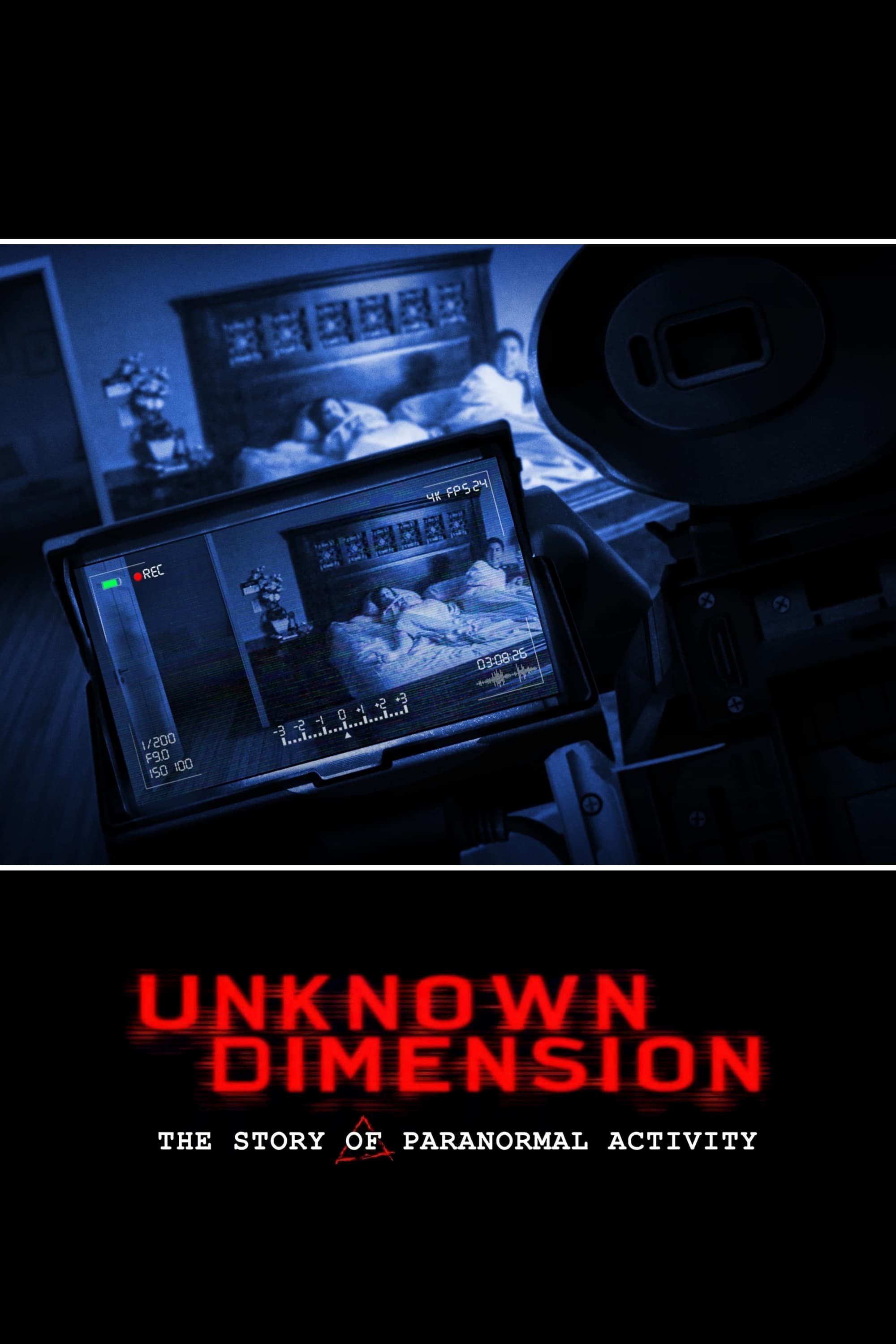
A deep dive into the making of the Paranormal Activity films with first time ever interviews with cast and crew, never-before-seen footage from the movies, and a preview of the seventh installment in the franchise.
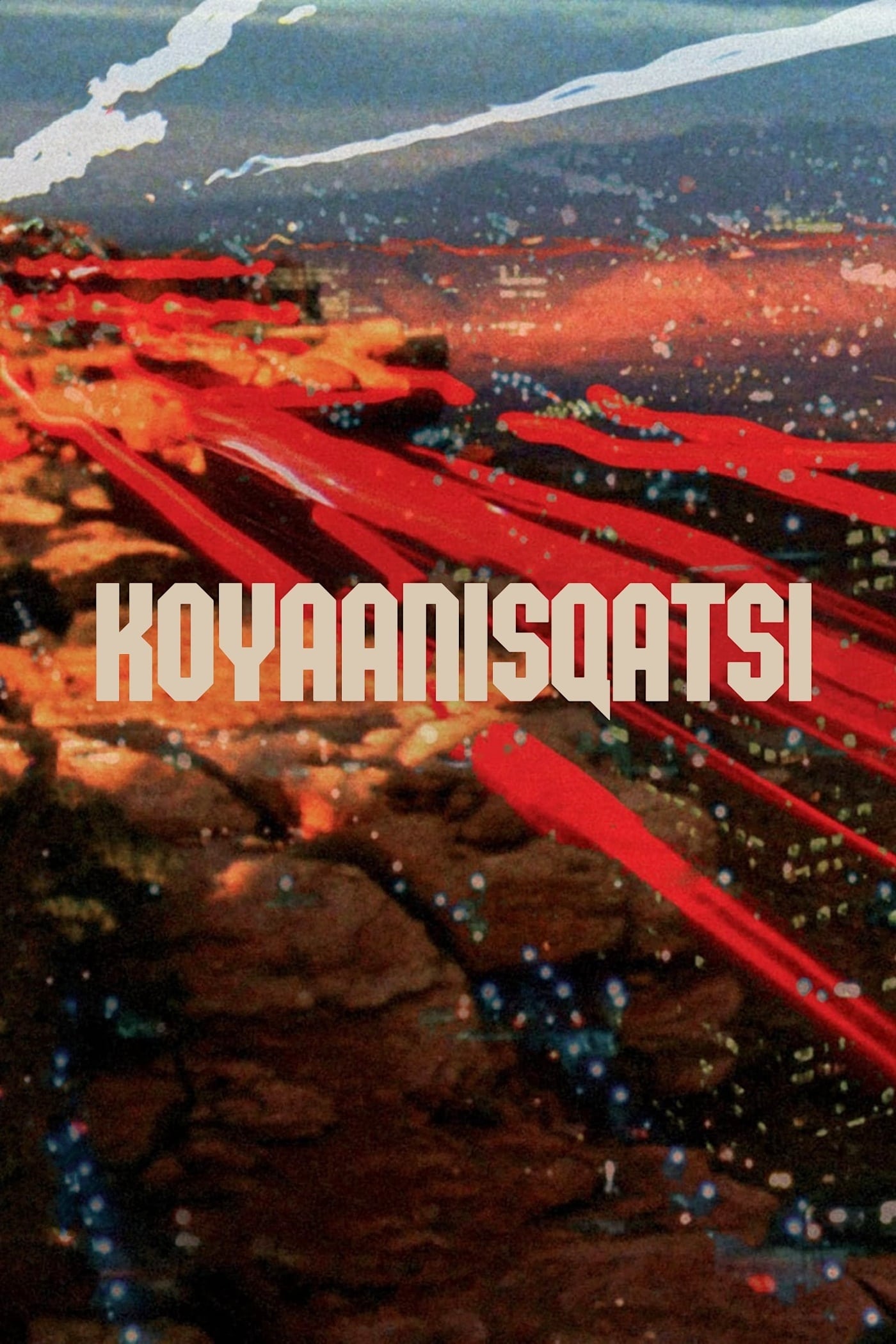
Takes us to locations all around the US and shows us the heavy toll that modern technology is having on humans and the earth. The visual tone poem contains neither dialogue nor a vocalized narration: its tone is set by the juxtaposition of images and the exceptional music by Philip Glass.
Daniel Craig candidly reflects on his 15 year adventure as James Bond. Including never-before-seen archival footage from Casino Royale to the upcoming 25th film No Time To Die, Craig shares his personal memories in conversation with 007 producers, Michael G Wilson and Barbara Broccoli.
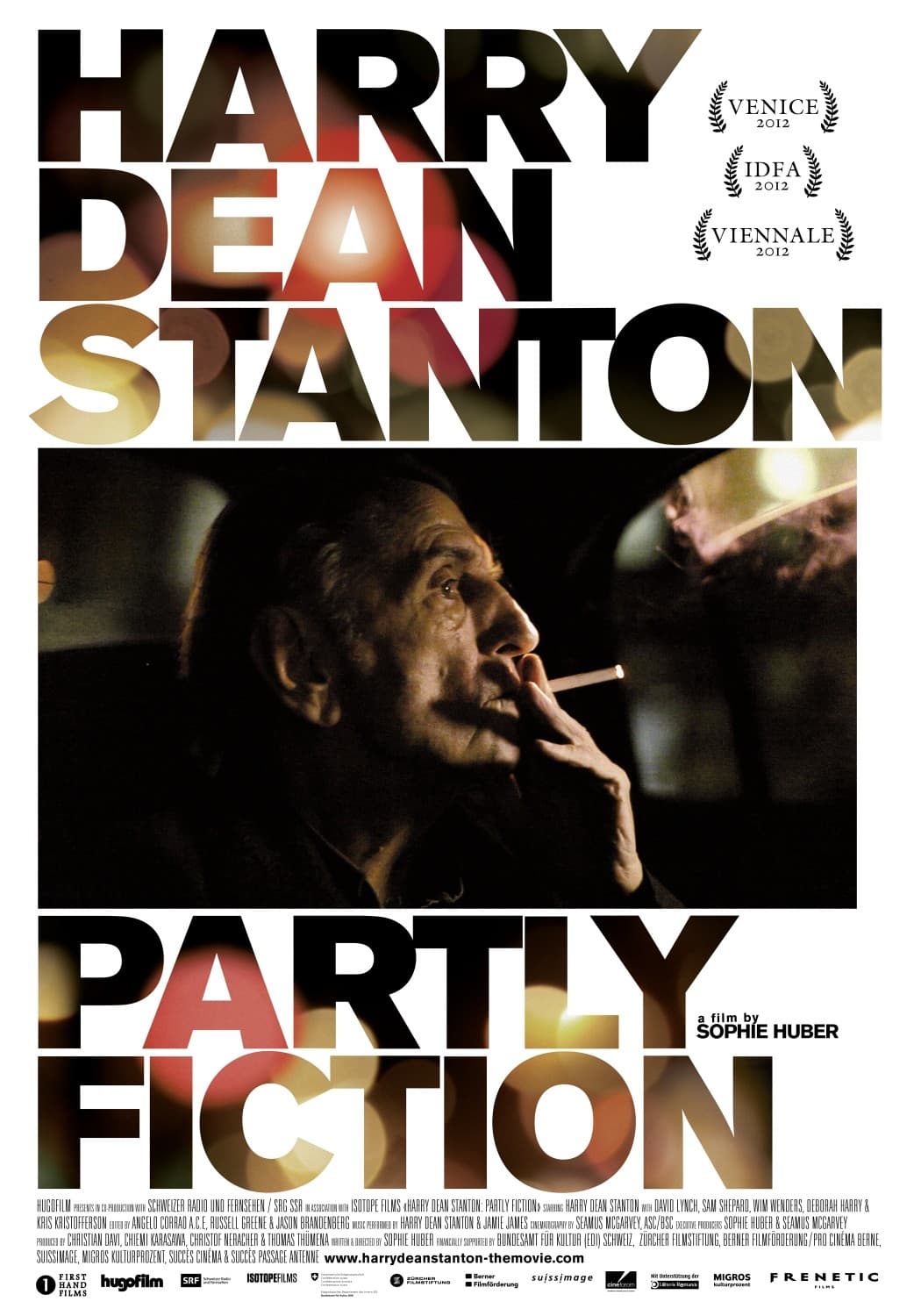
An impressionistic portrait of the iconic actor Harry Dean Stanton comprised of intimate moments, film clips from some of his 250 films and his renditions of American folk songs.
SEDUCED AND ABANDONED combines acting legend Alec Baldwin with director James Toback as they lead us on a troublesome and often hilarious journey of raising financing for their next feature film. Moving from director to financier to star actor, the two players provide us with a unique look behind the curtain at the world's biggest and most glamourous film festival, shining a light on the bitter-sweet relationship filmmakers have with Cannes and the film business. Featuring insights from directors Martin Scorsese, 'Bernando Bertolucci' and Roman Polanski; actors Ryan Gosling and Jessica Chastain and a host of film distribution luminaries.
This revealing documentary honors the legendary Sidney Poitier—iconic actor, filmmaker, and civil rights activist. Featuring interviews with Denzel Washington, Spike Lee, Halle Berry, and more.
Interviews with leading authors, philosophers and scientists, with an in-depth discussion of the Law of Attraction. The audience is shown how they can learn and use 'The Secret' in their everyday lives.
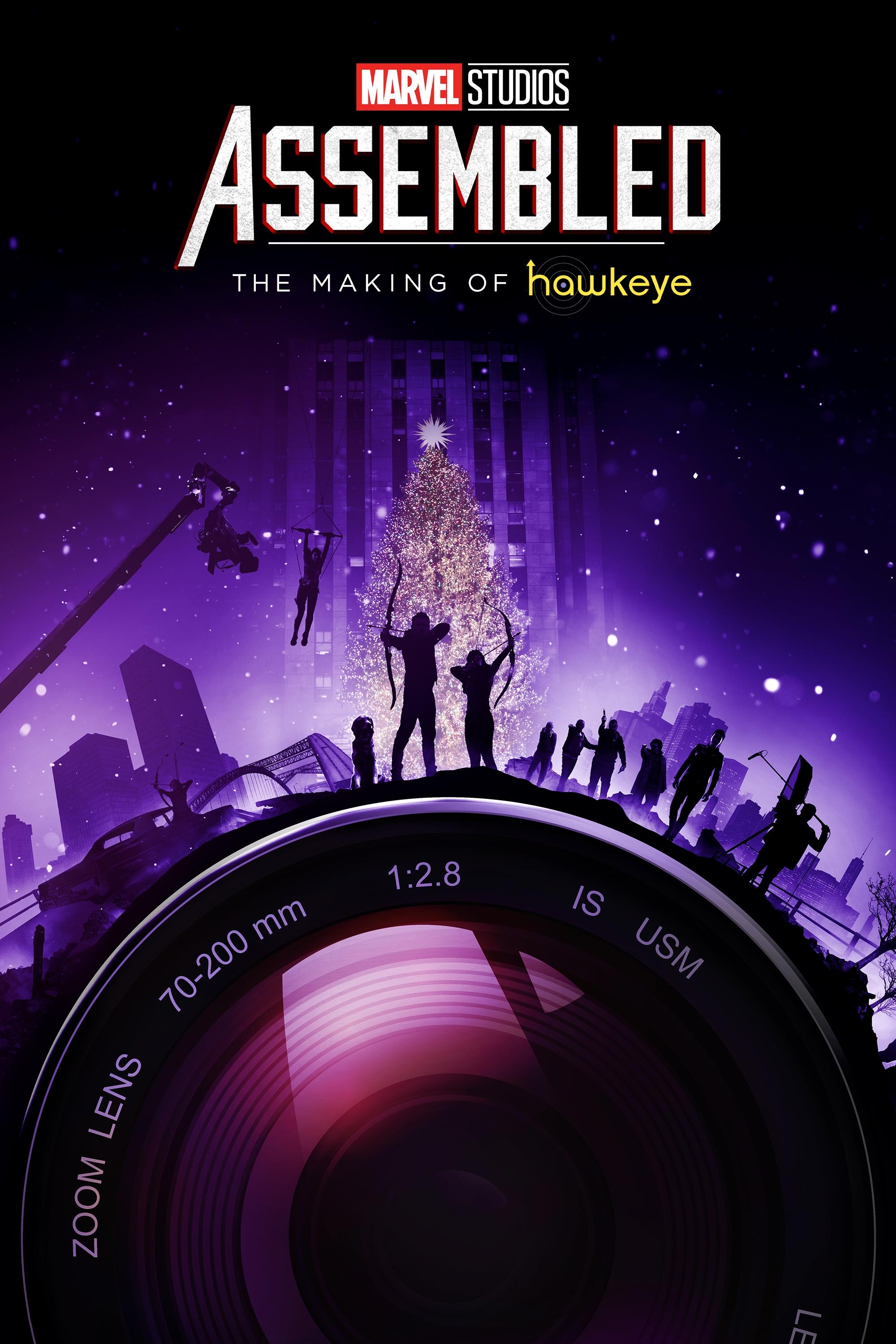
Join the likes of Jeremy Renner, Hailee Steinfeld, Florence Pugh, and Vincent D’Onofrio as they reveal how Marvel Studios’ “Hawkeye” was conceived and created. Witness firsthand what it took to pull off the show’s pulse-pounding action set pieces, and discover how iconic characters from the pages of Marvel Comics such as Kate Bishop were adapted and brought to life for the six-episode series.
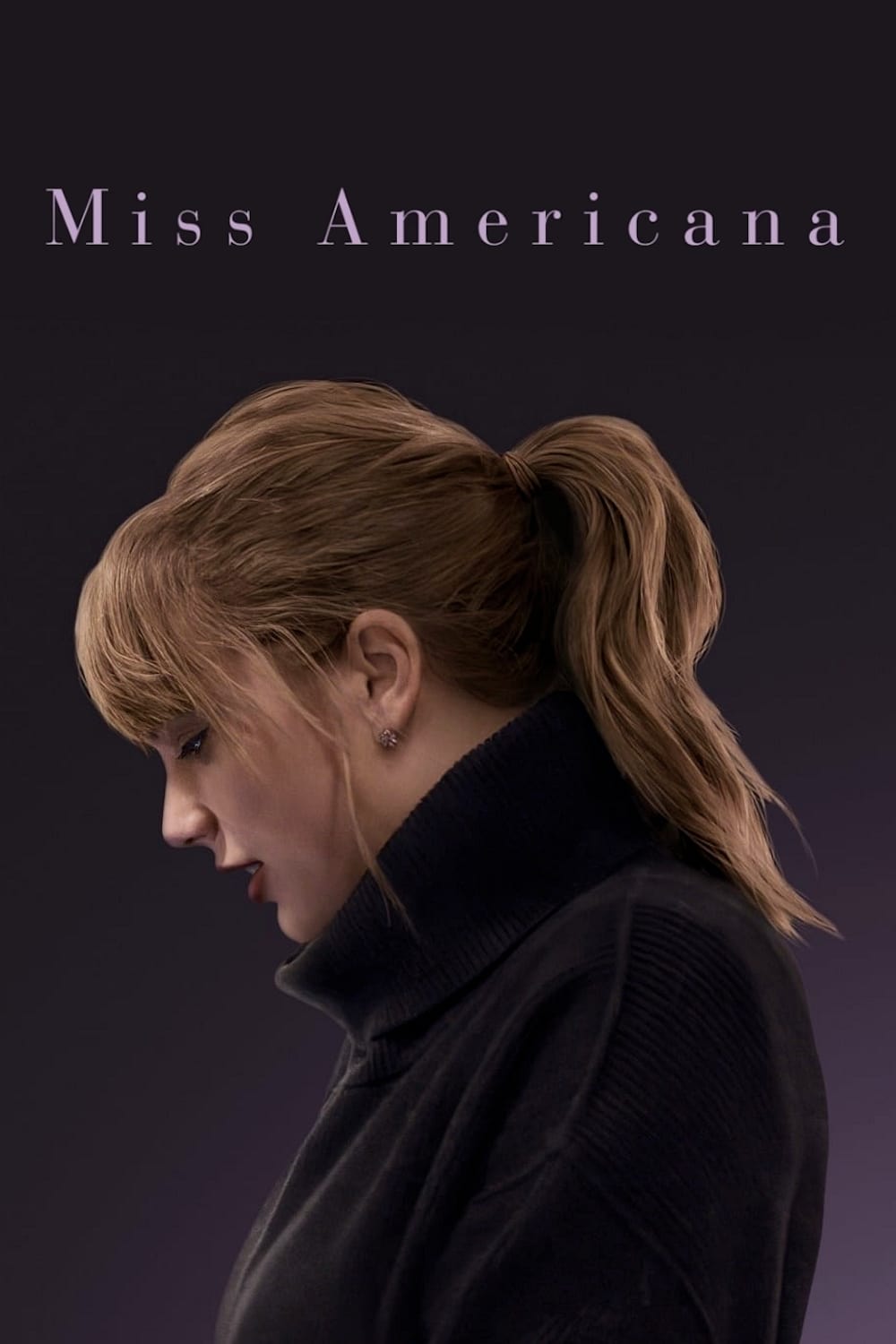
A raw and emotionally revealing look at one of the most iconic artists of our time during a transformational period in her life as she learns to embrace her role not only as a songwriter and performer, but as a woman harnessing the full power of her voice.
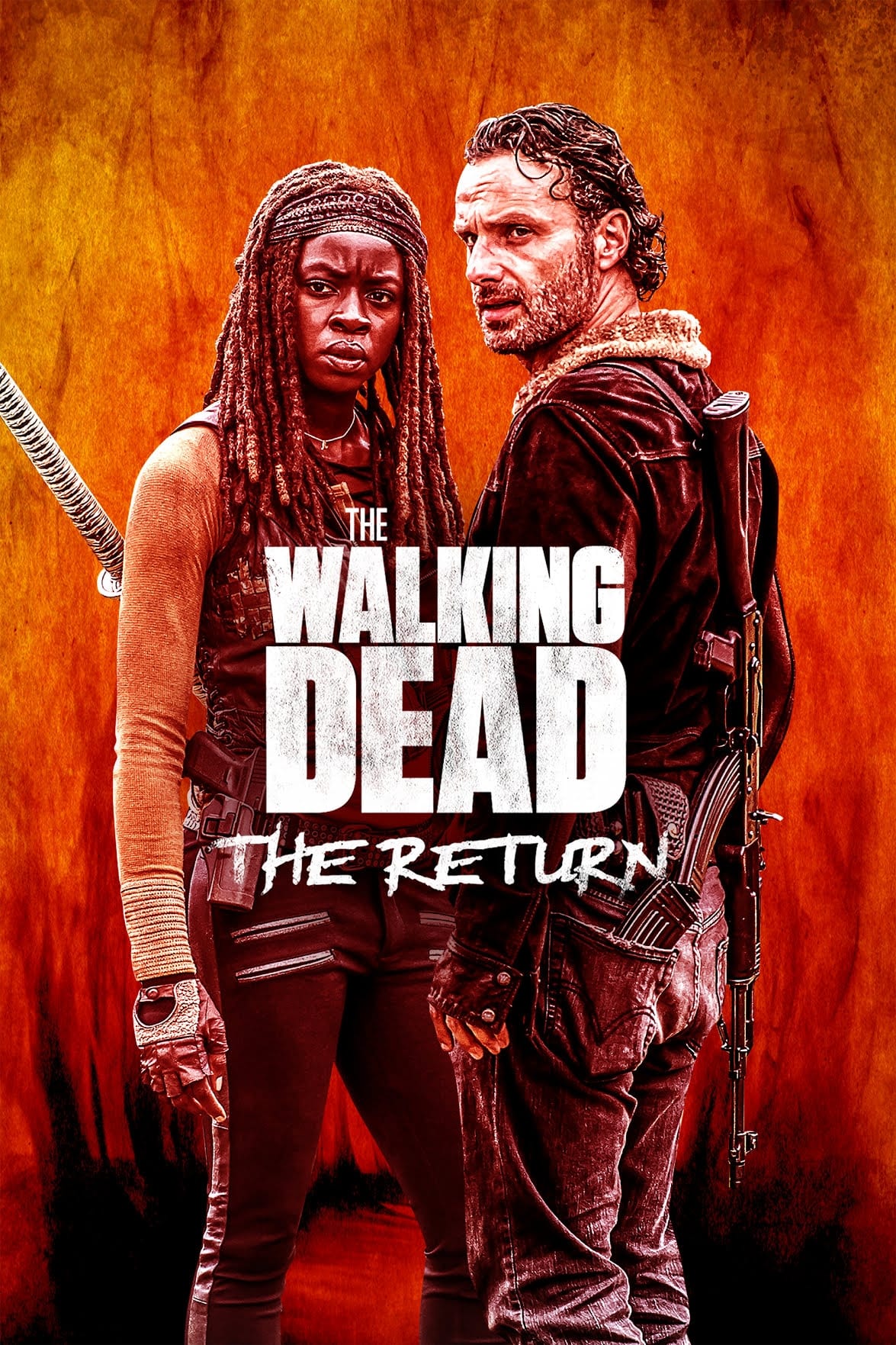
Stars of "The Walking Dead," Andrew Lincoln and Danai Gurira, walk down memory lane and visit iconic locations where pivotal moments between their characters, Rick and Michonne, were filmed.
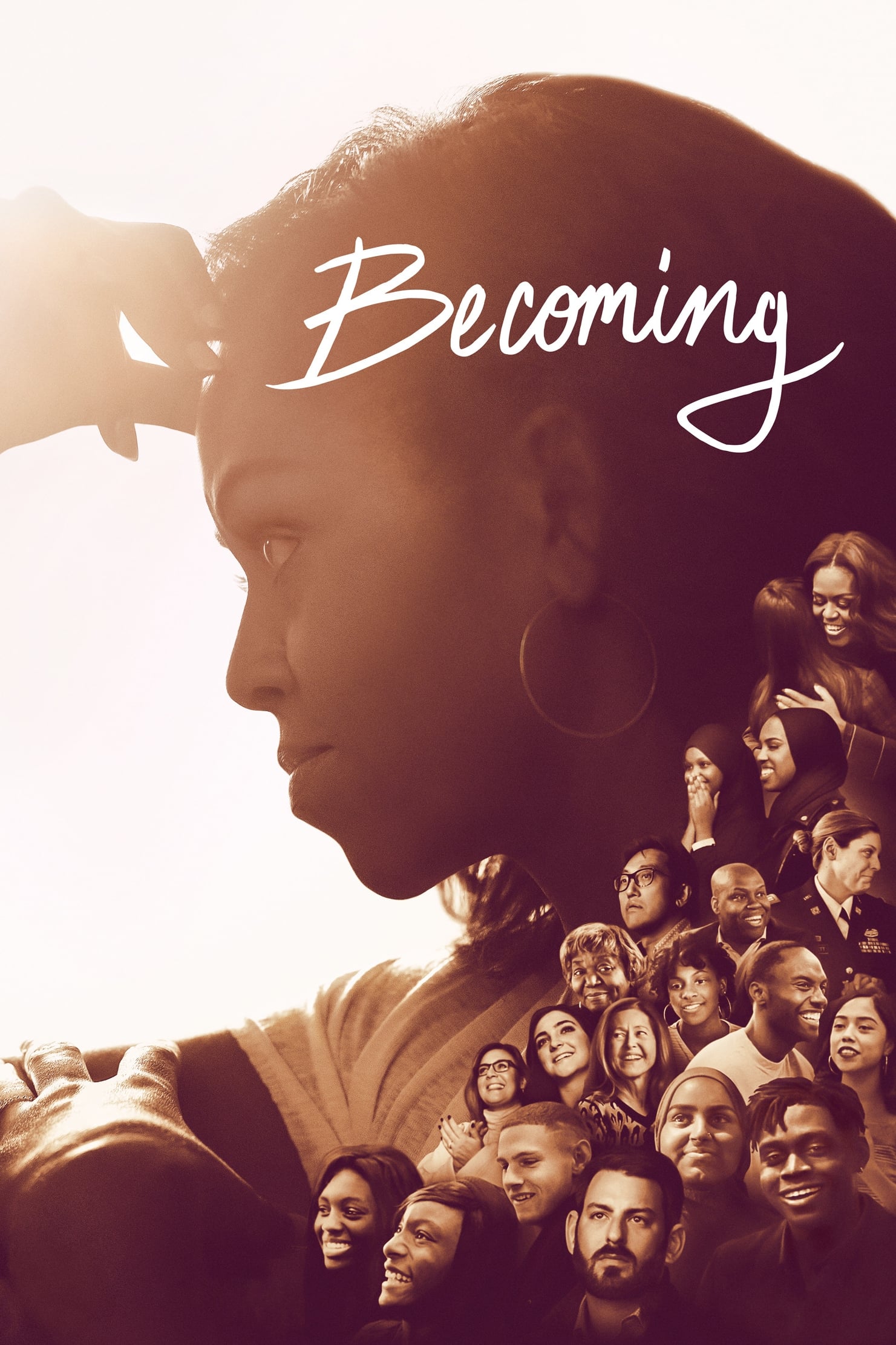
Join former first lady Michelle Obama in an intimate documentary looking at her life, hopes and connection with others.
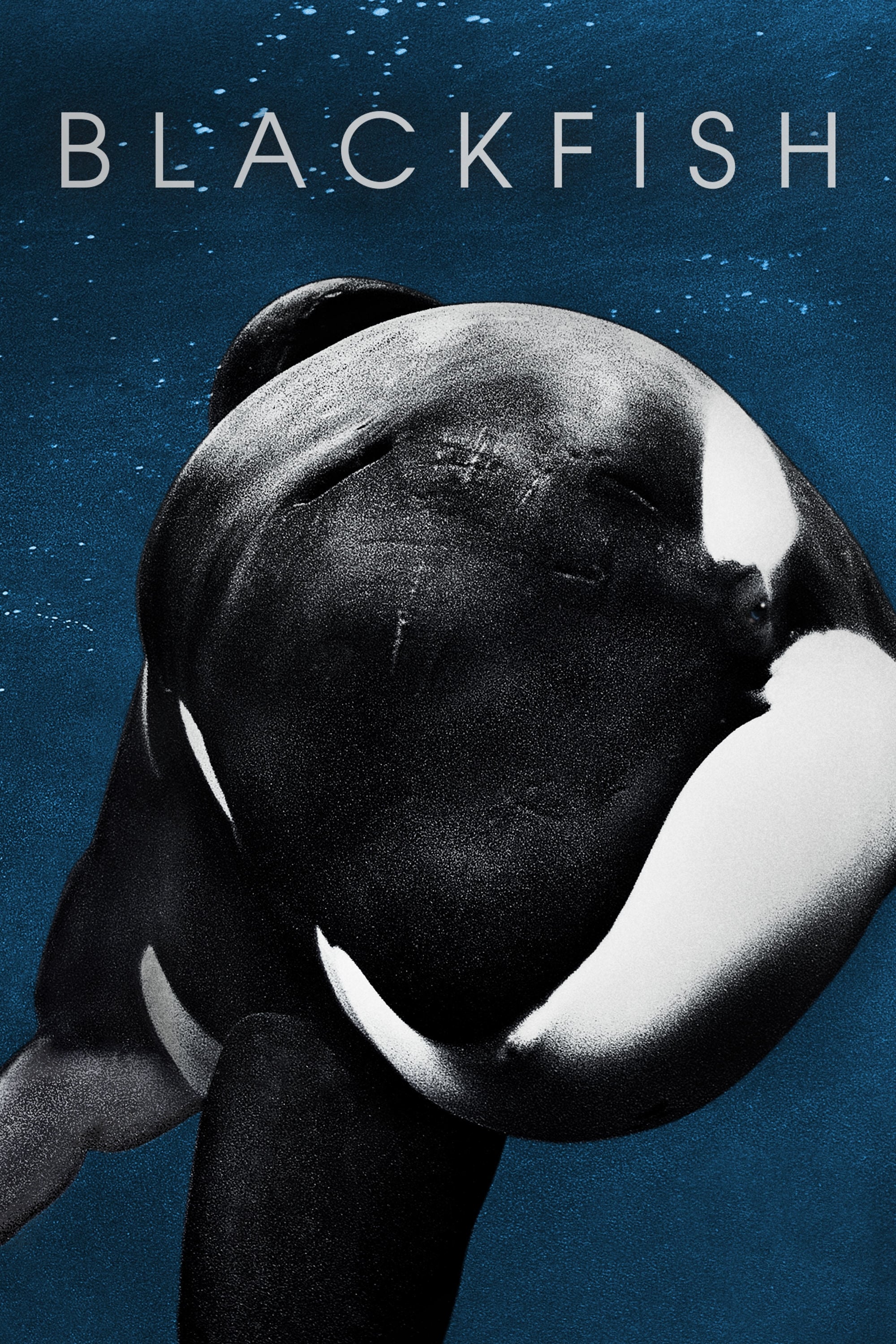
Notorious killer whale Tilikum is responsible for the deaths of three individuals, including a top killer whale trainer. Blackfish shows the sometimes devastating consequences of keeping such intelligent and sentient creatures in captivity.
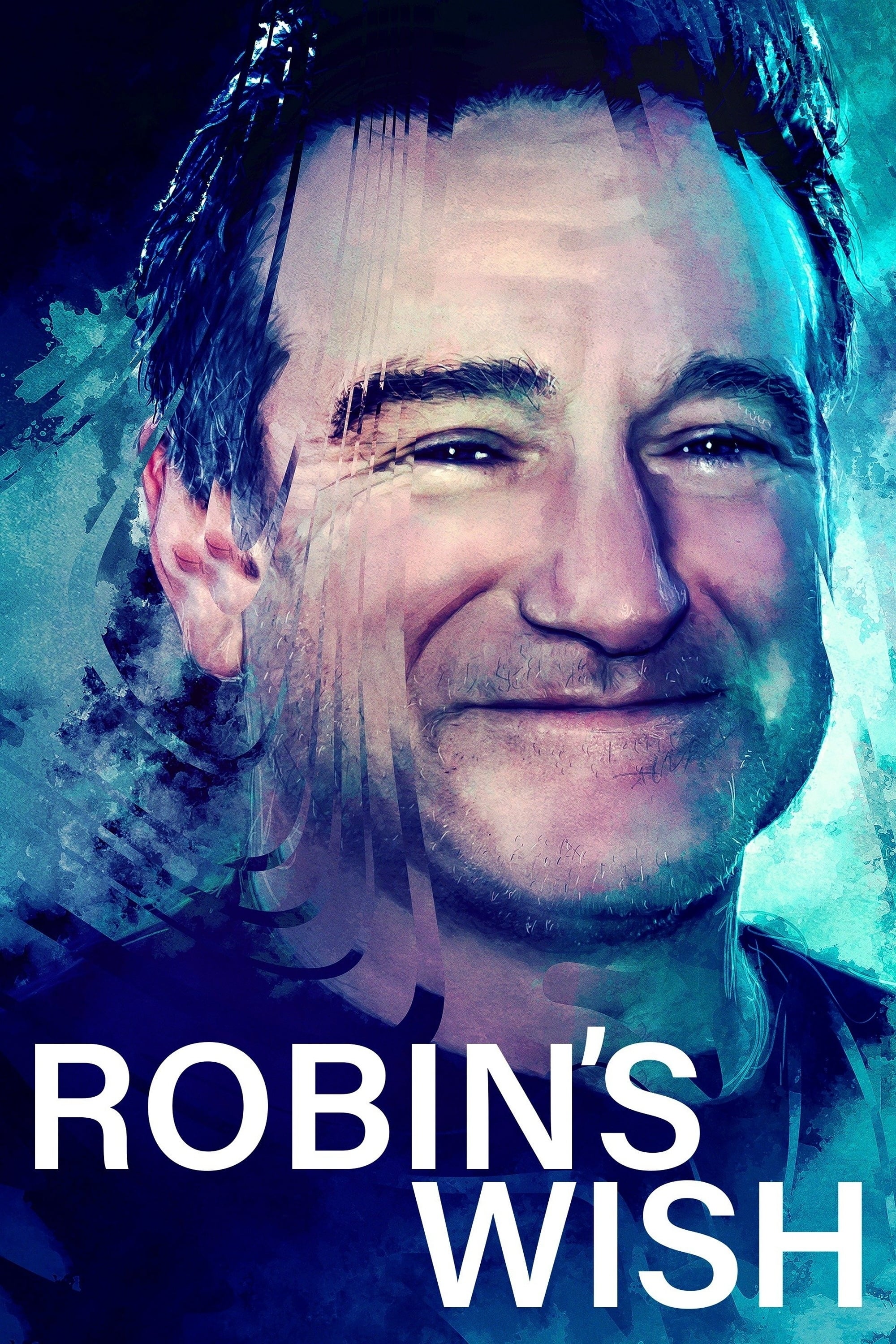
The final word in the story of what really happened to Robin Williams at the end of his life, focusing on his fight against a deadly neurodegenerative disorder known as Lewy body dementia.
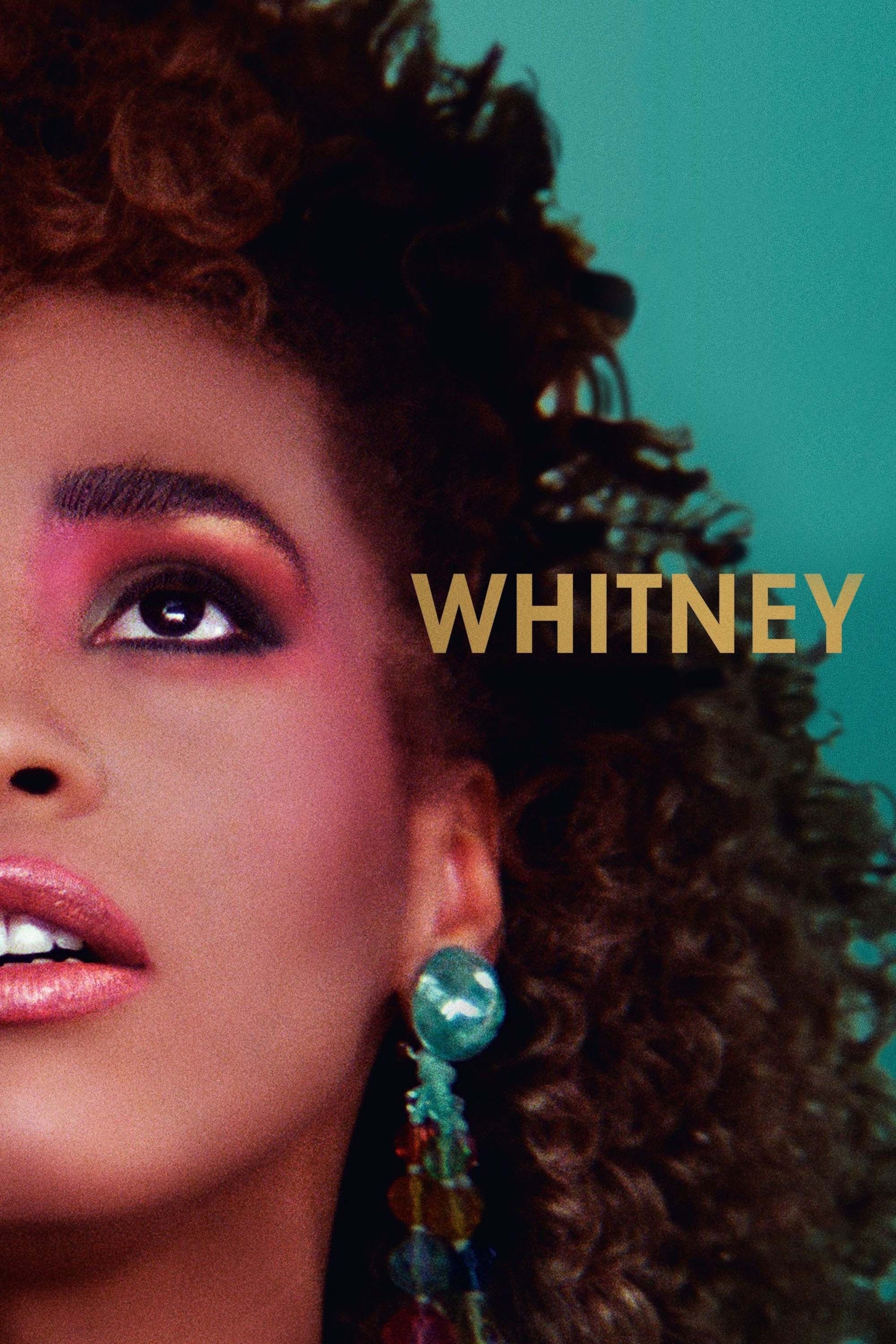
Examines the life and career of singer Whitney Houston. Features never-before-seen archival footage, exclusive recordings, rare performances and interviews with the people who knew her best.
As a visually radical memoir, CAMERAPERSON draws on the remarkable footage that filmmaker Kirsten Johnson has shot and reframes it in ways that illuminate moments and situations that have personally affected her. What emerges is an elegant meditation on the relationship between truth and the camera frame, as Johnson transforms scenes that have been presented on Festival screens as one kind of truth into another kind of story—one about personal journey, craft, and direct human connection.