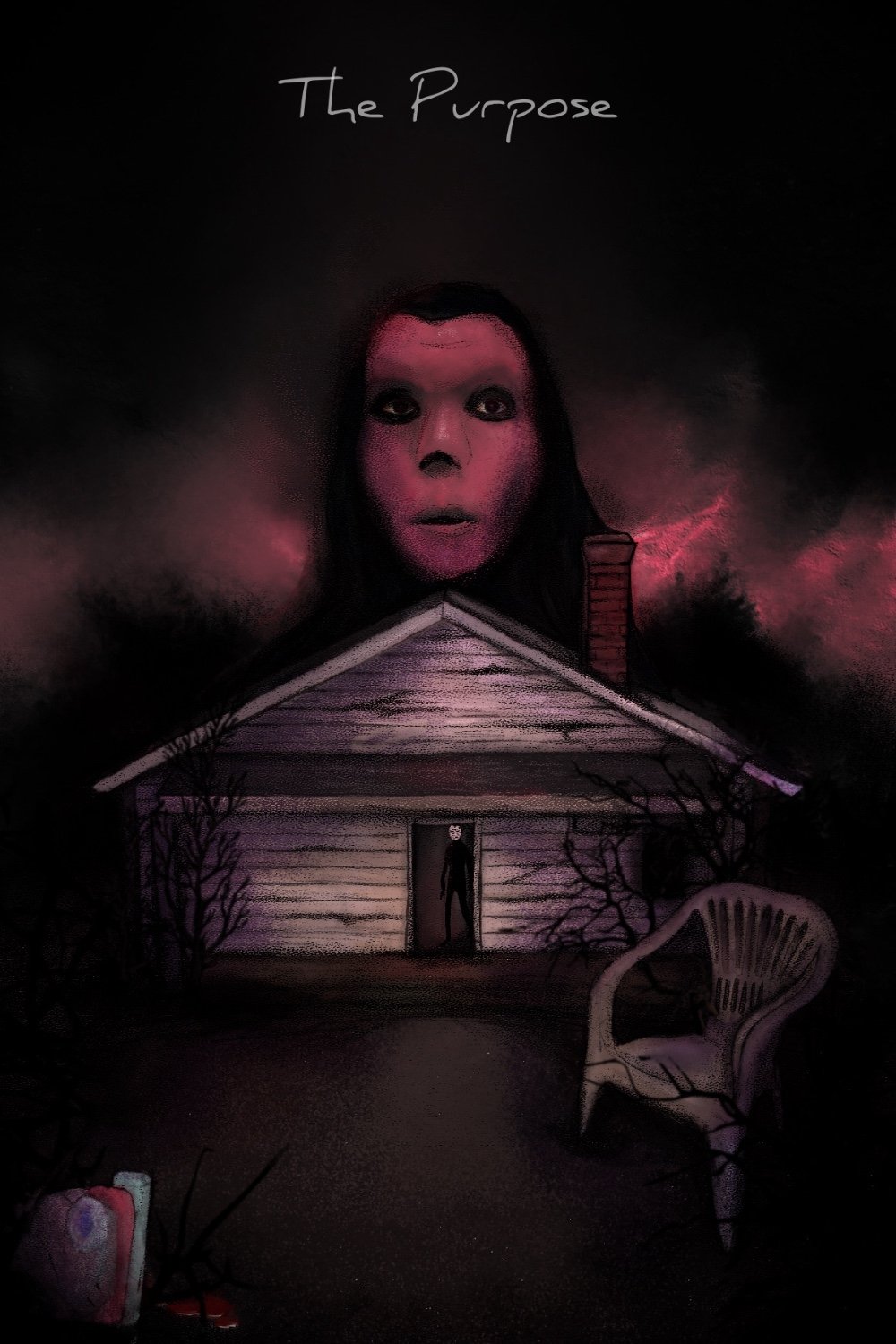
While Trevor and Sam are smoking pot, Trevor’s mom comes home. When she finds out, Trevor reveals his father’s adulterous ways and destroys his family.
Social & External
Himself
Trevor's Mom / Himself
Trevor's Dad / Himself
A reflection on the fate of humanity in the Anthropocene epoch, White Noise is a roller-coaster of a film, a whirlwind of sounds and images. The fourth feature-length work by Simon Beaulieu, this film essay plunges viewers into a subjective sensory adventure—a direct physical encounter with the information overload of daily life. White Noise transforms the imminent collapse of our civilization into a visceral aesthetic experience.
After the disappearance of Aldemar his wife decided to get overall uncertainty by including him in the list of deaths in the 1938 Colombian National Census. Today, 83 years later, I repeat her. I try to find myself among the numbers in the digital database in order to finish the torture that has also implied my own disappearance.
The marks of the violence of the Chilean state, against its own compatriots. Flicker Film. 35mm B & W Still Photography. Silent.
On a sleepy summer night in 2004, eyes peer into the world-wide-web: traveling between conspiracy sites, malware, porn, and mp3 databases in an attempt to lose (find) themselves. Passing through blog graveyards, broken hyperlinks, and digital spirits, they begin to realize the Internet is so much more. Lost websites, anon forums, and inexplicable pixels singing to a prepubescent soul. An ode to the 2000s webpage and flash game culture.
A film searching for life.
A very personal look at the history of cinema directed, written and edited by Jean-Luc Godard in his Swiss residence in Rolle for ten years (1988-98); a monumental collage, constructed from film fragments, texts and quotations, photos and paintings, music and sound, and diverse readings; a critical, beautiful and melancholic vision of cinematographic art.
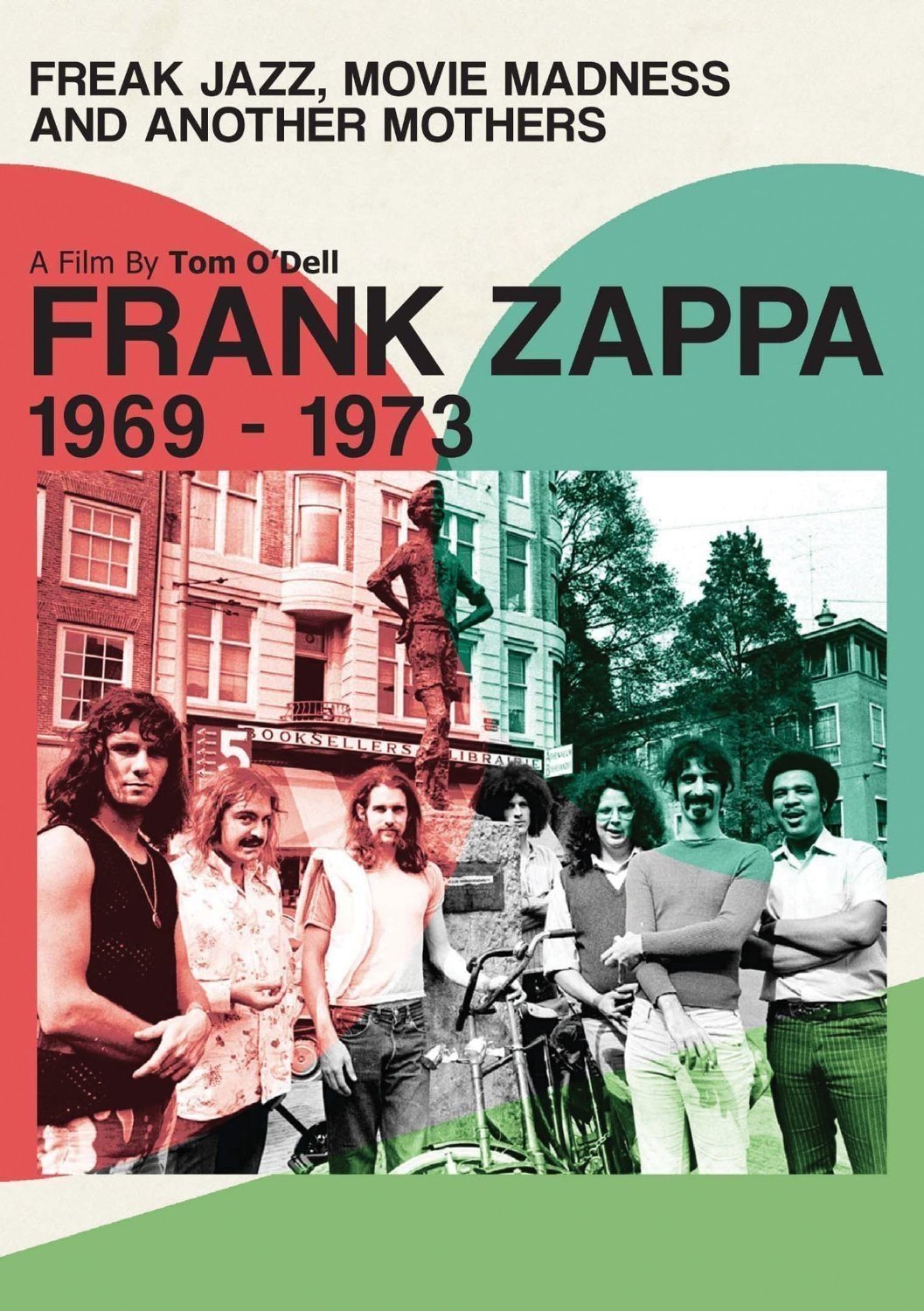
This episode focuses on Zappa's early 70s albums, Overnight Sensation (1973) and Apostrophy (') (1974). Together they encapsulate Zappa's extraordinary musical diversity and were also the 2 most commercially successful albums that he released in his prolific career. Included are interviews, musical demonstrations, rare archive & home movie footage, plus live performances to tell the story behind the conception and recording of these groundbreaking albums. Extras include additional interviews and demonstrations not included in the broadcast version, 2 full performances from the Roxy in 1973 and Saturday Night Live in 1976, and new full live performance done specially for these Classic Albums.
Korean film critic Jeong Sung-il’s camera explores the work of Wang Bing, a Chinese director who won international fame with his film Tie Xi Qu: West of the Tracks. Jeong’s attempt to pry into Wang’s filmmaking secrets leads to the question: “What is film?”
Filmed in Zürich. For Robert Beavers. Talking about the illuminated and the un-illuminated.
Victor Fleming’s 1939 film The Wizard of Oz is one of David Lynch’s most enduring obsessions. This documentary goes over the rainbow to explore this Technicolor through-line in Lynch’s work.
A gang of outlaw bikers pull a home invasion on a disgraced Anthropologist hiding a secret locked in his cabin basement.
Ante Meridiem is a sensory journey through the first hours of dawn. Kind but vehement, he explores the dichotomy between silence and bustle, patience and haste, taking both to their ultimate consequences.
Poet and artist Vito Acconci points his finger towards the camera and his own reflection in an offscreen video monitor.
Lies can kill. Transgender Nuclear Suicide Sojourner is an exploration of propaganda, lies, and the overwhelming urge to end it all.
An audiovisual experiment that shows how oil is refined into gasoline and ultimately powers cars and other vehicles, accompanied by classical music and experimental synthesizer sounds. Filmed in the Libyan desert, the film traces the path and development of the gasoline, from the extraction of oil as it is drilled in the Libyan desert to the pump at the gas station, making road construction machines dance and convertibles roar through the Spessart forests. This film also drew Herbert von Karajan and Leo Kirch's attention to Hugo Niebeling, in which the director has road bulldozers "dance" to the music of Vivaldi.
Film produced and directed by Ricky Leacock, Edward Pincus, and MIT Center for Advanced Visual Studies documenting the Centerbeam kinetic sculpture project and its first installation at documenta 6 in Kassel, Germany in 1977
In 1978, just after Le fond de l'Air Est Rouge, which mercilessly analyzed the previous ten years of the revolutionary left's momentum until its collapse, Chris Marker made this complementary piece entitled Quand le Siècle a Pris Forme (Guerre et Révolution).
A peculiar portrait of the Argentinean writer Jorge Luis Borges (1899-1986) drawn by the extravagant and original look of the Spanish writer Fernando Arrabal, who establishes a bold parallelism between Borges' work and opinions and his own creations, both literary and cinematographic.