Social & External
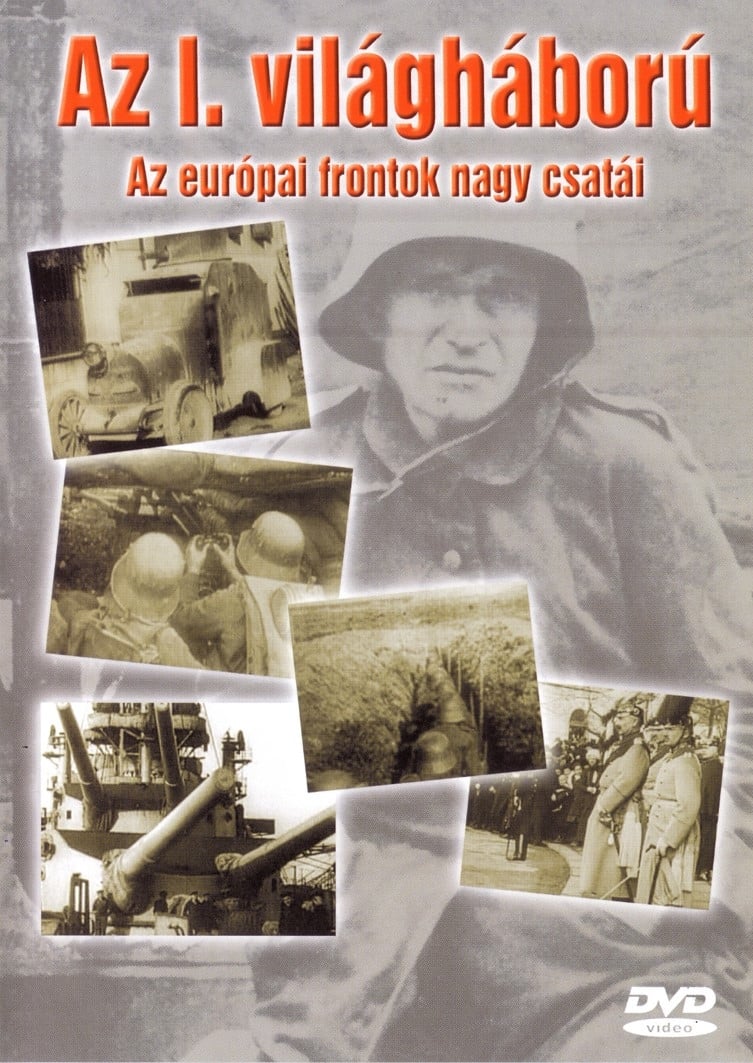
Following the Battles of Mons and Le Cateau the already near exhausted British Expeditionary Force, who had been marching and fighting for six days without a break , embarked on a nine day epic march across France. They headed back to the safety of the far side River Marne south of Paris rather than to the traditional haven of British Armies – the Channel Ports.The BHTV team of historians and battlefield guides take us to the scene of some sharp rear guard actions fought during the Retreat from Mons including the great cavalry actions at Cerizy and Nery, where the mounted British soldier established domination of his German counterpart. As they travel the highways and byways of France they analyze the decisions made by the commanders in that fog of war that together spelt the end of the Schlieffen Plan and set conditions for the 'miracle of the Marne'.
While the Allies were nearing panic as the Germans approached Paris, Marshal Foch quickly realised the German intent and that the Schlieffen plan was unravelling. In a master piece of military diplomacy he persuaded Filed Marshal French to join the Attack on the exposed flank of the Germans as it wheeled to the east of Paris. The battle was indeed a miracle, with the British playing a key part alongside the French in halting the German advance and driving them back behind the next river – The Aisne, where the Allied attack crossed the river and up onto the open ridges of the Chemin des Dames. The Germans held firm and Field Marshal French ordered the BEF to dig-in as a temporary measure but the line moved but little here in the next four years.With neither army able to make headway against modern small arms, the machine gun and quick firing artillery in a conventional frontal battle, the armies raced to redeploy into the uncontested ground north to the sea.
World War I, October 1918. The more than 500 men of the 77th Infantry Division of the United States Army, who have been recruited in New York City and trained in Yaphank, are sent to France, to help break down the German defenses located in the Argonne forest…
A young American soldier, rendered in pseudocoma from an artillery shell from WWI, recalls his life leading up to that point.
Alvin York a hillbilly sharpshooter transforms himself from ruffian to religious pacifist. He is then called to serve his country and despite deep religious and moral objections to fighting becomes one of the most celebrated American heroes of WWI.
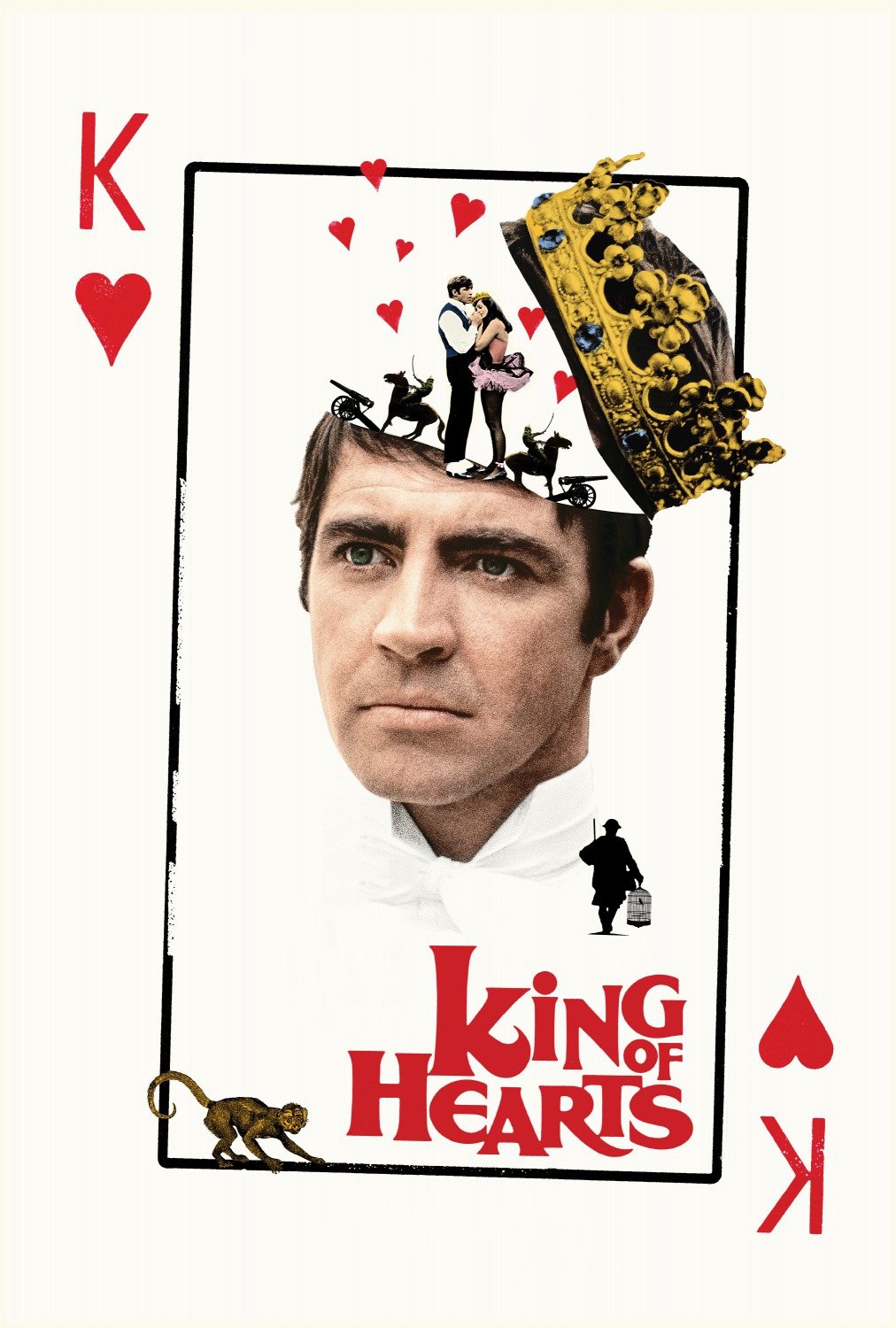
An ornithologist mistaken for an explosives expert is sent alone into a small French town during WWI to investigate a garbled report from the resistance about a bomb which the departing Germans have set to blow up a weapons cache.
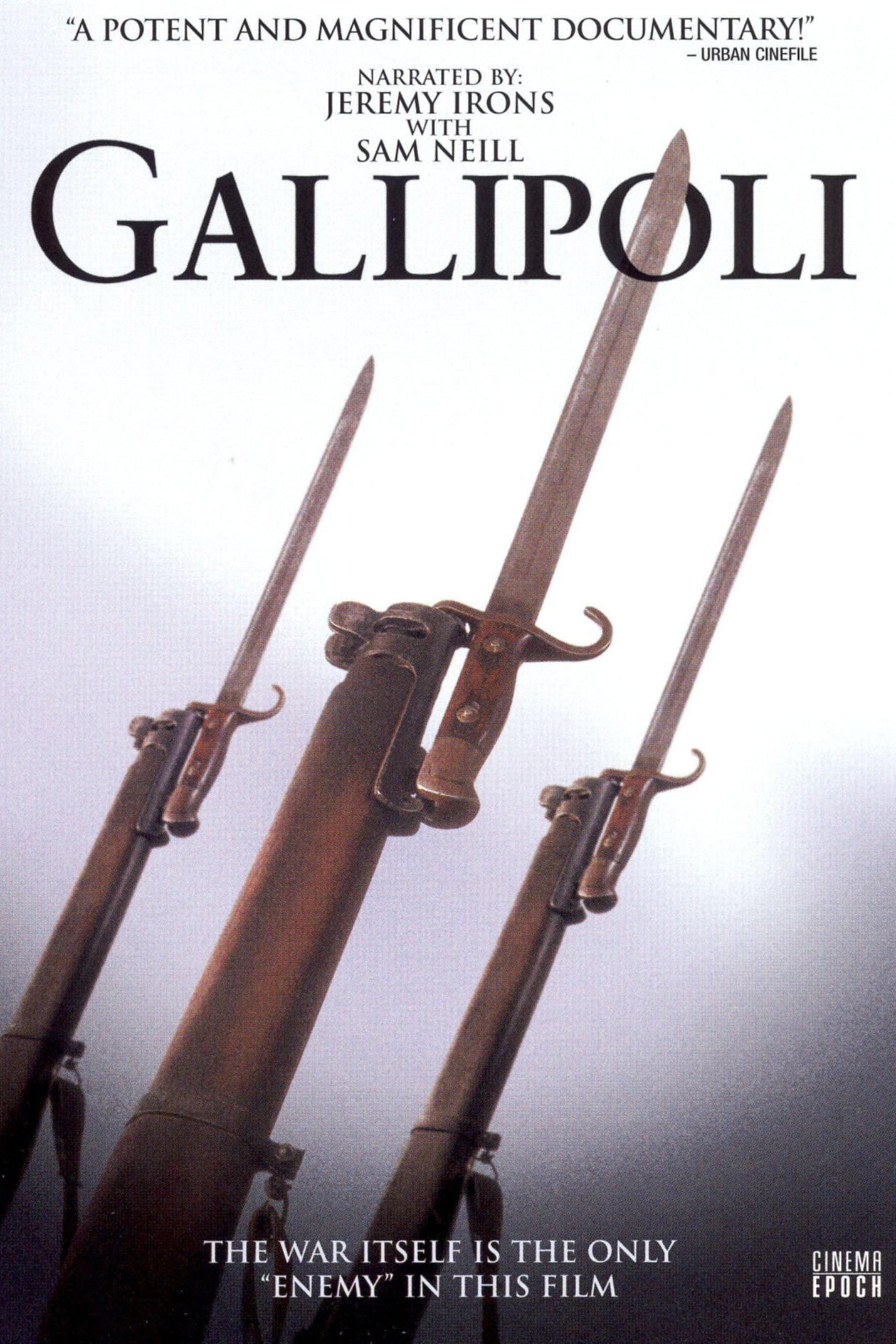
This program provides, through 1st hand accounts & contemporary films & photographs, a rare insight into what really happened. Together with meticulously researched stories, it provides a unique analysis of the Gallipoli campaign, including never-seen before interviews with the last 10 Gallipoli Anzacs, rare film footage showing the beach & trenches at Gallipoli.
The Gallipoli campaign of World War I was so controversial & devastating, it changed the face of battle forever. Using diaries, letters, photographs and memoirs, acclaimed director, Tolga Ornek, traces the personal journeys of Australian, New Zealand, British and Turkish soldiers, from innocence and patriotism to hardship and heartbreak.
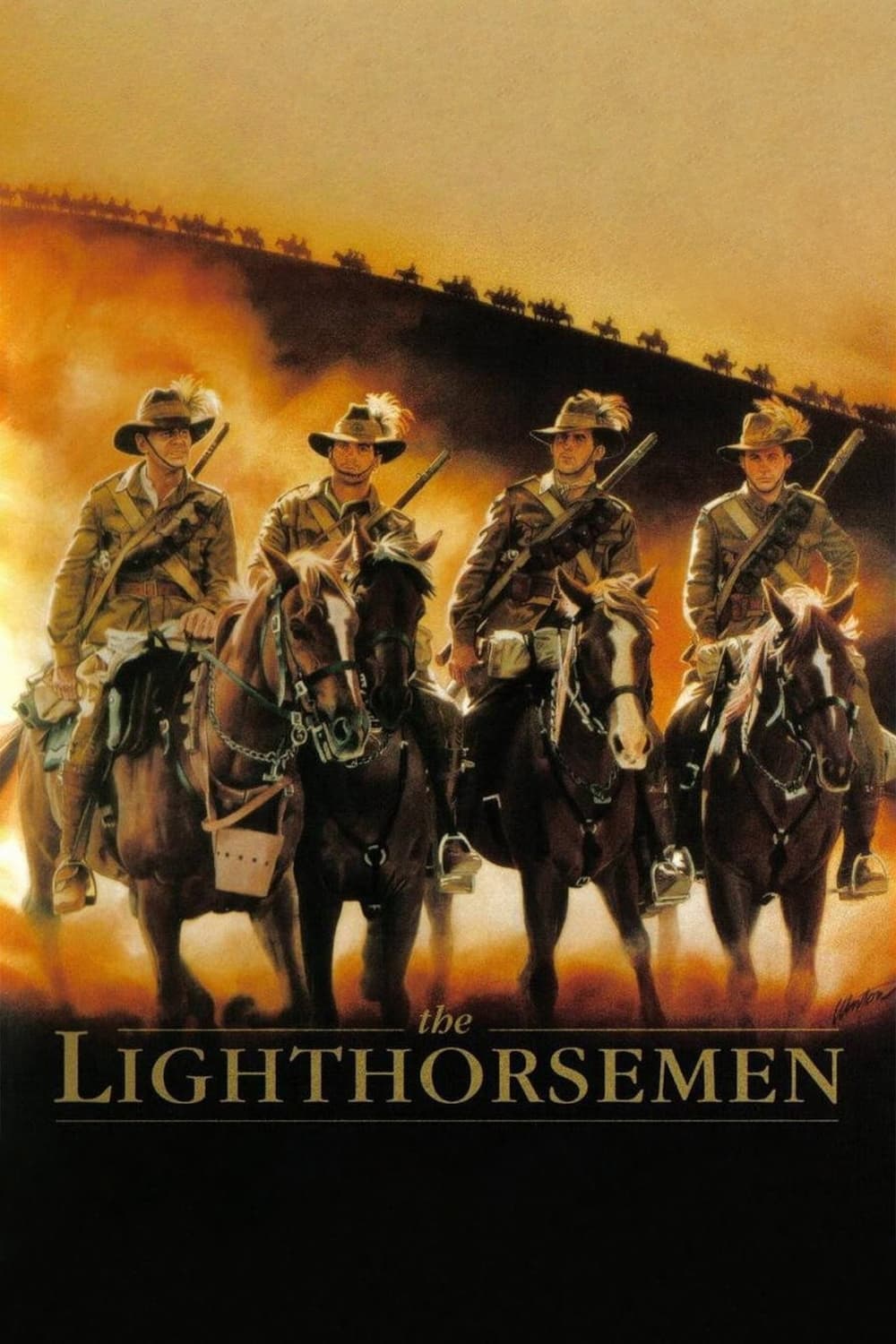
In 1917 when the British forces are bogged down in front of the Turkish and German lines in Palestine they rely on the Australian light horse regiment to break the deadlock.
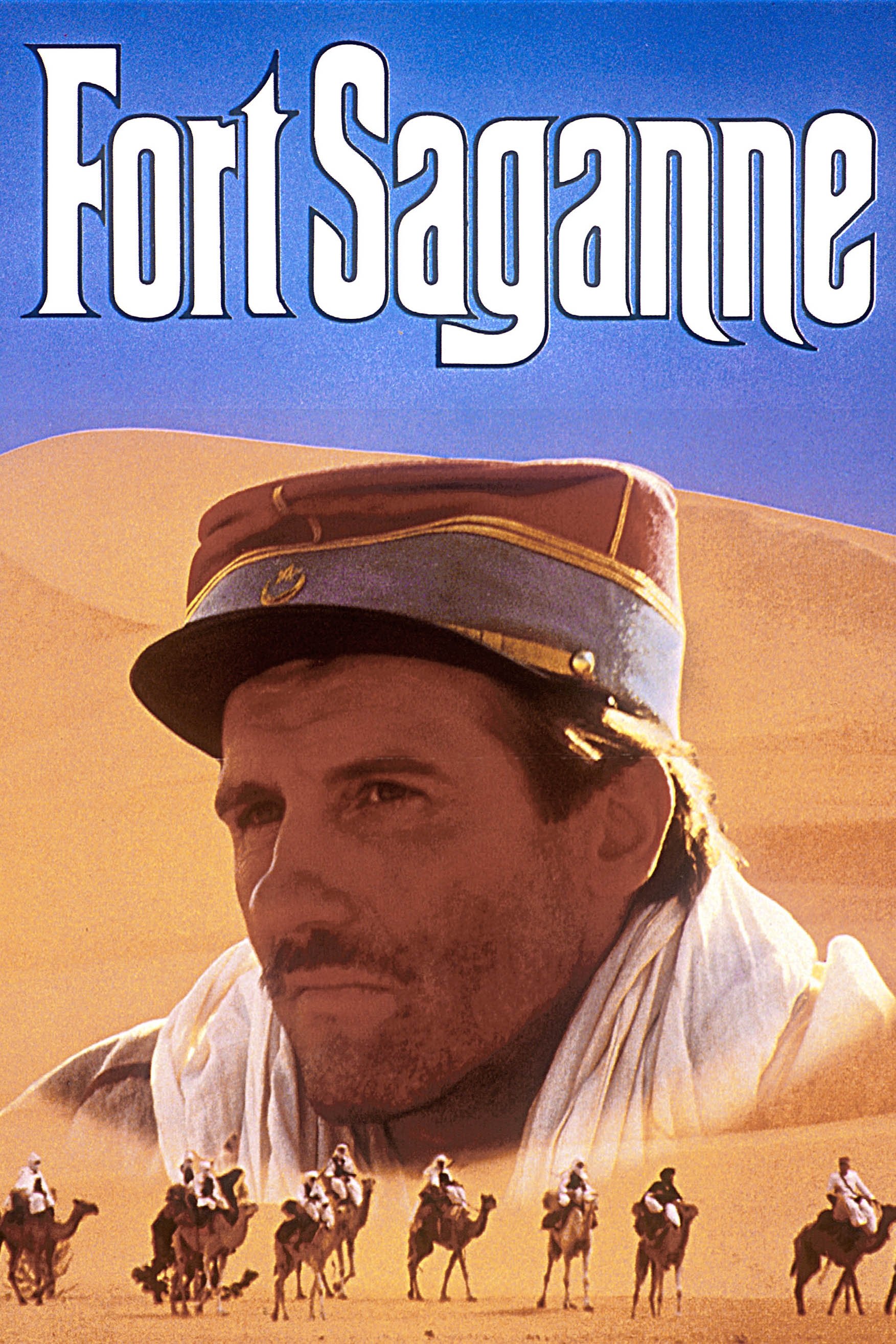
In 1911, a willful and determined man from peasant stock named Charles Saganne enlists in the military and is assigned to the Sahara Desert under the aristocratic Colonel Dubreuilh.
France, World War I. Justin (Alban Ivanov), an illiterate peasant farmer is enrolled in French army. Knowing nothing of the World or the War, Justin finds himself on the front without understanding why he must kill men he’s never met. Naïve and open minded, Justin will cross the path of a German pilot and a Senegalese soldier, escape a prisoner camp and start a mutiny to prevent his fellow comrades to risk their lives. Through his journey Justin will question the absurdity of war, make lifetime friends and inspire many…
In 1917, the First World War is raging. Julien is from Luxemburg, so instead of having to go to war he studies piano in Paris. One day his friend Jacques, also a musician and now a fighter pilot on the front, invites him to spend a few days in his family's empty house in Bray. The housekeeper, a beautiful stoic woman lets Julien in, but his friend is late and he is obliged to wait. In the meantime, he starts reminiscing of the pre-war days spent with his friend and Jacques' girlfriend Odile.
In early 20th-century Montana, Col. William Ludlow lives on a ranch in the wilderness with his sons, Alfred, Tristan, and Samuel. Eventually, the unconventional but close-knit family are bound by loyalty, tested by war, and torn apart by love, as told over the course of several decades in this epic saga.
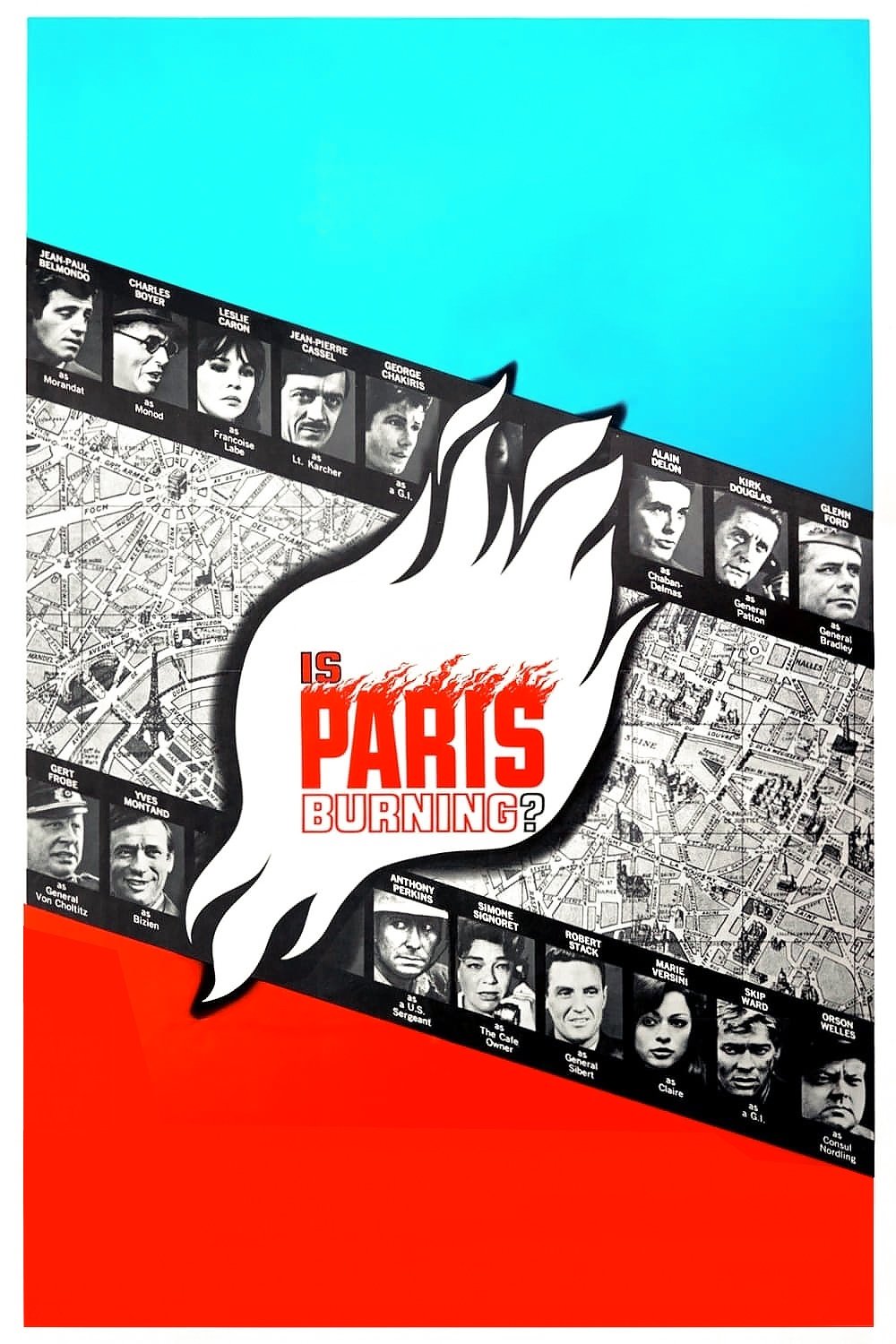
Near the end of World War II, General Dietrich von Choltitz receives orders to burn down Paris if it becomes clear the Allies are going to invade, or if he's unable to maintain control of the city. After much contemplation, Choltitz ignores orders, enraging the Germans and giving hope to various resistance factions that the city will be liberated. Choltitz, alongside Swedish diplomat Raoul Nordling, helps a leader organise his forces.
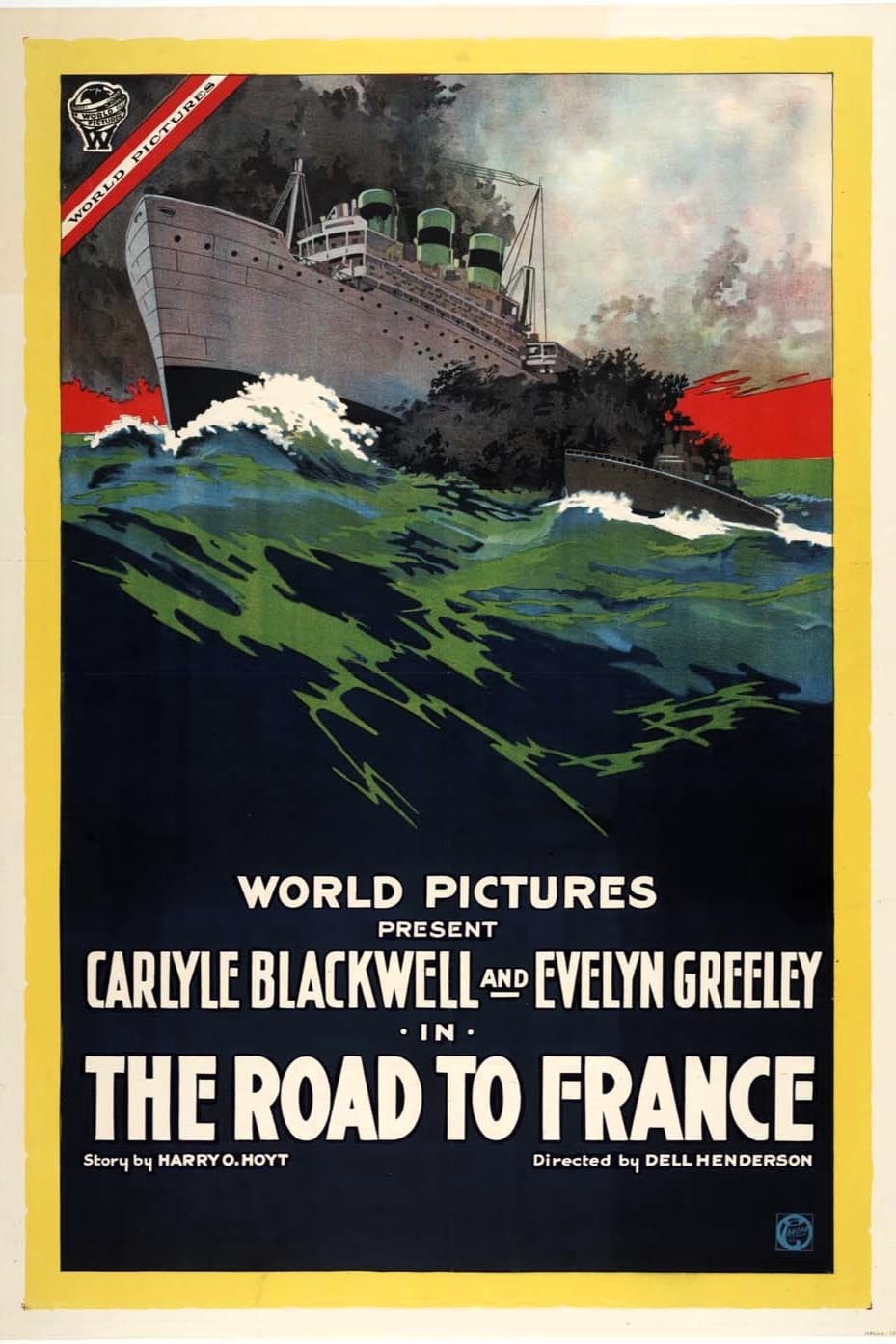
Tom Whitney, well connected but a social derelict because of his weakness for drink, is released from the draft because of an old football Injury, but a policeman persuades him that he can still do his bit in the shipyards. He takes a job in the yard owned by the man to whose daughter he was engaged in happier times. Three German propagandists seek to foment a strike to delay the work, and largely through Tom's efforts the plan goes amiss and the strike is called off. Rehabilitated by work, the launching of The Liberty is a forecast of his own rebirth.
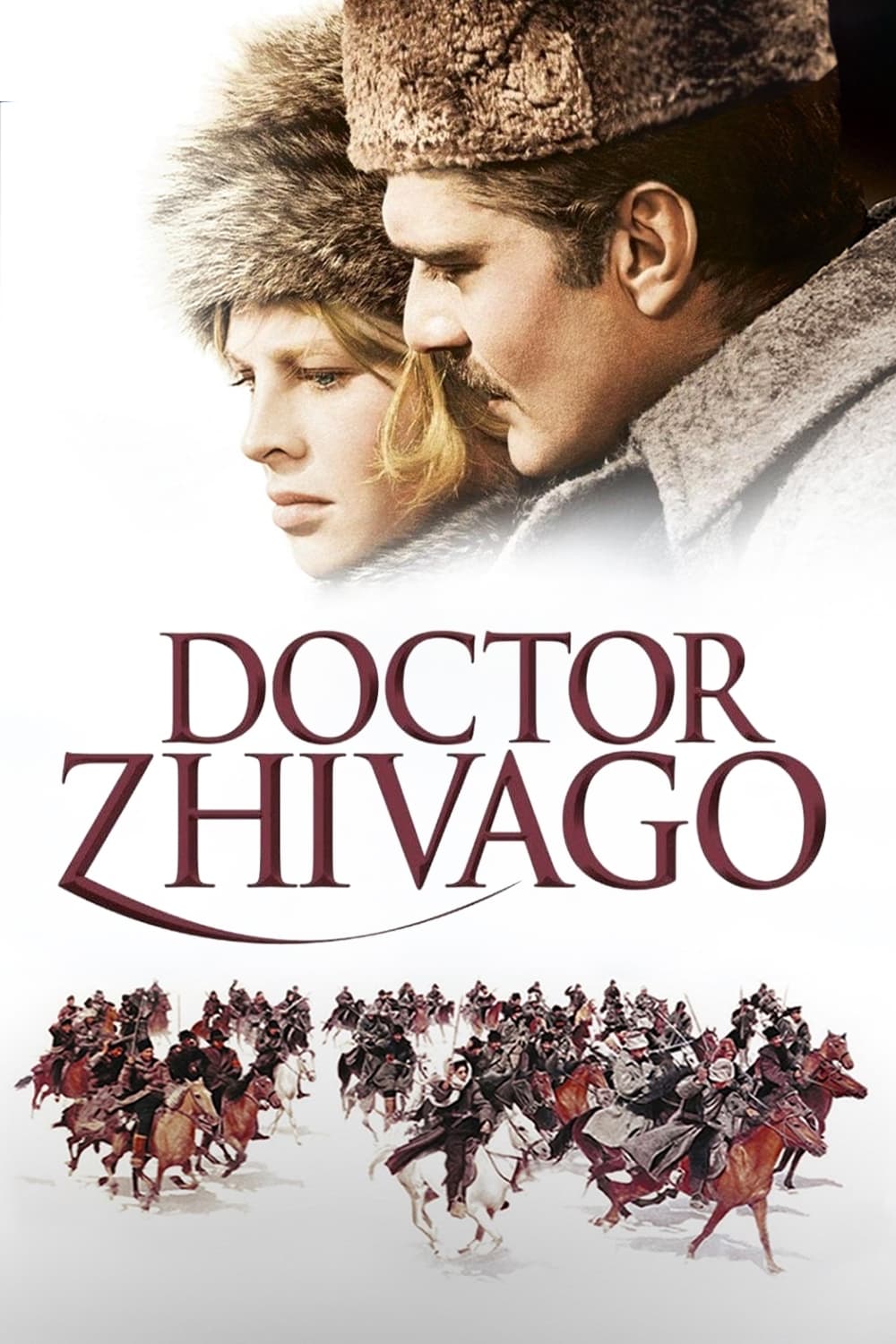
The life of a Russian physician and poet who, although married to another, falls in love with a political activist's wife and experiences hardship during World War I and then the October Revolution.
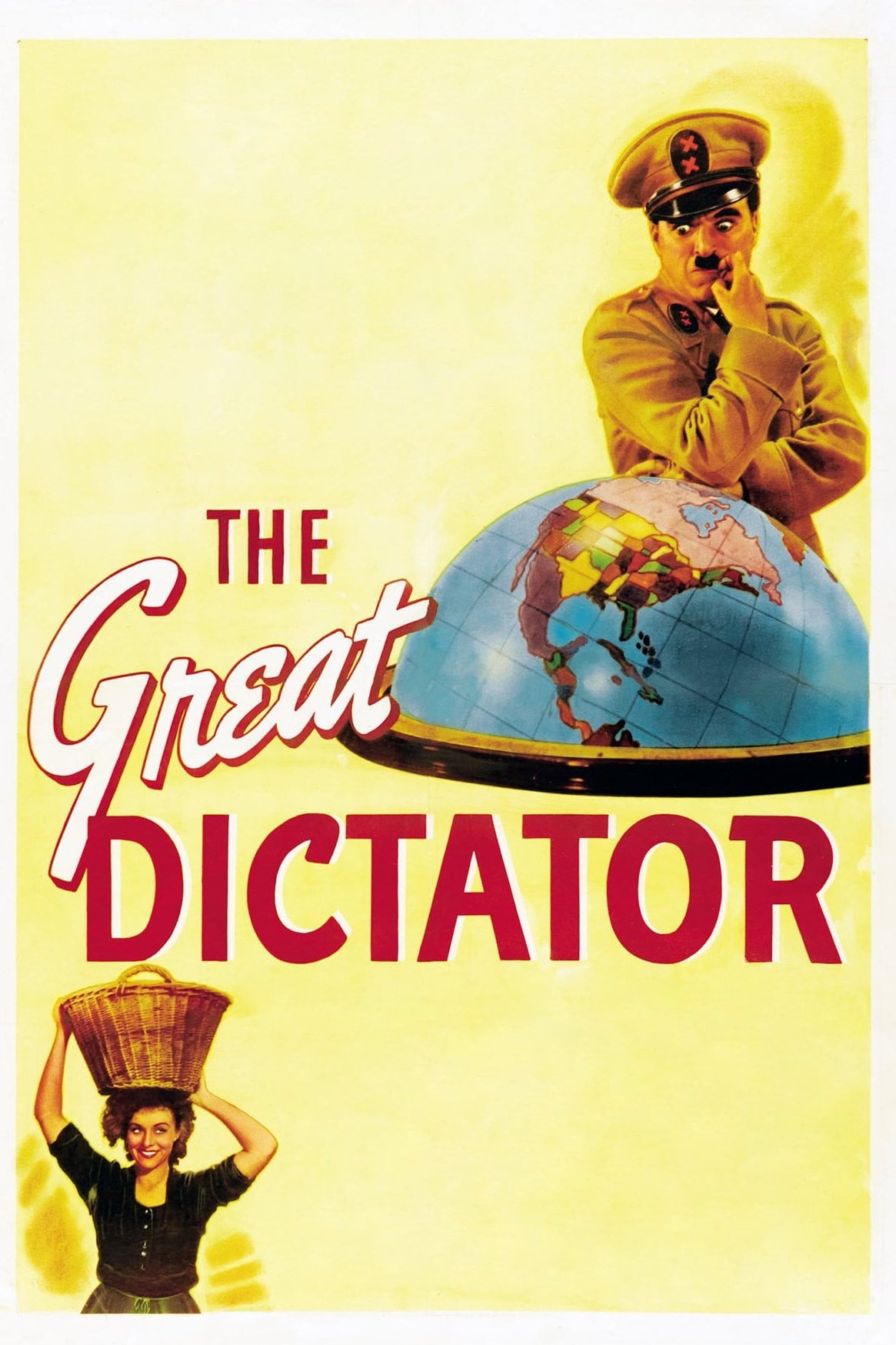
Dictator Adenoid Hynkel tries to expand his empire while a poor Jewish barber tries to avoid persecution from Hynkel's regime.
A commanding officer defends three scapegoats on trial for a failed offensive that occurred within the French Army in 1916.
Prelude to War was the first film of Frank Capra's Why We Fight propaganda film series, commissioned by the Pentagon and George C. Marshall. It was made to convince American troops of the necessity of combating the Axis Powers during World War II. This film examines the differences between democratic and fascist states.
A documentary about World War I with never-before-seen footage to commemorate the centennial of Armistice Day, and the end of the war.
When Sgt. First Class Brian Eisch is critically wounded in Afghanistan, it sets him and his sons on a journey of love, loss, redemption and legacy.
“The Soviet Story” is a story of an Allied power, which helped the Nazis to fight Jews and which slaughtered its own people on an industrial scale. Assisted by the West, this power triumphed on May 9th, 1945. Its crimes were made taboo, and the complete story of Europe’s most murderous regime has never been told. Until now...
This documentary movie is about the battle of San Pietro, a small village in Italy. Over 1,100 US soldiers were killed while trying to take this location, that blocked the way for the Allied forces from the Germans. Preserved by the Academy Film Archive in 2005.
A love letter from a young mother to her daughter, the film tells the story of Waad al-Kateab’s life through five years of the uprising in Aleppo, Syria as she falls in love, gets married and gives birth to Sama, all while cataclysmic conflict rises around her. Her camera captures incredible stories of loss, laughter and survival as Waad wrestles with an impossible choice– whether or not to flee the city to protect her daughter’s life, when leaving means abandoning the struggle for freedom for which she has already sacrificed so much.
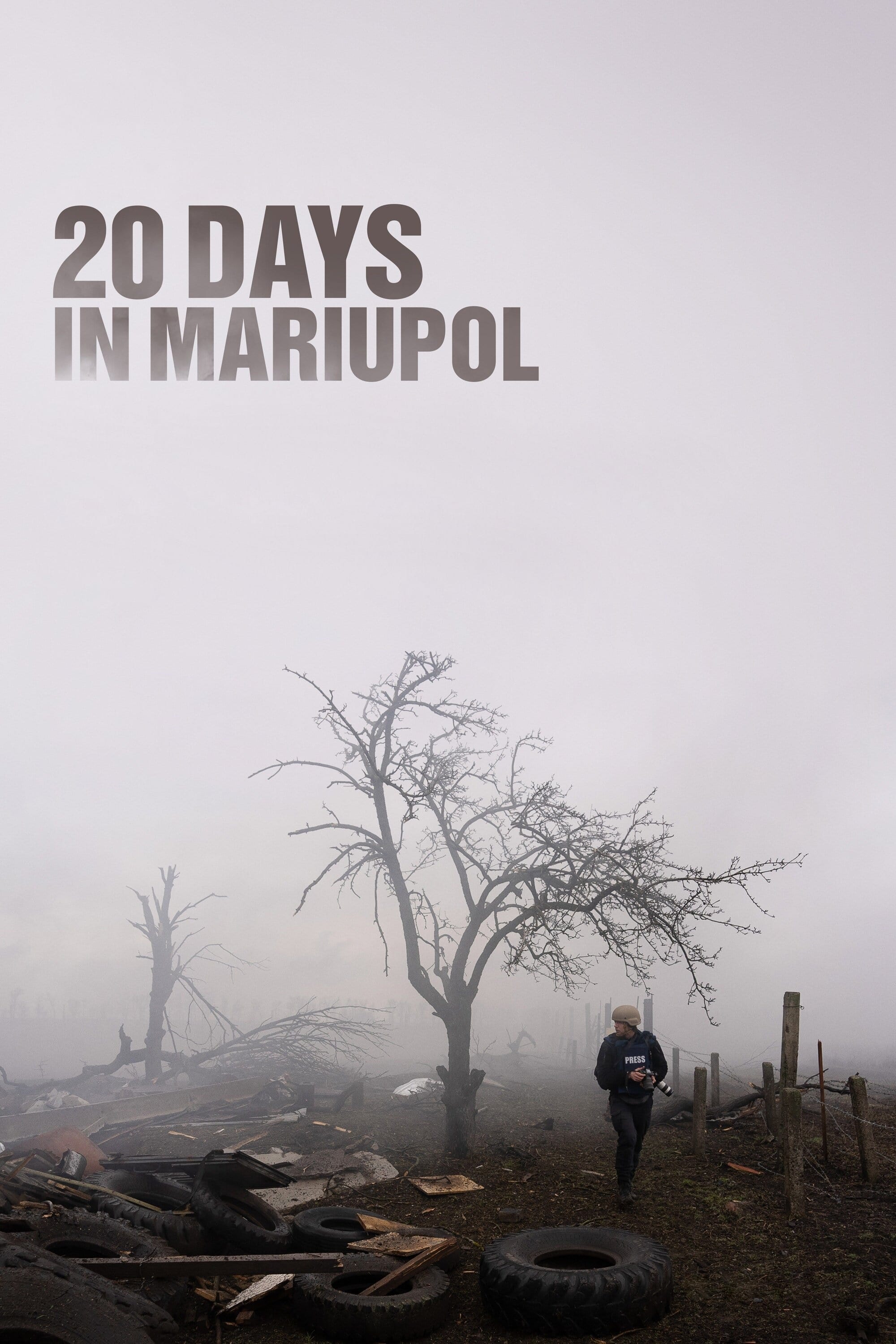
As the Russian invasion begins, a team of Ukrainian journalists trapped in the besieged city of Mariupol struggle to continue their work documenting the war's atrocities.
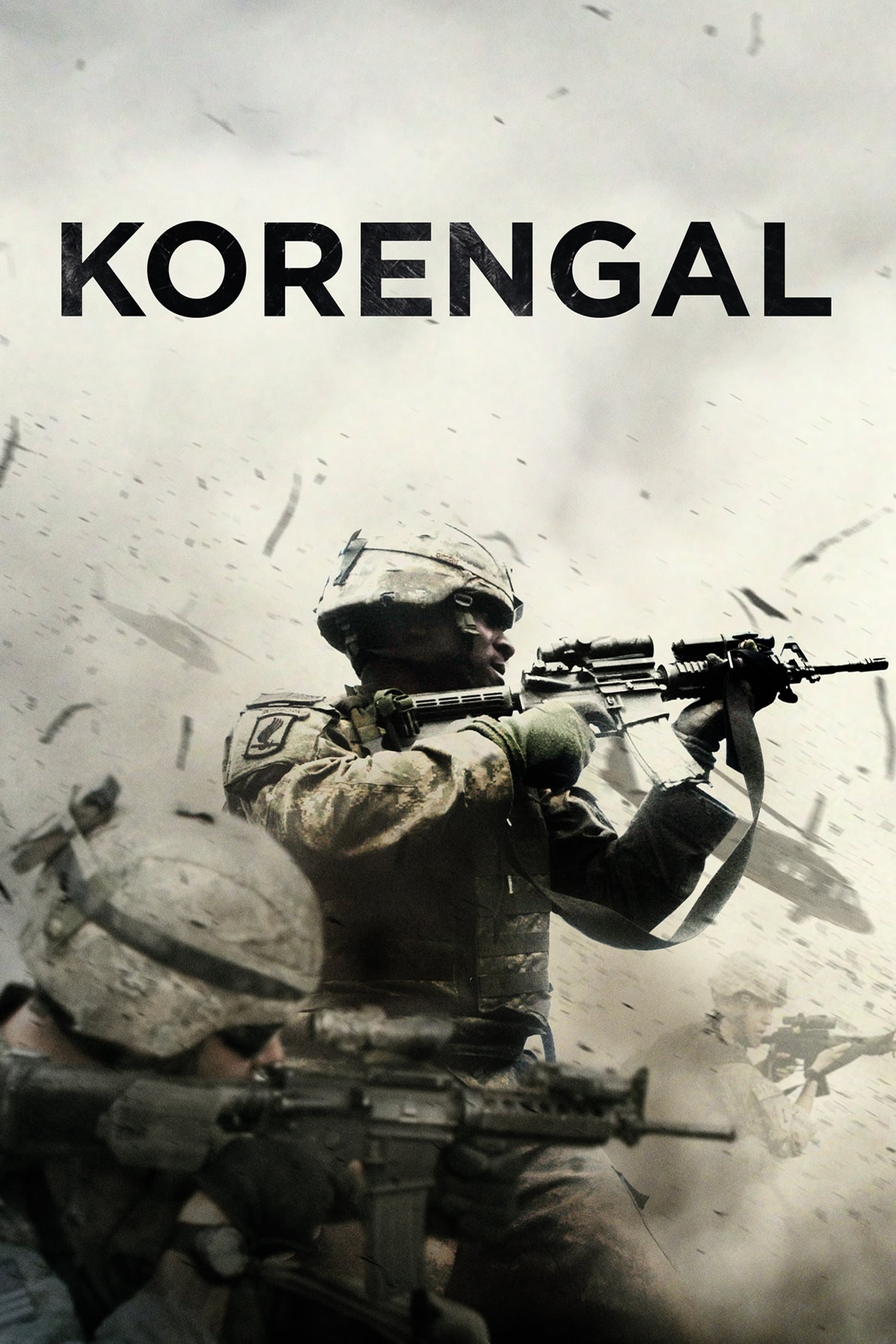
Korengal picks up where Restrepo left off; the same men, the same valley, the same commanders, but a very different look at the experience of war.
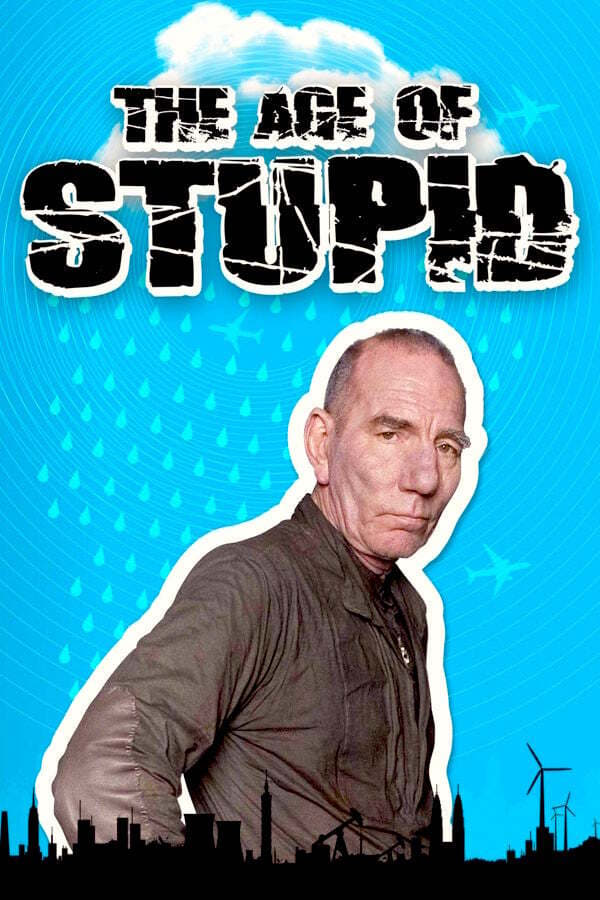
Pete Postlethwaite stars as a man living alone in the devastated future world of 2055, looking at old footage from 2008 and asking: why didn’t we stop climate change when we had the chance?
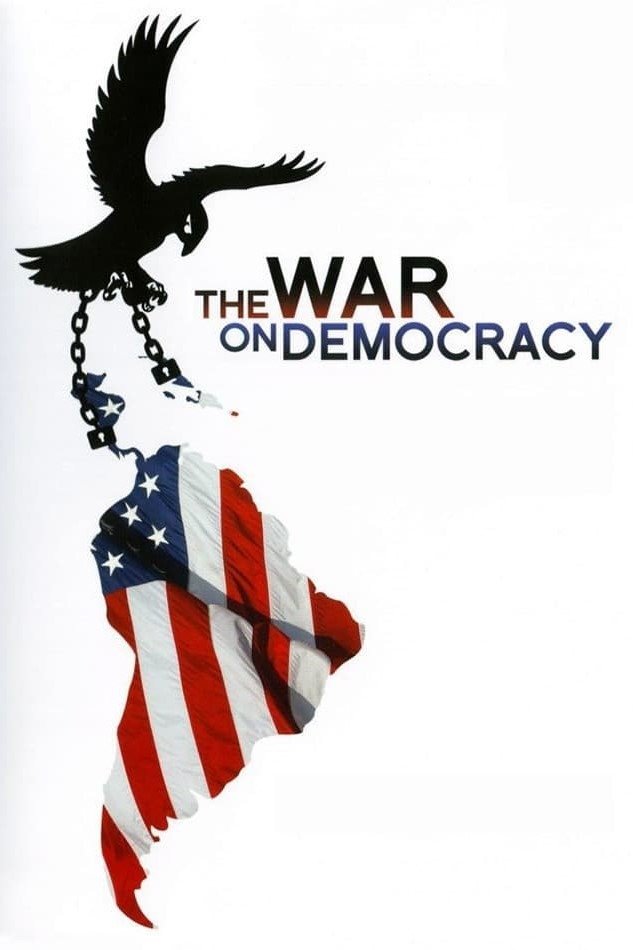
Set both in Latin America and the United States, the film explores the historic and current relationship of Washington with countries such as Venezuela, Bolivia and Chile. Pilger says that the film "...tells a universal story... analysing and revealing, through vivid testimony, the story of great power behind its venerable myths. It allows us to understand the true nature of the so-called "war on terror". According to Pilger, the film’s message is that the greed and power of empire is not invincible and that people power is always the "seed beneath the snow".
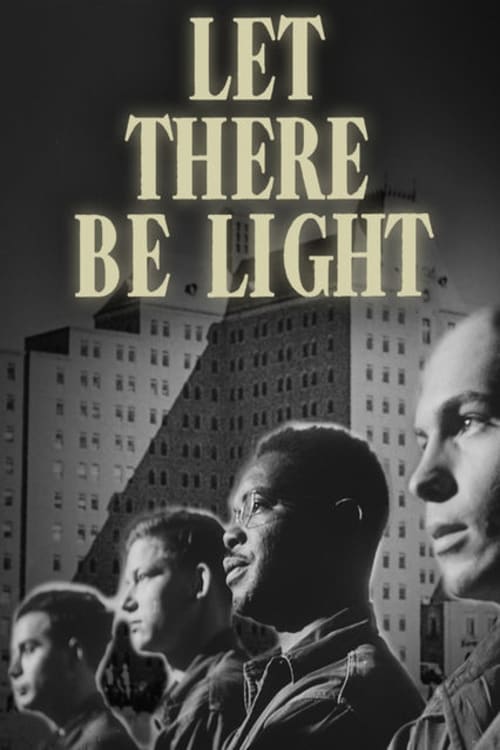
The final entry in a trilogy of films produced for the U.S. government by John Huston. Some returning combat veterans suffer scars that are more psychological than physical. This film follows patients and staff during their treatment. It deals with what would now be called PTSD, but at the time was categorised as psychoneurosis or shell-shock. Government officials deemed this 1946 film counterproductive to postwar efforts; it was not shown publicly until 1981.
An inside look at one of the most anticipated movie sequels ever with James Cameron and cast.
"Trinity and Beyond" is an unsettling yet visually fascinating documentary presenting the history of nuclear weapons development and testing between 1945-1963. Narrated by William Shatner and featuring an original score performed by the Moscow Symphony Orchestra, this award-winning documentary reveals previously unreleased and classified government footage from several countries.
Through deeply personal interviews with her siblings and an examination of the photographs, letters, and belongings left behind, Mariska assembles a new portrait of her mother Jayne Mansfield, an extraordinary and complex woman.
This revealing documentary honors the legendary Sidney Poitier—iconic actor, filmmaker, and civil rights activist. Featuring interviews with Denzel Washington, Spike Lee, Halle Berry, and more.
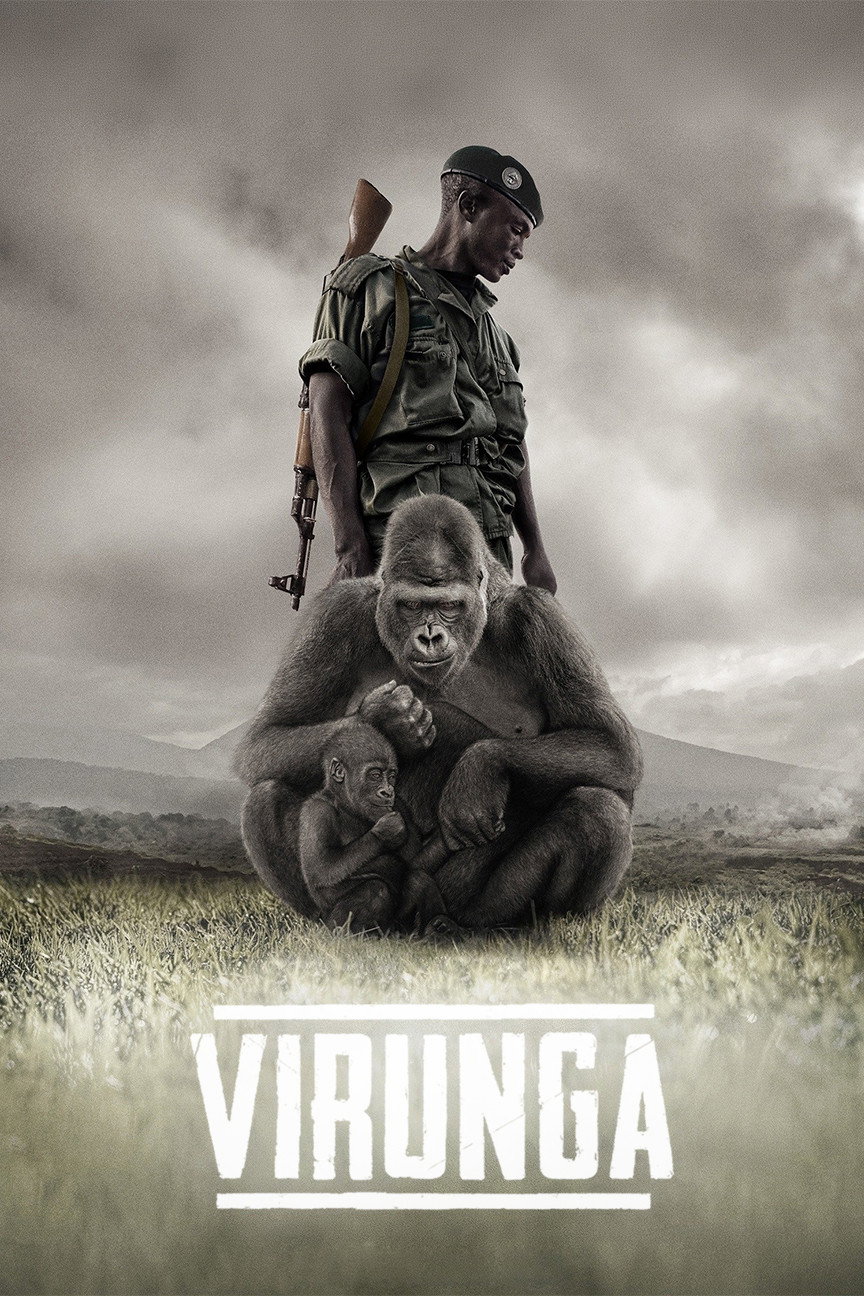
Virunga in the Democratic Republic of the Congo is Africa’s oldest national park, a UNESCO world heritage site, and a contested ground among insurgencies seeking to topple the government that see untold profits in the land. Among this ongoing power struggle, Virunga also happens to be the last natural habitat for the critically endangered mountain gorilla. The only thing standing in the way of the forces closing in around the gorillas: a handful of passionate park rangers and journalists fighting to secure the park’s borders and expose the corruption of its enemies. Filled with shocking footage, and anchored by the surprisingly deep and gentle characters of the gorillas themselves, Virunga is a galvanizing call to action around an ongoing political and environmental crisis in the Congo.
A string of threatening emails escalates into a revenge plot involving a newly married US marshal and his ex-girlfriend.
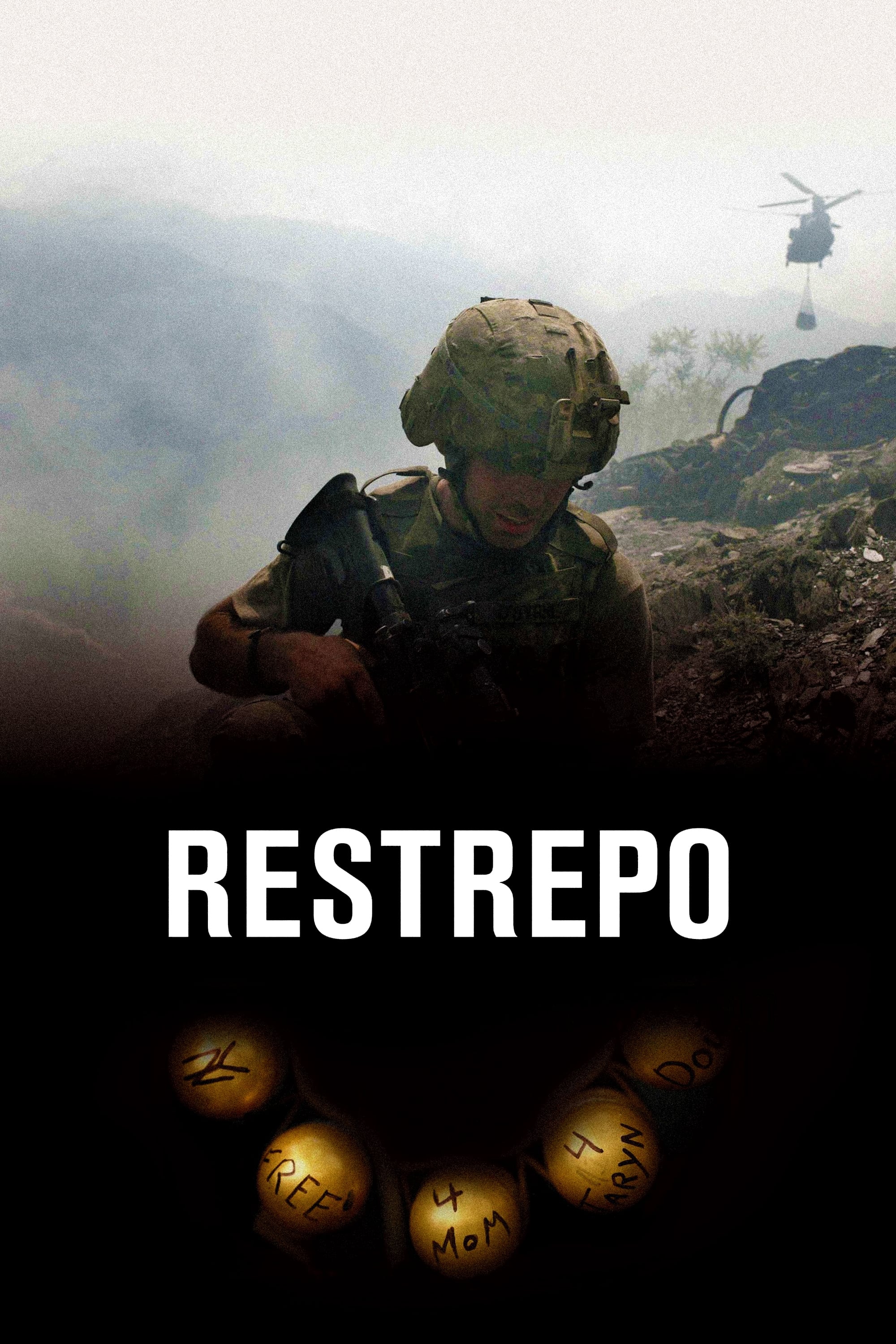
Directors Hetherington and Junger spend a year with the 2nd Battalion of the United States Army located in one of Afghanistan's most dangerous valleys. The documentary provides insight and empathy on how to win the battle through hard work, deadly gunfights and mutual friendships while the unit must push back the Taliban.
When Allied forces liberated the Nazi concentration camps in 1944-45, their terrible discoveries were recorded by army and newsreel cameramen, revealing for the first time the full horror of what had happened. Making use of British, Soviet and American footage, the Ministry of Information’s Sidney Bernstein (later founder of Granada Television) aimed to create a documentary that would provide lasting, undeniable evidence of the Nazis’ unspeakable crimes. He commissioned a wealth of British talent, including editor Stewart McAllister, writer and future cabinet minister Richard Crossman – and, as treatment advisor, his friend Alfred Hitchcock. Yet, despite initial support from the British and US Governments, the film was shelved, and only now, 70 years on, has it been restored and completed by Imperial War Museums under its original title "German Concentration Camps Factual Survey".
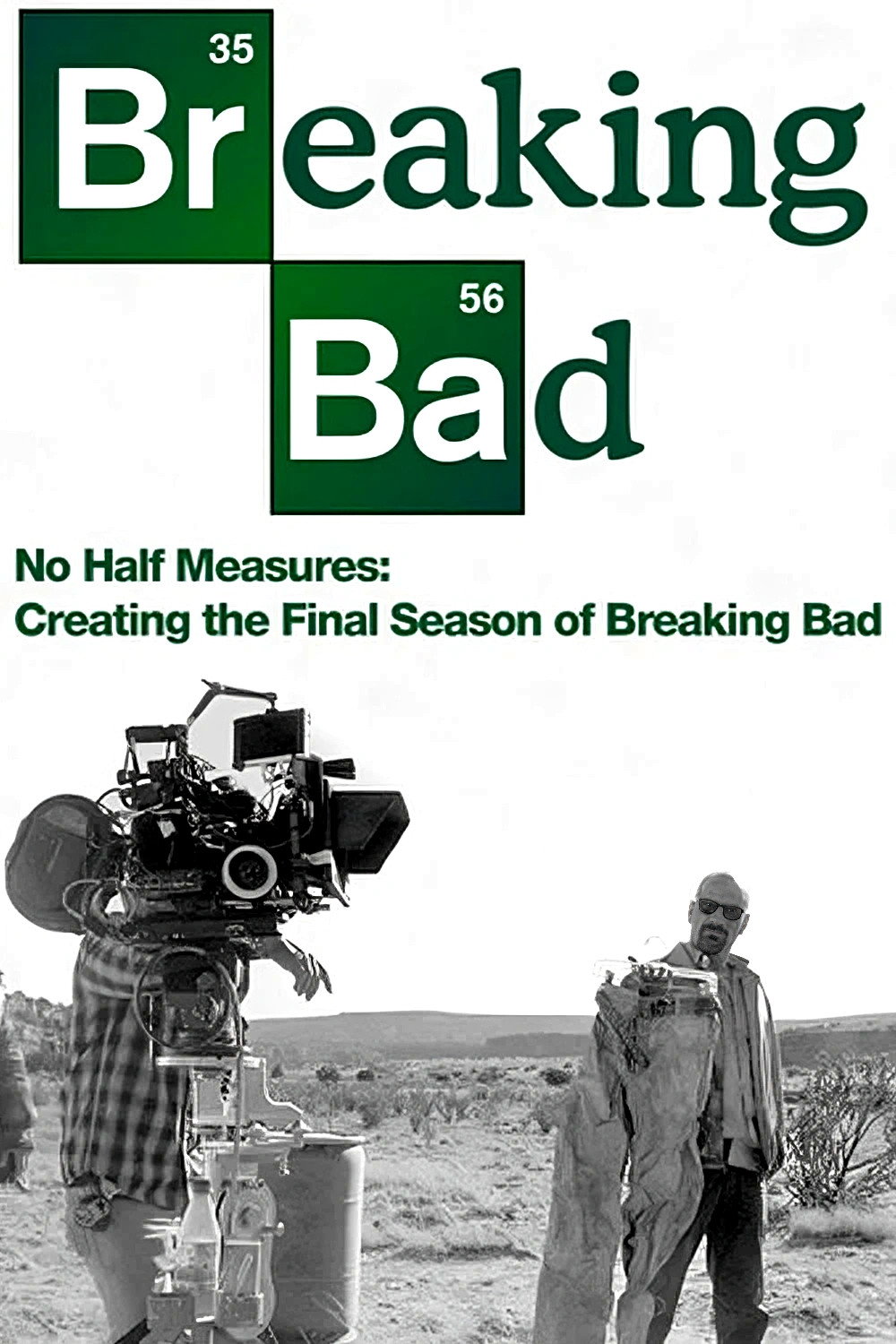
A documentary about the making of season five of the acclaimed AMC series Breaking Bad.