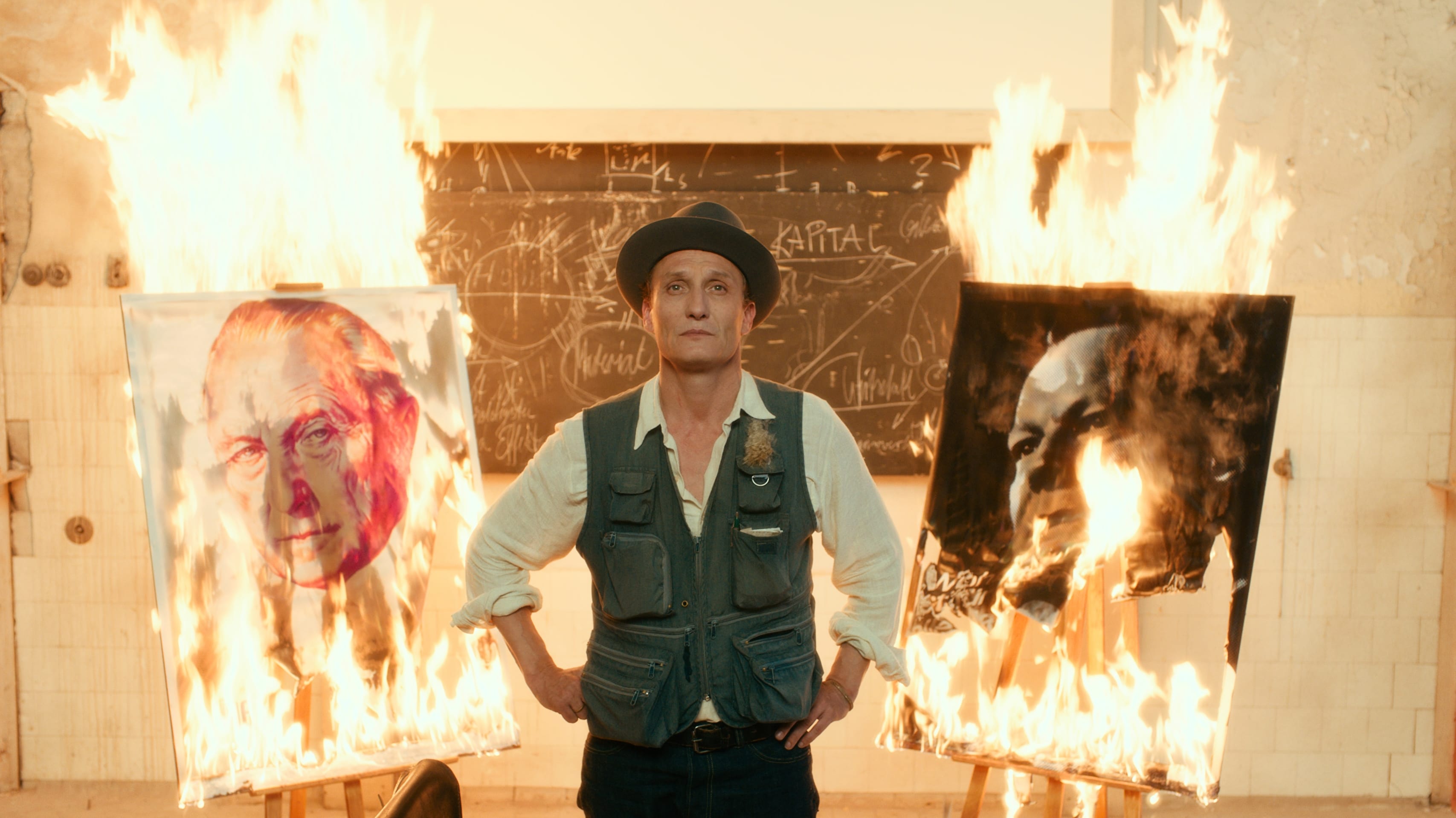
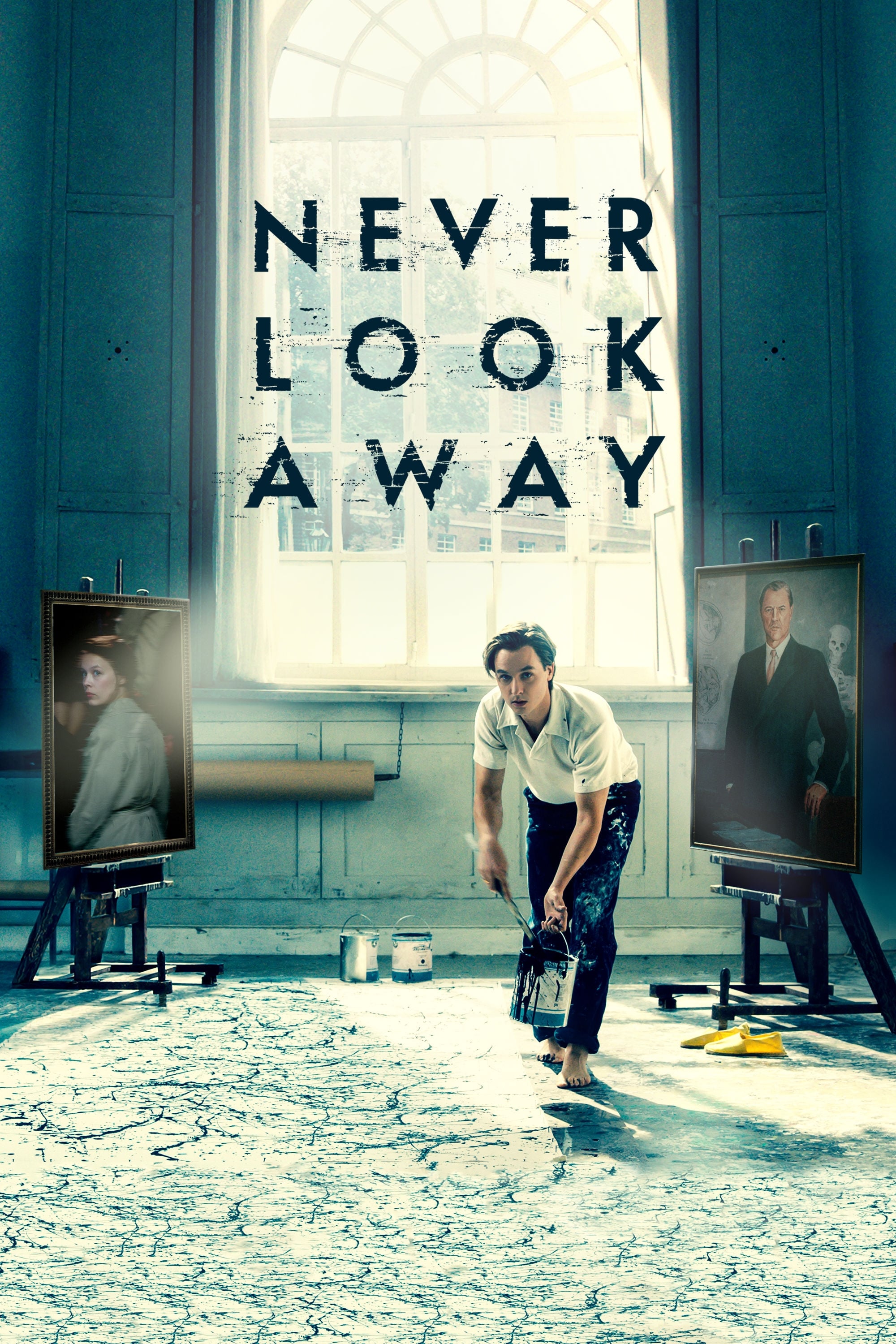
German artist Kurt Barnert has escaped East Germany and now lives in West Germany, but is tormented by his childhood under the Nazis and the GDR regime.
Social & External
The people behind it
Tom Schilling
Kurt Barnert
Sebastian Koch
Carl Seeband
Paula Beer
Ellie
Saskia Rosendahl
Elisabeth May
Oliver Masucci
Antonius van Verten
Cai Cohrs
Six-Year-Old Kurt Barnert
Ina Weisse
Martha Seeband
Evgeniy Sidikhin
Major Murawjow
Mark Zak
Murawjow Interpreter
Ulrike C. Tscharre
Miss Hellthaler
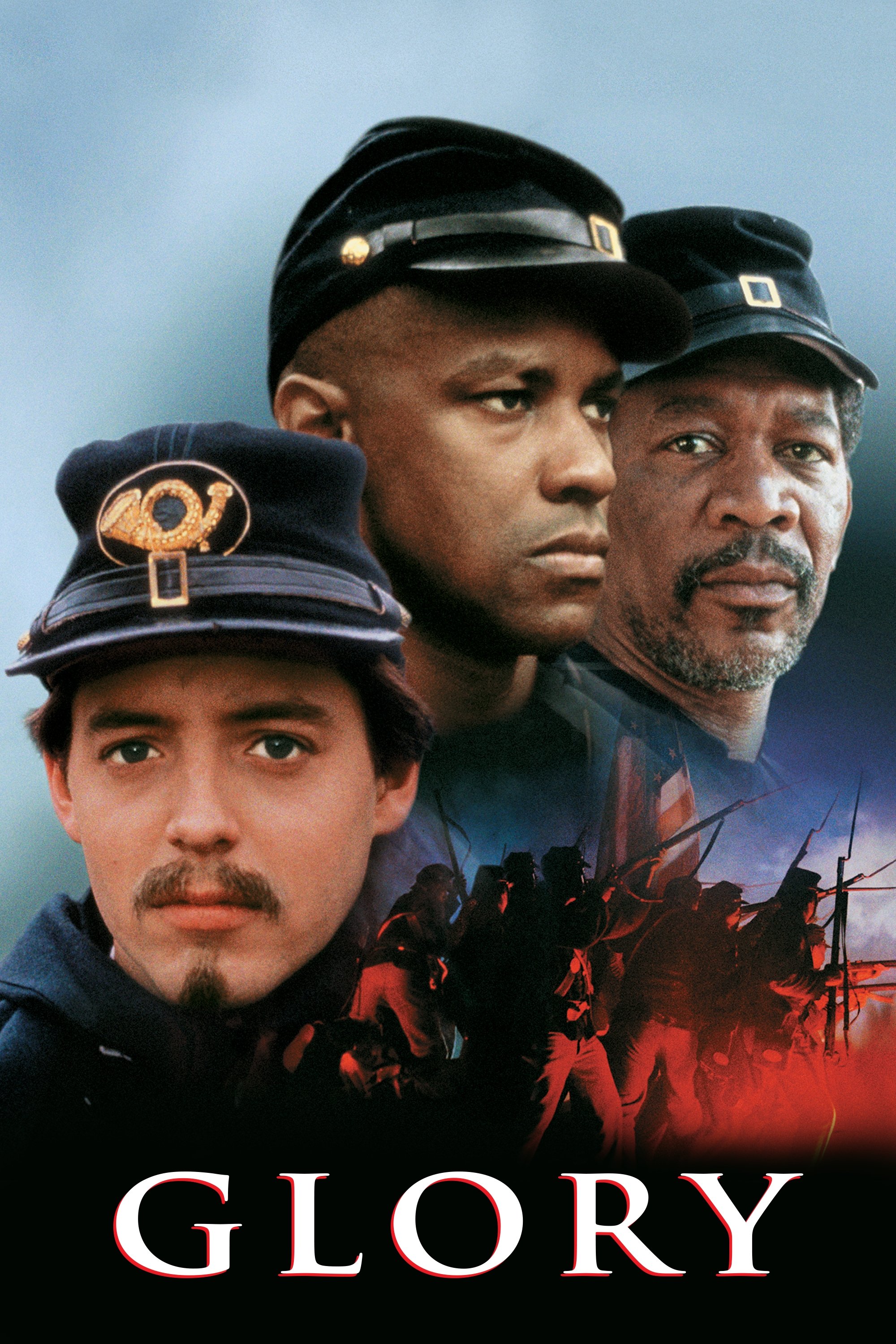
Robert Gould Shaw leads the US Civil War's first all-black volunteer company, fighting prejudices of both his own Union army and the Confederates.
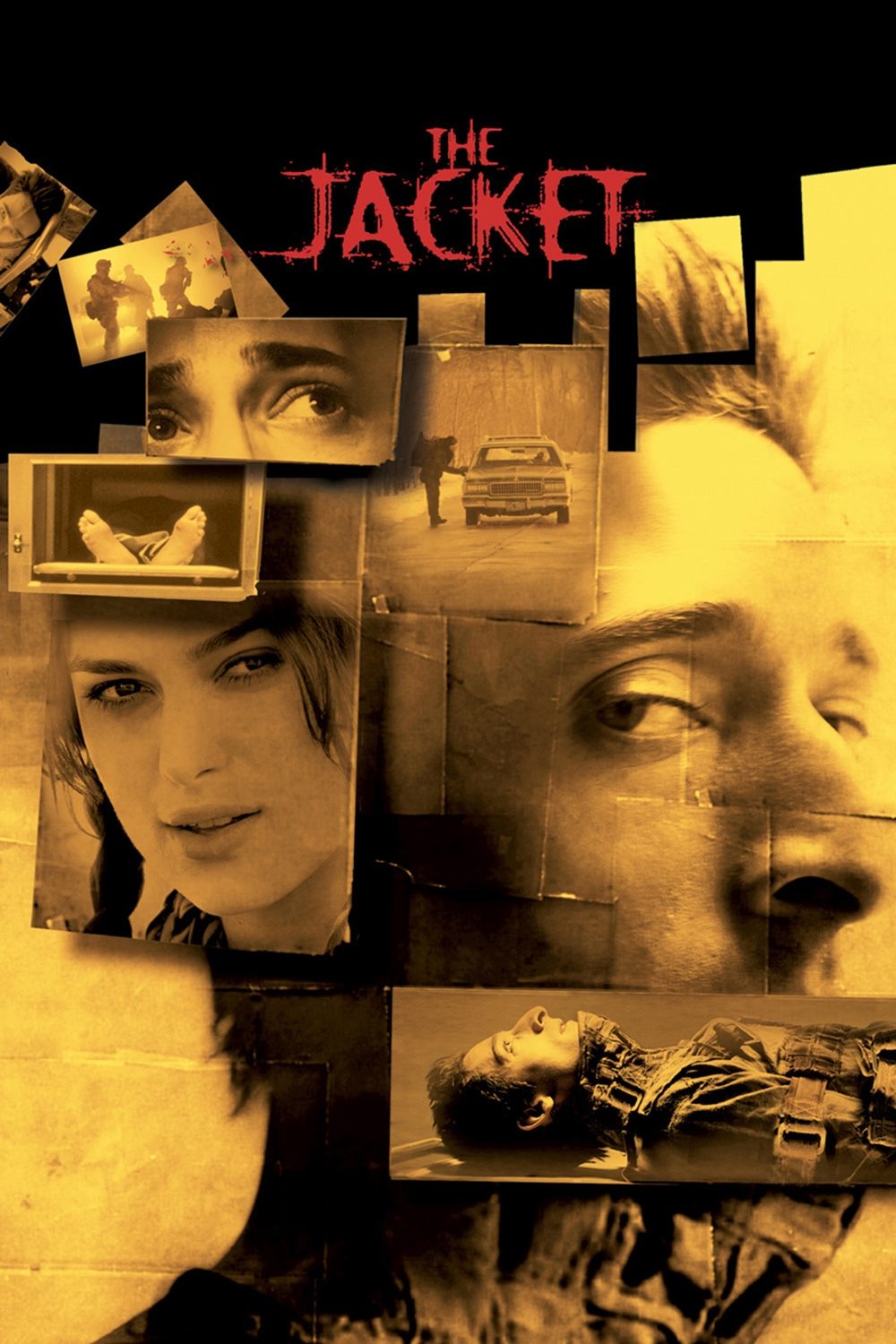
A military veteran goes on a journey into the future, where he can foresee his death and is left with questions that could save his life and those he loves.
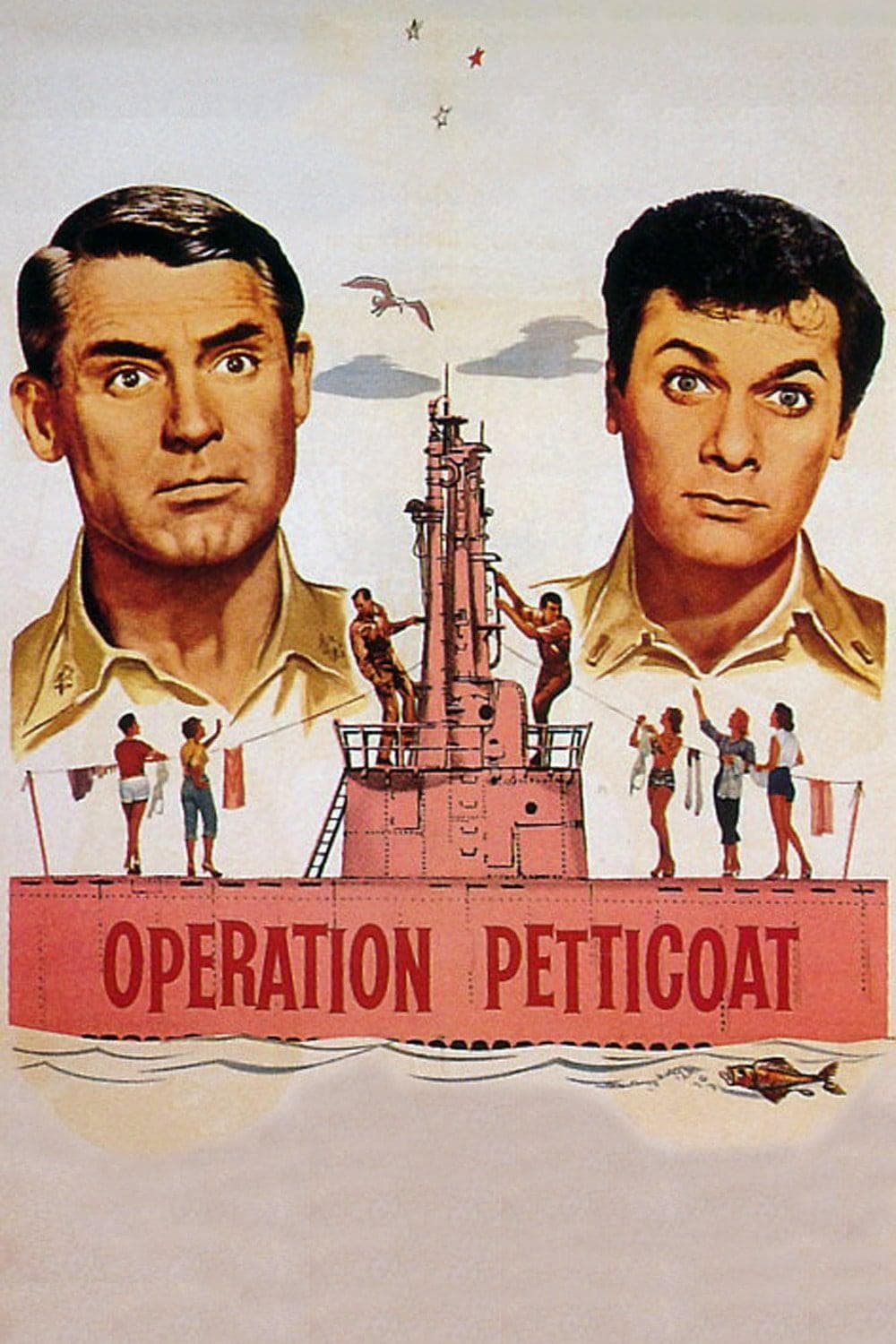
A World War II submarine commander finds himself stuck with a damaged sub, a con-man executive officer, and a group of army nurses.
A multimedia original film production commissioned by the USS Midway Museum in San Diego, focusing on the young men who sailed and flew into the teeth of the Japanese Navy.
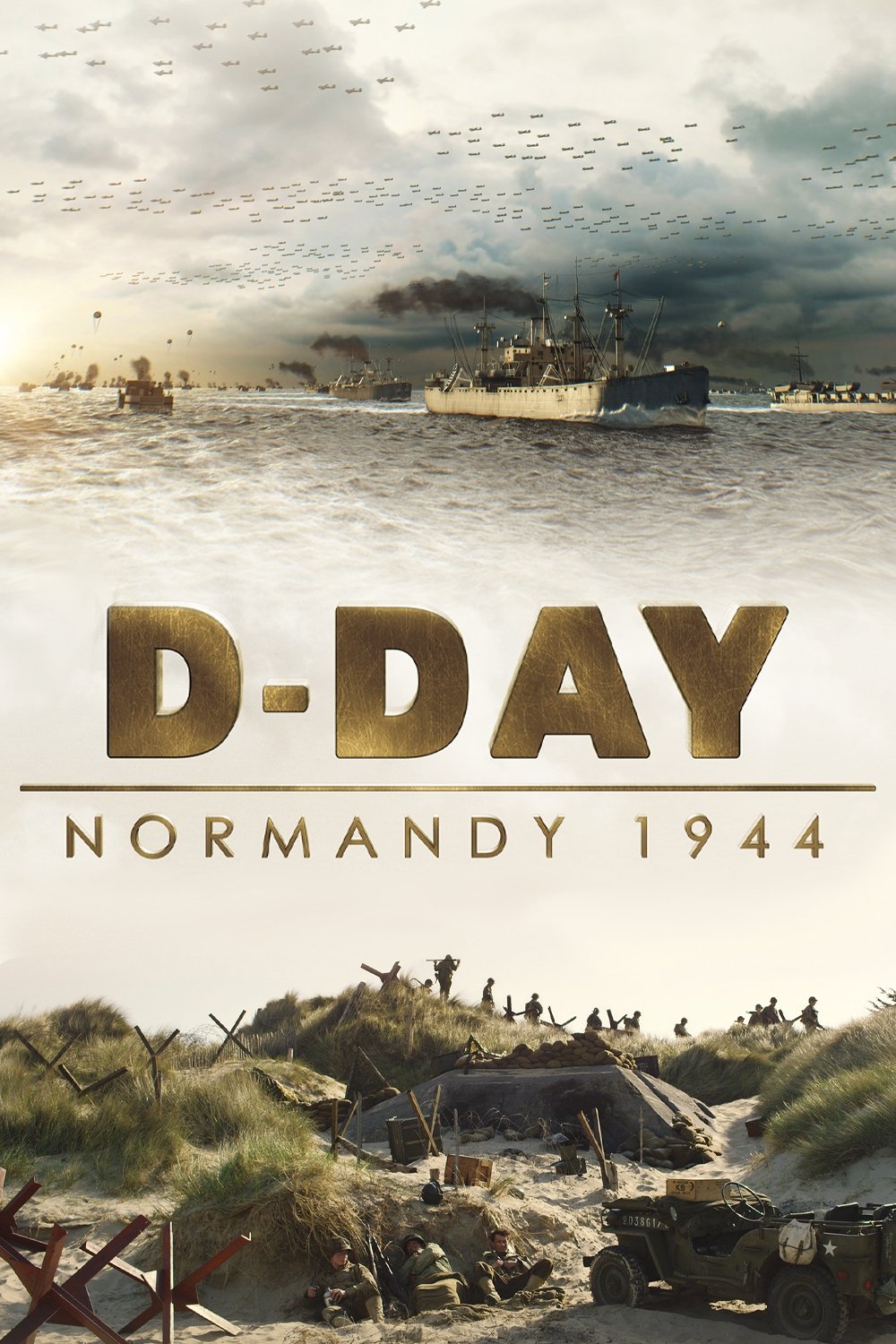
June 6, 1944: The largest Allied operation of World War II began in Normandy, France. Yet, few know in detail exactly why and how, from the end of 1943 through August 1944, this region became the most important location in the world. Blending multiple cinematographic techniques, including animation, CGI and stunning live-action images, “D-Day: Normandy 1944” brings this monumental event to the world’s largest screens for the first time ever. Audiences of all ages, including new generations, will discover from a new perspective how this landing changed the world. Exploring history, military strategy, science, technology and human values, the film will educate and appeal to all. Narrated by Tom Brokaw, “D-Day: Normandy 1944” pays tribute to those who gave their lives for our freedom… A duty of memory, a duty of gratitude.
Greek painter Domenikos Theotokopoulos (Mel Ferrer) woos a beauty (Rosanna Schiaffino) and faces the Inquisition in 16th-century Spain.
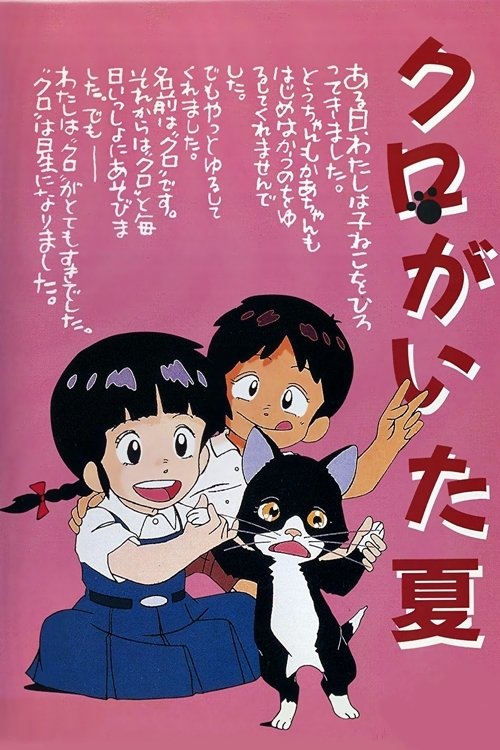
Hiroshima, summer of 1945. A young girl named Nobuko saves a starving kitten from crows. She wants to keep the kitten, but her parents dismiss the idea. Nobuko eventually convinces them to let her keep it. She and her brother Makoto name the cat Kuro. Kuro quickly brings joy and laughter to the family. As World War II takes its toll on Japan, it becomes harder for Nobuko and her family to care for Kuro. One August morning, Kuro begins acting strangely...
A bitter battle is fought between Australian and Japanese soldiers along the Kokoda trail in New Guinea during World War II.
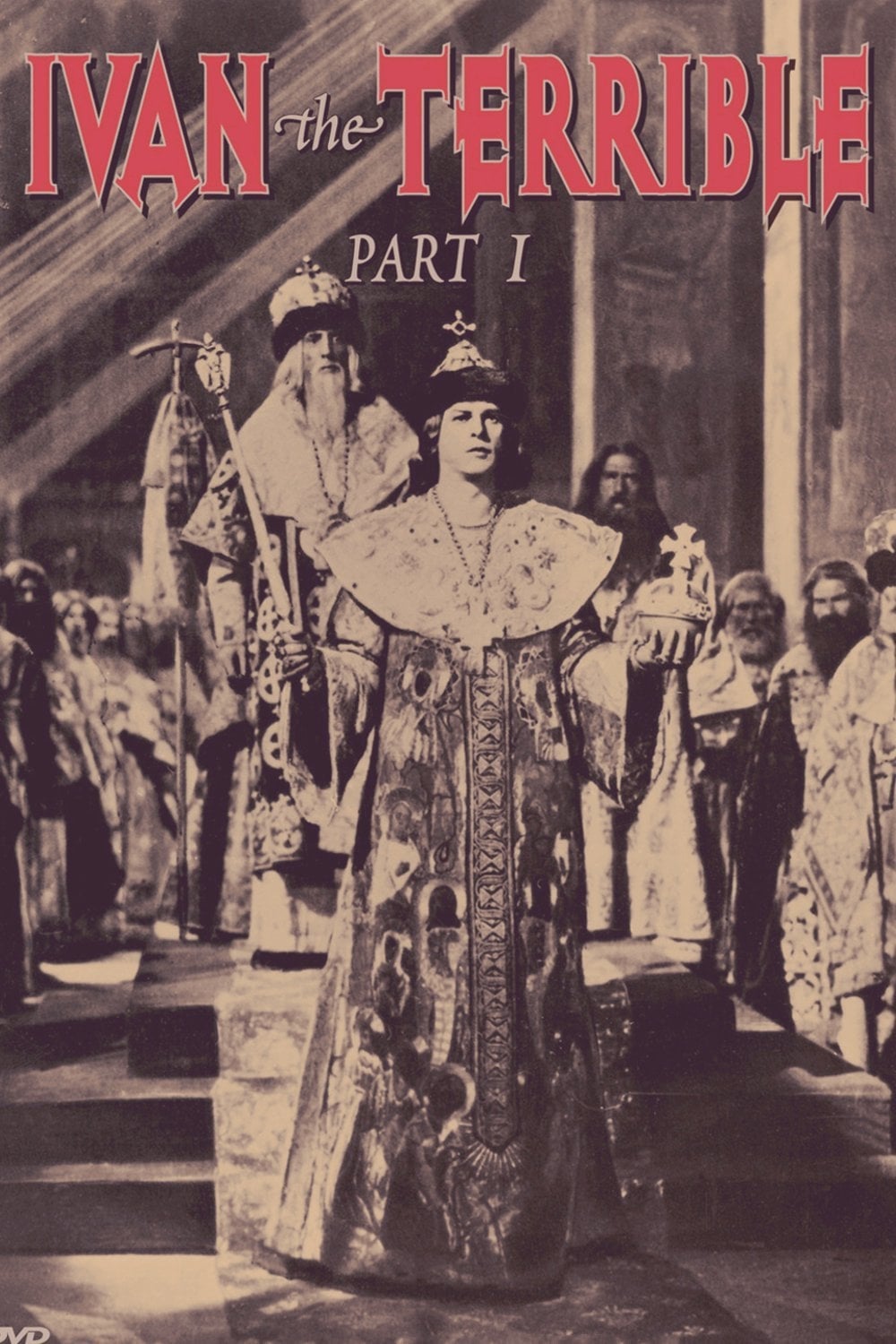
Set during the early part of his reign, Ivan faces betrayal from the aristocracy and even his closest friends as he seeks to unite the Russian people. Sergei Eisenstein's final film, this is the first part of a three-part biopic of Tsar Ivan IV of Russia, which was never completed due to the producer's dissatisfaction with Eisenstein's attempts to use forbidden experimental filming techniques and excessive cost overruns. The second part was completed but not released for a decade after Eisenstein's death and a change of heart in the USSR government toward his work; the third part was only in its earliest stage of filming when shooting was stopped altogether.
The movie tells the story of Franz, a Waffen-SS soldier who deserts, and Polina, a Belarusian woman whose village is razed and people massacred.
In 1890 Paris, Moulin Rouge is a nightclub where crippled artist Toulouse-Lautrec feels like he fits in. In the following years, he meets two women who provide an opportunity for him to find true love.
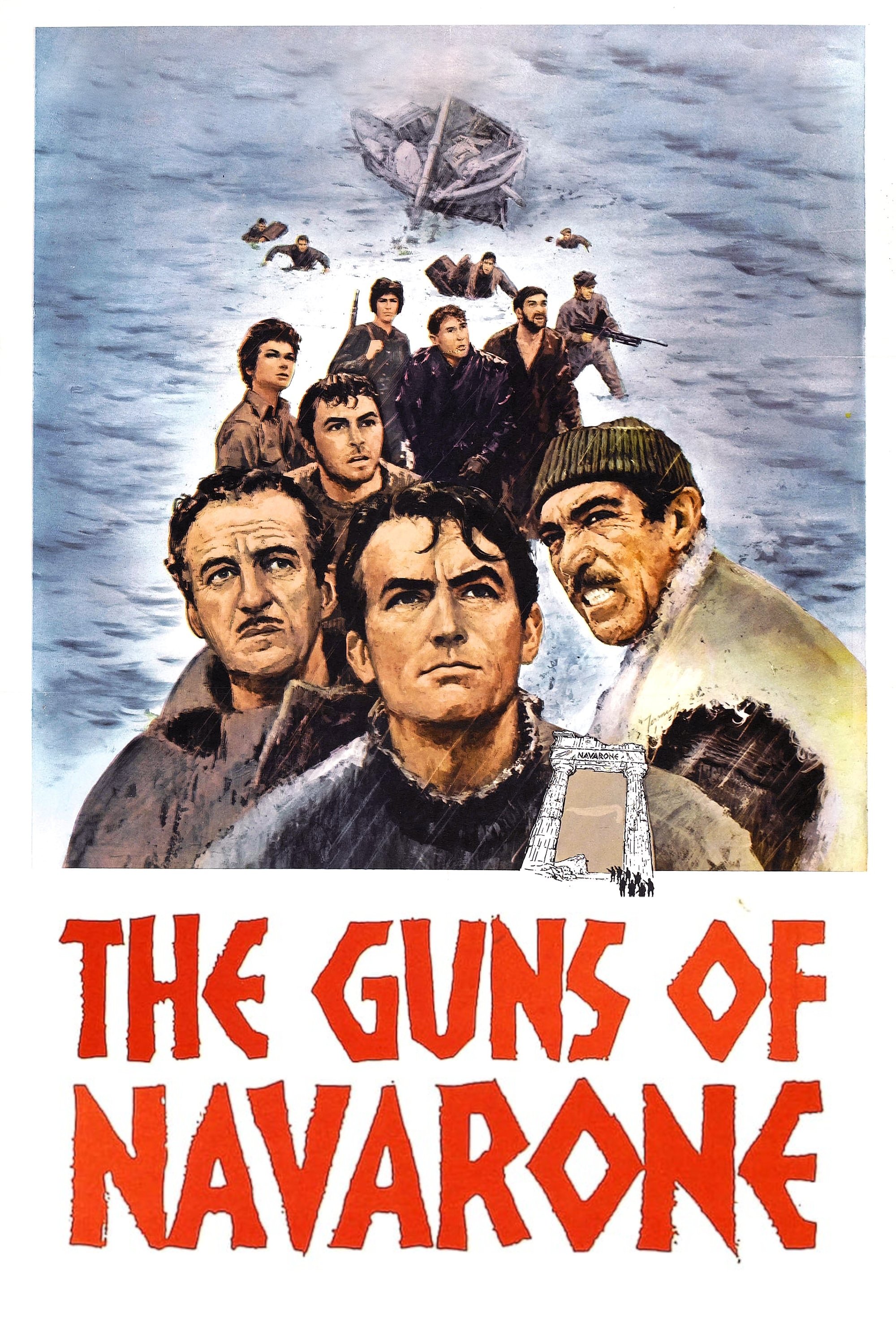
A team of allied saboteurs are assigned an impossible mission: infiltrate an impregnable Nazi-held island and destroy the two enormous long-range field guns that prevent the rescue of 2,000 trapped British soldiers.
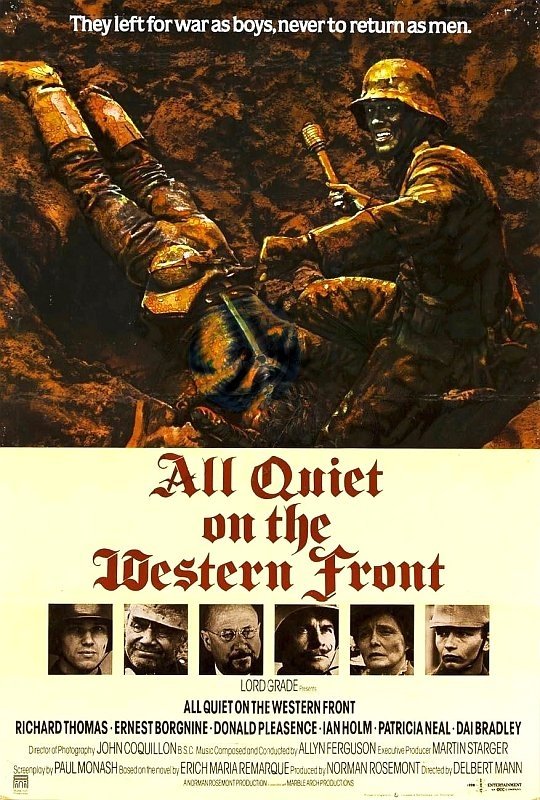
At the start of World War I, Paul Baumer is a young German patriot, eager to fight. Indoctrinated with propaganda at school, he and his friends eagerly sign up for the army soon after graduation. But when the horrors of war soon become too much to bear, and as his friends die or become gravely wounded, Paul questions the sanity of fighting over a few hundreds yards of war-torn countryside.
12-year-old Renato experiences three significant events on the same day: the beginning of the Second World War, getting a bike, and witnessing the arrival of the gorgeous Malèna. Through his eyes, we see the curse of beauty and loneliness of Malena, whose husband is presumed dead, and, through his soul, we see his love for her.
The life and career of Italian opera singer Farinelli, considered one of the greatest castrato singers of all time.
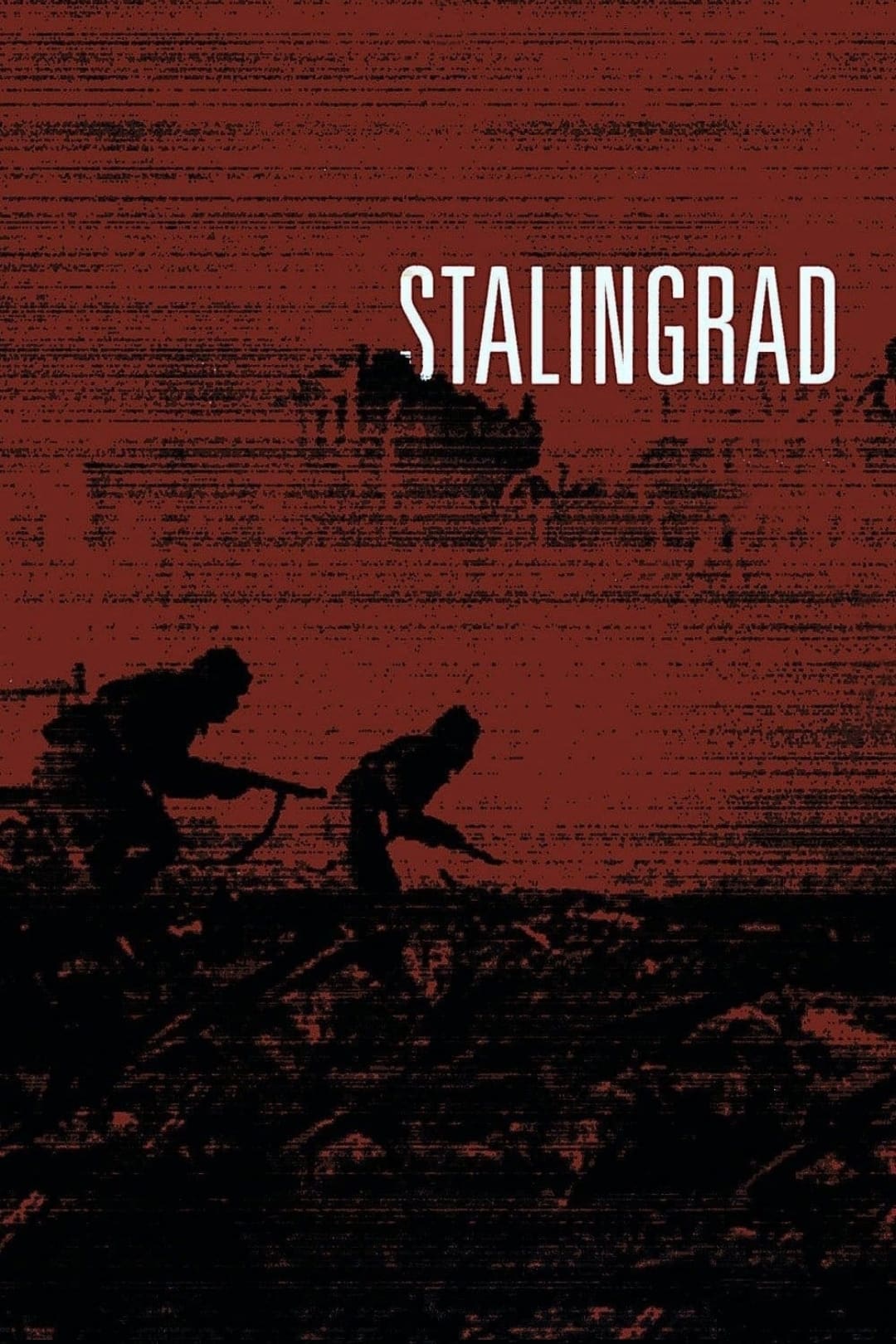
A German Platoon is explored through the brutal fighting of the Battle of Stalingrad. After half of their number is wiped out and they're placed under the command of a sadistic captain, the platoon lieutenant leads his men to desert. The platoon members attempt escape from the city, now surrounded by the Soviet Army.
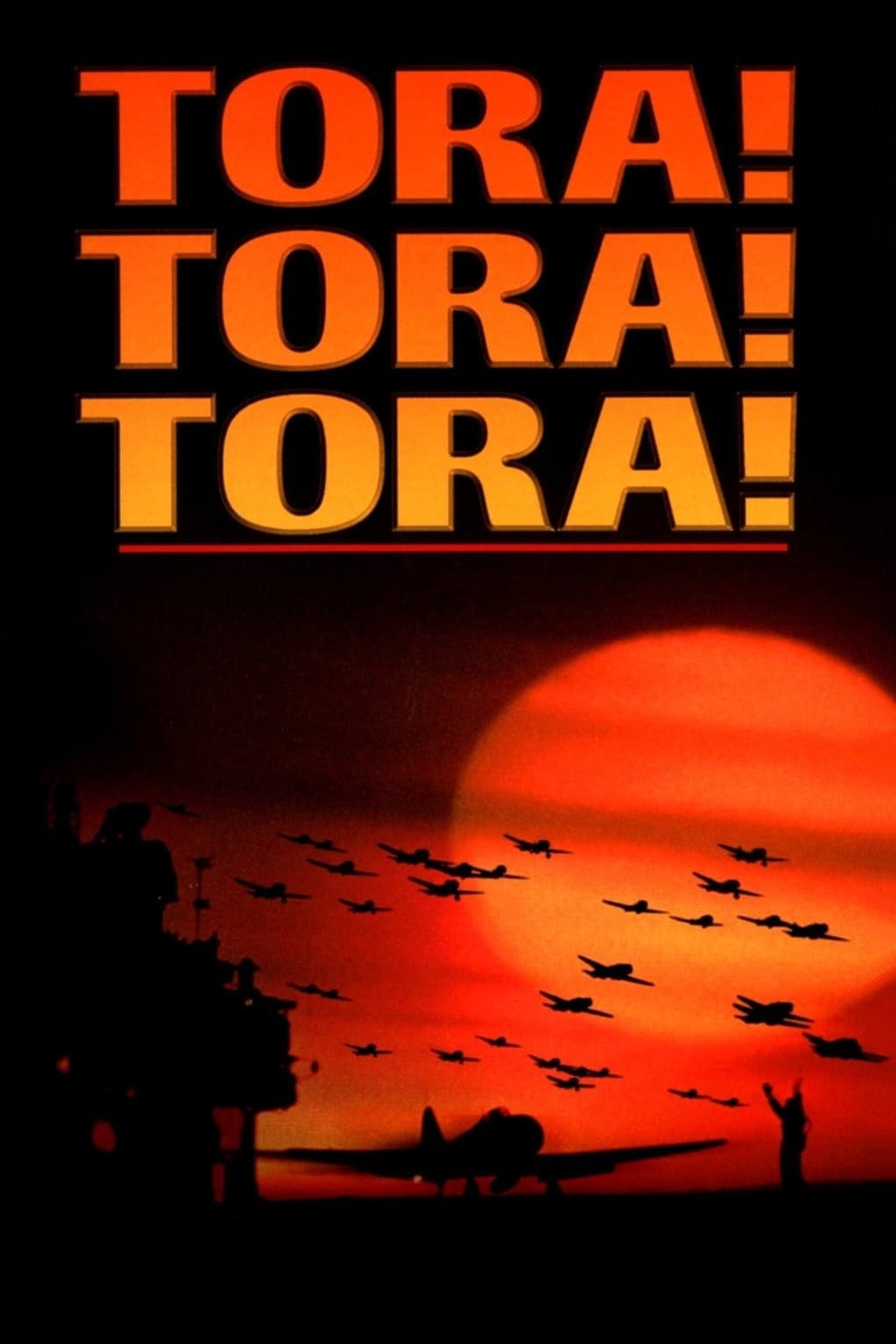
In the summer of 1941, the United States and Japan seem on the brink of war after constant embargos and failed diplomacy come to no end. "Tora! Tora! Tora!", named after the code words used by the lead Japanese pilot to indicate they had surprised the Americans, covers the days leading up to the attack on Pearl Harbor, which plunged America into the Second World War.
During the 16th century, pirates rule the Chinese coastline, pillaging the small villages and terrorizing the citizens. When maverick leader Commander Yu enlists the help of a sharp young general, they devise a plan to defeat the pirates. A violent clash of wit and weapons will decide who will rule the land.
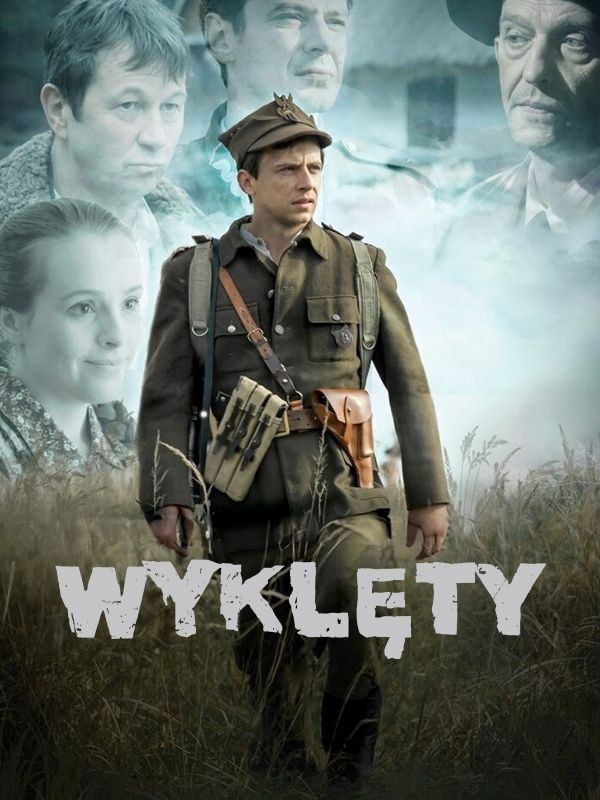
In the 1940s, a small band of underground paramilitaries attempt to fight back against the Soviet-backed security ministry in post-war Poland. Determined to fight for their country's future, the group goes to extreme lengths to make their voice heard.
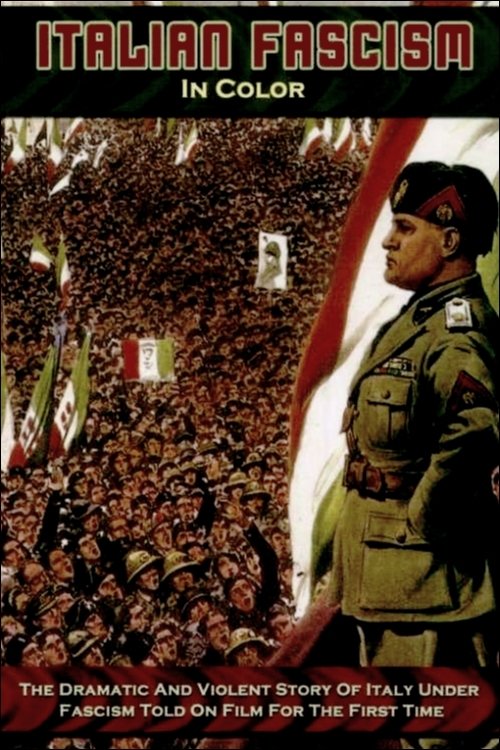
After the World War I, Mussolini's perspective on life is severely altered; once a willful socialist reformer, now obsessed with the idea of power, he founds the National Fascist Party in 1921 and assumes political power in 1922, becoming the Duce, dictator of Italy. His success encourages Hitler to take power in Germany in 1933, opening the dark road to World War II. (Originally released as a two-part miniseries. Includes colorized archival footage.)
Jewish aesthete Cioma, 21, does not let anyone take away his joy of life, especially not the Nazis. In 1942, he has to find new ways to make his living in Berlin and escape deportation. In the process he discovers his talent for forgery: not only with passports, but also his own identity.
Follow-up to the TV trilogy “Heimat”, this time for cinemas, set again in the fictional village Schabbach in the Hunsrück region of Rhineland-Palatinate.
In post-war Germany, liberation by the Allies does not mean freedom for everyone. Hans Hoffmann is repeatedly imprisoned under Paragraph 175, which criminalizes homosexuality. Nevertheless, over the decades, he continues his quest for freedom and love, even if he finds it in the most unusual places.
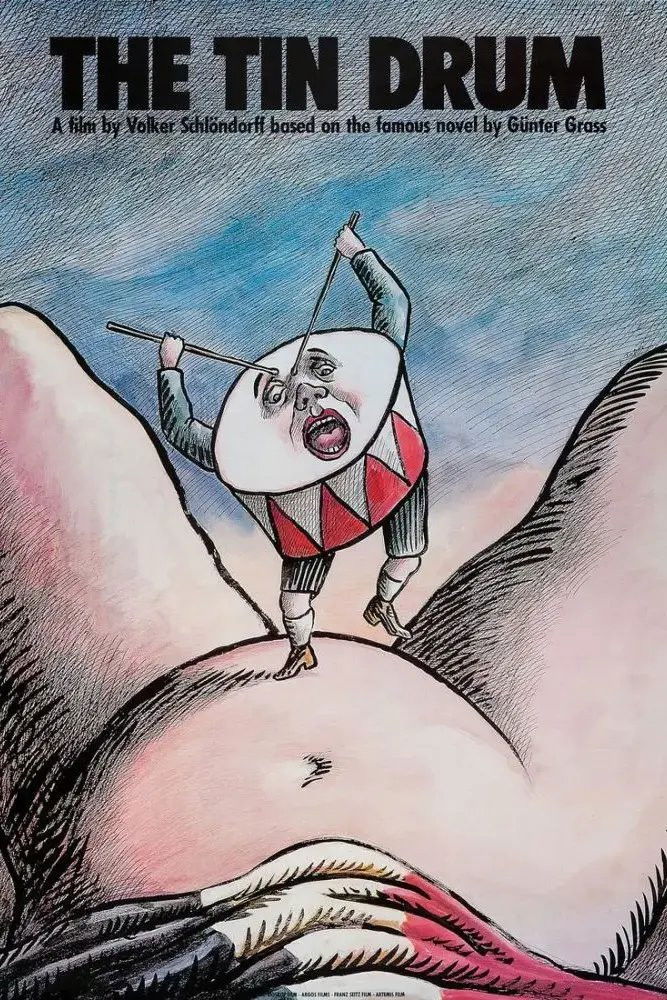
In 1924, Oskar Matzerath is born in the Free City of Danzig. At age three, he falls down a flight of stairs and stops growing. In 1939, World War II breaks out.
Germany 1945, Max, a Jewish Holocaust survivor, meets a radical group of Jewish resistance fighters, who, like him, lost all hope for their future after they were robbed of their existence and their entire families were killed by the Nazis. They dream of retaliation on an epic scale for the Jewish people. An eye for an eye, a tooth for a tooth. Max starts identifying with the group's monstrous plans...
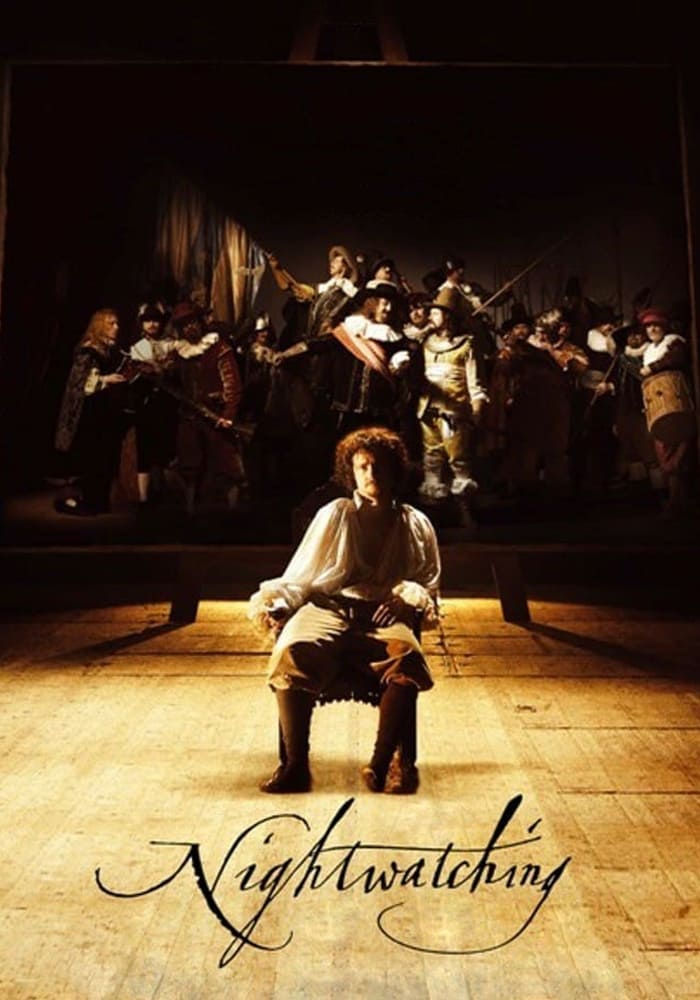
An extravagant, exotic and moving look at Rembrandt's romantic and professional life, and the controversy he created by the identification of a murderer in the painting The Night Watch.
In 1930s Berlin, Dr. Jakob Fabian, who works by day in advertising for a cigarette company and by night wanders the streets of the city, falls in love with an actress. As her career begins to blossom, prospects for his future begin to wane.
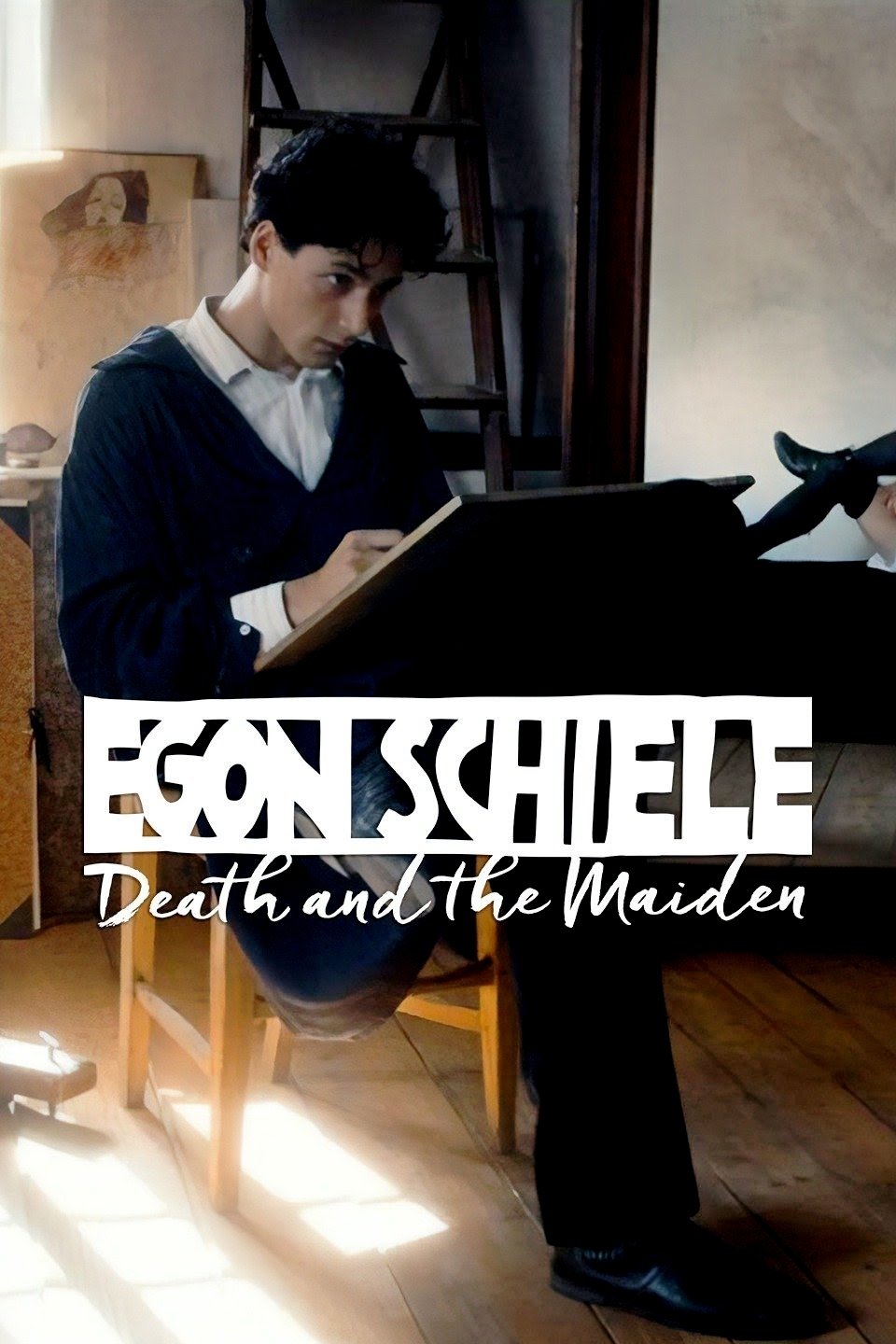
Vienna, Austria, 1910. The young painter Egon Schiele is a rising artist, provocative and free, whose work, characterized by eroticism, shocks as much as it fascinates art lovers.
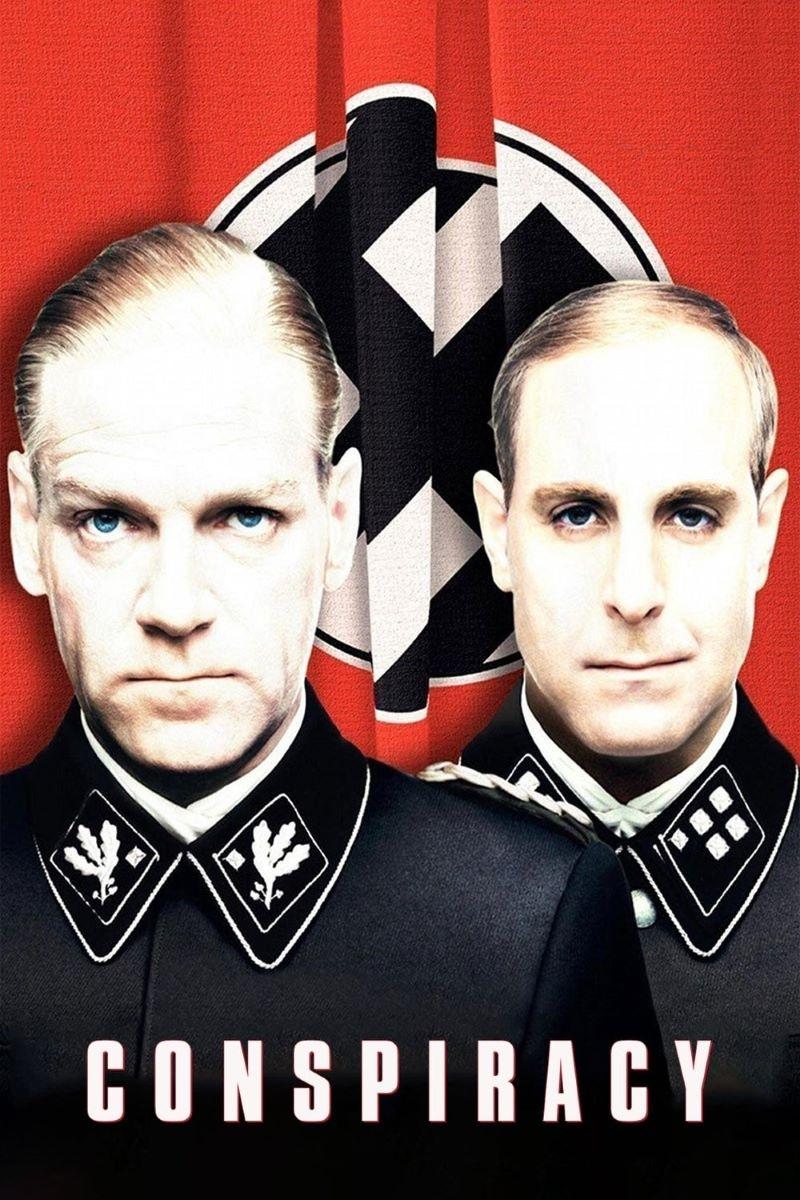
At the Wannsee Conference on January 20, 1942, senior Nazi officials meet to determine the manner in which the so-called "Final Solution to the Jewish Question" can be best implemented.
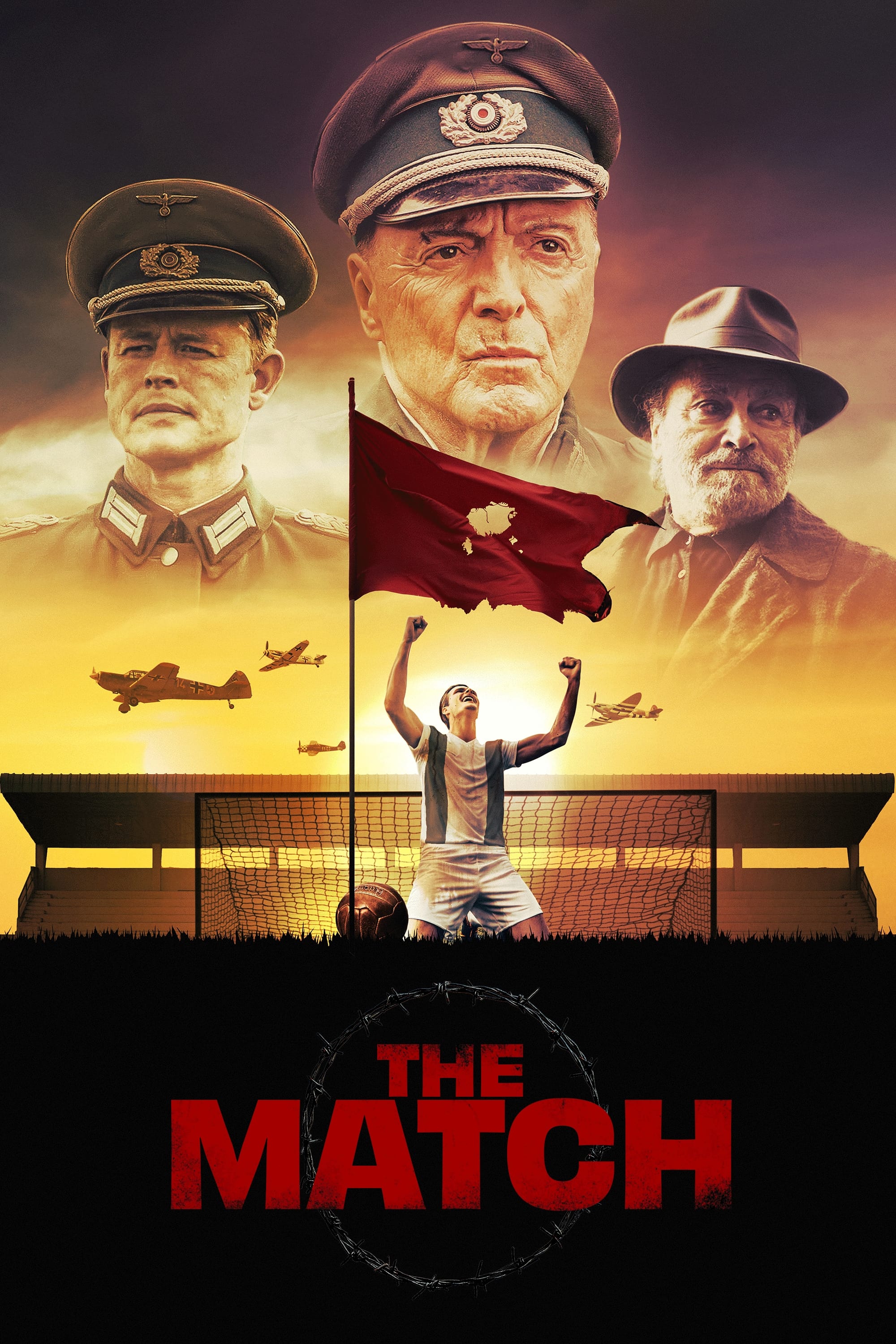
Inspired by true events from the spring of 1944 when the Nazis organized a football match between a team of camp inmates and an elite Nazi team on Adolf Hitler's birthday. A match the prisoners are determined to win, no matter what happens.
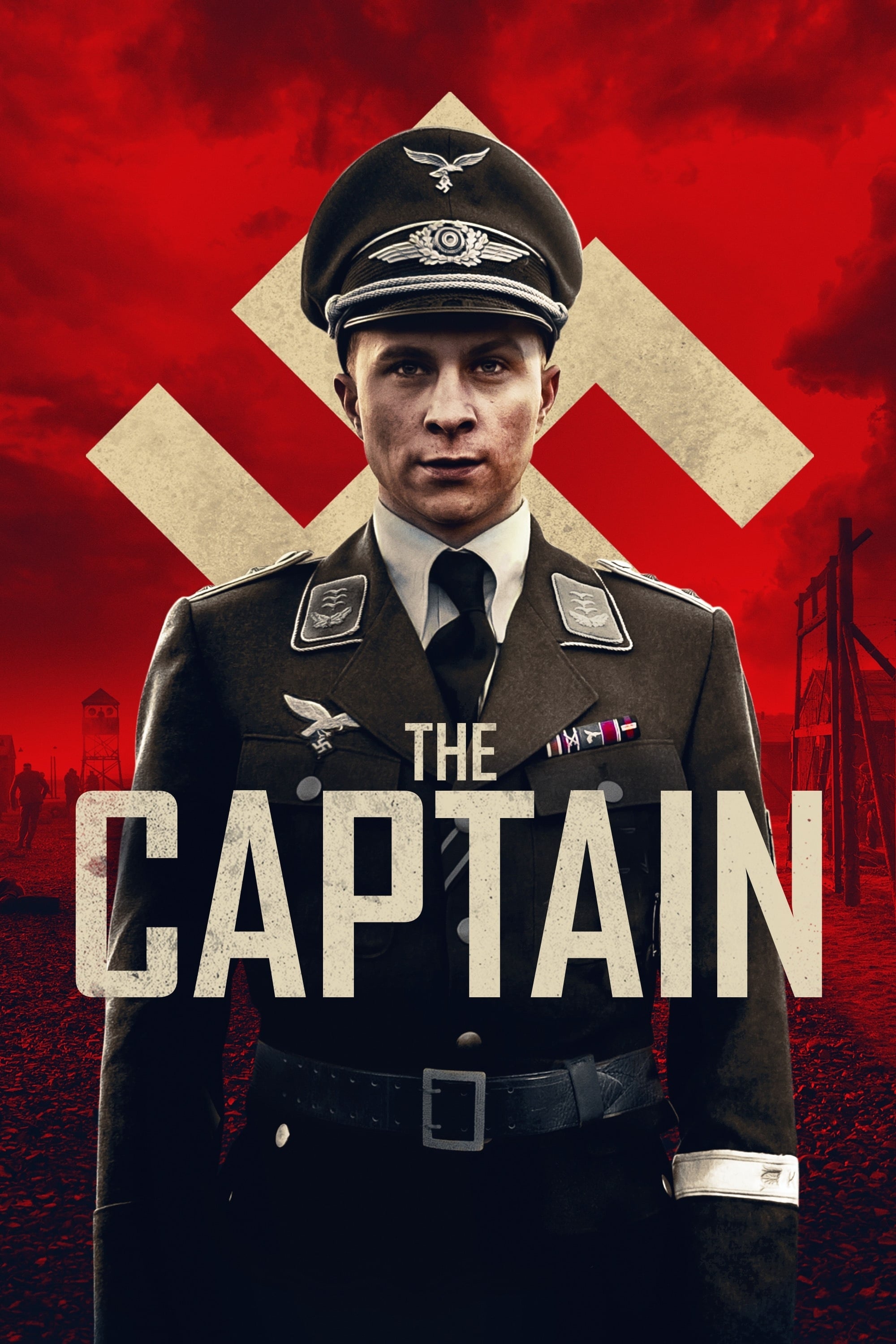
Germany, 1945. Soldier Willi Herold, a deserter of the German army, stumbles into a uniform of a Nazi captain abandoned during the last and desperate weeks of the Third Reich. Newly emboldened by the allure of a suit that he has stolen only to stay warm, Willi discovers that many Germans will follow the leader, whoever he is.
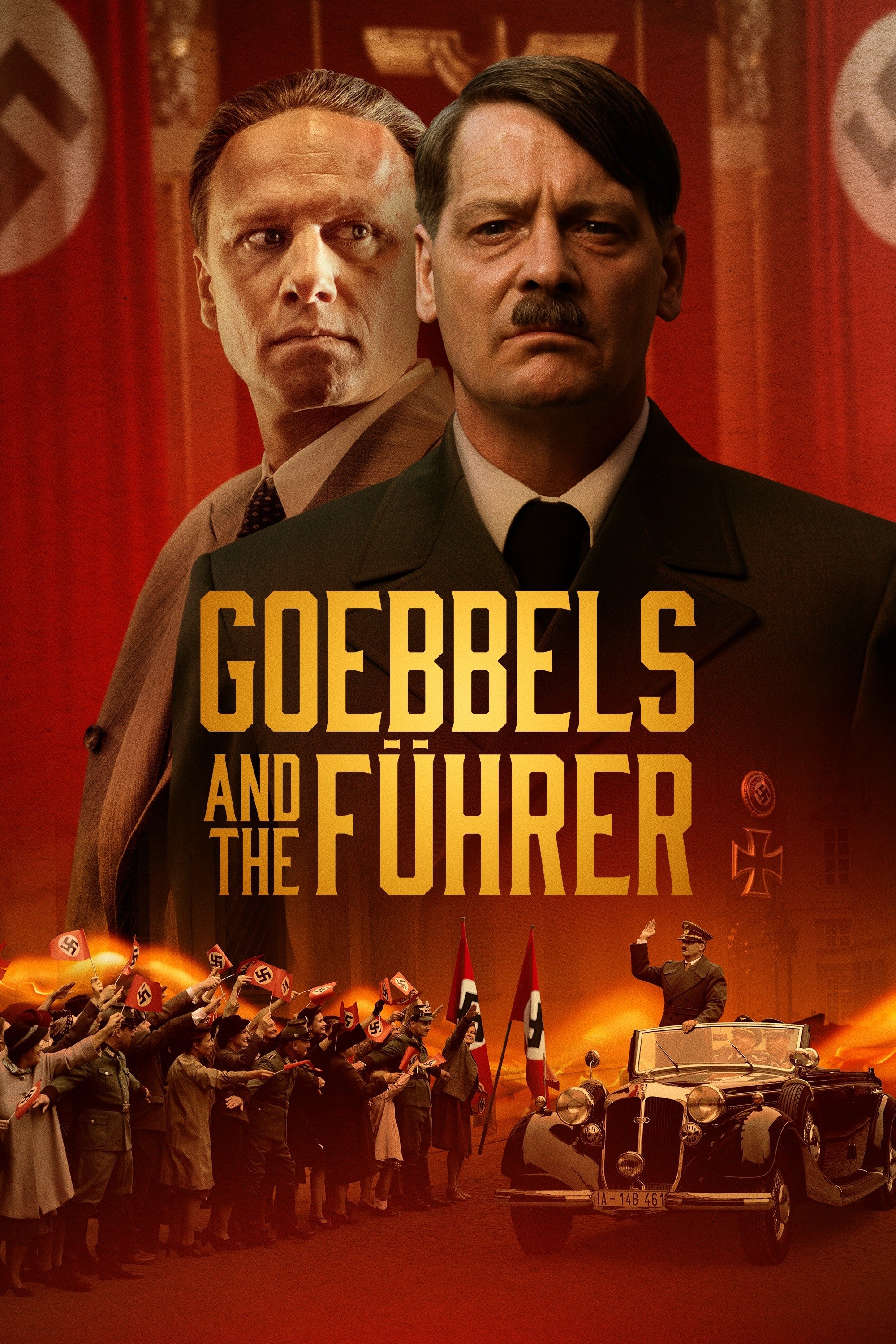
As Minister of Propaganda, Joseph Goebbels creates films and pictures used to prepare the Germans for Total War and the Holocaust. When the war is lost, he conceives his last staging, the most radical propaganda act still possible to him.
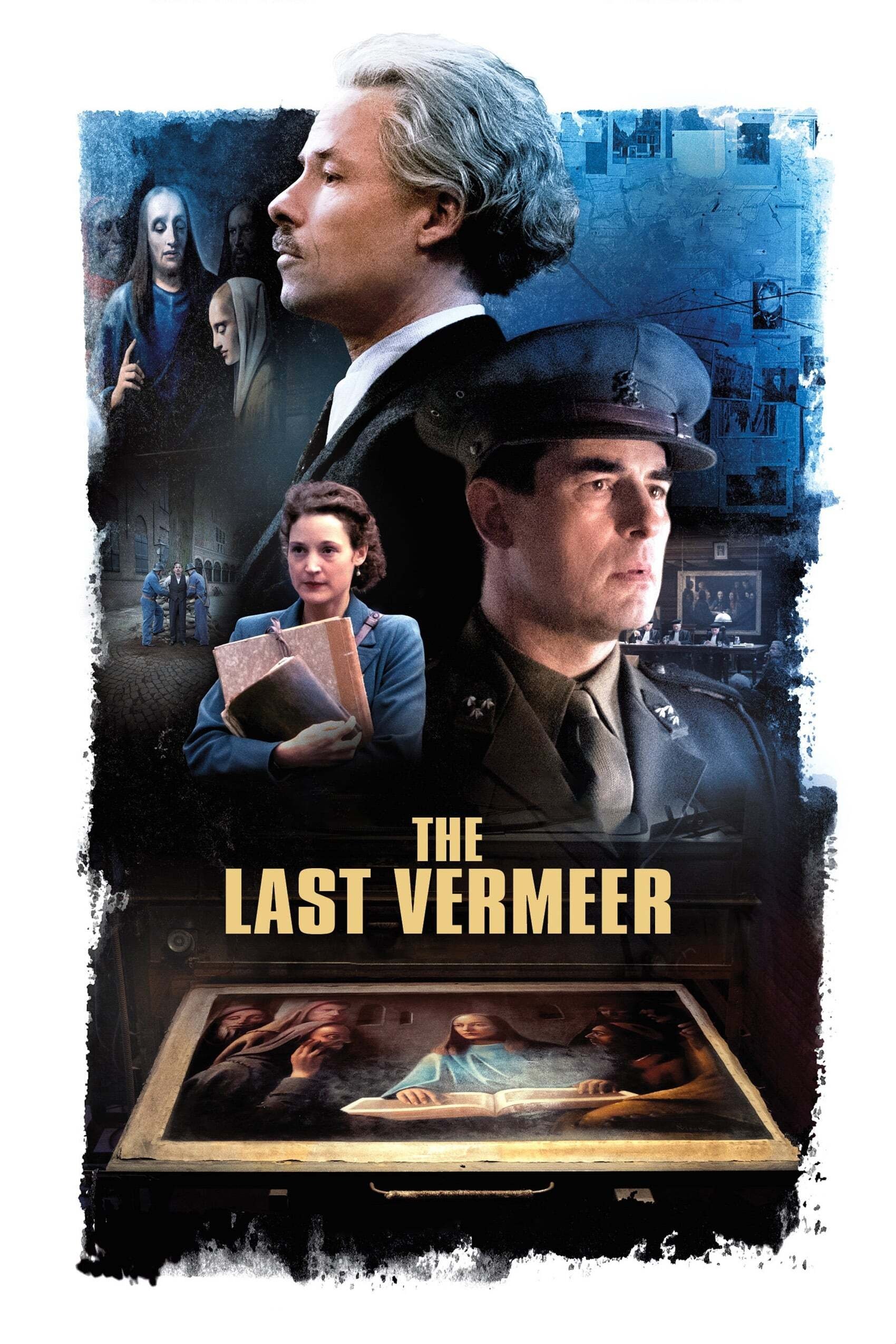
A soldier and member of the Dutch resistance investigates stolen art in the wake of the Second World War, including a Vermeer sold to the Nazis by a flamboyant forger.
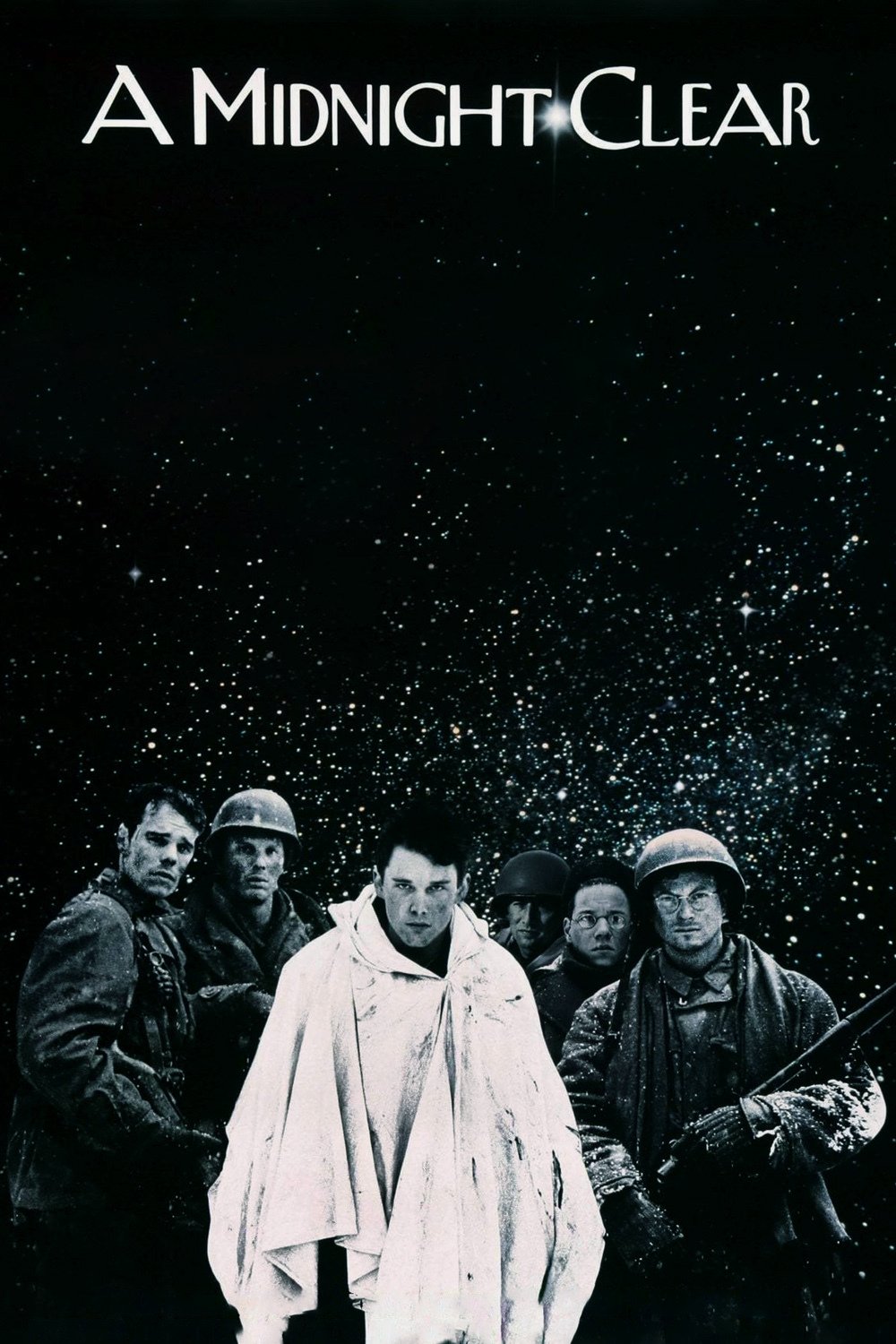
In 1944 France, an American Intelligence Squad locates a German Platoon wishing to surrender rather than die in Germany's final war offensive. The two groups of men, isolated from the war at present, put aside their differences and spend Christmas together before the surrender plan turns bad and both sides are forced to fight the other.
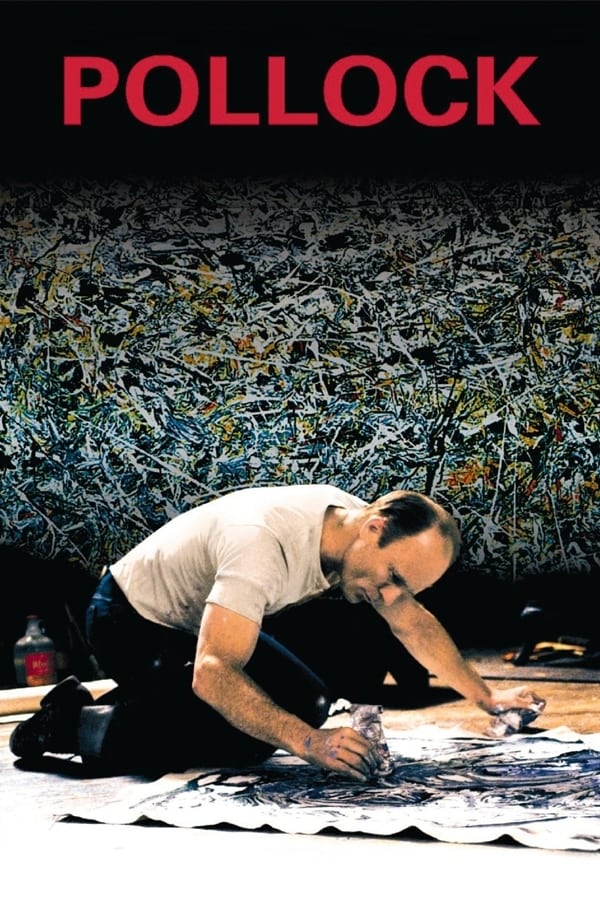
In August of 1949, Life Magazine ran a banner headline that begged the question: "Jackson Pollock: Is he the greatest living painter in the United States?" The film is a look back into the life of an extraordinary man, a man who has fittingly been called "an artist dedicated to concealment, a celebrity who nobody knew." As he struggled with self-doubt, engaging in a lonely tug-of-war between needing to express himself and wanting to shut the world out, Pollock began a downward spiral.
In 1973, a young gallery assistant goes on a wild adventure behind the scenes as he helps aging genius Salvador Dali prepare for a big show in New York.
Vienna, 1920. The Austro-Hungarian Empire has collapsed. Peter Perg returns home from the Great War, after years of captivity. But the Vienna he comes home to is nothing like the place he once knew. The new Austrian Republic thrives on social and artistic freedom, but anti-democratic movements and unemployment loom overhead. A stranger in his hometown, his life takes a turn for the worse when one of his former comrades is murdered. Suddenly the mysterious killings of veterans are mounting. Personally connected to the victims, Perg decides to bring the killer to justice. He finds an ally in the cool-headed forensic doctor Theresa Körner, with whom he has a deeper, shared history. Their investigation leads them into the darkest corners of the city, as they confront a brutal and systematic killer and intrigues from within the police force. But when the killer’s net closes around Perg himself, he faces the moral dilemma of his life.
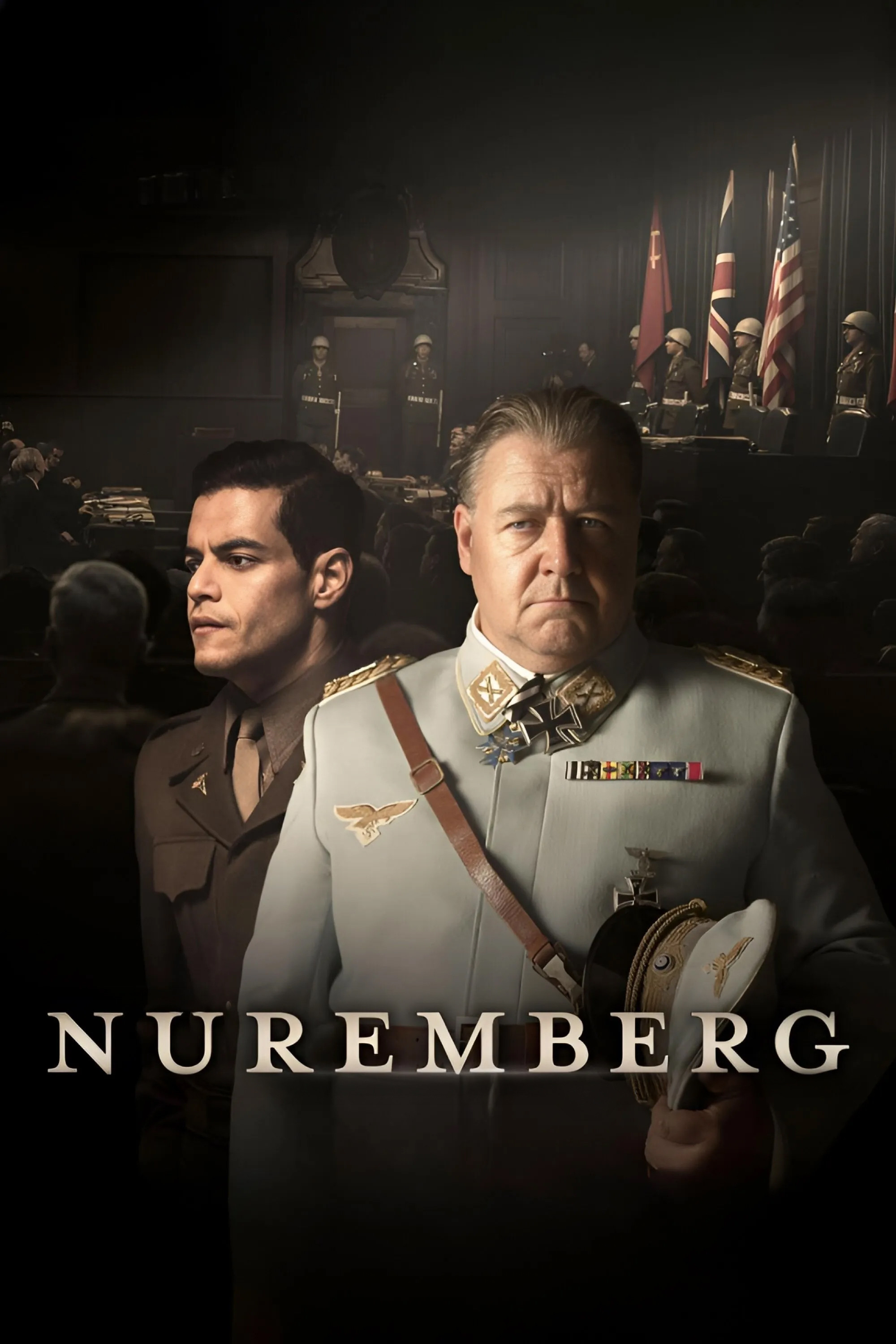
In postwar Germany, an American psychiatrist must determine whether Nazi prisoners are fit to go on trial for war crimes, and finds himself in a complex battle of intellect and ethics with Hermann Göring, Hitler's right-hand man.
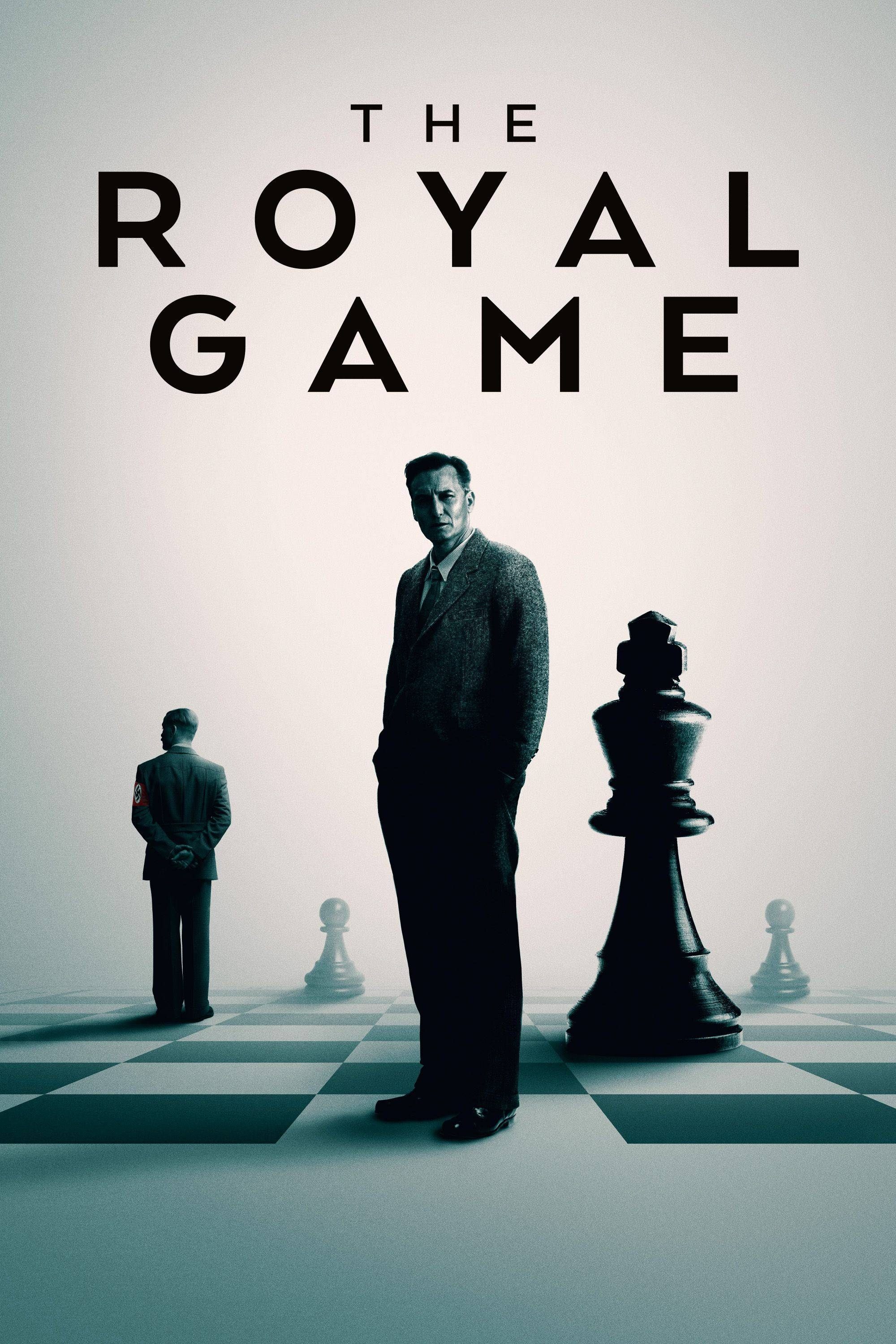
1938. While the Nazi troops march into Vienna, the lawyer Josef Bartok hastily tries to escape to the USA with his wife but is arrested by the Gestapo. Bartok remains steadfast and refuses to cooperate with the Gestapo that requires confidential information from him. Thrown into solitary confinement, Bartok is psychologically tormented for months and begins to weaken. However, when he steals an old book about chess it sets him on course to overcome the mental suffering inflicted upon him, until it becomes a dangerous obsession.
After teenage ambulance driver Ernest Hemingway takes shrapnel in the leg during World War I, he falls in love with Agnes von Kurowsky, a beautiful older nurse at the hospital where he's sent to recover. Their affair slowly blossoms, until Hemingway boldly asks Agnes to be his wife and journey to America with him.