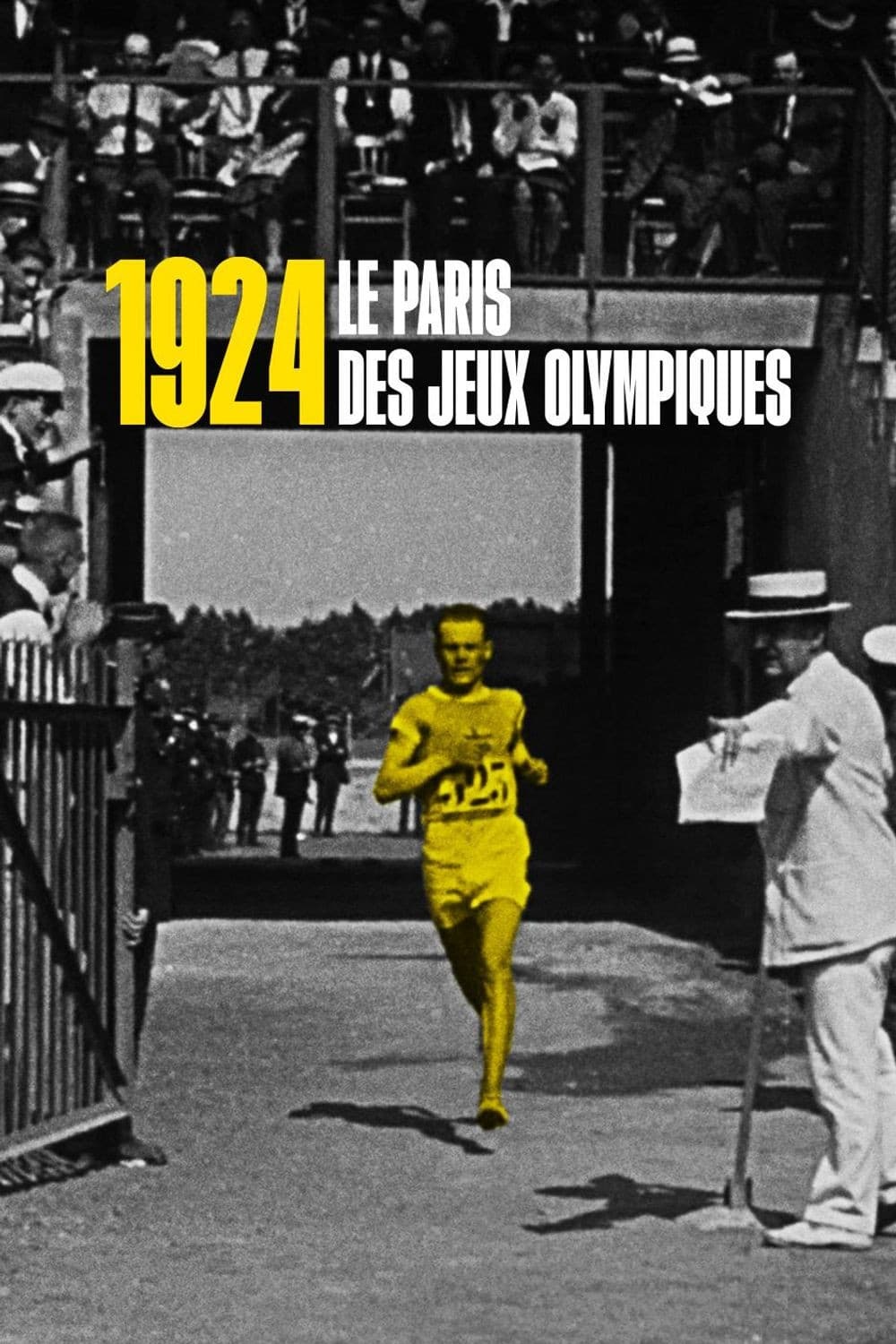
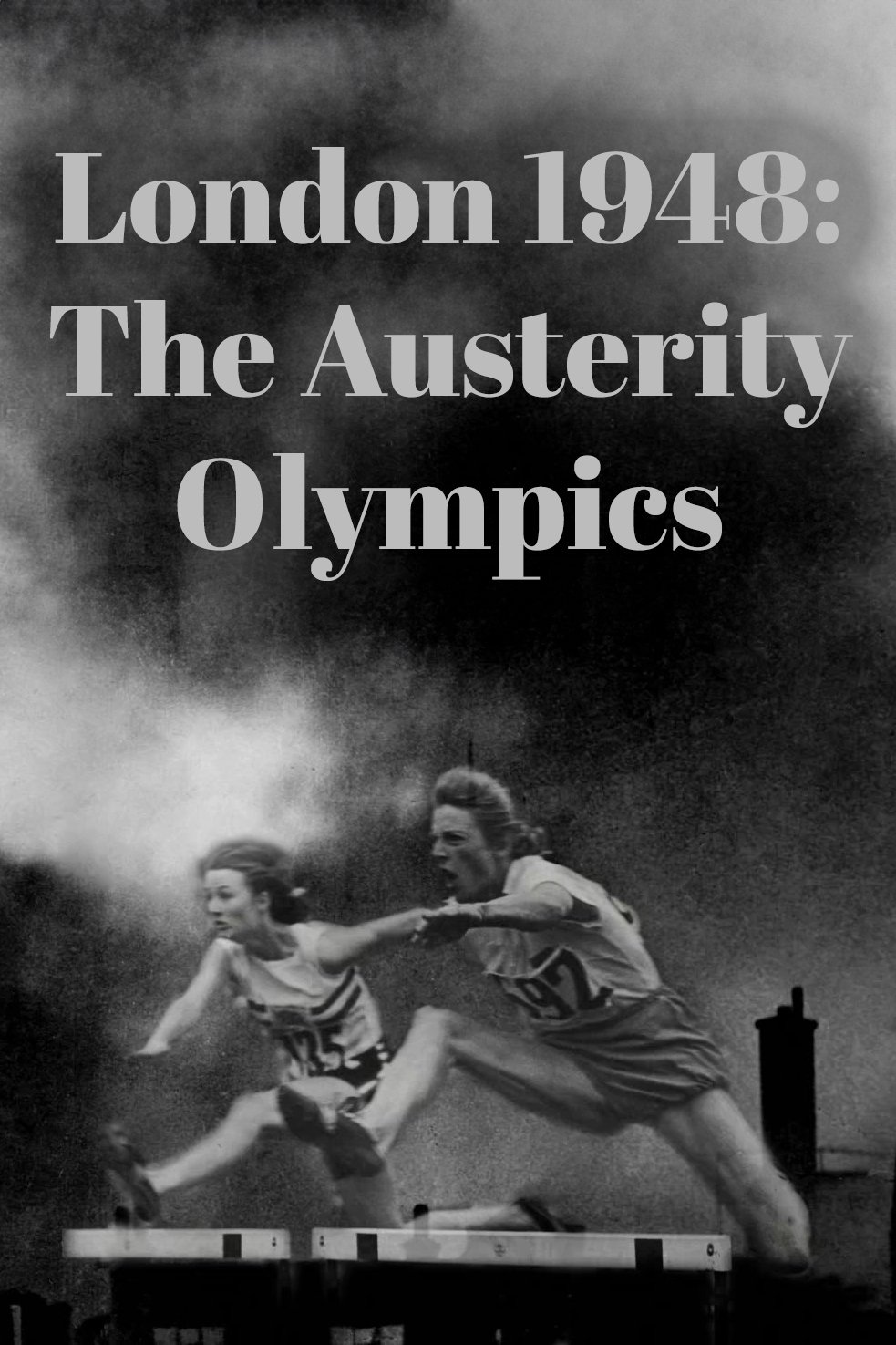
Documentary footage recaptures the excitement of the 1948 London Olympics, the first games since 1936.
Social & External
Himself
Herself
Narrator
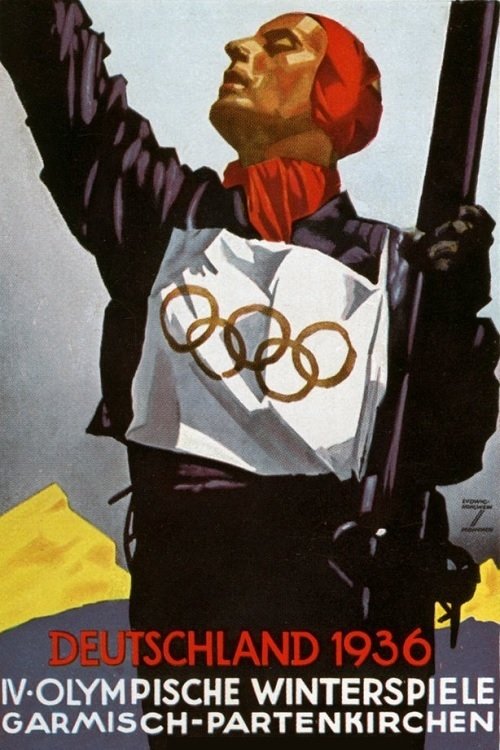
This Nazi propaganda film covers the 1936 Winter Olympics that were held in Germany.
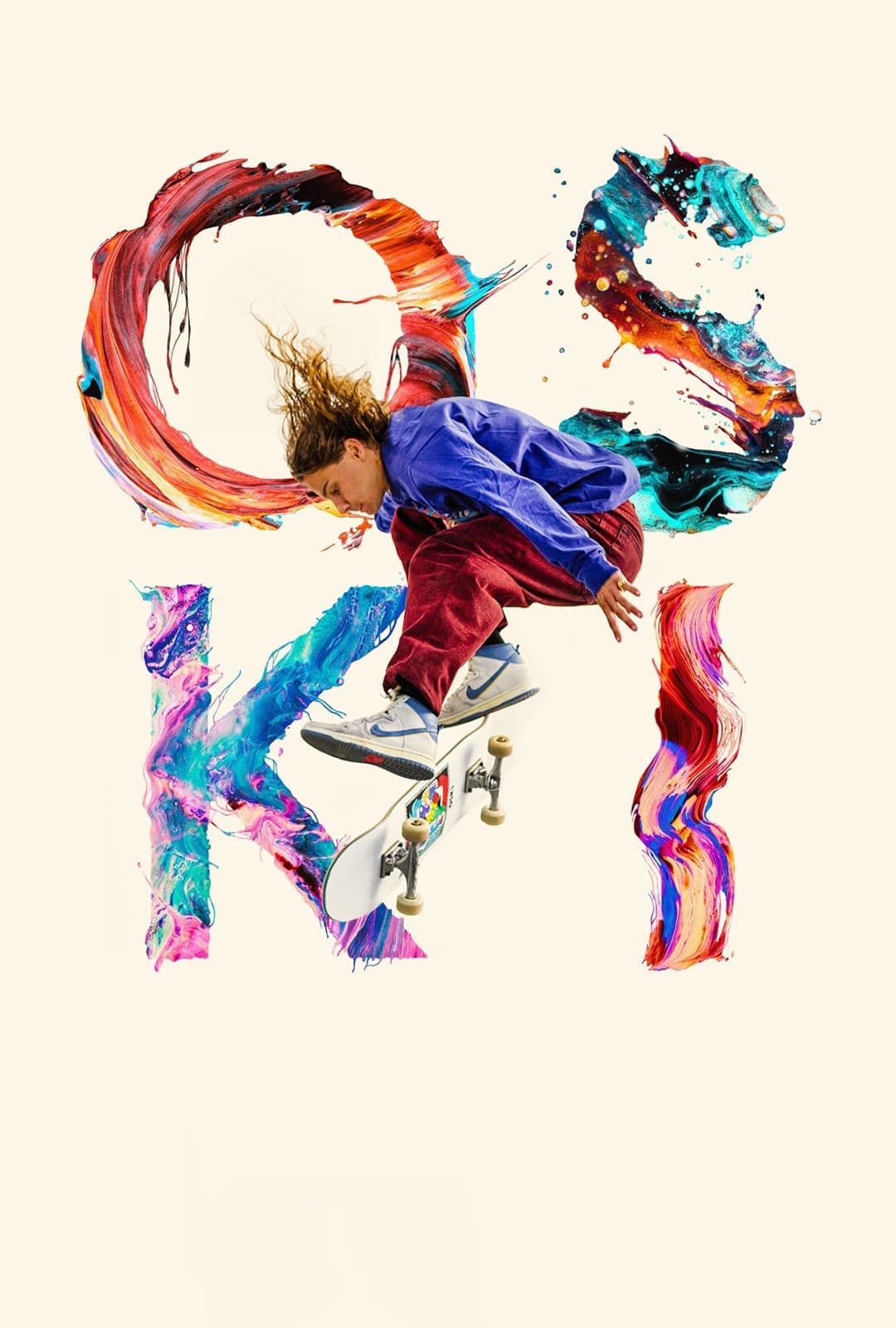
'Oski' is an intimate portrait of a young prodigy and the culture that surrounds him. A film documenting a year in the life of skateboarding sensation Oskar ‘Oski’ Rozenberg as he transforms from cool street skater to celebrity sportsman competing in the Olympics. The demands of being a sportman with a shot at the gold medal in Tokyo weighs hard on Oski. It’s obvious that he is not your everyday athlete. Can his sport, and his culture survive the transition from underground to mainstream? And will he loose himself and everything dear to him in the process? 'Oski' explores the history of a subculture at a pivotal point in its history and how a humble and different thinking athlete, loved and adored by thousands of skateboarders all around the world, struggles to find his own path in life as an adult and sportsman.
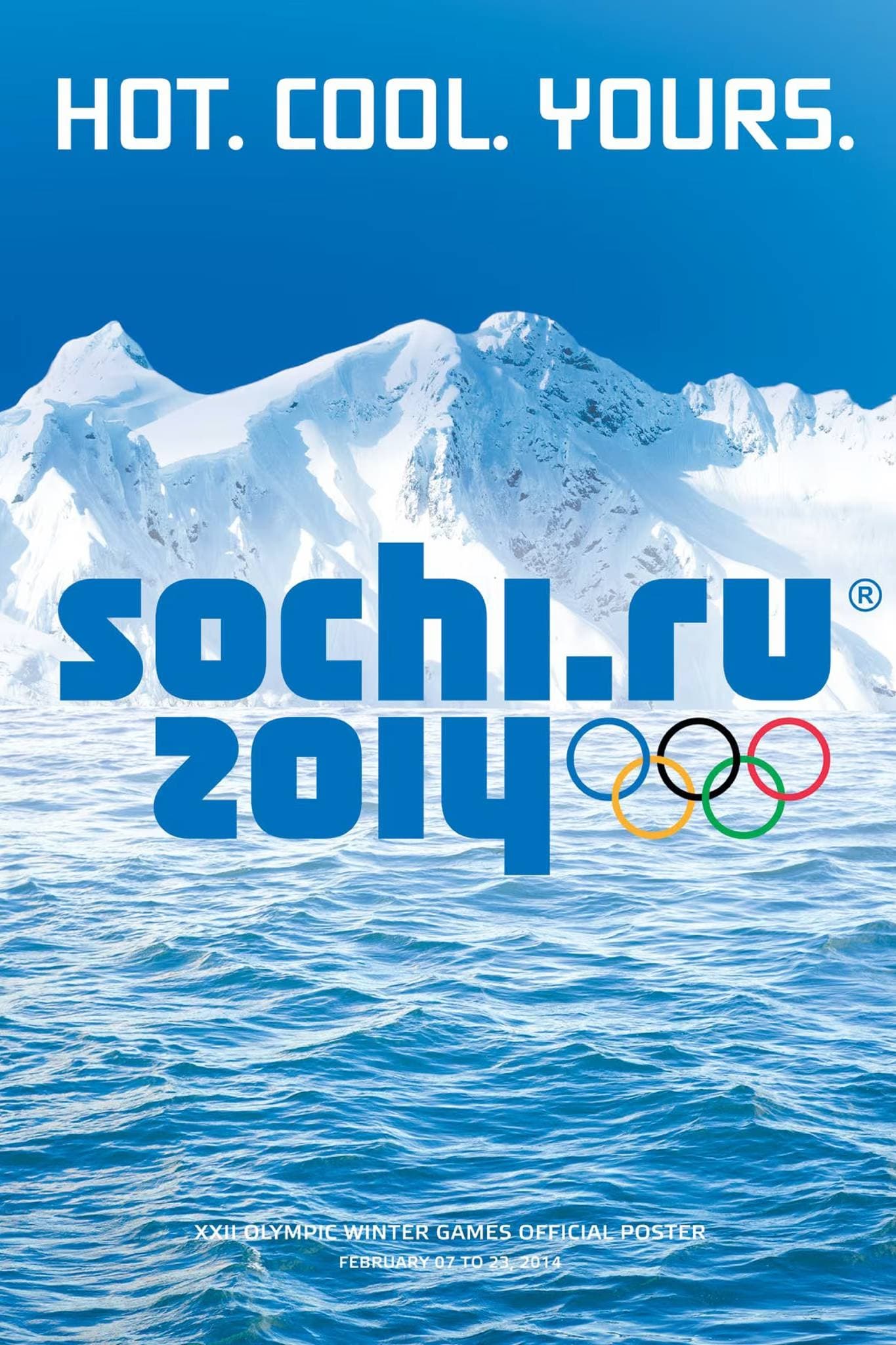
The opening ceremony of the 2014 Winter Olympics took place at the Fisht Olympic Stadium in Sochi, Russia, on 7 February 2014. It began at 20:14 MSK (UTC+4) and finished at 23:02 MSK (UTC+4) This was the first Winter Olympics and first Olympic Games opening ceremony under the IOC presidency of Thomas Bach. The Games were officially opened by President Vladimir Putin. An audience of 40,000 were in attendance at the stadium with an estimated 2,000 performers. The ceremony touched upon various aspects of Russian history, and included tributes to famous Russians, such as Peter Tchaikovsky (1840–1893), Ukrainian-born Russian humourist, dramatist, and novelist Nikolai Gogol (1809–1852), filmmaker Sergei Eisenstein (1898–1948), ballet dancer Vaslav Nijinsky (1889–1950), and patron of arts, and founder of Ballet Russes, Sergei Diaghilev (1872–1929).
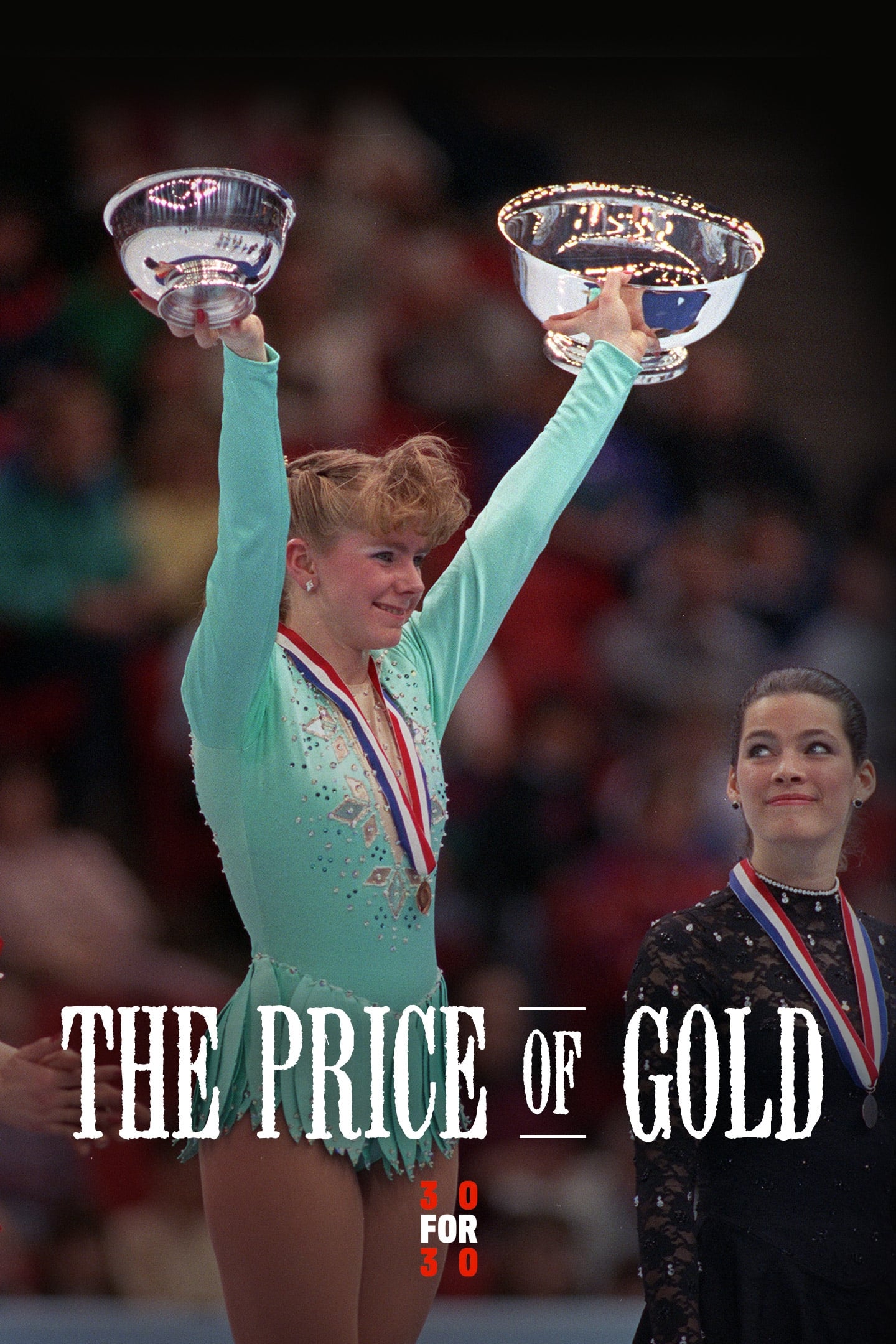
The world couldn't keep its eyes off two athletes at the 1994 Winter Games in Lillehammer - Nancy Kerrigan, the elegant brunette from the Northeast, and Tonya Harding, the feisty blonde engulfed in scandal. Just weeks before the Olympics on Jan. 6, 1994 at the U.S. Figure Skating Championships, Kerrigan was stunningly clubbed on the right knee by an unknown assailant and left wailing, "Why, why, why?" As the bizarre "why" mystery unraveled, it was revealed that Harding's ex-husband, Jeff Gillooly, had plotted the attack with his misfit friends to literally eliminate Kerrigan from the competition. Now two decades later, THE PRICE OF GOLD takes a fresh look through Harding's turbulent career and life at the spectacle that elevated the popularity of professional figure skating and has Harding still facing questions over what she knew and when she knew it.
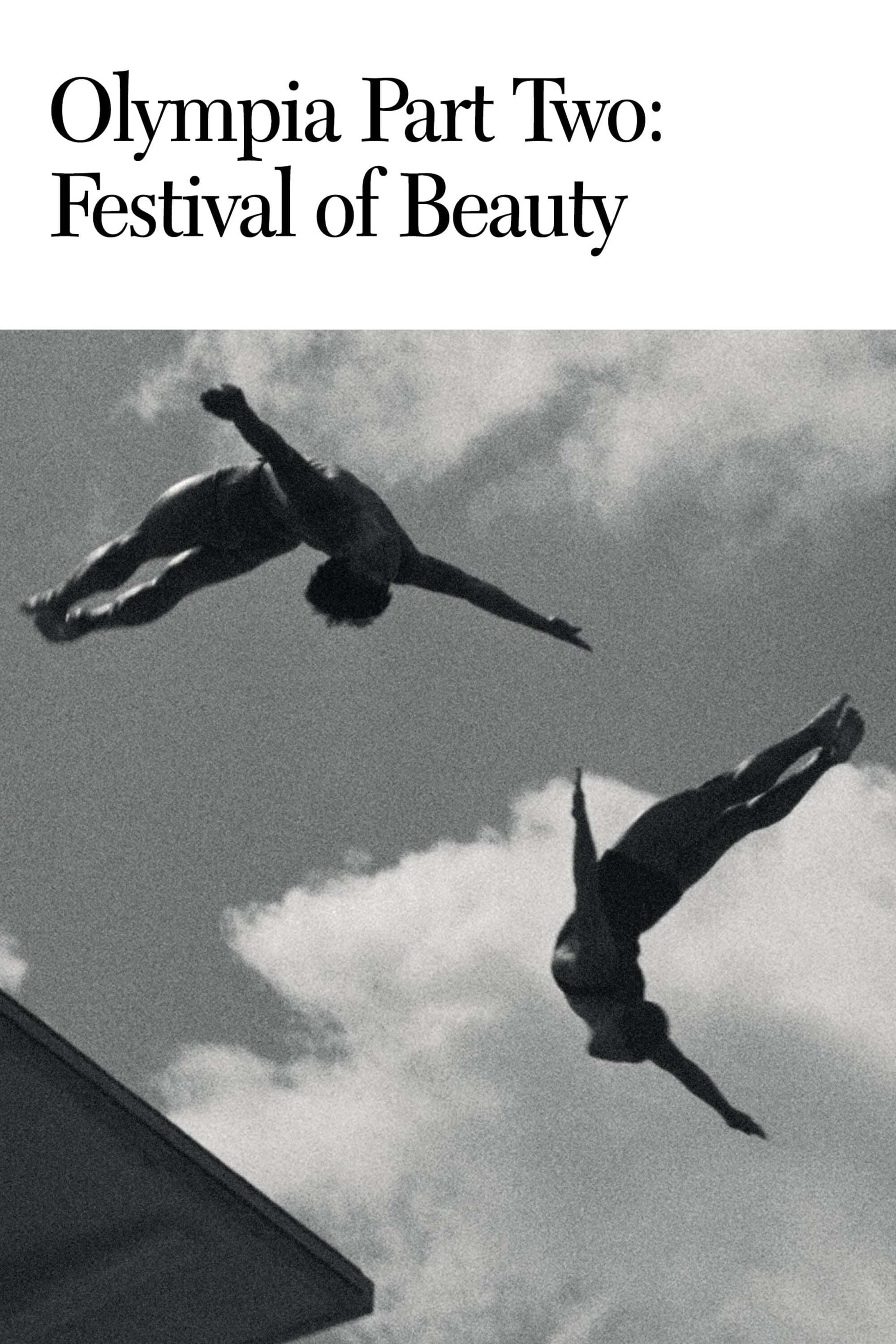
Part two of Leni Riefenstahl's monumental examination of the 1938 Olympic Games, the cameras leave the main stadium and venture into the many halls and fields deployed for such sports as fencing, polo, cycling, and the modern pentathlon, which was won by American Glenn Morris.
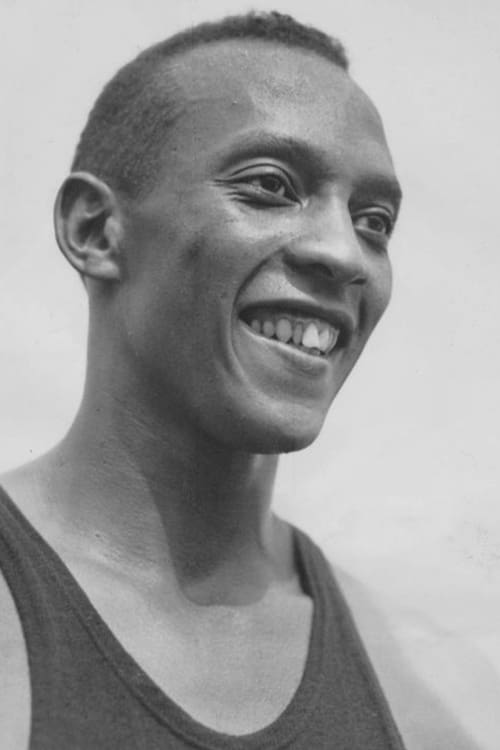
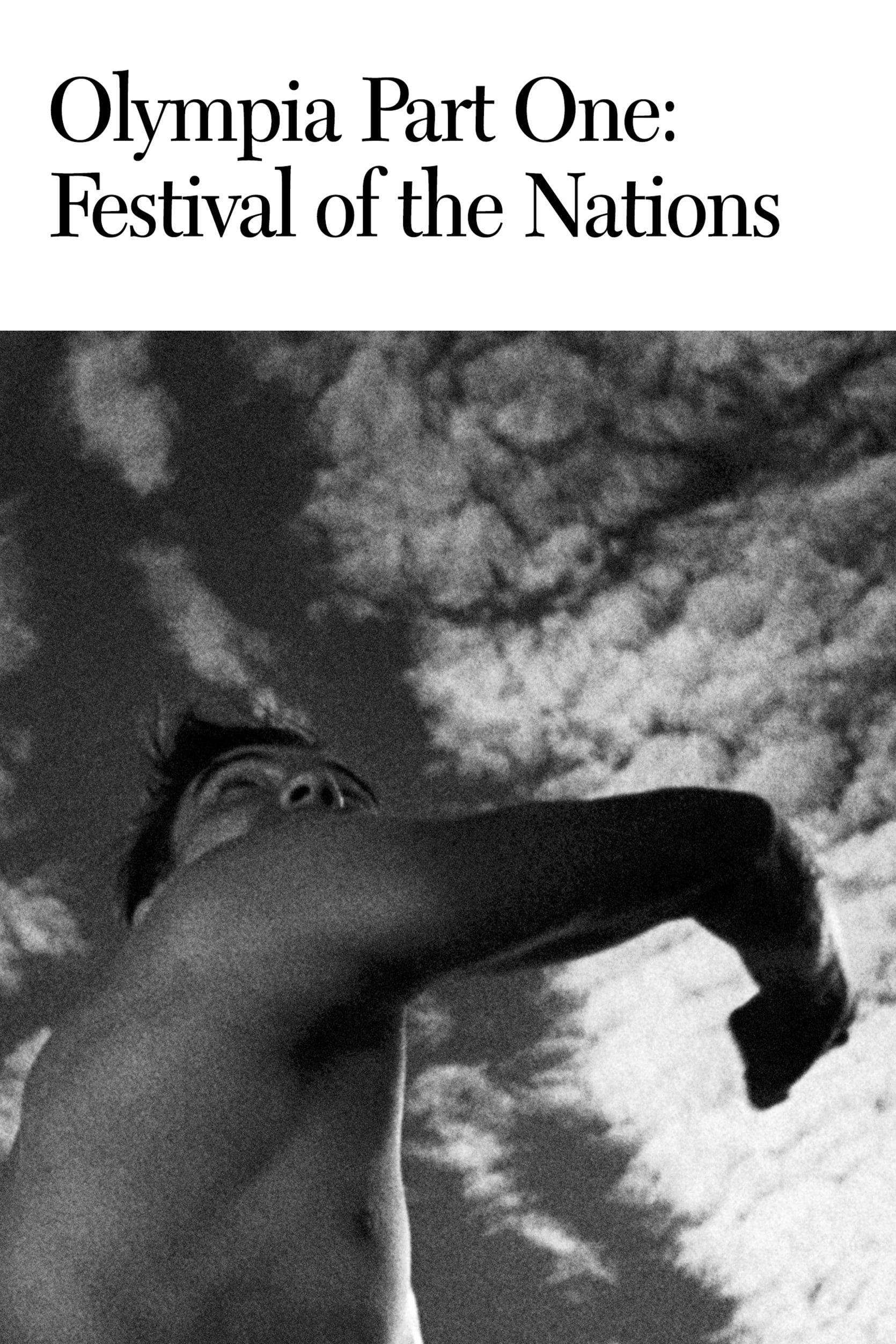
Starting with a long and lyrical overture, evoking the origins of the Olympic Games in ancient Greece, Riefenstahl covers twenty-one athletic events in the first half of this two-part love letter to the human body and spirit, culminating with the marathon, where Jesse Owens became the first track and field athlete to win four gold medals in a single Olympics.
Having stood on the gold medal podium a record 8 times during one Olympic Games, Michael Phelps now stands alone as the the greatest Olympic champion in history. With exclusive interviews and commentary, Michael takes us on his personal journey to Olympic stardom. Includes all his races and special behind-the-scenes footage.
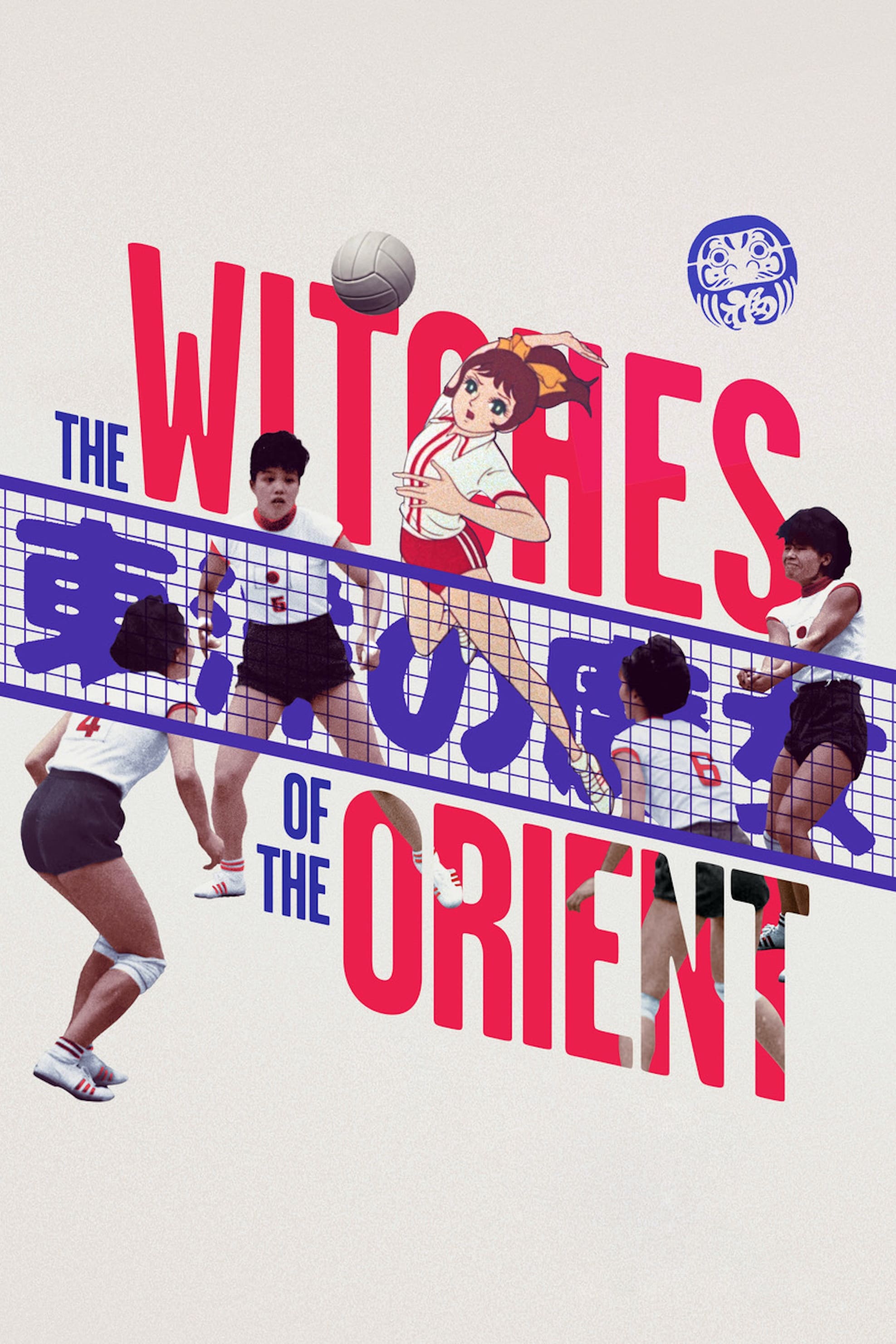
The Japanese volleyball players called the “Oriental Witches” are now in their 70s. From the formation of the team at the factory until their victory at the Tokyo Olympics in 1964, memories and legends rise to the surface and blend inextricably.
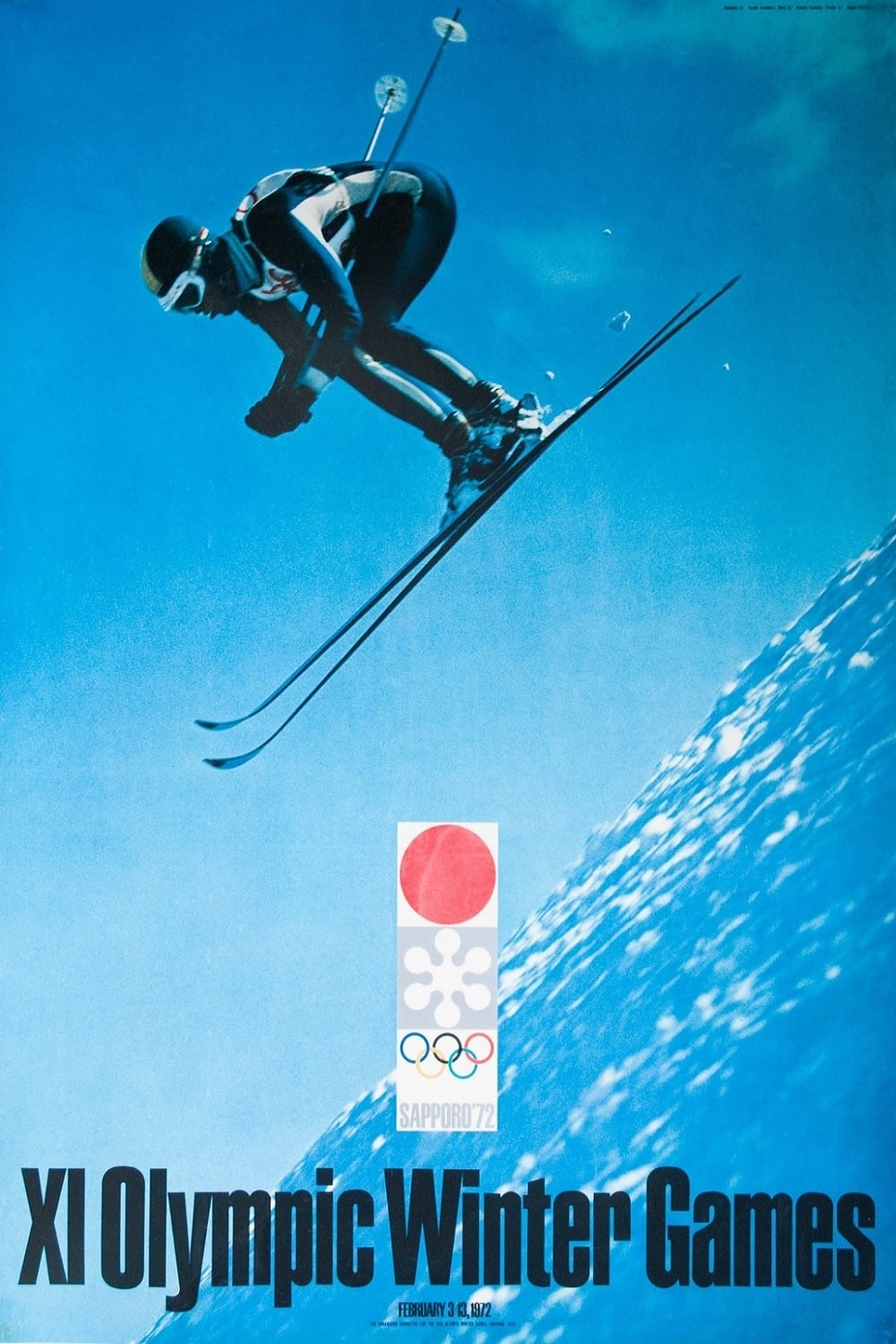
A documentary about the 1972 Winter Olympic Games in Sapporo, Japan.
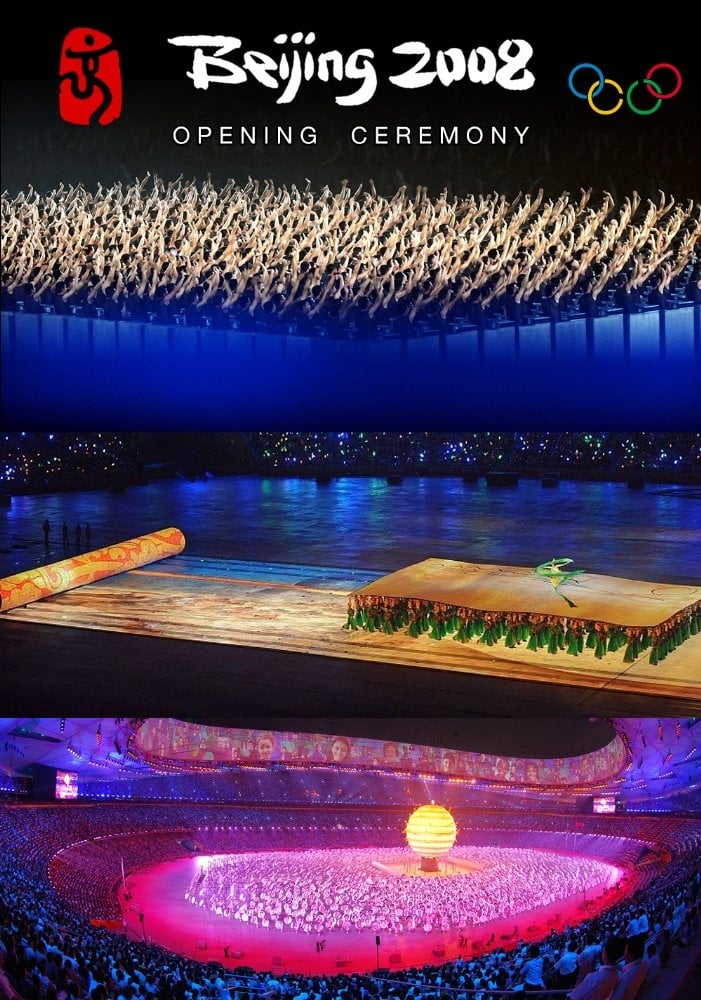
The 2008 Summer Olympics opening ceremony was held at the Beijing National Stadium, also known as the Bird's Nest. It began at 8:00 p.m. China Standard Time (UTC+8) on August 8, 2008, as 8 is considered to be a lucky number in Chinese culture. Featuring more than 15,000 performers, the ceremony lasted over four hours and cost over $100 million USD to produce.
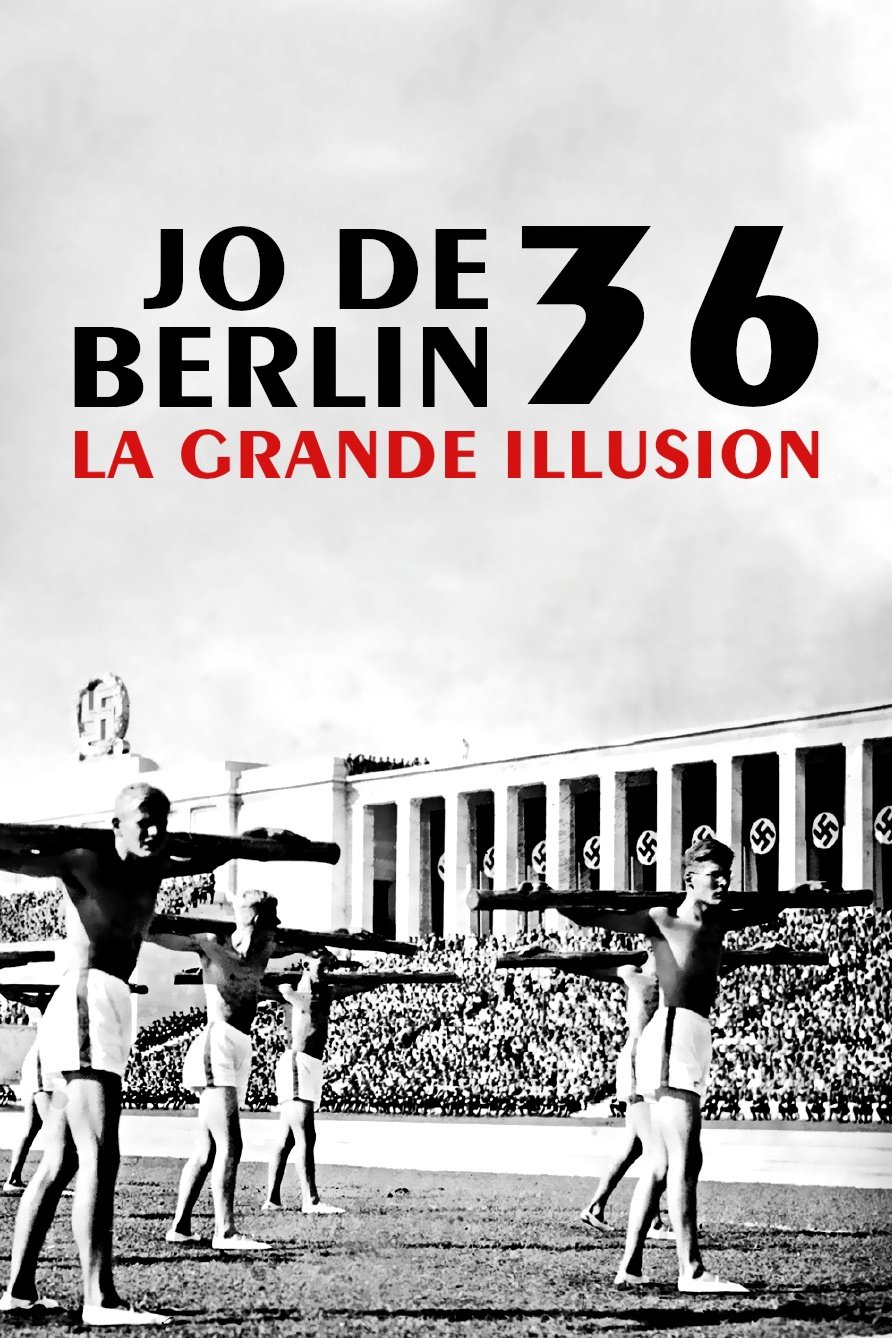
In August 1936, the Olympic Games, orchestrated by Joseph Goebbels, the Third Reich's Minister of Propaganda, took place in Berlin. This was a vast charm offensive designed to present Germany as a nation that respected the Olympic principles of equality and fraternity. This documentary reveals the political strategies of the Third Reich, which benefited from the complicity of the International Olympic Committee in thwarting calls for a boycott by several countries. Once the games were over, Nazi policy intensified. How could the civilized world turn a blind eye to this "great illusion"? Gretel Bergmann, the German Jewish athlete at the center of a bargaining chip between the German authorities and the US government, and Noël Vandernotte, who won a bronze medal in rowing, share their stories.
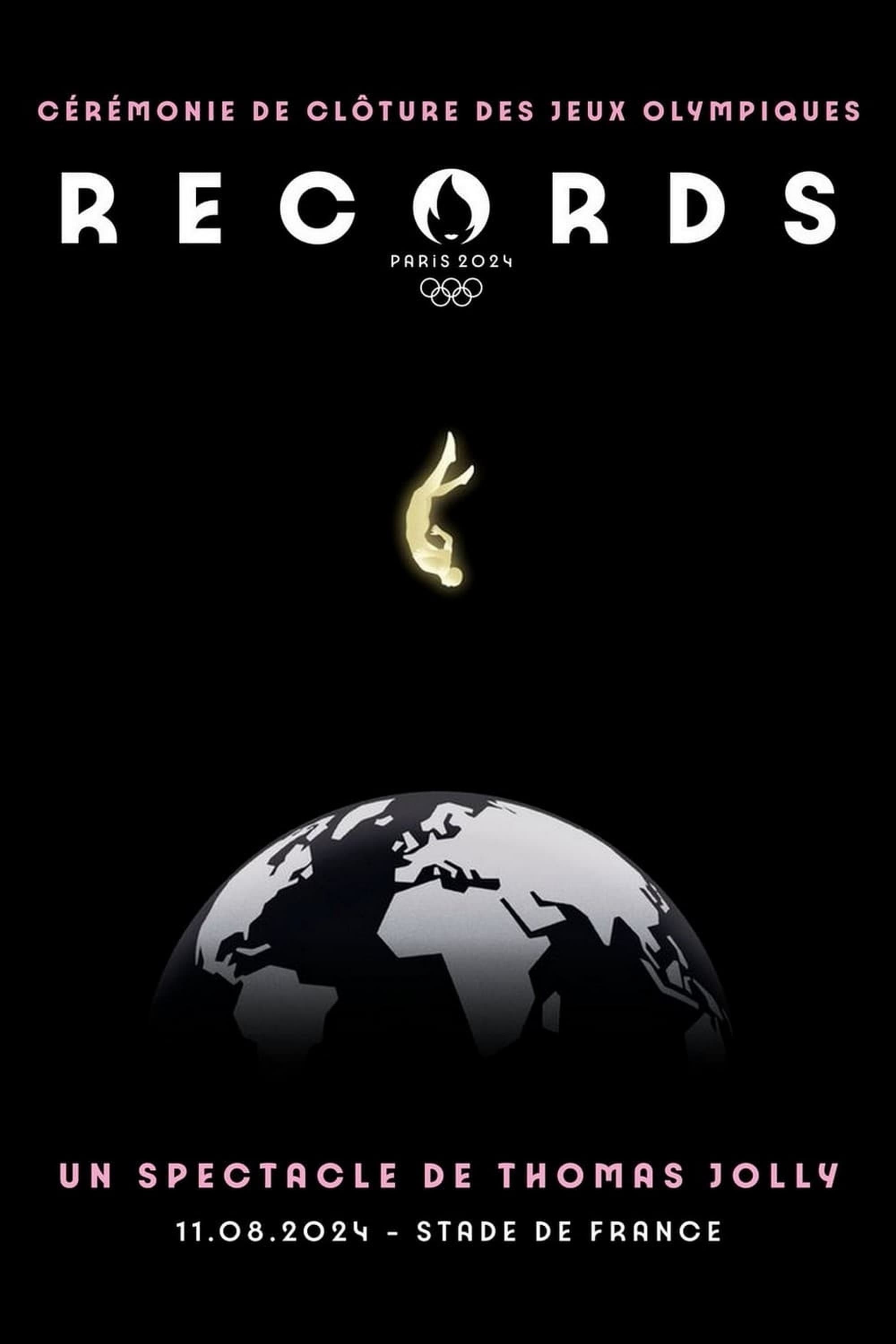
Like an indelible memory, this Olympic closing ceremony will be marked by audacity, fraternity and emotion. In the heart of the Stade de France, athletes from all over the world will represent their countries one last time in an incredible moment of celebration and sharing. With their eyes riveted to the flame, the emotion will be immense as we close the great Olympic book of Paris 2024.
Documentary examines the history and evolution of the Olympic Games, taking a close look at the Olympic charter, oath and ideals. Also featured are rare home movies and interviews with Olympic athletes and the oldest known color footage of the Olympic Games from Berlin in 1936.
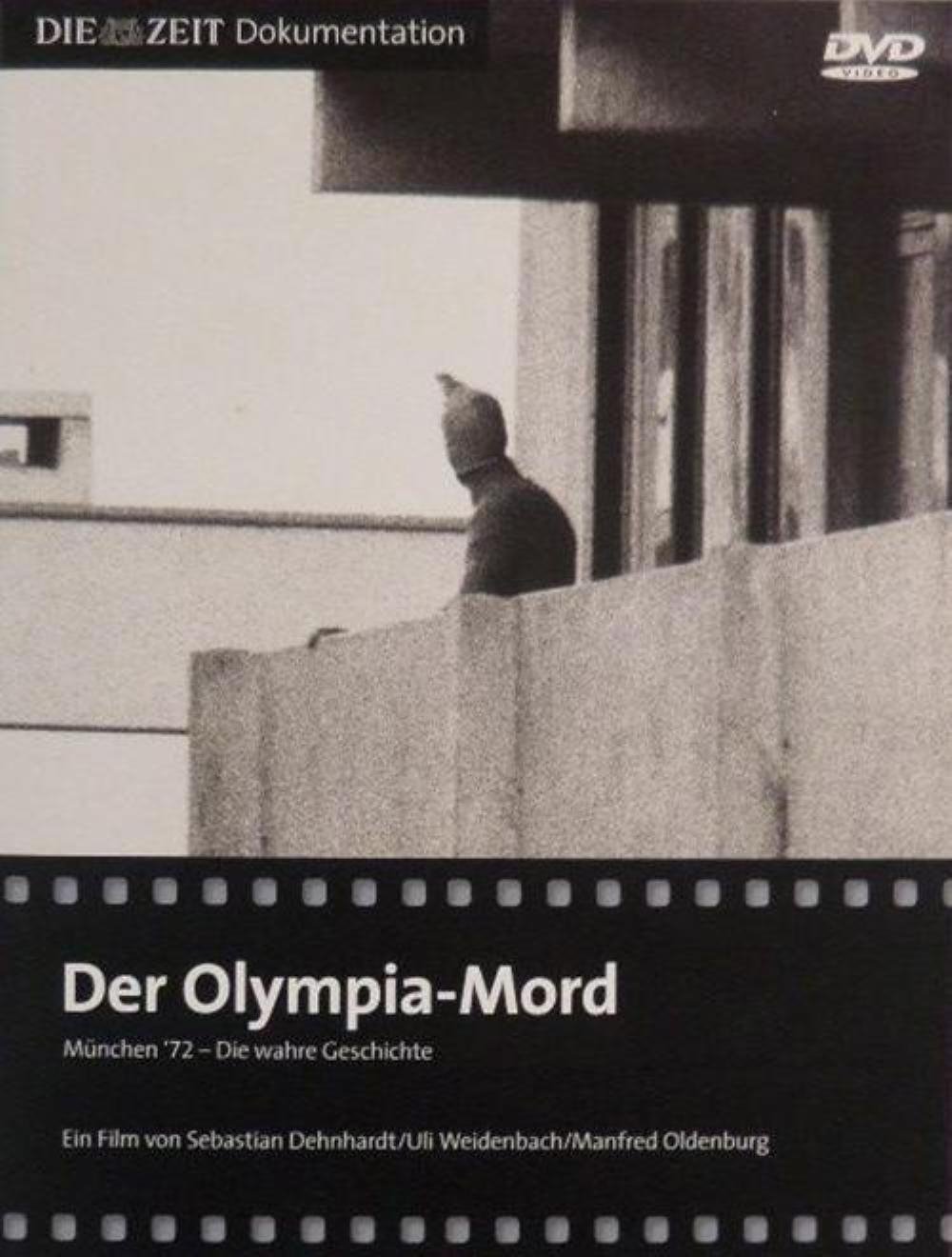
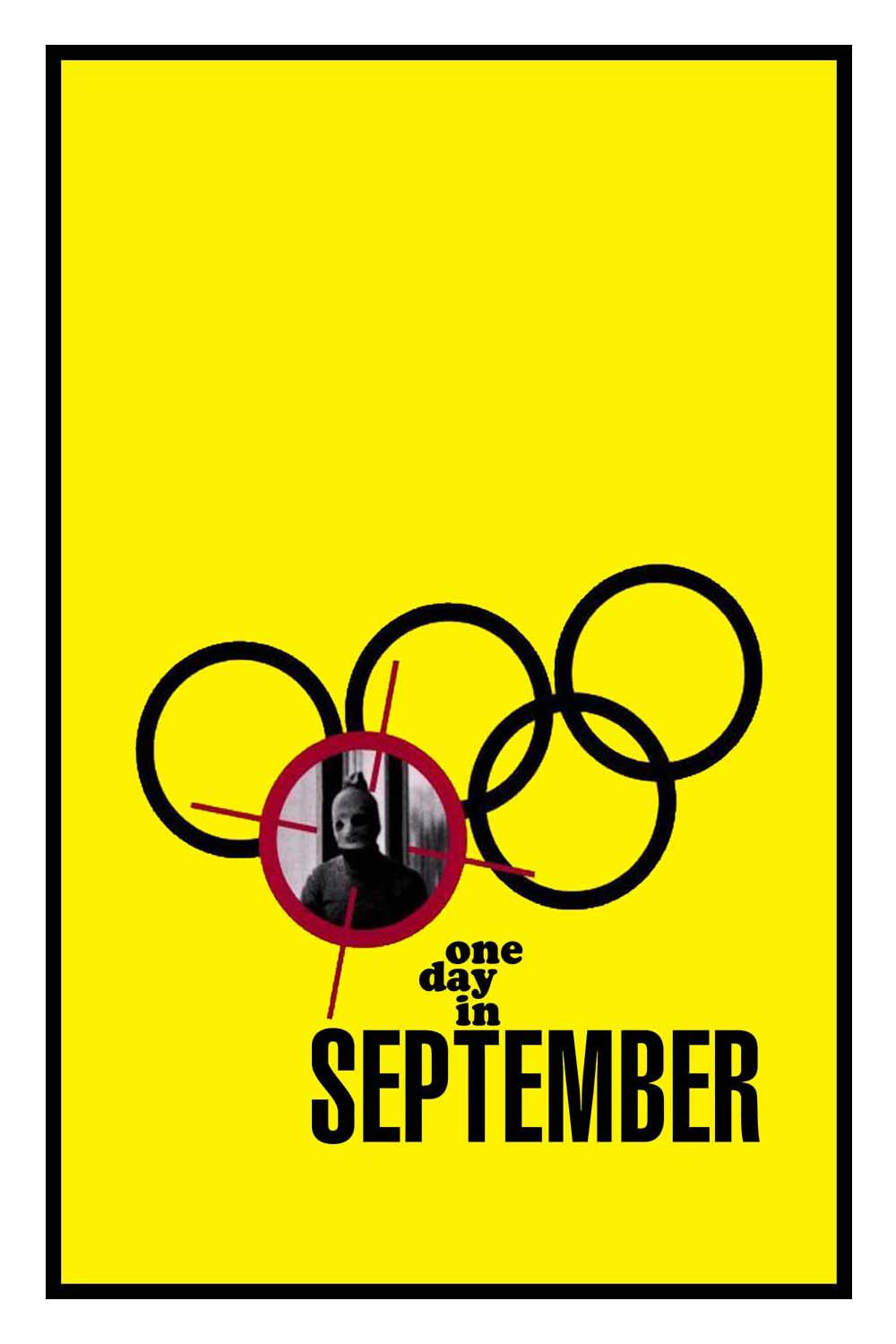
The full story of the 1972 Munich Olympics Massacre and the Israeli revenge operation 'Wrath of God.' The 1972 Munich Olympics were interrupted by Palestinian terrorists taking Israeli athletes hostage. Besides footage taken at the time, we see interviews with the surviving terrorist, Jamal Al Gashey, and various officials detailing exactly how the police, lacking an anti-terrorist squad and turning down help from the Israelis, botched the operation.
The black power salute by Tommie Smith and John Carlos at the 1968 Mexico Olympics was an iconic moment in the US civil rights struggle. Far less known is the part in that episode in history played by Peter Norman, the white Australian on the podium who had run second — and the price paid afterward by all three athletes.
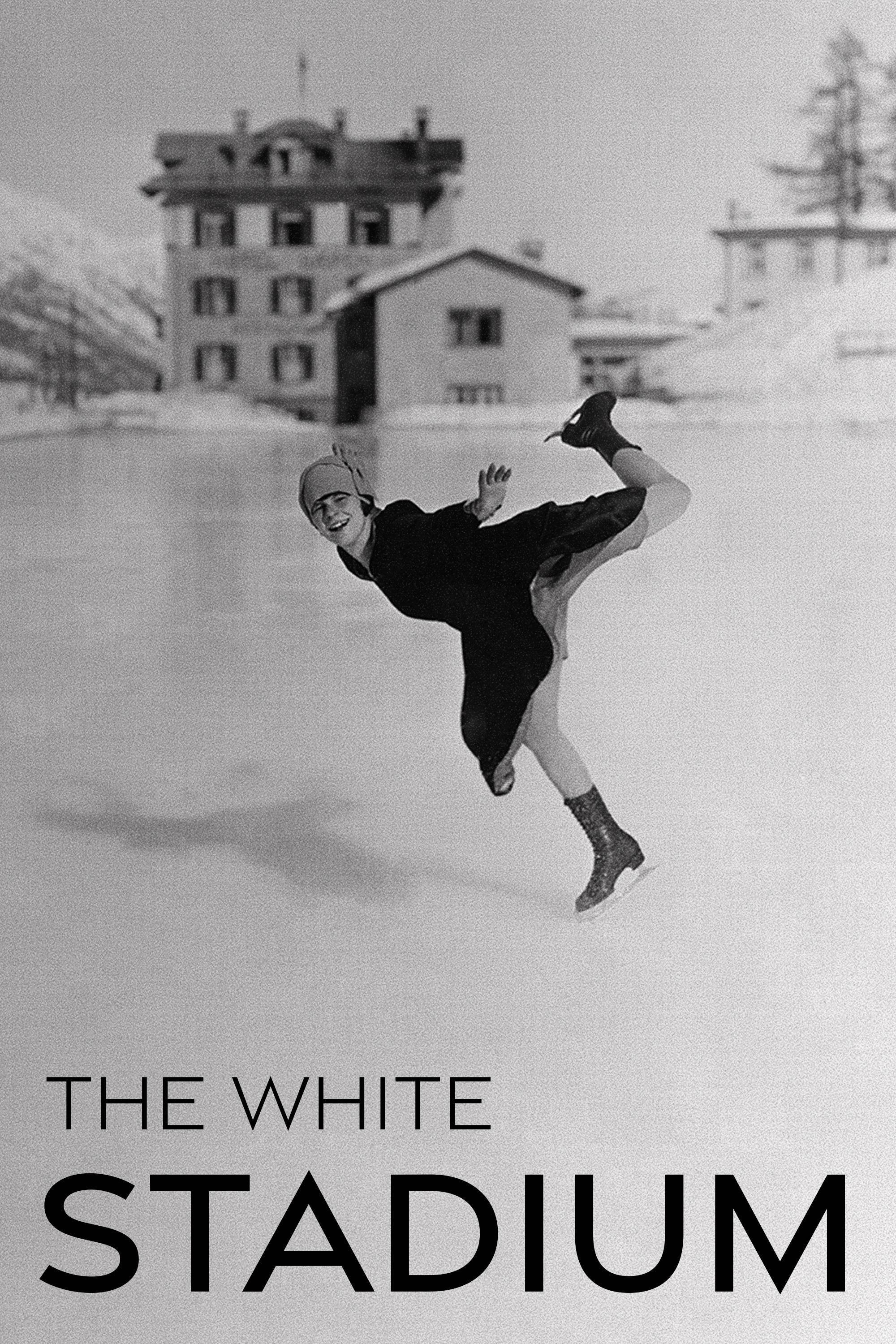
A profile of the 1928 Olympic Games in St. Moritz, Switzerland.
How the 1948 Olympic Games came into being, as the world struggled to cope in the aftermath of the Second World War, and the Games were held for the first time in 12 years. With Britain in the midst of widespread poverty and rationing, hosting the event seemed unlikely, but existing venues were renovated despite a low budget and little time to play with, and the British people pulled together to make the Games a success.
Join director Clint Eastwood and his creative team, along with Bradley Cooper and Sienna Miller, as they overcome enormous creative and logistic obstacles to make a film that brings the truth of Navy SEAL Chris Kyle's story to the screen.
In this genre-bending tale, Errol Morris explores the mysterious death of a U.S. scientist entangled in a secret Cold War program known as MK-Ultra.
A portrait of the day-to-day operations of the National Gallery of London, that reveals the role of the employees and the experiences of the Gallery's visitors. The film portrays the role of the curators and conservators; the education, scientific, and conservation departments; and the audience of all kinds of people who come to experience it.
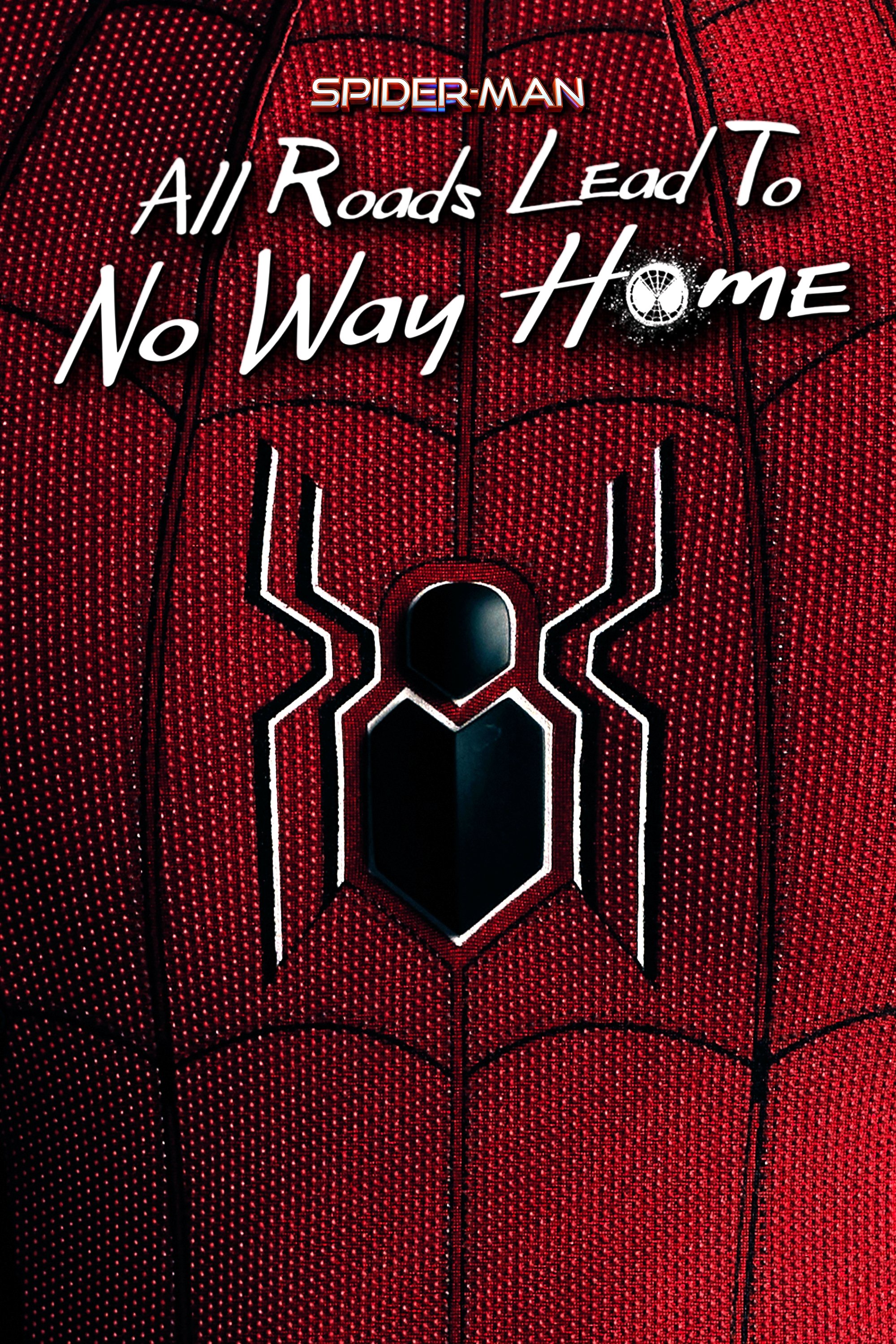
JB Smoove and Martin Starr host a celebration of 20 years of "Spider-Man" movies, from the Sam Raimi trilogy to Marc Webb's movies and the trio from Jon Watts.
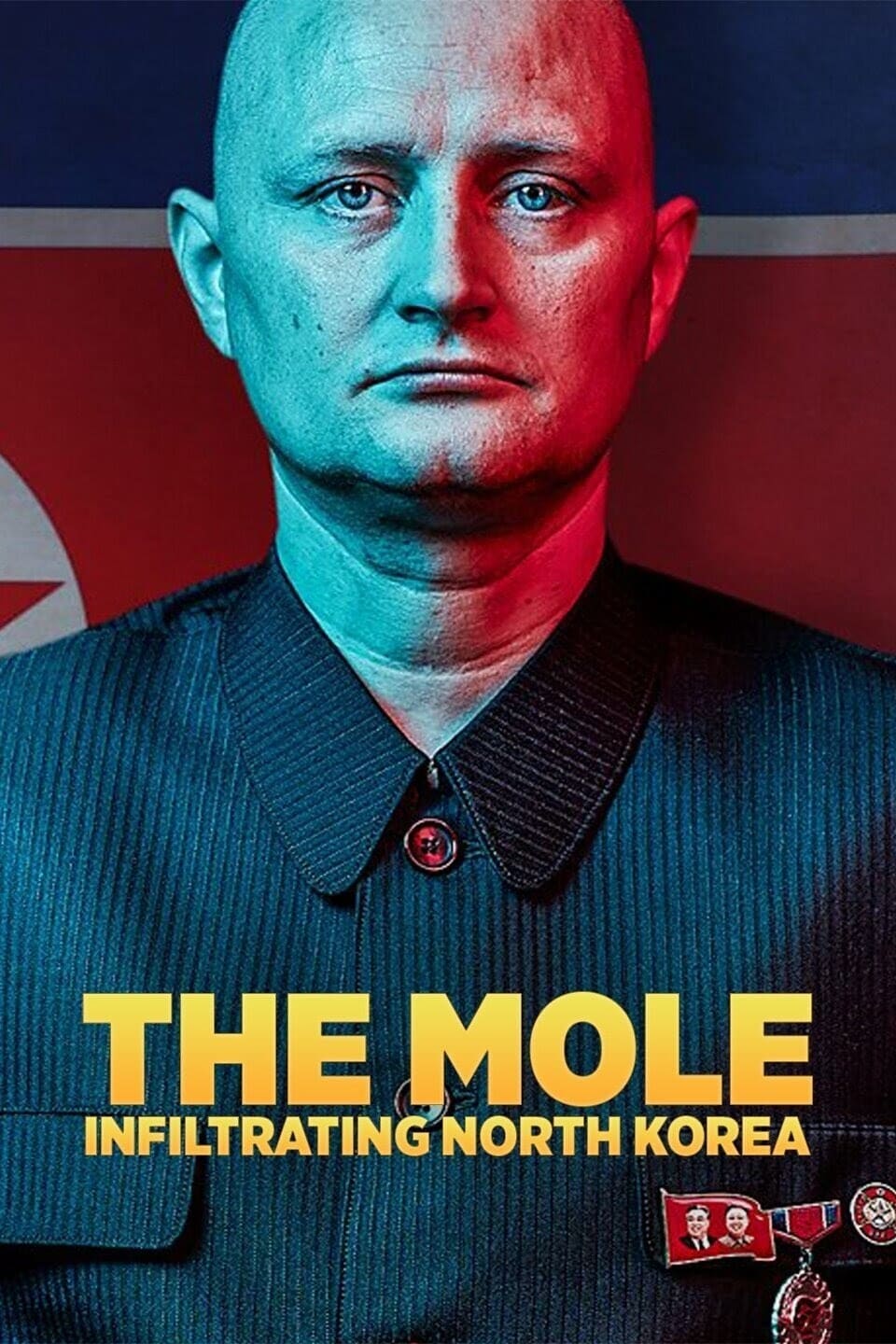
A real-life undercover thriller about two ordinary men who embark on an outrageously dangerous ten-year mission to penetrate the world's most secretive and brutal dictatorship: North Korea.
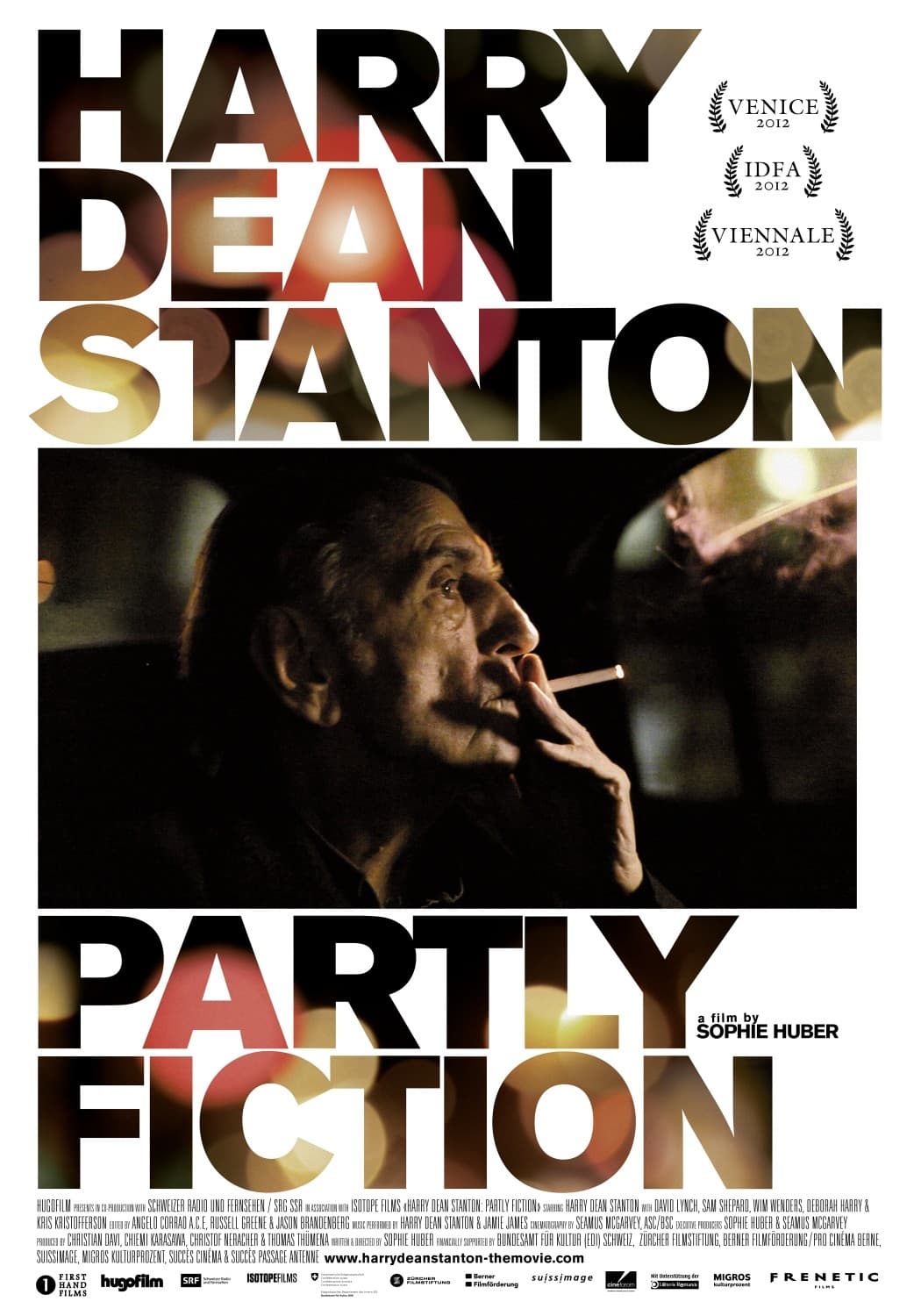
An impressionistic portrait of the iconic actor Harry Dean Stanton comprised of intimate moments, film clips from some of his 250 films and his renditions of American folk songs.
As a visually radical memoir, CAMERAPERSON draws on the remarkable footage that filmmaker Kirsten Johnson has shot and reframes it in ways that illuminate moments and situations that have personally affected her. What emerges is an elegant meditation on the relationship between truth and the camera frame, as Johnson transforms scenes that have been presented on Festival screens as one kind of truth into another kind of story—one about personal journey, craft, and direct human connection.
Lyrical and powerfully personal essay film that reflects on the deaths of her husband Lou Reed, her mother, her beloved dog, and such diverse subjects as family memories, surveillance, and Buddhist teachings.
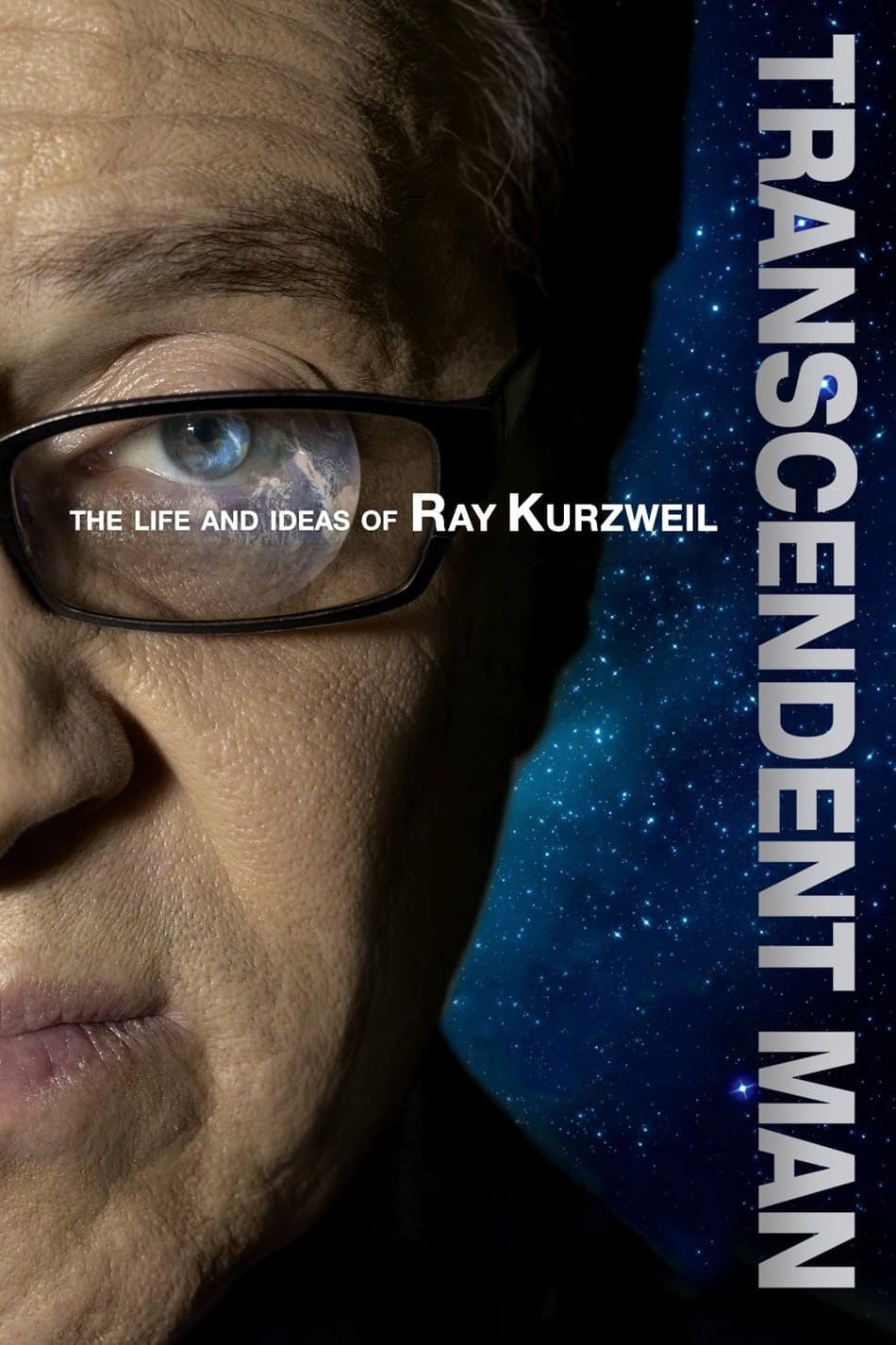
The compelling feature-length documentary film, by director Barry Ptolemy, chronicles the life and controversial ideas of luminary Ray Kurzweil. For more than three decades, inventor, futures, and New York Times best-selling author Ray Kurzweil has been one of the most respected and provocative advocates of the role of technology in our future.
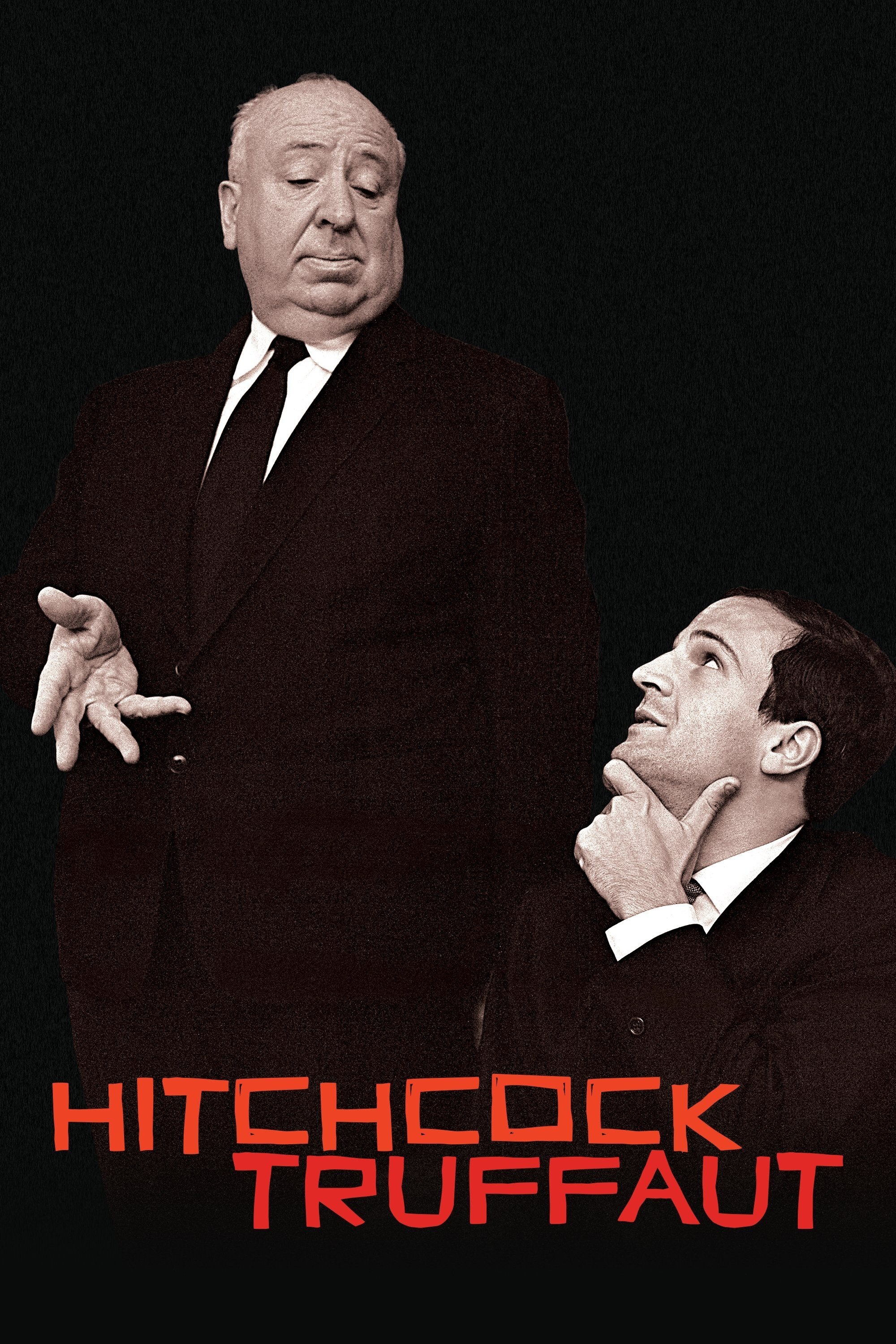
Filmmakers discuss the legacy of Alfred Hitchcock and the book “Hitchcock/Truffaut” (“Le cinéma selon Hitchcock”), written by François Truffaut and published in 1966.
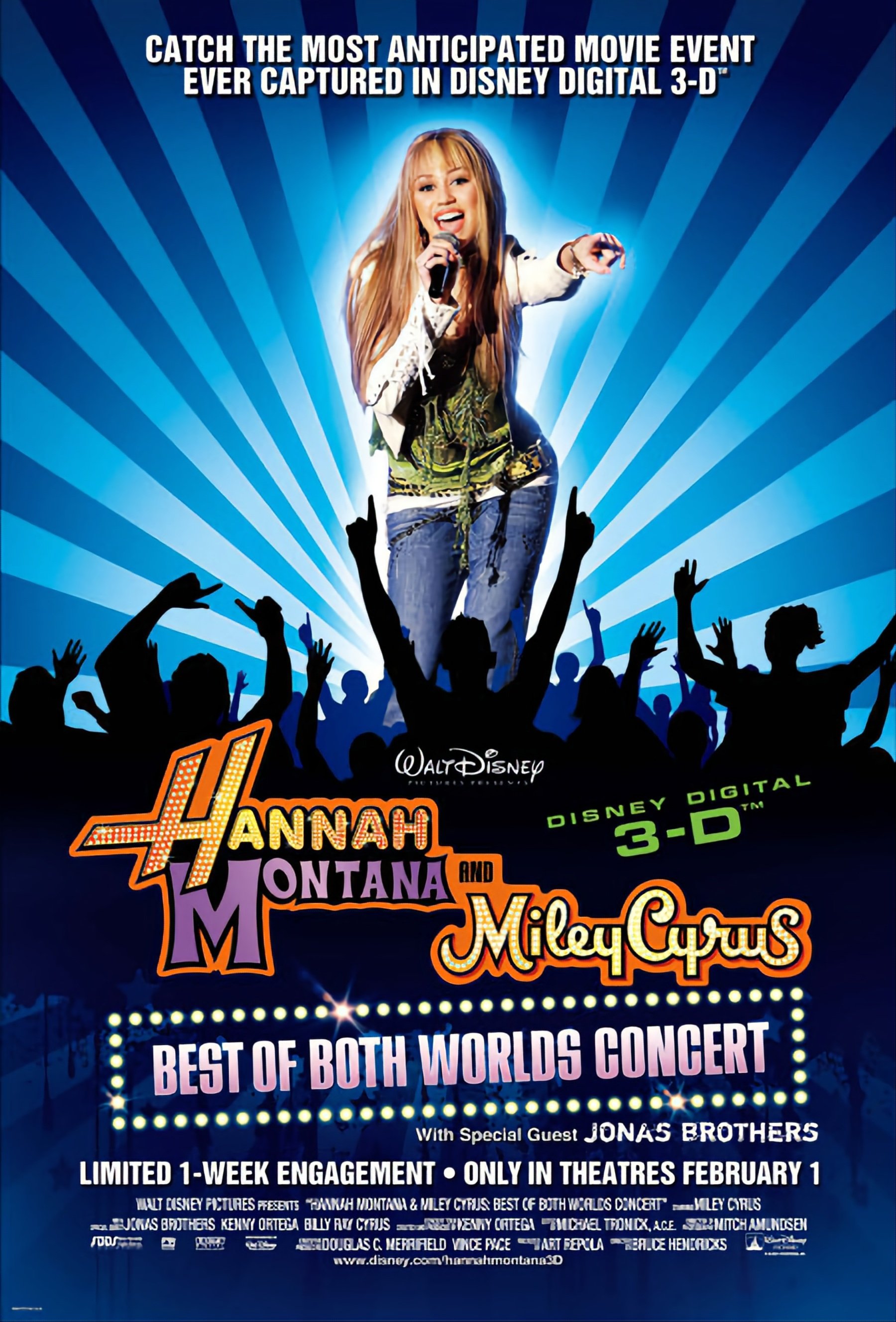
In this concert film, 'Hannah Montana' star Miley Cyrus performs a slew of hit songs, including 'Just Like You' and 'Life's What You Make It.'
Daniel Craig candidly reflects on his 15 year adventure as James Bond. Including never-before-seen archival footage from Casino Royale to the upcoming 25th film No Time To Die, Craig shares his personal memories in conversation with 007 producers, Michael G Wilson and Barbara Broccoli.
Using the book 'Fragments', which collects Marilyn Monroe's poems, notes and letters, and with participation from the Arthur Miller and Truman Capote estates who have contributed more material, each of the actresses will embody the legend at various stages in her life.
Documentary filmmaker Frederick Wiseman takes us inside Northeast High School as a fly on the wall to observe the teachers and how they interact with the students.
Prelude to War was the first film of Frank Capra's Why We Fight propaganda film series, commissioned by the Pentagon and George C. Marshall. It was made to convince American troops of the necessity of combating the Axis Powers during World War II. This film examines the differences between democratic and fascist states.
A documentary chronicling Vogue editor-in-chief Anna Wintour's preparations for the 2007 fall-fashion issue.
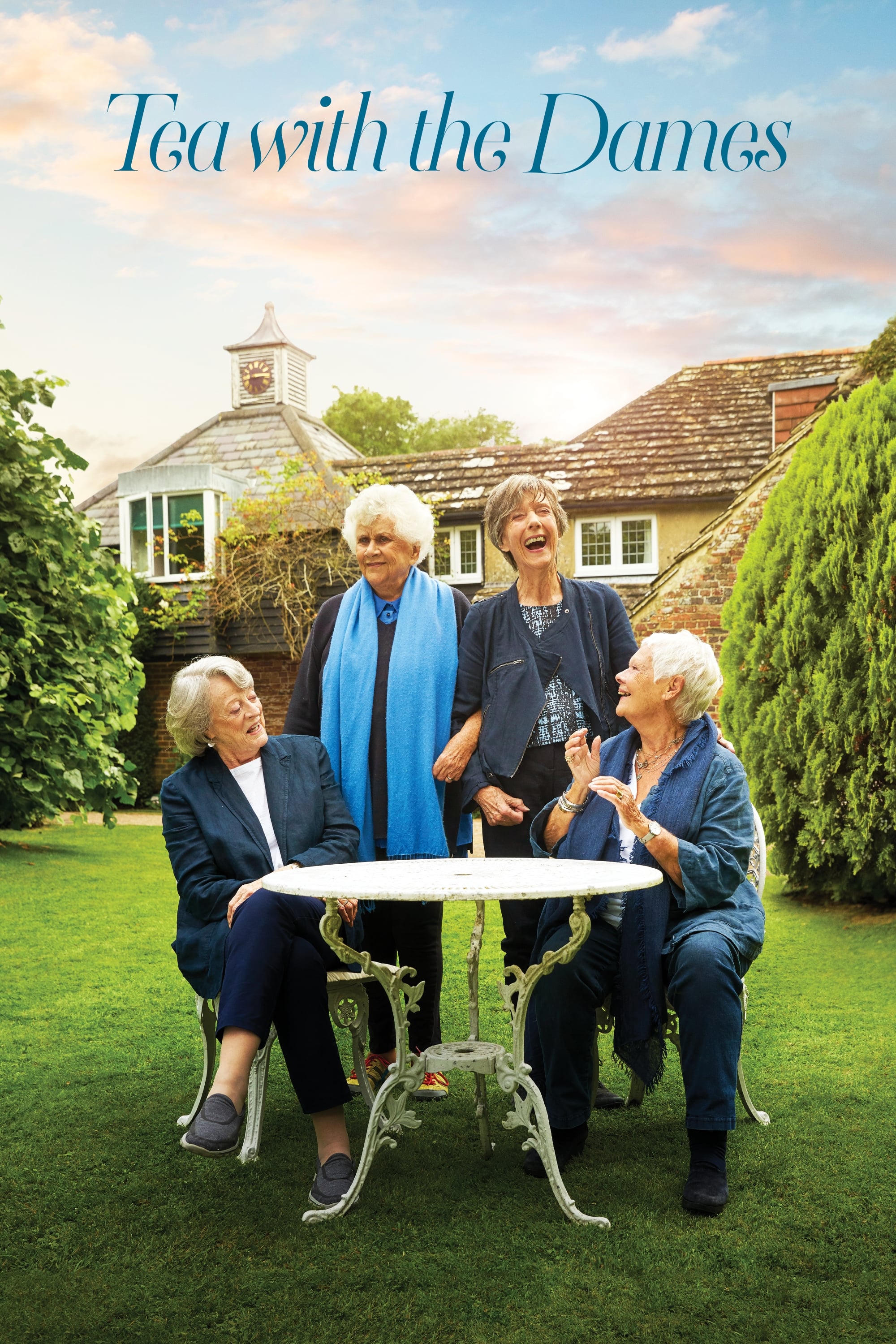
BBC Arena's documentary on the Dames of British Theatre and film featuring Maggie Smith, Eileen Atkins, Judi Dench and Joan Plowright on screen together for the first time as they reminisce over a long summer weekend in a house Joan once shared with Sir Laurence Olivier.
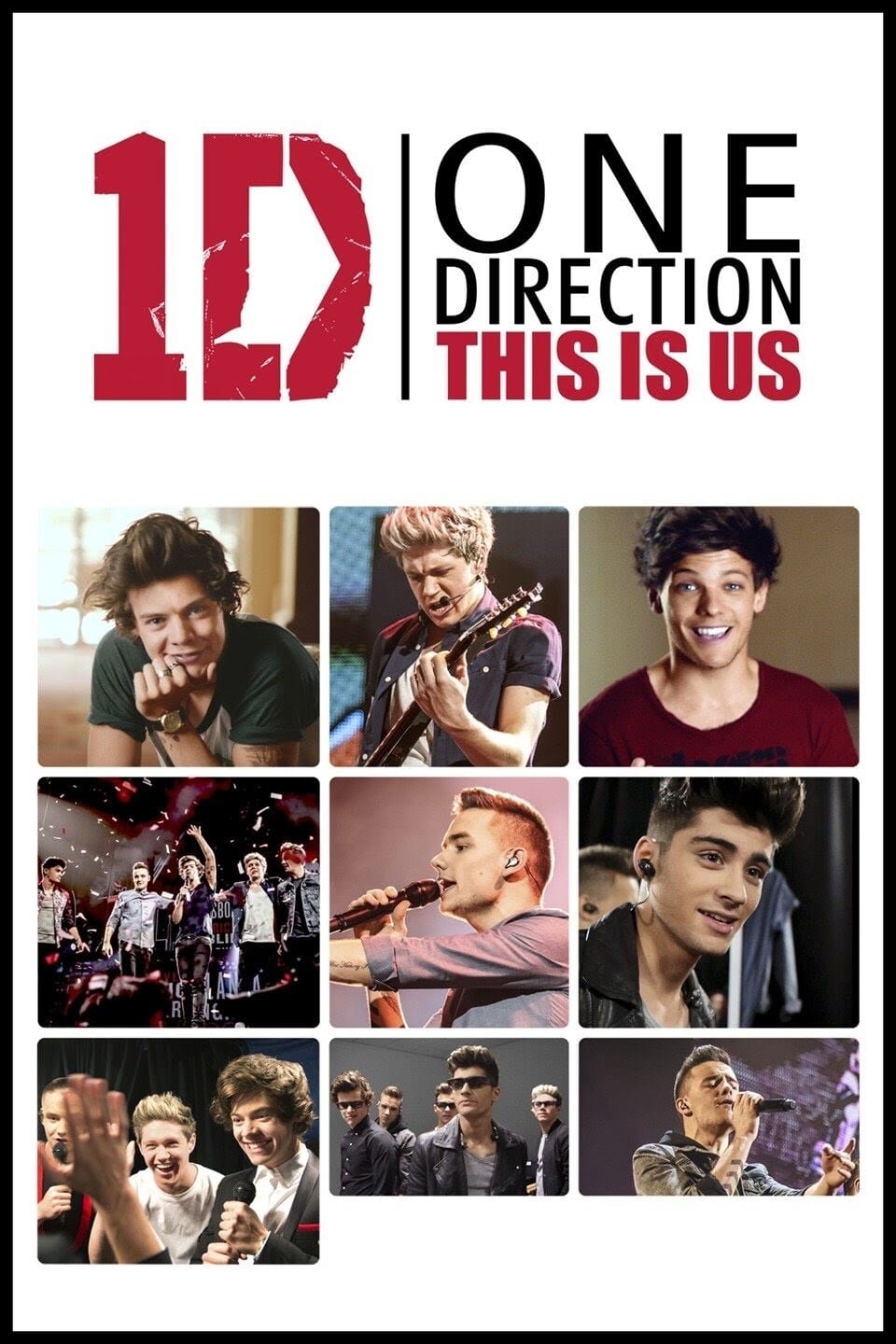
"One Direction: This Is Us" is a captivating and intimate all-access look at life on the road for the global music phenomenon. Weaved with stunning live concert footage, this inspiring feature film tells the remarkable story of Niall, Zayn, Liam, Harry and Louis' meteoric rise to fame, from their humble hometown beginnings and competing on the X-Factor, to conquering the world and performing at London’s famed O2 Arena. Hear it from the boys themselves and see through their own eyes what it's really like to be One Direction.
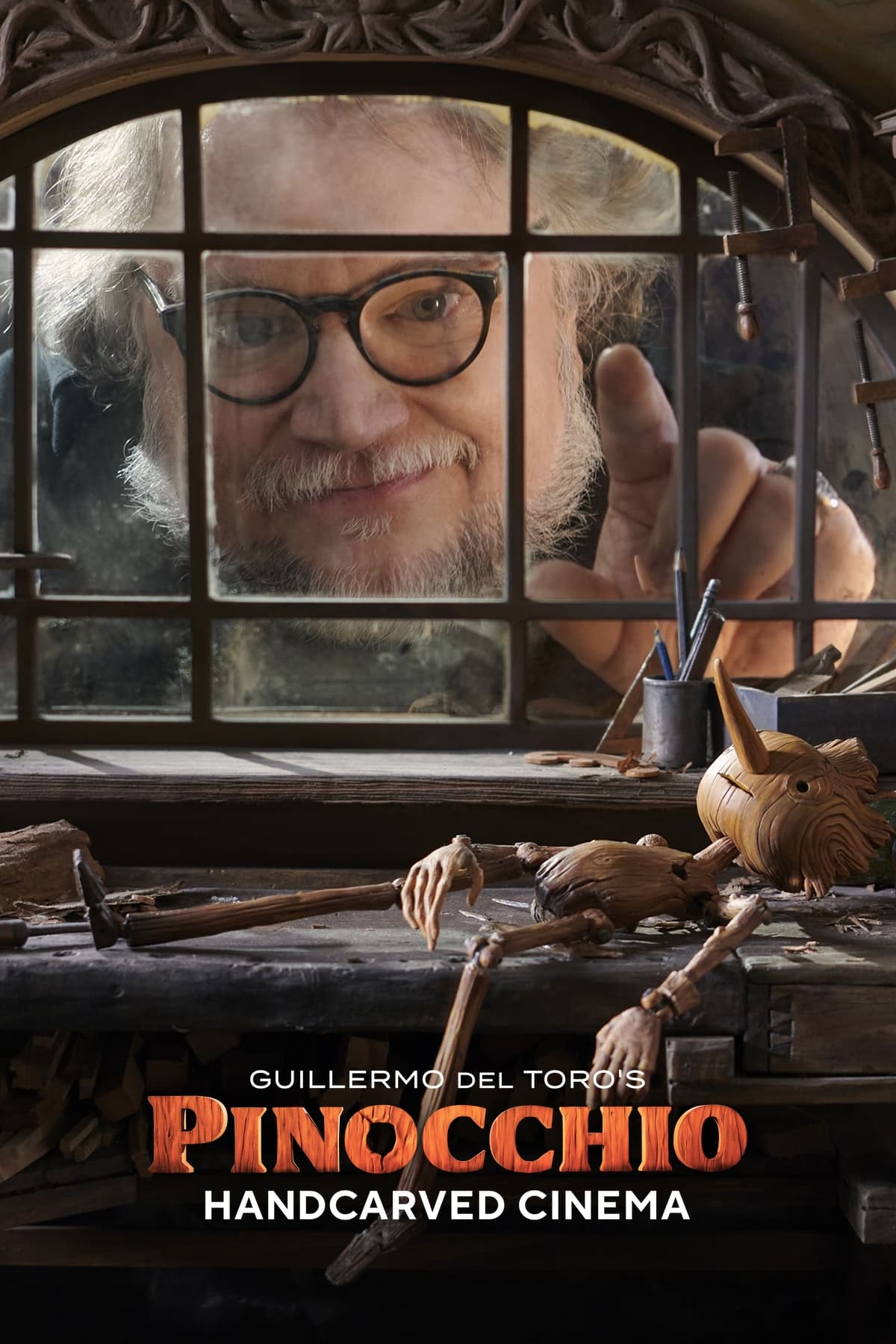
With mesmerizing footage and time lapses of animators at work, this behind-the-scenes special captures the artistry of a unique tale years in the making.
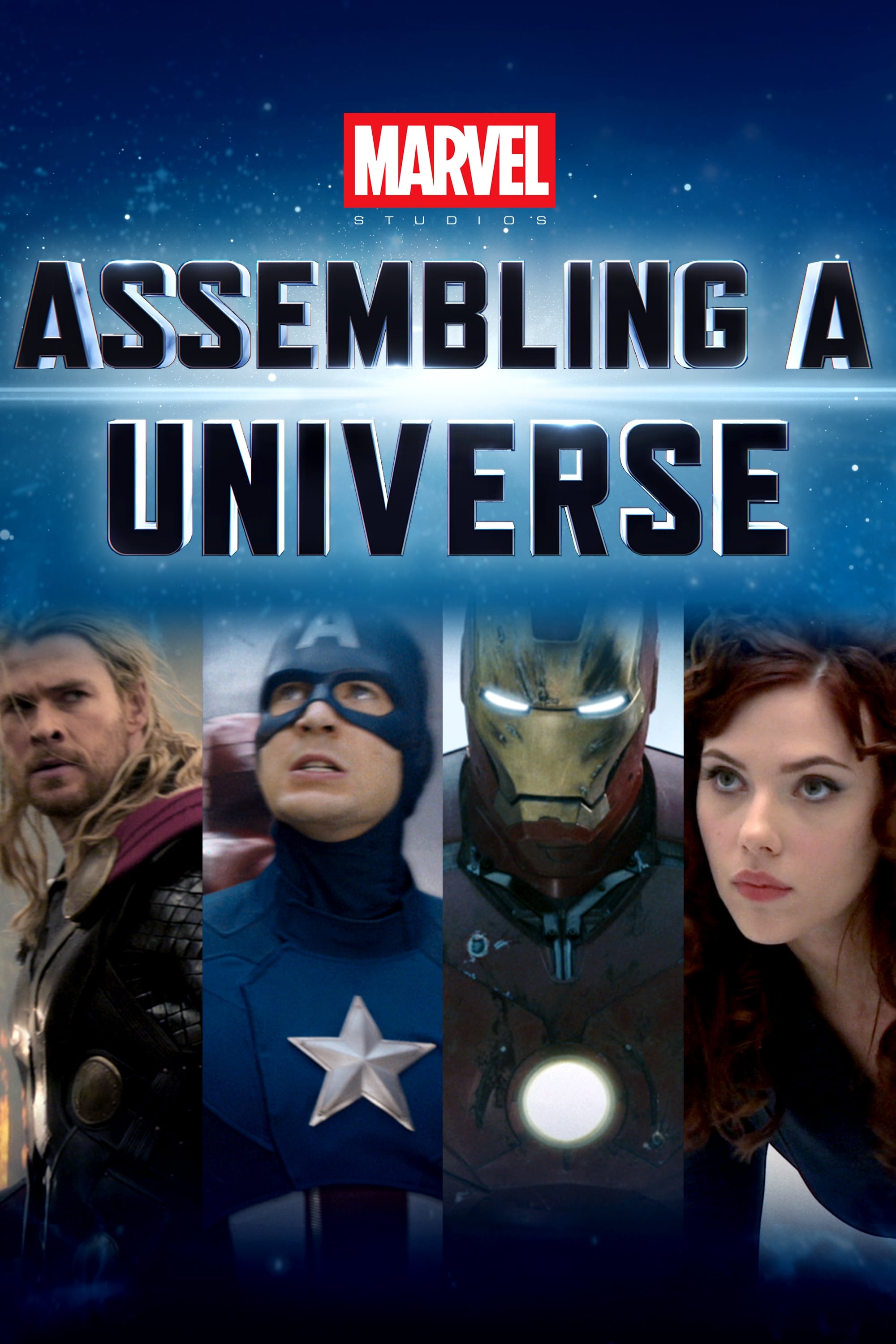
A look at the story behind Marvel Studios and the Marvel Cinematic Universe, featuring interviews and behind-the-scenes footage from all of the Marvel films, the Marvel One-Shots and "Marvel's Agents of S.H.I.E.L.D."!