Scenes from a production of The Diary of Anne Frank are combined with footage of young Palestinians talking candidly about war, first love and topics that Frank wrote about as a teenager.
Social & External
Assassinated Lebanese intellectual Mahdi Amel — often dubbed “the Arab Gramsci” — famously said: “He who resists is never defeated.” What use is his thought to us today, and what is our responsibility as image makers to Gaza?
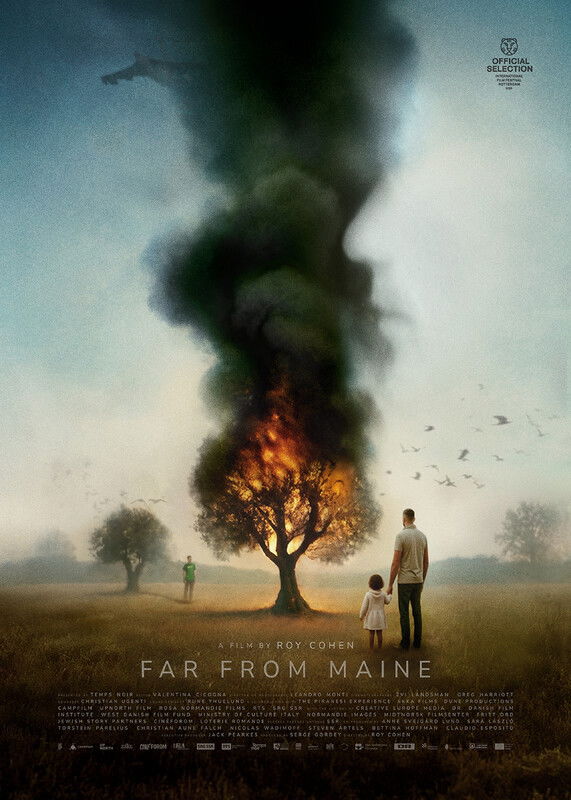
“In Gaza you have to get there in the evening, in spring, lock yourself in your room and from there listen to the sounds coming in through the open window.... It's 2018. I am 25 years old and a foreign traveler. I meet young Palestinians my age..”

In August 2021, writer Lola Lafon spent a night alone in the Annex of the Anne Frank Museum, where the young girl and her family hid from 1942 to 1944. This experience gave rise to a book, Quand tu écouteras cette chanson, and now its documentary adaptation. Over the course of a night, the author revisits her story. An inner journey around the figure of Anne Frank and the power of writing in the face of oblivion.
Initially embarking on an unplanned personal filmmaking project, Ilias Boukhemoucha finds himself drawn to the overlooked corners and marginalized communities within Canadian cities.
A thought-provoking documentary on the current and historical causes of the Israeli-Palestinian conflict and U.S. political involvement.
When two young American Jews raised to unconditionally love Israel witness the mistreatment of Palestinians, they battle the old guard to create a new movement opposing Israel’s occupation, and recentering Judaism itself.
In the Gaza refugee camp of Jerash, Palestinians face the critical issue of lacking identification documents. This situation undermines their rights and hinders access to essential services and opportunities.
We are taken behind the scenes of a play in-the-making: The play is Samuel Beckett’s WAITING FOR GODOT—starring a group of young 48-Palestinians. One by one, we are introduced to a variety of characters: the play’s director, actors, and other ordinary people. As we delve further into each of their lives, the film reveals the startling parallels between the themes of the play and their own. Everyone is waiting for something: a permit to build a house, better work conditions, a starring role in a film. Much like Waiting for Godot, our heroes are awaiting Faraj Allah… something that may or may not come.
Filmed entirely with an iPhone, Teta, Opi & Me is a tribute to conformity, tolerance and courage. It is a poetic, meditative, multilingual, and feeling-driven short film, documenting the intricacies of the artist’s playful process in capturing her grandparents’ enduring romance through social, political and racial adversity. He comes from Bethlehem, Palestine and she comes from Vienna, Austria. Incorporating poetic filmic scenarios, vérité scenes, interviews, and home movies, the work is an inter-generational dialogue that explores themes of family, love, and the intermingling of cultures.
A film documenting the story of the Israeli refusnik-movement and interviews some of its protagonists. This timely documentary interweaves the stories of six soldiers who, after years of loyal reserve duty and annual active combat, find they can no longer countenance serving in the occupied territories of the West Bank and Gaza Strip. They become "refusniks" - an action that puts them at odds with deeply held national values and has devastating consequences in their own lives. In the film, six of the signers of the original "Combatants’ Letter" reveal the untenable combat experiences that led to their decision, the public outcry it provoked and the price they continue to pay for refusing to serve - including isolation, family ostracism and imprisonment. Winner, Ecumenical Jury Prize, Berlin Film Festival
Here and Elsewhere takes its name from the contrasting footage it shows of the fedayeen and of a French family watching television at home. Originally shot by the Dziga Vertov Group as a film on Palestinian freedom fighters, Godard later reworked the material alongside Anne-Marie Miéville.
14 years after his first visit, Louis Theroux meets some of the growing community of religious-nationalist Israelis who have settled in the occupied West Bank.
A look inside the work of Breaking the Silence, an organization of former IDF combat soldiers who collect and publish testimonies of soldiers who served in the occupied territories. For six months, director Silvina Landsmann, camera in hand, accompanied the staff of the organization. The many hours of footage have been refined into a film that dives into the heart of Breaking the Silence’s work: guided tours of Hebron and the surrounding area, public lectures and house meetings, internal staff meetings and media strategy. All the while the organization is forced to justify its very existence, both internally and to the broader public, and to justify its place in the political debate. The Good Soldier raises questions about Israel’s dynamic mainstream and the challenges of confronting it.
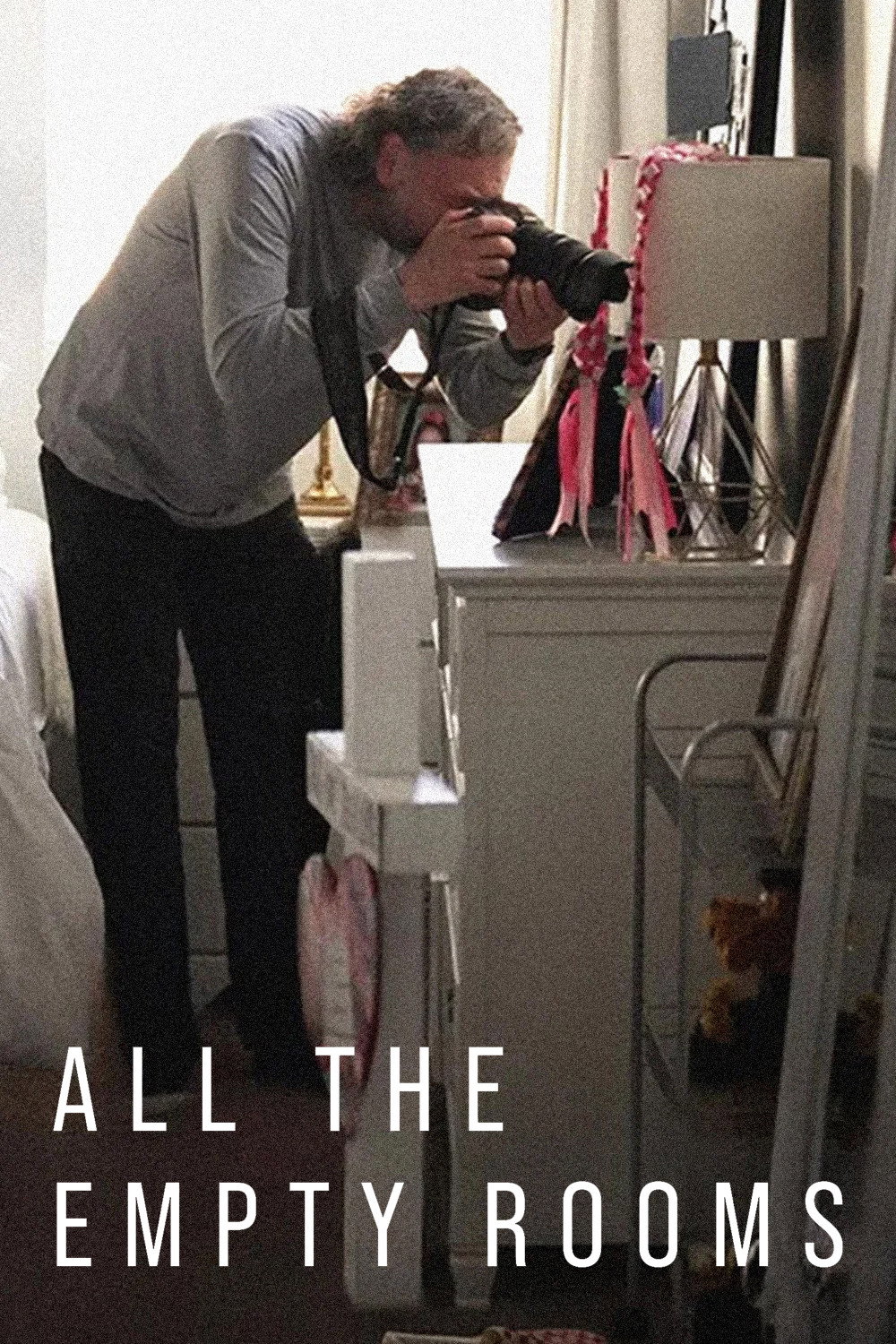
Documentary about war photographer James Nachtwey, considered by many the greatest war photographer ever.
A verité legal drama about Judge Kholoud Al-Faqih, the first woman appointed to a Shari'a court in the Middle East, whose career provides rare insights into both Islamic law and gendered justice.

A forensic investigation into the impact of Israeli military operations on Gaza’s healthcare system. This urgent documentary examines evidence of widespread destruction across the territory’s medical infrastructure, where all 36 main hospitals have reportedly been damaged or destroyed. Hundreds of healthcare workers — including doctors and surgeons — are known to have been killed, injured or detained, with some alleging imprisonment and mistreatment
Gaza Ghetto: Portrait of a Family, 1948 – 1984 is a documentary film about the life of a Palestinian family living in the Jabalia refugee camp. The film, created by Joan Mandell, Pea Holmquist, and Pierre Bjorklund in 1984 is believed to be the first documentary ever made in Gaza. The film features Ariel Sharon, Binyamin Ben-Eliezer and soldiers on patrol "candidly discuss[ing] their responsibilities." The film follows a refugee family from the Gaza Strip who visit the site of their former village, now a Jewish town in Israel. As the grandfather and great-grandfather point out an orchard and sycamore fig that belonged to Muhammed Ayyub and Uncle Khalil, an Israeli resident appears and tells them to leave, claiming they need a permit to be there. The mother tells him that, "We work in Jaffa and Tel Aviv and that's not forbidden," to which he replies, "Here it's forbidden."
Explore an overlooked moment in pre-WWI Palestine when people's identities overlapped, and Jewish, Muslim, and Christian communities intermingled freely. Few could contemplate the conflict that would engulf their region for the next century.
This fascinating documentary explores the life and music of Saz, an Arab rapper living in a Jewish neighborhood who offers up a unique perspective as he creates music he hopes will aid in the reconciliation between Israel and Palestine. Believing people of differing viewpoints can come together as they enjoy his music, Saz travels from Tel Aviv and Haifa to London, presenting his own kind of musical peace treaty wherever he goes.