An exploration of the past and future of the steel industry in America.
Social & External

Self - Narrator (voice)
Self
Painter Zdzisław Beksiński, his wife Zofia and their son Tomasz, a well-known radio journalist and translator, were a typical and unconventional family, both at the same time. One of the father’s obsessions was filming himself and his family members. Using archival footage only, shot primarily by Zdzisław, as well many other materials, which have not been presented anywhere so far, the film tells a tragic story of the Beksińskis that has never ceased to fascinate Polish filmmakers.
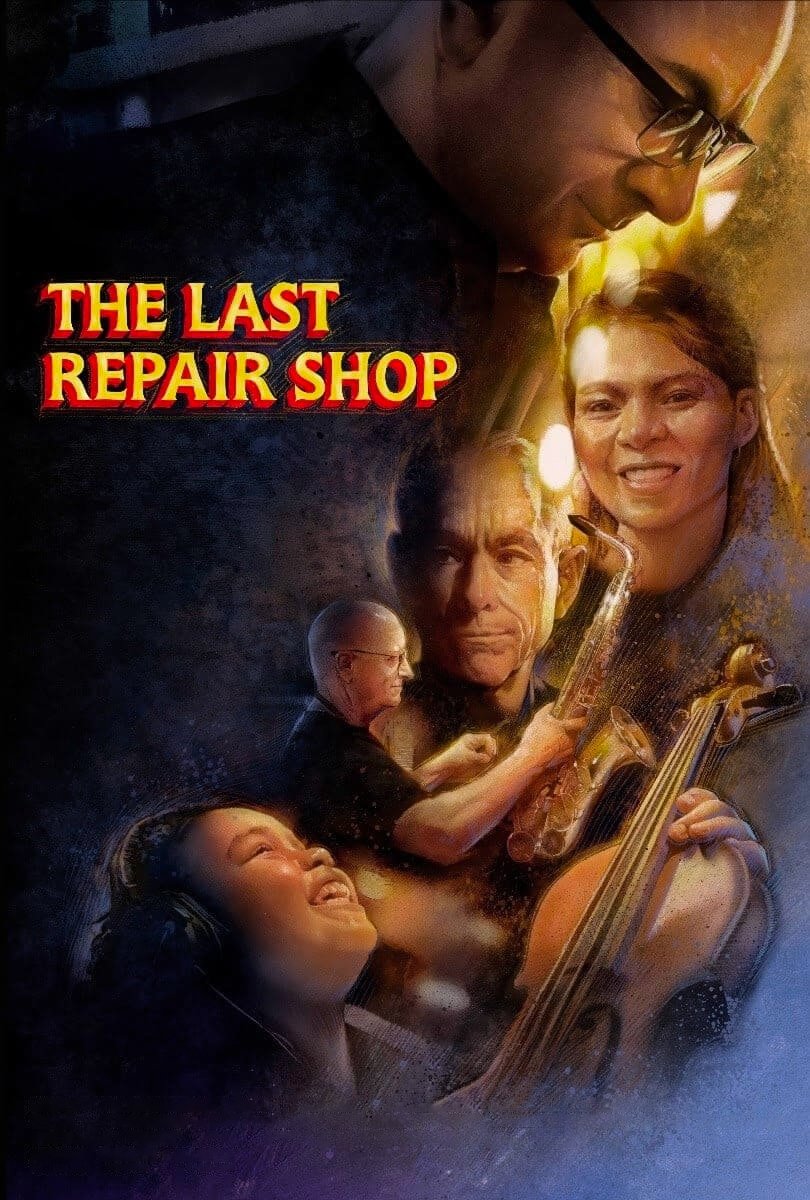
The T.N.P., the Théâtre National Populaire, an important experimental theater directed by Jean Vilar. Franju combines sequences from theatrical performances with documentary images, creating links and confrontations between theater and the real world.
Over the period of 25 years the director met General Võ Nguyên Giáp, a legendary hero of Vietnam’s independence wars, a number of times. She was the first American who entered the home of the “Red Napoleon”. The fruit of this friendship is a film, personal and politically involved at the same time. Travelling across the country and talking to important figures as well as ordinary people, the director finds out more about her roots and offers the audience a unique perspective on Vietnam’s present and past.
Cinema and painting establish a fluid dialogue and begins with introspection in the themes and forms of the plastic work of a woman tormented by the elongated specters, originating from her obsessions and nightmares.
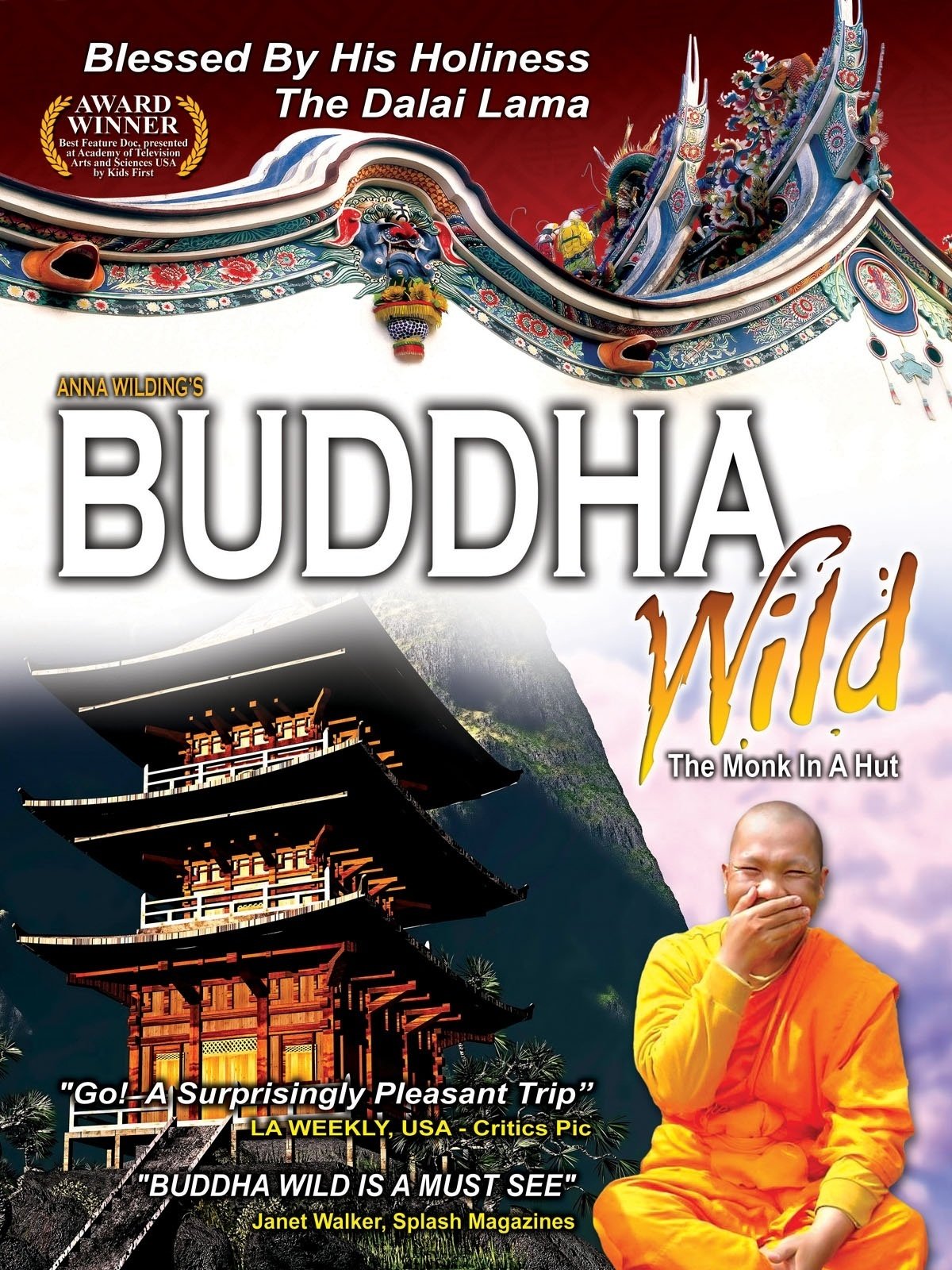
Buddhist monks open up about the joys and challenges of living out the precepts of the Buddha as a full-time vocation. Controversies swirling within modern monastic Buddhism are examined, from celibacy and the role of women to racism and concerns about the environment.
A documentary about the great American movie palaces of the 1920s and 1930s. Filmed on location at some of the extraordinary theaters across the country, the program explores the diverse and priceless architecture of such greats as the Atlanta Fox, the Wiltern in Los Angeles, San Antonio's Majestic, Seattle's Fifth Avenue and, perhaps the most famous, Radio City Music Hall in New York City. Also included are stills and vintage clips of classic movies and newsreels of the era that illustrate the historical evolution and mass appeal of the movie palaces. Picture palace organist Gaylord Carter performs a variety of movie accompaniments.
Showing for the first time how it all came together and what made it so great, the film is all at once hugely enlightening, downright entertaining, and remains the only visual document of this momentous happening ever released.
There never was a star quite like her. Adored by adults and children alike, at four she already led at the box office — ahead of Gable and Cooper. Her films saved a movie studio from bankruptcy, and a President credited her with raising the morale of Depression-weary Americans. Her earliest movies gave a foretaste of her talents and soon would become the songs and dances that helped make those movies immortal.
Eighteen years in the making, two-headed cow started off as a black and white film that followed Dexter Romweber and his drummer Crow on a rock and roll tour along the same route as General Sherman. The film was not finished due to many circumstances, but the filmmakers were able to resume the film seventeen years later. After major TV appearances, a stint on a major label, bouts of depression and drug addiction, the film took on a different tone and poignancy.
On June 11th, 1997, Philippe Kahn created the first camera phone solution to share pictures instantly on public networks. The impetus for this invention was the birth of Kahn's daughter, when he jerry-rigged a mobile phone with a digital camera and sent photos in real time. In 2016 Time Magazine included Kahn's first camera phone photo in their list of the 100 most influential photos of all time.
Carne Ross was a government highflyer. A career diplomat who believed Western Democracy could save us all. But working inside the system he came to see its failures, deceits and ulterior motives. He felt at first hand the corruption of power. After the Iraq war Carne became disillusioned, quit his job and started searching for answers.
A documentary that takes an in depth look at a government sanctioned art school in Cuba and its students. Interviews of various artists attending the school allow viewers a glimpse into their personal and professional lives.
Documentary following dockers of Liverpool sacked in a labour dispute and their supporters’ group, Women of the Waterfront, as they receive support from around the world and seek solidarity at the TUC conference.
Twenty years ago, novelist Salman Rushdie was a wanted man with a million pound bounty on his head. His novel, The Satanic Verses, had sparked riots across the Muslim world. The ailing religious leader of Iran, the Ayatollah Khomeini, had invoked a little-known religious opinion - a fatwa - and effectively sentenced Rushdie to death. This film looks back on the extraordinary events which followed the publication of the book and the ten year campaign to get the fatwa lifted. Interviews with Rushdie's friends and family and testimony from leaders of Britain's Muslim community and the Government reveal the inside story of the affair.
Lord Baden-Powell's 1908 handbook Scouting for Boys is one of the most influential and best-selling books of all time. In the 20th century, only the Bible, the Koran and the Thoughts of Chairman Mao sold more. But they had fewer jokes, no pictures and were useless at important stuff like tying knots. In this entertaining and affectionate film, Ian Hislop uncovers the story behind the book which kick-started the Scout Movement - a work which is very eccentric, very Edwardian and very English. Hislop discovers that the book is also very radical and addresses a variety of modern issues, such as citizenship, disaffected youth and social responsibility. He explores the maverick brilliance of Baden-Powell, a national celebrity after his heroism in the Boer War, and considers the book's candid focus on health and well-being.
The Pony Express delivered mail from coast to coast for only 18 months. Yet during its brief glory days, it became a legend of the American frontier. This fascinating and well-researched video recounts the history of the Pony Express, retraces the famous trail, and uncovers the reasons behind its demise and lasting legacy.
The story of Hitler’s final hours told by people who were there. This special features exclusive forgotten interviews, believed lost for 65 years, with members of Hitler’s inner circle who were trapped with him in his bunker as the Russians fought to take Berlin. These unique interviews from figures such as the leader of the Hitler Youth Artur Axmann and Hitler’s secretary Traudl Junge, have never before been seen outside Germany. Using rarely seen archive footage and dramatic reconstruction, this special tells the story of Adolf Hitler’s final days in his Berlin bunker.
This film speaks of archaic peoples, their customs and mores, in an attempt to make the last snapshots of their traditional lifestyles before they are gone for good.
Tenor saxophone master Sonny Rollins has long been hailed as one of the most important artists in jazz history, and still, today, he is viewed as the greatest living jazz improviser. In 1986, filmmaker Robert Mugge produced Saxophone Colossus, a feature-length portrait of Rollins, named after one of his most celebrated albums.