Social & External
The people behind it
Kevin Parent
Narrateur
A documentary that follows Thomas Goltz and a group of riders on old Soviet motorcycles as they carry the first symbolic barrel of Caspian oil from Baku to Ceyhan along the future BTC pipeline. Using rare historical footage, personal interviews, and scenes captured during the journey, the film shows Goltz's legacy as a war reporter, his strong connection to Azerbaijan, and how oil shaped the identity of the country.
Basil Gelpke and Ray McCormack's nonfiction treatise Crude Awakening joins Maxed Out, An Inconvenient Truth, and other recent documentaries devoted to unearthing and exploring forces that are untying the connective threads of contemporary society. The subject at hand is crude oil - specifically, the depletion of petroleum from the Earth, in an era when consumption threatens to exceed supply.
The “Prophecy of the 7th Fire” says a “black snake” will bring destruction to the earth. For Winona LaDuke, the “black snake” is oil trains and pipelines. When she learns that Canadian-owned Enbridge plans to route a new pipeline through her tribe’s 1855 Treaty land, she and her community spring into action to save the sacred wild rice lakes and preserve their traditional indigenous way of life. Launching an annual spiritual horse ride along the proposed pipeline route, speaking at community meetings and regulatory hearings. Winona testifies that the pipeline route follows one of historical and present-day trauma. The tribe participates in the pipeline permitting process, asserting their treaty rights to protect their natural resources. LaDuke joins with her tribe and others to demand that the pipelines’ impact on tribal people’s resources be considered in the permitting process.
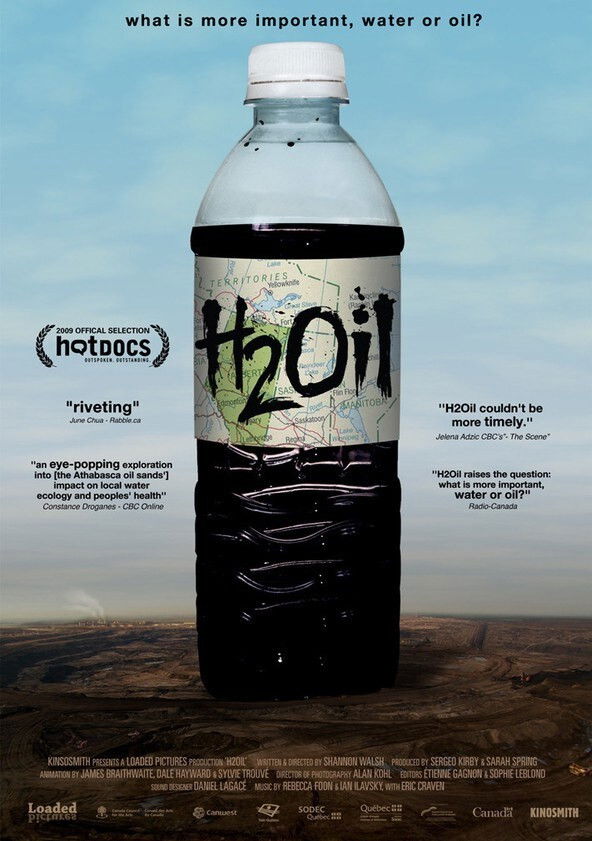
Moving between a local microcosm and the global oil crisis, H2Oil weaves together a collection of compelling stories of people who are at the front lines of the biggest industrial project in human history: Canada's tar sands. H2Oil is a feature-length documentary that traces the wavering balance between the urgent need to protect and preserve fresh water resources and the mad clamoring to fill the global demand for oil. It is a film that asks: what is more important, water or oil? Will the quest for profit overshadow efforts to protect public health and the environment in Canada's richest province?
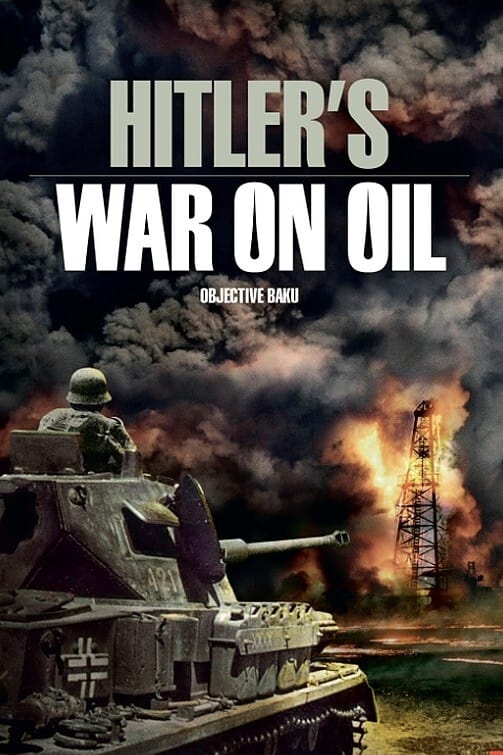
This film tells the story of World War II as experienced by the inhabitants of Baku, the capital of Azerbaijan, at the time a satellite of Moscow. The very rich oil deposits of the region aroused the covetousness of Hitler who needed the oil from Baku to carry out his program of world domination. His entire campaign of 1942-1943 was aimed at seizing them. But the Soviets and the Allies were determined to prevent him from doing so, by all means, including the most radical, even if it meant wiping the city off the map.
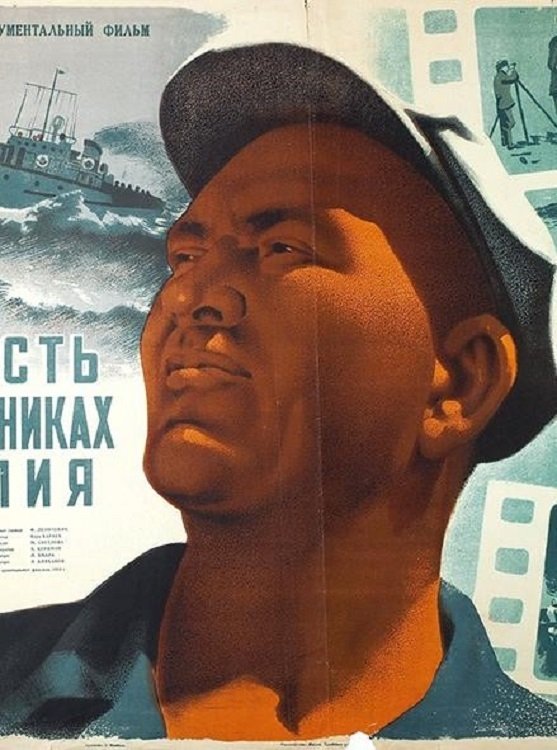
A story of the exploits carried out by the oil technicians of Baku for the exploitation of the black gold deposit of the Caspian Sea.
Introduction to the oil industry of India in the post-colonial period.
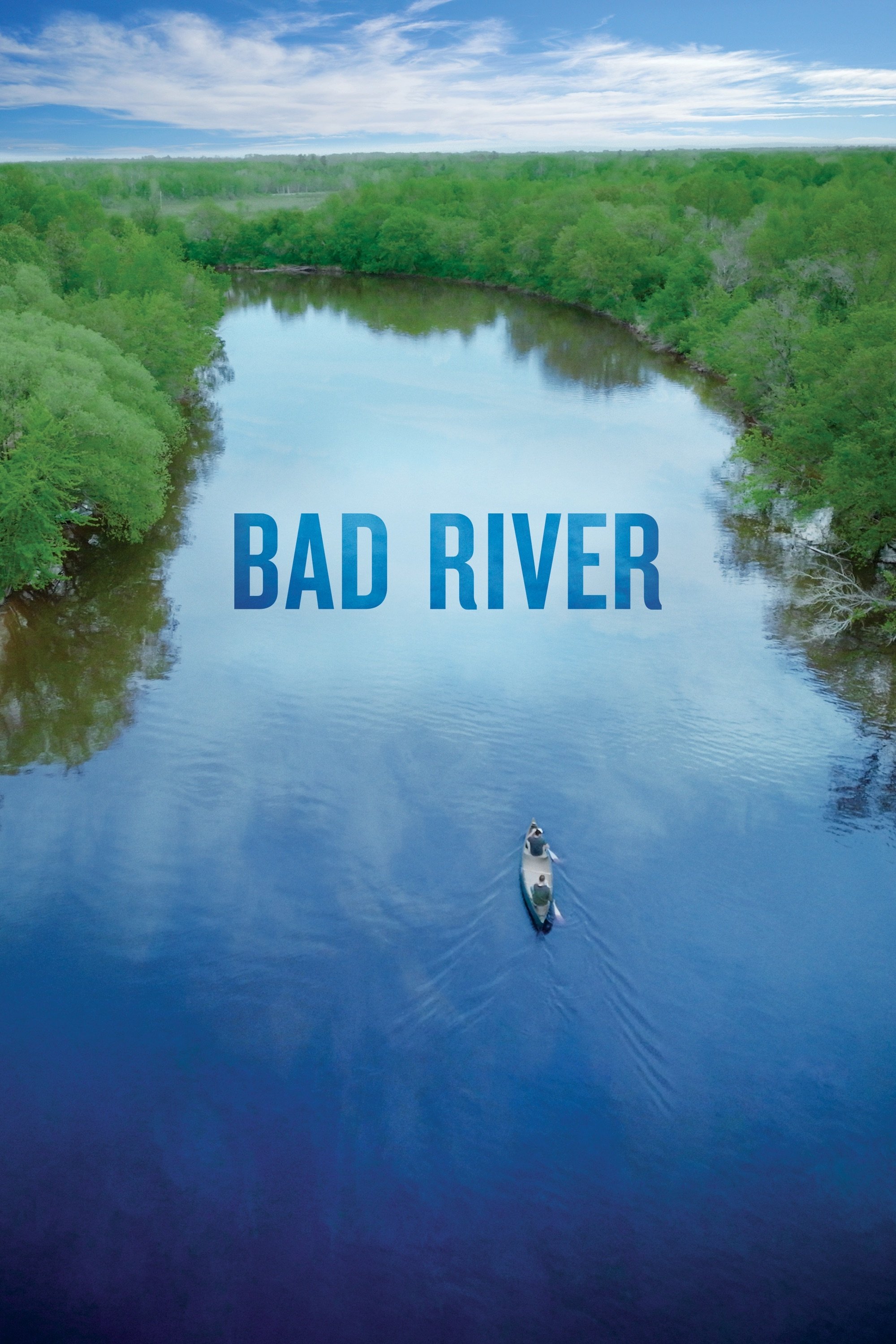
Wisconsin's tribe's ongoing fight to protect Lake Superior for future generations. "Bad River" shows the Bad River Band of Lake Superior Chippewa's long history of activism and resistance in the context of continuing legal battles with Enbridge Energy over its Line 5 oil pipeline. The Line 5 pipeline has been operating on 12 miles of the Bad River Band's land with expired easements for more than a decade. The Band and the Canadian company have been locked in a legal battle over the pipeline since 2019.
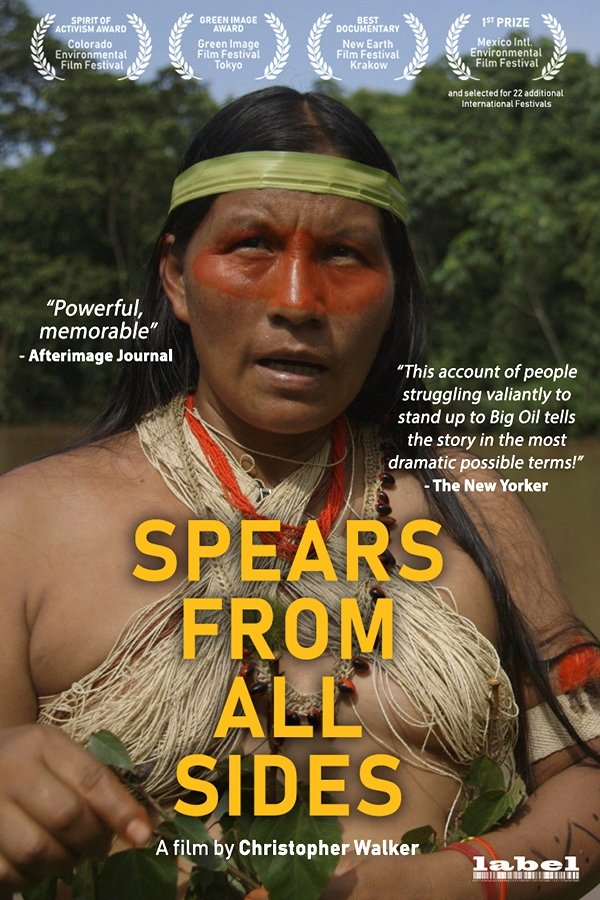
Until the 1950s, the Waorani were able to successfully defended their area of settlement – today’s Yasuni National Park in the Ecuadorian Amazon – with the aid of spears. Then Christian missionaries entered the thick rain forest and paved the way for an oil company. Nowadays many of the tribes are estranged as some want to benefit from the short-term money the company is offering while others fight to preserve their land, culture and independence under all circumstances.
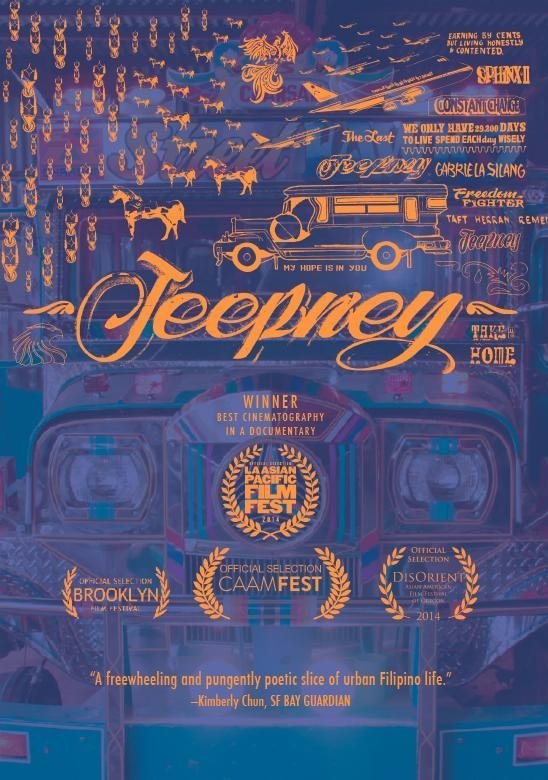
JEEPNEY visualizes the richly diverse cultural and social climate of the Philippines through its most popular form of mass transportation: vividly decorated ex-WWII military jeeps. The film follows jeepney artists, drivers, and passengers, whose stories take place amidst nationwide protest against oil price hikes that pressure drivers to work overseas to earn a living, far from their homes for years at a time. Lavishly shot and cut to the rhythm of the streets, JEEPNEY provides an enticing vehicle through which the rippling effects of globalization can be felt.
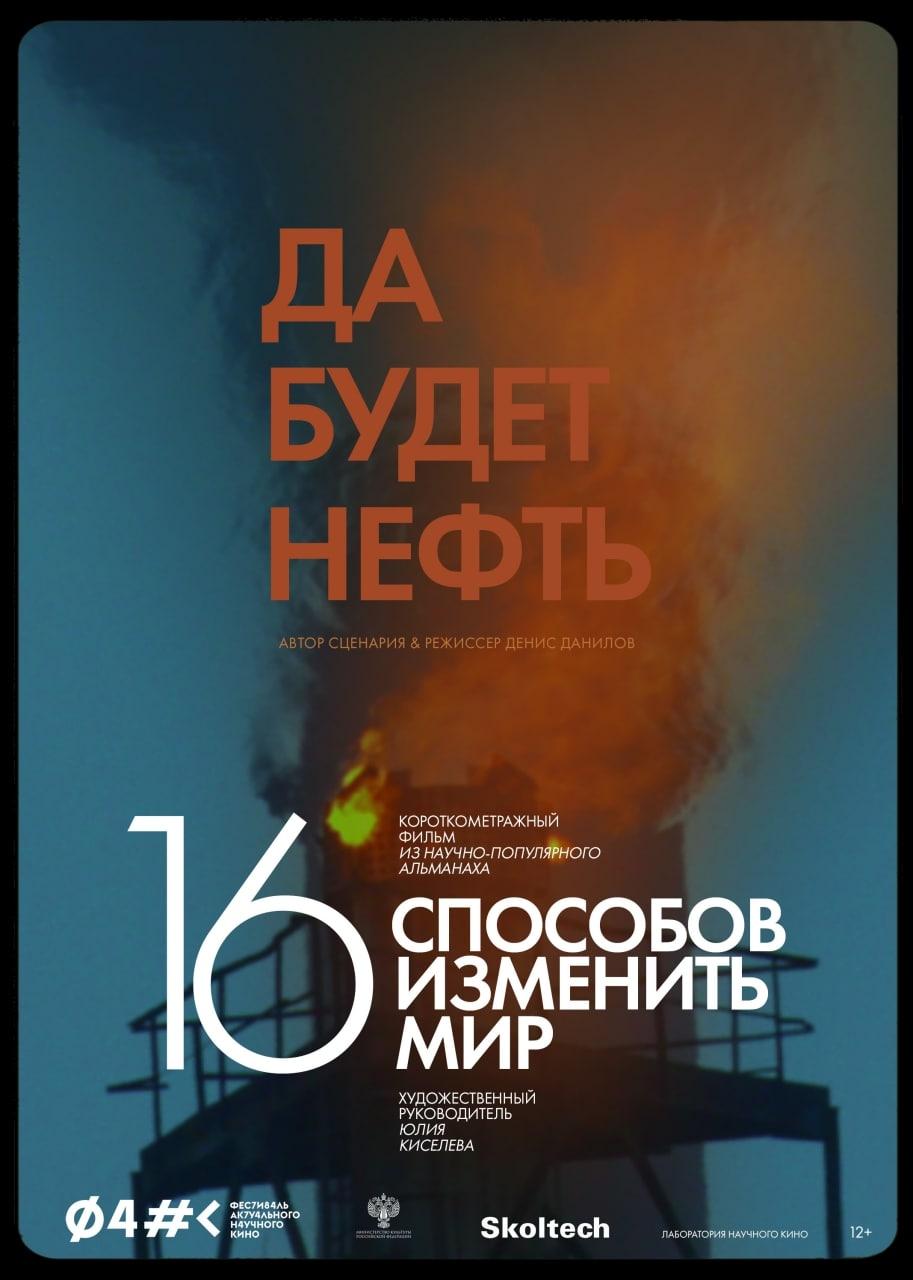
Oil is a primary energy source in the world. Global oil consumption reached approximately 95 million barrels per day but oil fields' quality is constantly declining. A team of Russian scientists came up with more accurate, cheaper, and faster technology that can increase the oil production rate. After all, modern civilization is built in the way that 'to live well' means 'consume more oil'
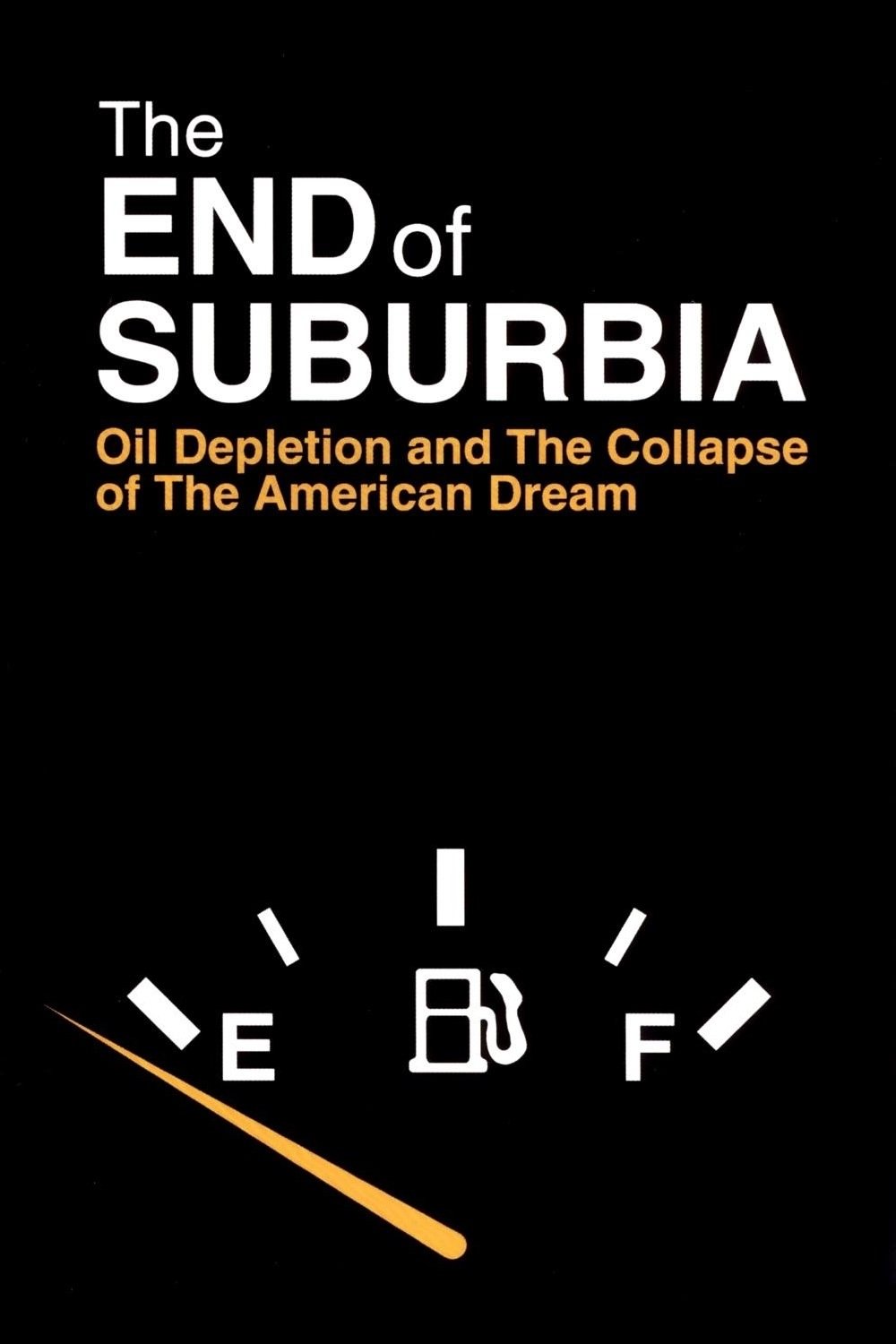
Since World War II North Americans have invested much of their newfound wealth in suburbia. It has promised a sense of space, affordability, family life and upward mobility. As the population of suburban sprawl has exploded in the past 50 years Suburbia, and all it promises, has become the American Dream. But as we enter the 21st century, serious questions are beginning to emerge...
oil workers, builders, geologists
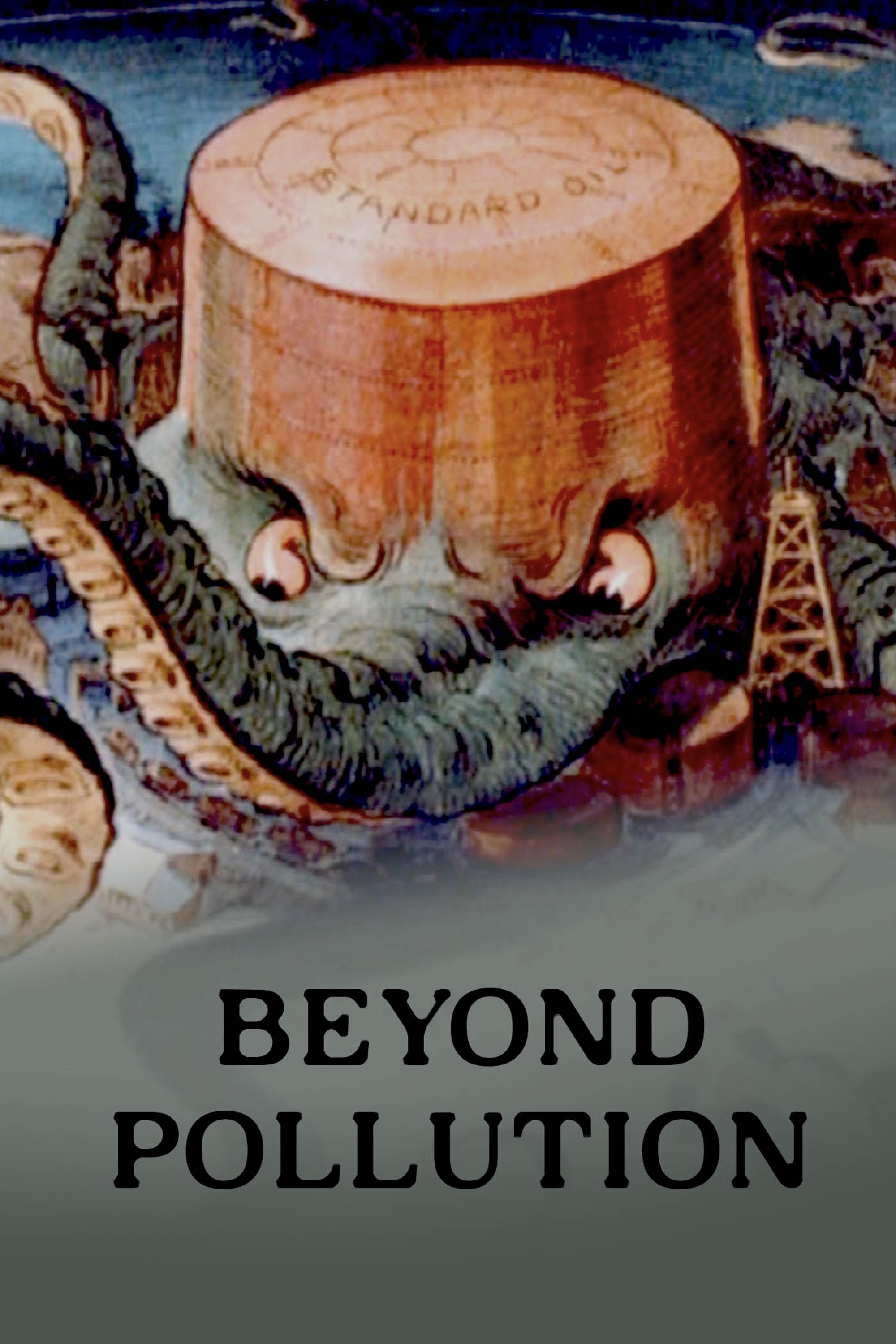
A promotional video produced by the Alberta government in 1975, "The time of the tar sands", featuring Gordon Pinsent. credit: Archives of Alberta.
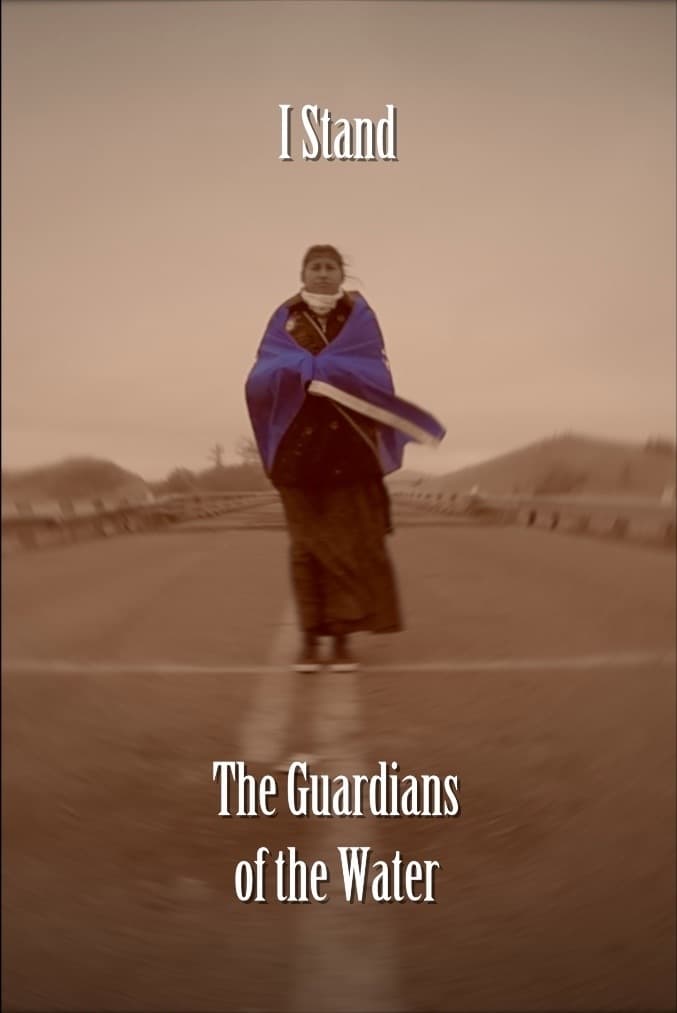
First hand interviews and on the ground footage give a stirring account of The Standing Rock Sioux Nation's and water protectors' opposition to the Dakota Access Pipeline
Barker White documents the environmental impact of the massive BP spill.
The short film shows the process of oil extraction up to the delivery to the customer
In an intimate and joyful story of love in the face of loss, celebrated poets Andrea Gibson and Megan Falley find strength—and unexpected hilarity—in what might be their final year together.
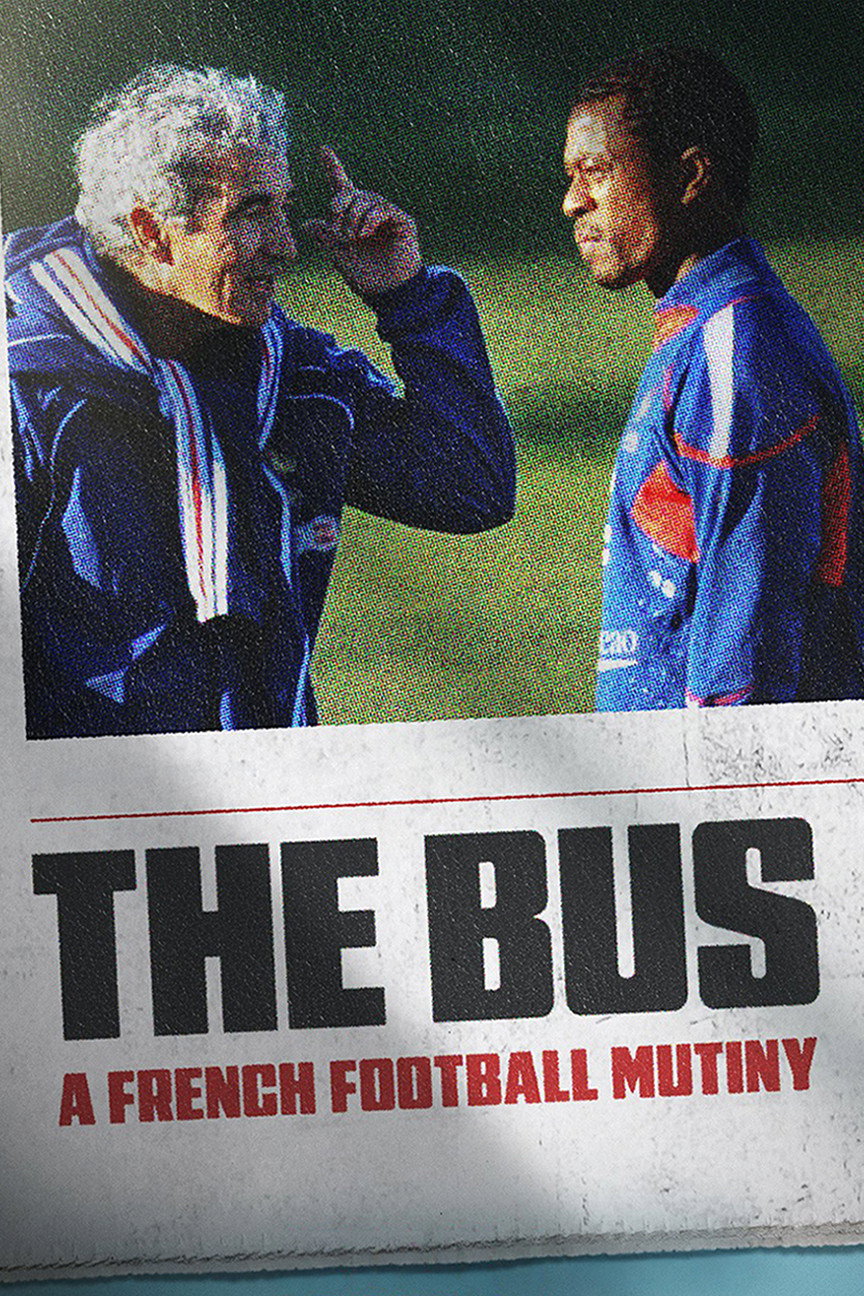
This documentary revisits the French football team's controversial 2010 World Cup and the bus strike that sparked global headlines and national outrage.
Interviews with leading authors, philosophers and scientists, with an in-depth discussion of the Law of Attraction. The audience is shown how they can learn and use 'The Secret' in their everyday lives.
Ranjit, a farmer in India, takes on the fight of his life when he demands justice for his 13-year-old daughter, the victim of a brutal gang rape. His decision to support his daughter is virtually unheard of, and his journey unprecedented.
The life of Mr. Spock, as well as that of Leonard Nimoy, the actor who played him for almost fifty years, written and directed by his son: Adam.
An inside look at one of the most anticipated movie sequels ever with James Cameron and cast.
Behind-the-scenes documentary about how Lionel Messi succeeded in lifting the World Cup – the only trophy to have eluded him in an incredible career.
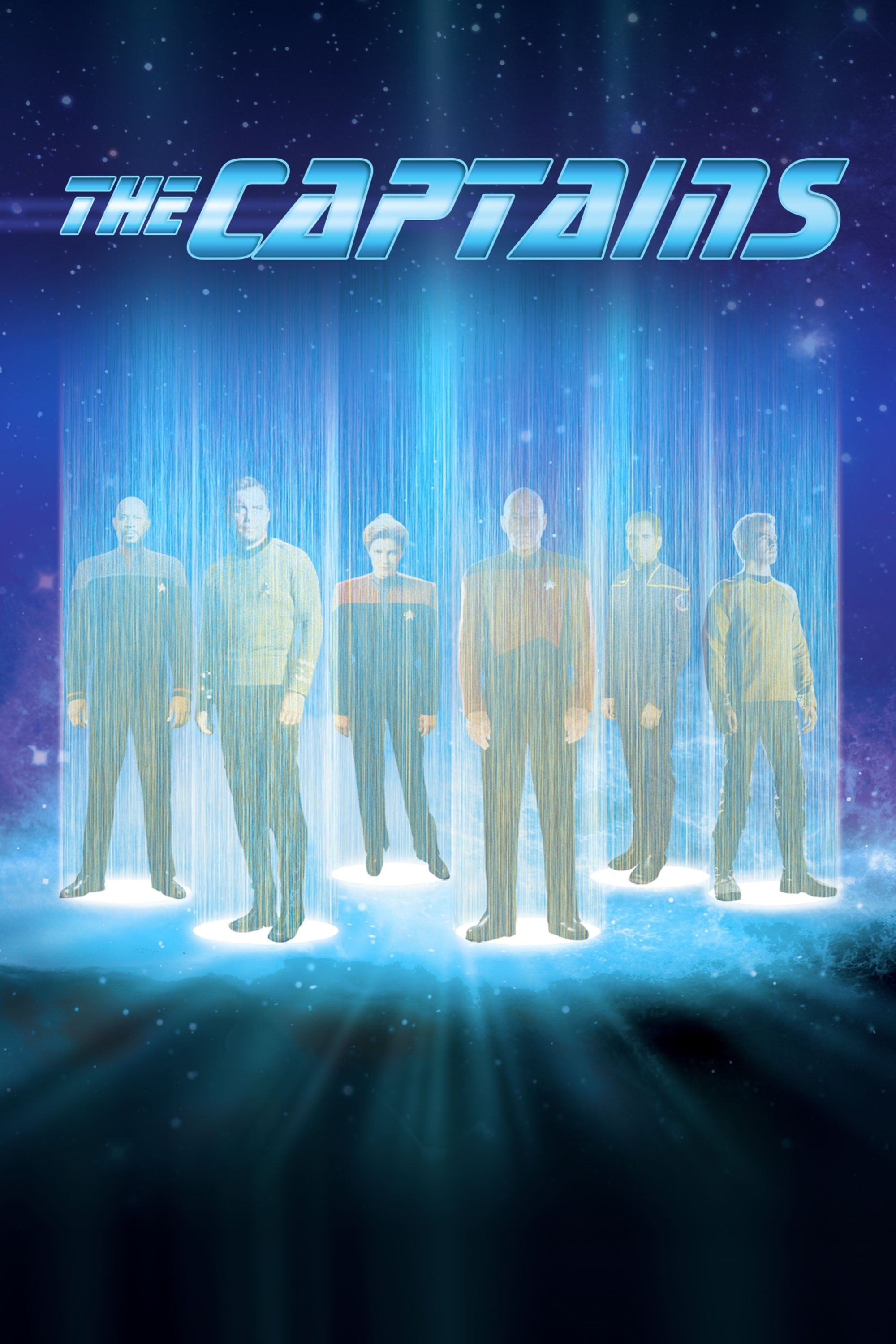
The Captains is a feature-length documentary film written and directed by William Shatner. The film follows Shatner as he interviews the other actors who have portrayed starship captains in the Star Trek franchise.
The film is based on interviews with 2,000 women from 50 countries, and covers the status of women all over the world. The topics covered include forced marriages, sexual assault, female genital mutilation, acid attacks, motherhood, sexuality, menstruation, education and the professional success of women.
A documentary on the modeling industry's 'supply chain' between Siberia, Japan, and the U.S., told through the experiences of the scouts, agencies, and a 13-year-old model.
A visual montage portrait of our contemporary world dominated by globalized technology and violence.
Al Pacino's deeply-felt rumination on Shakespeare's significance and relevance to the modern world through interviews and an in-depth analysis of "Richard III."
Daniel Craig candidly reflects on his 15 year adventure as James Bond. Including never-before-seen archival footage from Casino Royale to the upcoming 25th film No Time To Die, Craig shares his personal memories in conversation with 007 producers, Michael G Wilson and Barbara Broccoli.
While investigating the furtive world of illegal doping in sports, director Bryan Fogel connects with renegade Russian scientist Dr. Grigory Rodchenkov—a pillar of his country’s “anti-doping” program. Over dozens of Skype calls, urine samples, and badly administered hormone injections, Fogel and Rodchenkov grow closer despite shocking allegations that place Rodchenkov at the center of Russia’s state-sponsored Olympic doping program.
The life of Bambi, a male roe deer, from his birth through childhood, the loss of his mother, the finding of a mate, the lessons he learns from his father, and the experience he gains about the dangers posed by human hunters in the forest.
A string of threatening emails escalates into a revenge plot involving a newly married US marshal and his ex-girlfriend.
Legendary journalist Gay Talese unmasks a motel owner who spied on his guests for decades. But his bombshell story soon becomes a scandal of its own.
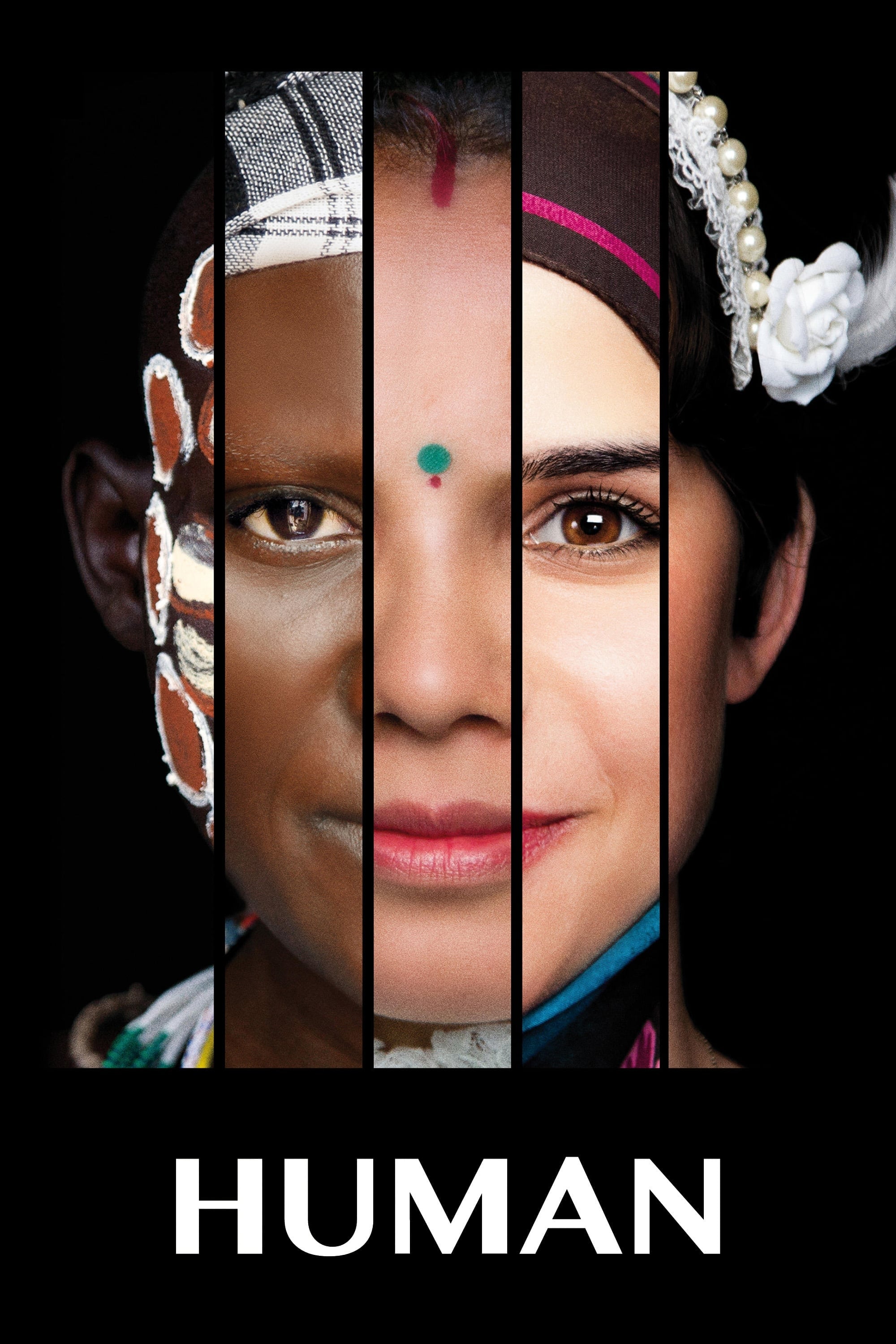
A collection of stories about and images of our world, offering an immersion to the core of what it means to be human. Through these stories full of love and happiness, as well as hatred and violence, it brings us face to face with the Other, making us reflect on our lives. From stories of everyday experiences to accounts of the most unbelievable lives, these poignant encounters share a rare sincerity and underline who we are – our darker side, but also what is most noble in us, and what is universal. Our Earth is shown at its most sublime through never-before-seen aerial images accompanied by soaring music, resulting in an ode to the beauty of the world, providing a moment to draw breath and for introspection. This film is a politically engaged work which allows us to embrace the human condition and to reflect on the meaning of our existence.
Take a virtual vacation to some of the Star Wars films' most iconic and beloved locations like Hoth, Tatooine, and Sorgan, as this charming series whisks you off for fly-through tours of the Galaxy Far, Far Away.
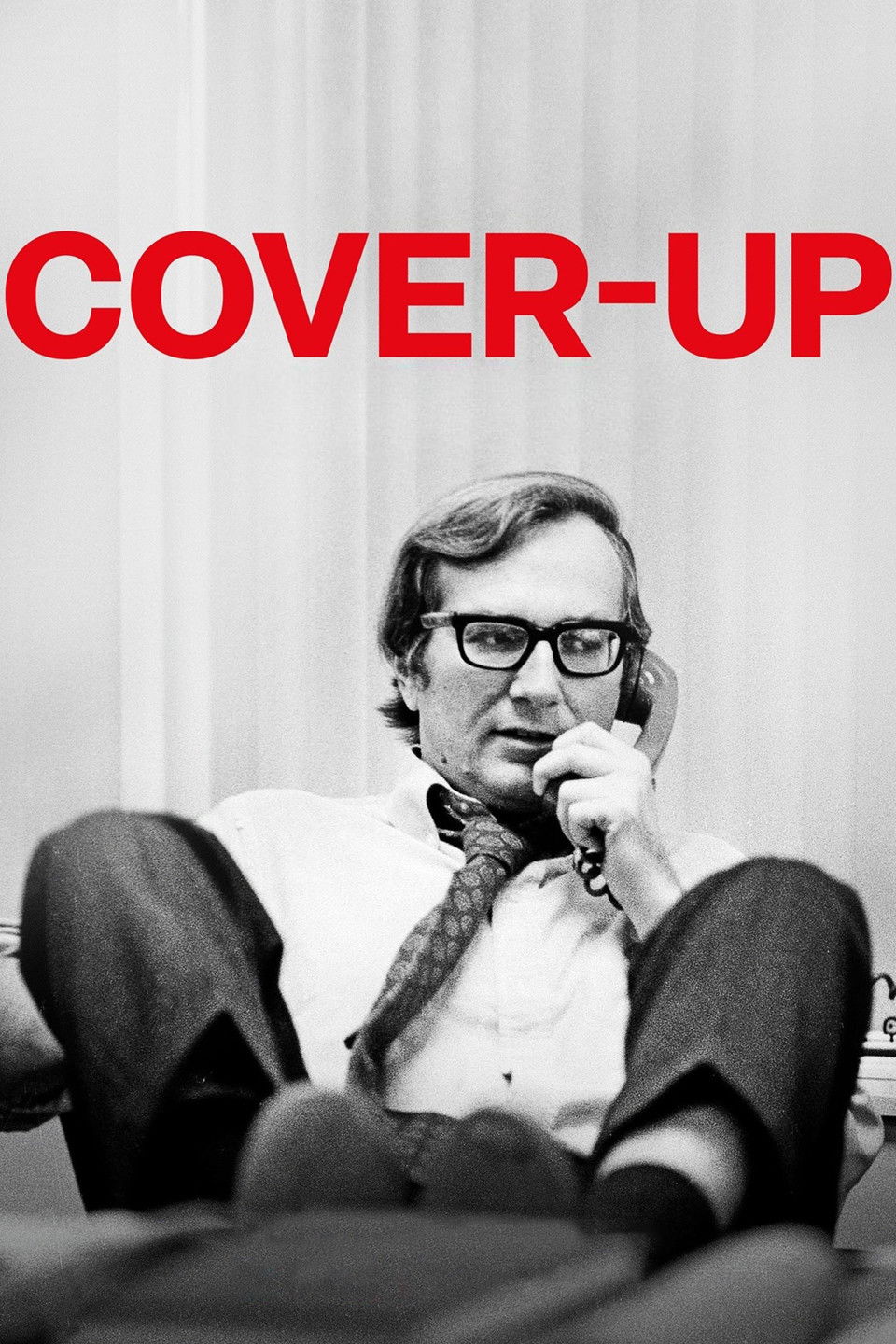
He's devoted his career to uncovering stories the powerful want buried. From My Lai to Abu Ghraib, dig into the life's work of journalist Seymour Hersh.