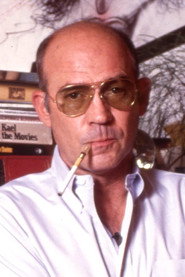
Hunter Thompson visits the set of Fear and Loathing in Las Vegas.
Social & External
The people behind it
Hunter S. Thompson
Self
Johnny Depp
Benicio del Toro
Harry Dean Stanton
Himself
Lyle Lovett
Terry Gilliam
Basically this is a commercial for Hollywood's Lido Lounge and for MGM contract players. The Lido is a large watering hole; we visit one afternoon with an orchestra playing, all sorts of stars and would-be stars sitting at tables near the pool alongside paying customers, and bathing beauties parading and diving. The Lido's manager, Reggy Denny, introduces the stars in the audience. He's sometimes interrupted by someone who does a bit, sings a song, or otherwise entertains: most of these are novelty acts. By the end, everyone's having a swell time.
Tattooed hands gently glide over a rock face, probing it with the tips of the fingers. Three women, arms raised to a high boulder, appear to be in prayer. Hidden in a cave, two others stare at their bloody palms. Touching Rocks depicts bouldering as a pagan ritual.
Death in the Garden of Paradise is an intensely personal meditation on the murder of the filmmaker's father and sister in Lahore by an unknown intruder. The disassociation caused by traumatic loss and the impossibility of knowing the identity of the killer flow seamlessly into the film's aesthetics so that familiar sights become strange, shopkeepers and passing pedestrians become suspects, and sound is fragmented and distorted. Architecture and haunted spaces, deserted gardens, photographs and paintings are both metaphors and physical locations in this elegant elegy to mortality
Filmed and edited in intimate vérité style, this movie follows visionary medical practitioners who are working on the cutting edge of life and death and are dedicated to changing our thinking about both.
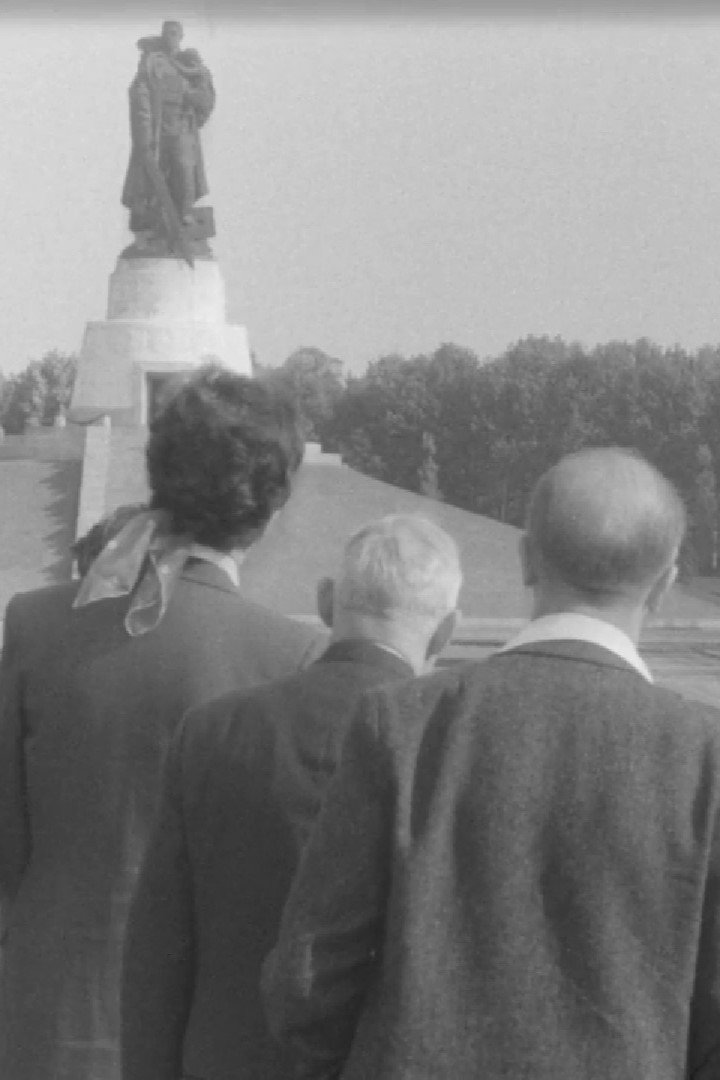
The film reports on the return of Soviet units from Czechoslovakia (CSSR) to their stationing areas in the GDR. It depicts the reception by the population of the GDR.
Short film about gymnastic movements and girl's dances
This short feature film based on trial records aims to familiarize viewers with the practices of communist infiltration techniques in West Germany. It shows the work of an illegal communist operations group controlled by an SED instructor smuggled into the Federal Republic. Leaflet printing and distribution play an important role alongside word-of-mouth propaganda.
Short ethnographic documentray about Arba'een, a Shia Muslim religious observance
Experimental movie dedicated to the work of Ljubomir Šimunić, author of avant-garde seventies and eighties movies, and photographer. The Loop is about exploration of the eroticism phenomenon in the movie. This crossroad of Hollywood and European underground approach is shown trough the work of Belgrade garage movie author. Using the language of moving pictures author is searching for the missing shaman, a great master of magic - Šime.
Tien-Shan, 1966. For the first time in 13 years, winter duration is six months. Sheep in the mountains are hungry for grass on the sunny slopes. The state is taking urgent measures to save hundreds of thousands of wintering animals. But still...
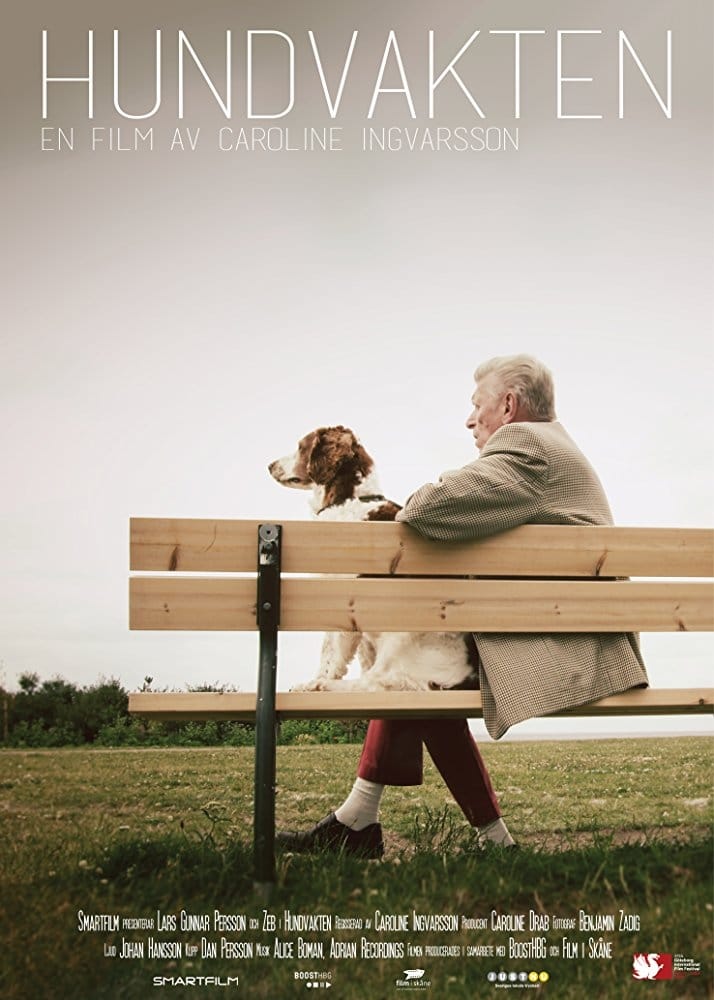
Retired actor Lars-Gunnar Persson spends his days with his neighbor's dog, sharing memories of failed relationships and questioning what life might have been. It's a friendship that suits Lars-Gunnar because the dog, Zeb, is an excellent listener.
The life story of Daniel Balimá, a horticulturist with a disability in Burkina Faso.
Short film about seals, the hunt for them and how they are processed afterwards.
The film shows the manufacture of a luxury edition of "Mein Kampf" on real parchment, handwritten.
The Tsar visits the Russian embassy
Early short film
A Japanese veil dance is performed
The Tsar travels to Paris.
The 15th "Paul Hornick" Tank Regiment Cottbus, a unit of the "Heinrich Rau" Air Wing in Trollenhagen and the People's Navy are presented. In addition to the introduction of the units and a biographical outline of the namesakes, the garrison towns of Rostock, Cottbus and Neubrandenburg are also presented - urban and economic development in the region as well as cultural life.
In the spring of 1965, Polish citizen Sheybal visits the town of Genthin. He knows his way around the sugar factory. He had to work there as a prisoner of war during the Second World War. He suffered a life-threatening accident. Now he is looking for the people or their relatives who helped him.
Featuring interviews with filmmakers and industry legends, discover the origins and evolution of The Joker, and learn why The Clown Prince of Crime is universally hailed as the greatest comic-book supervillain of all time.
A feature length documentary about the all-women team at the helm of Pixar's original feature, Turning Red. With unprecedented behind-the-scenes access to Director Domee Shi and her core leadership crew, this story shines a light on the powerful professional and personal journeys that brought this incredibly comical, utterly relatable, and deeply heartfelt story to the screen.
An inside look at one of the most anticipated movie sequels ever with James Cameron and cast.
A purely observational non-fiction film that takes viewers into the ethically murky world of end-of-life decision making in a public hospital.
SEDUCED AND ABANDONED combines acting legend Alec Baldwin with director James Toback as they lead us on a troublesome and often hilarious journey of raising financing for their next feature film. Moving from director to financier to star actor, the two players provide us with a unique look behind the curtain at the world's biggest and most glamourous film festival, shining a light on the bitter-sweet relationship filmmakers have with Cannes and the film business. Featuring insights from directors Martin Scorsese, 'Bernando Bertolucci' and Roman Polanski; actors Ryan Gosling and Jessica Chastain and a host of film distribution luminaries.
A string of threatening emails escalates into a revenge plot involving a newly married US marshal and his ex-girlfriend.
Daniel Craig candidly reflects on his 15 year adventure as James Bond. Including never-before-seen archival footage from Casino Royale to the upcoming 25th film No Time To Die, Craig shares his personal memories in conversation with 007 producers, Michael G Wilson and Barbara Broccoli.
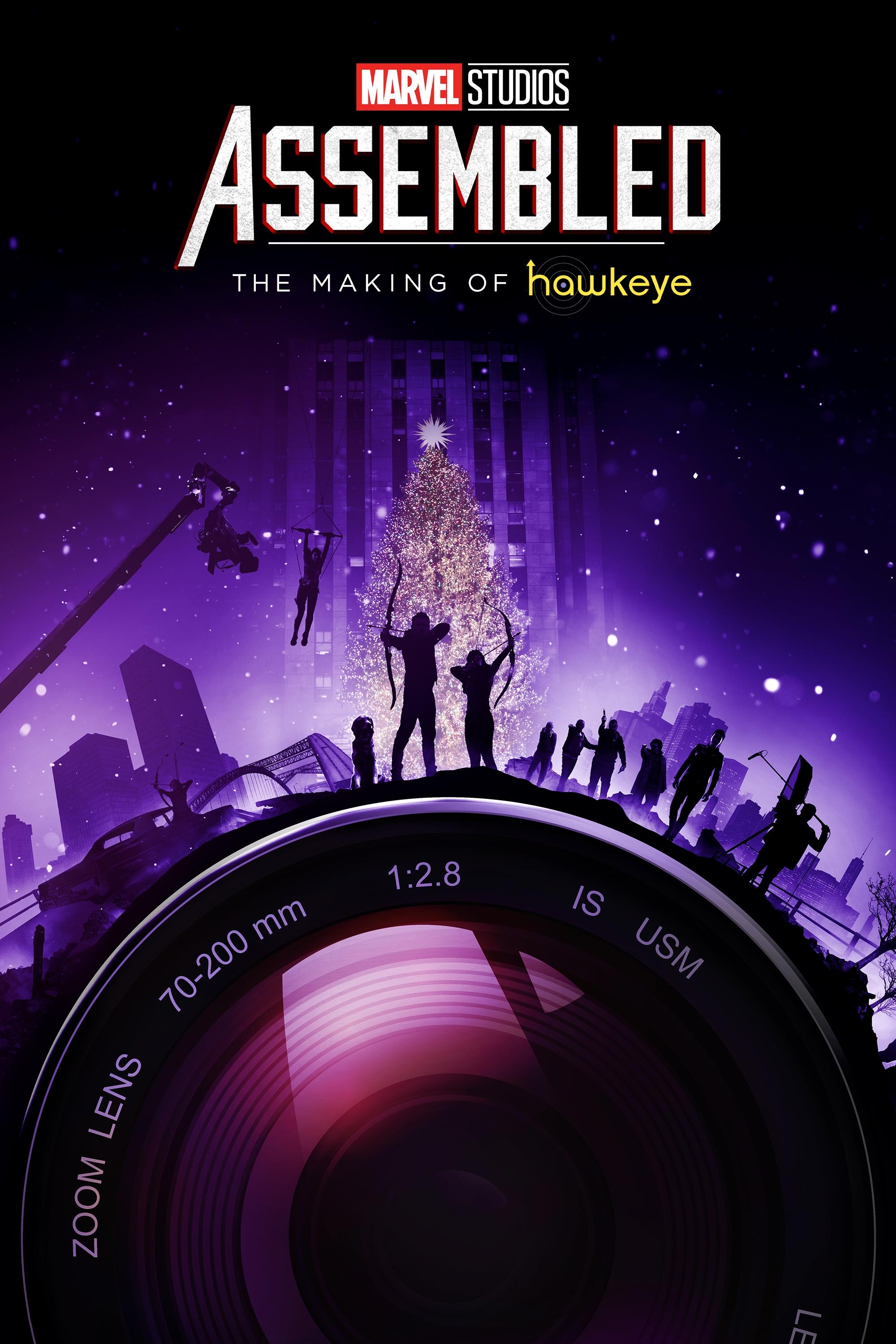
Join the likes of Jeremy Renner, Hailee Steinfeld, Florence Pugh, and Vincent D’Onofrio as they reveal how Marvel Studios’ “Hawkeye” was conceived and created. Witness firsthand what it took to pull off the show’s pulse-pounding action set pieces, and discover how iconic characters from the pages of Marvel Comics such as Kate Bishop were adapted and brought to life for the six-episode series.
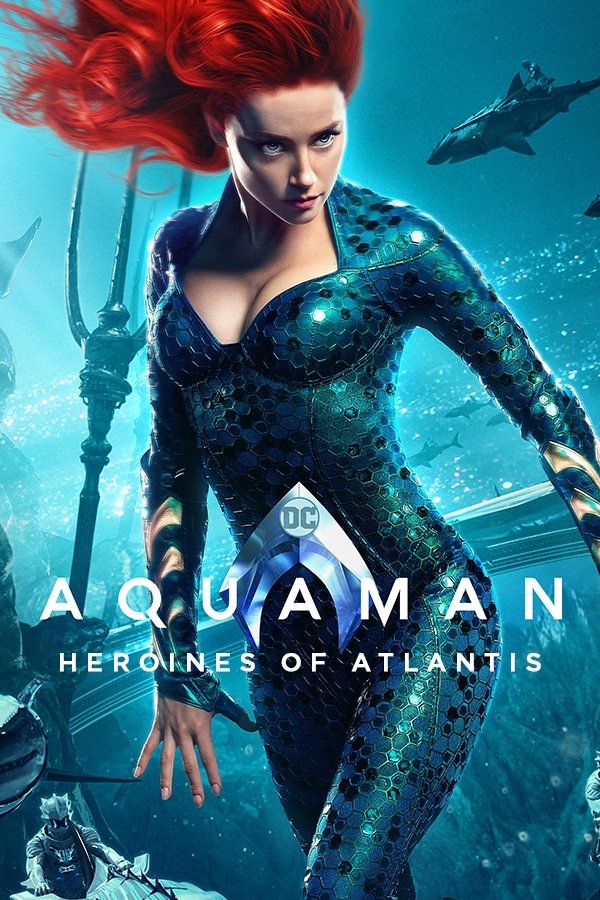
Amber Heard and Nicole Kidman discuss their characters Mera and Atlanna.
Join director Clint Eastwood and his creative team, along with Bradley Cooper and Sienna Miller, as they overcome enormous creative and logistic obstacles to make a film that brings the truth of Navy SEAL Chris Kyle's story to the screen.
In an intimate and joyful story of love in the face of loss, celebrated poets Andrea Gibson and Megan Falley find strength—and unexpected hilarity—in what might be their final year together.
The Making-of James Cameron's Avatar. It shows interesting parts of the work on the set.
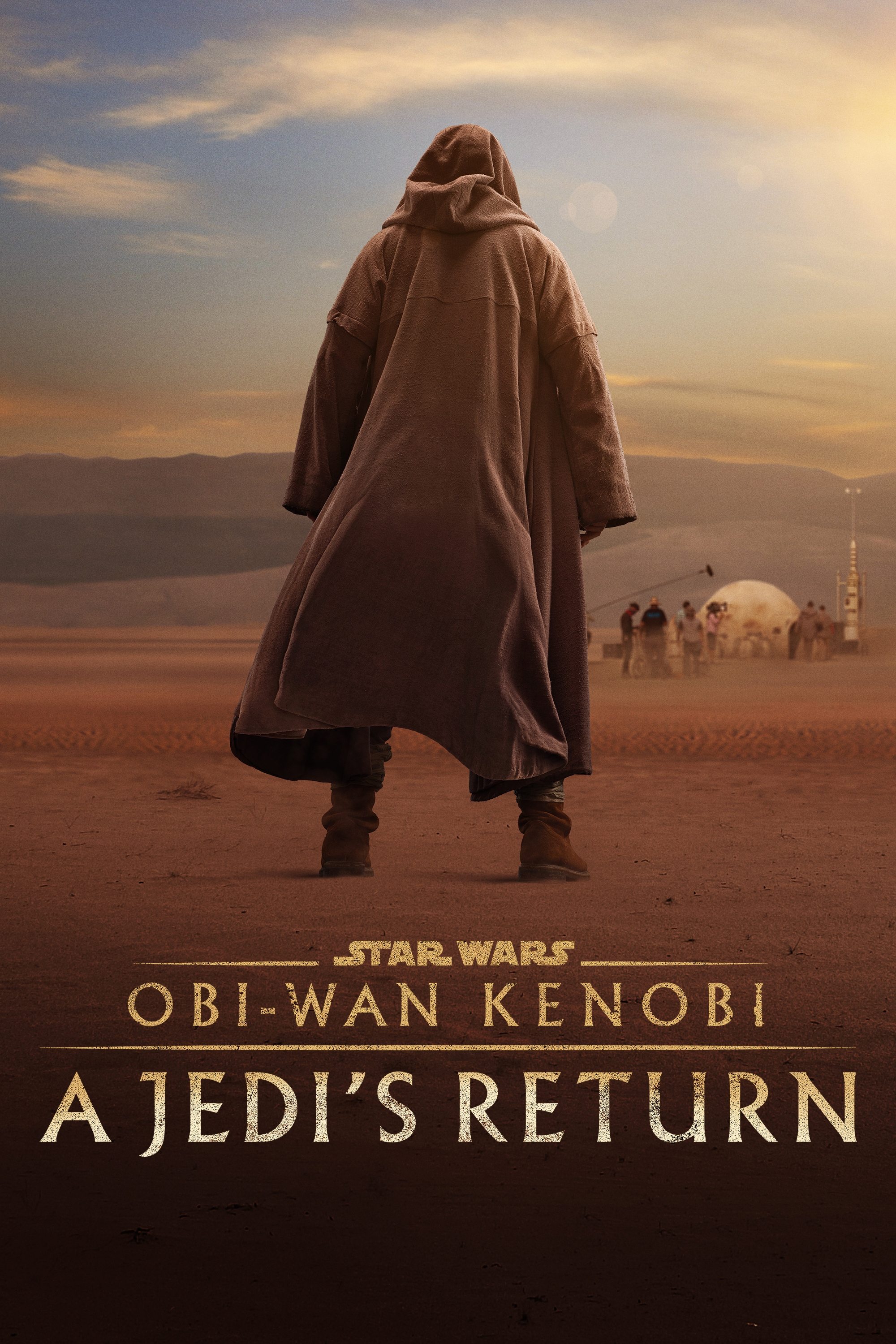
This special explores the return of Obi-Wan Kenobi and Anakin Skywalker to the screen, as well as Ewan McGregor and Hayden Christensen to their classic roles. Director Deborah Chow leads the cast and crew as they create new heroes and villains that live alongside new incarnations of beloved Star Wars characters, and an epic story that dramatically bridges the saga films.
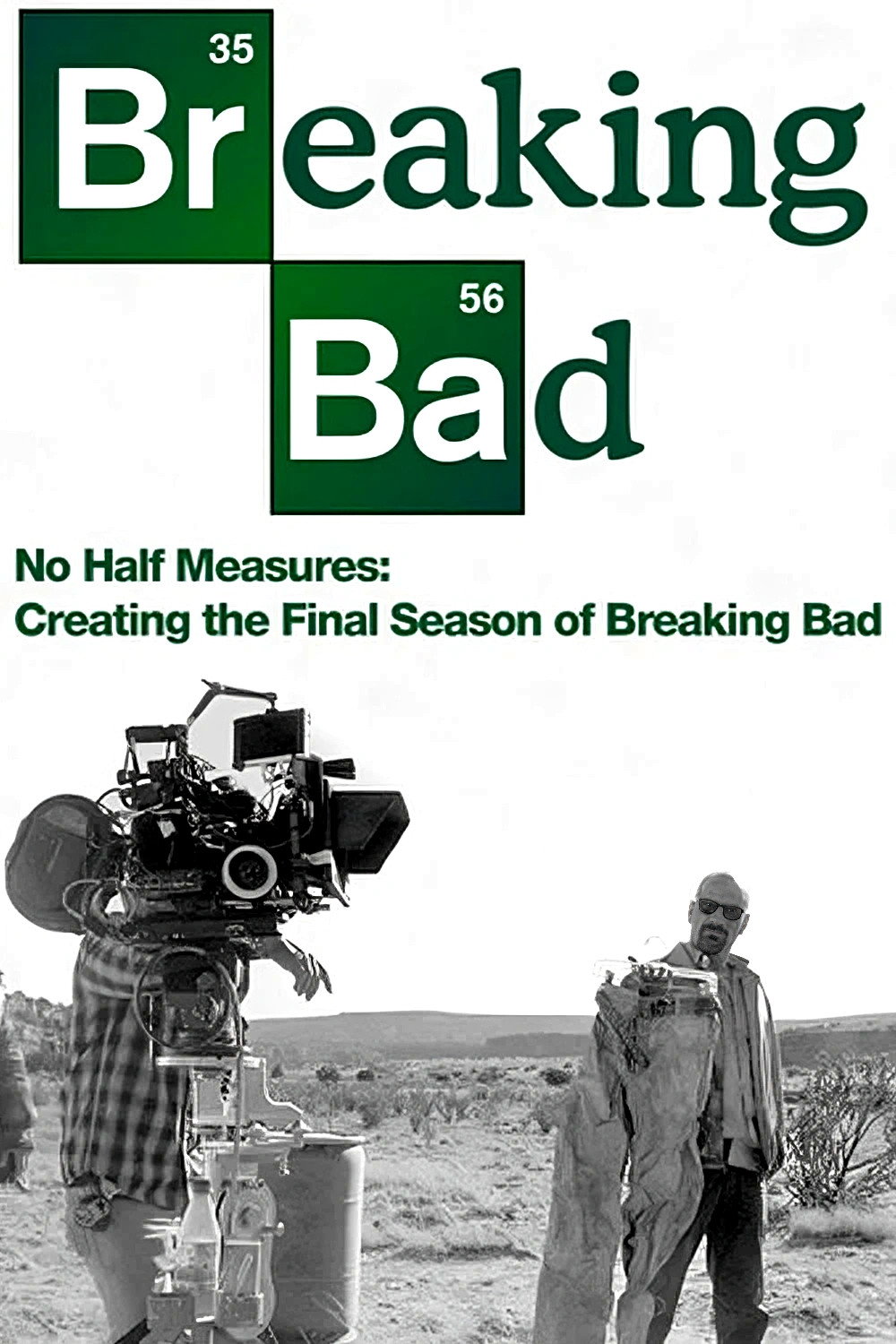
A documentary about the making of season five of the acclaimed AMC series Breaking Bad.
Stars of "The Walking Dead," Andrew Lincoln and Danai Gurira, walk down memory lane and visit iconic locations where pivotal moments between their characters, Rick and Michonne, were filmed.
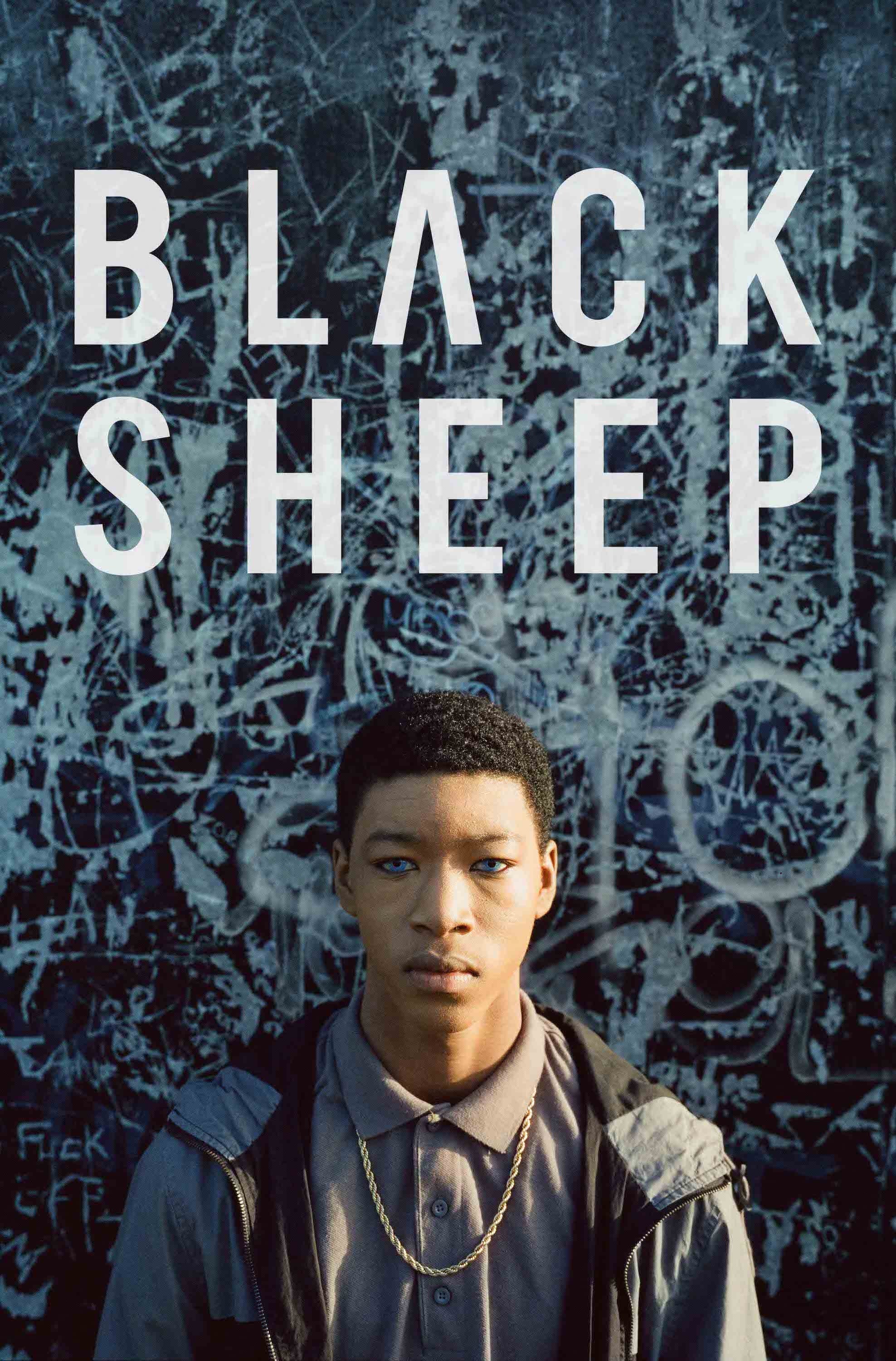
After the high-profile killing of Damilola Taylor, Cornelius' family move out of London. But when they discover their new town is run by racists, Cornelius takes a drastic step to survive.
JB Smoove and Martin Starr host a celebration of 20 years of "Spider-Man" movies, from the Sam Raimi trilogy to Marc Webb's movies and the trio from Jon Watts.
A documentary about the life and films of director John Ford.
This revealing documentary honors the legendary Sidney Poitier—iconic actor, filmmaker, and civil rights activist. Featuring interviews with Denzel Washington, Spike Lee, Halle Berry, and more.
Alexander McQueen's rags-to-riches story is a modern-day fairy tale, laced with the gothic. Mirroring the savage beauty, boldness and vivacity of his design, this documentary is an intimate revelation of McQueen's own world, both tortured and inspired, which celebrates a radical and mesmerizing genius of profound influence.