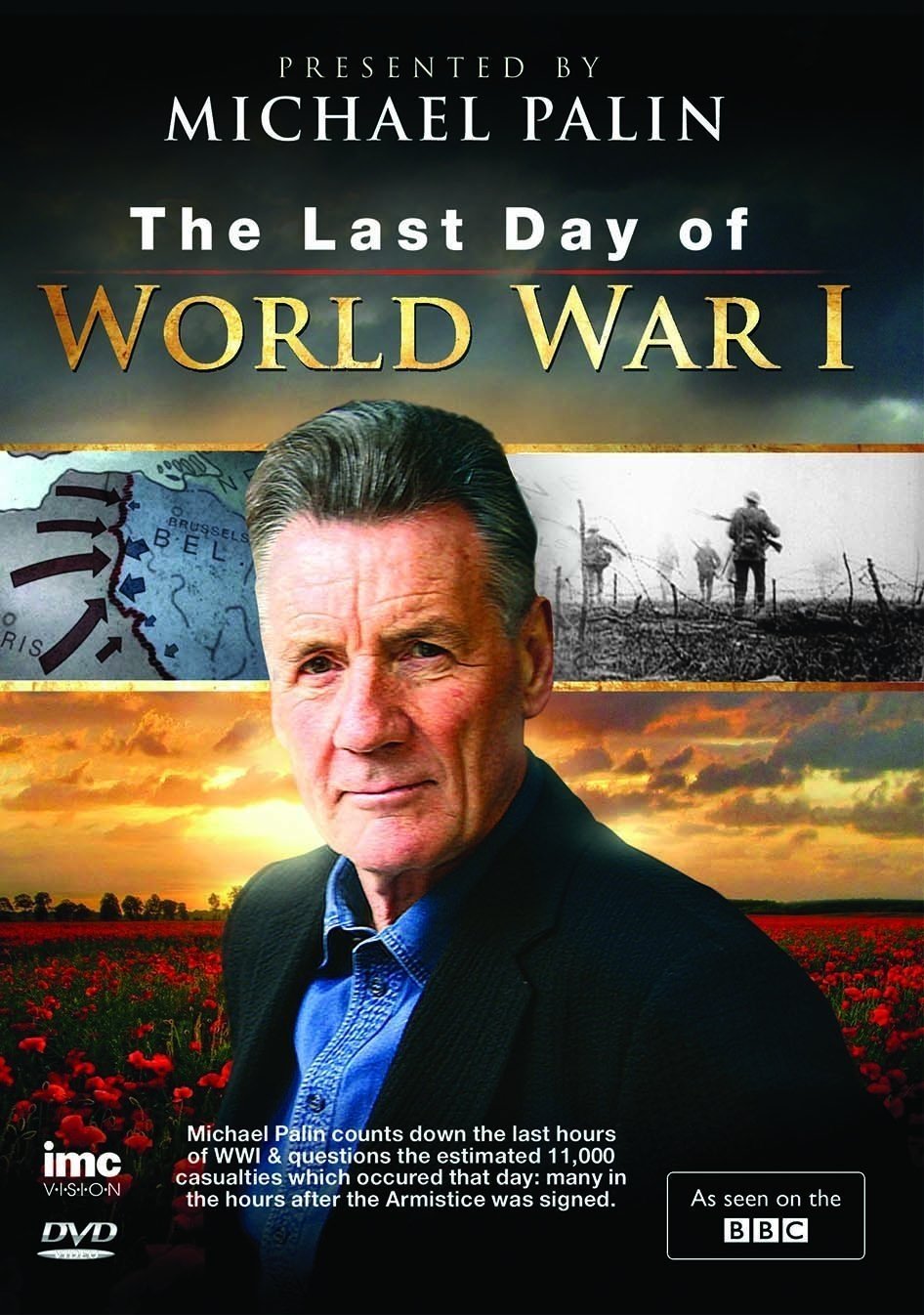
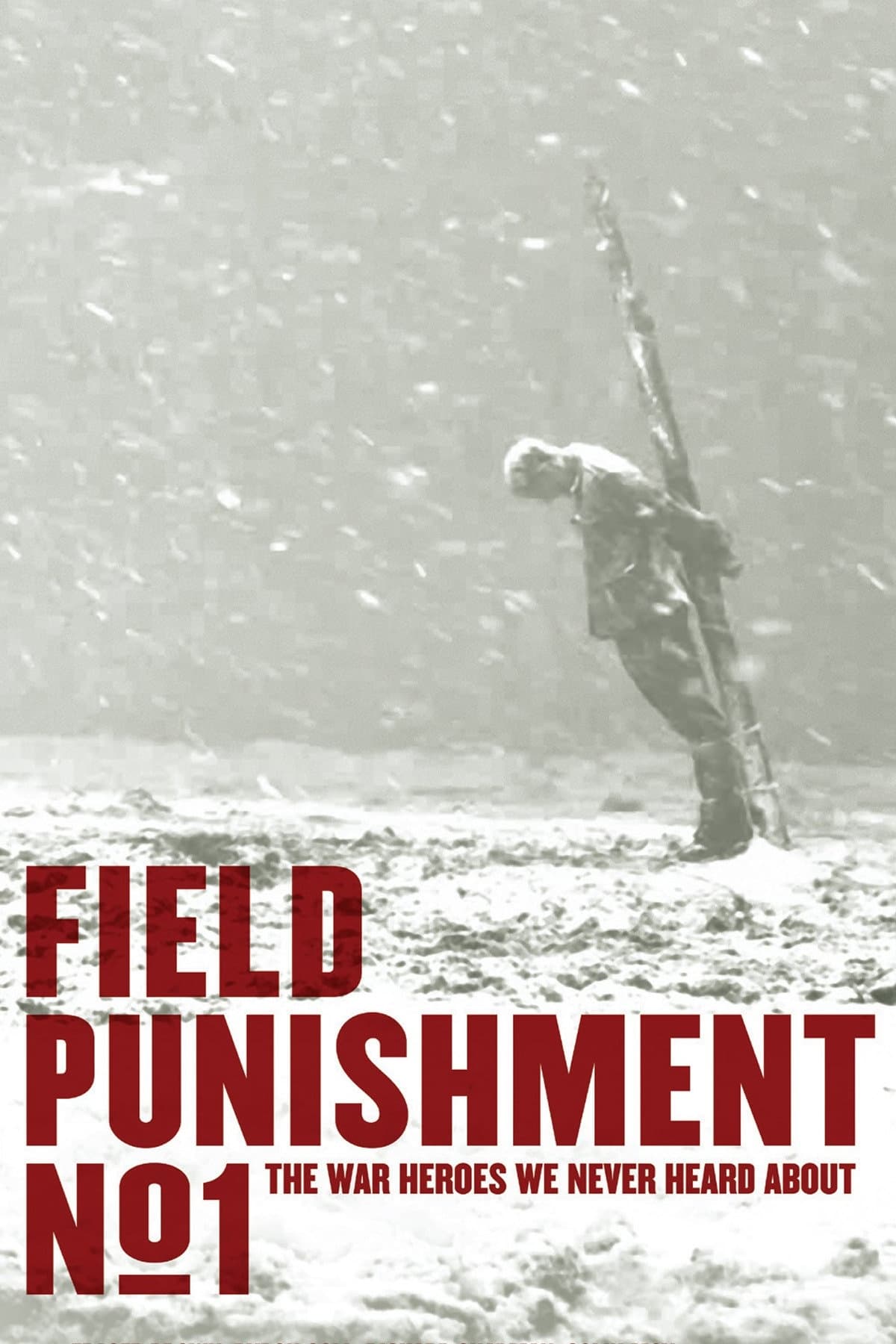
Telling the stories of the last soldiers to die in the Great War.
Social & External
Presenter
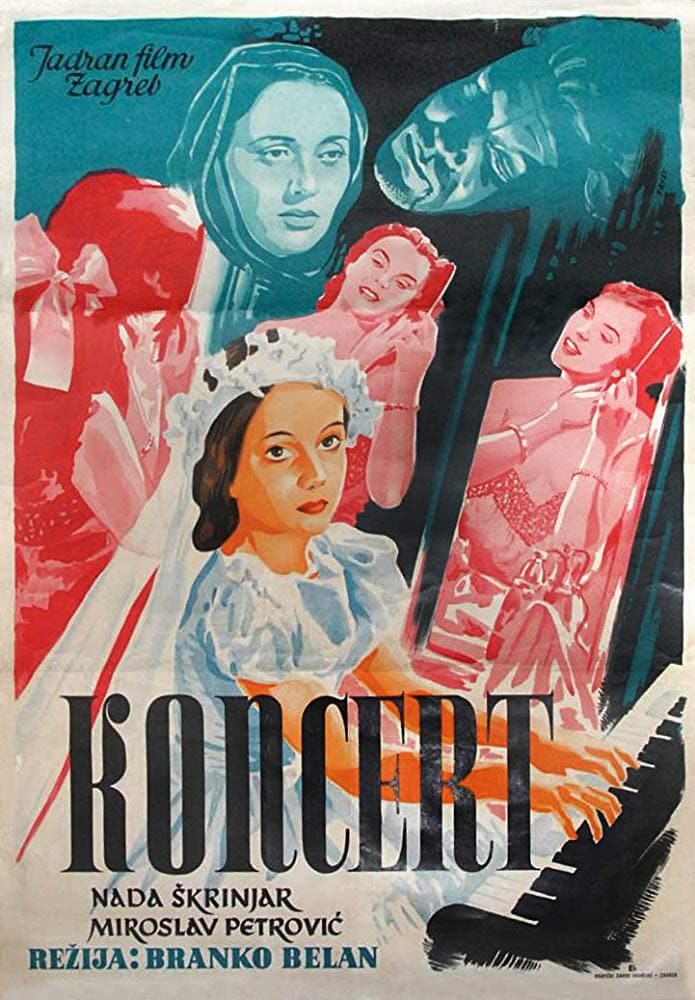
Celebrating the end of World War II and liberation of their city, a group of students is set on holding a cultural evening. They invite Ema, a reclusive piano teacher from the same building, to play for them. Ema declines, but starts reminscing back on her own life and the historical events that have seemingly overshadowed it.
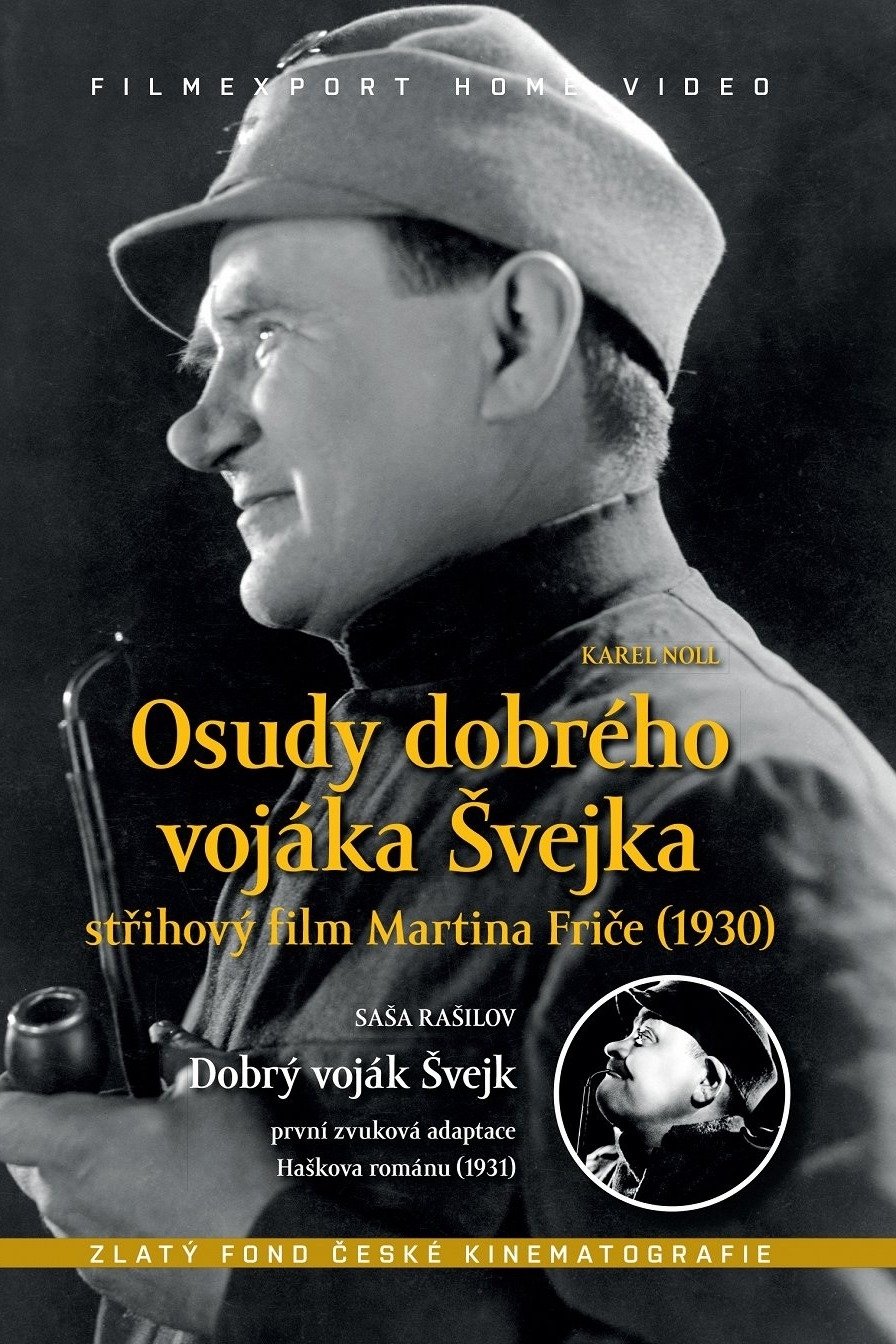
Joint montage of the first three silent films about Švejk: Good Soldier Švejk (1926, director: Karel Lamač), Švejk on the Front (1926, director Karel Lamač) and Švejk in Russian Captivity (1926, director: Svatopluk Innemann, model Karel Vaněk). The lead role was played by Karel Noll, who was very popular at the time. The last silent sequel Švejk v civilu (1927) exists independently, but the copy of the film is badly damaged.
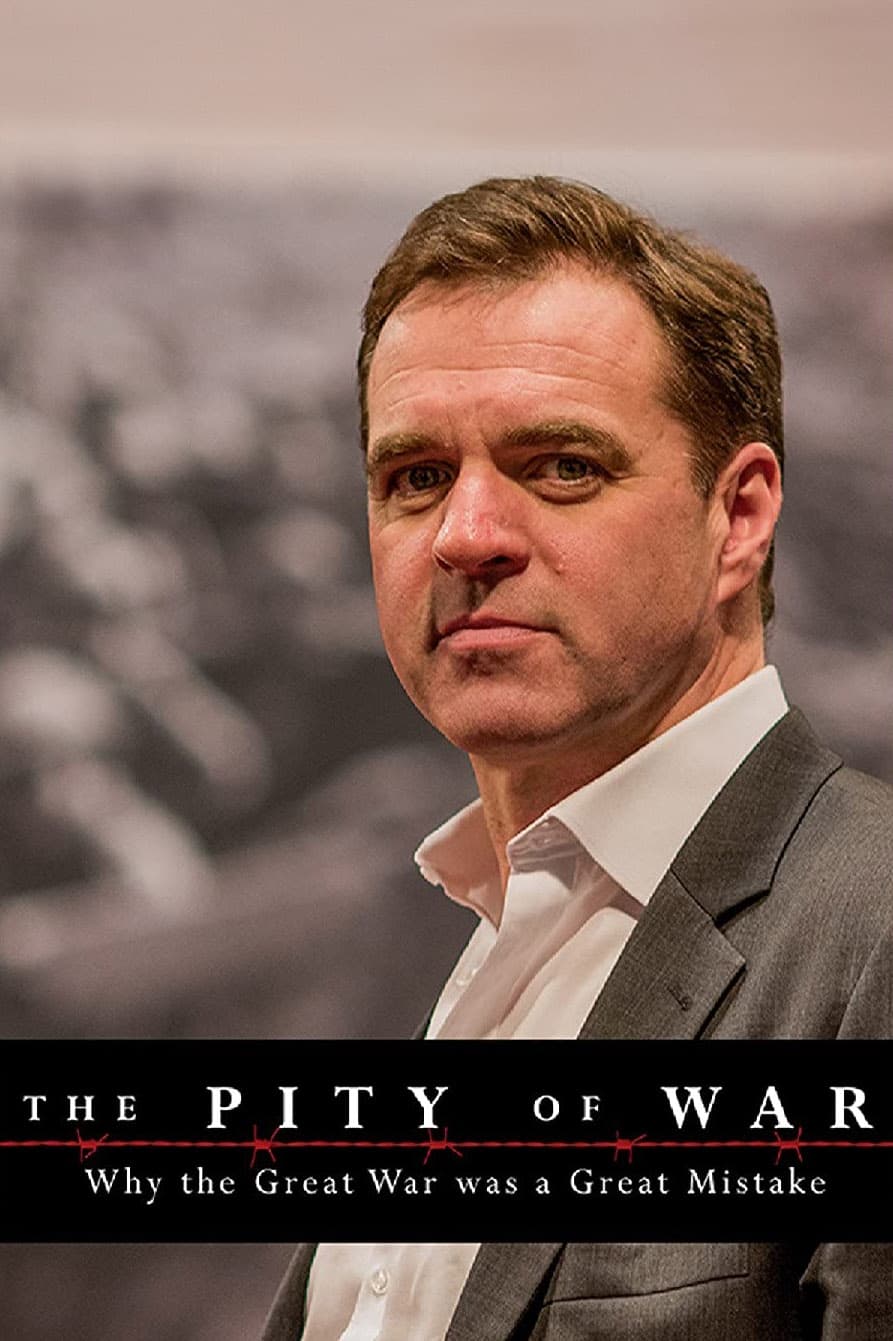
Professor Niall Ferguson argues that Britain's decision to enter the First World War was a catastrophic error that unleashed an era of totalitarianism and genocide.
A family suffers greatly during the First World War.
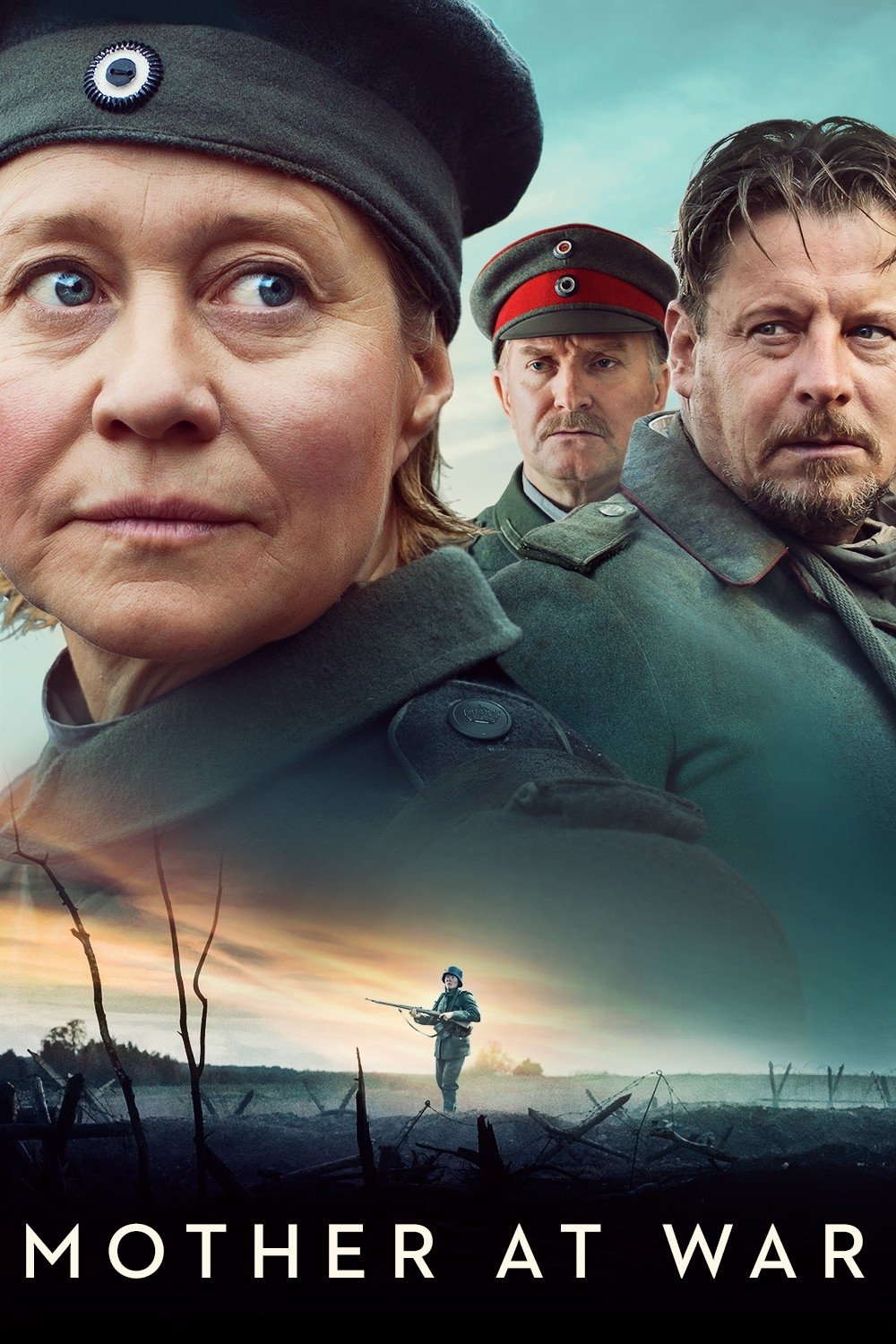
1918. World War I rages in Europe while Erna Jensen tends to her ordinary life at home in Bramstrup, with her simple-minded son, Kalle. One day the village constable comes to enlist Kalle for military service for the German Empire – of which Southern Jutland is a part. If Erna is to save Kalle from certain death, she must follow him through thick and thin. Upon a chance meeting with a deserting solder she trades identities. Now disguised as Private Julius Rasmussen, Erna heads for the front. In her encounters with the other soldiers and in the presence of the war, unknown sides of Erna are awoken. This is the story of a woman who won’t let a war prevent her from fighting for what she loves.
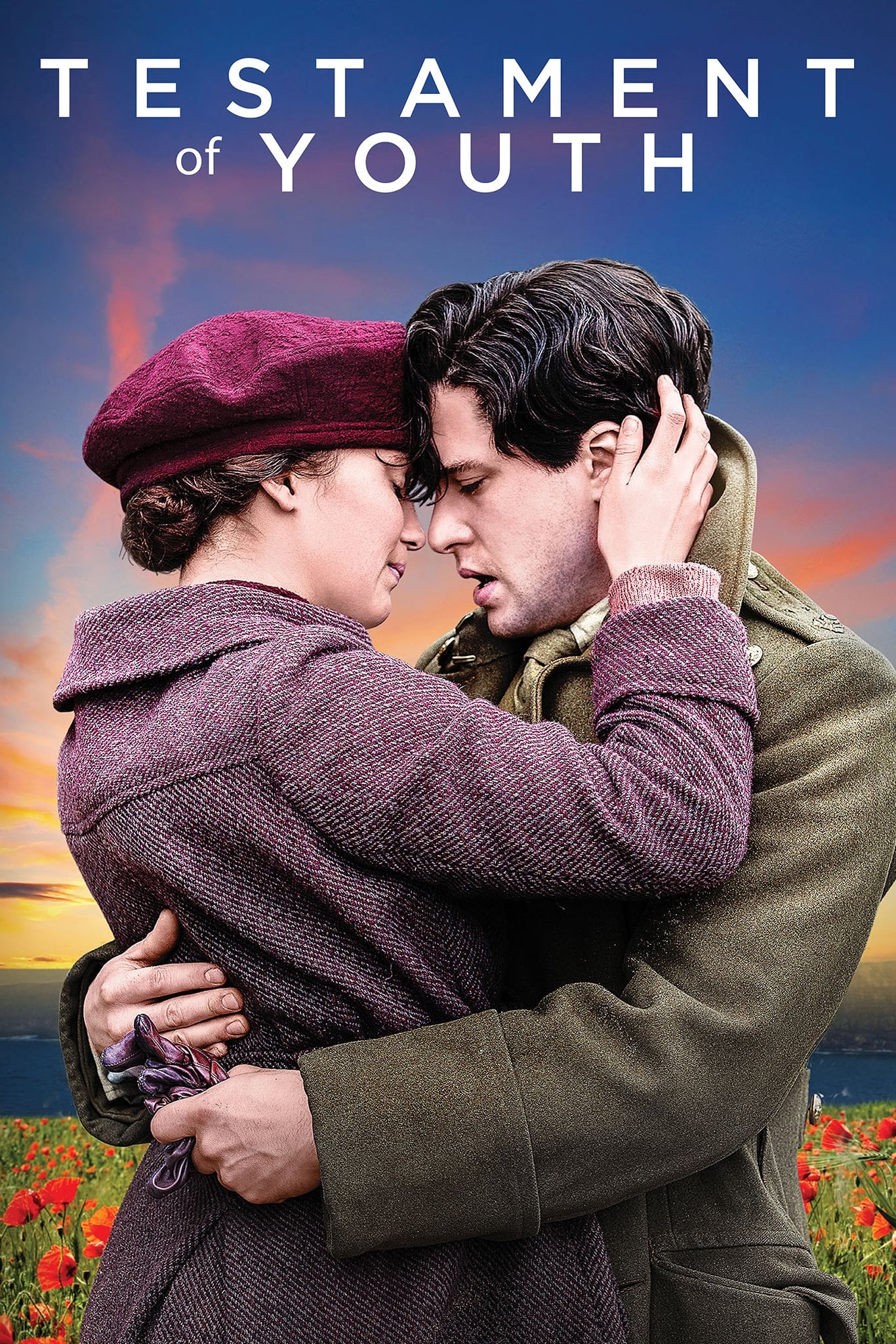
Testament of Youth is a powerful story of love, war and remembrance, based on the First World War memoir by Vera Brittain, which has become the classic testimony of that war from a woman’s point of view. A searing journey from youthful hopes and dreams to the edge of despair and back again, it’s a film about young love, the futility of war and how to make sense of the darkest times.
England, early 20th century. The future writer and philologist John Ronald Reuel Tolkien (1892-1973) and three of his schoolmates create a strong bond between them as they share the same passion for literature and art, a true fellowship that strengthens as they grow up, but the outbreak of World War I threatens to shatter it.
In 1916, the New Zealand Government secretly shipped 14 of the country's most outspoken conscientious objectors to the Western Front in an attempt to convert, silence, or quite possibly kill them. This is their story.
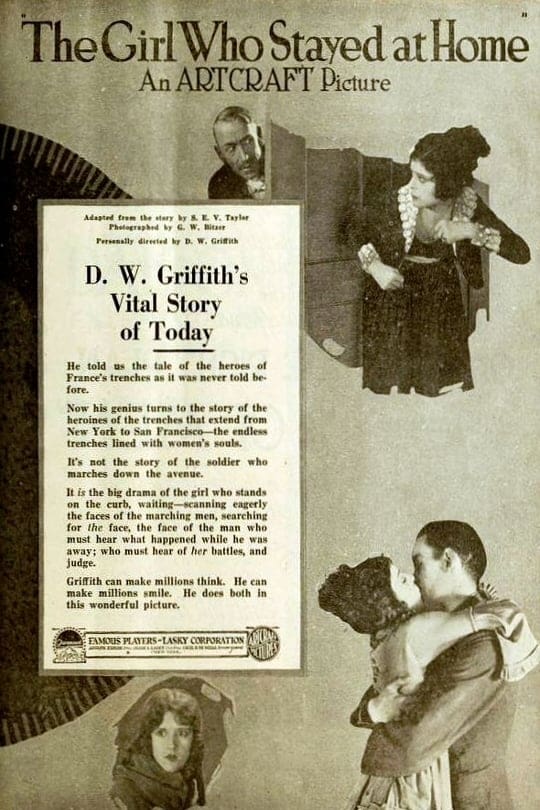
Four battle-weary American soldiers under fire reflect on the women they left behind.
Lieutenant Lukáš was transferred to the marching battalion in České Budějovice together with Švejko. On the way, Švejk makes Lukáš uncomfortable with a bald superior, a passenger in civilian clothes, and then because of pulling the handbrake, he is removed from the train and brought to the station master. The fine for Švejk will be paid by one lucky man, for whom Švejk's stopping of the train catapulted his beloved woman directly into his arms. Švejk goes to Budějovice on foot. His journey is full of humorous incidents. After arriving at the barracks, the regiment with Švejk and Lukáš is soon sent to Hungary, where Lukáš has an adventure with Mrs. Kakonyová. Eventually, the unit including Švejk arrives all the way to the Russian front. (According to the period label.)
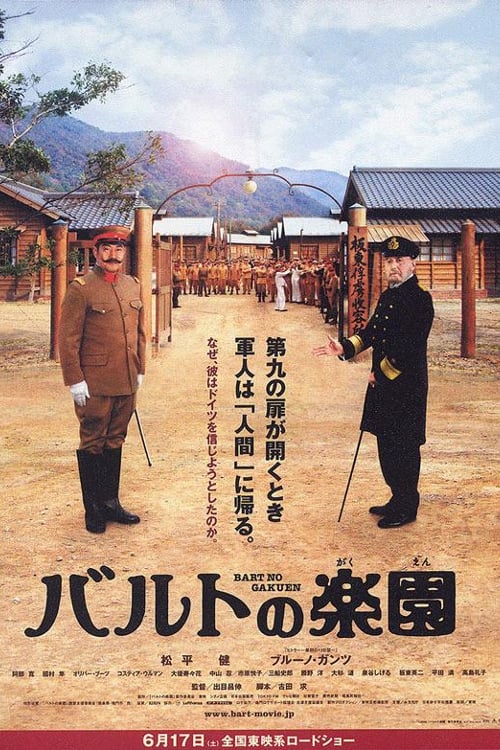
Based on the true story of the Bandō prisoner-of-war camp in World War I. It depicts the friendship of the German POWs with the director of the camp and local residents at the stage of Naruto, Tokushima Prefecture, in Japan.
The film focuses on the naval warfare around the Battle of Coronel and Battle of the Falkland Islands during the First World War. It was the last in a successful series of documentary reconstructions of First World War battles by British Instructional Films made between 1921 and 1927.
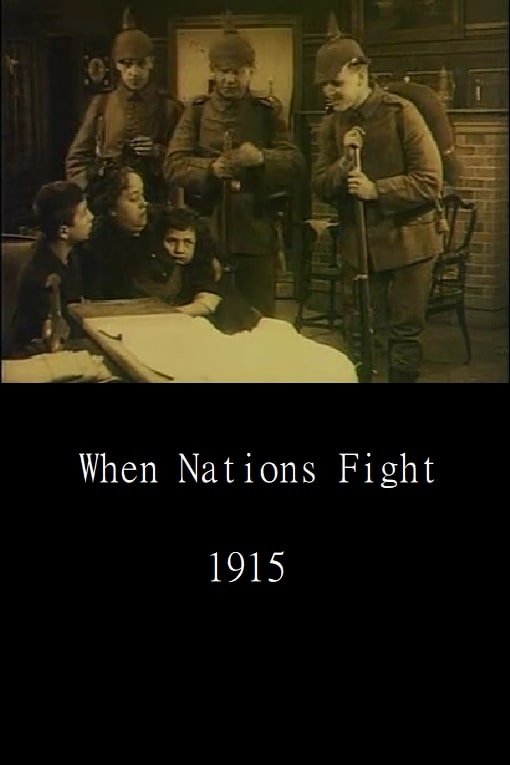
Propaganda film released in 1915.
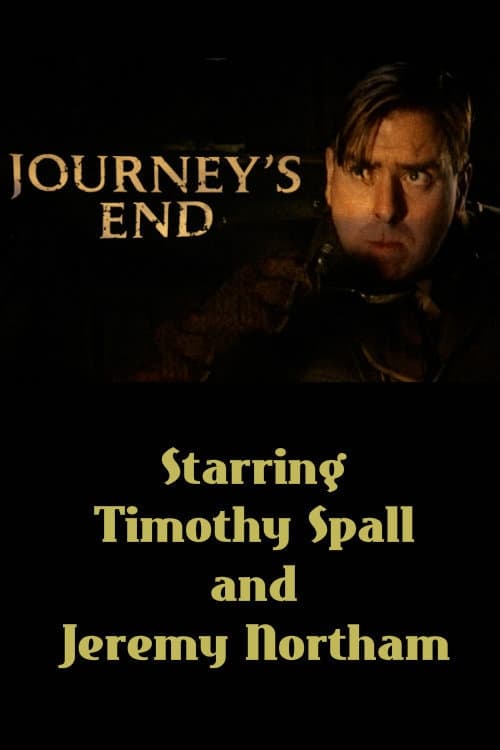
A British Company in the WWI trenches await an inevitable German attack in this 1988 adaptation of R.C. Sherriff's play.
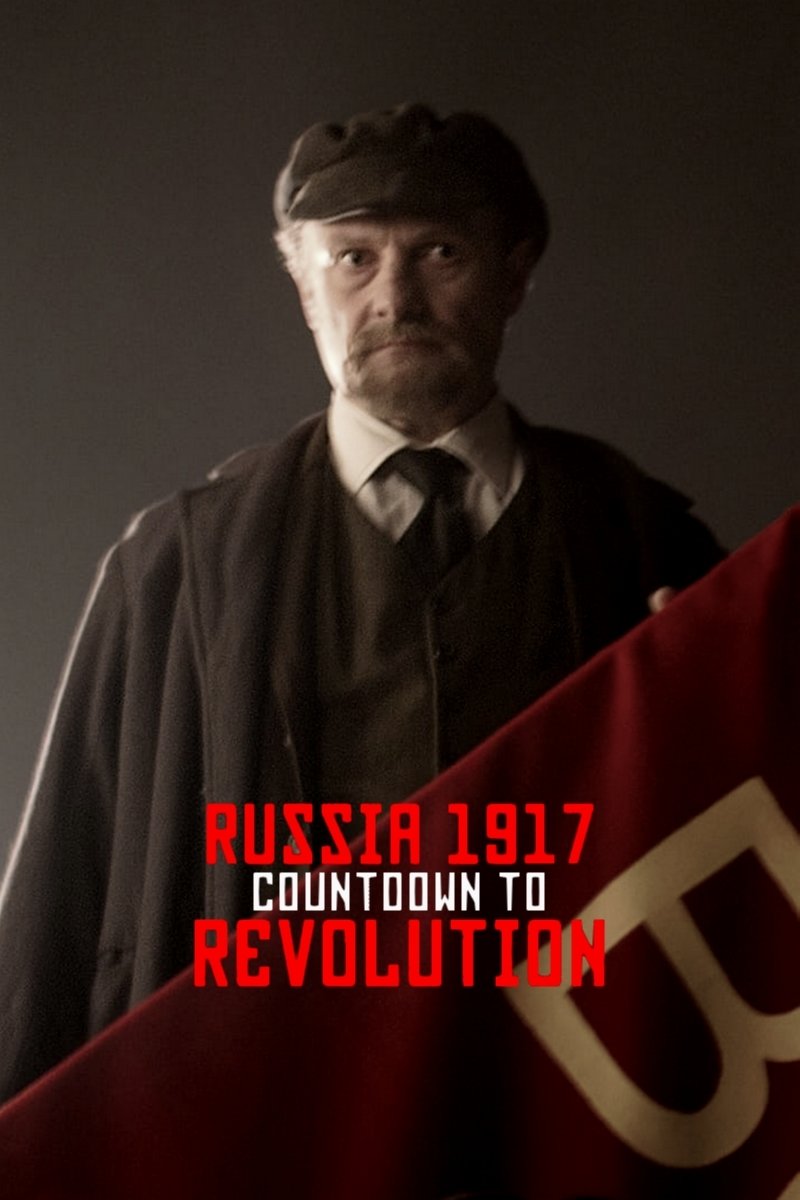
Russia, 1917. After the abdication of Czar Nicholas II Romanov, the struggle for power confronts allies, enemies, factions and ideas; a ruthless battle between democracy and authoritarianism that will end with the takeover of the government by Vladimir Lenin and the Bolsheviks.
The Western Front, 1916. During a night-time raid on a deserted German trench, the fates of four British soldiers collide.
A teenage soldier in World War I—a simple village boy with a naive youthful dream of fame and medals—throws himself into the unknown and goes blind in the first battle, thus taking on a new job: intercepting enemy planes by listening to the air through huge metal funnels.
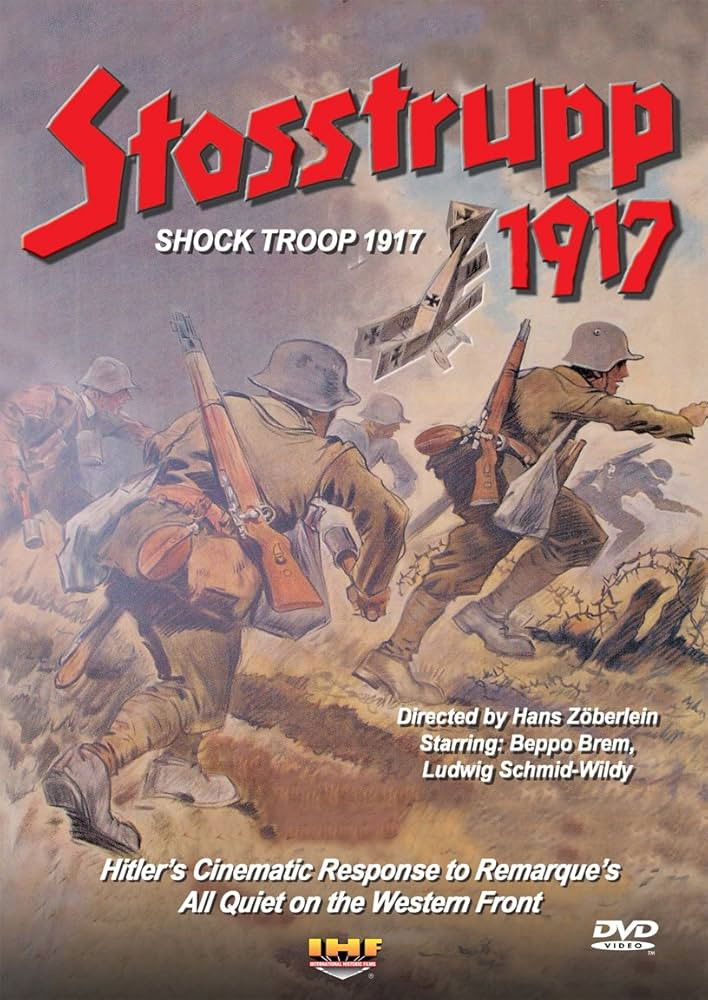
This powerful anti-war film statement focuses on the plight of a German unit in World War I that finds itself surrounded by British and French forces.
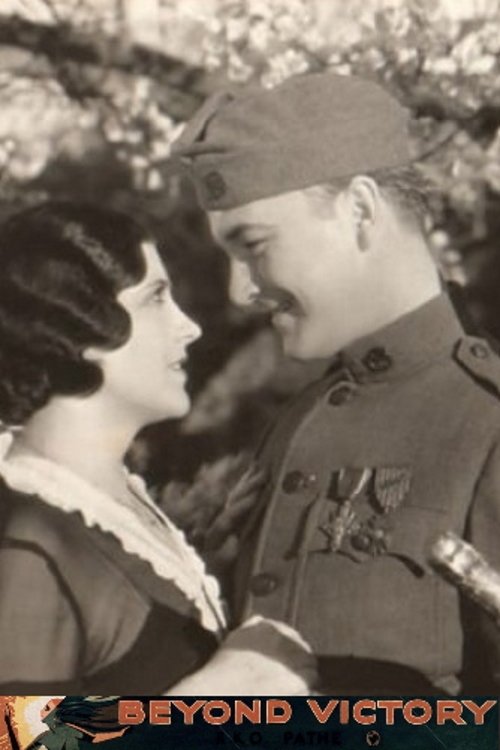
Ralph visits France with his father, a shipbuilder, and falls in love with Blossom, the granddaughter of his father's friend, a Civil war veteran not reconciled with the Union. Blossom, however, is engaged to a French nobleman. When the war breaks out, Ralph enlists, while his brother Jim, a heartbreaker, is drafted.