Social & External
Sprecher
Evolutionary biologist Professor Armand Leroi believes data science can transform the pop world. He gathers a team of scientists and researchers to analyse over 50 years of UK chart music. Can algorithms find the secret to pop success? When the results are in, Armand teams up with hit producer Trevor Horn. Using machine-learning techniques, Armand and Trevor try to take a song by unsigned artist Nike Jemiyo and turn it into a potential chart-topper.
Cannabis is the world's favourite drug, but also one of the least understood. Can cannabis cause schizophrenia? Is it addictive? Can it lead you on to harder drugs? Or is it simply a herb, an undervalued medicine? Addiction specialist Dr John Marsden discovers that modern science is finally beginning to find answers to these questions. John traces the cannabis plants' birthplace in Kazakhstan; finds the origins of our sensitivity to cannabis in the simple sea squirt; and shows just what it does to our brains. He meets people who have been changed by this drug in drastically different ways - from those whose lives have been shattered to those who lives have been revived.
Unmasks fraudulent cover-ups, wild speculations, and deceitful myths that have been presented as the absolute "facts" of evolution. Should evolutionism, the foundational faith of eastern mystical thought, be taught in schools as science, when Creationism, the foundational belief of Judeo-Christianity, has been expelled?
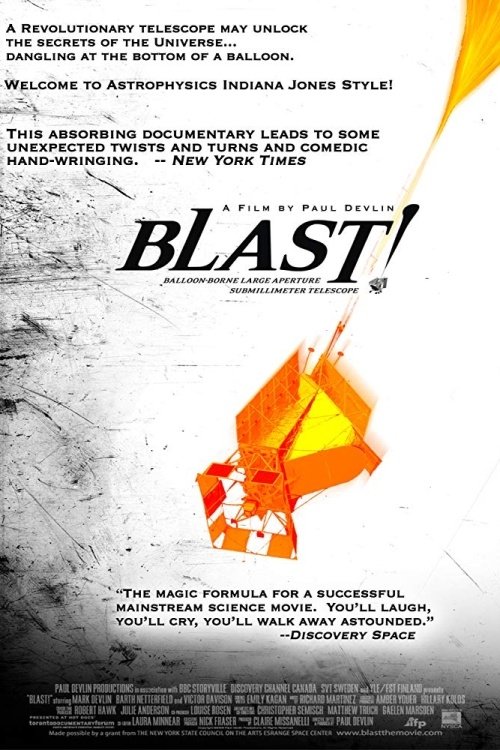
With extraordinary access, BLAST exposes a world of risky, hardcore, scientific adventure. The story follows an international team of astrophysicists trying to launch a multi-million dollar telescope on a NASA high-altitude balloon. Their journey to discover thousands of early galaxies takes them from the Arctic to the Antarctic. Revealing frustrations, inevitable failures and ultimate triumph, BLAST puts a human face on the quest to answer our most basic question - How did we get here?
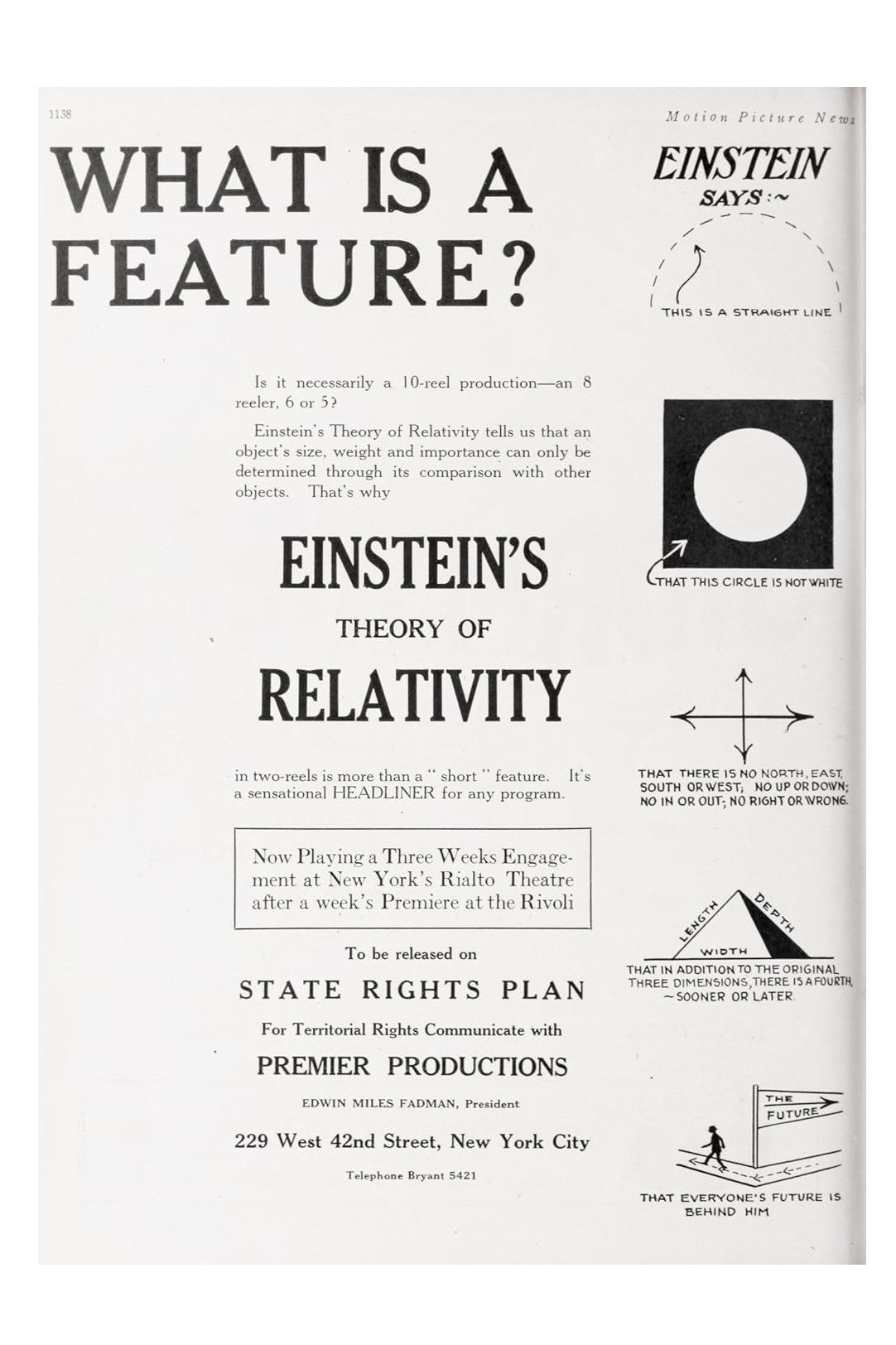
"The Einstein Theory of Relativity" is the short version (587 m) of the lost American long version (1219 m) of Hanns Walter Kornblum's original German feature "Die Grundlagen der Einsteinschen Relativitäts-Theorie" from 1922 that is also lost.
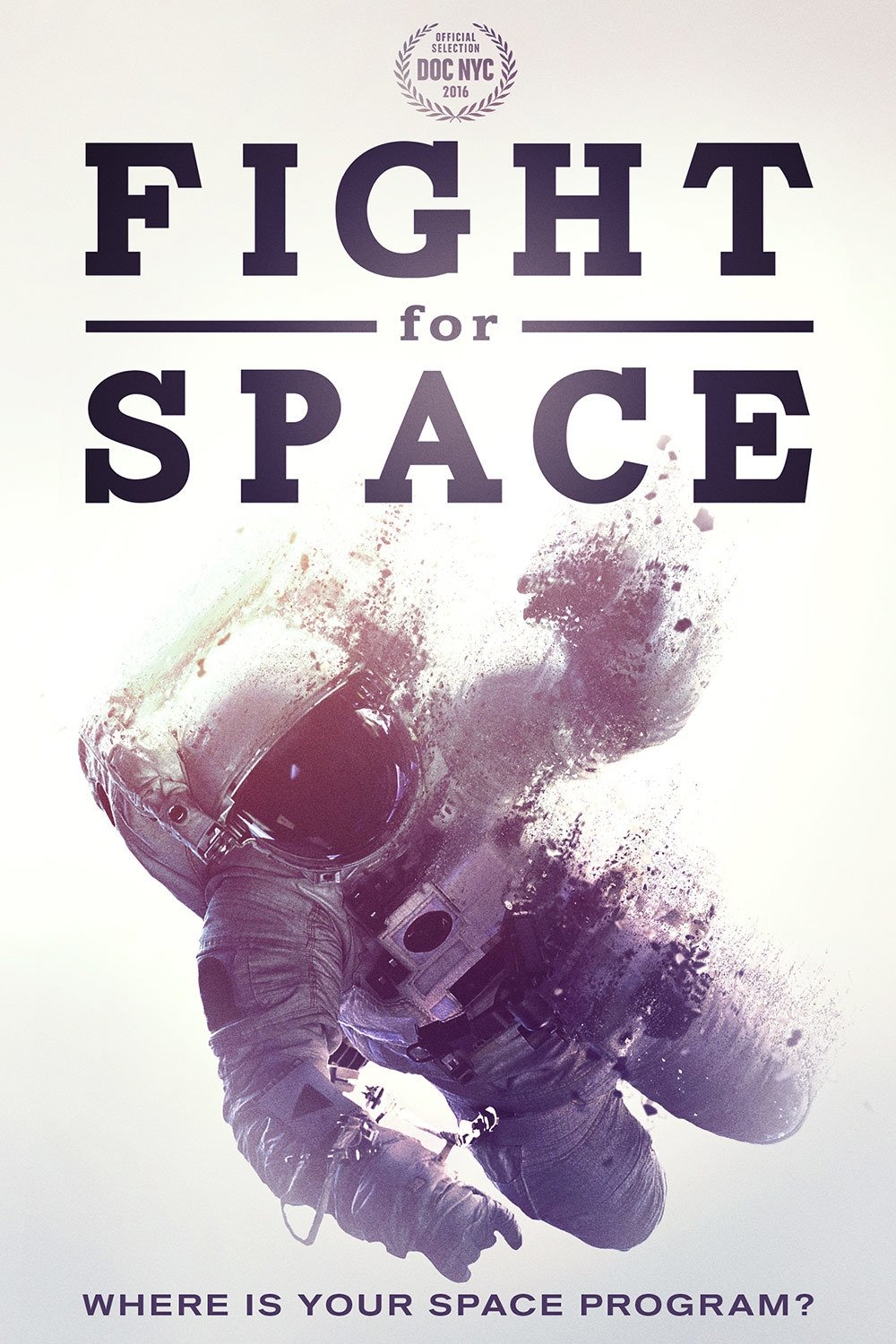
In 1962, spurred by the Cold War, President John F. Kennedy famously made the bold proclamation that NASA would send astronauts to the moon by the end of the decade, not because it was easy, but because it was a challenge. The Space Race inspired a generation to pursue careers in science and technology, but as the balance of world power shifted, interest in space exploration declined. "Fight for Space" serves as an urgent call to re-awaken our sense of wonder and discovery.
As society tackles the problem of feeding our expanding population safely and sustainably, a schism has arisen between scientists and consumers, motivated by fear and distrust. Food Evolution, narrated by Neil deGrasse Tyson, explores the polarized debate surrounding GMOs. Looking at the real-world application of food science in the past and present, the film argues for sound science and open-mindedness in a culture that increasingly shows resistance to both.
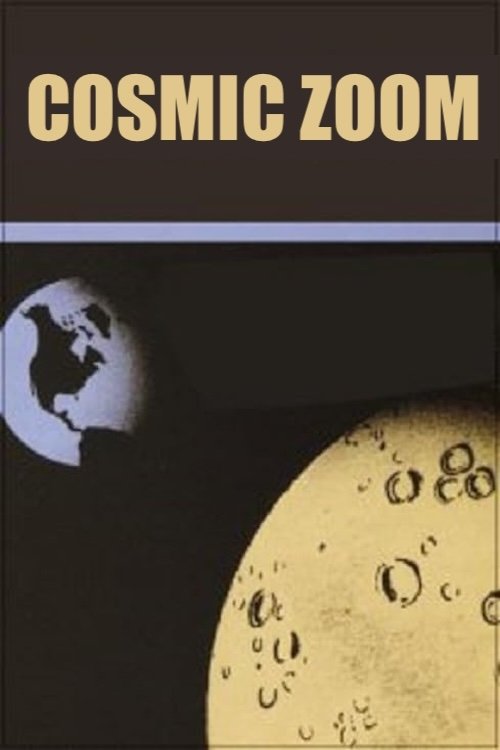
This short animation transports us from the farthest conceivable point of the universe to the tiniest particle of existence, an atom of a living human cell. The art of animation and animation camera achieve this exhilarating journey with a freshness and clarity. Without words.
A psychedelic documentary of the body electric, with music by Pink Floyd. The film was directed and produced by Roy Battersby. The film's narrators, Frank Finlay and Vanessa Redgrave, provide commentary that combines the knowledge of human biologists and anatomical experts. The film's soundtrack, Music from the Body, was composed by Ron Geesin and Roger Waters.
A series of demonstrations that illustrate some of the scientific principles involved in magnetism.
In Astronomy Part 2, you will learn all about the planets, asteroids, comets, meteoroids, the layers of the sun, fusion, and more. The Standard Deviants make learning astronomy easier with their unique teaching style, which incorporates humor, mnemonics, and sophisticated computer graphics.
This series also covers the essential concepts of astronomy: gravity, the light spectrum, Earth's magnetic field, the solar system, the sun, Kepler's Law, the universal law of gravitation, the Doppler Effect, and much more!
Physics is a system of models of nature according to which all phenomena are explained in terms of matter and force. Sound confusing? It doesn't have to be! Whether you need help with high school physics, need to review for a college physics class, or you're studying for the AP Physics Exam, this physics tutorial will help you understand the basics, such as Newton's Laws, the Law of Universal Gravitation, Kepler's Law and more.
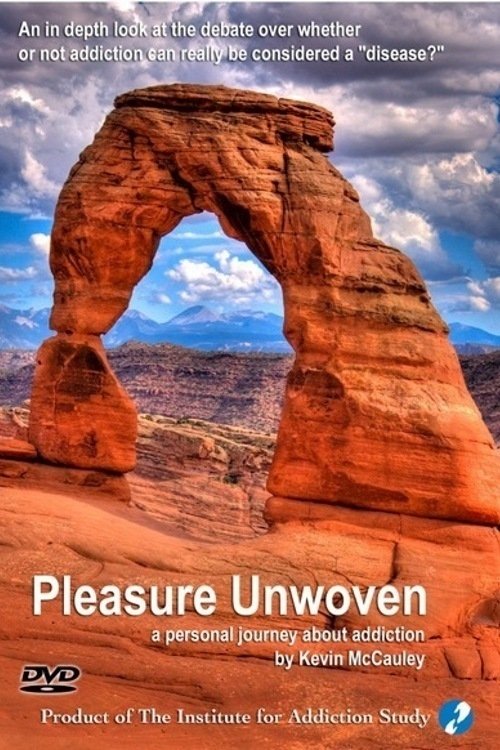
In this high definition video essay, Kevin McCauley explores the arguments for and against this vital debate, reviewing the latest newuroscientific research about addiction along the way.Using the spectacular landscape of Utah's State and National Parks to describe the brain areas involved in addiction, Dr. McCauley turns complex neuroscientific concepts into easy-to-understand visual images that will help people in covery feel better understood, and their families and friends feel hope that recovery is possible.
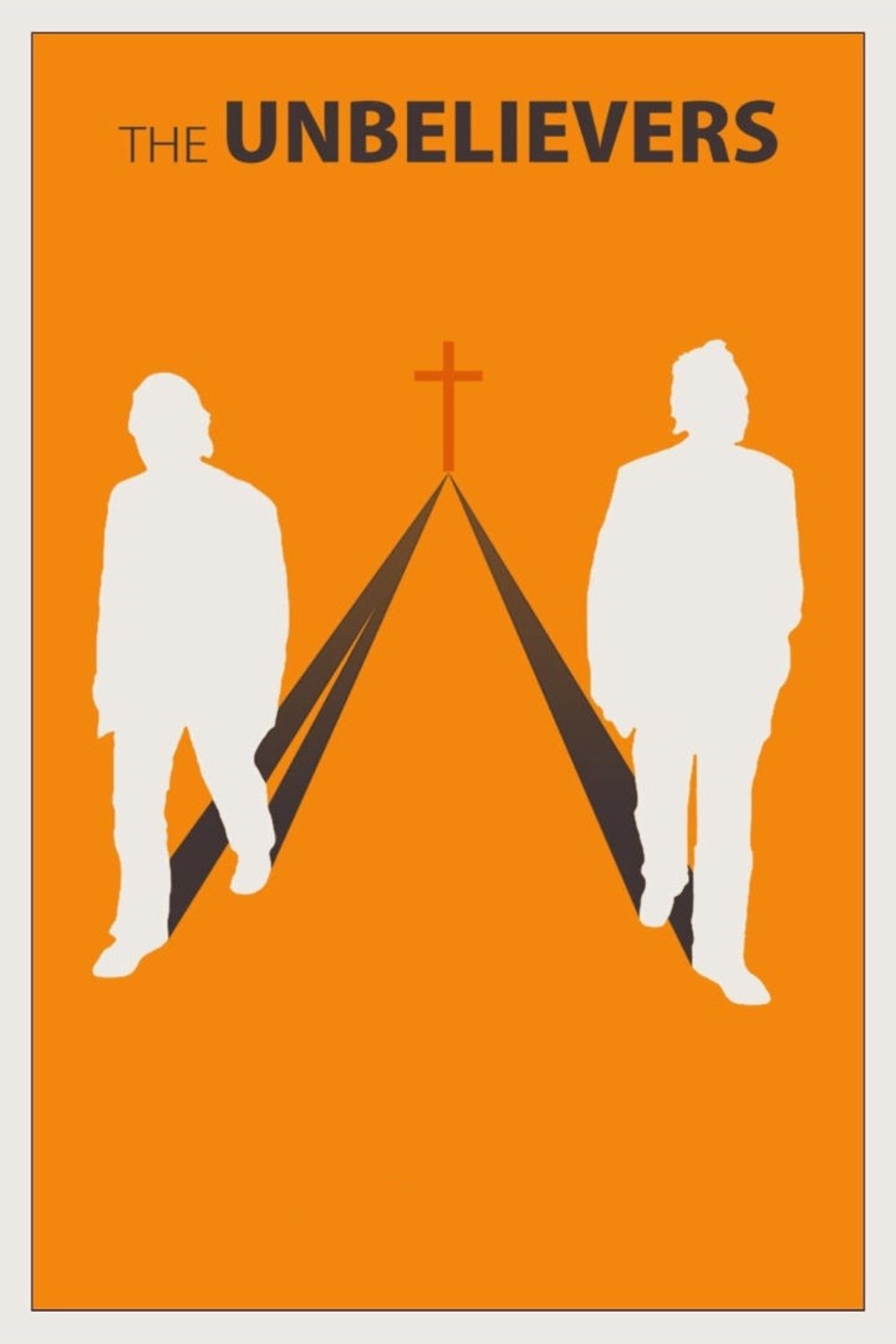
Scientists Richard Dawkins and Lawrence Krauss travel the globe promoting a scientific worldview and the rational questioning of religious belief.
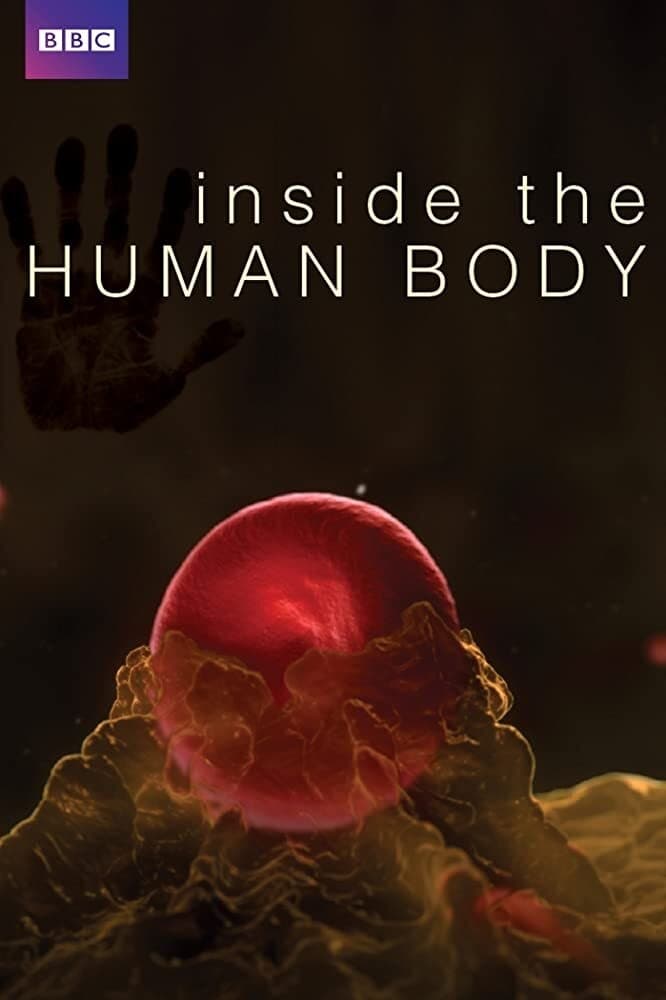
Using spectacular graphics based on the latest science and stories of remarkable people around the world, Michael Mosley takes us on a fantastic voyage through our inner universe.
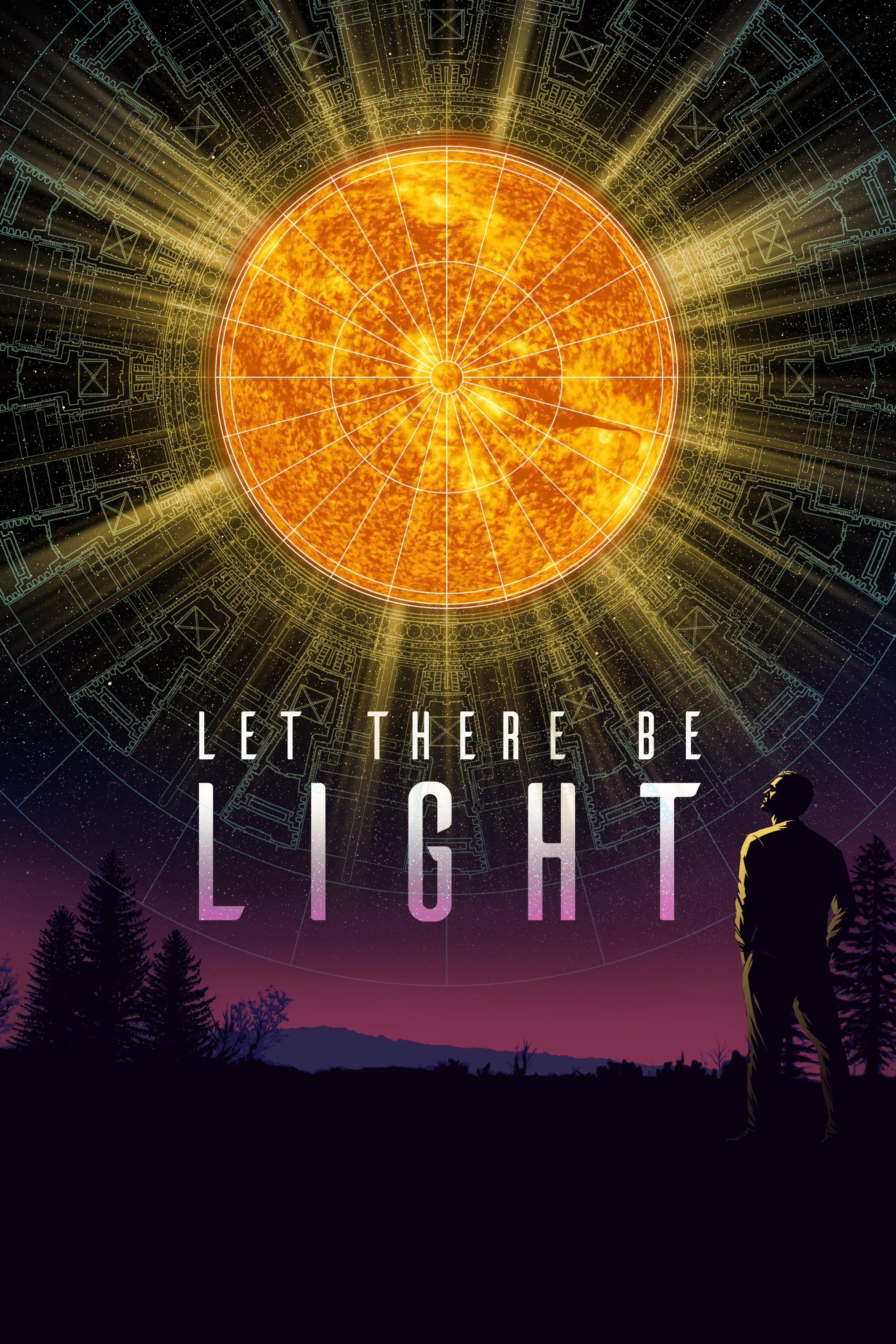
Let There Be Light follows the story of dedicated scientists working to build a small sun on Earth, which would unleash perpetual, cheap, clean energy for mankind. After decades of failed attempts, a massive push is now underway to crack the holy grail of energy.
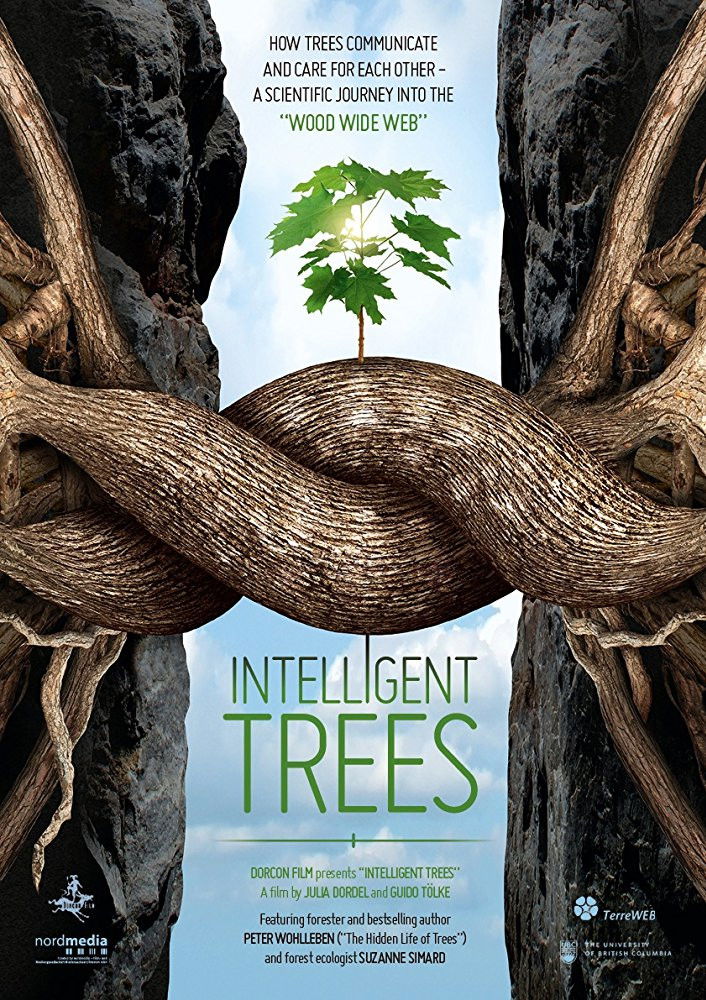
Trees talk, know family ties and care for their young? Is this too fantastic to be true? German forester Peter Wohlleben and scientist Suzanne Simard have been observing and investigating the communication between trees over decades. And their findings are most astounding.
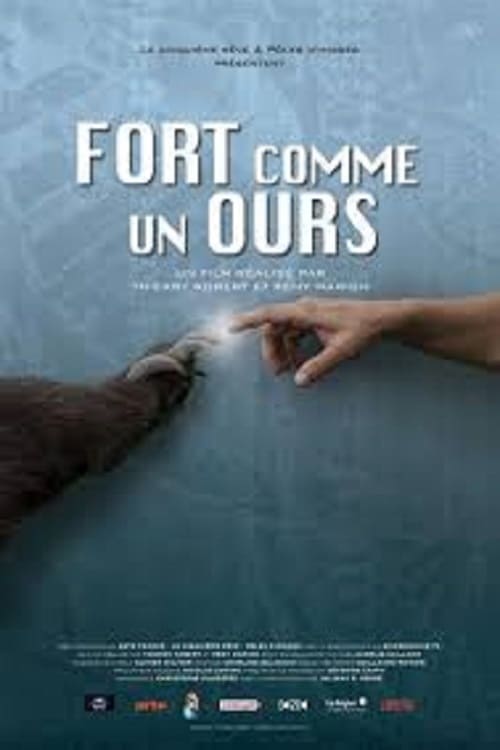
Bears and the hitherto unexplained mechanisms of their organism (such as hibernation) are the focus of medical research. As humans and bears are genetically very similar, scientists hope that more detailed research will lead to a breakthrough in the fight against widespread ailments. Can human medicine really learn from bears?
"Though not given a New York showing until 1935, V. I. Pudovkin's Mechanics of the Brain (Mekhanika Golovnovo Mozga) was written and directed by Pudovkin in 1926. A full year in the making, this scientific documentary concentrates on the behavioral studies conducted by Prof. Ivan Pavlov. The laboratory dogs used in Pavlov's research don't seem too happy about it, and as a result this film might be hard to take for the more sensitive viewers (the vivisection sequence is particularly rough). The progress of the research is detailed with charts and graphs, hardly the "cinematic" touches one might expect from Pudovkin. Interestingly, Mechanics of the Brains was released two years before the results of Pavlov's studies were printed in book form."