Social & External
The people behind it
A bus stop on an industrial highway in New Jersey becomes the focus of a timely and intimate examination of marginalized lives in America. 'The #1 Bus Chronicles' interweaves portraits of the lives, pursuits, trials, and dreams of the riders of New Jersey Transit's #1 bus line, taking us into their workplaces, homes, and day-to-day lives.
Four older gay couples discuss their relationships, civil partnerships and their views on multiple topics such as spirituality, religion, love, gay rights, etc.
With over two hours of footage covering the band's 10 year history, "All Access" provides an insightful and entertaining glimpse into their rise to stardom. It includes never-before-seen historical footage from the band's personal archives, as well as backstage footage, live performances, and unforgettable music videos.
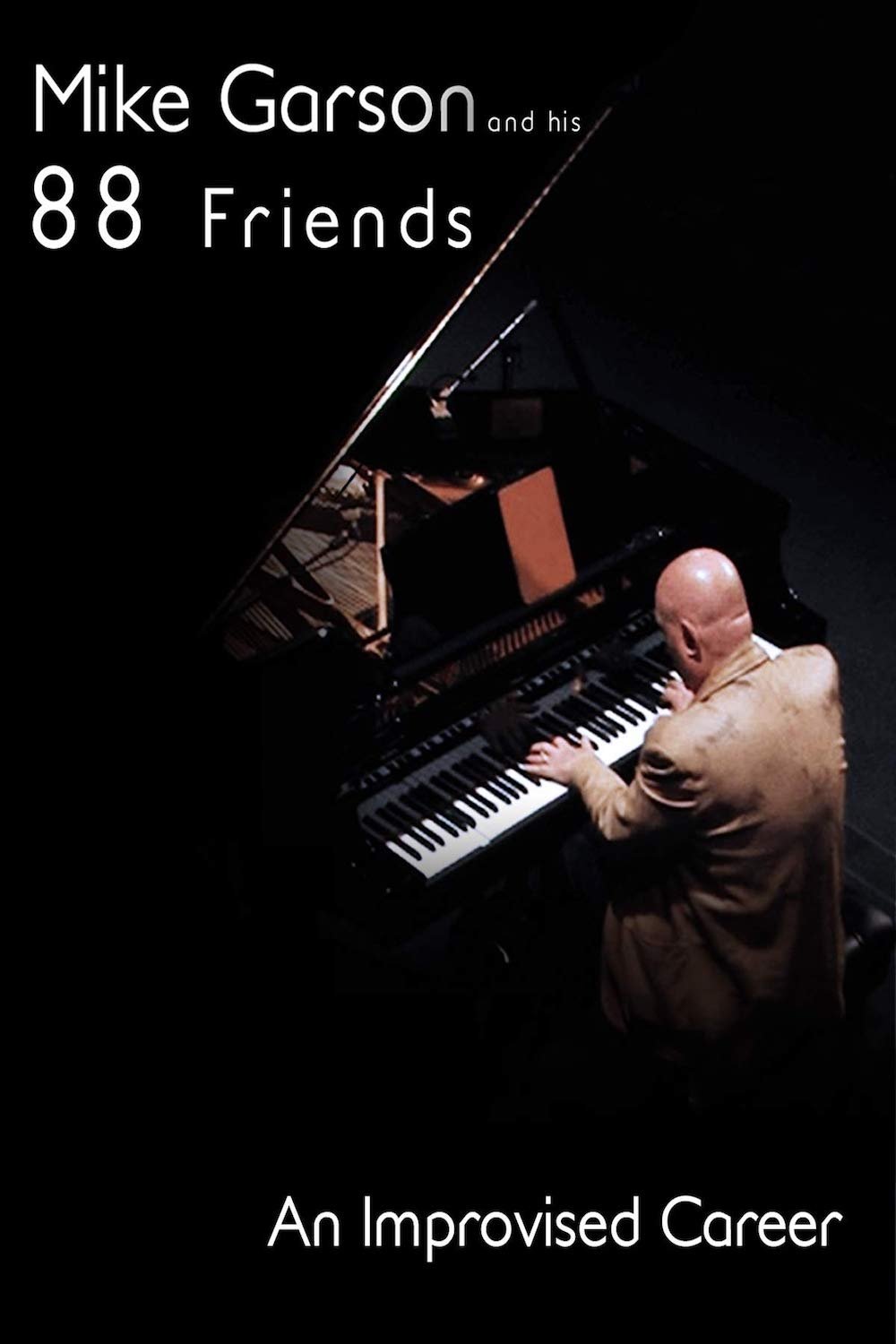
An intimate documentary portrait of world-class improvisational and traditional pianist Mike Garson as he tours, performs, and teaches.
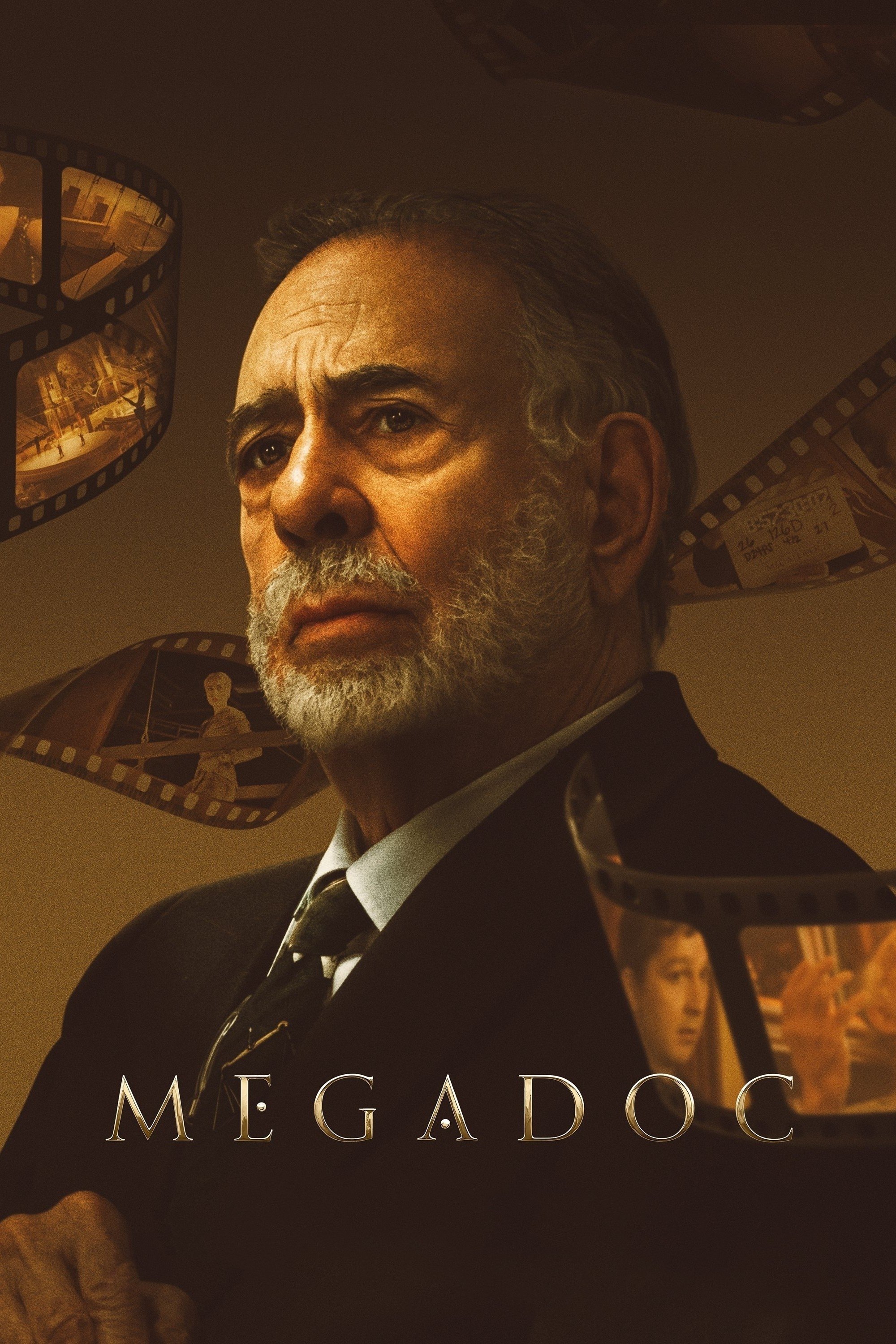
Presenting a behind-the-scenes account of a visionary at work. From Oscar-nominated Mike Figgis, Megadoc gives audiences an unfiltered and intimate look at the making of Francis Ford Coppola’s epic sci-fi drama Megalopolis.
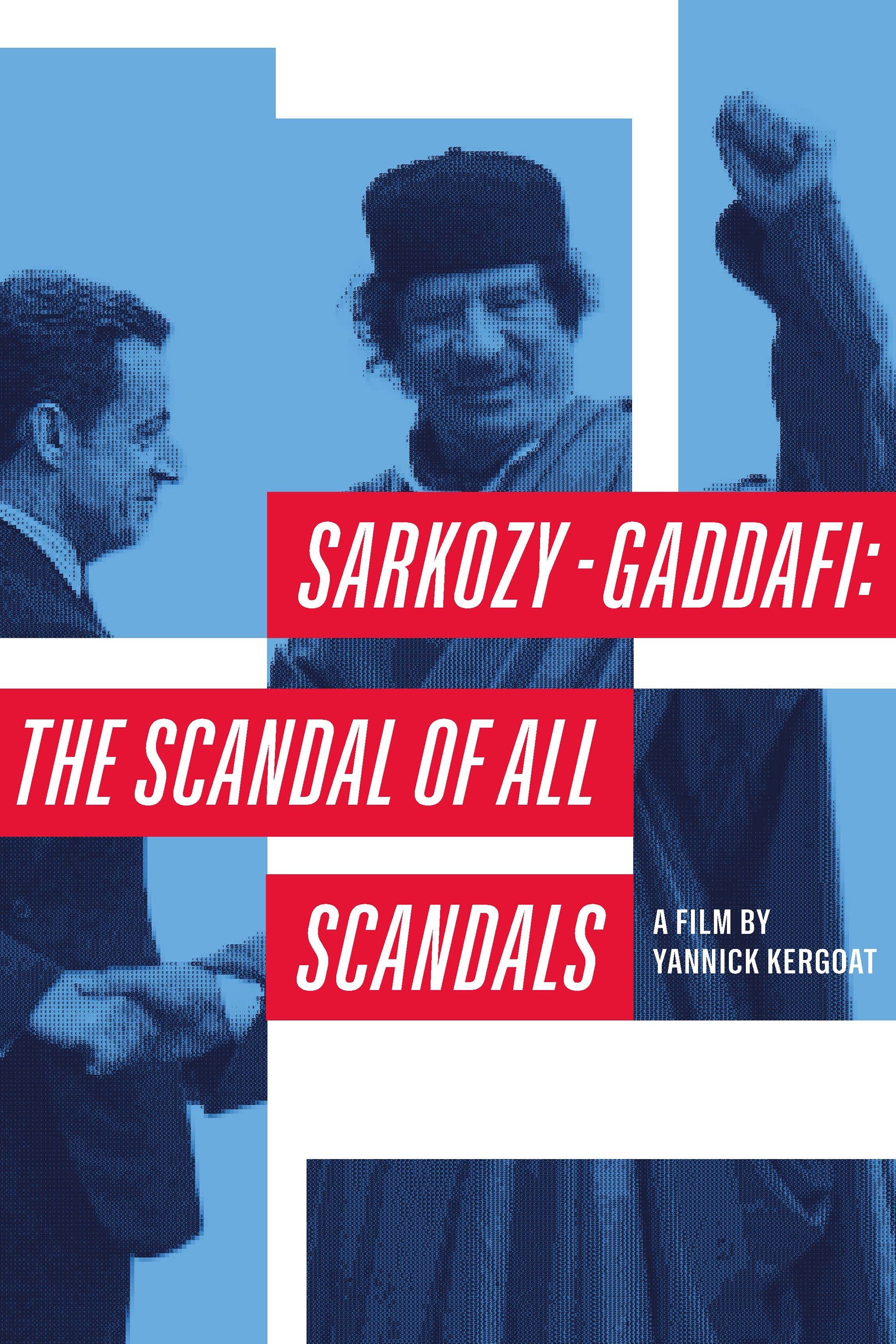
A democracy and a dictatorship. A presidential campaign and dirty money. War and death. When Nicolas Sarkozy affirmed in the press that “No one can make sense of it”, he was trying to discredit the investigation into his ties with Muammar Gaddafi, portraying it as a bunch of gibberish. As Sarkozy and his many accomplices go on trial in the Libyan campaign financing affair, here’s the film that will finally explain all of the ins and outs of one of the most remarkable French political scandals in decades.
Martin Bashir conducts a rare interview with Michael Jackson and is given unprecedented access to the reclusive performer's private life over a span of eight months, from May 2002 to January 2003.
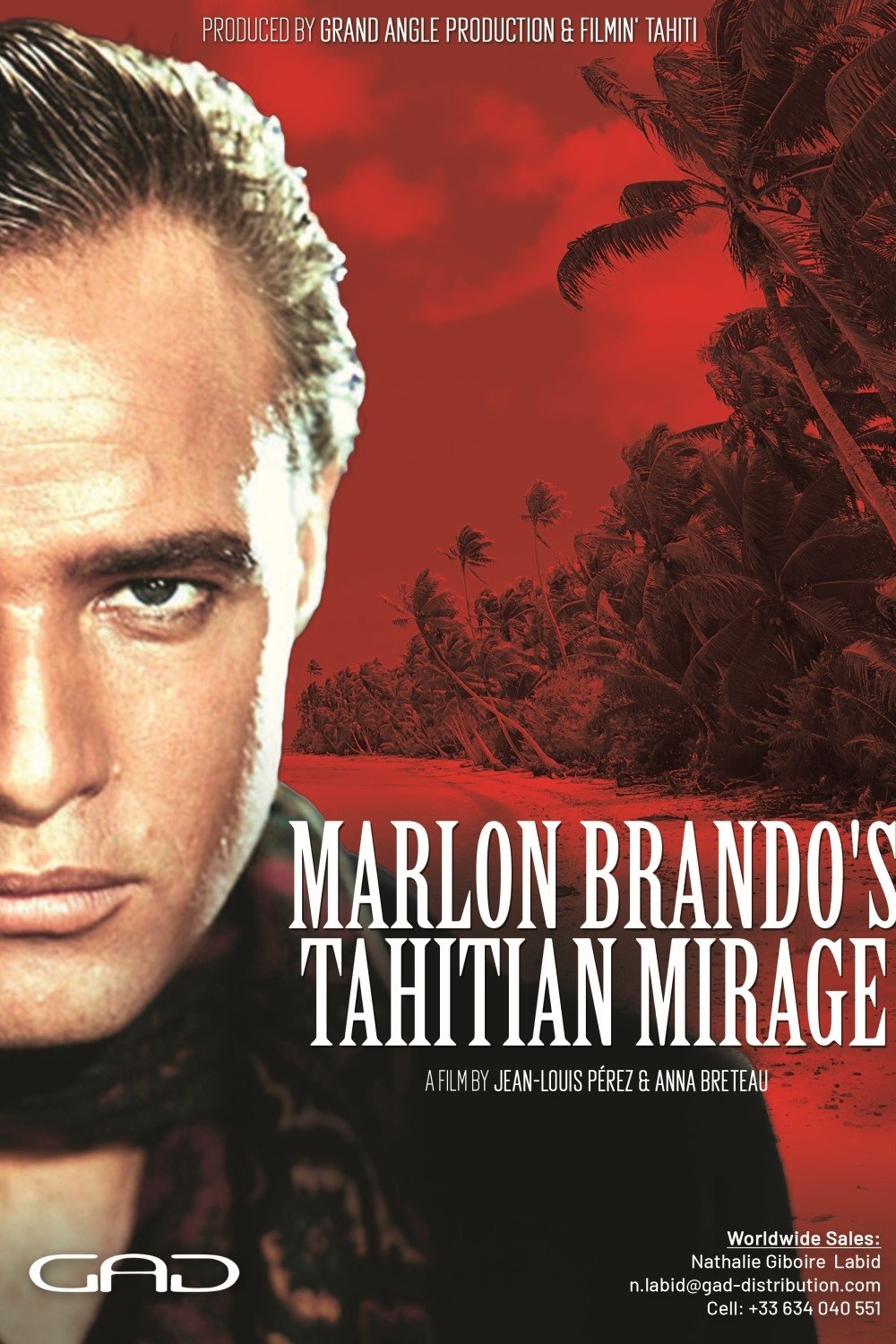
Marlon Brando is best known for his successful films and two Oscars. But his link with French Polynesia, where the actor lived for nearly thirty years, remains largely unexplored. For Brando, a complex and tortured character, known for being unmanageable on film sets and even sometimes obnoxious, escaped throughout his life to a small hidden island at the end of the world. By settling in Tahiti, Brando thought he could rid himself of his anguish and turpitude. But Polynesia, with its paradise-like landscapes, gentle way of life and distinctive culture, was in reality nothing more than a mirage of an idealised, peaceful existence that the star never managed to achieve.
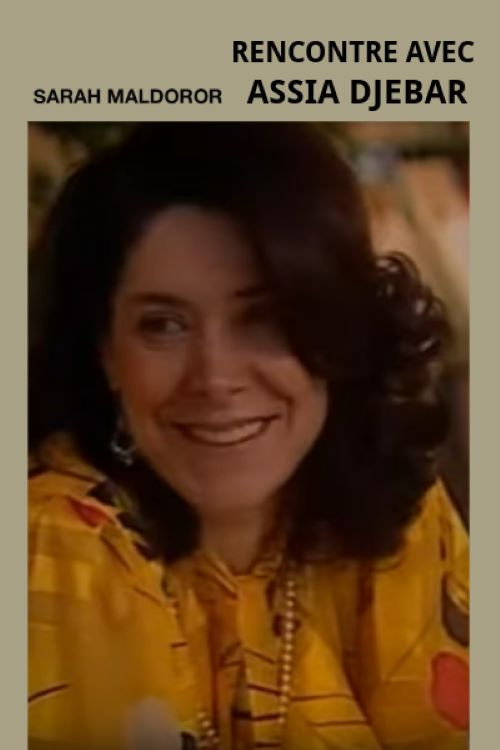
For the France 3 show, Mosaïque, Sarah Maldoror met Assia Djebar on Sunday March 29, 1987 on the occasion of the publication of her book Ombre Sultane. She discusses the status of the traditional woman in the Arab Muslim world: "The woman is always on the move, she is never anchored. To the extent that she is always in the process of repudiation, she is in the process of leaving. With Ombre Sultana, I wanted to make the reader feel that these women from elsewhere are like her, even if the reader is Western.
The true story of a young teenage girl whose mother is incarcerated for murder. Living in a Catholic Children's home run by an order of nuns, she provides poignant commentary about her mother, her own situation and her outlook for the future.
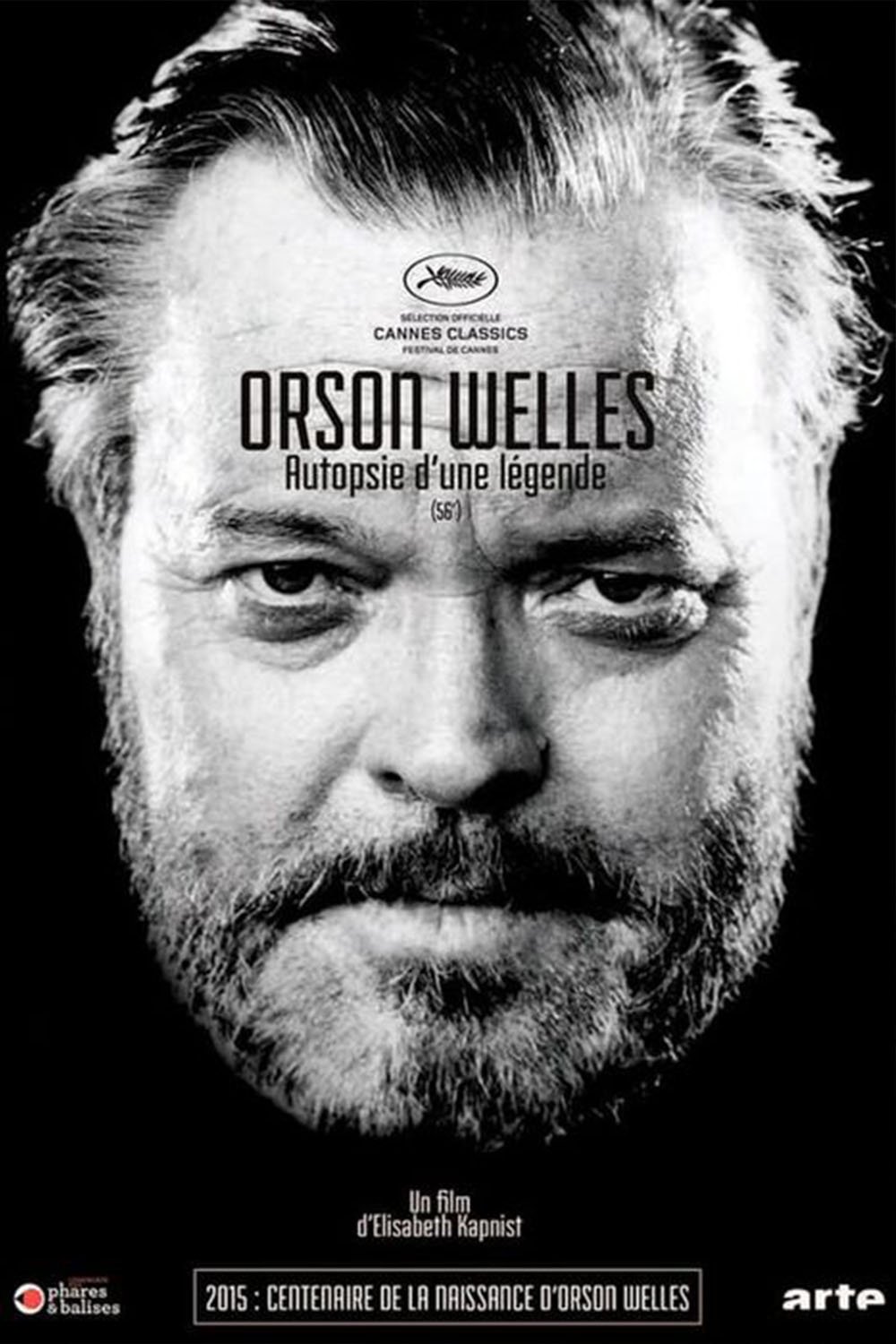
Giant of cinema, the embodiment of creation, Orson Welles is the man who reinvents the film language at 24-years old. Who is hidding behind this impressive figure? This movie is a journey towards the man behind the legend. It drags us into the labyrinth with multiple mirrors that Welles erases and recreates at the mercy of his imagination.
Walter Hill sits down for a rare retrospective interview for his 1981 film "Southern Comfort".
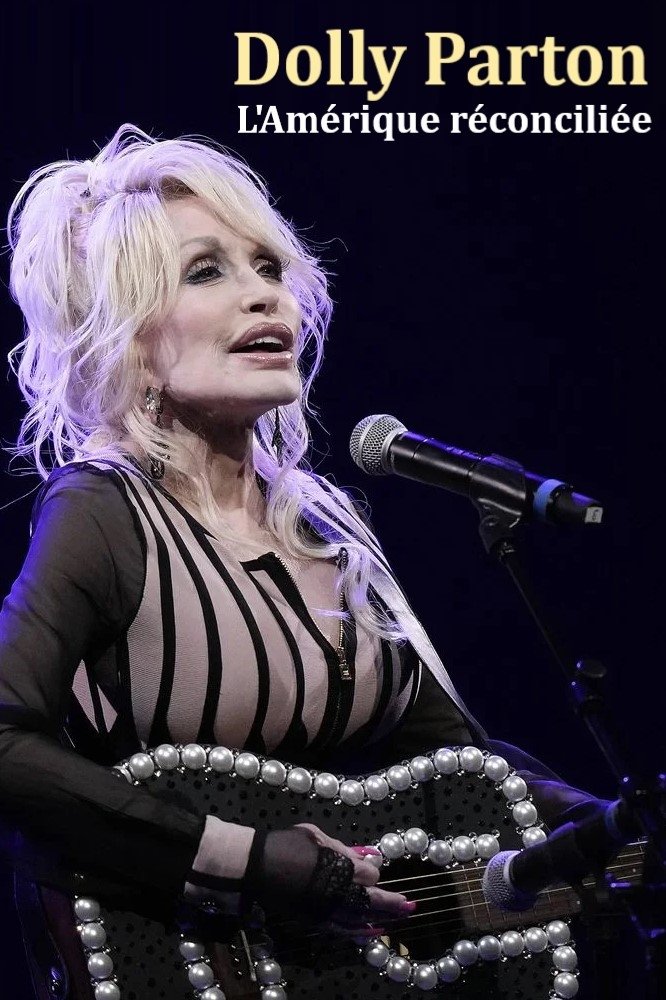
The absolute queen of country music, Dolly Parton succeeded in rallying a fractured America to her peroxide-colored beehive and her self-assumed paradoxes. Portrait of an immense artist and an irresistibly mischievous icon.
Tom Cruise is one of the last remaining superstars of world cinema. A portrait of one of the most powerful, but also most secretive, men in Hollywood.
A powerful feature documentary about child sexploitation, an epidemic happening in every country around the world. Filmed over a four year period, REDLIGHT focuses on the personal stories of young Cambodian victims and two remarkable advocates for change: grass-roots activist Somaly Mam and politician Mu Sochua. Using gritty footage smuggled out of brothels and harrowing testimonials, REDLIGHT follows the plight of several current and former child sex slaves. Some are trying to regain entry into Cambodian society to find some semblance of normality after their horrific experiences. Other stories highlight the plight of victims who are attempting to bring the perpetrators to justice. Their torturous yet ultimately heroic battles to find witnesses and take brothel owners to court are dramatically brought to life in this topical and moving feature documentary.
The Abnormal Beauty Company offers a raw, rare glimpse into the meteoric rise of The Ordinary, the price of transparency, and the enduring legacy of one of the world’s most disruptive skincare brands and the enduring legacy of its troubled, genius founder.
A documentary about young people with autism, and how arts and creative therapies help them to lead fuller lives.
A feature-length documentary about François Cavanna—creator of the publications Charlie Hebdo and Hara-Kiri—who passed away on January 29, 2014. His influence on several generations of writers, journalists, and comedians is far too little known. While older audiences are aware that he co-founded Hara-Kiri and Charlie Hebdo with Choron, the dozens of books and collections he wrote or contributed to remain largely unfamiliar. People chiefly remember his early autobiographical works—such as *Les Ritals*, *Les Russkoffs*, and *Bête et méchant*—while overlooking his historical novels, encyclopedias, and polemical writings like *Stop crève…* The film draws on interviews with Cavanna conducted shortly before his death, forgotten archival footage, and previously unheard testimonies from figures such as Siné, Willem, Delfeil de Ton, and Sylvie Caster.
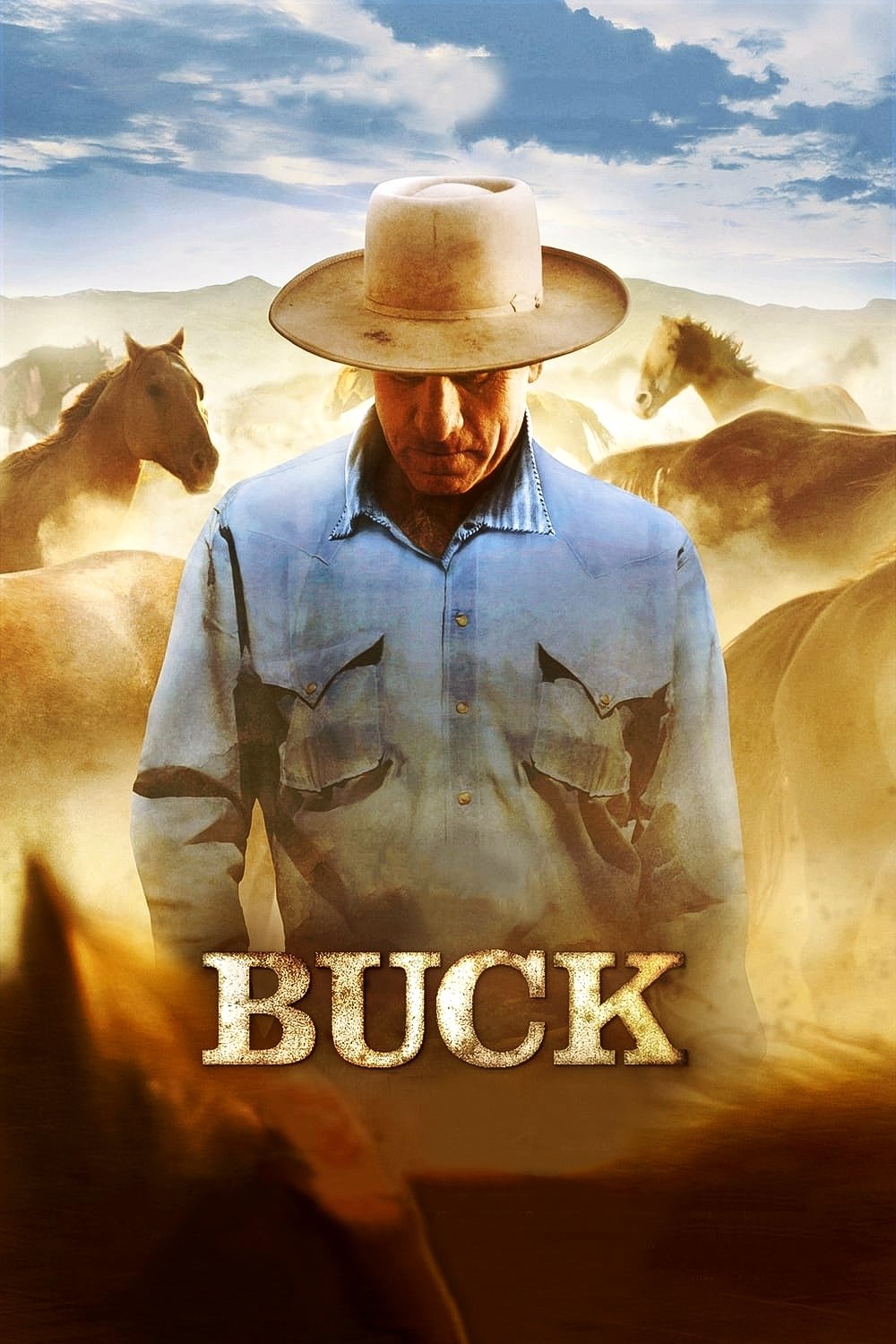
An examination of the life of acclaimed 'horse whisperer' Buck Brannaman, who recovered from years of child abuse to become a well-known expert in the interactions between horses and people.
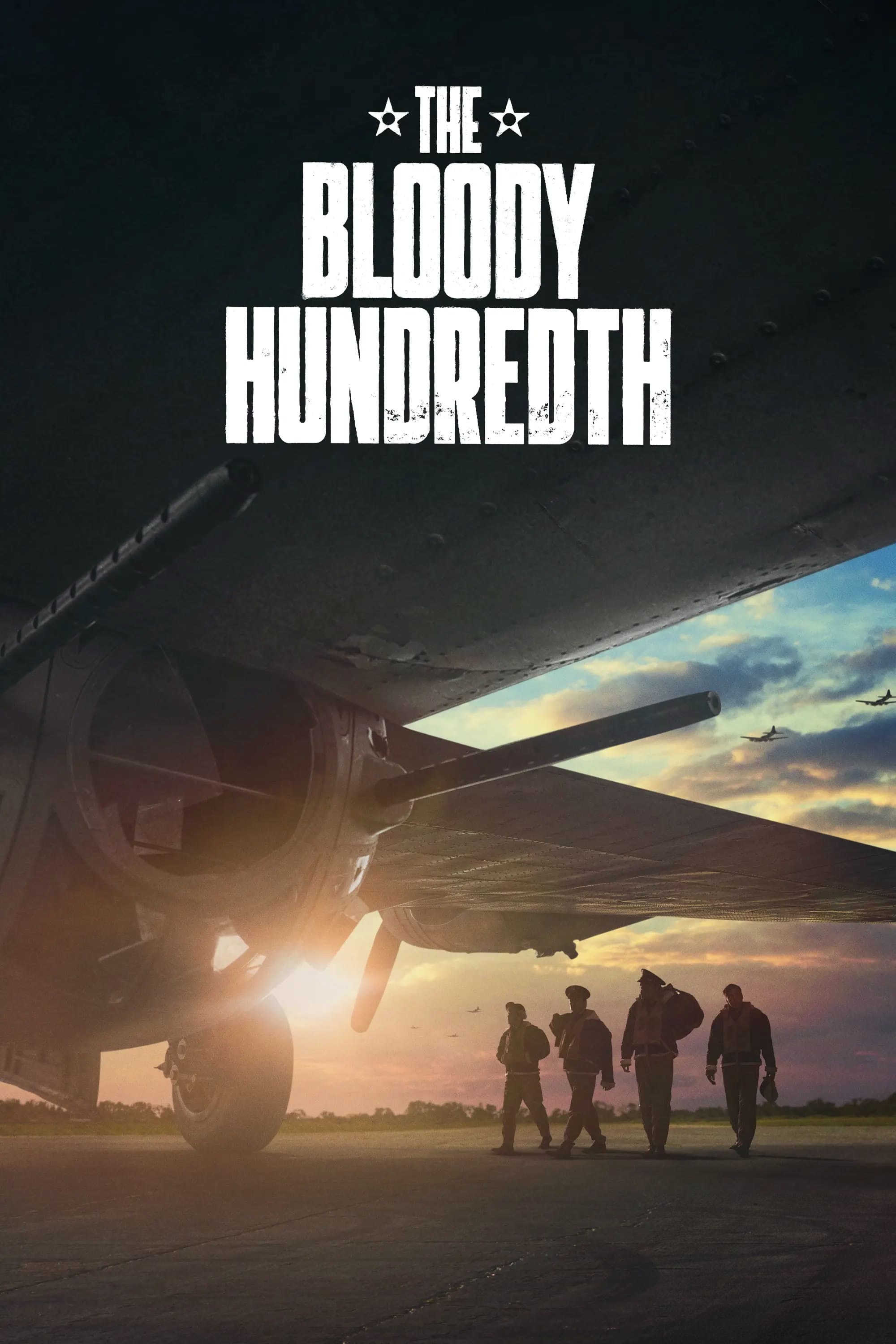
Meet the real-life airmen who inspired Masters of the Air as they share the harrowing and transformative events of the 100th Bomb Group.
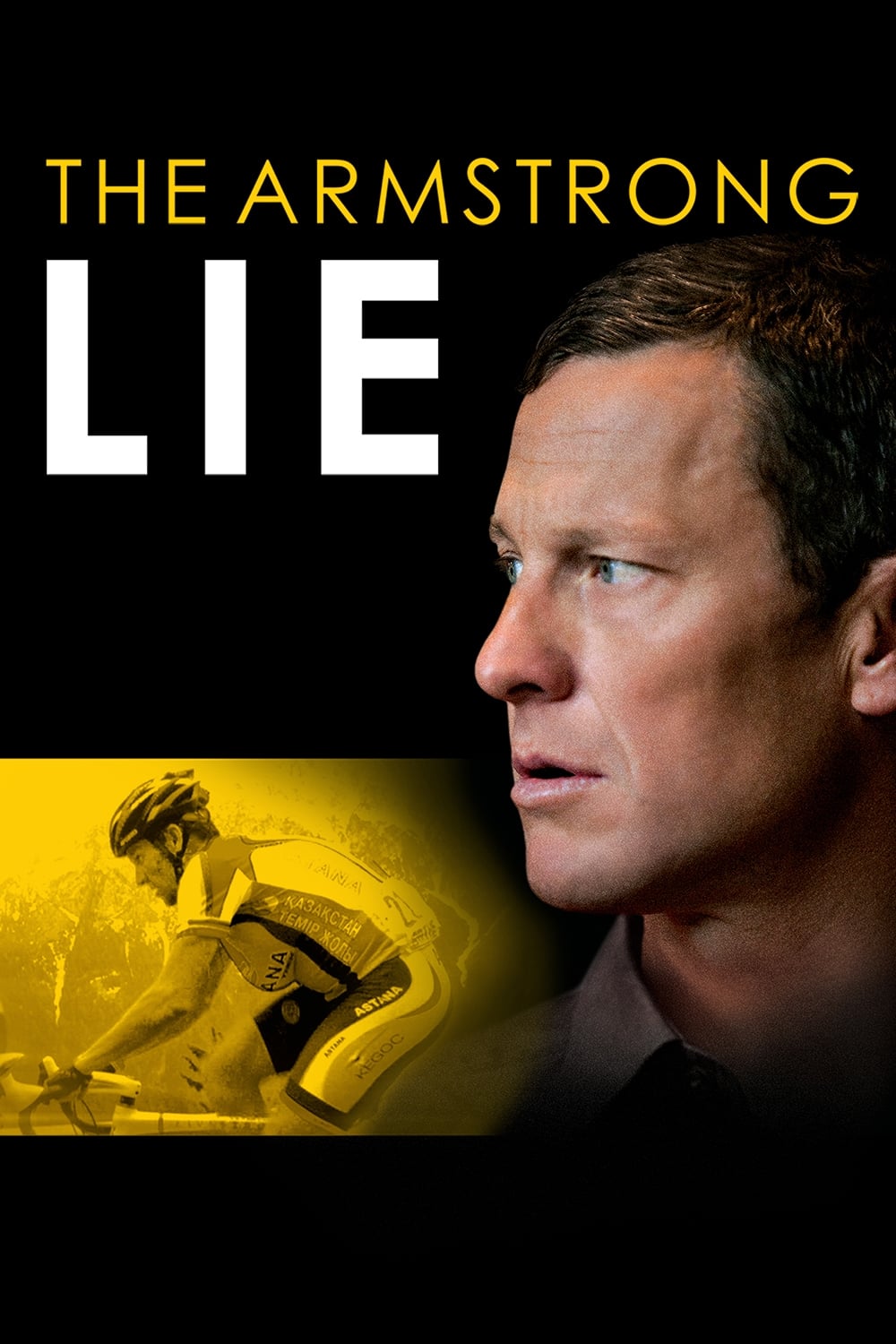
In 2009, Alex Gibney was hired to make a film about Lance Armstrong's comeback to cycling. The project was shelved when the doping scandal erupted, and re-opened after Armstrong's confession. The Armstrong Lie picks up in 2013 and presents a riveting, insider's view of the unraveling of one of the most extraordinary stories in the history of sports. As Lance Armstrong says himself, "I didn't live a lot of lies, but I lived one big one."
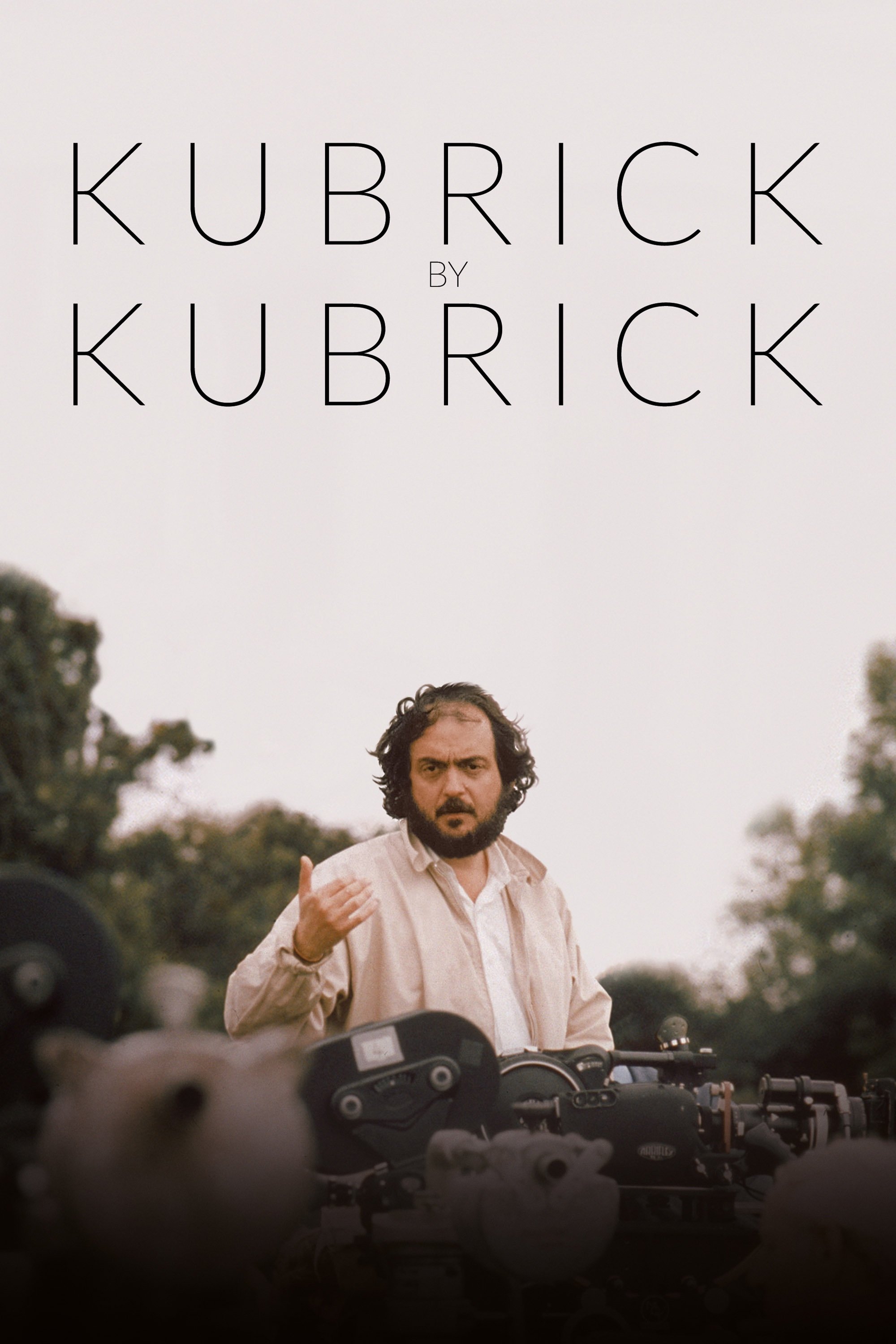
American filmmaker Stanley Kubrick (1928–1999), one of the greatest in history, but also one of the most reserved, gave few interviews throughout his long career, and none of them were filmed. A first-person journey through his life and work, based on a recorded conversation with French film critic Michel Climent.
From a prolific career in film and television, Anton Yelchin left an indelible legacy as an actor. Through his journals and other writings, his photography, the original music he wrote, and interviews with his family, friends, and colleagues, this film looks not just at Anton's impressive career, but at a broader portrait of the man.
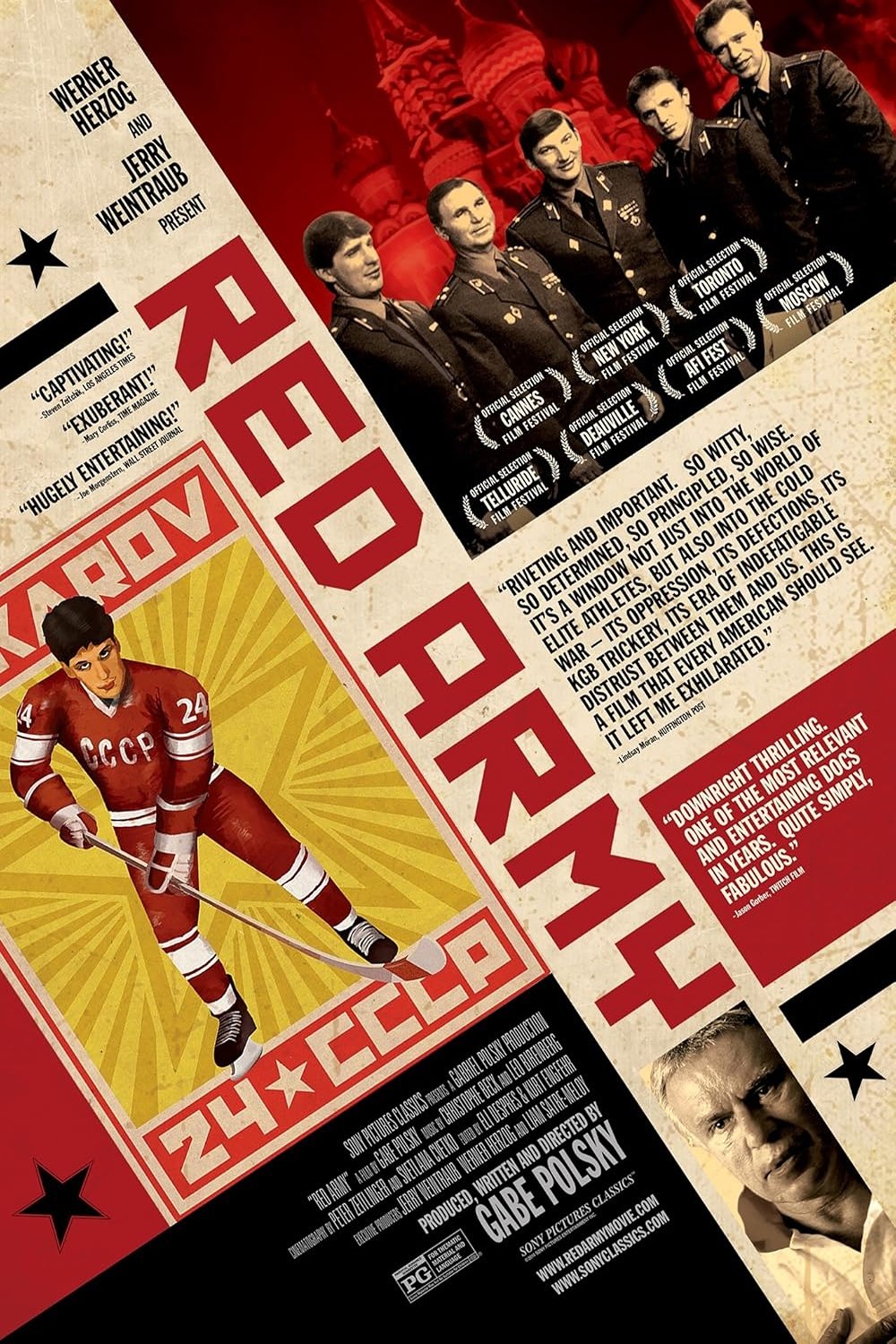
A documentary highlighting the Soviet Union's legendary and enigmatic hockey training culture and world-dominating team through the eyes of the team's Captain Slava Fetisov, following his shift from hockey star and celebrated national hero to political enemy.
Director Claude Lanzmann spent 11 years on this sprawling documentary about the Holocaust, conducting his own interviews and refusing to use a single frame of archival footage. Dividing Holocaust witnesses into three categories – survivors, bystanders, and perpetrators – Lanzmann presents testimonies from survivors of the Chelmno concentration camp, an Auschwitz escapee, and witnesses of the Warsaw Ghetto Uprising, as well as a chilling report of gas chambers from an SS officer at Treblinka.
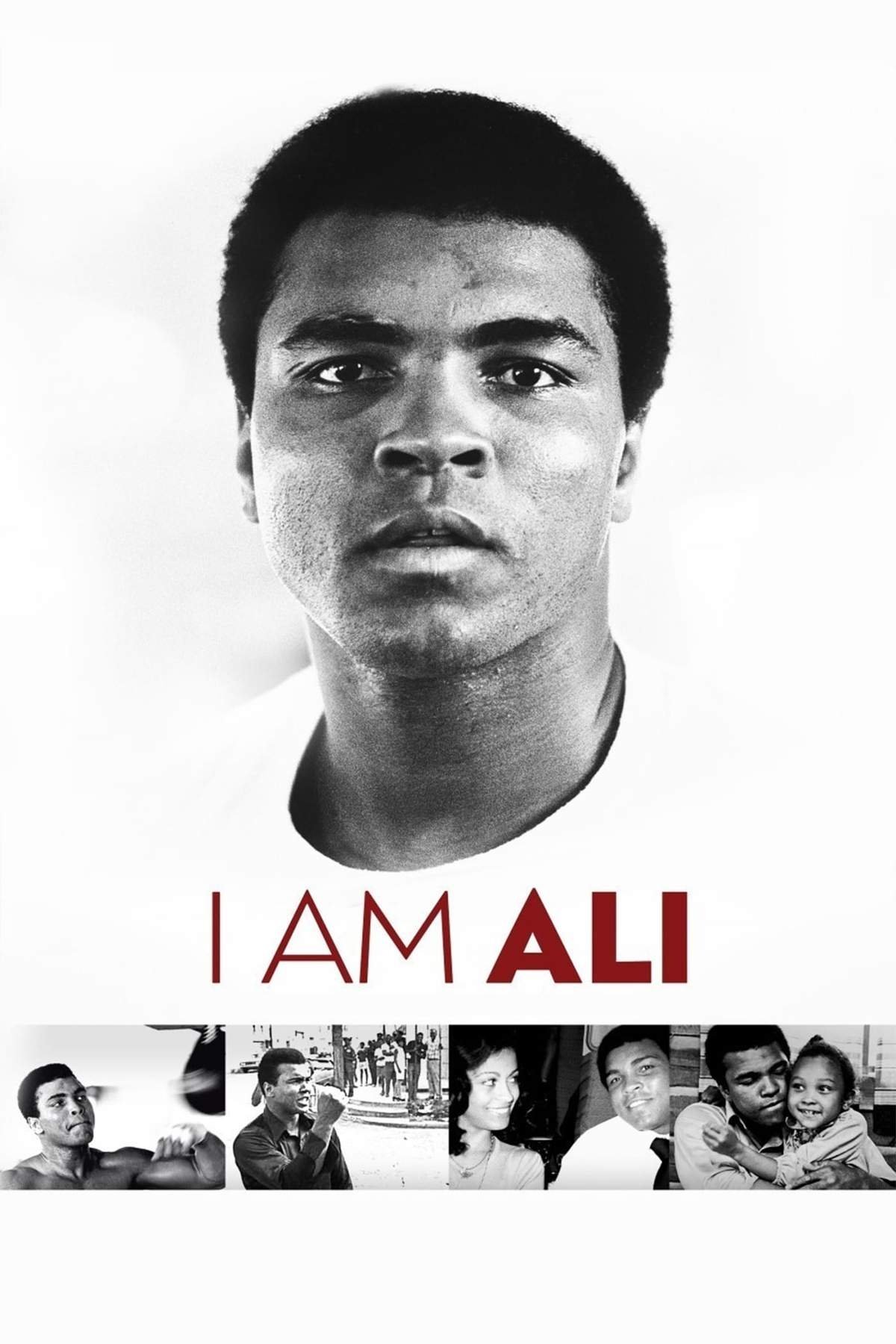
Unprecedented access to Muhammad Ali's personal archive of "audio journals" as well as interviews and testimonials from his inner circle of family and friends are used to tell the legend's life story.
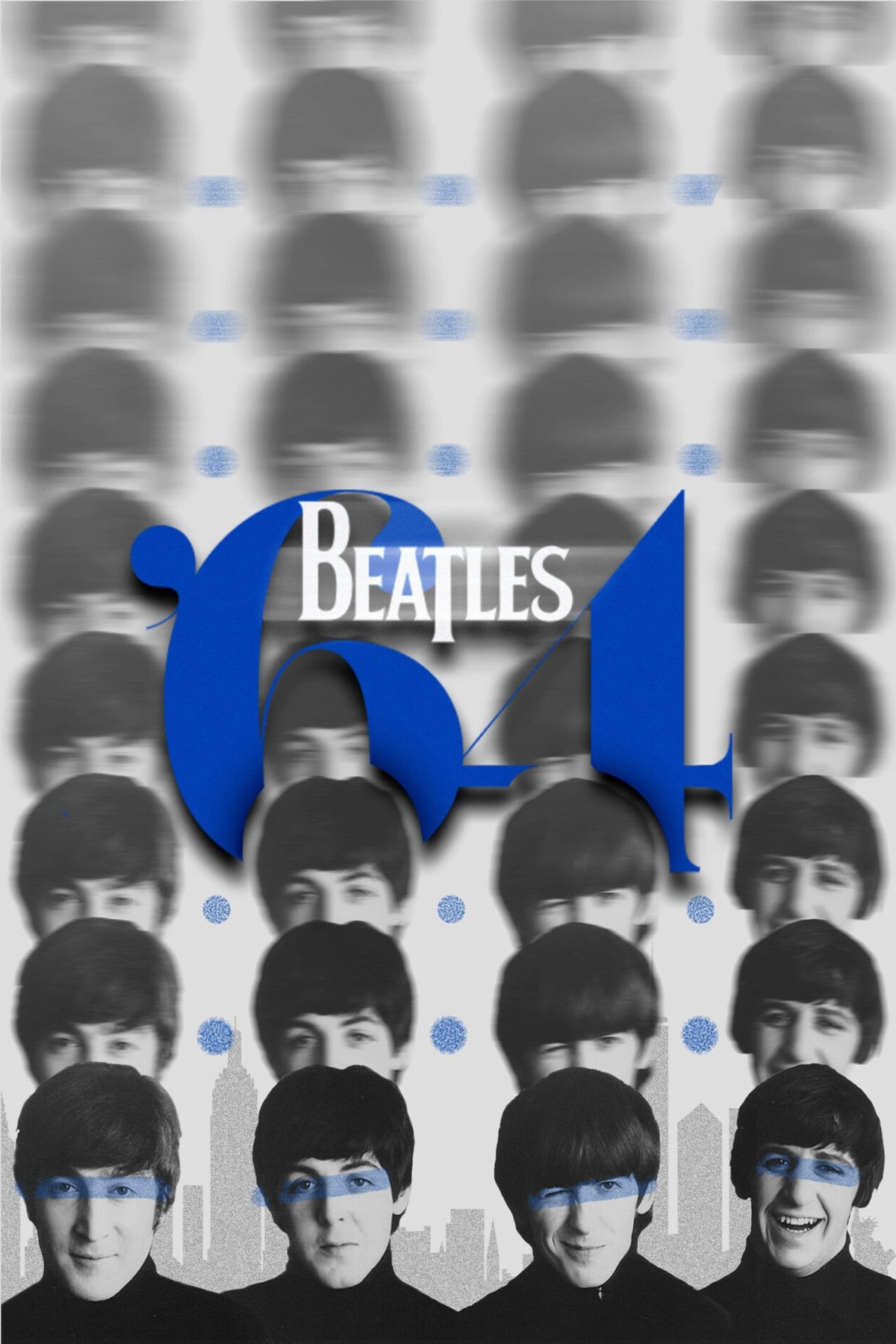
Featuring never-before-seen footage of the band and the legions of young fans who helped fuel their ascendance, follow McCartney, John Lennon, George Harrison and Starr as they land in New York City in February 1964 and solidify their status as the biggest band in the world.
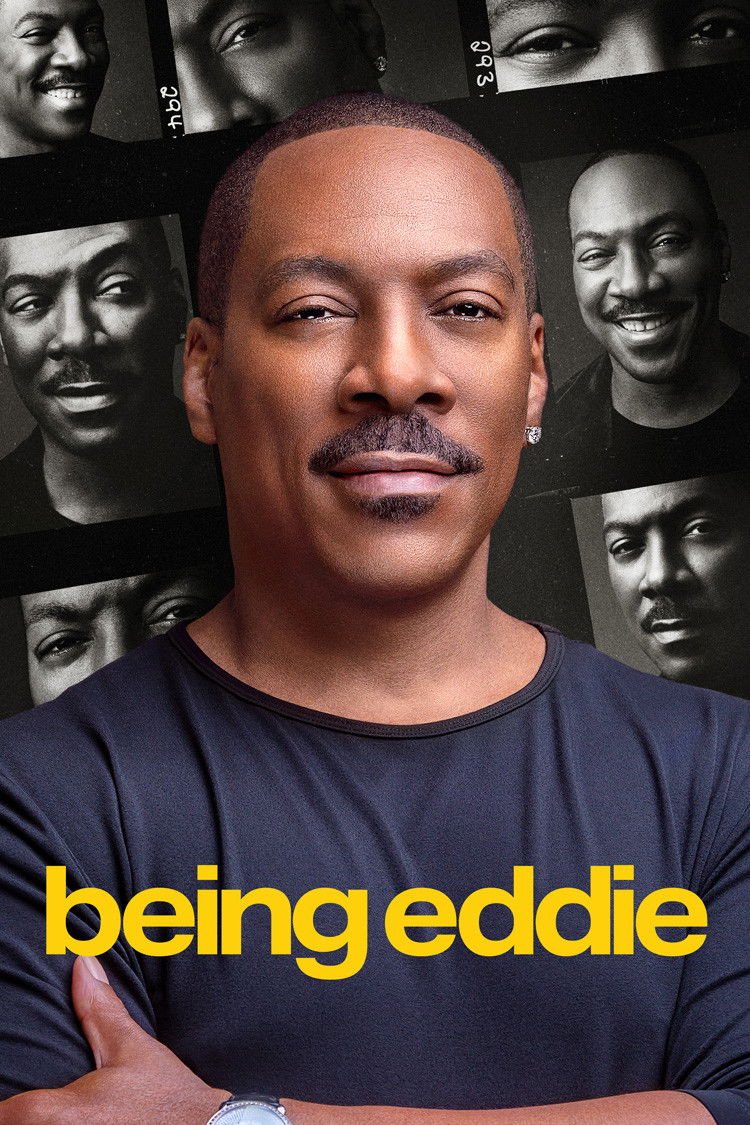
From teen comedian to Hollywood legend, Eddie Murphy revisits his extraordinary showbiz ride with raw honesty and humor.
The history of cinematic sound, told by legendary sound designers and visionary filmmakers.
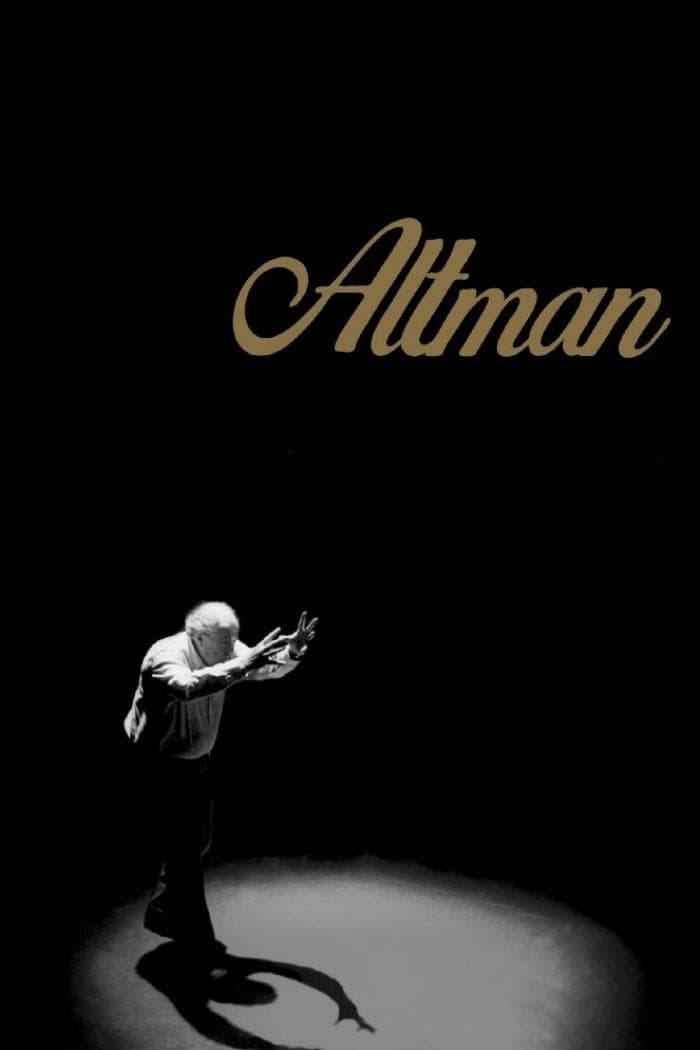
Robert Altman's life and career contained multitudes. This father of American independent cinema left an indelible mark, not merely on the evolution of his art form, but also on the western zeitgeist. With its use of rare interviews, representative film clips, archival images, and musings from his family and most recognizable collaborators, Altman is a dynamic and heartfelt mediation on an artist whose expression, passion and appetite knew few bounds.
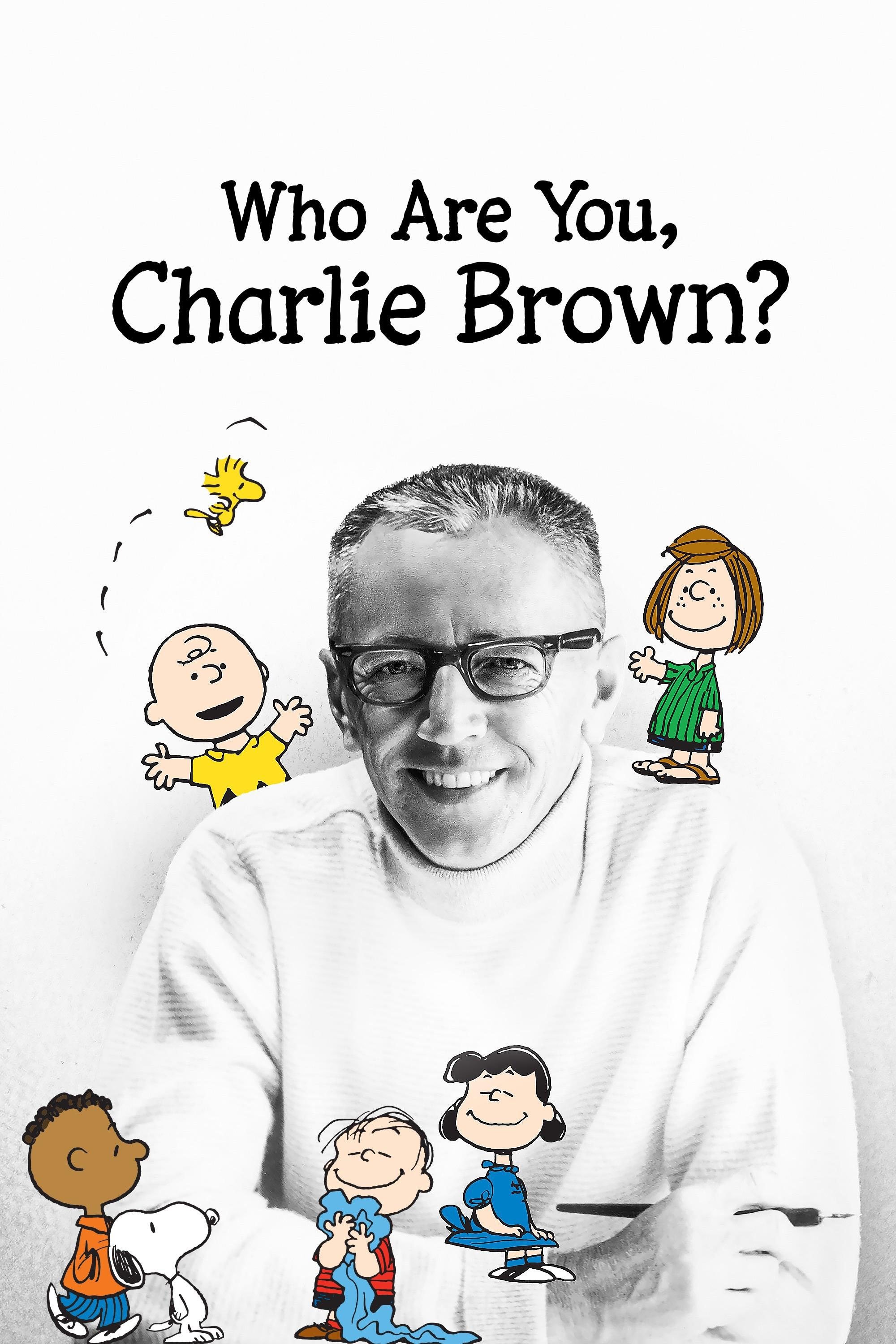
Lupita Nyong'o narrates a documentary about Peanuts and its creator, Charles M. Schulz. Famous fans—including Drew Barrymore, Kevin Smith, and Al Roker—share its influence on them, and a new animated story finds Charlie Brown on a quest.
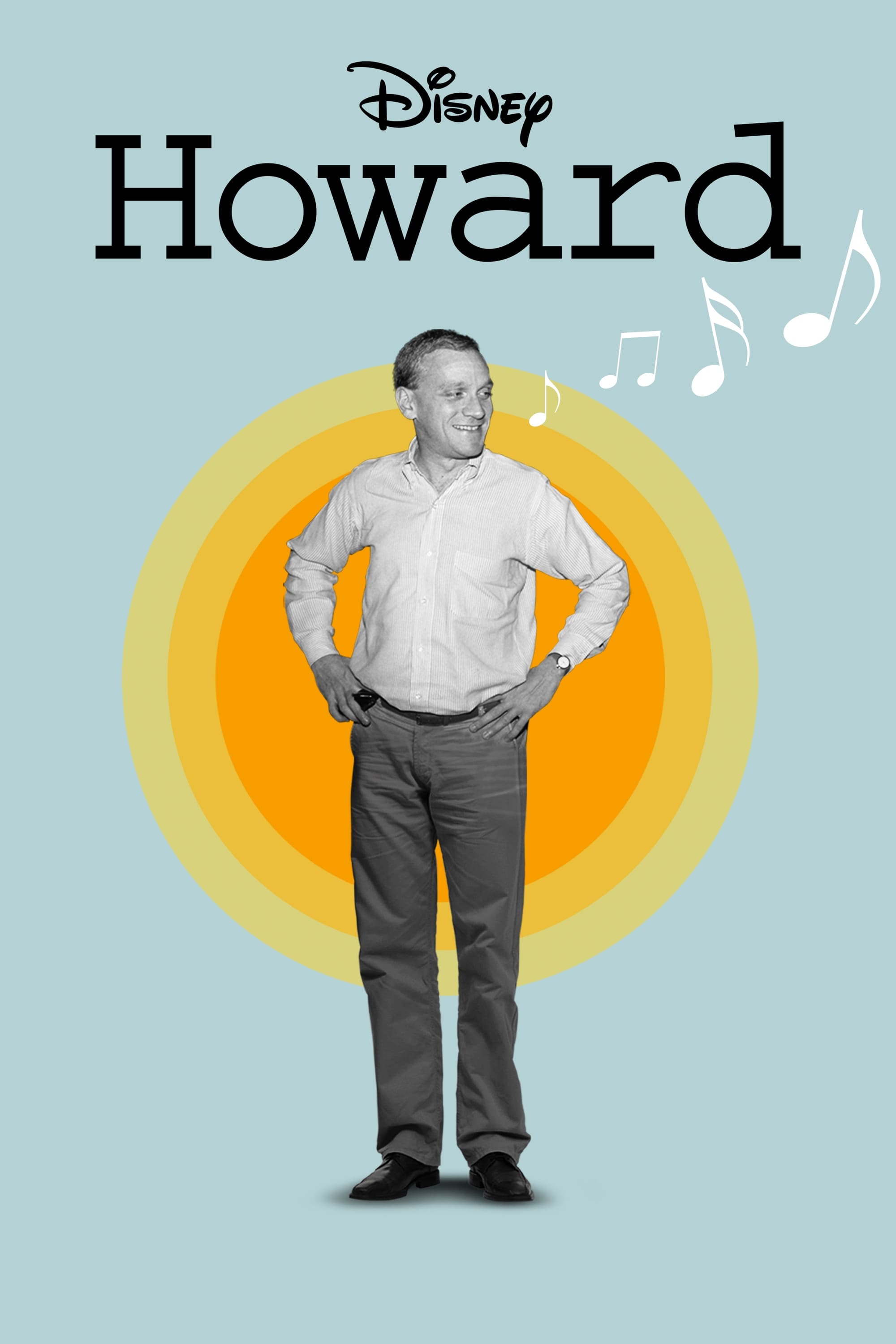
Though legendary lyricist Howard Ashman died far too young, his impact on Broadway, movies, and the culture at large were incalculable. Told entirely through rare archival footage and interviews with Ashman’s family, friends, associates, and longtime partner Bill Lauch, Howard is an intimate tribute to a once-in-a-generation talent and a rousing celebration of musical storytelling itself.
Filmmaker Alain Resnais documents the atrocities behind the walls of Hitler's concentration camps.
Those who knew iconic funnyman John Candy best share his story, in their own words, through never-before-seen archival footage, imagery, and interviews.
Told through performances, TV interviews, home movies, family photographs, private letters and unpublished memoirs, the film reveals the essence of an extraordinary woman who rose from humble beginnings in New York City to become a glamorous international superstar and one of the greatest artists of all time.
Daniel Craig candidly reflects on his 15 year adventure as James Bond. Including never-before-seen archival footage from Casino Royale to the upcoming 25th film No Time To Die, Craig shares his personal memories in conversation with 007 producers, Michael G Wilson and Barbara Broccoli.
In 1972, a seemingly typical shoestring budget pornographic film was made in a Florida hotel: "Deep Throat," starring Linda Lovelace. This film would surpass the wildest expectation of everyone involved to become one of the most successful independent films of all time. It caught the public imagination which met the spirit of the times, even as the self-appointed guardians of public morality struggled to suppress it, and created, for a brief moment, a possible future where sexuality in film had a bold artistic potential. This film covers the story of the making of this controversial film, its stunning success, its hysterical opposition along with its dark side of mob influence and allegations of the on set mistreatment of the film's star.
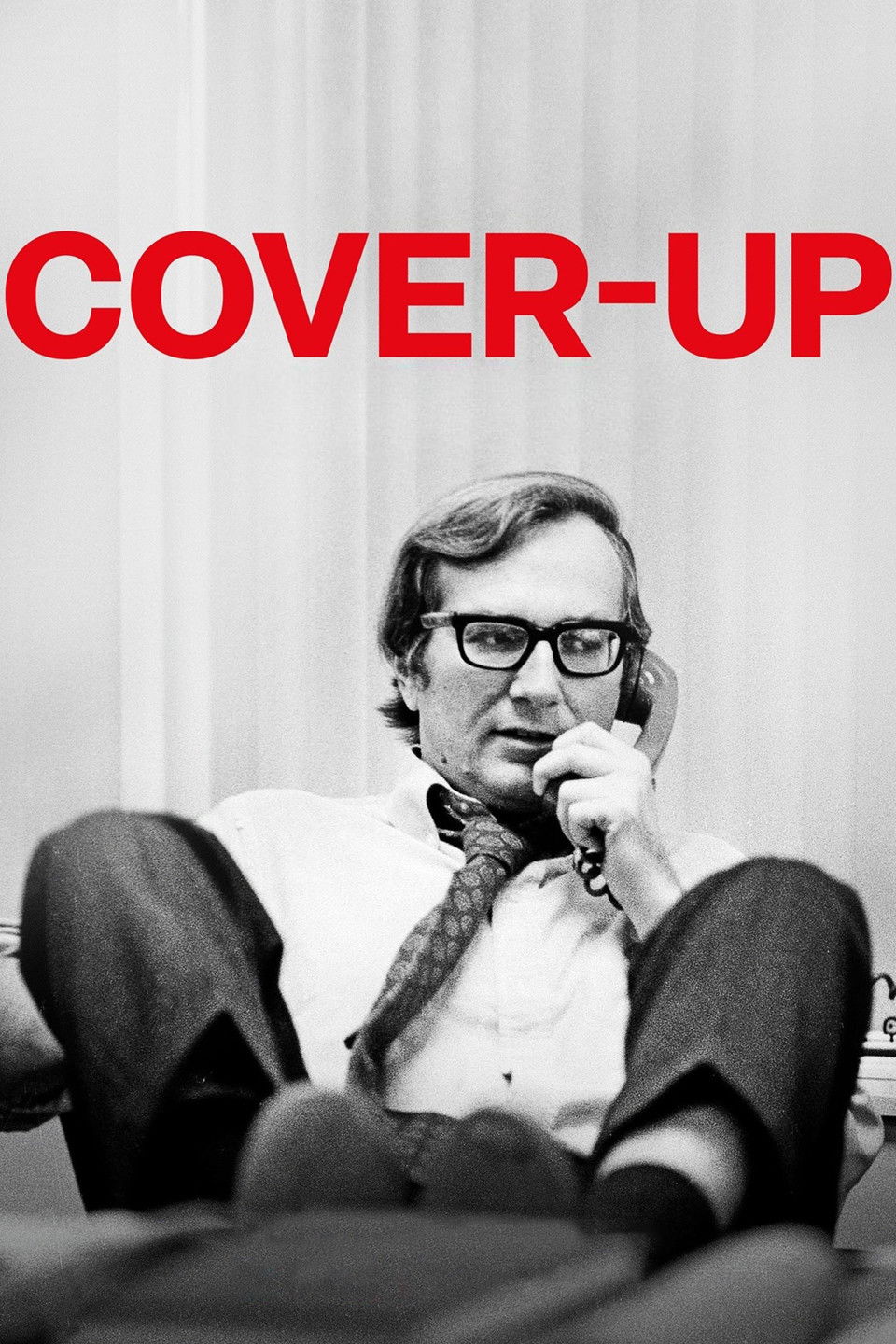
He's devoted his career to uncovering stories the powerful want buried. From My Lai to Abu Ghraib, dig into the life's work of journalist Seymour Hersh.