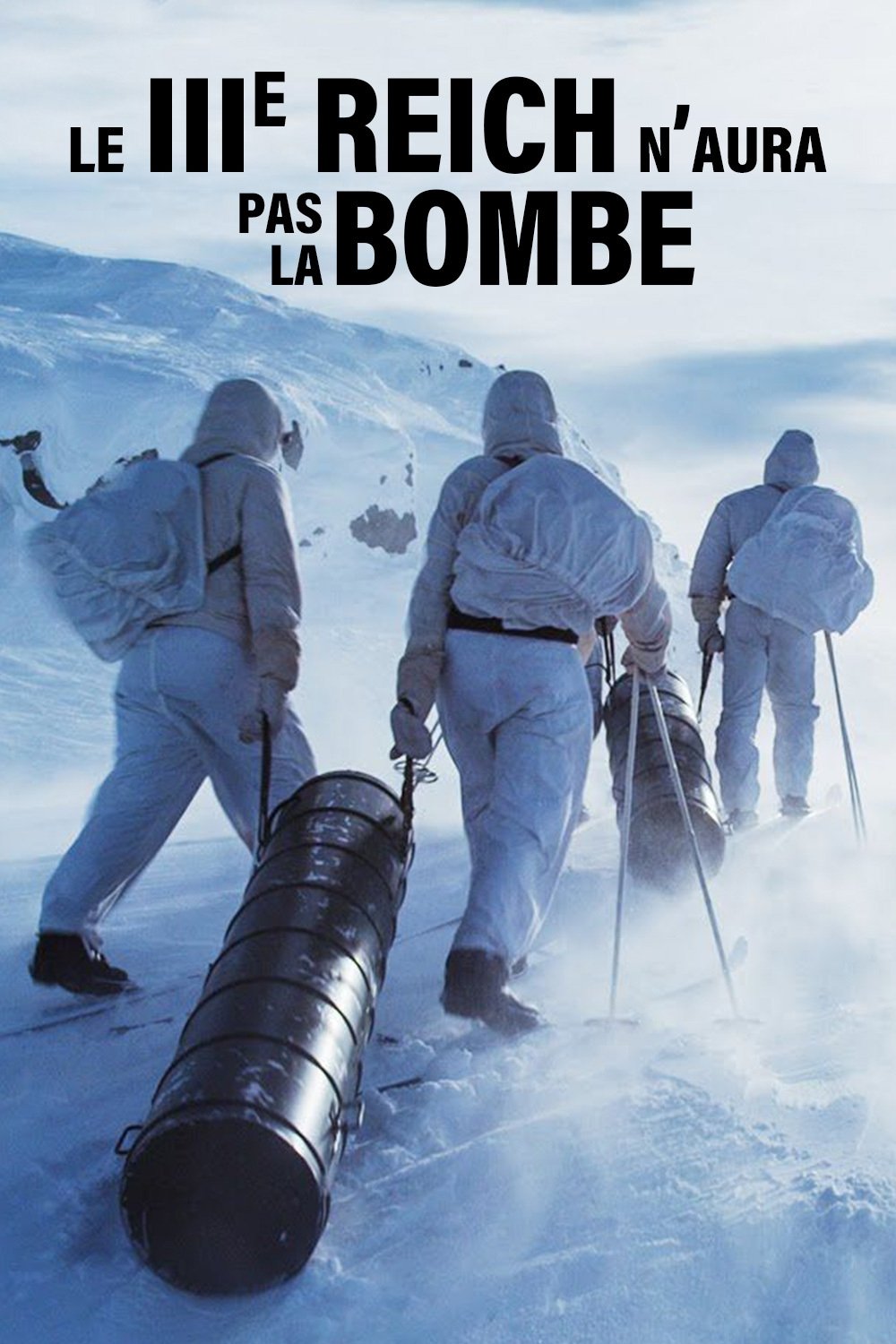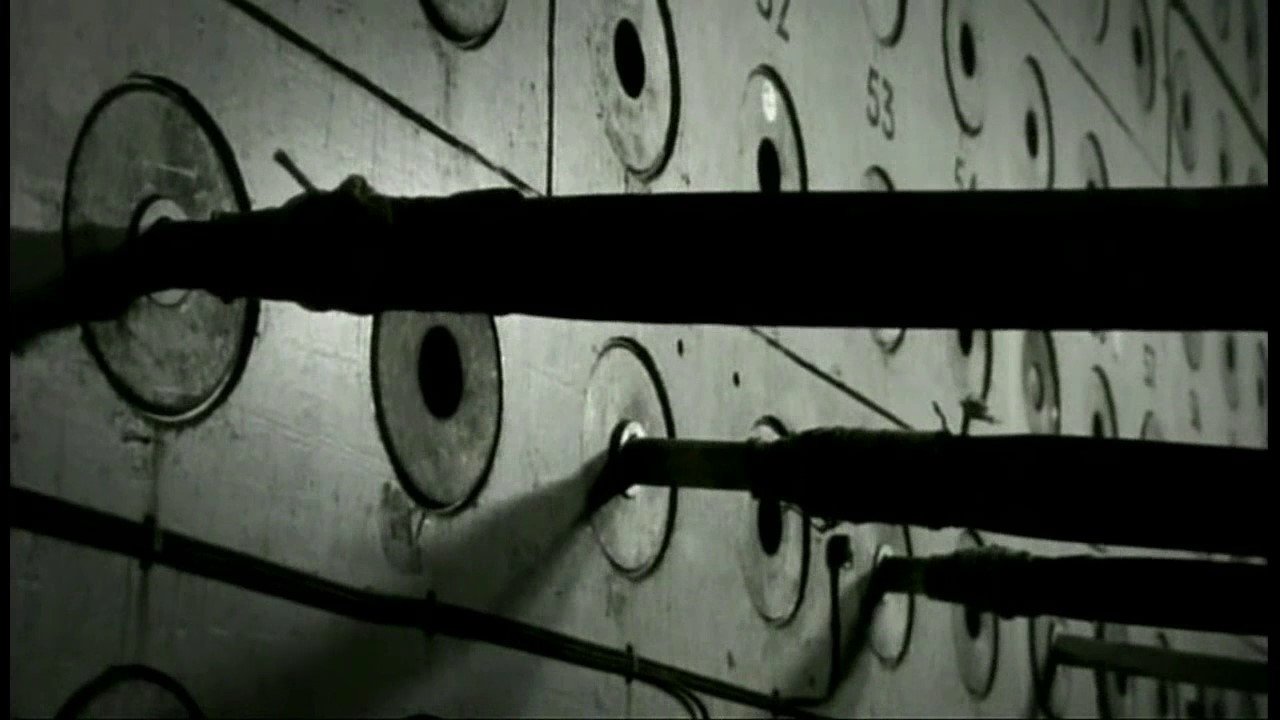
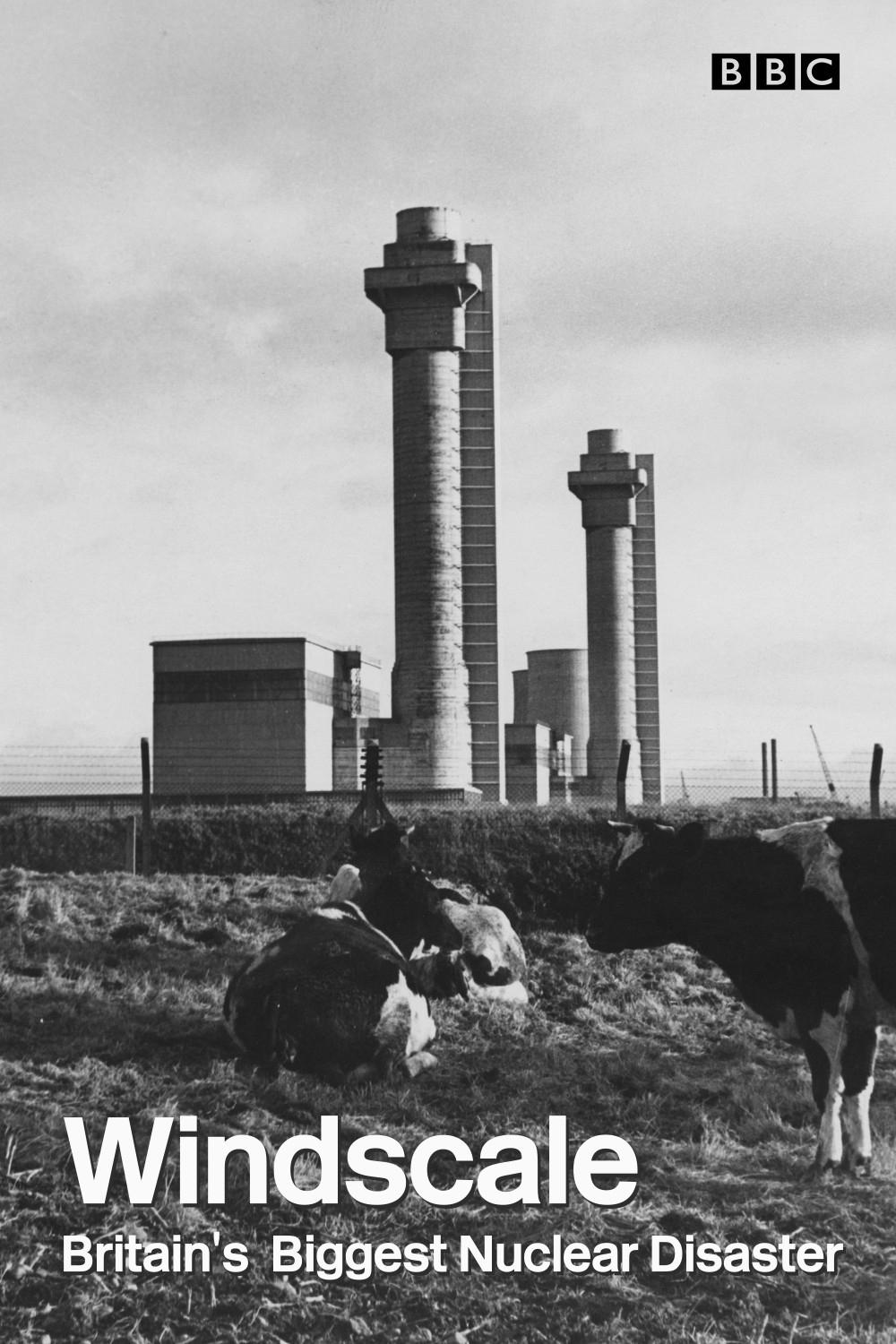
Film revealing how political ambition fuelled the Windscale fire of 1957 and then dictated that the heroes of Windscale be made the scapegoats.
Social & External
Self - Narrator (voice)
"Alone in Fukushima" is a feature film documentary about Naoto Matsumura who remained in the nuclear zone with animals in Fukushima.
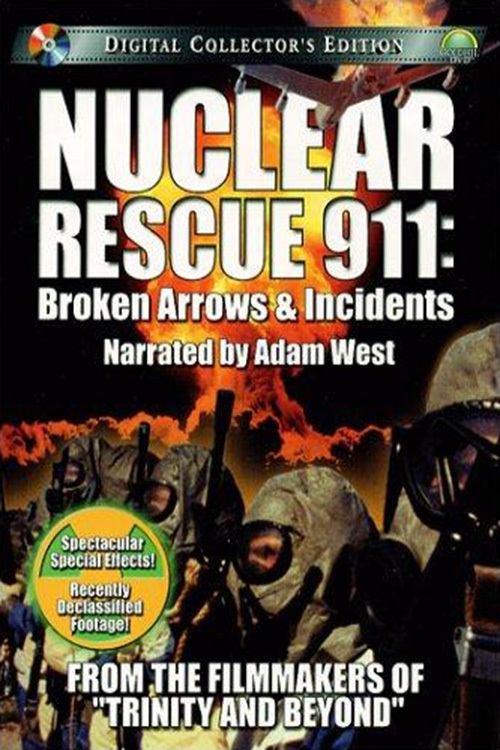
Since 1950, there have been 32 nuclear weapon accidents, known as "Broken Arrows." A Broken Arrow is defined as an unexpected event involving nuclear weapons that result in the accidental launching, firing, detonating, theft or loss of the weapon. To date, six nuclear weapons have been lost and never recovered.Now, recently declassified documents reveal the history and secrecy surrounding the events known as "Broken Arrows". There have been 32 nuclear weapon accidents since 1950. Six of these nuclear weapons have been lost and never recovered. What does this say about our defense system? What does this mean to our threatened environment? What do we do to rectify these monumental "mistakes"? Using spectacular special effects, newly uncovered and recently declassified footage, filmmaker Peter Kuran explores the accidents, incidents and exercises in the secret world of nuclear weapons.
Drawing upon eye-witness accounts from survivors and participants in the bombing of Hiroshima, this programme shows how both Japan and the United States are still facing enormous problems in coming to terms with the legacy of that fateful August day.
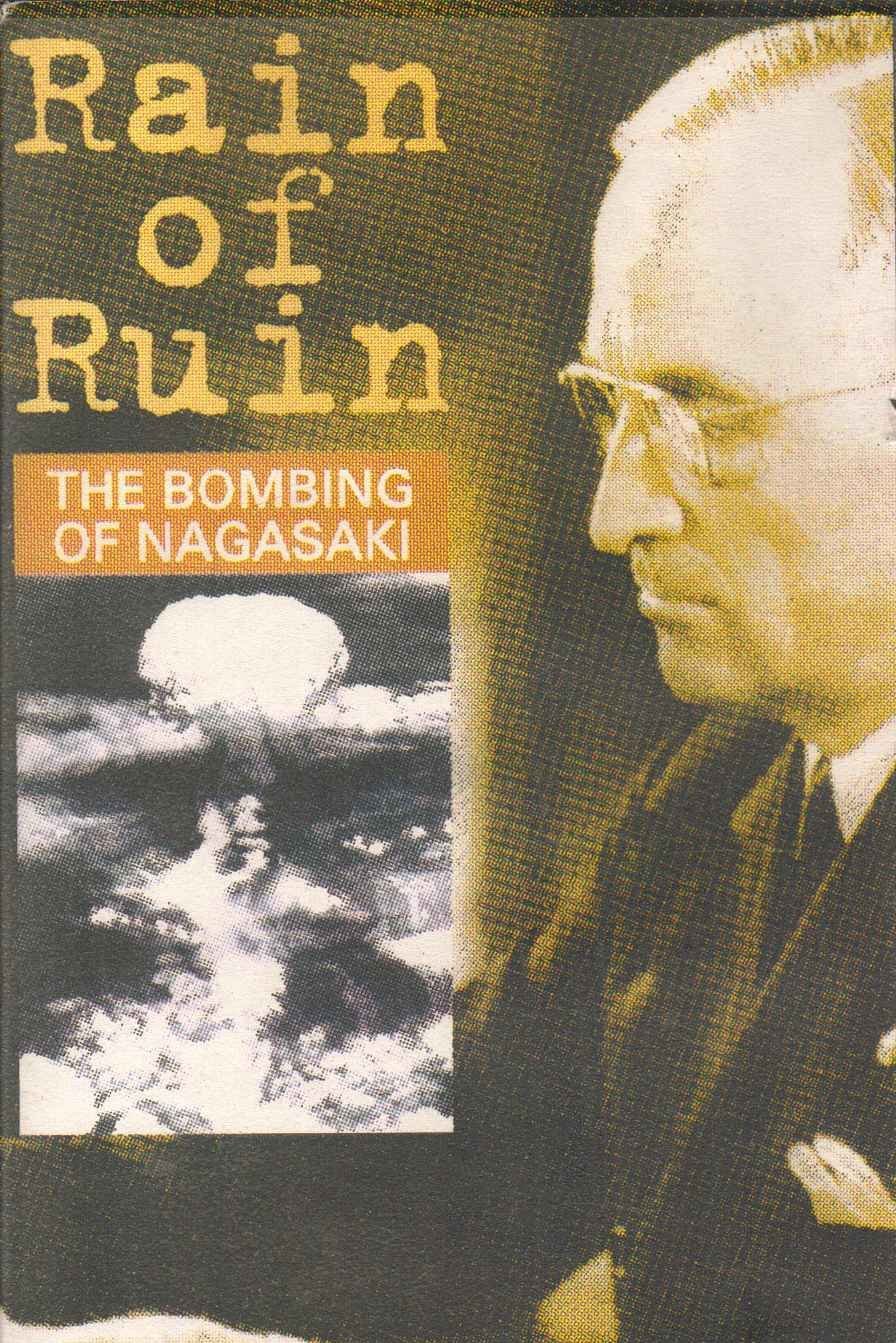
Scholars and eyewitnesses provide a picture of the 75 hours between the atomic bombings of Hiroshima and Nagasaki and document the contradictions, interrelationships, and ambiguities of politics and military strategy in time of war.
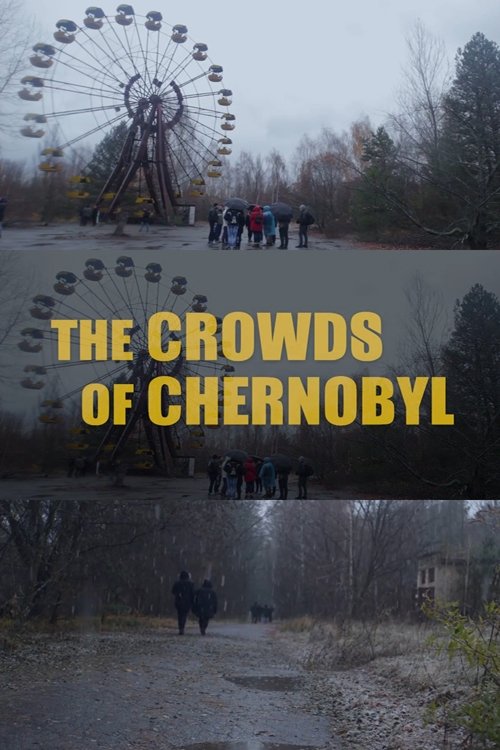
The Crowds of Chernobyl explores the reasons behind people's fascination with the (arguably) most famous exclusion zone in the world, the Chernobyl Exclusion Zone. The film attempts to explain the drive behind the 'dark tourism' industry that has blossomed in the nuclear wasteland since 2011, when the site was opened up for tourists. As the interviews from a wide of people unravel why some (including the interviewees) might even make the zone a permanent part of their life; the haunting and provoking visuals invite the viewer to make up their own mind.
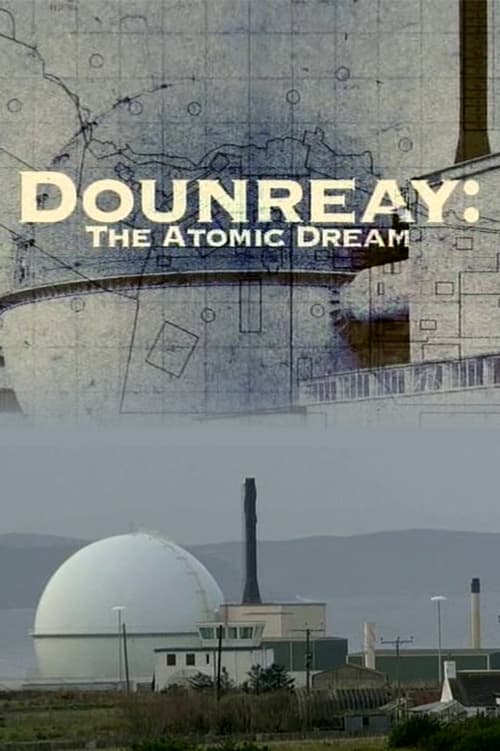
Documentary telling the story of the rise and fall of a daring experiment into atomic energy as the history of the Dounreay fast reactor is charted by the pioneers involved.
Peter Ustinov hosts this haunting 1980 documentary exploring the world's nuclear weaponry and the fragile system that deters either side from initiating the first nuclear strike. Although the world's political climate has mellowed since the Cold War era, Nuclear Nightmares takes the viewer back in time to gain a perspective of what it was like to live under a very real nuclear threat.
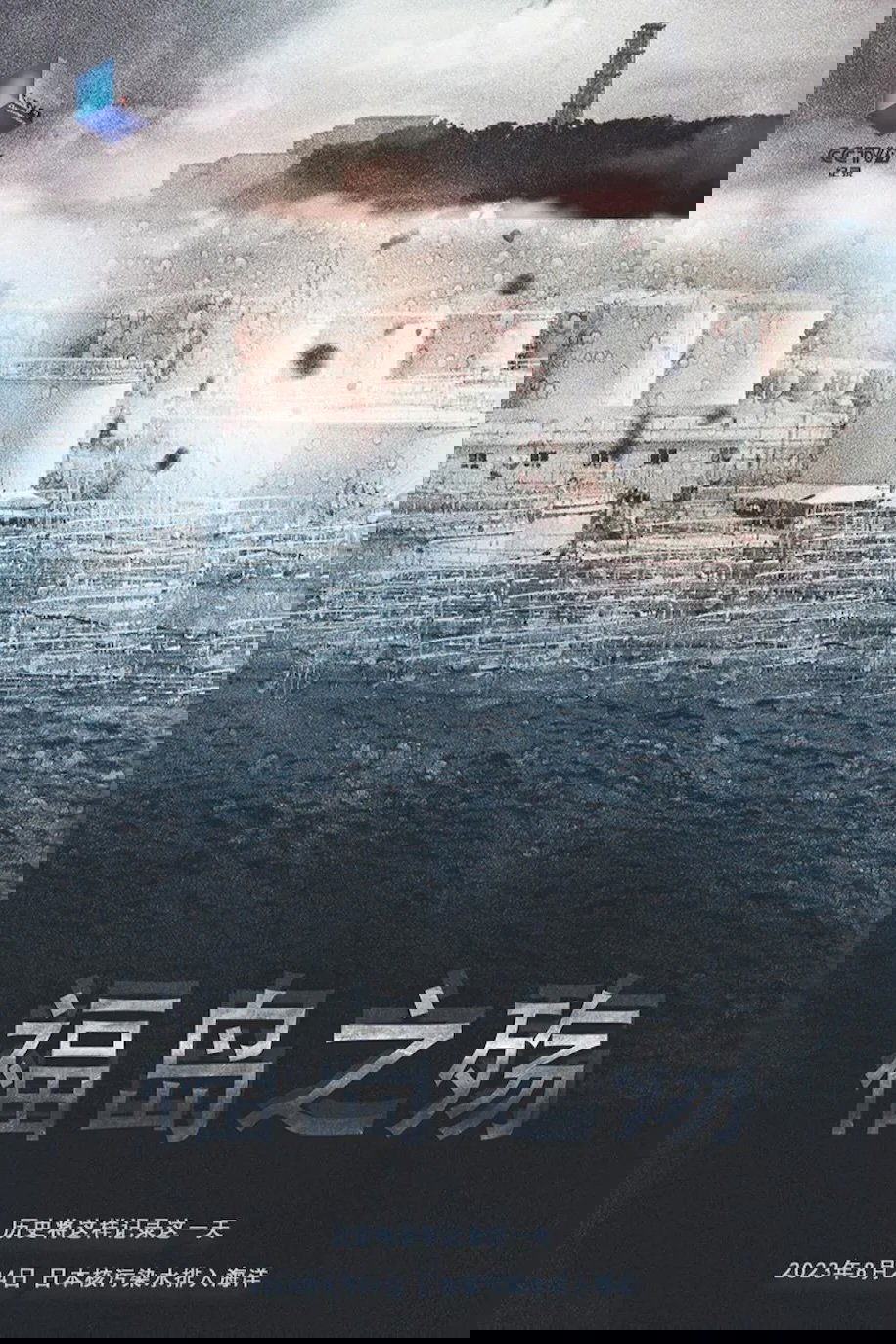
December 21, 2015. The image of a fox was captured by a camera inside the unit 2 building at Fukushima No.1 nuclear power plant... A film-essay about contemporary Japan in the aftermath of March 2011 earthquake.
Since the collapse of the Soviet Union, the threat of a nuclear war between the USA and Russia has diminished, but the threat posed by nuclear weapons and materials on both sides has increased. As nuclear weapons age, they become unstable and begin to behave in unpredictable ways. This film is the first to go behind the scenes in Arzamas-16 - the Russian nuclear city so secret that it has never appeared on any map - and the American nuclear weapons laboratory at Los Alamos, New Mexico, to see Russian and American bomb designers working together to reduce the risk. Exclusive archive material.

We've all heard of the atomic bomb, but in the late 1950s, an idea was conceived of a bomb which would maximize damage to people, but minimize damage to buildings and vital infrastructure: perfect for an occupying army. This is the story of a man and his bomb: a melding of world events and scientific discovery inspire the neutron bomb, one of the most hated nuclear weapons ever invented.
Between 1952 and 1967, in the largest Tri-Service operation since the D-Day landings, over 20,000 servicemen participated in British Nuclear Weapons Tests. The development of these superweapons bought our place at the world superpower table. The cost in human terms has never been fully calculated nor appreciated, in the blinding light of the bombs a shadow was cast across the lives of so many people. This documentary tells that story in archive footage and candid interviews with the survivors and their children. Its release is being supported with a collection of art from the ‘Shadow of the Bomb’ exhibition. Inspired by experiences and stories of veterans and their children this thought provoking art sets the scene for the open honest revelations in the film.
This rare documentary is one of the very last efforts from preeminent documentarist/activist Susumu Hani best known for his feature films. This one is a short documentary about the 1945 atomic bombing and its devastating consequences. The film came out of the "10 Foot Movement". A movement organized by the Japan Peace Museum, which mobilized Japanese citizen activists to buy back small segments of film footage of the effects of the atomic bomb from the U.S. National Archives. The film combines recent footage of survivors of the atomic bomb with American archival footage, portraying the sorrow of atomic bomb survivors in the Cold War period.
This documentary examines unidentified aerial phenomenon. With testimony from high-ranking government officials and NASA Astronauts, Senator Harry Reid says it "makes the incredible credible."
The birth of the atomic bomb changed the world forever. In the years before the Manhattan project, a weapon of such power was not even remotely imaginable to most people on earth. And yet, with war comes new inventions. New ways of destroying the enemy. New machines to wipe out human life. The advent of nuclear weapons not only brought an end to the largest conflict in history, but also ushered in an atomic age and a defining era of "big science". However, with the world now gripped by nuclear weapons, we exist constantly on the edge of mankind's total destruction.
J. Robert Oppenheimer and other key figures involved in the decision to drop the first atomic bomb discuss their motivations in this NBC News documentary. Originally produced and televised in 1965, two decades after the bombings of Hiroshima and Nagasaki, it was re-released in 2023 with an epilogue by Michael Beschloss, NBC News Presidential Historian.
A look behind the scenes of Christopher Nolan's film "Oppenheimer" about an American scientist and his role in the development of the atomic bomb.
Explore how one man's relentless drive and invention of the atomic bomb changed the nature of war forever, led to the deaths of hundreds of thousands of people and unleashed mass hysteria.
On August 6, 1945, the first-ever nuclear bomb deployed in war was dropped on the city of Hiroshima Prefecture, leaving an estimated 140,000 dead in its wake by the end of that year. Among the victims, one particular age group stands out for the sheer number of fatalities sustained: 12 and 13 year-olds, children of first year junior high school age. We investigate the tragedy of this lost generation, piecing together surviving records and speaking with survivors, for whom the memories of children robbed of their futures that day are still burned deep in their memories, nearly eight decades on.