Christian has one year left to live, one year to get to know his newborn son Philip, and on year to make sure Philip will have a chance to get to know him. Heritage is a film about father and son relationship.
Social & External
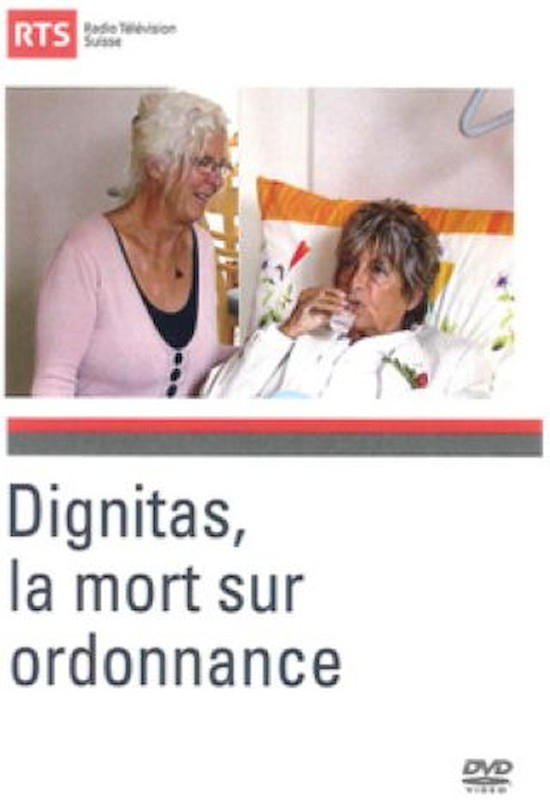
Switzerland is the only country in the world that allows foreigners to come and die on its territory. Since its founding in 1998, more than a thousand people have traveled to Zurich to end their lives with the help of the organization Dignitas. "Dignitas - Death on Prescription" is a documentary about an organization that provides people with terminal and incurable illnesses, intense unrelenting pain, and depression with a peaceful death. The organization's founder, lawyer Ludwig Minelli, is often the target of insults, especially from politicians, despite the fact that most Swiss citizens support the option of medically assisted suicide.
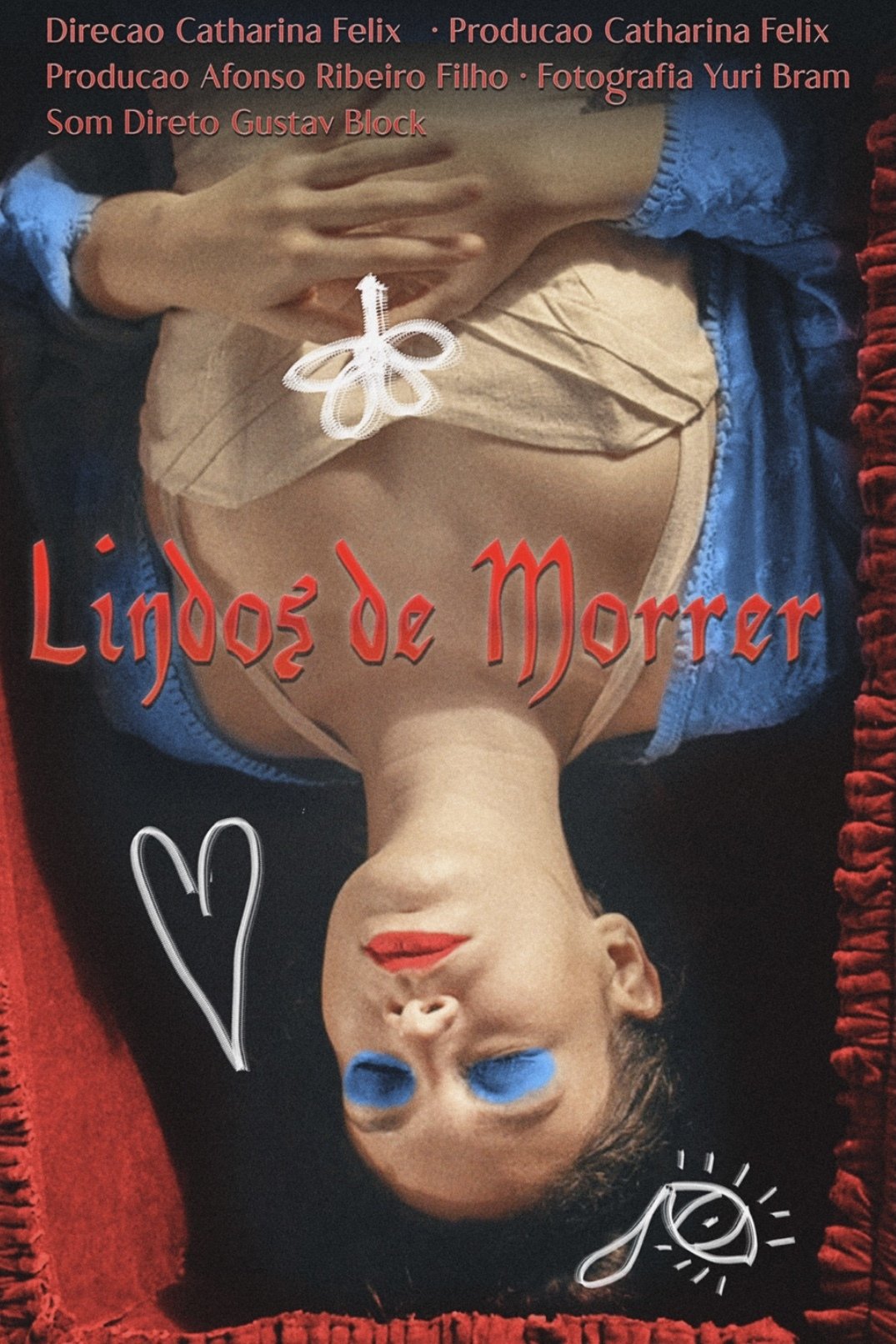
Deadly Gorgeous is a documentary about the importance of beauty even after death. Mixing fiction and reality, the film explores the world of corpse makeup artists, cemeteries and a couple that need to think about how their own funerals would be like.
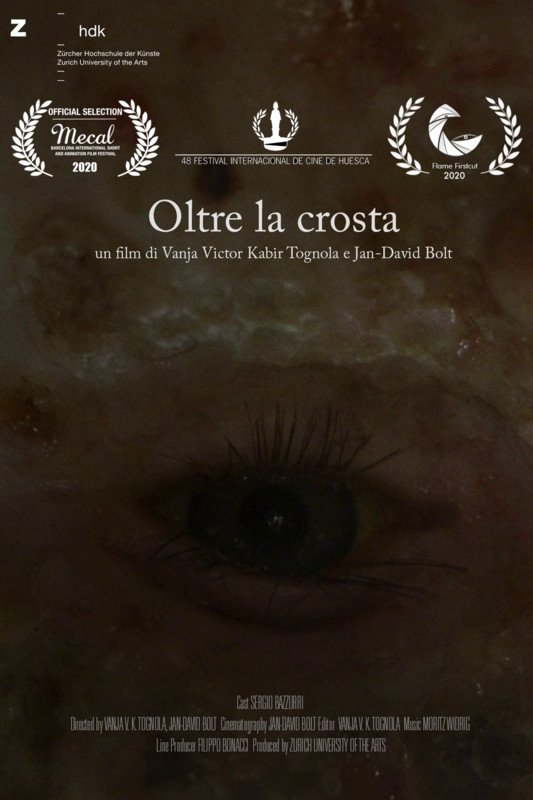
Maurizio is a young university student living in Zürich, with a passion for diseases. Unlike many others, he can see an inherent beauty in them. Afterall, what difference can exist between a flower and an infection, if they are both a gift of nature?
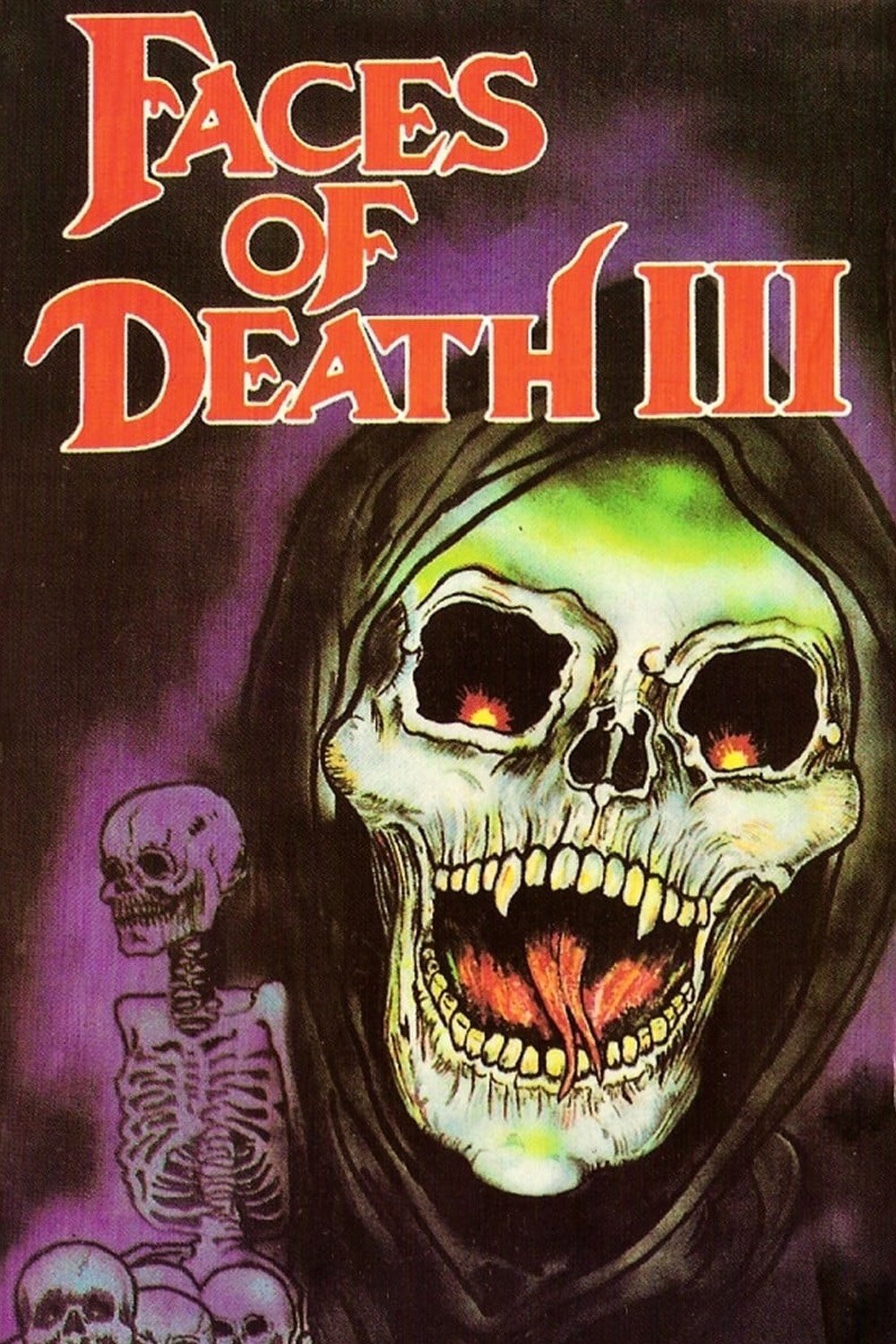
The third installment of the infamous "is it real or fake?" mondo series sets its sights primarily on serial killers, with lengthy reenactments of police investigations of bodies being found in dumpsters, and a staged courtroom sequence.
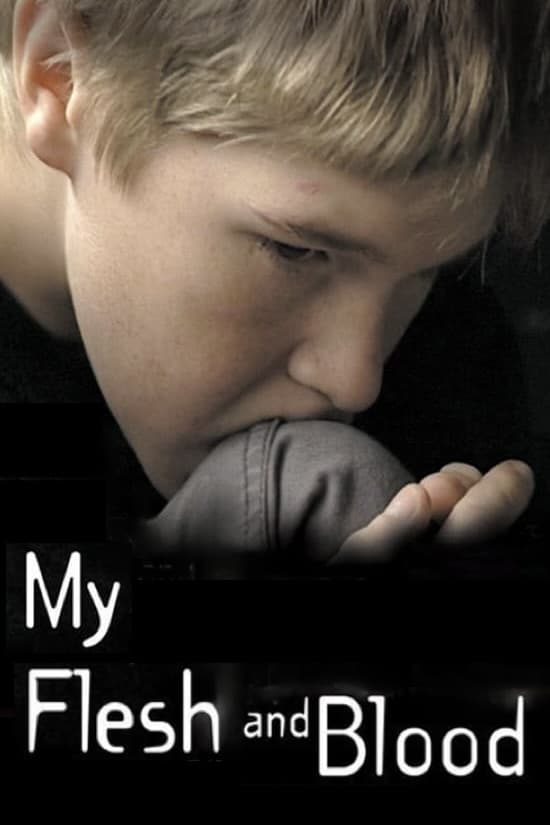
My Flesh and Blood is a 2003 documentary film by Jonathan Karsh chronicling a year in the life of the Tom family. The Tom family is notable as the mother, Susan, adopted eleven children, most of whom had serious disabilities or diseases. The film itself is notable for handling the sensitive subject matter in an unsentimental way that is more uplifting than one might expect.
Parallel stories connected through an intimacy with death. The living and the dead communicate through visions, memories and reality.
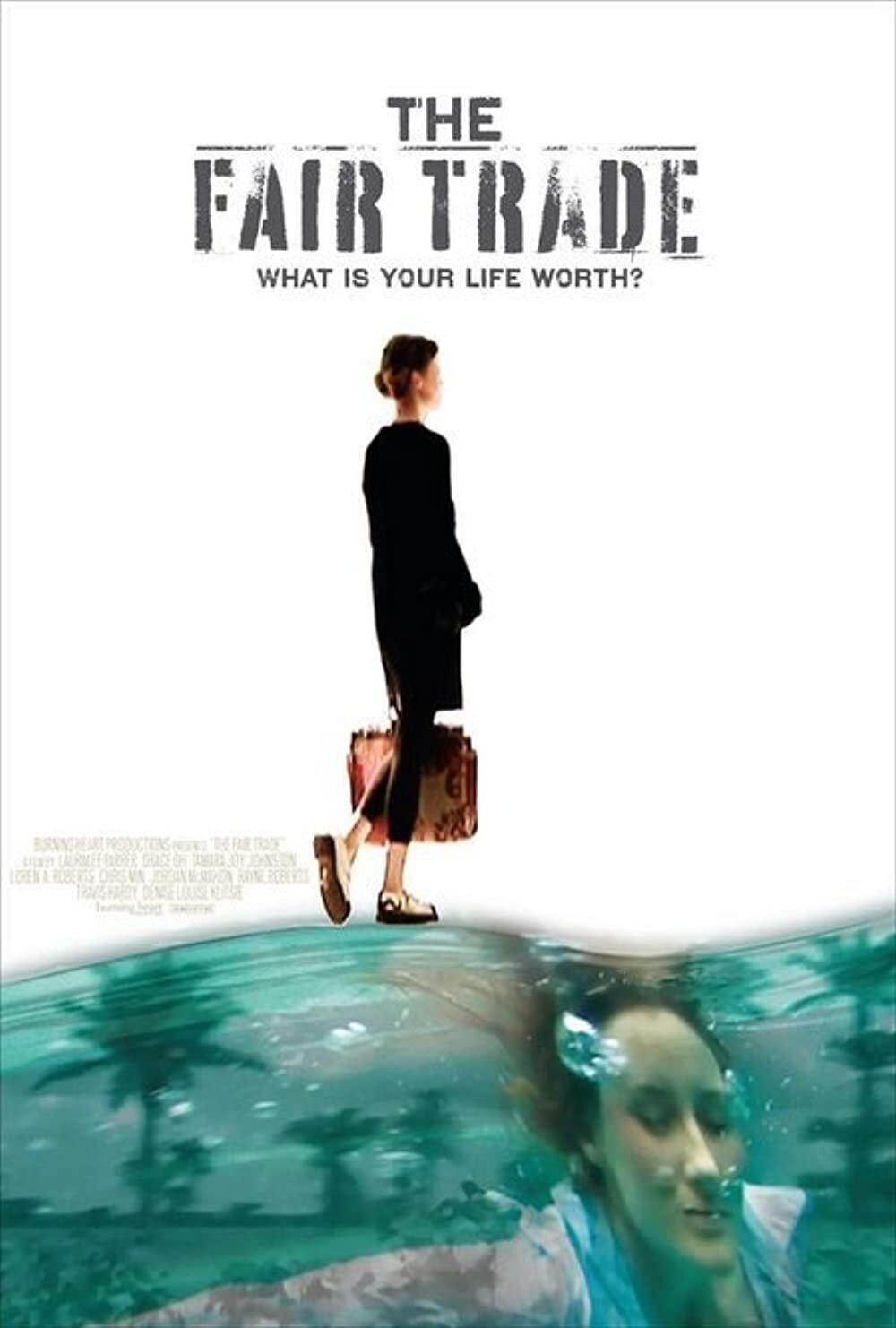
The feature documentary The Fair Trade tells the story of Tamara Johnston who, devastated by the tragic death of her fiance, makes a bargain with God in exchange for a meaningful life. She and her twin sister Shelby join forces with brother-in-law Steven to start one of the first fair trade skincare companies—Anti-Body. Even as Tamara becomes a successful activist for human rights and social justice causes, despair over her loss remains unabated. As she nears the deadline of her bargain, a trip to Africa allows her to visit the fair trade co-op from which Anti-Body buys its organic shea butter. There, she finds a surprising answer to what is required of her in exchange for a sustainable life.
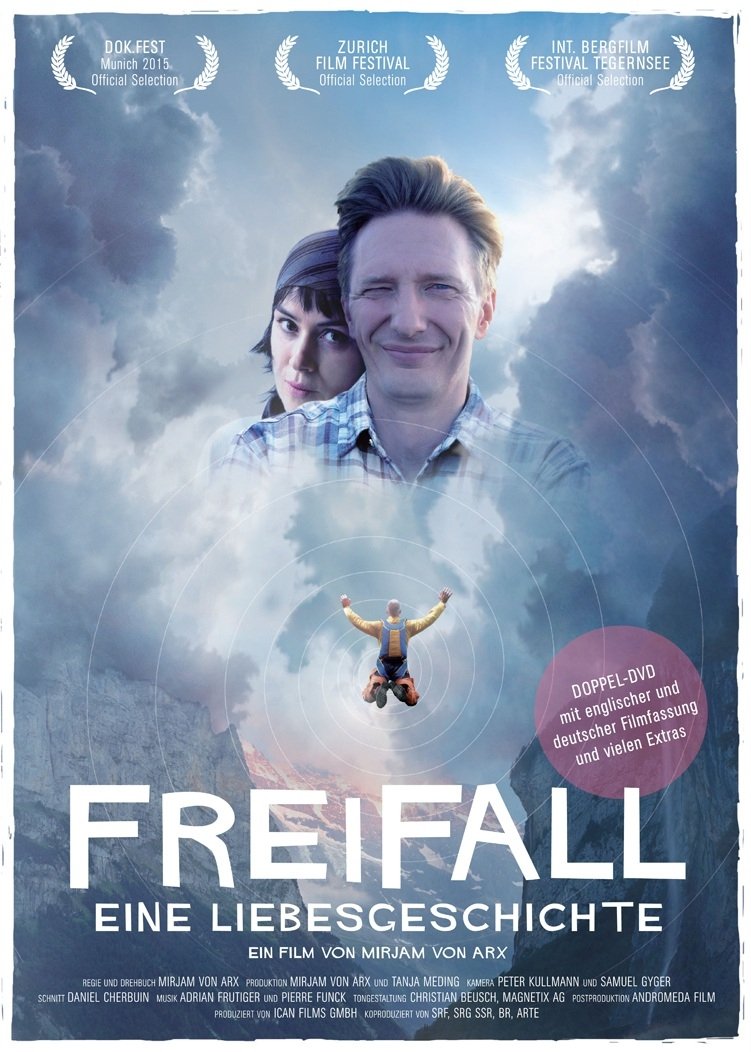
I meet Herbert in the same week I get diagnosed with cancer. We fall madly in love and plan to stay together for the rest of our lives. Three months later, he is dead. Herbert was a BASE Jumper. Leaping off a cliff with nothing but a parachute, he loses his balance, slams into the rock face and falls to his death. His loss in the midst of my chemotherapy completely throws me. Why does he gamble his life away, while I fight for mine? Desperate for answers, I return to Lauterbrunnen, the scene of the accident where Andreas, his best friend and coach, introduces me to the world of BASE. The jumpers teach me not only about the sport, but about facing fears, harnessing and controlling them. To make the most of the life we get. In the Swiss Death Valley I slowly find my way back to life.
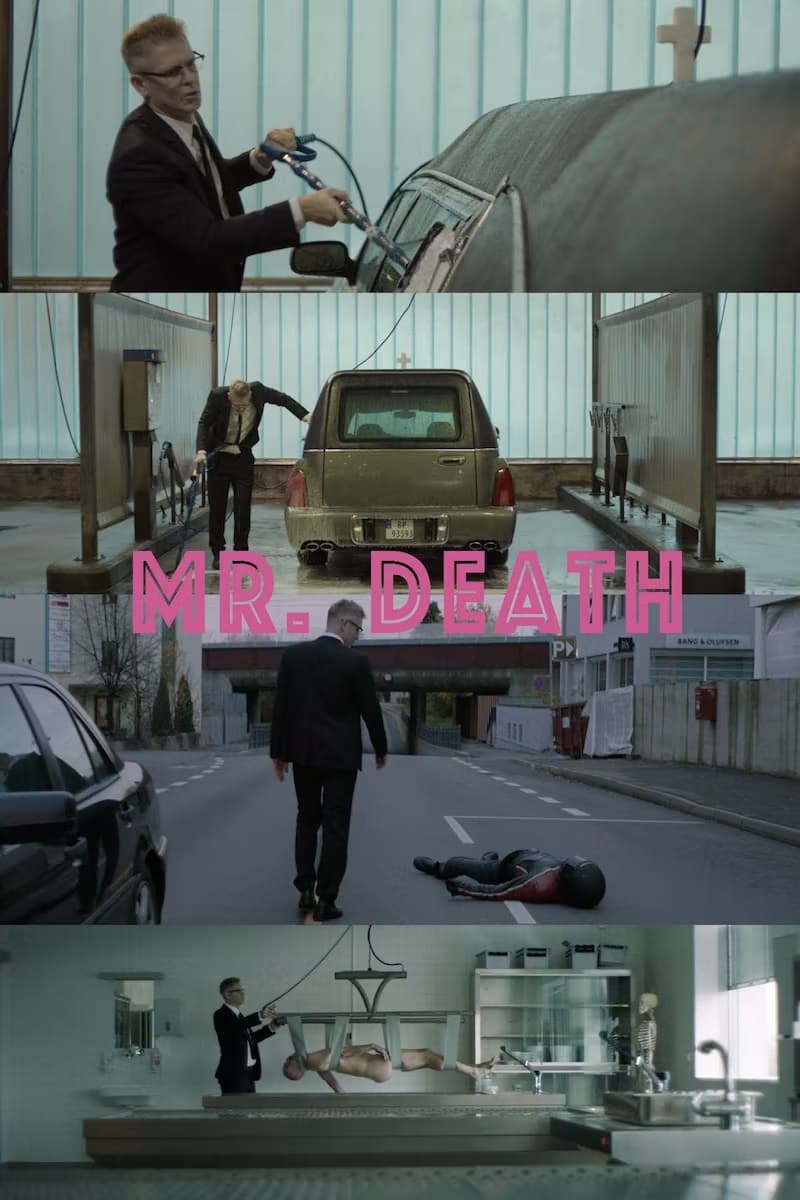
An exclusive interview with Death as he goes about his everyday business.
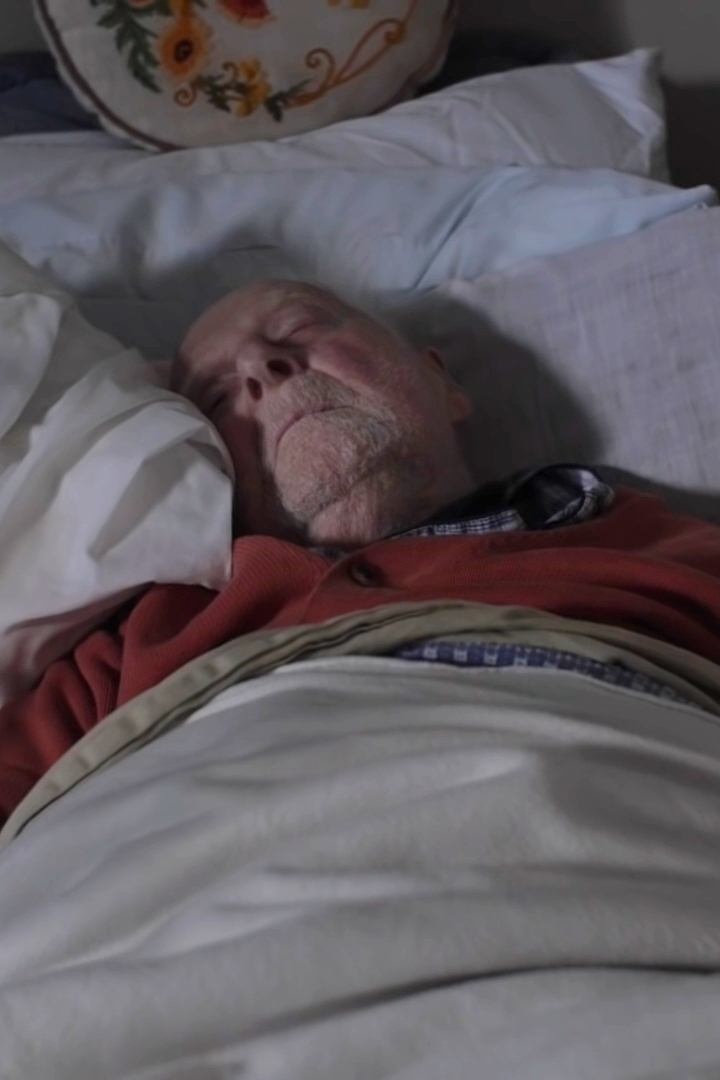
Herbert Fingarette once argued that there was no reason to fear death. At 97, his own mortality began to haunt him, and he had to rethink everything.
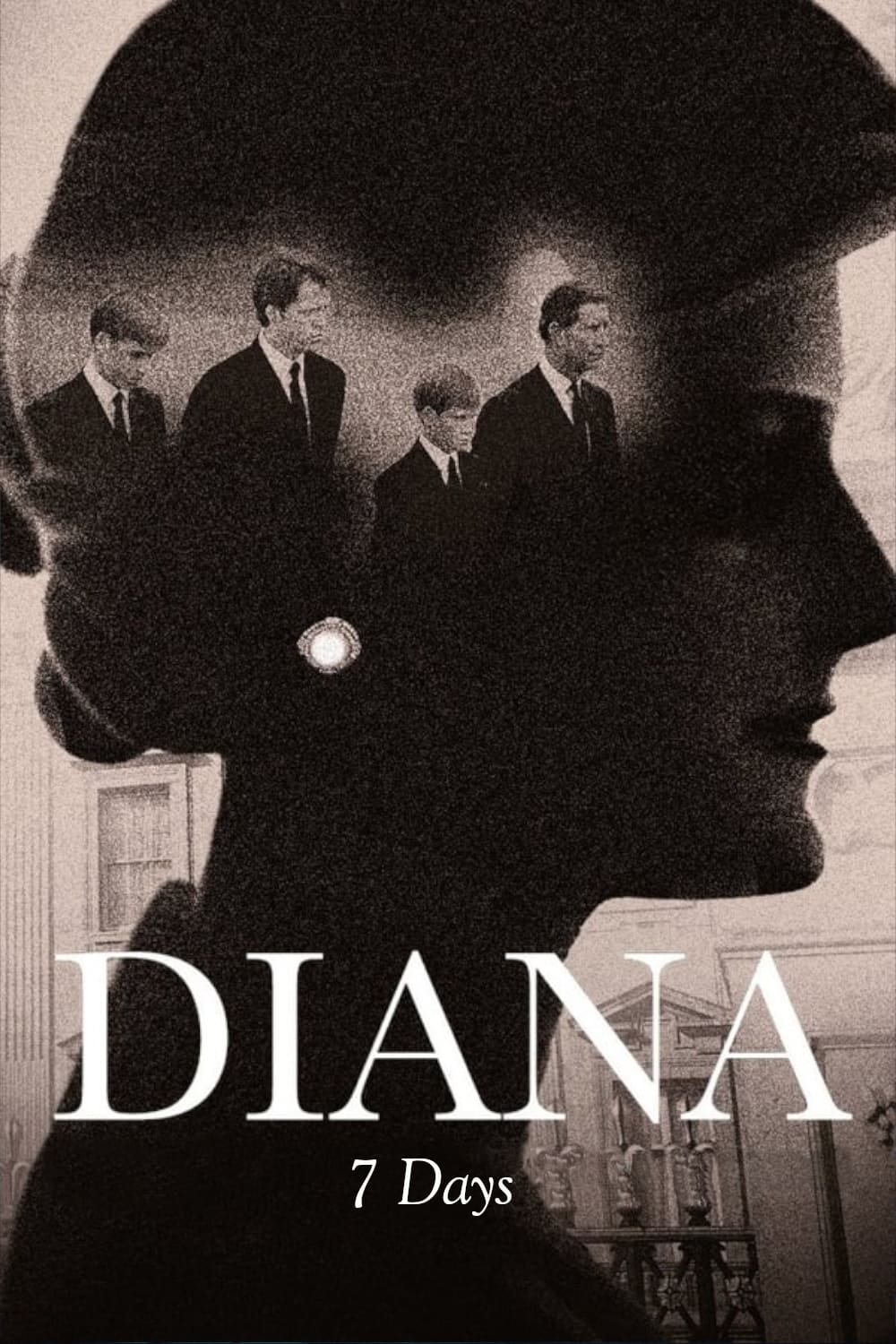
In August 1997, the tragic death of Diana, Princess of Wales, stunned her family and catapulted the British public into one of the most extraordinary weeks in modern history. What was it about Diana that resulted in such an outpouring of grief? And what does that week reveal about Britain's relationship with the monarchy, then and now?
Harold Russell, an American soldier who lost his hands in a training accident, tells the story of his medical rehabilitation at Walter Reed Army Medical Center in Washington DC, how he and his fellow amputees at the hospital at first despaired and then found new hope in the prostheses and training available to amputees through the Army's medical corps. Russell learns to wear and to operate the hooks which replace his hands and becomes competent to perform many tasks he had once thought no longer possible. Discharged from the Army, he is welcomed into Boston College by college president William J. Murphy, S.J.
A doctor's efforts to live a green life near the Appalachian Mountains lead to the development of a radical idea to use green burials to conserve one million acres of land and to create wildlife reserves.
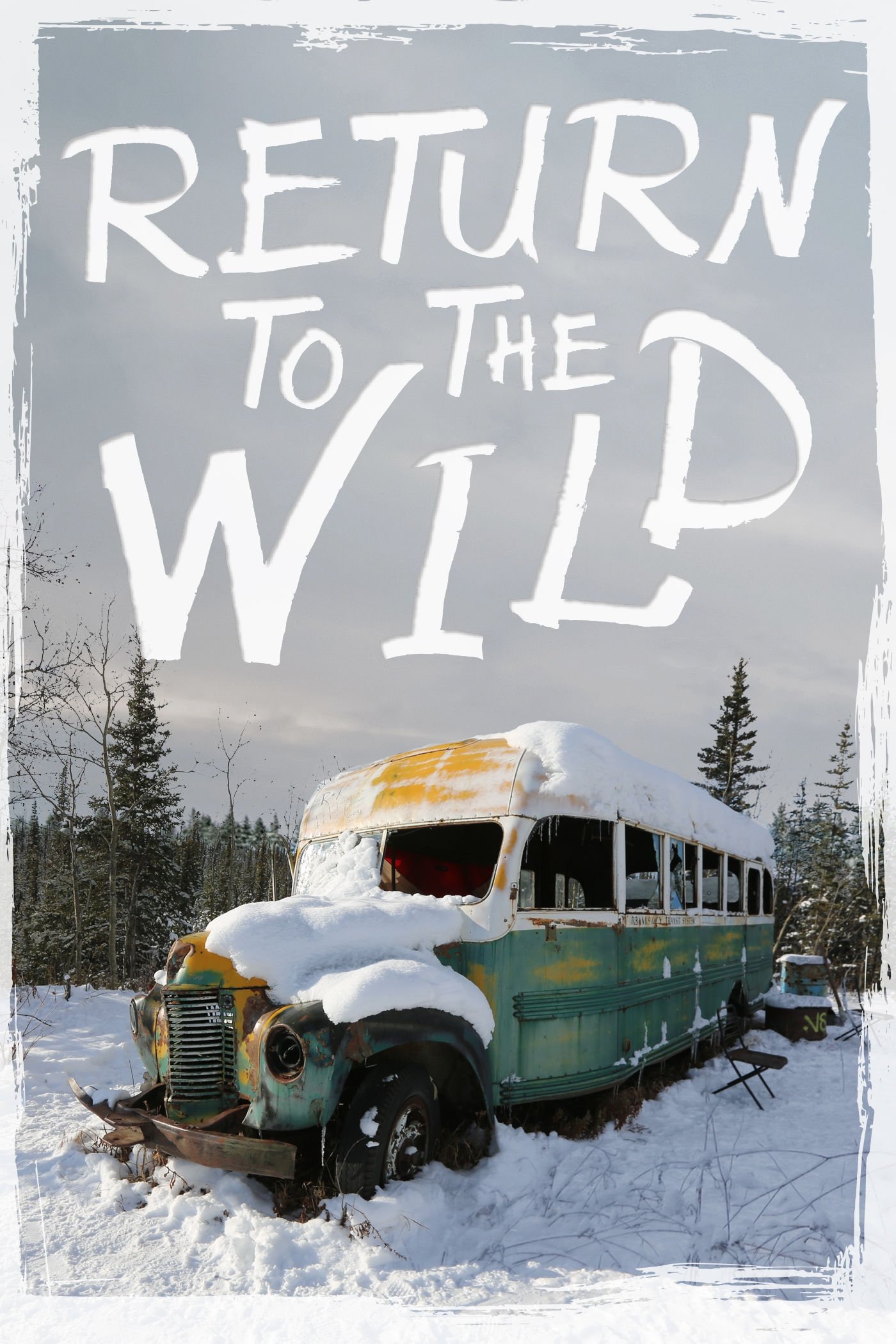
Twenty years ago, a young American hiker named Chris McCandless, the accomplished son of successful middle class parents, was found dead in an abandoned bus in the Alaskan wilderness and became the subject of the best-selling book and movie “Into the Wild.” Now, PBS retraces Chris McCandless’ steps to try to piece together why he severed all ties with his past, burnt or gave away all his money, changed his name and headed into the Denali Wilderness. McCandless' own letters, released for the first time, as well as new and surprising interviews, probe the mystery that still lies at the heart of a story that has become part of the American literary canon and compels so many to this day.
Three men, who in their youth fell victim to the allure of the fast life in the small town of Paris, Kentucky, later find redemption through giving back to a grief-stricken community grappling with the shocking loss of a promising young athlete.
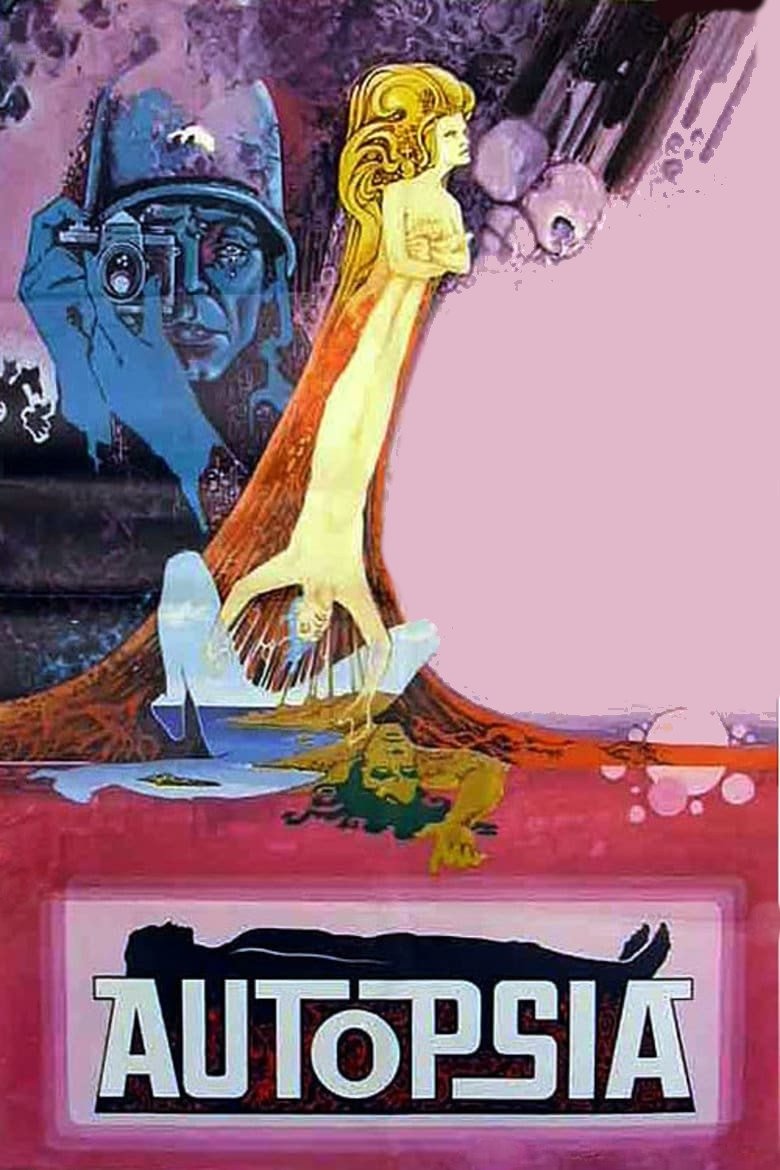
Mondo-style docudrama about a war correspondent who comes back home and has a spiritual crisis about his own mortality. Surreal fantasy sequences are mixed with graphic real autopsy footage.
My mother will die. Jutta interprets the diagnosis of an incurable cancer as a spiritual crisis. Accompanied by Rainer Langhans, to whom she has a deep friendship since over 40 years, Jutta travels to India and goes on the search for a healing experience from within.
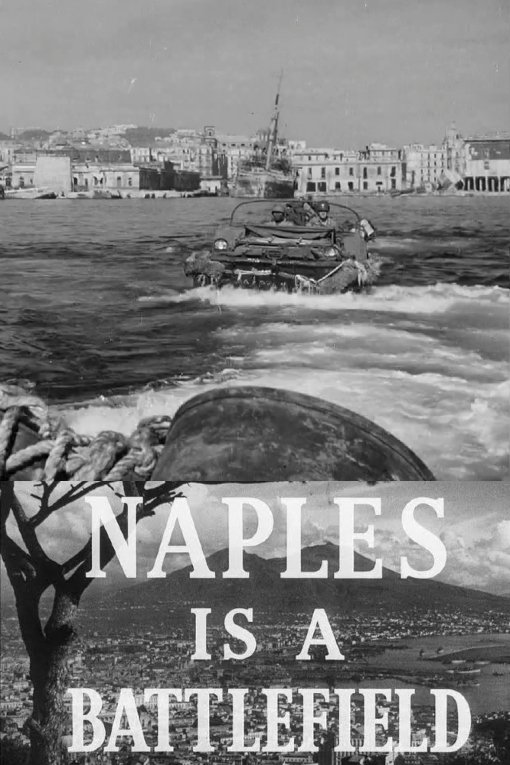
The capture of Naples, the first great European city to be liberated, revealed the magnitude of the tasks involved in re-creating the means of livelihood and the machinery of government in a devastated, starving and disease-ridden city.