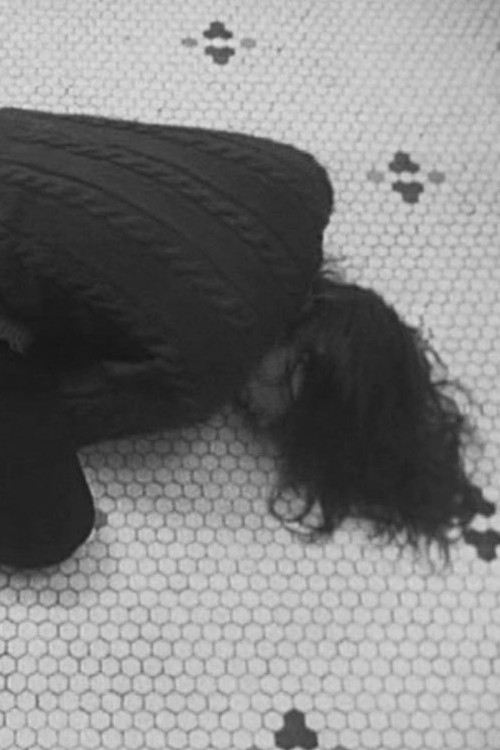
Elle is an experimental dance film shot in a semi industrial landscape in Brooklyn reflecting on every day movements of falling and getting up.
Social & External
Dialogue-free short detailing the daily tasks of a man and his wife.
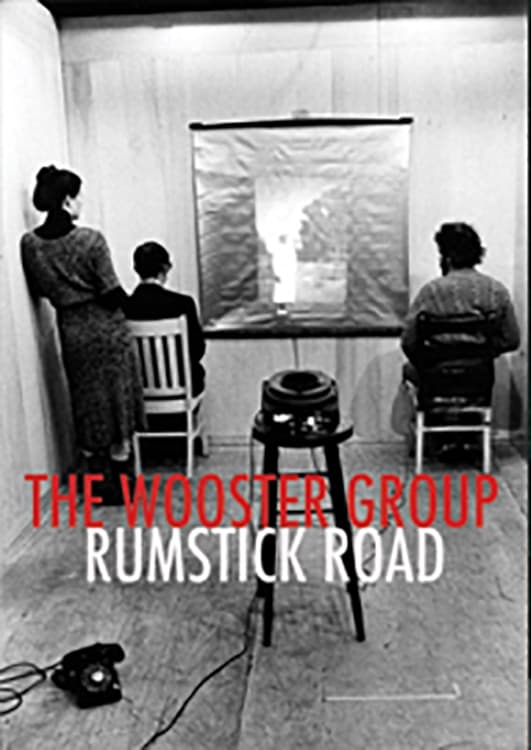
A video reconstruction of the 1977 Wooster Group production Rumstick Road, an experimental theater performance created by Spalding Gray and Elizabeth LeCompte after the suicide of Gray's mother. Archival recordings are combined with photographs, slides, and other materials to recreate the original production.
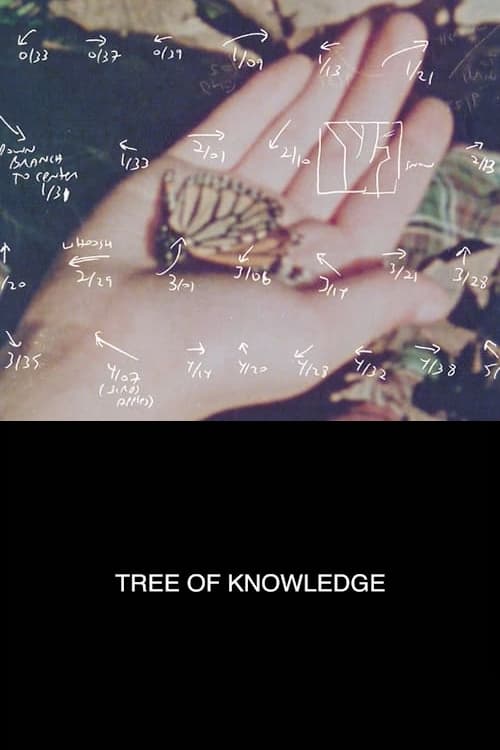
It started with filming the tree. Something was released in that manner of filming seemingly farthest removed from the procedure of the early films. I first thought a simple ordering of this rich material might be enough, something related to BARN RUSHES [...] But the film only came into its form-life with the idea of linking this deep-rooted and far-outreaching tree material with that film on paranoia that had fascinated me for many years. –L. G.
"With characteristic wit and rigor, experimental filmmaker Larry Gottheim here applies his impressionistic editing style to footage collected during his travels in the Dominican Republic. Gottheim’s formal emphasis on repetition and fissures between sound and image resonates here as a mode of sociological reflection (with the fragmentary montage mirroring elements of ritual while also destabilizing the ethnographic gaze). A largely overlooked antecedent to the contemporary blending of avant-garde and ethnographic filmmaking, MACHETTE GILLETTE… MAMA still poses a potent challenge to documentary convention." - Max Goldberg
If Not is a meditation on love, inspired by If Not, Winter by Sappho, translated by Anne Carson. Filmed in Ephesus and Brooklyn.
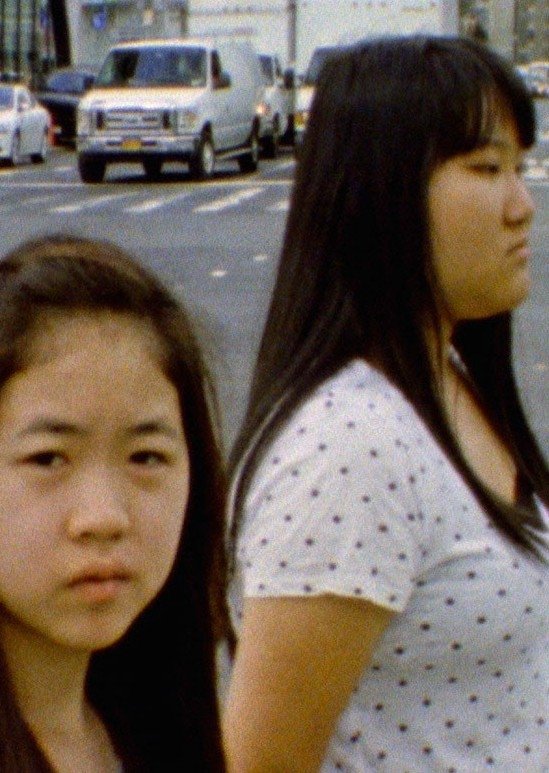
Dear features the interior world of two teenage Chinese girls in New York City, whose diary entries reveal their concerns related to growing up as immigrants amidst the ever-gentrifying landscape of Chinatown.
The town Minot is home to a U.S. Air Force base that guards 150 nuclear missiles buried in northern North Dakota. The weapons of mass destruction placed there 50 years ago are still targeted at Russia. Minot, North Dakota portrays an American landscape where people live with nuclear bombs in their backyard.
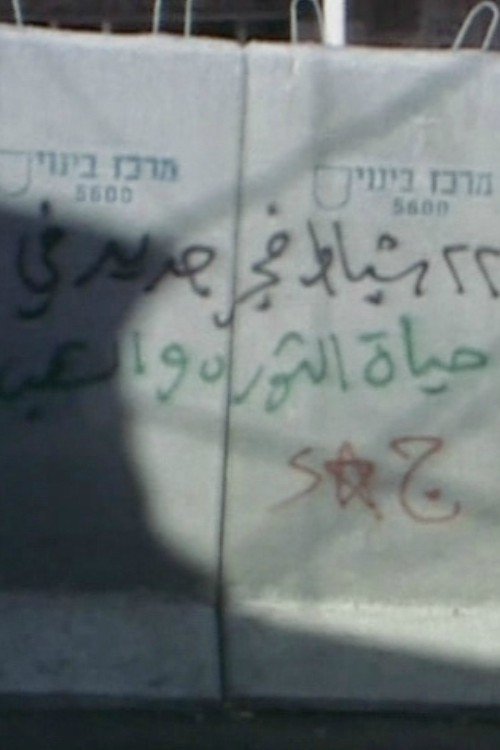
Still Life gazes unflinchingly at the violence of war, observing the eerie architecture of the West Bank and Gaza Strip collapsed under Israeli occupation. This portrait provides brutal witness to how government sanctioned destruction metes upon structures of home and State. Unlike the mediated images of current warfare, Still Life examines the effects of the destruction of Occupation through the details of cinematic landscapes and its inherent inhabitants. In its relentless questioning reaffirmed with a unique and unremitting soundtrack by composer Zeena Parkins, Still Life forces us to focus on details of devastation.
“Past Perfect” is a spirited meditation on the elusiveness and inaccessibility of (Jewish) history as conveyed through sightseeing tours of “Jewish” Poland, a grandmother’s recollection of life in America during War II, and memoir-like “last moments” of a great aunt believed to have died in Treblinka. Shot almost entirely in contemporary Poland, “Past Perfect” lyrically portrays the relentless yet ultimately futile attempt to resuscitate a history literally gone up in smoke.
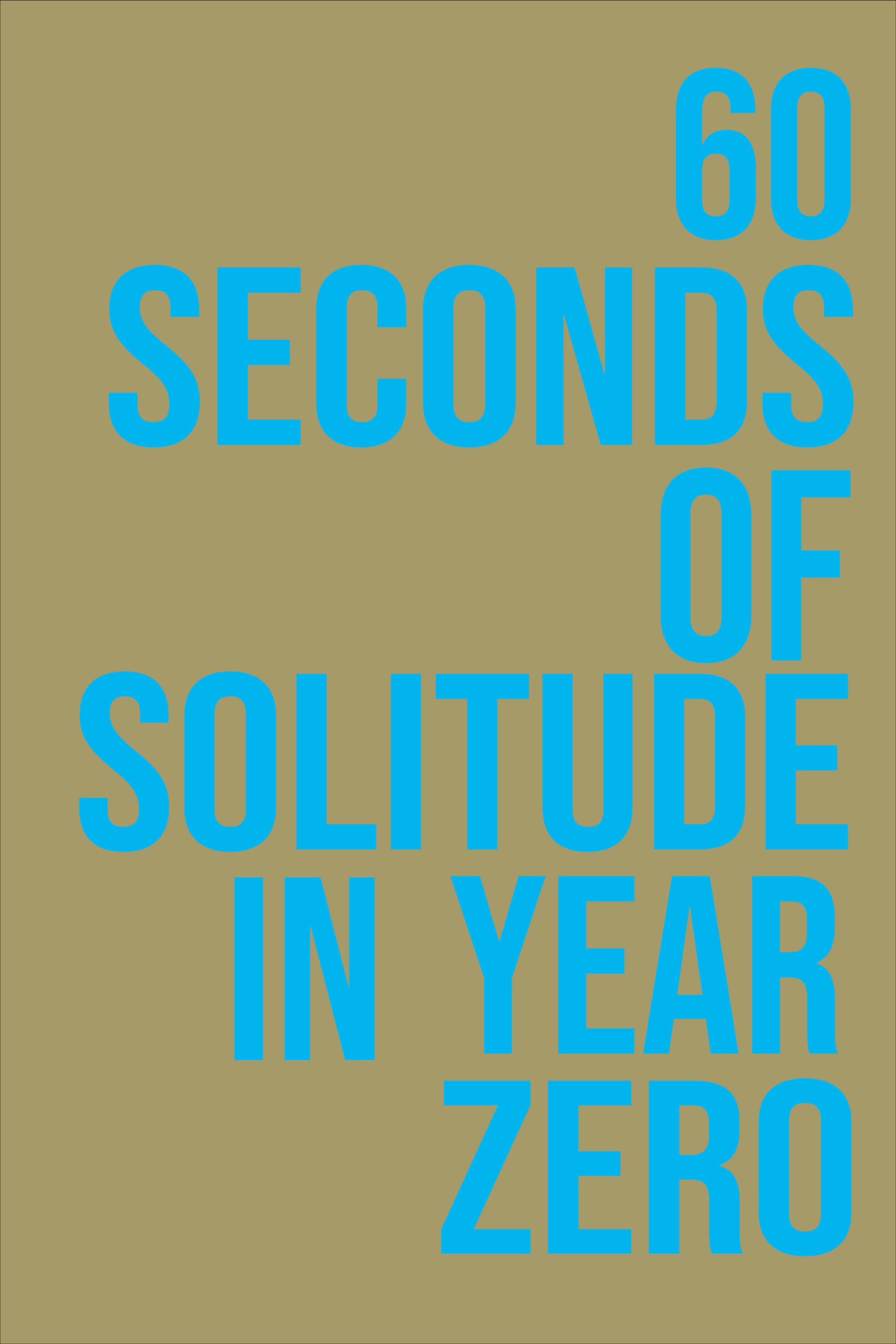
An anthology of one-minute films created by 51 international filmmakers on the theme of the death of cinema. Intended as an ode to 35mm, the film was screened one time only on a purpose-built 20x12 meter public cinema screen in the Port of Tallinn, Estonia, on 22 December 2011. A special projector was constructed for the event which allowed the actual filmstrip to be burnt at the same time as the film was shown.
An experimental ethnographic documentary that criticizes the colonizer view of anthropology.
This film is depicts early lesbian sexuality, using reenacted scenes from the experience of a 12-year old girl as the platform for a meditation on forbidden desire, transgression, and Lacanian psychoanalytic concepts of identity formation. Raw adolescent memories counterpoint staged scenes, exploring mechanisms of power and submission.
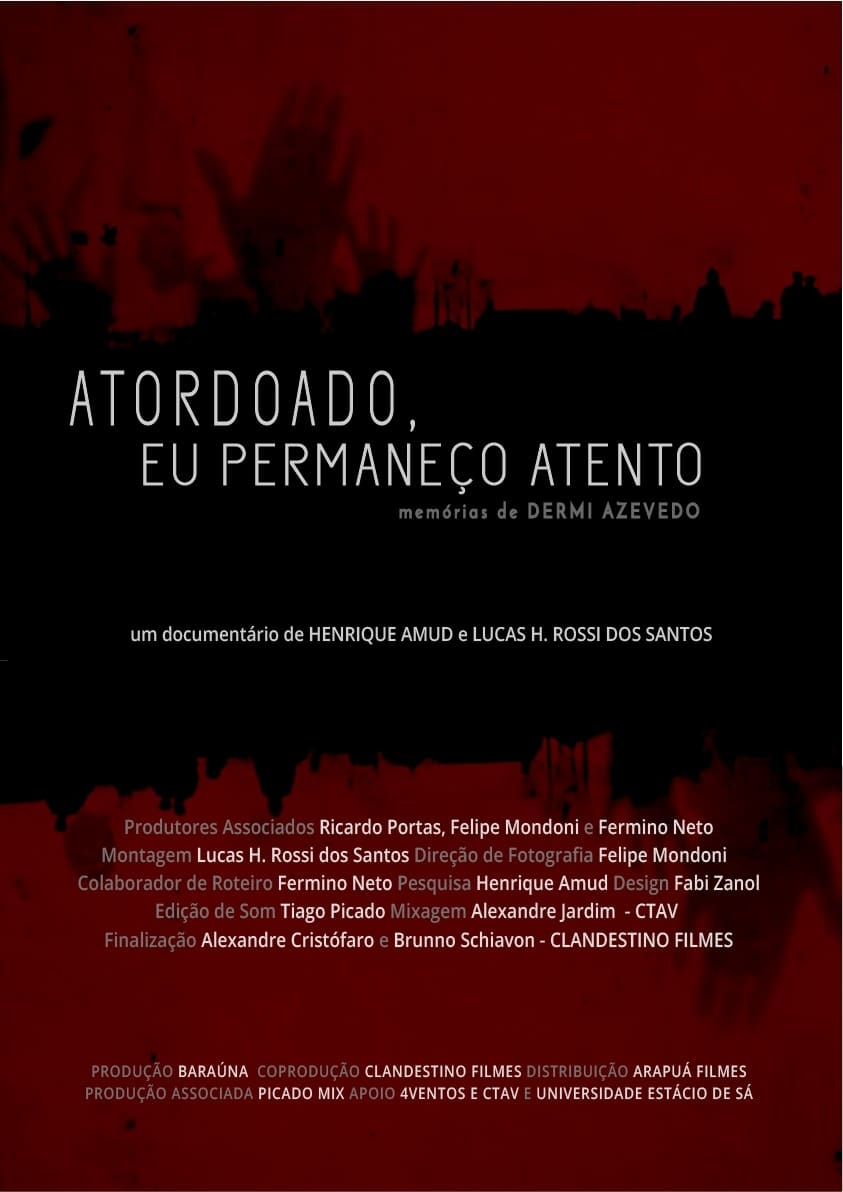
Journalist Dermi Azevedo has never stopped fighting for human rights and now, three decades after the end of the military dictatorship in Brazil, he's witnessing the return of those same practices.
Combining high definition and Super 8 footage, Lampedusa is composed of interwoven narratives based on a series of real events. In 1831, a volcanic island suddenly erupted from the sea a few kilometers off the southern coast of Sicily. An international dispute ensued, as a number of European powers laid claim to this newfound “land”. The island receded below sea level six months later, leaving only a rocky ledge under the sea…
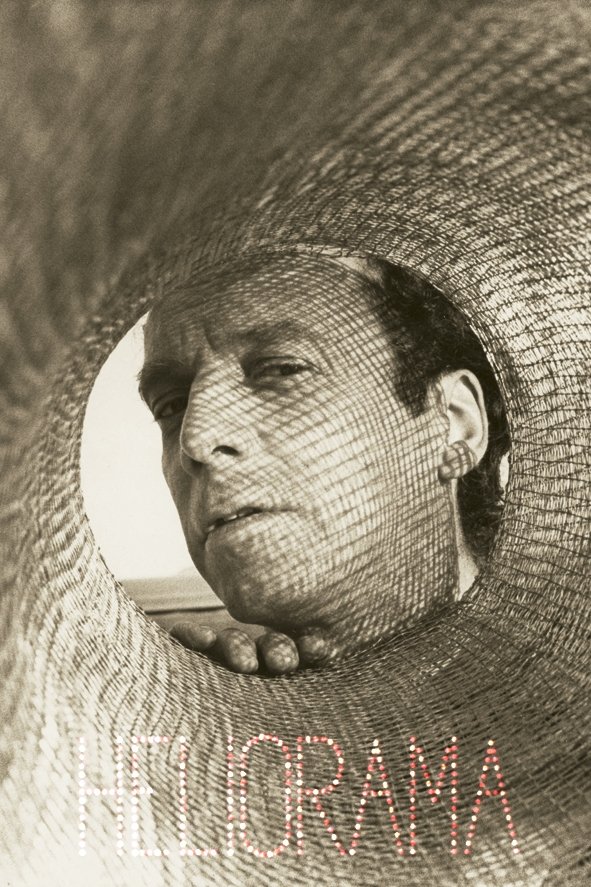
A collage of newsreels, trailers, clips and other visionary and unseen fragments of sight and sound regarding the late plastic artist Helio Oititica.
A look at the various modes of transportation made for the Expo '86 World Fair in Vancouver, Canada.
"Adrift" is shot on the arctic island of Spitzbergen and in Norway. It combines time-lapse photography with stop-motion animation of the landscape. Through camera-angles and framing the film gradually dislocates the viewer from a stable base where one loses the sense of scale and grounding.
An experimental film about that one hypnotic moment on a regular, unassuming Tuesday when one realizes that time has stopped and the universe has been sucked into a single smile.
"Ryuta is 5 years old. Even though he is my son, I sometimes wonder what this small person is to me. Even though I see his joys and sadnesses and know the feel of his warmth on my skin when I hold him, there are moments when my feelings for him become vague and blank." - Takashi Ito
This experimental nature documentary by Minna Rainio and Mark Roberts depicts climate change and the wave of extinction from the point of view of our near future. Actually, it depicts the age we live in now, or rather its fateful consequences.