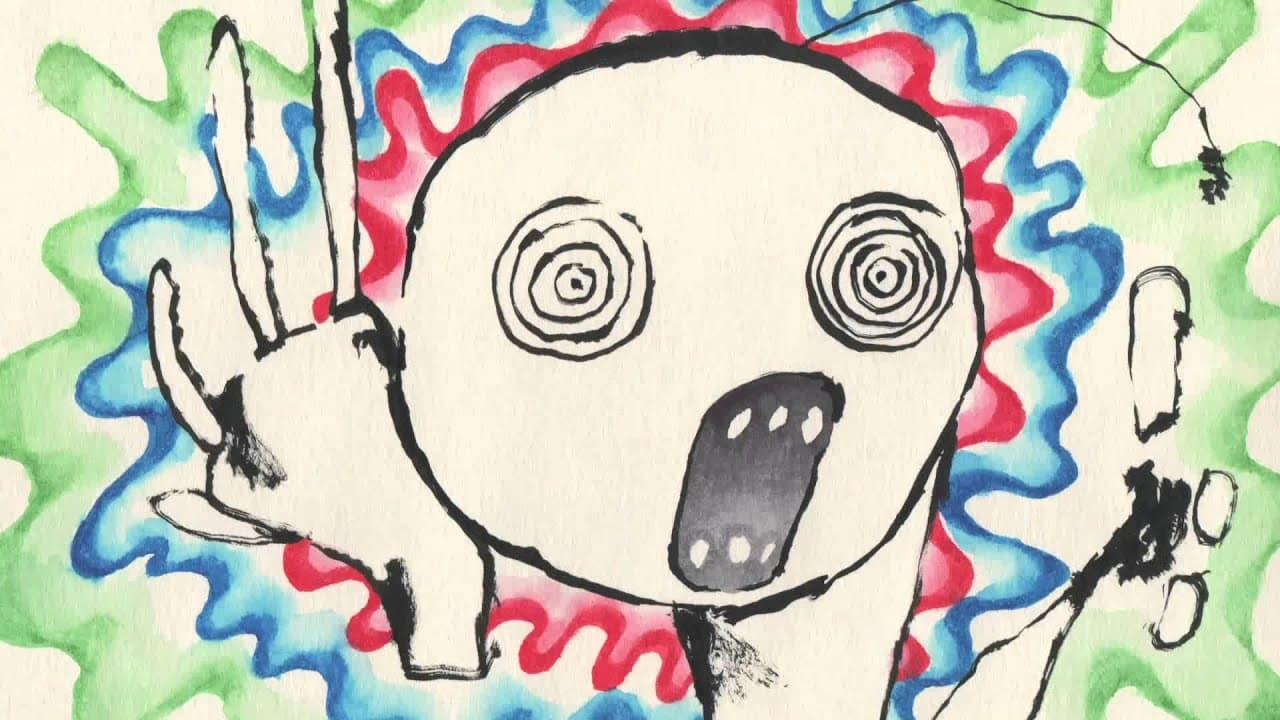
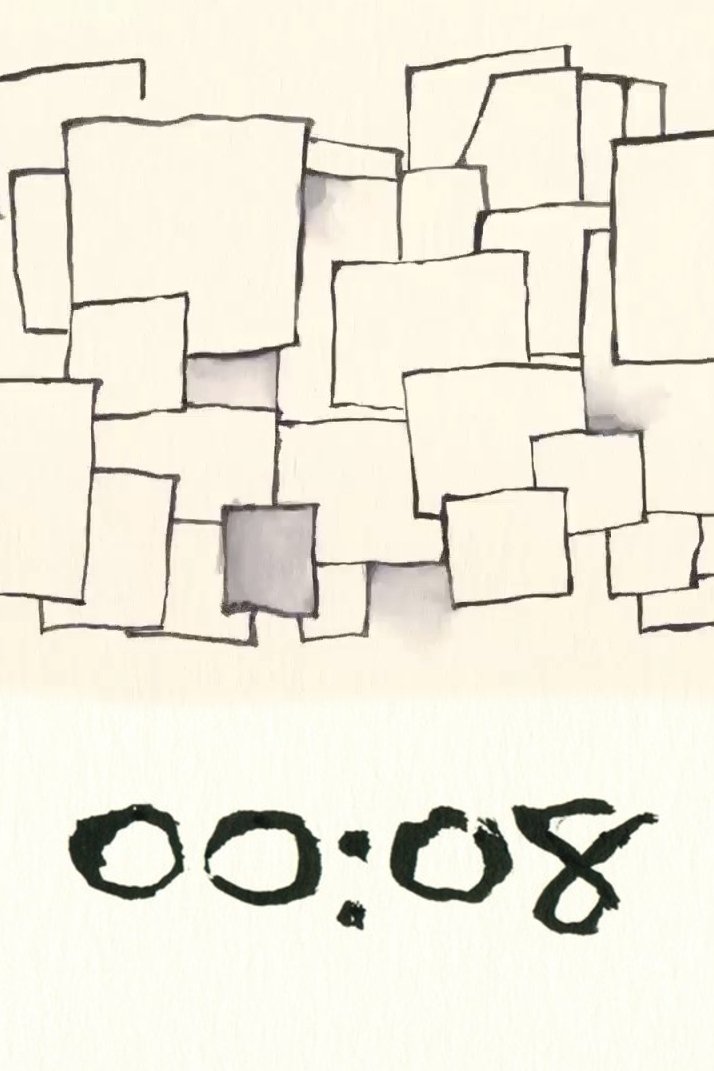
This piece takes 8 seconds, and creates intervals between the frames, and then makes them bigger. It's about expansion and enlargement, not the passage of time. 8 seconds becomes that much more luxuriant.

Social & External
The people behind it
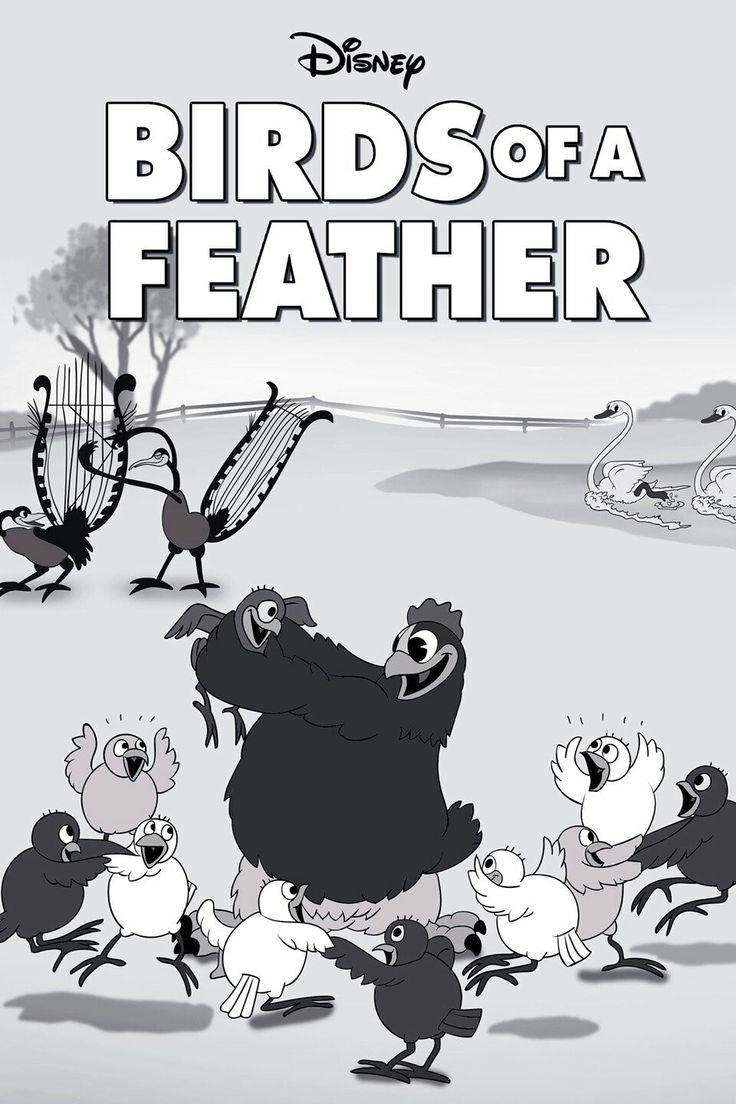
Swans, peacocks, ducks, and more birds dance.
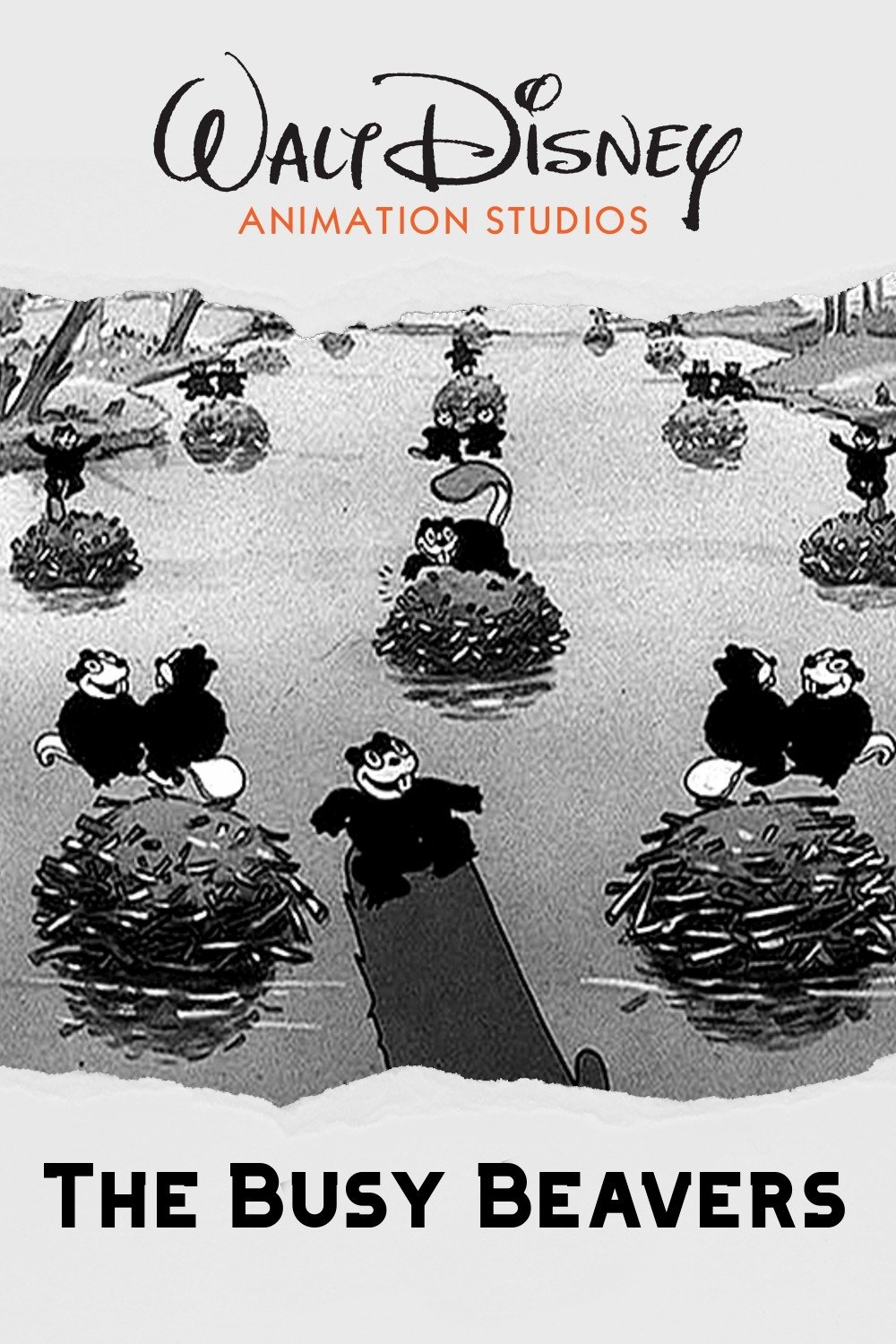
A group of beavers cheerily build a dam.
A spider gets lost inside the sphinx.
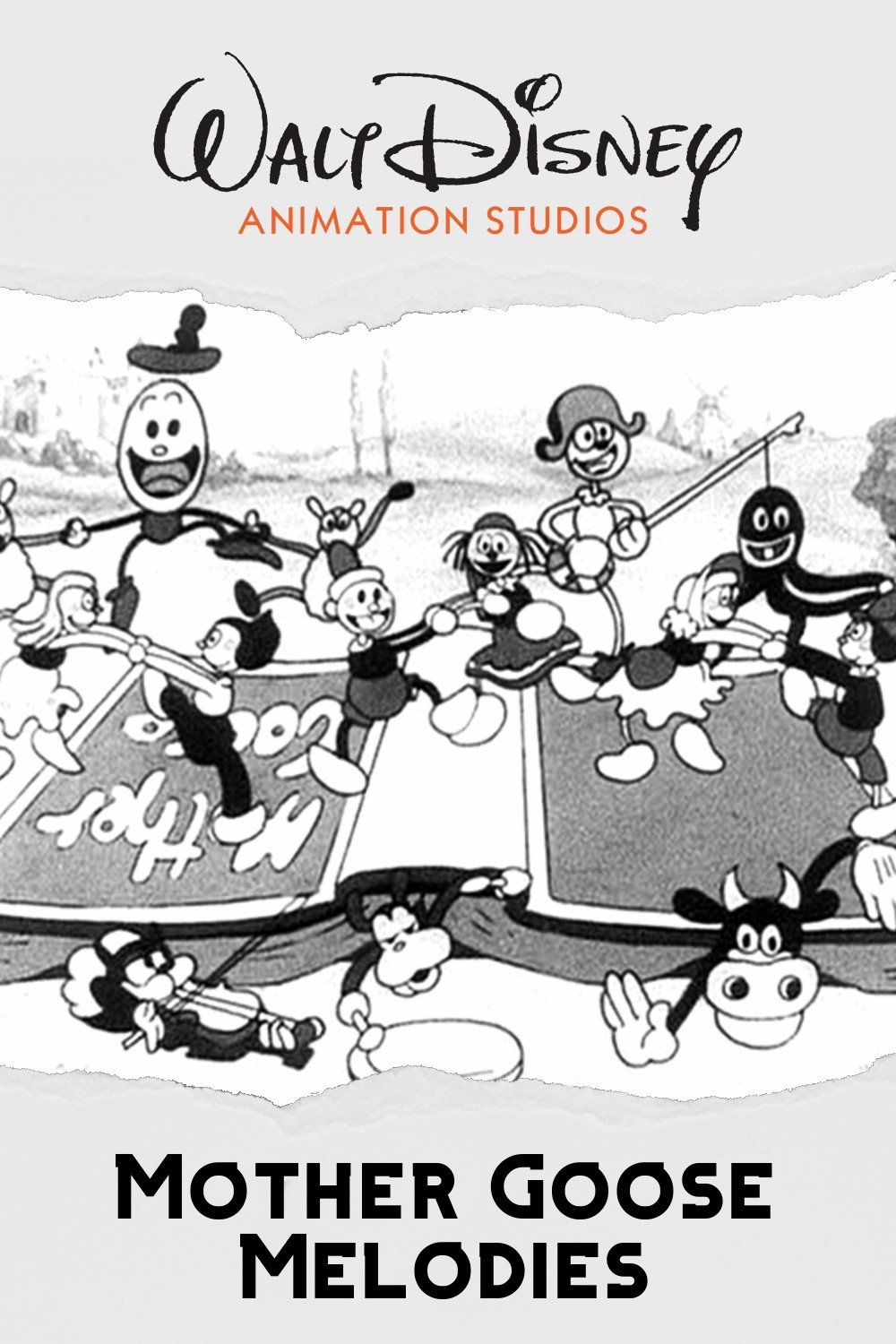
A book of nursery rhymes plays for Old King Cole.
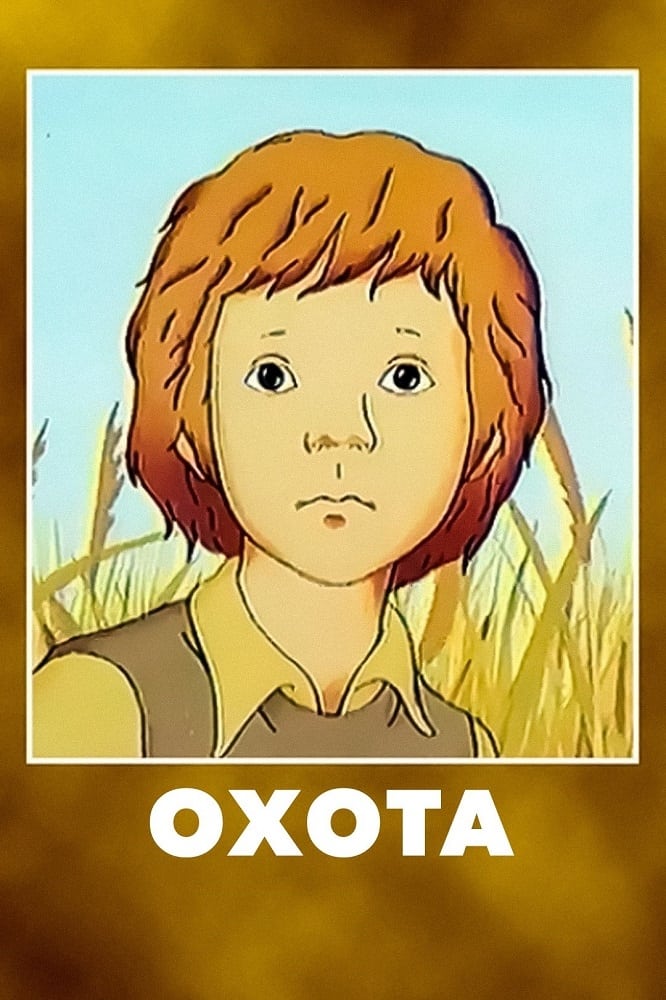
Short Russian animated film. The boy comes to the hunting shop considers trophies and imagines that he is in the African savannah.
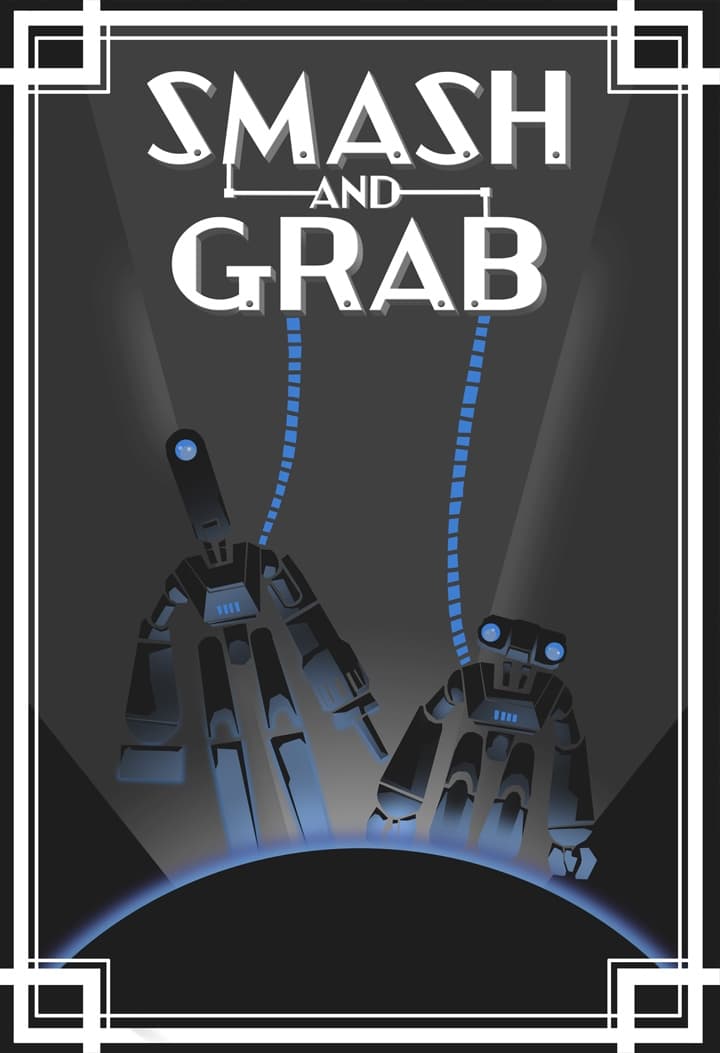
After years of toiling away inside the engine room of a towering locomotive, two antiquated robots will risk everything for freedom and for each other.
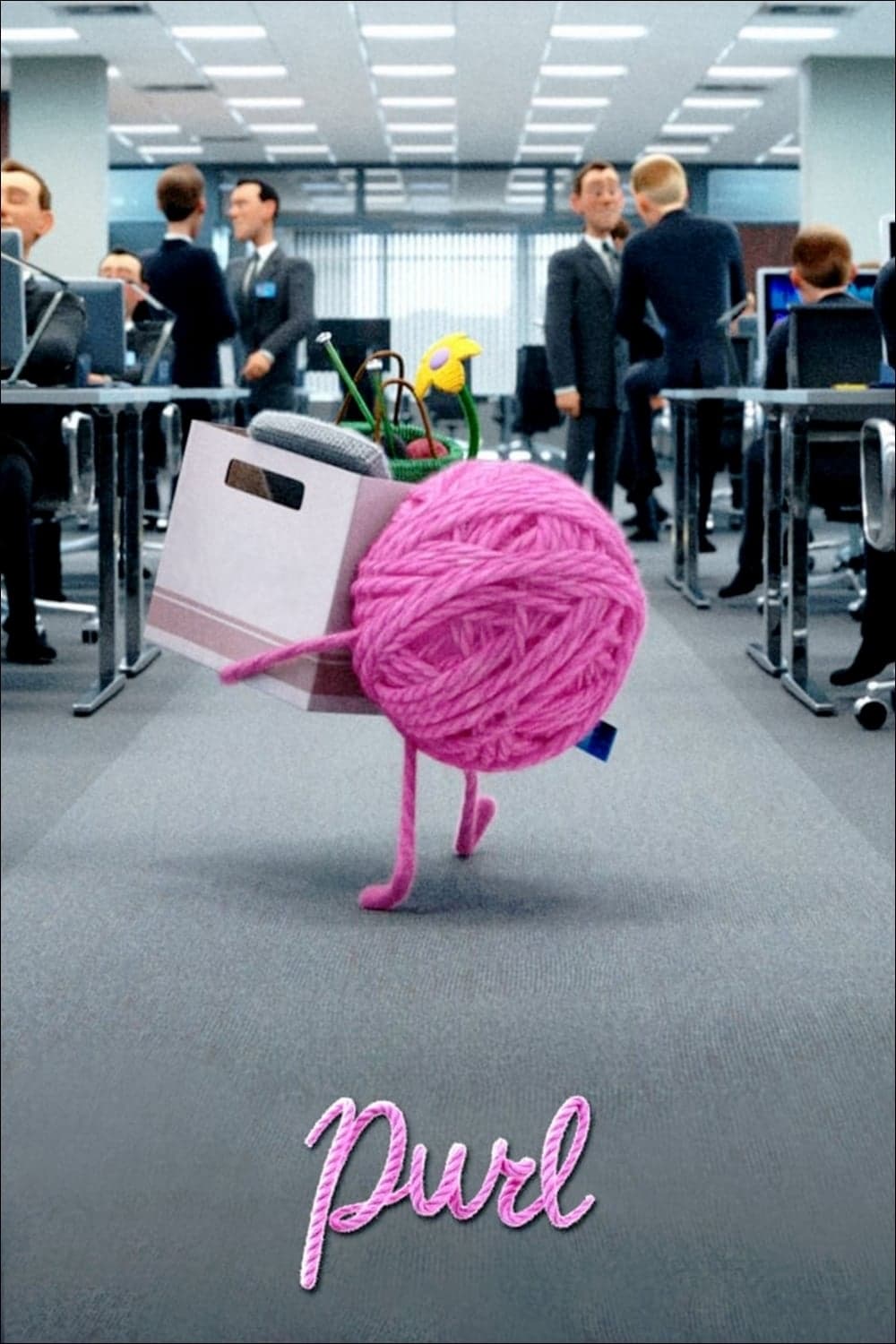
Purl, an earnest ball of yarn, gets a job at a fast-paced, male-centered startup company. Things start to unravel as Purl tries to fit in with this tight-knit group, but she must ask herself how far is she willing to go to get the acceptance she yearns for and if, in the end, it is worth it.
Three women – 27 year old Tokyo office worker Mire Yoshizuki, 22 year old fourth-year college student Sora Nagase, and 20 year old boyish, part-time Hiroshima okonomiyaki shop worker and freelancer Reika Kawatani – are drawn together by a magic gem.
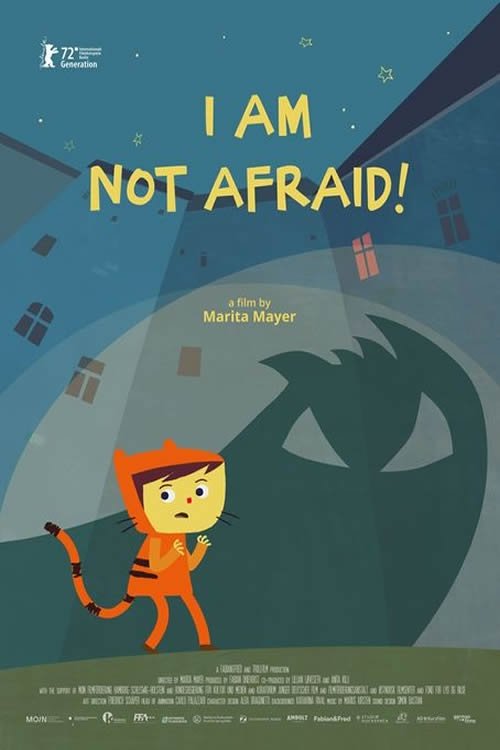
Whenever Vanja searches for her older sister, who is hiding from her, everything scares her: the giant snake that lurks for her in the dark courtyard and the cellar with its strange noises. This artful animation film tells of the power of the imagination, which turns shadows into monsters, but which can also give one the ability to become a true tiger which is afraid of nothing.
After a near-death experience, a person floats in a mysterious space, gradually being reborn by reconnecting with the sensations of their body.
"Bartosch showed that animation could be poetic... It was Bartosch who first dared to give animation the dimension of a great art, trusting it to voice his pain, to lay bare his heart, to tell of his hope for a better future - which he never saw." - Alexander Alexeieff and Claire Parker, 1969
A Polish animation
Colorful hallucinogenic trip in a cartoon fantasy world, or, as Timothy Leary put it, "Cheery pop images and mellow lyrics".
An intimate look at cinematographic creation, this visual essay shares with us secrets of the legendary Canadian animator Norman Mclaren and his personal view of filmmaking.
An abstract animation about people and organs of the body in and out of drawers.
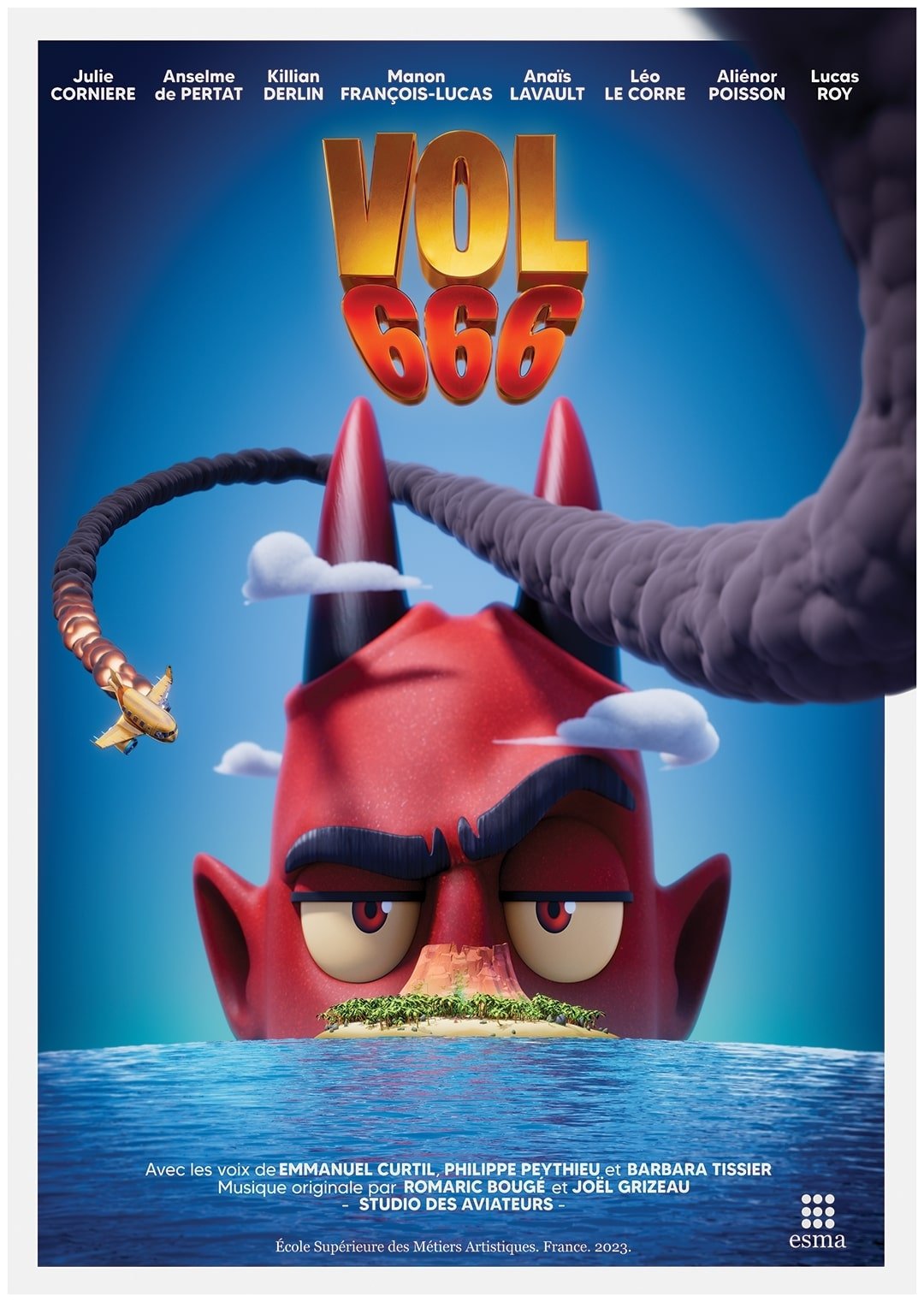
During a flight to his dream vacation, Johnny, a compulsive gambler and notorious crook, finds himself propelled to Hell with his wife Monica. To save their souls, they will have to confront and beat the devil at his own game in Hell’s Casino.
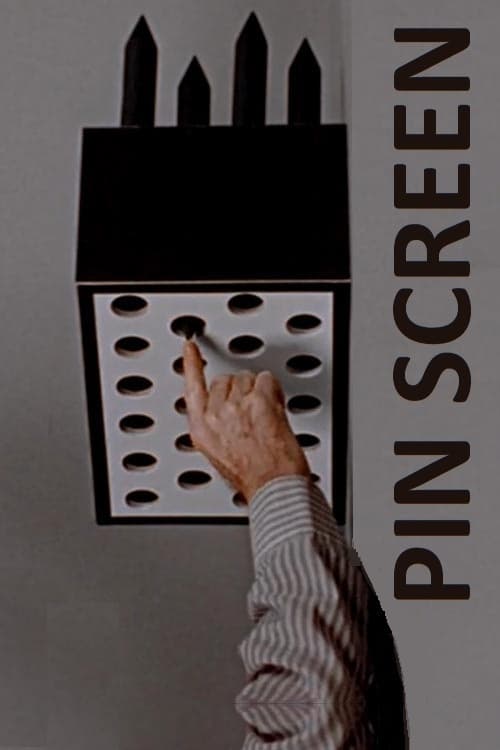
Pinscreen animation makes use of a screen filled with movable pins, which can be moved in or out by pressing an object onto the screen. The screen is lit from the side so that the pins cast shadows.
Nobita coaxes his friends to join him for a treasure hunt but an eerie event transports them to the past. However, their hunt for treasure is not easy as they come face-to-face with pirates.
A military scientist successfully creates robot soldiers in the shape of crabs, which turn out to be deadly warriors, but soon he discovers that his ambitious invention evolves in unexpected ways.
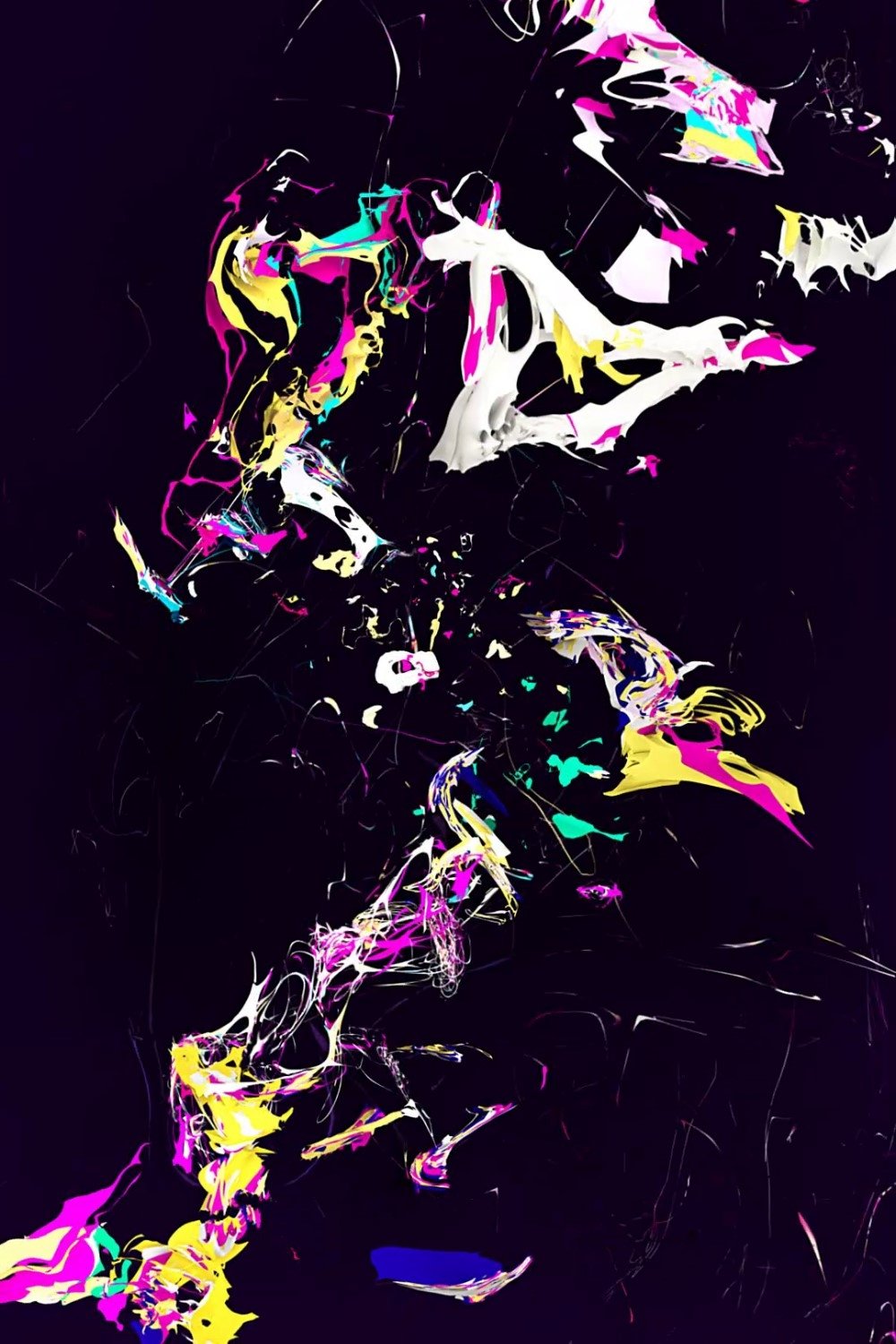
The nine virtual sculptures underlying vitreous resulted from experimental setups by Robert Seidel for generating three-dimensional clusters of fibrous refractions, as well as the gravitational lensing of different volumetric and chromatic densities. Singular elements gravitate towards each other, accumulating in a gigantic sculptural system, where each entity exists with its own visual axis and vanishing point. The impalpable luminous formations create prismatic interactions between the ridges and plateaux of the main colours floating in front of the infinite violet background.

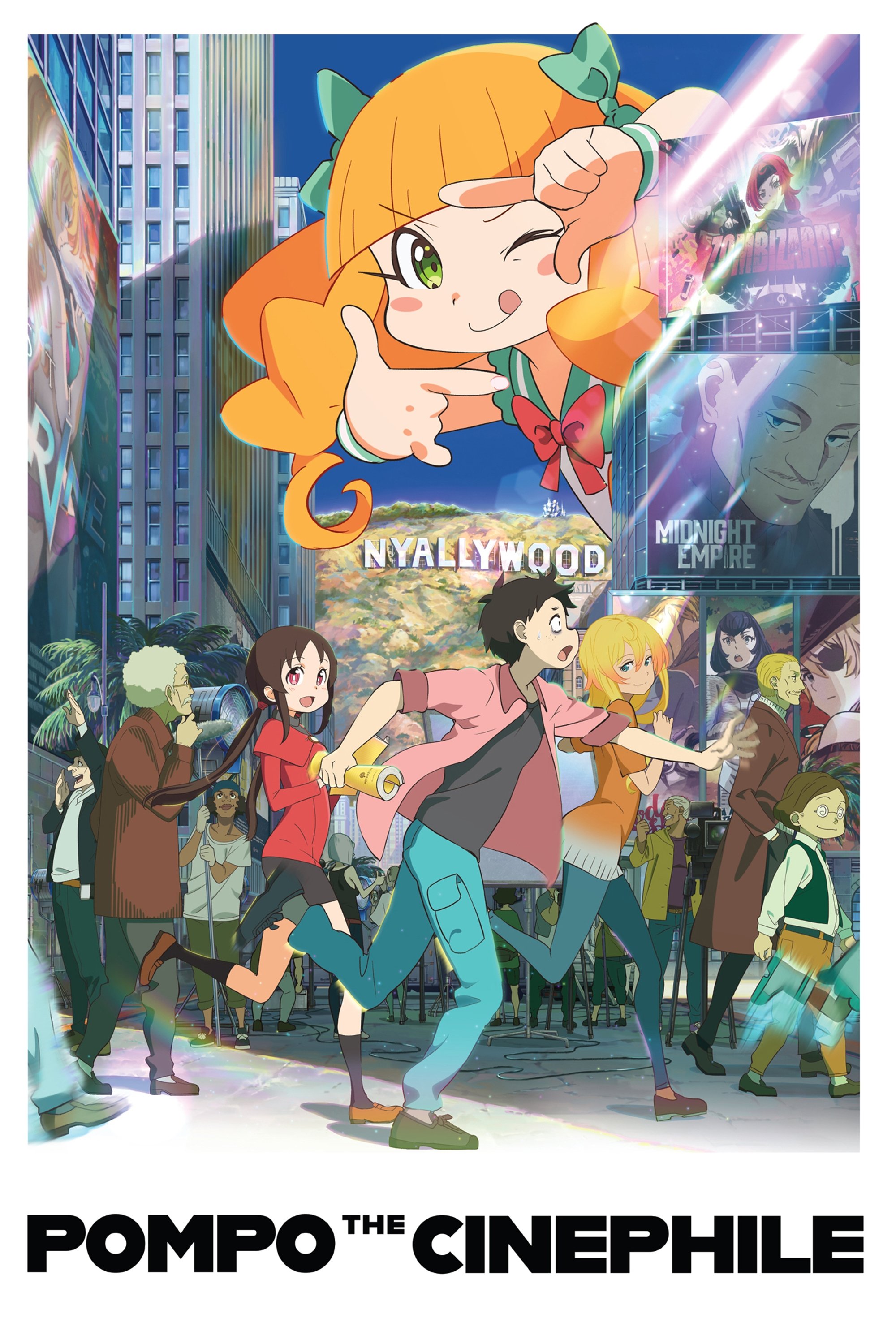
Operating out of the movie capital "Nyallywood," Pompo has been shooting one B-grade entertainment flick after another that anyone would enjoy. One day, Pompo's "movie buff" assistant Gene spots a new script written by Pompo and is moved by its exquisite story. In a fit of passion, he proclaims, "I want to see this as a finished work in theaters as soon as possible!" However, Pompo tells him, "So you shoot this film." Thus, Gene takes on his first directing gig. Meanwhile, Natalie, an ordinary girl who just arrived in town with movie actress dreams, has been discovered by Pompo...
Naruto faces off against his old pupil Konohamaru in a tournament during the chuunin entrance exams.
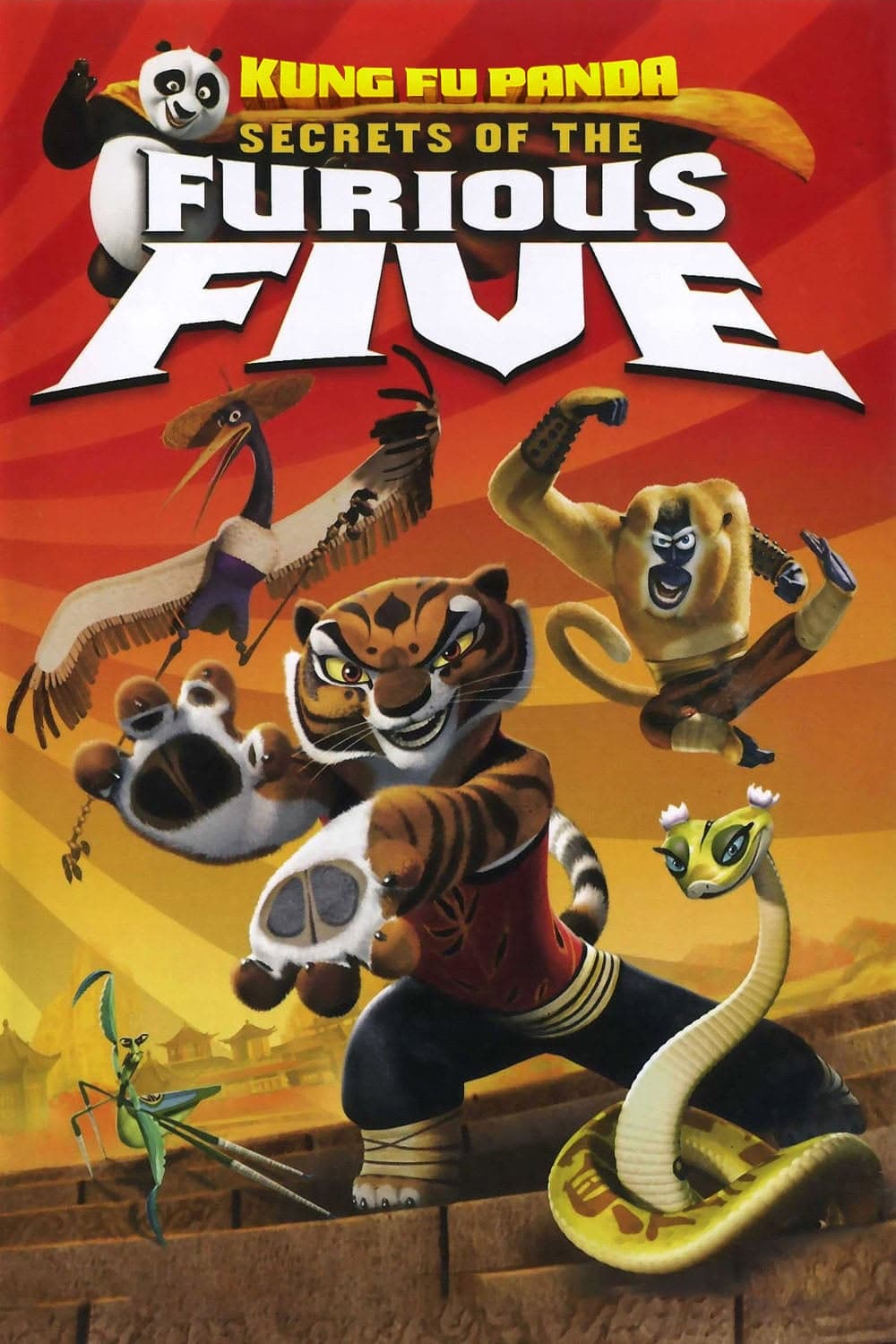
Ordered to teach a martial arts class of rambunctious bunny kittens, Po tells stories of each of the Furious Five's pasts.
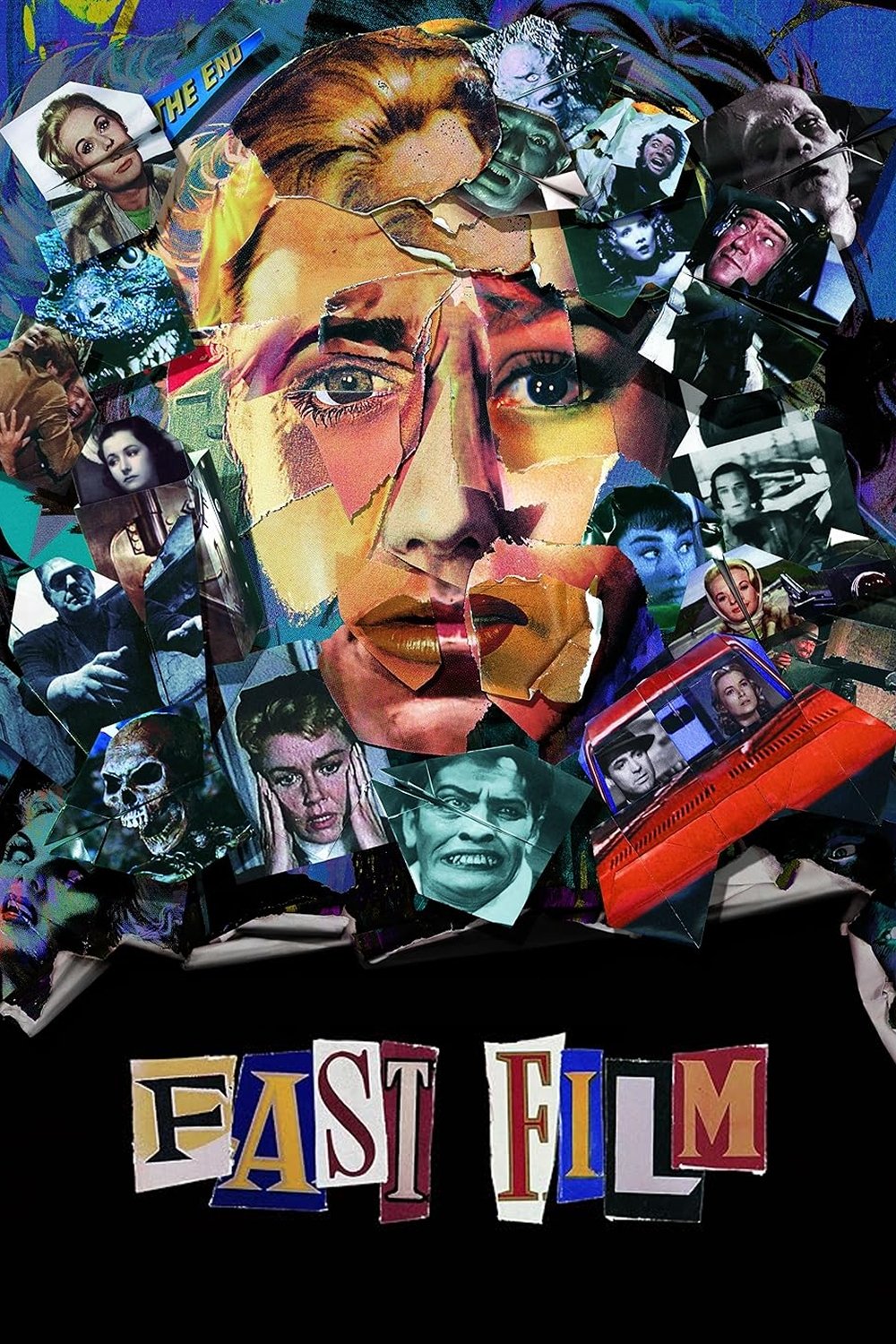
Bits of found film and different types of animation illustrate a classic chase scene scenario: A woman is abducted and a man comes to her rescue, but during their escape they find themselves in the enemy's secret headquarters.
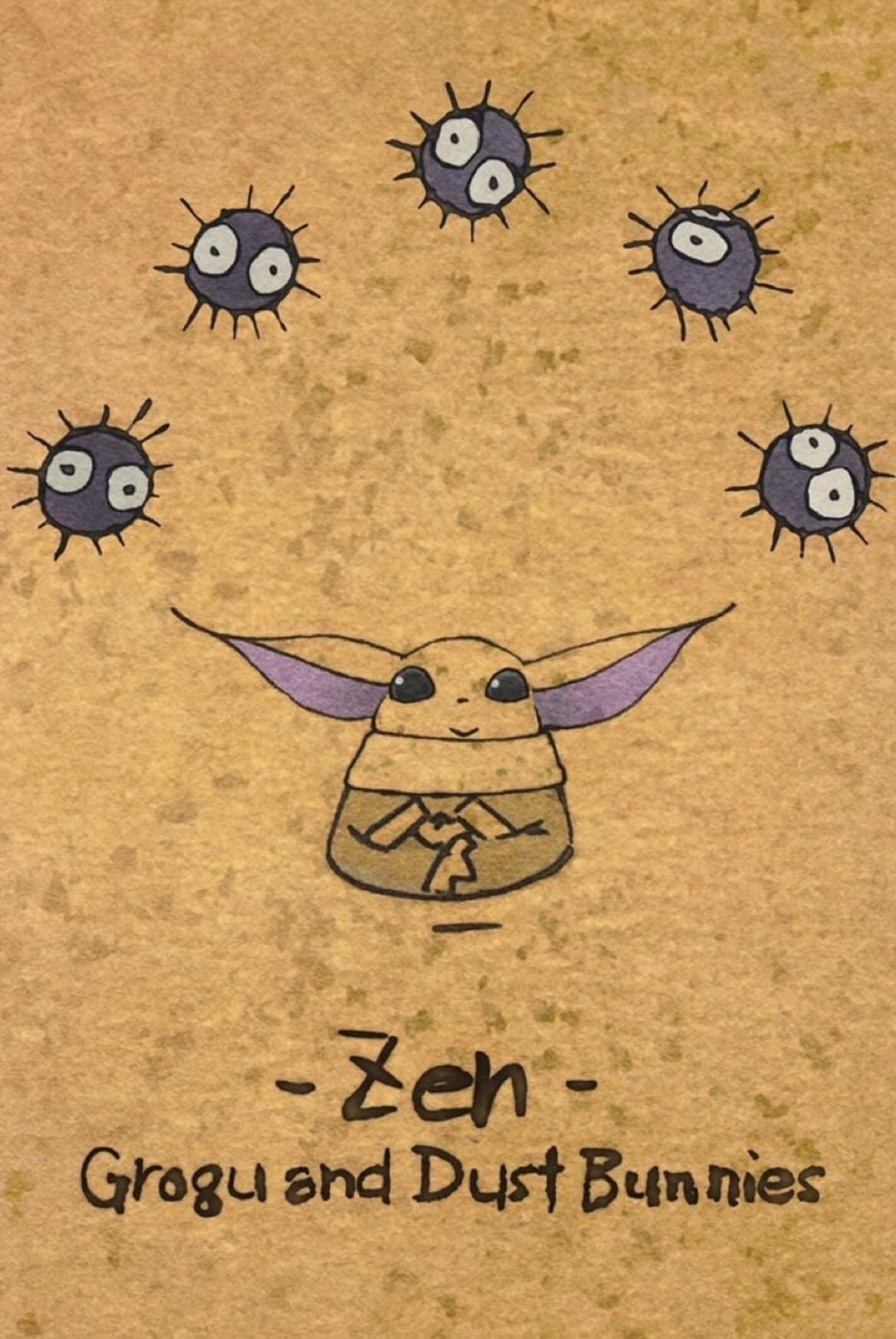
A hand drawn animated short by Studio Ghibli.
A playful exercise in intermittent animation and spasmodic imagery. Playing with the laws relating to persistence of vision and after-image on the retina of the eye, McLaren engraves pictures on blank film creating vivid, percussive effects.
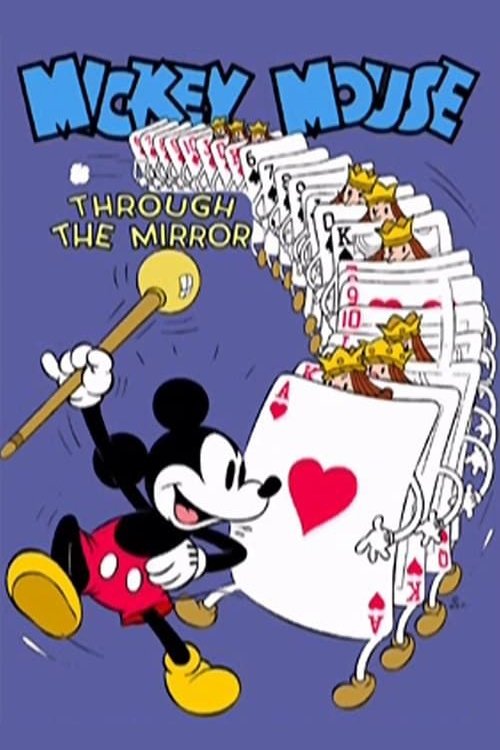
Mickey has been reading Alice in Wonderland, and falls asleep. He finds himself on the other side of the mirror, where the furniture is alive.
The toys throw Ken and Barbie a Hawaiian vacation in Bonnie's room.
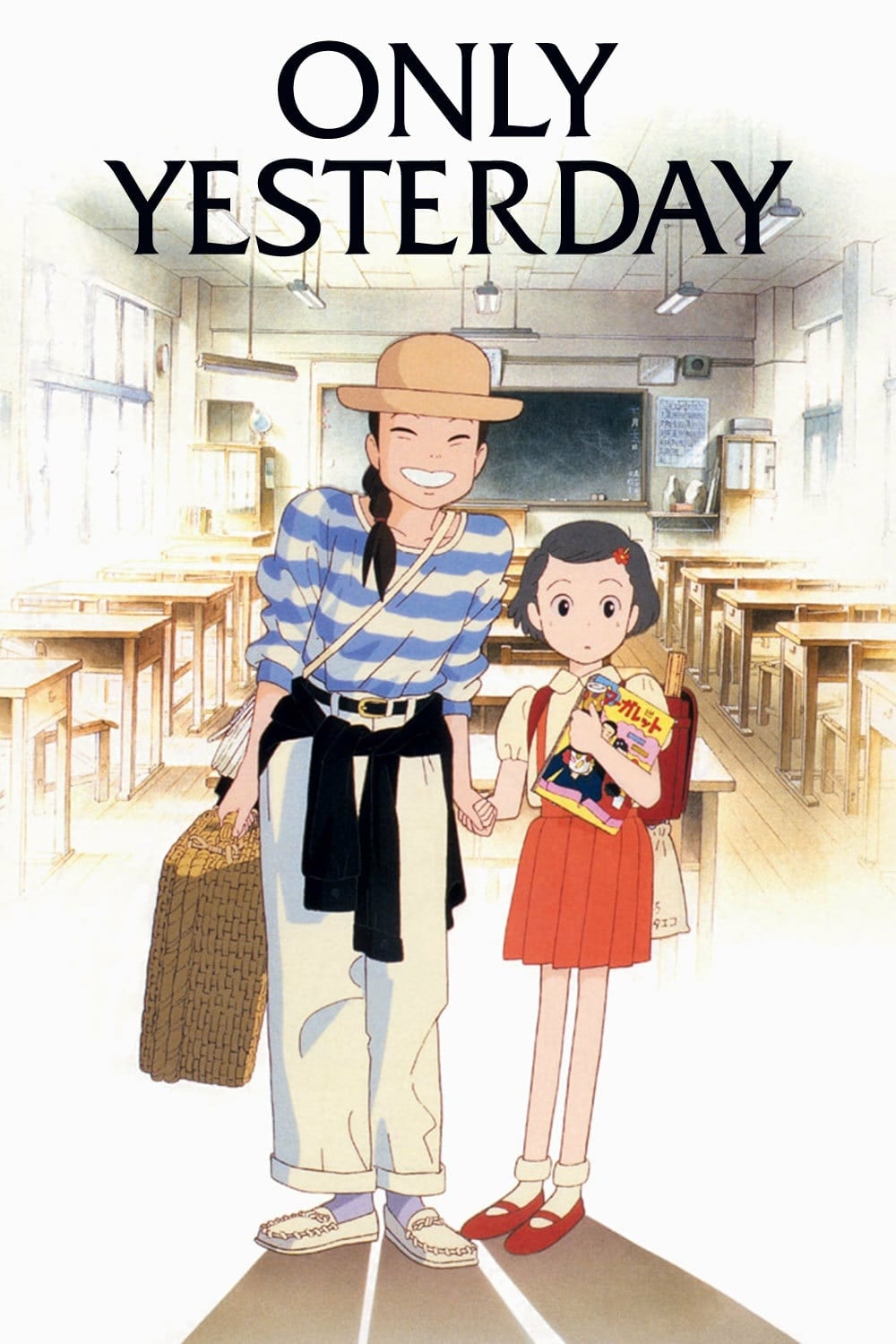
In lyrical switches between the present and the past, Taeko contemplates the arc of her life, and wonders if she has been true to the dreams of her childhood self.
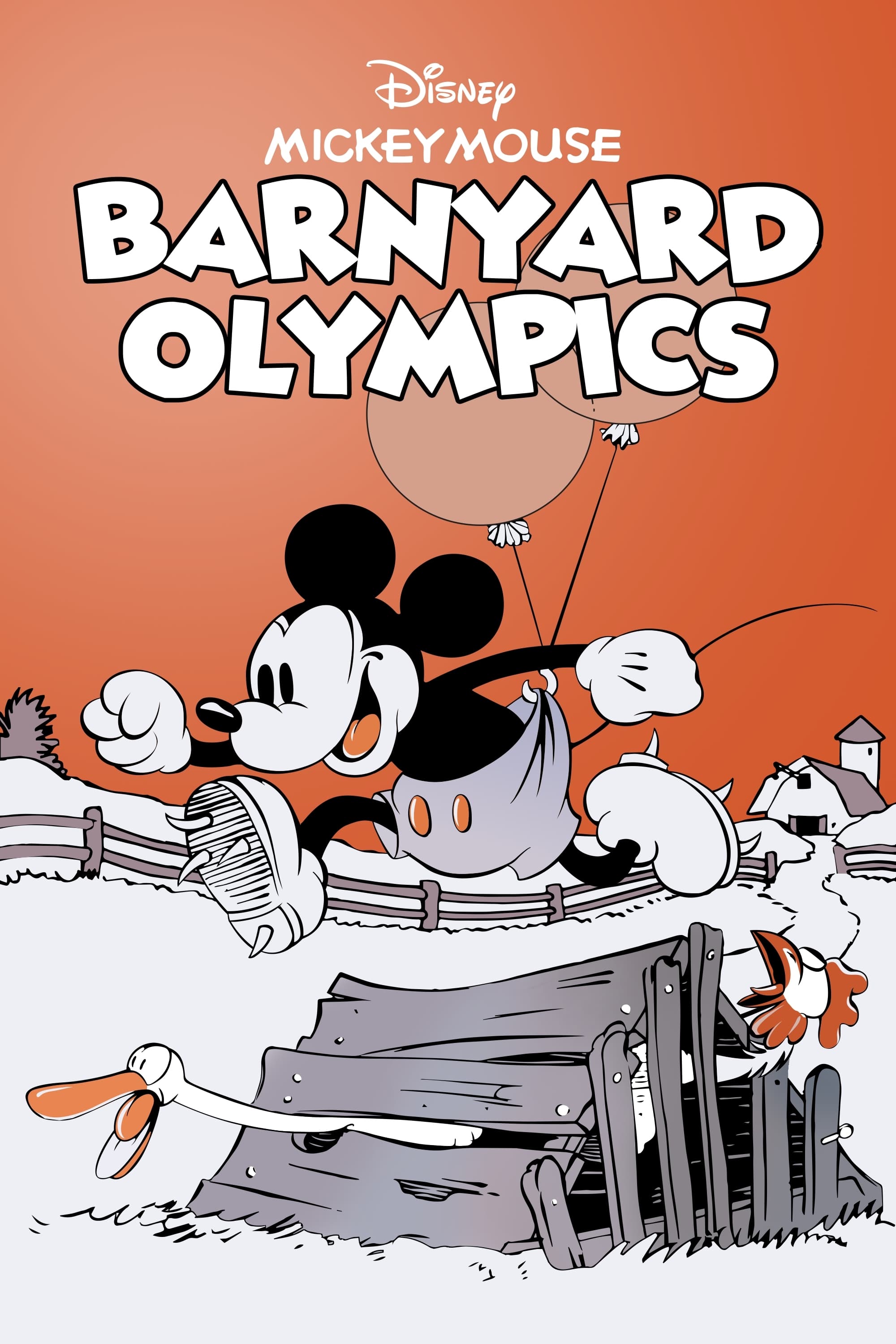
Mickey and his friends are staging a sort of olympics in a makeshift stadium on his farm. The main event is a sort of quadrathlon, with running, pole vaulting, rowing, and cycling. Mickey gets a late start due to some foul play by Pete, and that's not the only foul play.
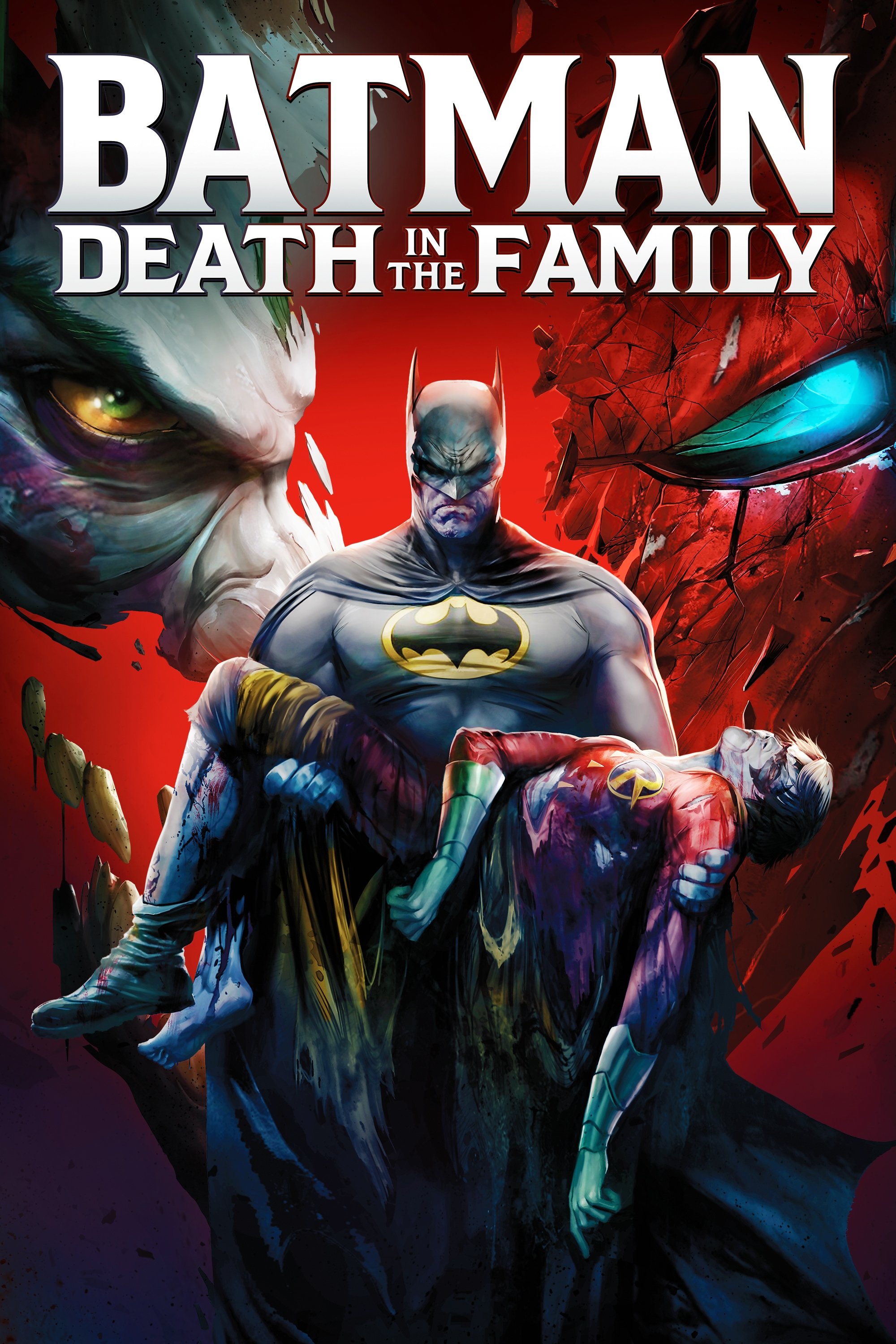
Tragedy strikes the Batman's life again when Robin Jason Todd tracks down his birth mother only to run afoul of the Joker. An adaptation of the 1988 comic book storyline of the same name.
Naruto and his friends must get back a jug of stolen holy water from a band of higher class ninjas.
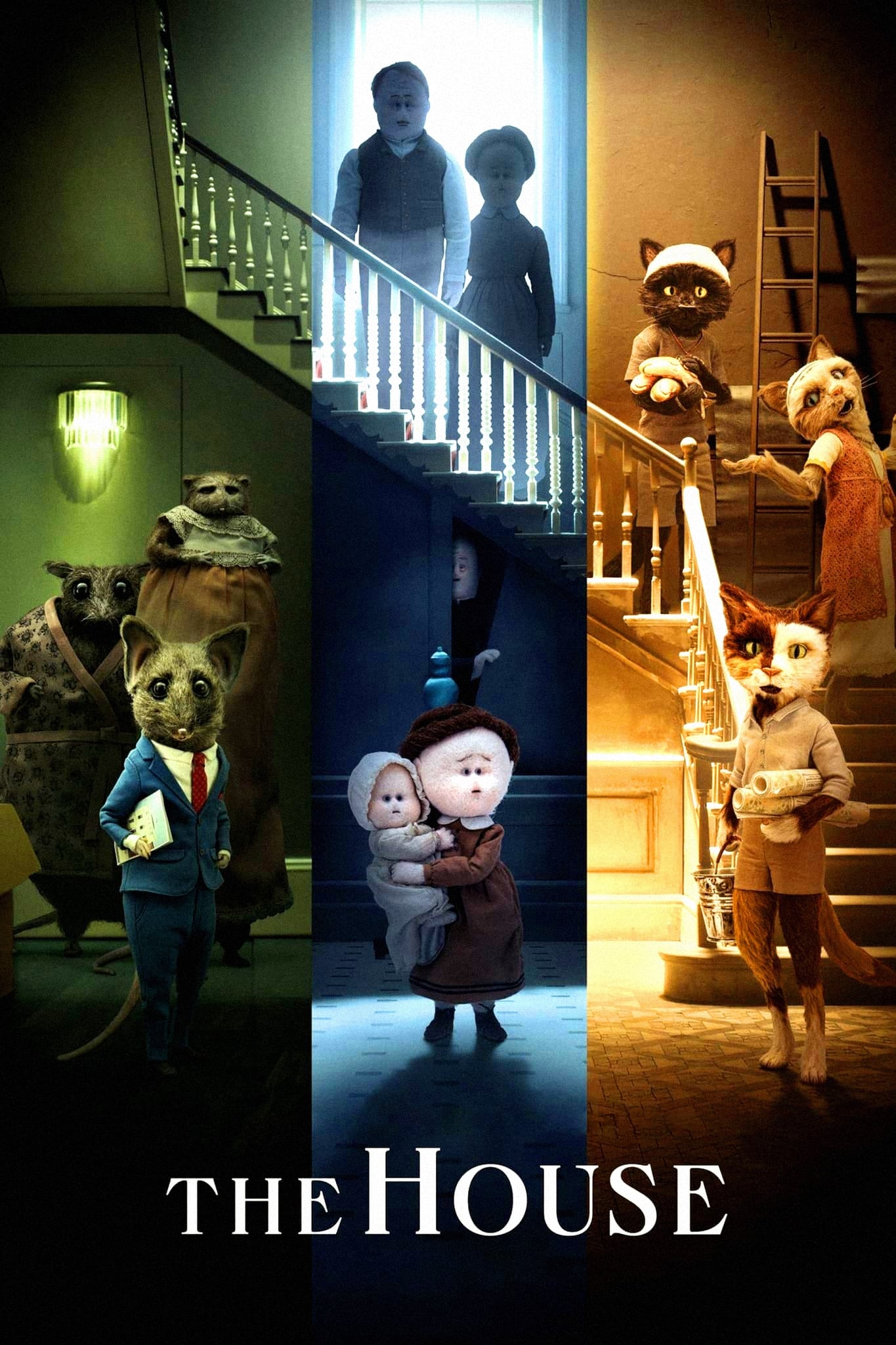
Across different eras, a poor family, an anxious developer and a fed-up landlady become tied to the same mysterious house in this animated dark comedy.
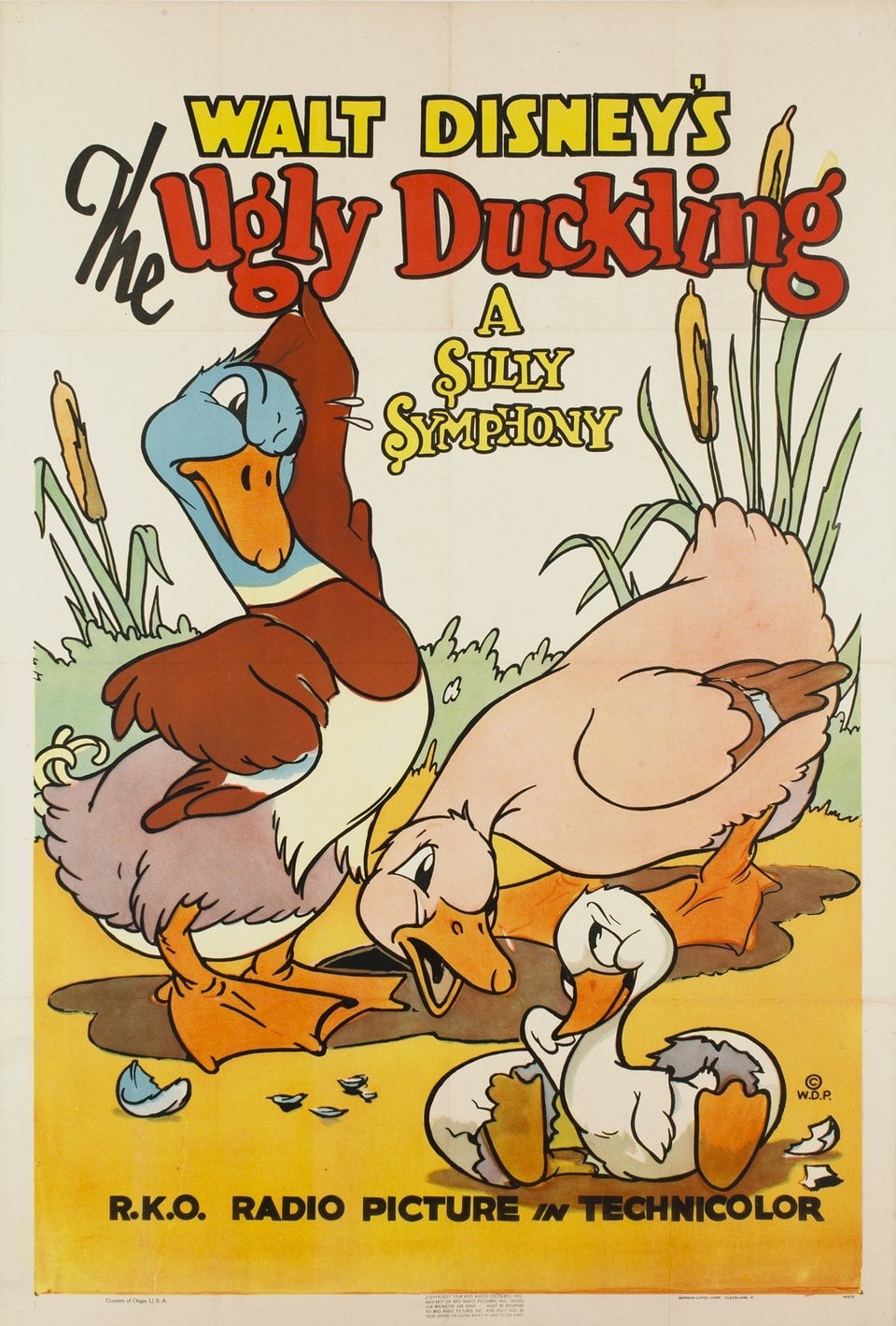
An outcast duckling's search for a family to accept him leads to constant rejection before learning his true identity as a swan.
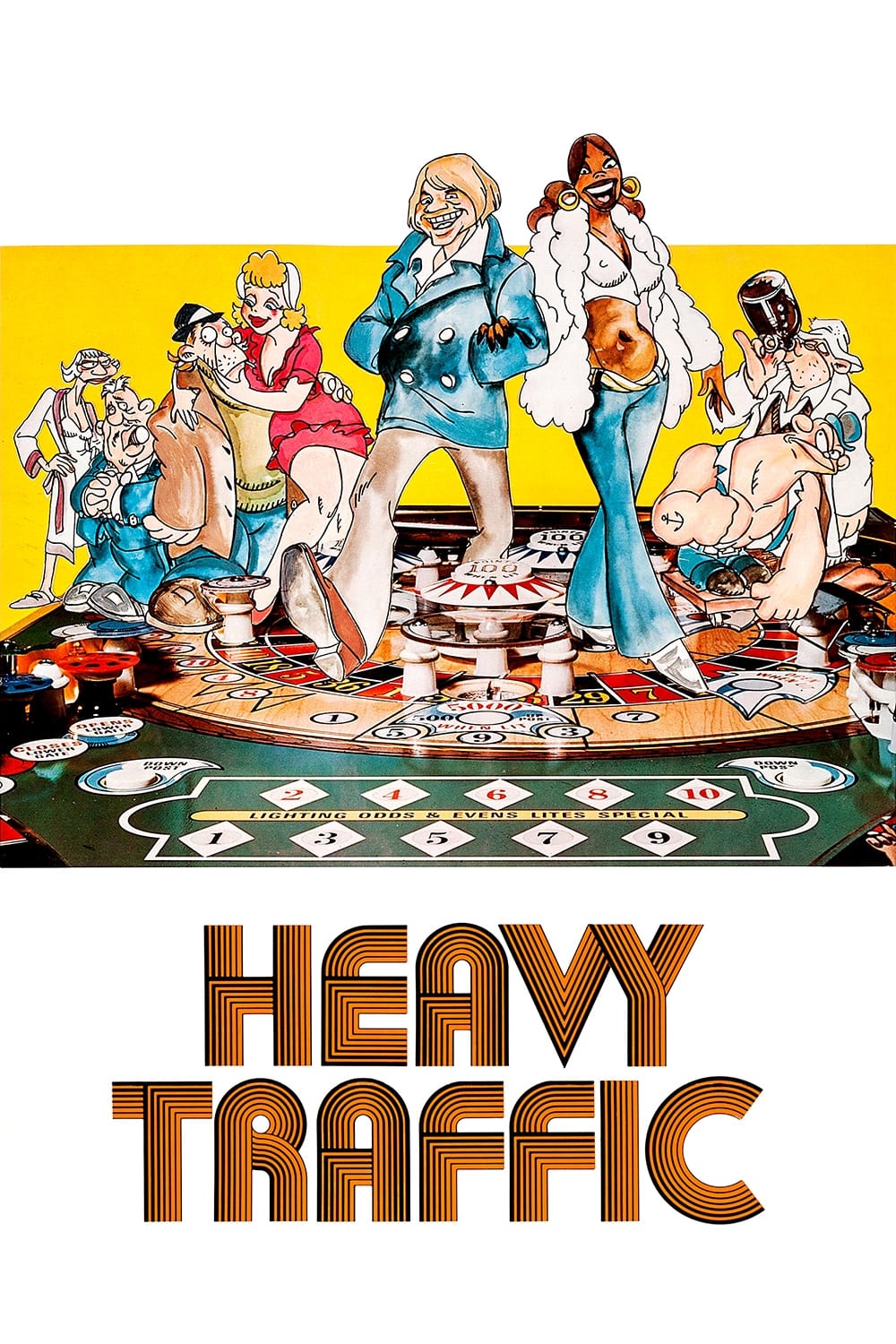
A white dropout struggles to become a cartoonist and filmmaker, drawing inspiration from the harsh, gritty world around him. Still sharing his rundown apartment with his middle-aged parents, an oafish slob of an Italian father and a ditzy nutcase of a Jewish mother, he's ridiculed and looked down upon by his friends, hypocrites who run with violent gangs and the Italian Mafia, and a shallow Black girl who makes her living downtown with the pimps and pushers. The cartoonist gets a chance to pitch a film idea to a movie mogul, but the story proves too outrageous: a far-future Earth, depleted by war and pollution, where a mutant antihero challenges and kills God.
A fast food restaurant mini variant of Buzz forcibly switches places with the real Buzz and his friends have to deal with the obnoxious impostor.
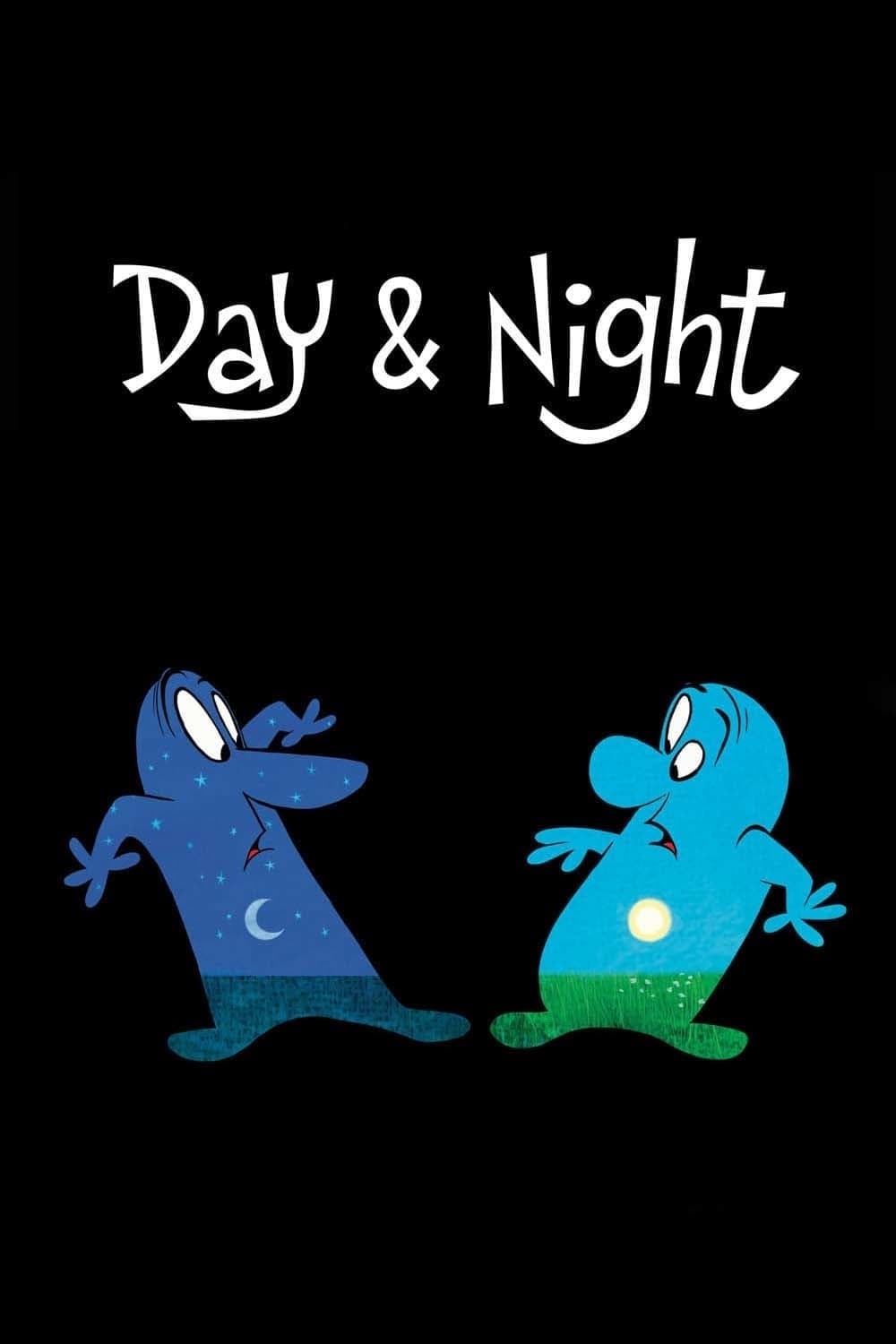
When Day, a sunny fellow, encounters Night, a stranger of distinctly darker moods, sparks fly! Day and Night are frightened and suspicious of each other at first, and quickly get off on the wrong foot. But as they discover each other's unique qualities--and come to realize that each of them offers a different window onto the same world-the friendship helps both to gain a new perspective.
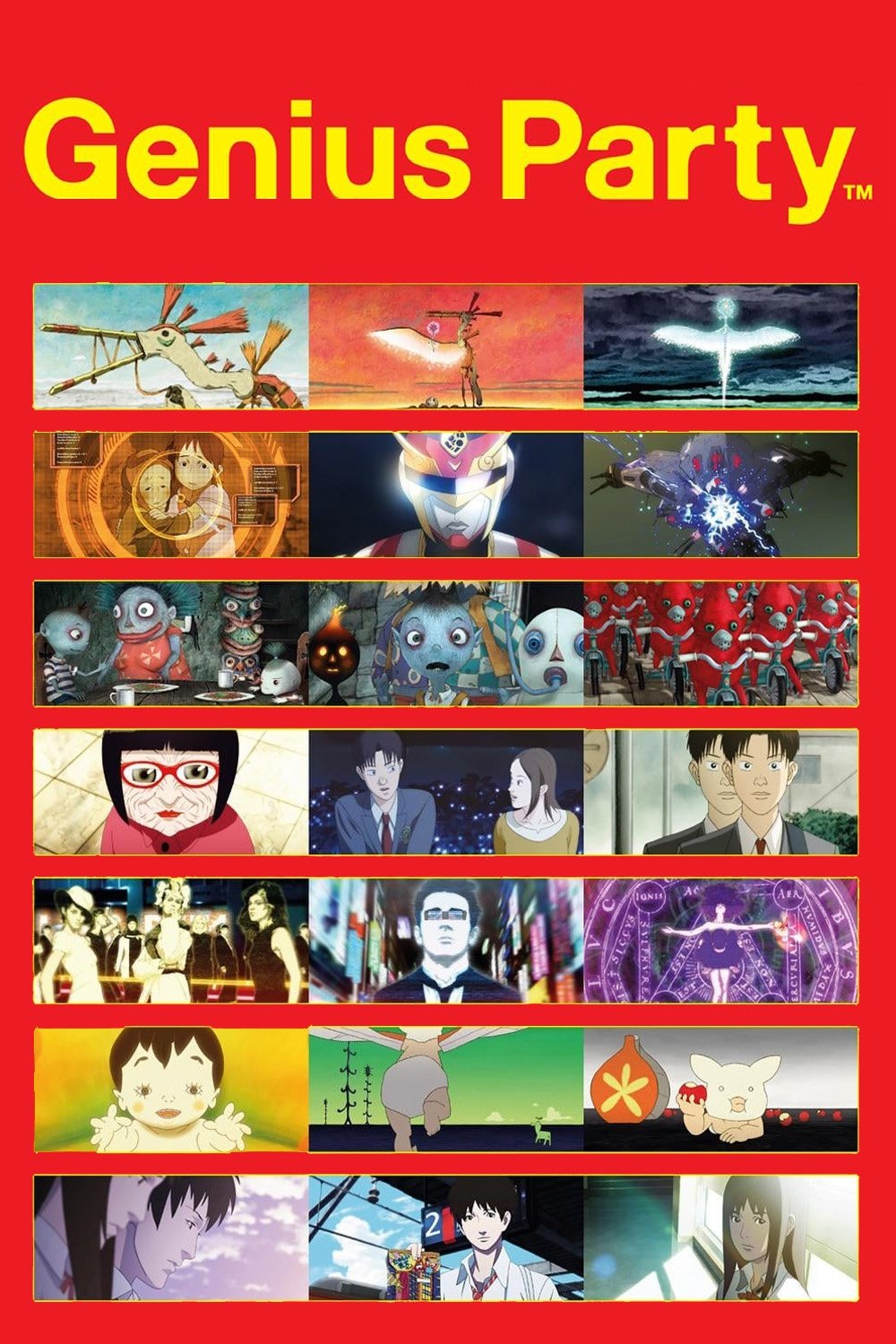
The seven short films making up GENIUS PARTY couldn’t be more diverse, linked only by a high standard of quality and inspiration. Atsuko Fukushima’s intro piece is a fantastic abstraction to soak up with the eyes. Masaaki Yuasa, of MIND GAME and CAT SOUP fame, brings his distinctive and deceptively simple graphic style and dream-state logic to the table with “Happy Machine,” his spin on a child’s earliest year. Shinji Kimura’s spookier “Deathtic 4,” meanwhile, seems to tap into the creepier corners of a child’s imagination and open up a toybox full of dark delights. Hideki Futamura’s “Limit Cycle” conjures up a vision of virtual reality, while Yuji Fukuyama’s "Doorbell" and "Baby Blue" by Shinichiro Watanabe use understated realism for very surreal purposes. And Shoji Kawamori, with “Shanghai Dragon,” takes the tropes and conventions of traditional anime out for very fun joyride.
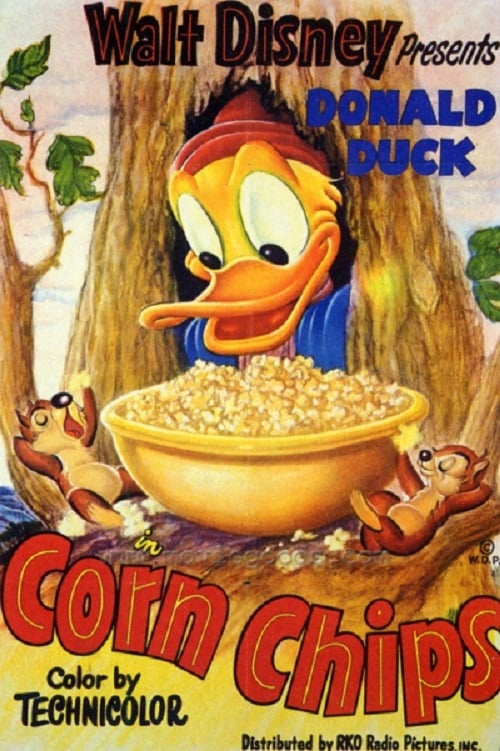
Donald is shoveling the snow off his walk; Chip 'n' Dale are shoveling their branch. Donald tricks them into shoveling his walk. Angered, they sneak into his house, where he's getting ready to make popcorn. They've never seen this before, but they love it. They stow away in the box, then make off with the bowl of popped corn.
Nobita travels to the future to show his beloved grandma his bride, but adult Nobita has fled his own wedding.