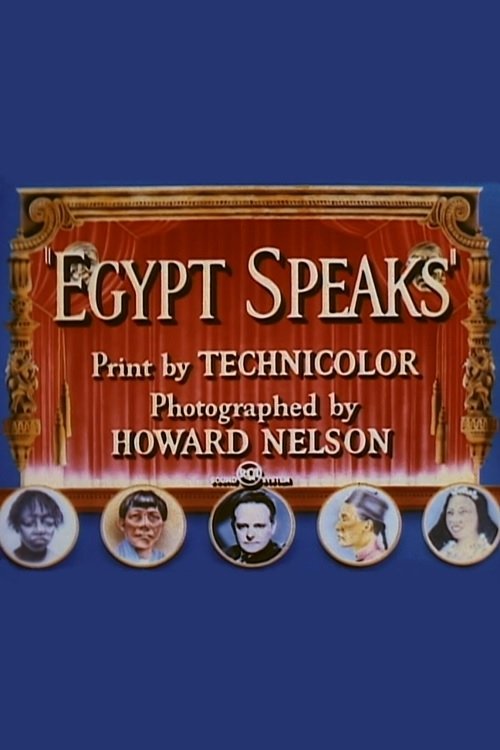
This James A. FitzPatrick's People on Parade series short takes the viewer to Alexandria, Egypt, with emphasis on the modern nature of the city.
Social & External
Narrator (voice)
Hello London is a 1958 documentary film starring Sonja Henie and Michael Wilding.
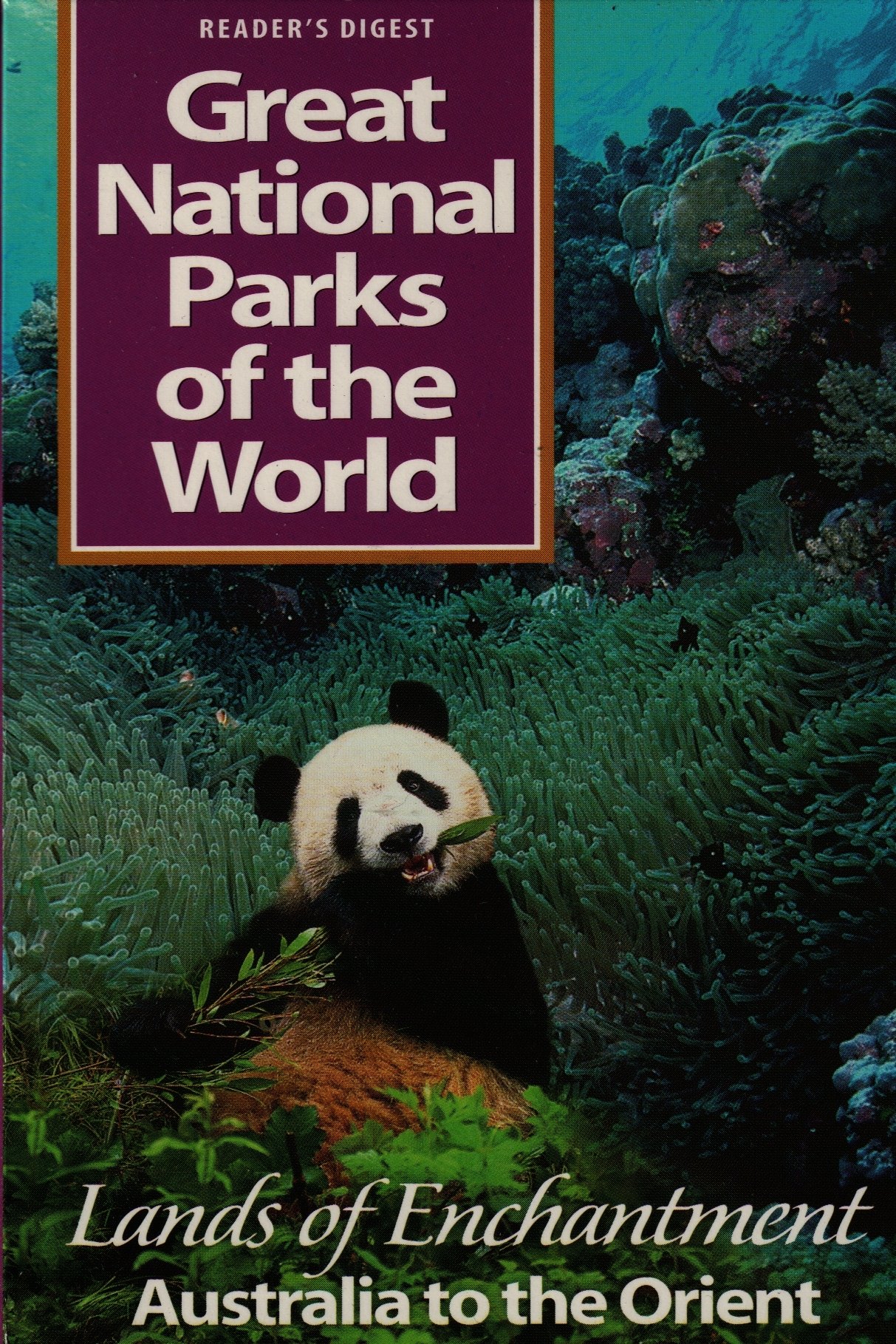
Travel to the East to explore four of the world's most diverse National Parks in the world. Dive into the turquoise waters of Australia's Great Barrier Reef, teeming with brilliant coral, parrot fish, moray eel, sea anemone, starfish. Explore the remote bamboo forest of China's Wo-long National Park and meet an extraordinary community of Giant Pandas. Sail the Pacific Ocean to the magical Galapagos Islands untouched by time and man to see the famous gigantic Galapagos tortoise, lava lizards - wildlife found nowhere else on earth. Finally climb the world's highest mountain, the beautiful and formidable Mount Everest for a view from the top of the world!
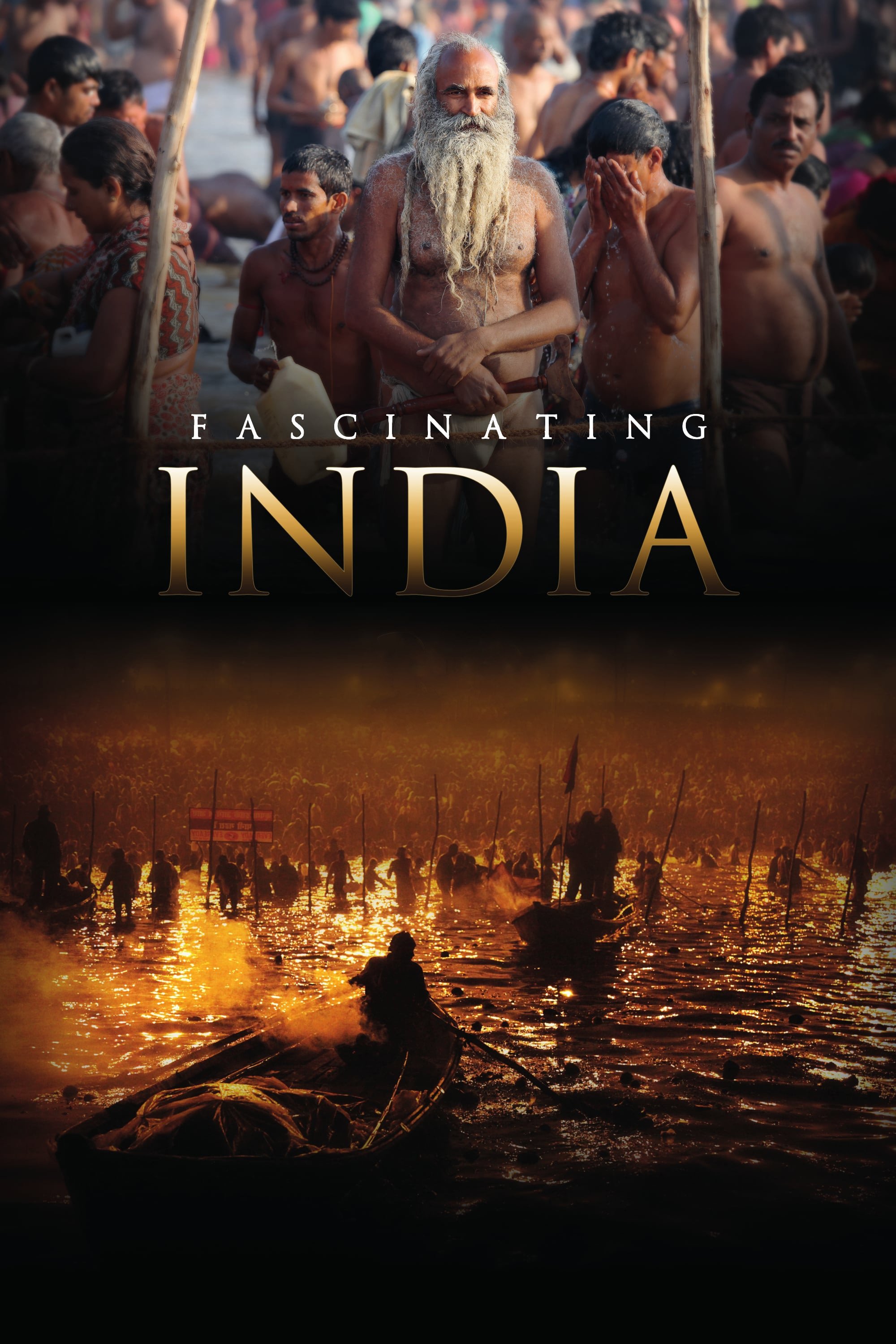
"Fascinating India" spreads an impressive panorama of India’s historical and contemporary world. The film presents the most important cities, royal residences and temple precincts. It follows the trail of different religious denominations, which have influenced India up to the present day. Simon Busch and Alexander Sass travelled for months through the north of the Indian subcontinent to discover what is hidden under India’s exotic and enigmatic surface, and to show what is rarely revealed to foreigners. The film deals with daily life in India. In Varanasi, people burn their dead to ashes. At the Kumbh Mela, the biggest religious gathering of the world, 35 million pilgrims bathe in holy River Ganges. This is the first time India is presented in such an alluring and engaging fashion on screen.
This 1942 travelogue film, directed by Aldo Ermini and sponsored by the Office of the Coordinator of Inter-American Affairs, showcases Mexican culture during World War II, focusing on various cultural activities and popular entertainers of the time. The film features notable figures like Puerto Rican actress and singer Mapy Cortés, Mexican comedian Cantinflas, and a re-enactment of Aztec traditions.
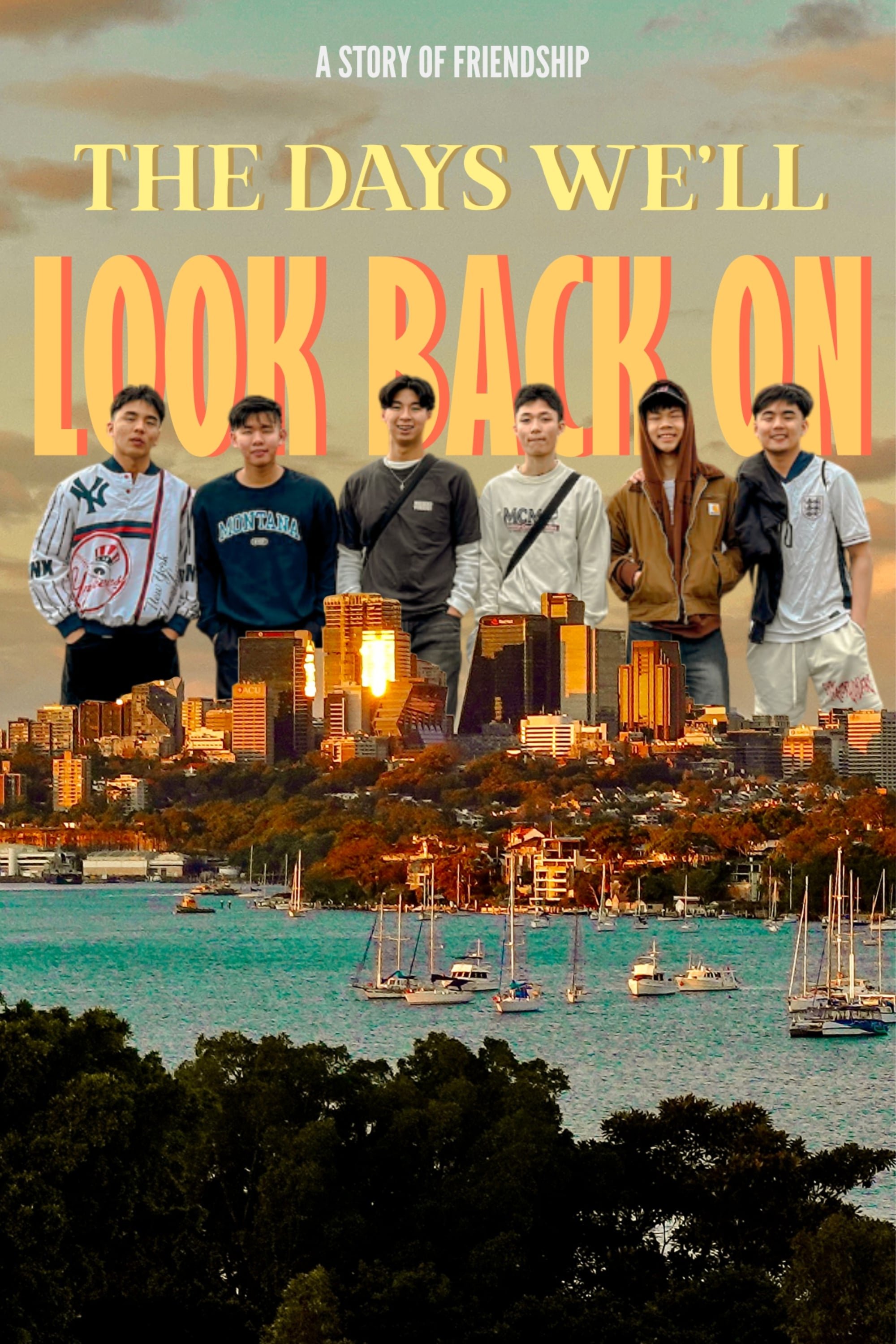
A story about 6 kids who grew up together and stayed together, once strangers, then friends, now family. Both a video diary and a travelogue, this coming-of-age film explores the fleeting moments of youth, reflecting on nostalgia, connection, and the bonds that endure as we grow older. A chapter in the story we've been writing since we were kids, these are the days we'll look back on.
This Traveltalk series short visit to New Zealand starts in Auckland, a bustling, modern city. Next is Christchurch, home of Canterbury University, where rowing teams participate in a regatta. Nearby is Lake Wakatipu, which inspires artists to put their impressions on canvas. We then visit Rotorua, a city famous for its geysers, hot springs, bubbling mud pools, and other geothermal activity. At Ferry Springs there is lots of trout for fishing. Later, a group of natives performs a canoe dance.
The Andes Mountains travel the western side of South America. Unlike many other mountain ranges of their altitude, the Andes do support human life on their high altitude slopes. Modern life is slowly making its way to the high altitude Andes, but the natives for the most part continue with the traditional ways of their ancestors, growing limited crops such as beans and potatoes - where the crop originated - raising sheep and pigs, and living in crude huts. The llama is the most useful of their work animals. The most conspicuous aspect of the native dress is their derby hats, the origins which are unknown. Further down the slopes, agriculture and ranching is more productive and is carried out by descendants of the Spanish settlers. There is a famous lake district in the Chilean part of the Andes, where resort hotels are located.
This Traveltalk series short gives a glimpse into South African history, albeit from a white person's viewpoint. South Africa is a union of four separate states: the Transvaal, the Orange Free State, Natal, and the Cape Provence.
This Traveltalks short visits Cape Town, the legislative capital of South Africa.
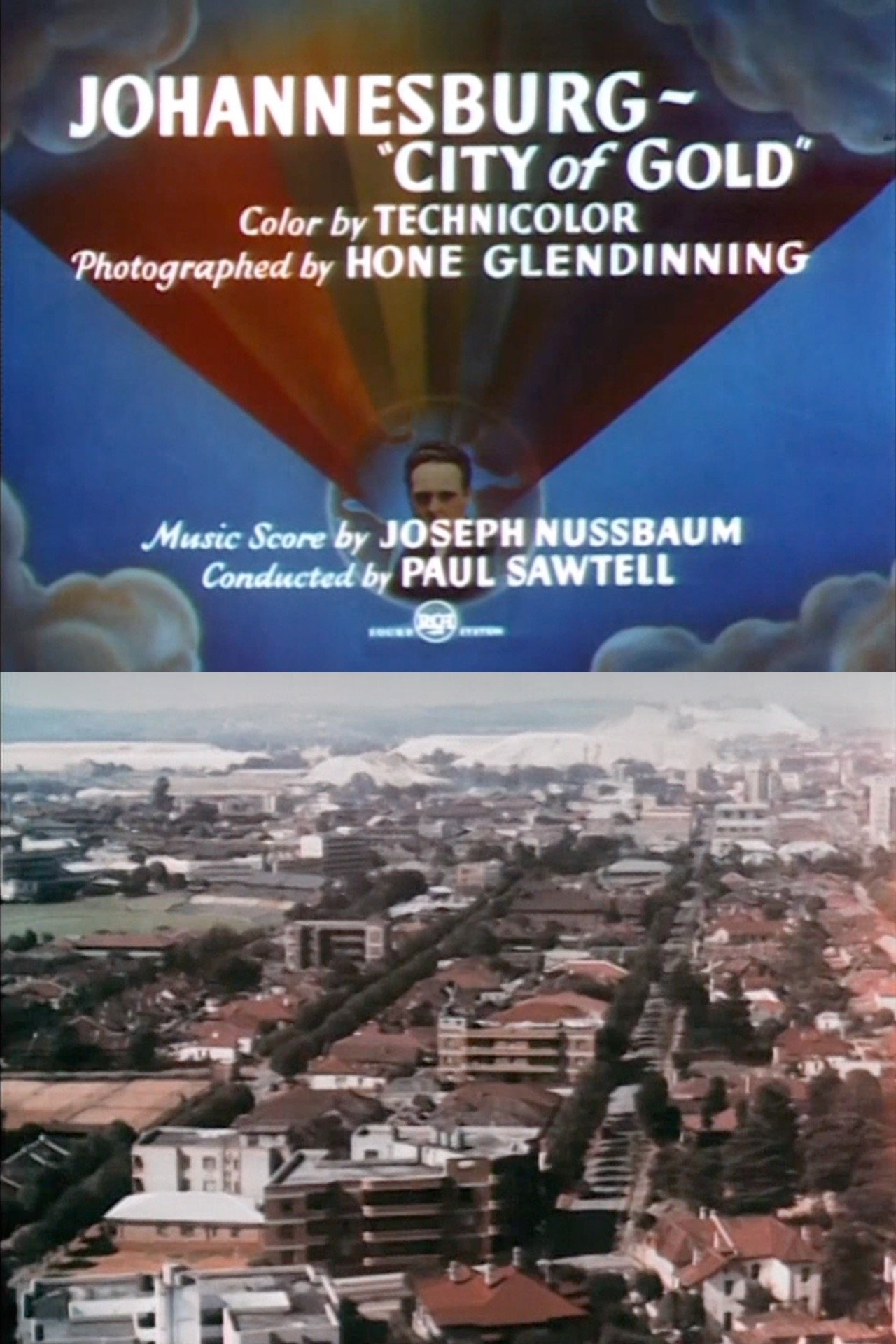
This Traveltalk series short discusses how Johannesburg began as a farming community, but with the discovery of gold in the area, the city embraced mining as its primary industry. Native workers came to the area to train to be miners, and even after their work in the mines ended, many decided to remain in Johannesburg. The natives' music and dance are highlights.
This travelogue begins with the vast agricultural wealth of the country, whose farmers can produce four times the amount required to feed the country's population. As such, the export of these agricultural products is a vital part of the country's economy. This agricultural tradition extends to its food consumption, as Denmark's vast array of open faced sandwiches is world renowned. It also extends to flower production and the Dane's love of flowers, which are sold in public markets. Denmark has a strong social support system, as witnessed by the free and mandatory public schooling, free medical services for expectant mothers and children, the provision of cooperative housing and housing for seniors, and the provision of old age pensions without premiums.
This Traveltalk series short visits an array of locations associated with England's heritage. Included are Runnymede, Windsor, Ascot, Lincoln, Wells, Salisbury, Glastonbury, and the ancient Stonehenge site.
This Traveltalk series short takes us to Edinburgh, Scotland. We learn the importance of religion, science and the arts here and see various historic sites including Edinburgh Castle.
This Traveltalk series short looks at four of Spain's most famous cities, Granada, Seville, Toledo, and Madrid, with an emphasis on the Moors and their influence on the country.
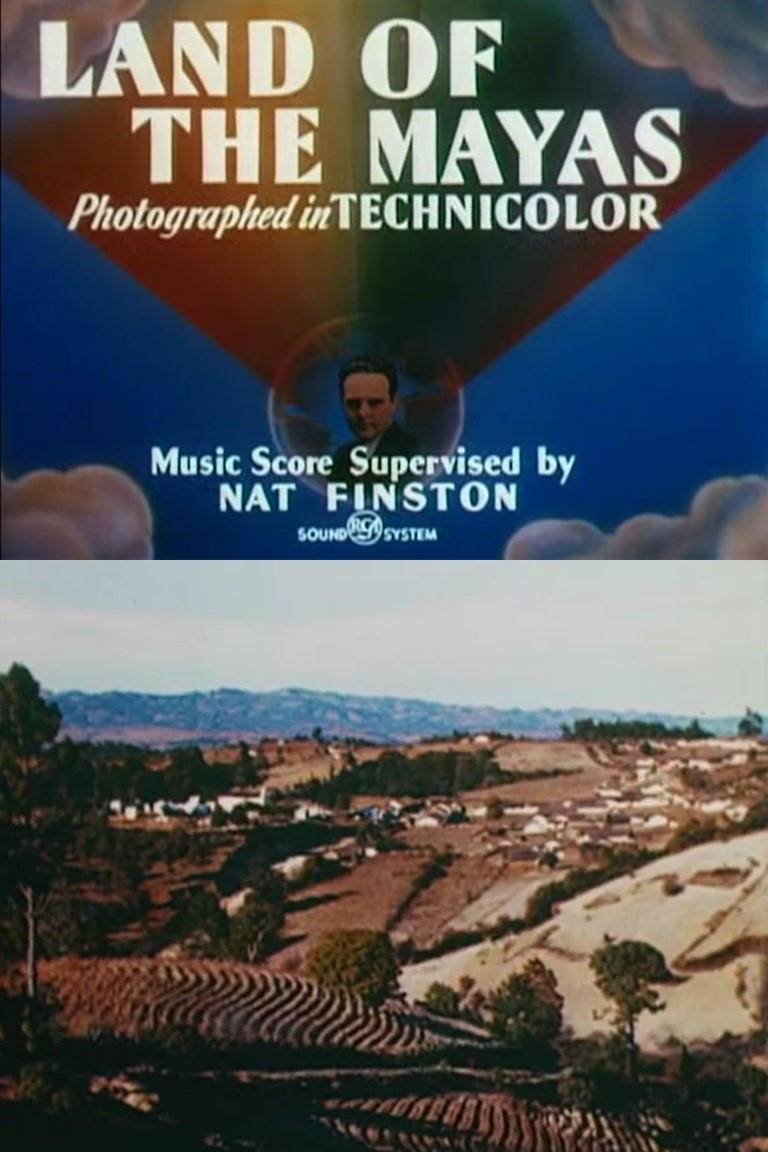
This Traveltalk series short visits the village of Chichicastenango, Guatemala and emphasizes the influence of the Mayan culture on its people. It shows how the residents intermingle ancient religious practices with Catholic teachings. Narrator James FitzPatrick introduces, and greets on camera, Father Ildefonso Rossbach, a Catholic priest who ministers to the local population in the village and outlying areas.
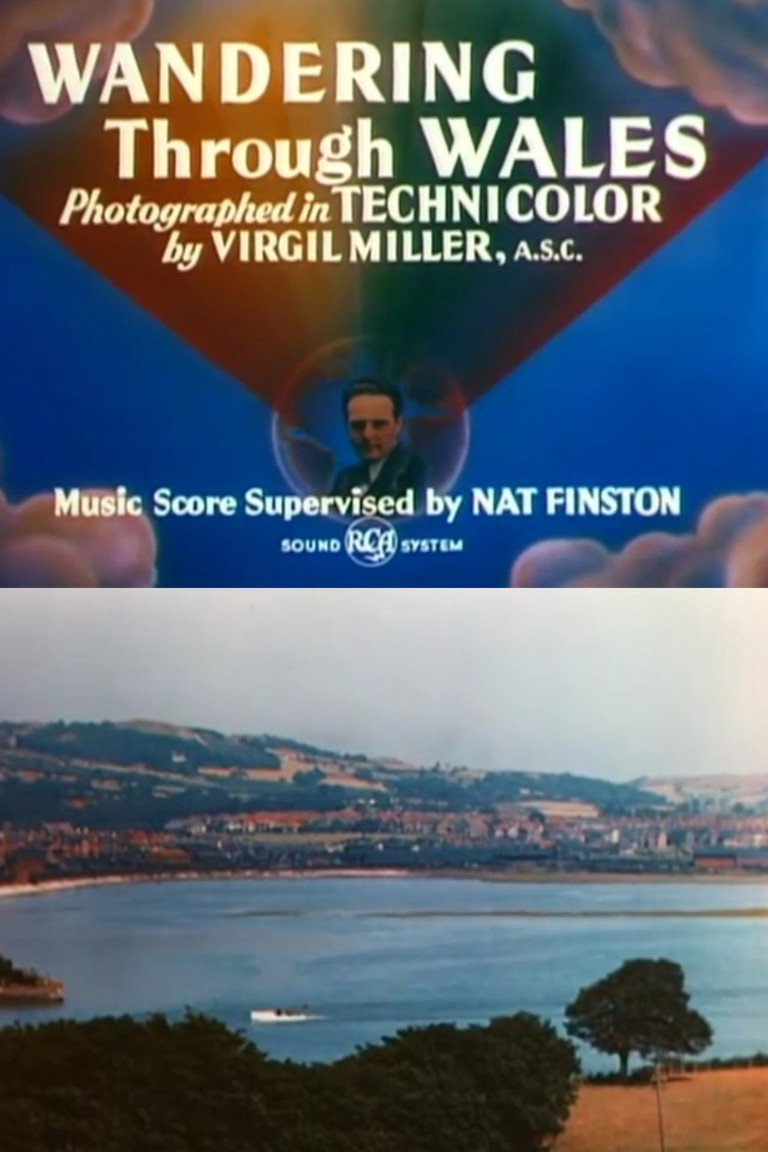
Located in the United Kingdom, the Principality of Wales, home to 2.5 million people, is filled with rolling mountains, and green valleys. Because of its culture and language, it is unique within the UK. Much of the economy is based on small independent farms, but also includes coal and slate mining. Its many castles - including Caernarfon and Conwy - comprise its most famous built landmarks. Another landmark is the Menai suspension bridge - spanning the Menai Straits - the longest such structure in the UK. As Wales is a largely coastal jurisdiction, the Welsh have taken advantage of water opportunities, whether it be for fishing, or for recreation at one of the many coastal resorts, such as the most famous, Llandudno. There are also mountain resorts, such as Betws-y-Coed. Mount Snowdon, the highest peak in Wales, offers great hiking and climbing opportunities.
This Traveltalk series short visits several popular vacation spots in Michigan. Among them are Saugatuck, which hosts a school for artists during the summer; Zeeland, where descendants of Dutch settlers perform traditional Dutch dances wearing wooden shoes; the Silver Lake sand dunes, where specially outfitted cars race; and Colon, "The Magic Capitol of the World", which hosts an annual gathering of magicians.
Follow along as “budding YouTuber” Jack Carlin makes the hilariously unnecessary trip to the UK (over 3,000 miles) for a single day in order to compete in an animation quiz.
This travelogue emphasizes Copenhagen's harmonious residents and tone. We see well-known landmarks and get a quick history of some of them.
Amber Heard and Nicole Kidman discuss their characters Mera and Atlanna.
James Cameron and Simcha Jacobovici go on an adventure to find the lost city of Atlantis by using Greek philosopher Plato as a virtual treasure map.
Alexander McQueen's rags-to-riches story is a modern-day fairy tale, laced with the gothic. Mirroring the savage beauty, boldness and vivacity of his design, this documentary is an intimate revelation of McQueen's own world, both tortured and inspired, which celebrates a radical and mesmerizing genius of profound influence.
Egyptian archaeologists dig into history, discovering tombs and artifacts over 4,000 years old as they search for a buried pyramid in this documentary.
Nine filmmakers each profile a young girl from a different part of the world to weave a global tapestry of youth in the 21st century.
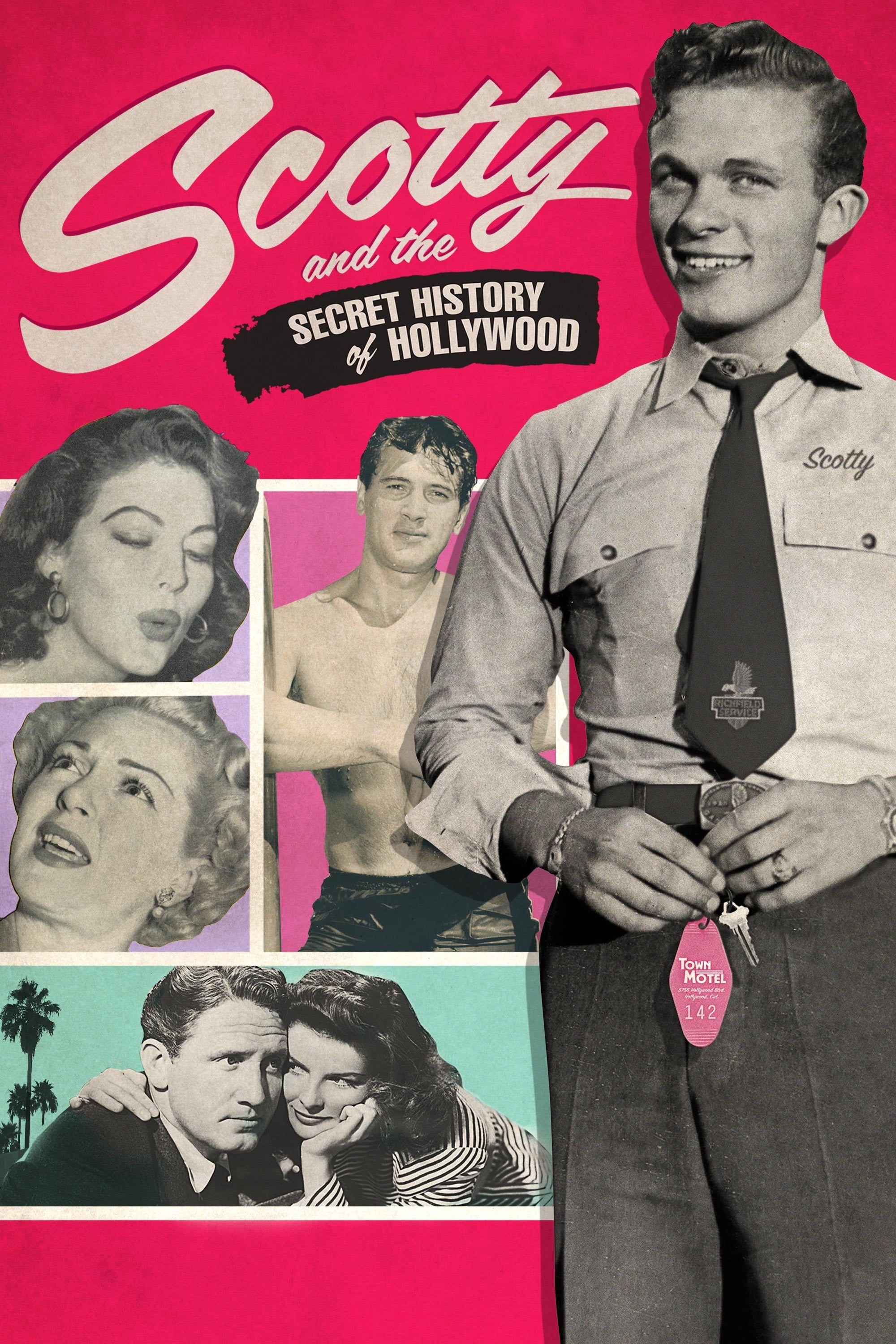
A deliciously scandalous portrait of unsung Hollywood legend Scotty Bowers, whose bestselling memoir chronicled his decades spent as sexual procurer to the stars.
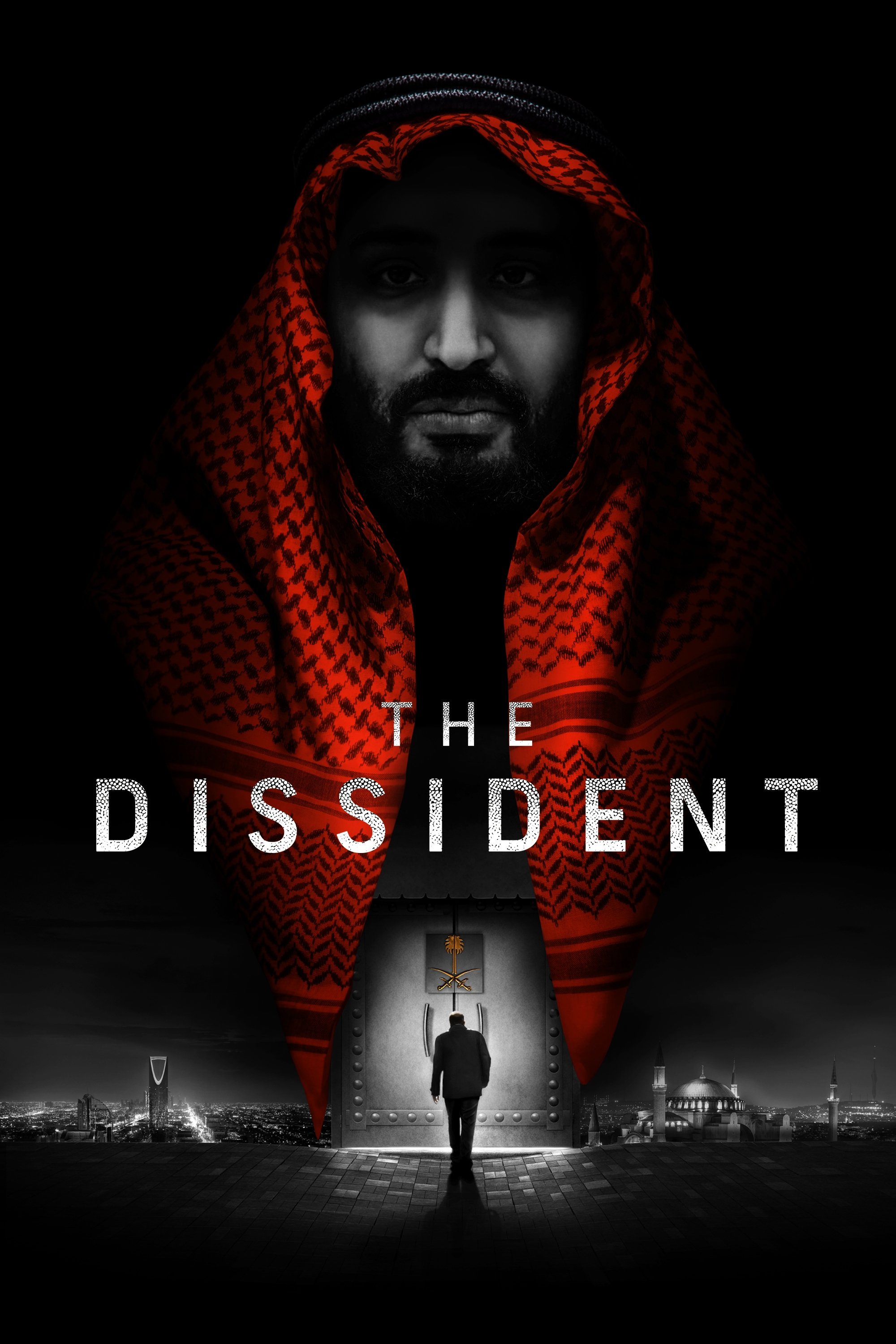
When Washington Post journalist Jamal Khashoggi disappears after entering Saudi Arabia’s consulate in Istanbul, his fiancée and dissidents around the world are left to piece together the clues to a brutal murder and expose a global cover up perpetrated by the very country he loved.
Those who knew iconic funnyman John Candy best share his story, in their own words, through never-before-seen archival footage, imagery, and interviews.
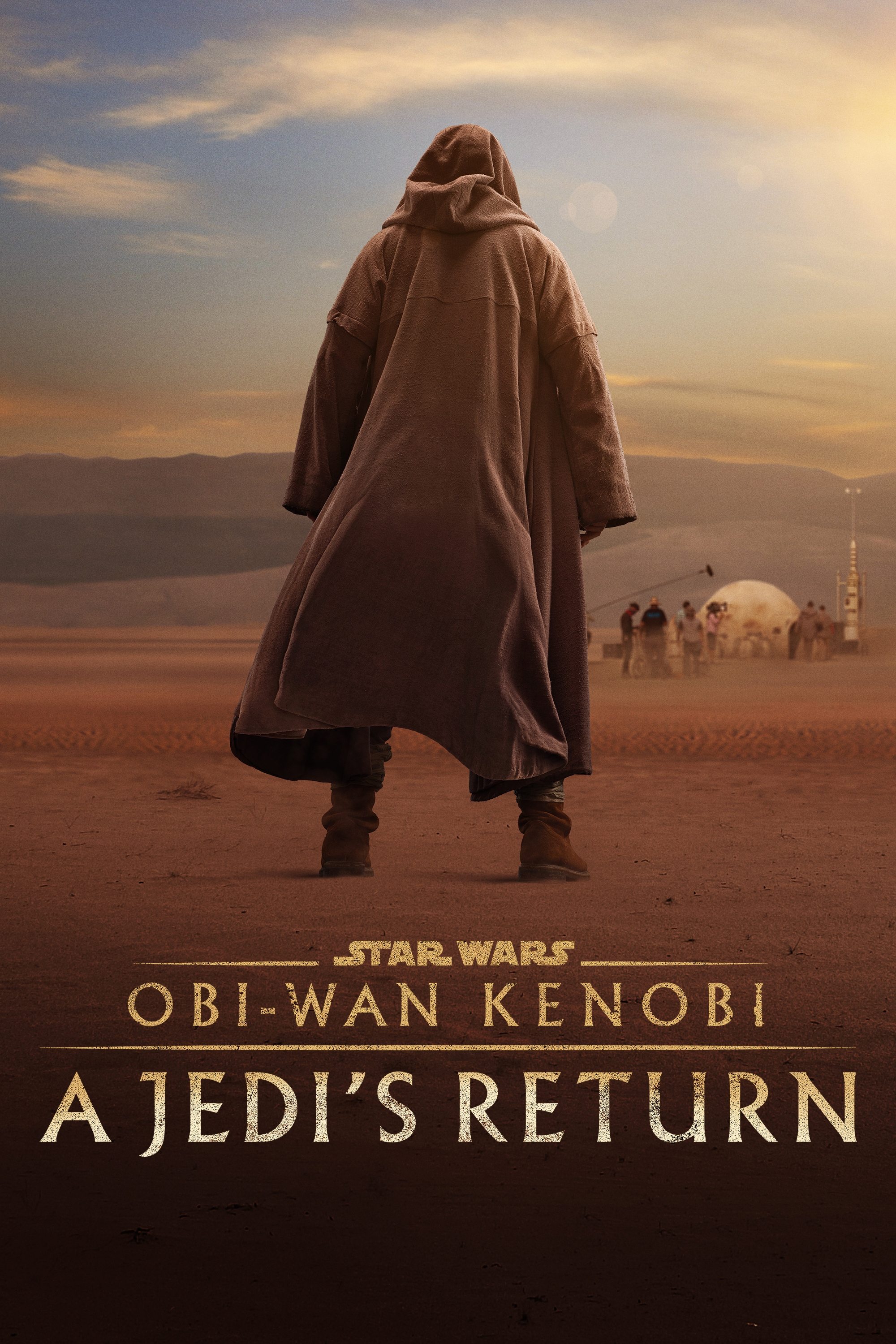
This special explores the return of Obi-Wan Kenobi and Anakin Skywalker to the screen, as well as Ewan McGregor and Hayden Christensen to their classic roles. Director Deborah Chow leads the cast and crew as they create new heroes and villains that live alongside new incarnations of beloved Star Wars characters, and an epic story that dramatically bridges the saga films.
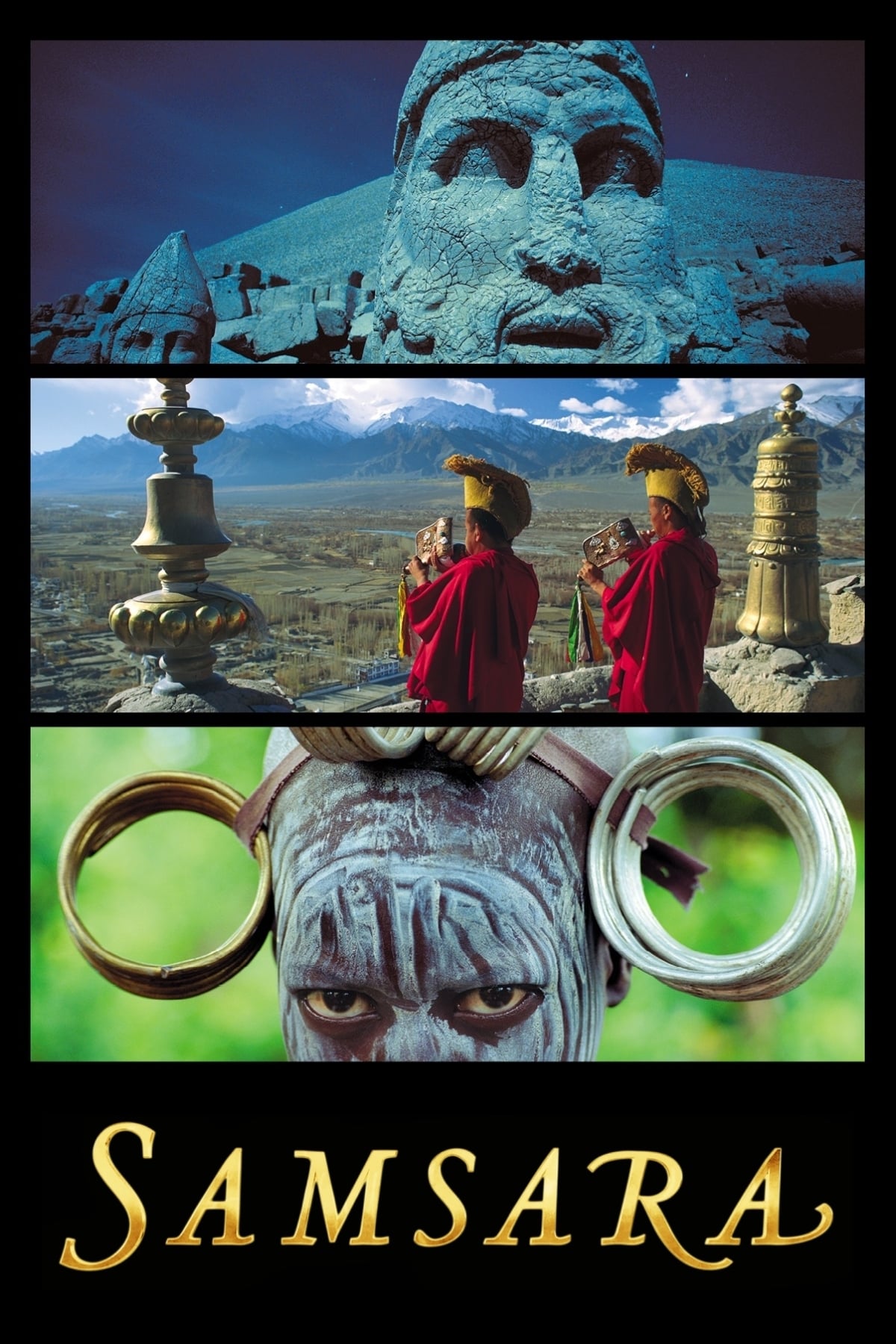
Filmed over nearly five years in twenty-five countries on five continents, and shot on seventy-millimetre film, Samsara transports us to the varied worlds of sacred grounds, disaster zones, industrial complexes, and natural wonders.
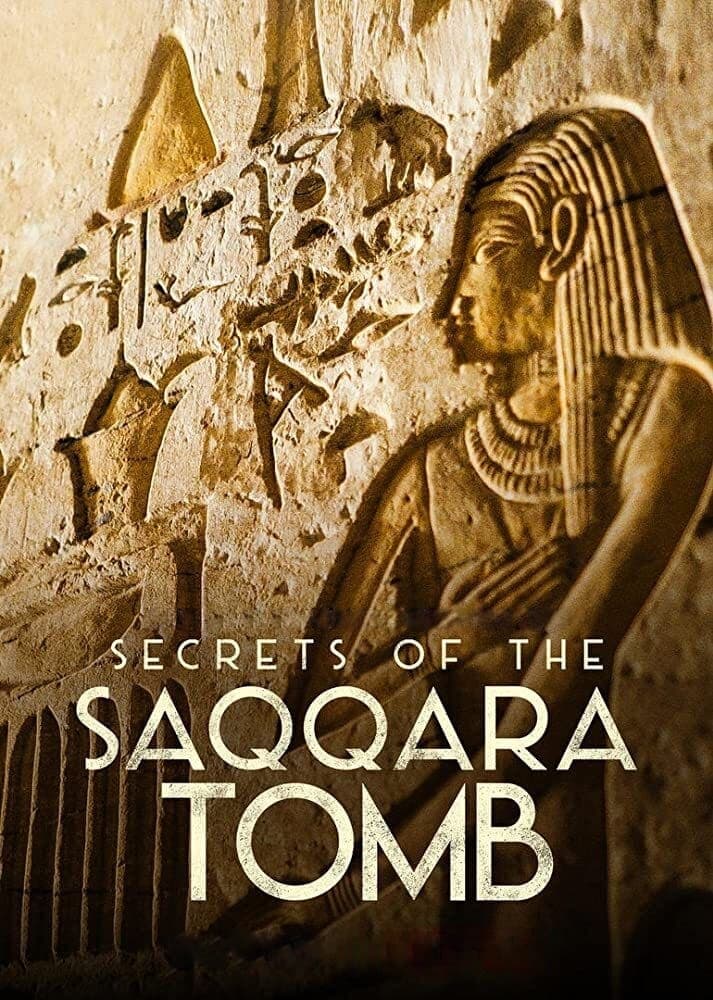
This documentary follows a team of local archaeologists excavating never before explored passageways, shafts, and tombs, piecing together the secrets of Egypt’s most significant find in almost 50 years in Saqqara.
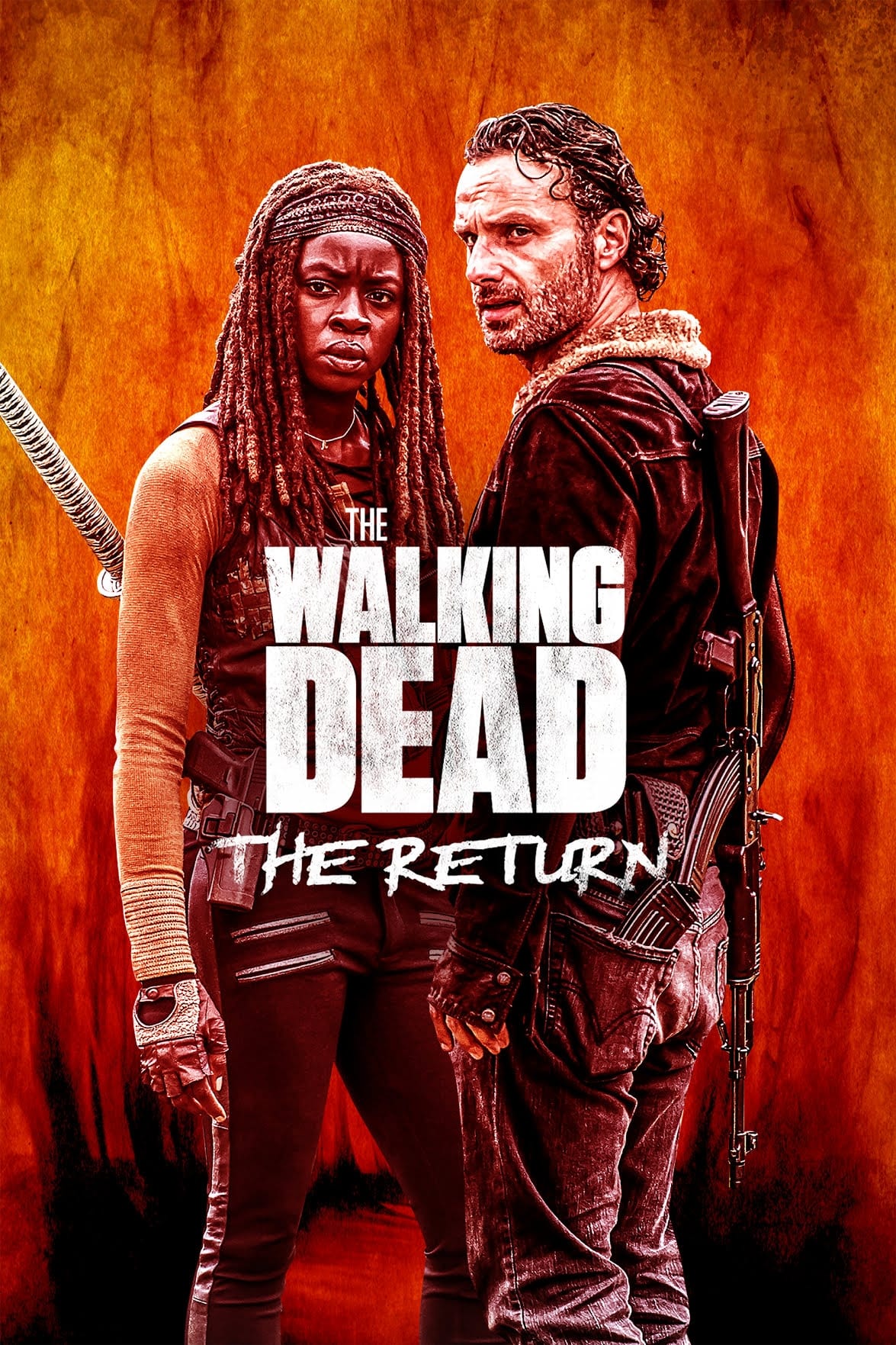
Stars of "The Walking Dead," Andrew Lincoln and Danai Gurira, walk down memory lane and visit iconic locations where pivotal moments between their characters, Rick and Michonne, were filmed.
A visual montage portrait of our contemporary world dominated by globalized technology and violence.
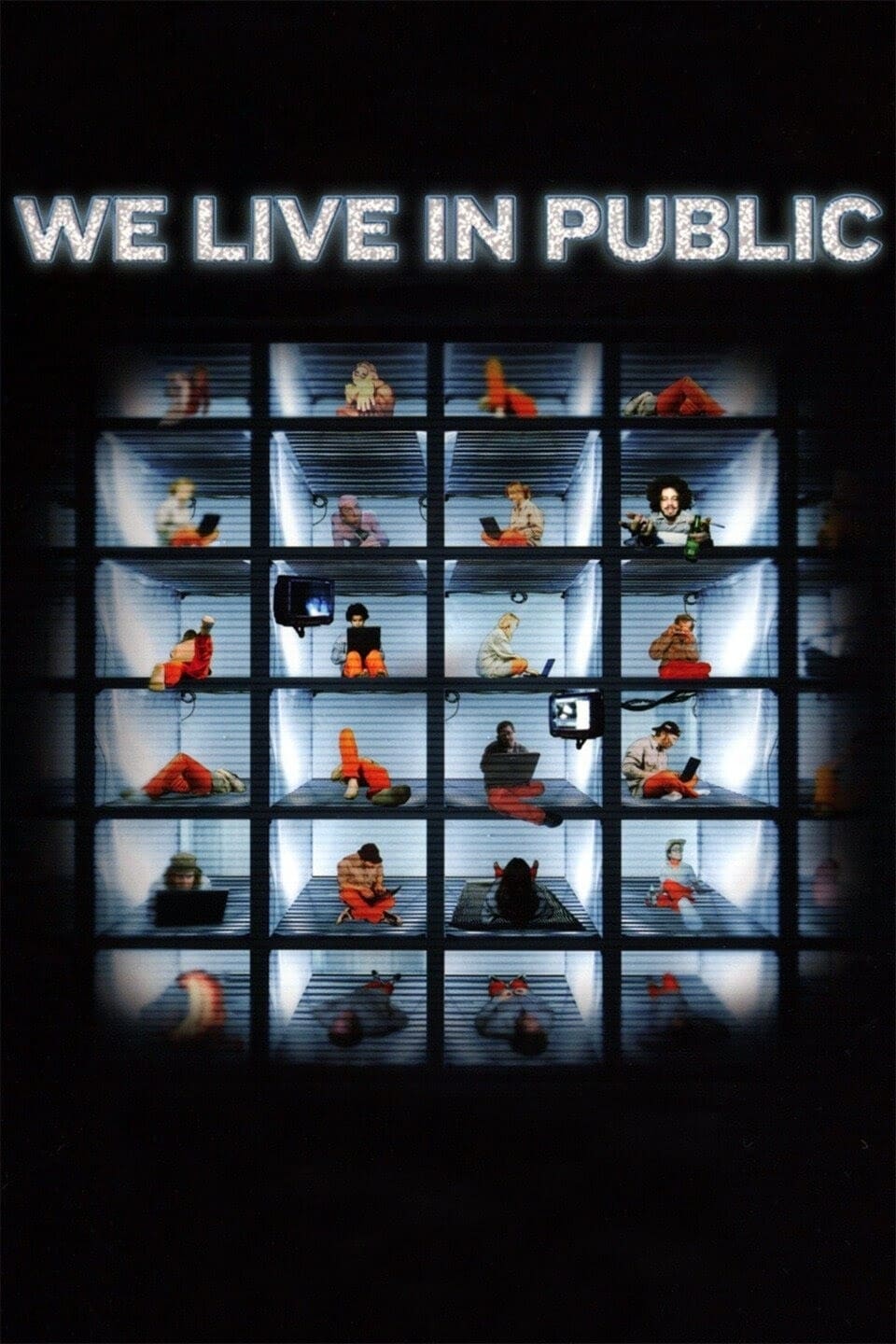
In 1999, Internet entrepreneur Josh Harris recruits dozens of young men and women who agree to live in underground apartments for weeks at a time while their every movement is broadcast online. Soon, Harris and his girlfriend embark on their own subterranean adventure, with cameras streaming live footage of their meals, arguments, bedroom activities, and bathroom habits. This documentary explores the role of technology in our lives, as it charts the fragile nature of dot-com economy.
Daniel Craig candidly reflects on his 15 year adventure as James Bond. Including never-before-seen archival footage from Casino Royale to the upcoming 25th film No Time To Die, Craig shares his personal memories in conversation with 007 producers, Michael G Wilson and Barbara Broccoli.
SEDUCED AND ABANDONED combines acting legend Alec Baldwin with director James Toback as they lead us on a troublesome and often hilarious journey of raising financing for their next feature film. Moving from director to financier to star actor, the two players provide us with a unique look behind the curtain at the world's biggest and most glamourous film festival, shining a light on the bitter-sweet relationship filmmakers have with Cannes and the film business. Featuring insights from directors Martin Scorsese, 'Bernando Bertolucci' and Roman Polanski; actors Ryan Gosling and Jessica Chastain and a host of film distribution luminaries.
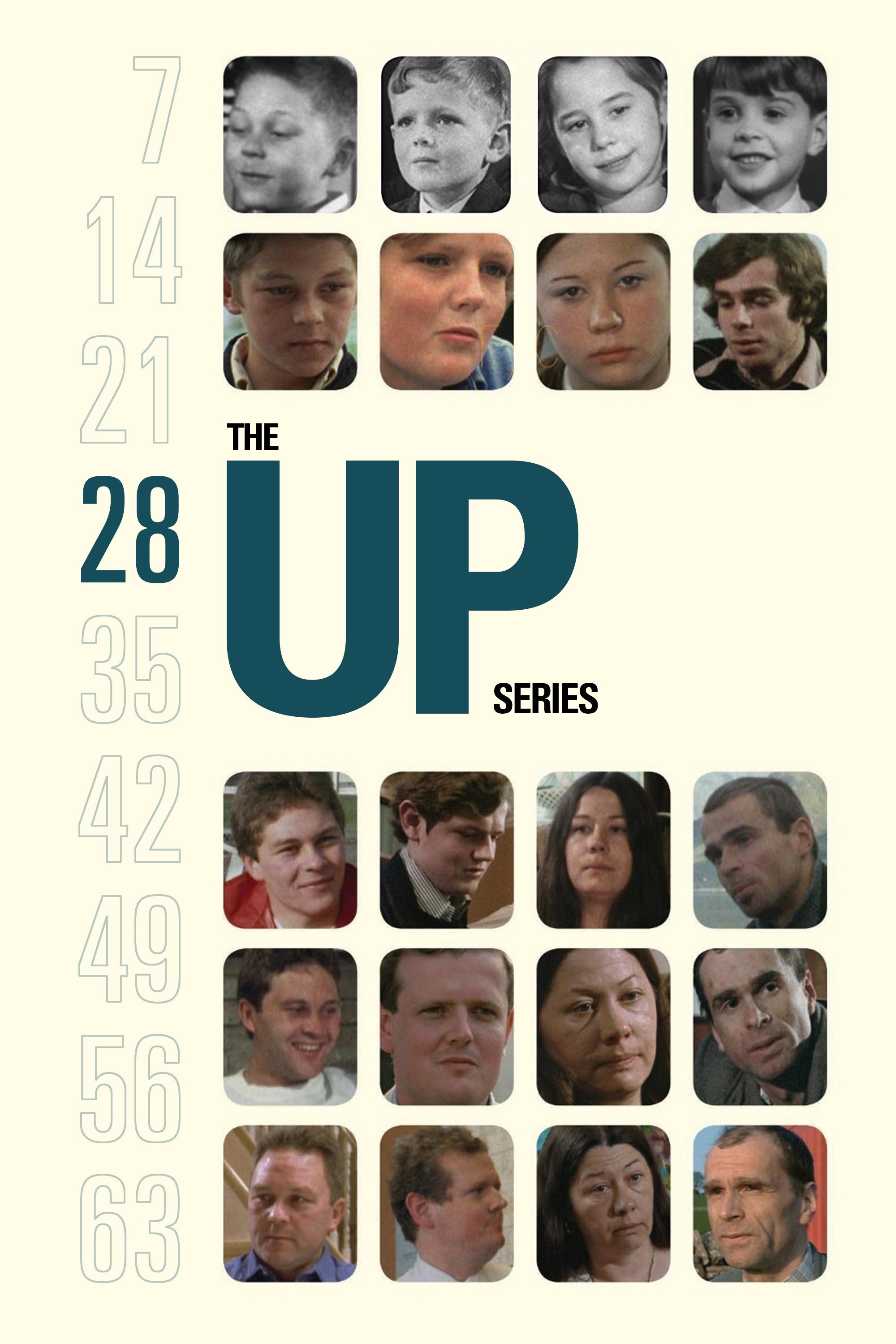
Just two years away from turning 30, participants in Michael Apted's documentary series are facing serious questions of identity and purpose, wondering whether they've found their place in the world.
The Making-of James Cameron's Avatar. It shows interesting parts of the work on the set.
Using the book 'Fragments', which collects Marilyn Monroe's poems, notes and letters, and with participation from the Arthur Miller and Truman Capote estates who have contributed more material, each of the actresses will embody the legend at various stages in her life.
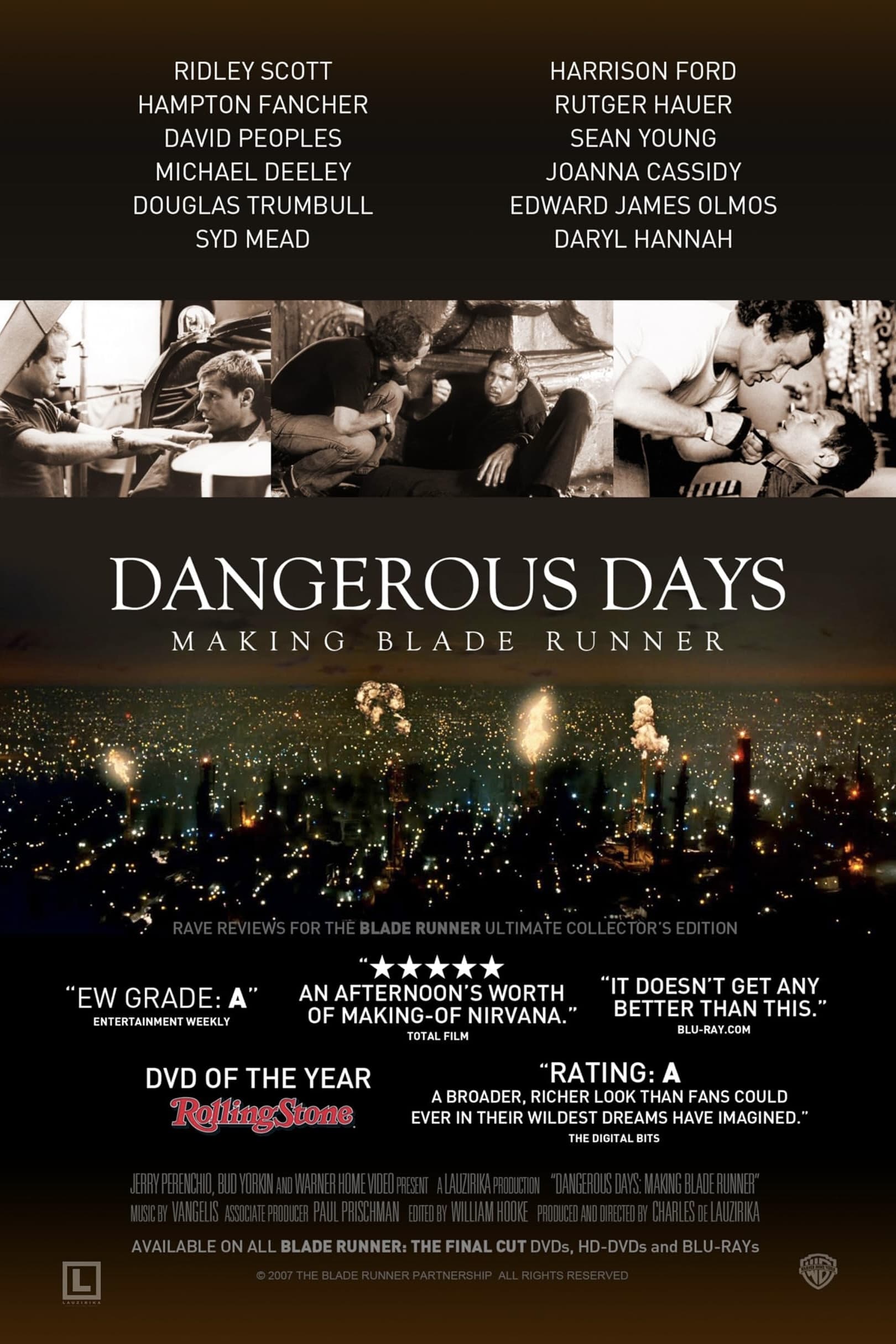
The definitive 3½-hour documentary about the troubled creation and enduring legacy of the science fiction classic 'Blade Runner', culled from 80 interviews and hours of never-before-seen outtakes and lost footage.