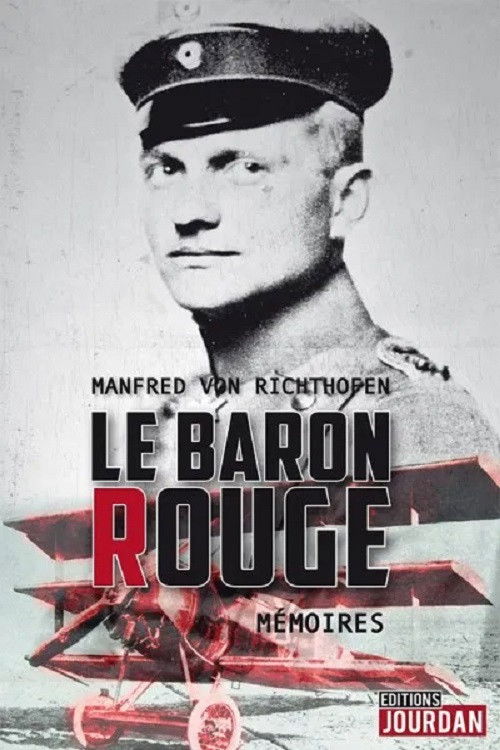
A documentary of early airplane pilot and WW1 fighter ace Manfred von Richthofen, famously known as The Red Baron.
Social & External
The people behind it
During WWII, the Japanese army developed experimental balloons able to cross the Pacific Ocean and reach the West Coast of North America in 3-6 days. Armed with explosives, they were given the code name fu-go, or fusen bakudan (“fire balloons,” or balloon bombs) in an attempt to instill a culture of fear like that caused by the far more deadly American firebombing of Japanese cities. The U.S. responded by enacting a censorship campaign, requesting newspapers avoid reports of fu-go landings or sightings. Living near the remains of a fu-go launch site in Fukushima Prefecture, Takeuchi mimics their flight take-off using a drone camera, and, traveling to North America, follows their arrival across the shoreline and rural landscapes, using a bat’s echolocation as narrative device to place fu-go and Fukushima as echos across history.
Nothing is as it seems in this riveting World War 2 thriller as a wary soldier goes to investigate a mysterious German monarch at his secluded mansion, leading him into a web of deceit and a dangerous love affair with a local Jewish woman.
The wife of a former general in the German army received a letter in witch she was informed that her husband has to enlist in the German army and fight on the frontline. Affected by this news, she opposed the commanders who brought the letter, which shot her on the site. Her husband, in an act of revenge, starts being a hero on the frontline, violating orders and deciding the fate of the battle of Verdun.
The Western Front, 1916. During a night-time raid on a deserted German trench, the fates of four British soldiers collide.
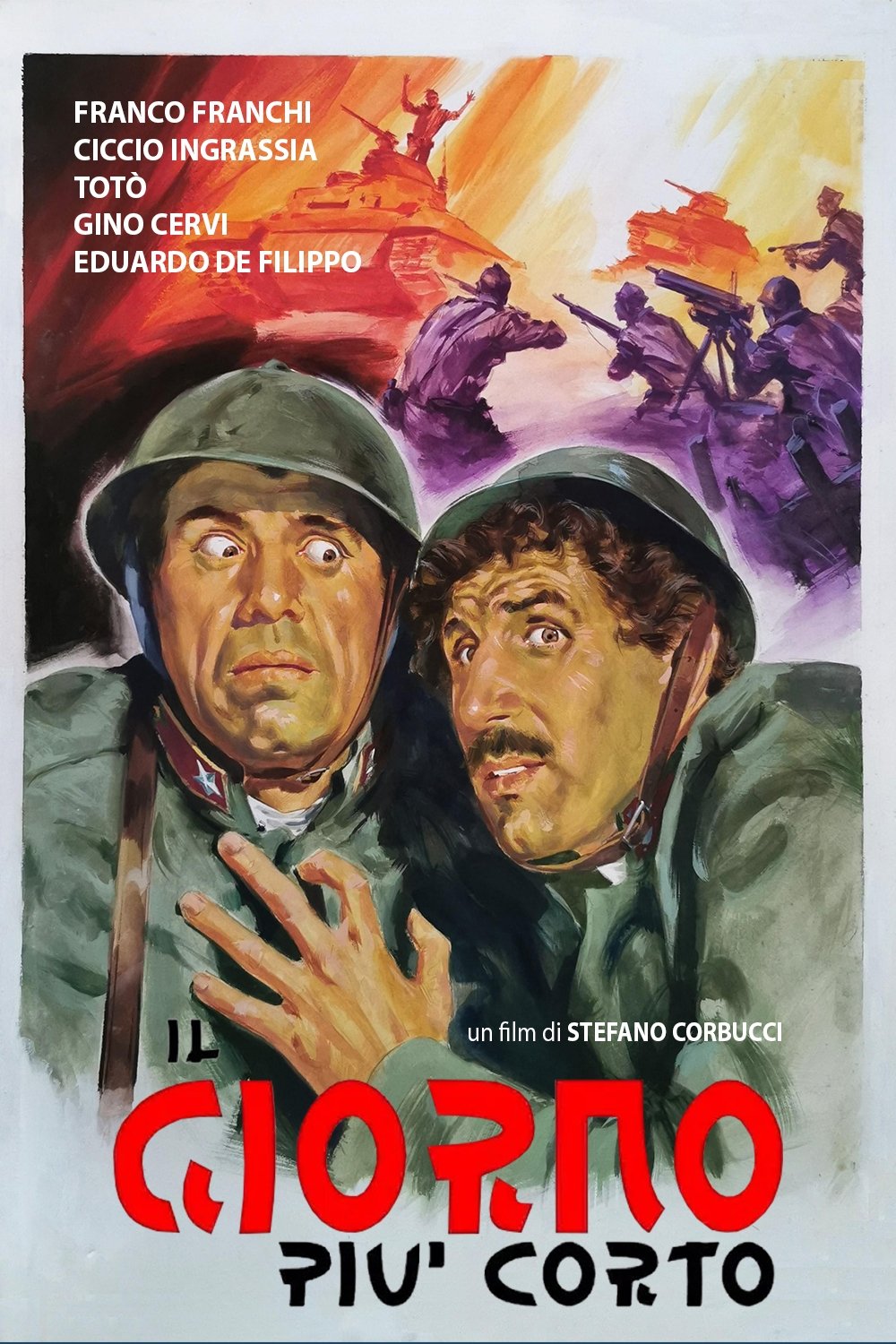
Two jerks are enlisted in the Italian army during W.W.1 and by pure luck manage to help win an important battle.
It's 1918, the height of United States involvement in World War I - Liberty Bonds are sold, German immigrants are suspected as traitors or saboteurs, young men everywhere succumb to the patriotism and propaganda and enlist. In a small Texas town, Horace Robedaux feels the pressure - he doesn't want to leave his young wife Elizabeth and their young child Jenny - but Elizabeth's can't-do-anything-right little brother is constantly talking about the war, and Elizabeth's stern father, who opposed the marriage initially, now has plans to take care of his daughter and the child so Horace can fight for his country. However, the influenza epidemic sweeping the town (and the nation) may change everyone's plans.
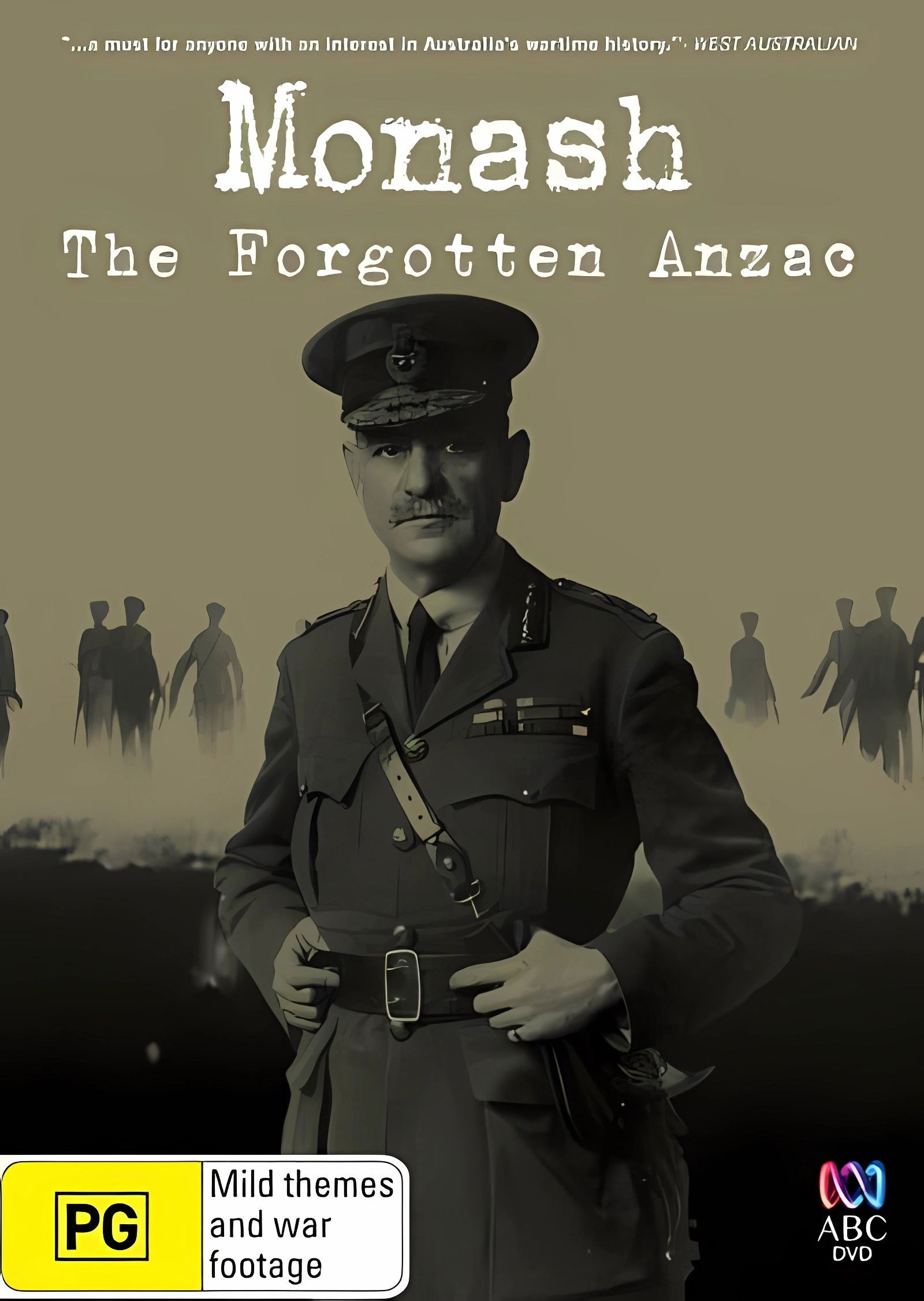
The story of how Australia's 'ANZAC myth' was born and the role of General John Monash in this process as soldier and statesman both during and after WW1.
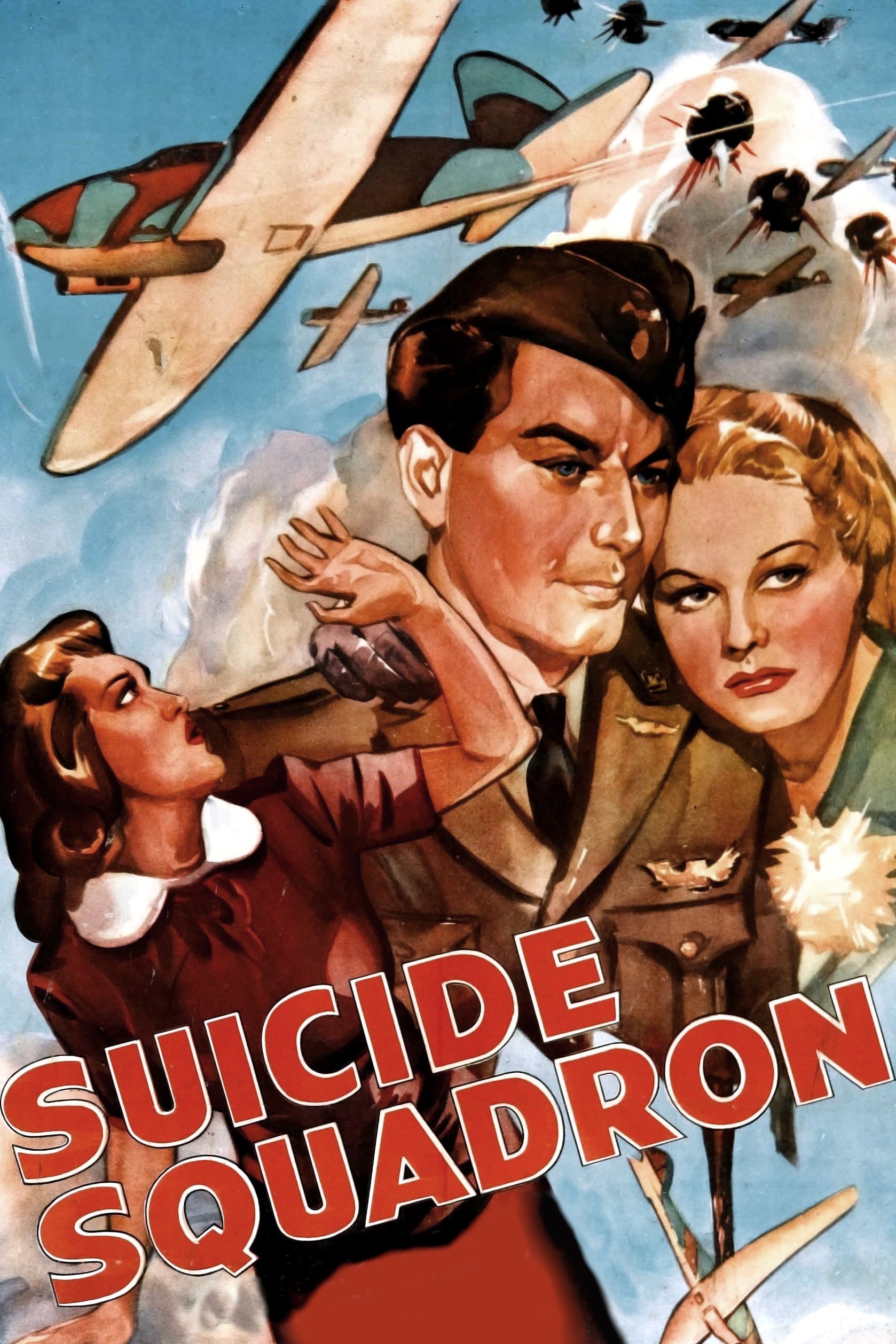
Stefan Radetzky, a Polish pilot and famous concert pianist, is hospitalised in England from injuries sustained while in combat, and having lost his memory. As Radetzky plays the piano in a trance-like state, the story moves back in time to war-torn Warsaw. During an air-raid, Radetzky meets American journalist Carole, and there is a mutual attraction. Following the fall of Poland, Radetzky and Irish pilot, Mike, escape to Rumania and then on to America. Radetzky continues his musical career in America and meets up again with Carole.
The sinking of the German fleet interned at Scapa-Flow (Orkney Islands), June 21, 1919. We know that one of the stipulations of the armistice signed with Germany on November 11, 1918 was that that power's surface warships were to be "immediately decommissioned and interned in neutral or Allied ports, and remain there under the supervision of the Allies and the United States, guard detachments only being maintained on board". In fact, all the ships designated by the Allies - 11 battleships, 5 battlecruisers, 7 light cruisers and 50 destroyers - had, a few days after the armistice, been assembled in Scapa-Flow Bay, in the center of the Orkney archipelago, i.e. north of Scotland, and had remained there ever since, under the supervision of the English naval authorities, but under the effective authority of German Admiral von Reuter.
A soldier returns to Kyiv after surviving a train crash and encounters clashes between nationalists and collectivists. The story of the suppression of the Bolshevik uprising at the Arsenal factory in Kyiv by the Central Council troops.
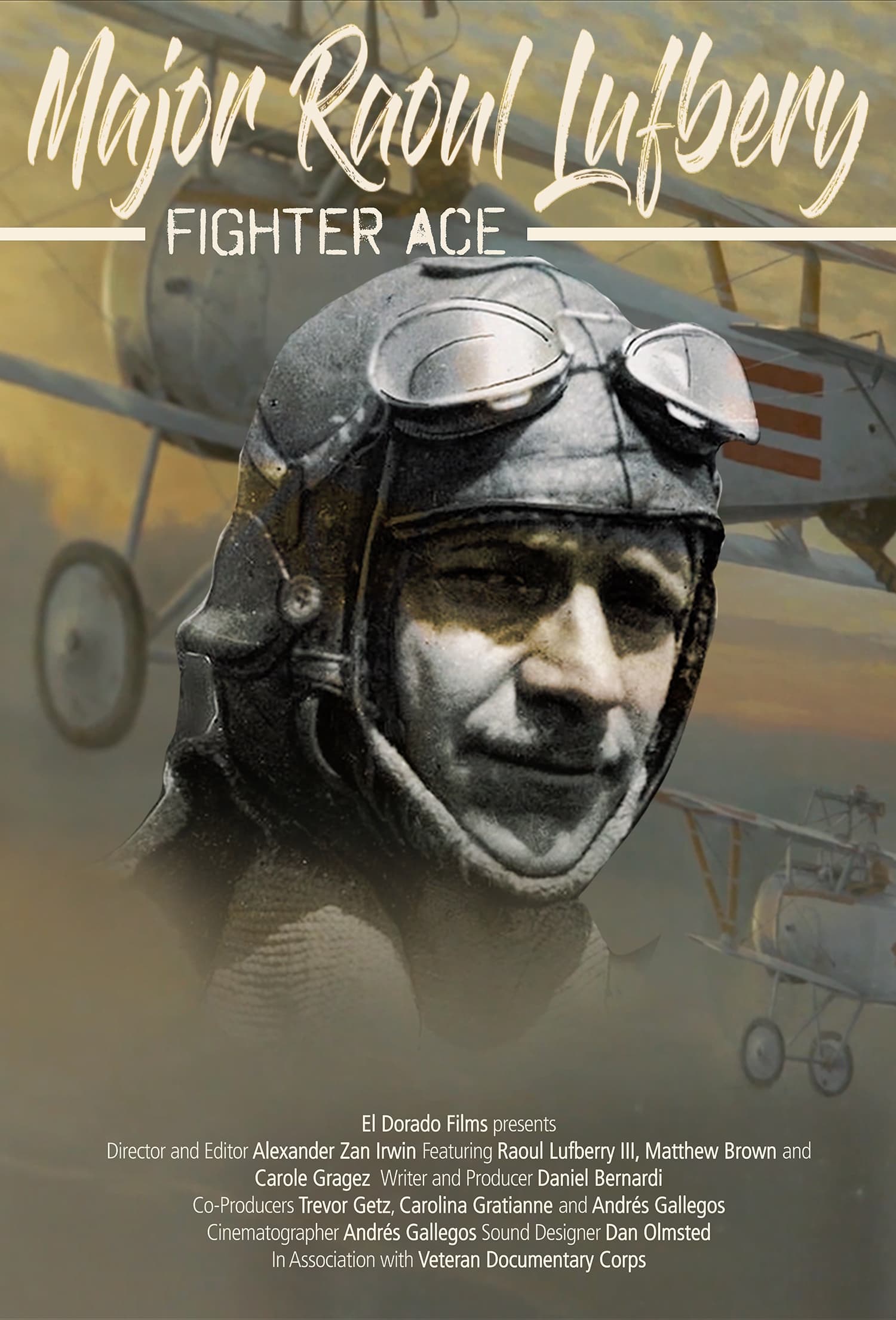
The story of WWI Pilot Gervais Raoul Lufbery, a triple confirmed WWI ace, mechanic and world traveler. Explores the Lafayette Escadrille squadron, a formation of volunteer pilots serving in France on behalf of the United States whose service marked the early origins of the U.S. Air Force.
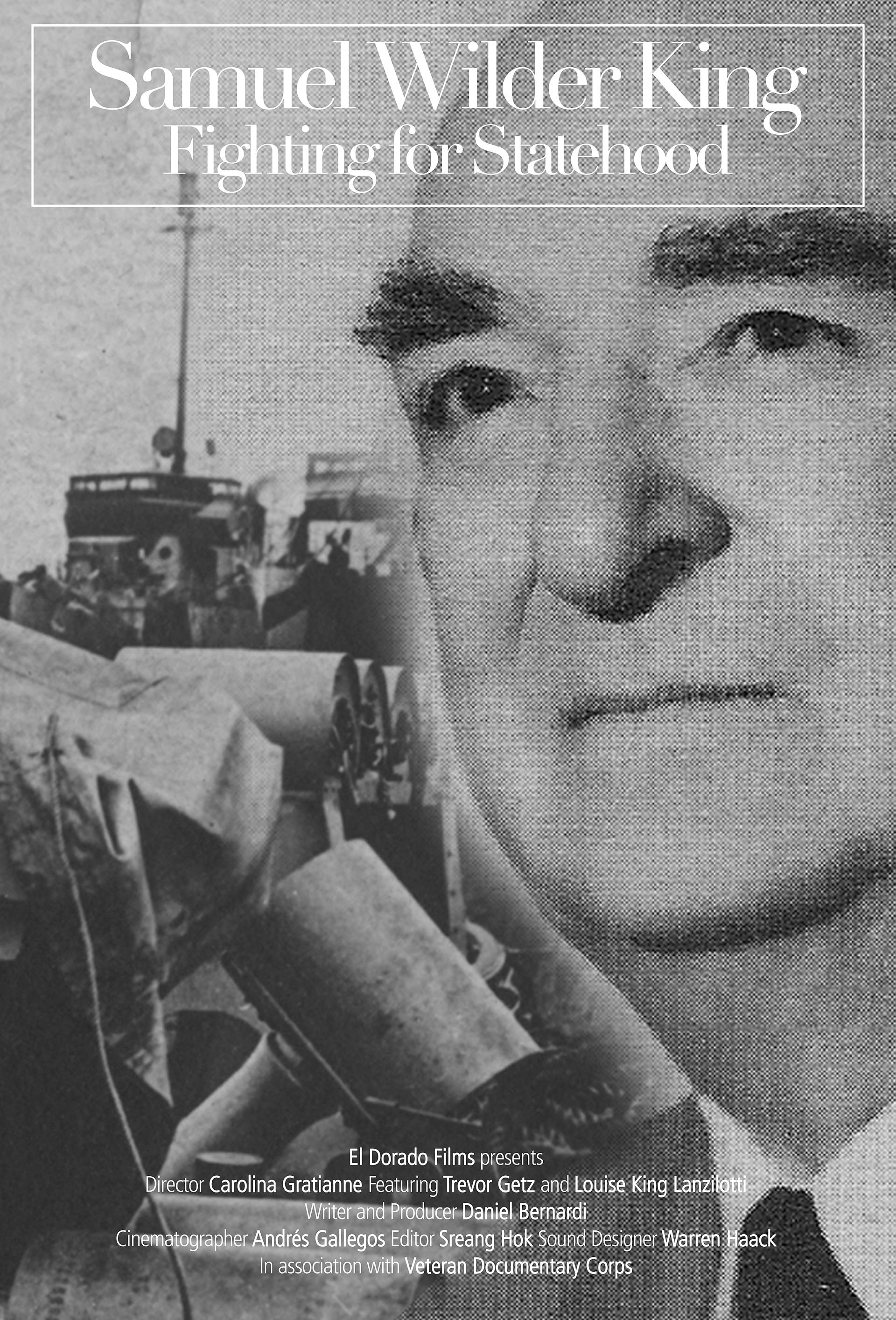
Samuel Wilder King, a descendant of Scottish sailors and Hawaiian royalty, served as a distinguished Naval officer in both World Wars before becoming Governor of the Hawaii Territory. This short film delves into King’s fearless leadership—from navigating the high seas during WWI to fighting against the internment of Japanese Americans in Hawaii during WWII—ultimately championing Hawaii's path to statehood as the 50th star on the American flag.
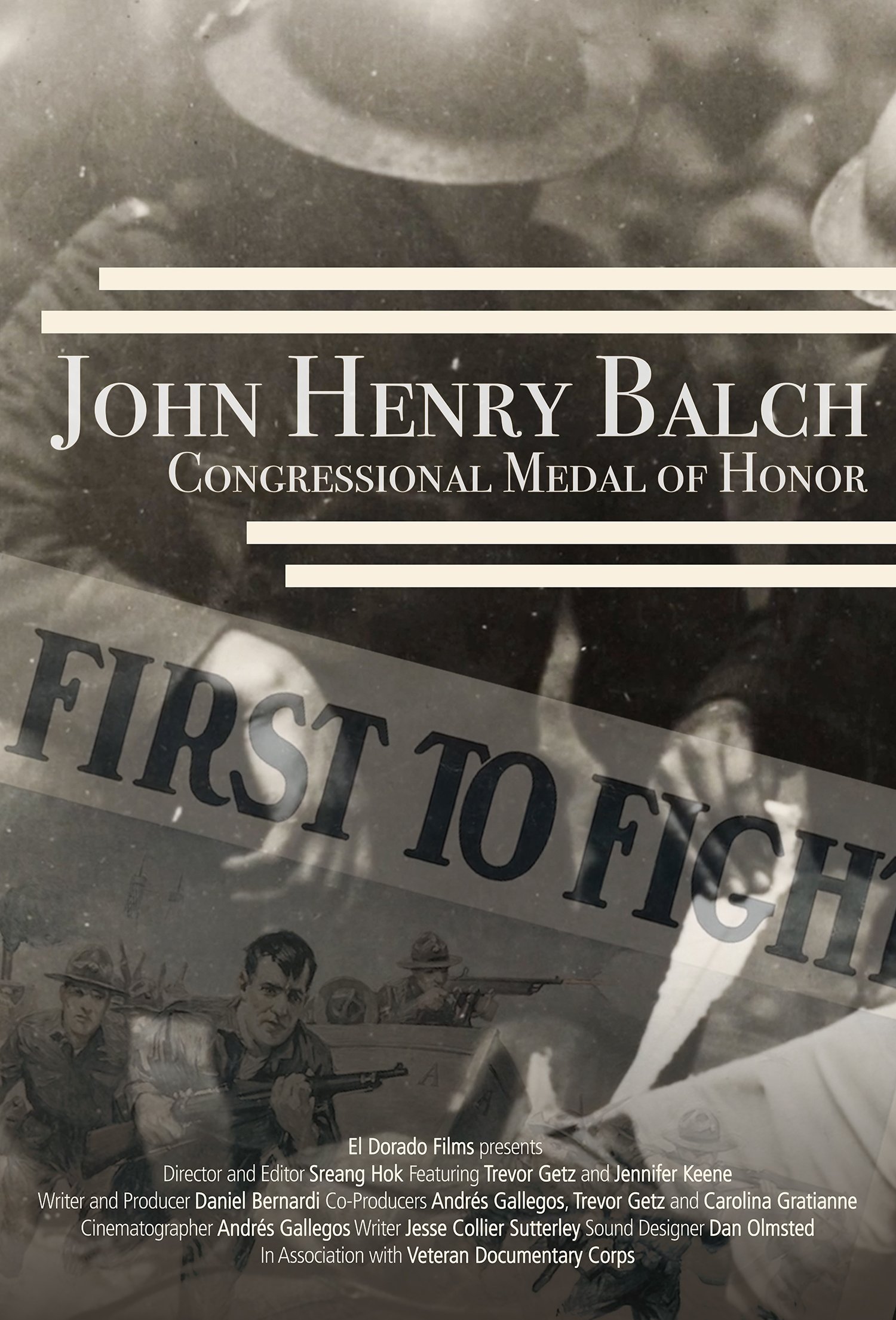
John Henry Balch was a Pharmacist's Mate attached to the 3rd Battalion 6th Marine Regiment when his unit entered the Belleau Wood. His dedication to the Marines under his care earned him the Medal of Honor.
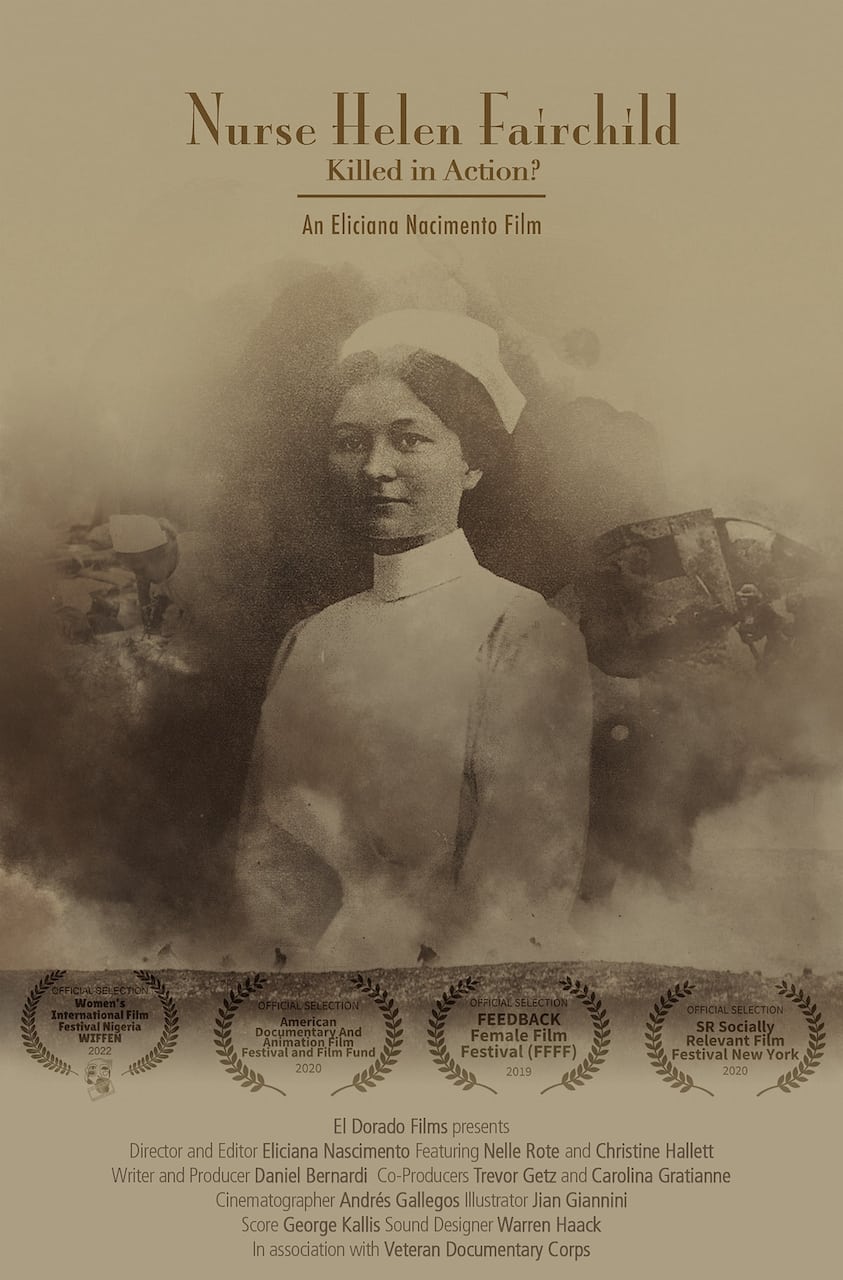
Bravery, compassion and the will to save lives motivated the young Nurse Helen Fairchild to leave home in Pennsylvania and embark on a journey to Europe, where she served as a surgical nurse during World War I before dying on the front lines.
Wounded and left for dead, a British soldier embarks on a daring escape from a booby-trapped German dugout.
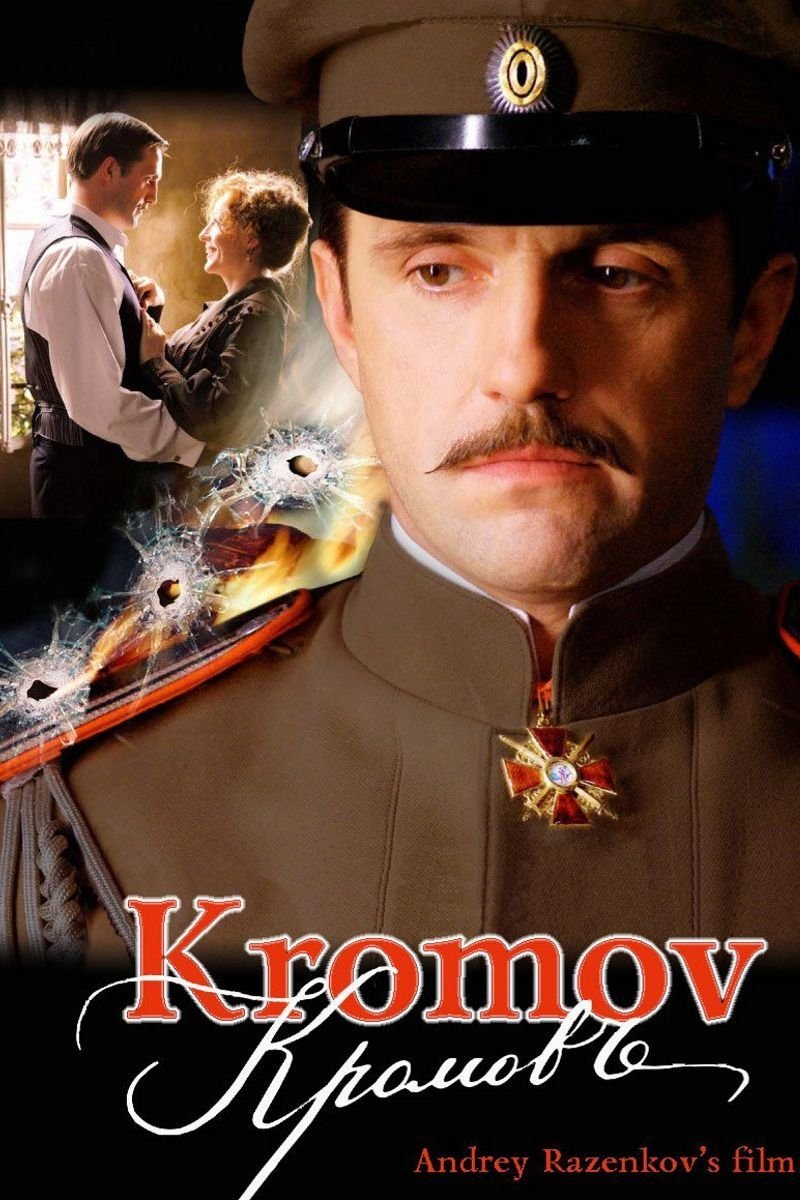
Alexey Kromov, a former Russian army colonel, is stuck in Paris with a huge sum of money which belong to the former Russian government.
Time after time, soldiers of the Italian Army are forced to leave their mountain trenches in attempts to storm an enemy fortress, always with the same disastrous results. As casualties mount, indignation spreads among the rank and file. Disturbed by his superiors' decisions, Lieutenant Sassu is led to question the purpose of war and reconsider where his real duties lie.
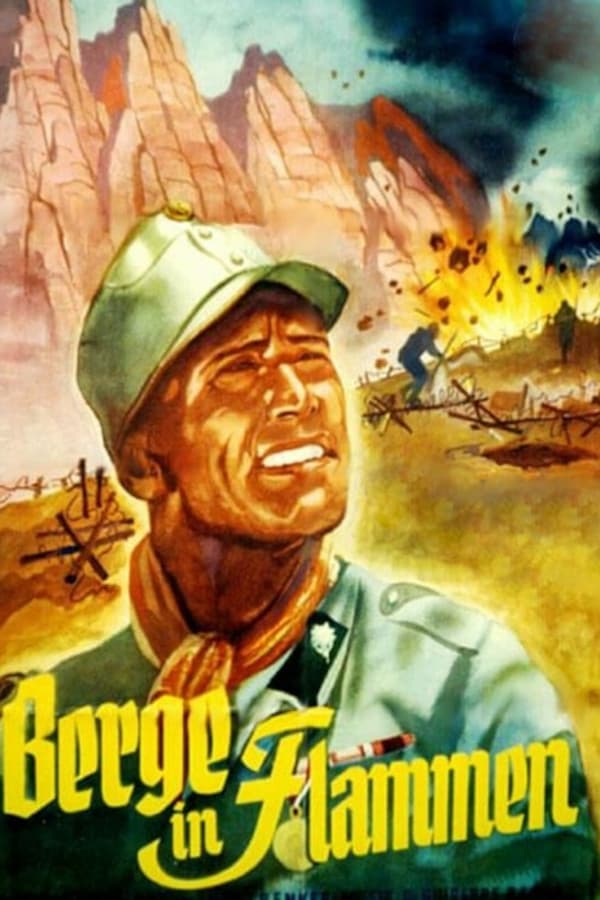
Two of Germany's best and busiest directors collaborated on Berge in Flammen (Mountain in Flames). The storyline should be of interest to pro-ecologists, inasmuch as the directors take to task the warmongers of the world for despoiling the natural beauties of the European mountain ranges with their shell-fire. The final outrage occurs during a battle between the Austrians and the Italians in the Dolomites, culminating with the destruction of an entire mountain (hence the film's title). The harrowing images on screen were complemented perfectly by the musical score of Giuseppe Beece. Also known as The Doomed Batallion, Berge in Flammen was filmed in three different languages -- German, English, French -- for a total cost of $150,000.
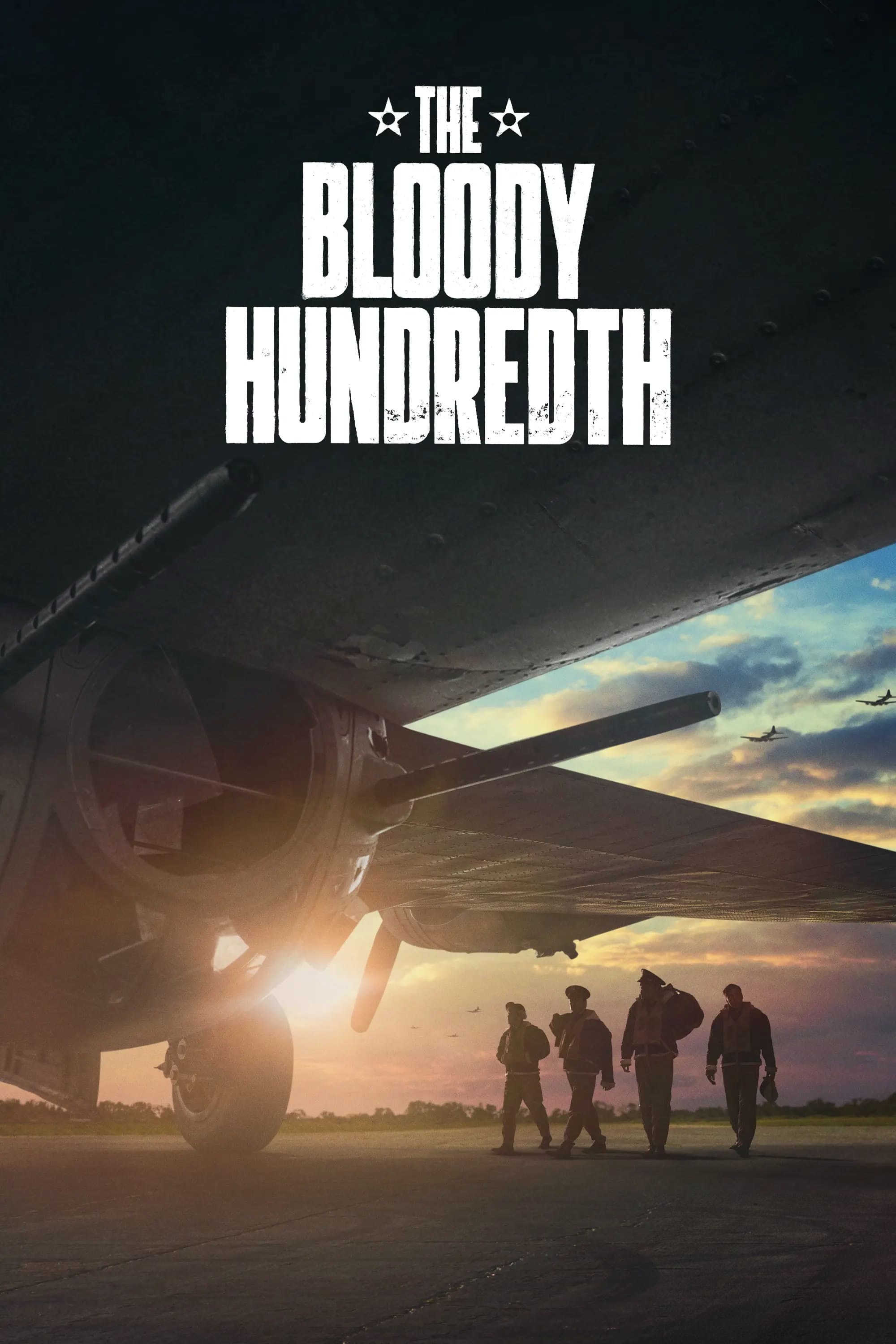
Meet the real-life airmen who inspired Masters of the Air as they share the harrowing and transformative events of the 100th Bomb Group.
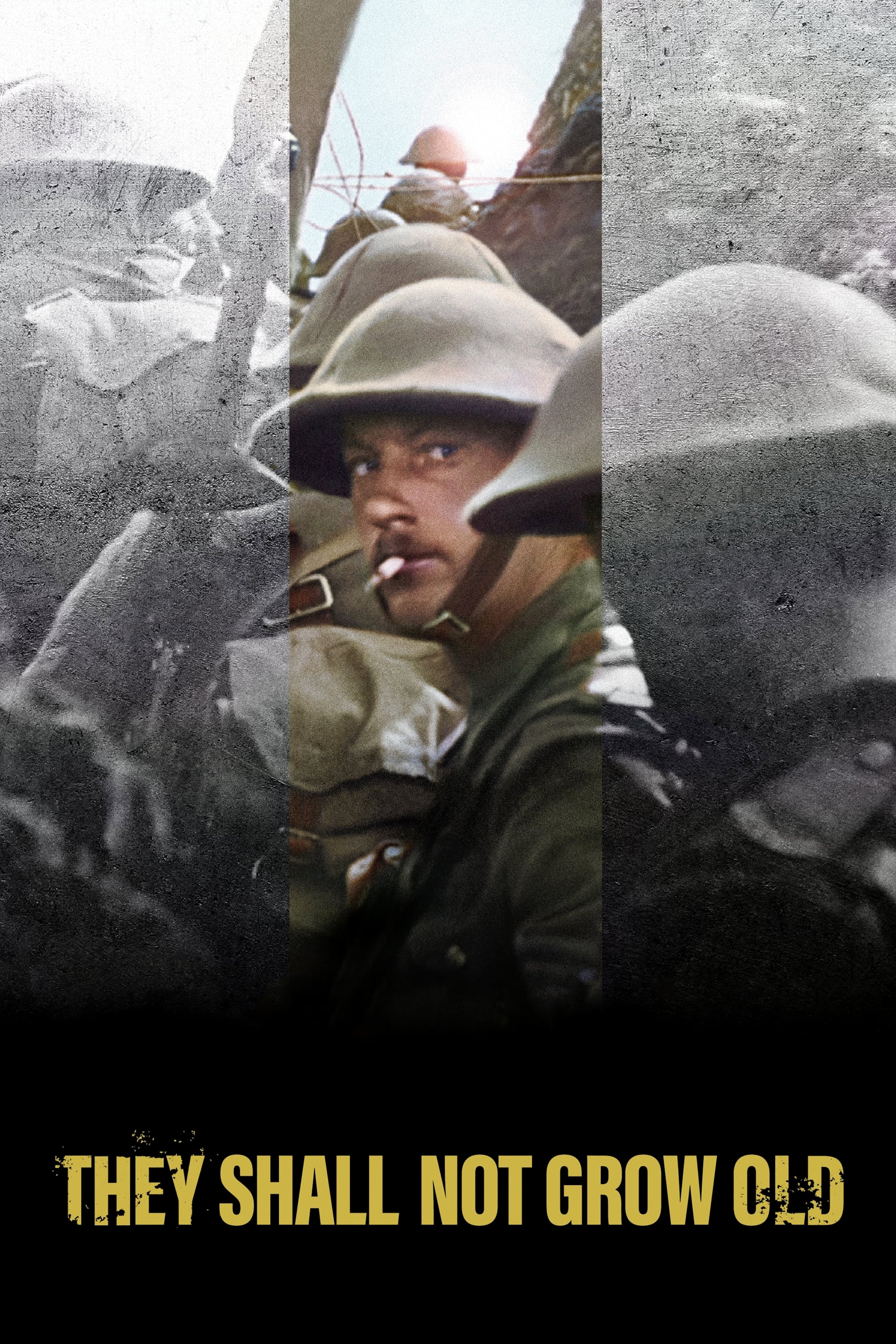
A documentary about World War I with never-before-seen footage to commemorate the centennial of Armistice Day, and the end of the war.
“The Soviet Story” is a story of an Allied power, which helped the Nazis to fight Jews and which slaughtered its own people on an industrial scale. Assisted by the West, this power triumphed on May 9th, 1945. Its crimes were made taboo, and the complete story of Europe’s most murderous regime has never been told. Until now...
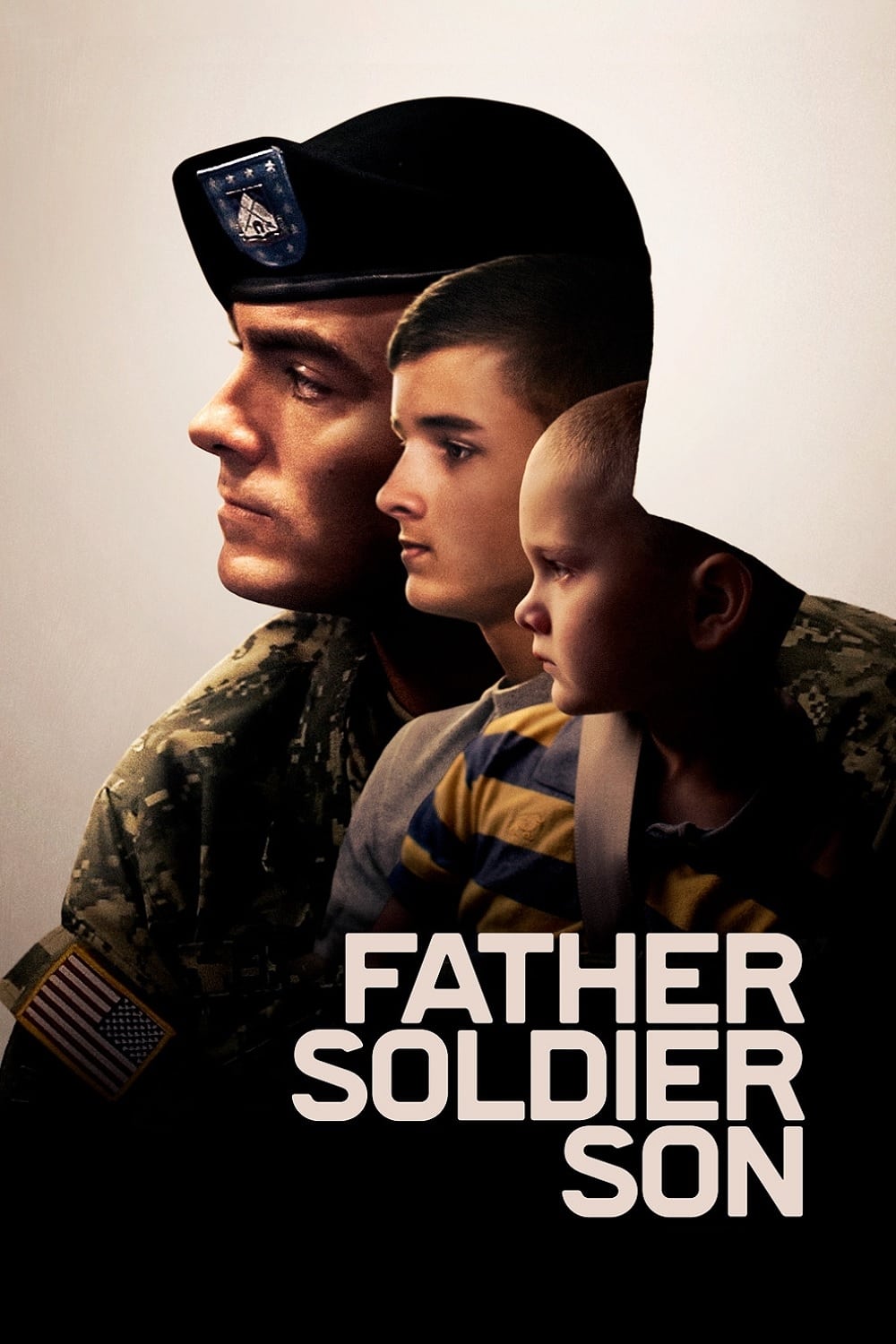
When Sgt. First Class Brian Eisch is critically wounded in Afghanistan, it sets him and his sons on a journey of love, loss, redemption and legacy.
Prelude to War was the first film of Frank Capra's Why We Fight propaganda film series, commissioned by the Pentagon and George C. Marshall. It was made to convince American troops of the necessity of combating the Axis Powers during World War II. This film examines the differences between democratic and fascist states.
Amid the failing counteroffensive, a journalist follows a Ukrainian platoon on their mission to traverse one mile of heavily fortified forest and liberate a strategic village from Russian occupation. But the farther they advance through their destroyed homeland, the more they realize that this war may never end.
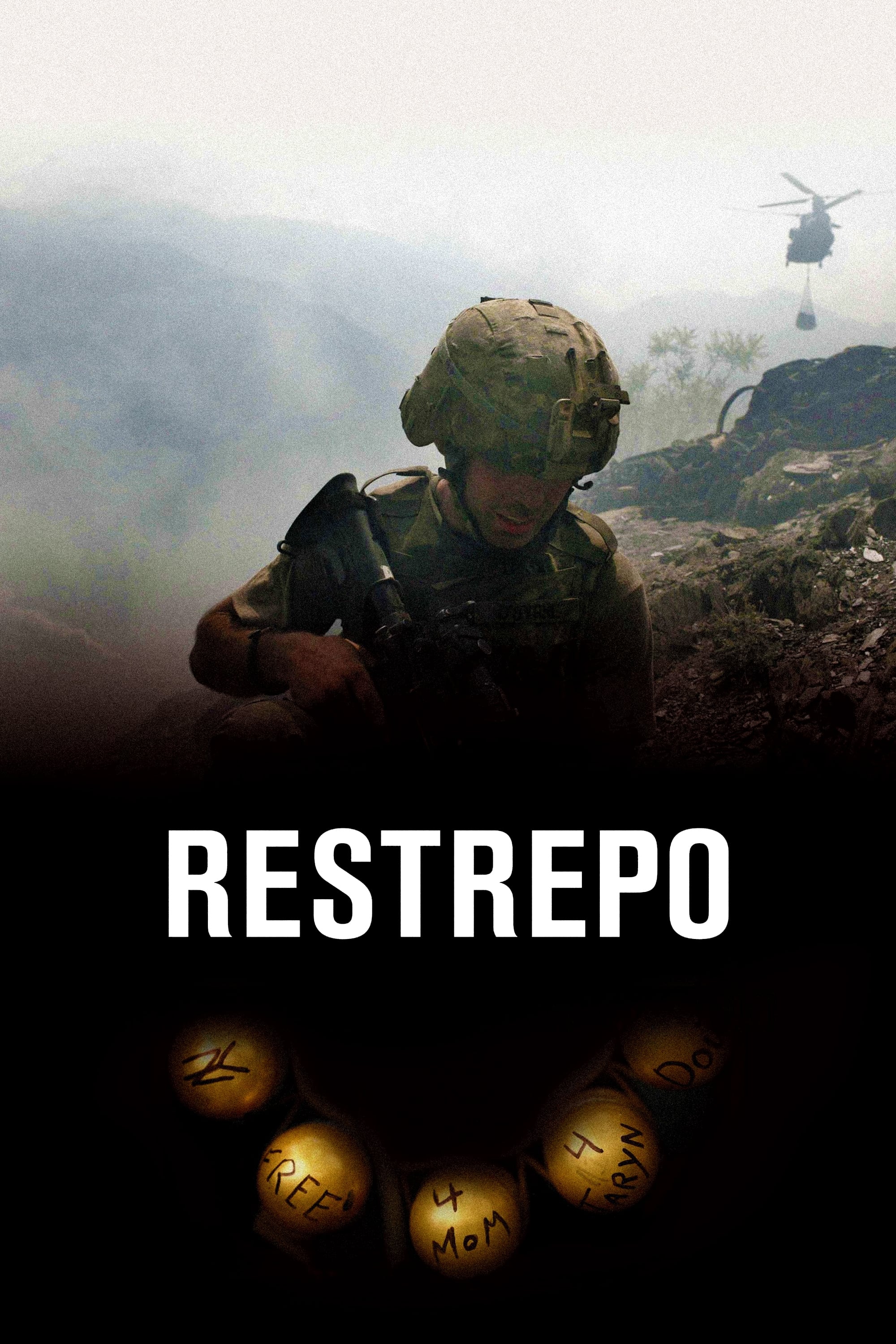
Directors Hetherington and Junger spend a year with the 2nd Battalion of the United States Army located in one of Afghanistan's most dangerous valleys. The documentary provides insight and empathy on how to win the battle through hard work, deadly gunfights and mutual friendships while the unit must push back the Taliban.
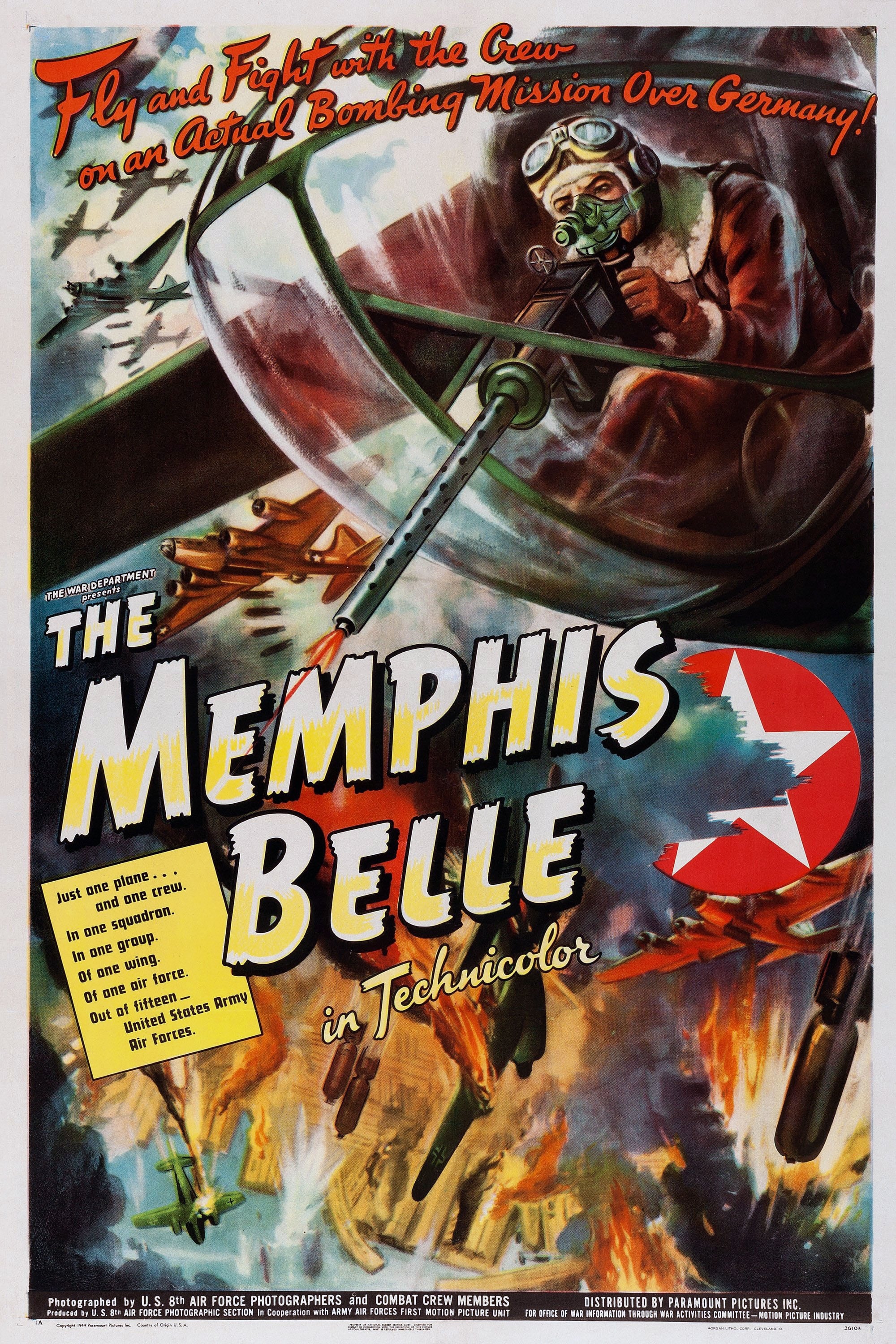
This WW2 documentary centers on the crew of the American B-17 Flying Fortress Memphis Belle as it prepares to execute a strategic bombing raid on Nazi submarine pens in Wilhelmshaven, Germany.
The history of cinematic sound, told by legendary sound designers and visionary filmmakers.
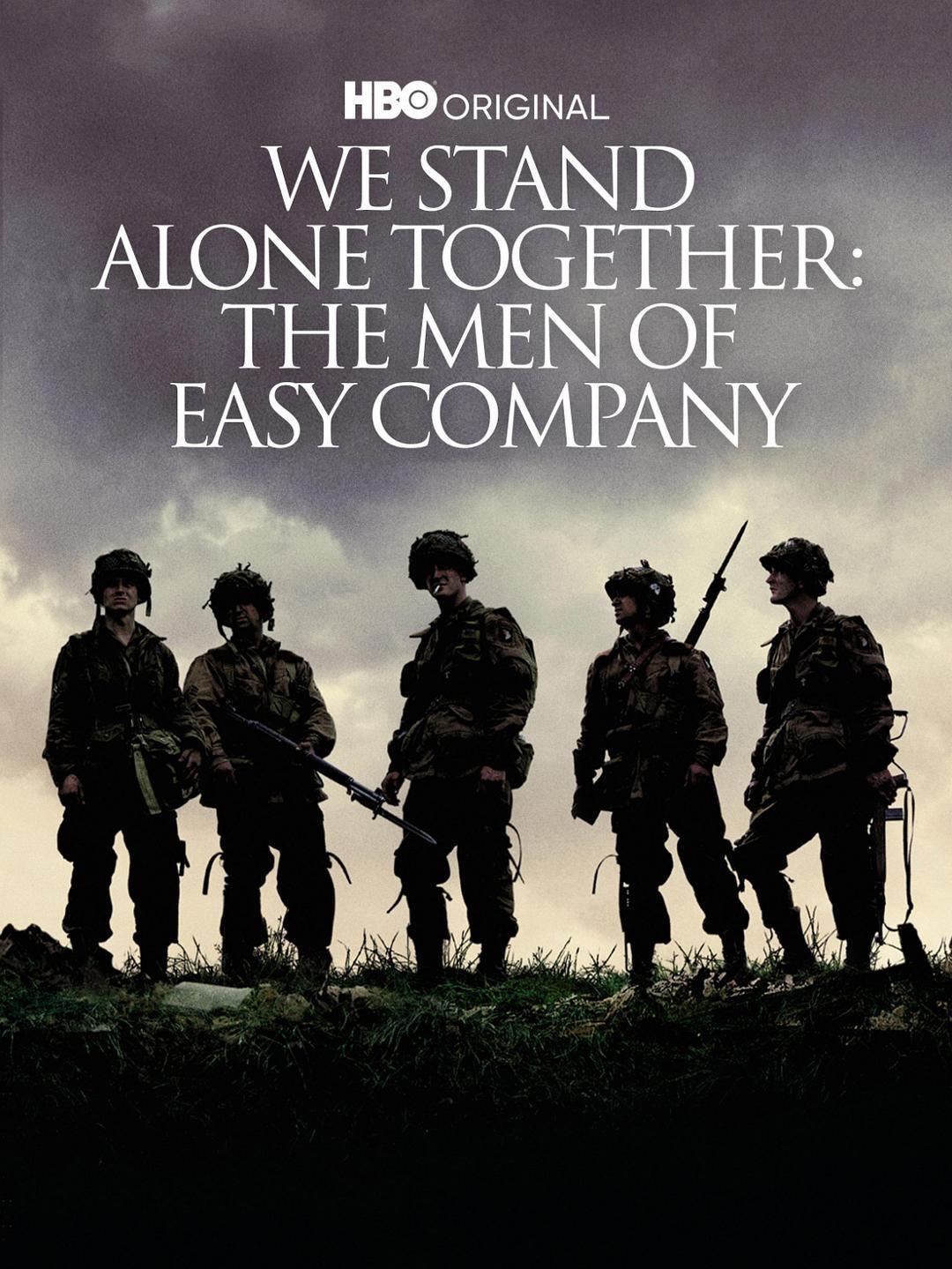
Over a period of two years, Mark Cowen and his crew travelled to thirty U.S. states and ten European cities, to interview the veterans of Easy Company. The stories told by the veterans themselves, create a history of the Second World War from the point of view of this heroic company of men, made famous in the mini-series Band of Brothers.
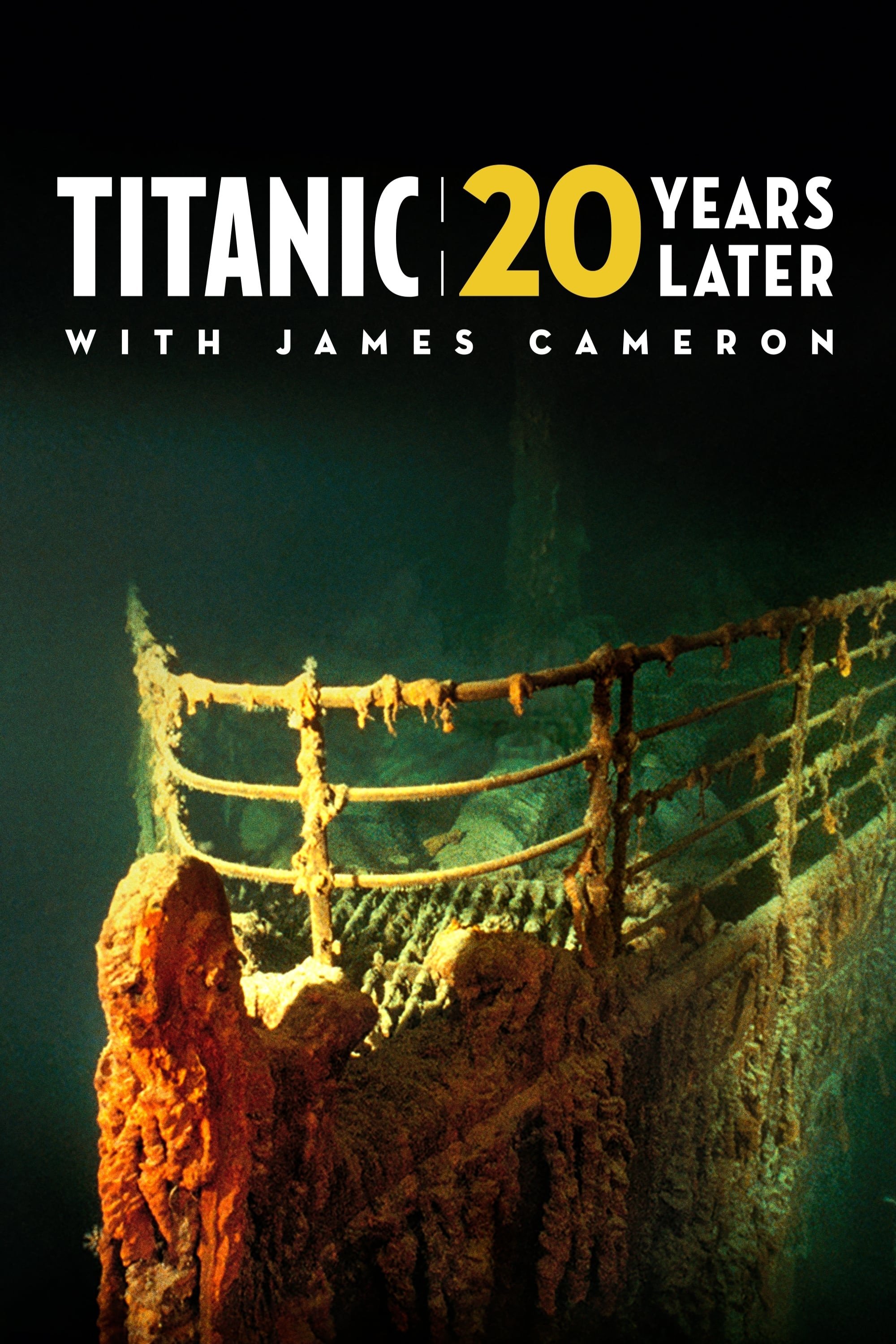
For the 20th anniversary of "Titanic," James Cameron reopens the file on the disaster.
He's devoted his career to uncovering stories the powerful want buried. From My Lai to Abu Ghraib, dig into the life's work of journalist Seymour Hersh.
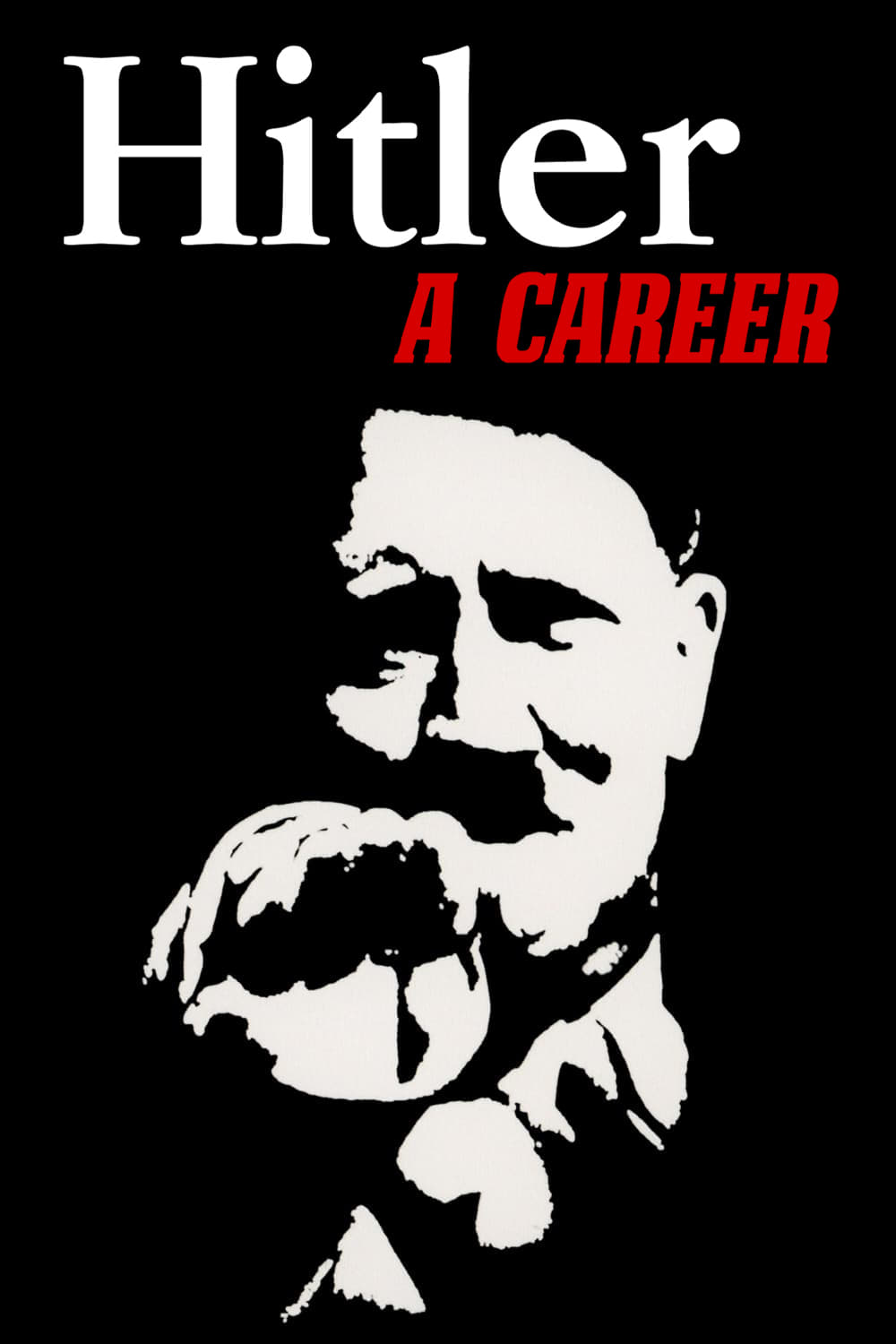
A keen chronicle of the unlikely rise to power of Adolf Hitler (1889-1945) and a dissection of the Third Reich (1933-1945), but also an analysis of mass psychology and how the desperate crowd can be deceived and shepherded to the slaughterhouse.
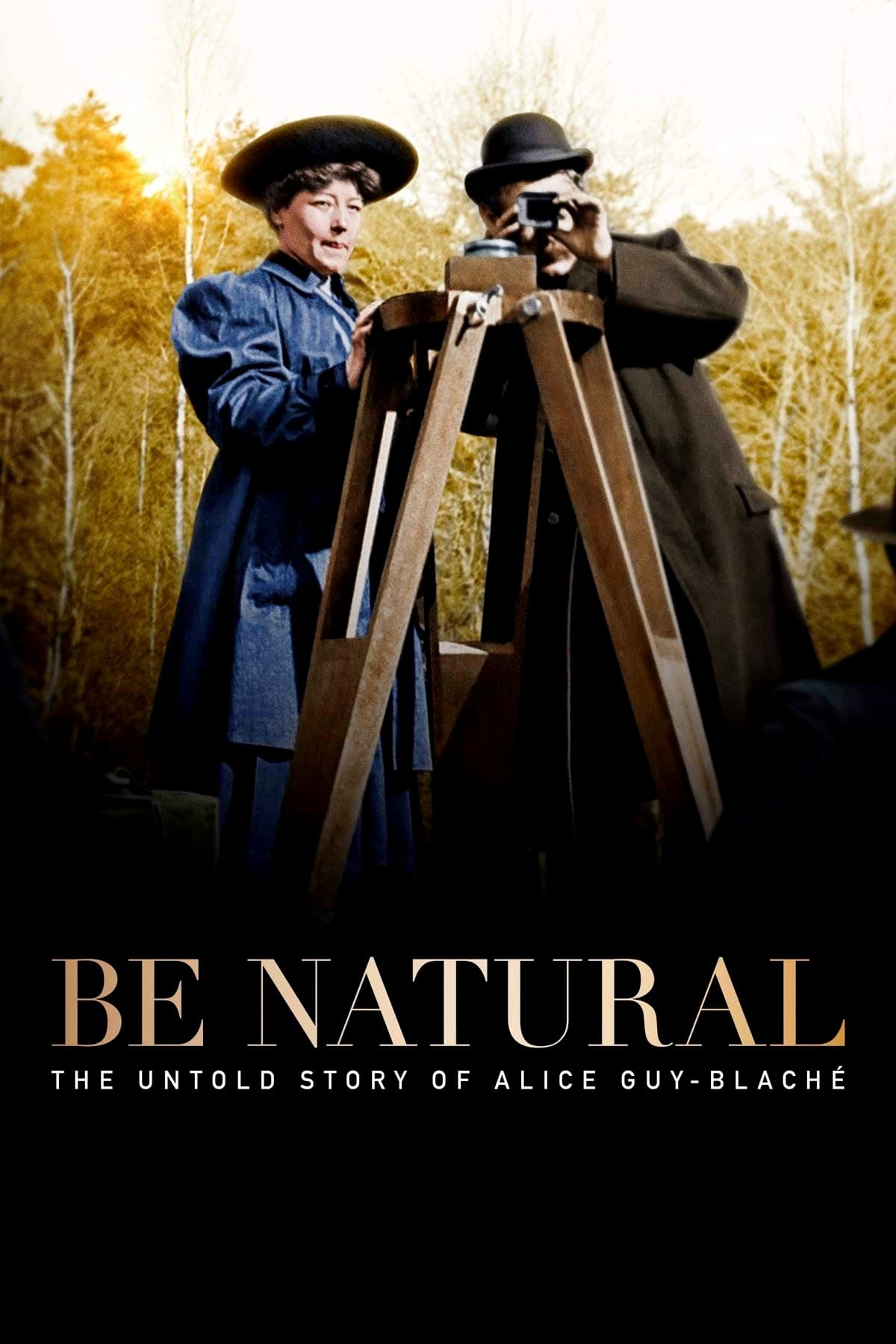
The epic life story of Alice Guy-Blaché (1873–1968), a French screenwriter, director and producer, true pioneer of cinema, the first person who made a narrative fiction film; author of hundreds of movies, but banished from history books. Ignored and forgotten. At last remembered.
"Trinity and Beyond" is an unsettling yet visually fascinating documentary presenting the history of nuclear weapons development and testing between 1945-1963. Narrated by William Shatner and featuring an original score performed by the Moscow Symphony Orchestra, this award-winning documentary reveals previously unreleased and classified government footage from several countries.
Experience the events of September 11, 2001 through the eyes of President Bush and his closest advisors as they personally detail the crucial hours and key decisions from that historic day.
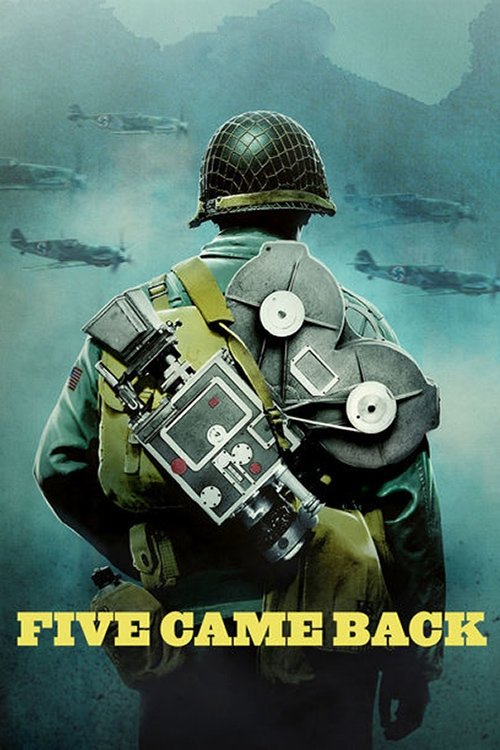
The extraordinary story of how Hollywood changed World War II – and how World War II changed Hollywood, through the interwoven experiences of five legendary filmmakers who went to war to serve their country and bring the truth to the American people: John Ford, William Wyler, John Huston, Frank Capra, and George Stevens. Based on Mark Harris’ best-selling book, “Five Came Back: A Story of Hollywood and the Second World War.”
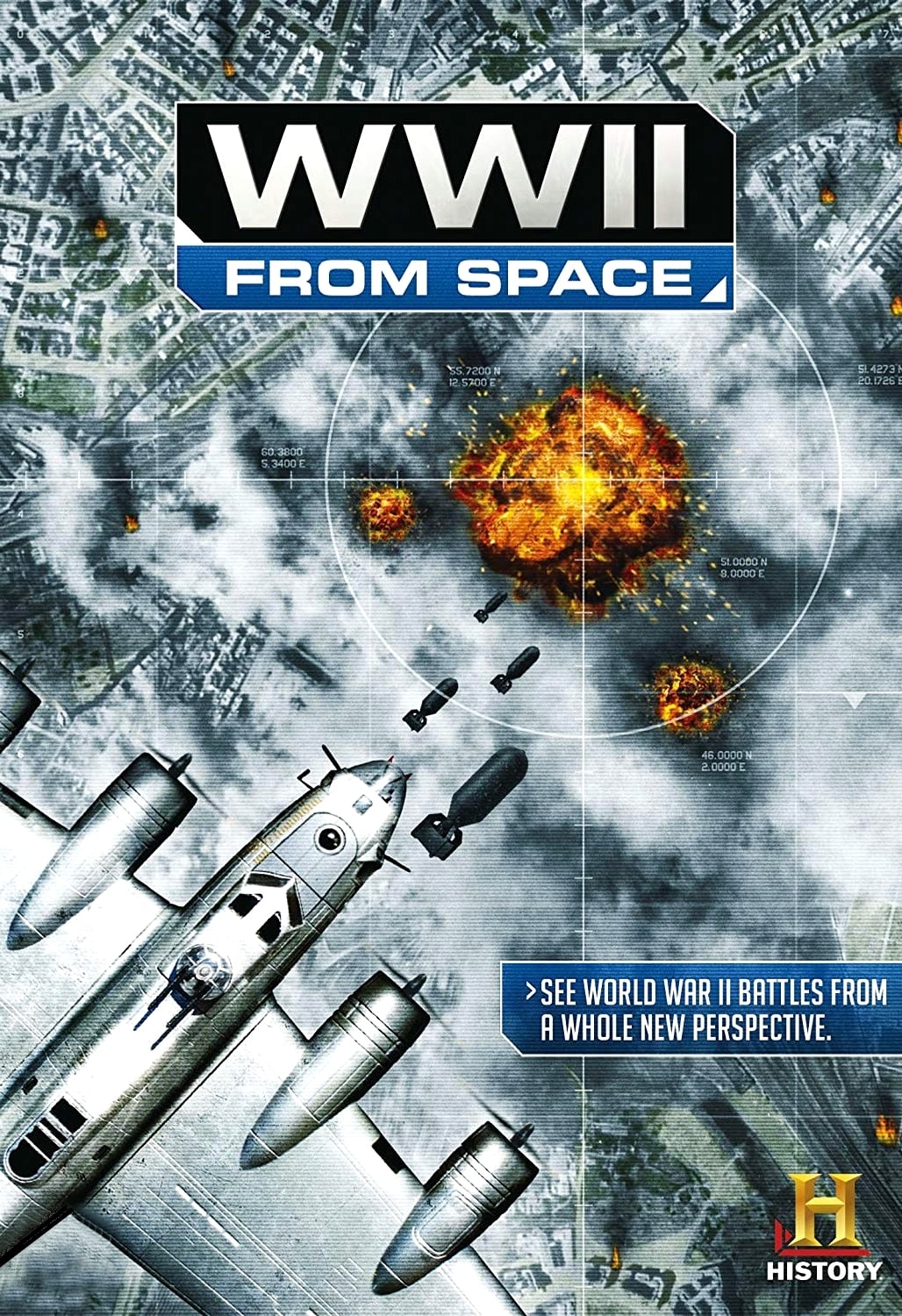
WWII from Space delivers World War II in a way you've never experienced it before. This HISTORY special uses an all-seeing CGI eye that offers a satellite view of the conflict, allowing you to experience it in a way that puts key events and tipping points in a global perspective. By re-creating groundbreaking moments that could never have been captured on camera, and by illustrating the importance of simultaneity and the hidden effects of crucial incidents, HISTORY presents the war's monumental moments in a never-before-seen context. And with new information brought to the forefront, you'll better understand how a nation ranked 19th in the world's militaries in 1939 emerged six years later as the planet's only atomic superpower.
An unprecedented and intimate look at the life, work and enduring legacy of British actress Audrey Hepburn (1929-1993).
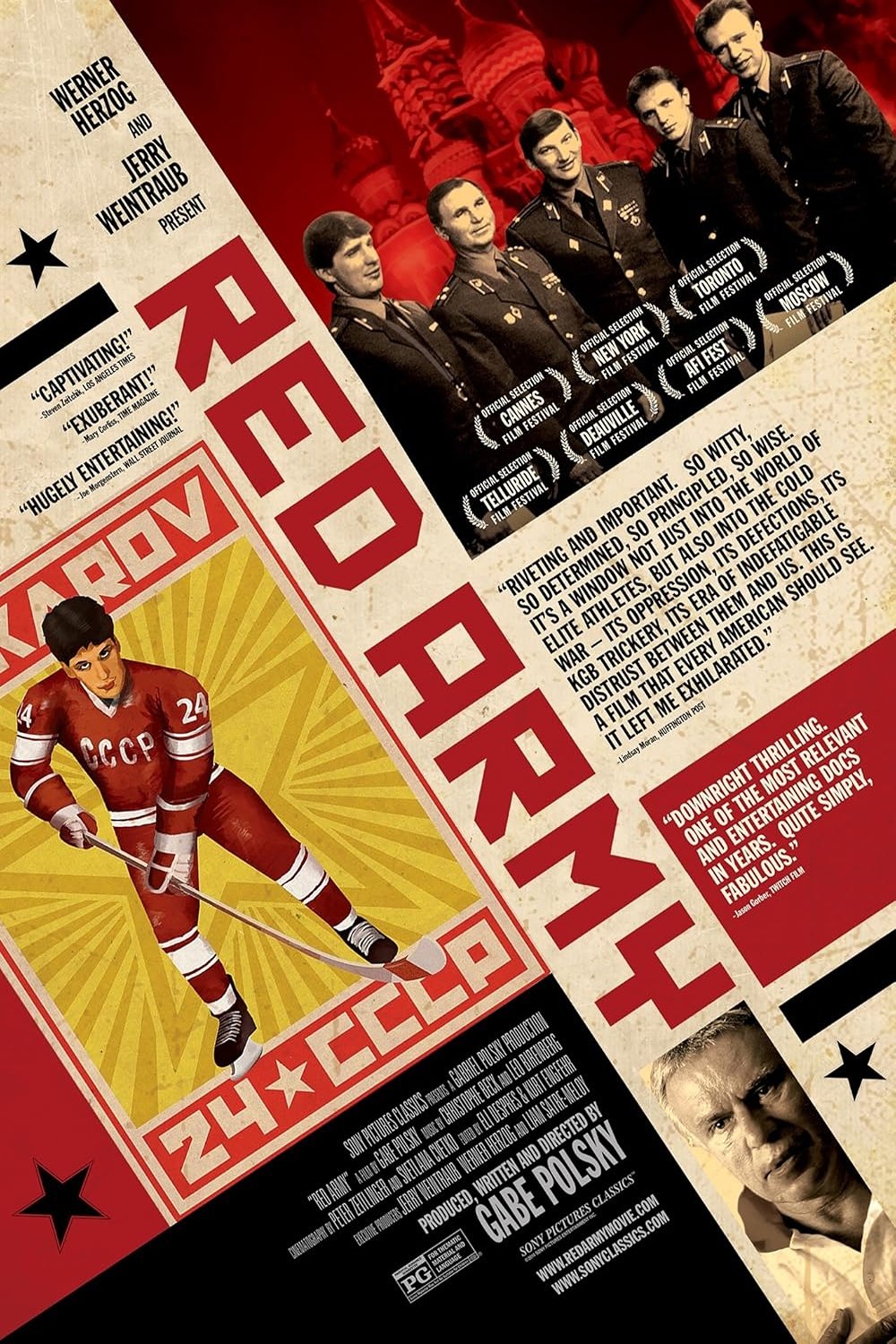
A documentary highlighting the Soviet Union's legendary and enigmatic hockey training culture and world-dominating team through the eyes of the team's Captain Slava Fetisov, following his shift from hockey star and celebrated national hero to political enemy.