Host Richard Crenna reviews various theories on the existence of a site for the legendary Atlantis described by Plato and envisioned by mystic Edgar Cayce.
Social & External
The people behind it
Charles Berlitz
Himself
Edgar Evans Cayce
David Childress
Richard Crenna
Himself / Narrator
Christos Doumas
Graham Hancock
Anthony Kontaratos
Floyd McCoy
Sue McGeary
Herself
Douglas Richards
Ancient Explorer, Amish Shah travels to the west coast of India in search of an ancient submerged city. With a passion for the truth, he stumbles into a cover up and in this film, he goes public with what he found.
Eminent classical historian Robin Lane Fox embarks on a journey in search of the origins of the Greek myths. He firmly believes that these fantastical stories lie at the root of western culture, and yet little is known about where the myths of the Greek gods came from, and how they grew. Now, after 35 years of travelling, excavation and interpretation, he is confident he has uncovered answers.
Go beyond the lost human history! A profile and examination of the recent findings of a highly advanced human settlement submerged at the end of the Ice Age when the sea level rose. The story of Atlantis has its roots in actual historical events!
Michael Wood travels through Syria and Iraq to uncover the story of Alexander the Great's decisive battle against the might of the Persian Empire in 331 BCE. Ancient writers agreed that it was fought somewhere near the city of Irbil in northern Iraq, but the exact location has never been discovered. Using dramatic new finds in the UK - a cuneiform clay tablet in the British Museum and a papyrus dug up in Egypt - Michael sheds new light on the course of events. Then to reconstruct the campaign, he follows Alexander's route through Damascus and Aleppo to the river Euphrates in Syria and travels into Northern Iraq with the British and US military.
Papyrology expert Margaret Mountford goes in search of the truth behind the legend of Sappho, the most controversial writer of the ancient world and the first authentic woman’s voice in Western history. The mysterious discovery of a lost papyrus containing the words to songs unheard for 1700 years sends Margaret on a journey to discover the truth about Sappho. Was she indeed the first lesbian, a priestess, sex worker, a stern schoolmistress or an aristocratic lady of leisure as readers over the centuries have variously alleged? We ask how each generation’s view of the archetypal liberated woman of letters tells us as much about us and our fears as it does about her.
James Cameron and Simcha Jacobovici go on an adventure to find the lost city of Atlantis by using Greek philosopher Plato as a virtual treasure map.
Atlantis is filmmaker Luc Besson's celebration of the beauty and wonder of the world beneath the sea, expanding upon themes touched on in his film The Big Blue. Combining stunning underwater cinematography and a hypnotic score by Eric Serra, Besson's singular vision defies dialogue or narrative structure to explore ocean life as you've never seen it before. Following the colossal success of The Big Blue, Luc Besson crisscrossed the world's seas and oceans to film the beauty and diversity of marine life: from the giant octopuses of Vancouver to the manta rays of the Pacific (New Caledonia), and the grey sharks of Tahiti. A film with no actors or sets other than the underwater world. A breathtaking view of marine species: sharks, dolphins, manatees, octopuses. An exploration of the seabed in the Bahamas, the Galapagos, Vancouver, and Tahiti.
The location of the sanctuary of Artemis at Amarynthos has long remained one of the last great archaeological enigmas of Ancient Greece. This vast Artemision is mentioned in several ancient texts, which even go so far as to specify the distance that separates the sanctuary from the ancient city of Eretria. But despite the efforts of numerous scientific expeditions since the end of the 19th century, no trace of the sanctuary or its temple has ever been found. In the 1960s, a young archaeologist - Denis Knoepfler - set out in search of the lost temple of Artemis. His investigations soon led him into the hinterland of the island of Euboea, well beyond the limits of previous expeditions. It would take five decades of searching, unshakeable faith and moving tons of earth to finally unravel the mystery. In 2017, a tenacious Swiss-Greek team of archaeologists formally identified the sanctuary of Artemis, where Denis Knoepfler had predicted it lay buried.

More than a familiar recitation, the Lord’s Prayer is revealed as the very heartbeat of the Gospel: a bold, revolutionary call to live God’s Kingdom here and now. Each line opens a doorway into the world of Scripture, unveiling the cultural, historical, and spiritual depth behind Jesus’s teaching. Through captivating visuals, exceptional scholarship, and powerful storytelling, viewers will rediscover the prayer’s transformative power. It challenges us not merely to say the words, but to embody them—to shape our lives around trust, surrender, forgiveness, and the pursuit of God’s justice and peace.
It is estimated that the mythical city of Atlantis was swept away by a Tsunami in 9600 BC, vanquished from existence - but recent findings of ancient maps, monuments and submerged artifacts indicate that the Lost Kingdom may in fact have existed. The recent discovery of mummies, an underwater Stonehenge, monoliths, ancient drawings and much, much more could provide confirmation of one of Mankind's oldest mysteries.
This is the true and astounding saga of the Spartans at Thermopylae. It is among the greatest tales of war ever recounted. All the glory and grit of these warriors' last stand is captured in this exceptional documentary. It is almost impossible to understand how 300 Spartans managed to hold off the million-man Persian army for even a moment, much less seven days. To a man they paid with their lives but their stunning Last Stand assured that their sacrifice would resonate throughout history. Transporting dramatizations and incisive graphics put you in the heat of the battle and show the lay of the land. The complications and strategies of the conflict are revealed through careful analysis, and critical moments are reconstructed to show exactly what happened. Discover what the Spartans were fighting for, what made them capable of such heroics and what drove them to such sacrifice.
In the last month of the space shuttle programme, Kevin Fong is granted extraordinary access to the astronauts and ground crew as they prepare for their final mission. He is in mission control as the astronauts go through their final launch simulation, and he flies with the last shuttle commander as he undertakes his last practice landing flight. Kevin also gains privileged access to the shuttle itself, visiting the launchpad in the company of the astronaut who will guide the final flight from mission control.
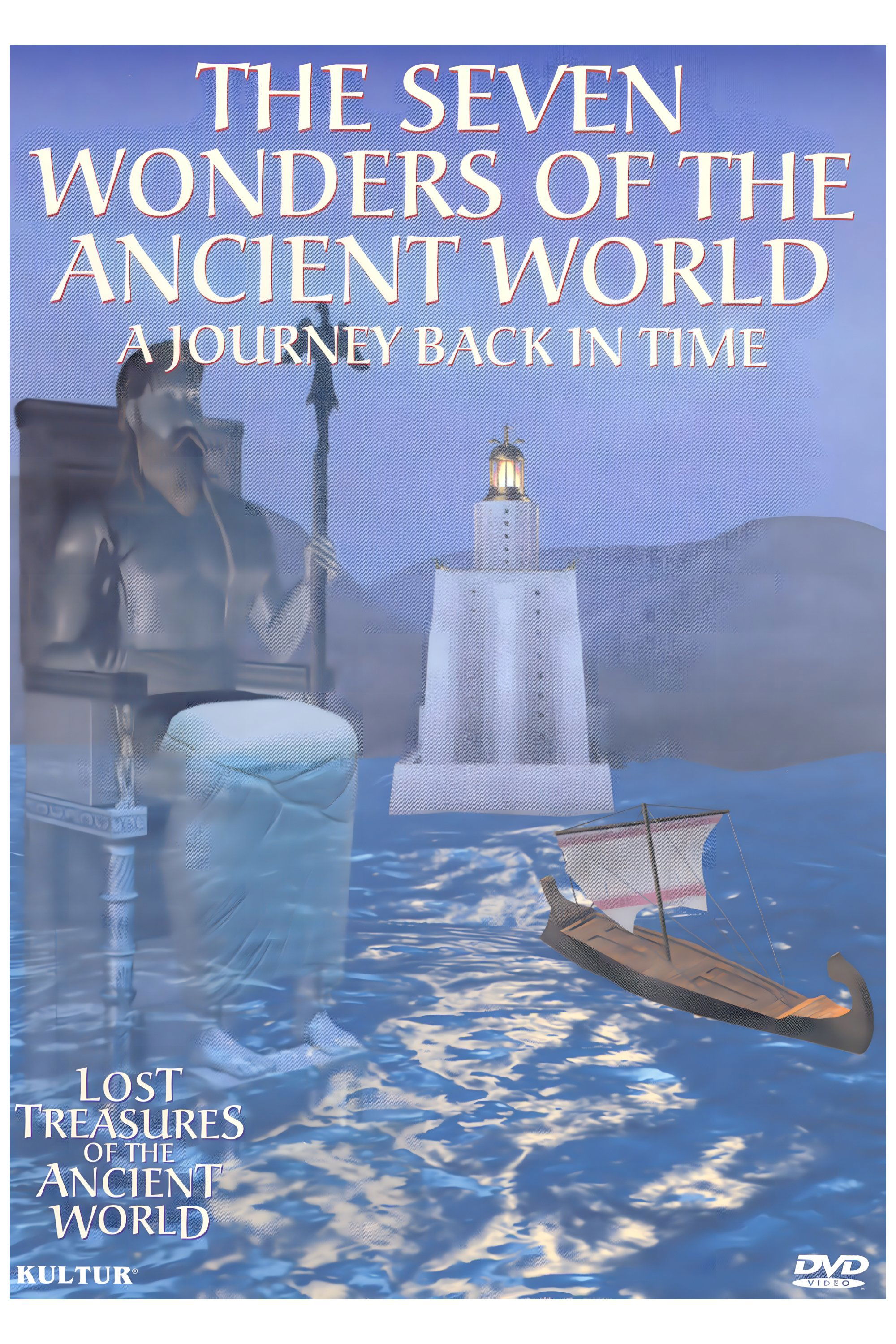
This program presents the stories of the works of architecture regarded by the Greeks and Romans as the most extraordinary structures of antiquity: the Hanging Gardens of Babylon, The Statute Of Zeus, the Temple of Artemis, the Mausoleum of Halicarnassus, the Pharos of Alexandria and the Pyramids of Egypt and more.
Who invented time, who invented the clock? Why 1 hour, why 60 minutes, why 60 seconds? Since prehistoric times, man has sought to measure time, to organize social and religious life, to plan food supply... Today we can surf the Internet, geolocate, pay by credit card… All our daily lives depend on time and the synchronization of clocks. The history of the invention of time and of the ways and instruments to measure it is a long story…
British historian Bettany Hughes tours the eastern Mediterranean in search of facts behind the legends of "the face that launched a thousand ships," exploring the ways Greeks made love and war circa 1300 B.C.
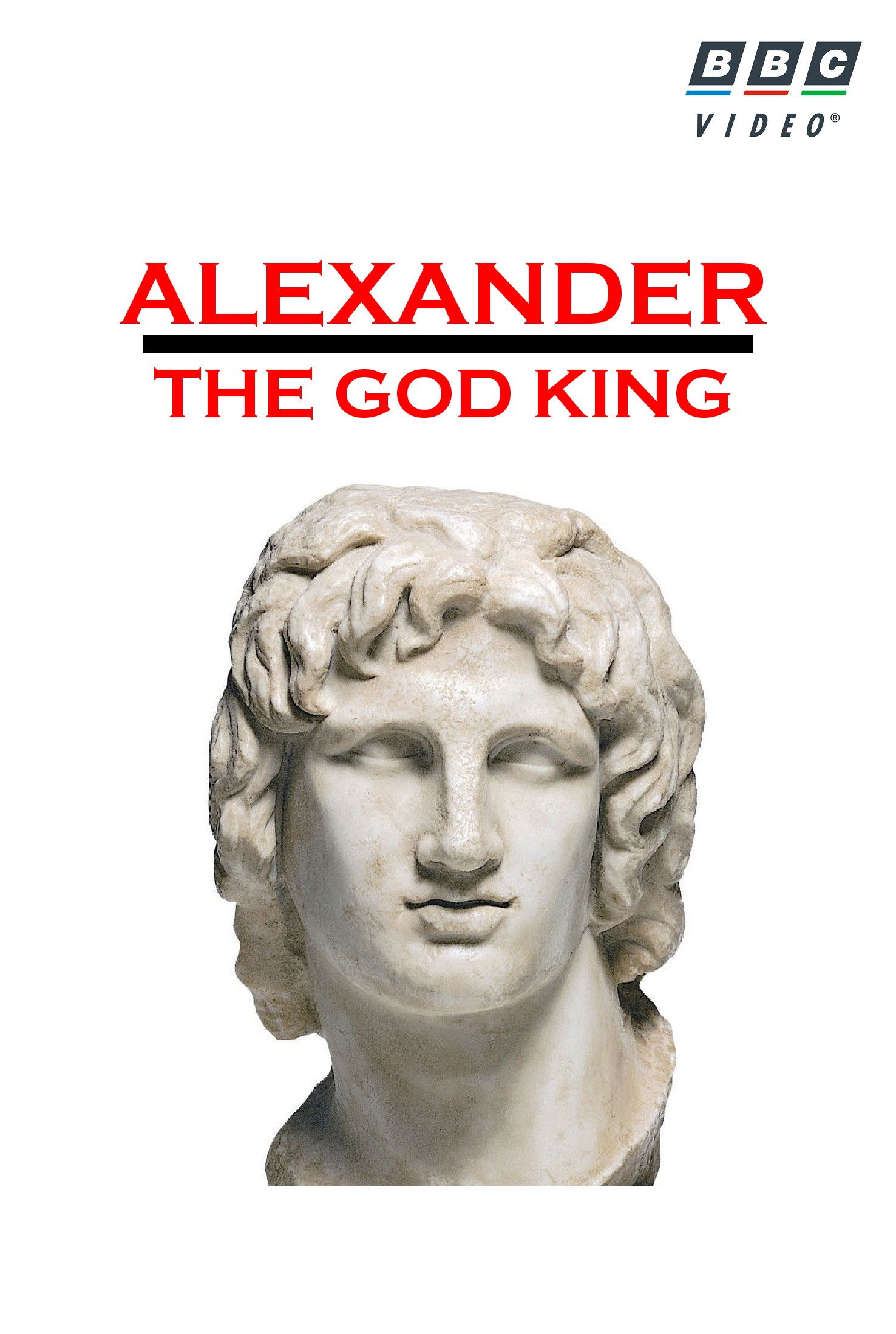
Alexander, a student of the brilliant philosopher Aristotle, worshiped the god Amun which he believed to be his father. He suffered from epilepsy and was gay, when his partner died he sacrificed all 5,000 inhabitants of a village for him. Alexander's legacy was that a man could be a god, by he has many peoples, cultures and beliefs influenced his vast empire. Alexander the Great had a vision: one civilized world with him as absolute leader! An ambition which had all districts with enormous bloodshed as a result. His craving for power was so great that in our modern world has no equal! While his influence is still noticeable, we know still very little about him. Greek and English archaeologists searching for years for one of the world's greatest mysteries:. the last resting place of Alexander the Great and his golden sarcophagus Alexander The God King is a fascinating journey through time and separate the truth from the legends. The ambition of one man, the course changed our history!
Greece, a land of breathtaking beauty and light. A land where science, art and inspiration from the gods combined to produce some of the world's greatest marvels of architecture and design. The ancient Greeks used buildings and structures to reflect the variety of life at the core of their civilisation - they built the first theatres, staged the first sports events and worshipped in some of the most spectacular temples ever built.
The film presents compelling evidence that Altlantis wasn't so far away after all, but what it omits is just as compelling. Although Plato’s account of Atlantian masonry, consisting of red, white and black stones, was a visually perfect match for the modern walls of the Minoan excavation site favored by the film, and his account of a sea made impassable by small islands of mud could, in fact, be a description of the rafts of pumice left by the catastrophic eruption of an ancient volcano there, little mention is made of Plato's specific account of where Atlantis was or the common root that links Atlantis to the Atlantic ocean. Also omitted is Plato's chronology placing the sinking of Atlantis in the same time frame as the end of the last ice age which caused the inundation of huge expanses of once fertile lands. Is "Atlantis: The Evidence" a thinly disguised example of Eurocentrism in the media? Watch Discovery: Atlantis for a more comprehensive view on an age-old debate.
Interviews with leading authors, philosophers and scientists, with an in-depth discussion of the Law of Attraction. The audience is shown how they can learn and use 'The Secret' in their everyday lives.
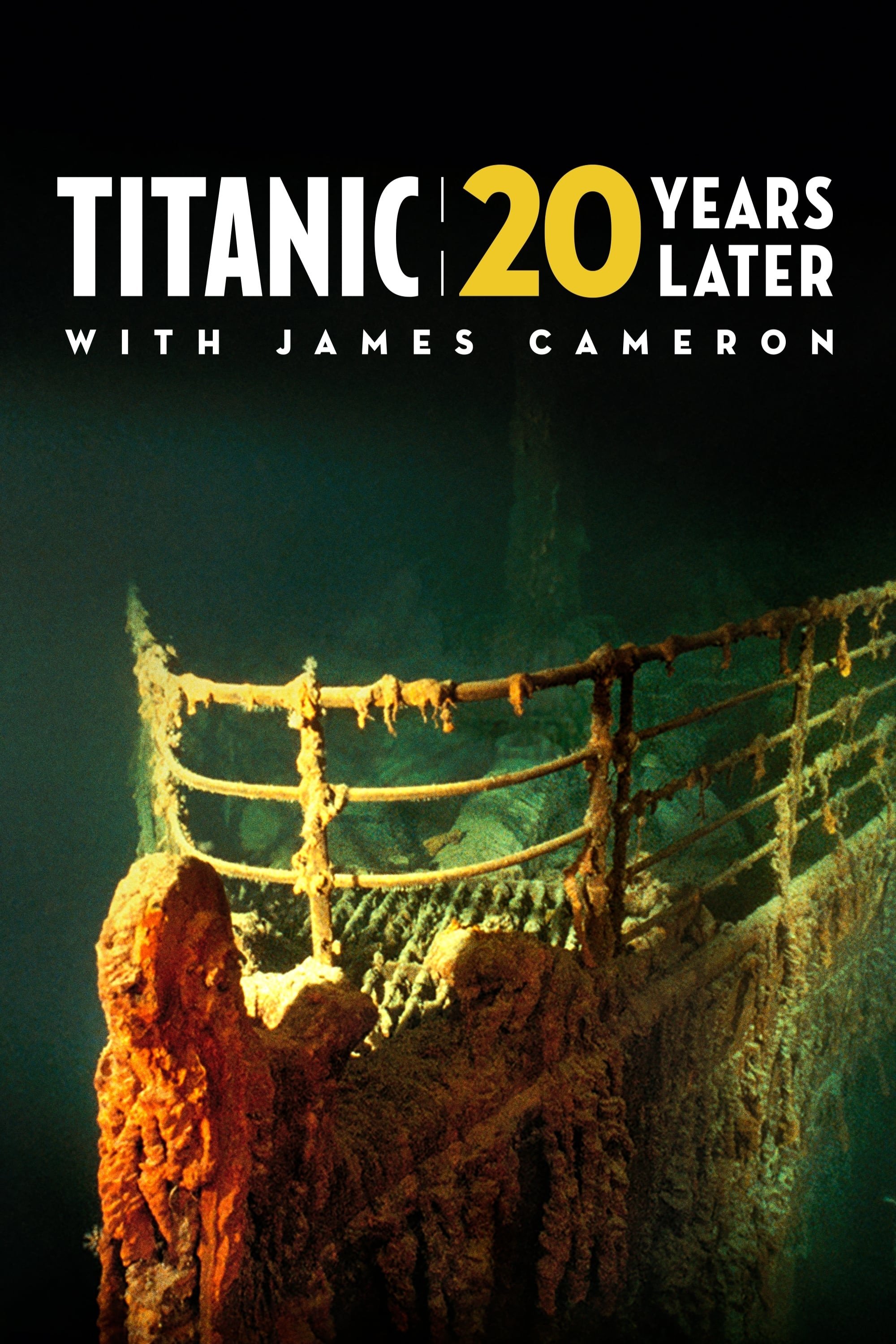
For the 20th anniversary of "Titanic," James Cameron reopens the file on the disaster.
National Geographic's riveting effort recounts all 12 crewed missions using only archival footage, photos and audio.
After years of swimming every day in the freezing ocean at the tip of Africa, Craig Foster meets an unlikely teacher: a young octopus who displays remarkable curiosity. Visiting her den and tracking her movements for months on end he eventually wins the animal’s trust and they develop a never-before-seen bond between human and wild animal.
A look at the origins, history and conspiracies behind the "Majestic 12", a clandestine group of military and corporate figureheads charged with reverse-engineering extraterrestrial technology.
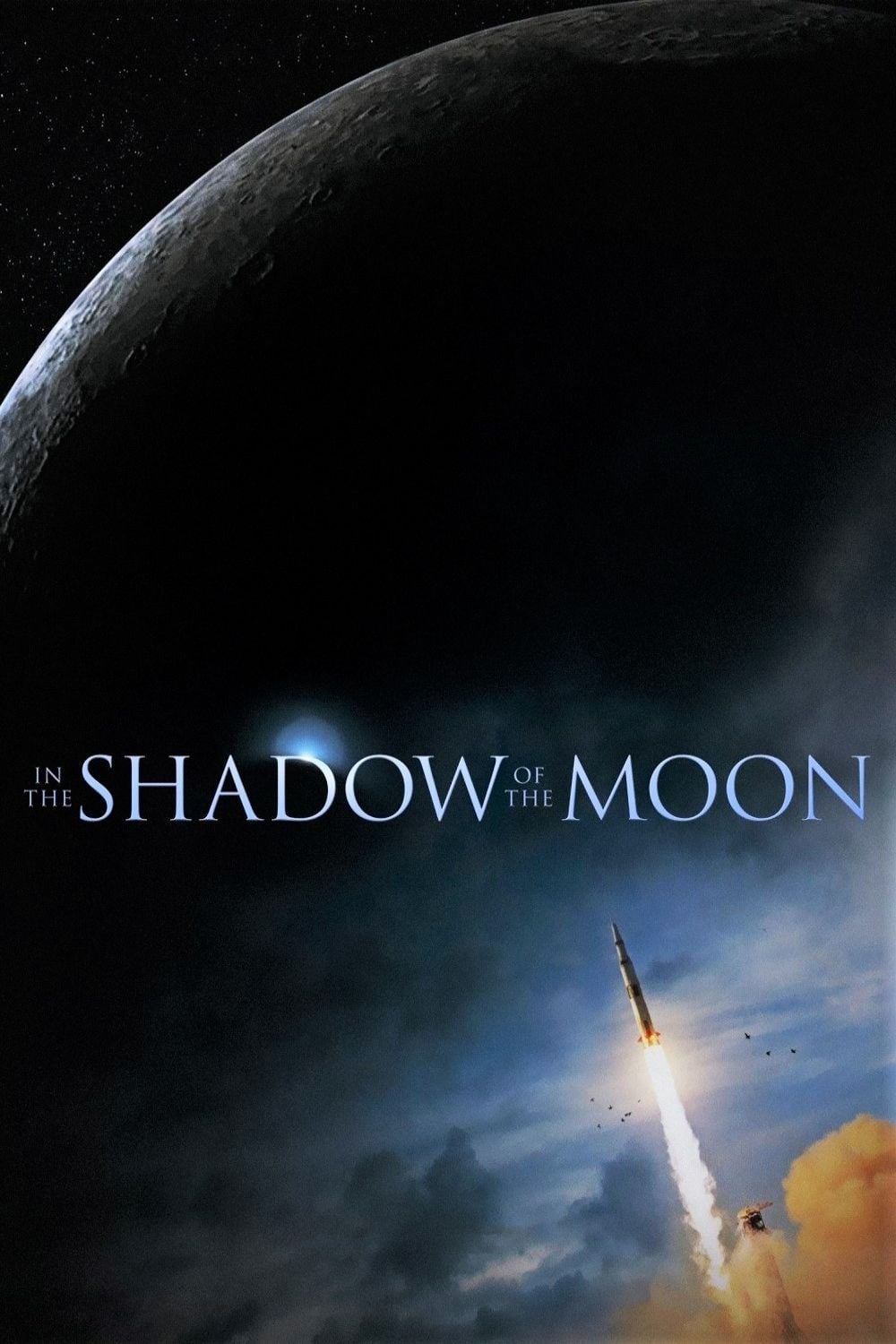
Archival material from the original NASA film footage – much of it seen for the first time – plus interviews with the surviving astronauts, including Jim Lovell, Dave Scott, John Young, Gene Cernan, Mike Collins, Buzz Aldrin, Alan Bean, Edgar Mitchell, Charlie Duke and Harrison Schmitt.
Al Pacino's deeply-felt rumination on Shakespeare's significance and relevance to the modern world through interviews and an in-depth analysis of "Richard III."
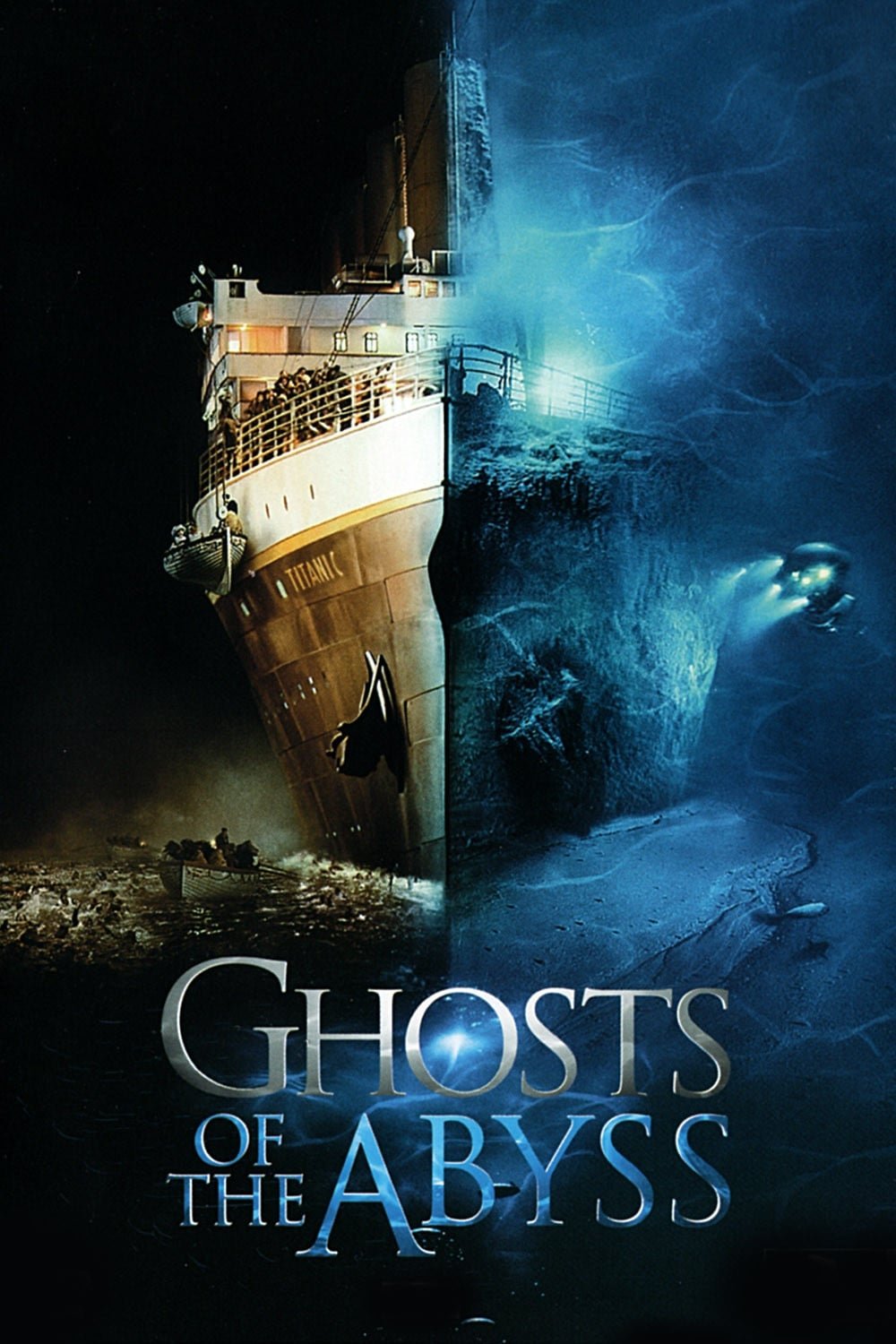
With a team of the world's foremost historic and marine experts as well as friend Bill Paxton, James Cameron embarks on an unscripted adventure back to the wreck of the Titanic where nearly 1,500 souls lost their lives almost a century ago.
The film follows adventurer Jeff Johnson as he retraces the epic 1968 journey of his heroes Yvon Chouinard and Doug Tompkins to Patagonia.
Echo is a youngster who can't quite decide if it's time to grow up and take on new responsibilities-or give in to her silly side and just have fun. Dolphin society is tricky, and the coral reef that Echo and his family call home depends on all of its inhabitants to keep it healthy. But Echo has a tough time resisting the many adventures the ocean has to offer.
The Captains is a feature-length documentary film written and directed by William Shatner. The film follows Shatner as he interviews the other actors who have portrayed starship captains in the Star Trek franchise.
A testament to NASA's Apollo program of the 1960s and '70s. Composed of actual NASA footage of the missions and astronaut interviews, the documentary offers the viewpoint of the individuals who braved the remarkable journey to the moon and back.
Dick Proenneke retired at age 50 in 1967 and decided to build his own cabin in the wilderness at the base of the Aleutian Peninsula, in what is now Lake Clark National Park. Using color footage he shot himself, Proenneke traces how he came to this remote area, selected a homestead site and built his log cabin completely by himself. The documentary covers his first year in-country, showing his day-to-day activities and the passing of the seasons as he sought to scratch out a living alone in the wilderness.
A celebration of the musical work of a group of session musicians known as "The Wrecking Crew." a band that provided back-up instrumentals to such legendary recording artists as Frank Sinatra, The Beach Boys, and Bing Crosby.
British progressive rock band Pink Floyd perform at the ancient Roman Amphitheatre in the ruins of Pompeii, Italy in 1971. Although the band perform a typical live set from the era, there is no audience beyond the basic film crew.
Using the book 'Fragments', which collects Marilyn Monroe's poems, notes and letters, and with participation from the Arthur Miller and Truman Capote estates who have contributed more material, each of the actresses will embody the legend at various stages in her life.
Deep Blue is a major documentary feature film shot by the BBC Natural History Unit. An epic cinematic rollercoaster ride for all ages, Deep Blue uses amazing footage to tell us the story of our oceans and the life they support.
Mickey Mouse is one of the most enduring symbols in our history. Those three simple circles take on meaning for virtually everyone on the planet. So ubiquitous in our lives that he can seem invisible, Mickey is something we all share, with unique memories and feelings. Over the course of his nearly century-long history, Mickey functions like a mirror, reflecting our personal and cultural values back at us. "Mickey: The Story of a Mouse" explores Mickey's significance, getting to the core of what Mickey's cultural impact says about each of us and about our world.
Prelude to War was the first film of Frank Capra's Why We Fight propaganda film series, commissioned by the Pentagon and George C. Marshall. It was made to convince American troops of the necessity of combating the Axis Powers during World War II. This film examines the differences between democratic and fascist states.