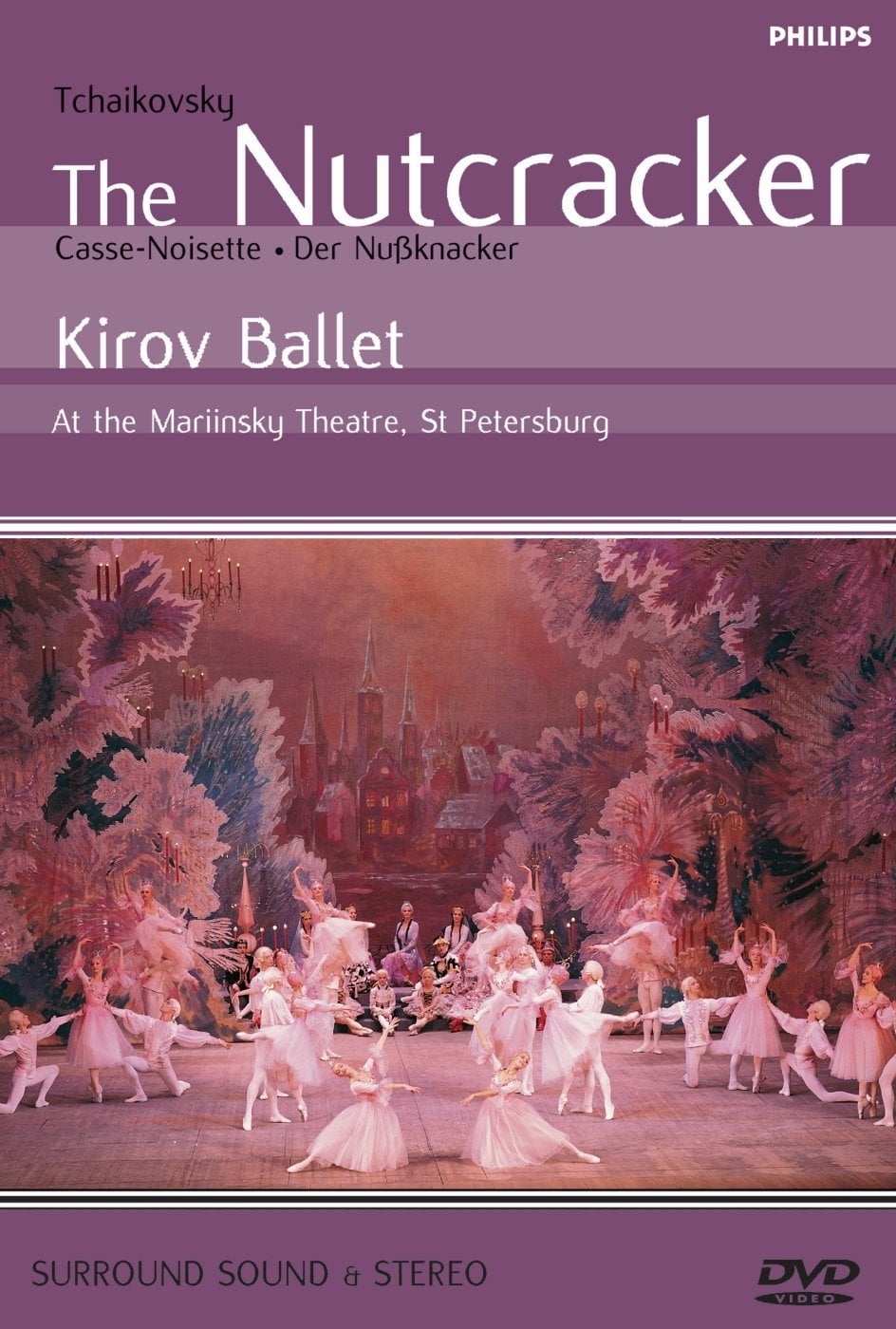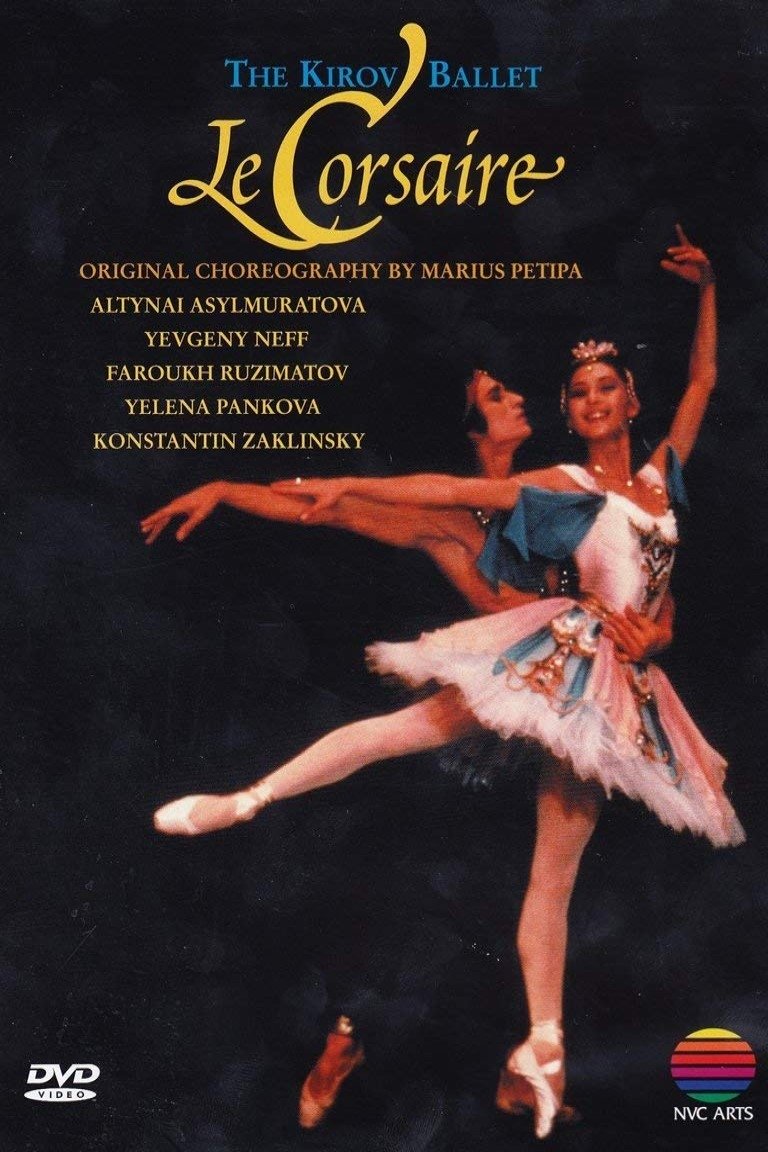
Live performance from Kirov, now known as Mariinsky. Recorded in April 1989.
Social & External
Medora
Conrad
Gulnara
Ali
Lanquedem
Conductor
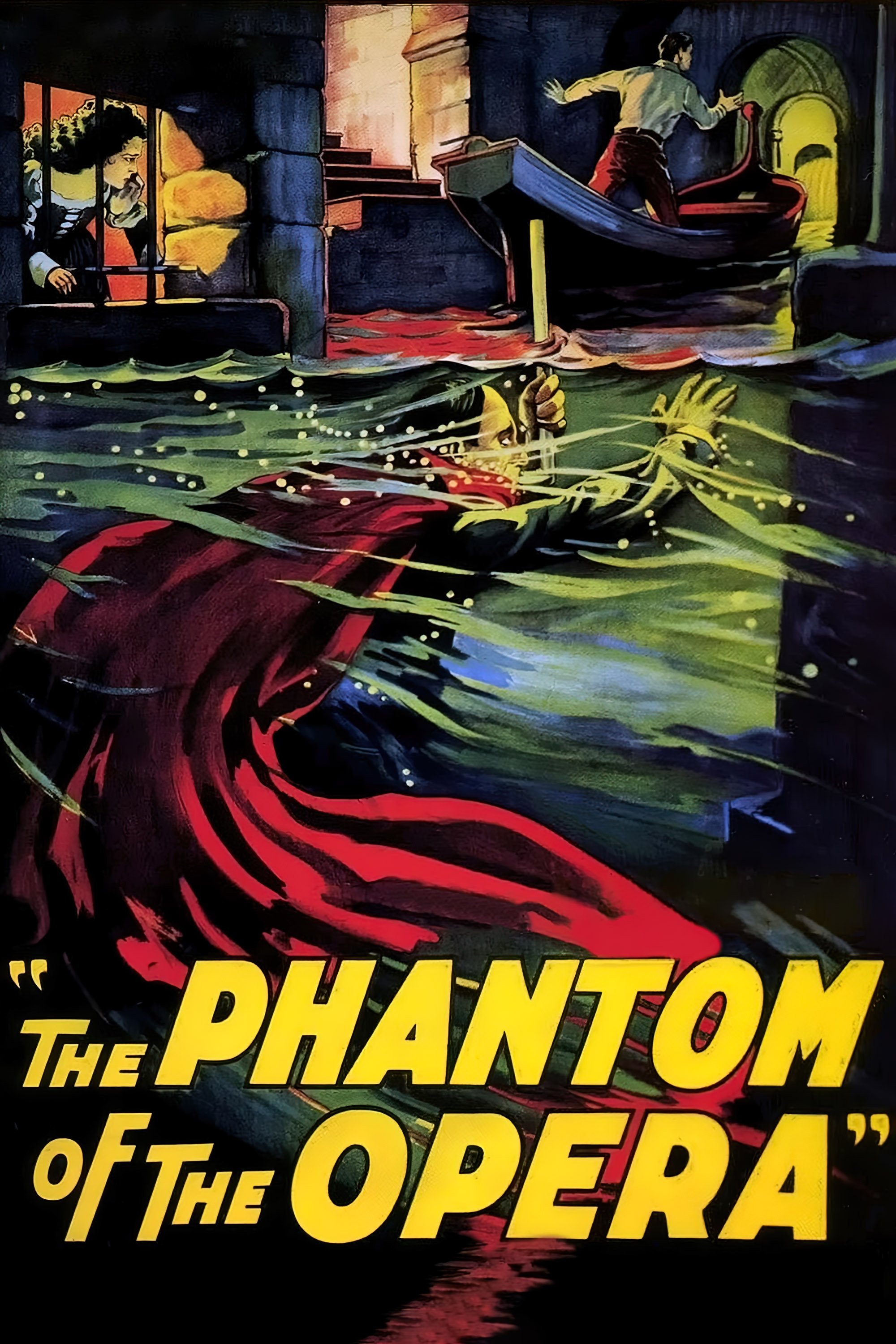
The deformed Phantom who haunts the Paris Opera House causes murder and mayhem in an attempt to make the woman he loves a star.
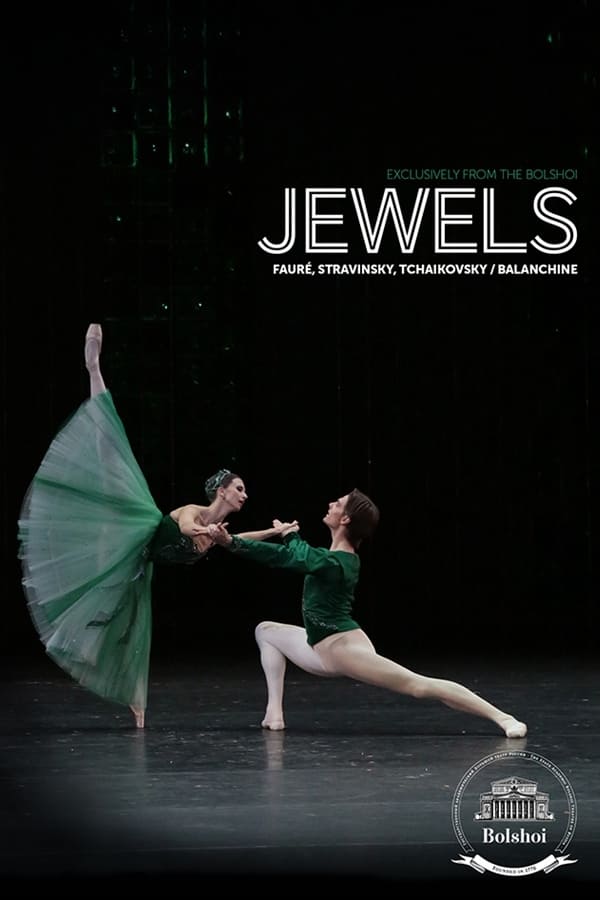
George Balanchine's jewel-themed triptych, strikingly choreographed to the music of Faure, Stravinsky and Tchaikovsky. This three act masterpiece is renowned as the world's first full-length abstract ballet. The Russian-born co-founder of the New York City Ballet, Balanchine was inspired by the artistry of jewellery designer Claude Arpels to create a trio of distinct movements revealing the essence of each precious stone. Each part also evokes three different cities: Paris, New York and St. Petersburg. 'Emeralds' was conceived as a tribute to the French romantic school, with music by Gabriel Faure. The fiery and energetic 'Rubies' taps into the rich tradition of Broadway musicals, with music by Stravinsky. 'Diamonds' honours the grandeur of Imperial Russia and the Maryinsky Theater, choreographed to the music of Tchaikovsky. With its jewel-like costumes, this is a celebration of the influences on the choreographer who was described as the father of American ballet.
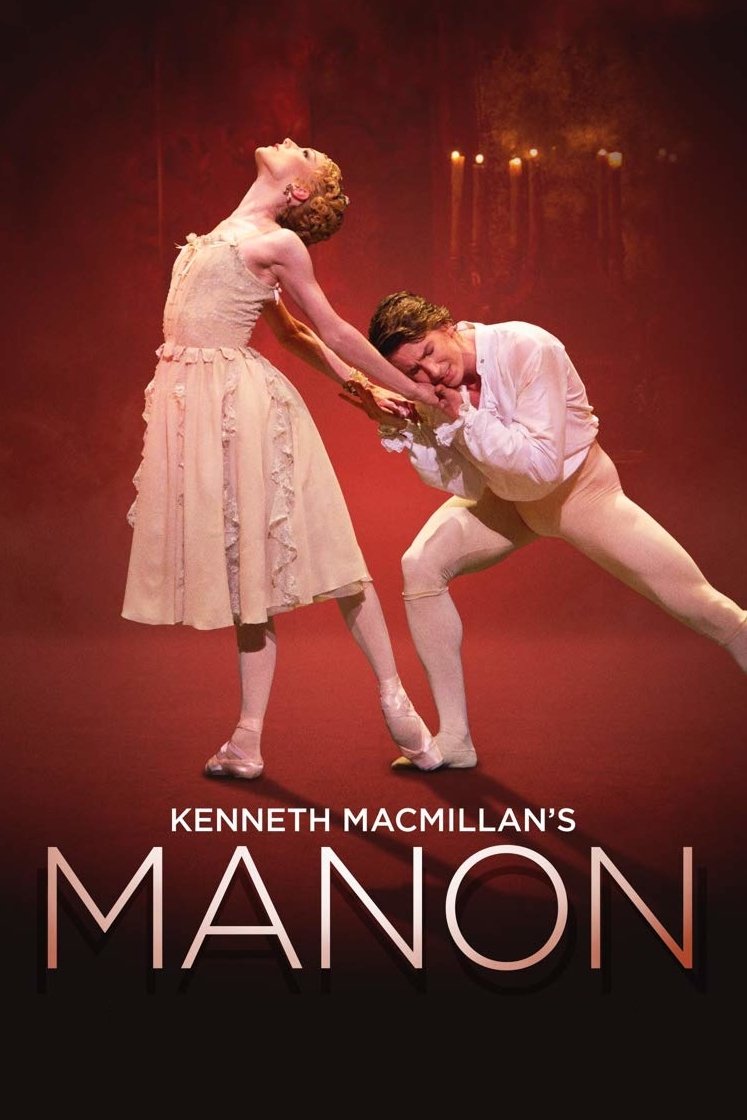
Manon’s brother Lescaut is offering her to the highest bidder when she meets Des Grieux and falls in love. They elope to Paris, but when Monsieur G.M. offers Manon a life of luxury as his mistress she can’t resist.
A small-town shoemaker with a knack for spinning yarns, Hans encounters happiness and heartbreak on his road to becoming a full-fledged writer.
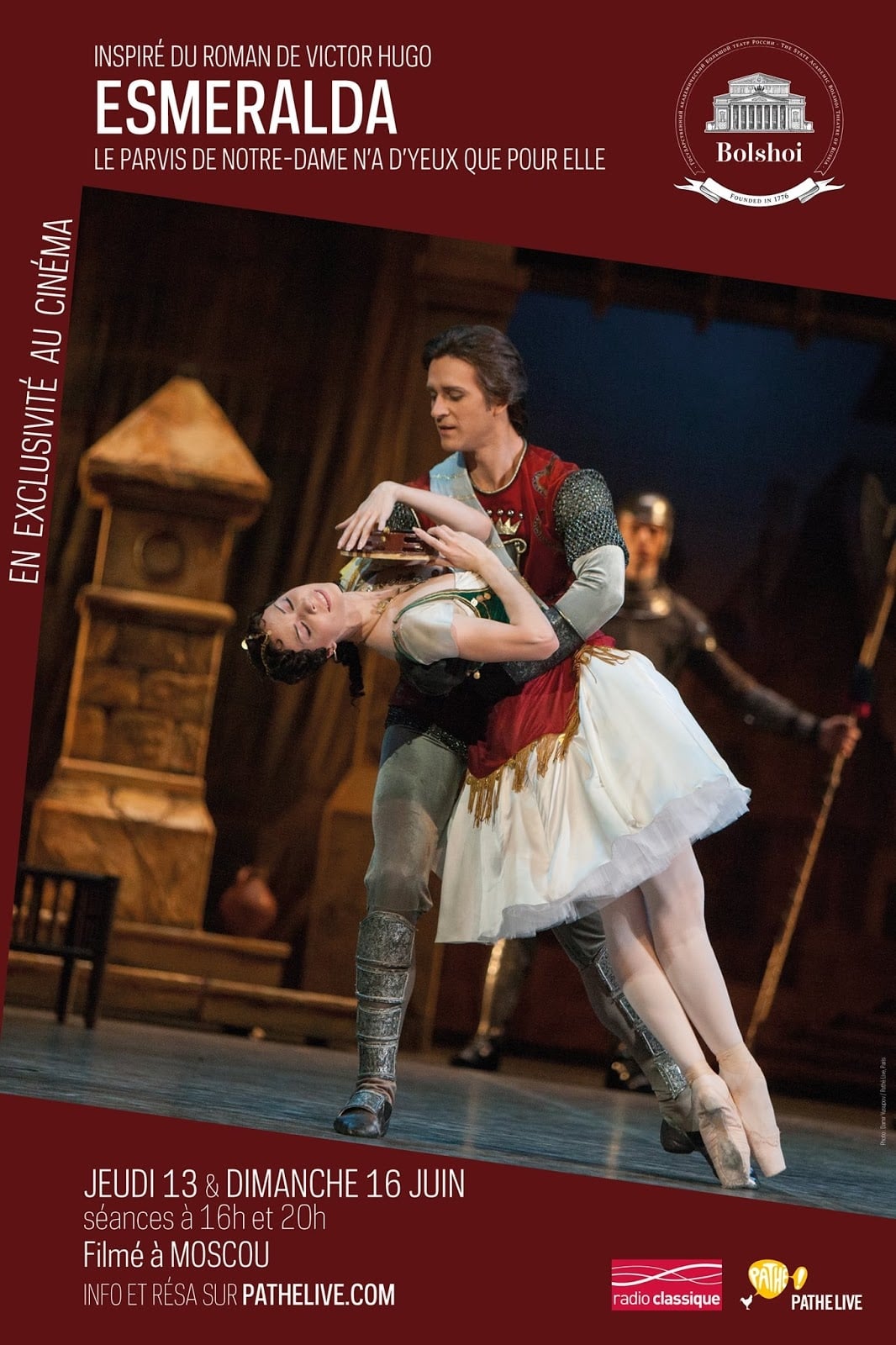
La Esmeralda is a ballet in three acts and five scenes, inspired by the novel Notre-Dame de Paris by Victor Hugo, originally choreographed by Jules Perrot to music by Cesare Pugni, with sets by William Grieve and costumes by Mme. Copère.
Short polish dance film based on the ballet Titiana and the Donkey.
In this Pacific Northwest Ballet performance, it is Christmas Eve and festivities are underway. Clara is excited when her godfather arrives with a bag full of gifts, one of which is an intriguing wooden nutcracker. That night, while the household sleeps, Clara visits the Christmas tree to inspect her nutcracker and soon finds herself immersed in a dream world both dark and enchanting.
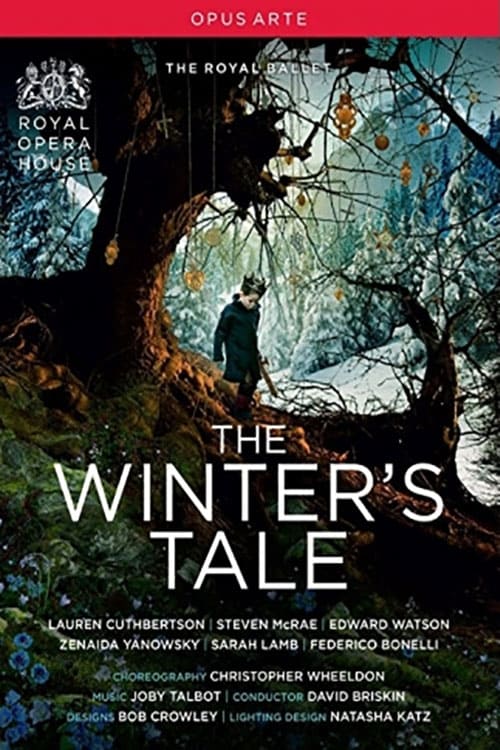
The story follows the destruction of a marriage through consuming jealousy, the abandonment of a child and a seemingly hopeless love. Yet, through remorse and regret – and after a statue comes miraculously to life – the ending is one of forgiveness and reconciliation. Wheeldon continues his highly successful collaboration with designer Bob Crowley and composer Joby Talbot, the team behind Alice, in one of the highlights of The Royal Ballet Season.
Nutcracker ballet, conducted by Victor Fedotov and featuring the Kirov Ballet and Orchestra. Stars Larissa Lezhnina, Victor Baranov and Piotr Russanov.
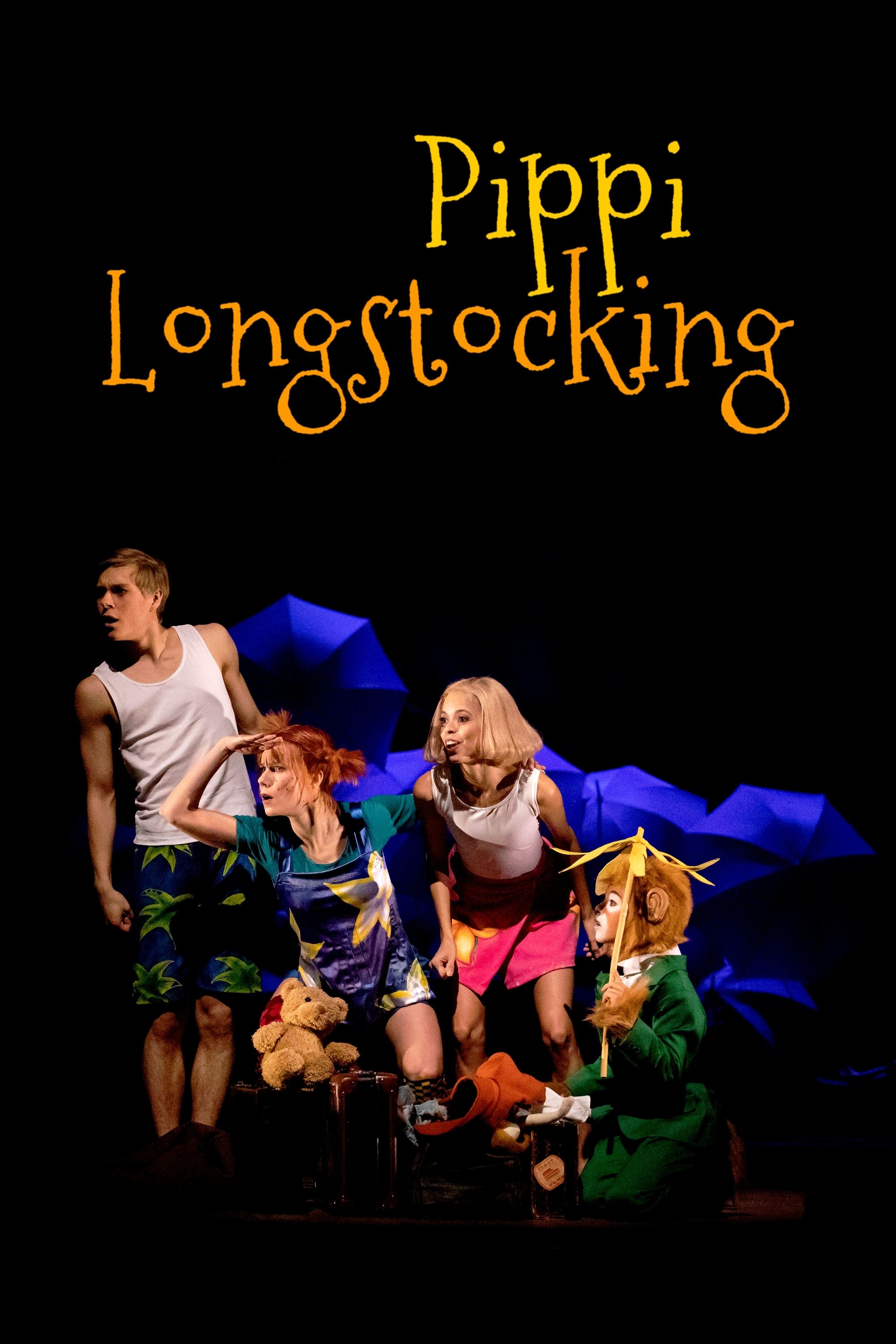
Pippi Longstocking, a superhuman girl, extremely strong, redhead with pigtails and freckles, moves to Villa Villekulla, a wooden house located in a small town, together with her monkey, Mr. Nilsson, and her horse, Little Old Man. She soon befriends the children who live next door, Tommy and Annika, with whom she will live many fun adventures. (At Finnish National Opera and Ballet, December 14, 2019.)
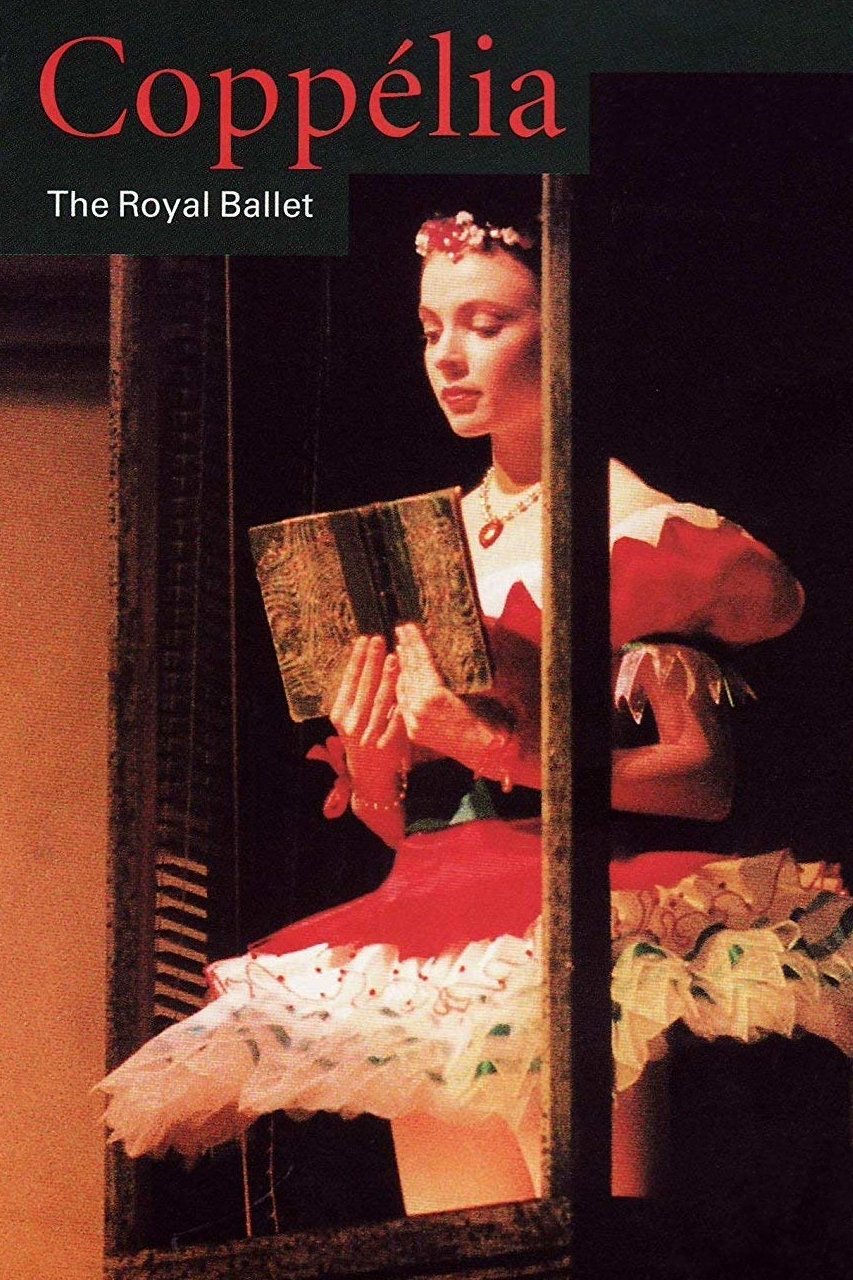
Coppélia, a mechanical doll made by the toy-maker Dr. Coppelius, is so life-like that some believe she is his daughter. The mistake leads to intrigue and jealousy in love. Directed by Ross MacGibbon, with Leanne Benjamin and Carlos Acosta.
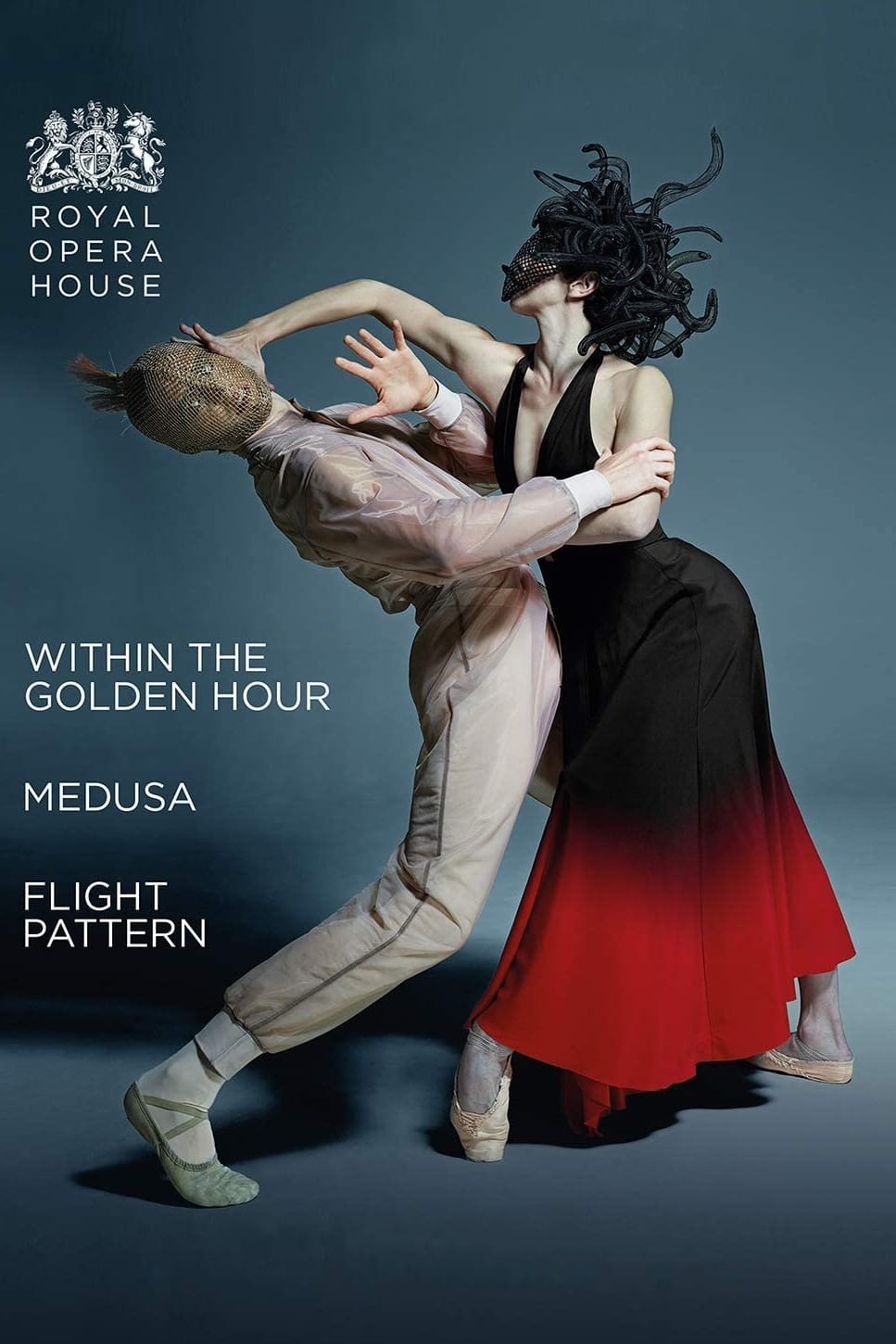
Christopher Wheeldon's Within the Golden Hour is based around seven couples separating and intermingling, to music by Vivaldi and Ezio Bosso and lit with the rich colours suggested by sunset. In Flight Pattern, Crystal Pite combines Górecki's haunting “Symphony of Sorrowful Songs” with a large dance ensemble to create a poignant and passionate reflection on migration. Between them, Medusa is new work inspired by the Greek myth, created for The Royal Ballet by the acclaimed choreographer Sidi Larbi Cherkaoui, which juxtaposes Purcell arias with an electronic score by Olga Wojciechowska.
A pas de deux about the Swedish poet/singer/songwriter Carl Michael Bellman (1740-1795) and his muse Ulla Winblad (1744-1798), later included in the full-length ballet "Bellman".
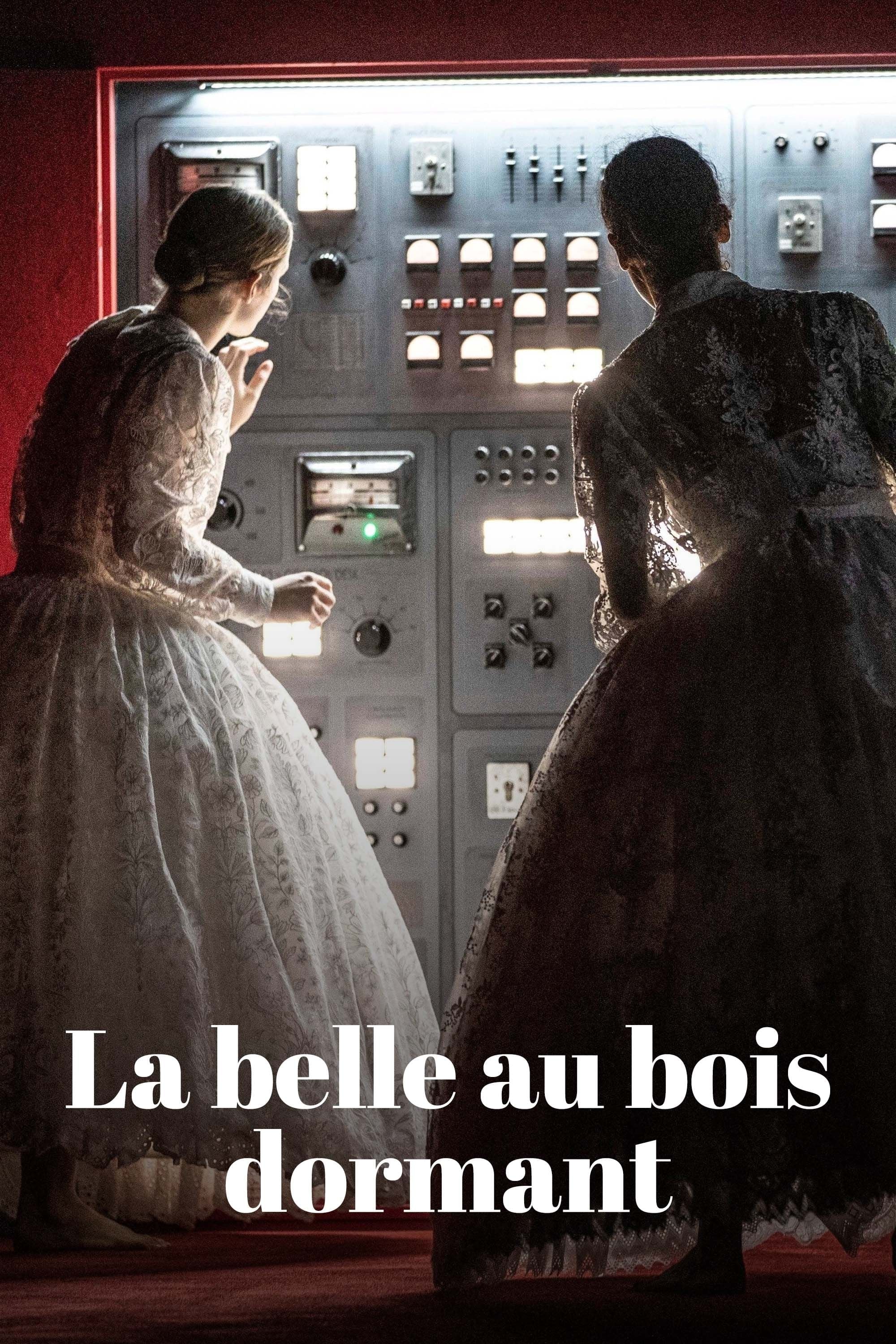
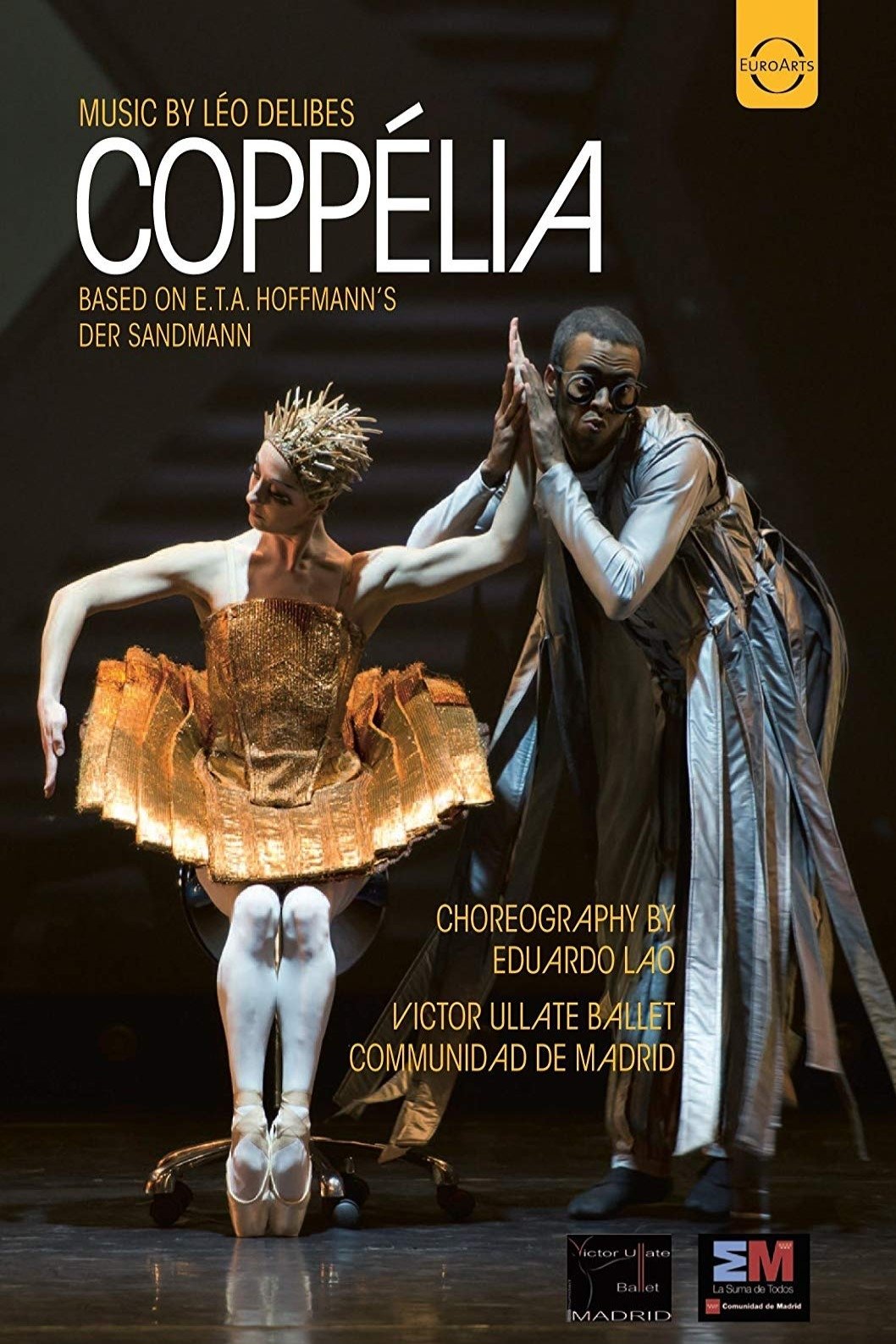
This interpretation of Coppélia is set in a cybernetic laboratory specialised in artificial intelligence, where Doctor Coppélius is attempting to create a female android that moves and acts like a human. Against a backdrop of futuristic sets the Víctor Ullate Ballet clothes this classic in a new, bouncy and colourful fairytale wardrobe. Recorded live at the Opera Royal du Chateau de Versailles, 2013.
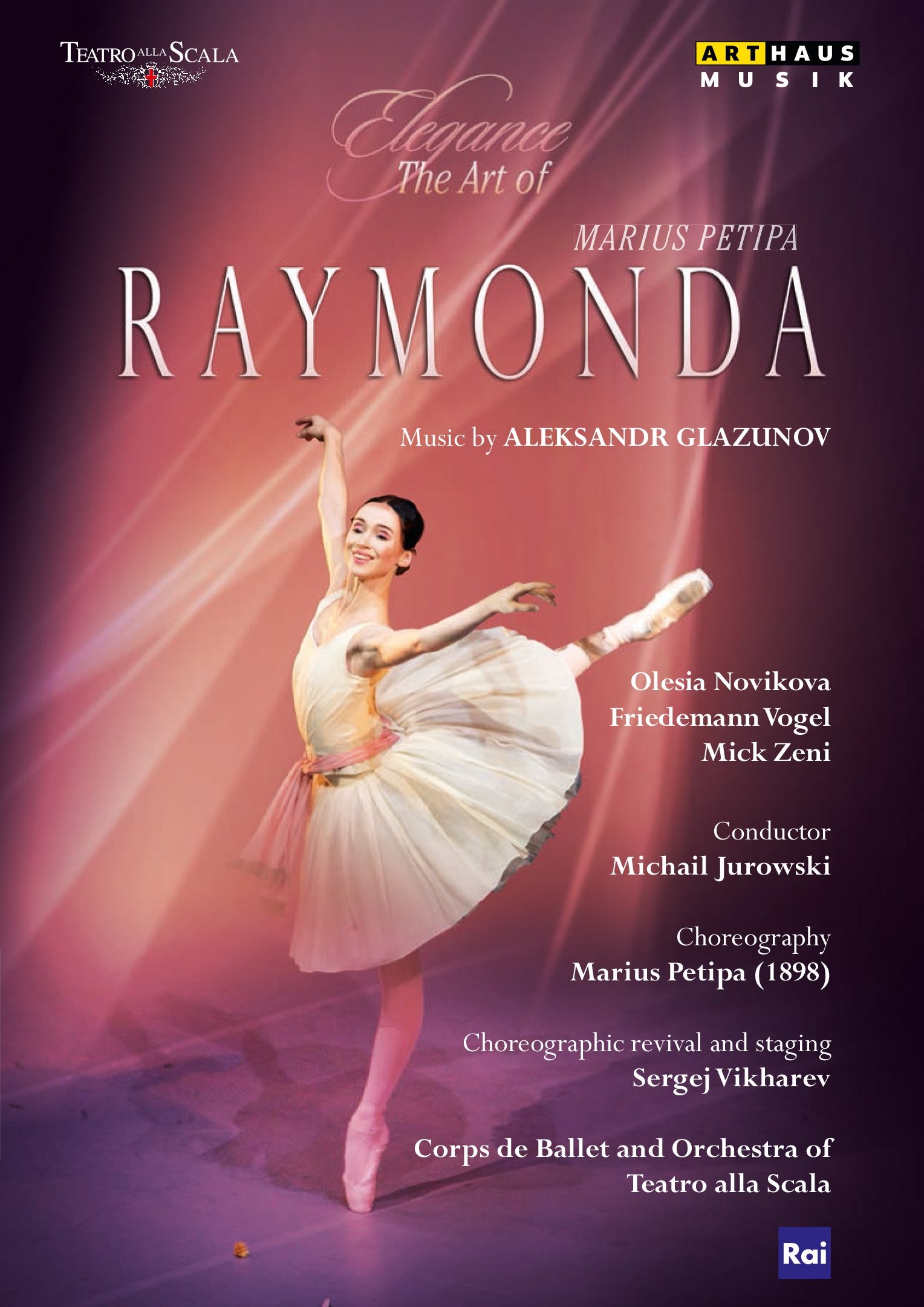
Recorded live from the Teatro all Scala, Milan, 2011
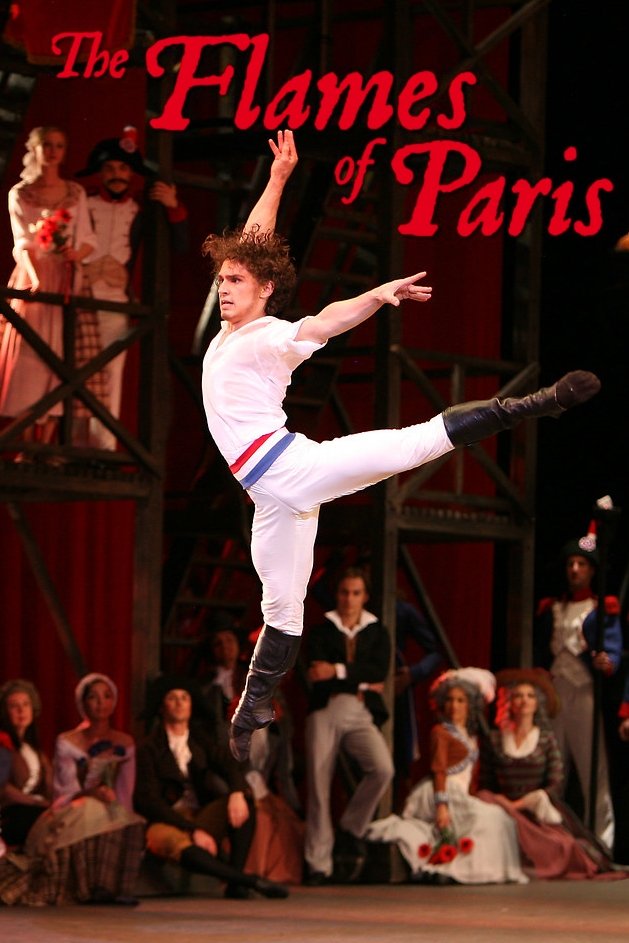
A tale of the French Revolution, The Flames of Paris belongs to the pearls of the pure classics of classical dance. This world premiere recording of the production from choreographer Alexei Ratmansky (after Vasily Vaynonenon) and the Bolshoi Ballet, features the standout soloists Natalia Osipova and Ivan Vasiliev. Although set in revolutionary France, The Flames of Paris was intended to serve as an allegory for contemporary events in the Soviet Union. The ballet premiered in 1932 on the anniversary of the October Revolution, and one of its main characters was the population - revolutionary in mood and ready for action. Not surprisingly, The Flames of Paris was quickly included in the ranks of works which were always presented for major anniversaries.The choreographer Alexei Ratmansky has attempted to make maximum use of the preserved fragments of Vasily Vainonen in his new ballet.
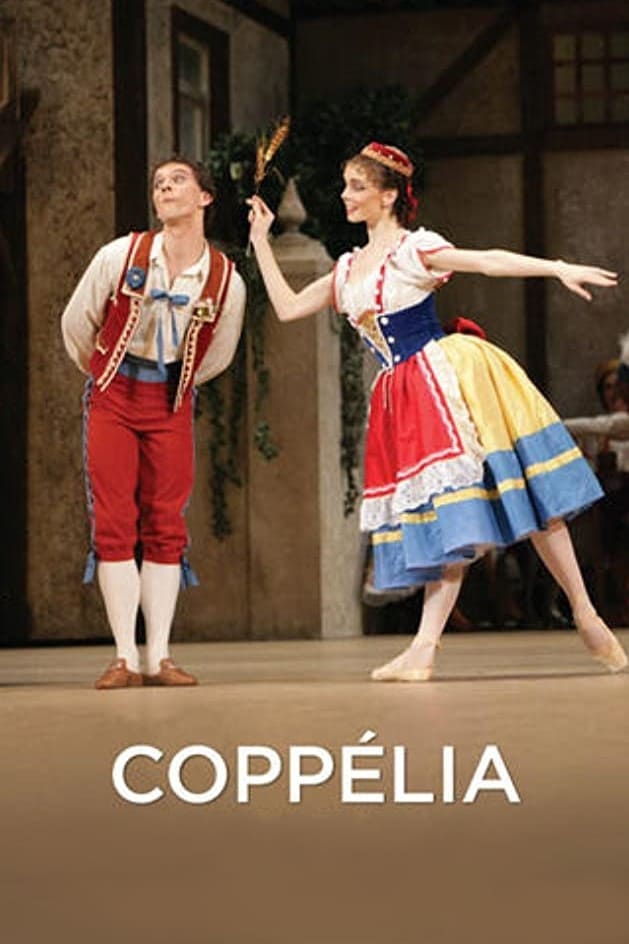
In this joyful version, a beautiful mechanical doll interferes with the happiness of two lovers. Original choreography by Marius Petita. New version by Sergei Vikharev. Music by Leo Delibes. Live performance 29 May 2011.
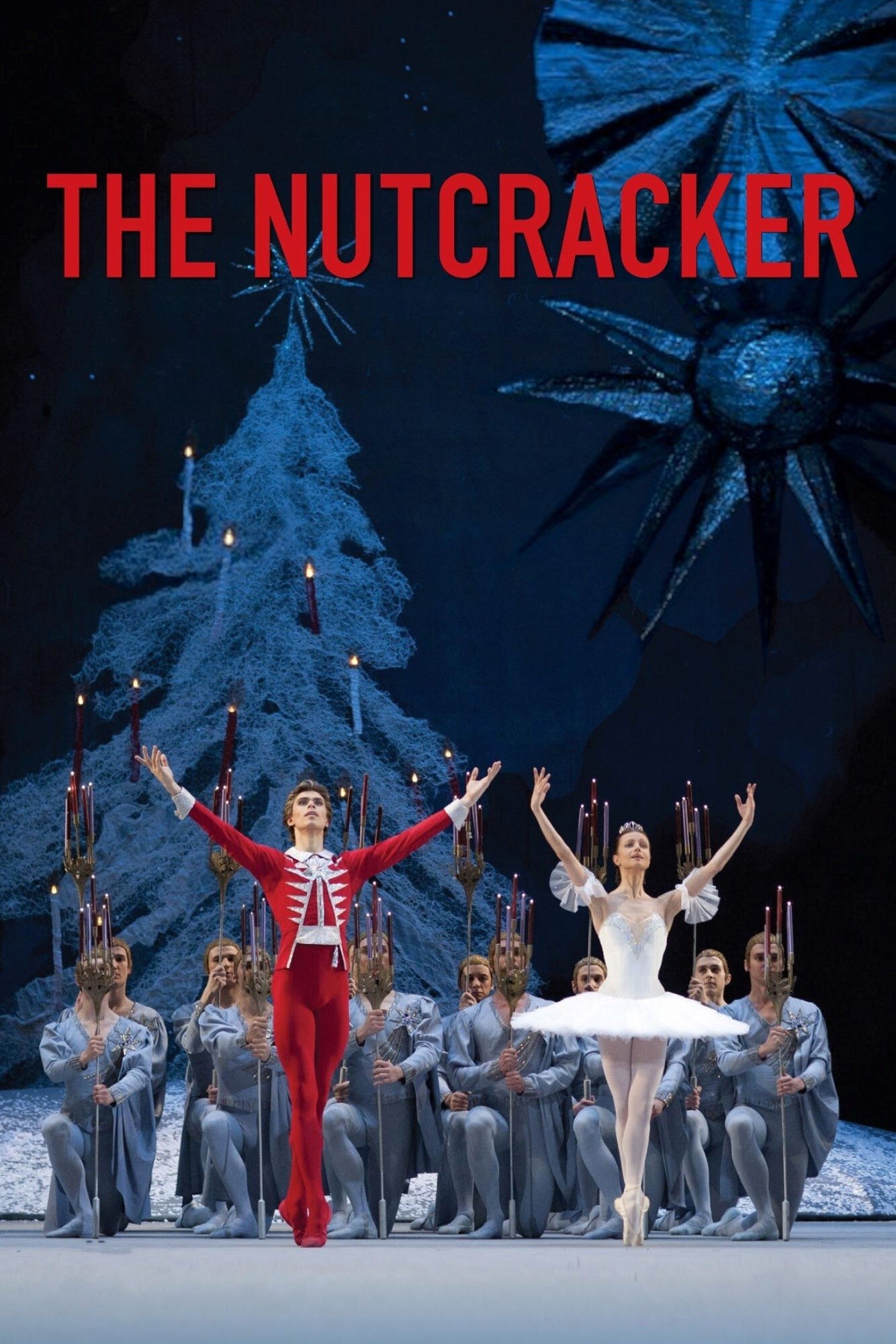
A masterpiece of classical dance, this Nutcracker is a magical version of the score by Tchaikovsky filmed at the Bolshoi Theatre. Recorded live in December 2010.
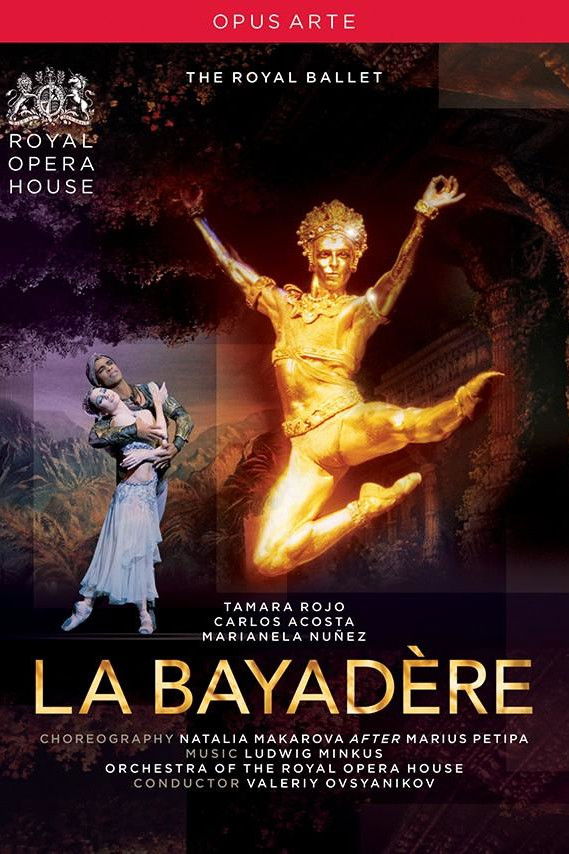
Marius Petipa’s exotic ballet set in legendary India is a story of love, death and vengeful judgement. Natalia Makarova’s sumptuous recreation of Petipa’s choreography, with atmospheric sets by Pier Luigi Samaritini and beautiful costumes by Yolanda Sonnabend, stars Tamara Rojo as the Bayadère (temple dancer) Nikiya, Carlos Acosta as Solor, and Marianela Nuñez as Gamzatti, whose alluring presence challenges Solor’s love for Nikiya. Live performance recorded in 2009.