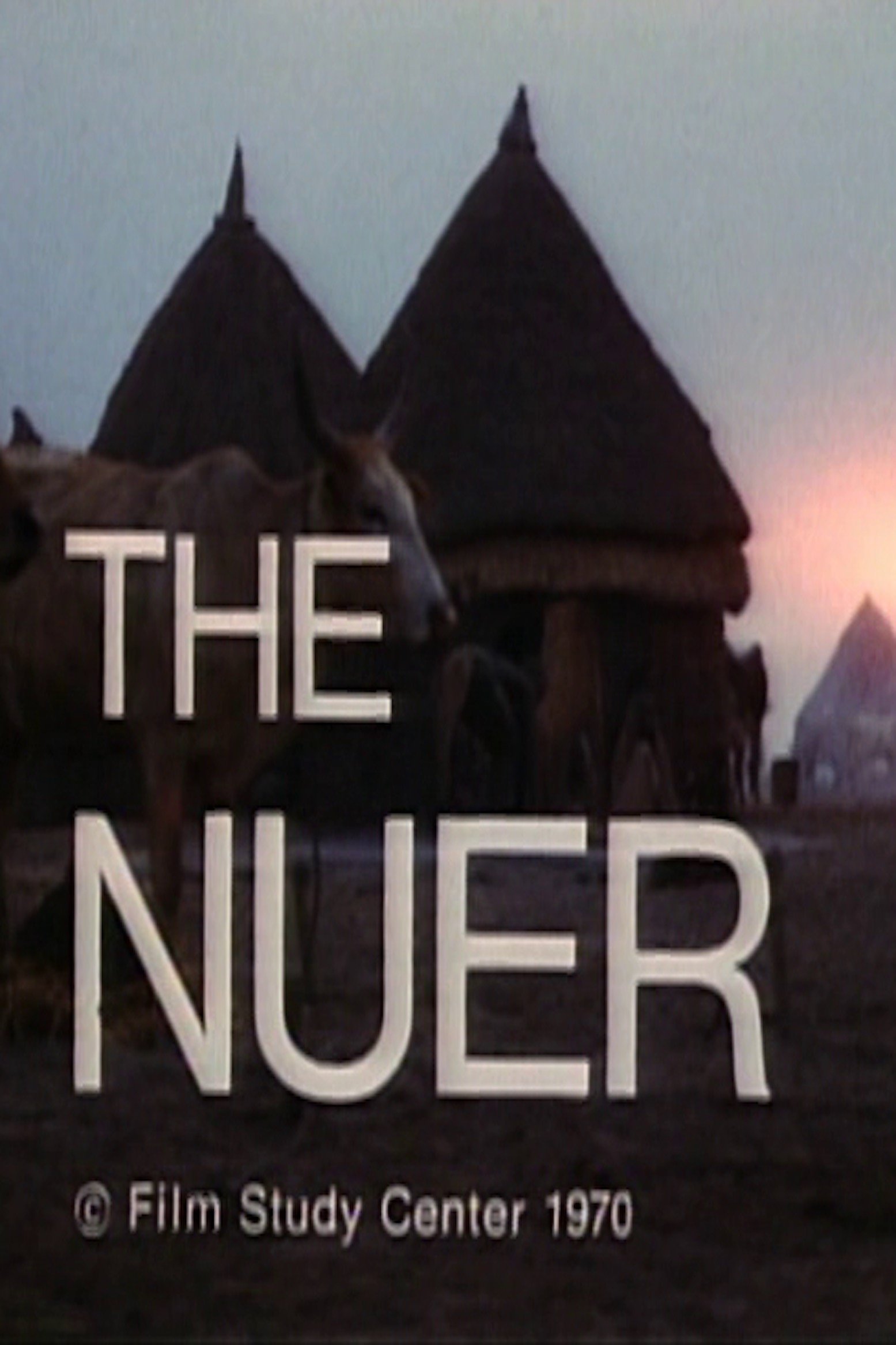
Portrays the Nuer, Nilotic herdsmen of the Nile basin. Shows how their daily lives revolve about their cattle, and depicts the psychological bonds between them. Includes extensive use of Nuer music and poetry.

Social & External
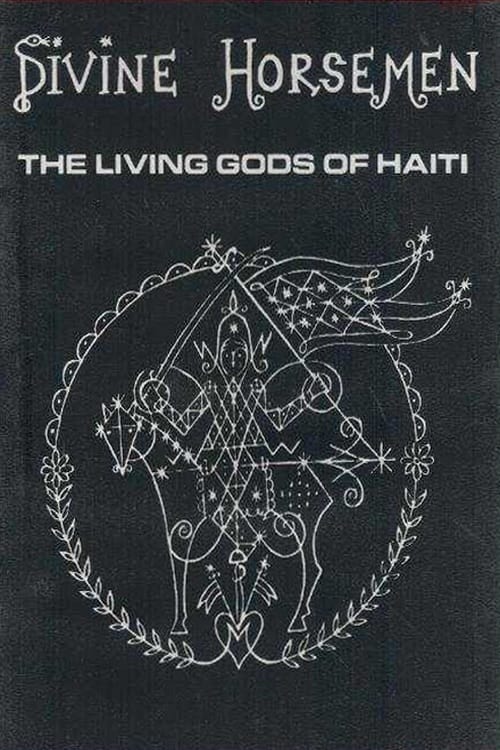
This intimate ethnographic study of Voudoun dances and rituals was shot by Maya Deren during her years in Haiti (1947-1951); she never edited the footage, so this “finished” version was made by Teiji Ito and Cherel Ito after Deren’s death.
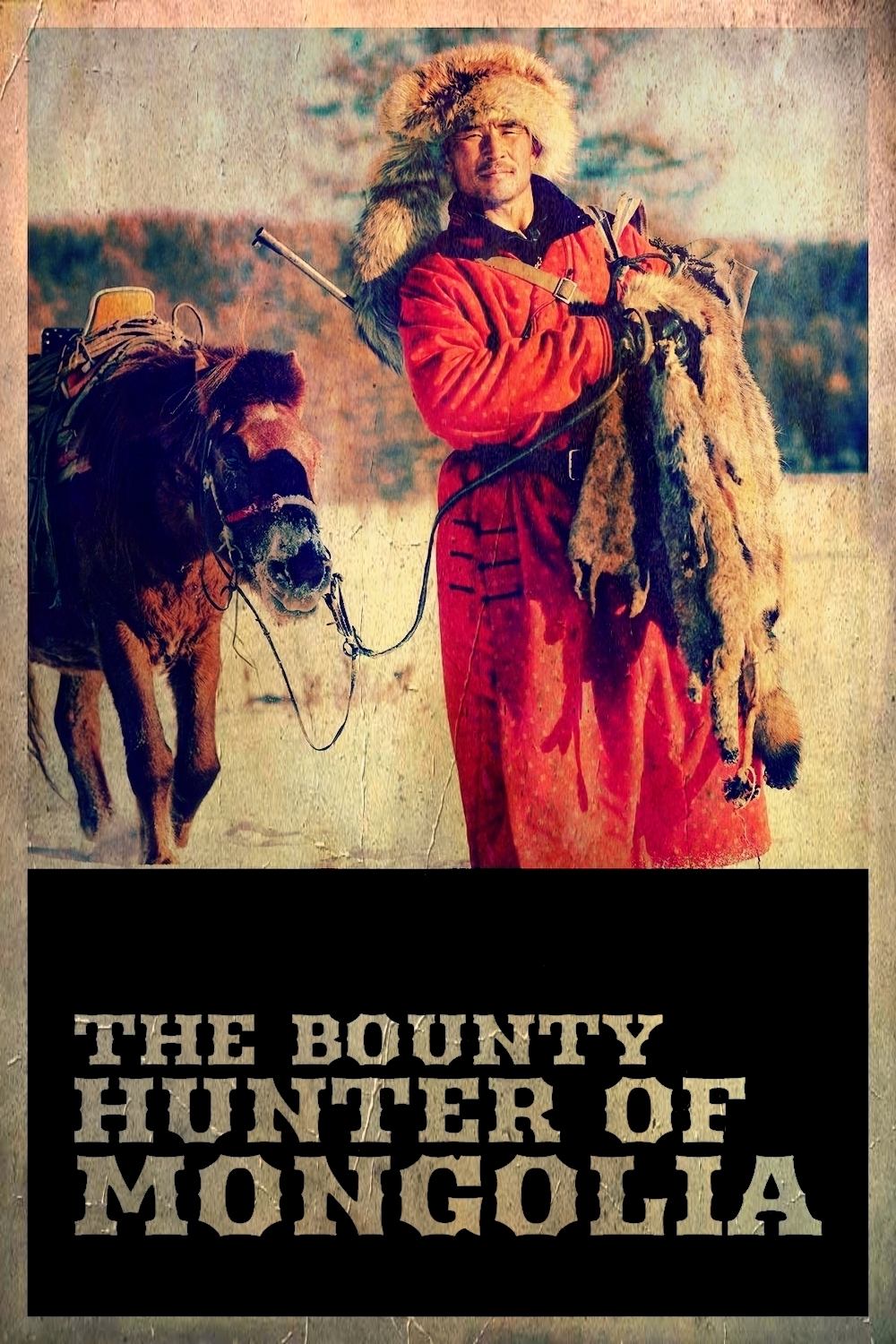
In the Darhat valley in northern Mongolia, the horses of nomadic tribes are stolen by bandits who then sell them to Russian slaughterhouses. Shukhert, a brave horseman, relentlessly pursues them through the Mongolian taiga, bordering Siberia.
A young woman achieves cone consciousness.
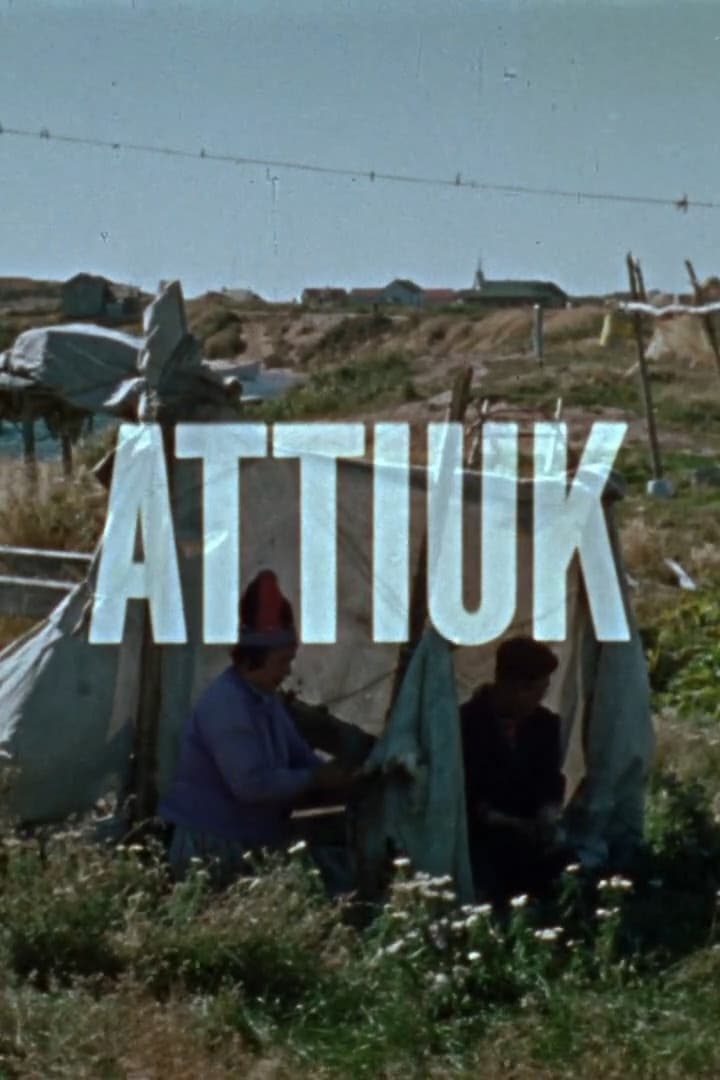
The people of Unamenshipu (La Romaine), an Innu community in the Côte-Nord region of Quebec, are seen but not heard in this richly detailed documentary about the rituals surrounding an Innu caribou hunt. Released in 1960, it’s one of 13 titles in Au Pays de Neufve-France, a series of poetic documentary shorts about life along the St. Lawrence River. Off-camera narration, written by Pierre Perrault, frames the Innu participants through an ethnographic lens. Co-directed by René Bonnière and Perrault, a founding figure of Quebec’s direct cinema movement.
AMIN portrays Qashqai musician Amin Aghaie, a young modern nomad and his family who despite facing steep financial, cultural and political obstacles are dedicated to their art and culture. Amin travels to remote towns and villages to record the music of the surviving masters whose numbers decline each year. His nomadic family are selling their meager belongings to help support their son's education in performance and ethnomusicology at Tchaikovsky's Conservatory in Kyiv, Ukraine, but it is not enough. Amin, desperate to finish his academic education, sells his violins one at a time just to pay for his tuition.
A group of filmmakers travel to a Kolla community in Salta to film their folkways. We see all aspects of their life: farming, herding, cooking, football, and making music during a Pachamama festival. In the course of filming, the leader of the Kolla community changes the filmmakers' view of what the documentary should be, and at the end of their visit they are changed. "La vida se puede ir amasando, como el barro": As life goes along, it becomes more pliant, like clay. An announcement at the beginning of the film states that this is neither fiction nor documentary, but I'd say it's closer to documentary.
Yirrkala is an Aboriginal township on the Gove Peninsula in Northeast Arnhem Land. It was established as a Methodist mission in 1935 and over the years Yolngu from many different clans moved there. Conversations With Dundiwuy Wanambi is a personal film which reveals something of the struggles and thoughts of one elder in the face of enormous change. In the early years Dundiwuy was a heavy drinker. In a disturbing interview in a pub, Dundiwuy explains his reasons for drinking. Then, through a dream, Dundiwuy realizes he must begin to protect his family and clan. He establishes his Marrakulu clan homeland center at Gurka'wuy, south of Yirrkala. He will hold a great ceremony there. Years later Dundiwuy returns to Yirrkala. His clan is small and he did not receive the necessary support from his sons. But Dundiwuy endures, continues his struggle, and we learn in the post-script of how he has become a successful and sought-after artist.
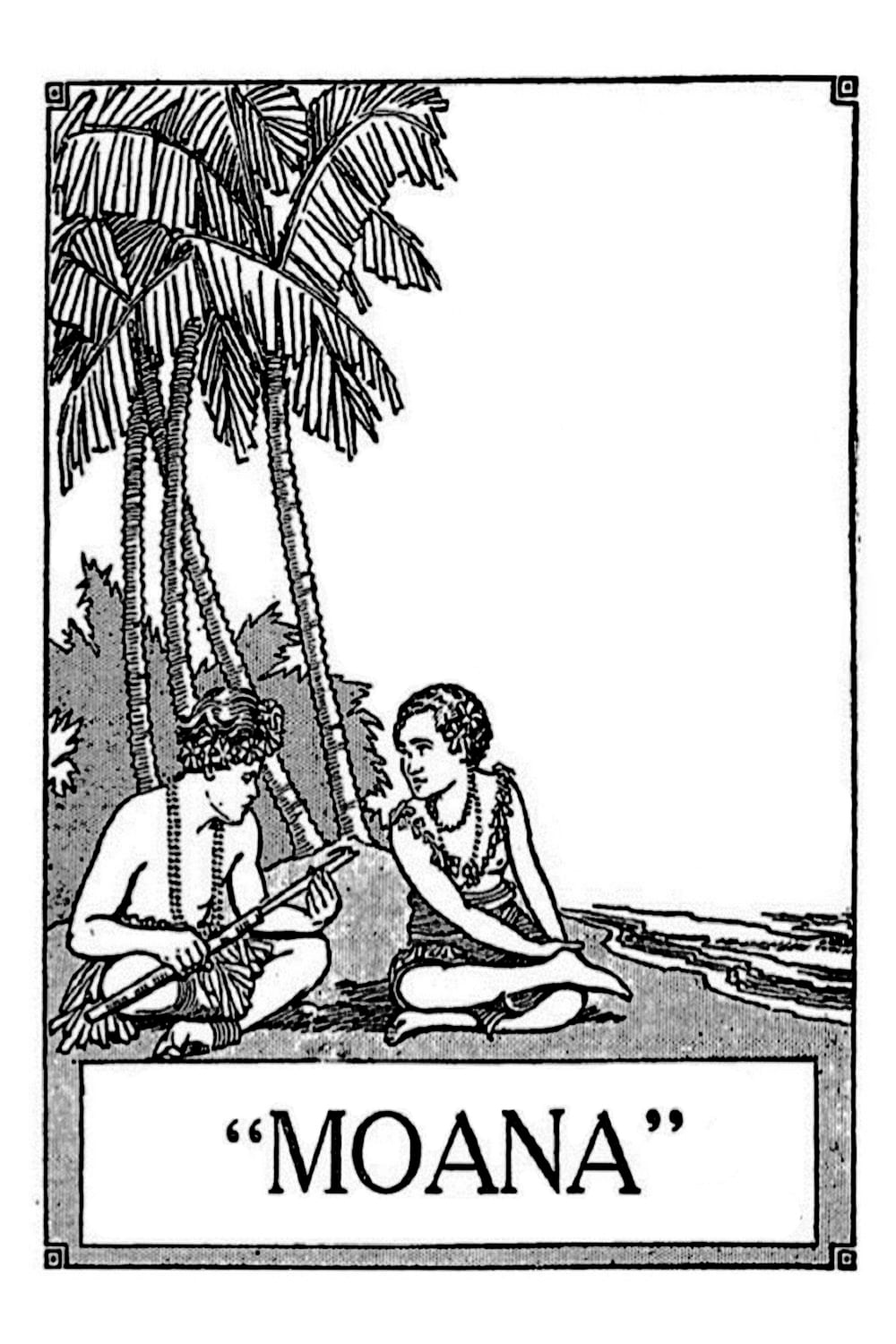
Robert J. Flaherty’s follow-up to Nanook of the North shifts from the Arctic to the South Seas, portraying Samoan village life with a painterly eye. Blending ethnographic detail with a romanticized “Gauguin idyll,” the film celebrates daily rituals, communal traditions, and the passage into adulthood, suffused with what Flaherty called “pride of beauty, pride of strength.”
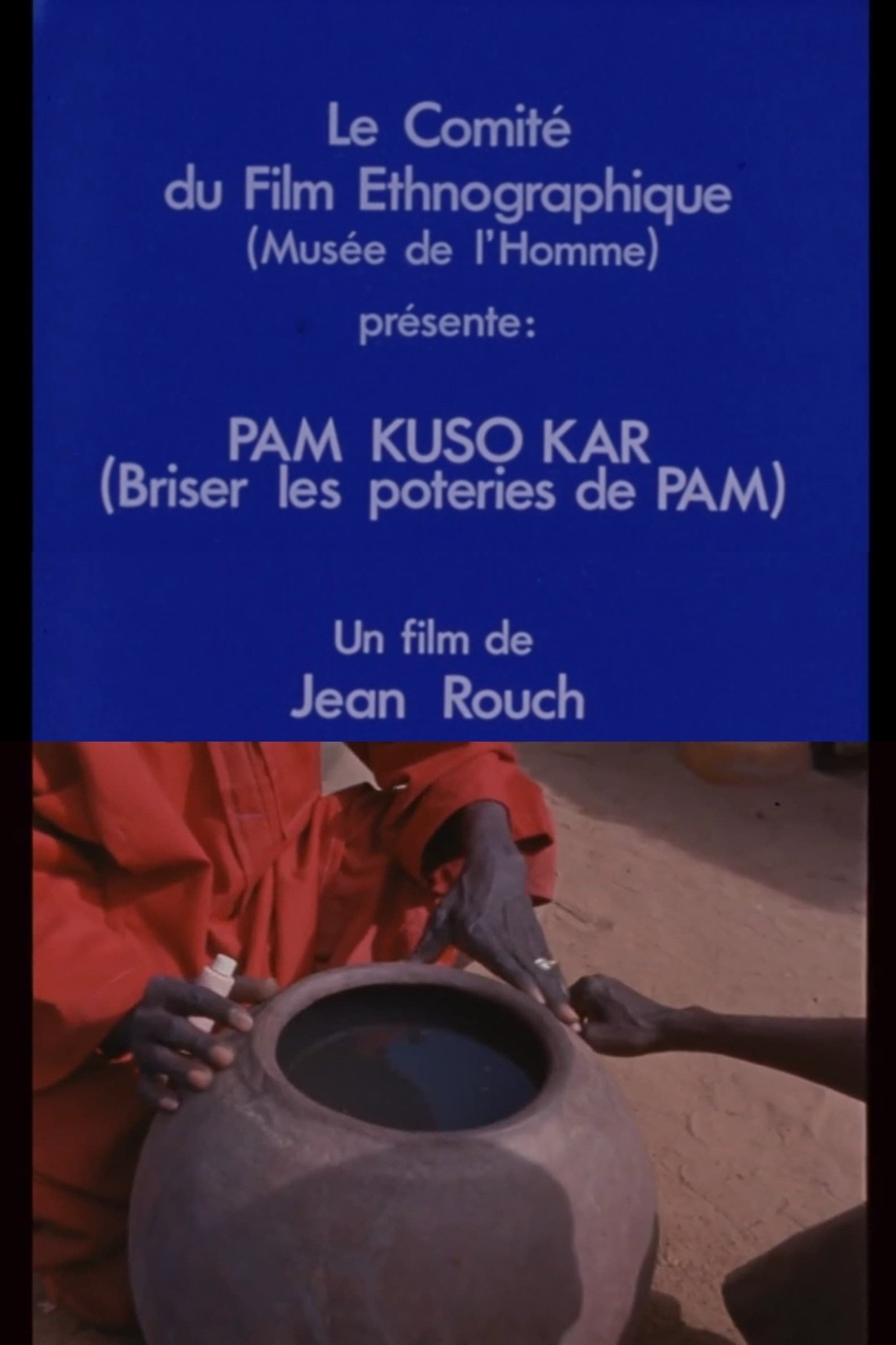
A ritual vase, the hampi, is placed in the center of the Musée de plein air de la République du Niger in Niamey, during a ritual ceremony featuring possession dances. With this film, Jean Rouch continues his ethnological and cinematographic study of Songhay ritual objects. He demonstrates that, in a particular context, the transfer of a hampi vase to a museum requires the organization of a ritual ceremony to obtain the gods' approval. At the time, however, reservations about filming a possession dance for the opening of a shrine in a museum made the move "questionable from a museological point of view".
Lightning struck the hut of a Fulani shepherd near a village of settled fishermen, Ganghel, in Niger. A yenendi, a purification ceremony to obtain "water from the sky but not fire from the sky", is organized, with Sorko priests, ritual musicians and dancers, and the faithful from Niamey. The musicians call on Dongo, god of storms, and his brother Kirey, god of lightning. To the rhythm of the orchestra, a man goes into a trance, becoming Dongo's horse and at the same time the riding genie. Then a woman is possessed by Kirey. When the riding gods have mastered their horses, the gods visit the men. Dongo purifies the lightning-struck land and the oldest fisherman prepares the purification vessel, addressing Dongo.
A musical documentary woven around the endangered musical culture of the Rangdani Rabhas from Manikganj, Meghalaya, North East India.
In front of Jean Rouch's camera, Germaine Dieterlen recalls her ethnographic itinerary, at the Musée de l'Homme, in Mali and in the Paris of the 1930s.
Germaine Dierterlen talks about Dogon mythology at a conference on the Bandiagara cliffs. The Songo canopy is a sacred site in Bandiagara. Its walls are covered with paintings depicting the different phases of creation. A little further on, in a cave near the village of Bongo, symposium participants are discussing the Tellem, the people who lived in the houses built into the cliffs before the arrival of the Dogon. The archaeological remains and migratory movements of these two peoples are discussed.
In Sangha, through the window of her house, Germaine greets Djamgouno, her main informant. He then translates for her a conversation she has with a half-blind old man. She recounts her memories of a past party at which Amadigné worked with her as an informant. Later, in front of the cliff, Germaine, Djamgouno and Pangalé are sitting on rocks, and Germaine talks about the many caves that can be visited by climbing small spelunking ladders. Rouch intervenes during the interview, asking the protagonists about the settlement of the cliff by the Dogon, who learned from the Tellem how to climb the cliff. Rouch then asks about the Tellem's predecessors who lived there 2,400 years ago. Germaine admits the ignorance of researchers on the subject, and Rouch concludes by joking about the new task that now falls to Germaine Dieterlen.
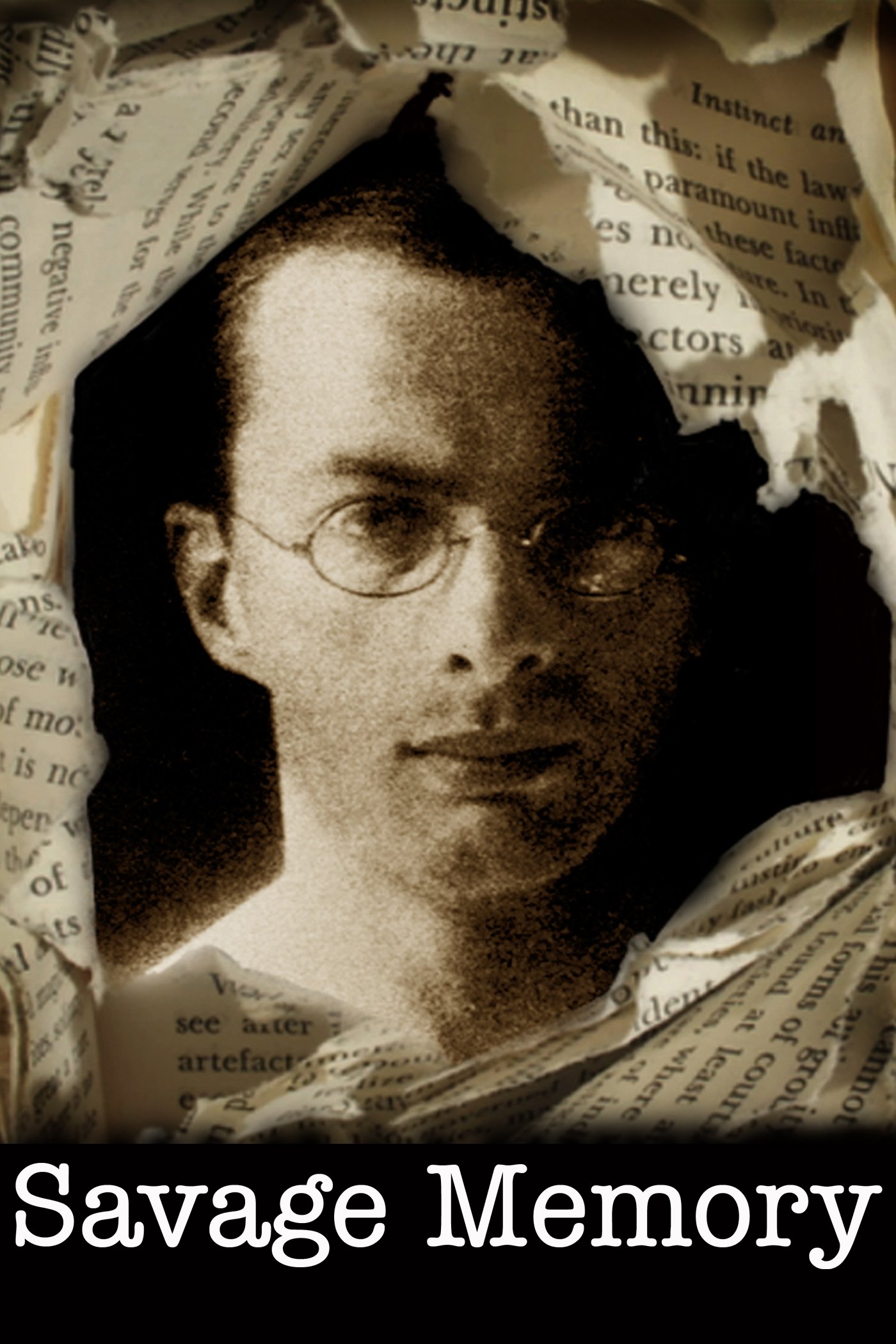
Founding father of Anthropology, Bronislaw Malinowski's work raises powerful and disturbing questions today. This is a look at his legacy and the imprints it has made on the generations that followed.
Forest of Bliss is an unsparing yet redemptive account of the inevitable griefs, religious passions and frequent happinesses that punctuate daily life in Benares, India's most holy city. The film unfolds from one sunrise to the next without commentary, subtitles or dialogue. It is an attempt to give the viewer a wholly authentic, though greatly magnified and concentrated, sense of participation in the experiences examined by the film.
Taking the form of a travel diary of a television journalist, this documentary tells about the life and work of the people of Yakutia: pilots, artists, drivers, and reindeer herders.
Remember the culture clash in THE GODS MUST BE CRAZY? This time it's real. One of the most ancient cultures on our planet is undergoing a major change. The Ju/Hoansi Bushmen in Namibia are not allowed to hunt anymore and need to converge with our so called “civilized” lifestyle. For the first time the Ju/Hoansi Bushmen travel through the Kalahari and then right into the heart of Europe. What starts as a look at their fascinating culture becomes an even more fascinating look at our Western lifestyle. A warm and humorous reflection of our habits through the eyes of people who are about to give up their million year old traditions.
As retailers, wholesalers, and negotiators, Asante women of Ghana dominate the huge Kumasi Central Market amid the laughter, argument, colour and music. The crew of this `Disappearing World' film have jumped into the fray, explored, and tried to explain the complexities of the market and its traders. As the film was to be about women traders, an all female film crew was selected and the rapport between the two groups of women is remarkable. The relationship was no doubt all the stronger because the anthropologist acting as advisor to the crew, Charlotte Boaitey, is herself an Asante. The people open up for the interviewers telling them about their lives as traders, about differences between men and women, in their perception of their society and also about marriage.
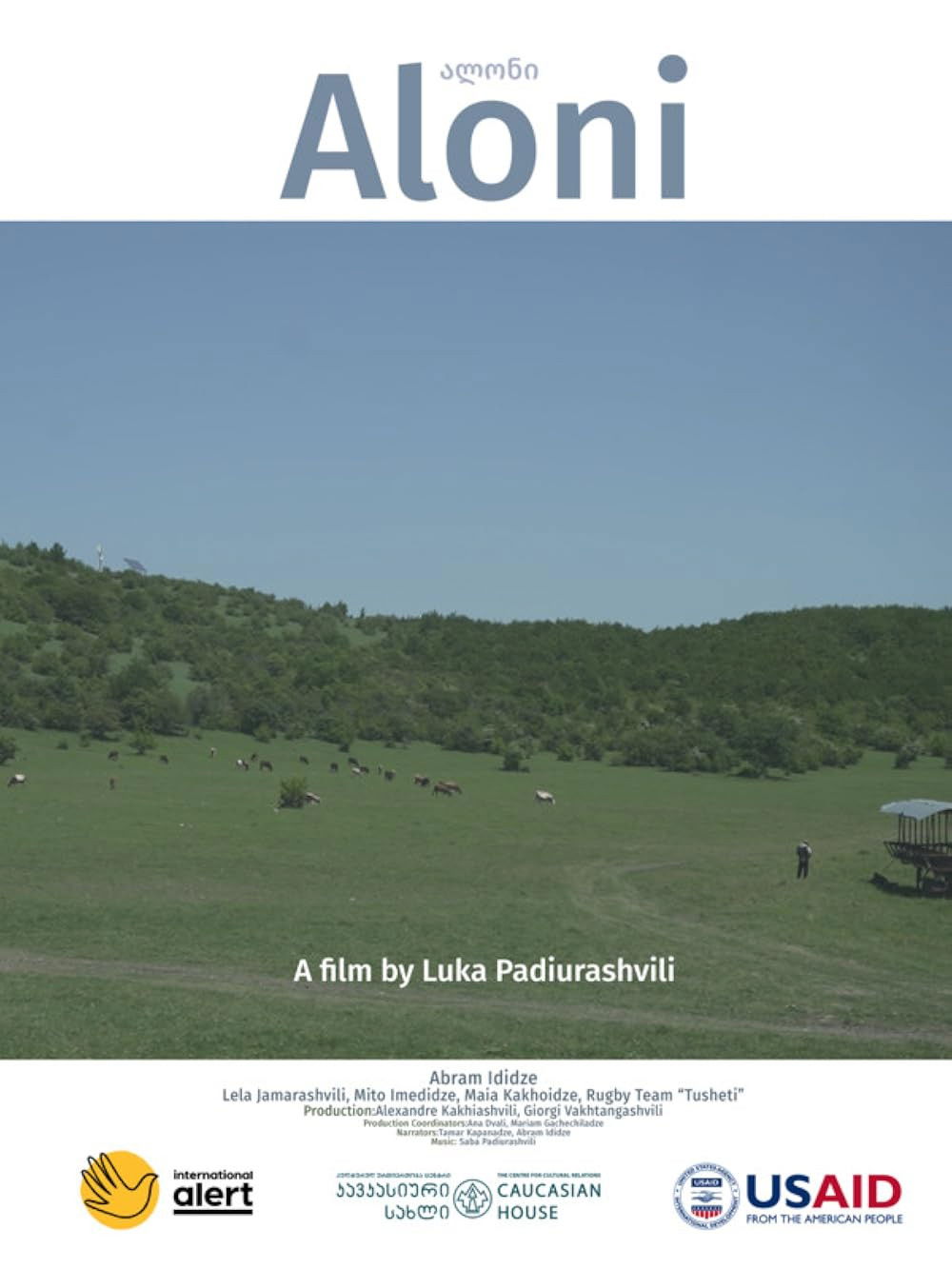
The story of a poor girl who leaves her starving family and sheep for a more prosperous village. Her grandfather finds her and tries to convince her to return to her home.
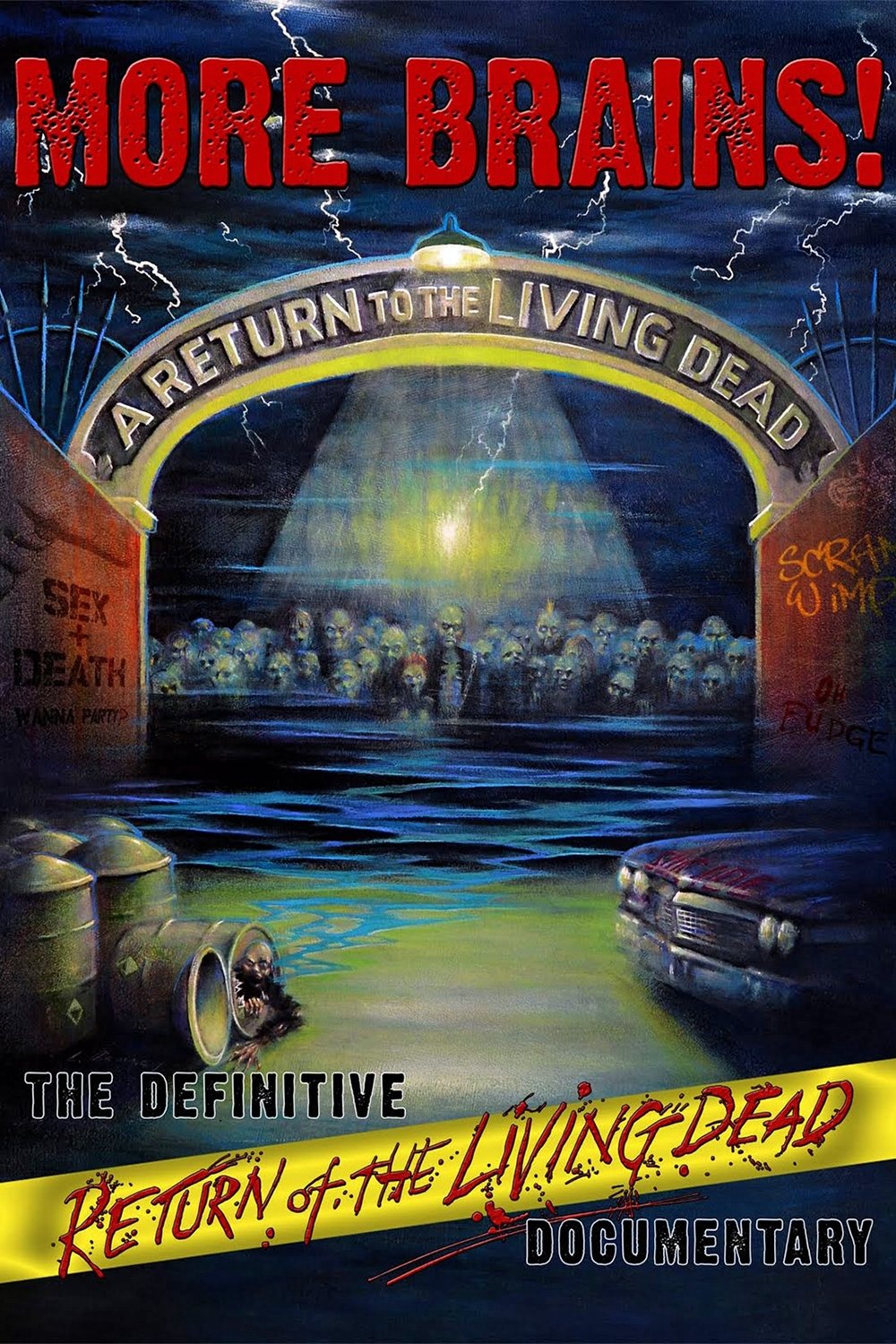
An unfortunate highschooler finds an ancient book that summons Allentown's deadliest maniacs back from the dead.
The archangel Gabriel returns to try to destroy the human race he despises so much, with the help of a suicidal teen and the opposition of the angel Danyael.
Balto and his daughter Aleu embark on a journey of adventure and self discovery.
A gang of thieves calling themselves the Santa Claus Gang are wreaking havoc, and the police can't keep up. Police Captain Gilbert is distracted by a Chinese reporter writing a story on his squad, and taxi driver Daniel is in the midst of a relationship crisis. After a string of mistakes in which the thieves outsmart the police time and time again, Daniel and his super-taxi pitch in.
When DEA agents are taken captive by a ruthless South American kingpin, the Delta Force is reunited to rescue them in this sequel to the 1986 film.
A duo of Edgar Allan Poe adaptations about a greedy wife's attempt to embezzle her dying husband's fortune, and a sleazy reporter's adoption of a strange black cat.
Fantozzi is now retired but continues to go to the office where it is held up as a fine example of employees intending to do career.
Arthur answers a distress call from Princess Selenia, who is menaced by the nefarious Maltazard.
A film about the Yakut rock musician Gavril Kolesov - Hannibal.
SHREK'S THRILLING TALES is the ultimate Halloween DVD compilation for your family. Shrek's Thrilling Tales review Featuring the scariest, ugliest, and funniest characters from DreamWorks Animation's successful SHREK and MONSTERS VS. ALIENS franchises. DVD includes 'The Pig who Cried (Were)Wolf' and 'The Ghost of Lord Farquaad' from the Shrek movies, and 'Night of the Living Carrots' from Monsters vs. Aliens, featuring B.O.B.
Third chapter of the Comic saga, with Paolo Villaggio and Renato Pozzetto. Four different gags. From two electricians who combine all kinds of things during a theatrical performance, to competing for the attention of a beautiful girl during a campsite, to hired bodyguards of a judge threatened by the mafia, and finally as the adoptive parents of a newborn found outside the door of the house.
A bedtime story leads Littlefoot and his grandparents on a journey to a new land, where Littlefoot discovers someone who vanished before he was born: his father! Now Littlefoot must decide between two worlds. Will he leave to be with his friends in the Great Valley, or stay behind and start a new life with his father?
Recep Ivedik has been depressed since the death of his grandmother. Everyone who tries to help him fails. A young girl named Zeynep, who can't find an apartment, stays with Recep. Initially, the two can't stand each others but after a while, they grow close. Despite many adventures together, Recep's depression won't go away. That is until he experiences something he had never experienced before.
Everybody's favorite stiff is back! Working fools Larry Wilson and Richard Parker have uncovered a dirty, little secret: Their former boss, Bernie Lomax, embezzled $2 million and placed it in a safe deposit box in the Caribbean. Now, the boys are ready to go after the loot, but they can't do it alone -- they need poor Bernie's help. Can the buddies give their ex-boss new life?
Things seem pretty bad for a young girl living a "hard-knock life" in an orphanage. Fed up with the dastardly Miss Hannigan, Annie escapes the run-down orphanage determined to find her mom and dad. It's an adventure that takes her from the cold, mean streets of New York to the warm, comforting arms of bighearted billionaire Oliver Warbucks - with plenty of mischief and music in between.
Ugo Fantozzi has been ejected from Heaven and is sent back to Earth for a short period of time until the staff in Heaven can get Fantozzi a place there. Fantozzi goes through a variety of unfortunate experiences, such as rescuing his retro punk granddaughter Uga, and having to pay a vast telephone bill due to frequent chat line conversations. He ends up getting arrested instead of his ex-boss, who was originally charged with corruption. Just as he is about to enjoy the World Cup Final with Italy, he is called back into Heaven. Can he find peace once again?
A campus culture war between Blacks and whites at a predominantly white Ivy League college comes to a head when the staff of a satirical magazine stages an offensive Halloween party.
Littlefoot befriends with a mysterious, fun-loving dolphin-like creature named Mo, who is trapped in "new water" caused by heavy rain. The gang then goes on an adventure to the "big water" to bring Mo home.
Angelo is a forty-year-old messy man, nice but a bit of a scoundrel. He makes a living by selling fake paintings to rich Japanese on holiday, until one day he is unmasked and to escape the police who are hunting him he takes the first flight to an unknown destination. As luck would have it, the first plane he can catch takes him to Los Angeles. Having arrived in California penniless and with his credit cards blocked, he gets by for a few days as a bum when suddenly he comes up with a brilliant idea. Angelo, in fact, reads in a newspaper that the rich Italian-American entrepreneur Vittorio Di Spirito has died leaving a boundless inheritance to his son George, and he cannot help but notice that the dead rich man looks like his father in every way. Thanks to this resemblance, Angelo shows up at the funeral, staging a dramatic and heartfelt condolence, and then shows up at George's villa declaring that he is his brother...